Irish Country Dance Sheet Music Preview

Irish Country Dance: SATB Choral Octavo

By Kirby Shaw

Item: 35-DS01036991

Digital Download
$2.99
Description

Irish Country Dance: SATB Choral Octavo isn't in MakeMusic Cloud just yet...but it could be. Let us know you'd like to see it, and you'll help shape what comes next. In the meantime, start a free trial and dive into thousands of interactive titles your students can play along with today.

Sample Audio
No sample audio found.
Sample Video
Additional Details
Publisher: Hal Leonard
Page Count: 6
SKU: 35-DS01036991

More about this title

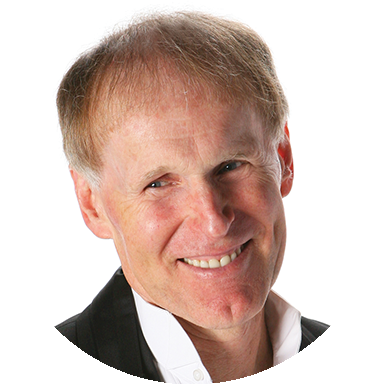
About the Composer: Kirby Shaw

Kirby Shaw

Kirby Shaw's influence extends across continents. Through residencies in 45 states and nine countries, he has shaped choral programs from Australia to Sweden, bringing expertise forged through degrees in Music Education and Choral Composition from San Jose State University and a DMA in Choral Conducting from the University of Washington. His teaching combines rigorous musicianship with infectious humor and accessibility, qualities evident in his prolific output of over 2,500 published arrangements and compositions that have sold nearly 20 million copies worldwide.

Shaw's career has centered on ensemble directing and composition. He founded the COS Vocal Jazz Ensemble at College of the Siskiyous in California, a program he replicated at Colorado State University and the University of Missouri at Kansas City before establishing the Jefferson State Choral Coalition at Southern Oregon University. His connections to vocal jazz luminaries including Bobby McFerrin, Al Jarreau, and Jon Hendricks inform his compositional voice. His work has garnered multiple ASCAP awards, and he recently completed a commission for the Mormon Tabernacle Choir.

Why we love this

Shaw writes for choirs with genuine warmth and theatrical flair, and this arrangement captures both. The Irish material sits naturally for SATB voices without sacrificing rhythmic vitality or harmonic interest, making it accessible without feeling thin. Programming this gives you an a cappella showcase piece that energizes both singers and audiences without demanding extreme ranges or technical acrobatics.

What to expect

The piece carries the buoyant energy of dance halls and folk gatherings, with harmonic underpinnings that feel both familiar and thoughtfully arranged. Singing this creates an immediate sense of ensemble cohesion and lift, the kind of musical moment that reminds singers why they joined the choir in the first place.

Who it's for

Intermediate and advanced SATB choirs seeking repertoire that combines accessibility with genuine musical substance. This works equally well for concert choirs looking for a confident, character-filled closer and for groups wanting to explore non-classical traditions with vocal sophistication.

How to get the most out of it

  • Establish the lilting rhythmic pulse early in rehearsal by having the group speak the text with dynamic lift; this Irish material responds beautifully to rhythmic clarity and forward momentum.
  • Shape the melodic lines with gentle portamenti rather than perfect legato to honor the folk idiom while maintaining choral blend.
  • Balance inner voices carefully, particularly in passages where harmony supports but doesn't overshadow the principal melody, creating depth without muddiness.
  • Record a rehearsal run-through and listen for natural diction points that can emphasize the storytelling element inherent in traditional Irish material.

How to use it

This pairs naturally with other folk arrangements or cultural explorations, offering a brighter counterpoint to the weight of standard classical repertoire. Consider placing it late in a concert where audiences are warmed up and receptive to rhythmic storytelling, or use it as an opener for a concert themed around world music and cultural traditions.

Skills your students will build

  • Maintaining steady rhythmic pulse within a lilting, dance-based meter
  • Balancing traditional folk idioms with choral blend and precision
  • Interpreting linguistic flavor appropriate to cultural context
  • Blend and balance among four independent voice parts with distinct textural roles

You May Also Like