
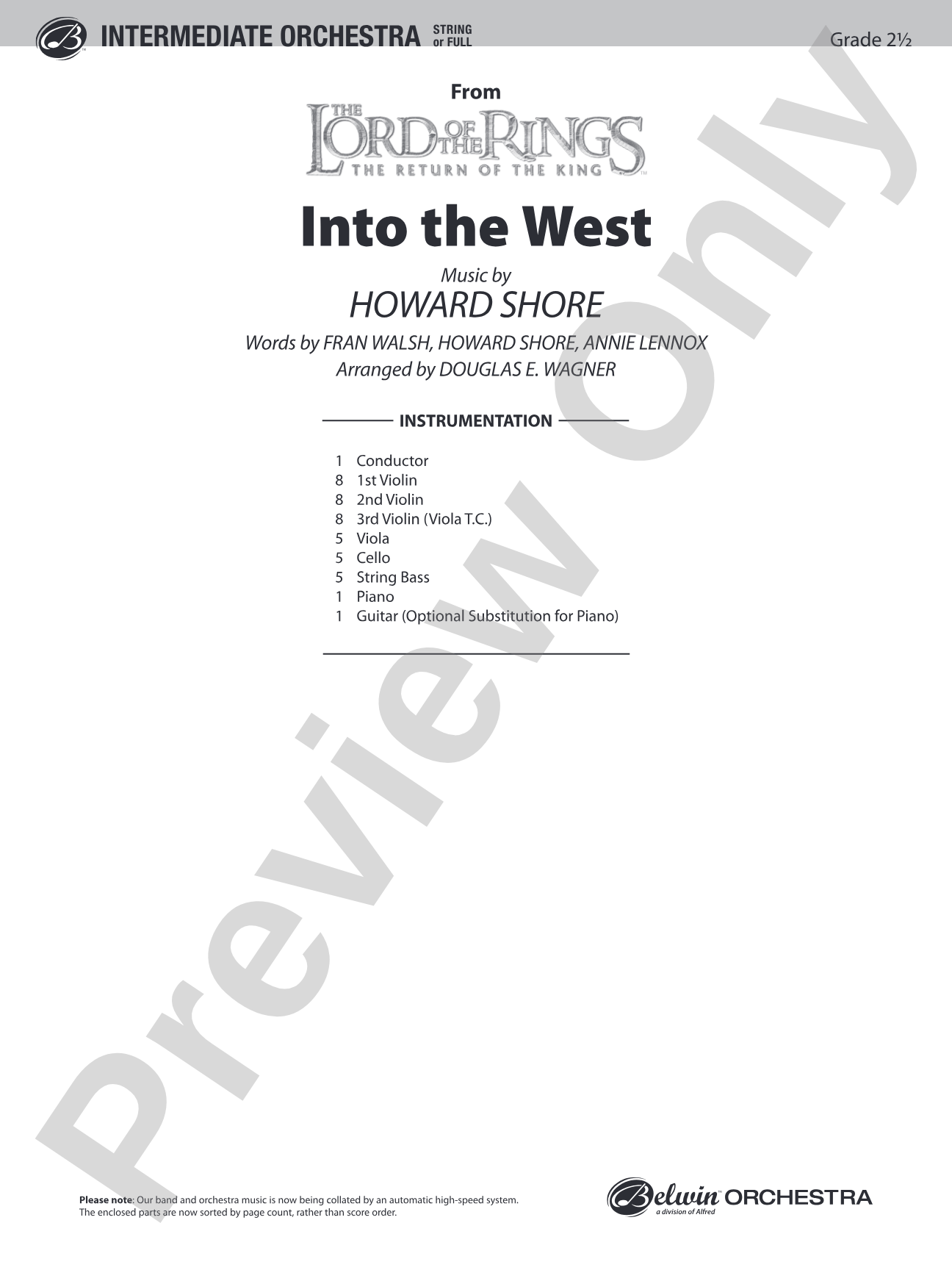

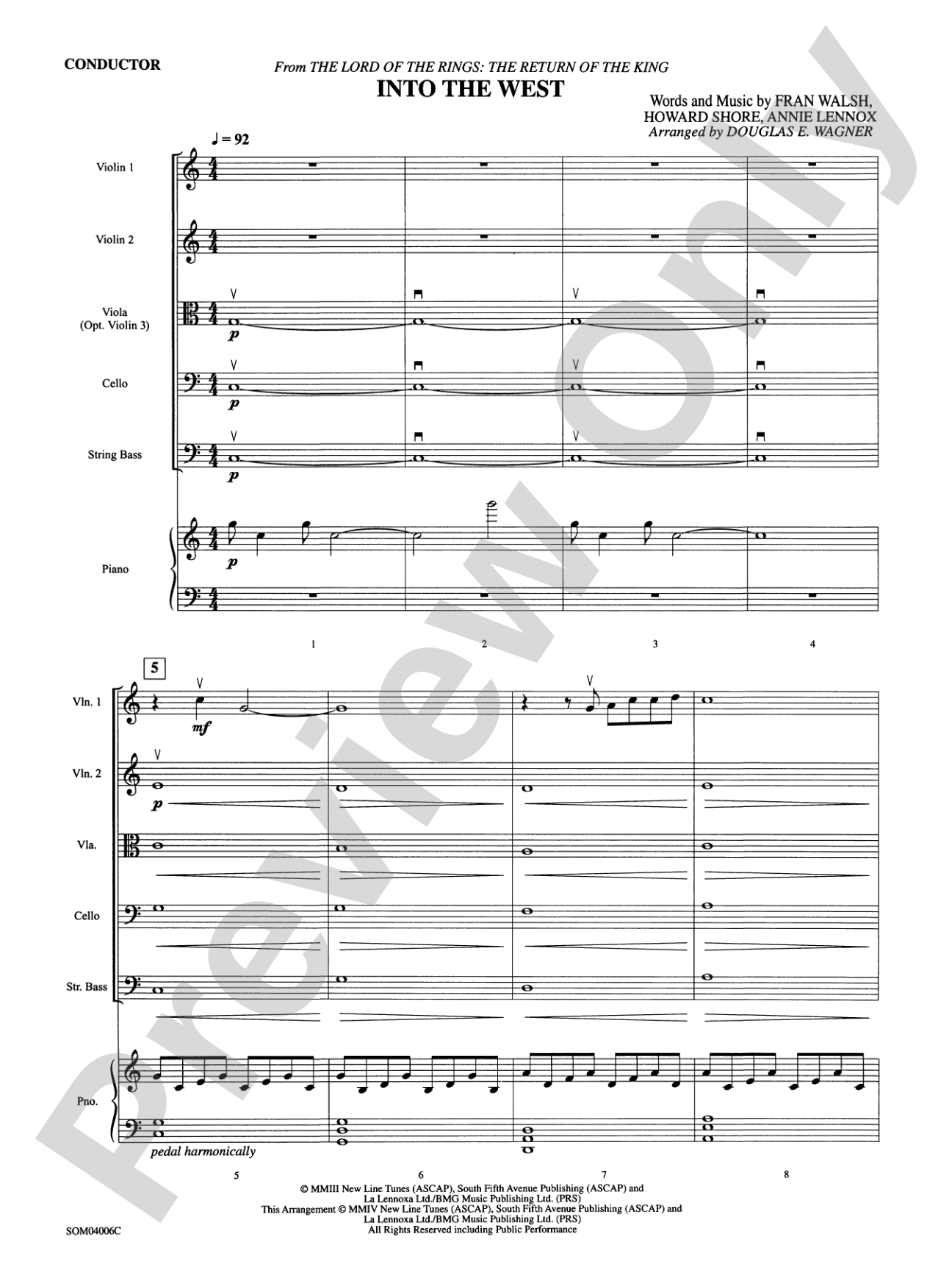
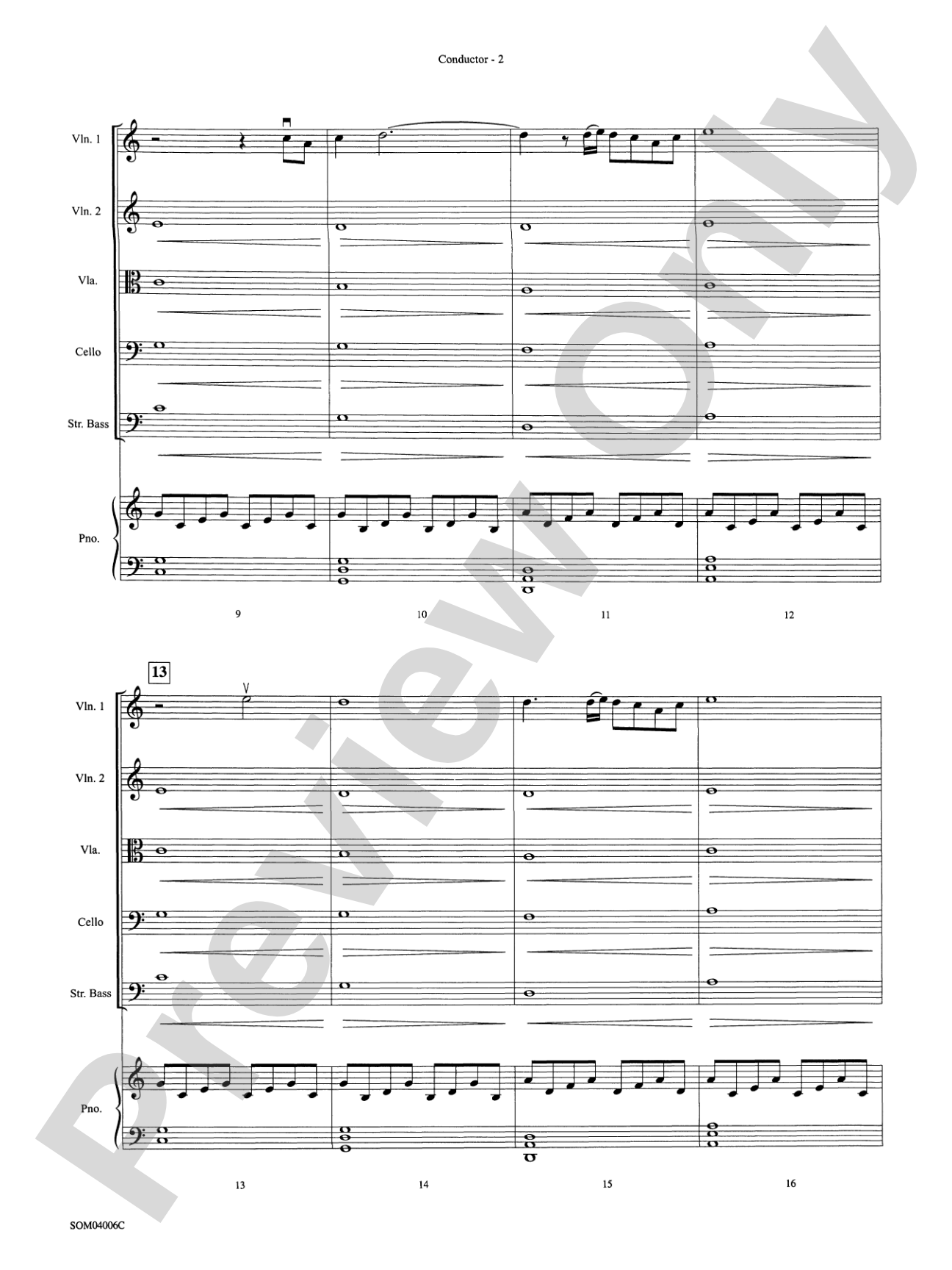
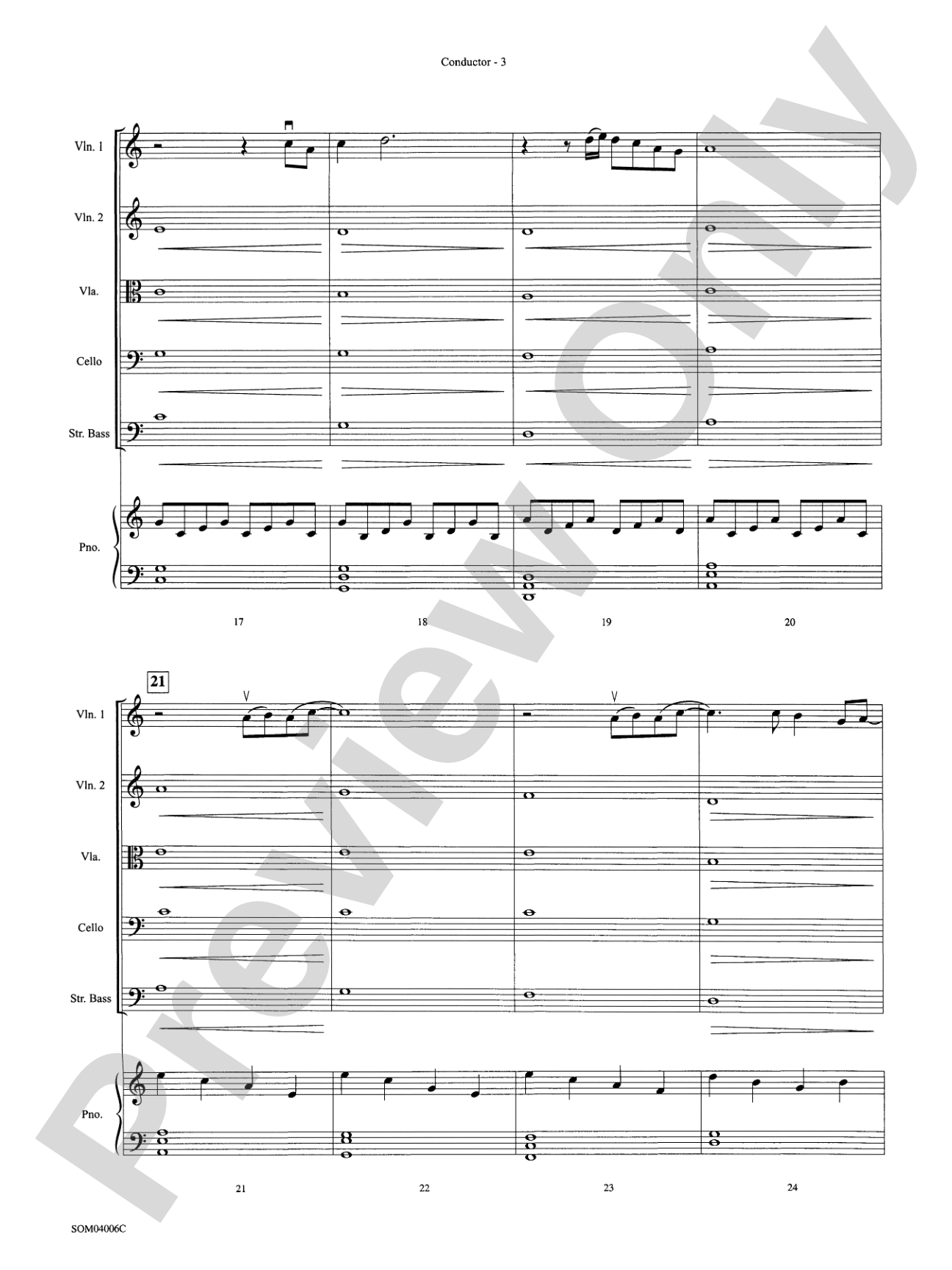
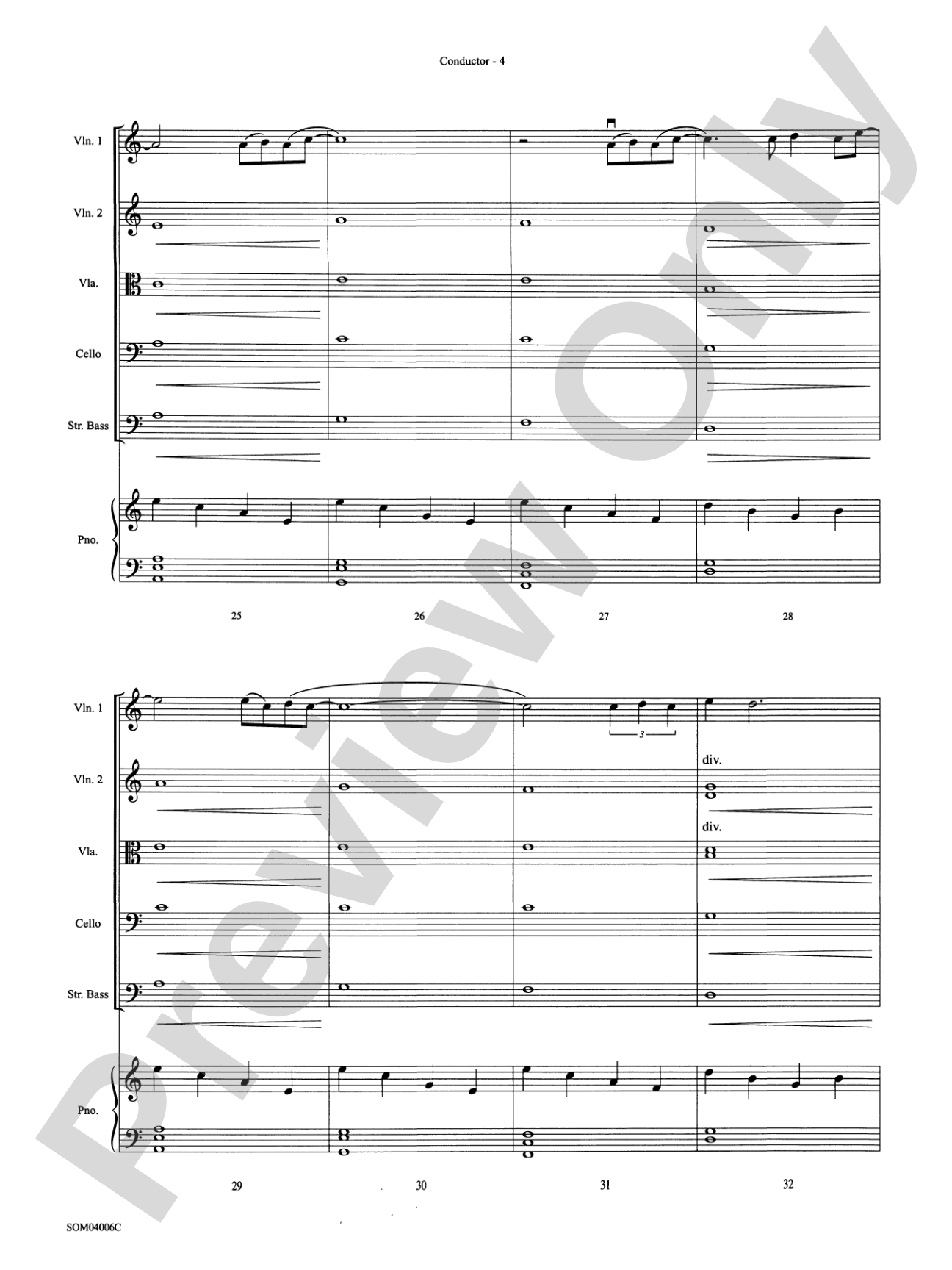
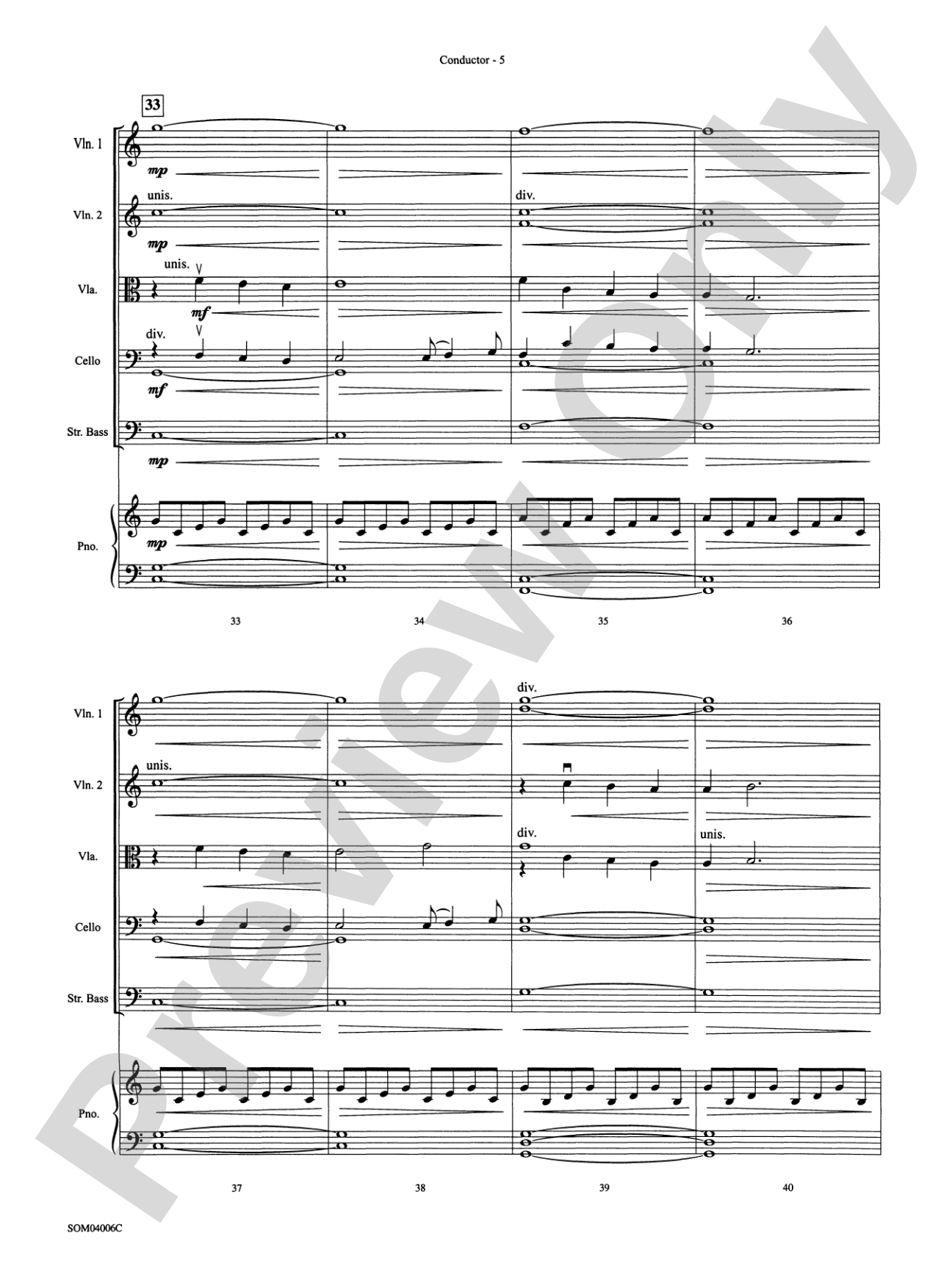
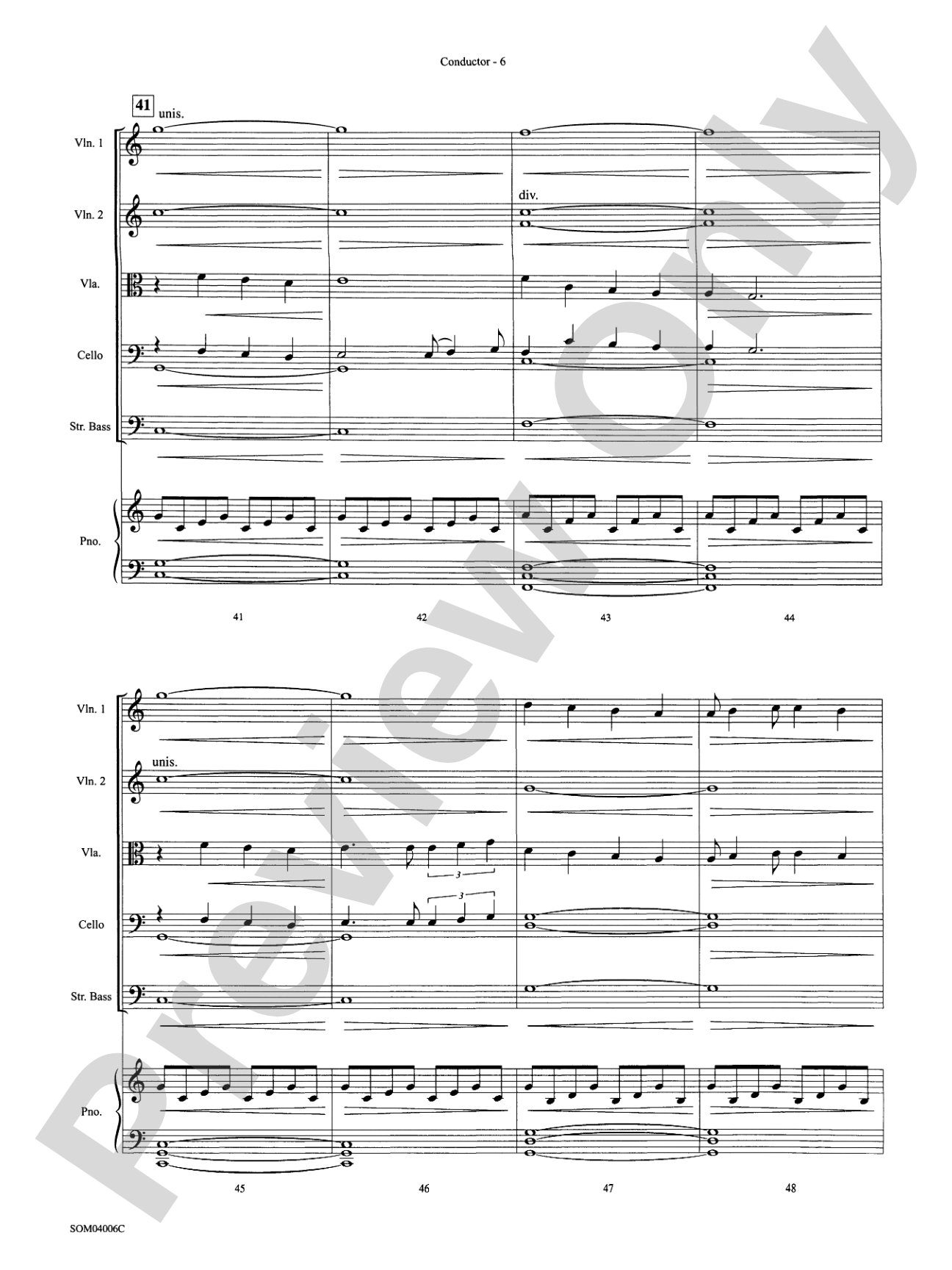
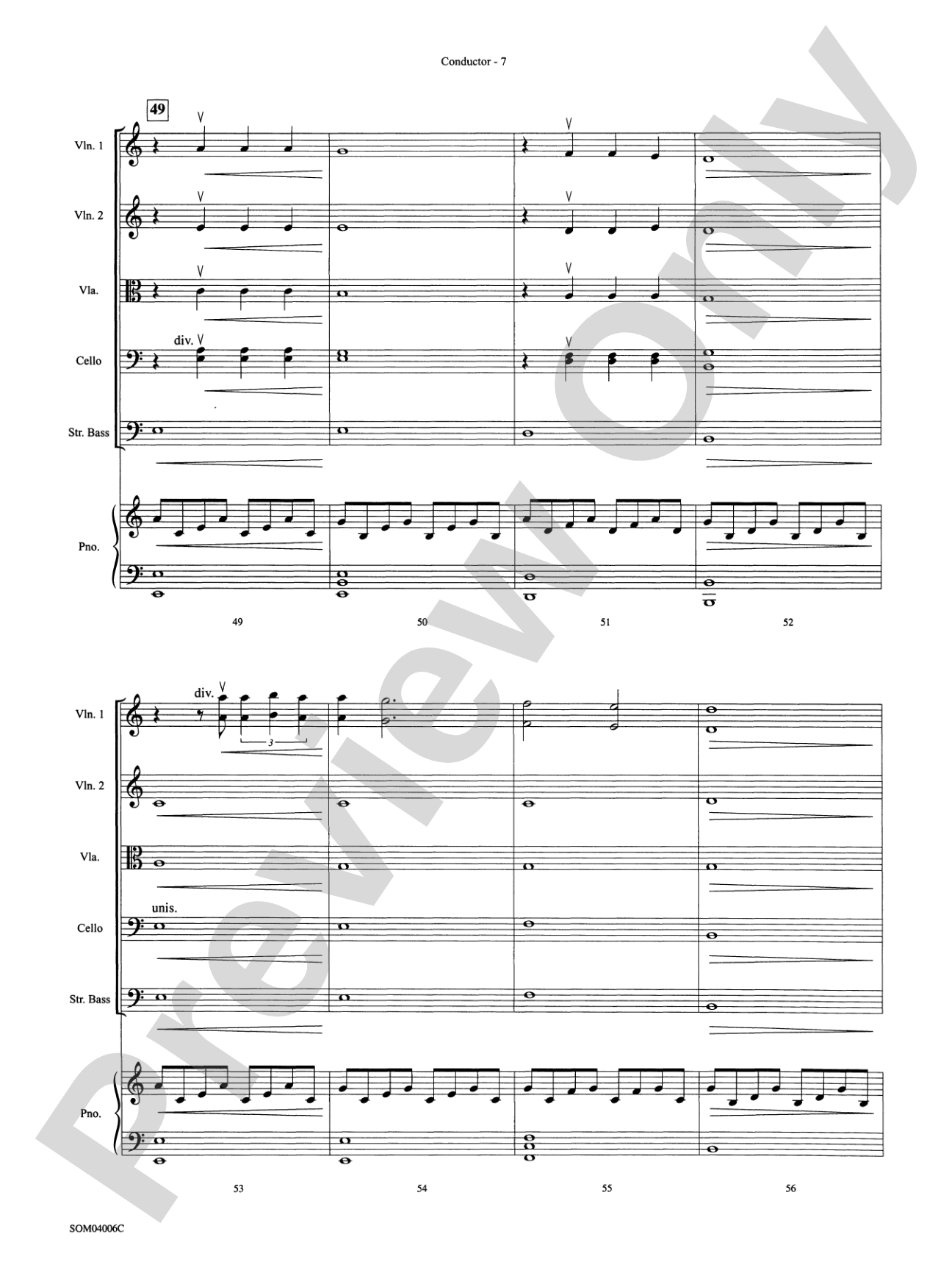
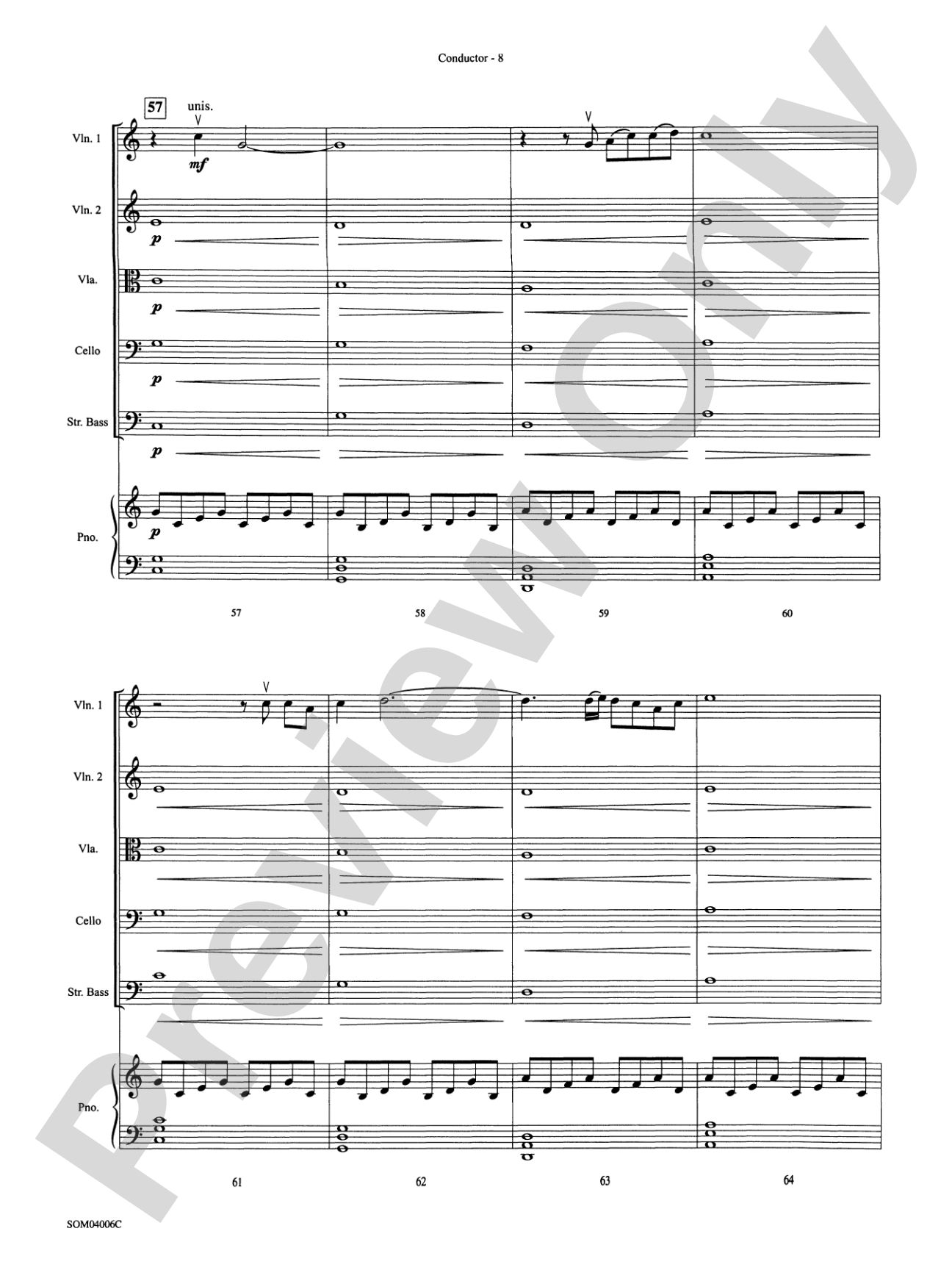
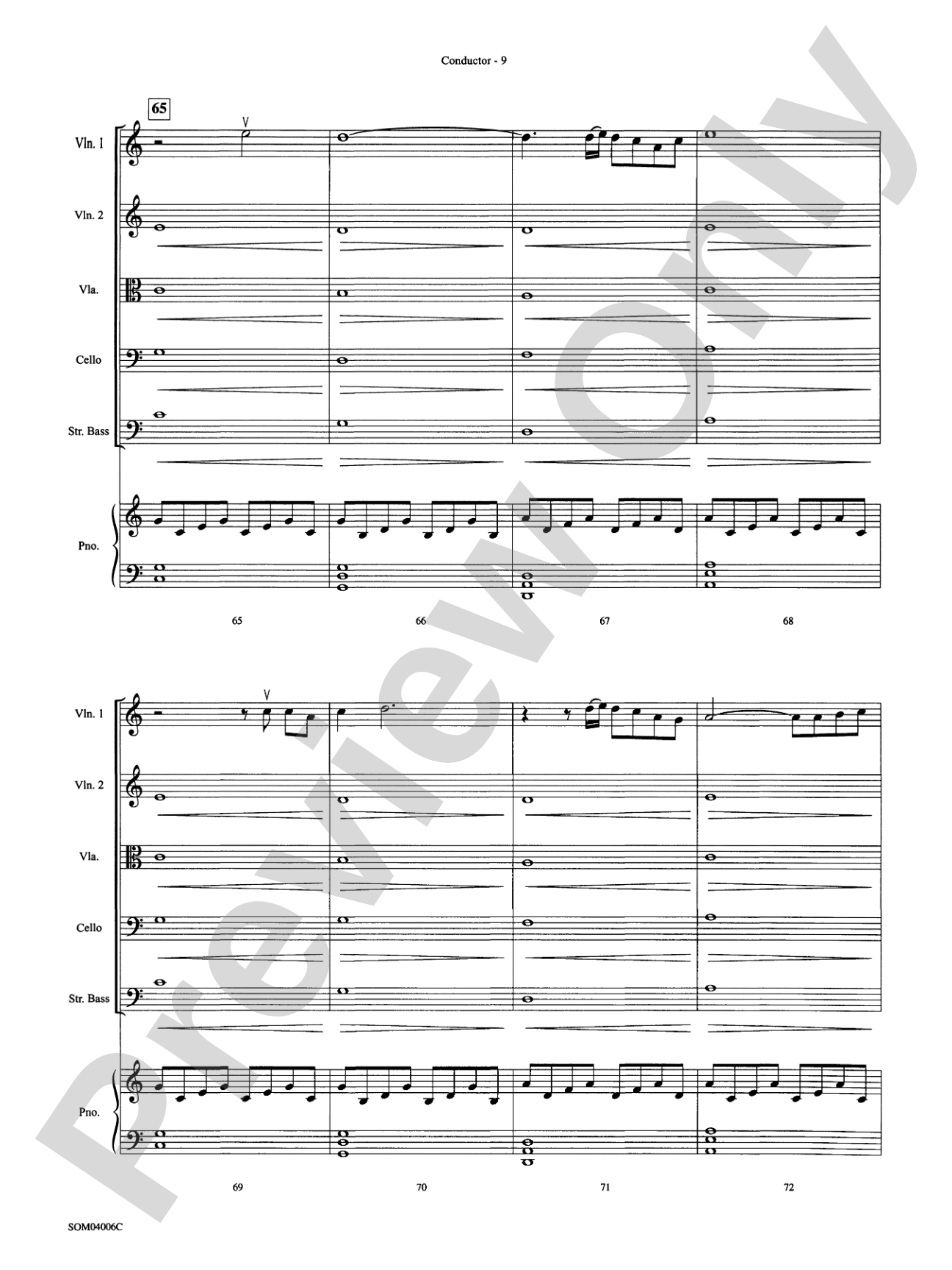
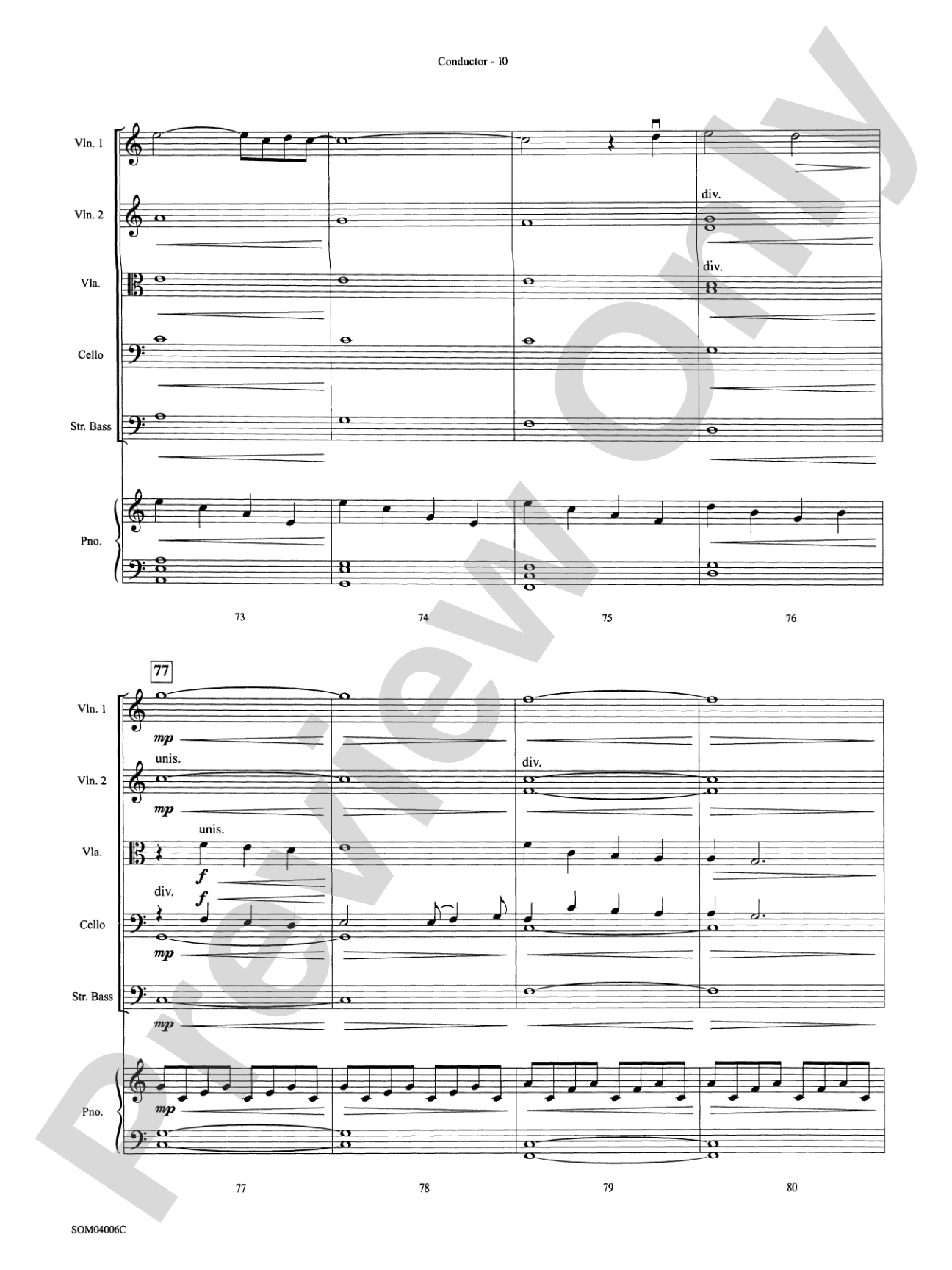
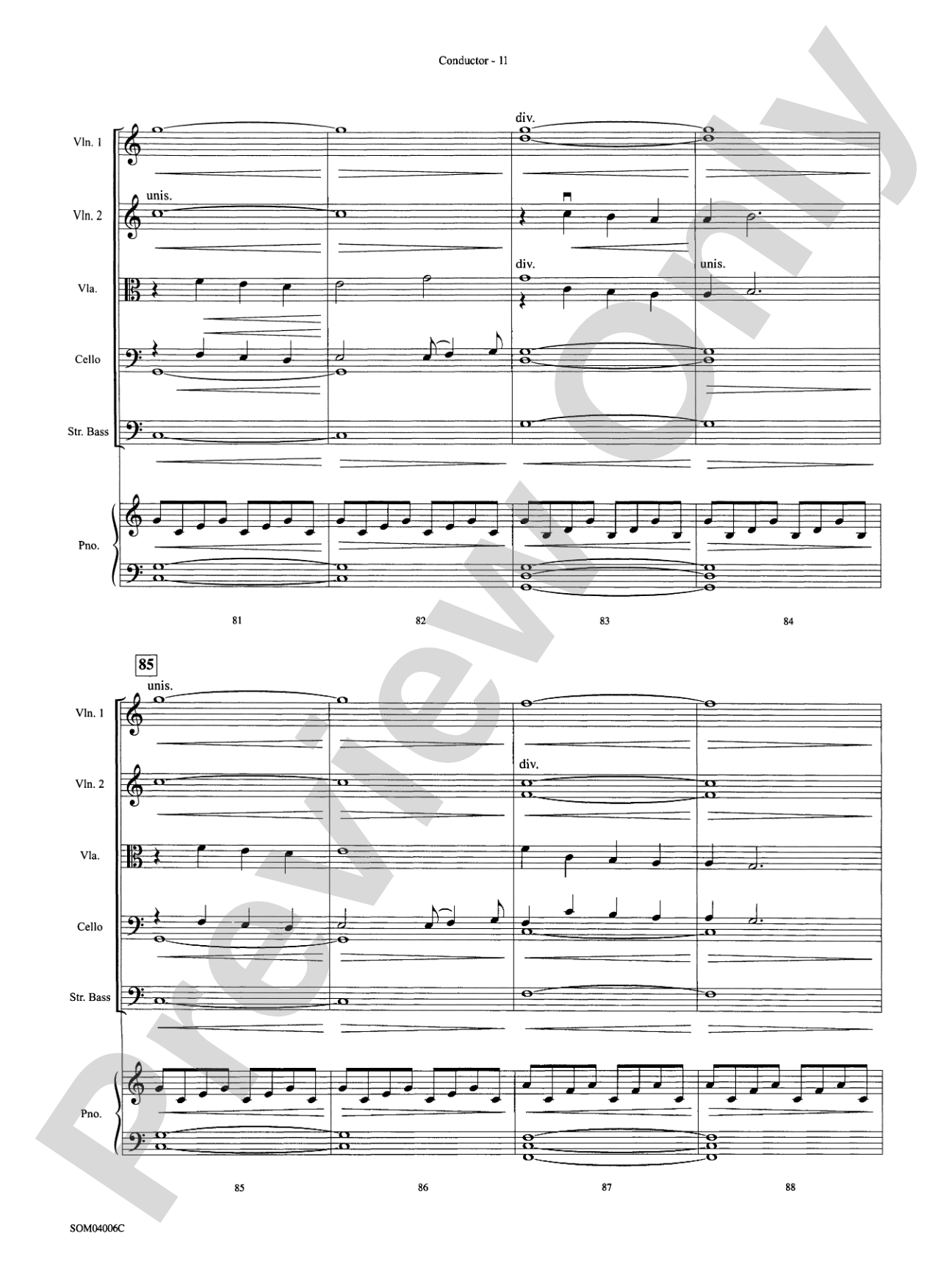
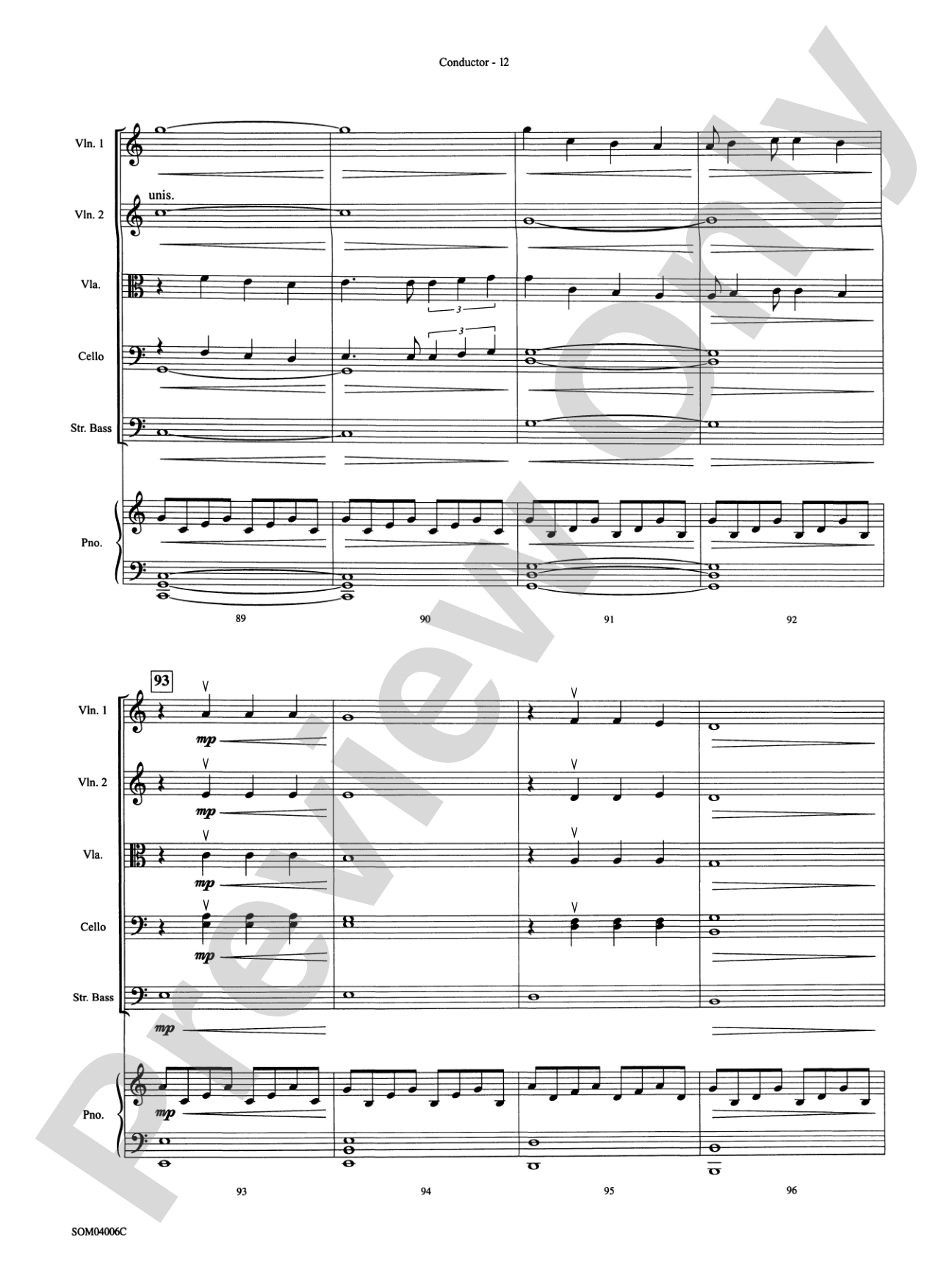
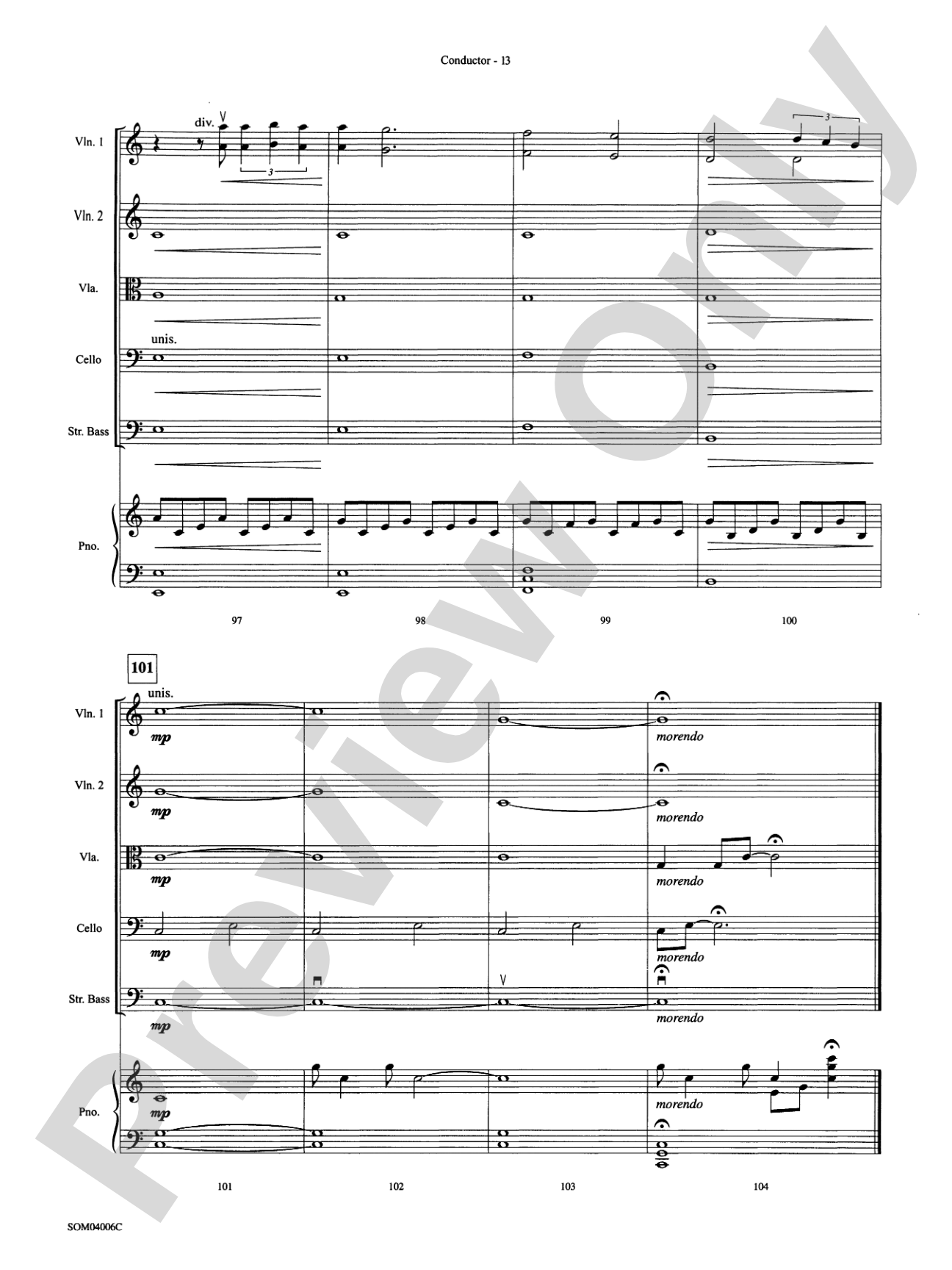


Into the West (from The Lord of the Rings: The Return of the King): String Orchestra Conductor Score & Parts
Music by Howard Shore, words by Fran Walsh, Howard Shore, and Annie Lennox / arr. Douglas E. Wagner
Grade: 2.5
Item: 00-PK-0004462

$51.00
Pickup currently not available
Buy Extra Parts (Digital PDF Download)
Parts Added to Cart!
Related Items
Into the West (from The Lord of the Rings: The Return of the King): Concert Band Conductor Score & Parts |
$70.00
|
View | |
Into the West (from The Lord of the Rings: The Return of the King): Concert Band Conductor Score & Parts |
$70.00
|
View | |
Into the West (from The Lord of the Rings: The Return of the King): Concert Band Conductor Score |
$9.00
|
View | |
Into the West (from The Lord of the Rings: The Return of the King): String Orchestra Conductor Score & Parts |
$51.00
|
View | |
Into the West (from The Lord of the Rings: The Return of the King): String Orchestra Conductor Score |
$8.00
|
View |
Description
From the Academy Award®-winning motion picture, The Lord of the Rings: the Return of the King, this Grammy® award-winning melody has become famous overnight. From the composers Fran Walsh, Howard Shore, and Annie Lennox, this emotional theme is one not to miss. (4:13)
For educational usage/non-profit performances only; for professional arrangements, visit our rental library at alfred.com/rental.


For educational usage/non-profit performances only; for professional arrangements, visit our rental library at alfred.com/rental.
Don't just read it, hear it, play along with it, and watch your students grow with it. In MakeMusic Cloud, Into the West (from The Lord of the Rings: The Return of the King): String Orchestra Conductor Score & Parts comes alive with professional accompaniment, adjustable tempo, and built-in practice tools that turn solo practice into real progress.
Open in the Player
Jump straight in and assign it today.
Start Your Free Trial
Open this title and explore the full library in minutes.
Sample Audio
1
Audio File
--:--
0:00
0:00
Sample Video
No sample videos found.
Additional Details
Series:
Pop Intermediate String Orchestra
Publisher:
Alfred Music
Page Count:
86
SKU:
00-PK-0004462
More about this title
About the Composer: Howard Shore
Howard Shore is a Canadian composer whose orchestral scores for film have earned him three Academy Awards and multiple Grammy Awards. His work on The Lord of the Rings trilogy and The Hobbit trilogy stands as a landmark achievement in film scoring, combining complex orchestral writing with thematic clarity that serves narrative without overwhelming it. Shore's approach to composition emphasizes melody and emotional directness alongside technical sophistication, making his music both accessible and deeply rewarding for musicians to perform.
Why we love this
This arrangement captures what makes the original so affecting, a simple, direct melody paired with lush harmonic support, without overwhelming younger string players. The Grade 2.5 voicing keeps the textural sophistication intact while staying within technical reach, which means your students hear professional film scoring without the transcription struggles. Programming this gives you the cultural relevance of a beloved film score while teaching genuine compositional craft.
What to expect
Quiet, searching, and ultimately peaceful. The piece unfolds with the sense of a long journey reaching resolution. There's no bombast here, just clear melody supported by warm harmonies that let the fundamental simplicity of the tune become the focus.
Who it's for
String orchestras at the intermediate level looking for repertoire that combines film recognition with genuine musical substance. This works equally well for high school string orchestras, youth ensembles, and community orchestras that want a piece audiences will recognize and musicians will enjoy learning.
How to get the most out of it
- Shape the melodic line with consistent phrasing across the entire ensemble; this theme relies on long, singing lines rather than rhythmic punctuation. Encourage violins to think of the melody as vocal music, with natural breath points.
- Balance the accompaniment parts carefully so that inner voices support without obscuring the primary line. String sections often blend more beautifully when the conductor emphasizes the harmonic progression rather than individual parts.
- Approach tempo changes gradually where they occur, allowing the ensemble time to settle into each new speed. This piece benefits from expressive rubato that mirrors the emotional arc of the film scene.
- Use the full four minutes and thirteen seconds of music to build dynamic contrast; avoid playing the entire piece at a consistent volume level. The emotional trajectory from quiet passages to fuller sections requires deliberate dynamic shaping.
How to use it
Program this as a closing piece on a concert featuring other film or contemporary music, where its recognizable theme and emotional resonance will leave audiences satisfied. It also pairs well in a program exploring storytelling through music, or as a feature piece demonstrating what intermediate string musicians can accomplish with focused rehearsal.
Skills your students will build
- Sustaining long melodic lines with consistent tone and intonation
- Balancing multiple orchestral sections to maintain harmonic clarity
- Reading and executing dynamic contrast across an extended composition
- Ensemble communication through expressive phrasing and rubato
- Performing standard orchestral textures (unison melody, sustained accompaniment, countermelody)