
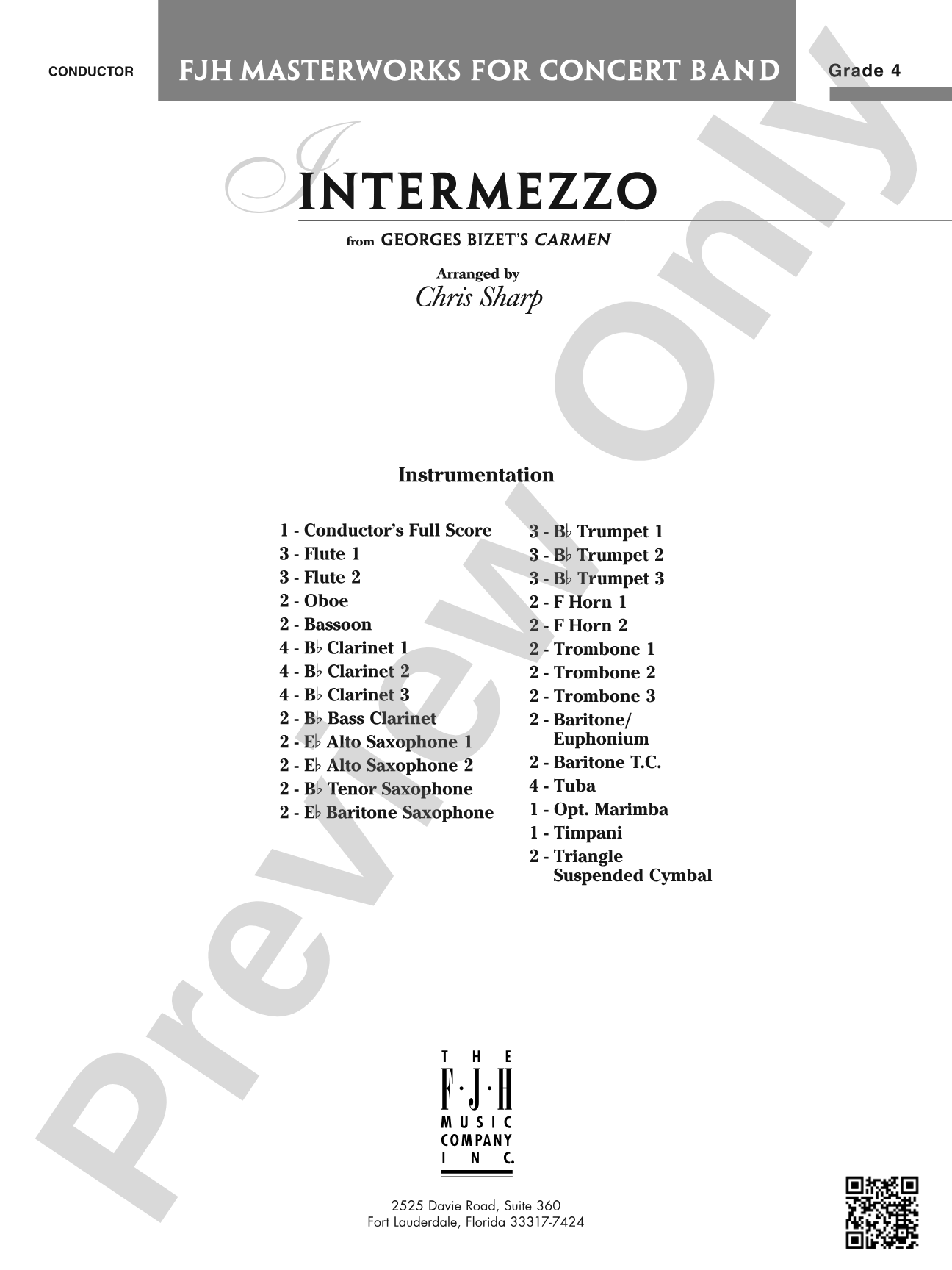
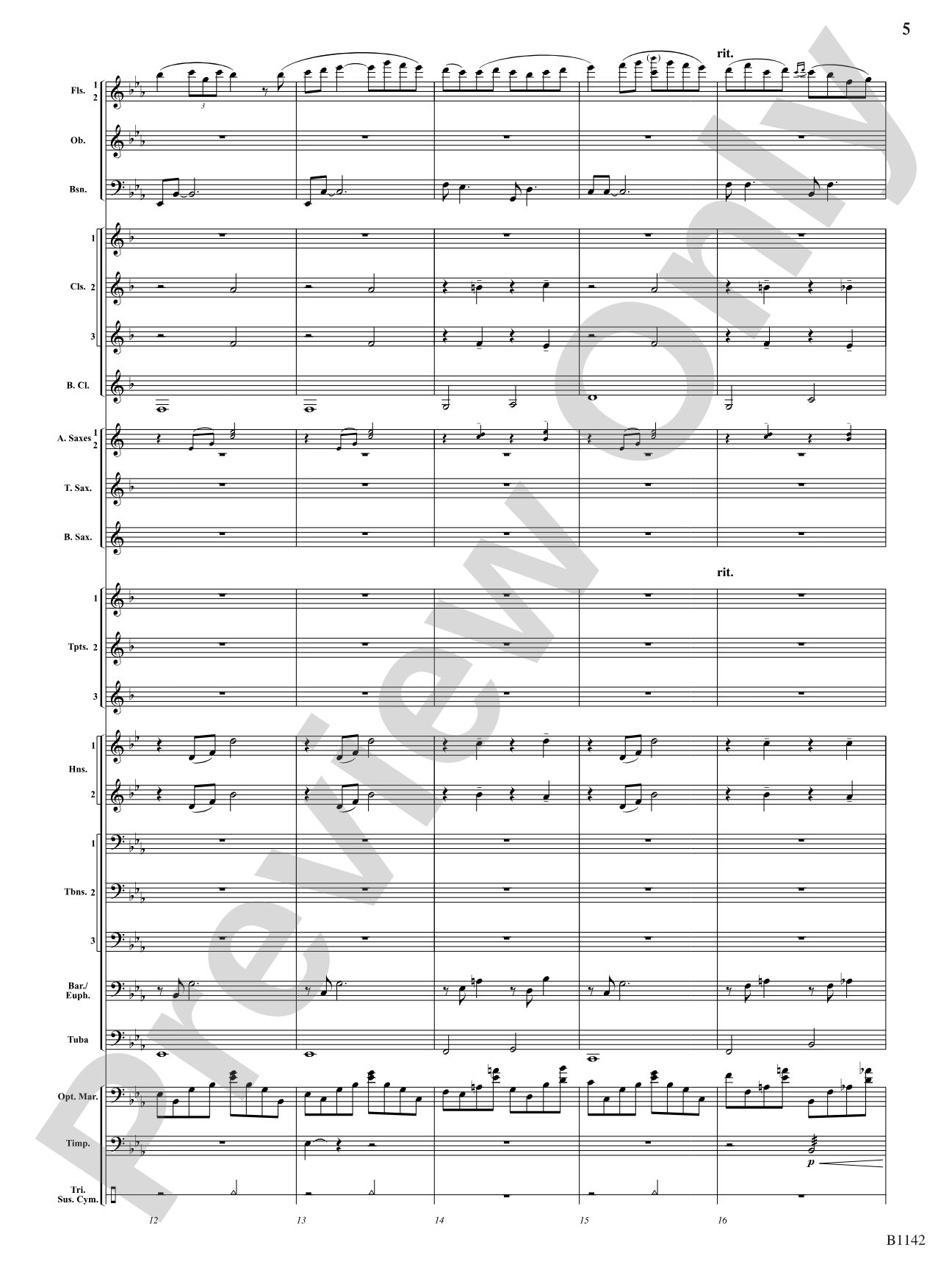
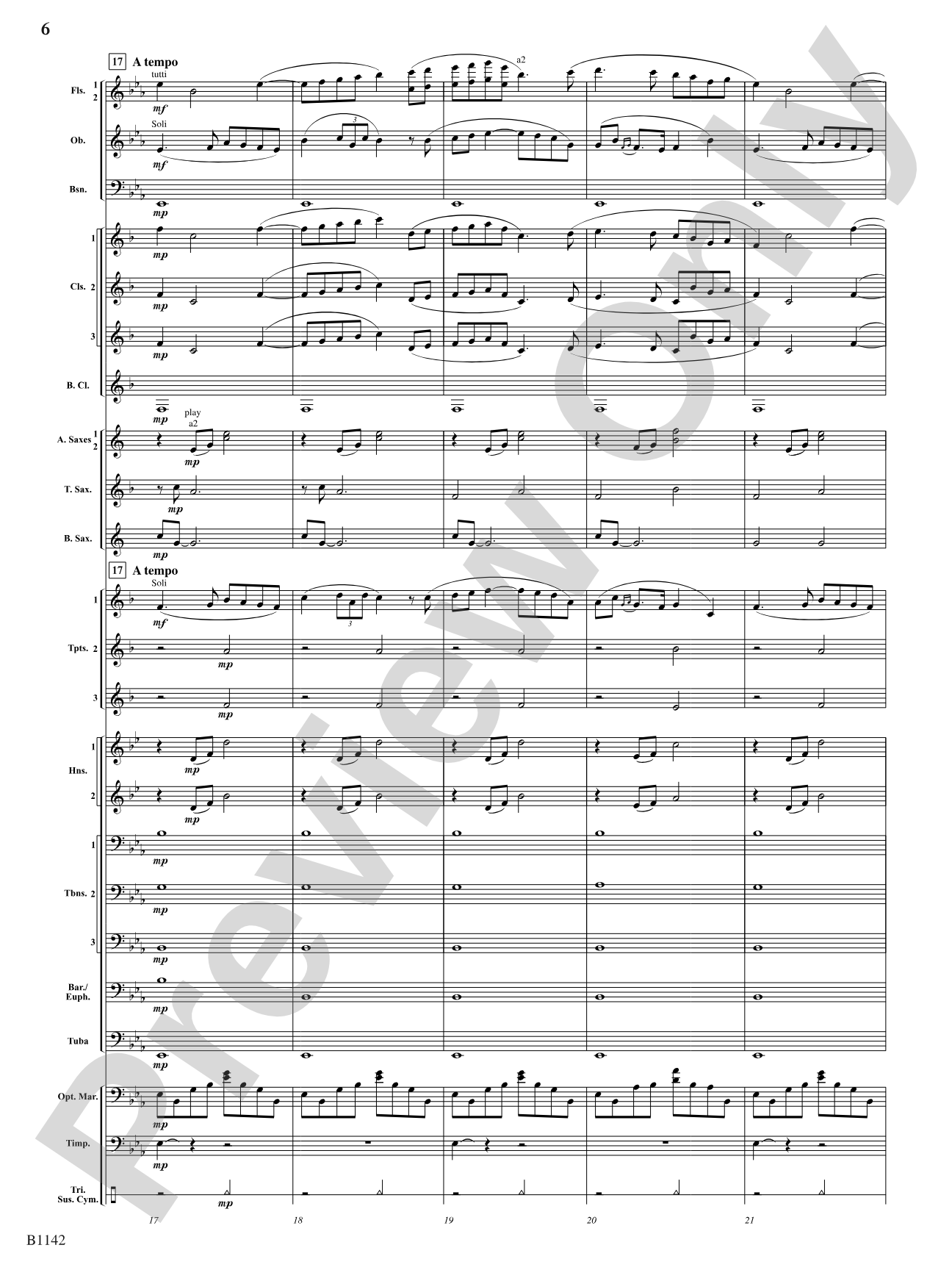
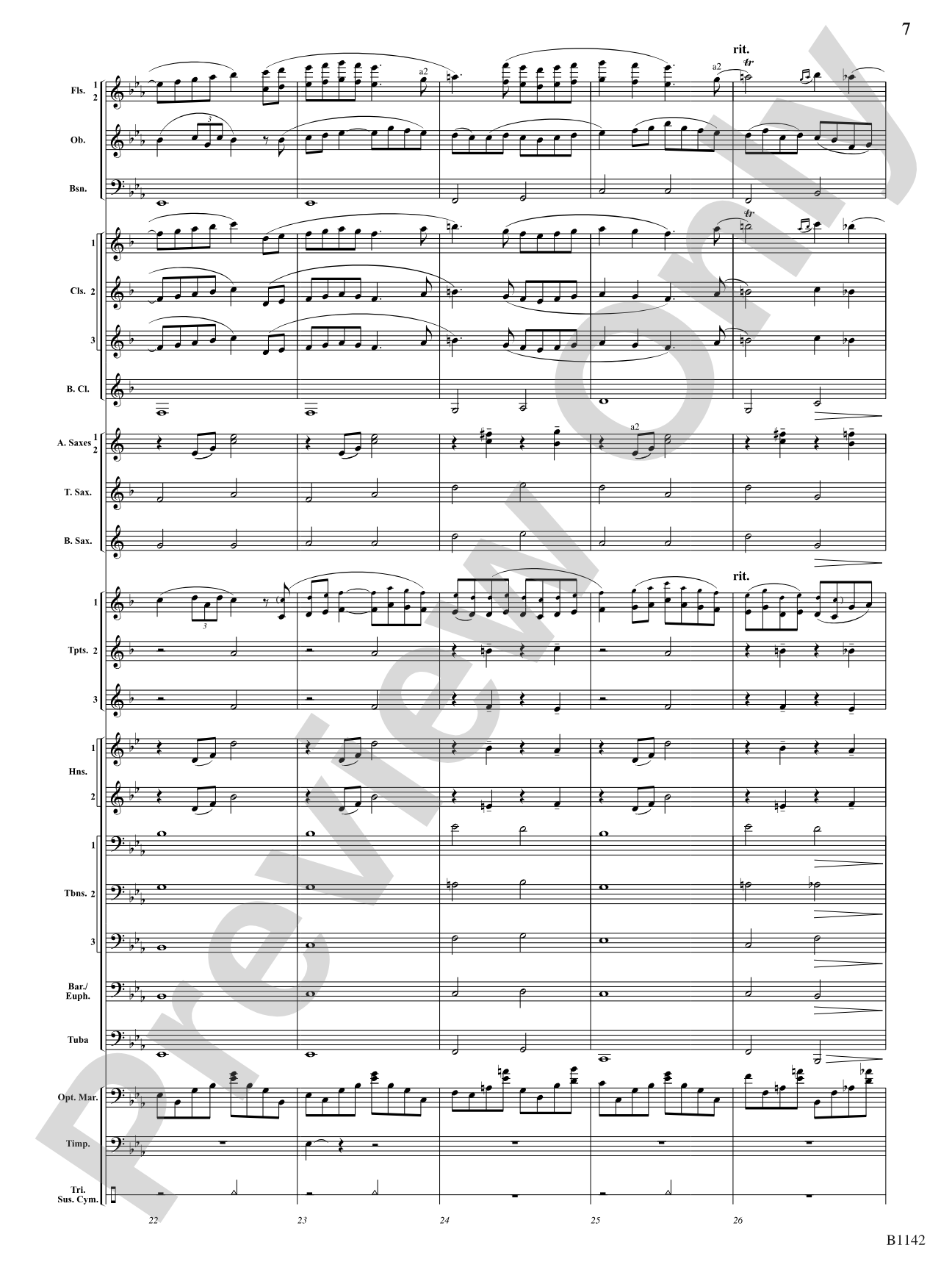
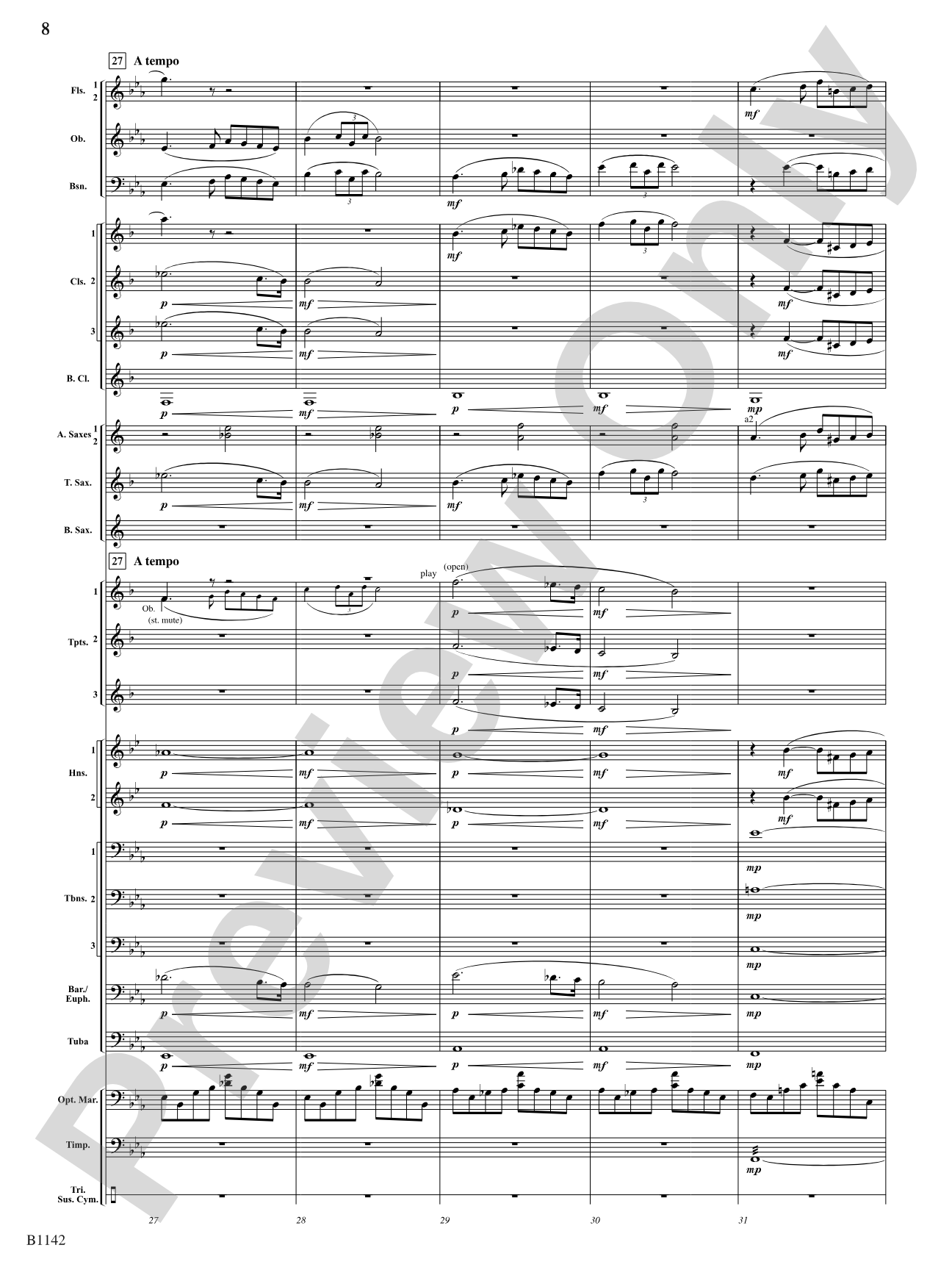

Intermezzo (from Georges Bizet's opera Carmen): Concert Band Conductor Score & Parts
from Georges Bizet's opera Carmen
By Georges Bizet / arr. Chris Sharp
Grade: 4
Item: 98-DB1142
$45.00
Pickup currently not available
Buy Extra Parts (Digital PDF Download)
Parts Added to Cart!
Description
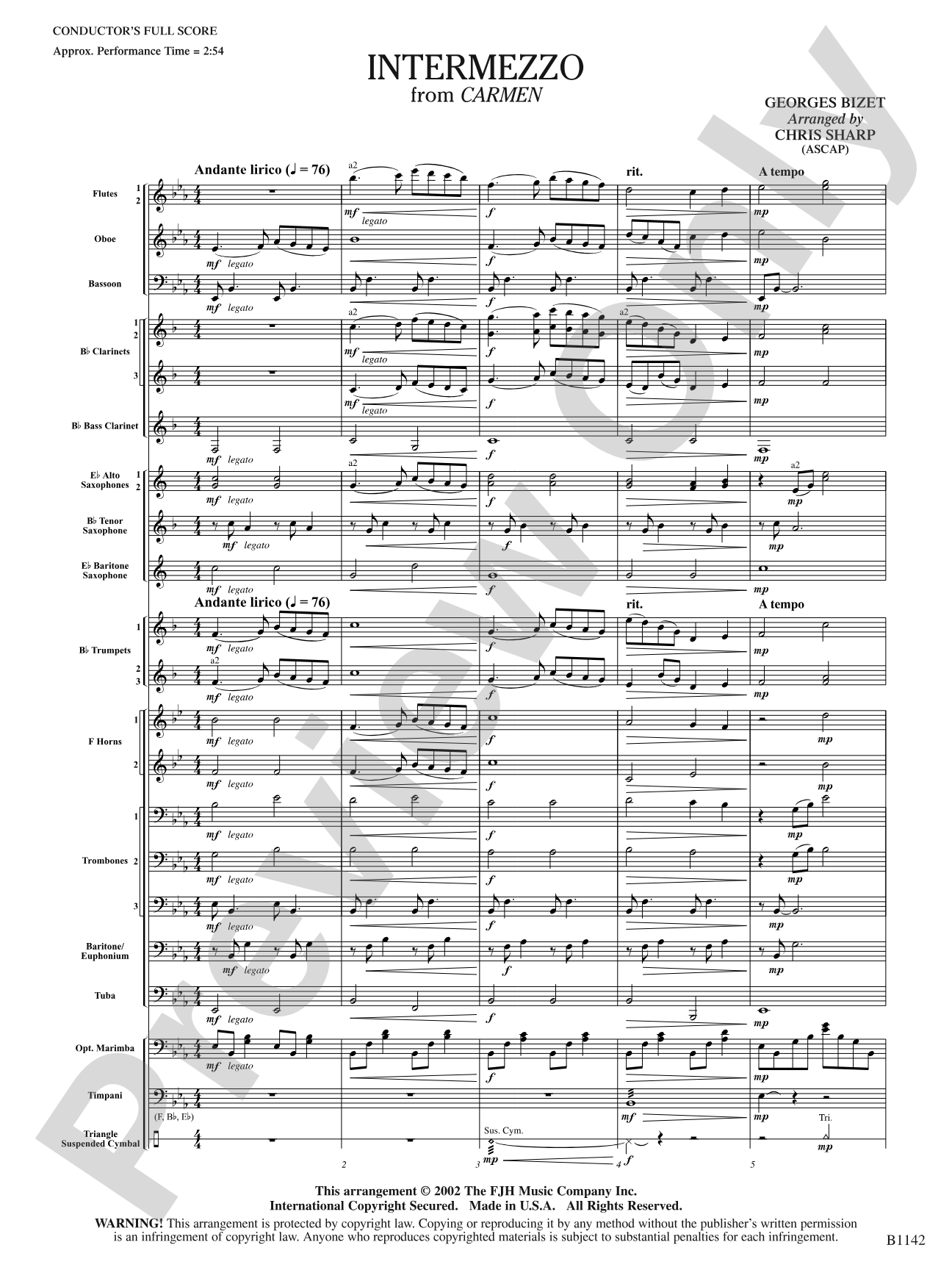
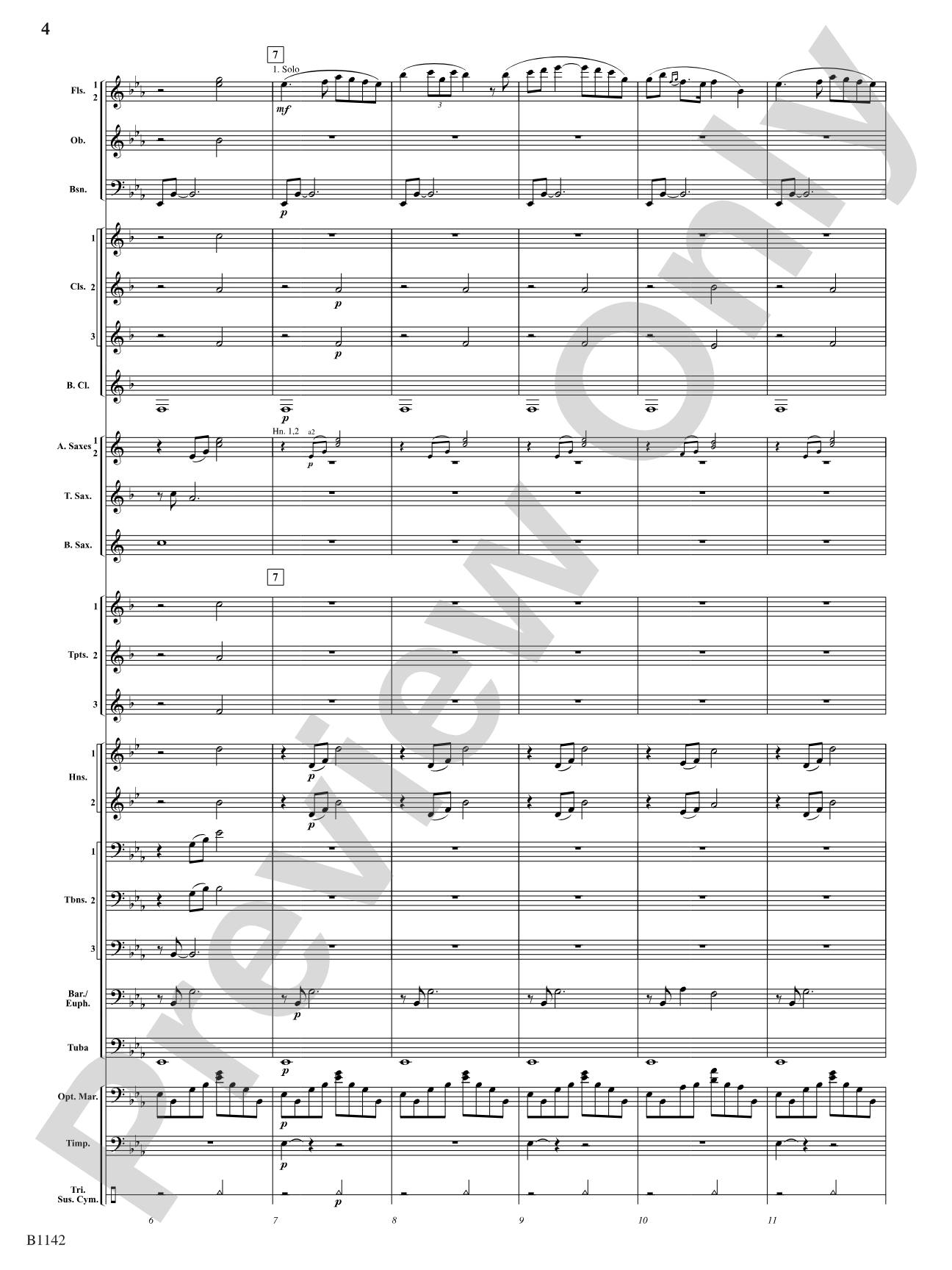
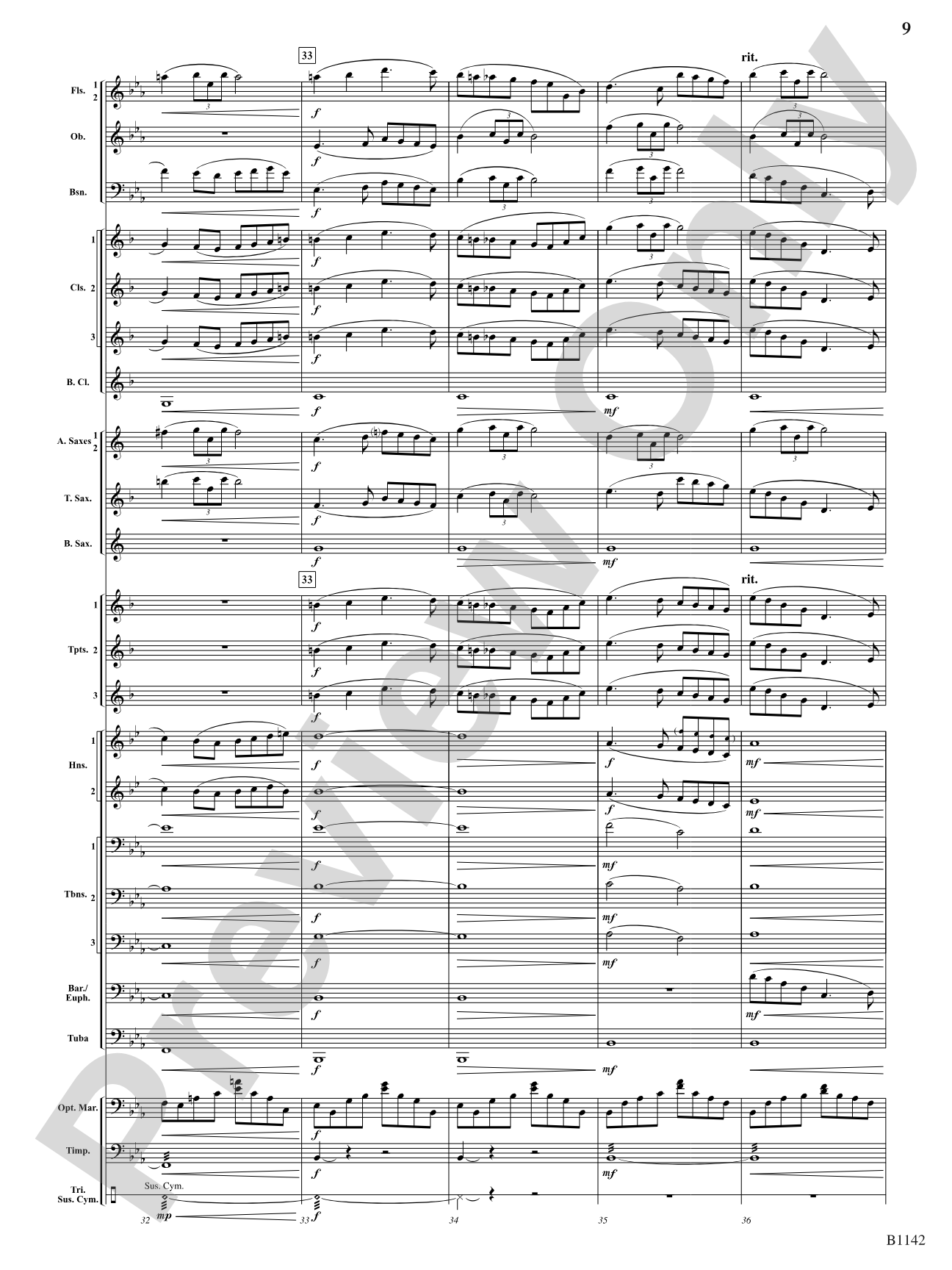
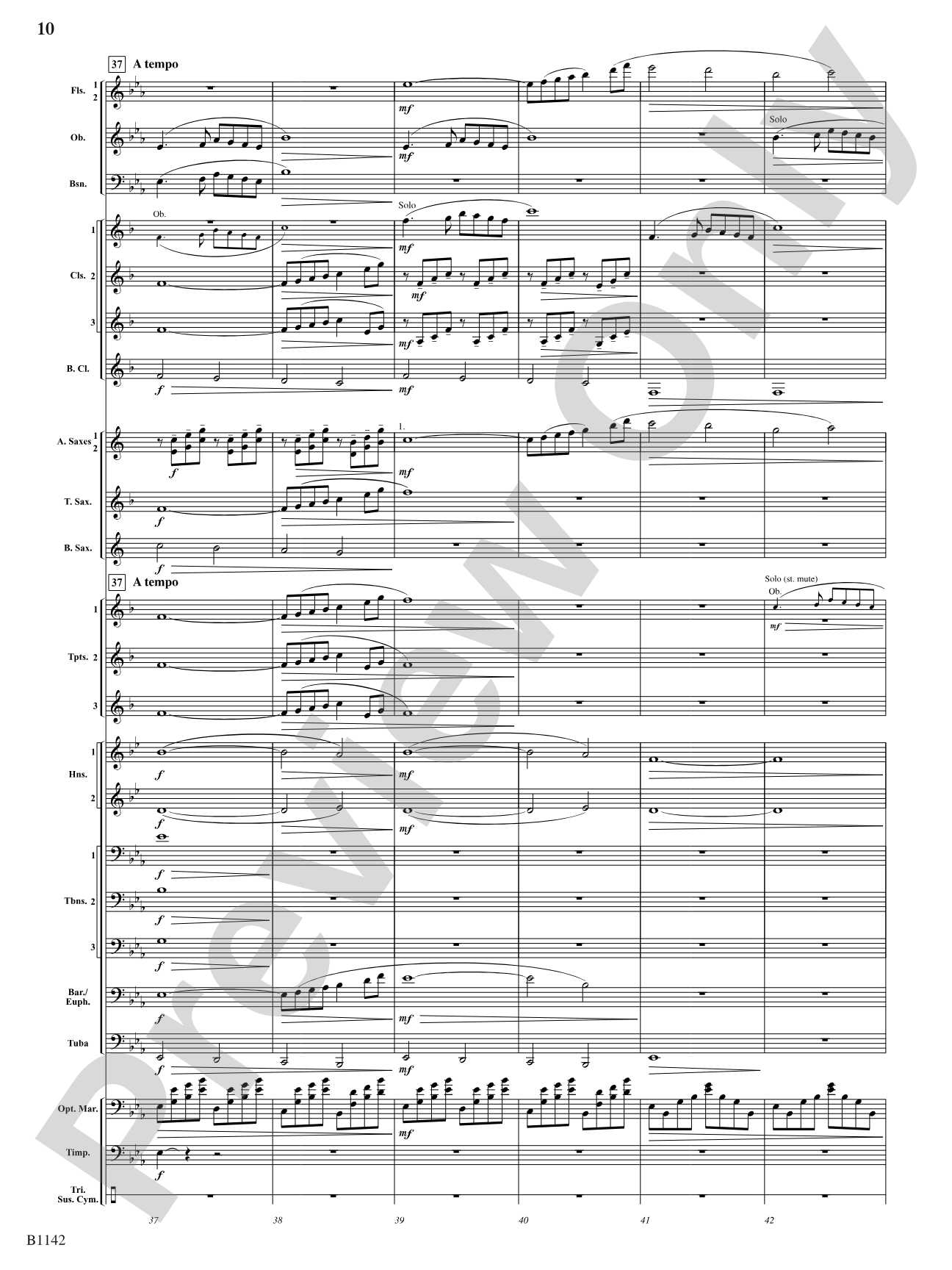
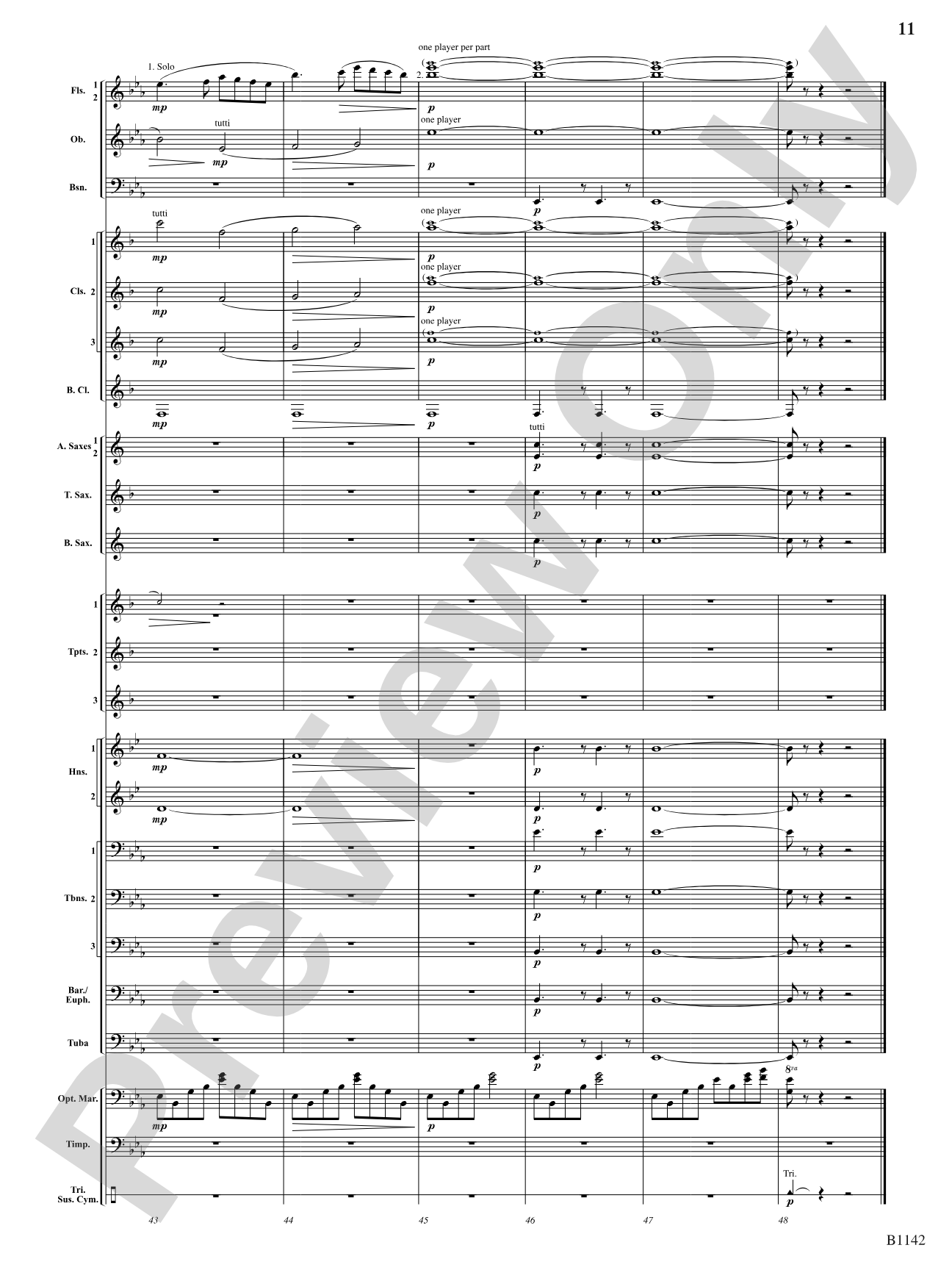
Drawing from some of the lesser-known material from Bizet's famous opera, this arrangement closely portrays the original with its beautiful, lyrical melodies and lush harmonies. Solos are written for flute, oboe, and clarinet. The piece also provides some optional notes to more accurately resemble the original material. (3:00)


Intermezzo (from Georges Bizet's opera Carmen): Concert Band Conductor Score & Parts isn't in MakeMusic Cloud just yet...but it could be. Let us know you'd like to see it, and you'll help shape what comes next. In the meantime, start a free trial and dive into thousands of interactive titles your students can play along with today.
Request This Title
Tell us you want it.
Start Your Free Trial
Explore everything that's ready to play right now.
Sample Audio
1
Audio File
--:--
0:00
0:00
Sample Video
No sample videos found.
Additional Details
Series:
FJH Masterworks for Concert Band
Publisher:
The FJH Music Company, Inc.
SKU:
98-DB1142
More about this title
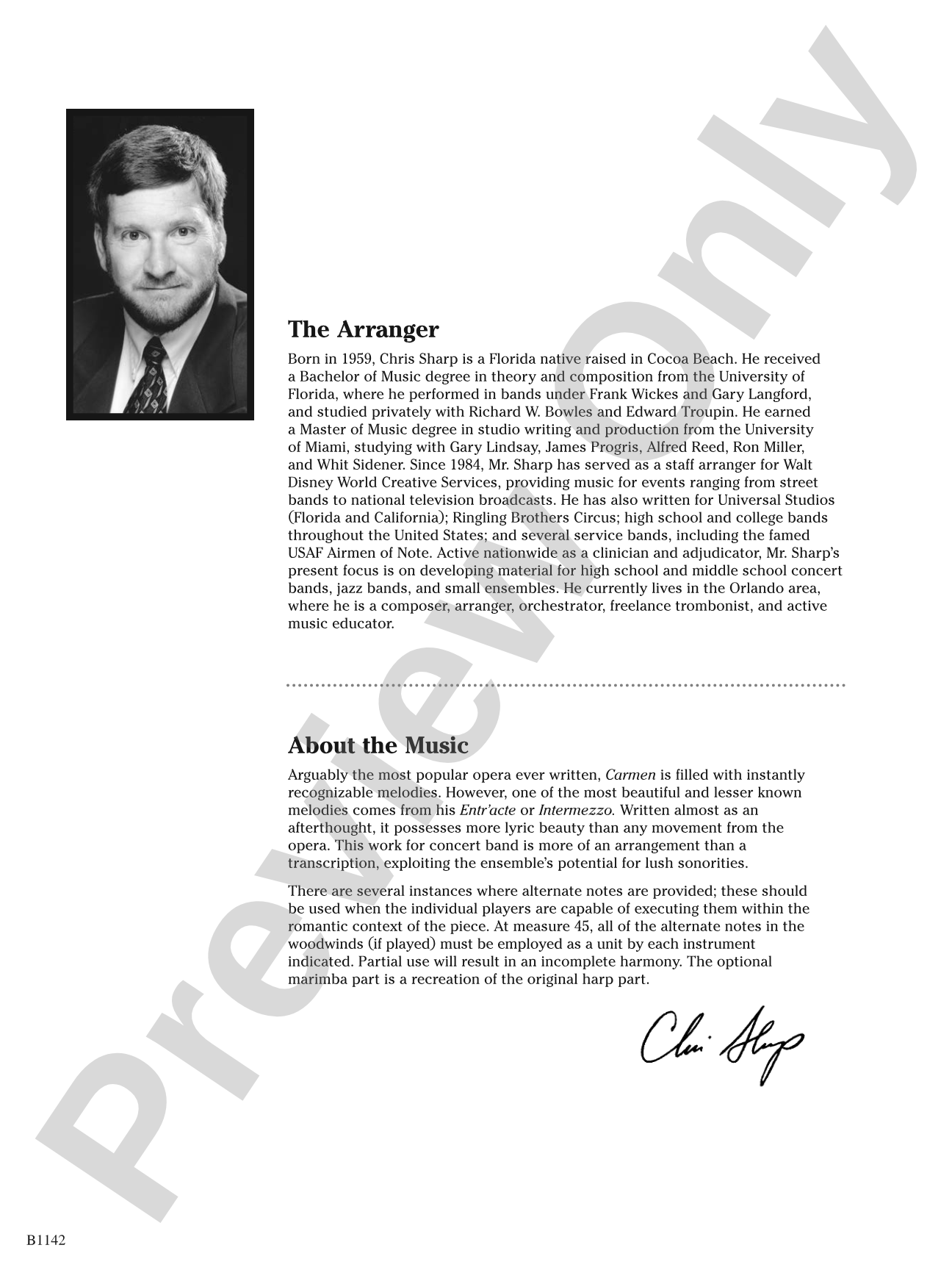
About the Composer: Georges Bizet
Georges Bizet (1838, 1875) composed Carmen late in his career, and the opera's immediate success made him one of France's most celebrated musicians. His gift for melody and orchestral color shaped generations of composers who followed, and his music remains central to the operatic canon because it balances dramatic intensity with genuine lyricism.
Why we love this
This arrangement gives your band access to Bizet's gift for gorgeous, singable melody without requiring operatic voices. The optional notes let you dial in the orchestral character of the original, and the solo writing for woodwinds transforms those players into featured voices rather than harmonic support.
What to expect
Elegant and introspective, with the warmth of a beautiful tune shared between friends. There's no bombast here, only the focused intimacy of a perfect melodic idea supported by rich, thoughtful harmony.
Who it's for
Bands at the Grade 4 level with strong woodwind soloists who want to program something genuinely lyrical and operatic in character. This works well for ensembles that have moved past purely functional concert pieces and are ready to explore musical storytelling.
How to get the most out of it
- Balance the solo lines so they sing above the accompaniment; these aren't afterthoughts but the emotional center of the piece.
- Shape the phrases with breath, even though you're conducting an instrumental group. The original opera called for vocal phrasing, and preserving that sensibility keeps the lyricism alive.
- Take the optional notes seriously if your band has strong readers. They fill out the harmonic texture and move you closer to Bizet's orchestral vision.
- Allow the tempo to breathe slightly through longer phrases. This isn't march-tempo music; it needs room to unfold.
How to use it
Slot this into the middle of a concert to create a moment of repose and reflection. It pairs beautifully with more energetic or dramatic selections and shows your audience the full range of your ensemble's abilities. This is also an excellent choice for a concert built around opera or early 20th-century French music.
Skills your students will build
- Sustained tone production and phrase shaping in lyrical contexts
- Solo playing with musical independence and leadership
- Accompanying skills that support rather than overshadow featured voices
- Reading optional notation and understanding arrangement choices
- Translating operatic vocal phrasing to instrumental performance