

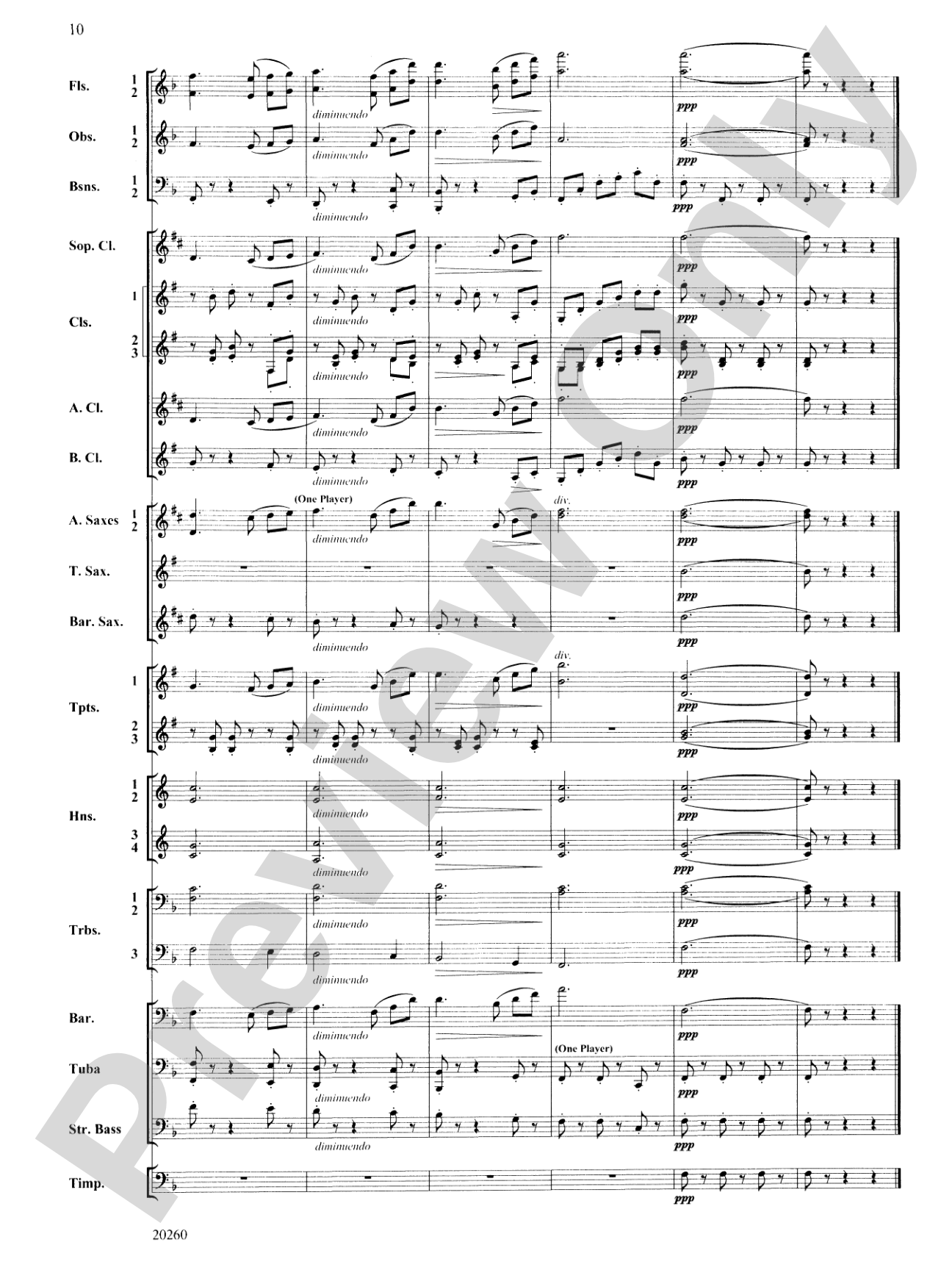

Intermezzo from Cavalleria Rusticana: Concert Band Conductor Score & Parts
By Pietro Mascagni / arr. Harry I. Phillips
Grade: 3 (Medium)
Item: 00-PK-0004499

$60.00
Pickup currently not available
Buy Extra Parts (Digital PDF Download)
Parts Added to Cart!
Description
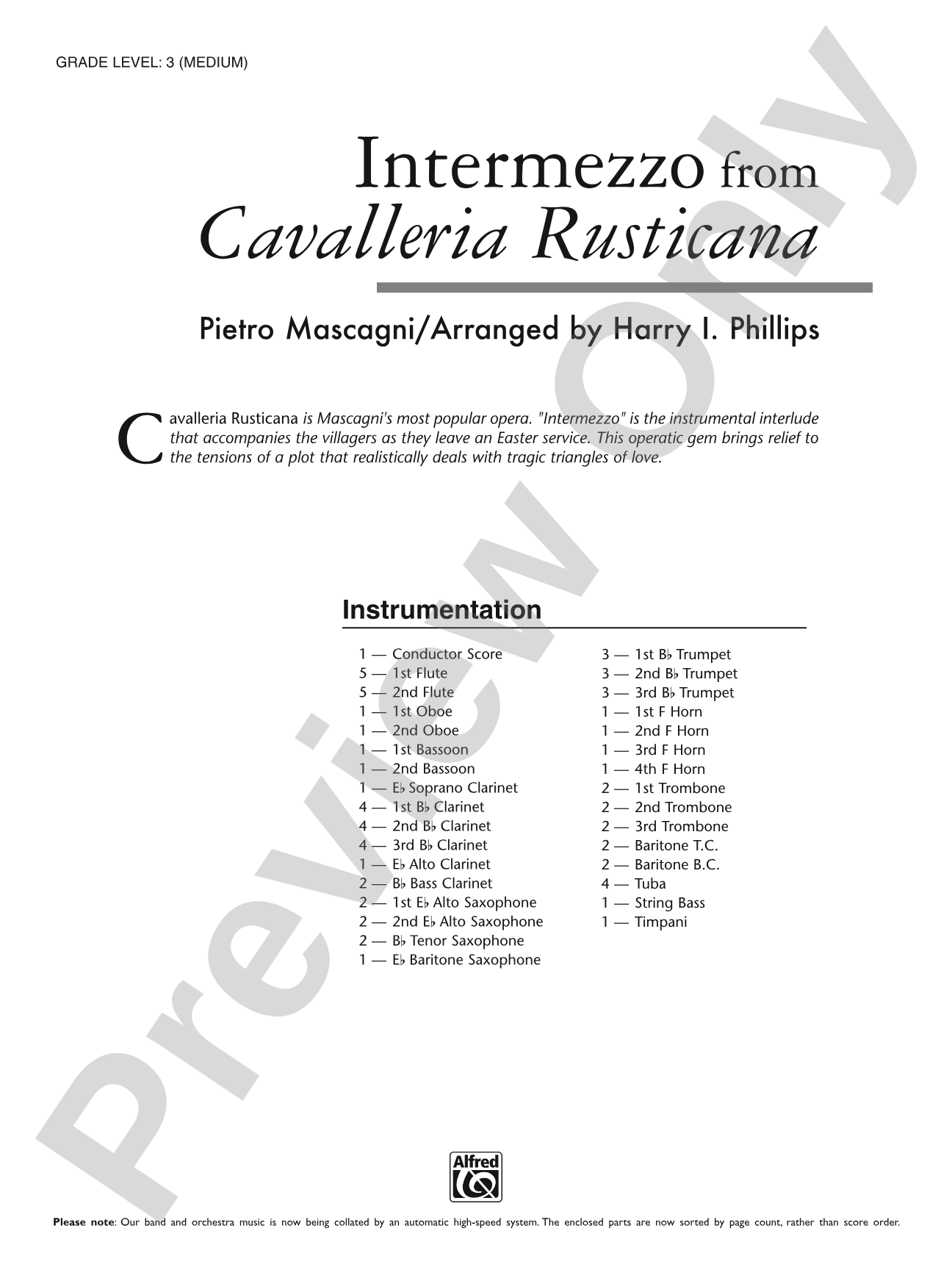
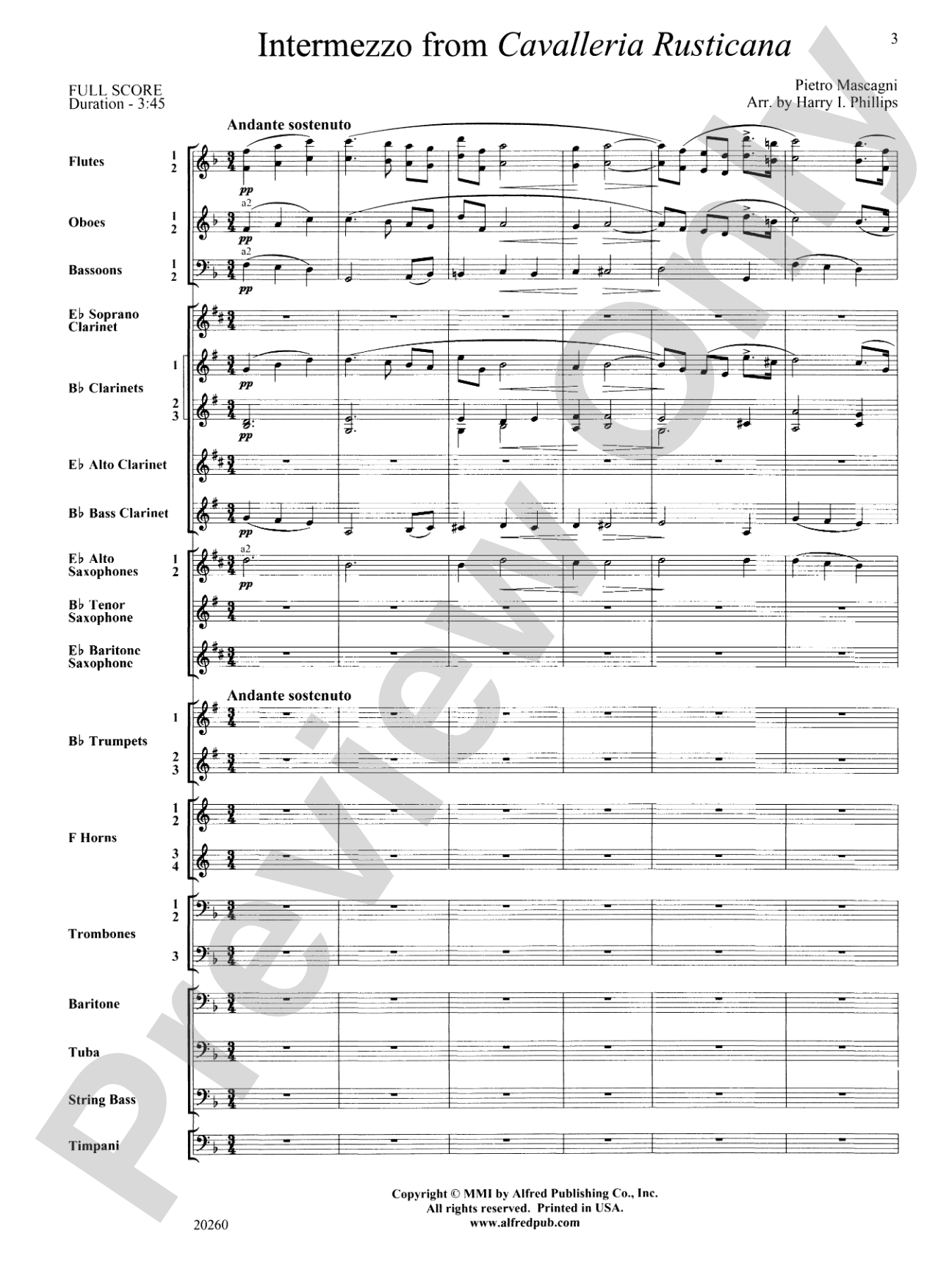
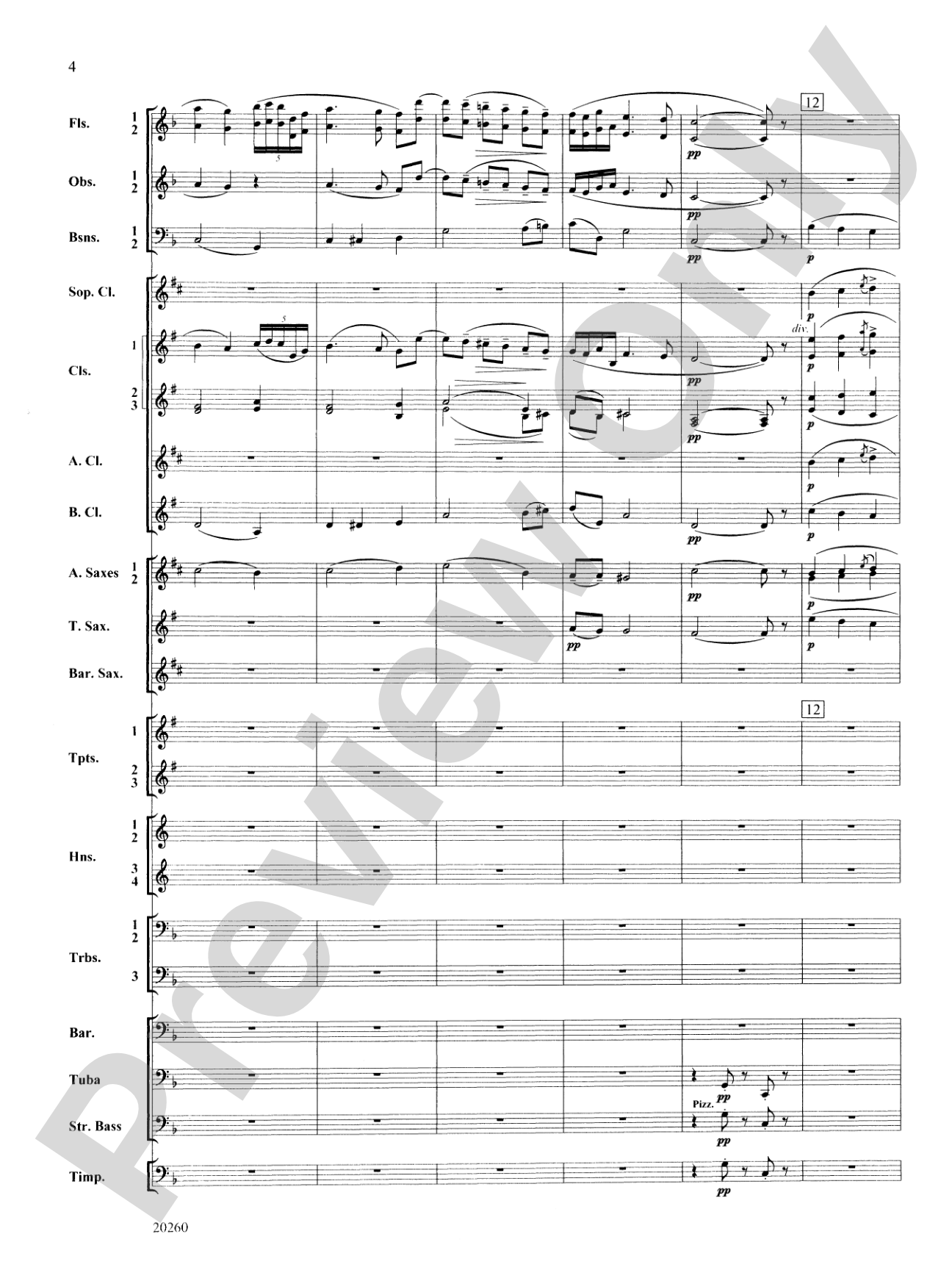
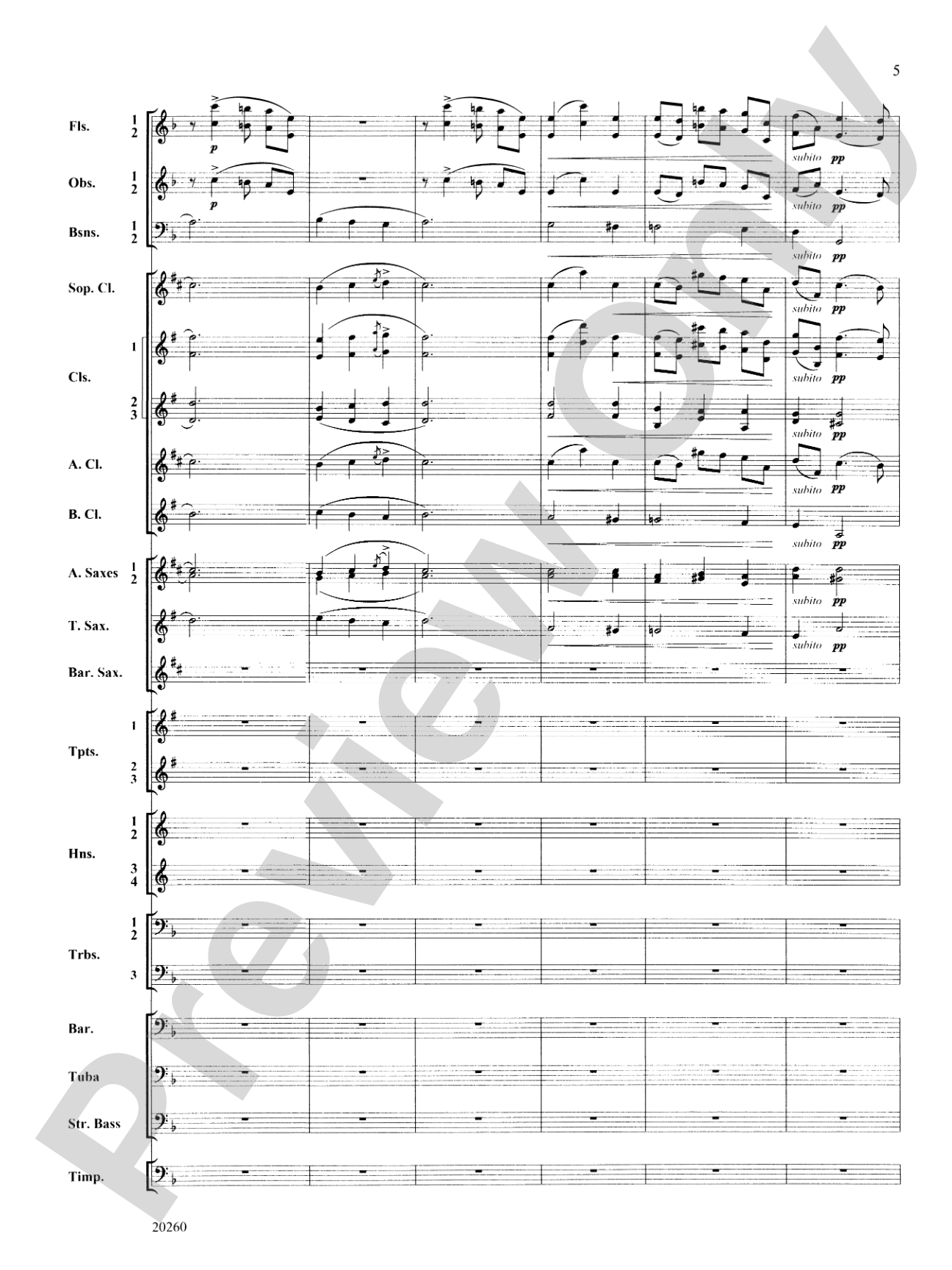
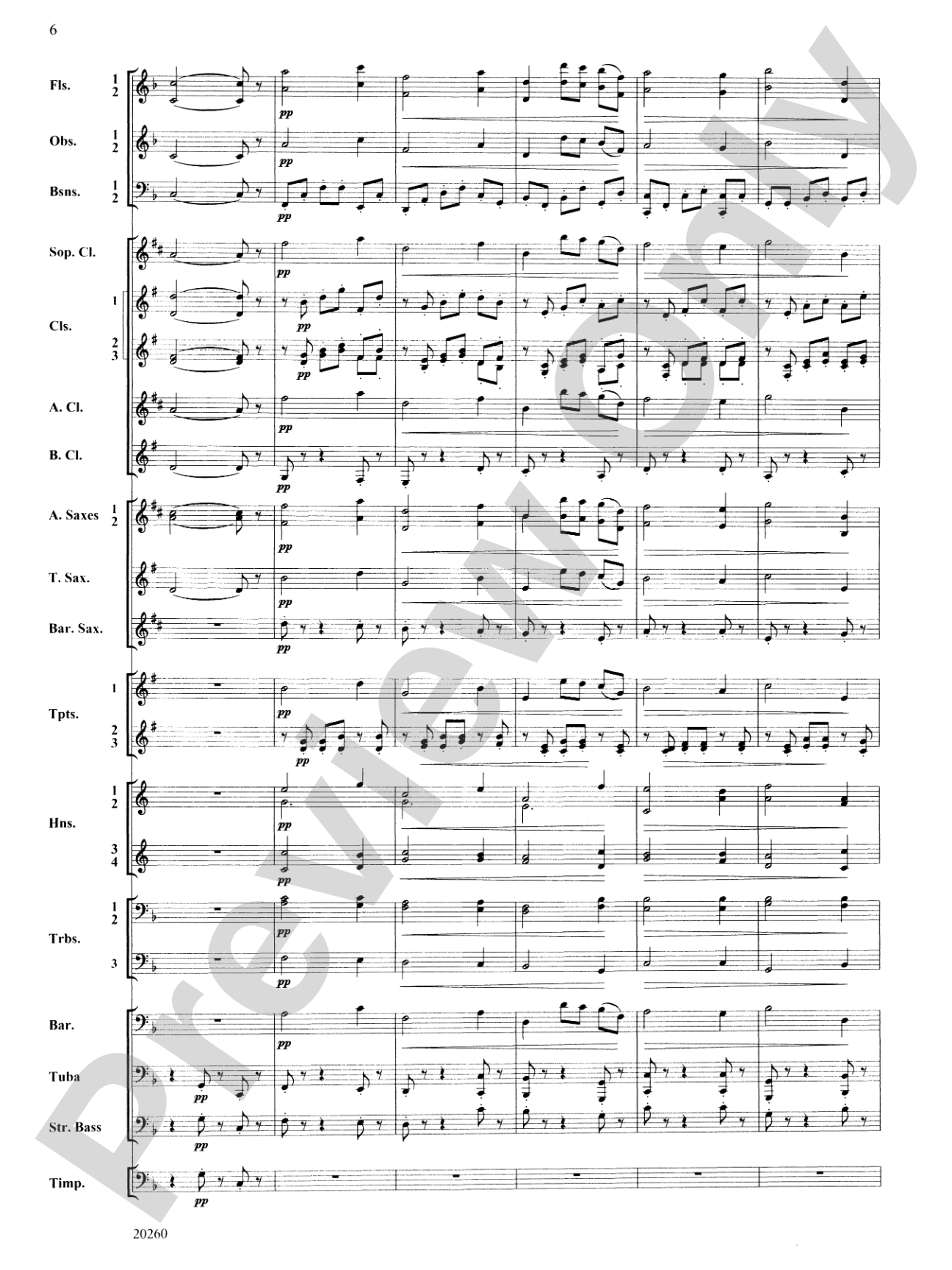
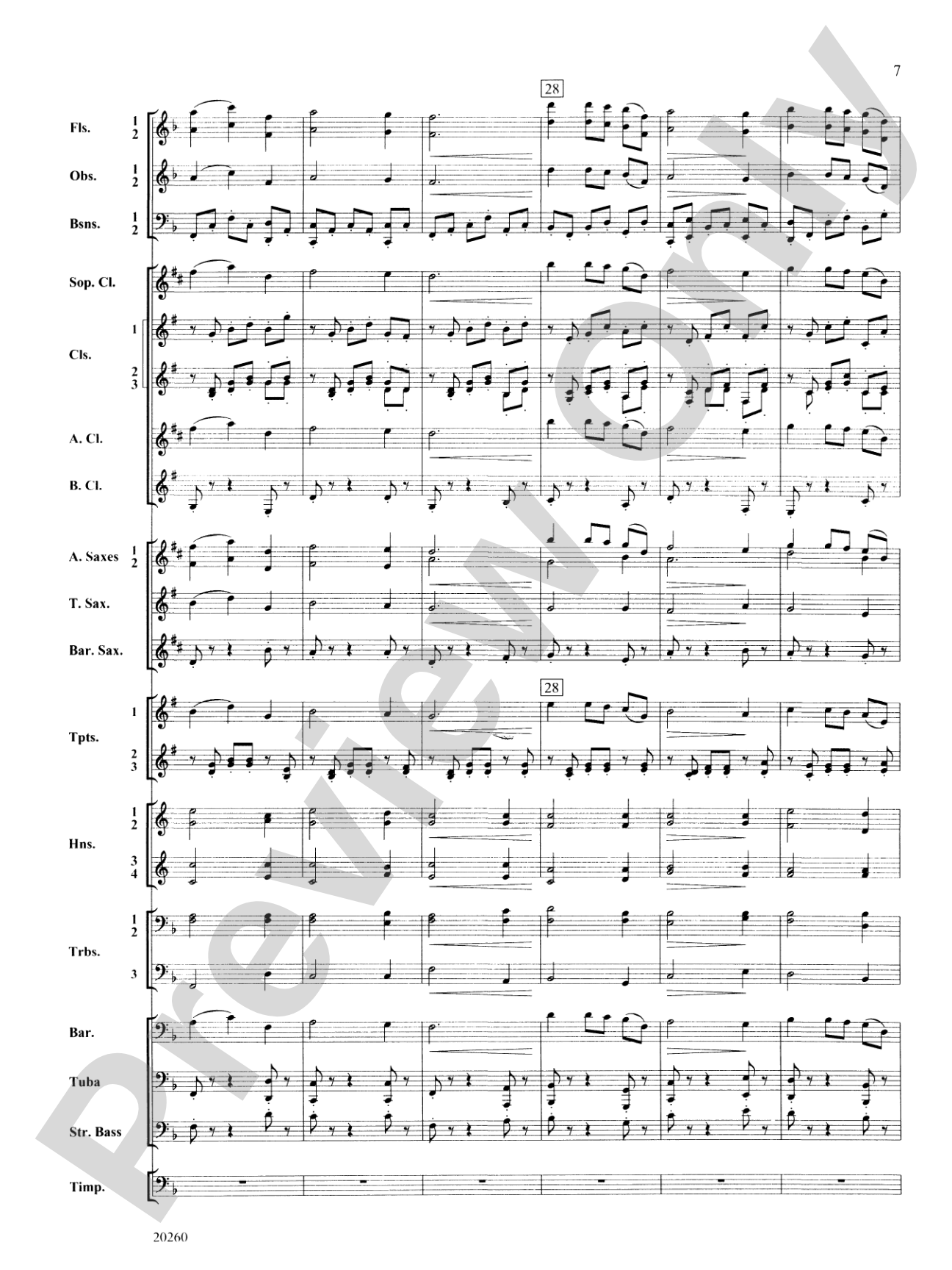
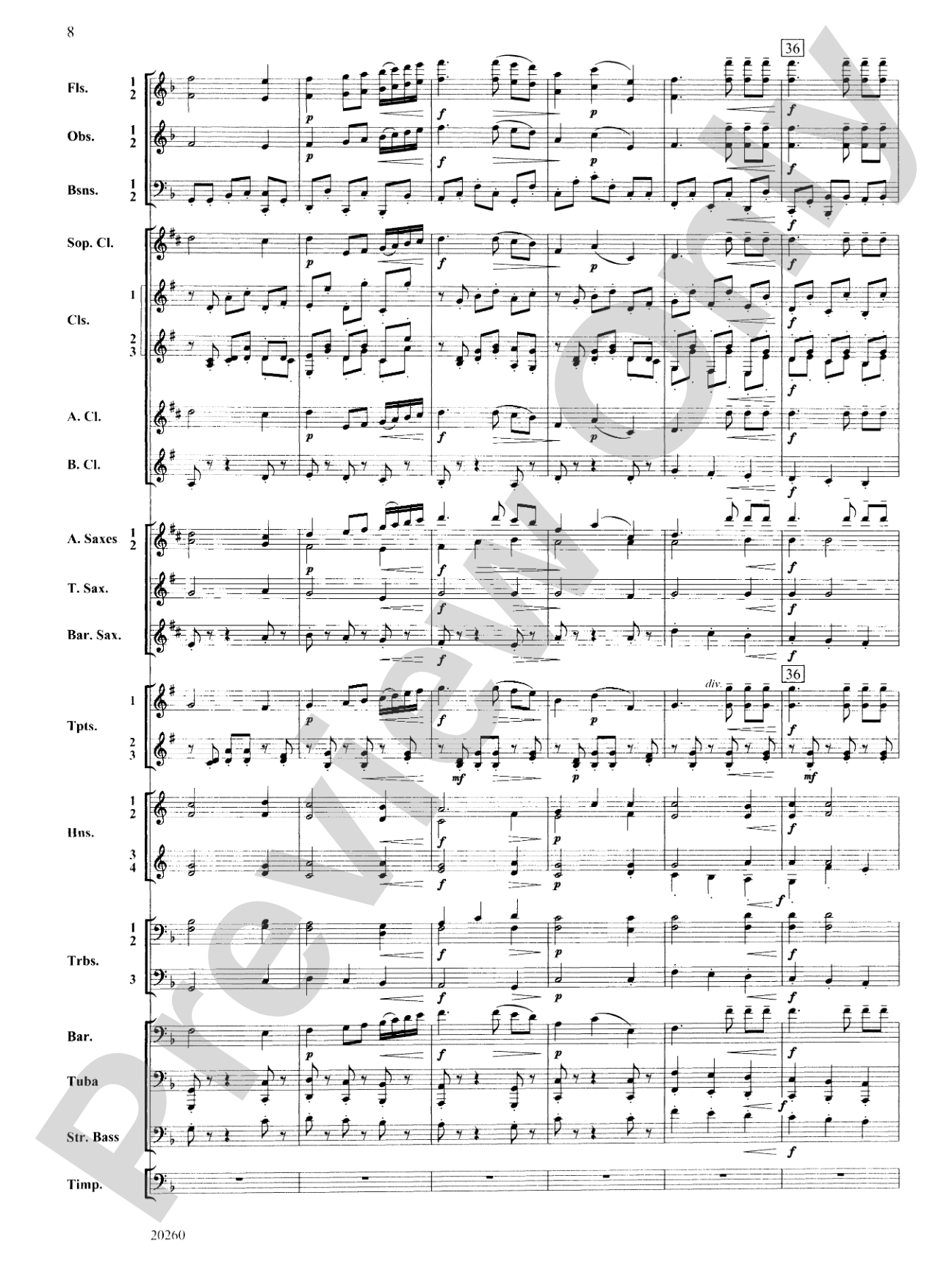
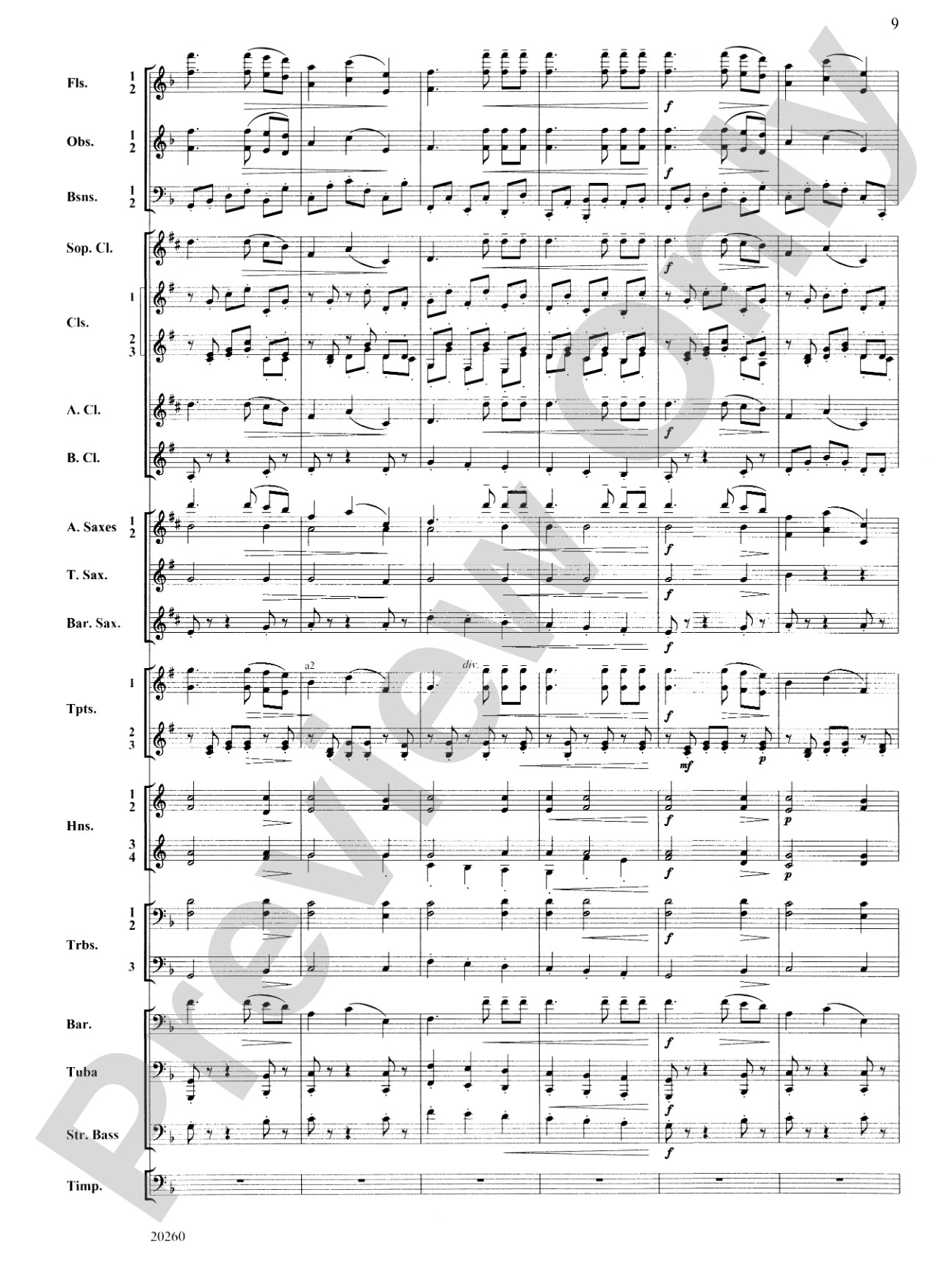
Cavalleria Rusticana is Mascagni's most popular opera. "Intermezzo" is the instrumental interlude that accompanies villagers leaving an Easter service. This operatic gem brings relief to the tensions of a plot that realistically deals with tragic triangles of love. Beginning with a sensitively treated section for woodwinds, it's not long before the brass enters to create a lush sound. Rhythmically simple, this piece allows the conductor to focus on the execution of long, lyrical passages, including dynamics, legato line, and phrasing. A beautiful treatment of an equally beautiful work.


Don't just read it, hear it, play along with it, and watch your students grow with it. In MakeMusic Cloud, Intermezzo from Cavalleria Rusticana: Concert Band Conductor Score & Parts comes alive with professional accompaniment, adjustable tempo, and built-in practice tools that turn solo practice into real progress.
Open in the Player
Jump straight in and assign it today.
Start Your Free Trial
Open this title and explore the full library in minutes.
Sample Audio
1
Audio File
--:--
0:00
0:00
Sample Video
No sample videos found.
Additional Details
Series:
Alfred Concert Band
Publisher:
Alfred Music
Page Count:
132
SKU:
00-PK-0004499
More about this title
About the Composer: Pietro Mascagni
Pietro Mascagni (1863-1945) was an Italian composer whose operatic output spanned nearly fifty years, though his reputation rests largely on a single work: Cavalleria Rusticana. Premiered in 1890, this one-act opera won a competition and achieved immediate international success, establishing Mascagni as a major operatic voice almost overnight.
Mascagni's approach to opera emphasized direct emotional expression and orchestral color rather than elaborate vocal display. He composed during a period when realism in opera was reshaping the genre, and Cavalleria Rusticana exemplifies this shift toward everyday human conflict rendered with genuine pathos. Though he continued composing through the early twentieth century, this single work secured his place in the operatic canon and remains performed worldwide.
Why we love this
Harry I. Phillips has crafted an arrangement that captures the opera's central appeal without oversimplifying it. The instrumentation stays true to Mascagni's harmonic language while remaining idiomatic for concert band, and the Grade 3 scoring gives intermediate ensembles genuine musical substance rather than a token excerpt. Bands at this level rarely get to tackle a work this emotionally mature.
What to expect
The Intermezzo opens with a tender, almost meditative quality as the woodwinds present the main melody, evoking the moment of departure from the Easter service. When the brass enters, the texture grows warmer and more assured without losing its essential warmth and humanity. Throughout, the piece exudes a lyrical beauty that feels both immediate and timeless.
Who it's for
Intermediate concert bands seeking substantial repertoire with genuine musical appeal. This arrangement works well for bands that have developed basic technical facility and are ready to focus on line, tone, and expression rather than technical hurdles.
How to get the most out of it
- Shape the opening woodwind section with careful attention to phrase breathing. These wind lines carry the weight of the melody, so each phrase needs clear direction and a sense of arrival even at softer dynamics.
- Balance the brass entrance so it supports rather than overwhelms the existing texture. The lush sound the piece aims for comes from blend and balance, not volume alone.
- Sustain long notes with consistent tone quality and support. The lyrical passages demand steady breath control from the entire ensemble, especially during the extended legato passages that define the piece's character.
- Use the score to shape dynamics with purpose. The printed dynamic markings guide the emotional arc, so avoid flattening them or treating them as mere suggestions.
How to use it
This works beautifully as a concert opener or as part of a spring program centered on Romantic-era compositions. Its connection to Easter makes it especially fitting for school concerts in April or May. The piece also pairs naturally with other operatic arrangements or standalone band selections that emphasize lyricism and orchestral color.
Skills your students will build
- Sustaining long, lyrical melodic lines with consistent tone and breath support
- Balancing independent woodwind and brass sections to create unified harmonic texture
- Shaping phrases with direction and arrival points in slow-moving music
- Responding to dynamic markings as a tool for emotional expression, not technical manipulation
- Understanding operatic idiom and how it translates to the concert band medium