
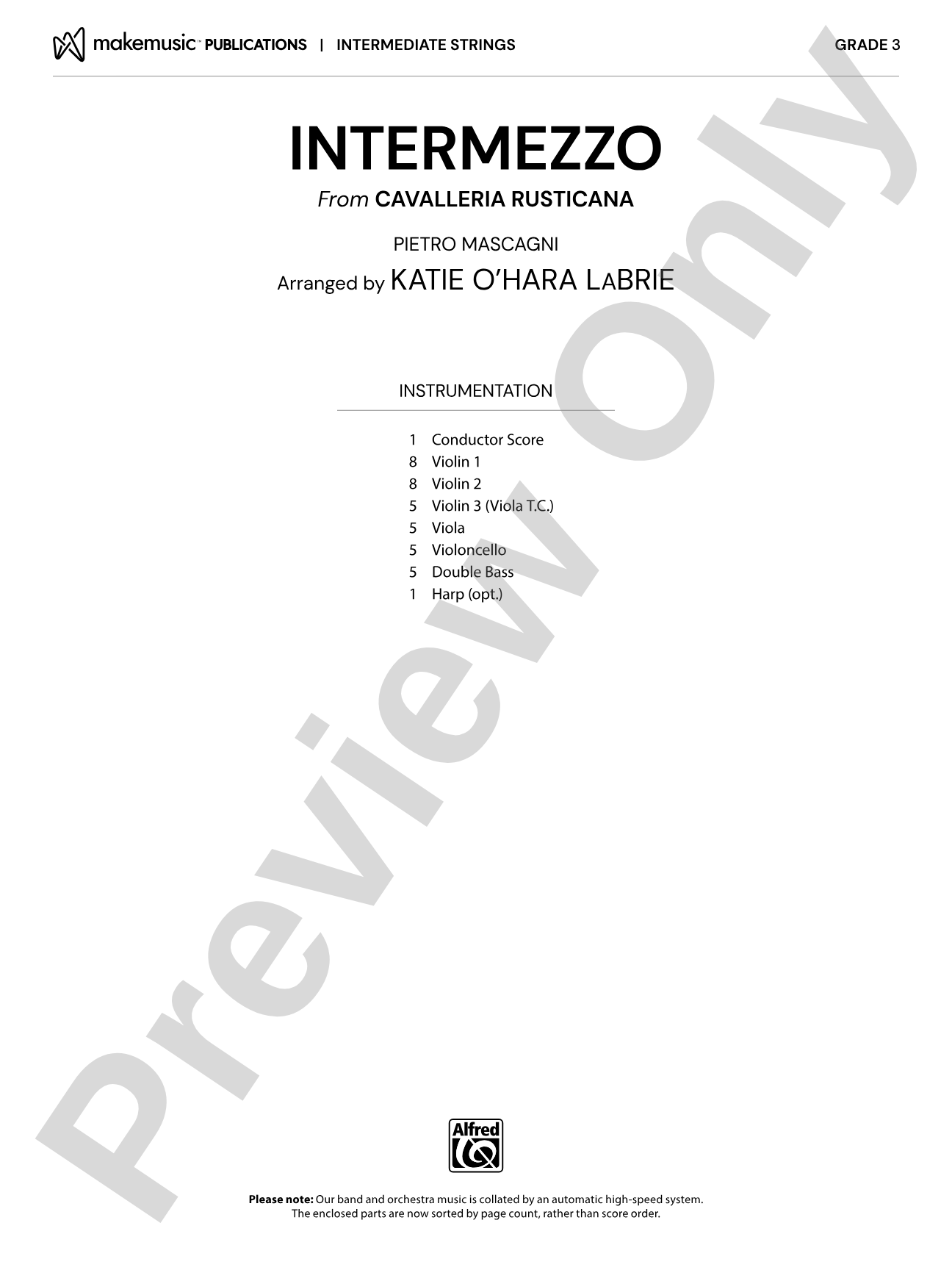
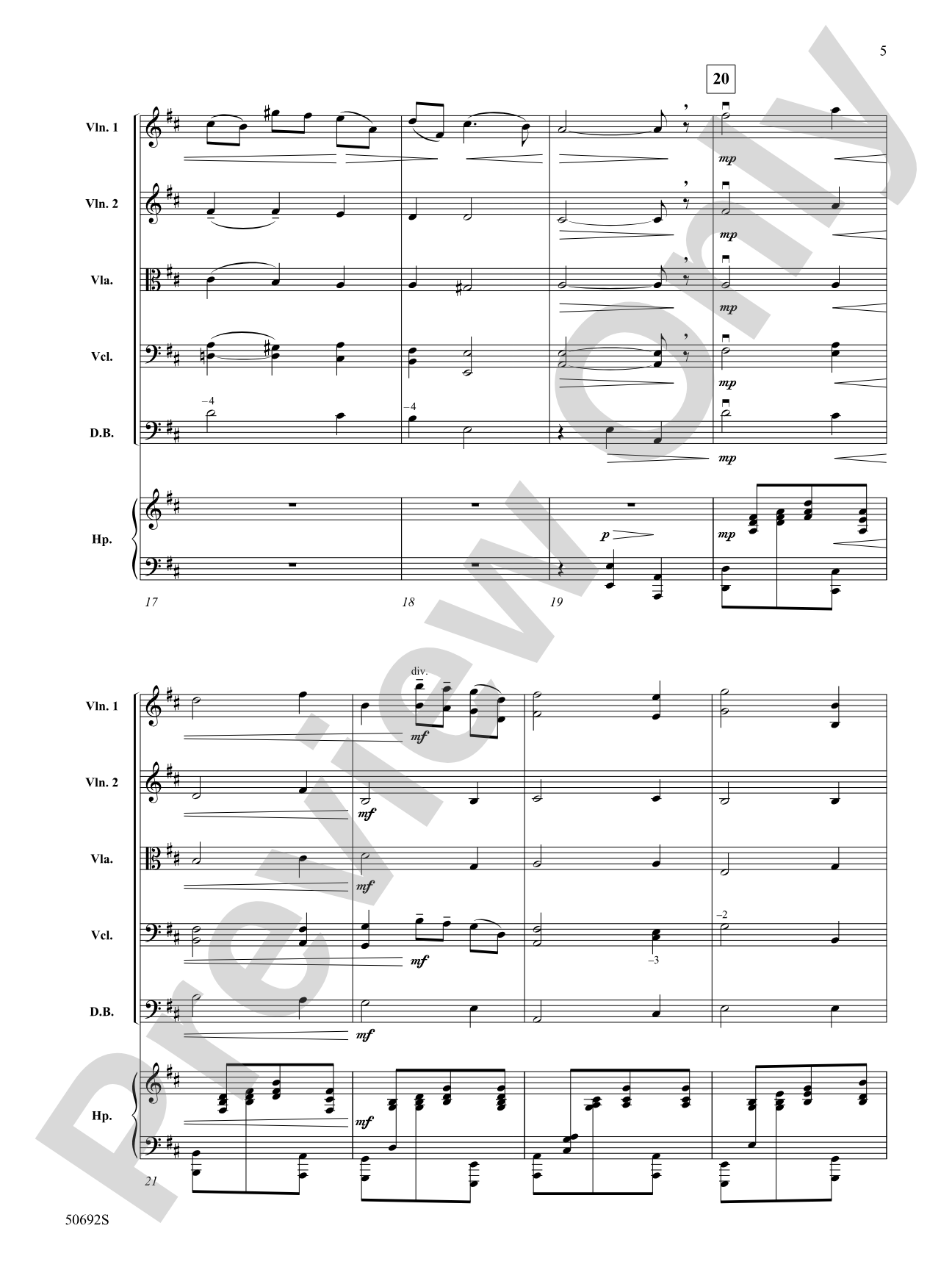
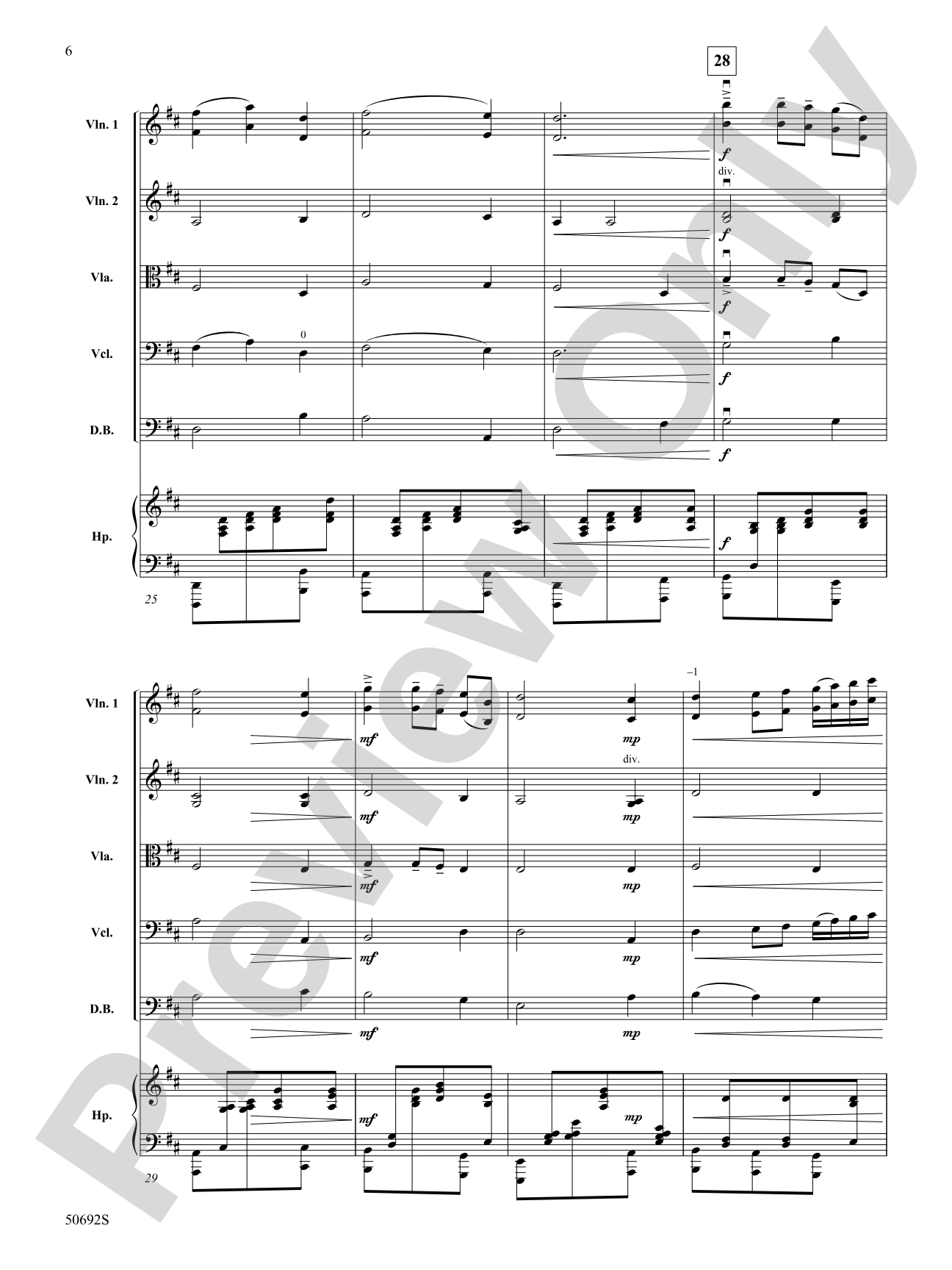
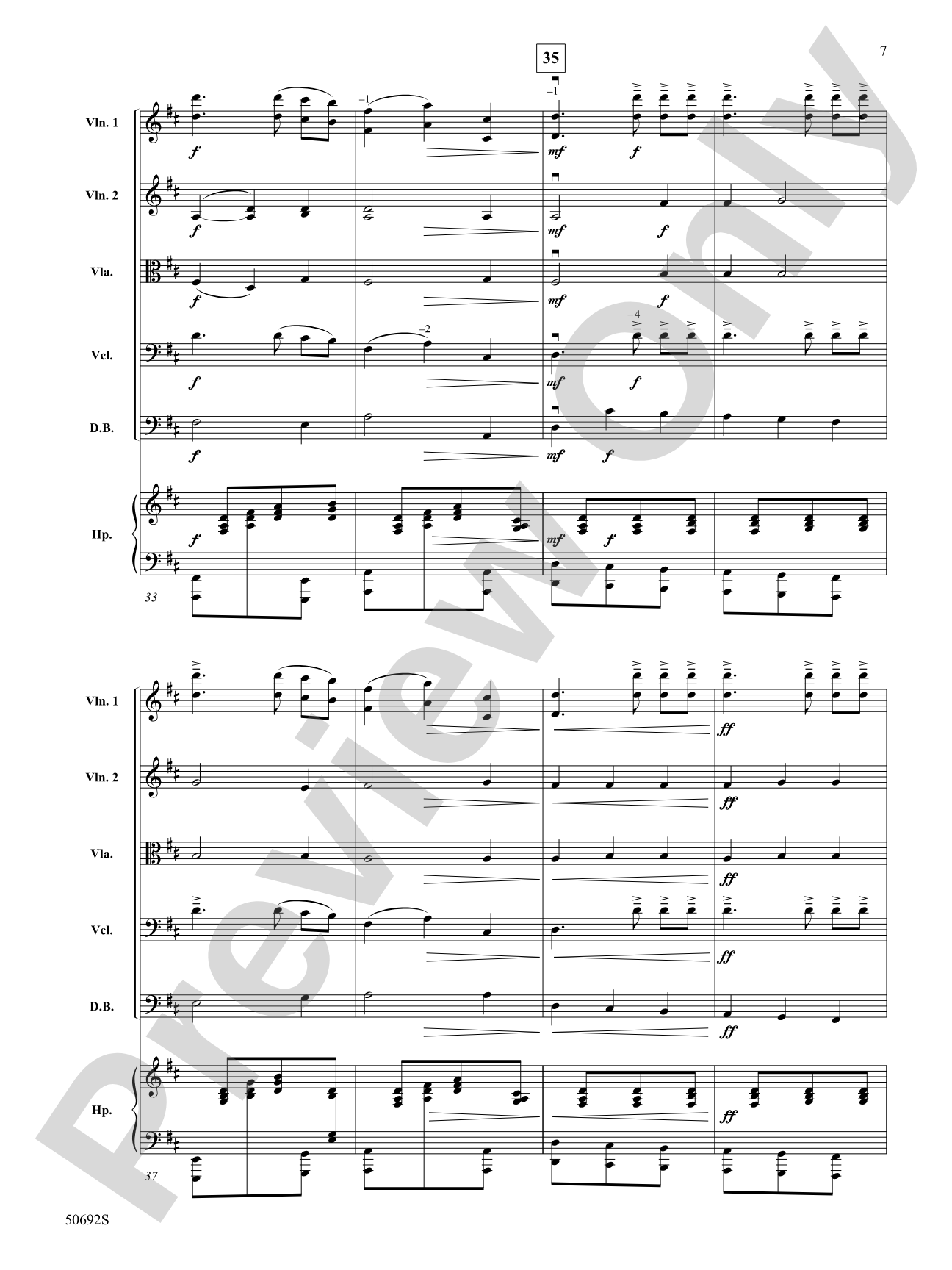
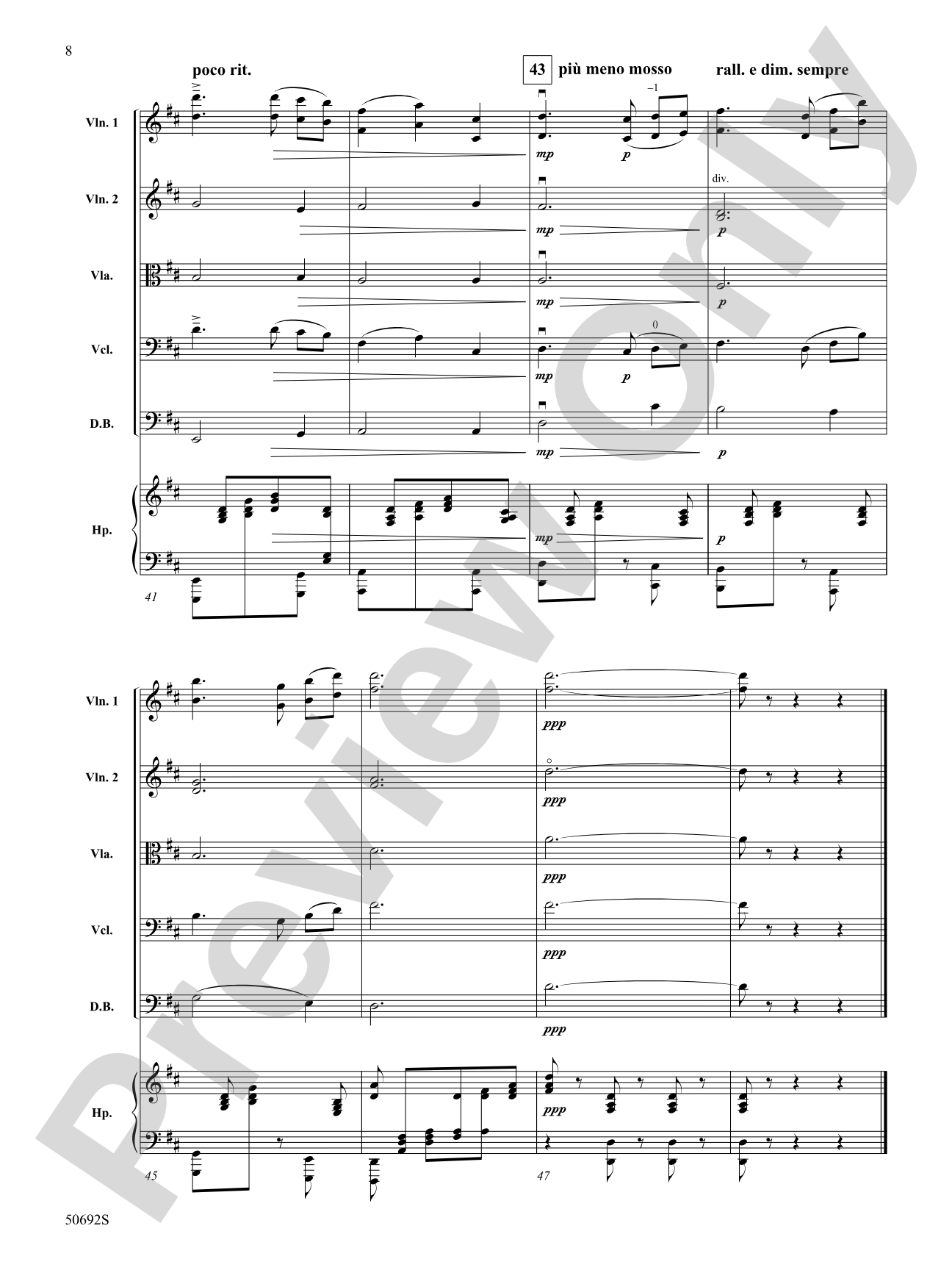

Intermezzo: String Orchestra Conductor Score & Parts
From Cavalleria Rusticana
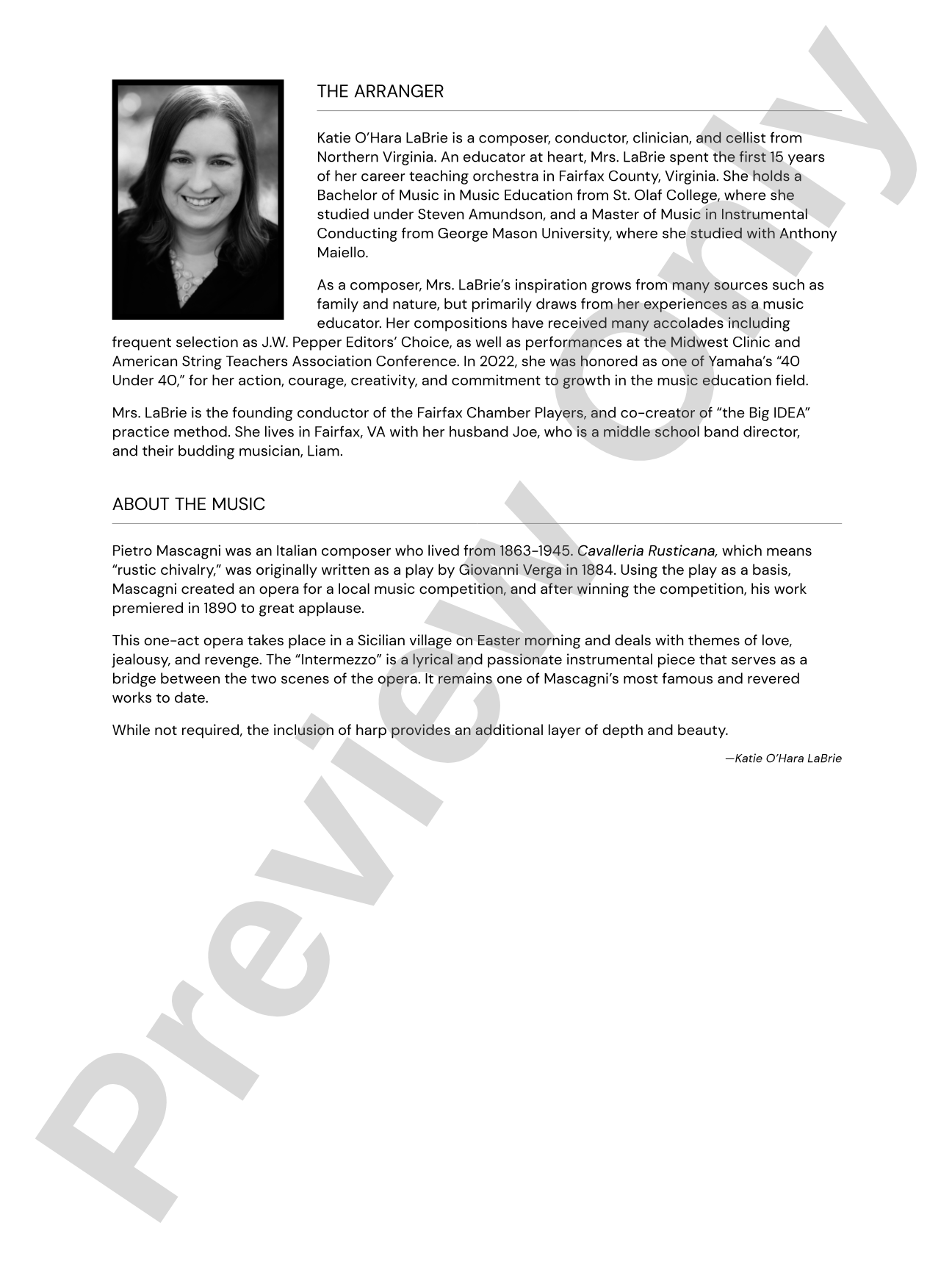
By Pietro Mascagni / arr. Katie O'Hara LaBrie
Grade: 3
Item: 00-PK-0008709

$60.00
One moment…
Description
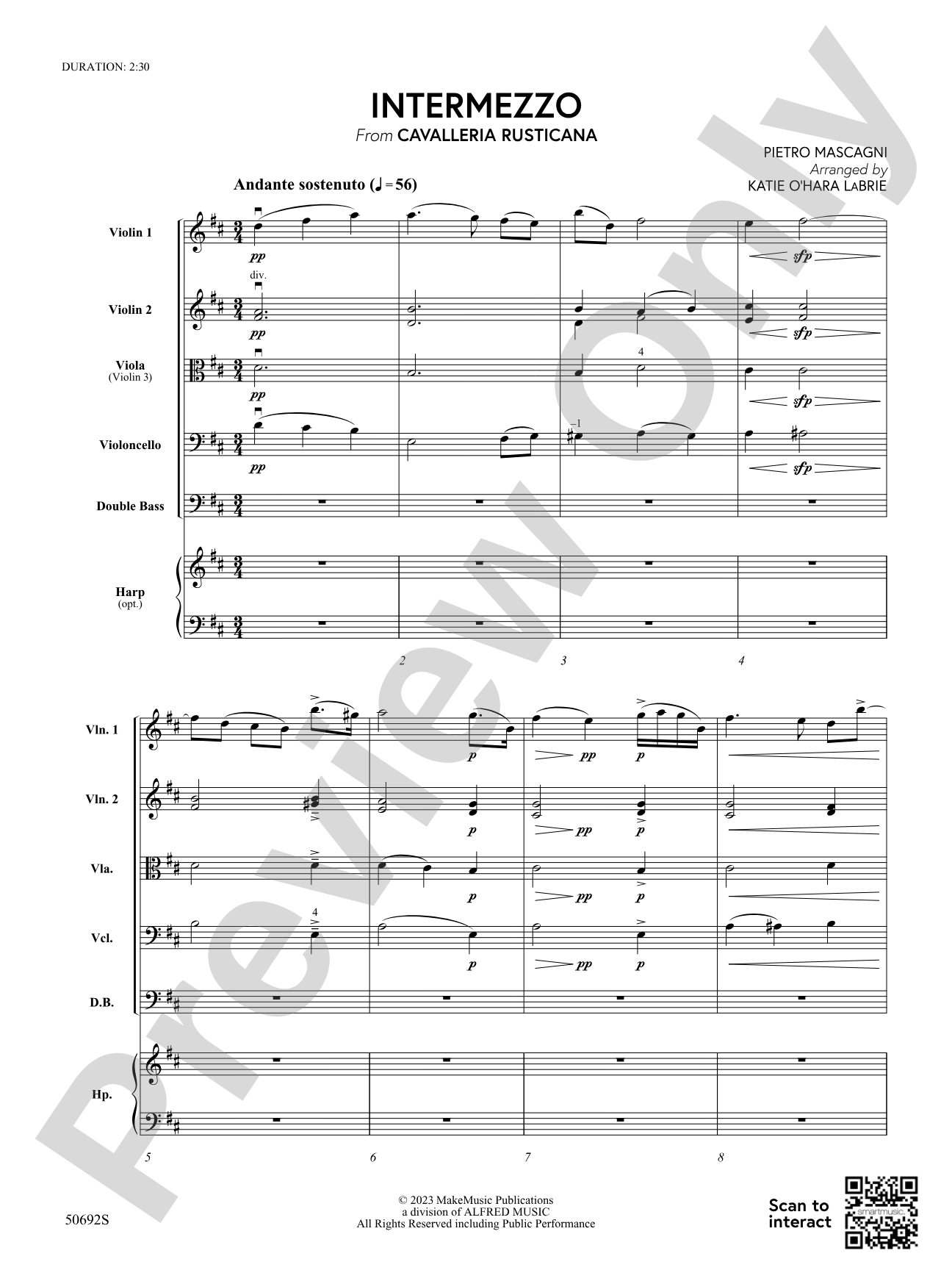
Lyrical. Delicate. Passionate. These words barely touch the surface of this beautiful arrangement of Intermezzo from Pietro Mascagni's Cavalleria Rusticana. Arranger Katie O'Hara LaBrie explores expressive playing with music well within reach of younger ensembles while also being an excellent option for more mature groups. An optional harp part adds depth and detail. (2:30)


Don't just read it, hear it, play along with it, and watch your students grow with it. In MakeMusic Cloud, Intermezzo: String Orchestra Conductor Score & Parts comes alive with professional accompaniment, adjustable tempo, and built-in practice tools that turn solo practice into real progress.
Open in the Player
Jump straight in and assign it today.
Start Your Free Trial
Open this title and explore the full library in minutes.
Sample Audio
1
Audio File
--:--
0:00
0:00
Sample Video
Additional Details
Series:
MakeMusic Intermediate Strings
Publisher:
MakeMusic Publications
SKU:
00-PK-0008709
More about this title
About the Composer: Pietro Mascagni
Pietro Mascagni (1863-1945) composed one of opera's most performed works, Cavalleria Rusticana, at age 26, and that single opera secured his place in music history. Though he wrote over thirty works for the stage, the raw emotional power and melodic directness of Cavalleria Rusticana have kept it in the repertoire for over 130 years. For string educators, Mascagni's gift for vocal melody translates beautifully to instrumental writing, making his themes natural vehicles for teaching expressive playing and phrasing.
The Intermezzo from Cavalleria Rusticana stands apart as one of opera's most beloved orchestral moments, a meditation on longing that has transcended its operatic origins. String orchestras at every level have embraced this piece for its accessibility and emotional depth, making it an ideal introduction to music drama and sophisticated harmonic writing.
Why we love this
Katie O'Hara LaBrie's arrangement captures everything that makes this Intermezzo unforgettable while keeping the technical demands reasonable for Grade 3 ensembles. The addition of an optional harp part elevates the sonic palette and gives students a real sense of orchestral color without overcomplicating the score. This is the kind of piece that teaches expressive musicianship naturally, because students want to play it beautifully.
What to expect
Gentle and introspective, this arrangement preserves the yearning quality of the original Intermezzo. The texture alternates between transparency and warmth, creating moments of intimate vulnerability followed by fuller, more passionate swells. It invites players to discover beauty in restraint.
Who it's for
String orchestras in grades 3-5 will find a piece that sits well under the fingers while demanding real musicianship. More advanced ensembles can explore deeper interpretation and finer textural control. It works equally well as a festival selection, a concert centerpiece, or part of a thematic program on opera and operatic melody.
How to get the most out of it
- Shape the melody in long phrases rather than measure-by-measure, allowing the singers' original intent to guide your interpretation. Think of each phrase as a line that needs to breathe and resolve.
- Balance the parts carefully so the inner voices support rather than compete with the solo melody. String orchestras often bloom when students listen across the ensemble.
- If using the optional harp part, treat it as an enrichment that adds harmonic shimmer. It should blend into the texture, not dominate, even in softer passages.
- Invest time in bow control and consistent vibrato at slower tempos. This piece reveals every detail of players' tone production.
How to use it
Program this as a contrasting slow movement between more energetic works, or use it as an elegant closer that leaves audiences reflective. In a concert exploring arrangements of famous opera moments, it demonstrates how completely Mascagni's melodies belong in the instrumental realm. It also makes an excellent choice for a school assembly or formal occasion where sophistication and accessibility need to meet.
Skills your students will build
- Sustaining long phrases with consistent tone and phrasing direction
- Balancing melody and accompaniment in orchestral texture
- Playing expressively and flexibly at slow tempos
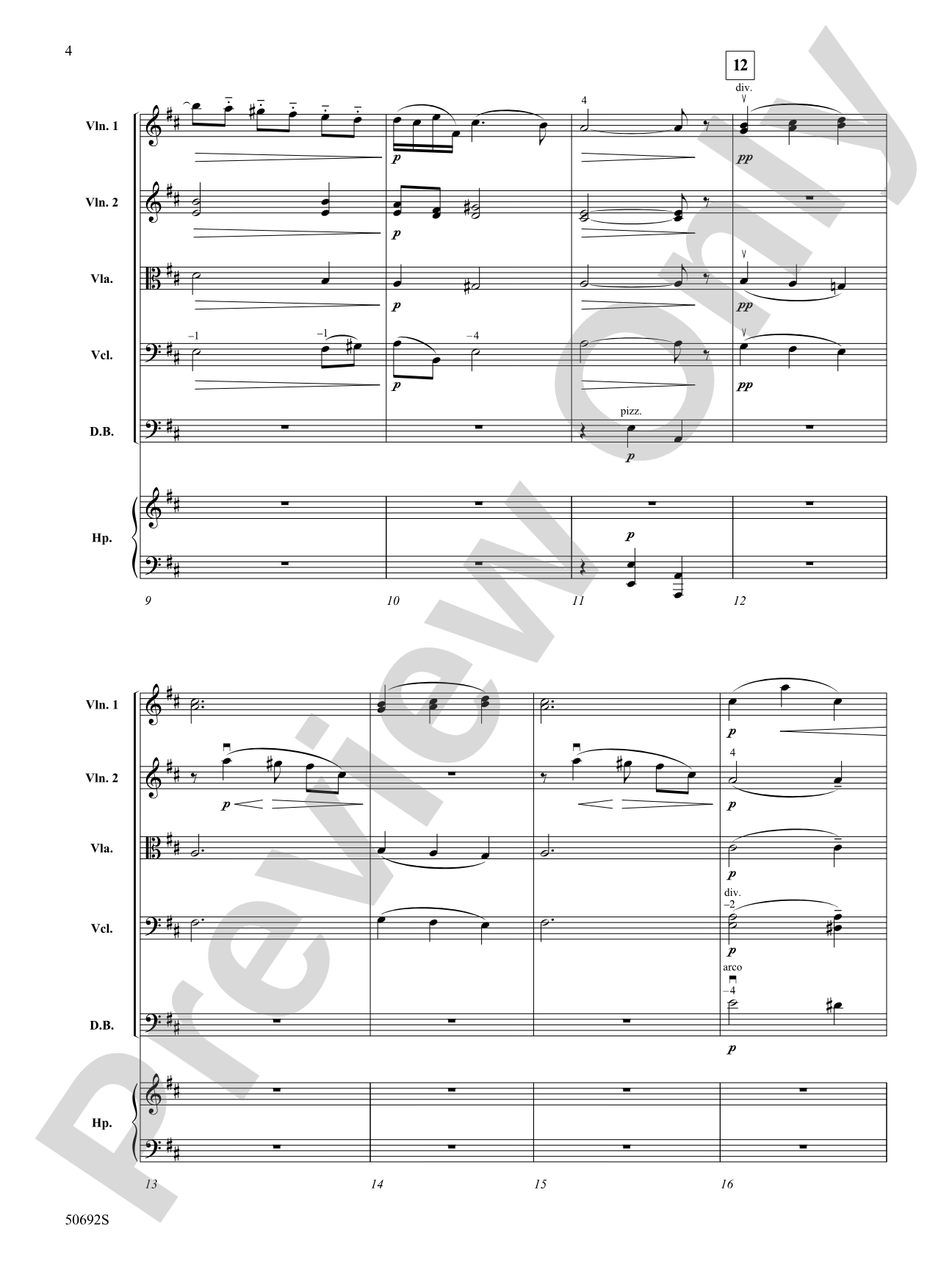
- Reading and performing divisi passages that expand the harmonic palette
- Responding to the expressive demands of operatic melody adapted for instruments