

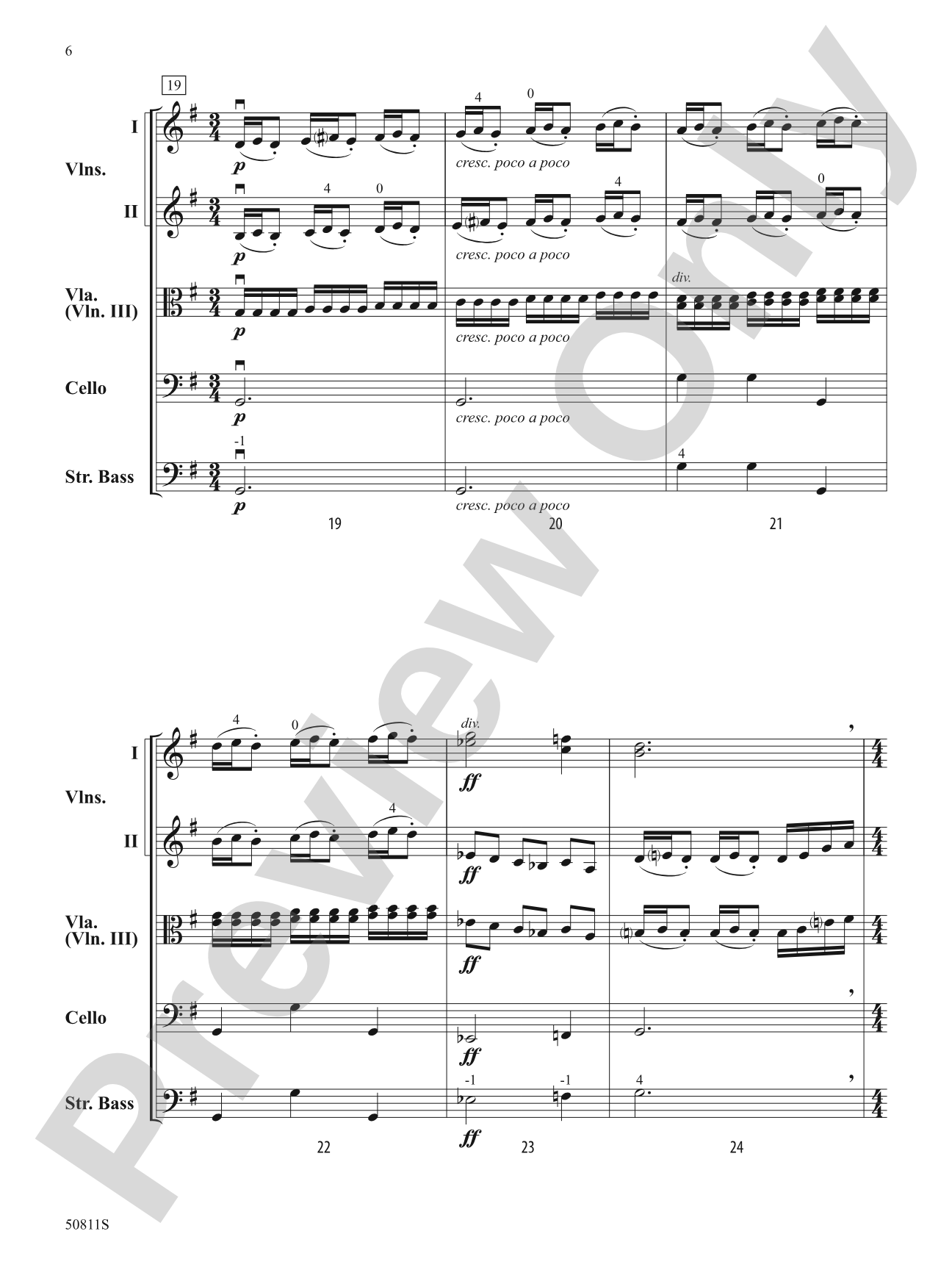
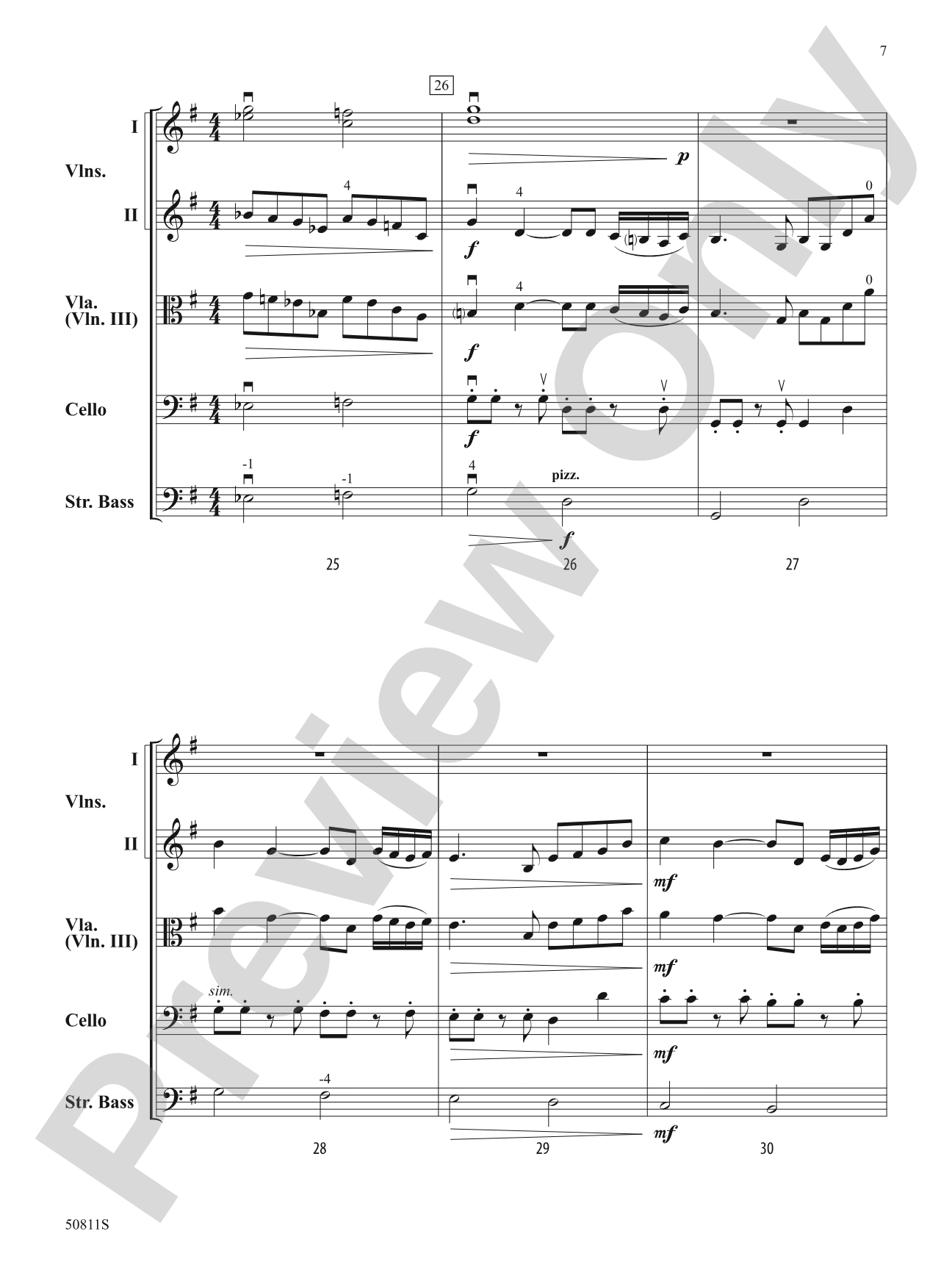
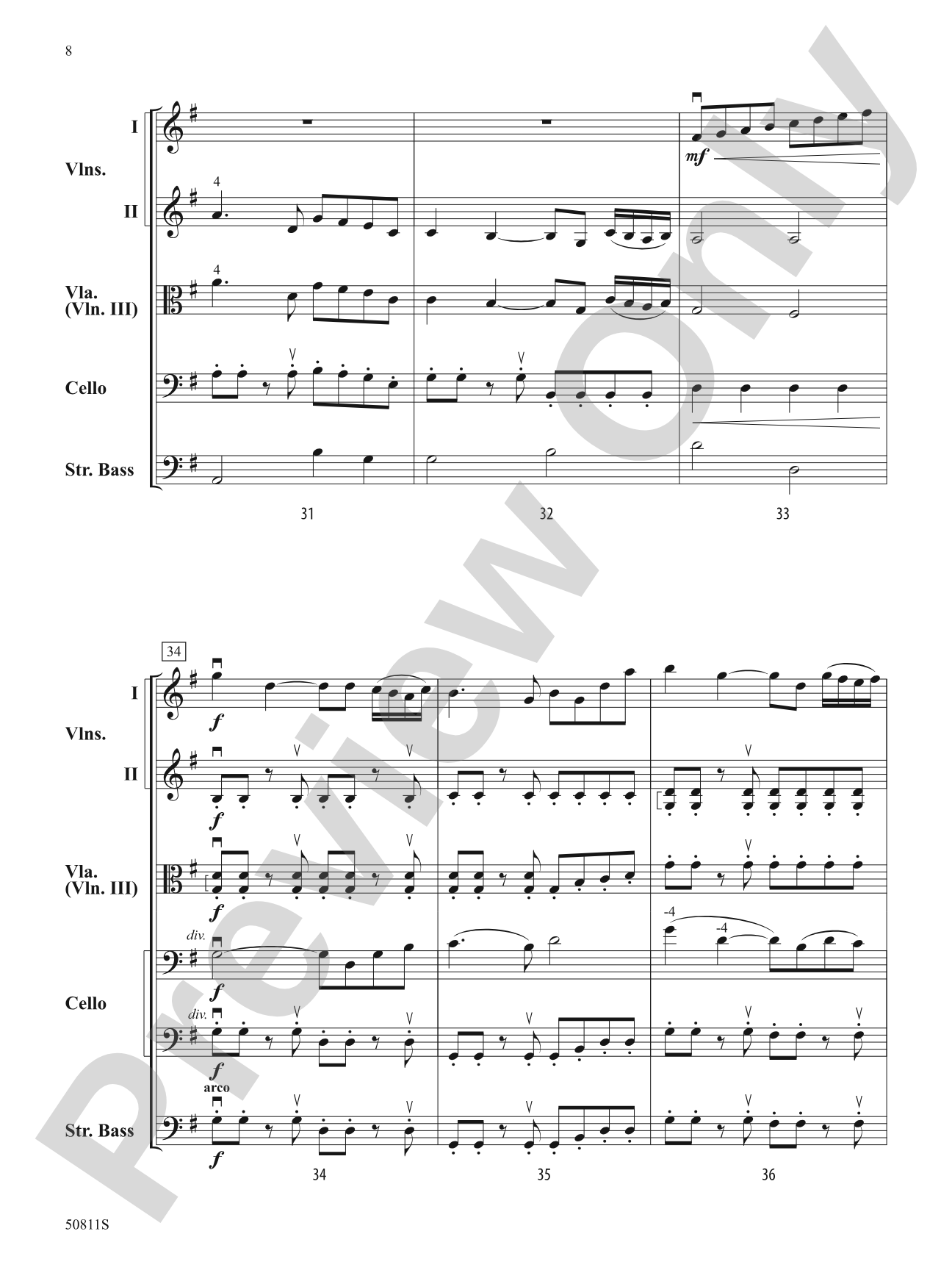
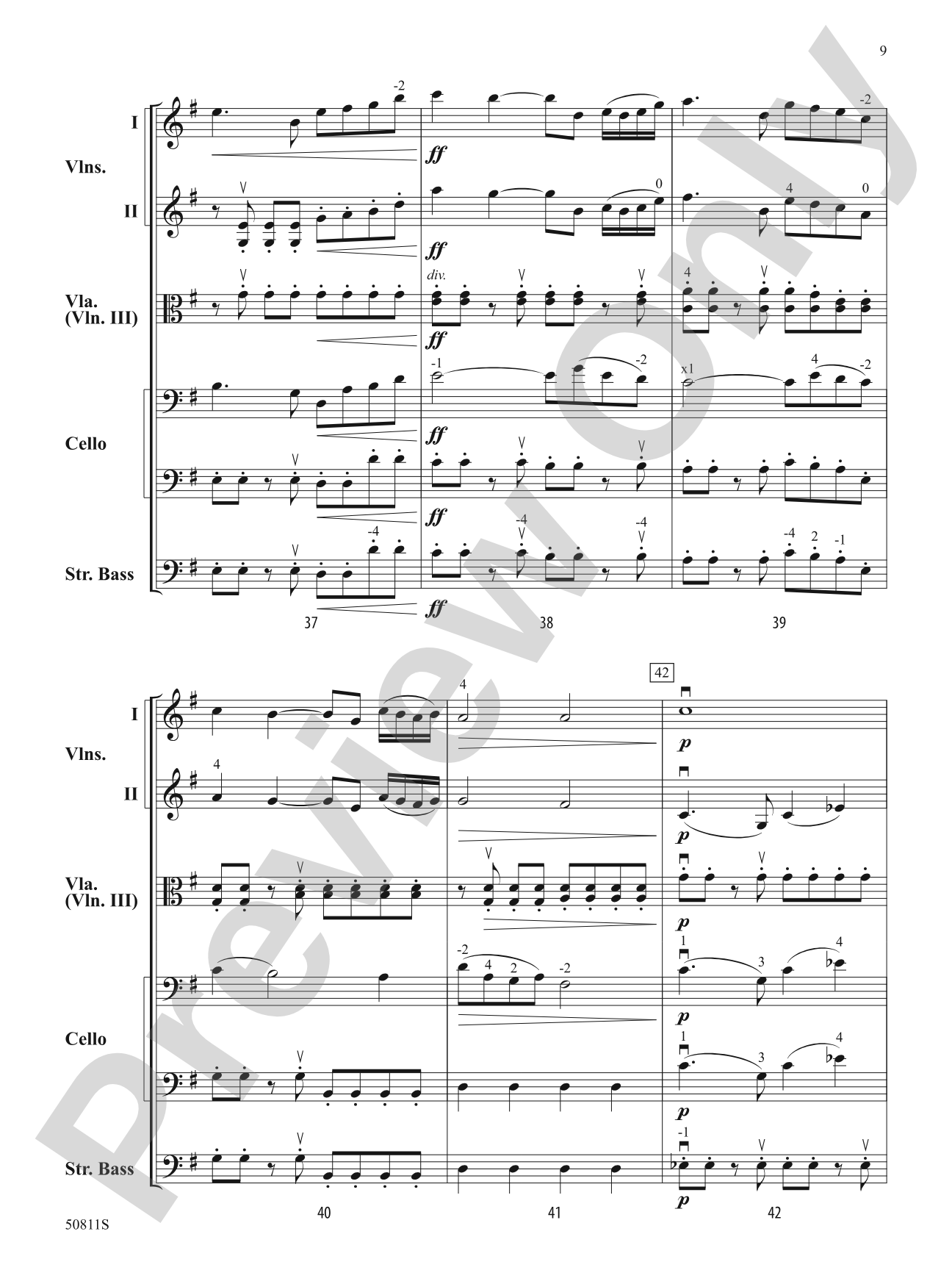
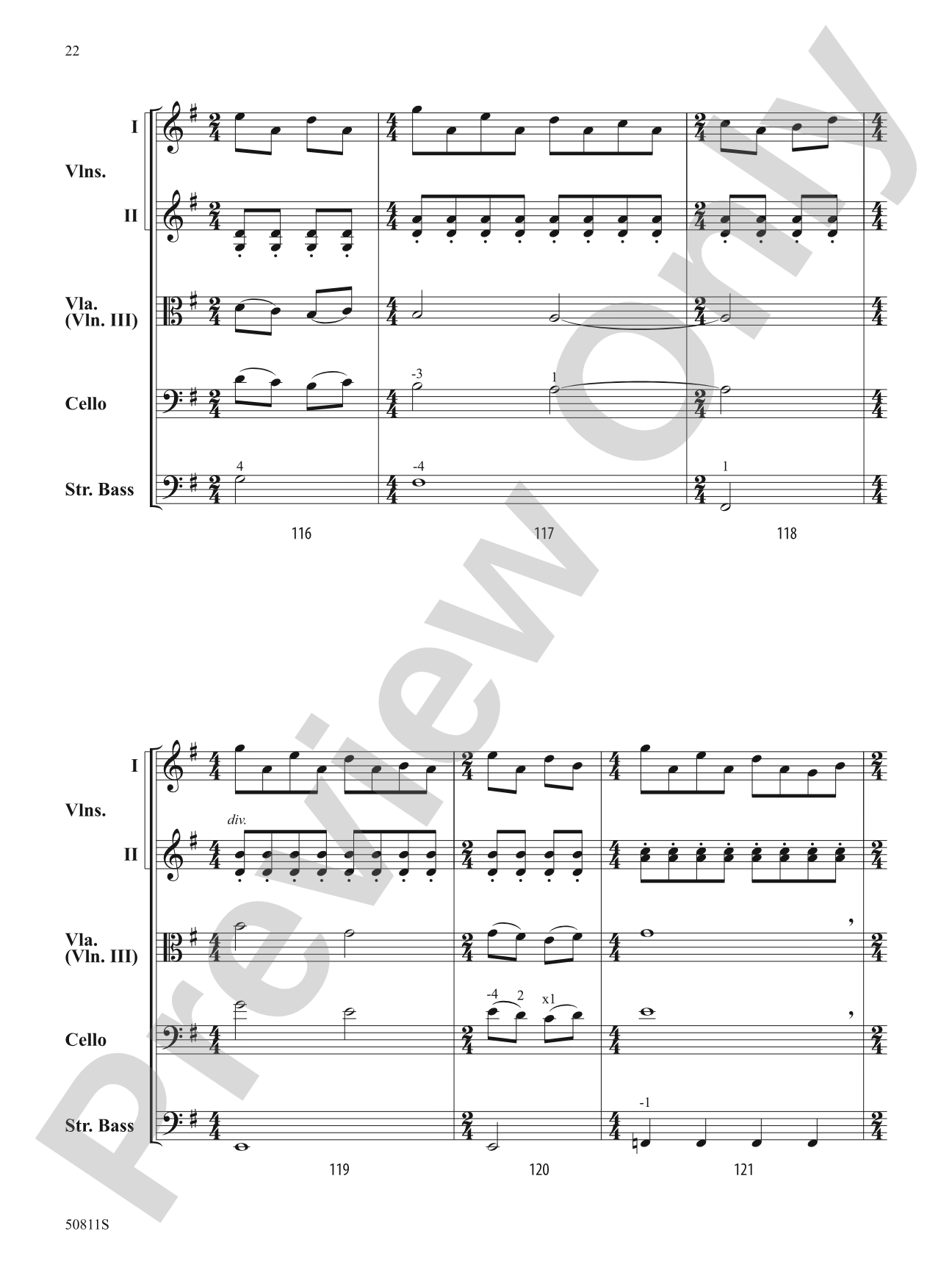
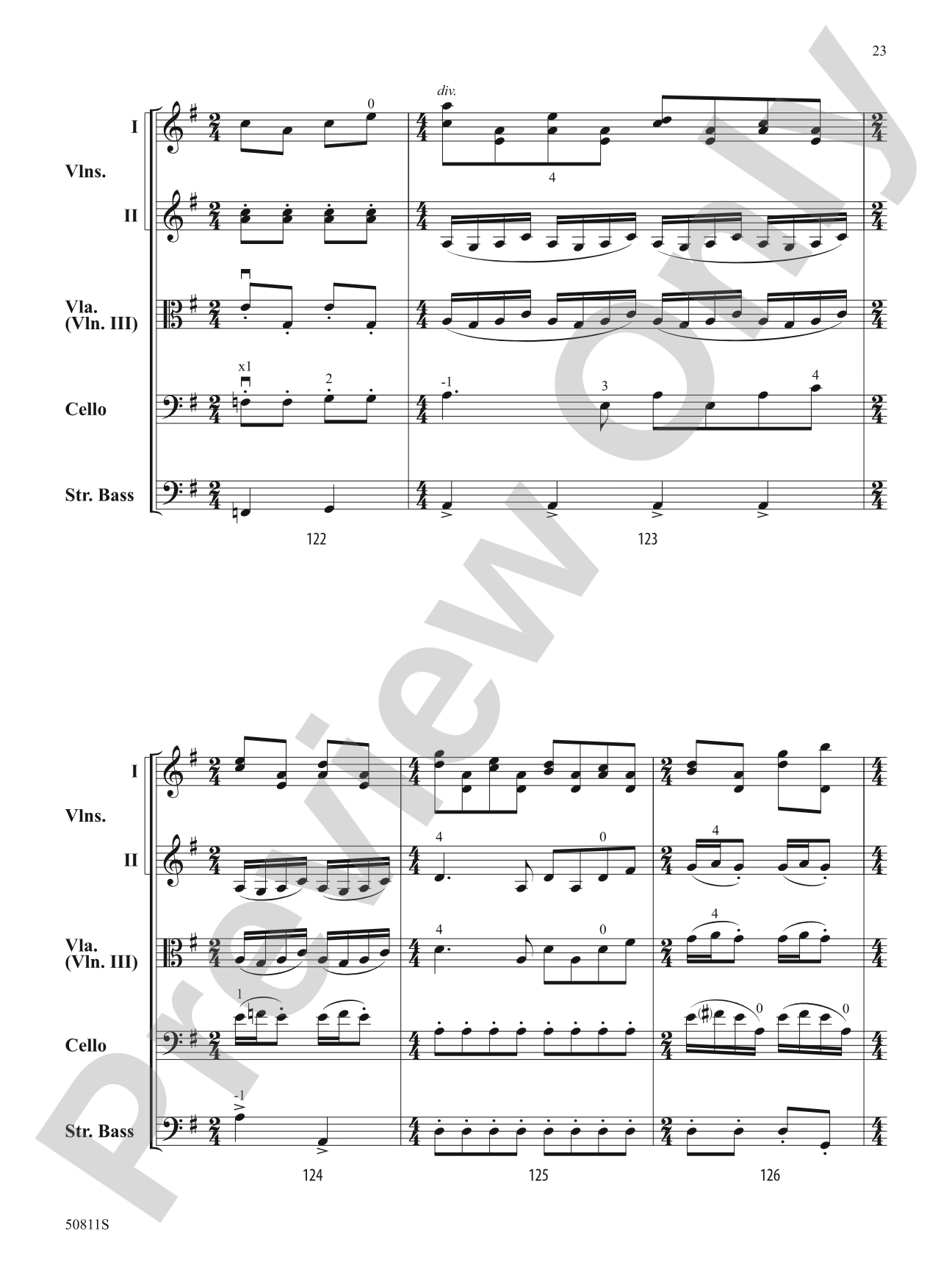
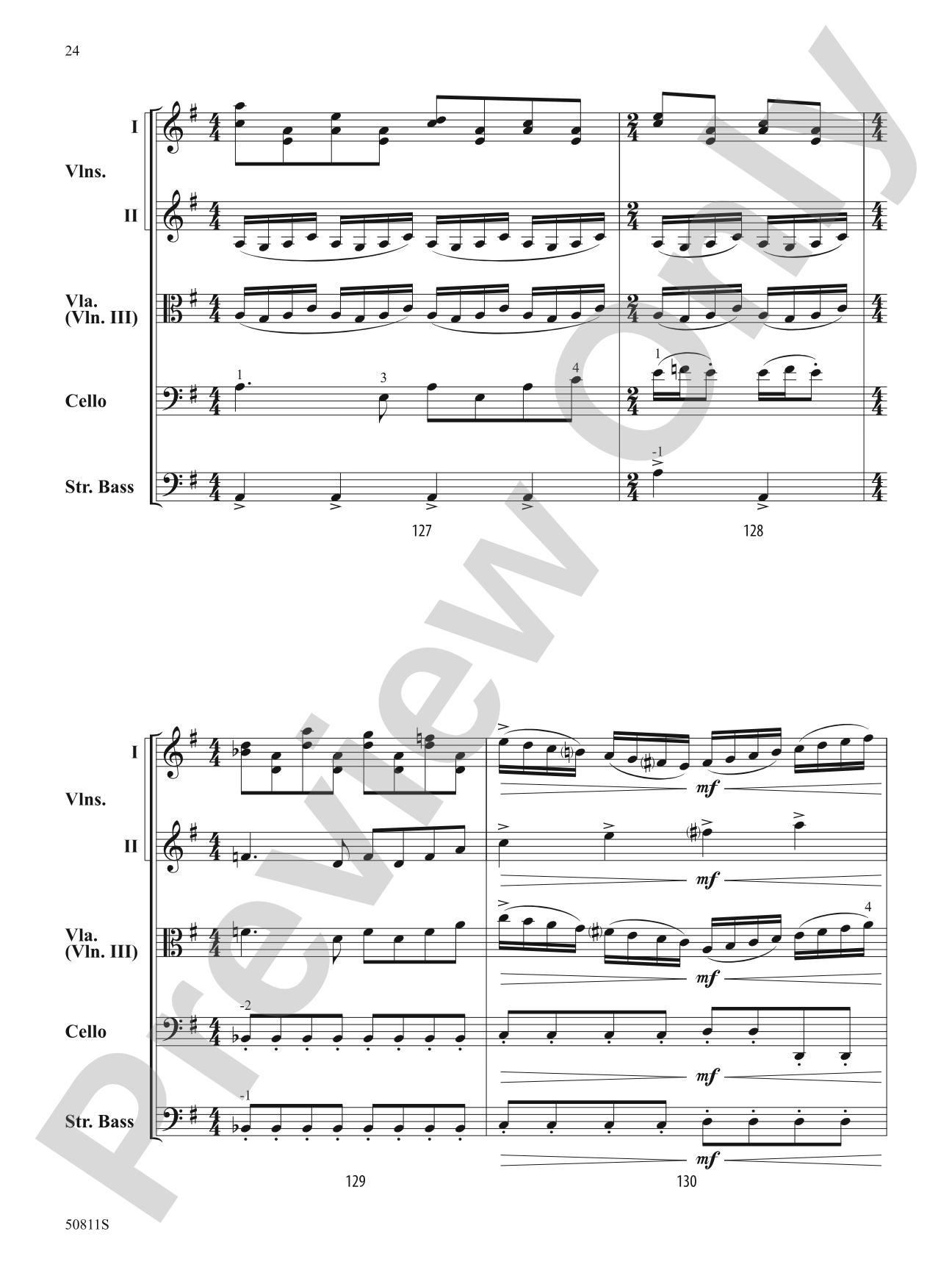
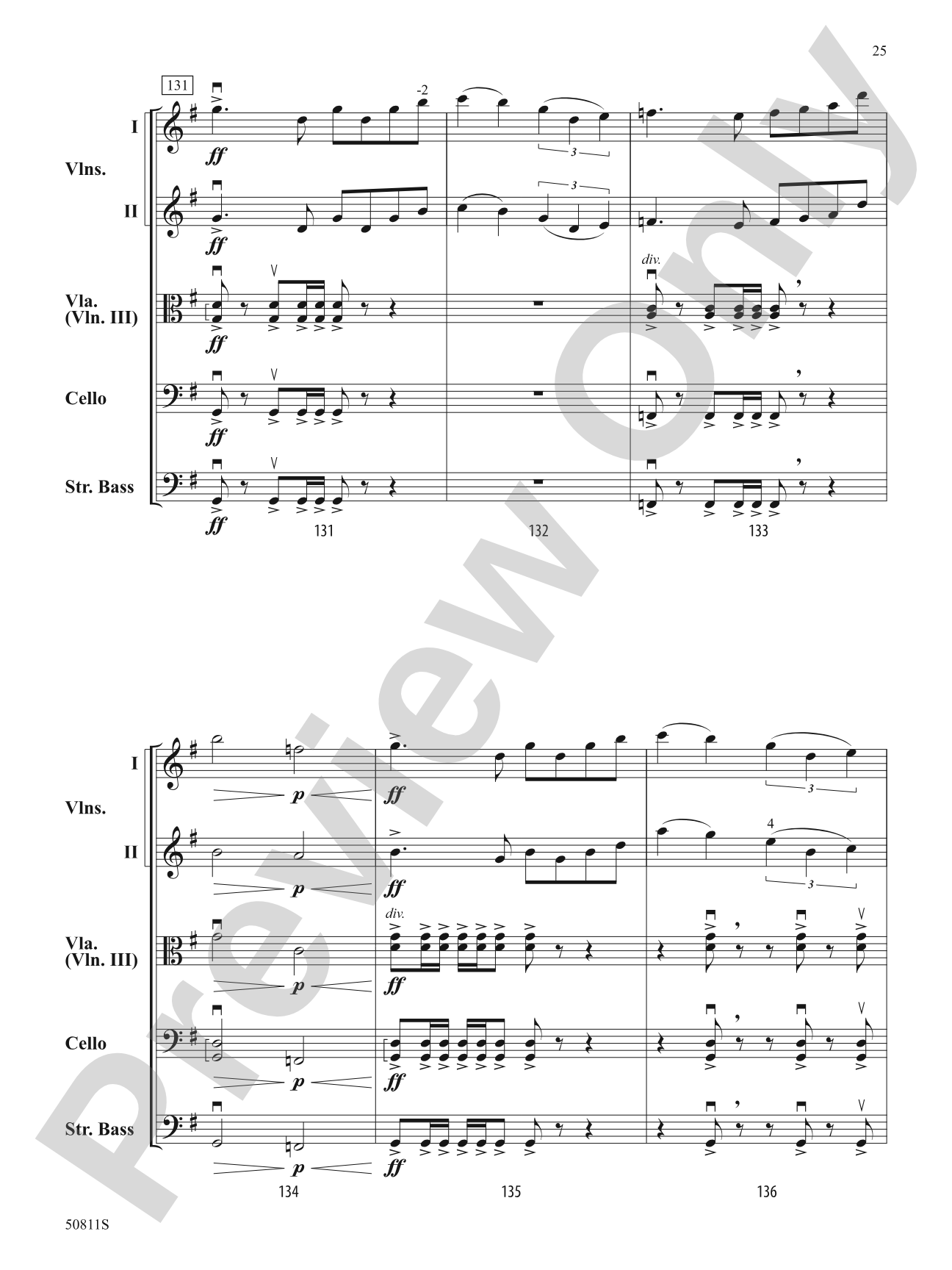

Incredible Voyage: Score
By Michael Hopkins
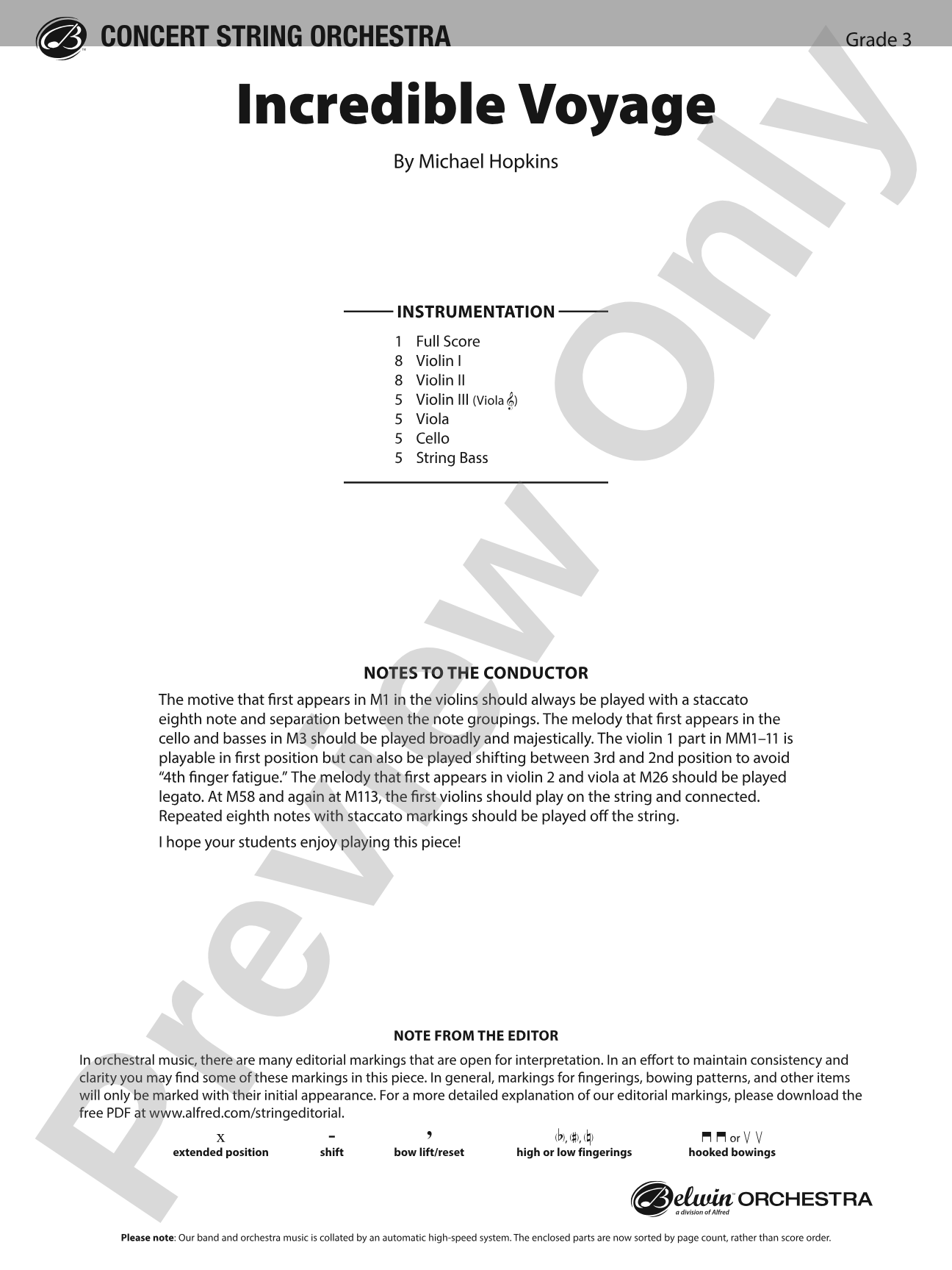
Grade: 3
Item: 00-PR-0007509
$12.00
Pickup currently not available
Description
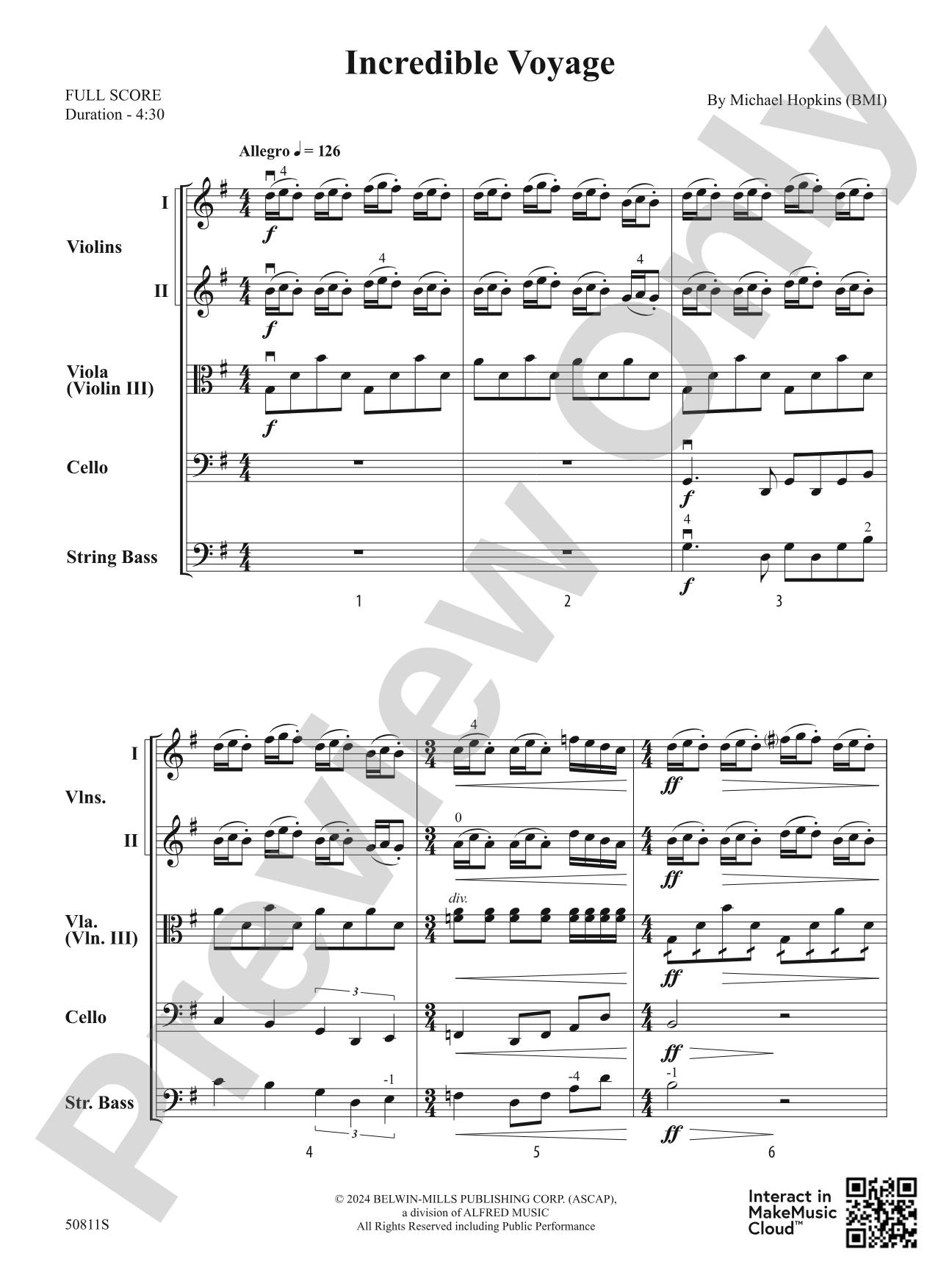
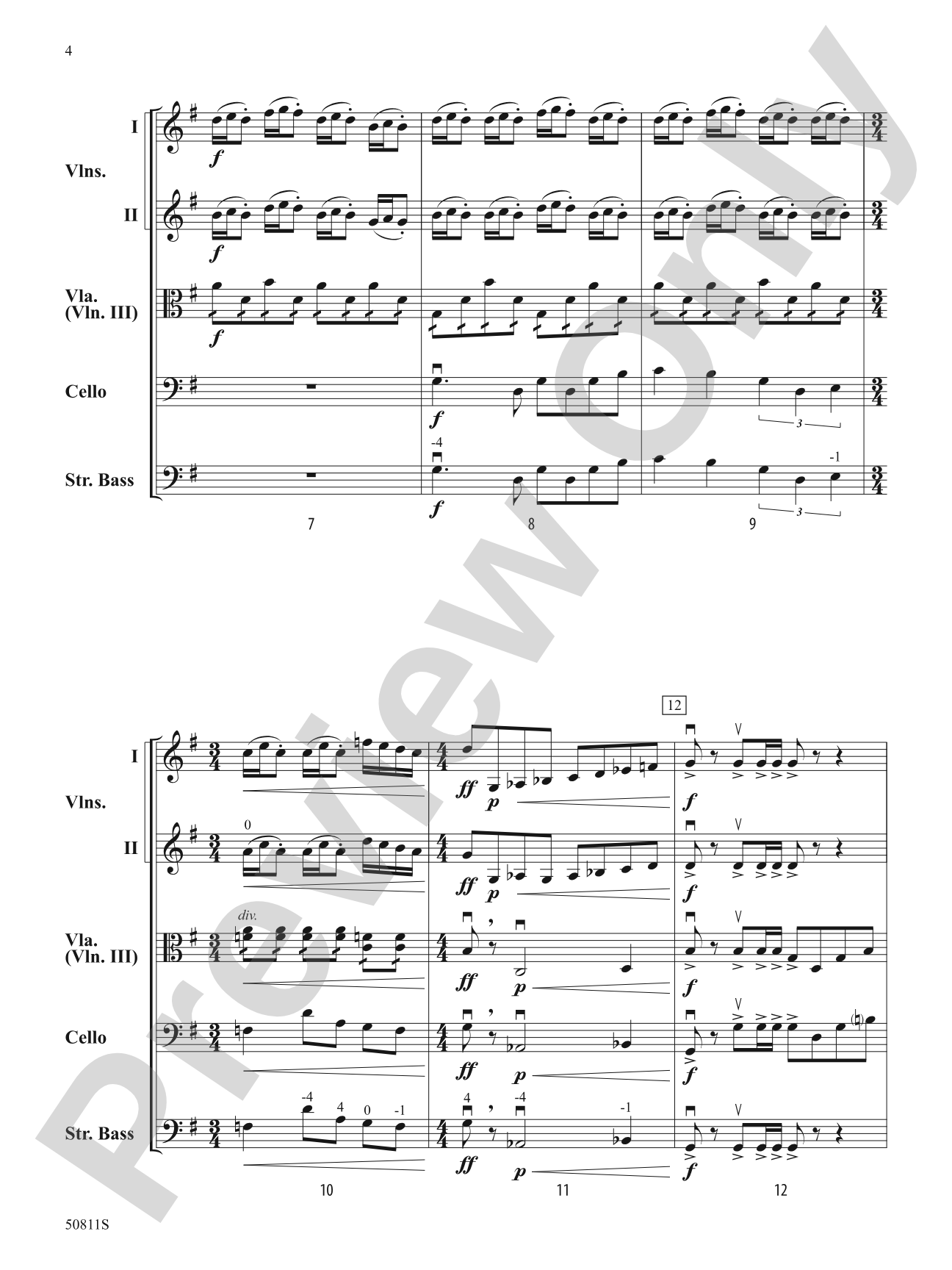
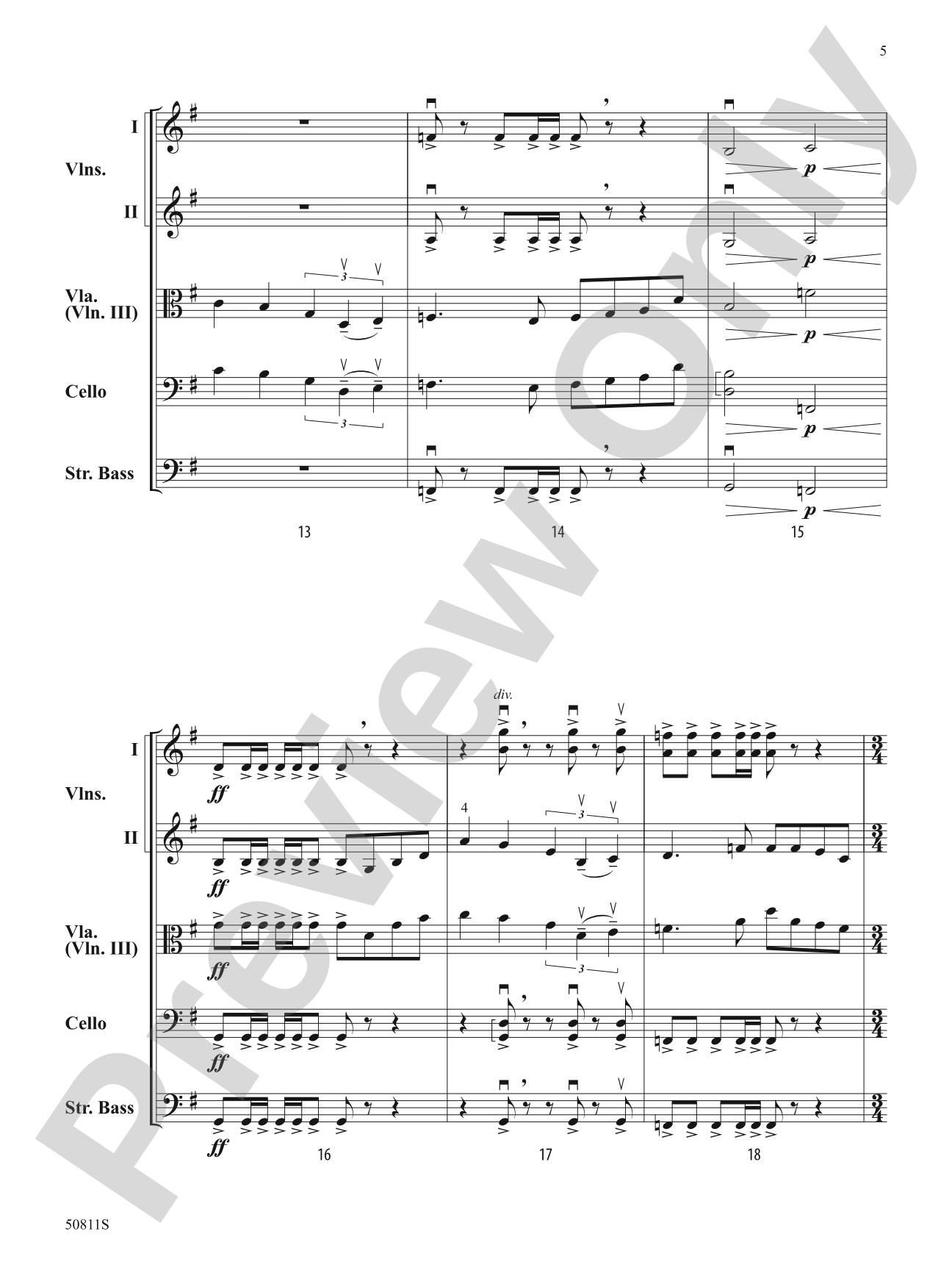
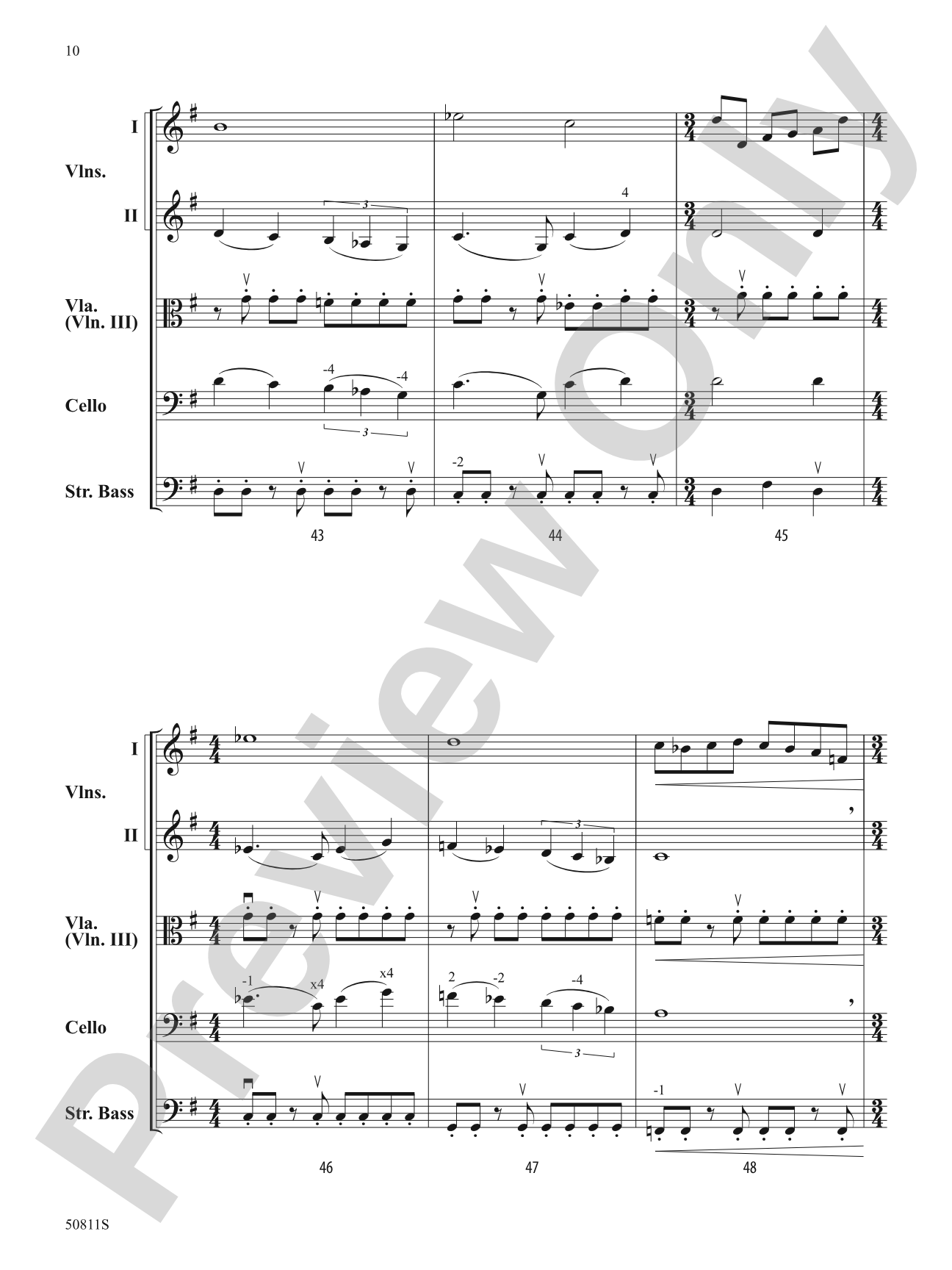
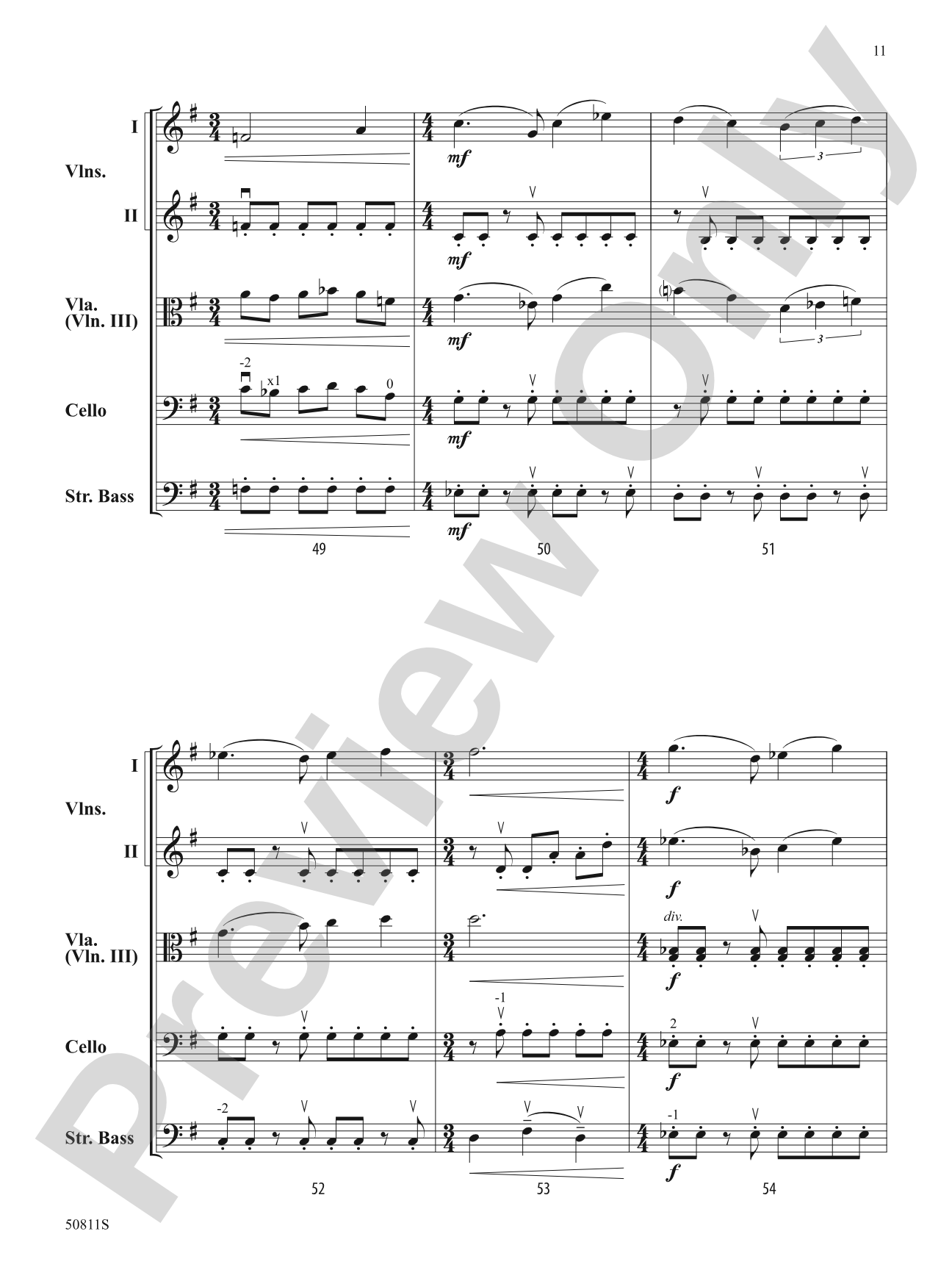
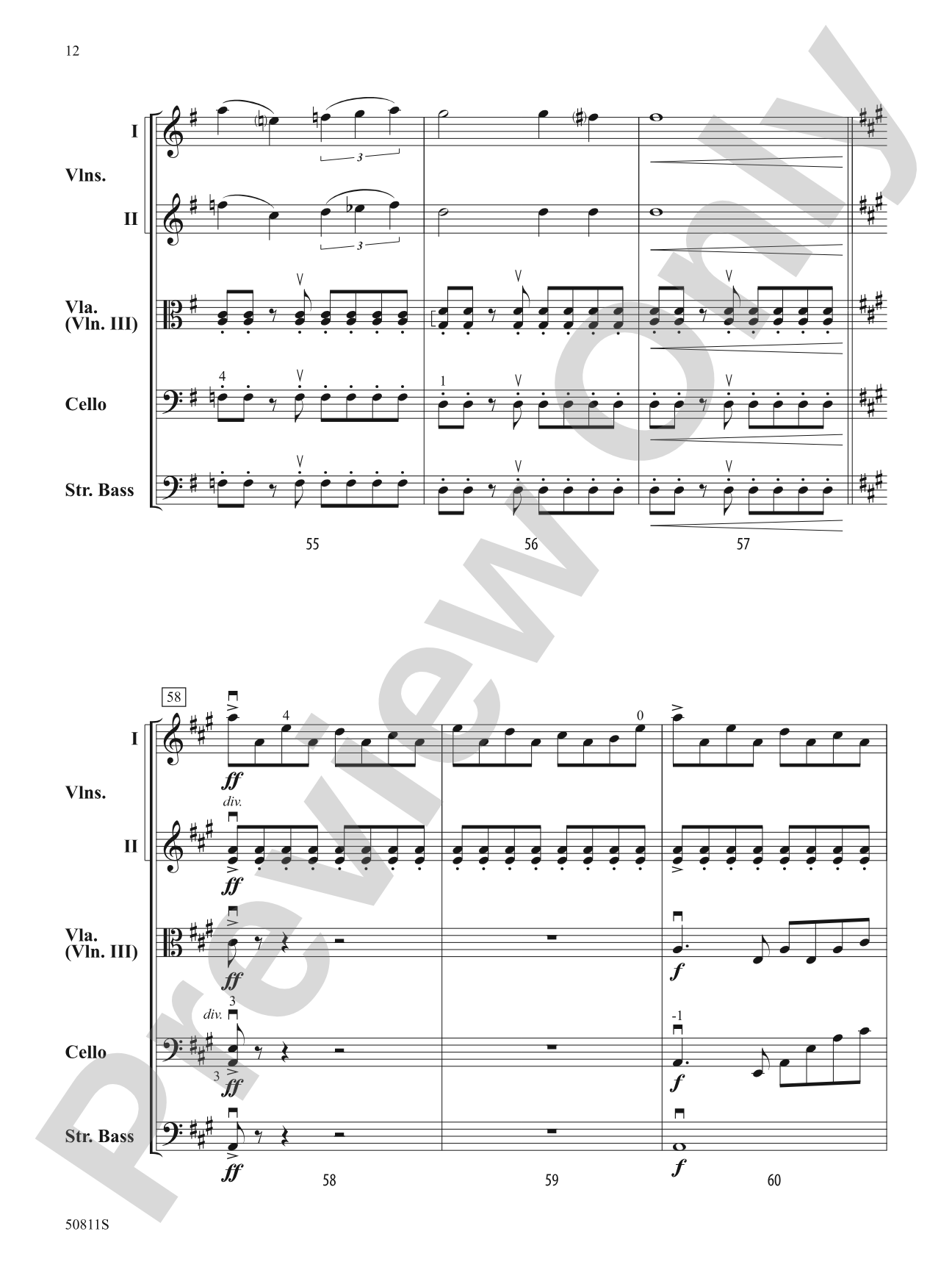
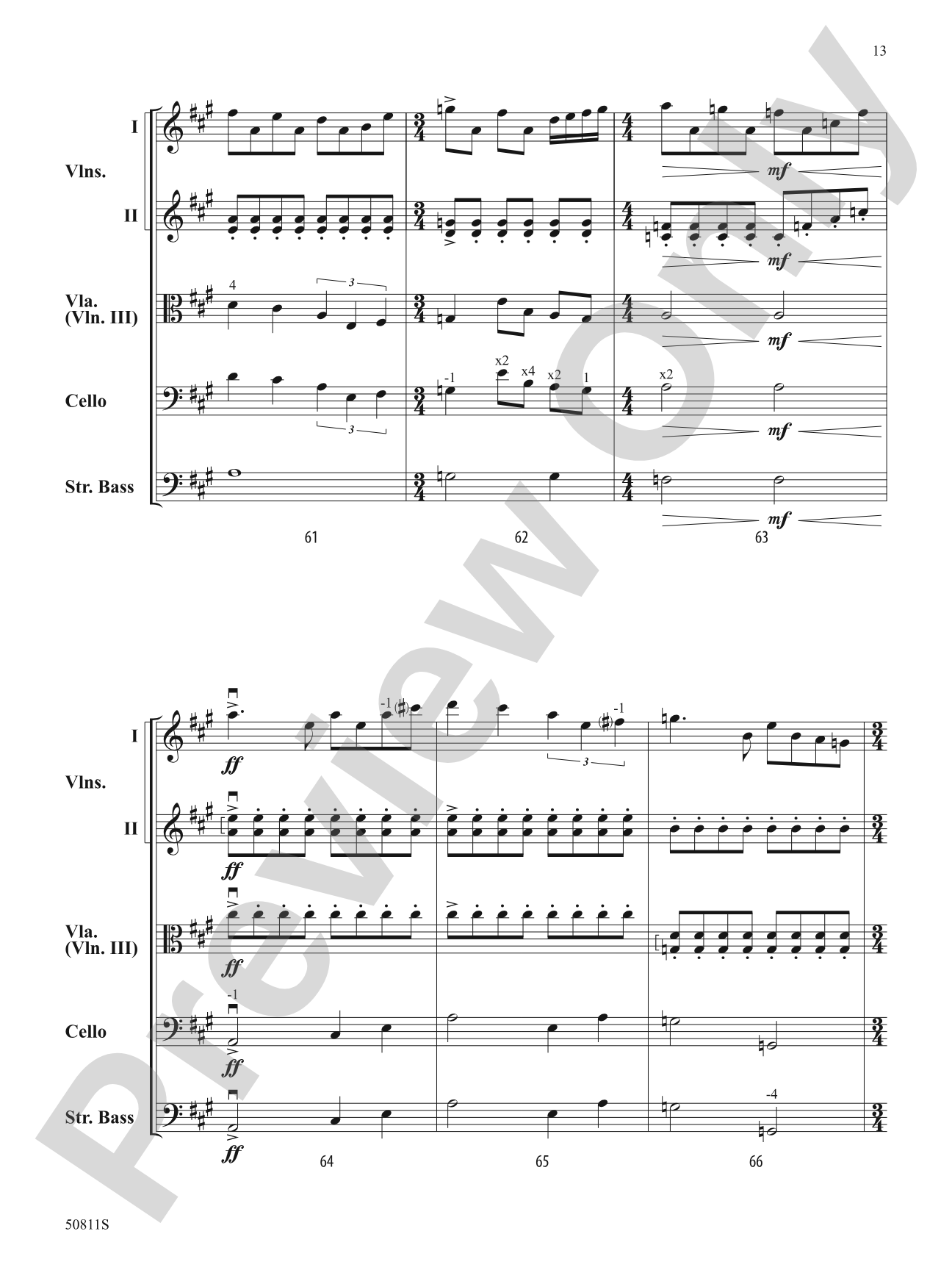
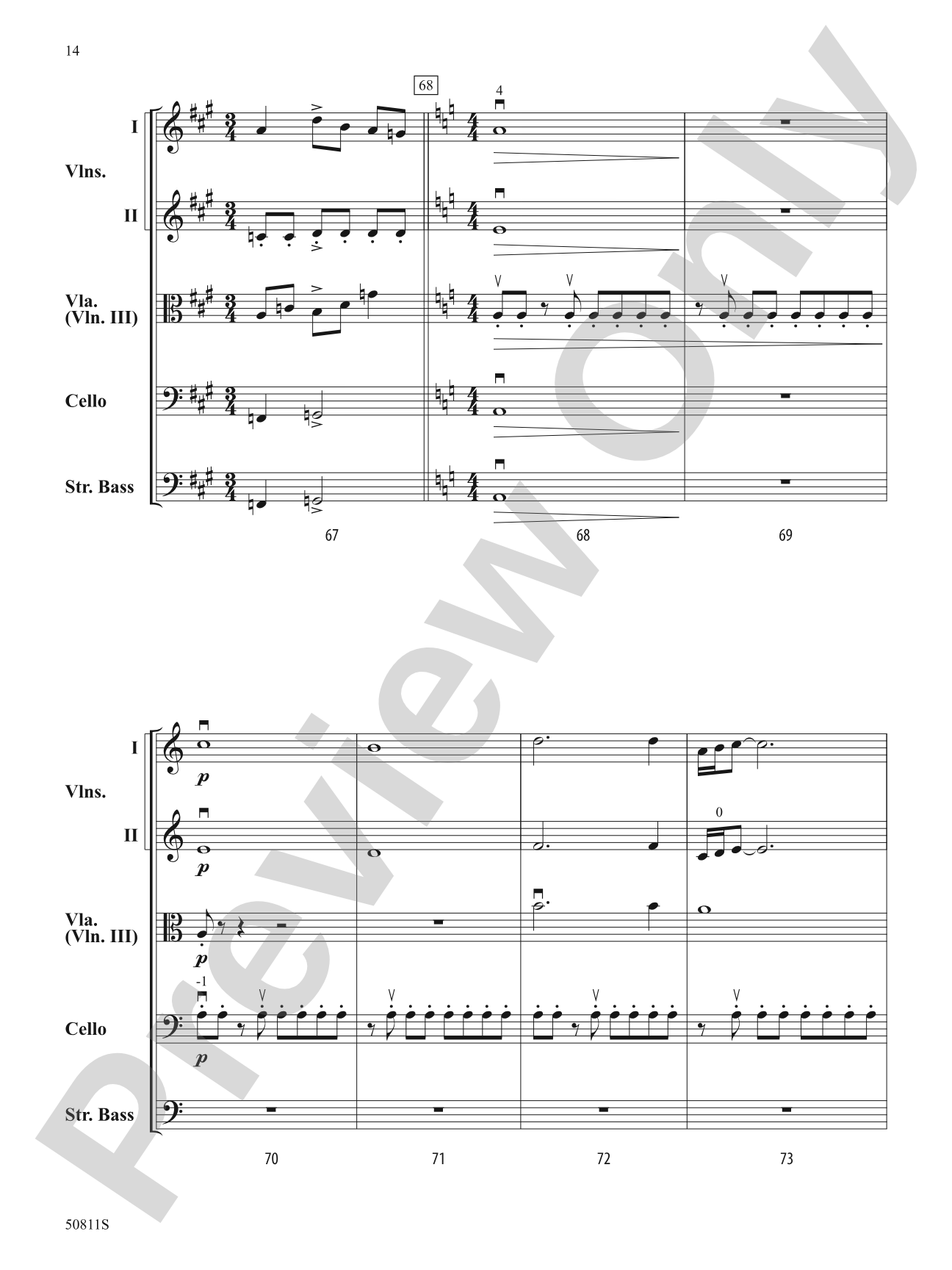
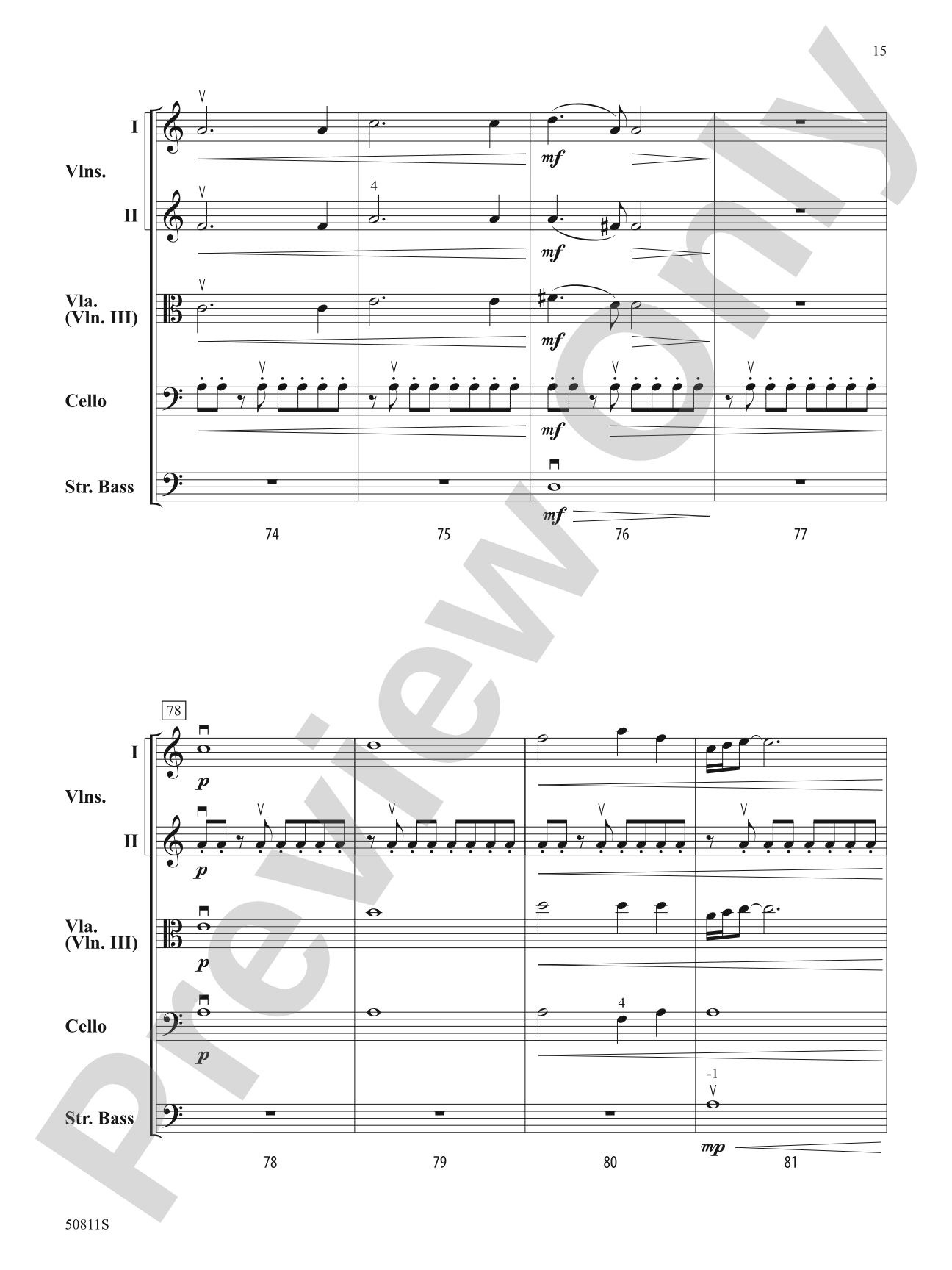
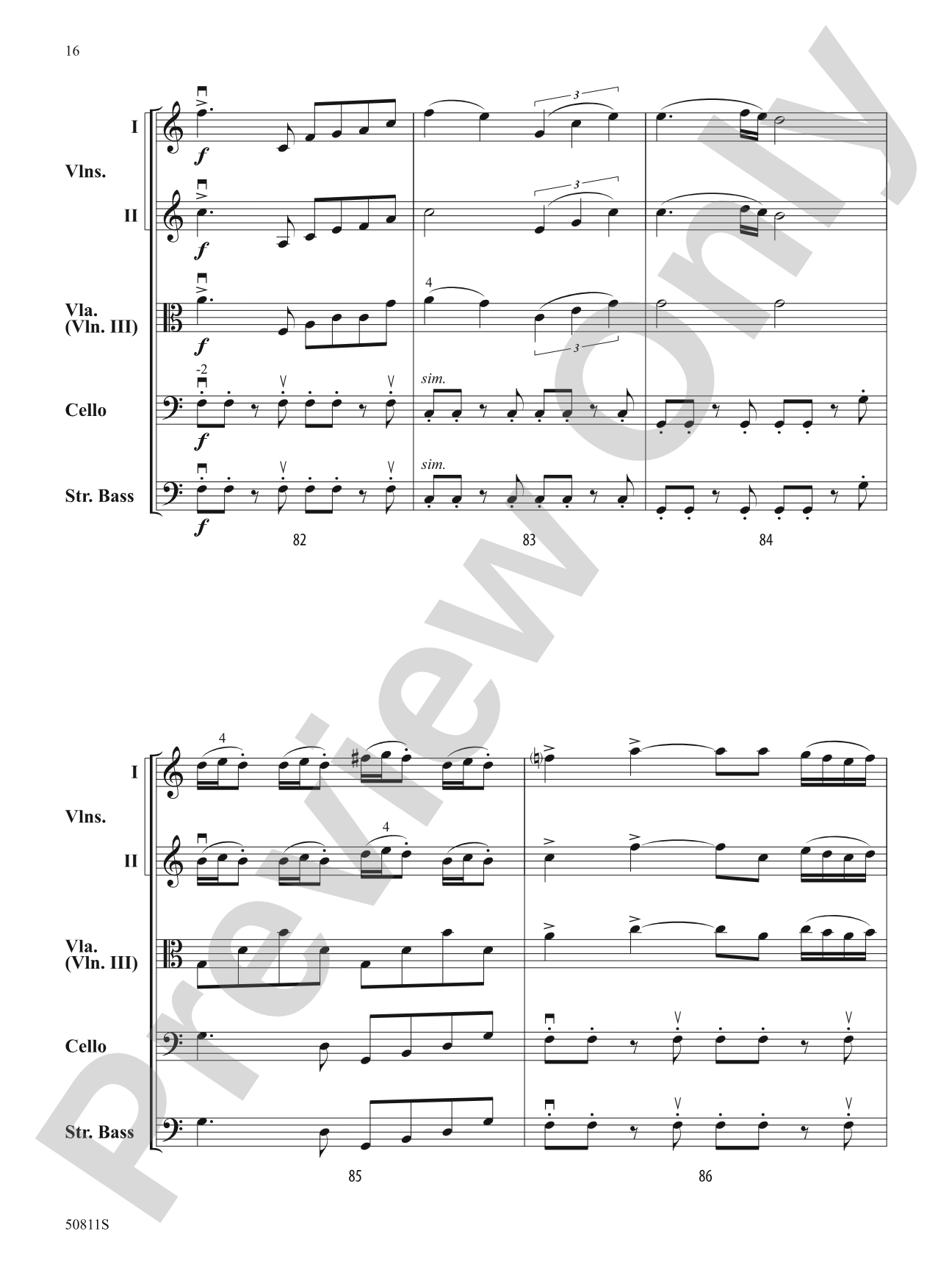
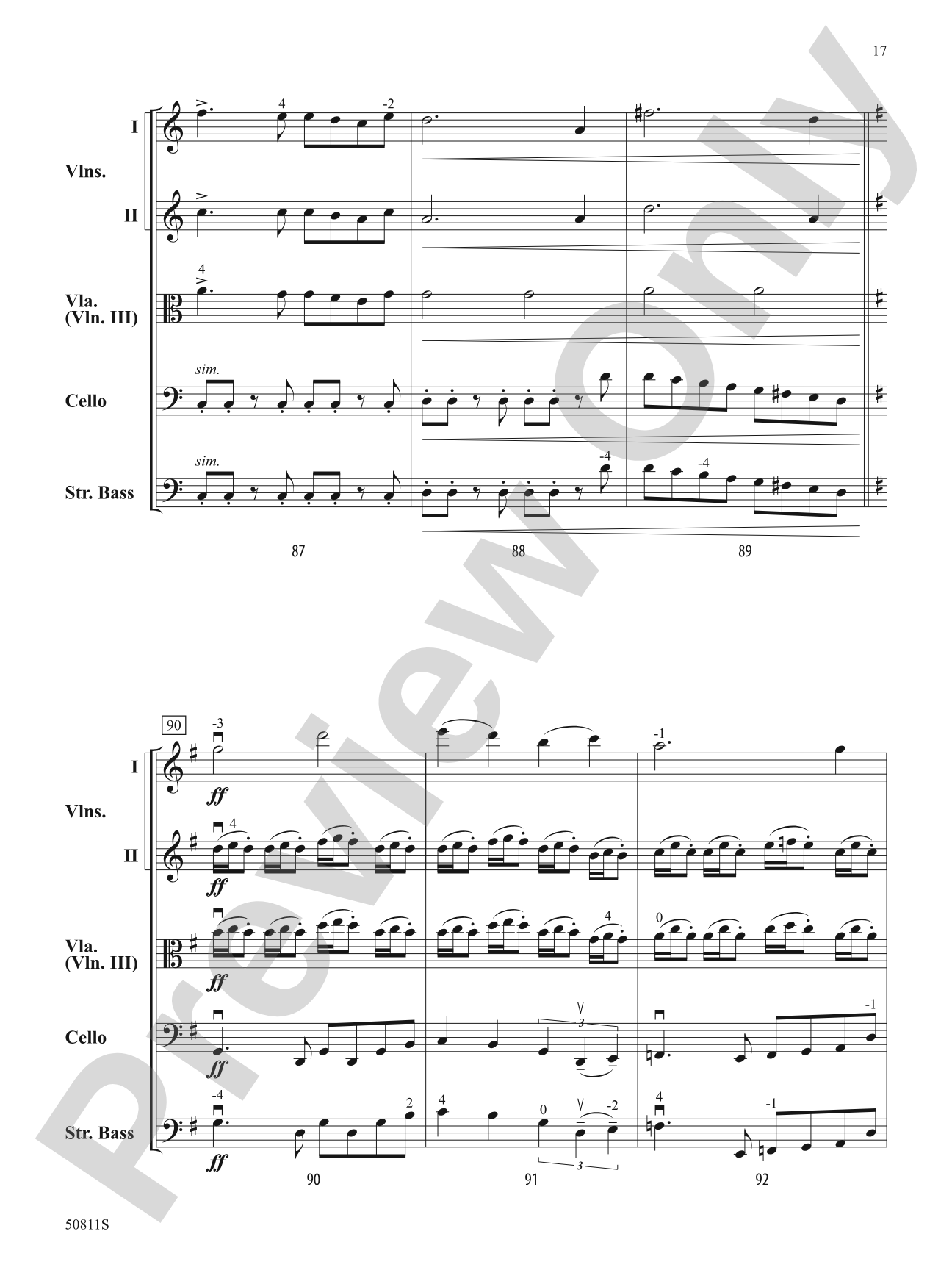
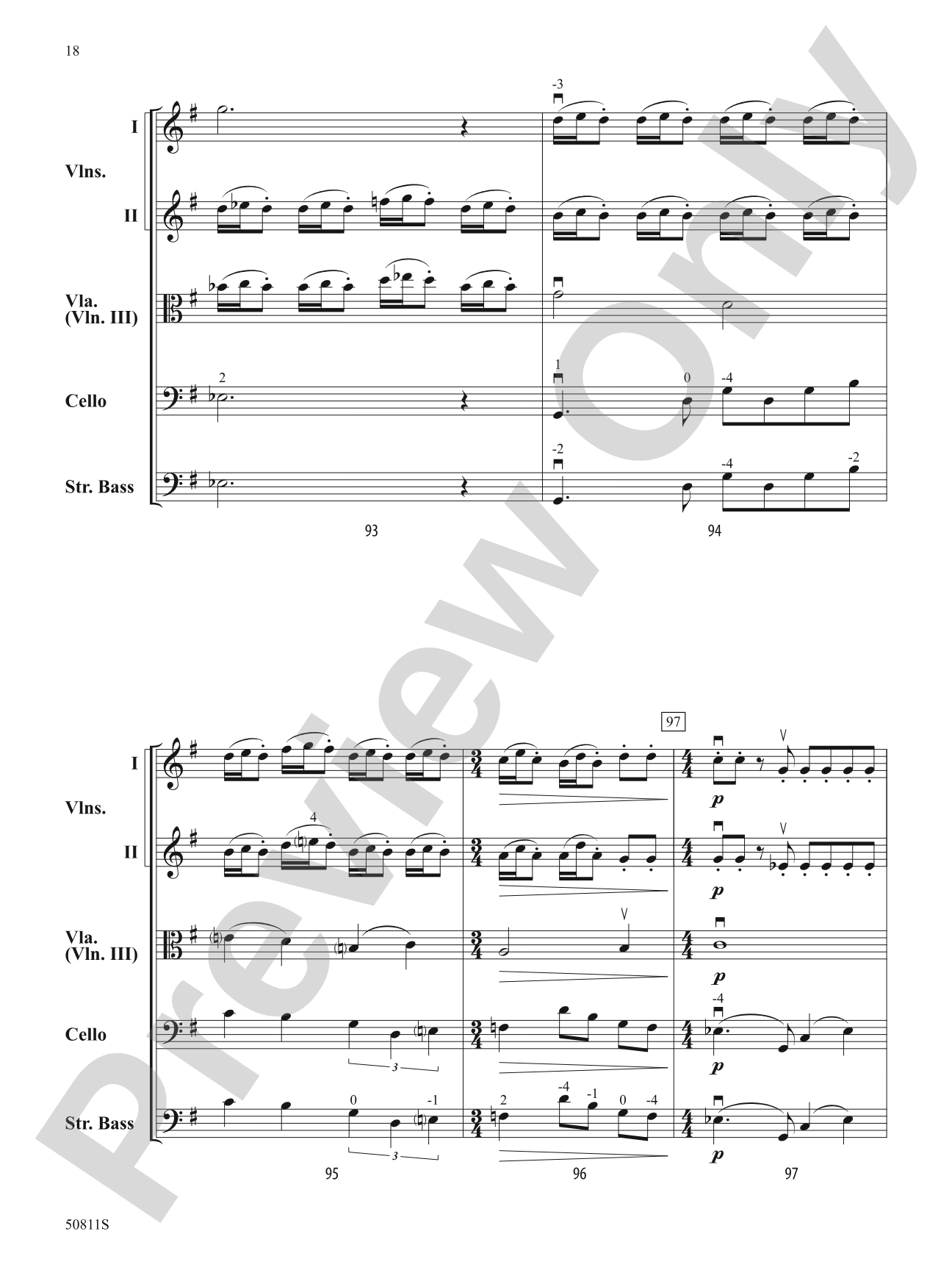
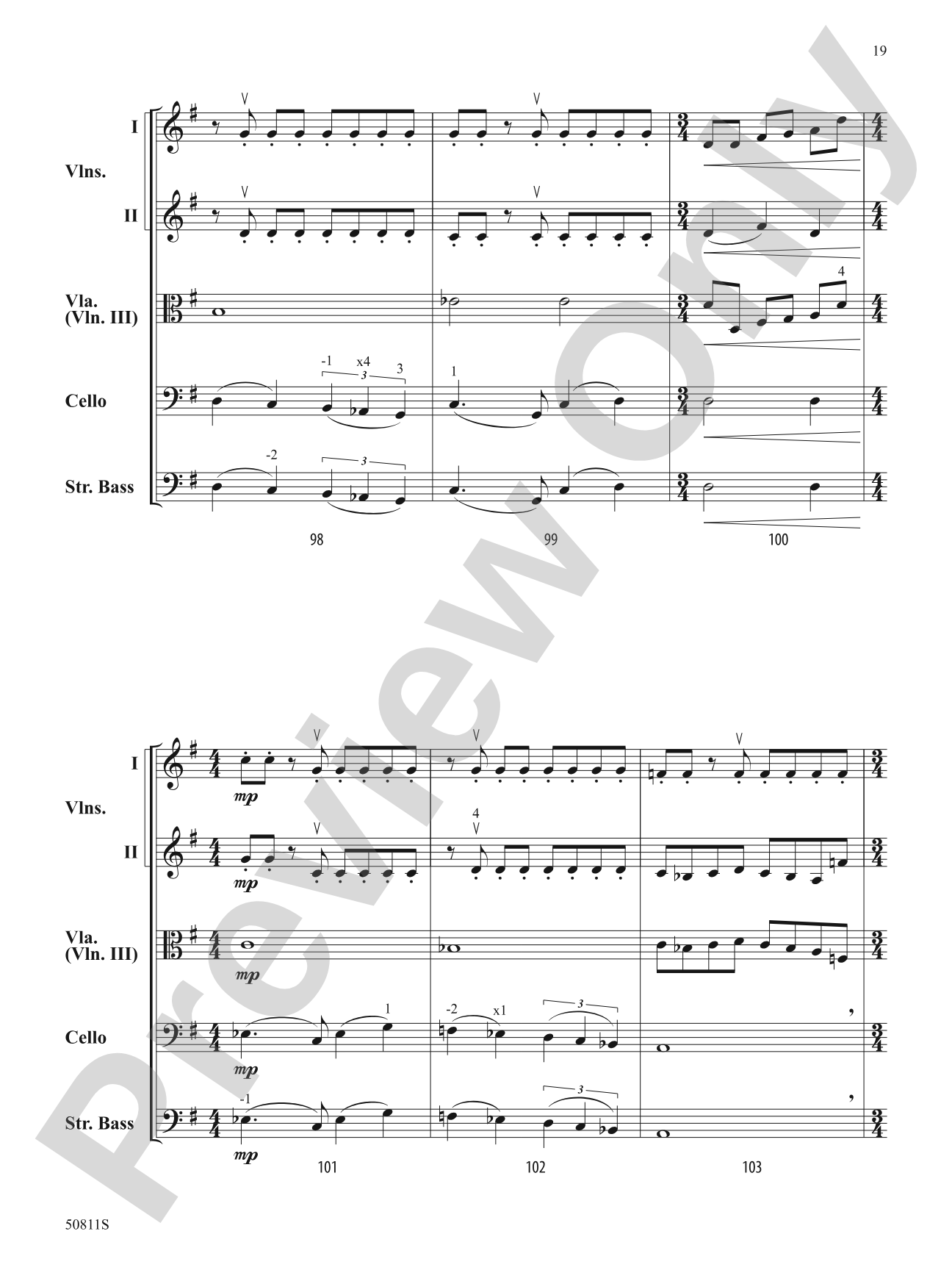
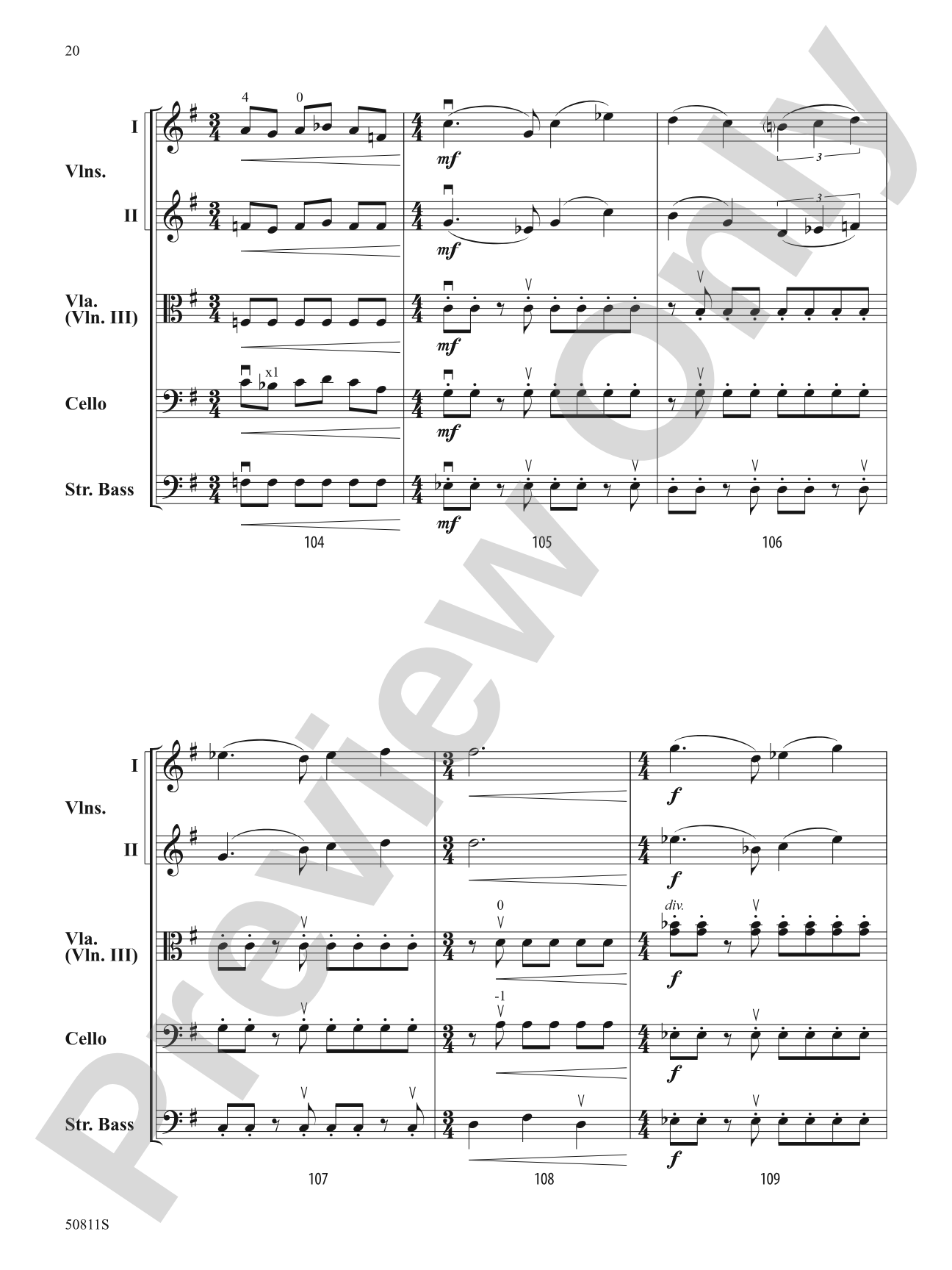
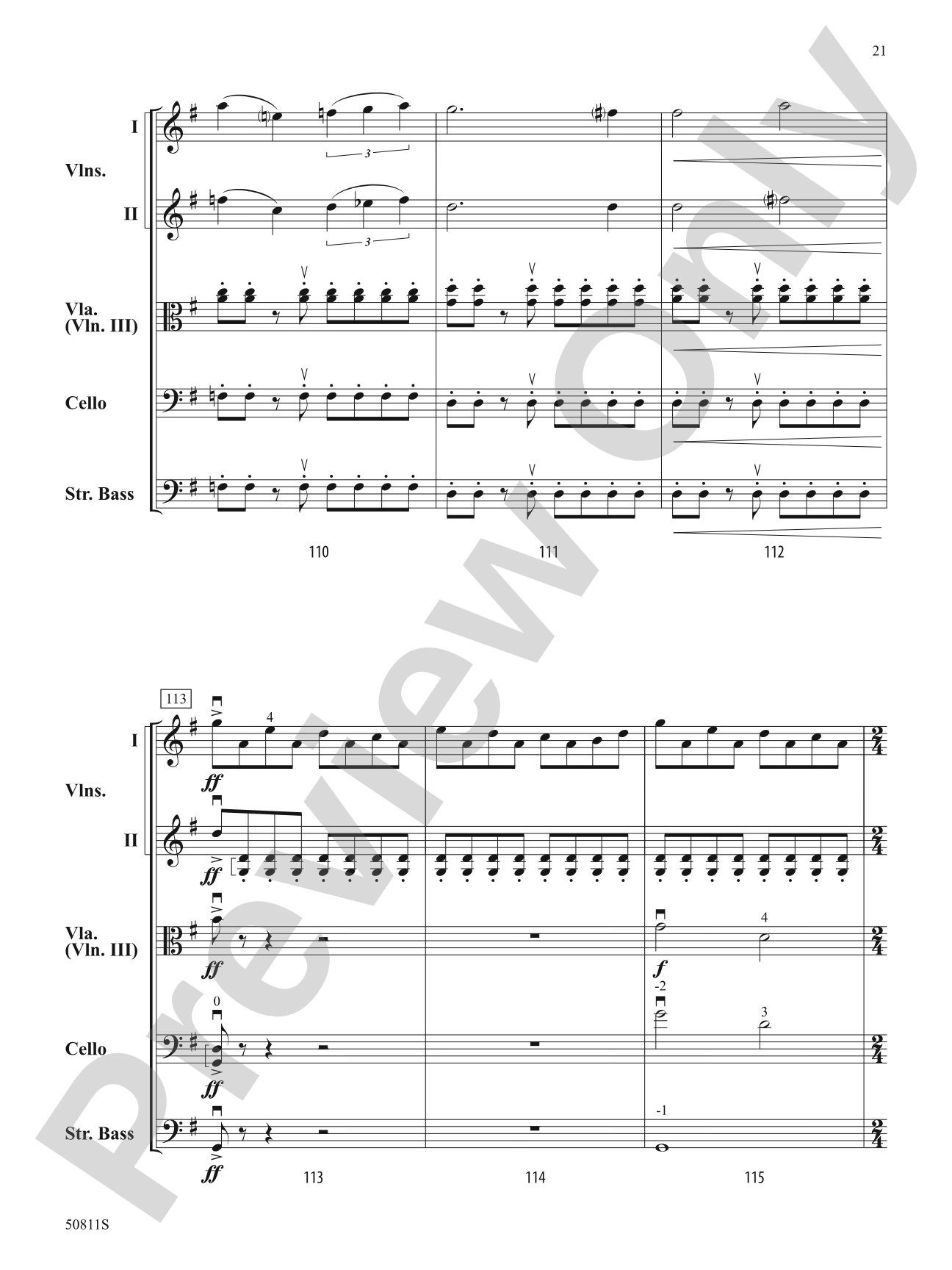
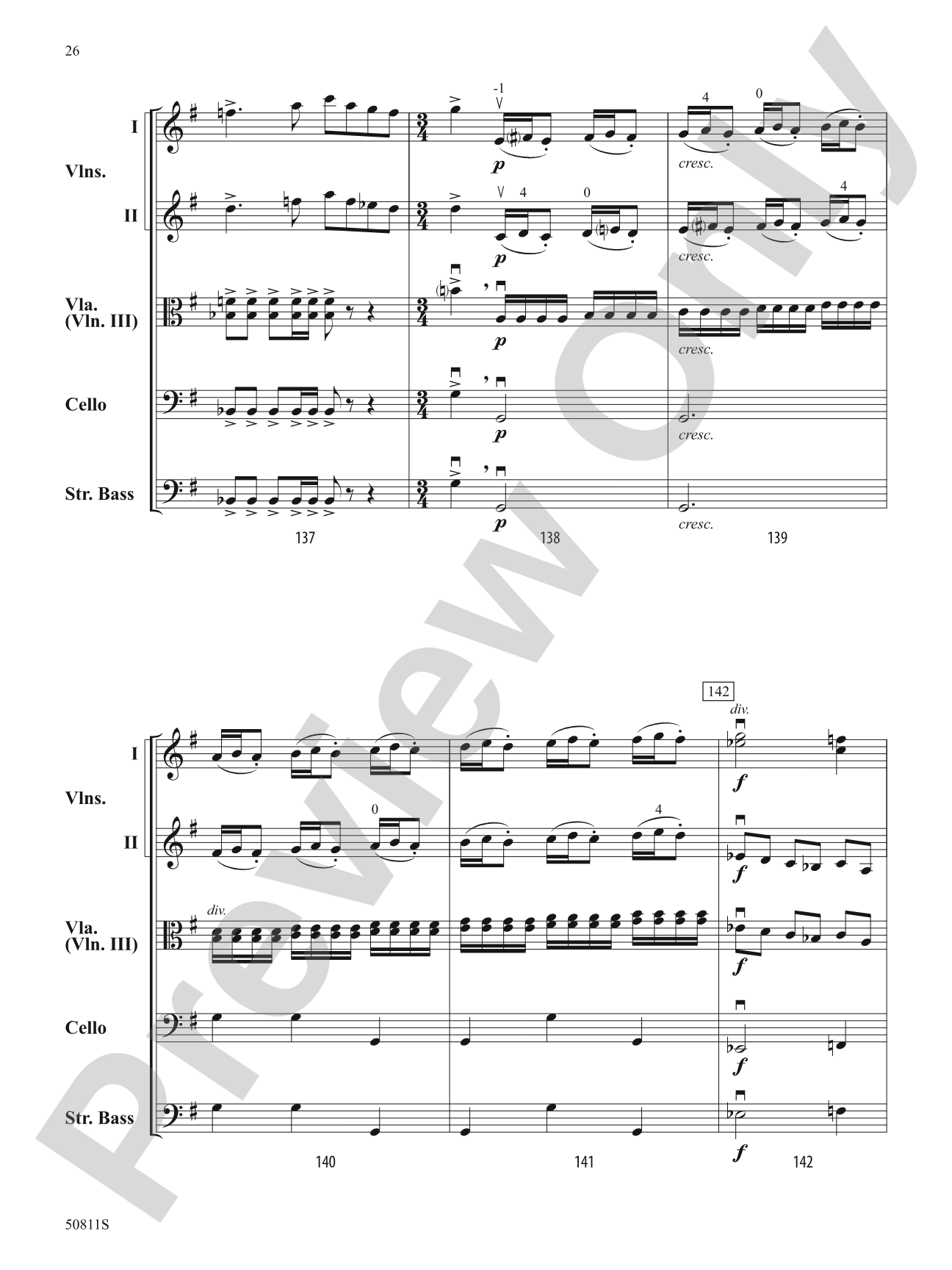
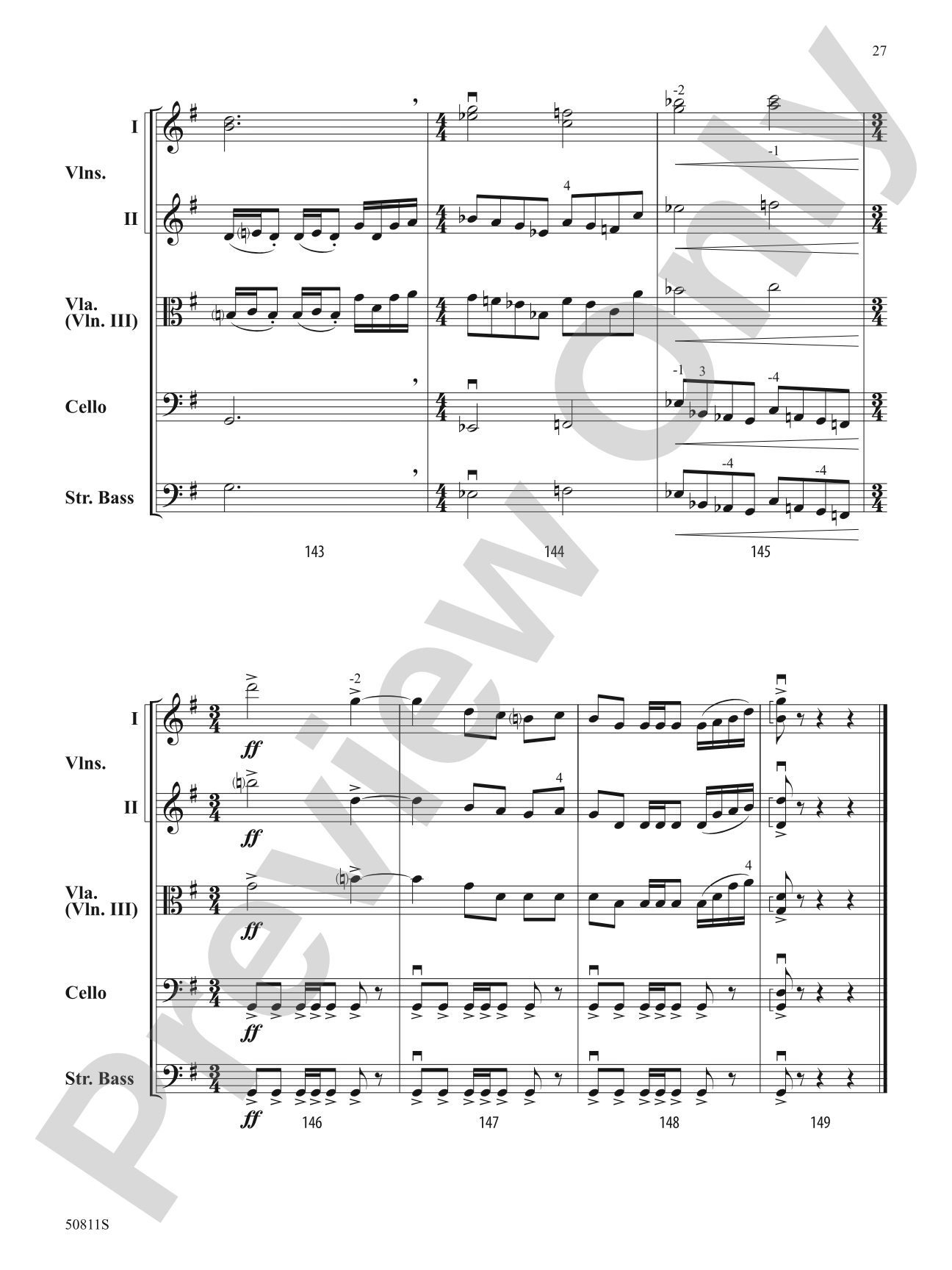
Incredible Voyage, by Michael Hopkins, is a lively and energetic piece for intermediate orchestra that depicts an epic journey through the galaxy to visit new worlds. All the parts have interesting melodic material. The music features changing time signatures and modulations. It is an excellent piece for teaching a variety of bow speeds and articulations. Violin 1 shifts to 3rd and 4th position. Cello shifts to 4th position and bass to 3rd position. Violin 2 and viola parts are playable in 1st position. (4:30)


Don't just read it, hear it, play along with it, and watch your students grow with it. In MakeMusic Cloud, Incredible Voyage: Score comes alive with professional accompaniment, adjustable tempo, and built-in practice tools that turn solo practice into real progress.
Open in the Player
Jump straight in and assign it today.
Start Your Free Trial
Open this title and explore the full library in minutes.
Sample Audio
1
Audio File
--:--
0:00
0:00
Sample Video
Additional Details
Series:
Belwin Concert String Orchestra
Publisher:
Alfred Music
SKU:
00-PR-0007509
More about this title
About the Composer: Michael Hopkins

Michael Hopkins directs the Music Education program at the University of Michigan, where he teaches string techniques, orchestra methods, and music psychology. His background spans conducting university orchestras at Vermont and leading middle and high school ensembles across Colorado, Michigan, and Vermont. He founded the Burlington Chamber Orchestra and has guest conducted at over 100 festivals and clinics nationwide.
Hopkins has published more than 70 compositions and arrangements for orchestra alongside scholarly articles in the Journal of Research in Music Education, American String Teacher, and Music Educators' Journal. He authored The Art of String Teaching, a pedagogical resource widely used by pre-service teachers, professional conductors, and studio instructors. His work bridges composition, conducting, and string education research.
Why we love this
Hopkins writes with a conductor's understanding of what intermediate orchestras can actually pull off. The changing meters and modulations sound sophisticated without demanding virtuosic execution, and every section gets genuinely interesting material to play rather than relegated to rhythmic filler. This piece earns its place on a festival program because it challenges bow technique and position work in a musically engaging context.
What to expect
An intergalactic adventure that propels forward with rhythmic energy and orchestral color. The changing time signatures and key shifts create a sense of discovery and wonder, as if moving between alien landscapes, while the engaging melodies in all parts keep the ensemble invested in the journey.
Who it's for
String orchestra programs at the intermediate level (Grade 3) that are ready to tackle position work and varied articulation with musical purpose. This works especially well for orchestras preparing for festival competitions or looking to program something that challenges technique while telling a compelling story.
How to get the most out of it
- Establish clear visual cues for the meter changes so the orchestra locks in together without losing the narrative momentum of the journey.
- Work the bow articulations individually by section before combining them; the contrast between crisp staccato and sustained passages drives the programmatic storytelling.
- Have Violin 1 spend dedicated rehearsal time on the 3rd and 4th position shifts so they sound confident rather than tentative during performance.
- Balance the upper strings carefully during modulations to ensure the harmonic changes register clearly without any section overpowering the melody.
How to use it
Feature this as a mid-season concert or festival offering where you want to showcase your orchestra's growth in bow control and shifting technique. It pairs well with lighter repertoire before or after it, allowing the energetic character to stand out without back-to-back programmatic pieces.
Skills your students will build
- Shifting to 3rd and 4th position (Violin 1)
- Shifting to 4th position (Cello) and 3rd position (Bass)
- Varied bow speeds and articulations
- Reading and performing changing time signatures
- Playing through harmonic modulations
- Ensemble balance during textural changes