
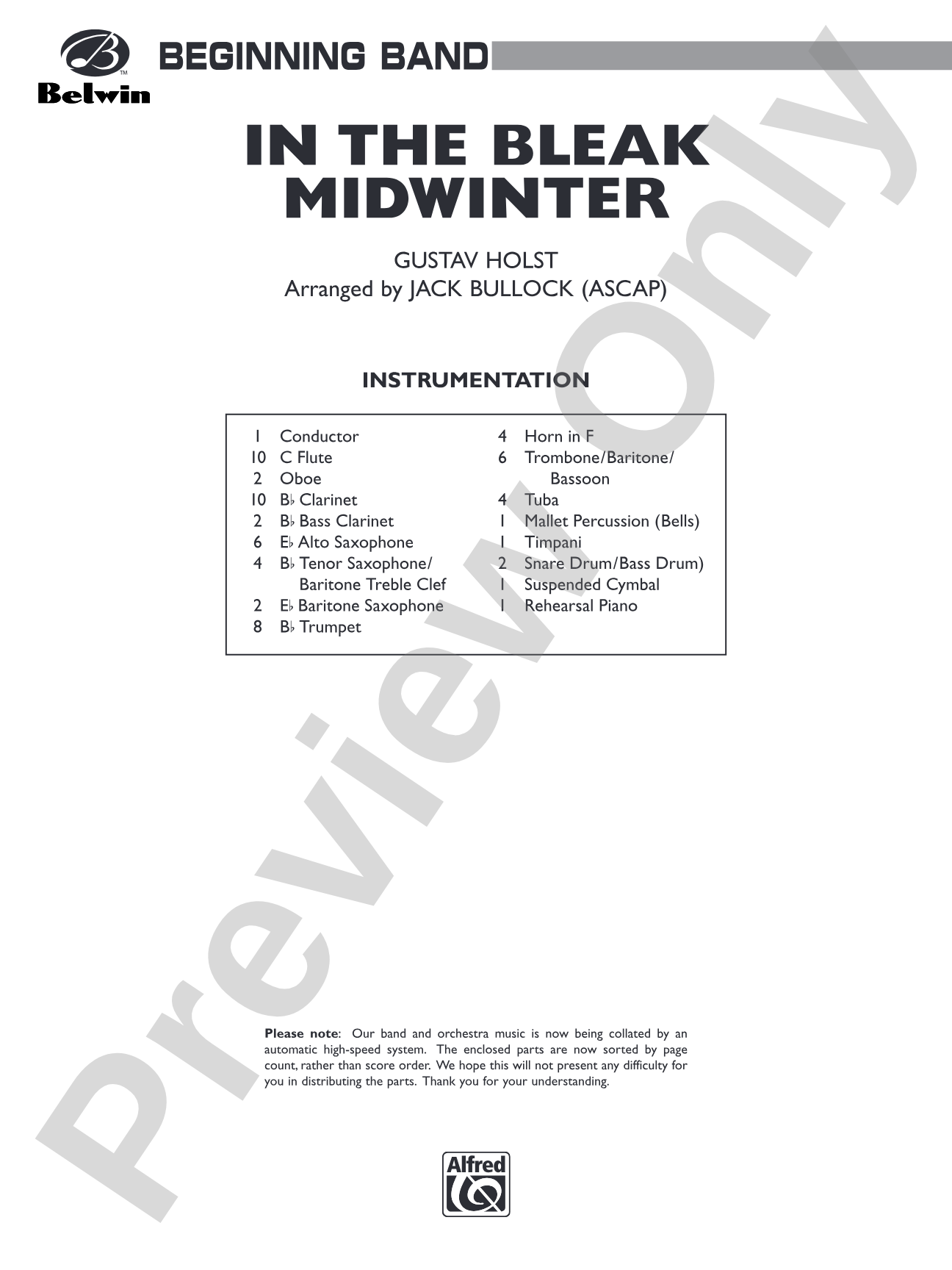

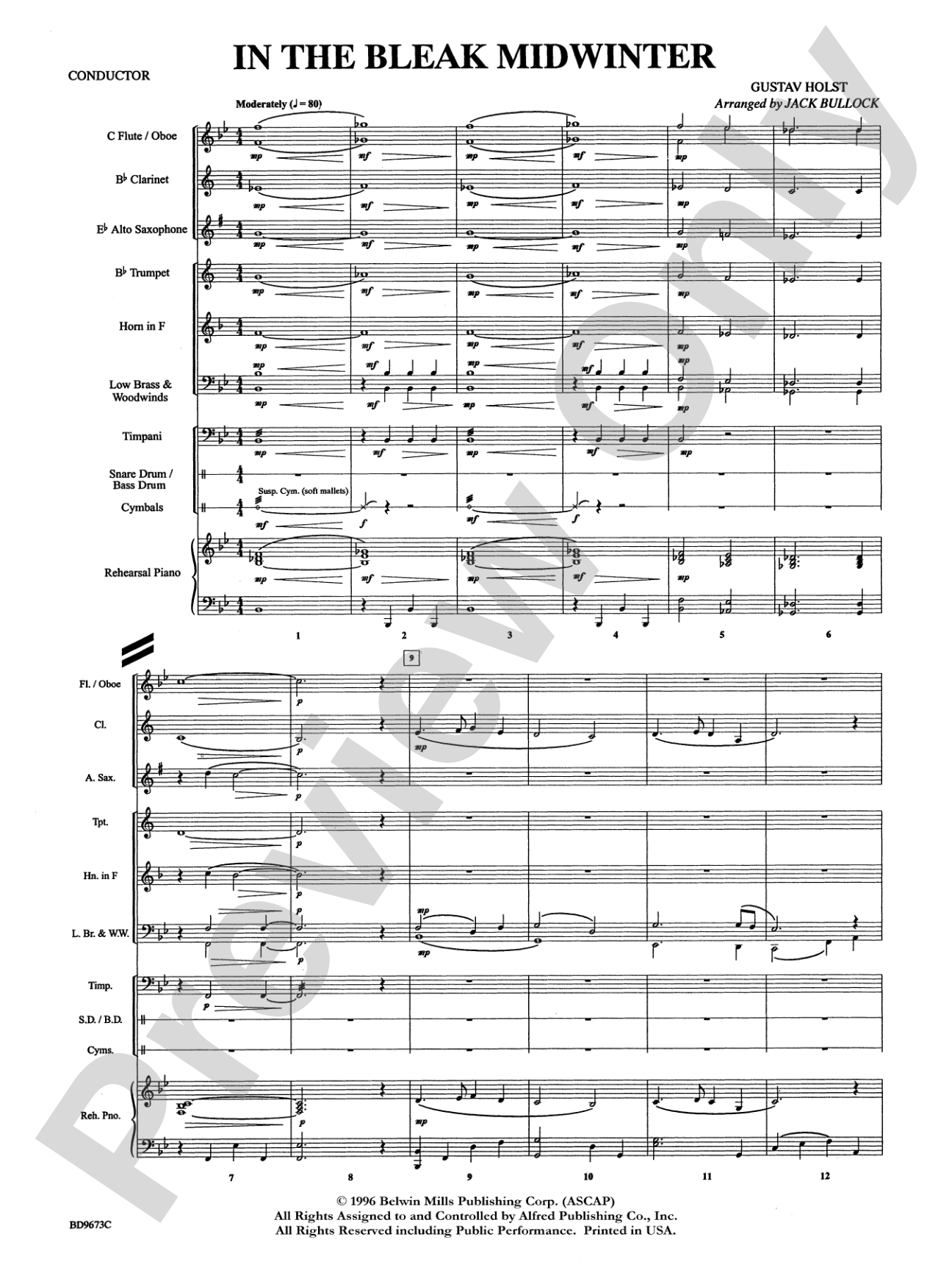
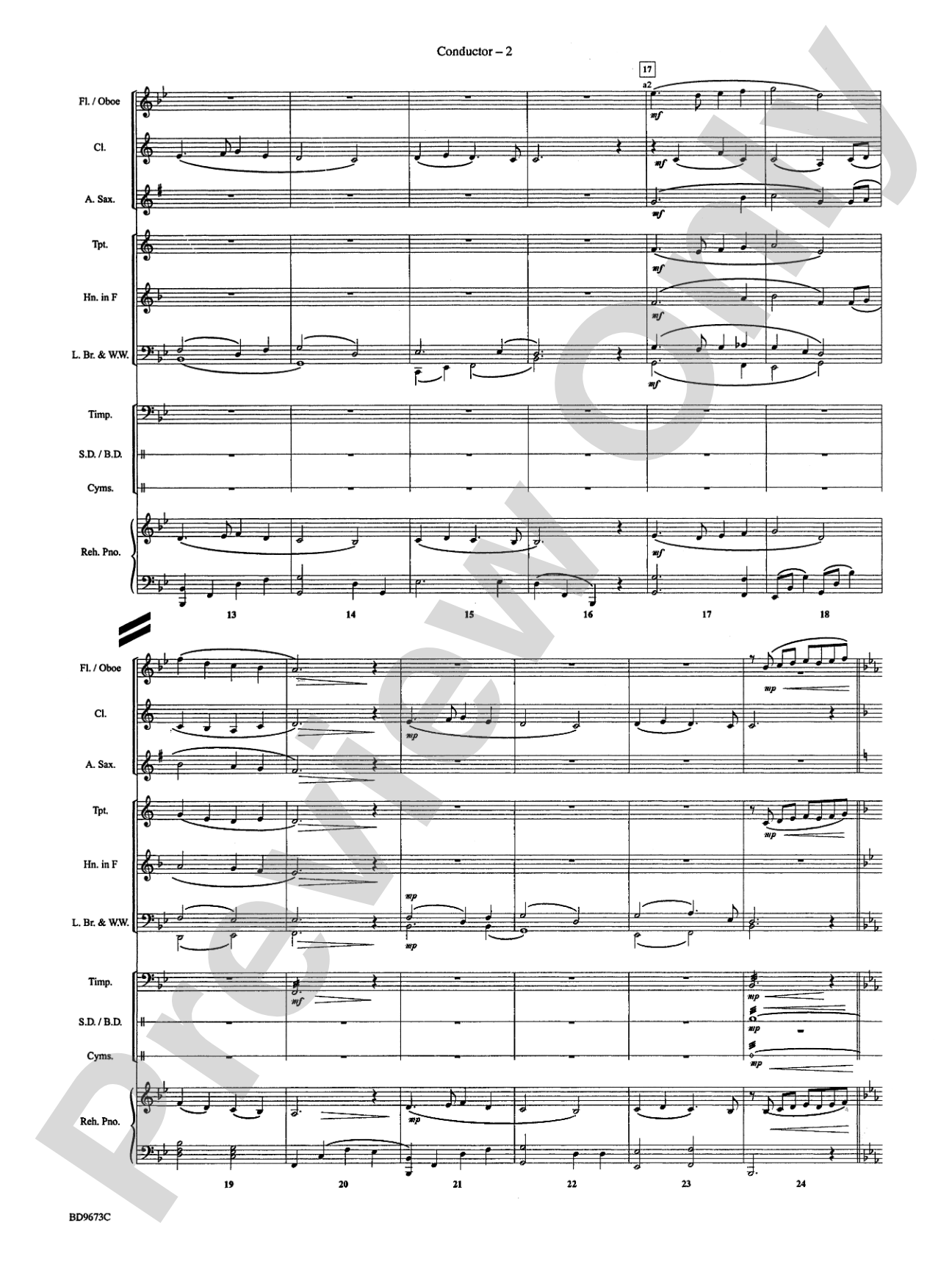
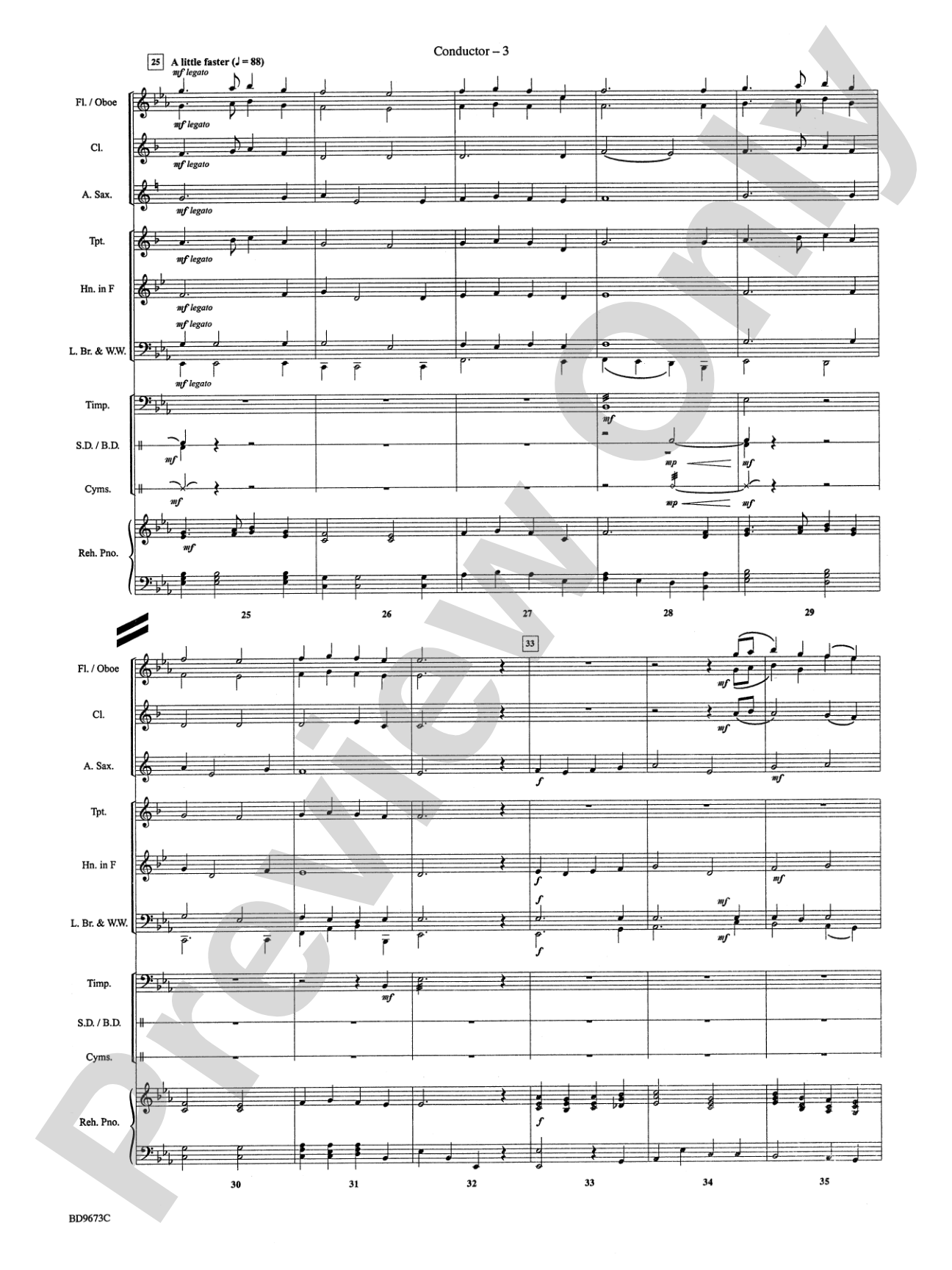
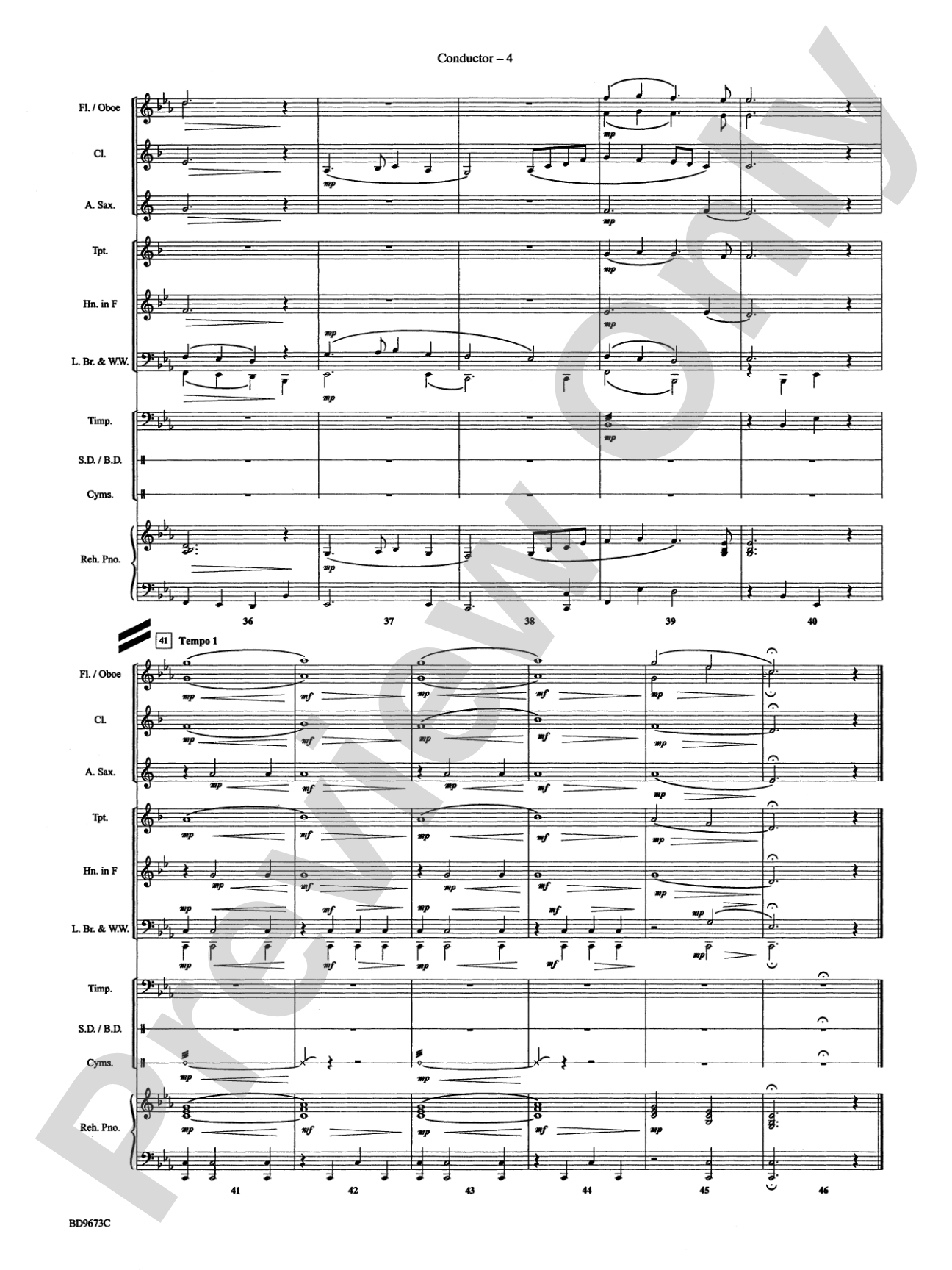



In the Bleak Midwinter: Score
By Gustav Holst / arr. Jack Bullock
Grade: 1 (Very Easy)
Item: 00-PR-0002012
$6.00
Pickup currently not available
Description
The beautifully haunting sounds of this Holst classic appear first in the lower brass to launch this highly atmospheric scoring for concert band. Shifting tonalities and sonorities include a chorale section stating the melodic material with safe and traditional treatment. Technical demands are minimal, and even though the work is positioned for a young ensemble, it should not be overlooked by advancing groups in search of a quality arrangement. (2:46) This title is available in MakeMusic Cloud.


Don't just read it, hear it, play along with it, and watch your students grow with it. In MakeMusic Cloud, In the Bleak Midwinter: Score comes alive with professional accompaniment, adjustable tempo, and built-in practice tools that turn solo practice into real progress.
Open in the Player
Jump straight in and assign it today.
Start Your Free Trial
Open this title and explore the full library in minutes.
Sample Audio
1
Audio File
--:--
0:00
0:00
Sample Video
Additional Details
Series:
Belwin Beginning Band
Publisher:
Alfred Music
Page Count:
124
SKU:
00-PR-0002012
More about this title
About the Composer: Gustav Holst
Gustav Holst (1874–1934) was an English composer whose gift for orchestration and harmonic innovation shaped twentieth-century band and orchestral music. Best known for The Planets, Holst also composed extensively for educational ensembles and wrote music rooted in English hymn traditions and folk melodies. His influence on band literature remains profound; directors continue to turn to his works for their combination of musical substance and accessibility.
Why we love this
Bullock's arrangement captures Holst's gift for atmosphere while keeping technical demands genuinely minimal. The scoring places the tune where young players can hear it clearly, and the shift from lower brass introduction to chorale section gives conductors a natural arc to shape. This is one of those pieces that sounds far more sophisticated than it sits on the page, making it ideal for building student confidence without sacrificing musical integrity.
What to expect
The piece opens with a haunting, introspective quality in the lower brass before broadening into the familiar melody within a traditional chorale setting. Despite its simplicity, the shifting harmonies create a contemplative, wintry atmosphere that feels both intimate and reverent. Even young players can sense the emotional weight beneath the straightforward technical surface.
Who it's for
Young concert bands will find this Holst arrangement ideal for winter concerts and holiday programming. Advancing groups seeking quality literature at accessible technical levels can program this with confidence that audiences will recognize both the tune and the composer's artistry. This works equally well as a teaching piece for students learning to listen to harmonic color and as a performance vehicle for ensembles building repertoire.
How to get the most out of it
- Balance the lower brass entrance carefully in the opening; these players set the mood for the entire piece, so clarity matters more than volume.
- Shape the chorale section with attention to the harmonic shifts Holst uses; slight tempo flexibility here will enhance the shifting tonalities without disrupting ensemble unity.
- Treat the sustained passages with patience; students often rush when notes are long, so establish a comfortable tempo that allows for genuine reflection.
- Use the MakeMusic Cloud file to share parts and conduct rehearsals with digital access, keeping all players synchronized and reducing the need for physical score distribution.
How to use it
Position this during the quieter, more reflective portion of a winter concert, perhaps between more energetic selections. Its four-minute length and Grade 1 difficulty make it accessible for younger ensembles while remaining worthwhile for high school bands in search of substantial holiday repertoire. The piece pairs naturally with other Holst works or with contemporary sacred band arrangements.
Skills your students will build
- Listening for and responding to harmonic color and tonality shifts
- Sustaining long notes with consistent tone and intonation
- Balancing parts in a four-part chorale texture
- Interpreting atmospheric and expressive music at an introductory level