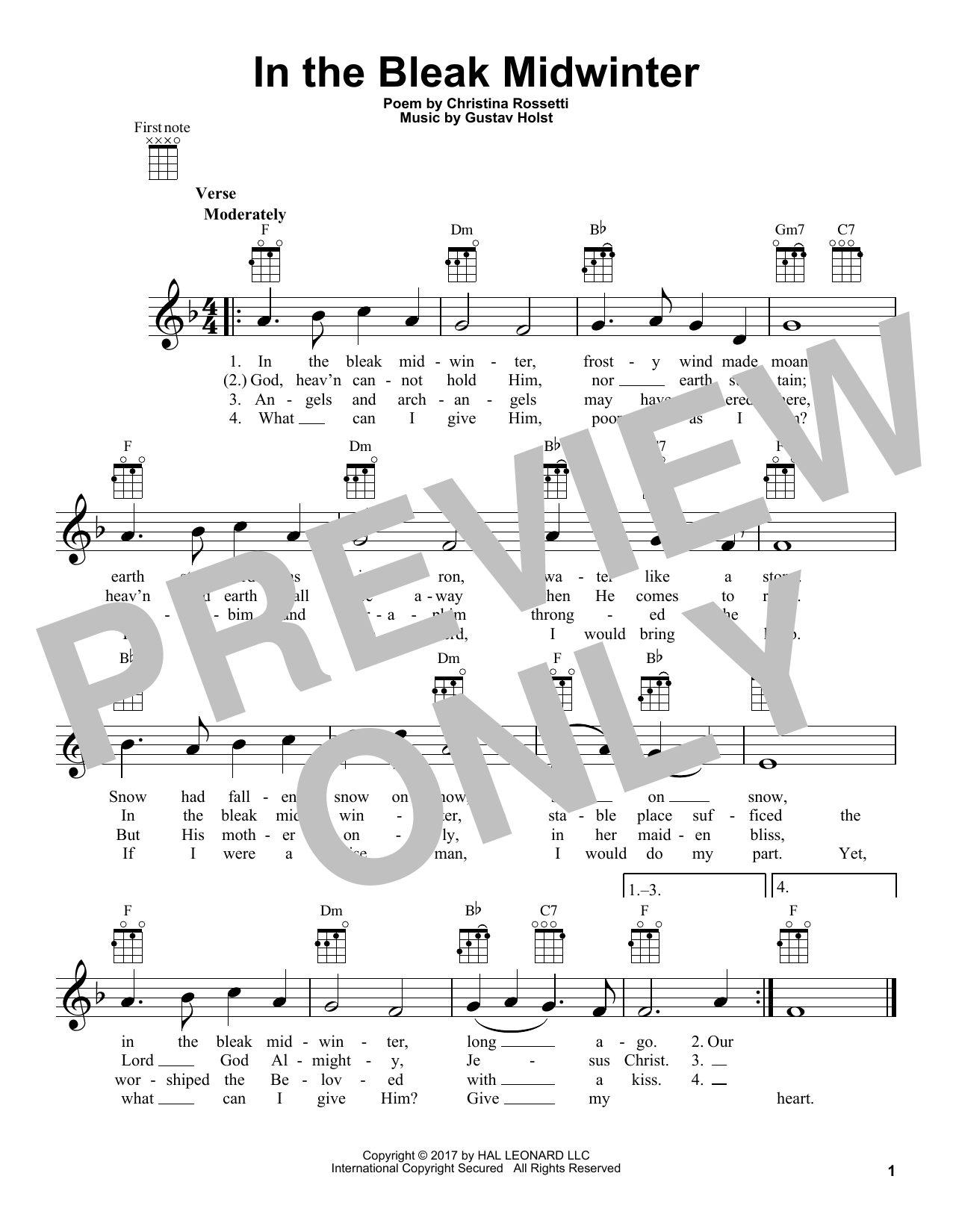
Gustav Holst (1874–1934) spent much of his career as a conductor and teacher, roles that shaped his compositional philosophy as deeply as his orchestral writing. He believed music should be accessible and meaningful to performers at every level, a conviction evident in his prolific output of educational works alongside his concert pieces. His gift for melody and harmonic clarity made him one of the most performed British composers of the twentieth century.
Holst's arrangement sensibilities reflected his pedagogical values. He understood how to distill a composition's essence without sacrificing its emotional core, making his works ideal for community ensembles and student musicians. This approach extended naturally to settings beyond the orchestra, allowing his most cherished melodies to reach players of varied abilities.