
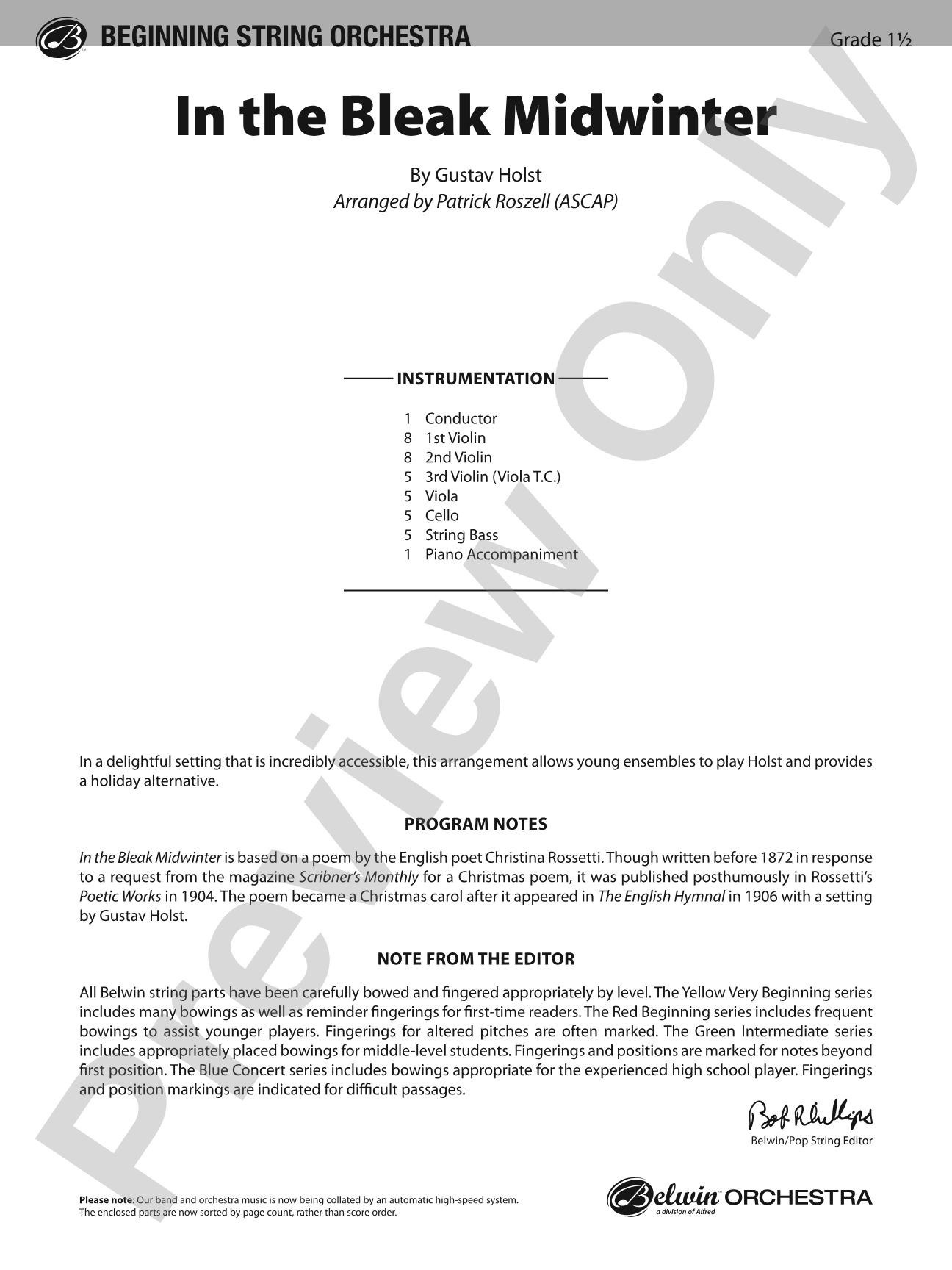
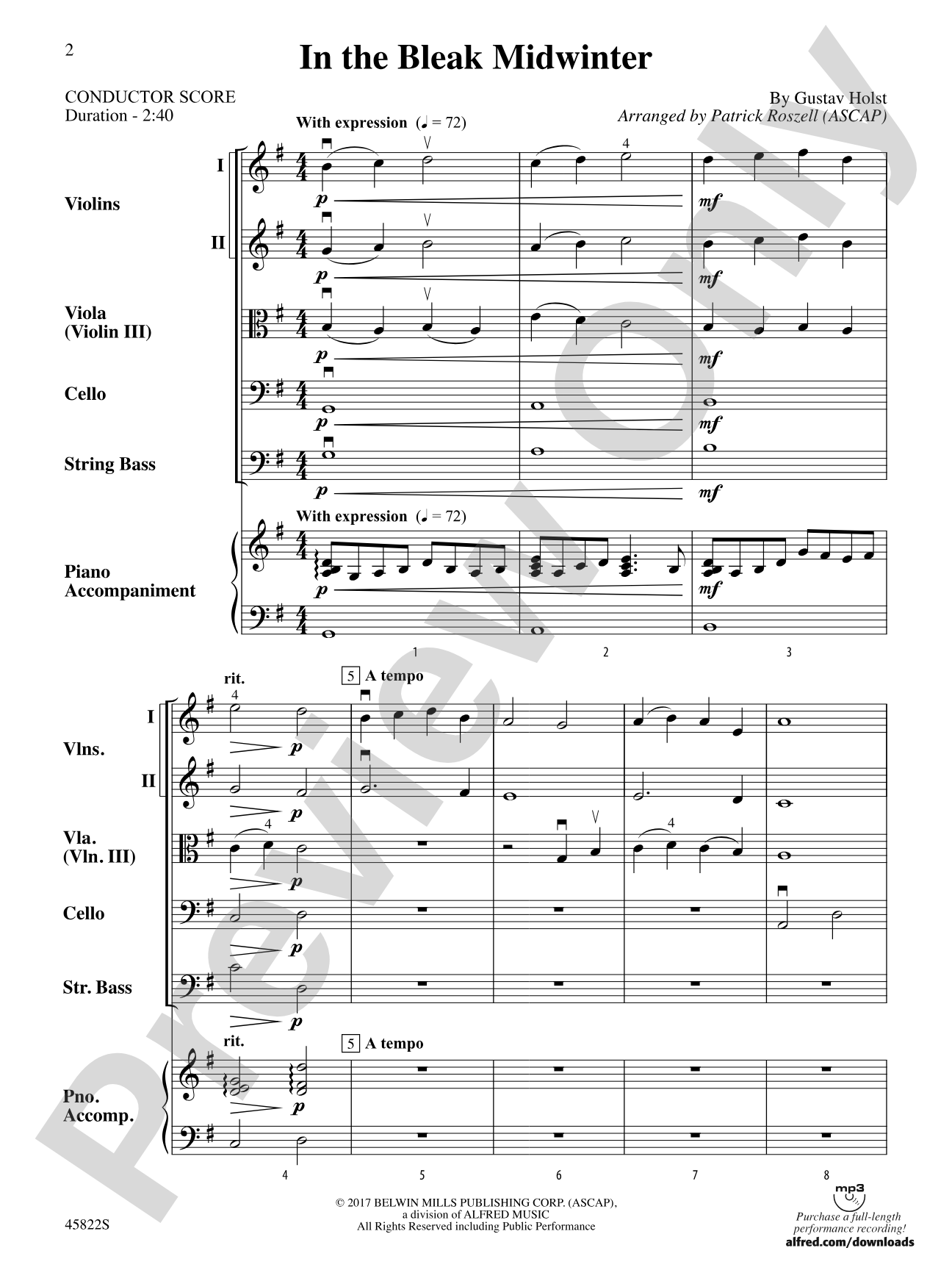
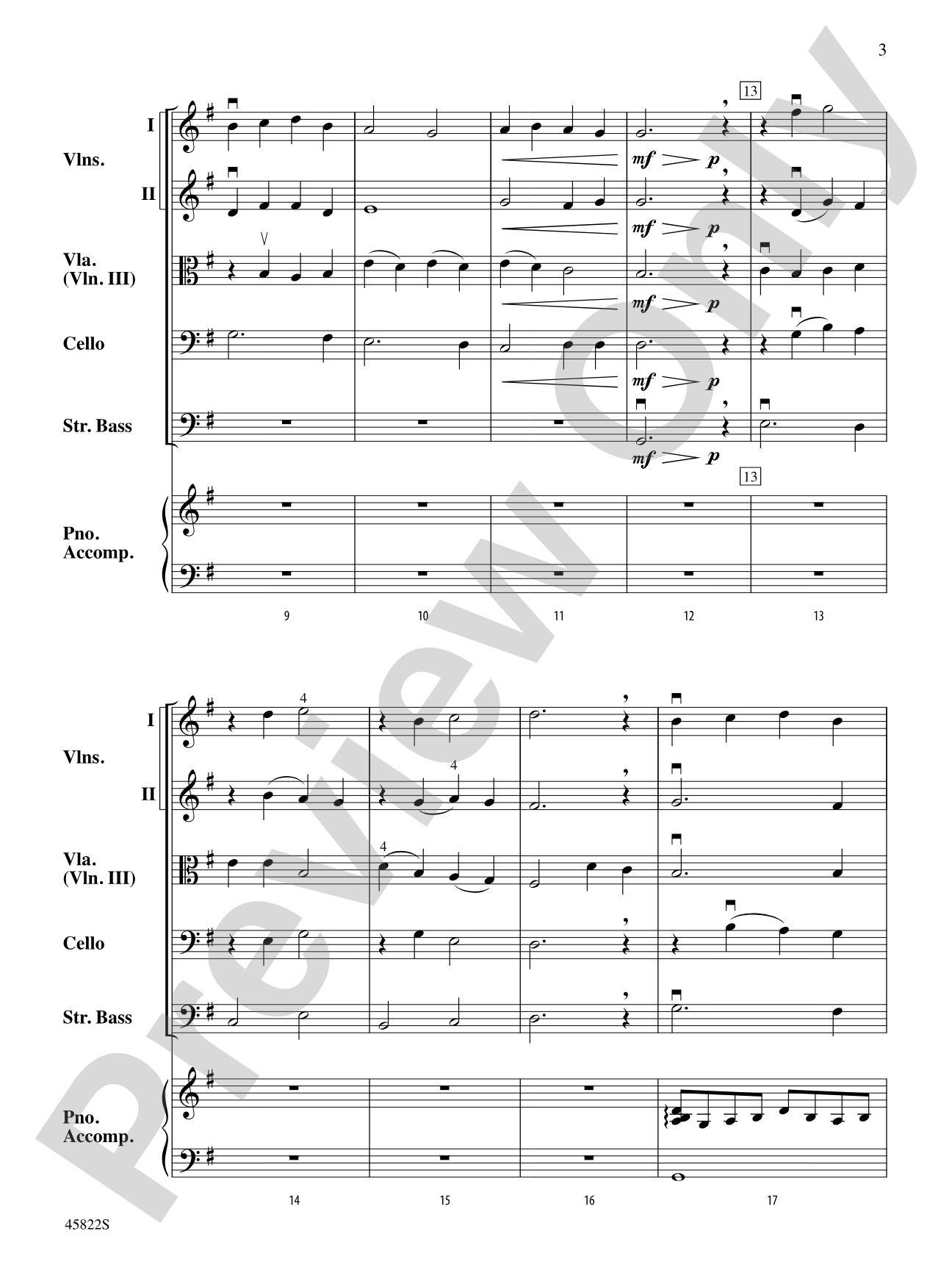
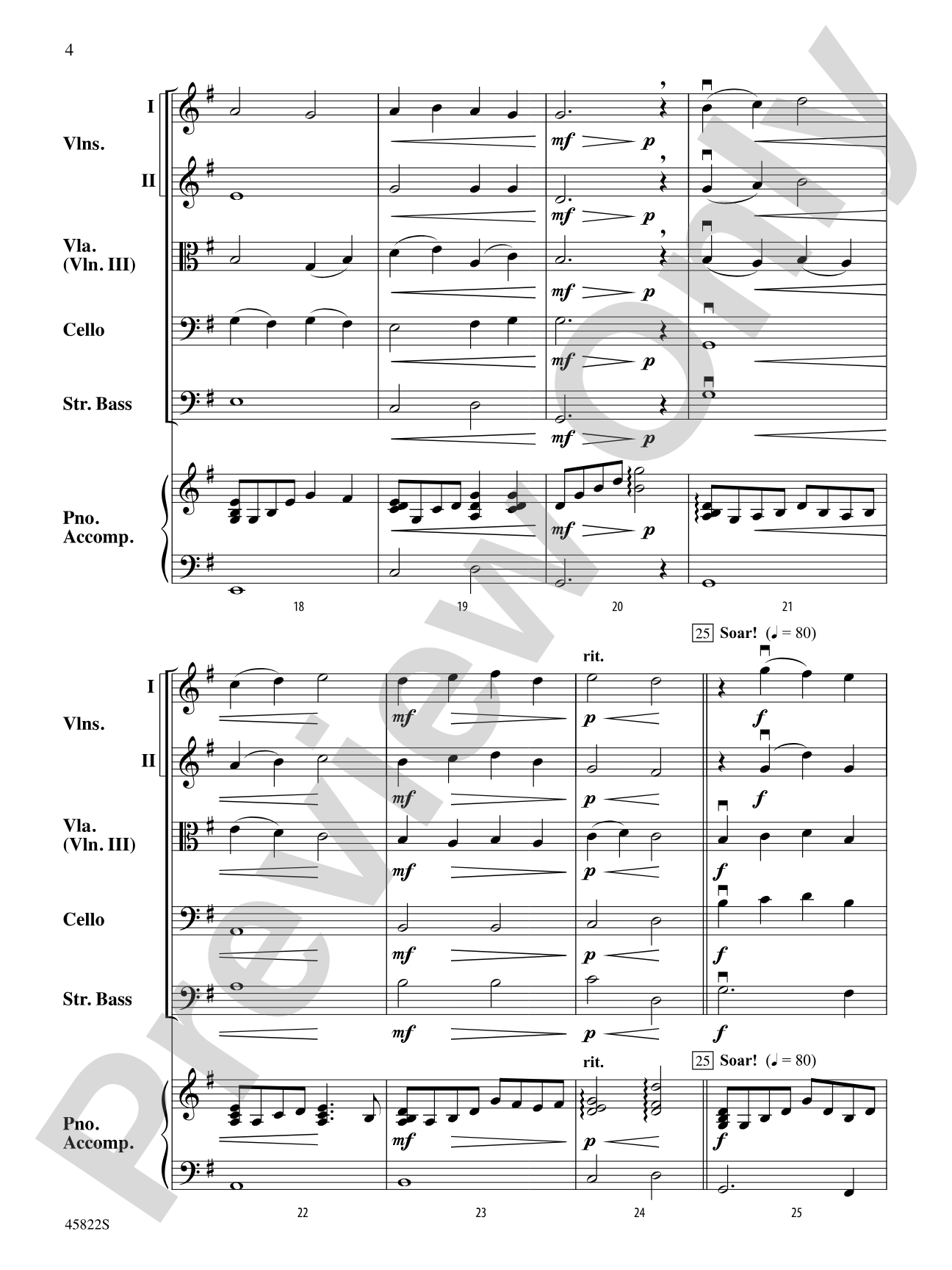
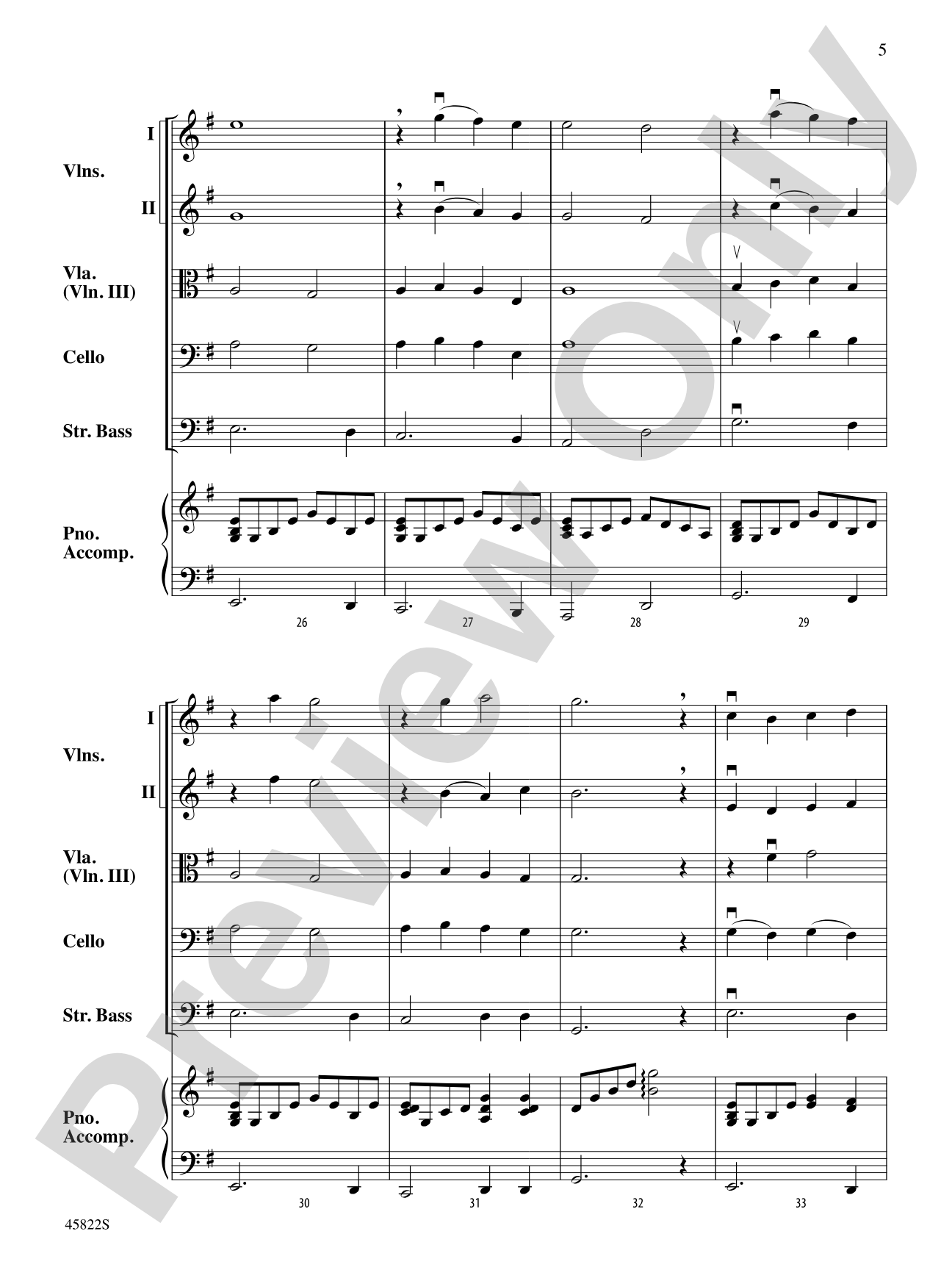
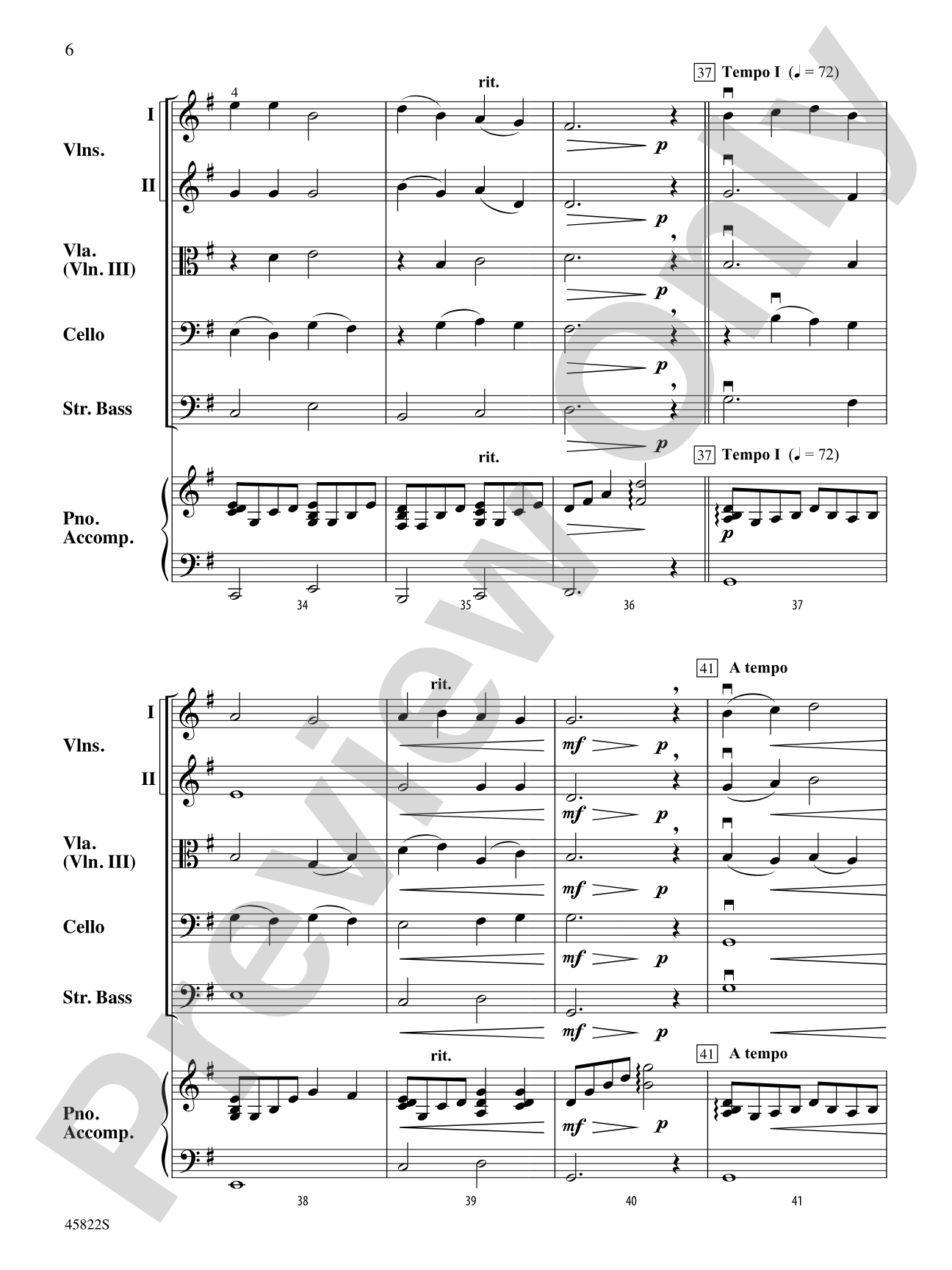
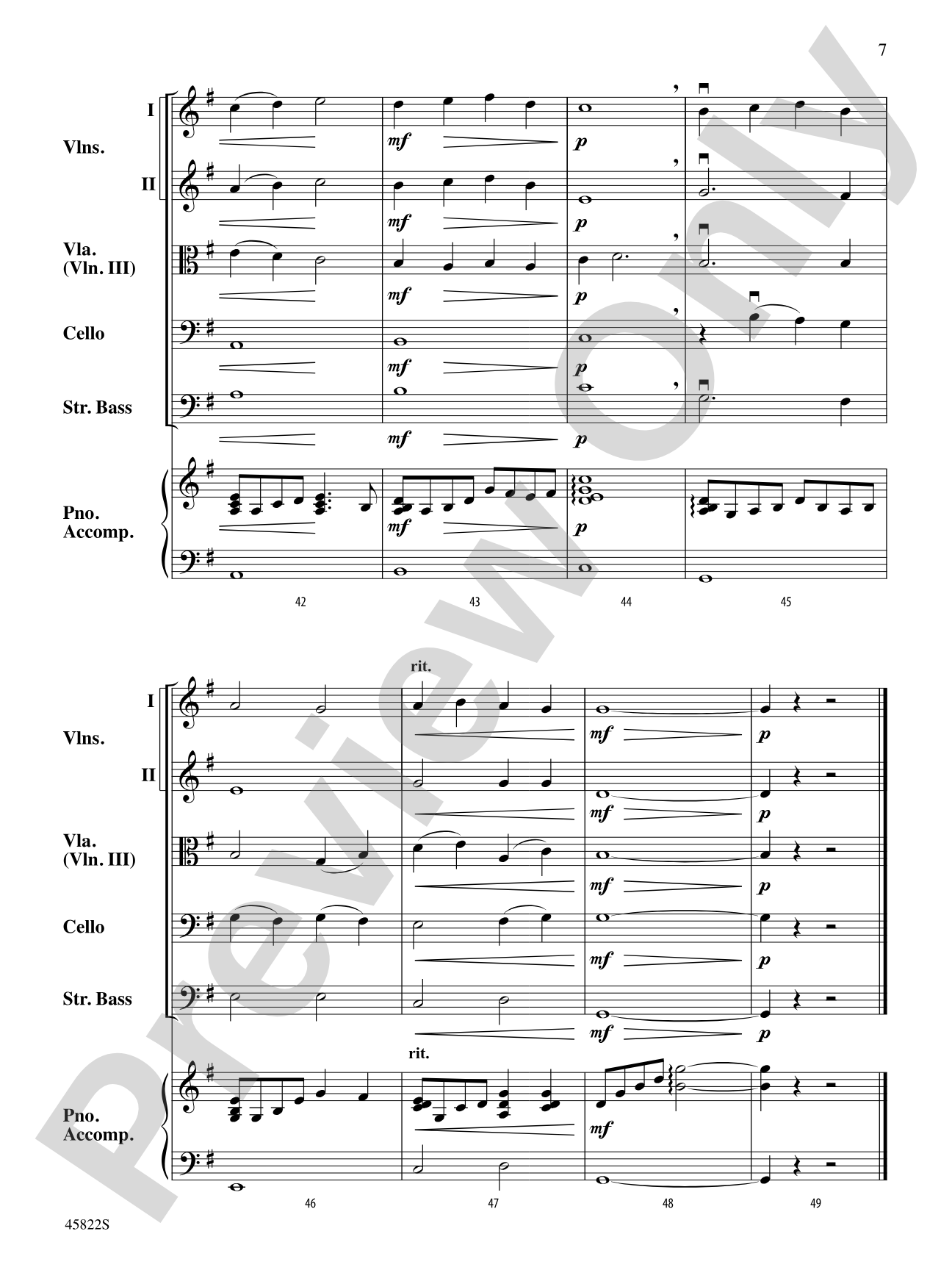

In the Bleak Midwinter: String Orchestra Conductor Score & Parts
By Gustav Holst / arr. Patrick Roszell
Grade: 1.5
Item: 00-PK-0007331

$50.00
Pickup currently not available
Buy Extra Parts (Digital PDF Download)
| Product | Price | Quantity |
|---|---|---|
| In the Bleak Midwinter: Score | $8.00 | |
| In the Bleak Midwinter: 1st Violin | $5.99 | |
| In the Bleak Midwinter: 2nd Violin | $5.99 | |
| In the Bleak Midwinter: 3rd Violin (Viola [TC]) | $5.99 | |
| In the Bleak Midwinter: Viola | $5.99 | |
| In the Bleak Midwinter: Cello | $5.99 | |
| In the Bleak Midwinter: String Bass | $5.99 | |
| In the Bleak Midwinter: Piano Accompaniment | $5.99 |
Parts Added to Cart!
Description
In a delightful setting by Patrick Roszell that is incredibly accessible, this arrangement of In the Bleak Midwinter allows young ensembles to play Holst and provides a holiday alternative. (2:40)


Don't just read it, hear it, play along with it, and watch your students grow with it. In MakeMusic Cloud, In the Bleak Midwinter: String Orchestra Conductor Score & Parts comes alive with professional accompaniment, adjustable tempo, and built-in practice tools that turn solo practice into real progress.
Open in the Player
Jump straight in and assign it today.
Start Your Free Trial
Open this title and explore the full library in minutes.
Sample Audio
1
Audio File
--:--
0:00
0:00
Sample Video
Additional Details
Series:
Belwin Beginning String Orchestra
Publisher:
Alfred Music
Page Count:
74
SKU:
00-PK-0007331
More about this title
About the Composer: Gustav Holst
Gustav Holst (1874, 1934) was an English composer whose influence on music education runs as deep as his influence on the concert hall. Known for his gift for melody and his interest in accessible writing, Holst created works that challenged students without overwhelming them. His understanding of what young musicians could achieve shaped an entire generation of composers who followed his lead in writing for school orchestras.
Why we love this
Roszell's arrangement preserves Holst's unmistakable melodic gift while stripping away technical barriers that would overwhelm a young orchestra. Grade 1.5 scoring lets every section contribute meaningfully, making this a rare chance for novice players to inhabit a genuine masterwork rather than a simplified imitation. The result feels neither watered down nor condescending; it is simply Holst made playable.
What to expect
There is a crystalline stillness to this arrangement, with long-lined melodies that feel both humble and profound. The harmony unfolds gently, evoking the carol's original warmth while the string writing creates a sense of reverent quietness that invites young players into genuine musical expression.
Who it's for
Grade 1.5 string orchestras looking to program substantive repertoire beyond simplified folk songs and original teaching pieces. Directors seeking a meaningful holiday alternative that doesn't sacrifice musical integrity, and young musicians ready to experience how a real composer's voice sounds when written within their current technical reach.
How to get the most out of it
- Shape the opening phrase with a gentle swell in the opening measures, allowing the melody to breathe rather than press forward; Grade 1.5 ensembles often rush through slower tempos, so modeling a patient tempo at the first rehearsal sets the right expectation.
- Balance the melody between first and second violins carefully, especially in passages where the parts divide; younger players tend to play at one dynamic level, so mark the score with terraced dynamics or use bowings to clarify musical phrasing.
- Support the violins with warm, singing tone from the cellos and basses on the harmonic foundation; this prevents the arrangement from sounding thin and anchors the ensemble's sense of ensemble.
- Conduct this with a confident but unhurried beat; the arrangement's beauty depends on clarity and restraint rather than dramatic gestures.
How to use it
Place this as a feature work on a winter or holiday concert where it can anchor the program with dignity; its 2:40 length makes it substantial enough to stand alone without overwhelming younger ensembles. It also works beautifully as a contrast piece alongside original Grade 1.5 works, showing students the difference between a contemporary composition and an arrangement of a timeless melody.
Skills your students will build
- Sustaining long, even tone across phrase boundaries
- Following a singing melodic line across different instrumental voices
- Balancing individual parts within a transparent texture
- Responding to dynamic shaping and sectional coordination without excessive conductor intervention
- Playing with consistent vibrato and ensemble blend in a major key with simple harmonic rhythm