In My Merry Oldsmobile Cover Image

In My Merry Oldsmobile: Piano Trio (1 Piano, 6 Hands) Sheet

$4.99 USD
Sale price  $4.99 USD Regular price 
Skip to product information
In My Merry Oldsmobile Cover Image

In My Merry Oldsmobile: Piano Trio (1 Piano, 6 Hands) Sheet

By Judy East Wells

Level: Late Elementary

Item: 00-19786

$4.99
Shipped

One moment…

Description

In My Merry Oldsmobile: Piano Trio (1 Piano, 6 Hands) Sheet isn't in MakeMusic Cloud just yet...but it could be. Let us know you'd like to see it, and you'll help shape what comes next. In the meantime, start a free trial and dive into thousands of interactive titles your students can play along with today.

Sample Pages

Sample Audio
No sample audio found.
Sample Video
Additional Details
Series: The Alfred Trio Series
Publisher: Alfred Music
Page Count: 8
ISBN10: 0-7390-1851-5
ISBN13: 978-0-7390-1851-4
UPC: 038081190716
SKU: 00-19786

More about this title

About the Composer: Judy East Wells
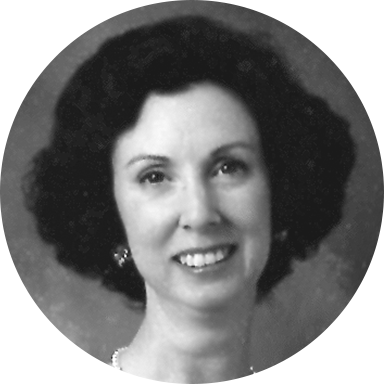
Judy East Wells

Judy East Wells teaches piano independently in Evans, Georgia, and holds a Bachelor of Music Education from the University of Southern Mississippi, where she was active in Mu Phi Epsilon and Pi Kappa Lambda. Her musical training spans piano, organ, clarinet, and voice, and she has built a career teaching in public schools and churches across Mississippi and Georgia while maintaining active memberships in the National Guild of Piano Teachers, Music Teachers National Association, Georgia Music Teachers Association, and Augusta Music Teachers Association.

Beyond the studio, Wells has led workshops for teacher organizations and adjudicated both piano and composition competitions, bringing her pedagogical insights directly to the broader music education community.

Why we love this

Wells captures the playful energy of this ragtime standard without overcomplicating the arrangement, making it genuinely fun for three pianists to perform together. The 6-hand format on a single piano creates a delightful collaborative experience at late elementary level, where students can actually focus on musicianship rather than struggling with technical demands.

What to expect

Bouncy, nostalgic, and full of turn-of-the-century charm. The ragtime rhythms roll forward with infectious energy while the familiar melody invites audiences into the fun, creating a performance that feels both lighthearted and genuinely musical.

Who it's for

Late elementary pianists ready to experience ensemble playing without the complexity of a full sonata. This works perfectly for students who play individually in lessons and need an accessible entry point into collaborative music-making, whether for a studio recital or a school concert.

How to get the most out of it

  • Balance the three parts by having players sit at different heights on the bench; the primo player can sit slightly higher to ensure their melody carries over the accompaniment figures.
  • Lock the steady ragtime rhythm early in rehearsals by tapping out the accompaniment pattern together before adding the melody line.
  • Emphasize the syncopations that give this piece its character; they feel awkward at first, but once the ensemble finds them together, the swing emerges naturally.
  • Manage the physical logistics of three bodies at one keyboard by having players practice their hand positioning and transitions during the first few rehearsals so performance day feels comfortable.

How to use it

Pair this with other American popular songs from the early 1900s for a period-themed concert segment, or program it as a crowd-pleasing encore that showcases your students' ability to coordinate multiple keyboard parts. It also makes an excellent studio recital piece for late elementary students who want their moment on stage without waiting years to master a solo concerto.

Skills your students will build

  • Reading and playing independent parts simultaneously
  • Ragtime rhythm and syncopation
  • Collaborative listening and ensemble balance
  • Navigating shared keyboard space with other performers
  • Sight-reading familiarity with early 20th-century popular song forms

You May Also Like