
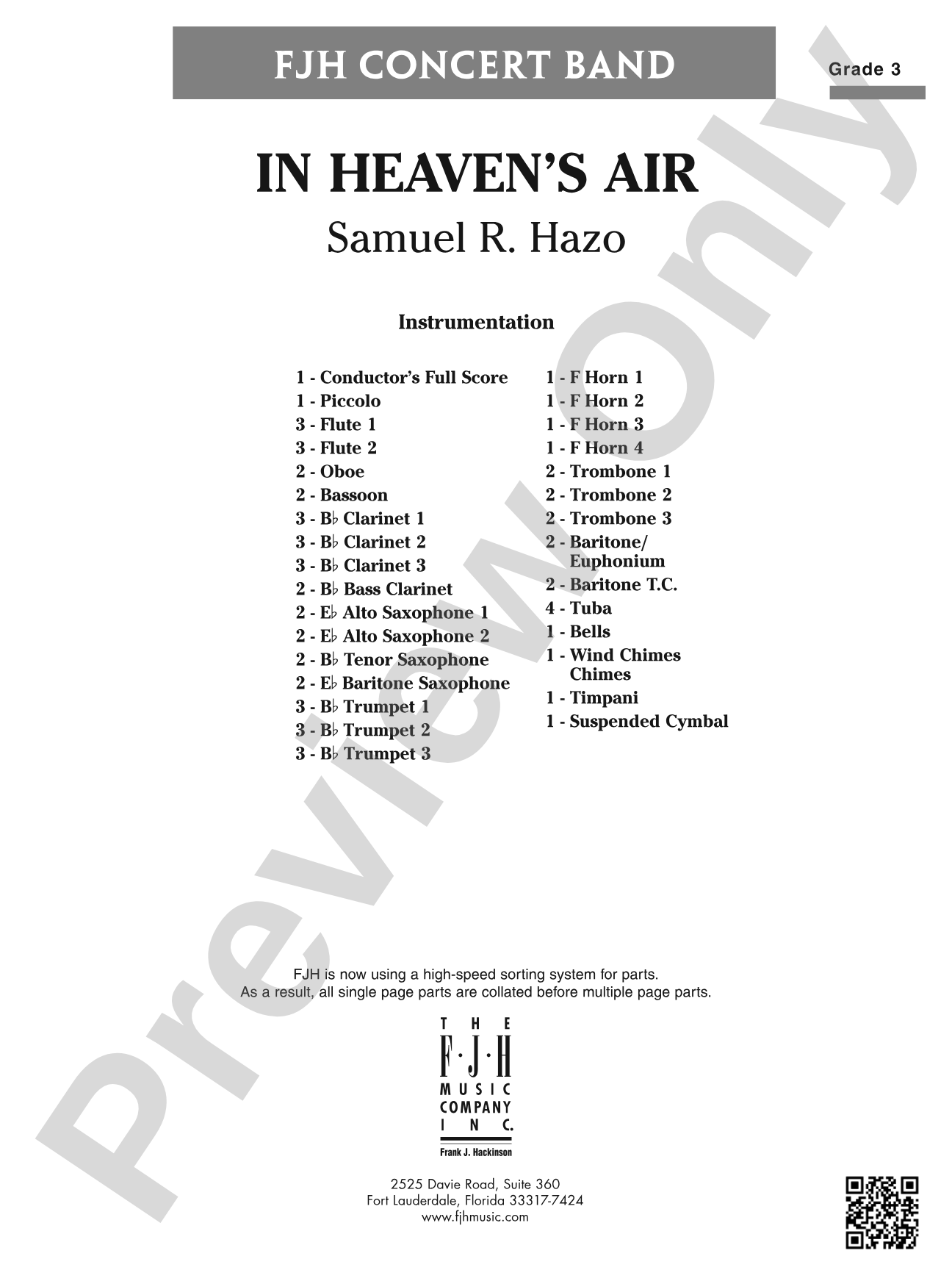
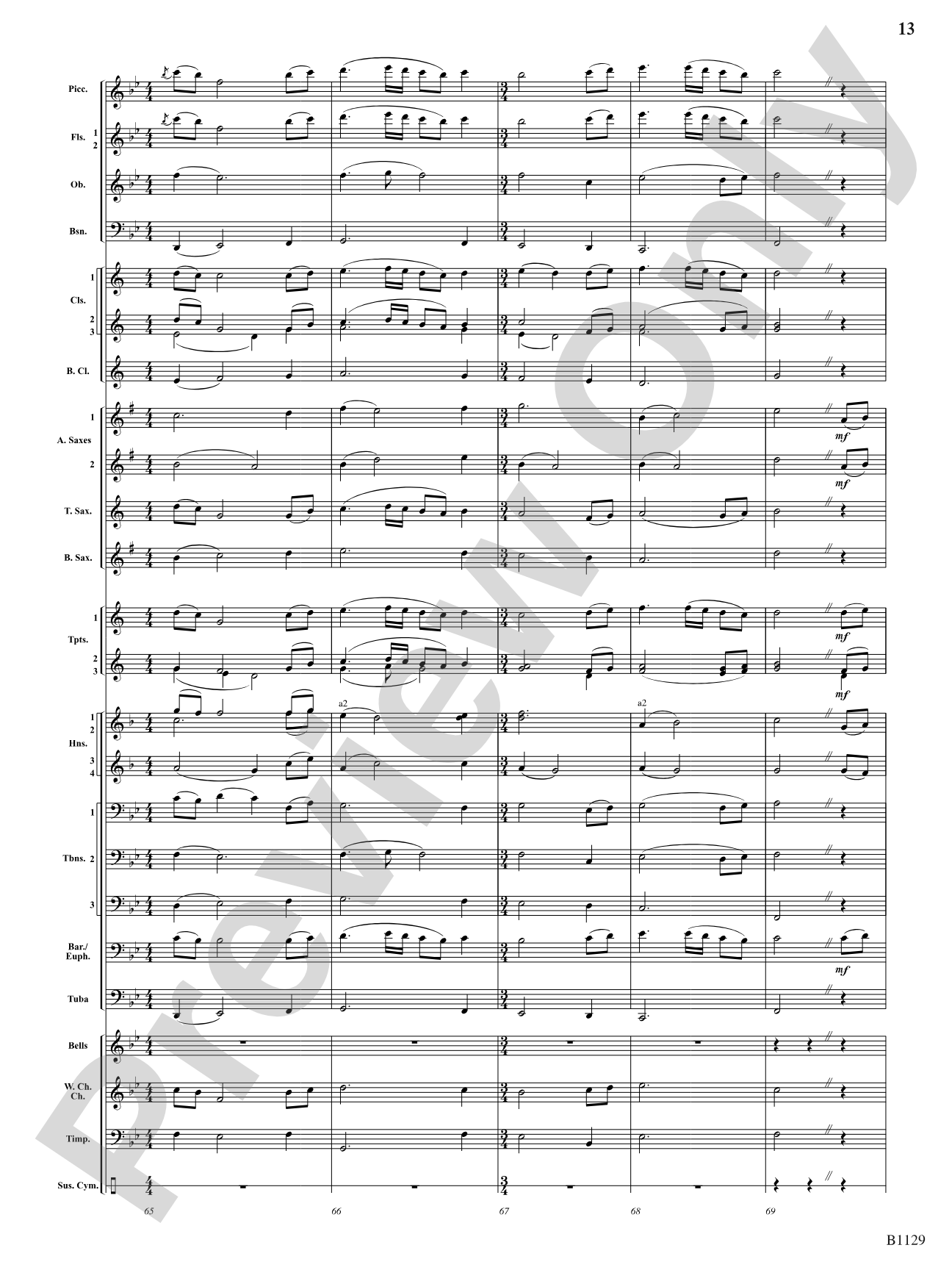
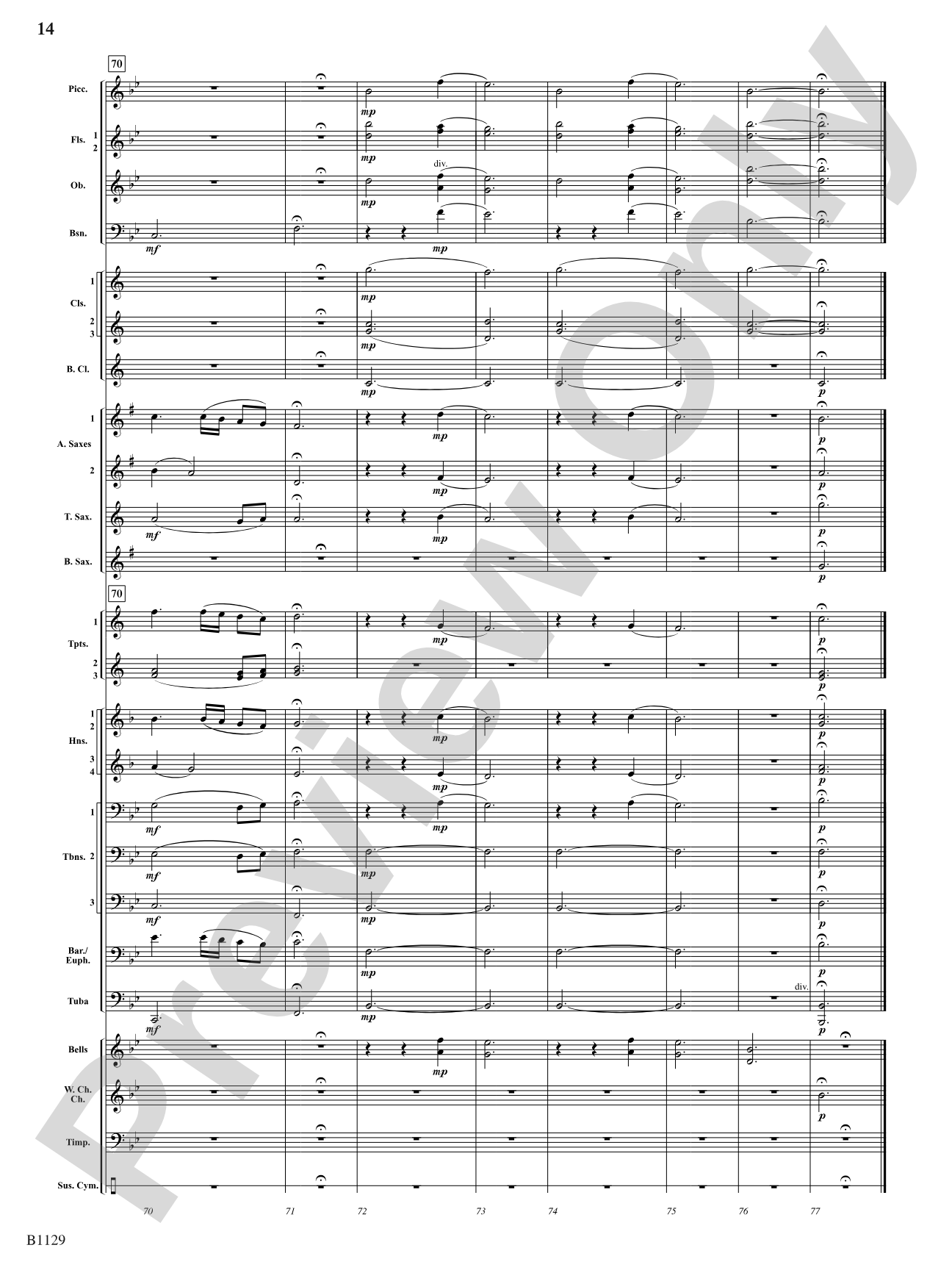

In Heaven's Air: Concert Band Conductor Score & Parts
By Samuel R. Hazo
Grade: 3
Item: 98-DB1129

$70.00
Pickup currently not available
Buy Extra Parts (Digital PDF Download)
Parts Added to Cart!
Description
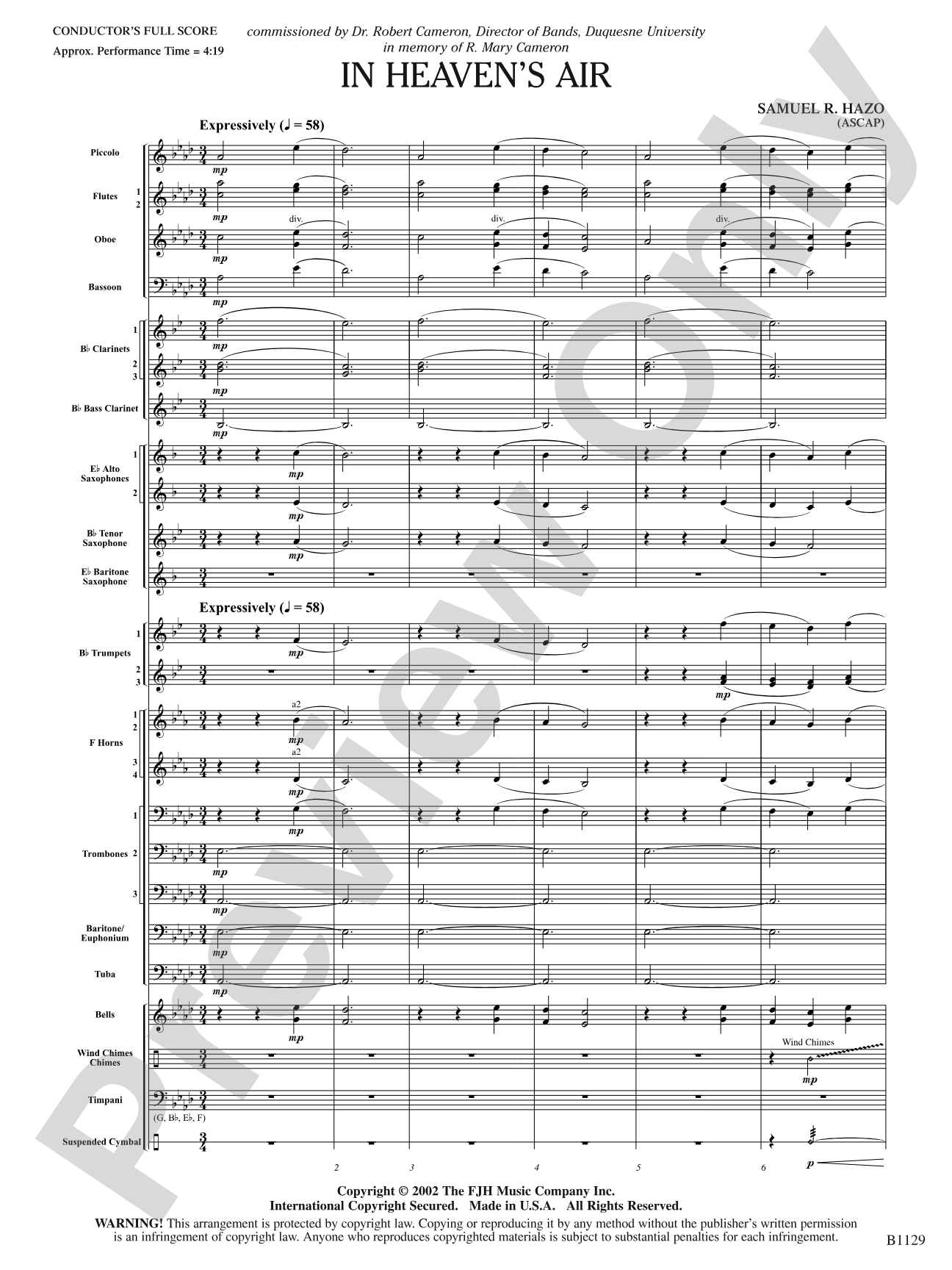
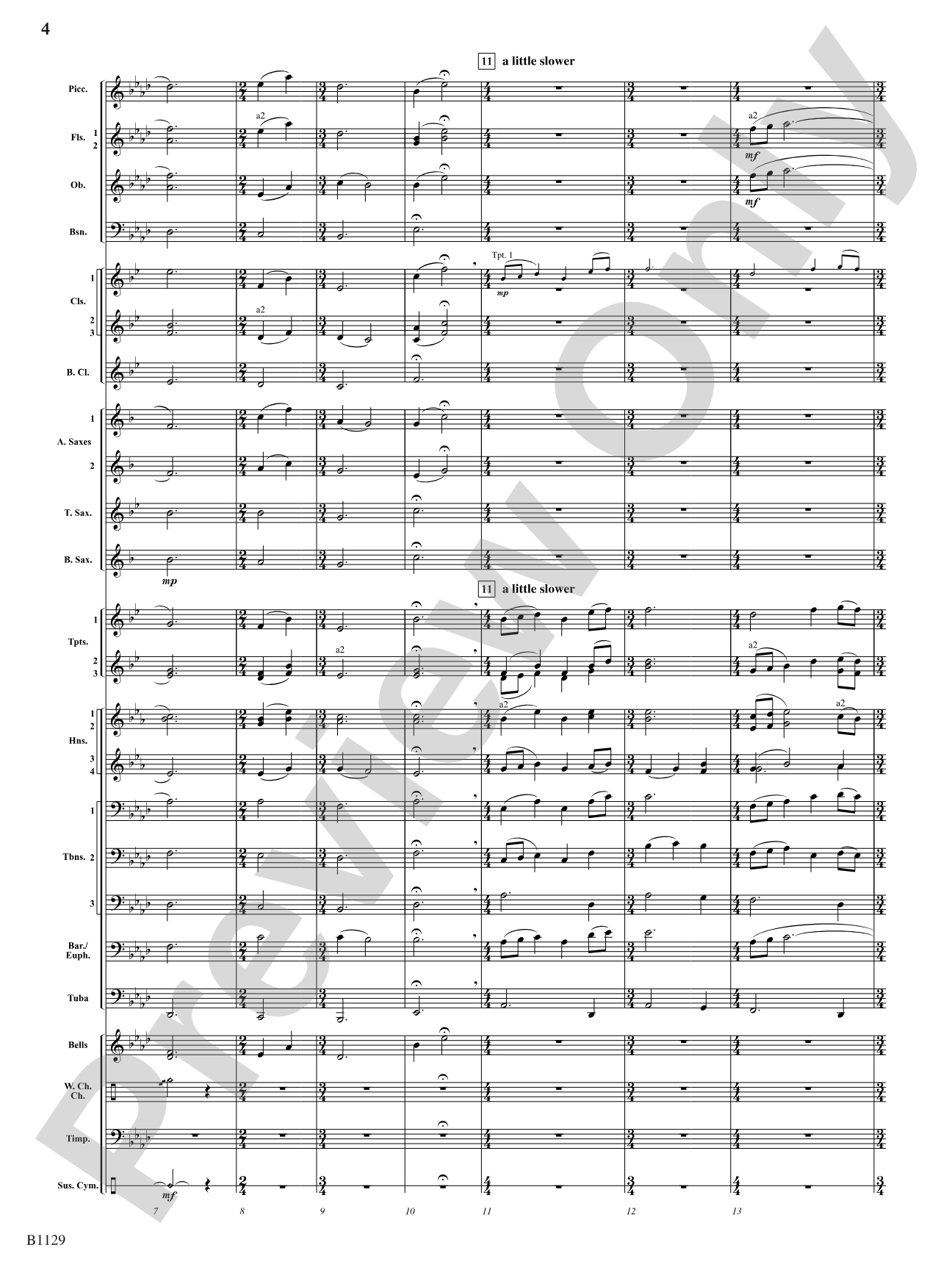
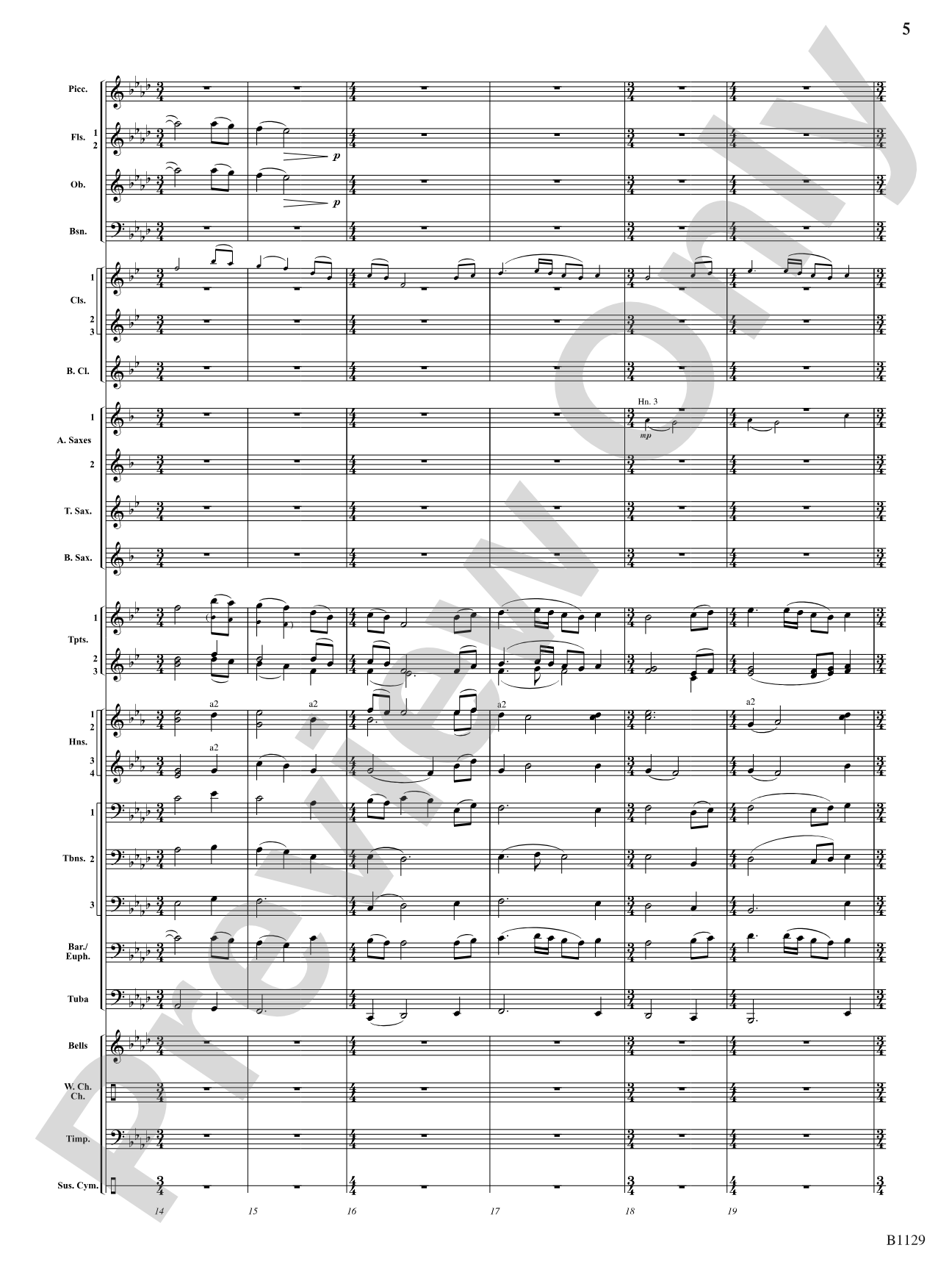
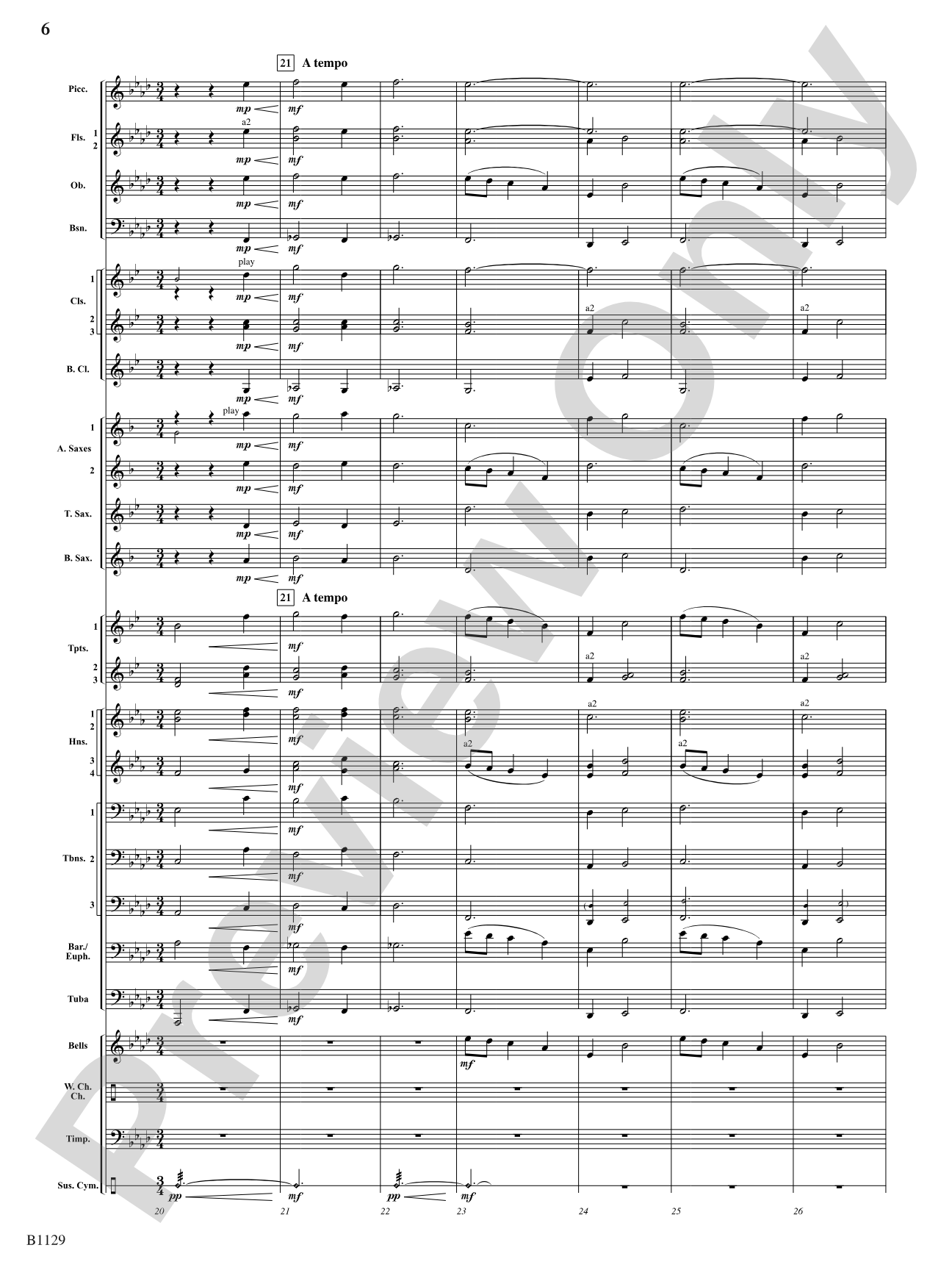
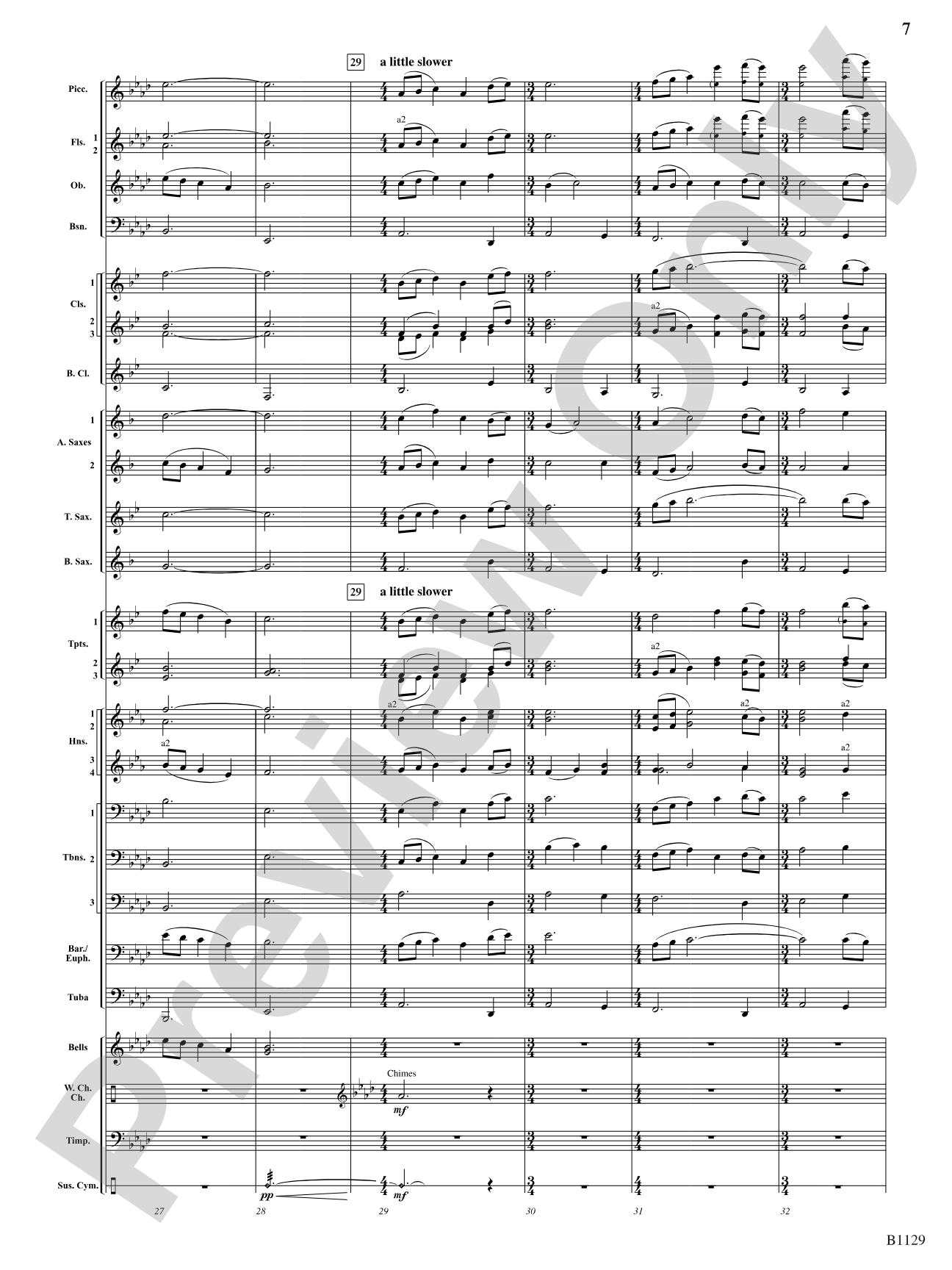
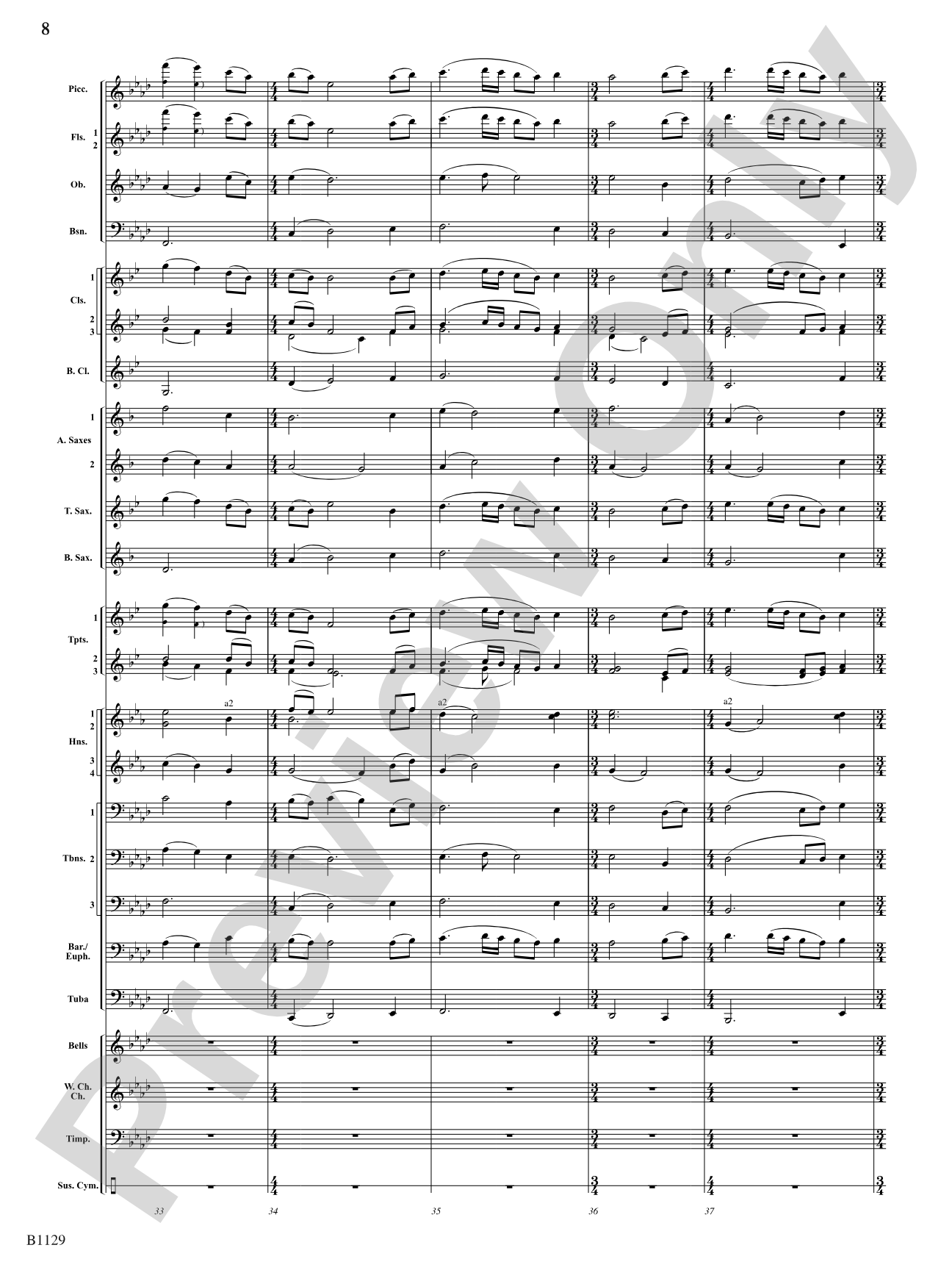
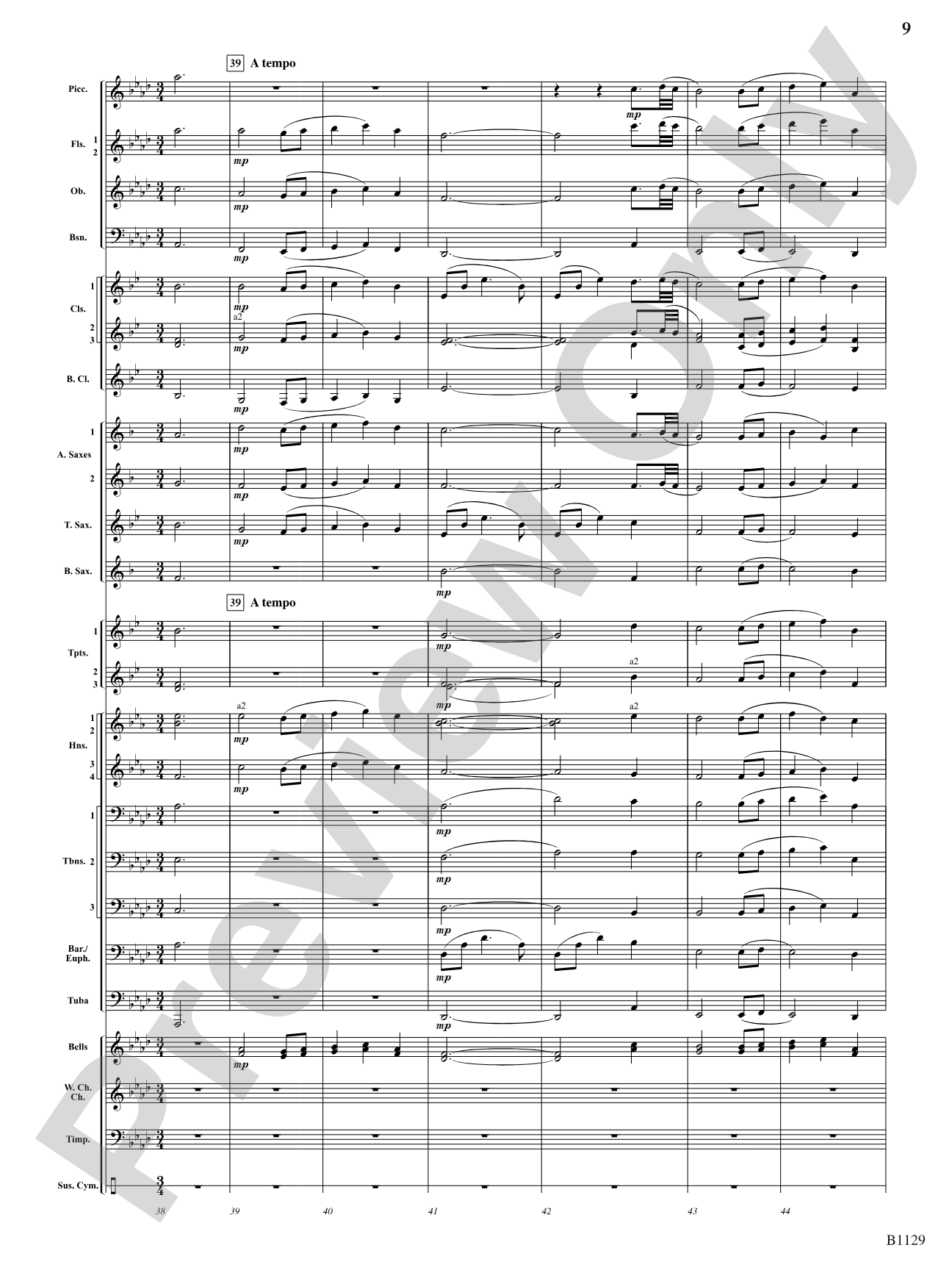
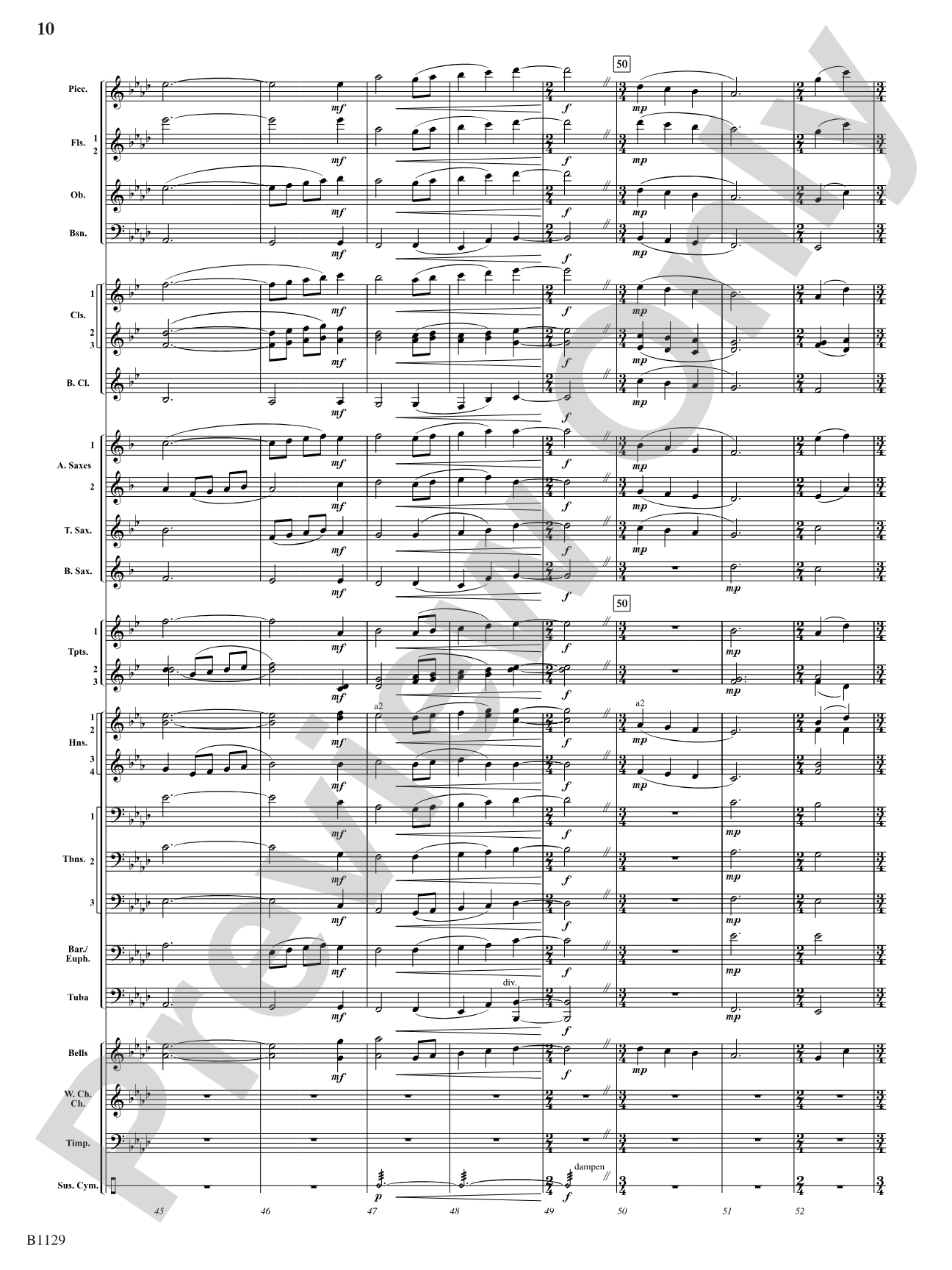
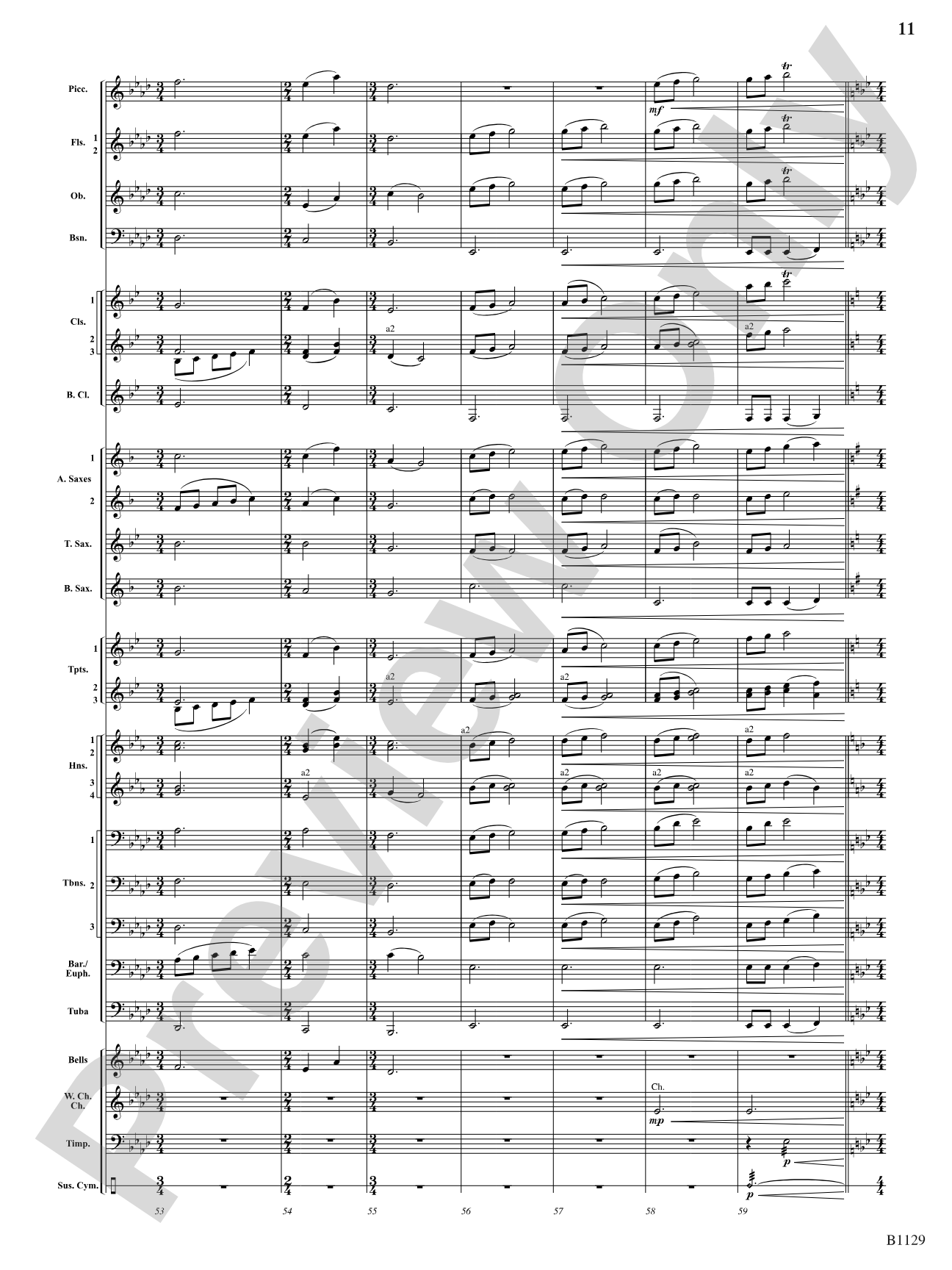
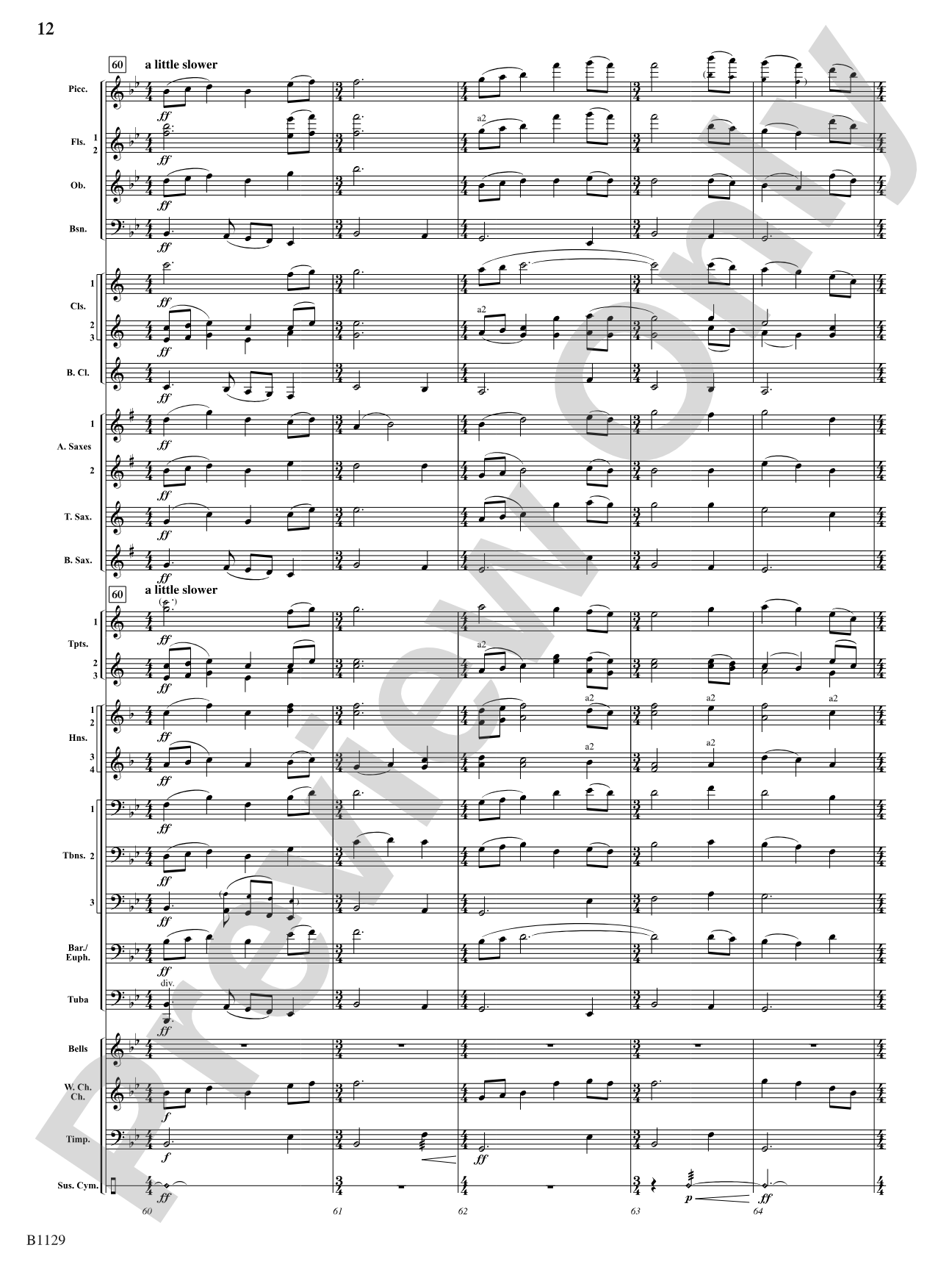
This beautiful chorale allows for a lot of music making. Modulating from A-flat to the key of B-flat, the piece follows the glorious journey of a soul to Heaven. Soaring lines in the brass and woodwinds contrast the soft opening and closing textures of this wonderfully scored work. Optional notes in several parts make this appropriate for more advanced groups as well. (4:15)


Don't just read it, hear it, play along with it, and watch your students grow with it. In MakeMusic Cloud, In Heaven's Air: Concert Band Conductor Score & Parts comes alive with professional accompaniment, adjustable tempo, and built-in practice tools that turn solo practice into real progress.
Open in the Player
Jump straight in and assign it today.
Start Your Free Trial
Open this title and explore the full library in minutes.
Sample Audio
1
Audio File
--:--
0:00
0:00
Sample Video
No sample videos found.
Additional Details
Series:
FJH Concert Band
Publisher:
The FJH Music Company, Inc.
SKU:
98-DB1129
More about this title
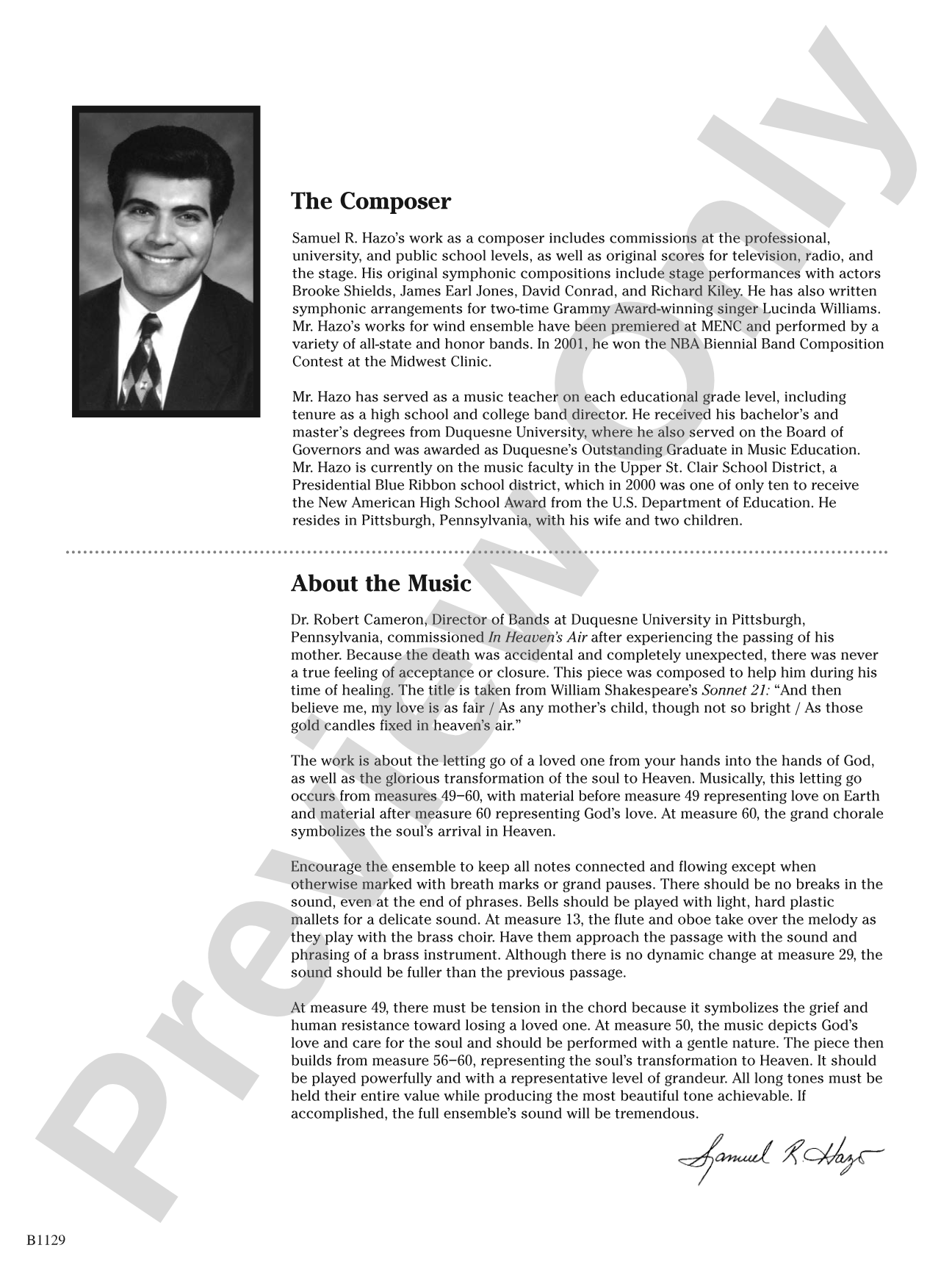
About the Composer: Samuel R. Hazo
Samuel R. Hazo has established himself as a prolific composer and arranger with a gift for writing accessible yet substantive concert band music. His work appears regularly on festival programs and contest stages across North America, where educators trust his scores for their musical integrity and practical orchestration.
Why we love this
The harmonic journey from A-flat to B-flat feels earned rather than arbitrary, giving your band a concrete musical destination to work toward. Hazo balances technical writing with genuine lyricism here, the optional notes in various parts let you program this for both developing ensembles and advanced groups without compromise, and the architecture of soft-to-soaring-to-soft gives you a satisfying narrative arc that audiences remember.
What to expect
Spiritual and unhurried, with an undercurrent of aspiration. The piece moves through introspection, builds toward something transcendent, then settles into peaceful acceptance. It's contemplative without being static.
Who it's for
Grade 3 bands with solid fundamentals and enough sectional balance to handle the exposed chorale writing. This works equally well for a festival opener, a spring concert feature, or a contest selection where you want to showcase musicianship over flash.
How to get the most out of it
- Shape the opening chorale as a unified breath; even though the texture is soft, the phrasing should move intentionally toward the harmonic shift.
- Let the brass soar without apology once you reach the key change. This is where the piece wants brightness, and restraint here diminishes the dramatic payoff.
- Balance the optional upper woodwind and brass lines carefully in the climactic section. They should enhance the texture, not overwhelm the fundamental voice leading.
- The return to the closing chorale gains power from its familiarity. Resist slowing down; let the dynamics do the work of creating intimacy.
How to use it
Pair this with more rhythmically driven selections to create programming balance. The length and reverent quality also make it an excellent vehicle for a memorial or tribute concert, or as the opening number when you want to ground an entire program in musical seriousness.
Skills your students will build
- Sustaining long phrases without breaking ensemble tone
- Voice leading across a key modulation (A-flat to B-flat)
- Dynamic control in soft, sustained passages
- Balancing chorale texture with soaring inner-part counterpoint
- Managing optional notes strategically based on ensemble strength