
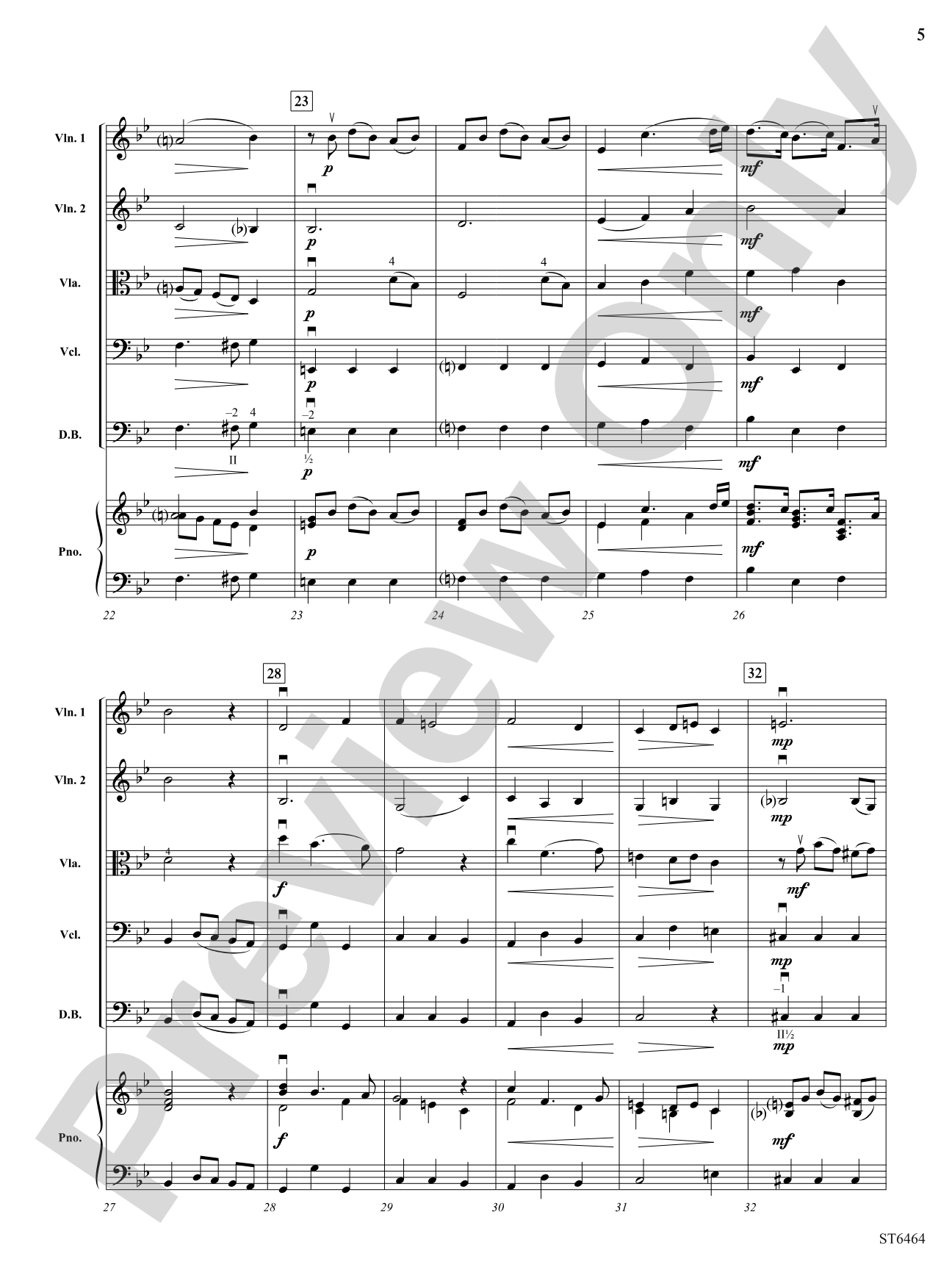
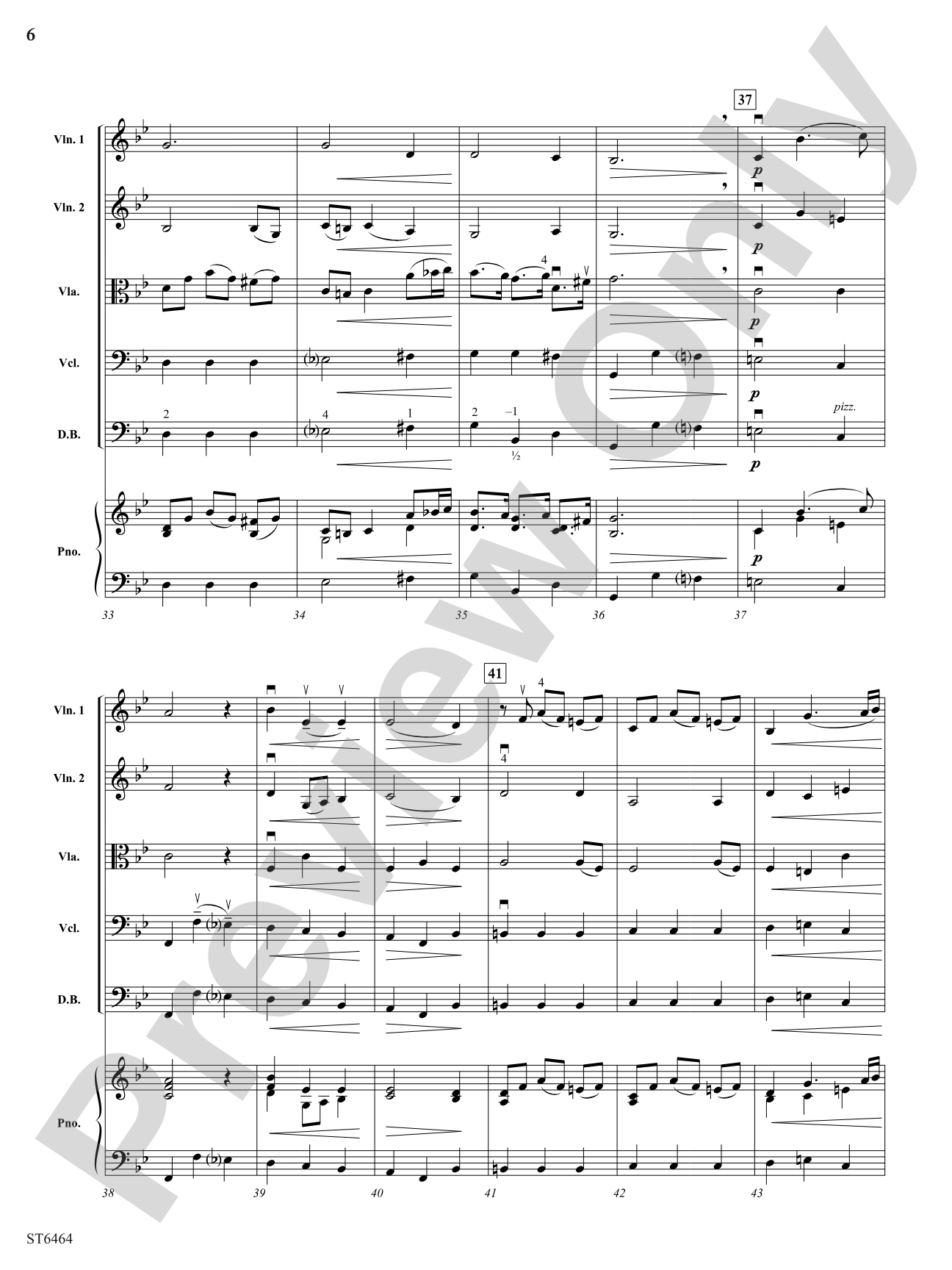
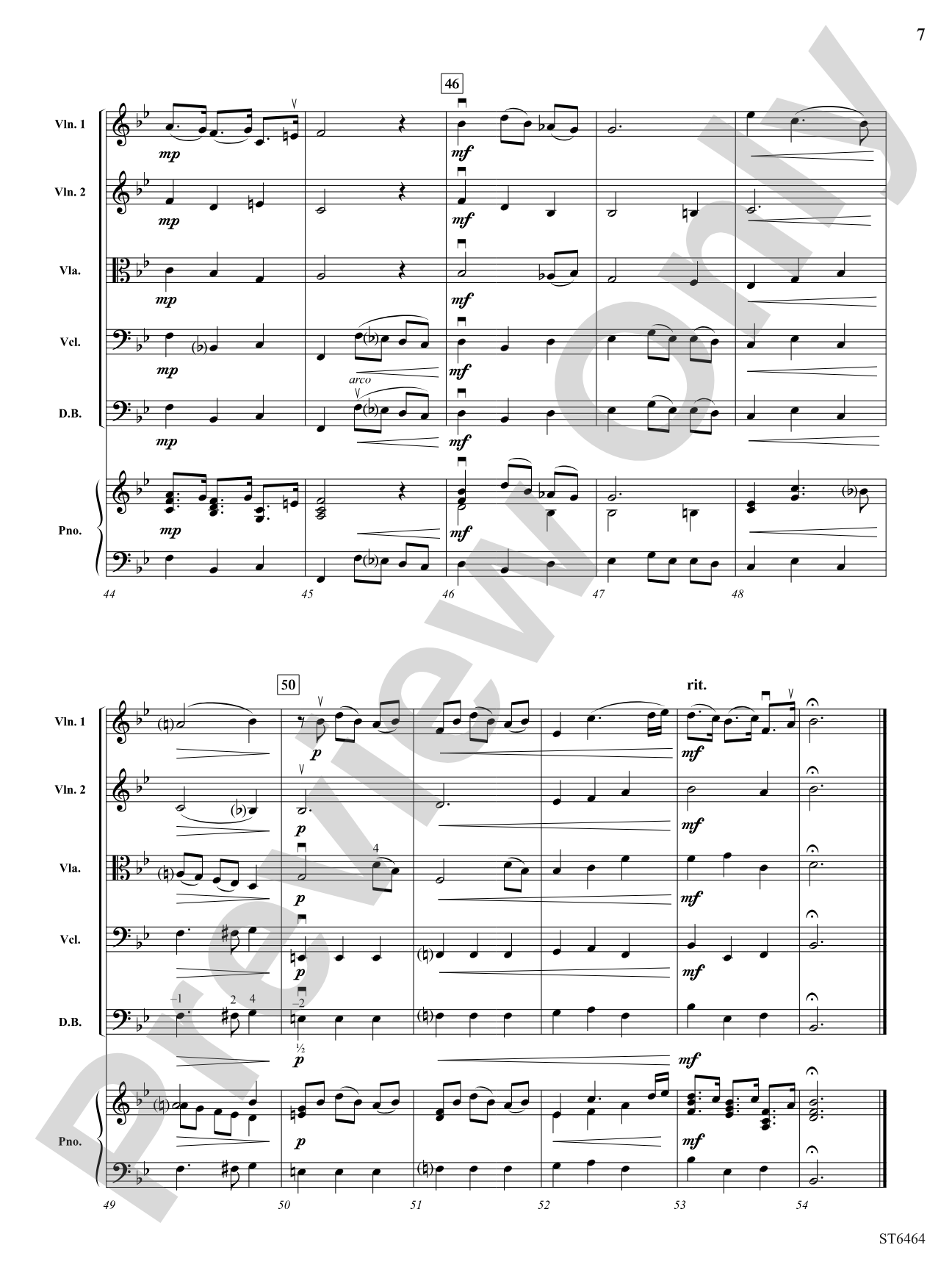

If Thou Be Near: String Orchestra Conductor Score & Parts
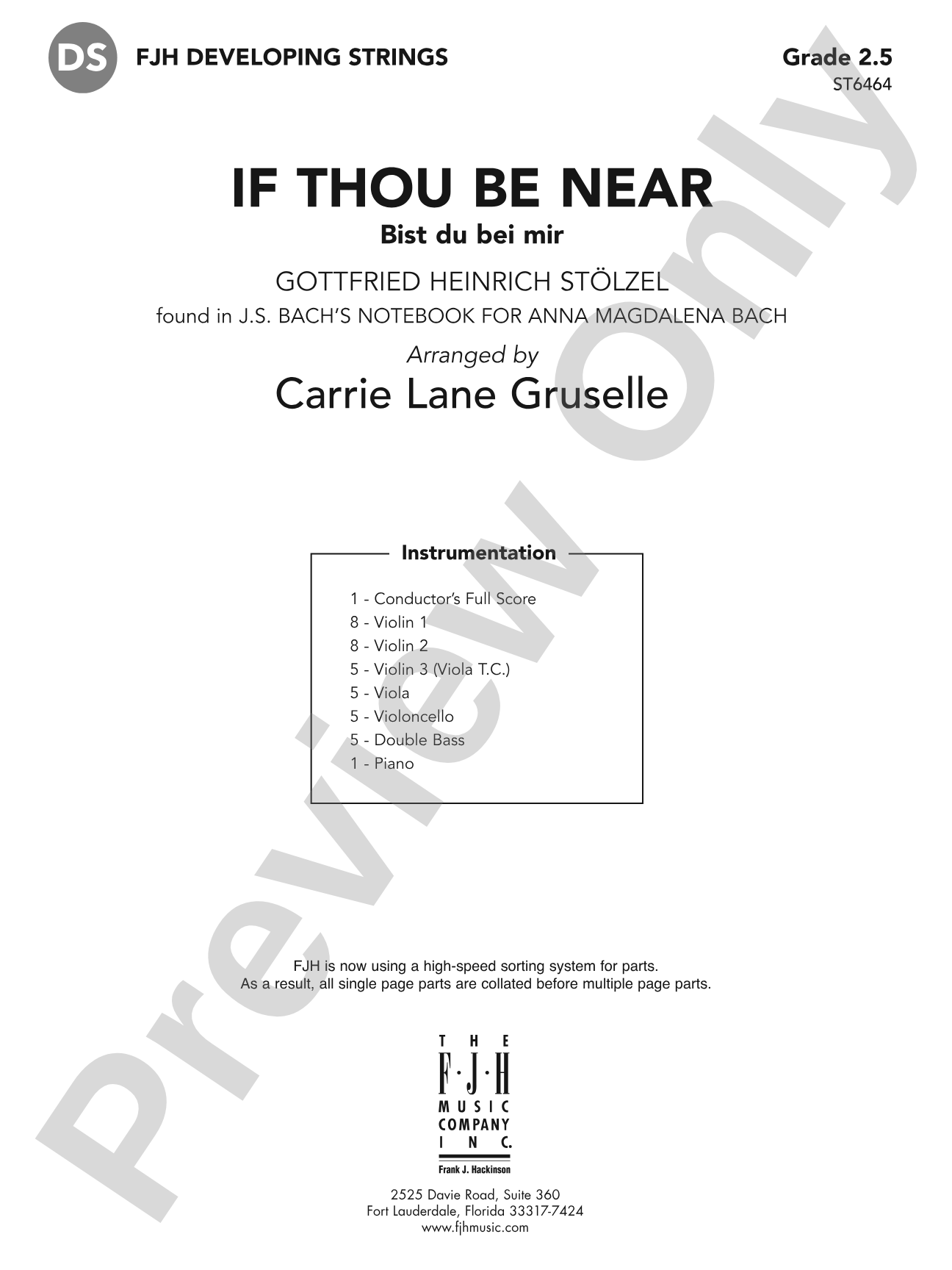
By Gottfried Heinrich Stolzel / arr. Carrie Lane Gruselle
Grade: 2.5
Item: 98-DST6464

$50.00
Pickup currently not available
Buy Extra Parts (Digital PDF Download)
| Product | Price | Quantity |
|---|---|---|
| If Thou Be Near: Score | $5.00 | |
| If Thou Be Near: Violin 1 | $7.00 | |
| If Thou Be Near: Violin 2 | $7.00 | |
| If Thou Be Near: Violin 3 (Viola T.C.) | $7.00 | |
| If Thou Be Near: Viola | $7.00 | |
| If Thou Be Near: Violoncello | $7.00 | |
| If Thou Be Near: Double Bass | $7.00 | |
| If Thou Be Near: Piano | $7.00 |
Parts Added to Cart!
Description
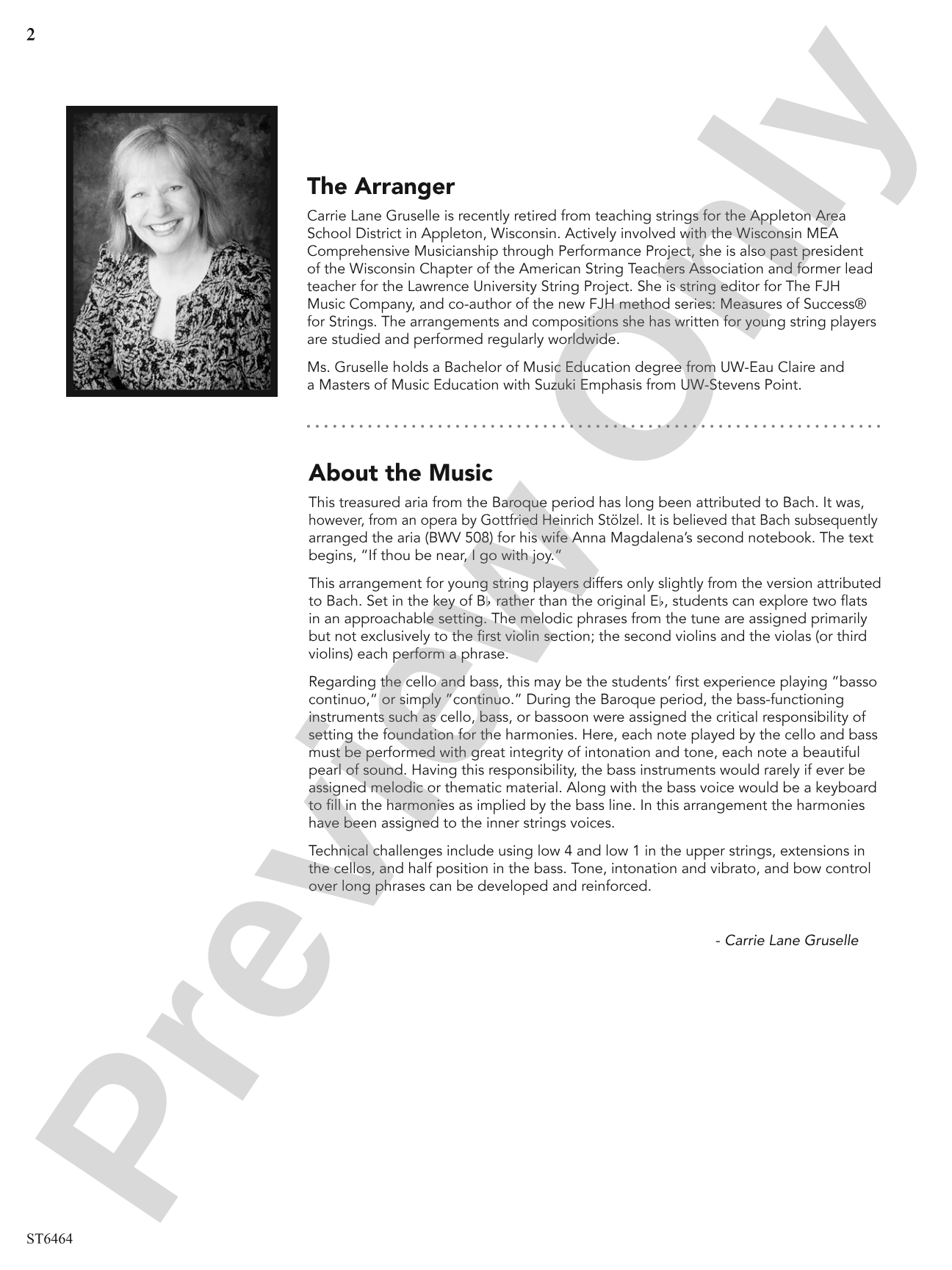
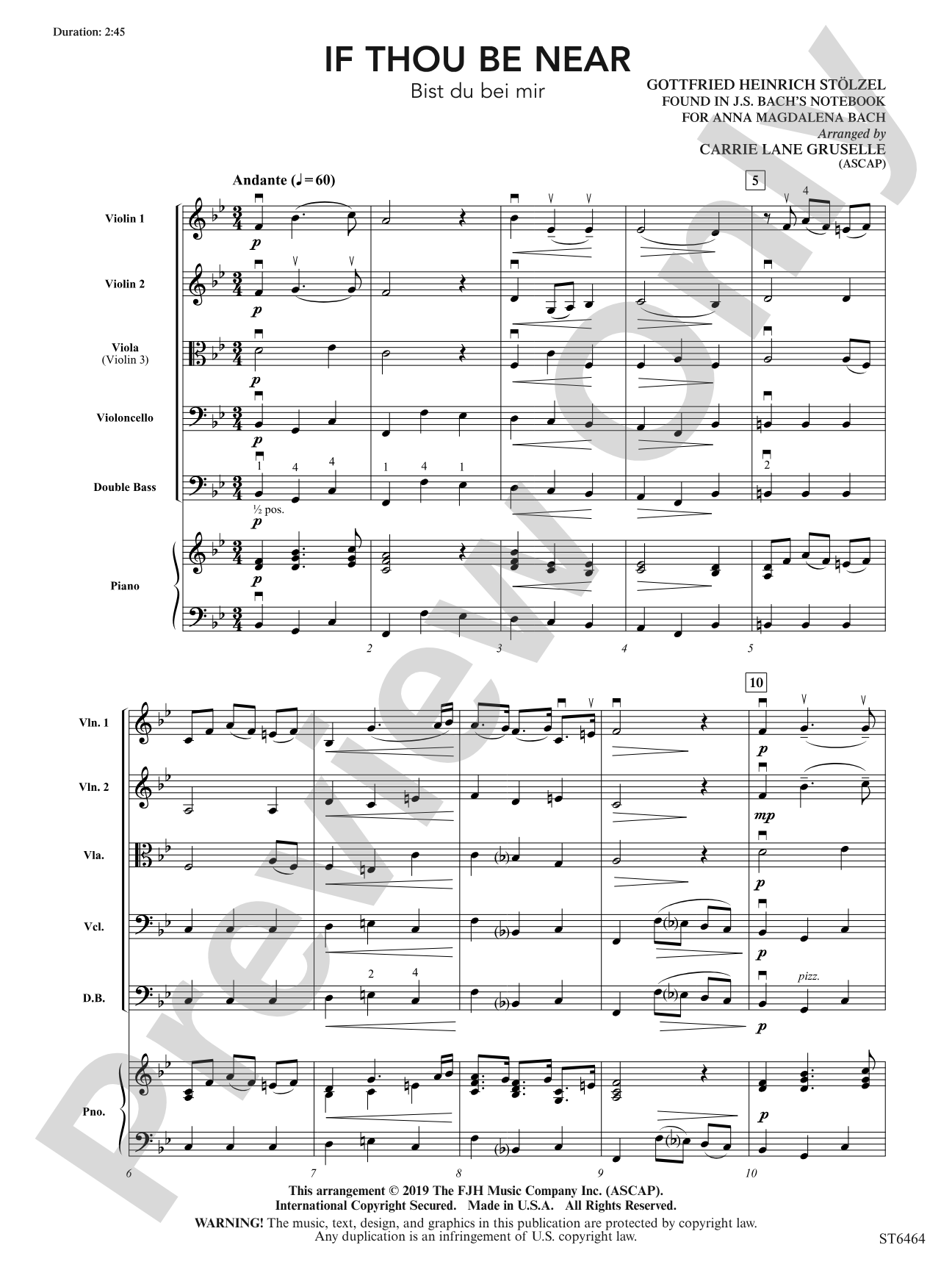
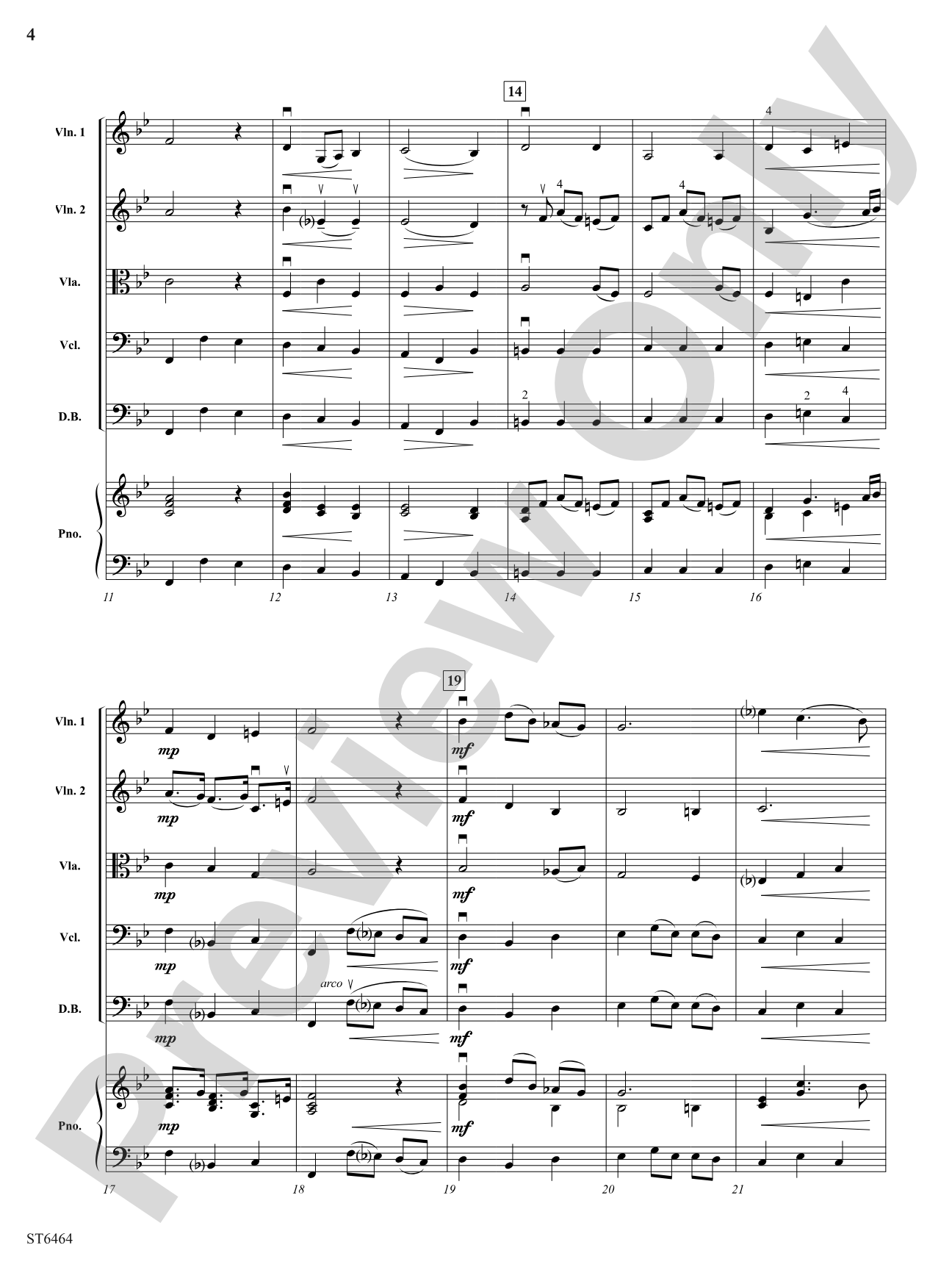
This treasured Baroque aria provides young string players with an opportunity to develop beautiful tone, vibrato and intonation in the key of B-flat. Solemn and stately, the melodic phrases are shared between the upper strings, while the cello and bass experience the responsibility of the basso continuo, making each note a pearl of musical beauty while setting the foundation for the harmonies in the inner voices.


Don't just read it, hear it, play along with it, and watch your students grow with it. In MakeMusic Cloud, If Thou Be Near: String Orchestra Conductor Score & Parts comes alive with professional accompaniment, adjustable tempo, and built-in practice tools that turn solo practice into real progress.
Open in the Player
Jump straight in and assign it today.
Start Your Free Trial
Open this title and explore the full library in minutes.
Sample Audio
1
Audio File
--:--
0:00
0:00
Sample Video
Additional Details
Series:
FJH Developing Strings
Publisher:
The FJH Music Company, Inc.
SKU:
98-DST6464
More about this title
About the Composer: Gottfried Heinrich Stolzel
Gottfried Heinrich Stolzel (1690-1749) was a prolific German Baroque composer who served as Kapellmeister at the court of Saxe-Gotha-Altenburg. His output spanned sacred cantatas, operas, and instrumental works that reflected the refined tastes of German court culture in the early 18th century. Though overshadowed by some of his contemporaries, Stolzel's melodic gift and harmonic sophistication earned him respect among musicians of his era.
Why we love this
This arrangement captures everything young string players need to hear in their ears: sustained legit singing tone, the expressive weight of vibrato, and the discipline required to play with precision in tune. Carrie Lane Gruselle has preserved the Baroque elegance of the original while creating genuine musical responsibility for both the melody and the continuo foundation, so every player feels the purpose of their part.
What to expect
Reverent and graceful, with the formal bearing of a sacred court ceremony. The long melodic lines ask for patient bow control and quiet intensity, while the basso continuo moves with purposeful dignity beneath, creating a sense of stillness punctuated by moments of gentle expression.
Who it's for
String orchestras at the intermediate level who are ready to explore Baroque masterworks with musical sophistication. This works especially well for ensembles where some players have begun vibrato study and the group is developing the ability to blend warm, sustained tone across sections.
How to get the most out of it
- Shape each phrase as a complete musical thought, not as individual note groups. Encourage players to breathe and listen for natural phrase endings before the next phrase begins.
- Balance the upper string melody against the cello and bass foundation so the continuo never disappears, even when violas and second violins carry harmonic material. The bass line's steadiness sets the emotional temperature of the whole piece.
- Work vibrato gradually and intentionally. Some players will discover vibrato here for the first time; model the width and speed you want, and let them grow into it across rehearsals rather than all at once.
How to use it
This is an excellent choice for a liturgical or contemplative program section, or as a festival entry that showcases your ensemble's tone quality and musical maturity. The modest length and Grade 2.5 difficulty make it accessible for mid-season programming while still commanding the respect of informed listeners.
Skills your students will build
- Sustained vibrato in a legit, expressive style
- Melodic phrasing across longer phrase structures
- Balancing melody and continuo within an ensemble
- Playing with stylistic awareness of Baroque musical conventions
- Intonation stability in extended passages