If Music Be The Food Of Love Sheet Music Preview

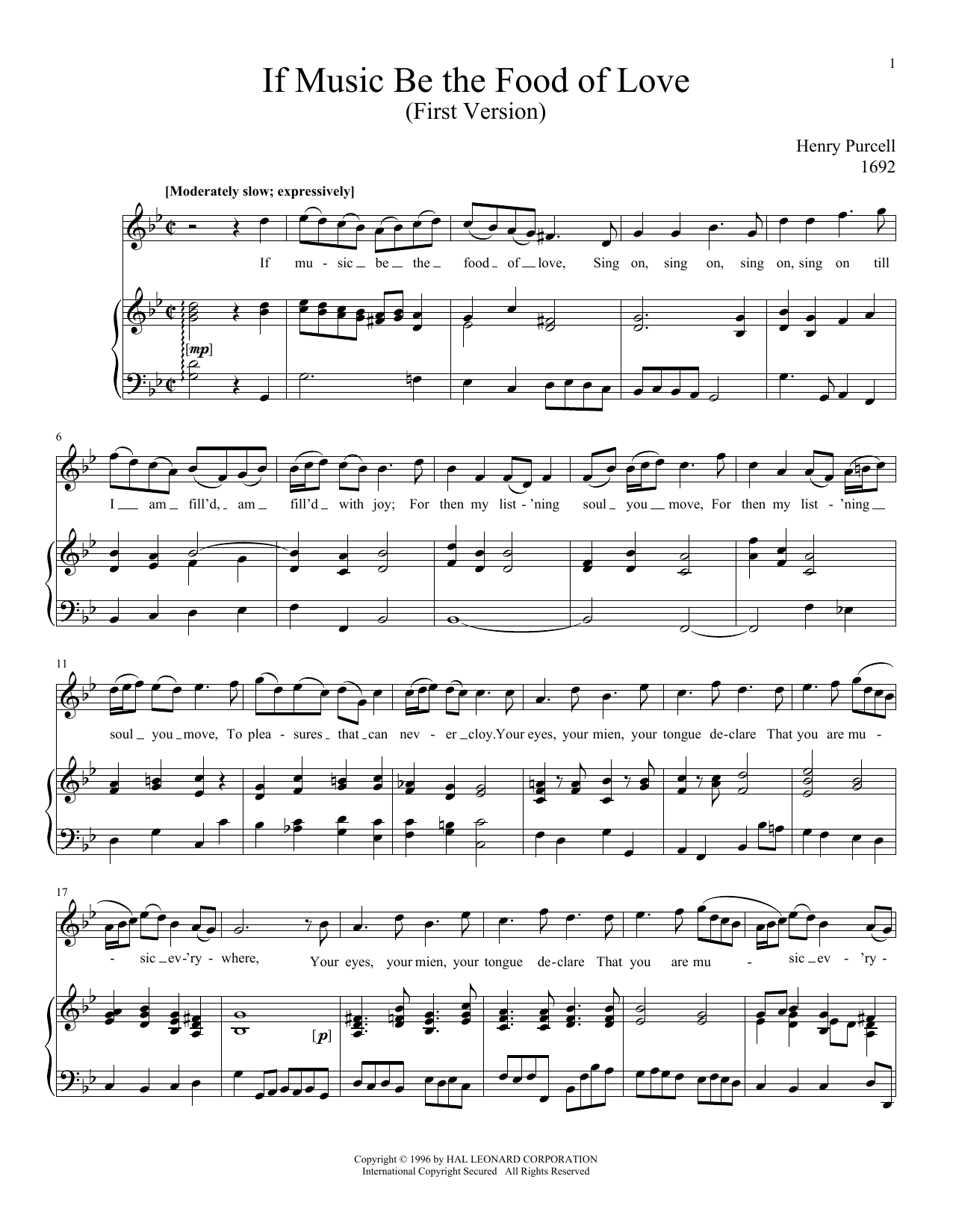
If Music Be The Food Of Love: Piano Vocal

Arranged by Richard Walters / Arranged by Steven Stolen

Item: 35-DS01548169

Digital Download
$5.99
Description

If Music Be The Food Of Love: Piano Vocal isn't in MakeMusic Cloud just yet...but it could be. Let us know you'd like to see it, and you'll help shape what comes next. In the meantime, start a free trial and dive into thousands of interactive titles your students can play along with today.

Sample Audio
No sample audio found.
Sample Video
Additional Details
Publisher: Hal Leonard
Page Count: 2
SKU: 35-DS01548169

More about this title

About the Arranger: Richard Walters

Richard Walters is a prolific arranger and editor whose work has shaped how singers encounter art song and classical vocal literature. His arrangements prioritize clarity of text and singability while respecting the harmonic and melodic integrity of source material, making canonical works accessible across voice types and skill levels.

Walters has edited and arranged hundreds of titles for major publishers, earning recognition for his ability to bridge pedagogical needs with artistic authenticity. His contributions to vocal pedagogy extend beyond arrangement into accompaniment writing that supports rather than overwhelms the singer.

Why we love this

This arrangement captures Shakespeare's famous opening couplet in a setting that never oversells the text. The economy of the piano writing allows the lyric to land with full weight, while the harmonic language remains sophisticated enough to hold a recital program alongside more substantial works. It's the kind of opener that reminds singers and audiences alike why Renaissance poetry paired with art song endures.

What to expect

Intimate without being fragile. The text invites both philosophical weight and sensual beauty, and Walters' arrangement honors that duality through lean, elegant writing that feels both timeless and immediate.

Who it's for

High voice singers building a recital repertoire or exploring settings of classical text. This excerpt works for advanced secondary students and college singers comfortable with Renaissance poetry and the interpretive demands of compact art song.

How to get the most out of it

  • Shape the opening phrase as a complete thought; the brevity demands a clear arc rather than a rushed delivery. Let the quiet intensity of the text emerge through line rather than volume.
  • Attend to the relationship between voice and piano on repeated harmonic material. Small dynamic adjustments from the accompanist can highlight the lyric's unfolding without disrupting the vocal line.
  • Consider the contextual temperature of your program. This works equally well as a thoughtful opening statement or a reflective bridge between contrasting pieces.

How to use it

Pair this with other Renaissance or Baroque vocal settings to frame a recital section, or position it as a solo bridge that resets the emotional temperature between larger ensemble or dramatic works. Two pages means it costs nothing in program real estate while delivering substantive content.

Skills your students will build

  • Phrasing and line direction in speech-inflected text settings
  • Harmonic awareness and voice leading in Renaissance-inflected arranging
  • Text clarity and diction in formal English poetic language
  • Coordination with an accompanist in sparse, texturally transparent writing

You May Also Like