

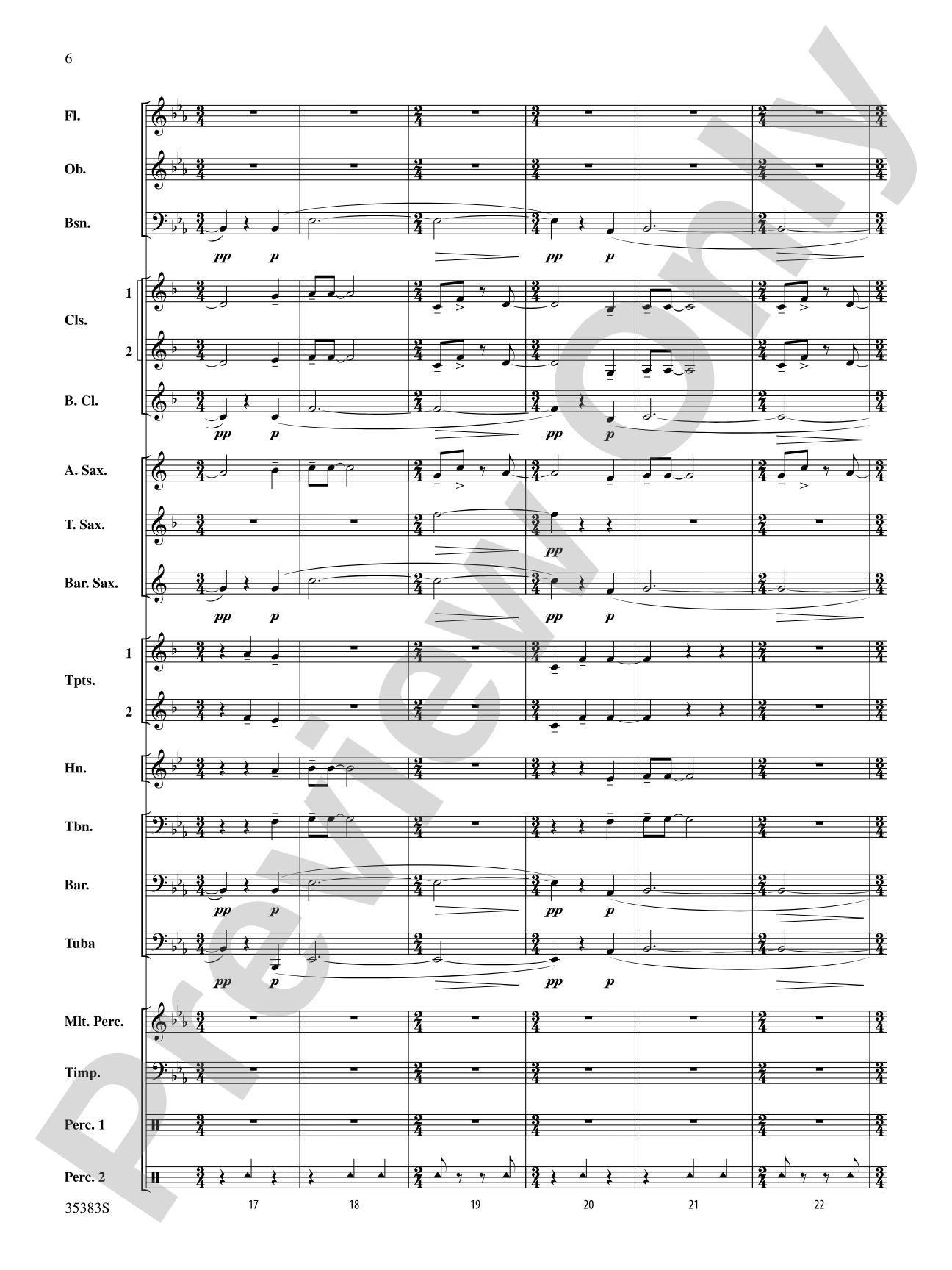
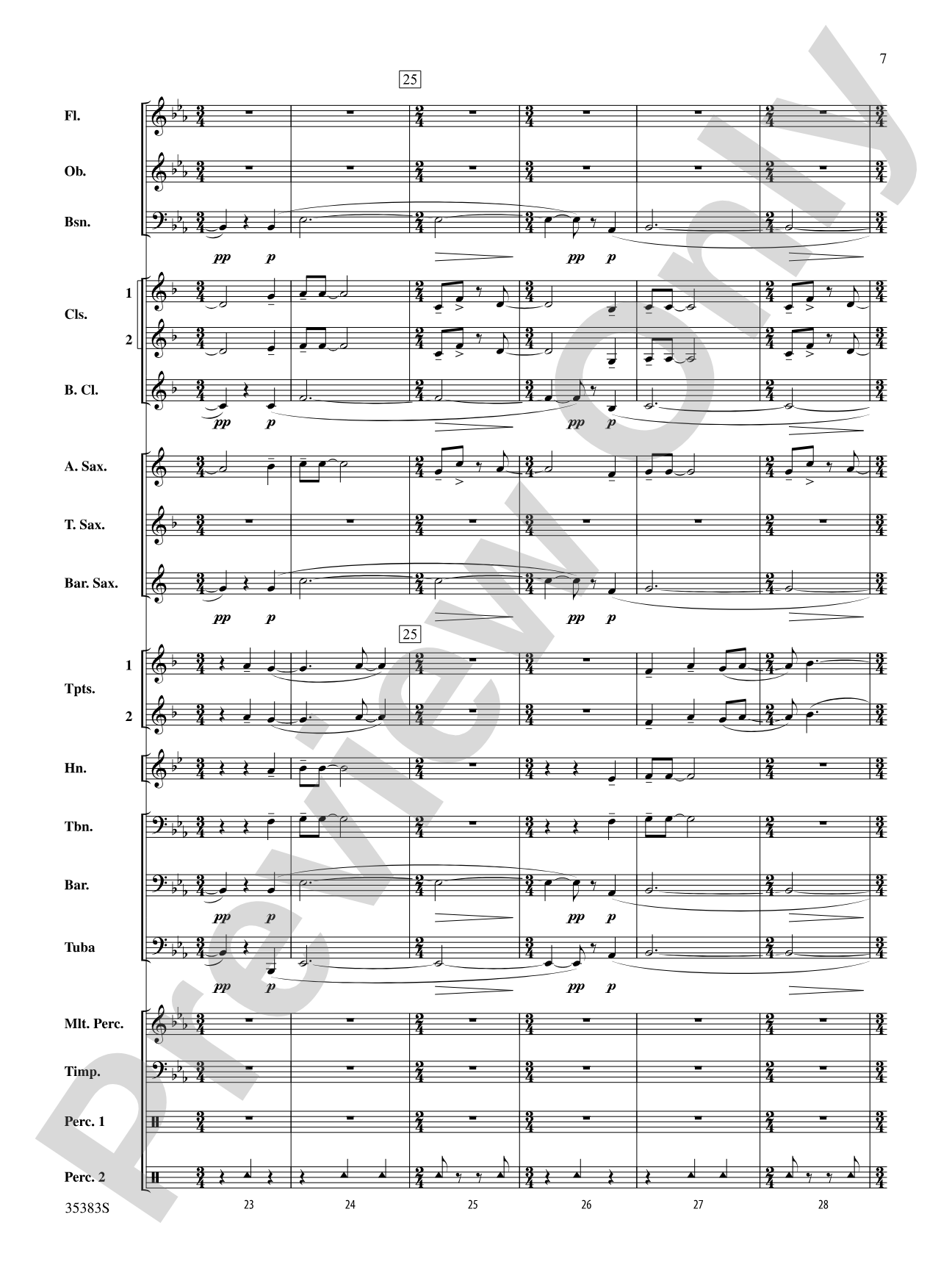
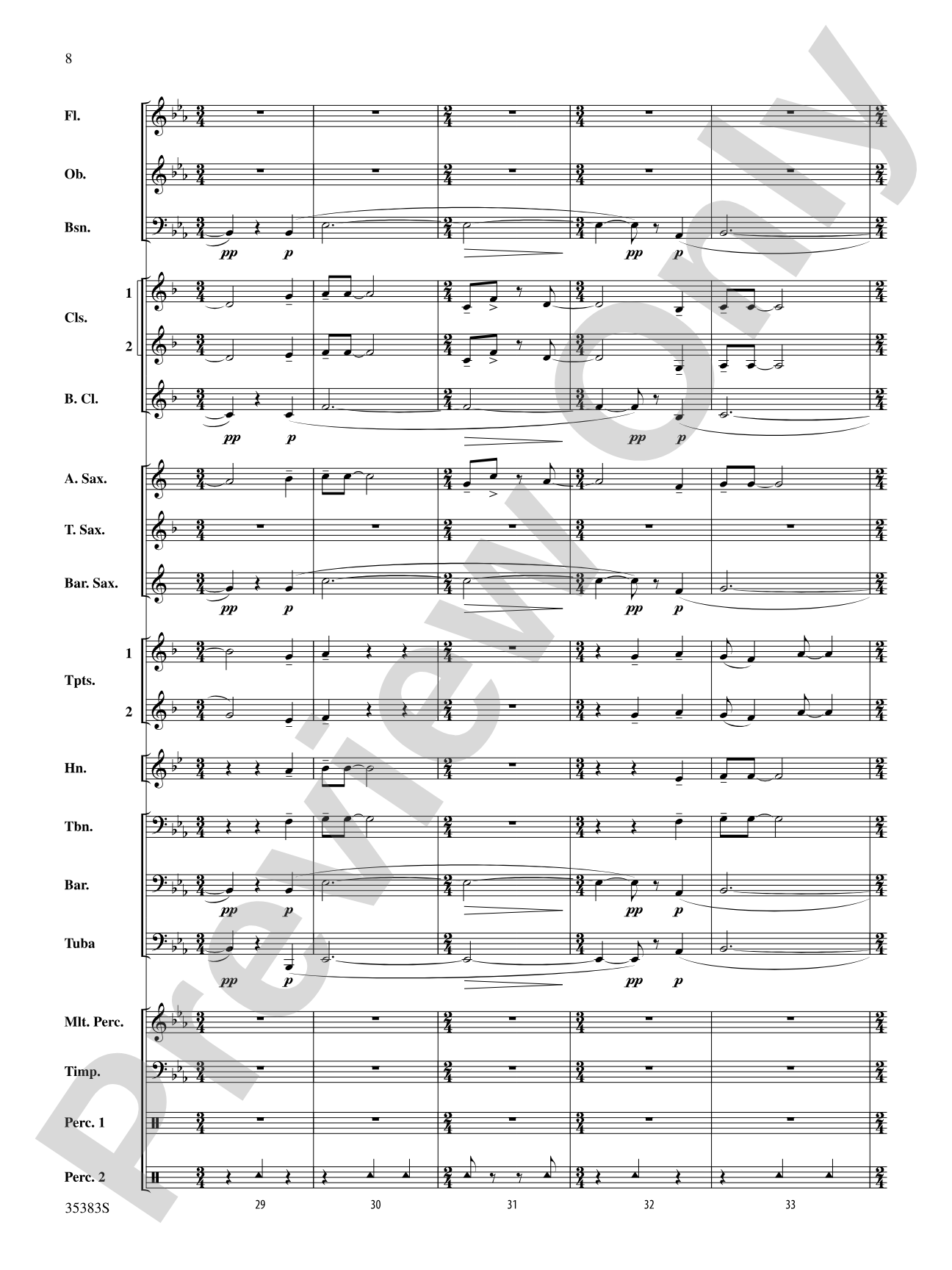
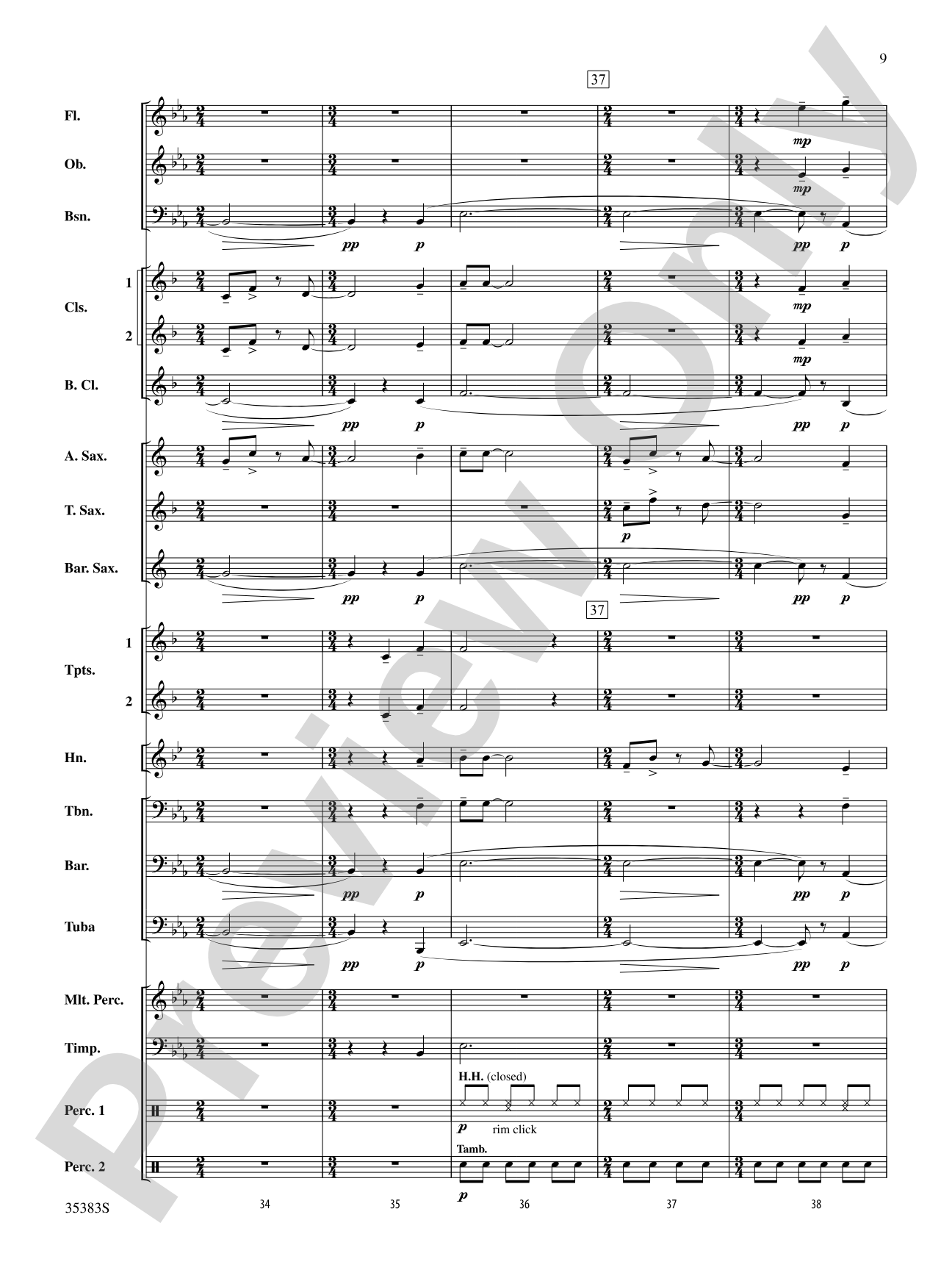
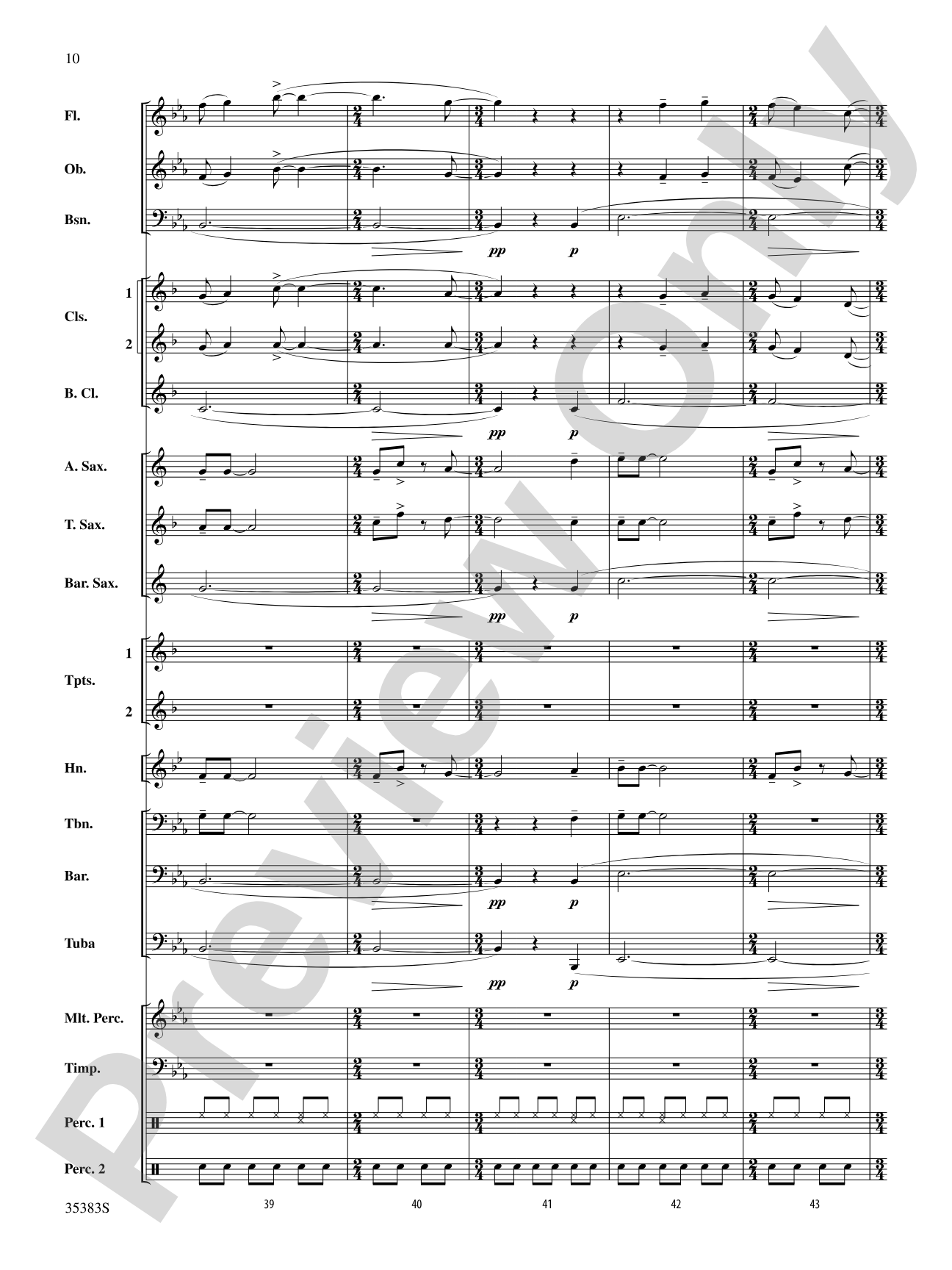
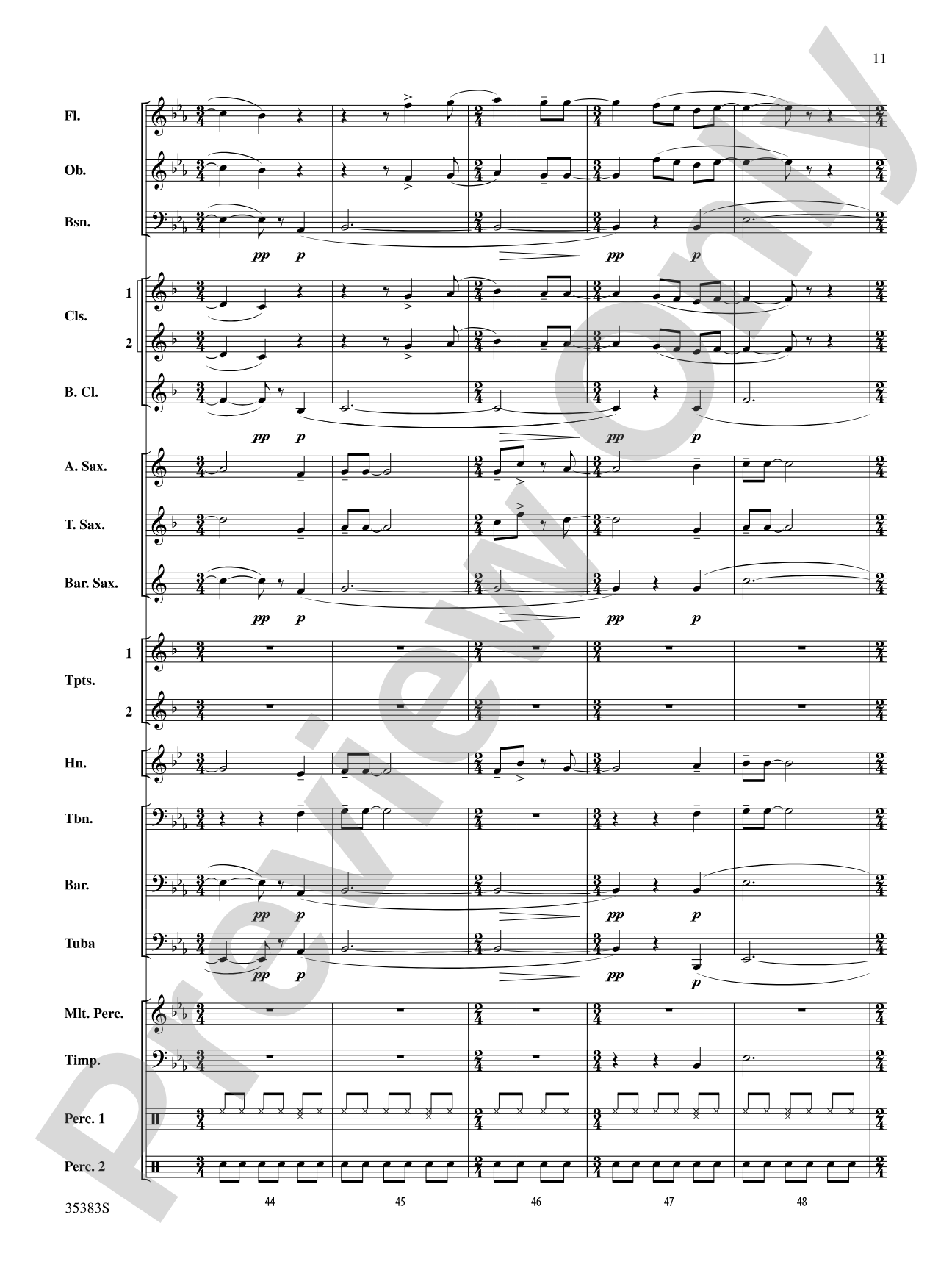
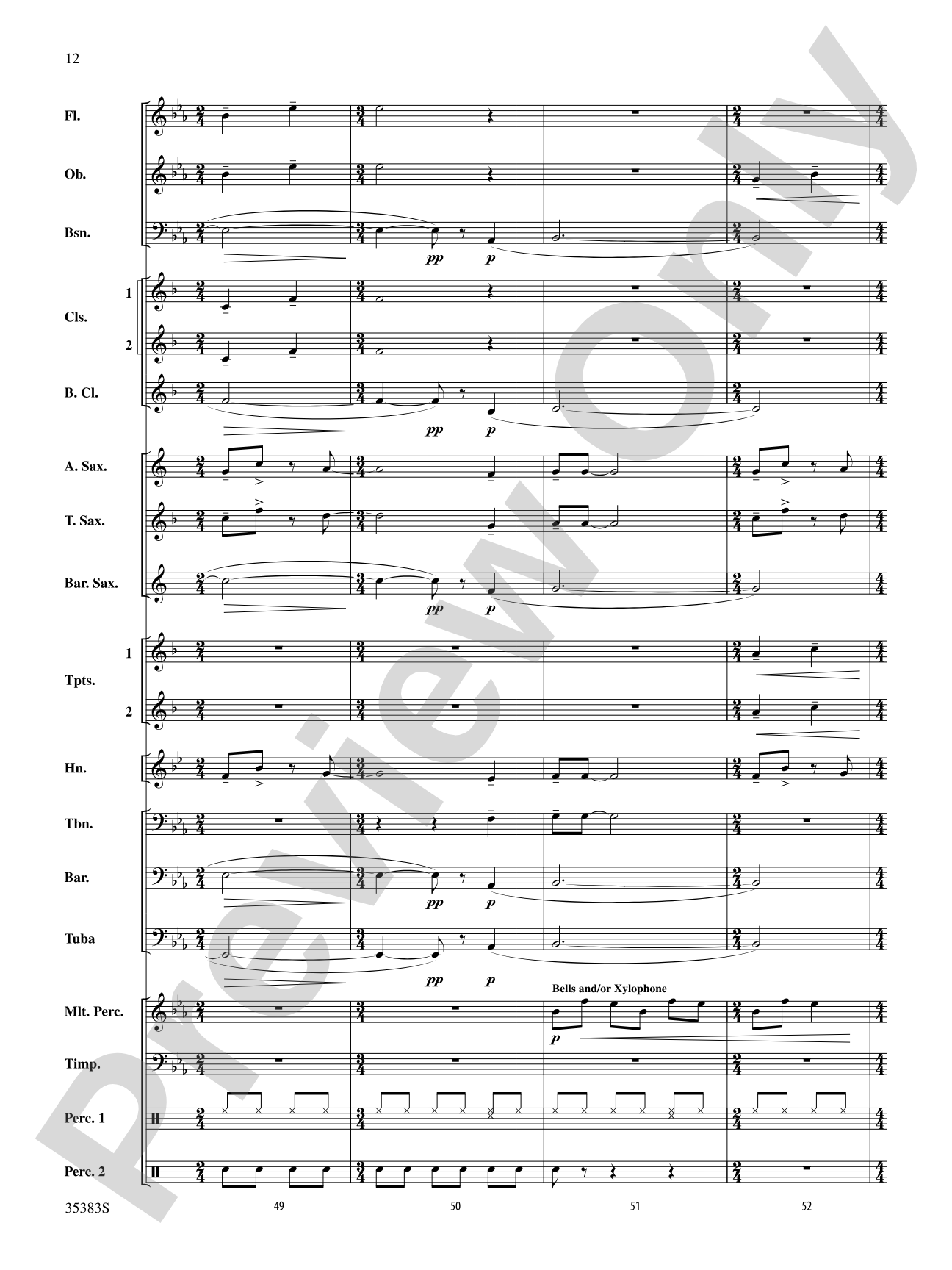
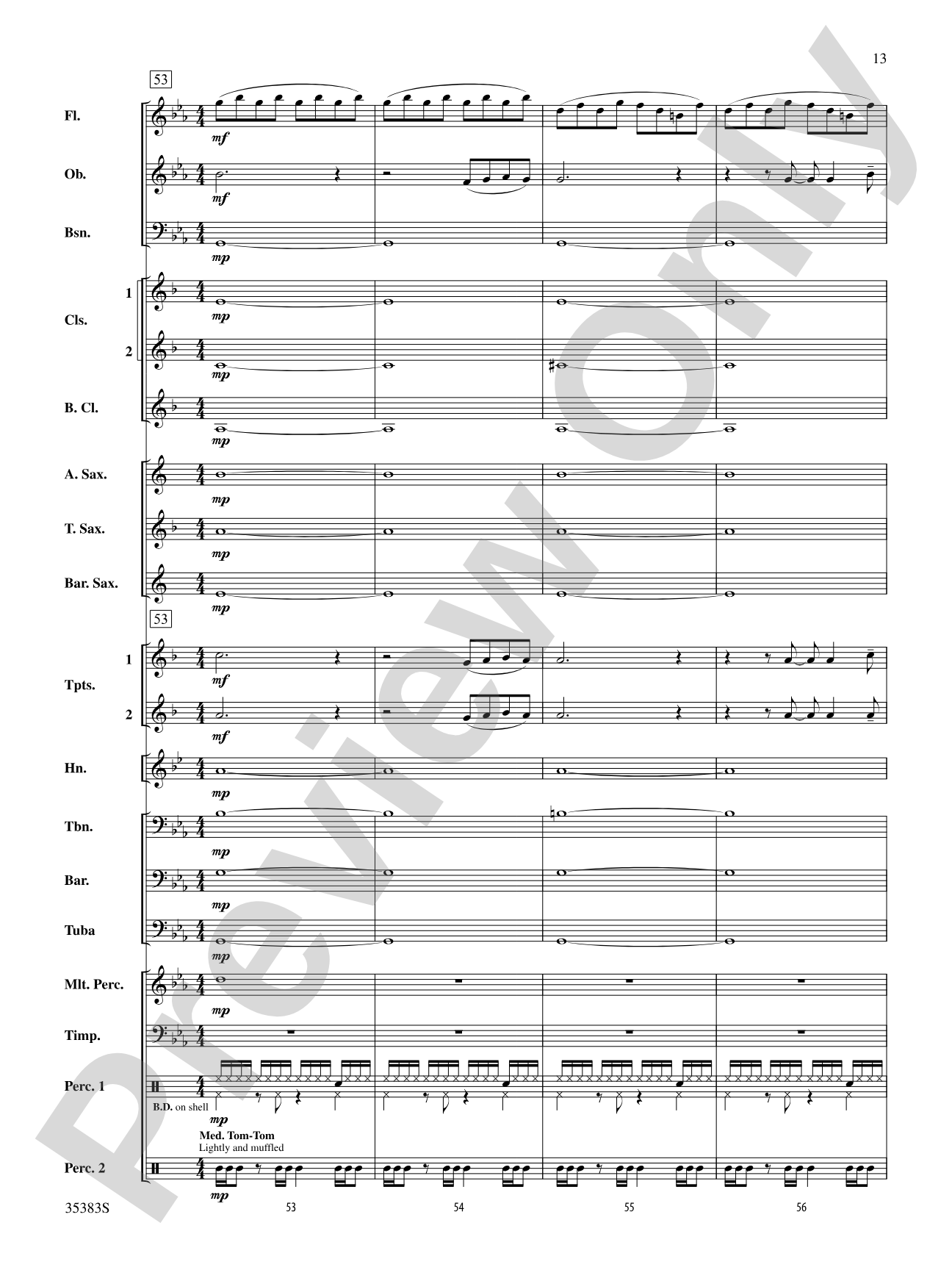
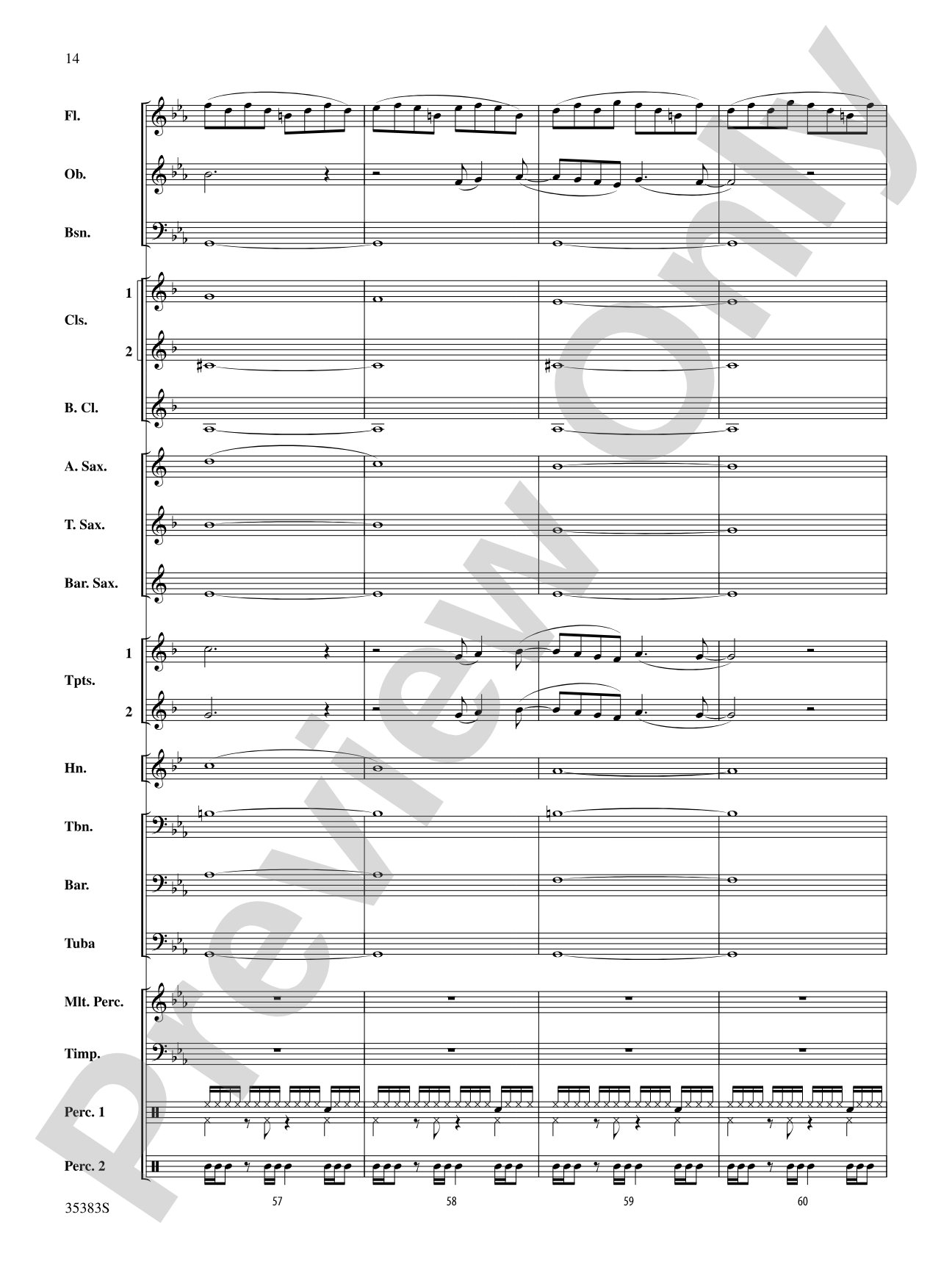
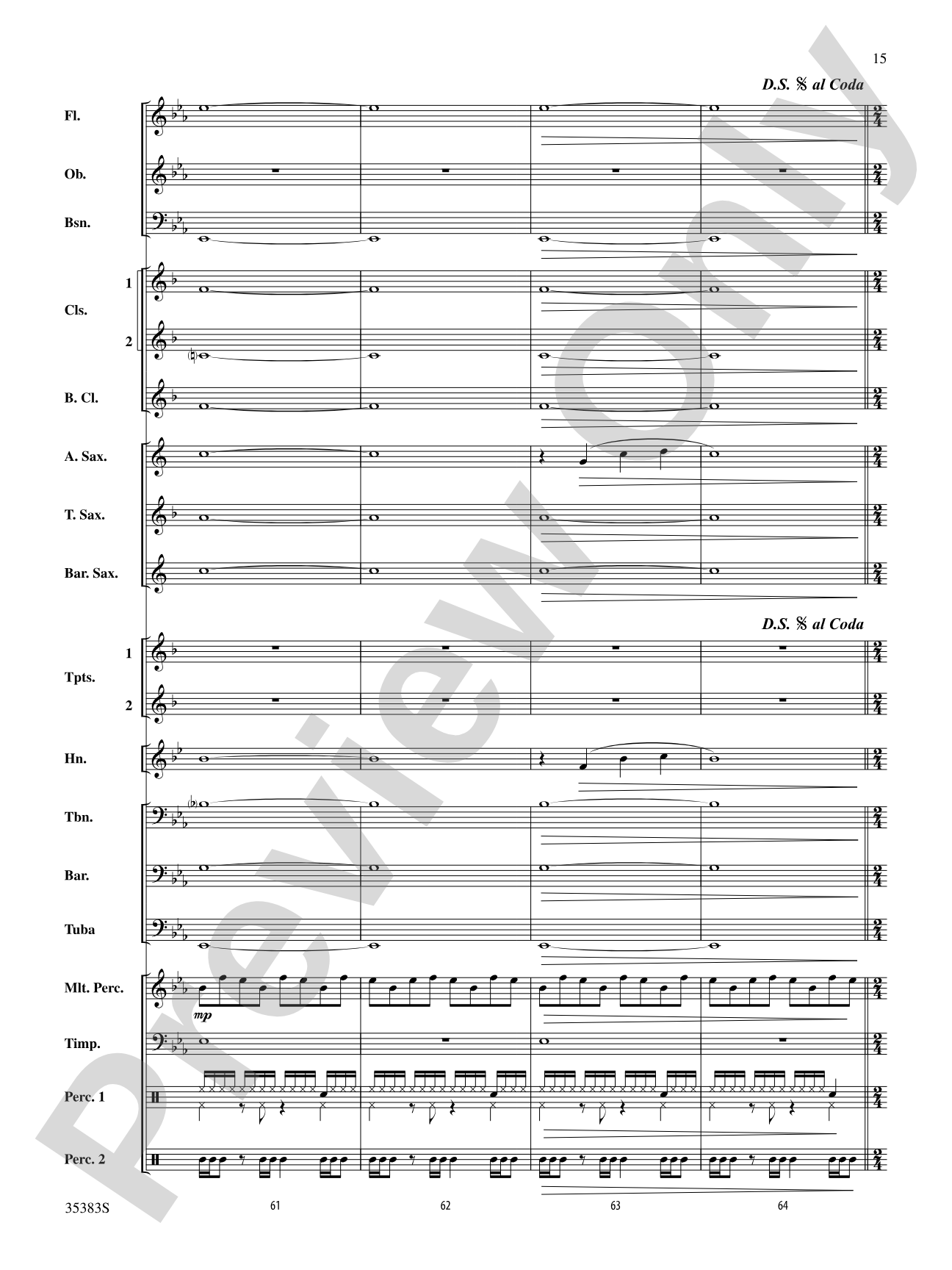
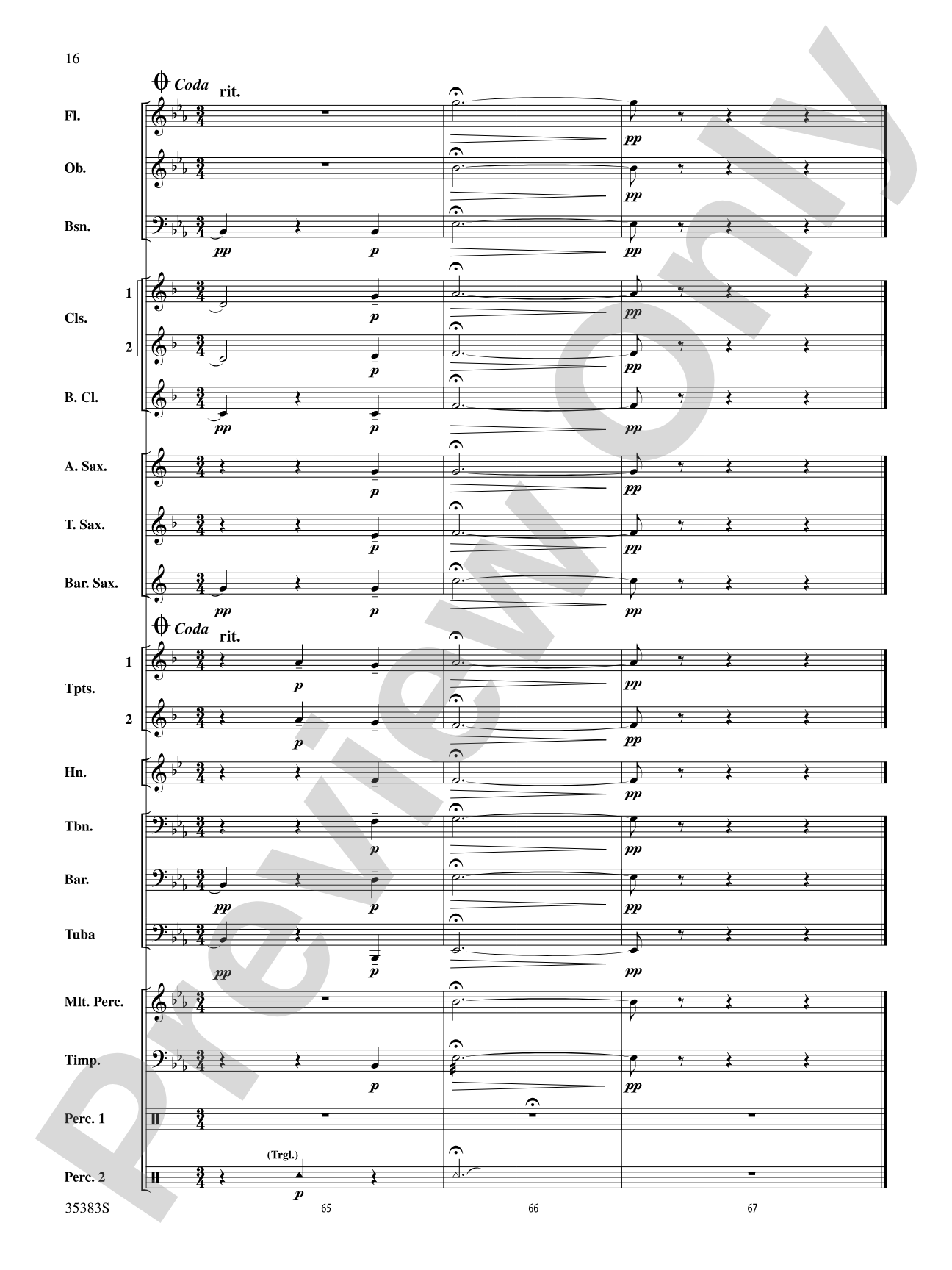

If I Rise: Score
As performed by Dido on the 127 Hours Movie Soundtrack
Written by Dido Armstrong, Rollo Armstrong, and A. R. Rahman [Dido] / arr. George Vincent
Grade: 2.5 (Easy to Medium Easy)
Item: 00-PR-0003252
$9.00
Pickup currently not available
Description
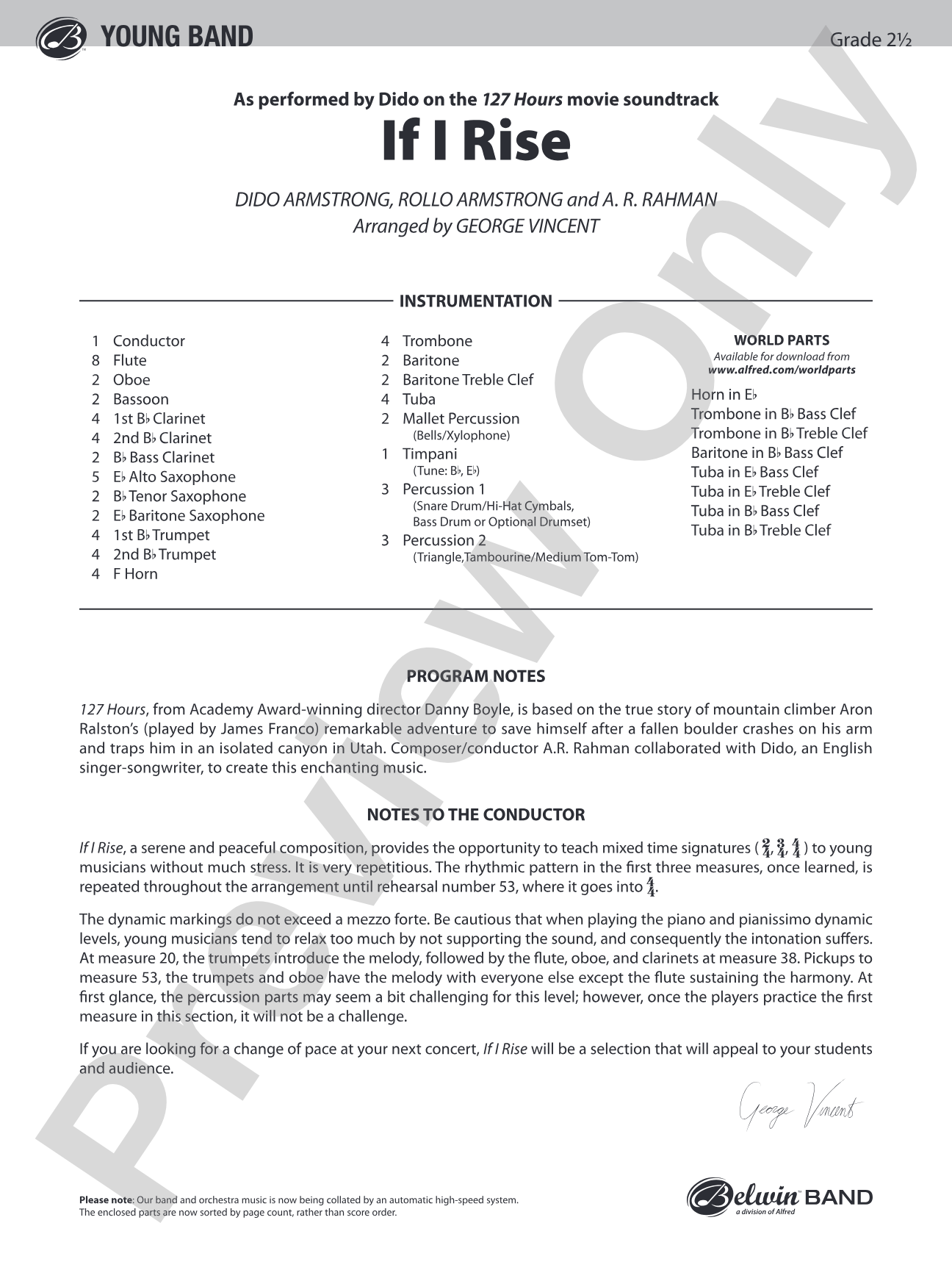
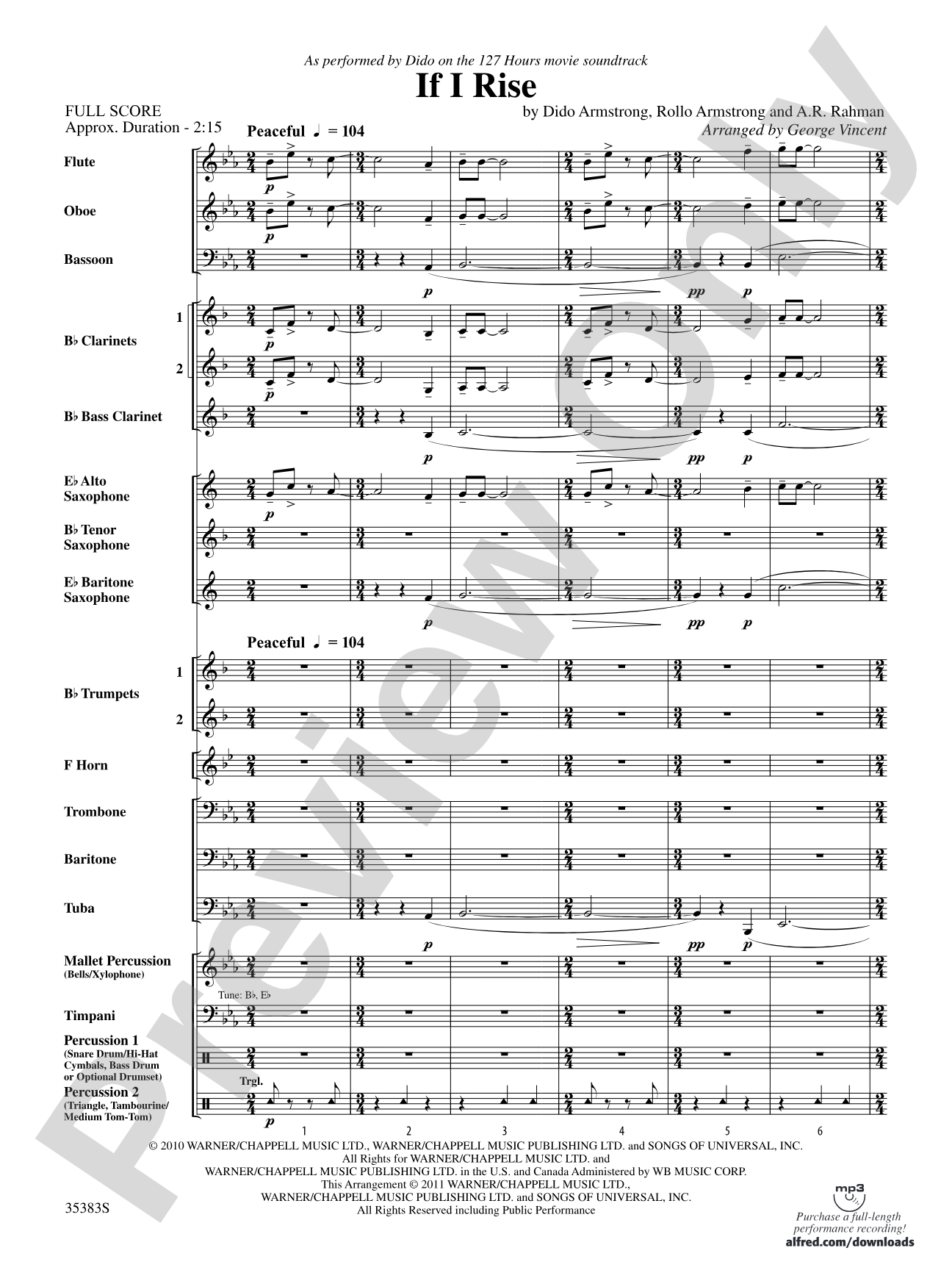
Composer/conductor A.R. Rahman collaborated with Dido, an English singer-songwriter, to create this enchanting music. This Oscar-nominated lovely melody provides a seamless introduction to multi-meter. If you are looking for a stunning change of pace at your next concert, "If I Rise" will be a selection with a particularly charismatic melody that will appeal to your students and audience.


Don't just read it, hear it, play along with it, and watch your students grow with it. In MakeMusic Cloud, If I Rise: Score comes alive with professional accompaniment, adjustable tempo, and built-in practice tools that turn solo practice into real progress.
Open in the Player
Jump straight in and assign it today.
Start Your Free Trial
Open this title and explore the full library in minutes.
Sample Audio
1
Audio File
--:--
0:00
0:00
Sample Video
No sample videos found.
Additional Details
Series:
Pop Young Band
Publisher:
Alfred Music
Page Count:
128
SKU:
00-PR-0003252
More about this title
About the Artist: Dido
Dido Florian Cloud de Bounevillain O'Malley Armstrong (known professionally as Dido) rose to prominence in the late 1990s with her distinctive contralto voice and introspective songwriting. Her collaborations span pop, film, and orchestral contexts, bringing emotional depth and accessibility to each project. Her work with A.R. Rahman on "If I Rise" showcases her ability to convey vulnerability and strength through melody, making her catalog a rich resource for arrangers seeking vocally-centered material that translates across ensembles.
Why we love this
This arrangement captures something rare at the Grade 2.5 level: a pop collaboration that feels genuinely cinematic without sacrificing playability. The multi-meter introduction you'll encounter here teaches ensemble flexibility in a musical context students actually want to learn, rather than through abstract exercises. Your band will feel the song's emotional weight while building real musicianship.
What to expect
The arrangement opens with intrigue, unfolding through shifting meters that feel organic rather than academic. Once the melody lands, warmth and accessibility bloom; you're left with something that feels both contemporary and timeless, with the kind of vocal sensibility that makes an audience lean in.
Who it's for
Concert bands at the intermediate level seeking repertoire that moves beyond traditional classical and march contexts. Directors preparing programs that include contemporary pop arrangements will find this score approachable for mixed-ability sections while remaining musically substantial.
How to get the most out of it
- Shape the introduction's metric shifts (moving between meters) by conducting with clear preparatory gestures; this clarifies the harmonic anchor even as the meter changes.
- Balance the melody against supporting voices by rehearsing in cross-sections; the charismatic tune needs space to breathe without being overwhelmed by band sonority.
- Observe the dynamic arc carefully: treat each phrase as part of a larger narrative arc rather than isolated moments, which unifies the band's interpretation.
- Let the accompaniment parts settle into a supported groove once the primary melody enters; this prevents the piece from sounding fragmented.
How to use it
Position this as a concert centerpiece or a strategic shift in tone between classical selections. The Oscar-nominated pedigree and pop styling make it ideal for pops concerts, film-music themed programs, or the kind of varied concert that showcases your ensemble's versatility. Consider pairing it with one contrasting work to frame its lyrical character.
Skills your students will build
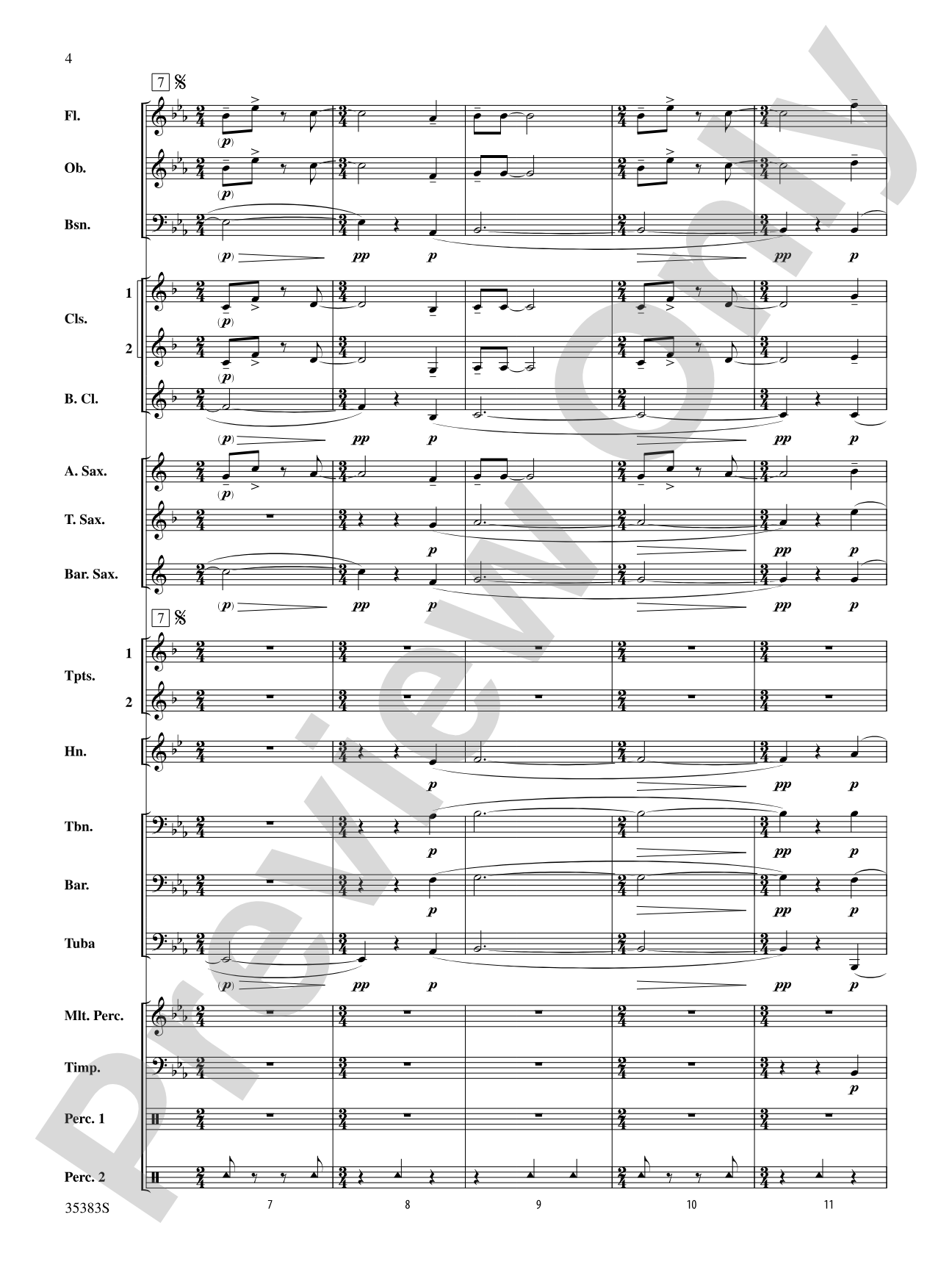
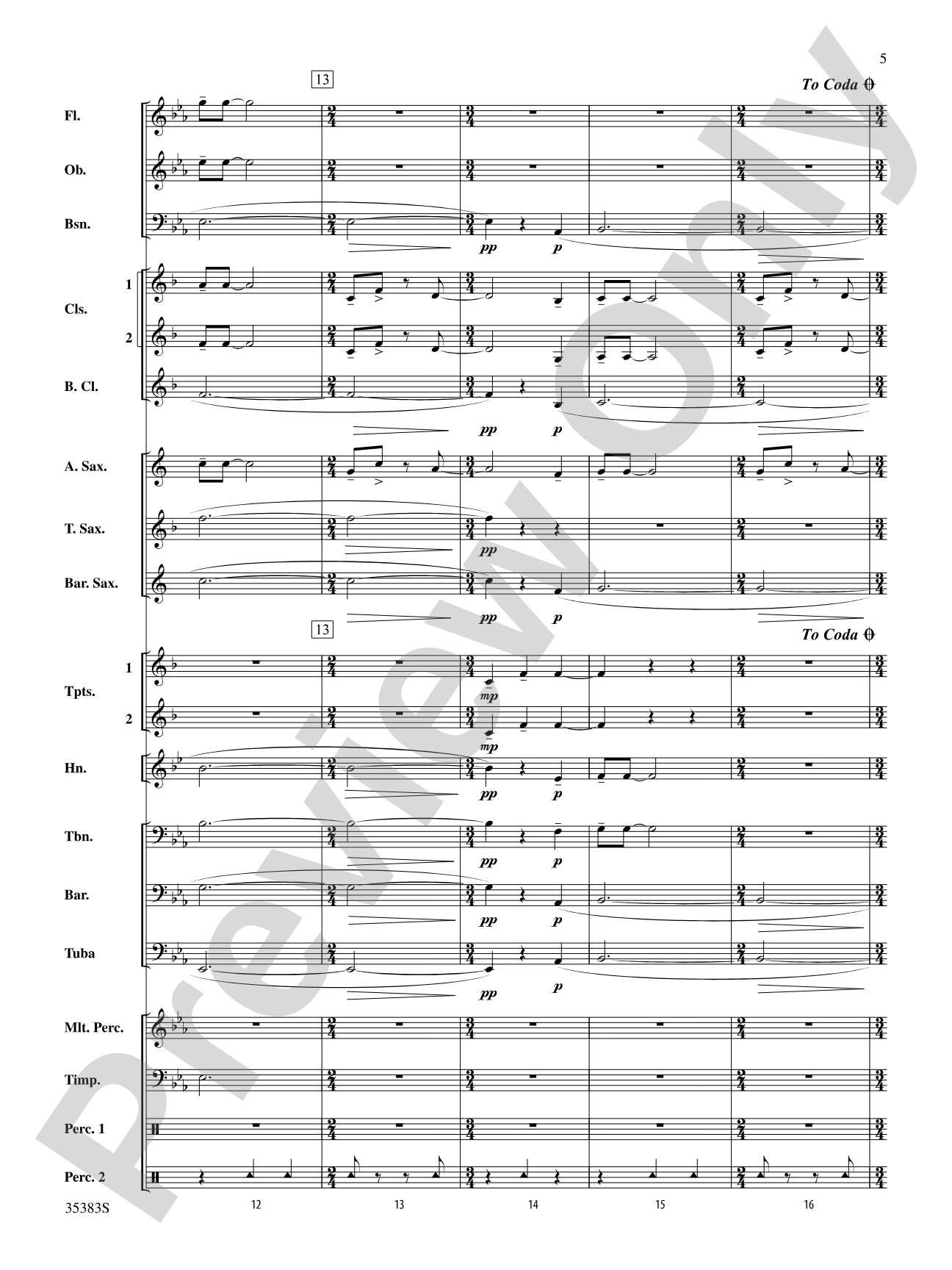
- Reading mixed meters (4/4 and 3/4 transitions) in an ensemble context
- Maintaining ensemble cohesion while navigating meter changes
- Shaping longer melodic lines with dynamic intent
- Balancing textured accompaniment writing with featured melody
- Responding to contemporary vocal phrasing in an instrumental arrangement