
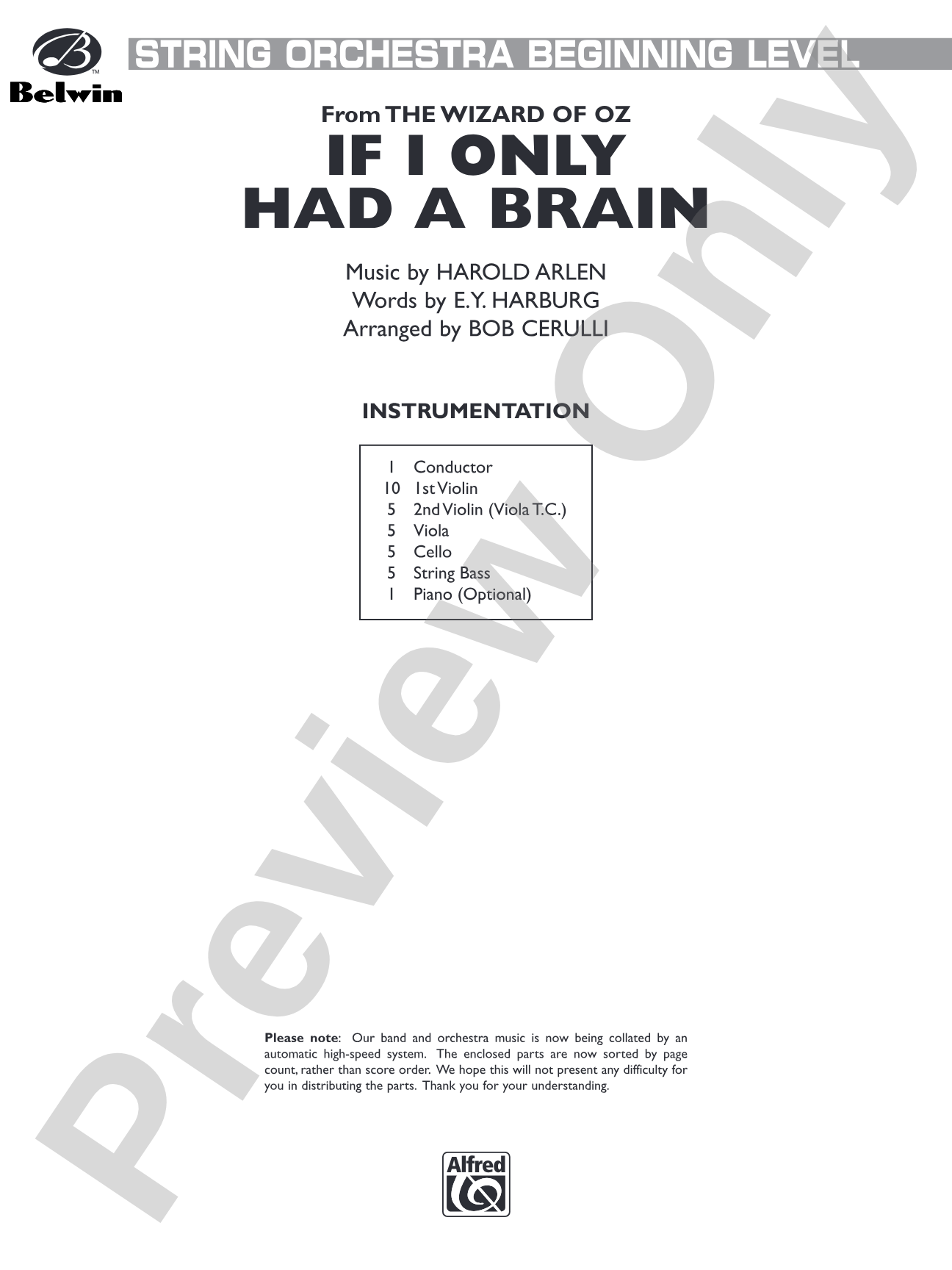

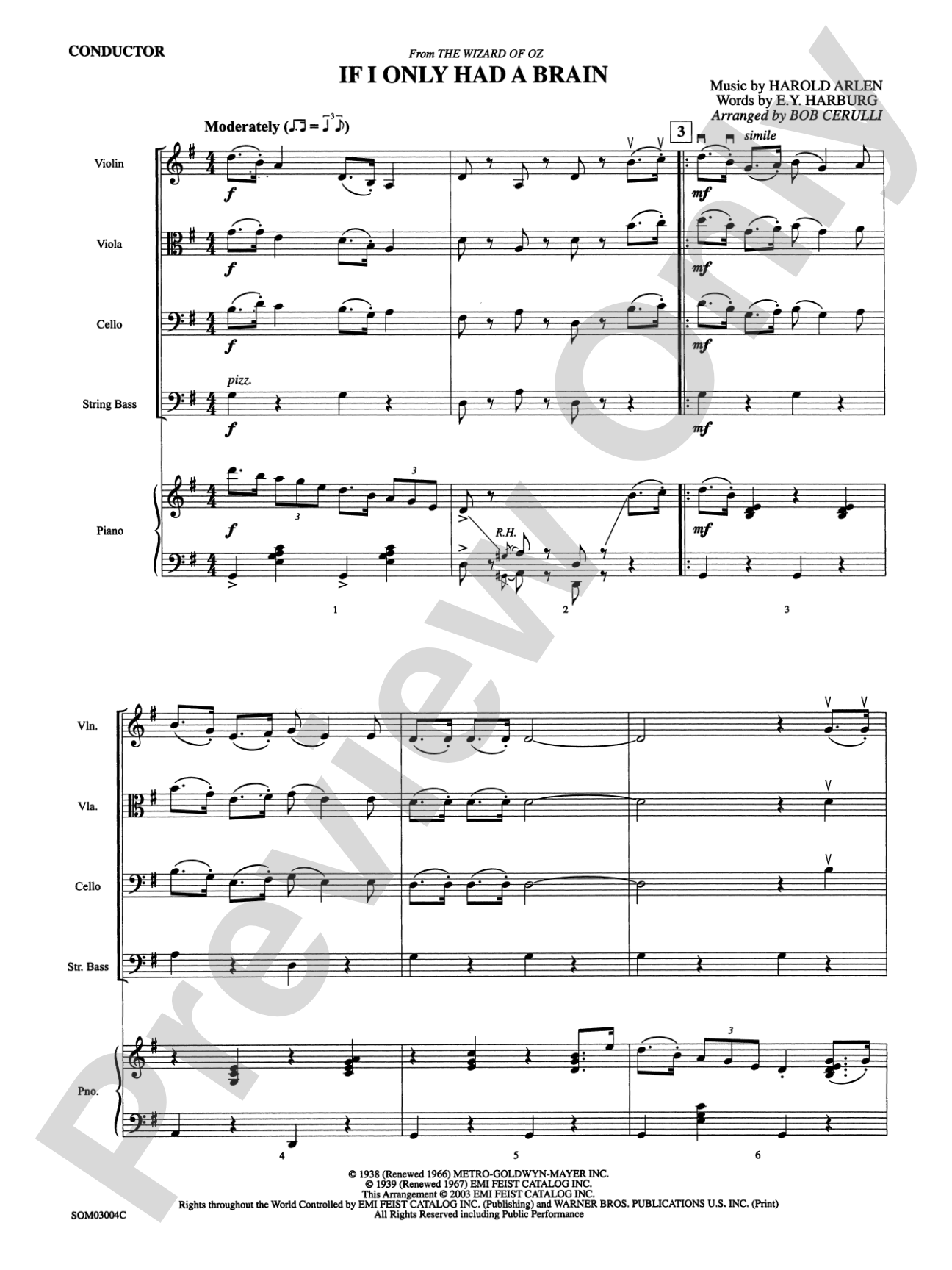
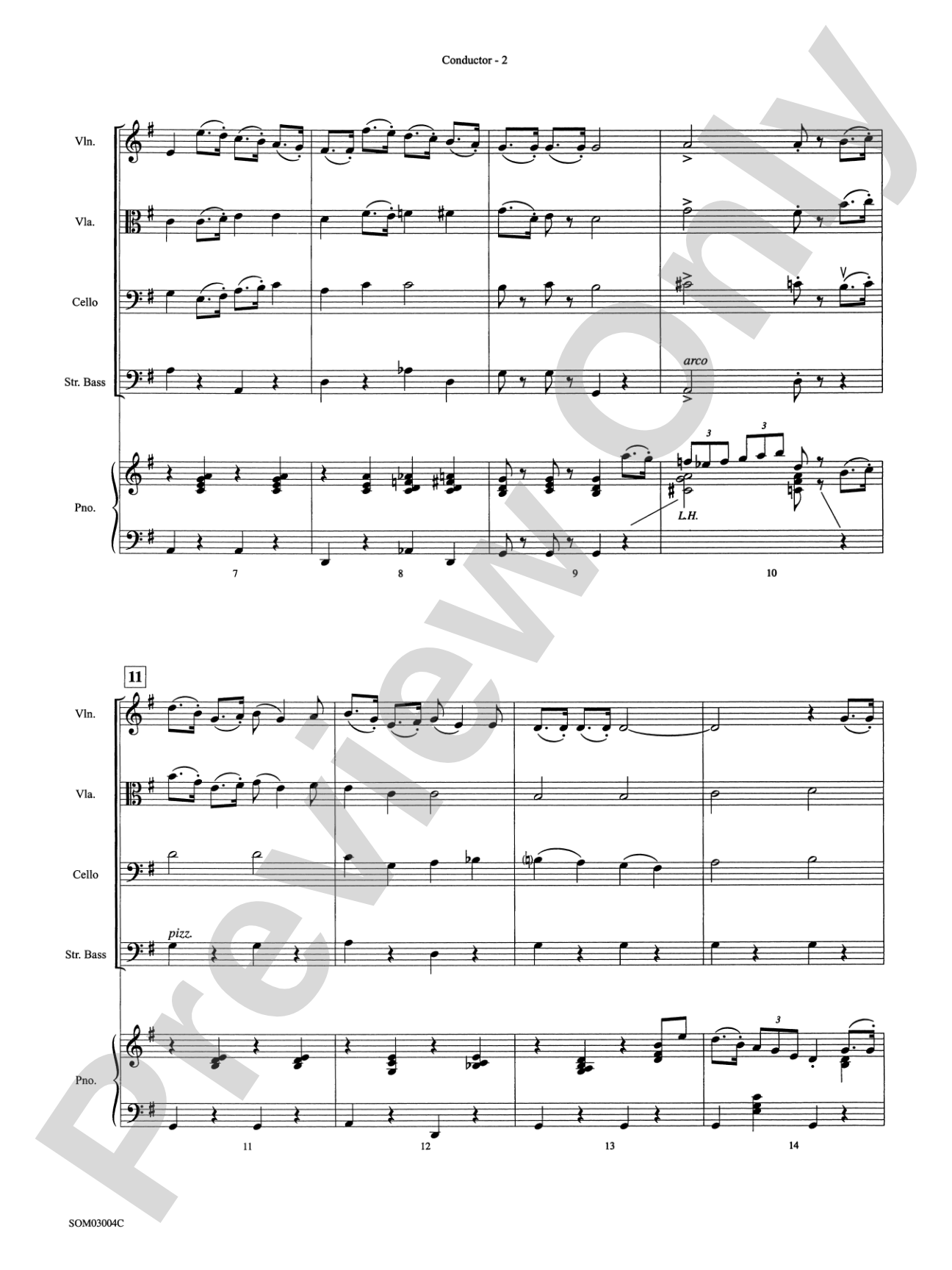
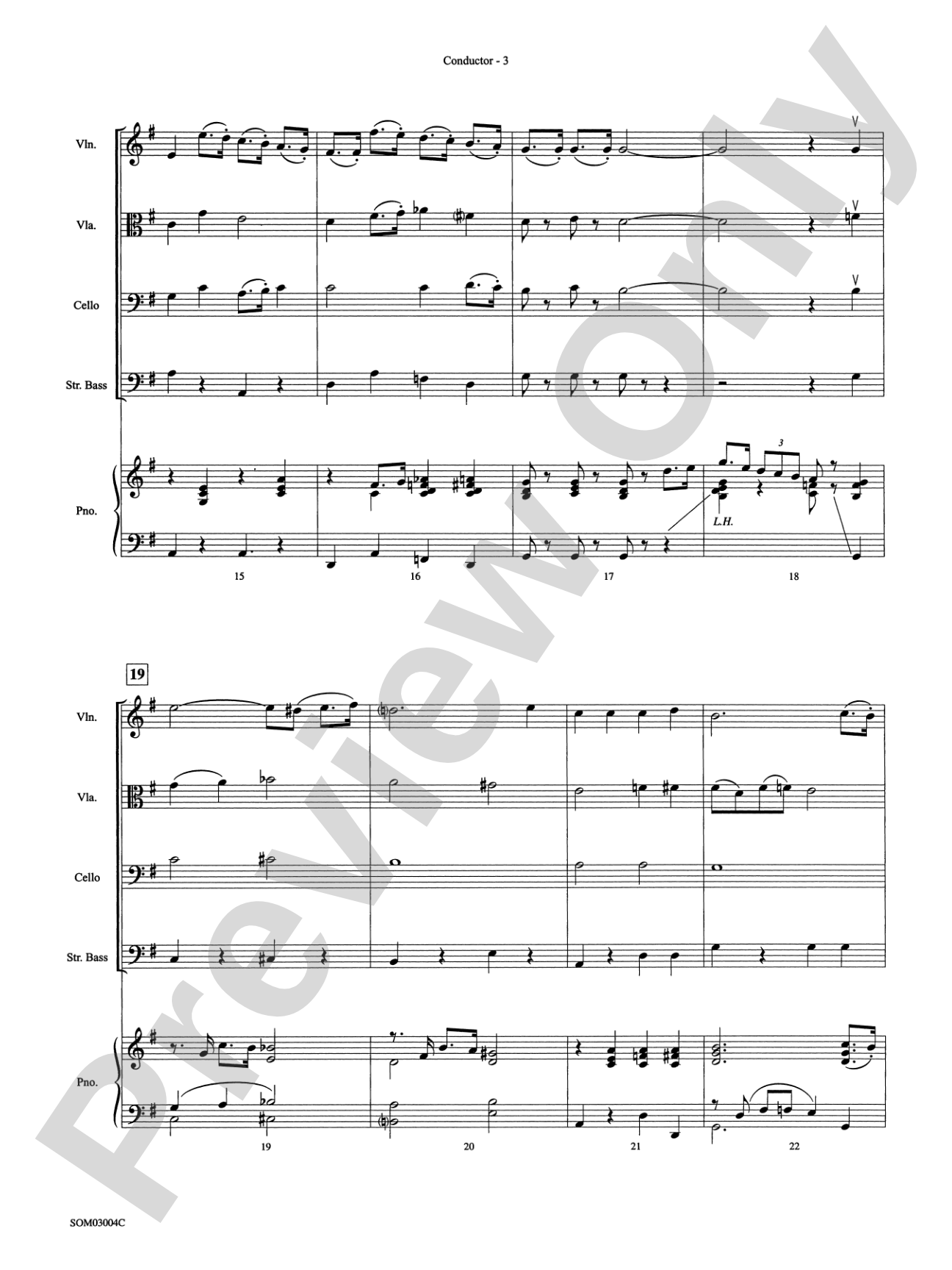
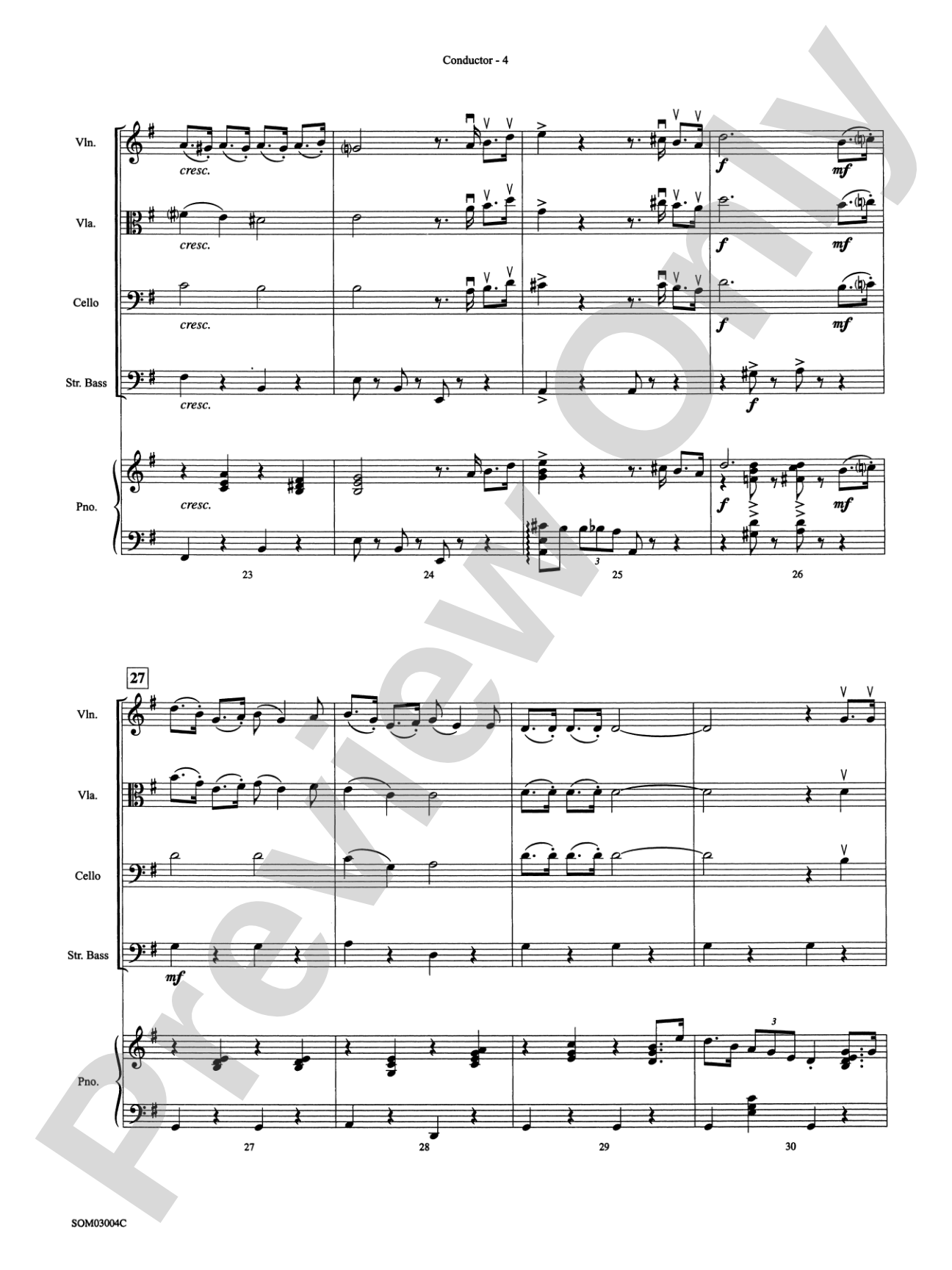
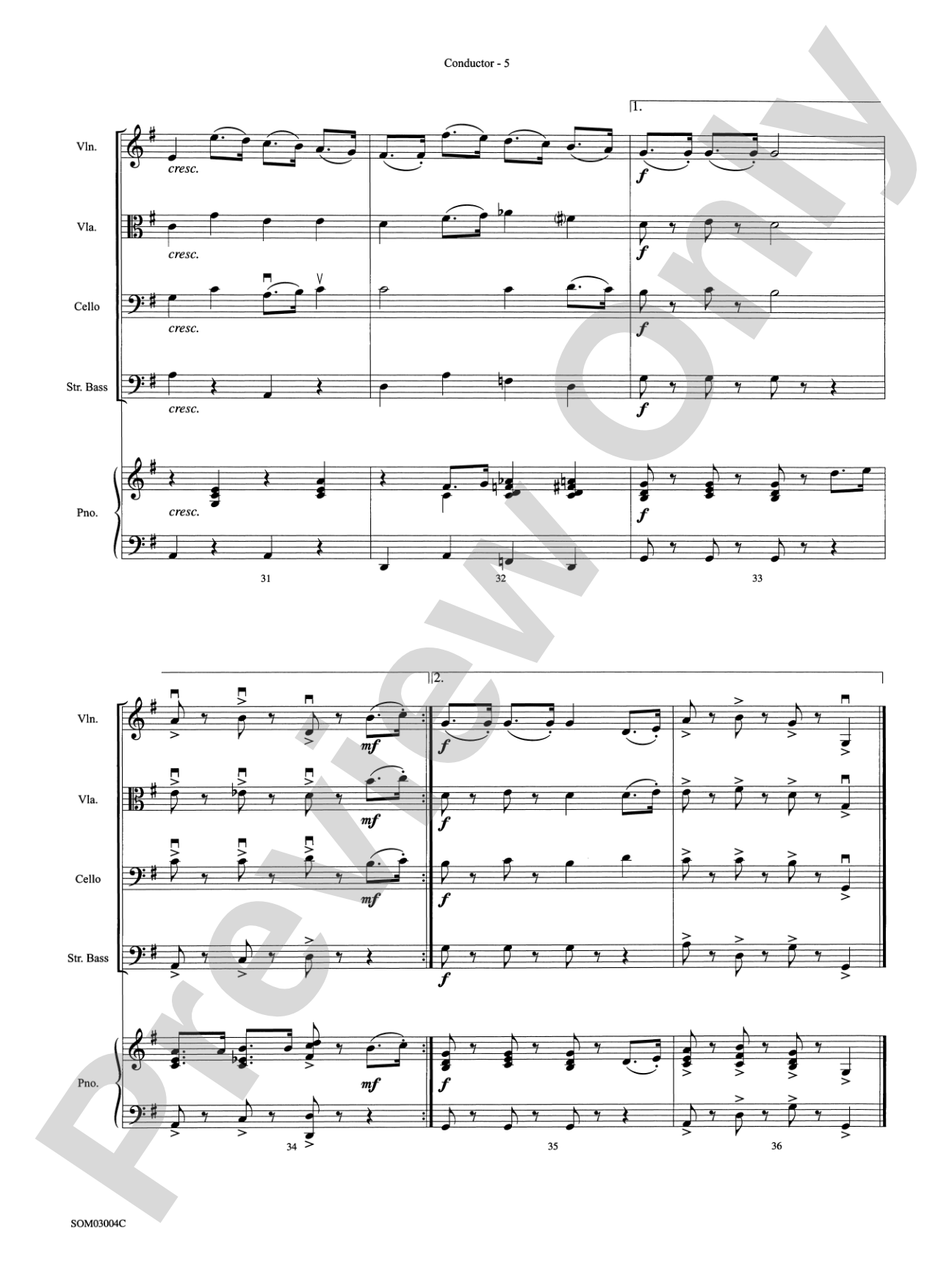


If I Only Had a Brain (from The Wizard of Oz): String Orchestra Conductor Score & Parts
Music by Harold Arlen, words by E. Y. Harburg / arr. Bob Cerulli
Grade: 1
Item: 00-PK-0002627

$45.00
One moment…
Related Items
If I Only Had a Brain (from The Wizard of Oz): String Orchestra Conductor Score & Parts |
$45.00
|
View |
Description
A cute little charmer from The Wizard of Oz to complete our collection of beginning works for string orchestra. Join the Scarecrow and play along with all the characters: Dorothy, the Cowardly Lion, and the Tin Man. May all your wishes come true! (2:26)


Don't just read it, hear it, play along with it, and watch your students grow with it. In MakeMusic Cloud, If I Only Had a Brain (from The Wizard of Oz): String Orchestra Conductor Score & Parts comes alive with professional accompaniment, adjustable tempo, and built-in practice tools that turn solo practice into real progress.
Open in the Player
Jump straight in and assign it today.
Start Your Free Trial
Open this title and explore the full library in minutes.
Sample Audio
1
Audio File
--:--
0:00
0:00
Sample Video
No sample videos found.
Additional Details
Series:
Pop Beginning String Orchestra
Publisher:
Alfred Music
Page Count:
32
SKU:
00-PK-0002627
More about this title
About the Composer: Harold Arlen
Harold Arlen (1905-1986) composed some of the most enduring American theatrical melodies of the twentieth century. His gift for writing immediately singable, emotionally direct tunes made him a natural fit for Broadway and film, and his collaborations with lyricist E. Y. Harburg produced standards that remain central to the American songbook. Arlen's melodies reward orchestration at every level, from full symphony to beginning strings, because the underlying musical logic is so strong.
Why we love this
Bob Cerulli's arrangement captures the gentle humor and accessibility of this classic without sacrificing the orchestral warmth that makes Arlen's melodies so memorable. Beginning string orchestras often struggle to find repertoire that feels complete and substantial rather than exercises in disguise; this piece delivers a real concert experience at Grade 1. Your students will recognize it immediately, your audience will love it, and your orchestra will sound genuinely musical.
What to expect
There's a wistful, charming quality to this tune, honest and searching without being heavy. It carries the whimsy of the film while maintaining the earnestness of the Scarecrow's longing. In the hands of young musicians, it becomes a small window into how a simple, well-crafted melody can convey genuine emotion.
Who it's for
String orchestras at the first level of difficulty, whether in schools or community settings, will find this both playable and genuinely rewarding. Directors seeking literature that delights young students while building their musicianship without overloading their sight-reading demands will appreciate how straightforward the parts are. Audiences of all ages respond to this melody, making it ideal when you need repertoire that satisfies both performers and listeners.
How to get the most out of it
- Let the melody sing through without rushing. This is a ballad at heart, and the Scarecrow's question needs room to breathe. Establish a comfortable tempo in rehearsal and keep it consistent across all sections.
- Tune the opening unison or octaves carefully. First violins and cellos often drift apart, and a solid foundation here sets up confidence in the ensemble for the rest of the piece.
- Balance the accompaniment so that melody lines (whether in first violins or passed around the section) always project. Violas and second violins should support, not compete.
- Use the character storytelling to shape phrasing. Each time we hear the melody, it can reflect a different character's perspective. Suggest this to your students and watch the piece come alive.
How to use it
This works beautifully on a concert that mixes film classics with concert repertoire, or as an accessible opener that settles your audience into the program before moving to more complex works. Include it on a family concert or community performance where younger siblings and non-musicians will enjoy recognizing the tune. It's also a natural fit for a program built around American musical theater standards arranged for orchestra.
Skills your students will build
- Sustaining legit melodic lines without acceleration or dragging
- Playing in unison and octaves with accurate intonation
- Balancing melody against accompaniment figures
- Responding to character and storytelling in purely instrumental music
- Managing simple harmonic progressions across the ensemble