
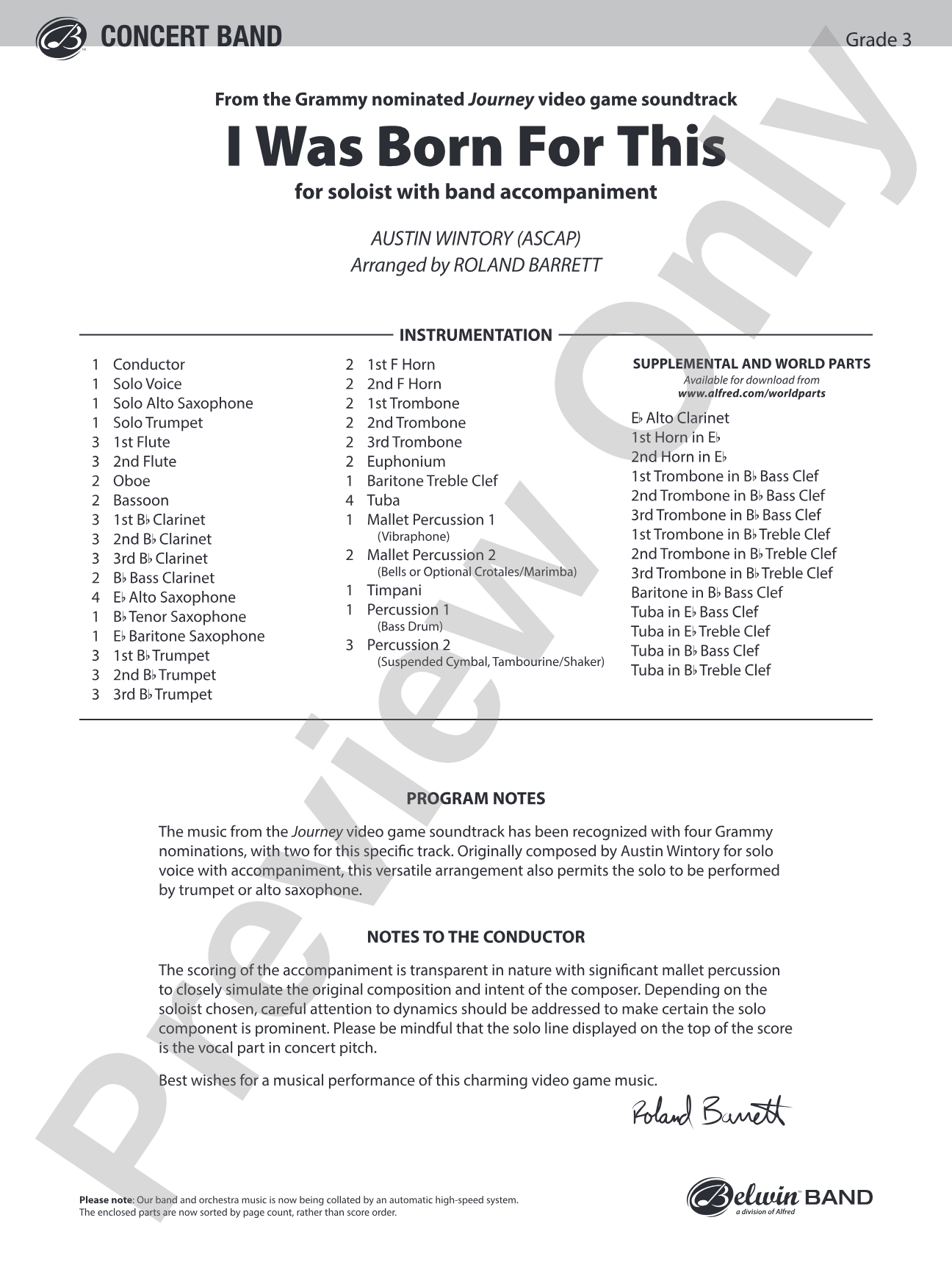
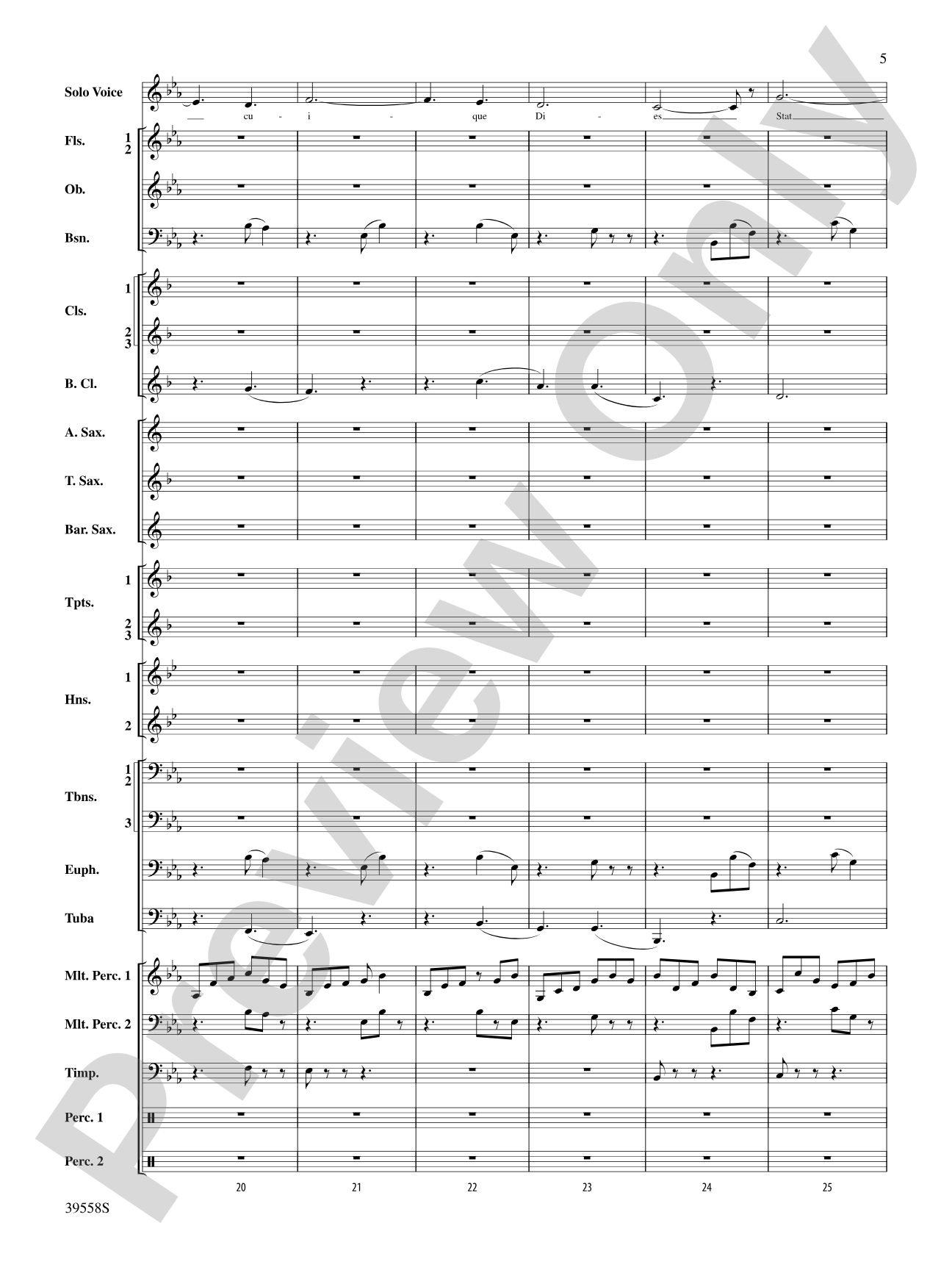
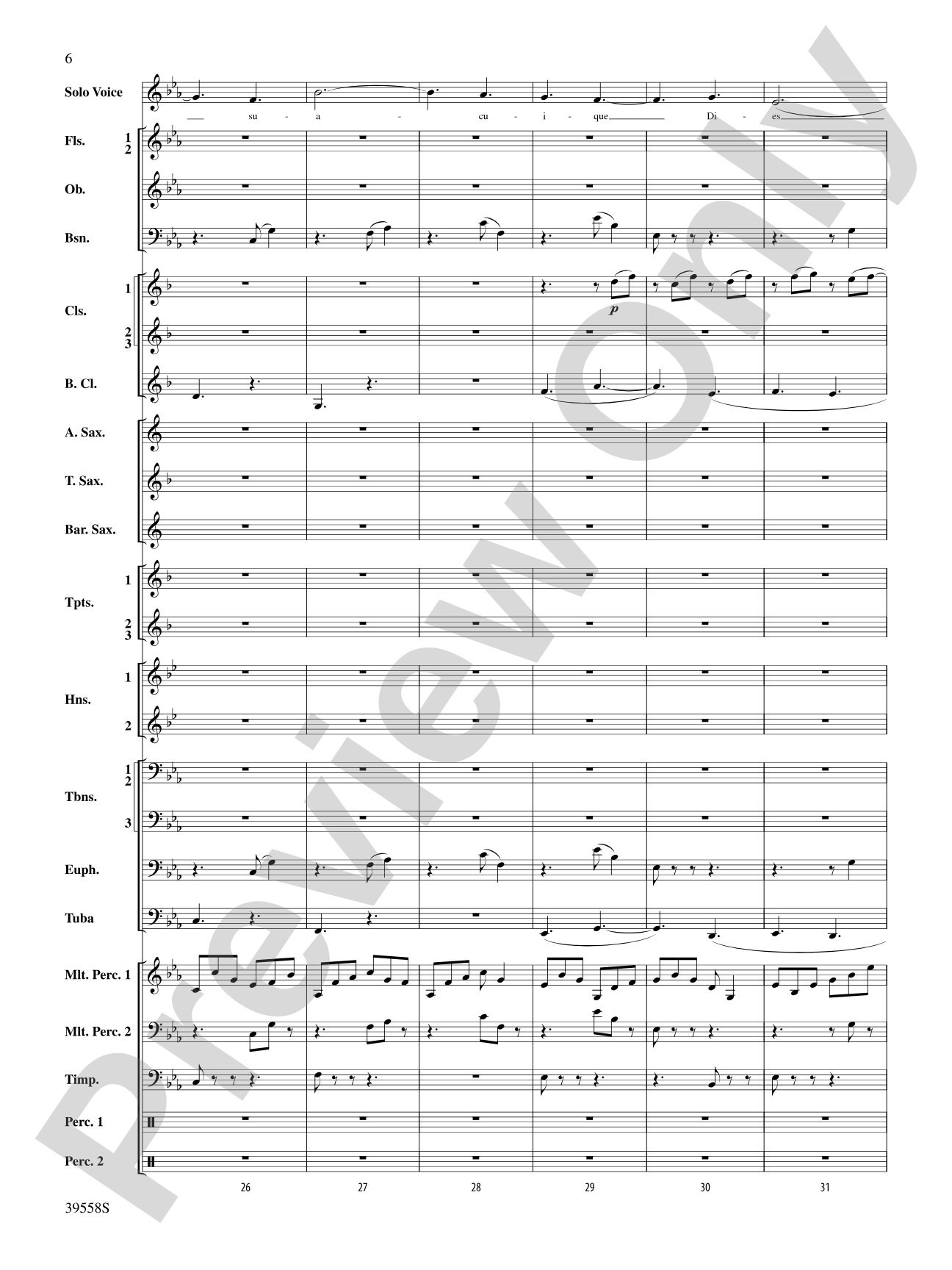
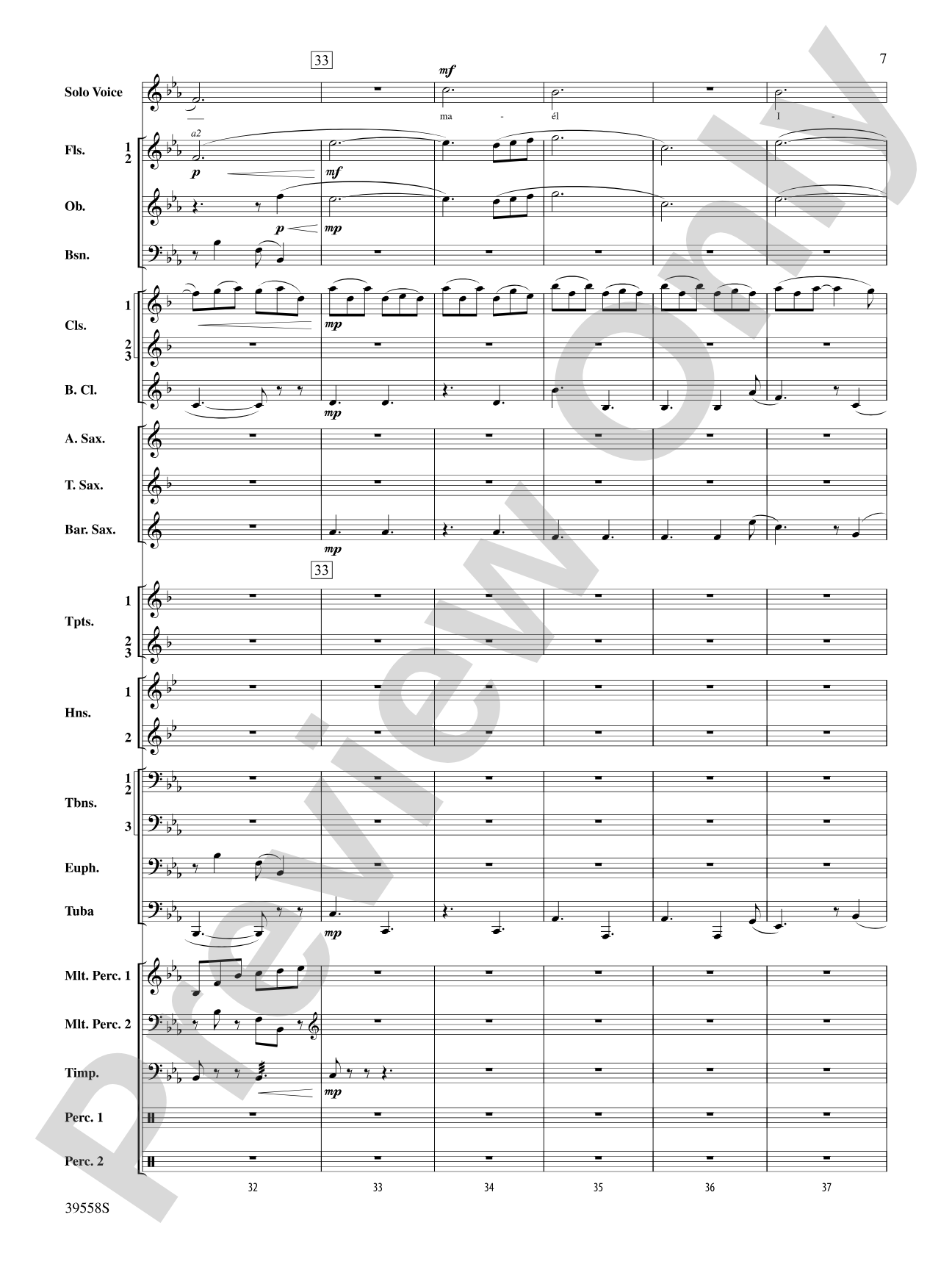
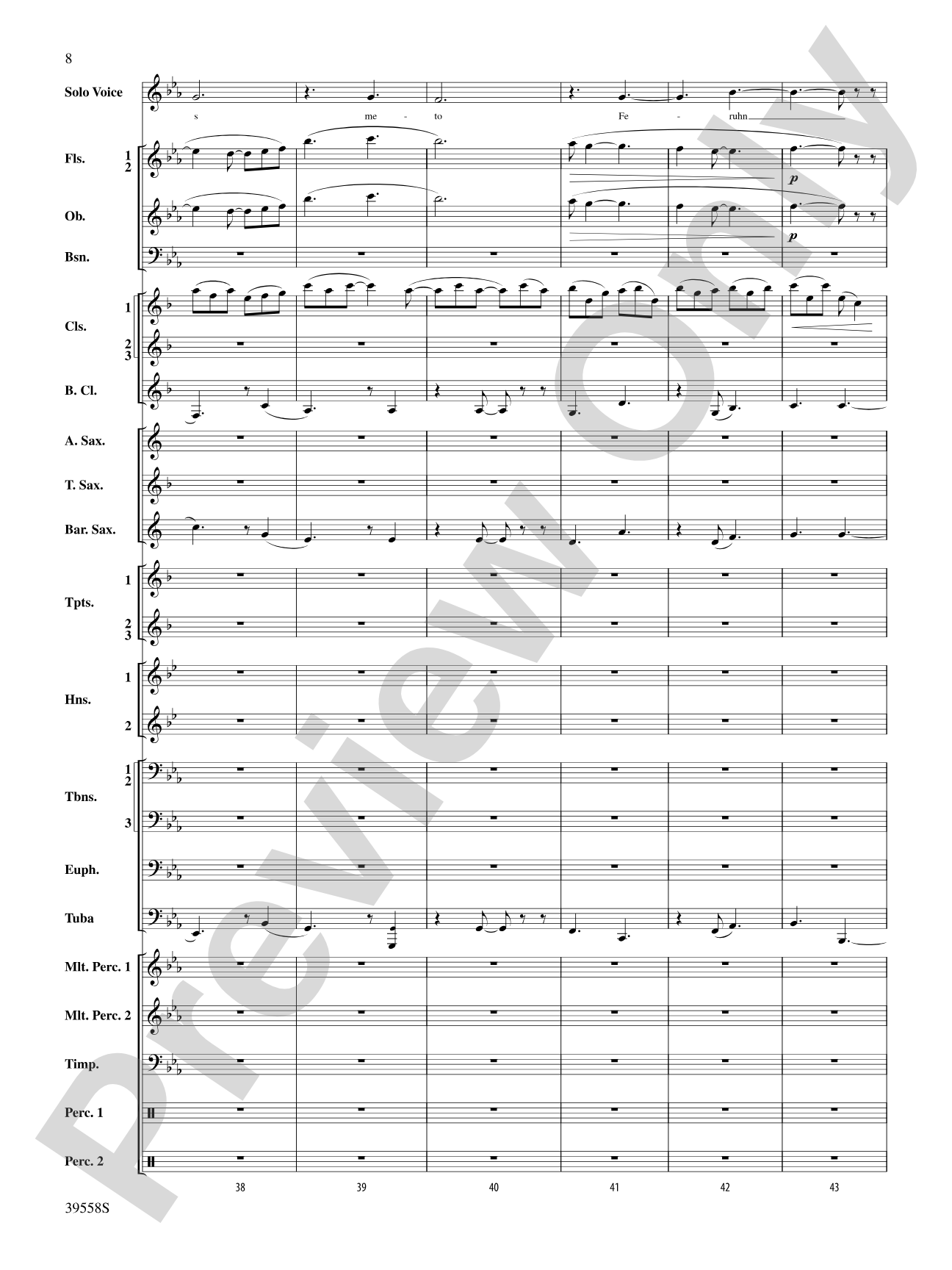
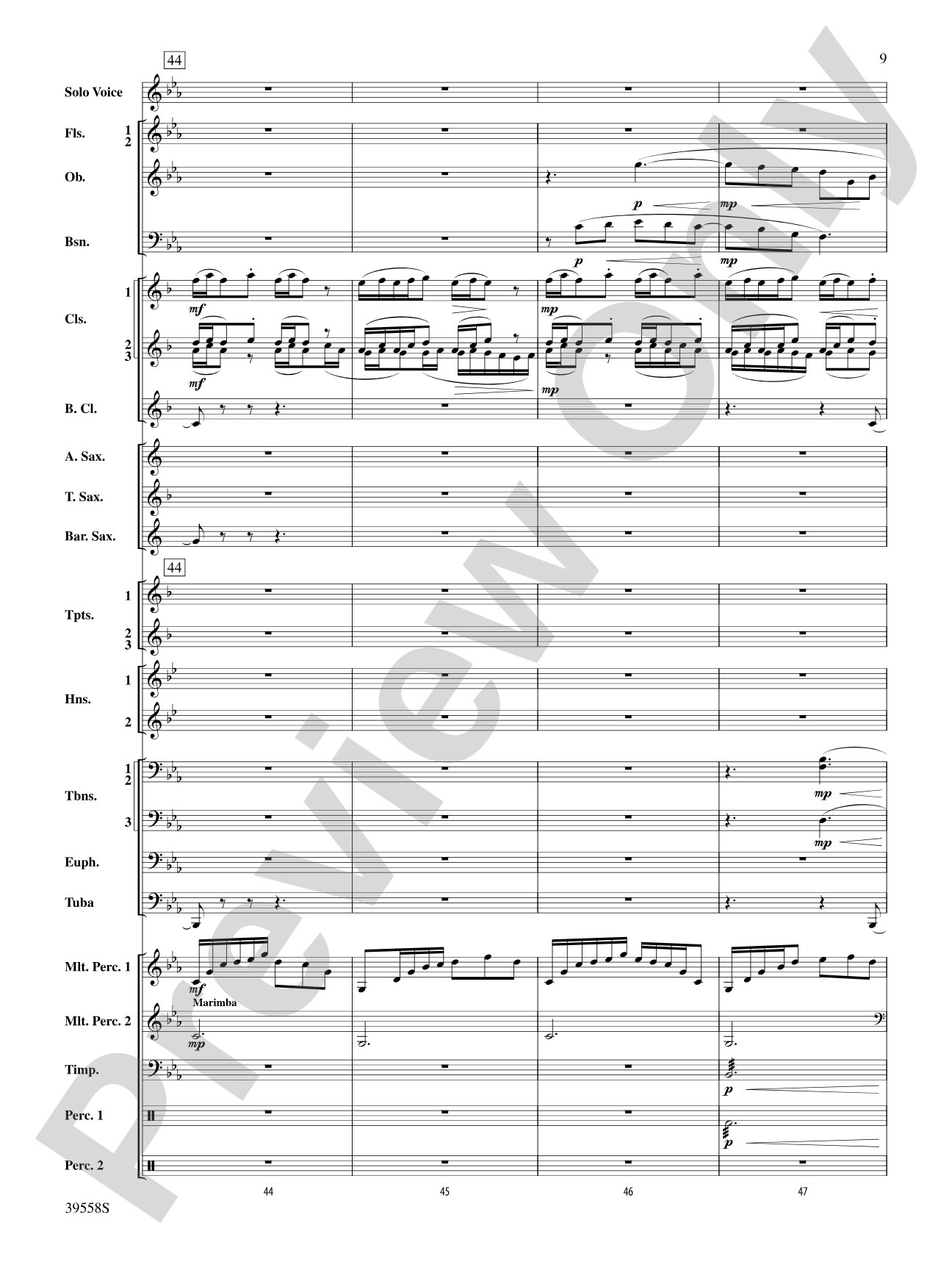
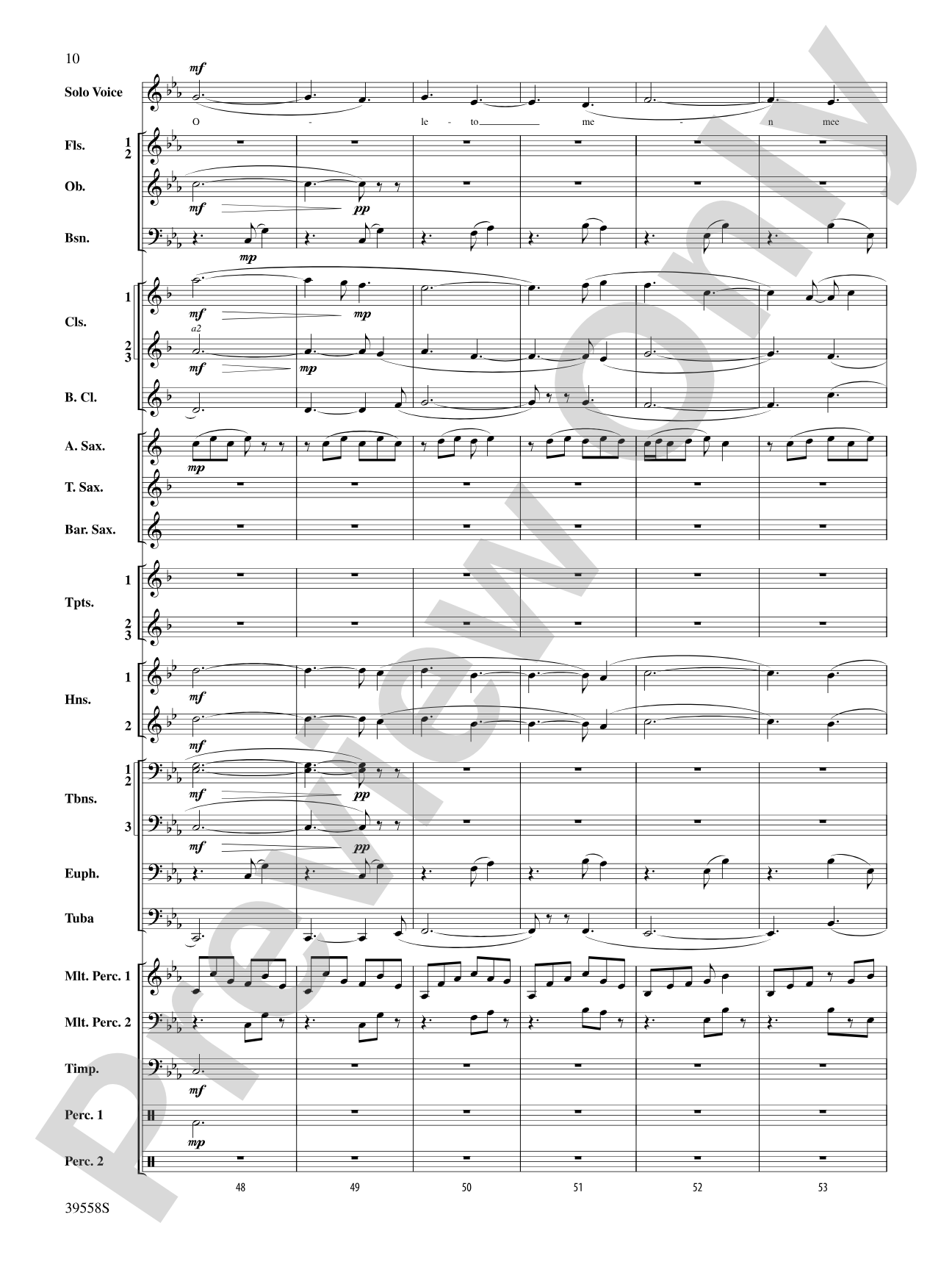
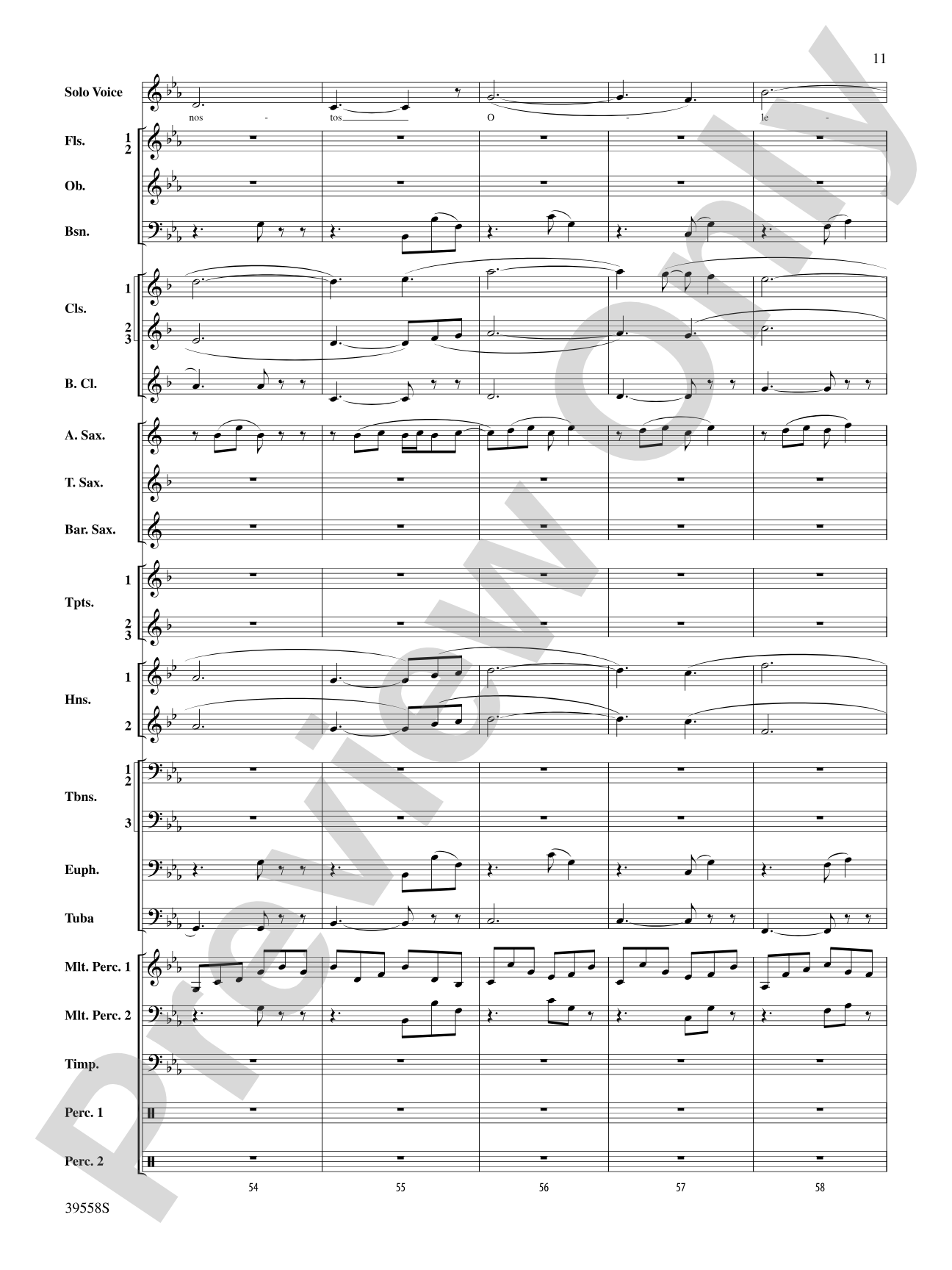
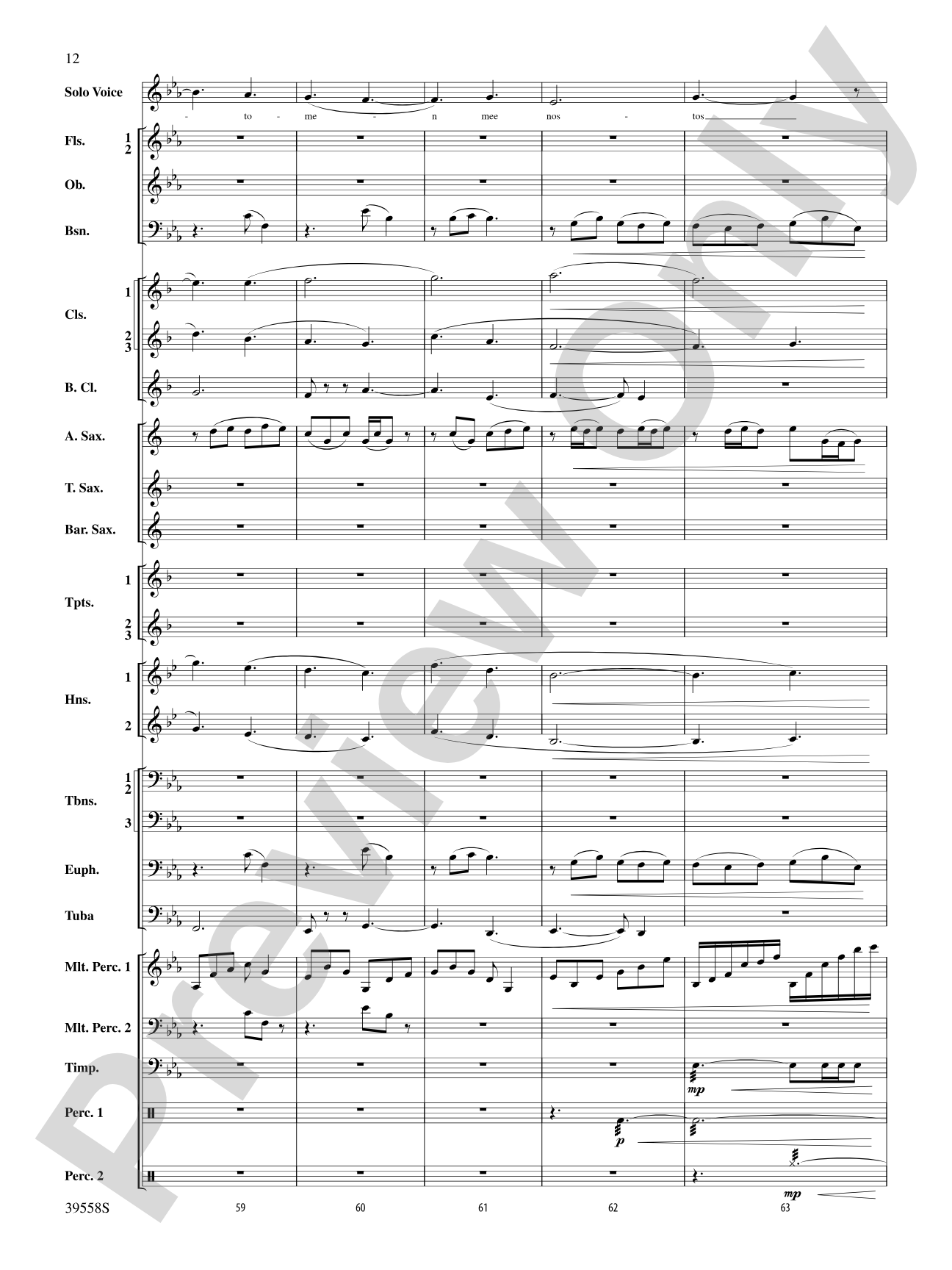
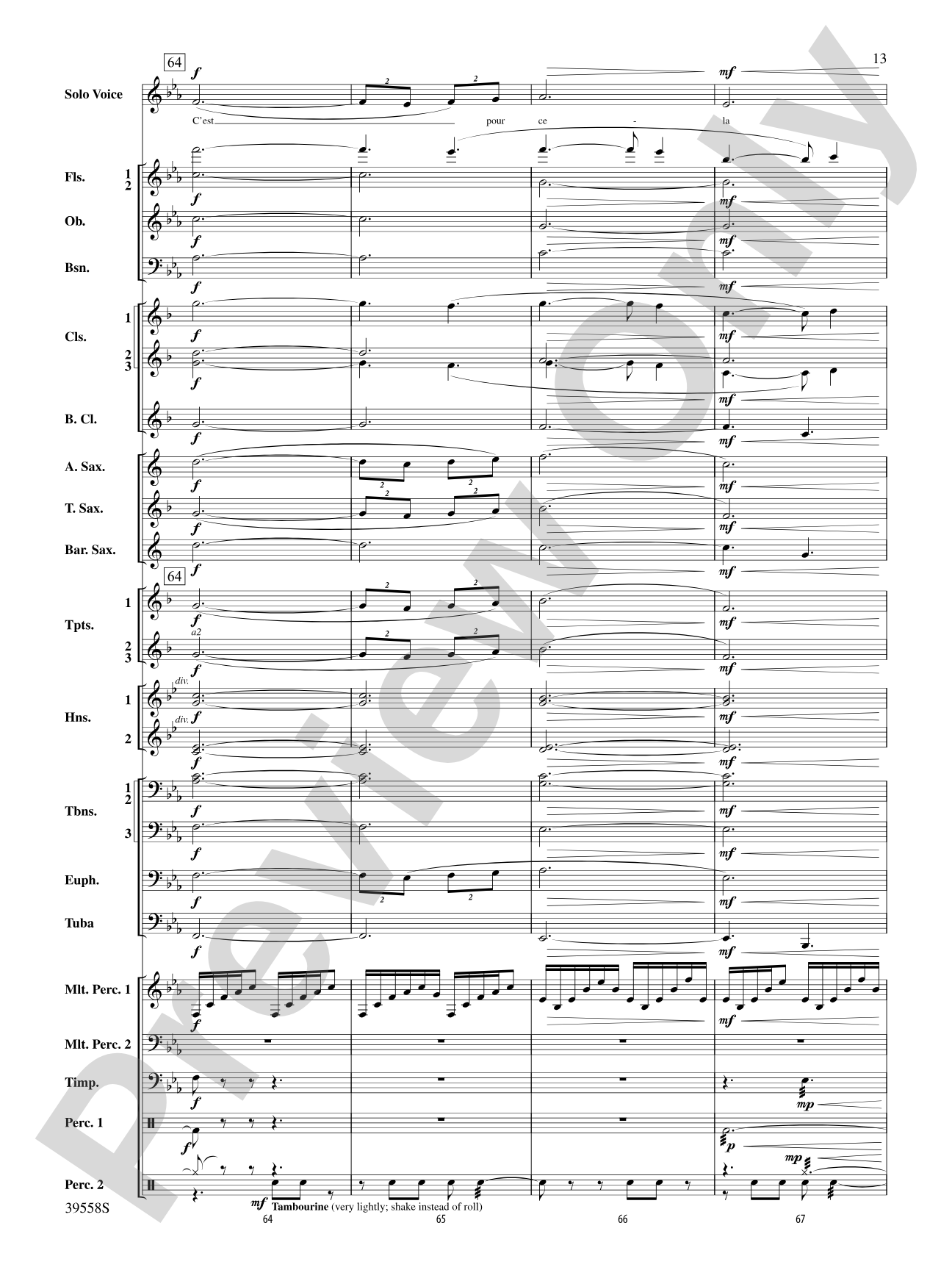
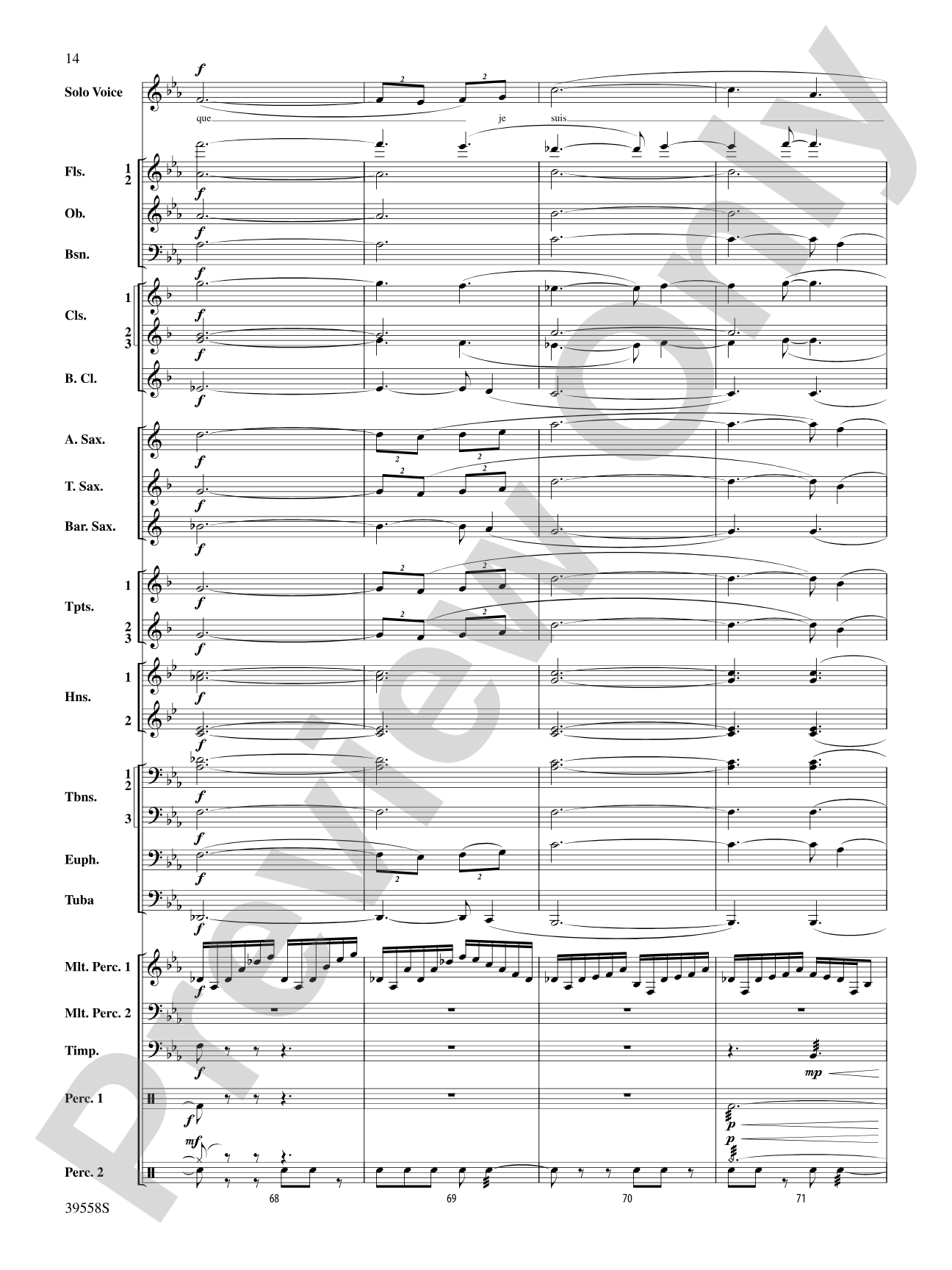
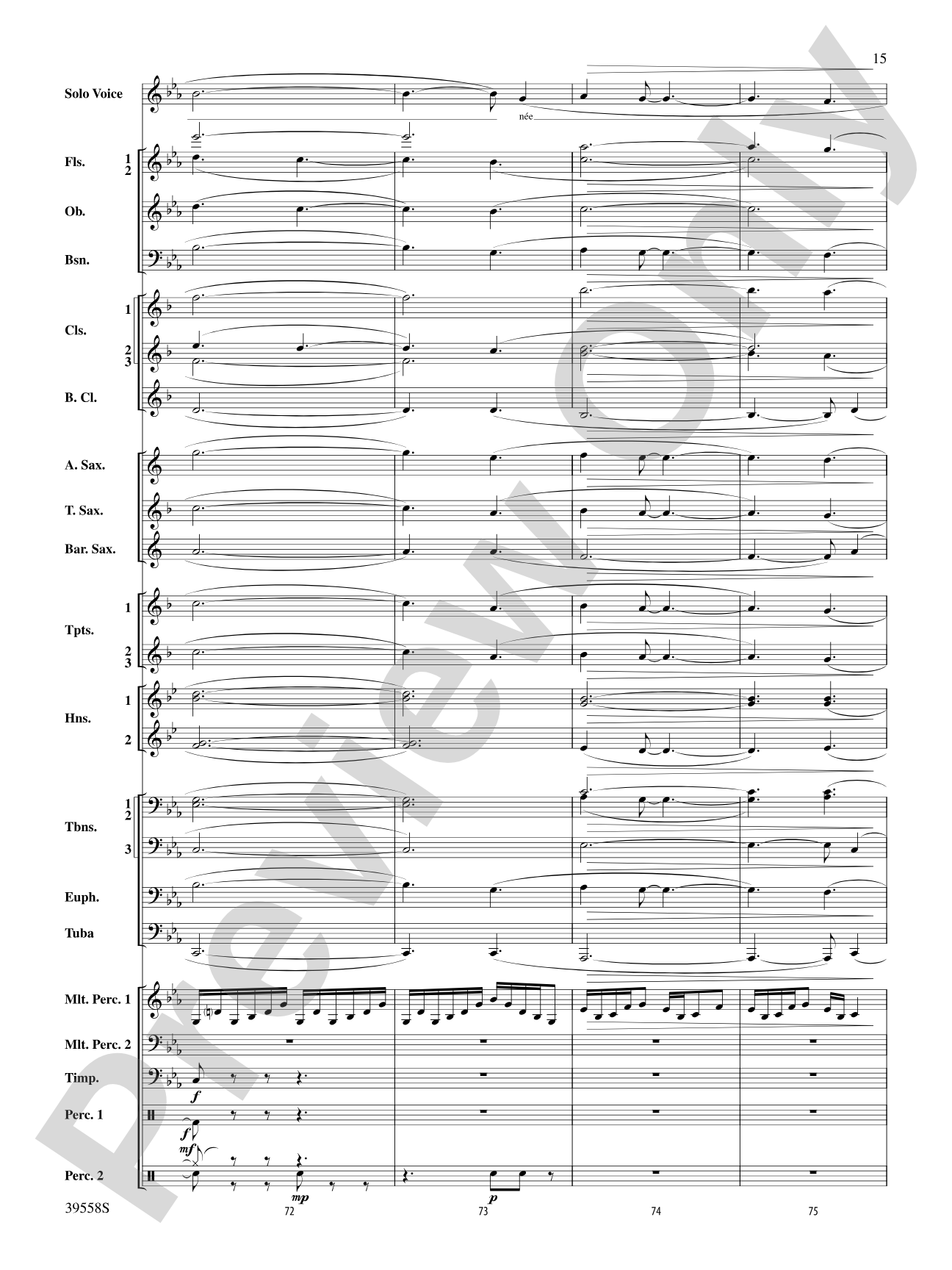
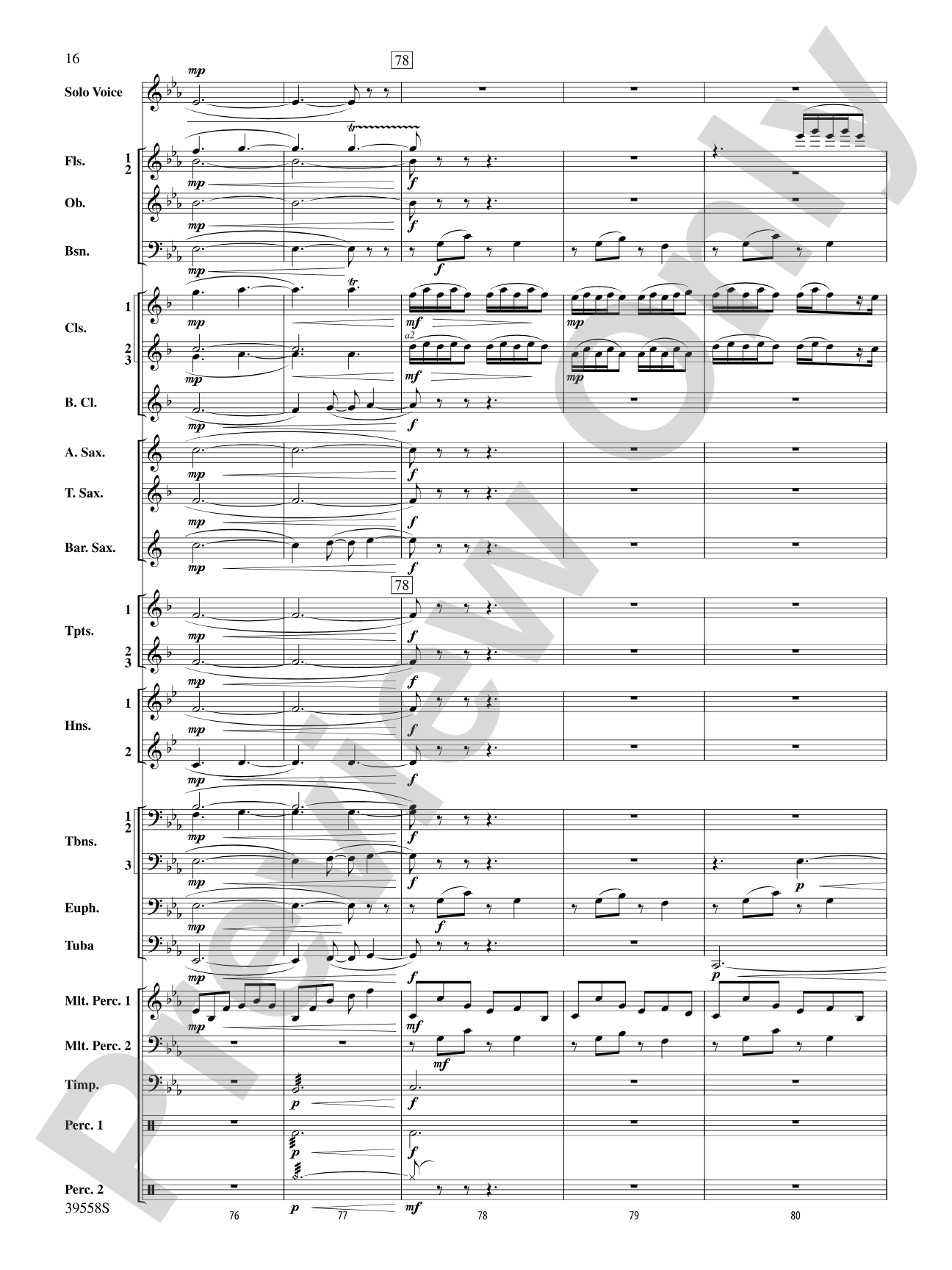
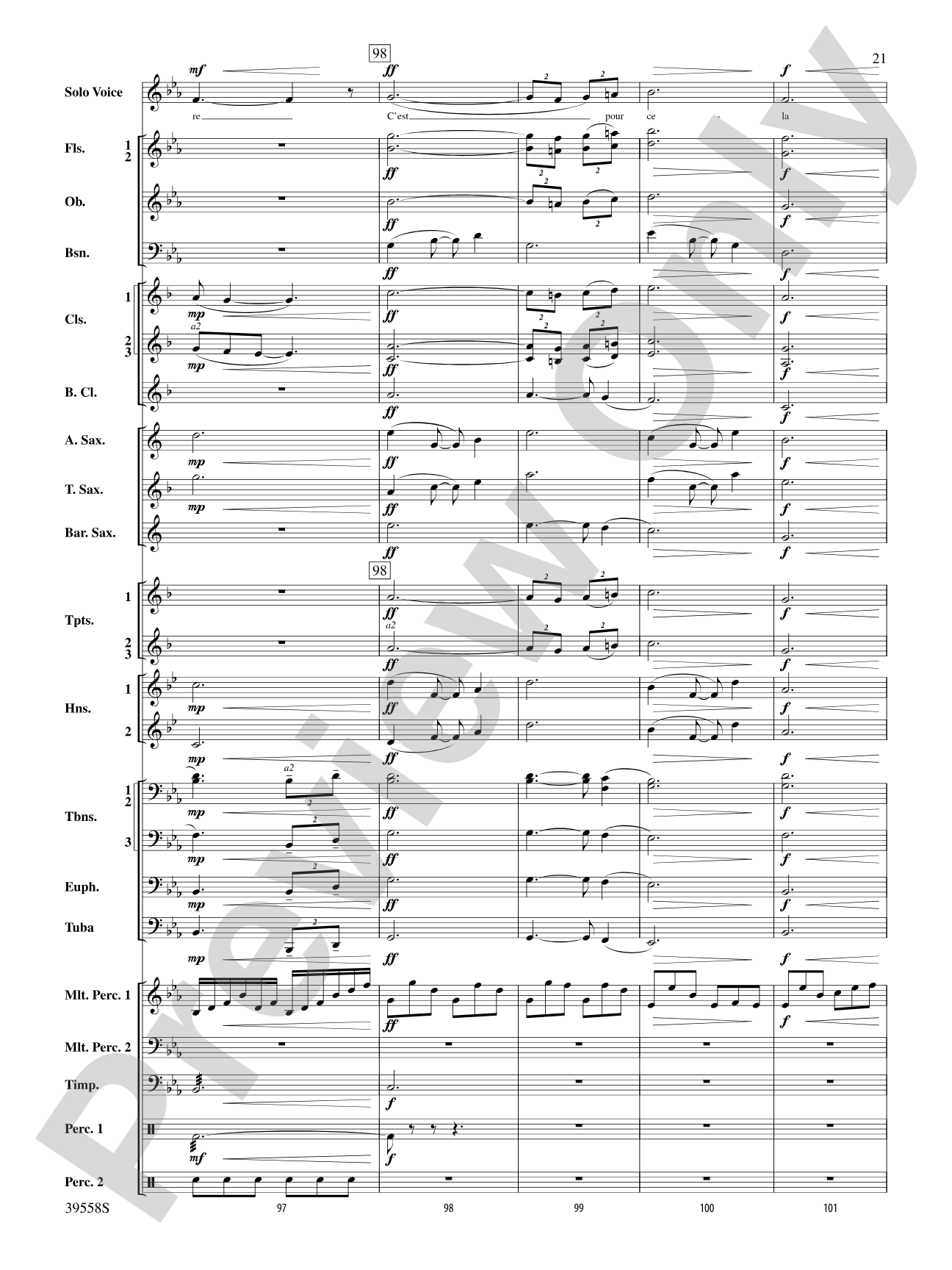
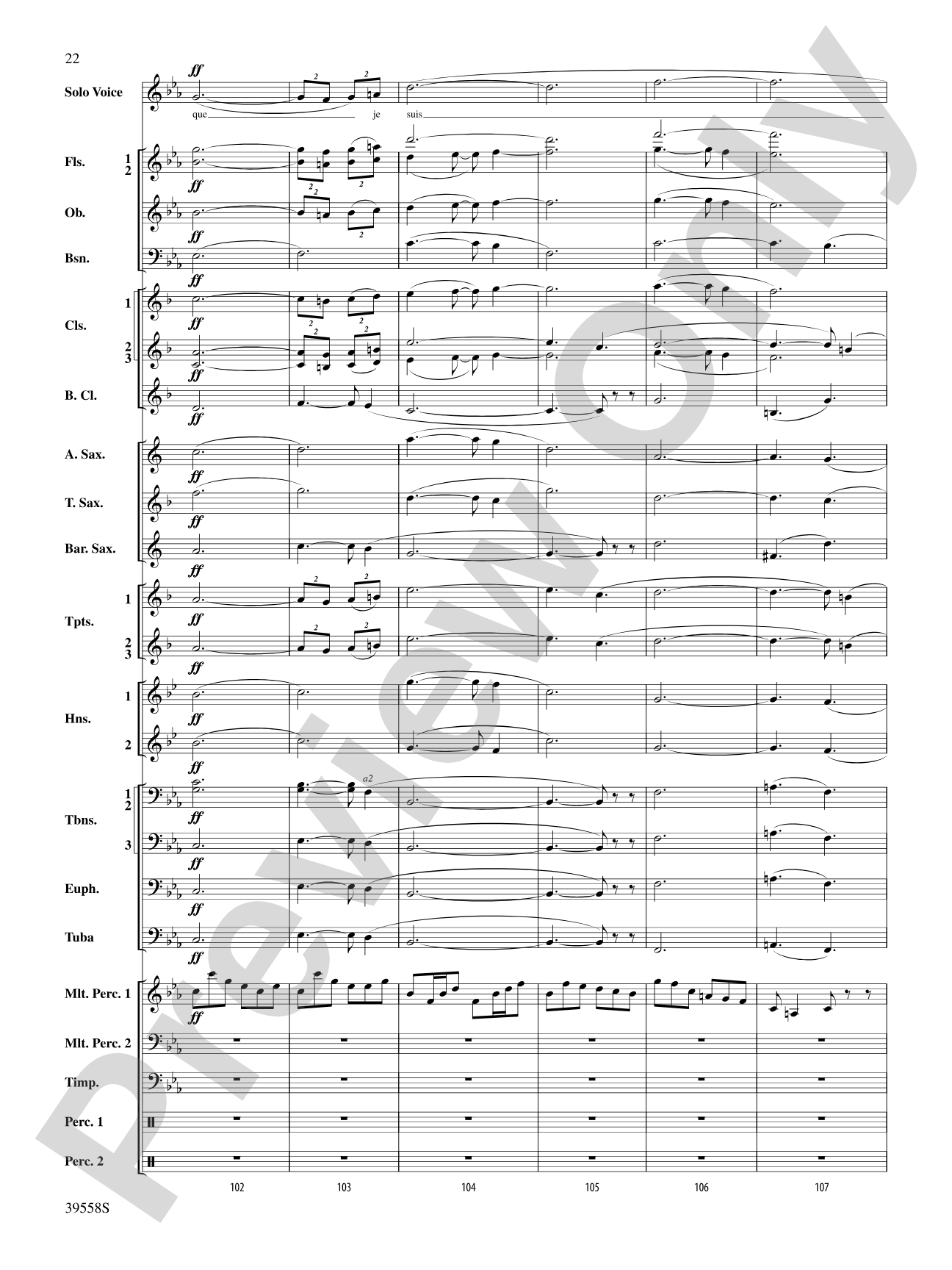
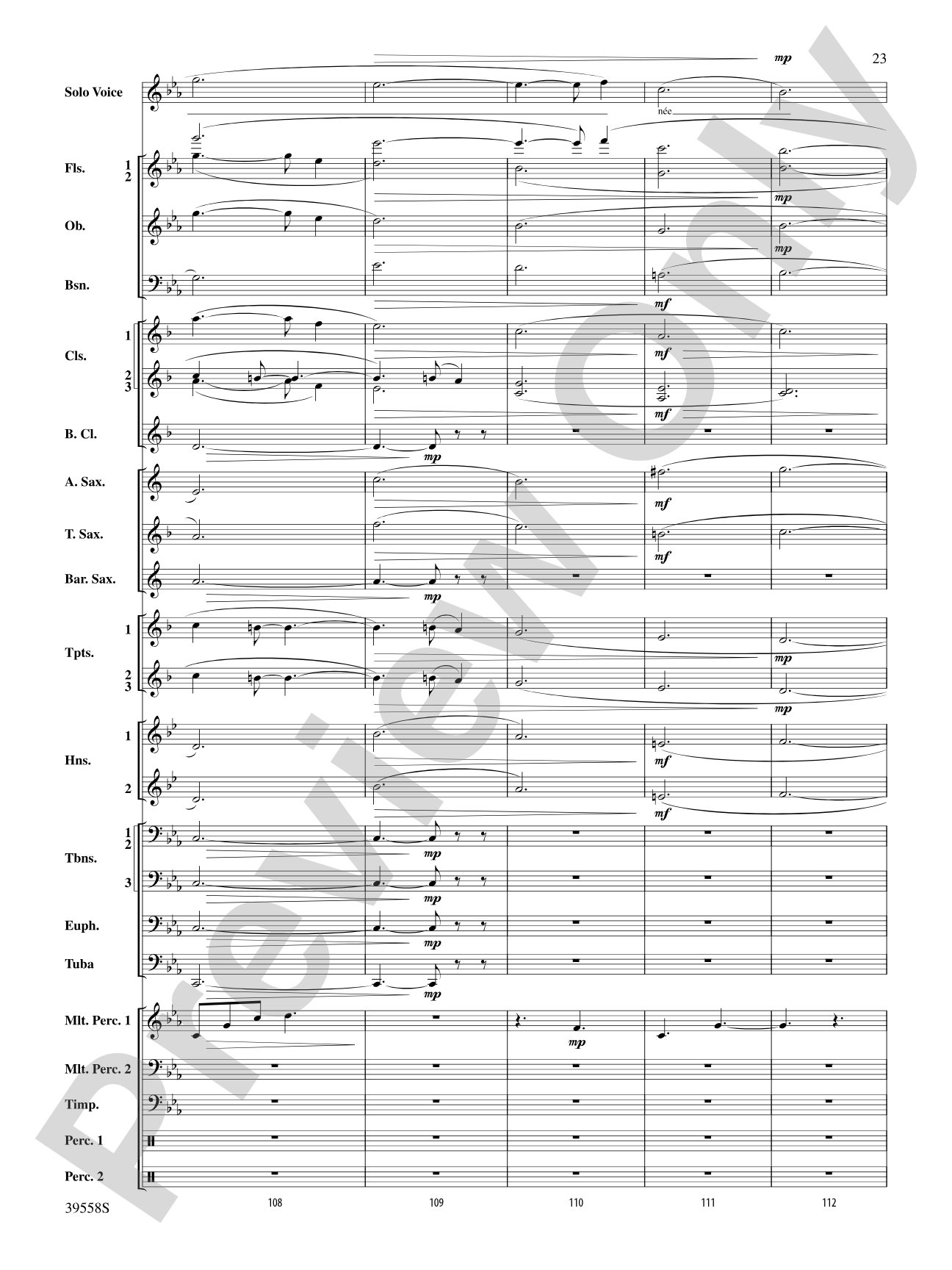
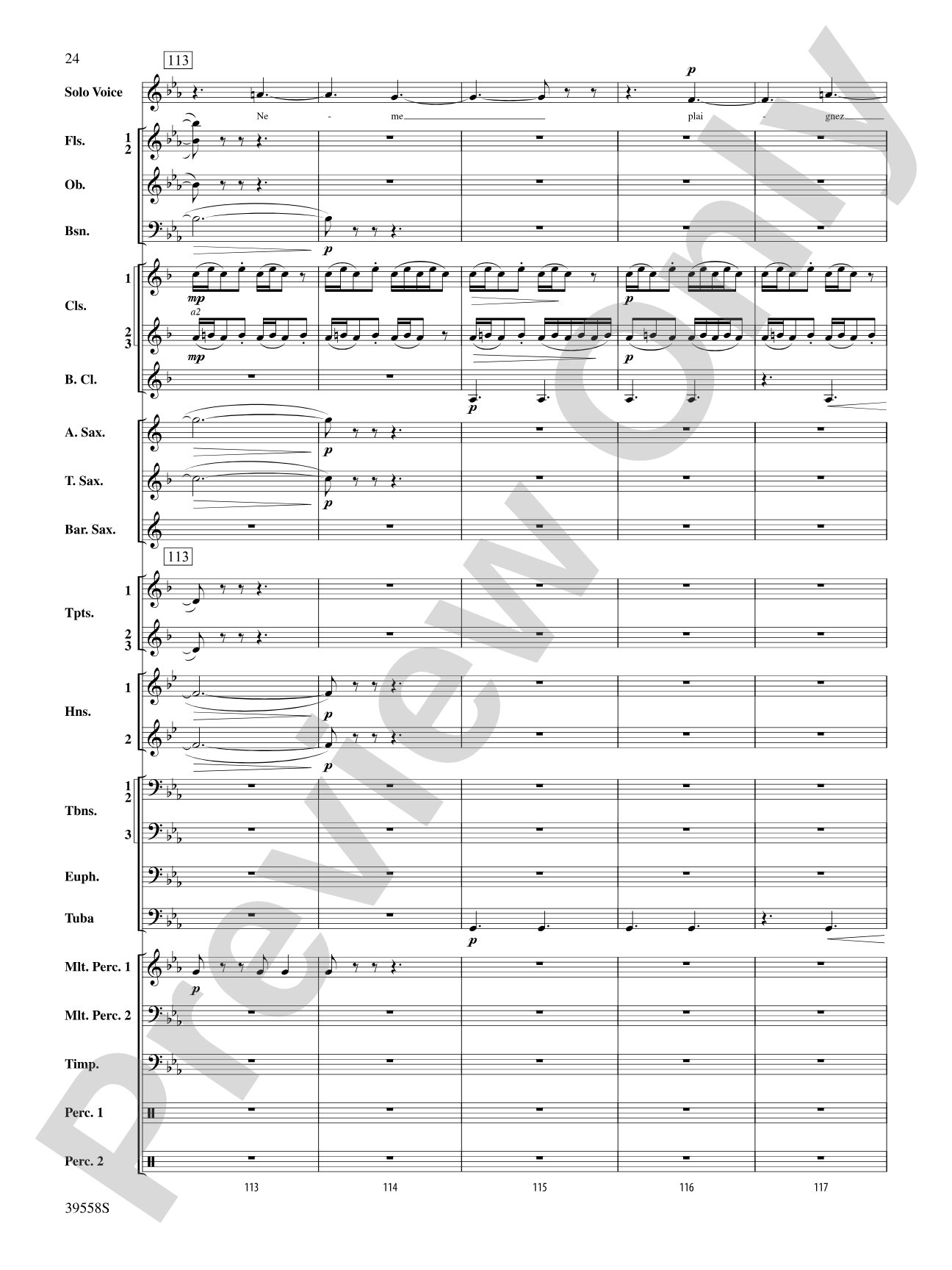
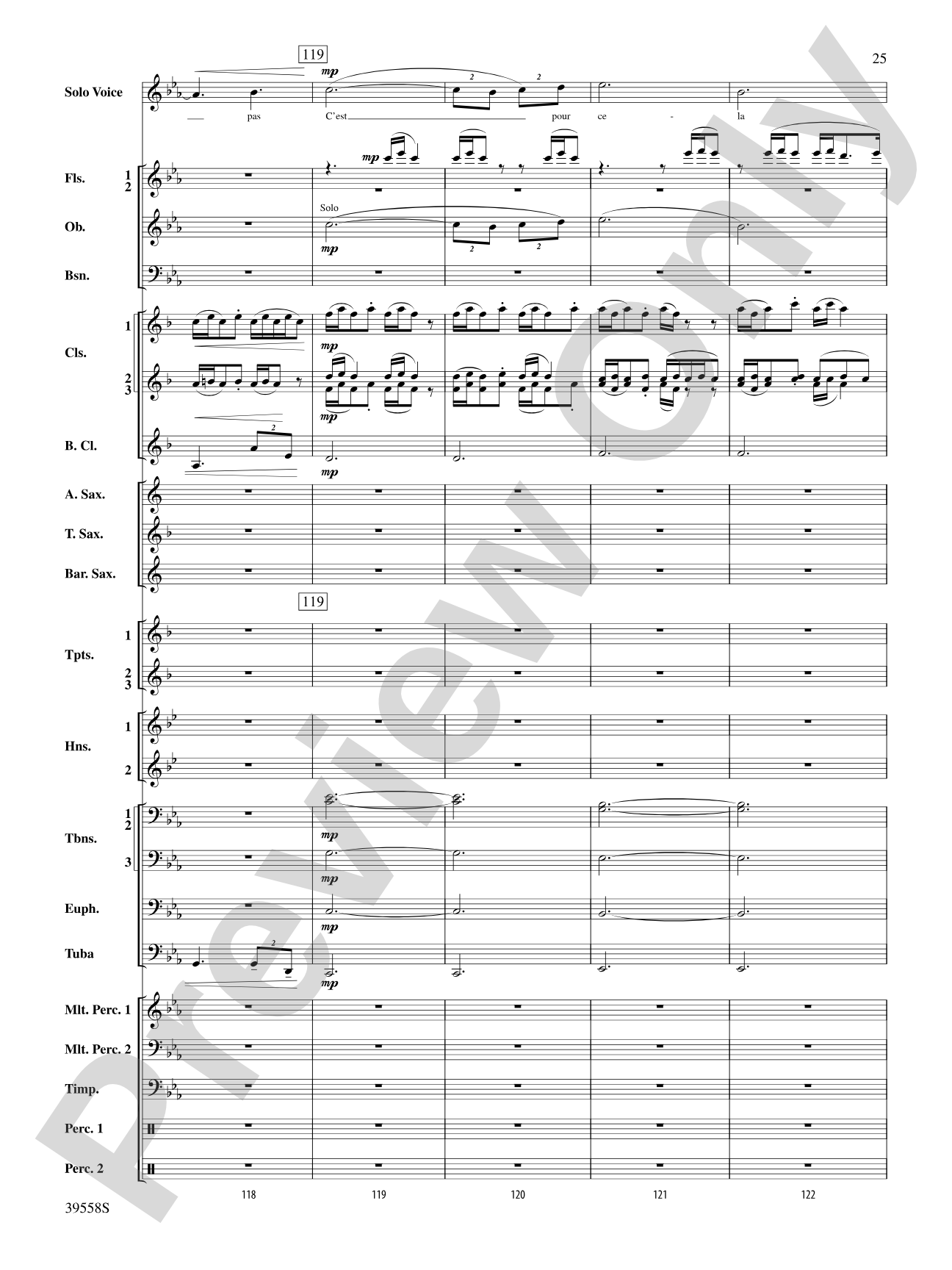
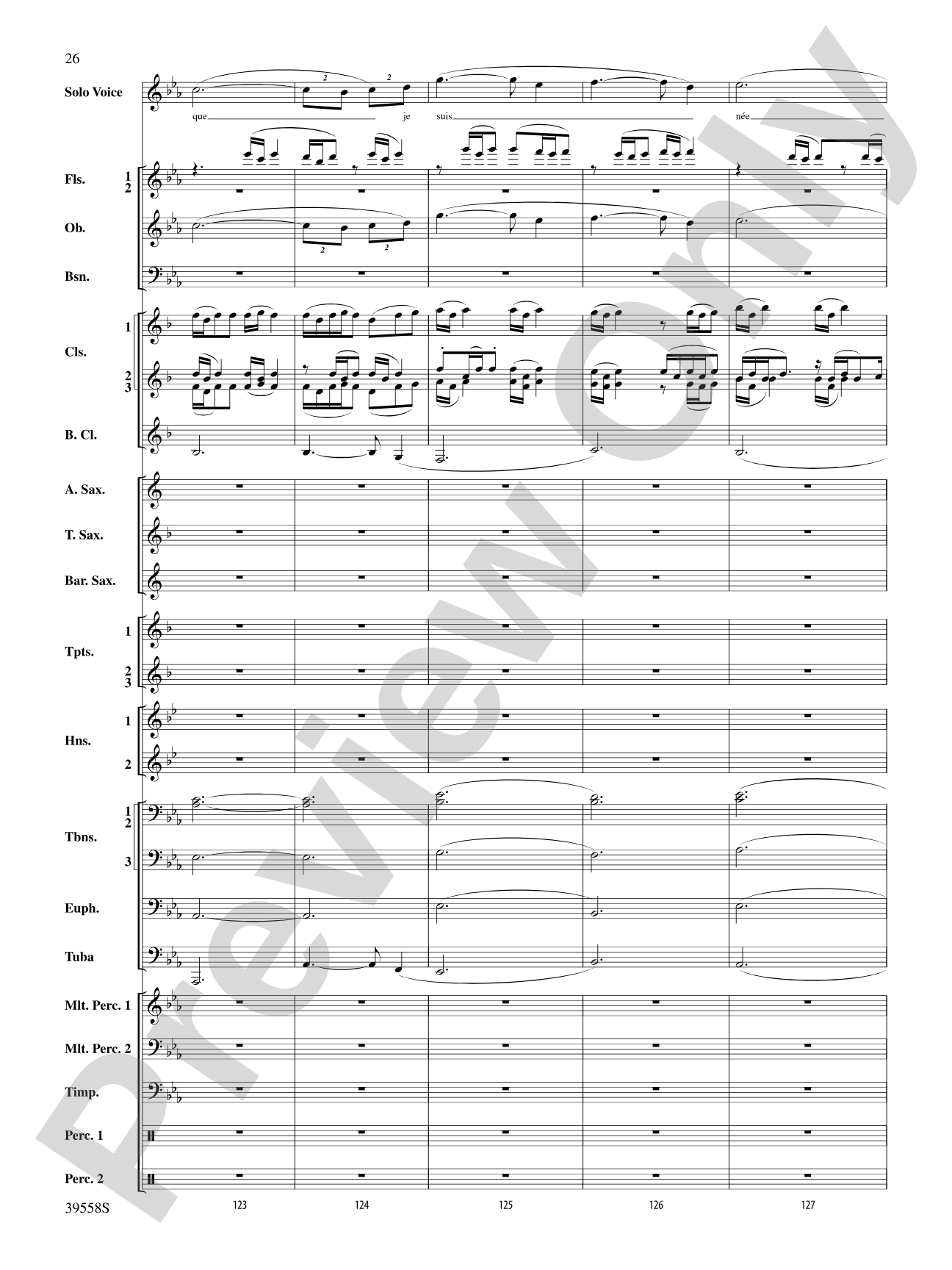
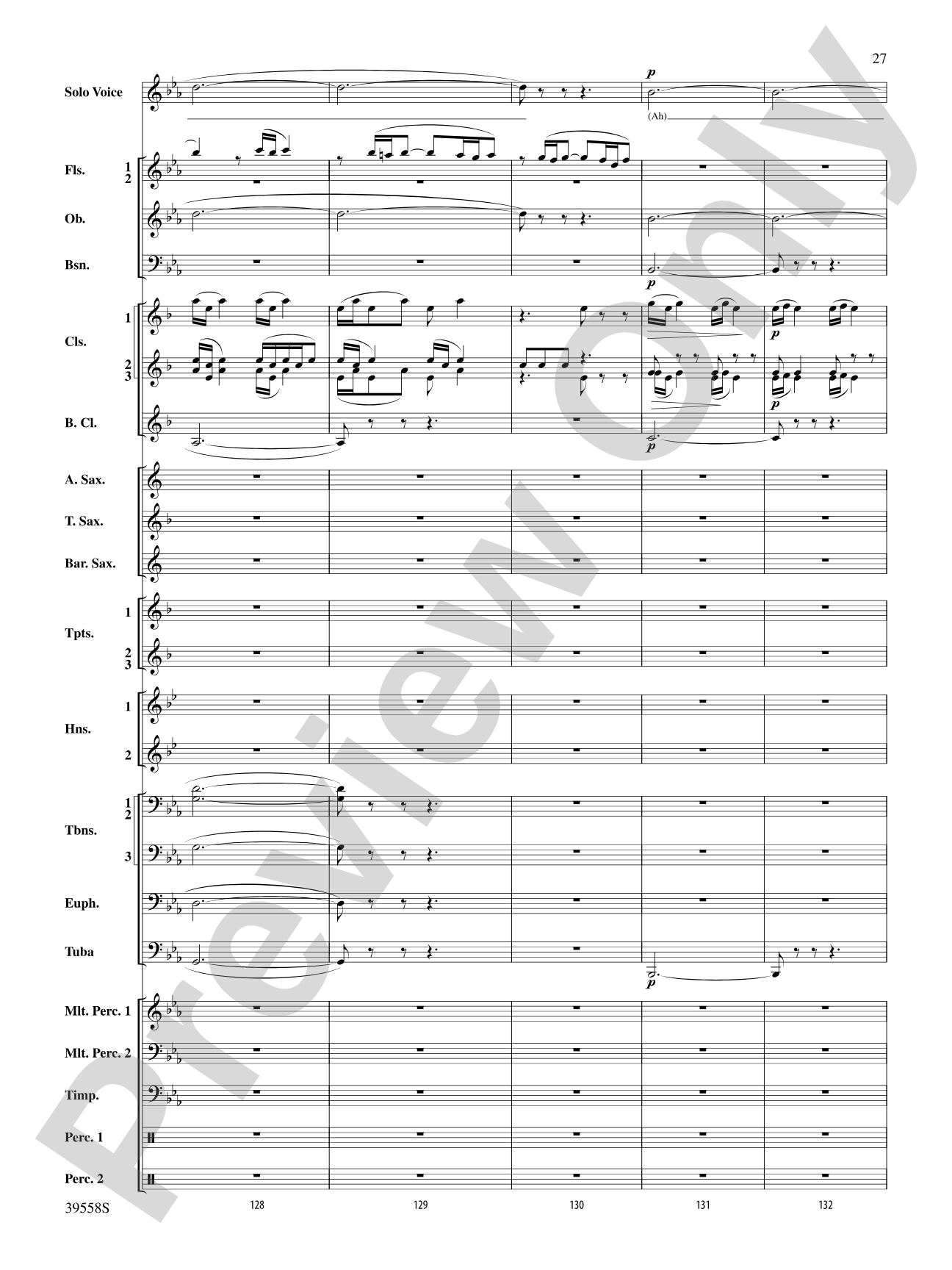
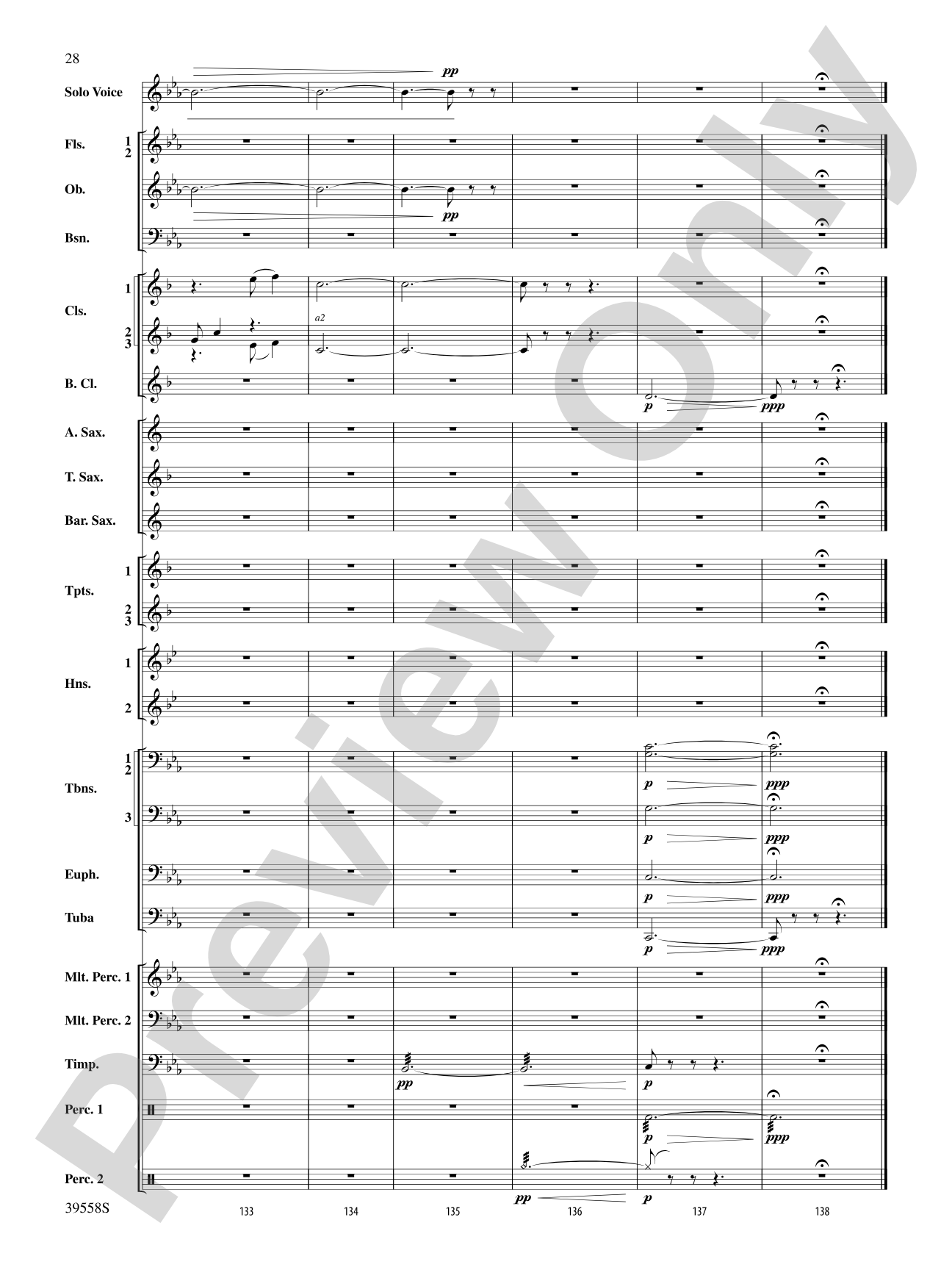

I Was Born for This: Concert Band Conductor Score & Parts
For Soloist with Band Accompaniment
By Austin Wintory / arr. Roland Barrett
Grade: 3 (Medium Easy)
Item: 00-PK-0005616

$72.00
Pickup currently not available
Buy Extra Parts (Digital PDF Download)
Parts Added to Cart!
Description
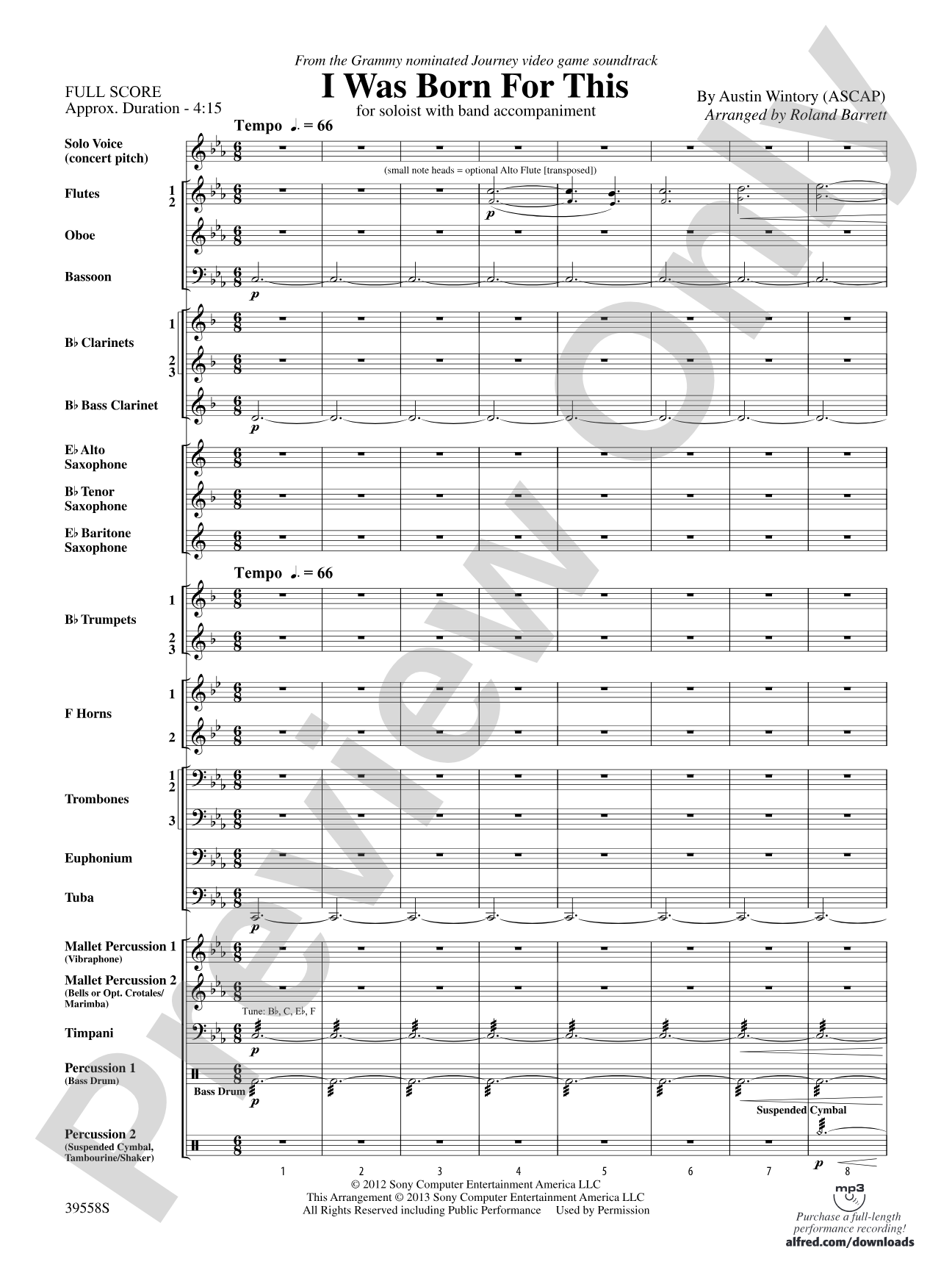
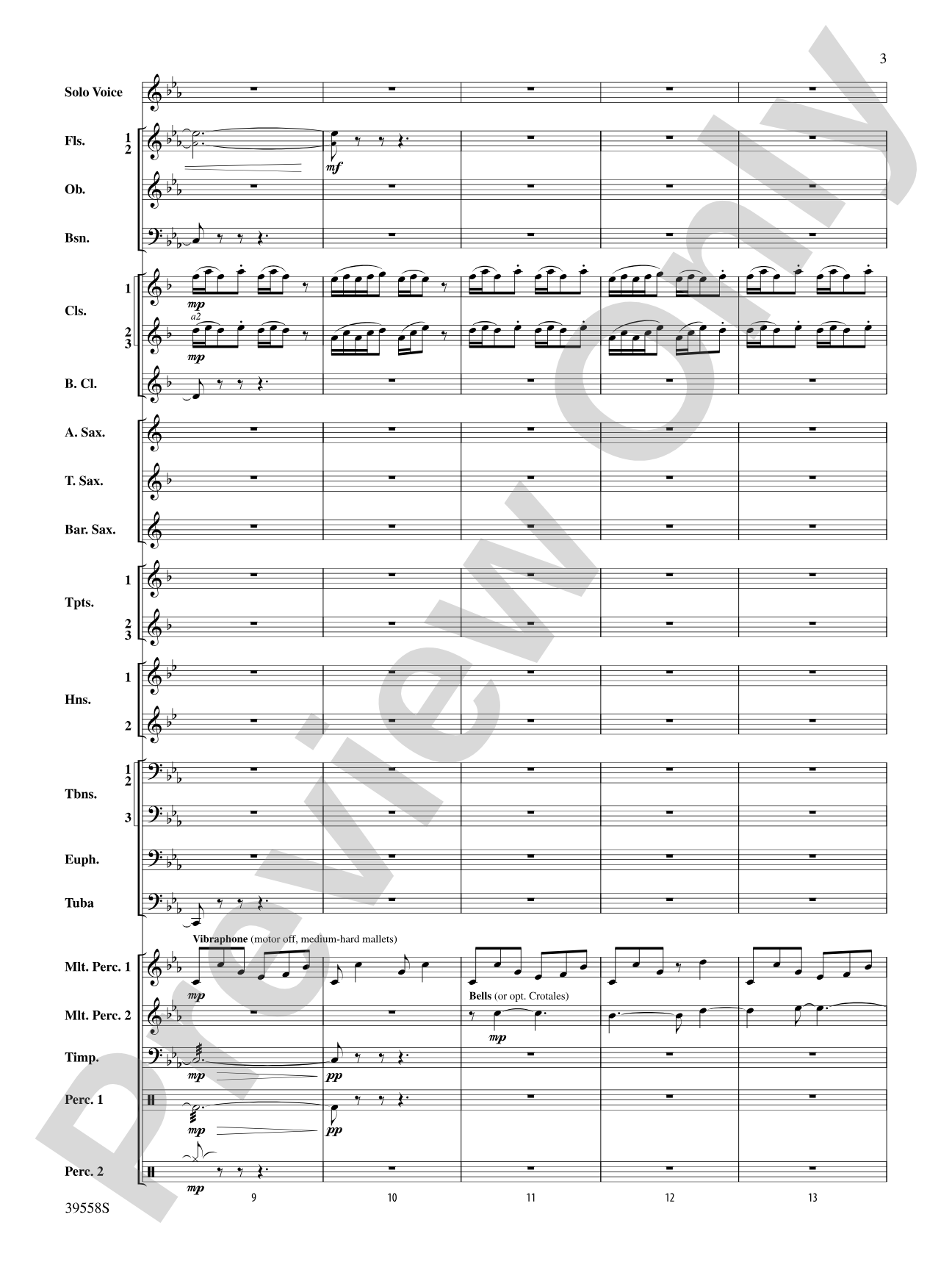
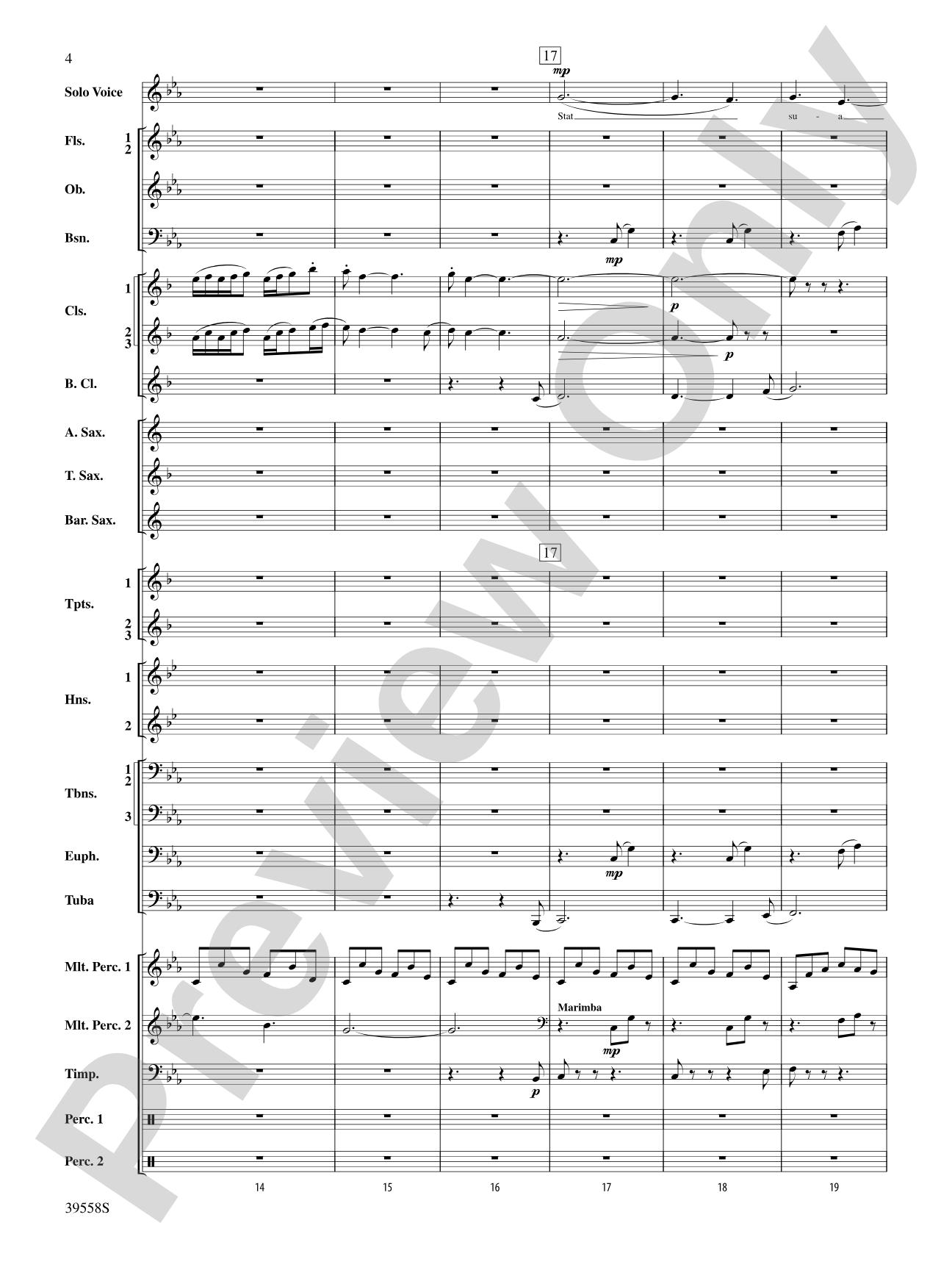
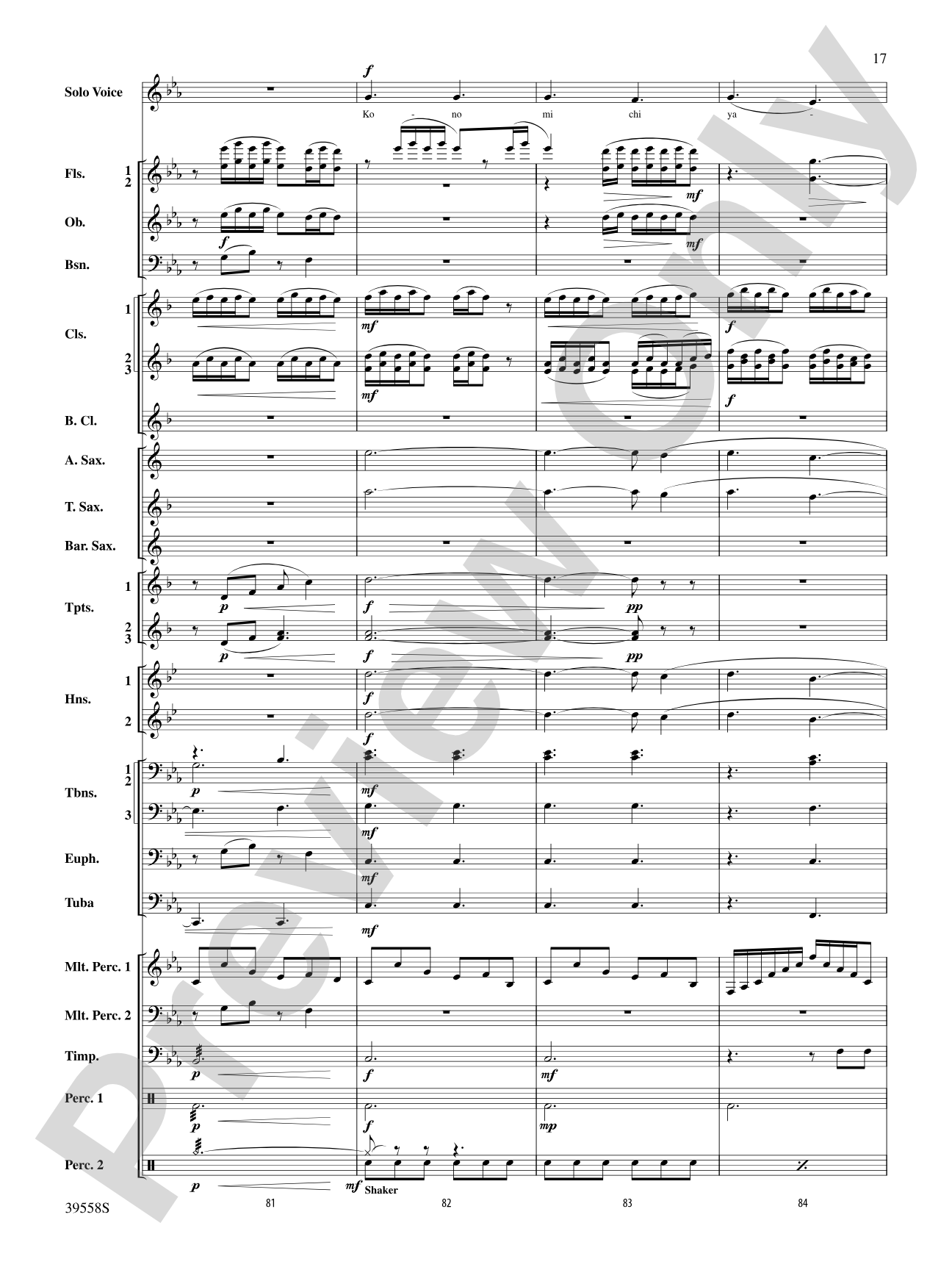
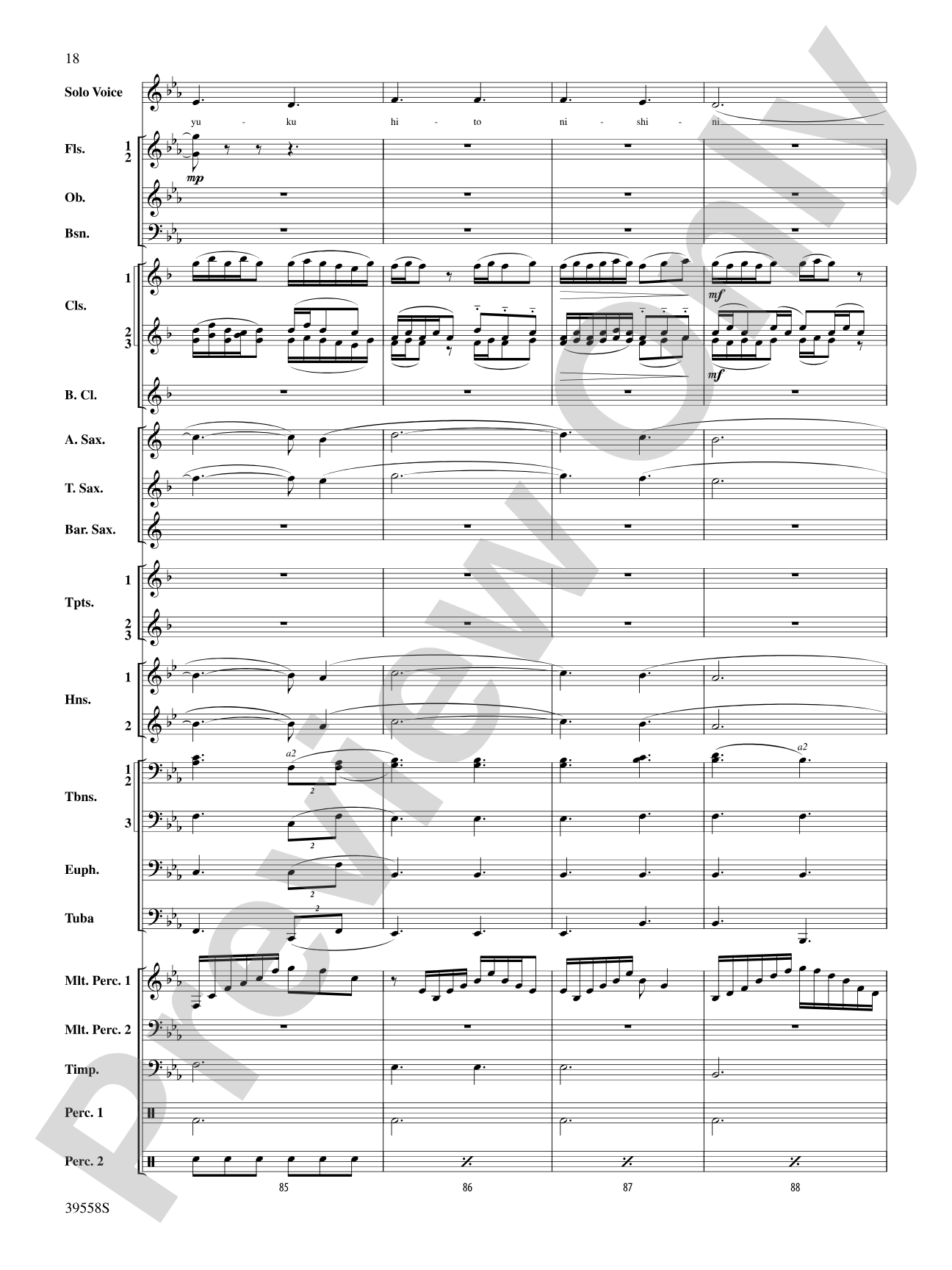
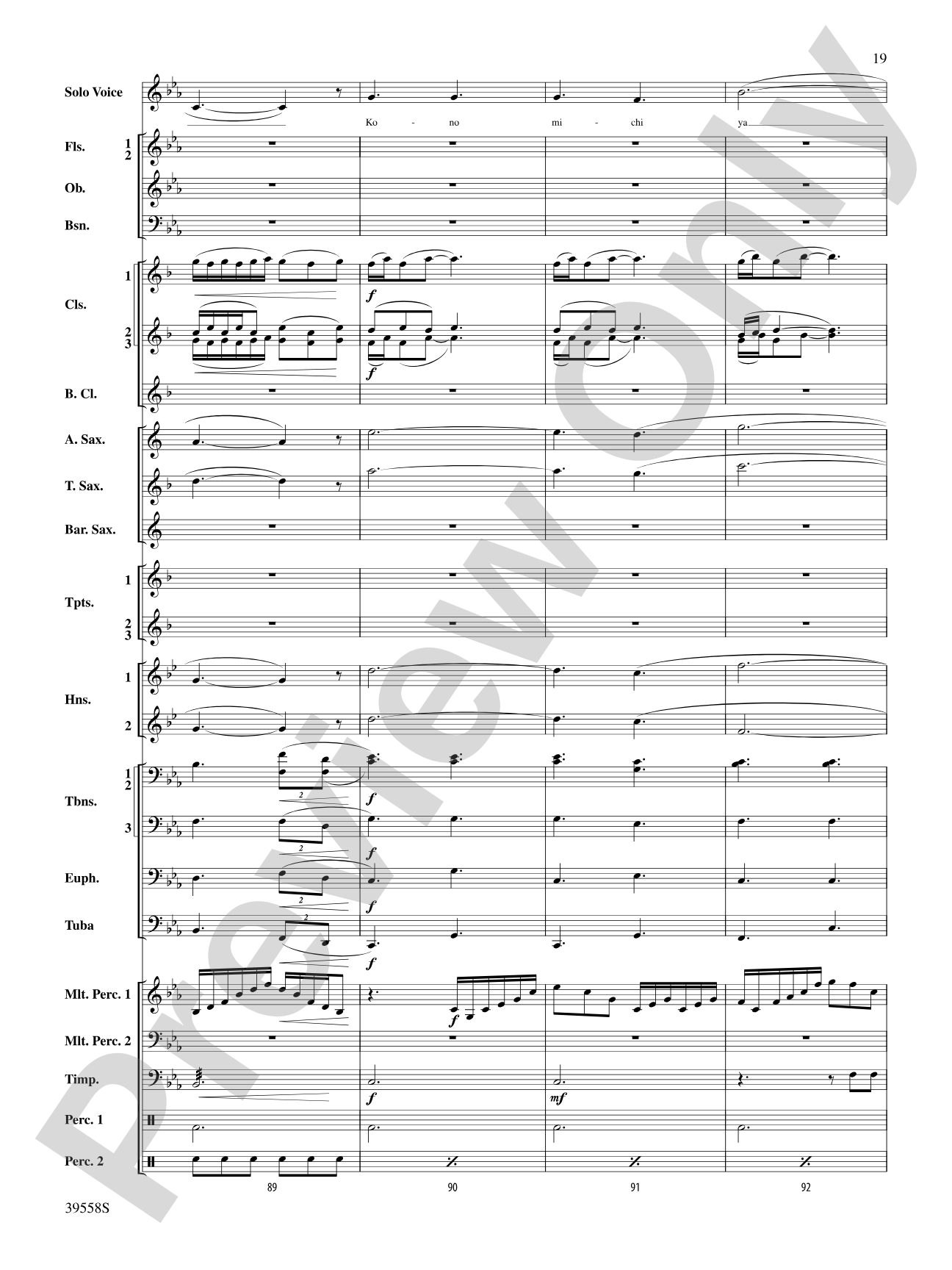
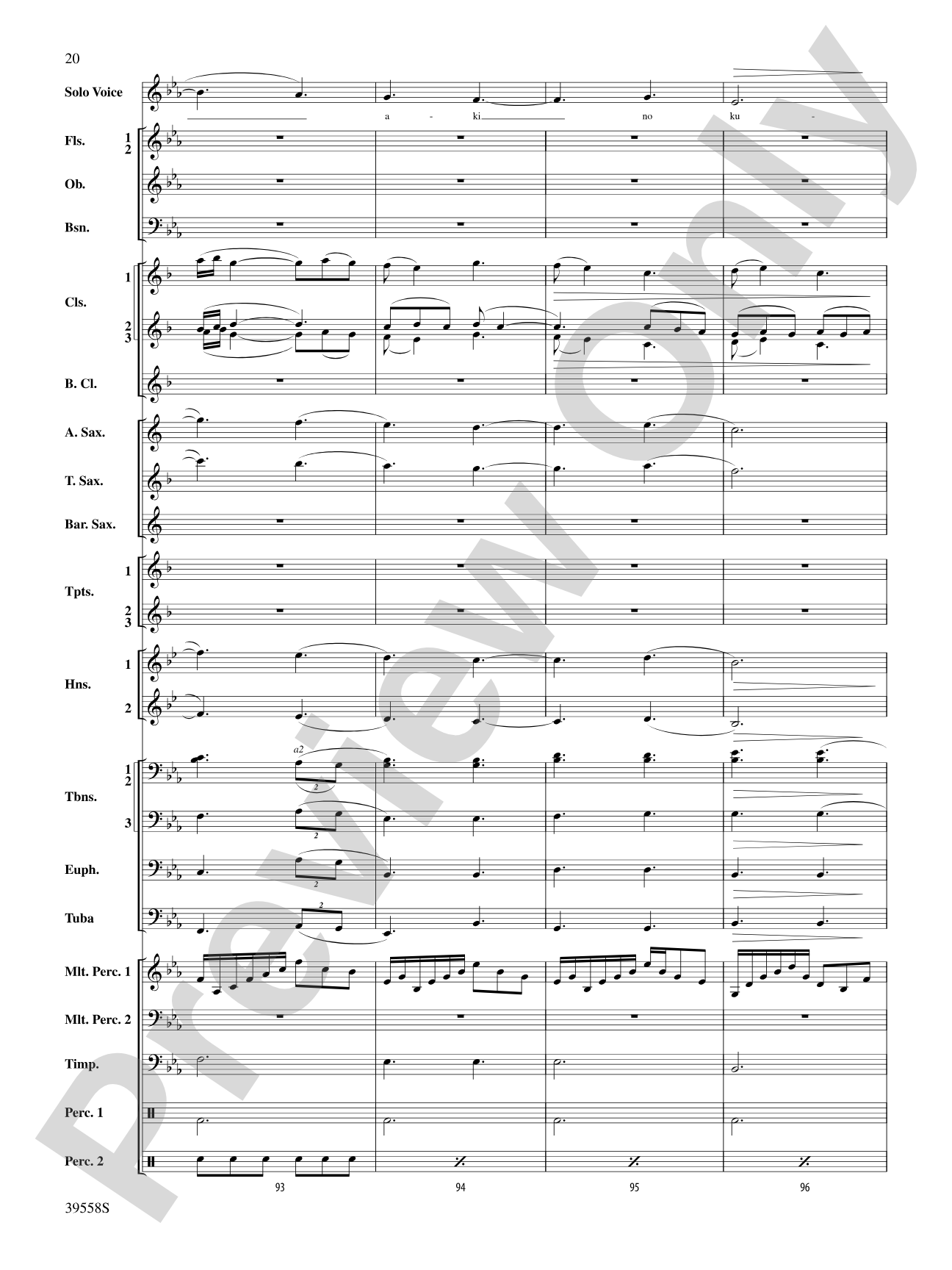
Originally composed by Austin Wintory for the video game Journey, for solo voice with accompaniment, this arrangement also permits the solo to be performed by trumpet, or alto saxophone as we've done on this recording. (4:15)


Don't just read it, hear it, play along with it, and watch your students grow with it. In MakeMusic Cloud, I Was Born for This: Concert Band Conductor Score & Parts comes alive with professional accompaniment, adjustable tempo, and built-in practice tools that turn solo practice into real progress.
Open in the Player
Jump straight in and assign it today.
Start Your Free Trial
Open this title and explore the full library in minutes.
Sample Audio
1
Audio File
--:--
0:00
0:00
Sample Video
No sample videos found.
Additional Details
Series:
Pop Concert Band
Publisher:
Alfred Music
Page Count:
128
SKU:
00-PK-0005616
More about this title
About the Composer: Austin Wintory
Austin Wintory is a composer whose work spans interactive media, film, and concert music. His score for the video game Journey became a landmark in game music, earning a Grammy nomination and establishing him as a composer who understands how to craft emotionally resonant orchestral writing that connects deeply with listeners.
Why we love this
This arrangement transforms a powerful vocal moment from Journey into an accessible concert piece that lets your band own the emotional weight of the original. The flexibility to feature trumpet or alto saxophone keeps the spotlight on your soloists while the ensemble writing stays clean and supportive, making it rewarding for both featured players and the full band.
What to expect
The music carries the contemplative, expansive quality of the original game score, with moments of quiet introspection punctuated by surges of collective sound. There is a sense of yearning and determination woven throughout, reflecting the game's themes of journey and purpose.
Who it's for
This arrangement suits concert bands at the Grade 3 level looking to program something beyond traditional band repertoire that still feels musically substantial. Directors seeking a featured solo opportunity for a strong trumpet or alto saxophone player will find a vehicle that challenges the soloist meaningfully while keeping ensemble demands manageable.
How to get the most out of it
- Balance the solo voice or instrument so it projects over the ensemble without forcing; the accompaniment should frame rather than overpower the featured line.
- Shape the piece architecturally by considering the full arc from opening to close; take time with the quiet passages to build anticipation toward climactic moments.
- Coordinate dynamics across sections carefully, since much of the piece's power depends on subtle contrasts between the solo and supporting voices.
How to use it
Program this as a concert centerpiece that demonstrates your band's ability to handle contemporary media music with sophistication. It pairs well with a diverse concert that mixes classic and modern works, or anchor a thematic program around video game scores and interactive media.
Skills your students will build
- Accompanying and balancing with a featured soloist
- Sustaining expressive phrasing over longer melodic arcs
- Managing dynamic contrast in music with minimal rhythmic complexity
- Responding to solo flexibility and rubato from a featured player