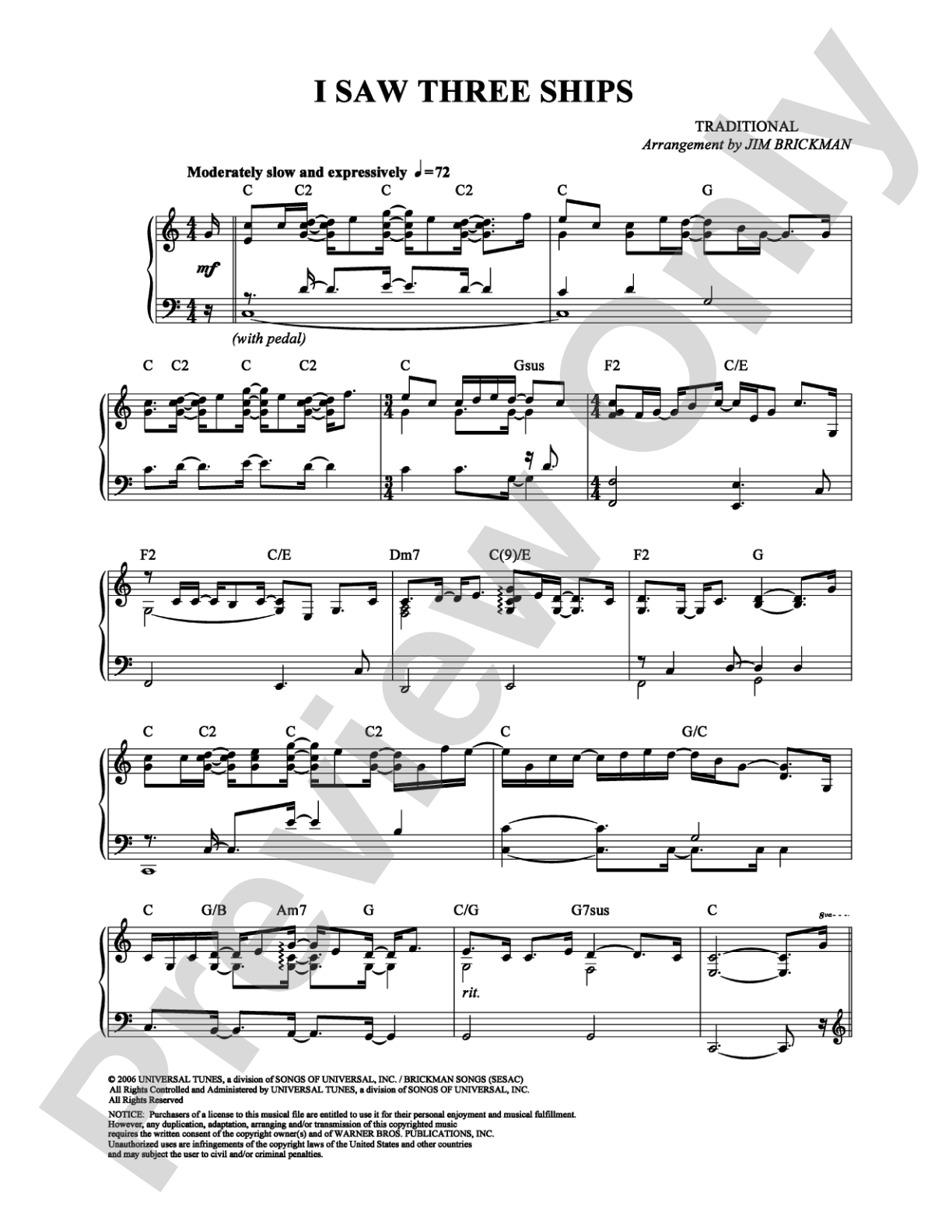
I Saw Three Ships: Piano Digital Sheet Music

I Saw Three Ships: Piano Digital Sheet Music

Jim Brickman, Traditional

Item: 00-PS-0000706

Digital Download
$3.99
Description

I Saw Three Ships: Piano Digital Sheet Music isn't in MakeMusic Cloud just yet...but it could be. Let us know you'd like to see it, and you'll help shape what comes next. In the meantime, start a free trial and dive into thousands of interactive titles your students can play along with today.

Sample Audio
No sample audio found.
Sample Video
Additional Details
SKU: 00-PS-0000706

More about this title

About the Artist: Jim Brickman

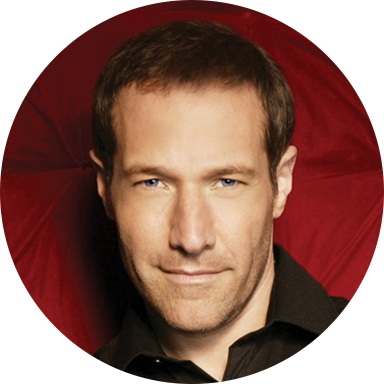
Jim Brickman

Jim Brickman stands among the most commercially successful solo pianists in contemporary music, known for an approachable yet emotionally resonant compositional voice. His career has fundamentally shaped how instrumental piano music reaches mainstream audiences, proving that contemplative keyboard writing can sustain a major recording and touring career.

Brickman composes with purpose. His philosophy centers on music as emotional connective tissue—pieces designed to accompany significant moments, offer solace, or kindle reflection. He views himself not as a technician first but as a storyteller working through the language of melody and harmony.

Why we love this

Brickman's treatment of this familiar carol feels genuinely unhurried, prioritizing clear melodic writing and harmonic warmth over technical display. The piece sits naturally in adult contemporary settings where a seasoned pianist can deliver genuine emotional content rather than virtuosic flash.

What to expect

Nostalgic without sentimentality, this rendition captures the carol's contemplative core. The piano writing breathes space around the melody, creating an intimate conversation rather than a grand proclamation.

Who it's for

This arrangement reaches adult pianists and pianists in progressive studios who perform in recitals, holiday programs, or intimate settings. It suits anyone seeking a carol treatment that honors the tune's dignity without leaning on arrangement complexity.

How to get the most out of it

  • Lean into the legato textures; allow the pedal to sustain harmonic color without clouding the melody line.
  • Treat phrase endings with gentle rubato rather than mechanical precision, allowing the ear to settle into each cadence.
  • Balance accompaniment against the vocal line conceptually, even when playing solo, so the melody always sits in clear relief.

How to use it

Include this in recitals during the holiday season, or pair it with other Brickman originals to create an evening of contemporary piano music. Its modest demands and accessible emotional language make it an ideal bridge piece between larger works or a closing selection for a program focused on American instrumental traditions.

Skills your students will build

  • Sustaining pedal control across changing harmonies
  • Balancing melody clarity within legato voicing
  • Phrasing and rubato in contemporary music contexts

You May Also Like