I Saw Three Ships Cover Image

I Saw Three Ships: Concert Band Conductor Score

$11.00 USD
Sale price  $11.00 USD Regular price 
Skip to product information
I Saw Three Ships Cover Image

I Saw Three Ships: Concert Band Conductor Score

Traditional / arr. Vince Gassi

Grade: 3 (Medium)

Item: 00-37828S

$11.00
Shipped

One moment…

Description
With skill, artistry, and a touch of sugar frosting, Vince Gassi has crafted another Christmas favorite. This lovely arrangement is based on a 17th century English carol. The melody is presented in a variety of keys and meters while a sense of joy and warmth is maintained throughout this uplifting work.

I Saw Three Ships: Concert Band Conductor Score isn't in MakeMusic Cloud just yet...but it could be. Let us know you'd like to see it, and you'll help shape what comes next. In the meantime, start a free trial and dive into thousands of interactive titles your students can play along with today.

Sample Pages

Sample Audio
No sample audio found.
Sample Video
Additional Details
Series: Alfred Concert Band
Publisher: Alfred Music
Page Count: 24
UPC: 038081429830
SKU: 00-37828S

More about this title

About the Arranger: Vince Gassi
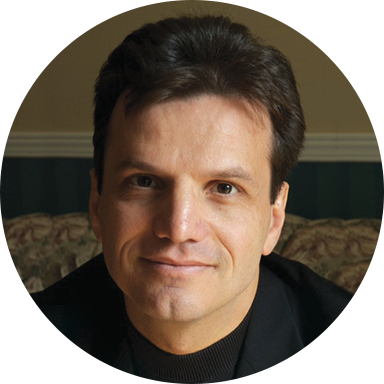
Vince Gassi

Vince Gassi has shaped instrumental music education across North America for more than two decades, teaching at elementary and secondary levels while building an impressive catalog of over 100 published works. His training bridges classical composition (Dick Grove School of Music) and advanced study (Ph.D. from York University), equipping him to write pieces that are both musically substantial and genuinely engaging for young ensembles.

As a guest conductor, adjudicator, and clinician, Gassi remains active in the field beyond composition. His seminars on creative engagement and digital workflows for music directors reflect his commitment to helping teachers and students think more deeply about the rehearsal process. His arrangements and original works regularly appear on festival programs and have been performed internationally.

Why we love this

Gassi's treatment of this 17th century carol avoids the predictable single-key rendering that dominates Christmas band literature. By shifting the melody through different keys and meters, he keeps the familiar tune fresh without losing the warmth audiences expect, making this a genuinely musical choice rather than a routine arrangement.

What to expect

Warm and processional, yet animated by the harmonic and tonal shifts that keep things moving. The piece has the feeling of a carol being rediscovered from new angles, each verse revealing something fresh while maintaining the contentment that comes from a well-known melody.

Who it's for

Grade 3 concert bands seeking holiday repertoire that respects both the carol's traditions and the intelligence of young musicians. This arrangement works for bands with mixed instrumentation and mixed levels of individual player strength, since Gassi distributes the melody strategically rather than demanding virtuosic execution from any one voice.

How to get the most out of it

  • Balance the melody across sections as it moves between instruments; the shifting orchestration is the arrangement's central feature, so each instrumental family should feel confident carrying the tune.
  • Maintain consistent articulation vocabulary when the carol moves into new meters; rhythmic clarity in the accompaniment will help the melody land securely in each new key.
  • Shape the phrasing through the key changes rather than resetting after each one; this creates momentum and underscores the sense of joy Gassi builds into the work.

How to use it

Position this as the centerpiece of a winter concert's midsection, where it can provide respite and joy between more ambitious contemporary works. It also pairs well with other traditional carols in a shorter suite, or stands alone as a satisfying closer for a December concert.

Skills your students will build

  • Reading music in multiple keys within a single piece
  • Adapting to meter changes (preparation and execution)
  • Passing the primary melodic line fluidly between instrumental sections
  • Balancing between melody and accompaniment roles
  • Maintaining phrasing continuity across tonal shifts

You May Also Like