
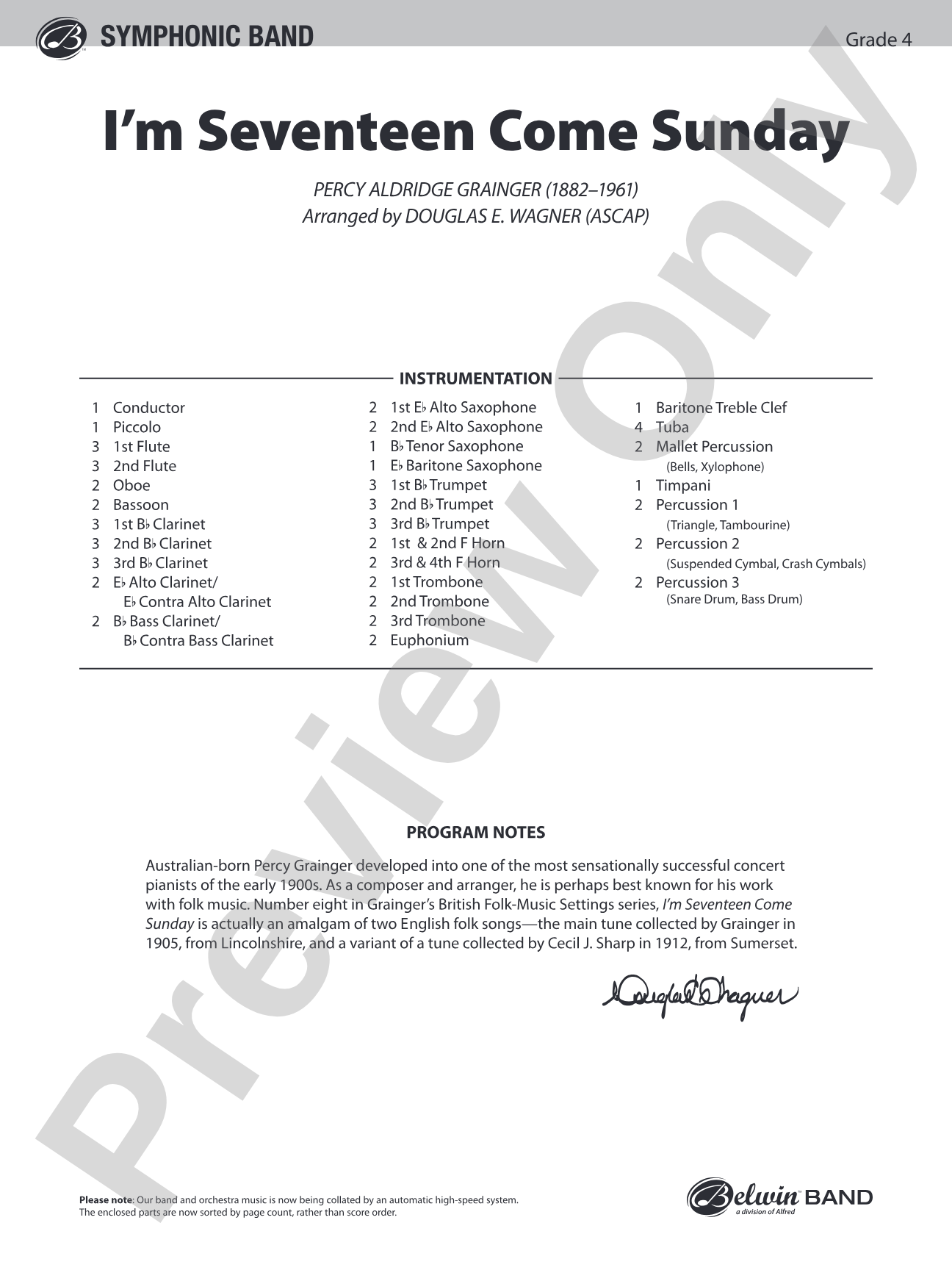
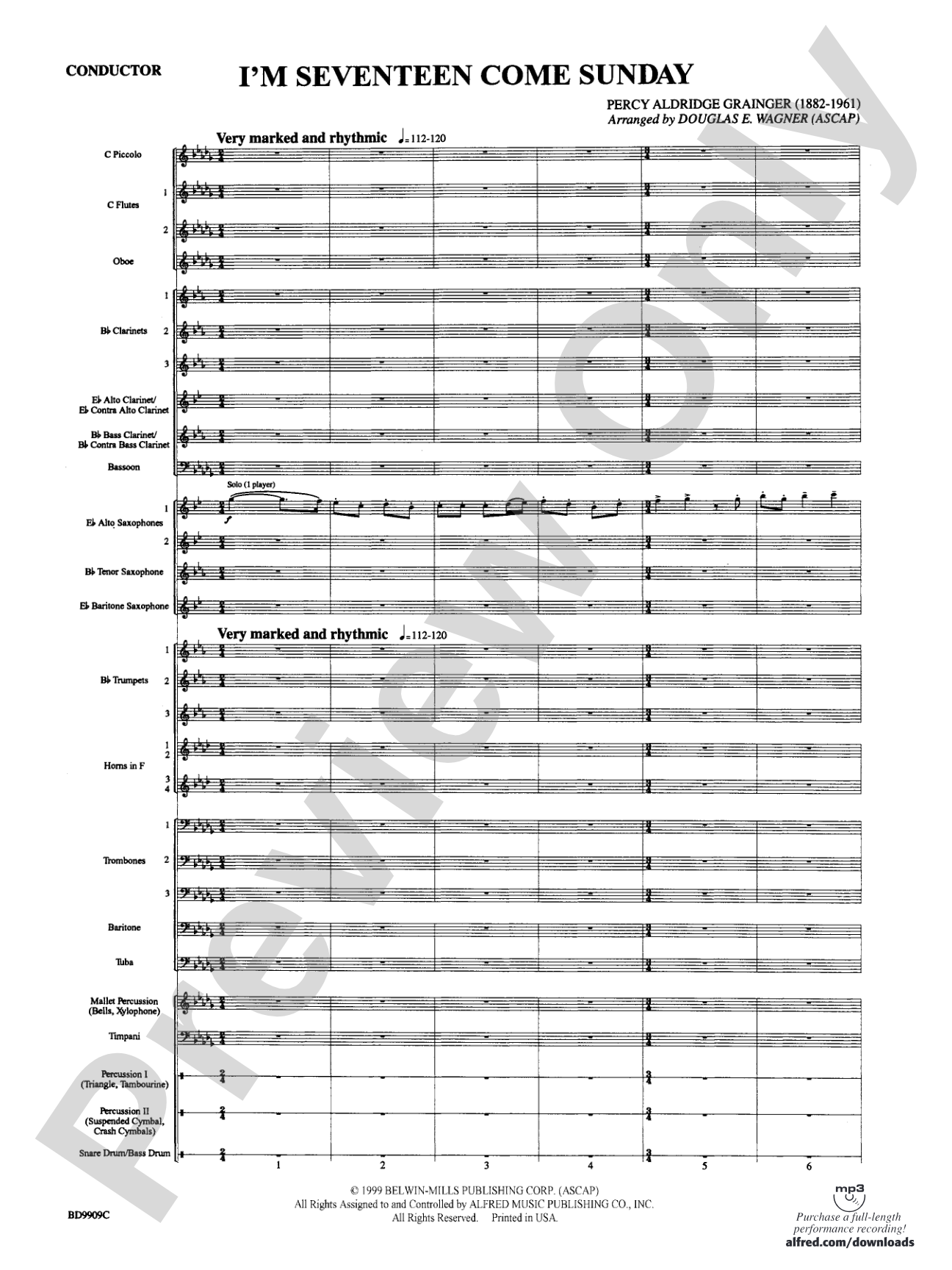
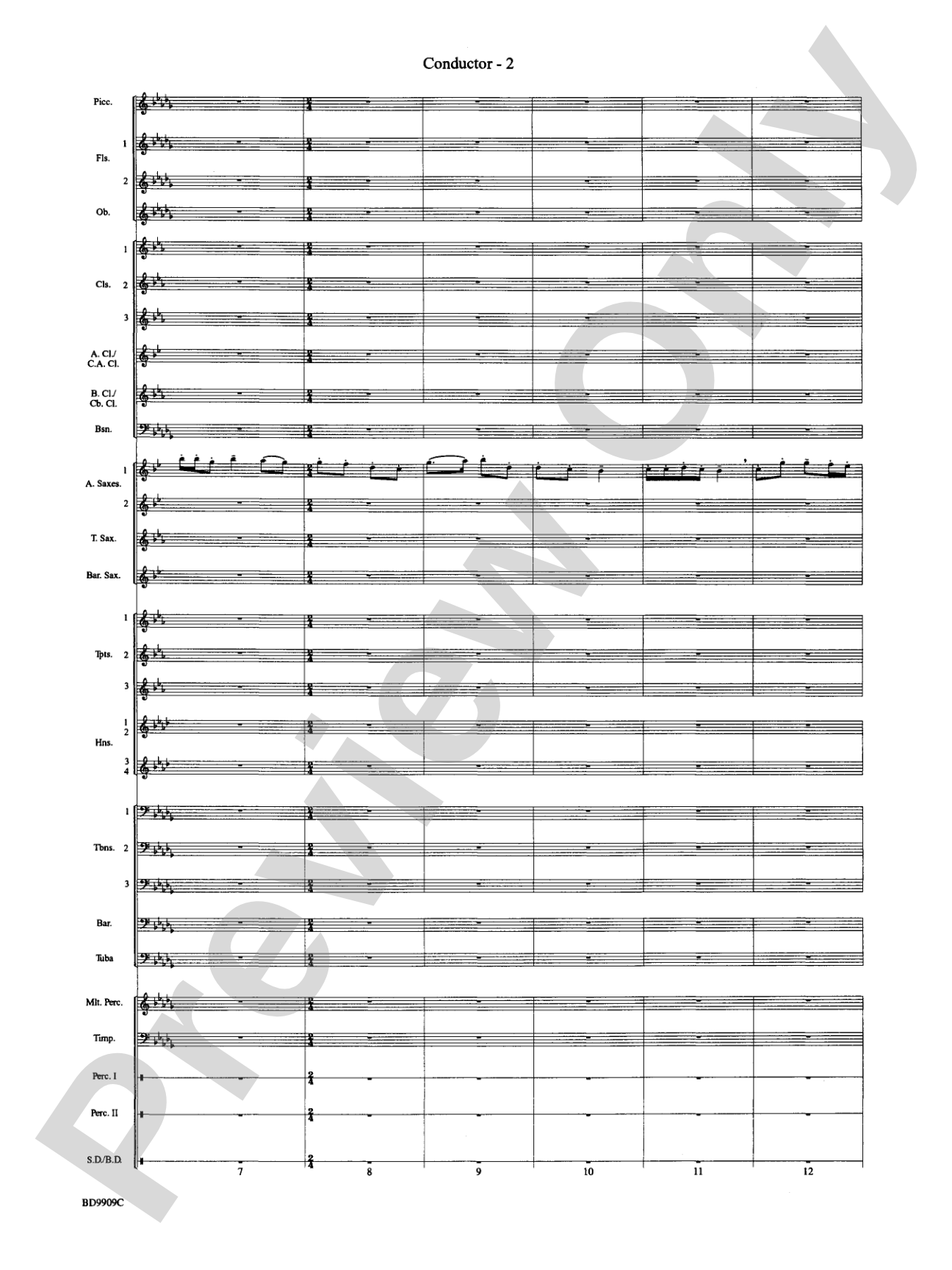
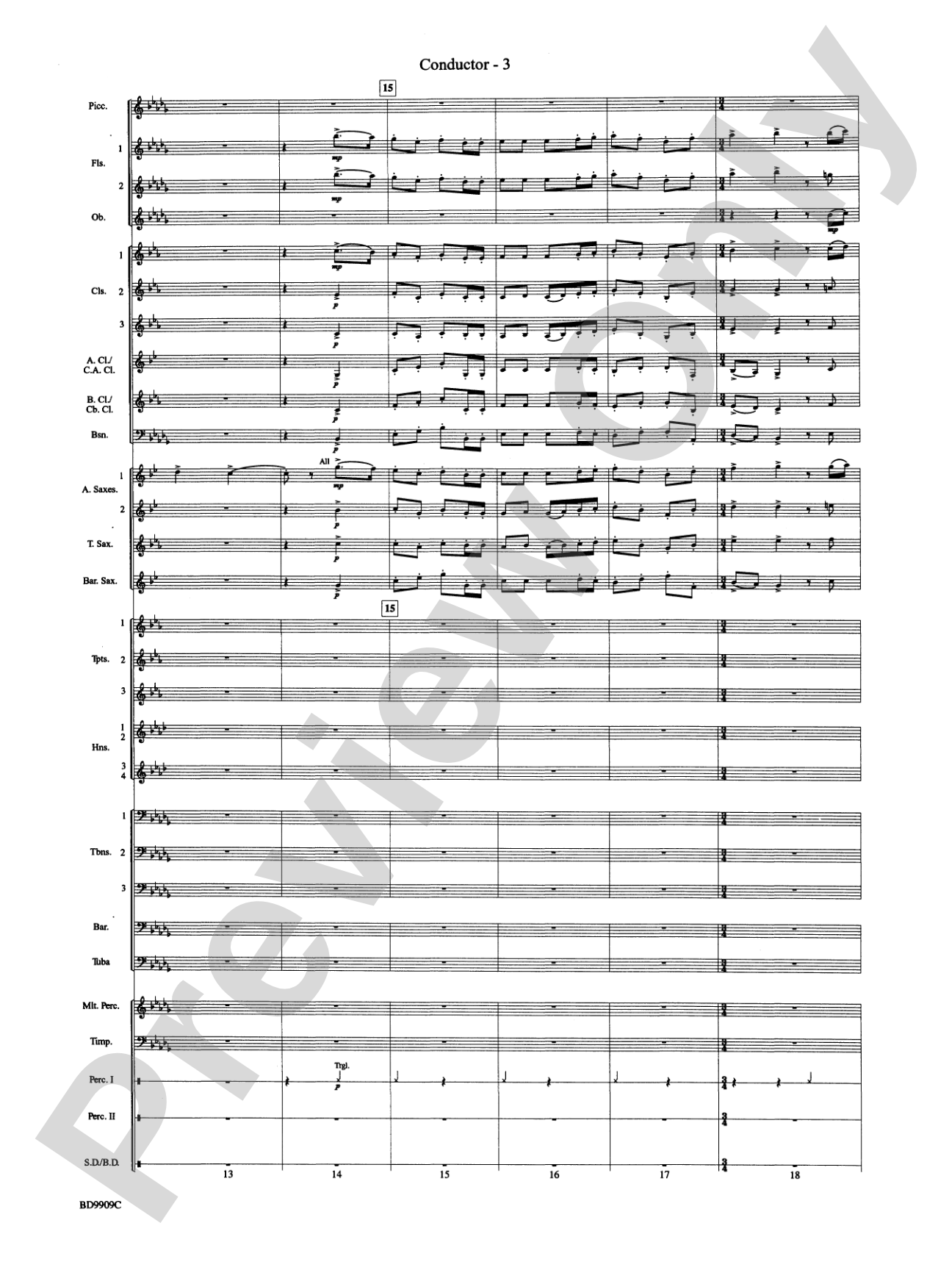
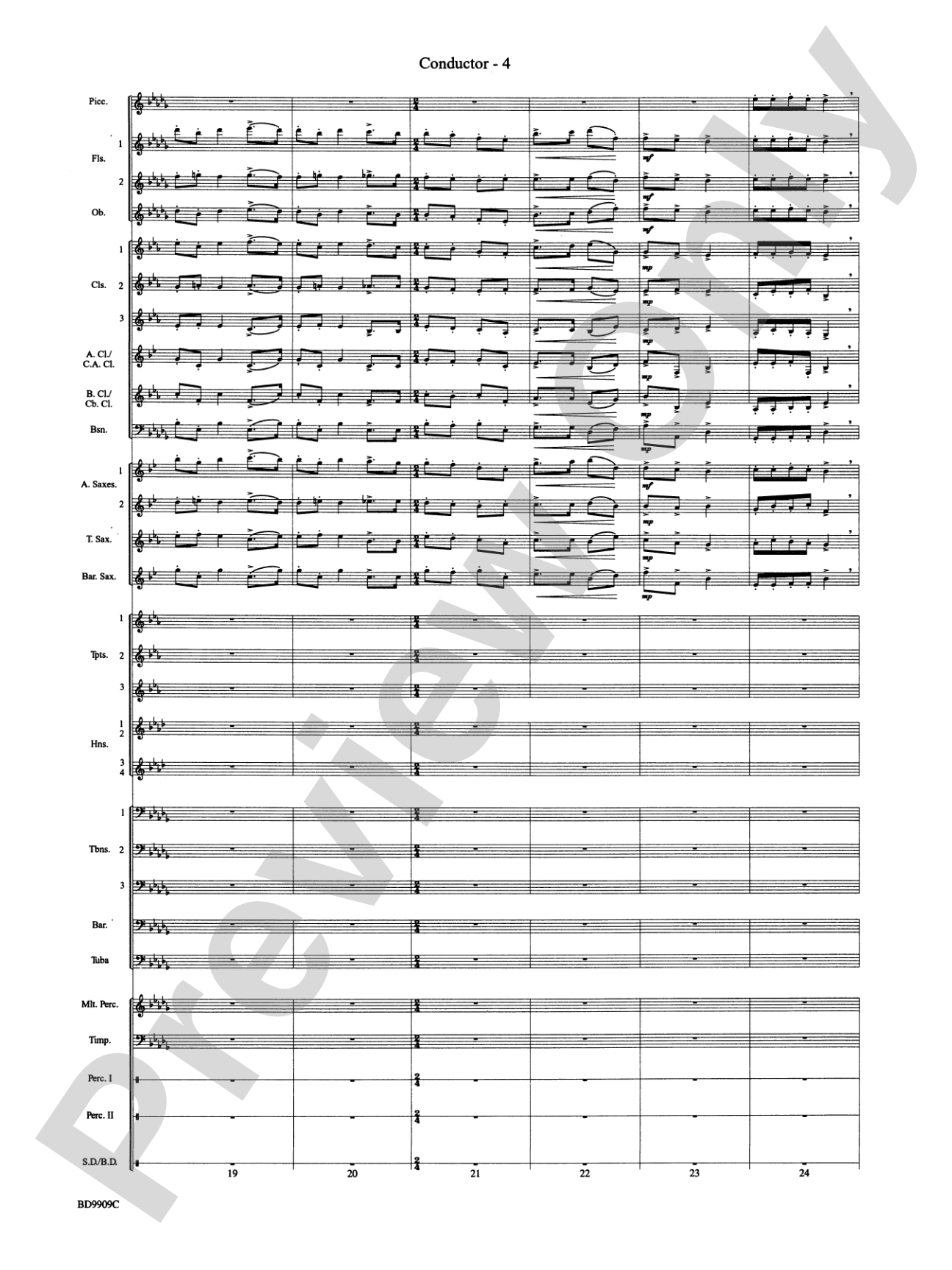
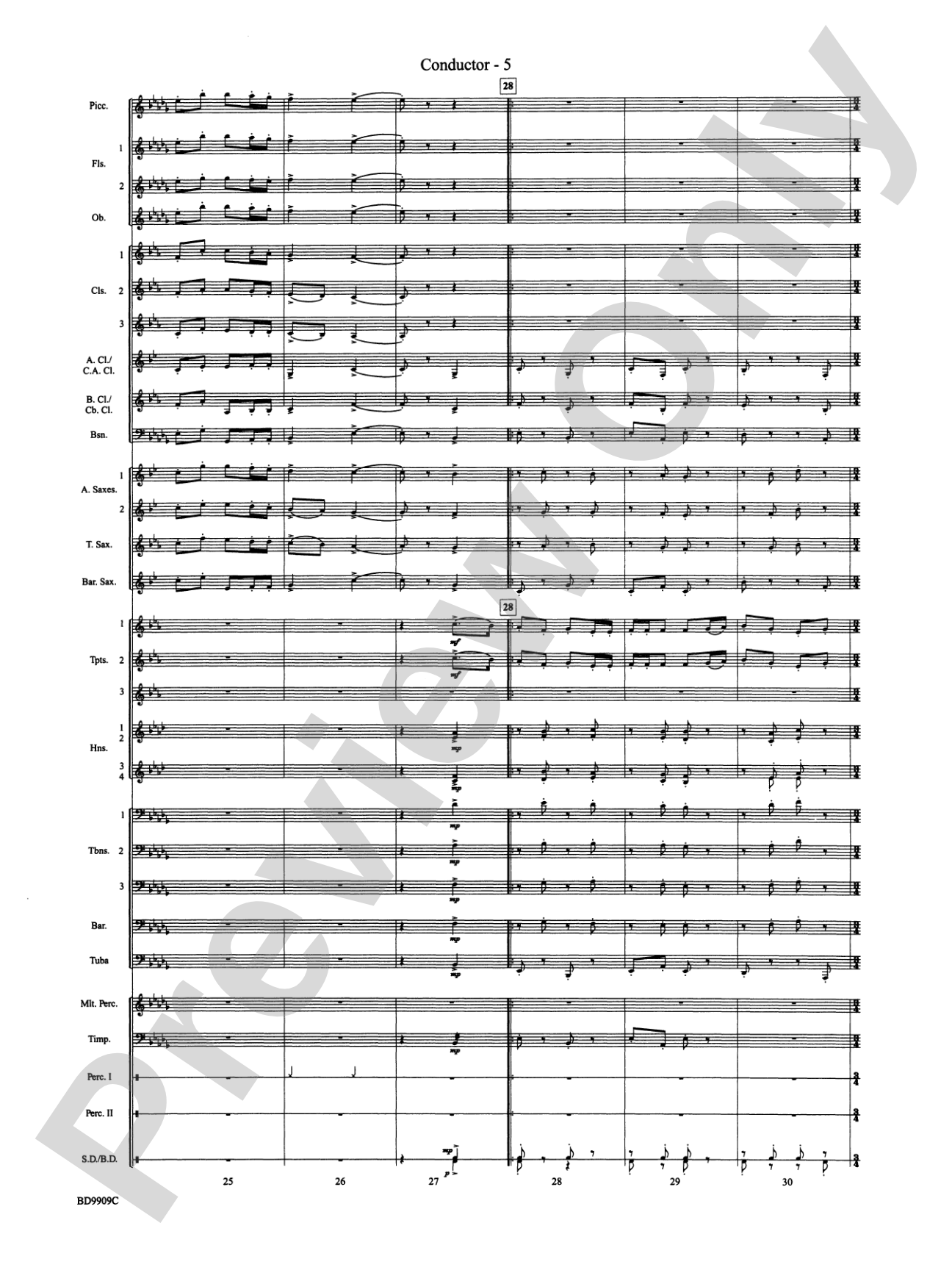
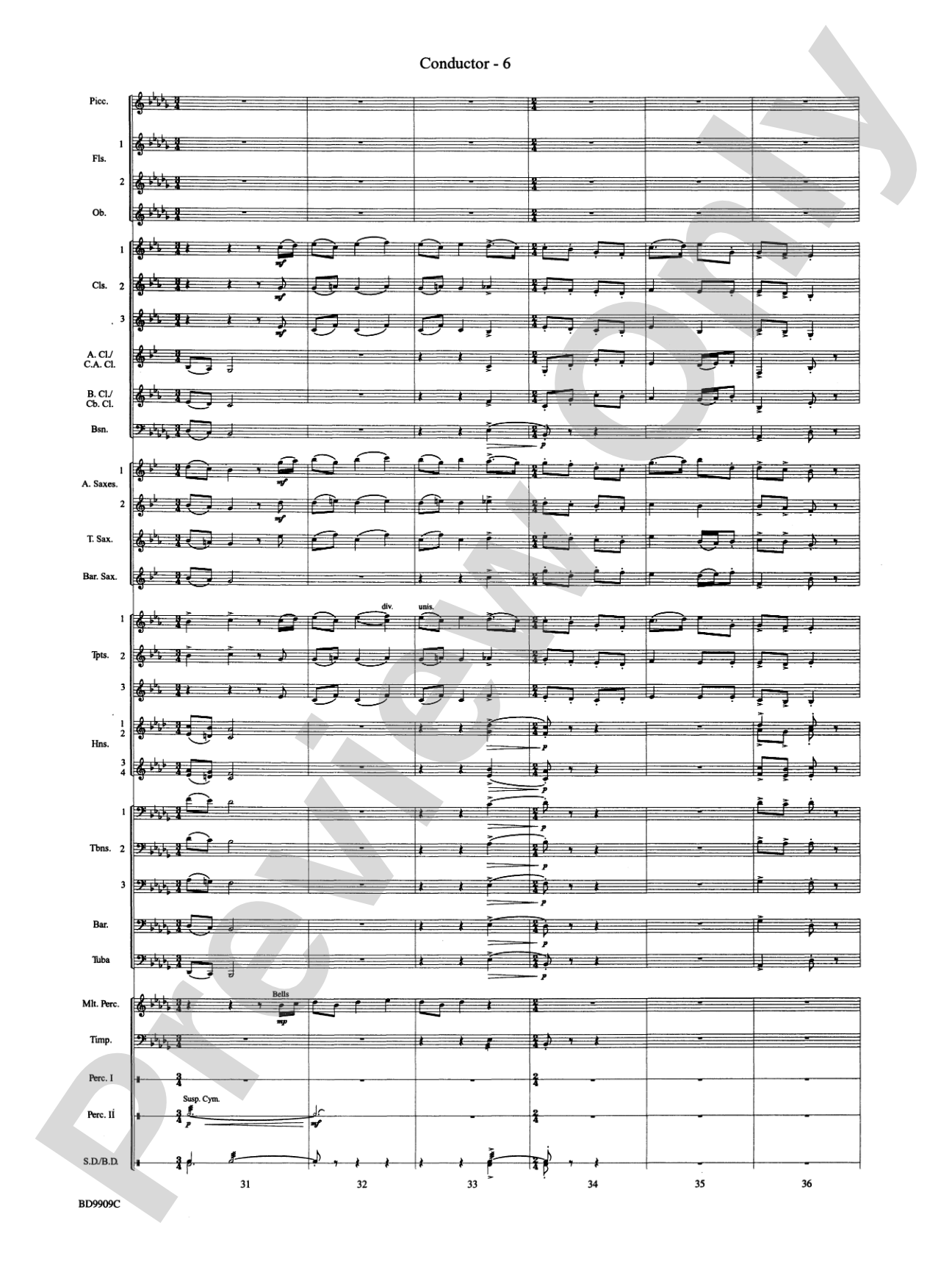
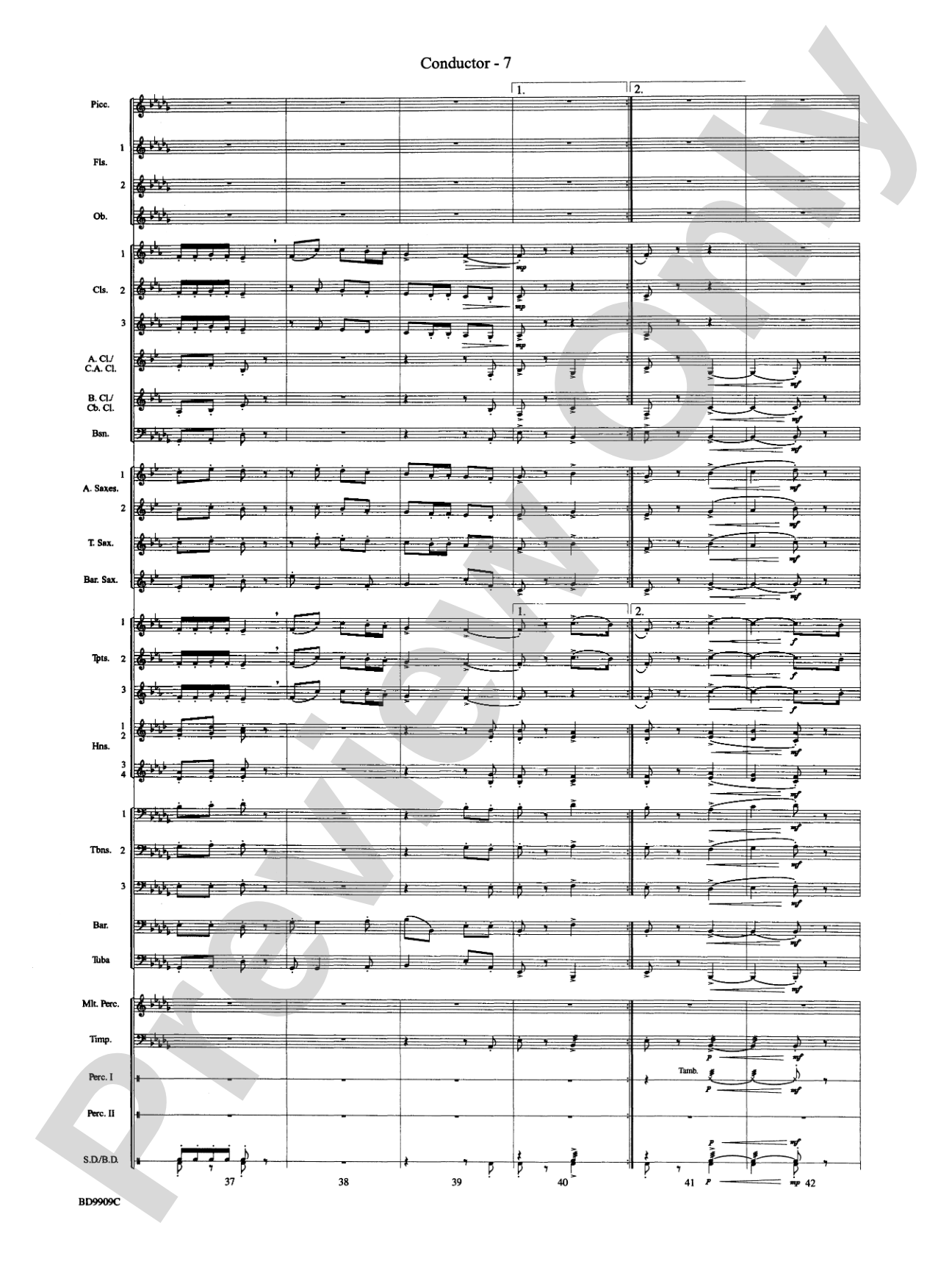
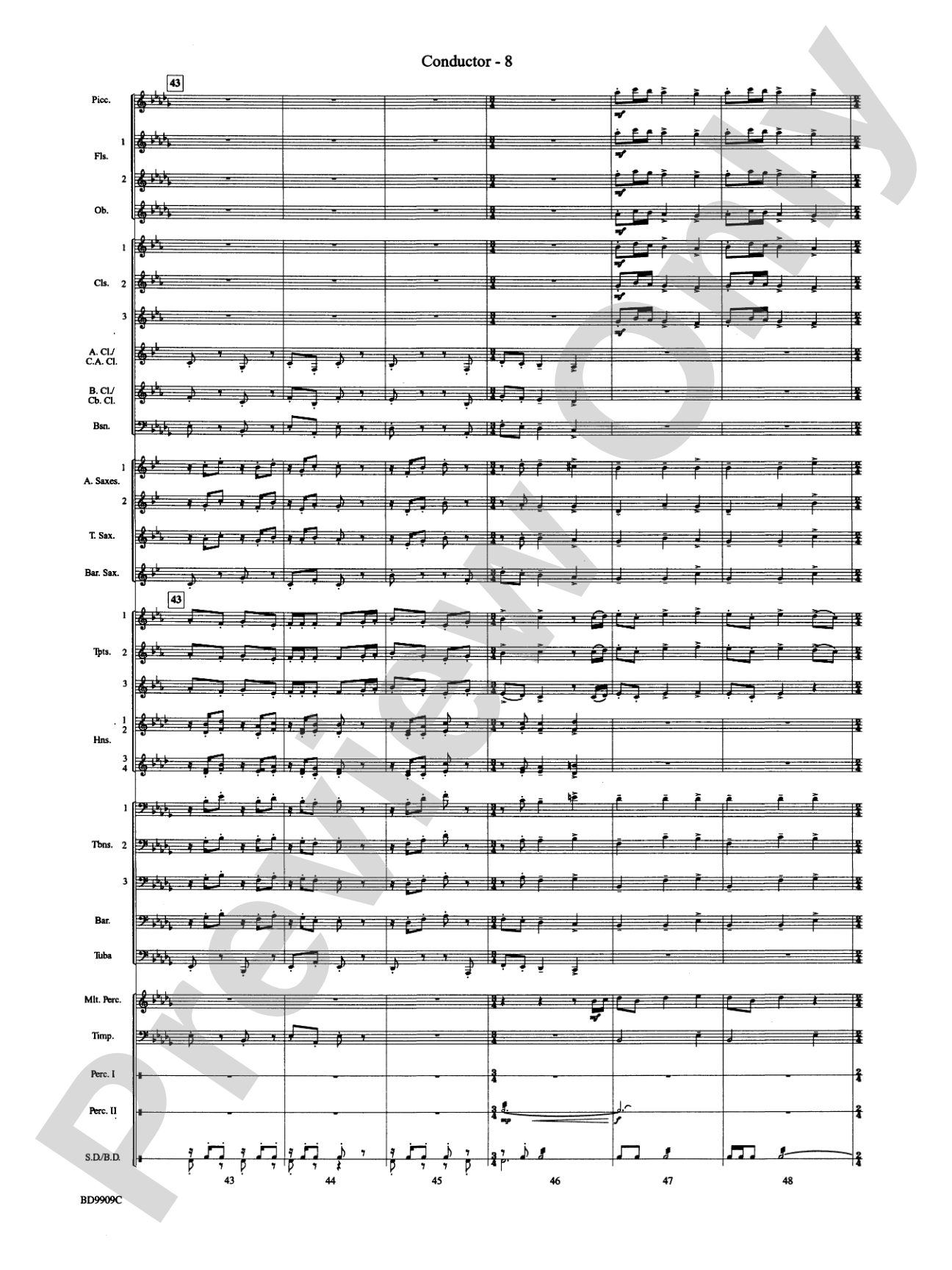
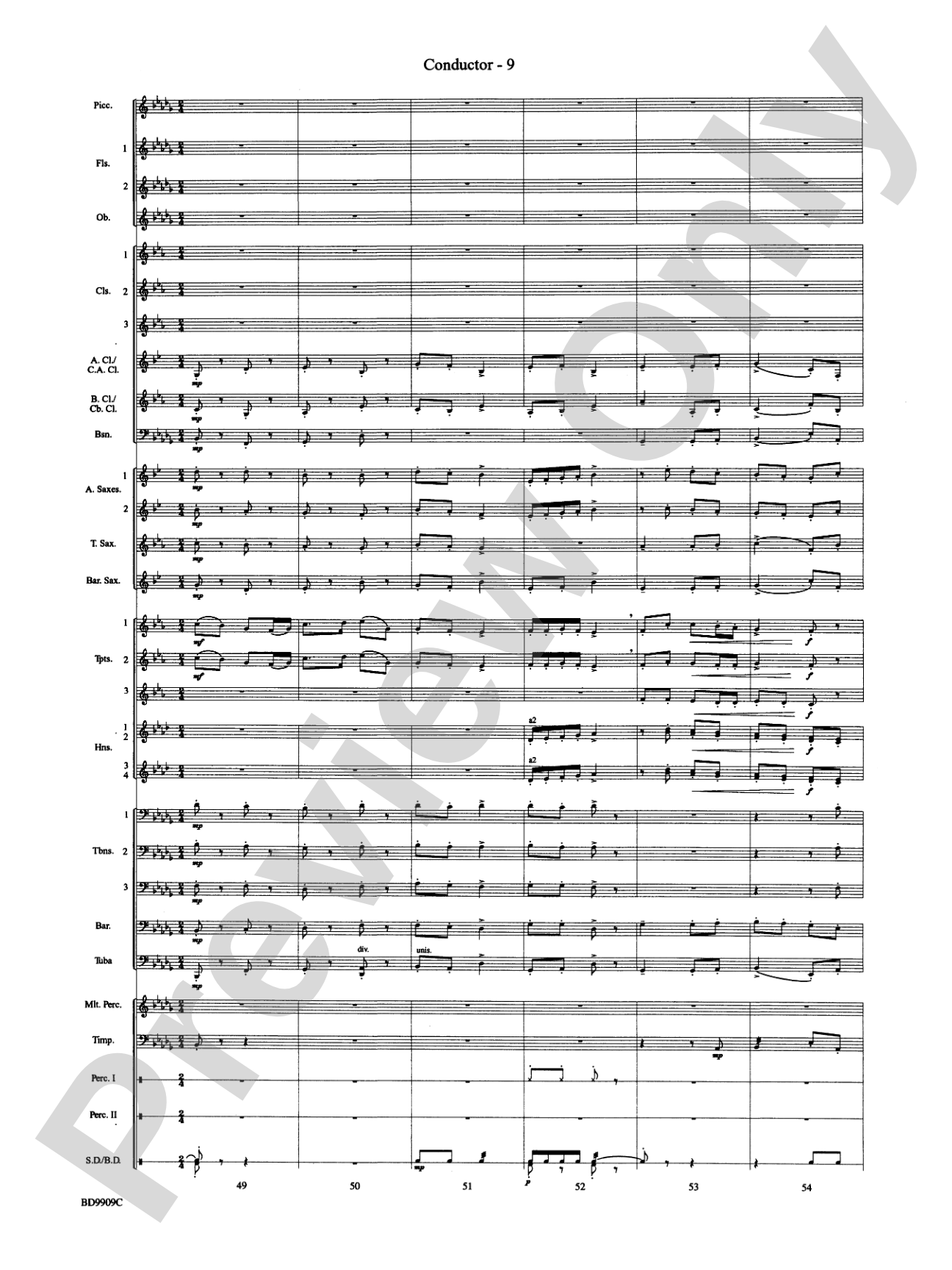
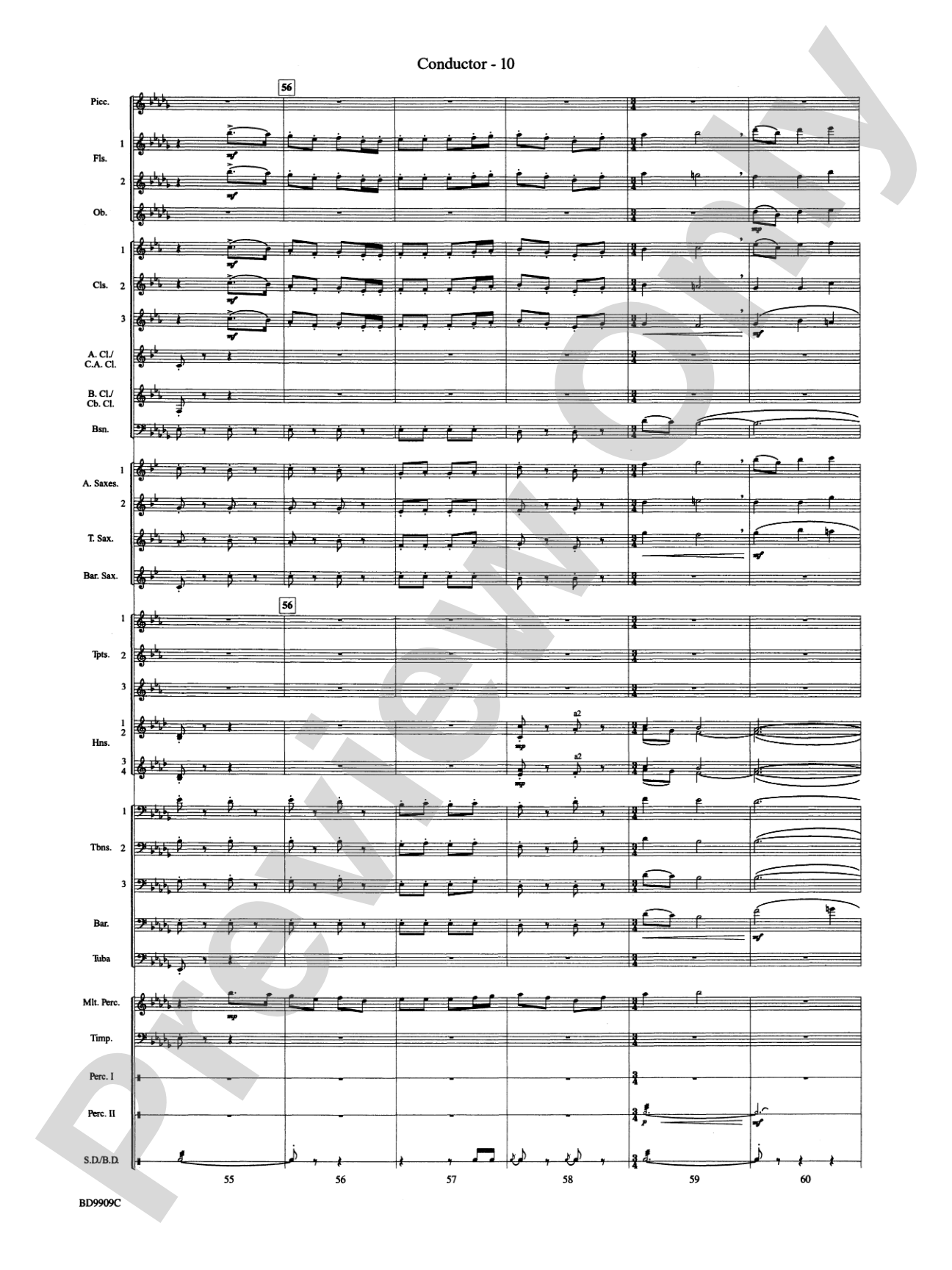
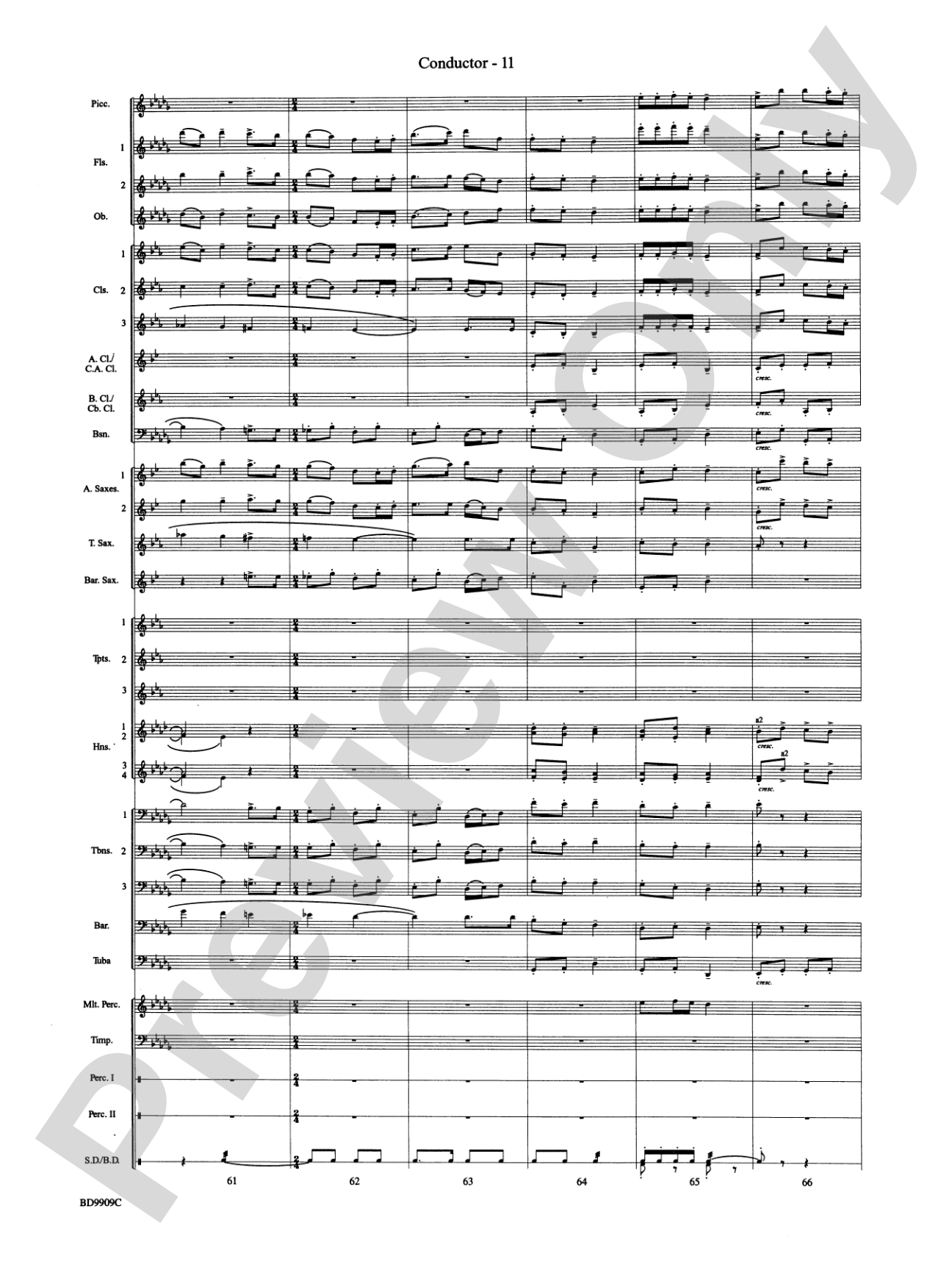
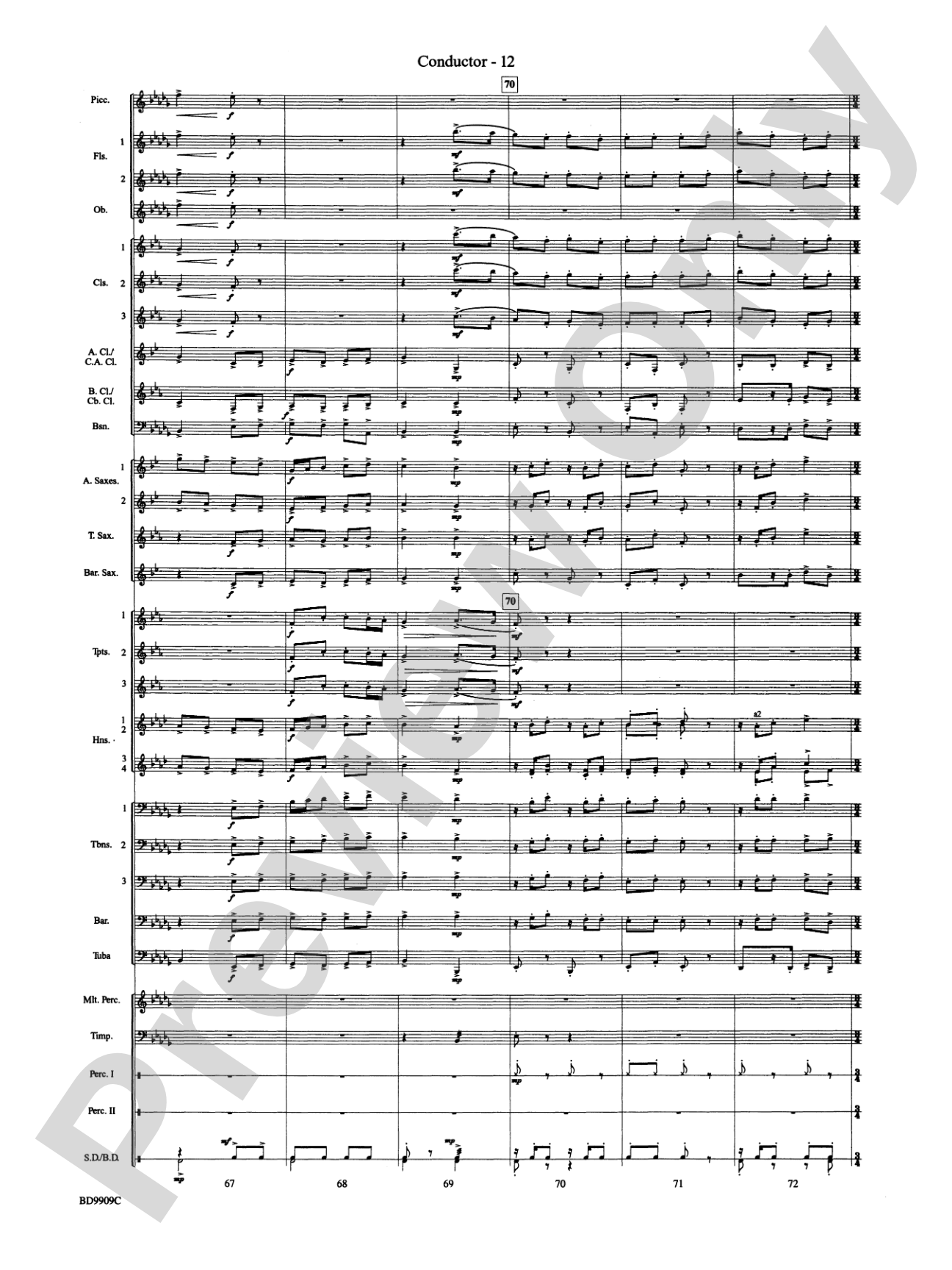
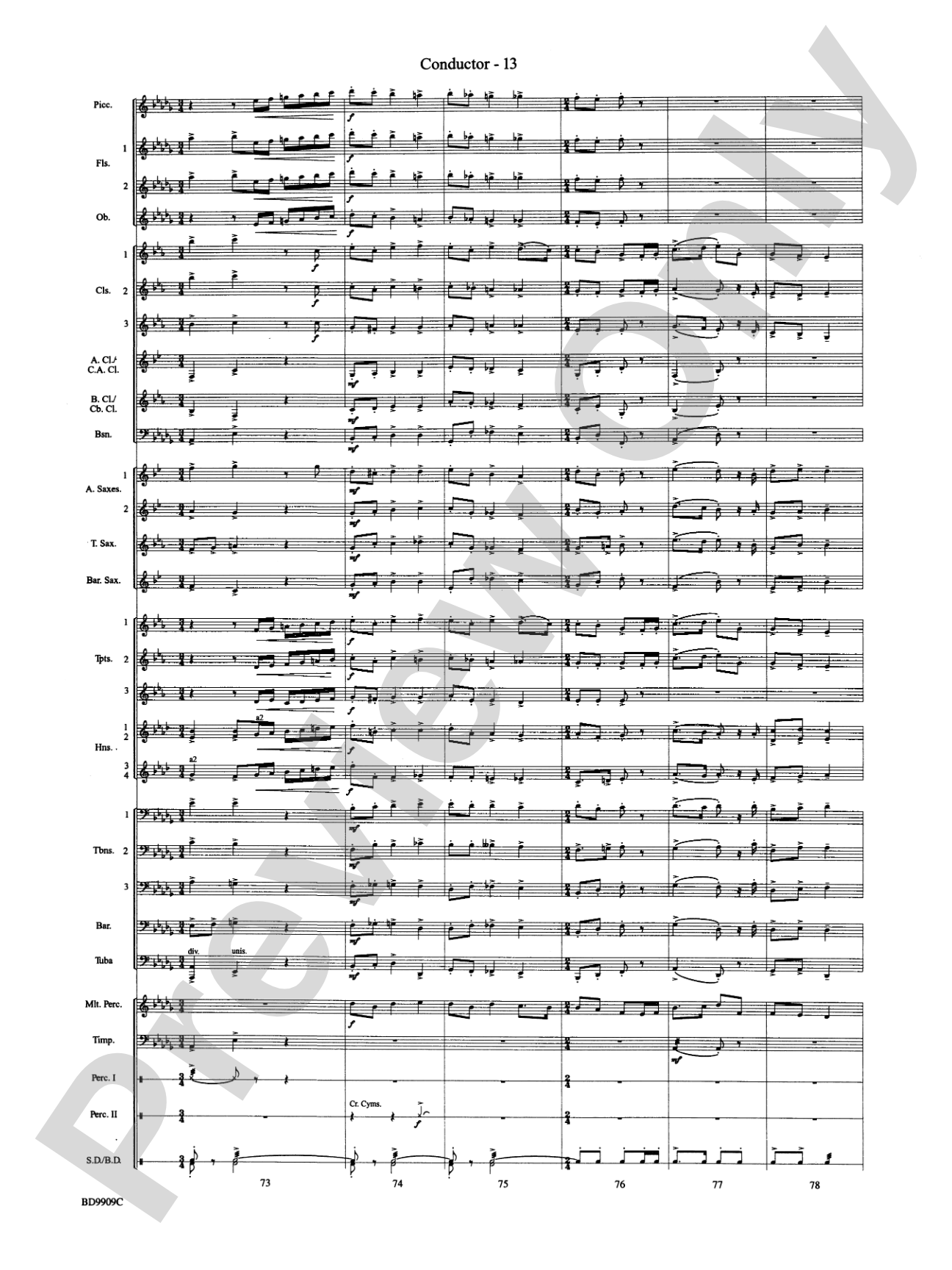
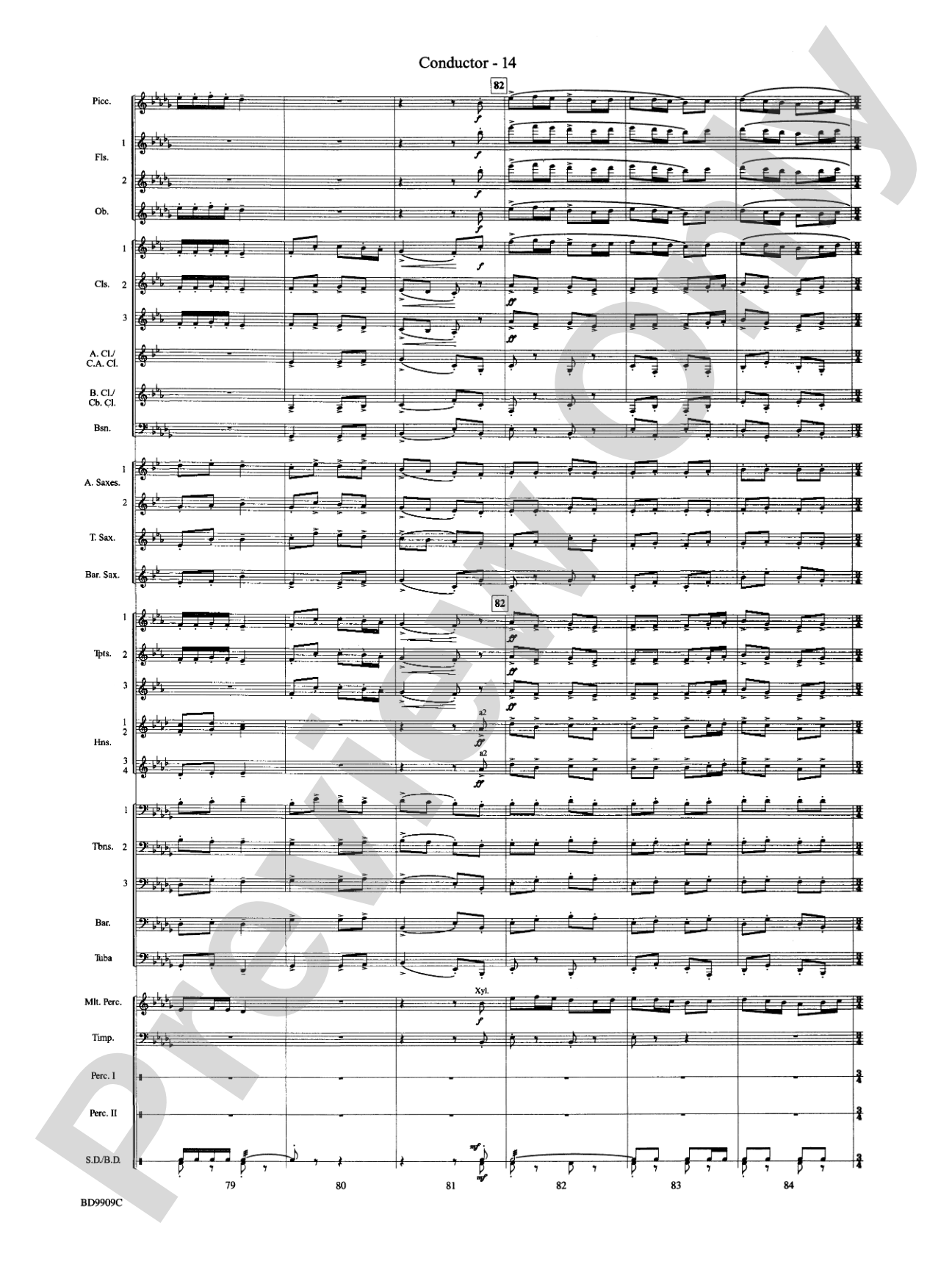
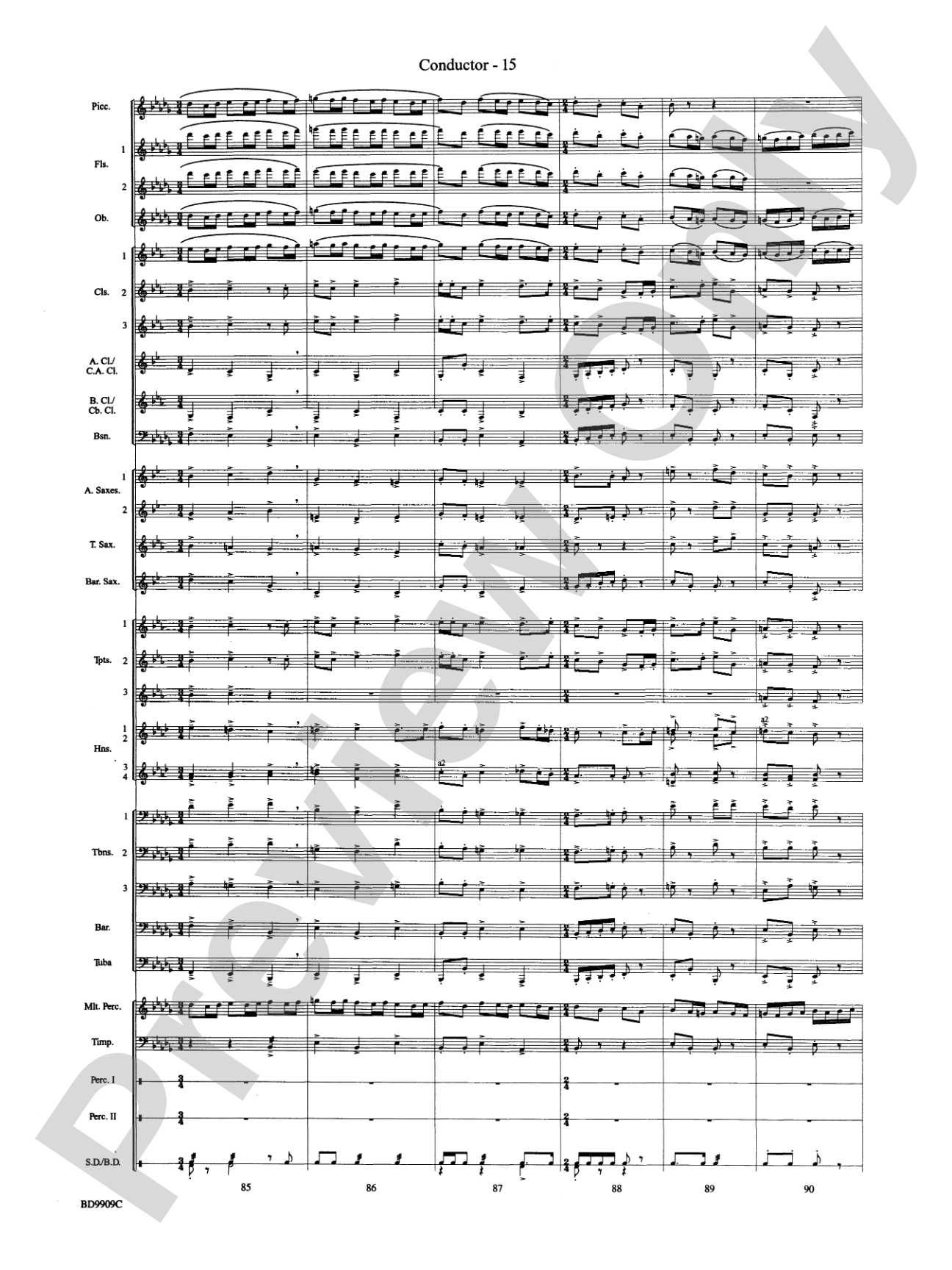
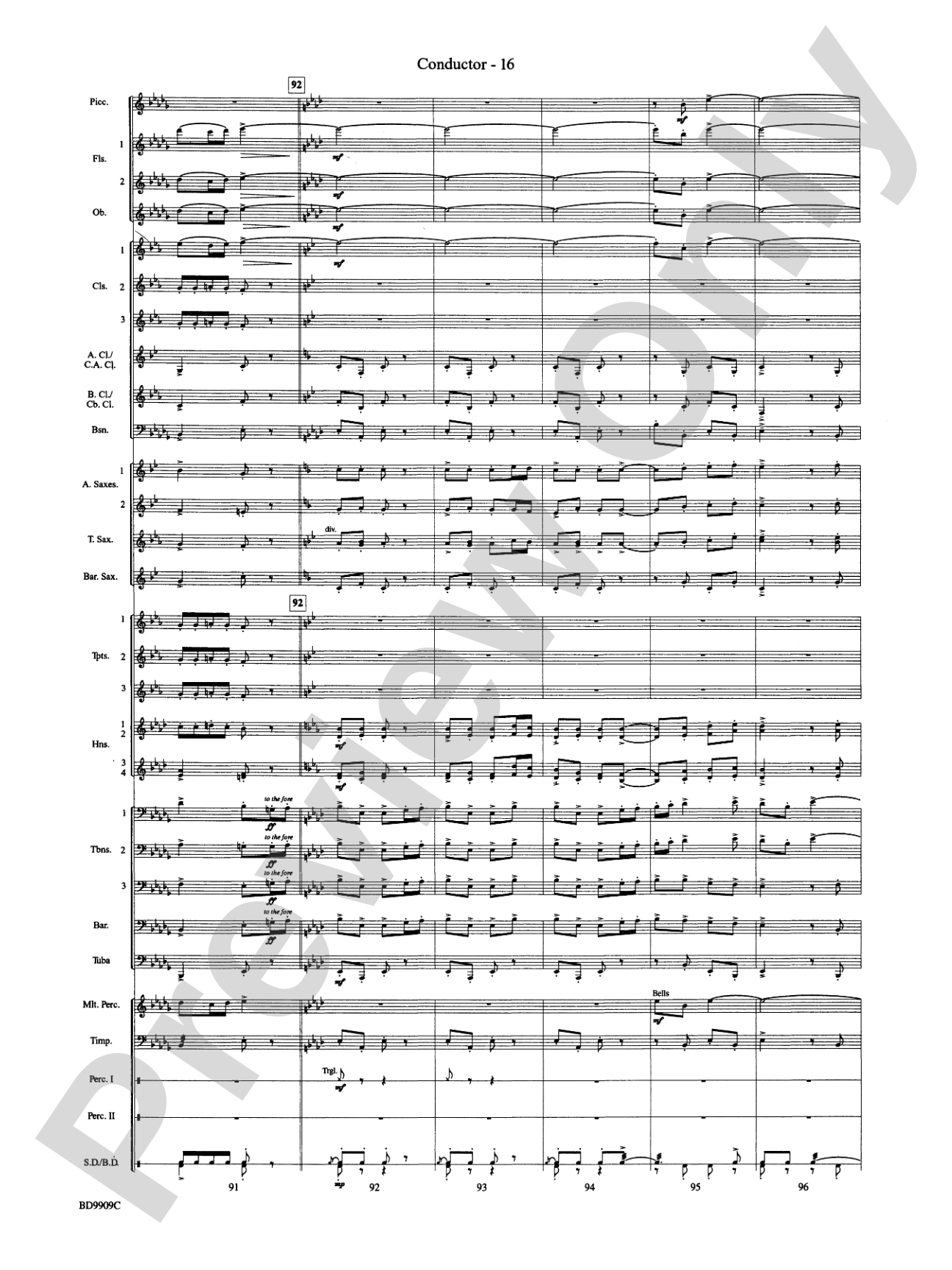
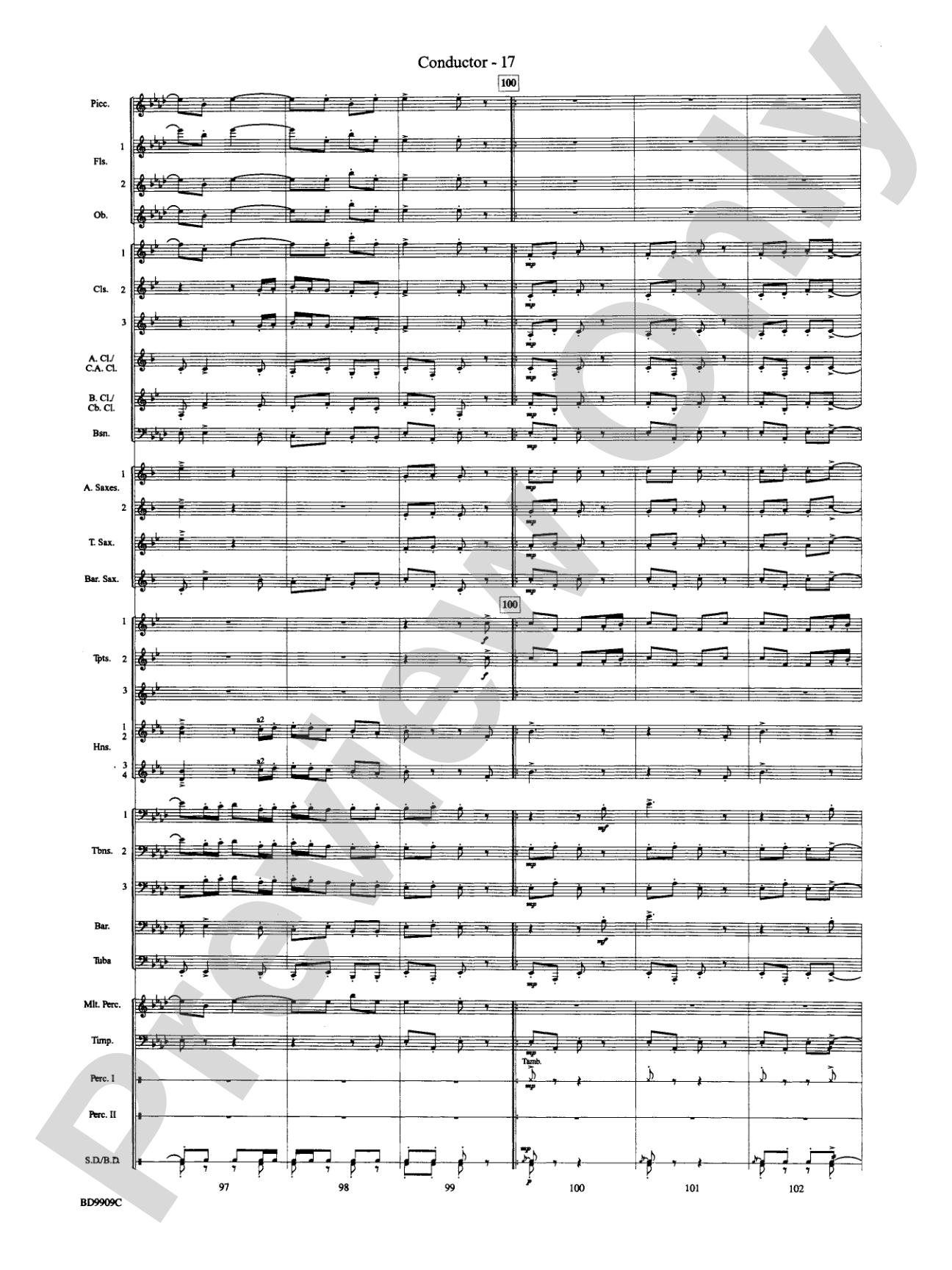
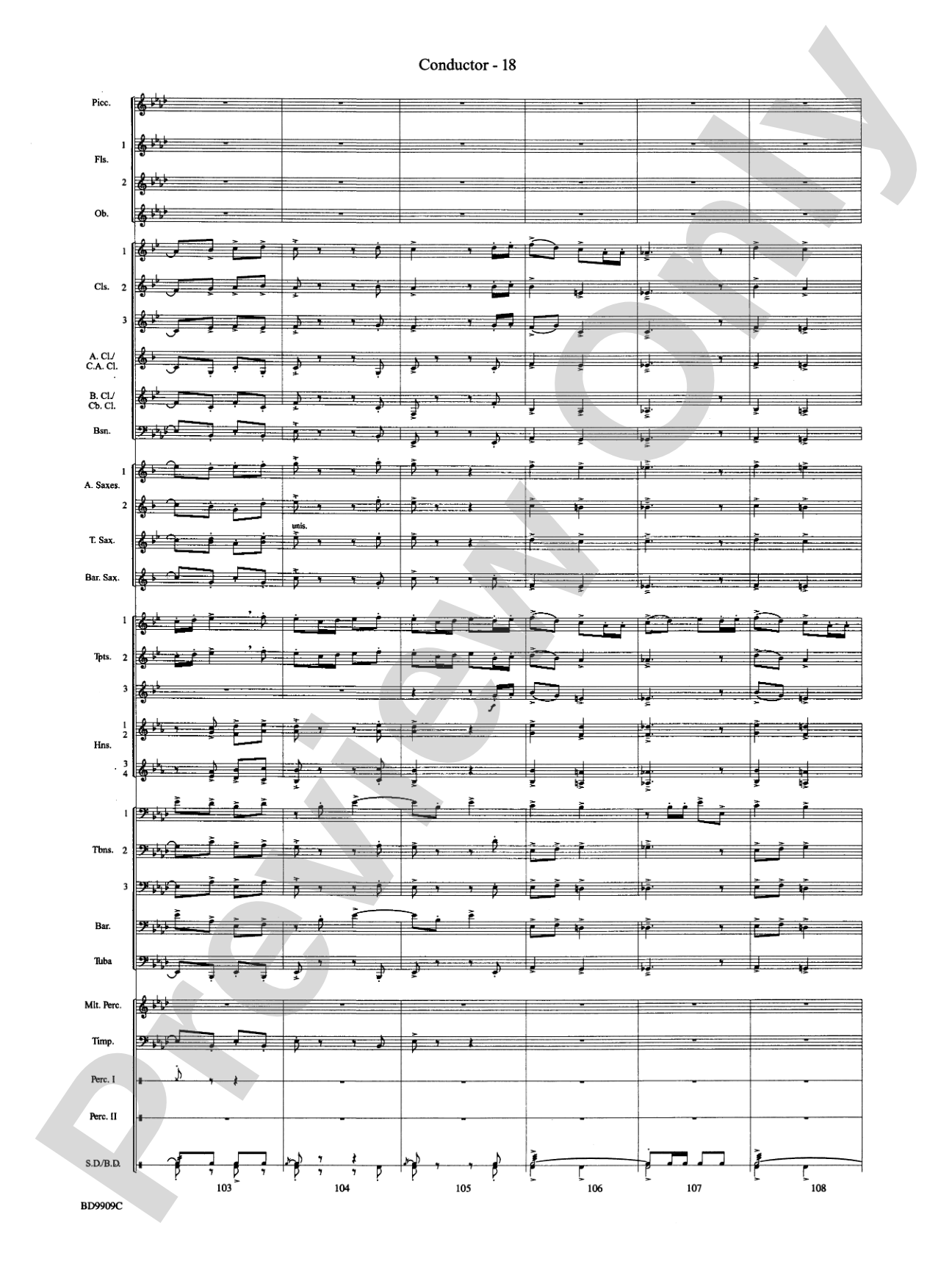
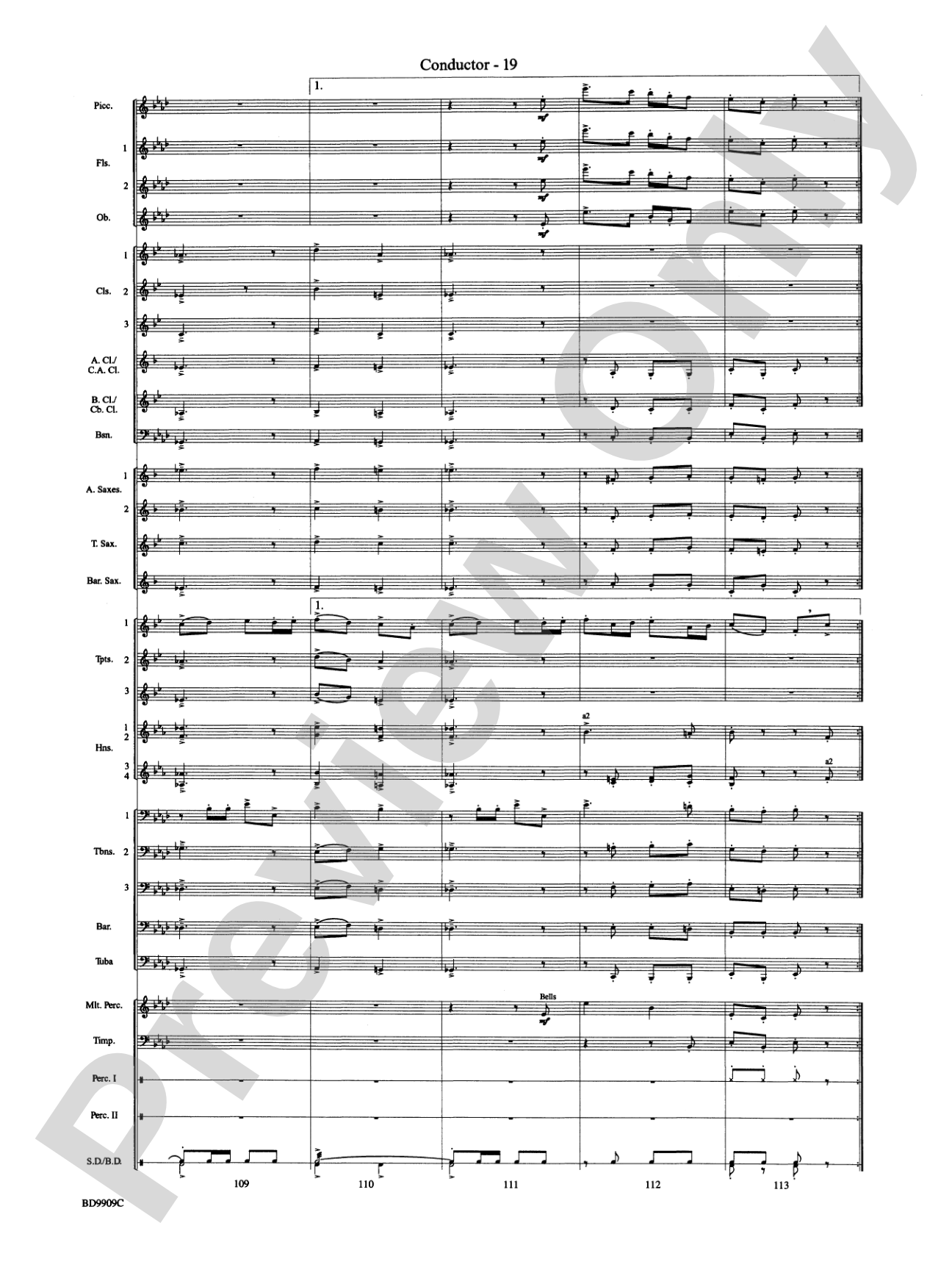
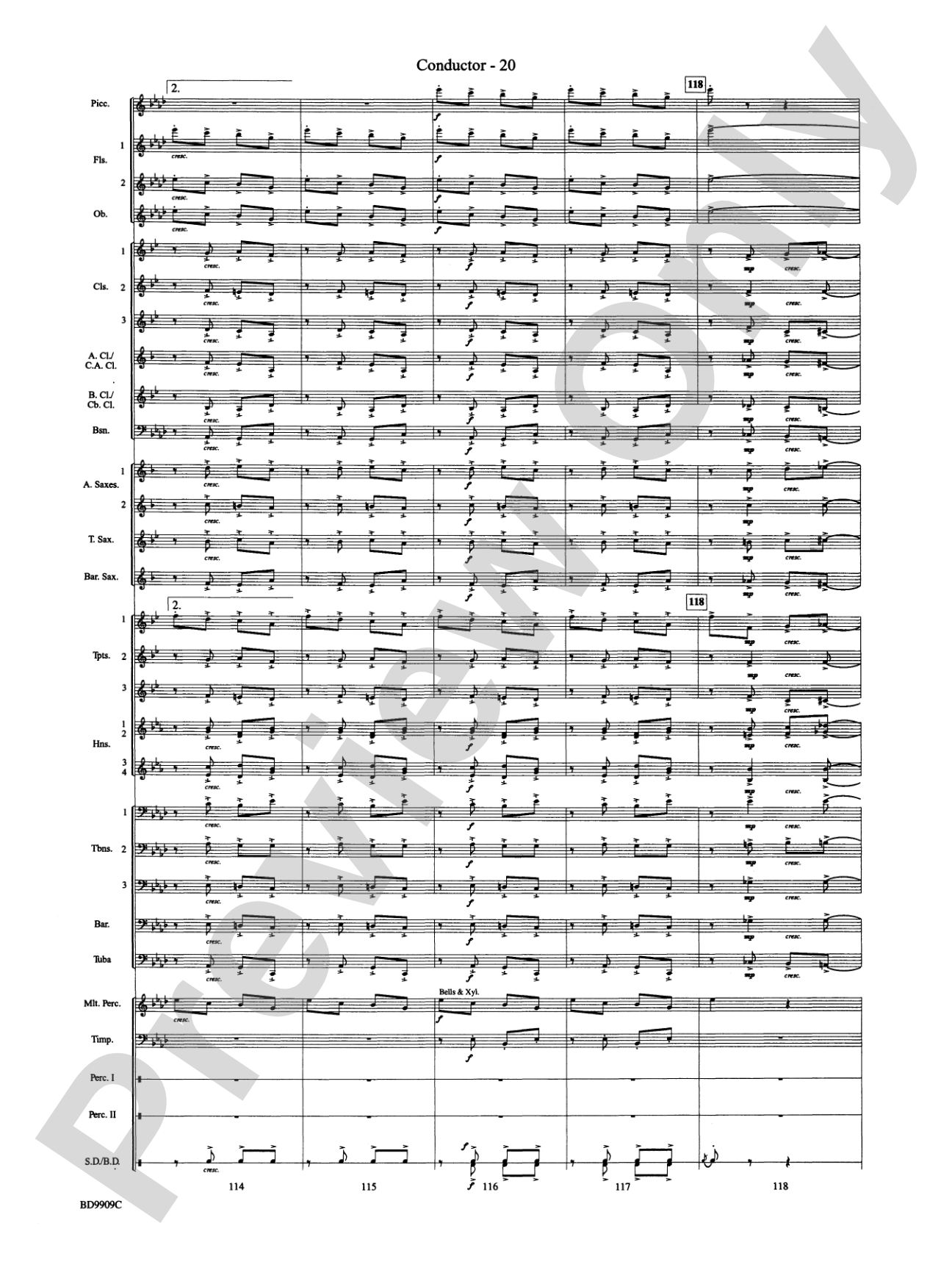
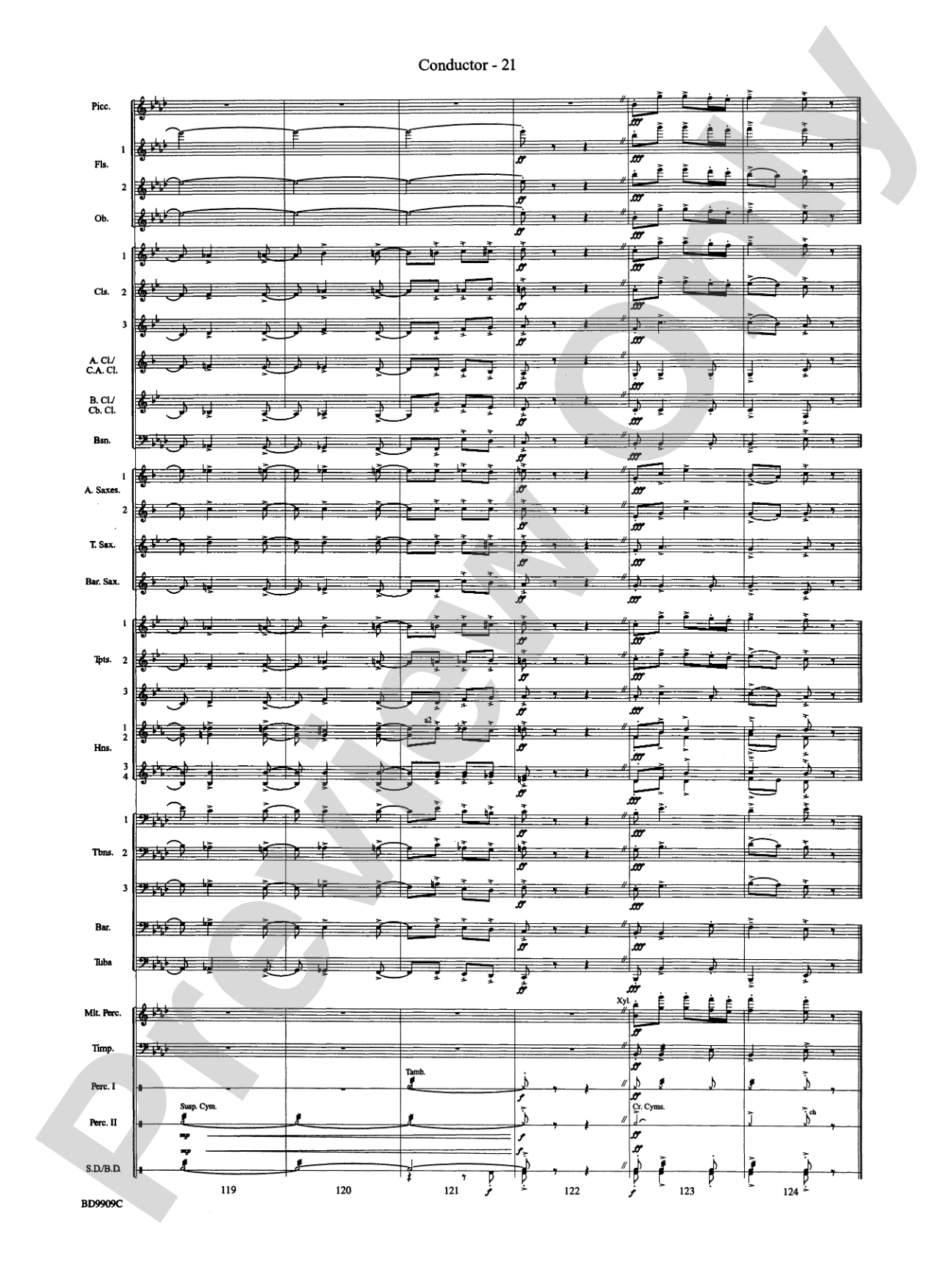

I'm Seventeen Come Sunday: Score
By Percy Aldridge Grainger / arr. Douglas E. Wagner
Grade: 4 (Medium)
Item: 00-PR-0003906
$10.00
Pickup currently not available
Description
Australian-born Percy Grainger developed into one of the most sensationally successful concert pianists of the early 1900s. As a composer and arranger, he is perhaps best known for his work with folk music. Number eight in Grainger's British Folk-Music Settings series, "I'm Seventeen Come Sunday" is actually an amalgam of two English folk songs -- the main tune collected by Grainger in 1905, from Lincolnshire, and a variant of a tune collected by Cecil J. Sharp in 1912, from Sumerset. Welcome Douglas Wagner's sensitive setting of one of Grainger's best-known works. (3:00)


Don't just read it, hear it, play along with it, and watch your students grow with it. In MakeMusic Cloud, I'm Seventeen Come Sunday: Score comes alive with professional accompaniment, adjustable tempo, and built-in practice tools that turn solo practice into real progress.
Open in the Player
Jump straight in and assign it today.
Start Your Free Trial
Open this title and explore the full library in minutes.
Sample Audio
1
Audio File
--:--
0:00
0:00
Sample Video
Additional Details
Series:
Belwin Symphonic Band
Publisher:
Alfred Music
Page Count:
252
SKU:
00-PR-0003906
More about this title
About the Composer: Percy Aldridge Grainger
Percy Aldridge Grainger (1882-1961) was an Australian pianist and composer whose restless creativity and technical brilliance made him one of the most celebrated performers of his era. Beyond the concert stage, Grainger devoted enormous energy to collecting and arranging folk music from Britain and Scandinavia, treating each melody with scholarly care and compositional imagination. His arrangements transformed folk tunes into concert works that honored their origins while showcasing new harmonic possibilities and orchestral colors.
Why we love this
Wagner's arrangement captures the lyrical warmth of Grainger's folk-music aesthetic while keeping the orchestration transparent enough for a Grade 4 band to execute with musicality. The work sits at that sweet spot where technical demands don't overshadow the genuine beauty of the melodies, making it both rewarding to rehearse and genuinely moving in performance.
What to expect
The piece unfolds with the unhurried grace of a folk melody shared around a table, honest and direct without sentimentality. Grainger's harmonic language adds gentle complexity to the English tune, creating warmth and depth beneath what sounds like a simple, singable line.
Who it's for
This arrangement serves Grade 4 concert bands with solid fundamental technique who are ready to tackle folk-song literature with sensitivity and maturity. It works equally well for contest/festival programming and concert contexts where you want to feature a work that connects to musical heritage while sounding fresh and accessible.
How to get the most out of it
- Shape the primary melody with natural phrase breathing rather than strict dynamic uniformity; Grainger's gift was making simple tunes sing, so let the band breathe with the line
- Balance the harmonic inner voices carefully during the modal passages; clarity here prevents the arrangement from feeling muddy and reveals Grainger's clever voice leading
- Attend to the tempo relationships between sections; subtle shifts in pulse create breathing room and allow contrasting material to register without sounding disjointed
- Give the folk melody room to soar in the upper voices while maintaining supportive, unobtrusive accompaniment in the lower sections
How to use it
Program this alongside other Grainger arrangements or British folk settings to build a thematic concert sequence, or place it as a centerpiece work that demonstrates your band's ability to balance technical competence with musical maturity. At just over three minutes, it pairs well with longer, more complex pieces and gives the band a confident, satisfying moment in the program.
Skills your students will build
- Phrasing and shaping of lyrical melodic lines
- Balance and blend within four-part harmonic textures
- Reading and executing modal harmony and chromatic voice leading
- Sensitivity to folk-music idiom and period style
- Sustaining focus and intonation during slower, exposed passages