
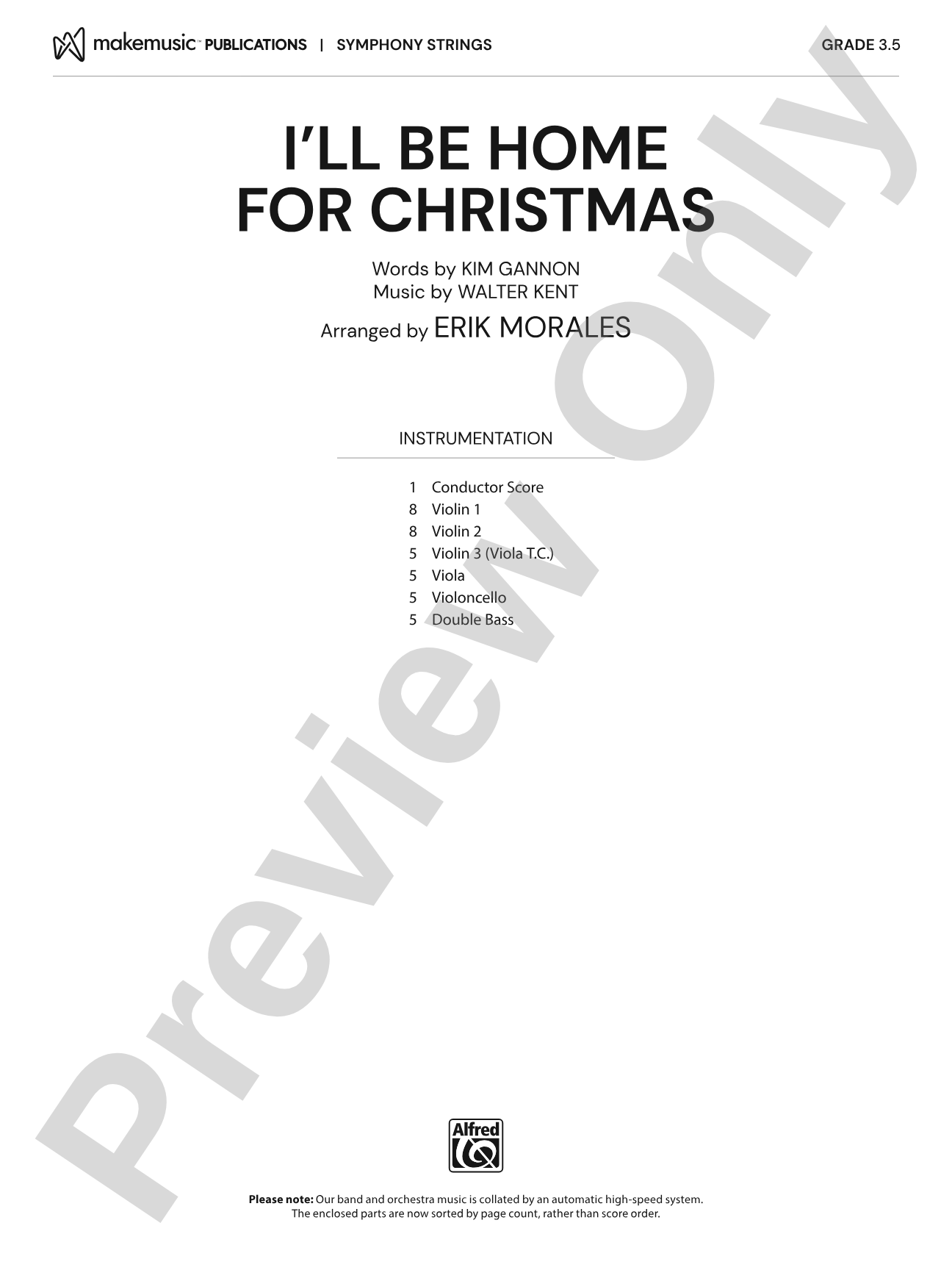
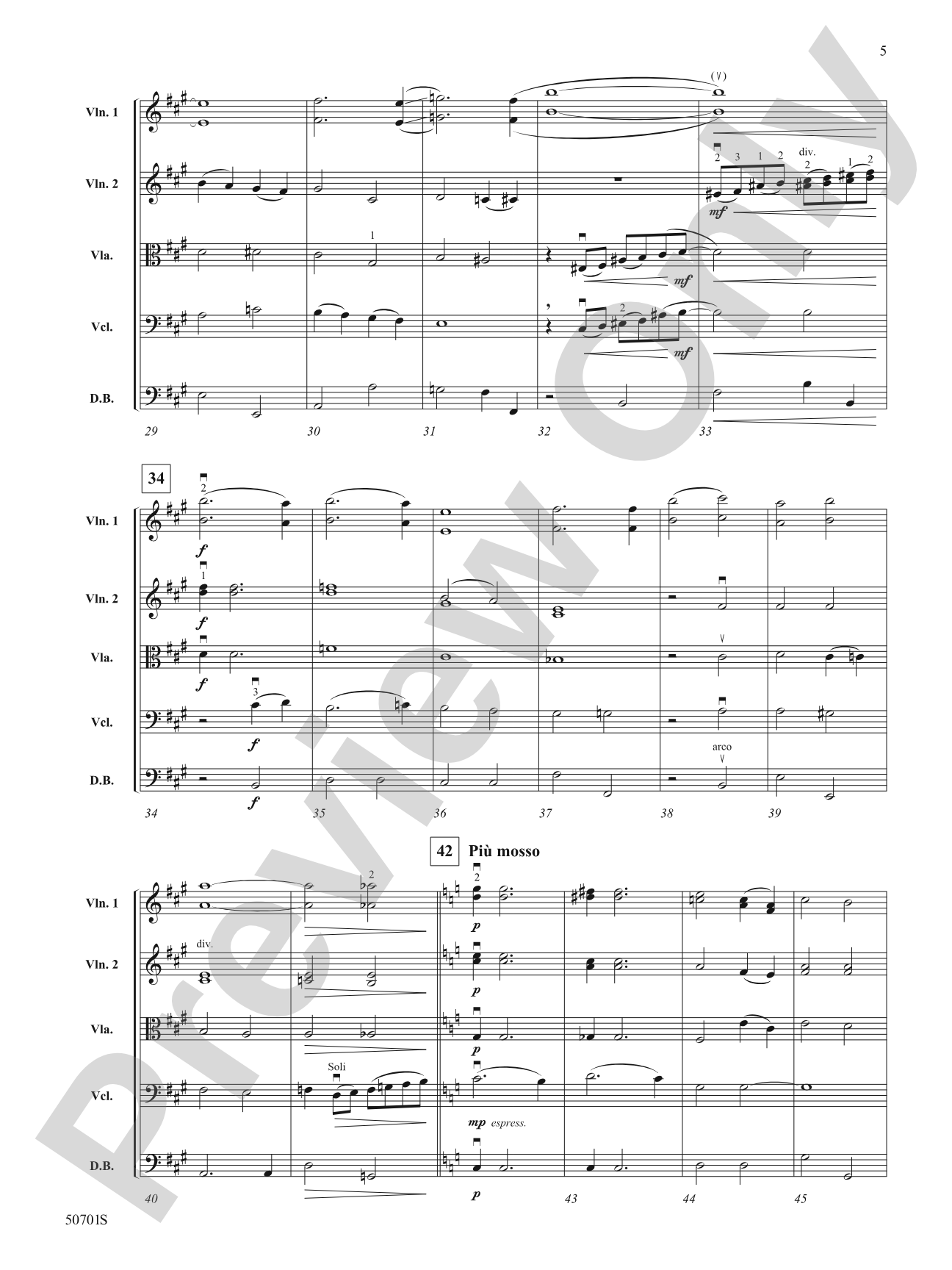
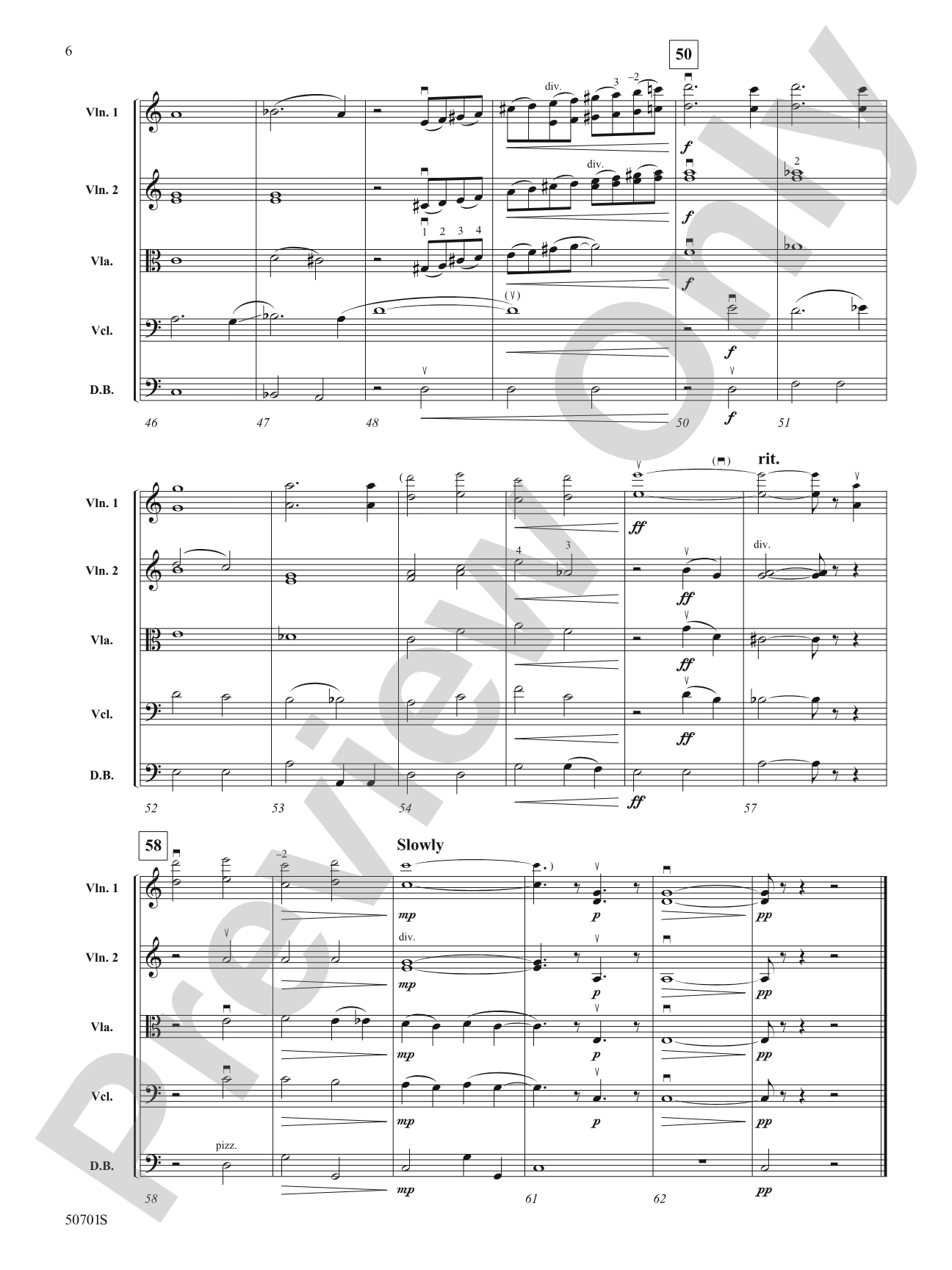

I'll Be Home for Christmas: String Orchestra Conductor Score & Parts
Words by Kim Gannon, music by Walter Kent / arr. Erik Morales
Grade: 3.5
Item: 00-PK-0008789

$65.00
One moment…
Description
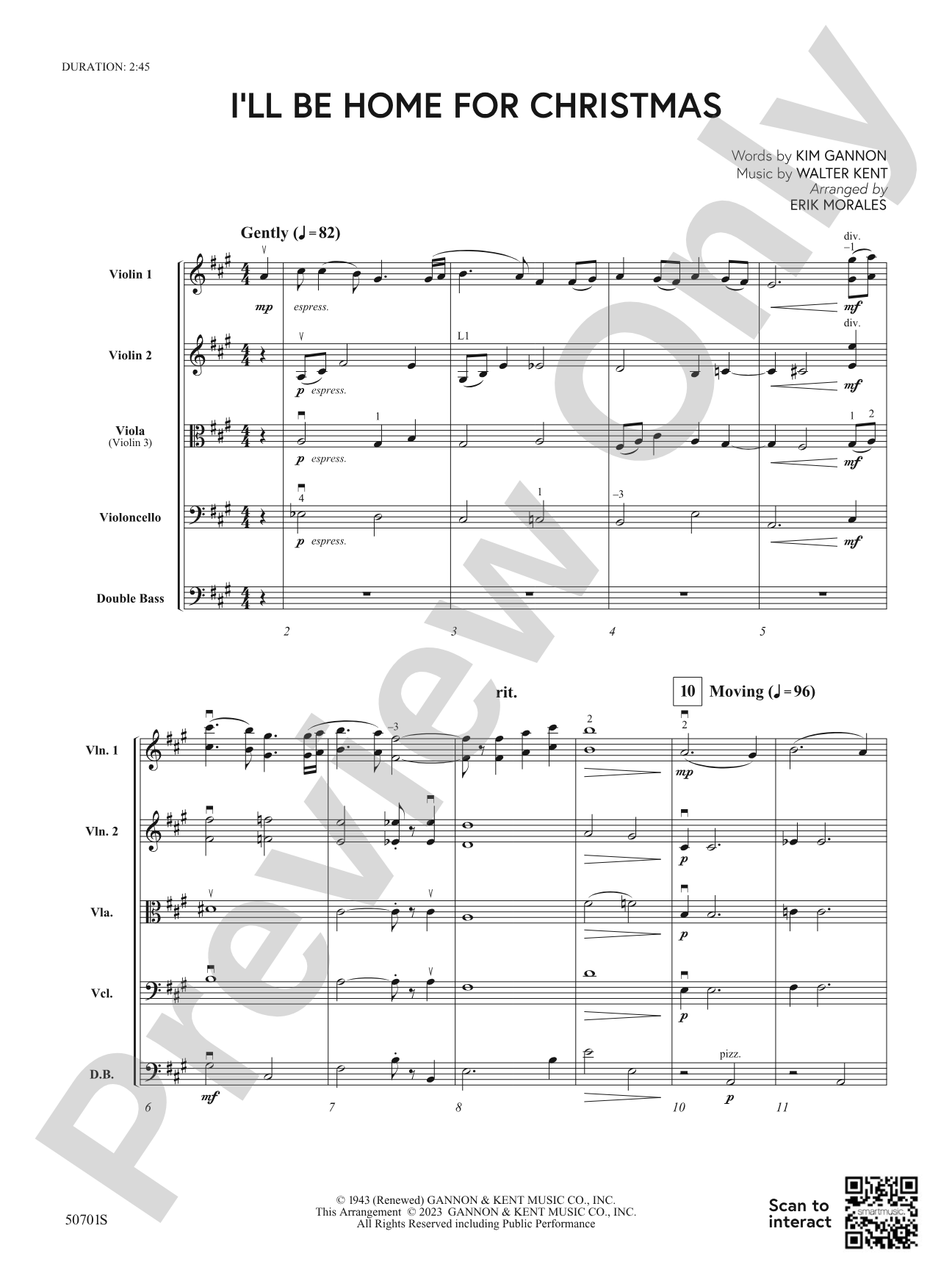
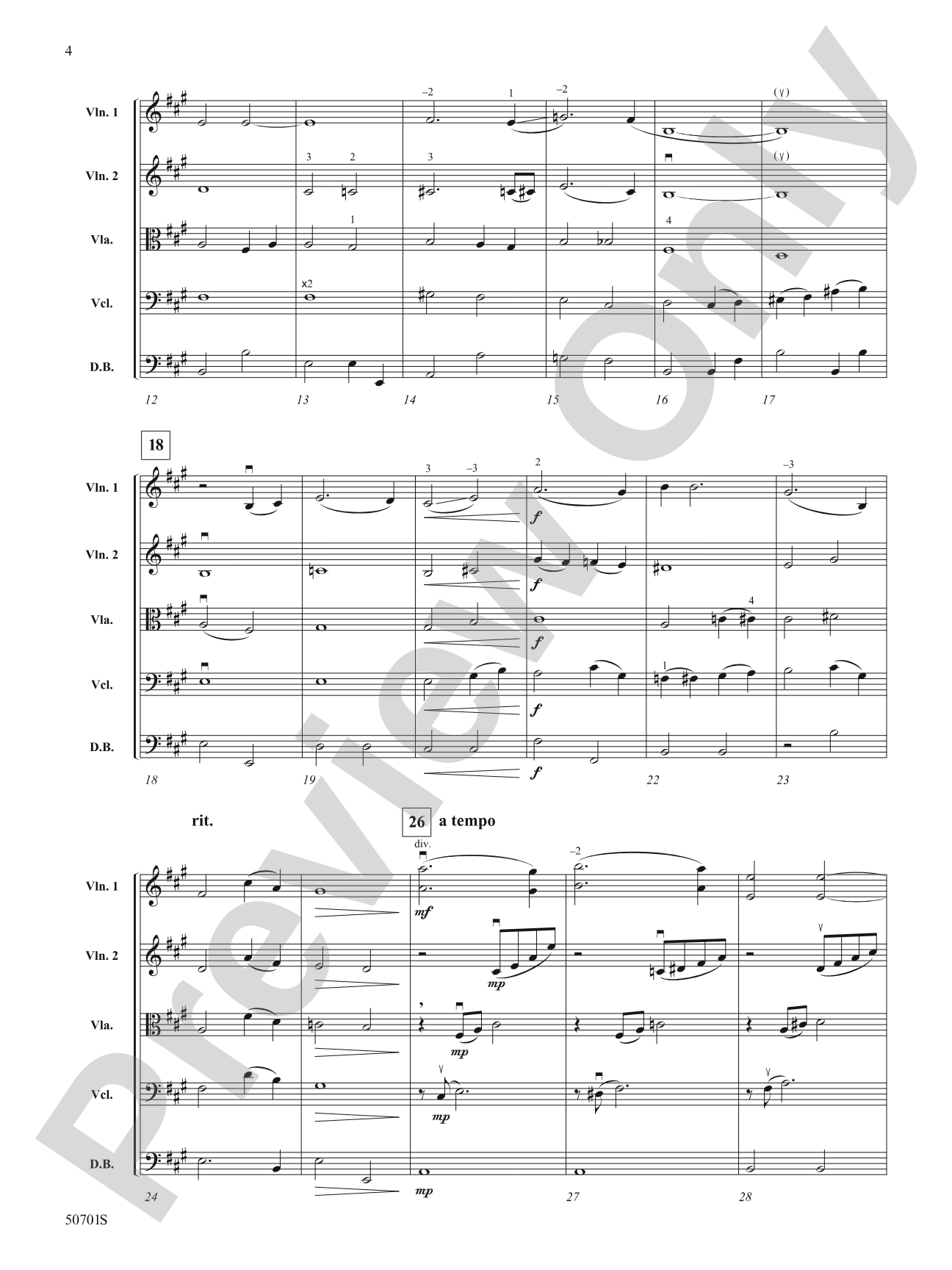
The gorgeous harmonies and wistful melodies of I'll Be Home for Christmas come alive in this endearing arrangement by Erik Morales. No stranger to the orchestra world, Erik Morales has created an amazing setting of this holiday classic that is quite playable yet with such a mature sound that this arrangement would be at home with any level orchestra. Stunning, powerful, and forever memorable. (2:45)


Don't just read it, hear it, play along with it, and watch your students grow with it. In MakeMusic Cloud, I'll Be Home for Christmas: String Orchestra Conductor Score & Parts comes alive with professional accompaniment, adjustable tempo, and built-in practice tools that turn solo practice into real progress.
Open in the Player
Jump straight in and assign it today.
Start Your Free Trial
Open this title and explore the full library in minutes.
Sample Audio
1
Audio File
--:--
0:00
0:00
Sample Video
Additional Details
Series:
MakeMusic Symphony Strings
Publisher:
MakeMusic Publications
SKU:
00-PK-0008789
More about this title
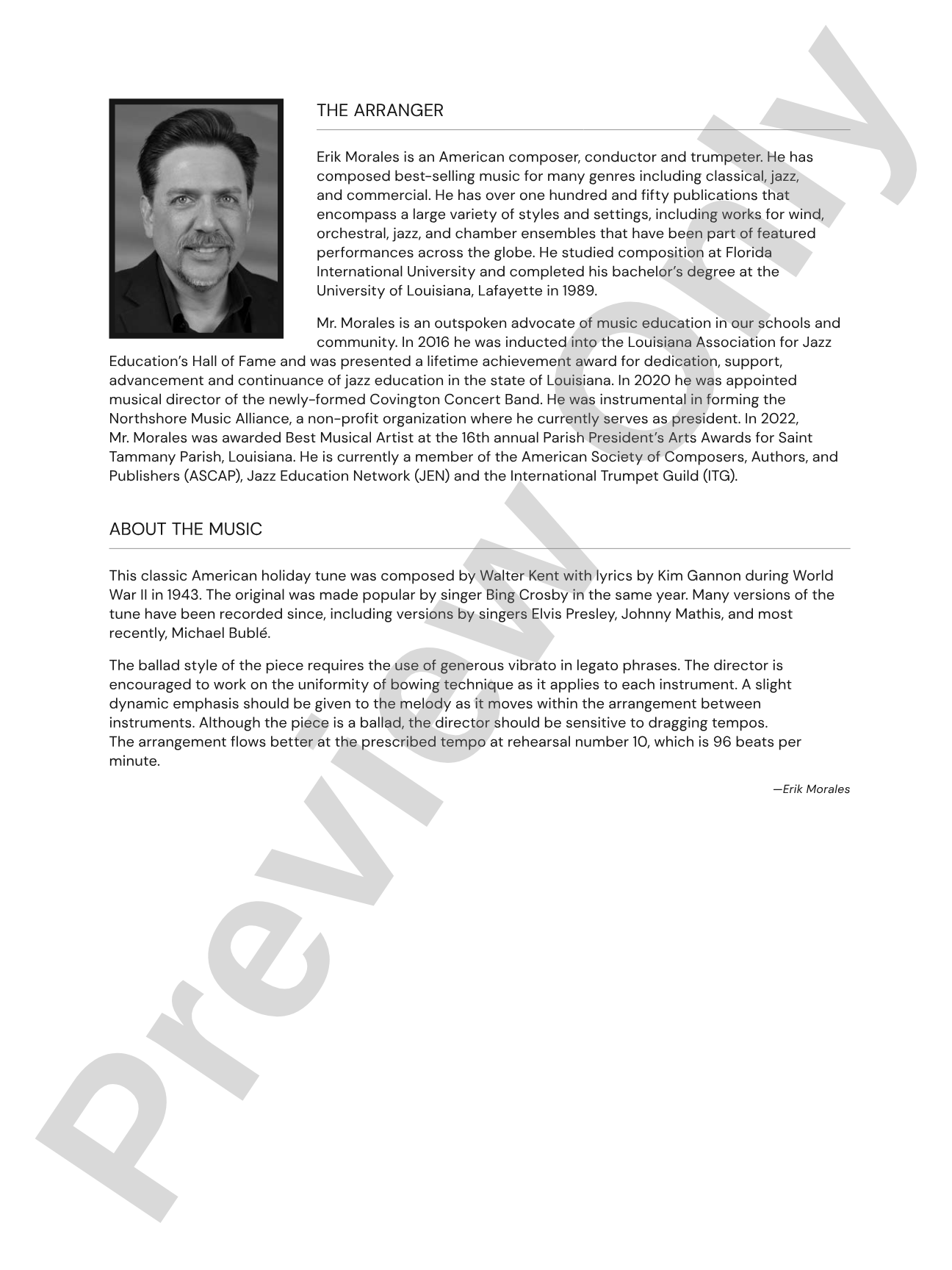
About the Composer: Walter Kent
Walter Kent composed "I'll Be Home for Christmas" in 1943, creating one of America's most enduring holiday standards. Originally written as a vocal piece during World War II, the song captured the longing of servicemembers separated from their families during the holidays, and that emotional resonance has kept it relevant across generations.
Kent's gift for melody and his ability to craft songs that move both performers and listeners made him a sought-after composer for film, radio, and stage. His work demonstrates how a strong harmonic foundation and memorable tune can transcend its original context and become a vehicle for meaningful musical expression across countless arrangements and ensembles.
Why we love this
Erik Morales has threaded the needle between accessibility and sophistication here. Your Grade 3.5 orchestra gets to sound polished and mature without drowning in technical demands, and the arrangement respects the melody's emotional weight while giving each section something genuinely musical to do. It's the kind of piece that reminds students why they chose strings in the first place.
What to expect
Morales's setting draws out the bittersweet core of the original song. You'll find gorgeous supporting harmonies that give the main line room to breathe, a sense of quiet longing that builds gradually, and moments of unexpected warmth that catch the listener off guard. The overall effect is reflective and tender rather than purely jolly.
Who it's for
This arrangement serves orchestras at the upper Grade 3 to Grade 4 range that want holiday pops with genuine substance. It works equally well for a winter concert centerpiece or as a program opener that sets an elegant, nostalgic tone for the evening.
How to get the most out of it
- Shape the opening statement of the melody with a gentle swell; let the harmonies unfold rather than rush them, since much of the arrangement's maturity comes from how the voices speak to each other.
- Balance the inner voices carefully so they enhance rather than obscure the principal melody. A well-balanced second violin or viola part often makes the difference between competent and compelling.
- Approach the dynamic arc with patience. This piece rewards restraint in the softer sections and allows for meaningful crescendos later, so avoid front-loading your intensity.
- Lock the ensemble on subdivision during the slower passages; the wistful character depends on rhythmic cohesion even when the tempo sits comfortably.
How to use it
Program this as an anchor piece for a winter or holiday concert, particularly if you're balancing festive works with more introspective seasonal material. It pairs beautifully with both classical holiday arrangements and contemporary pops, and at 2:45, it fits neatly into any concert flow. Consider opening a second half with it to establish an intimate mood before moving into livelier selections.
Skills your students will build
- Balancing melody and harmony in a four-part texture
- Sustaining tone quality and intonation across extended legato passages
- Shaping long phrases with minimal notated dynamic markings
- Responding to conductor refinements in orchestral balance
- Interpreting mature harmonic progressions through tone production and phrasing