
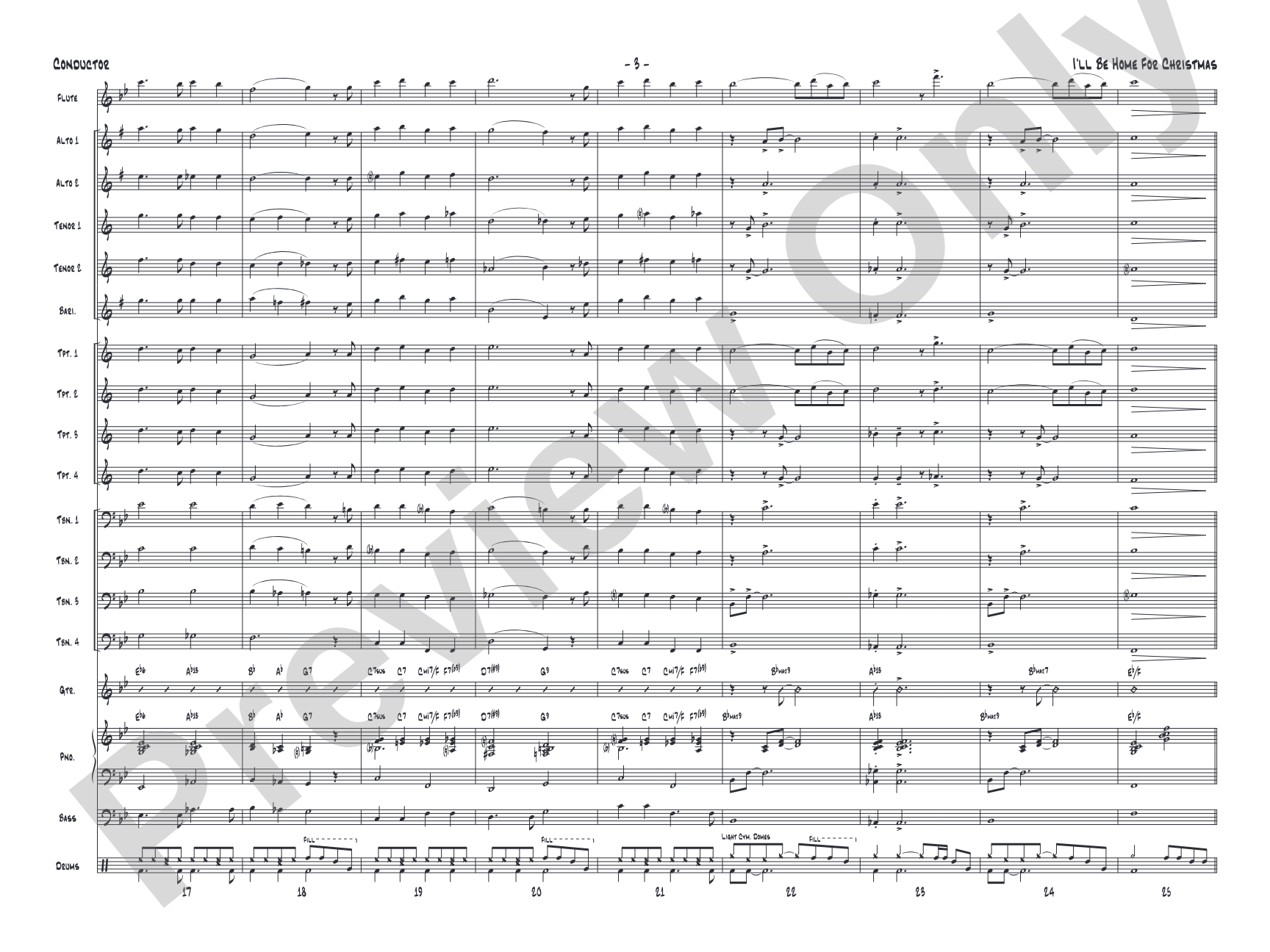
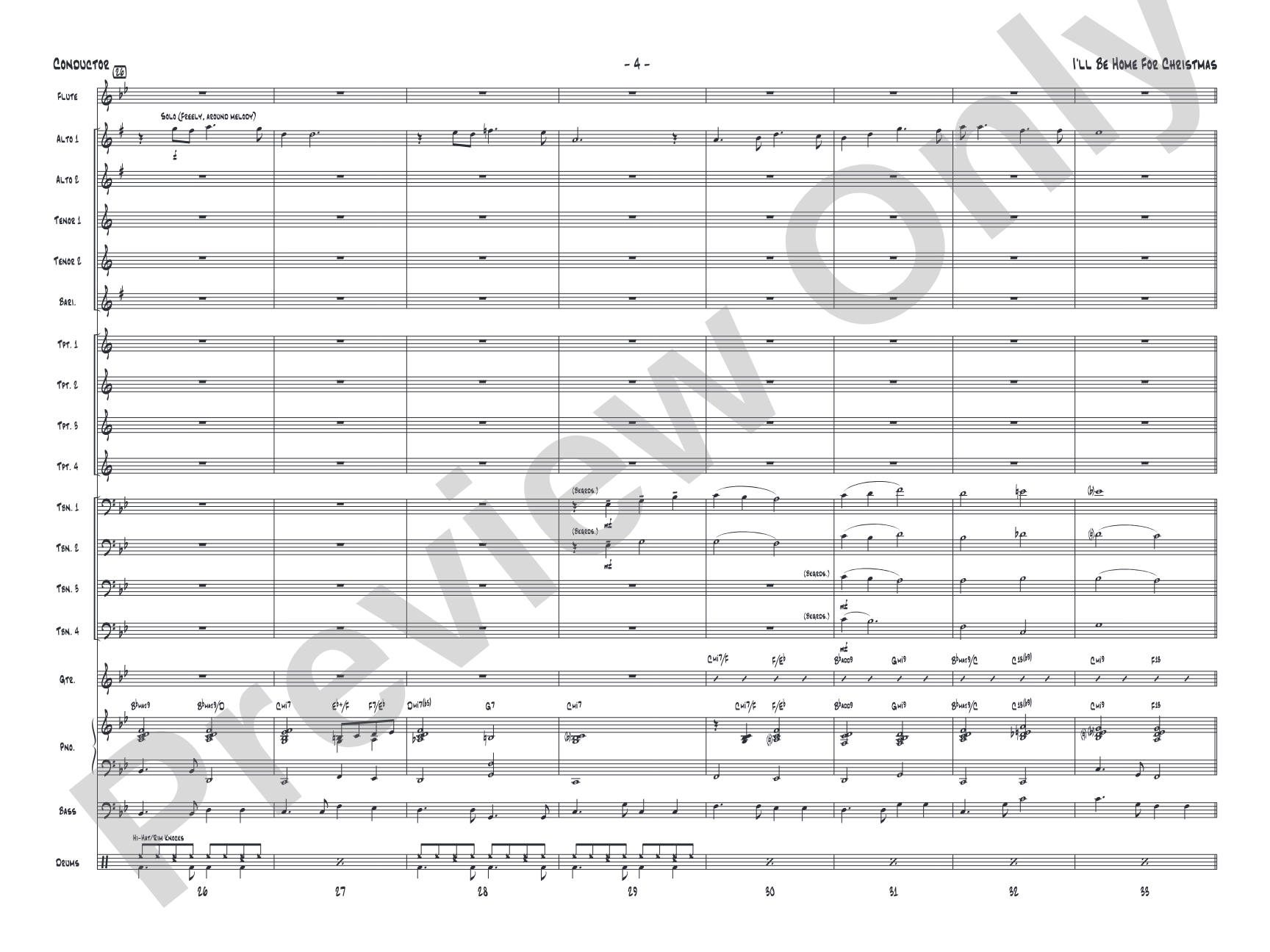
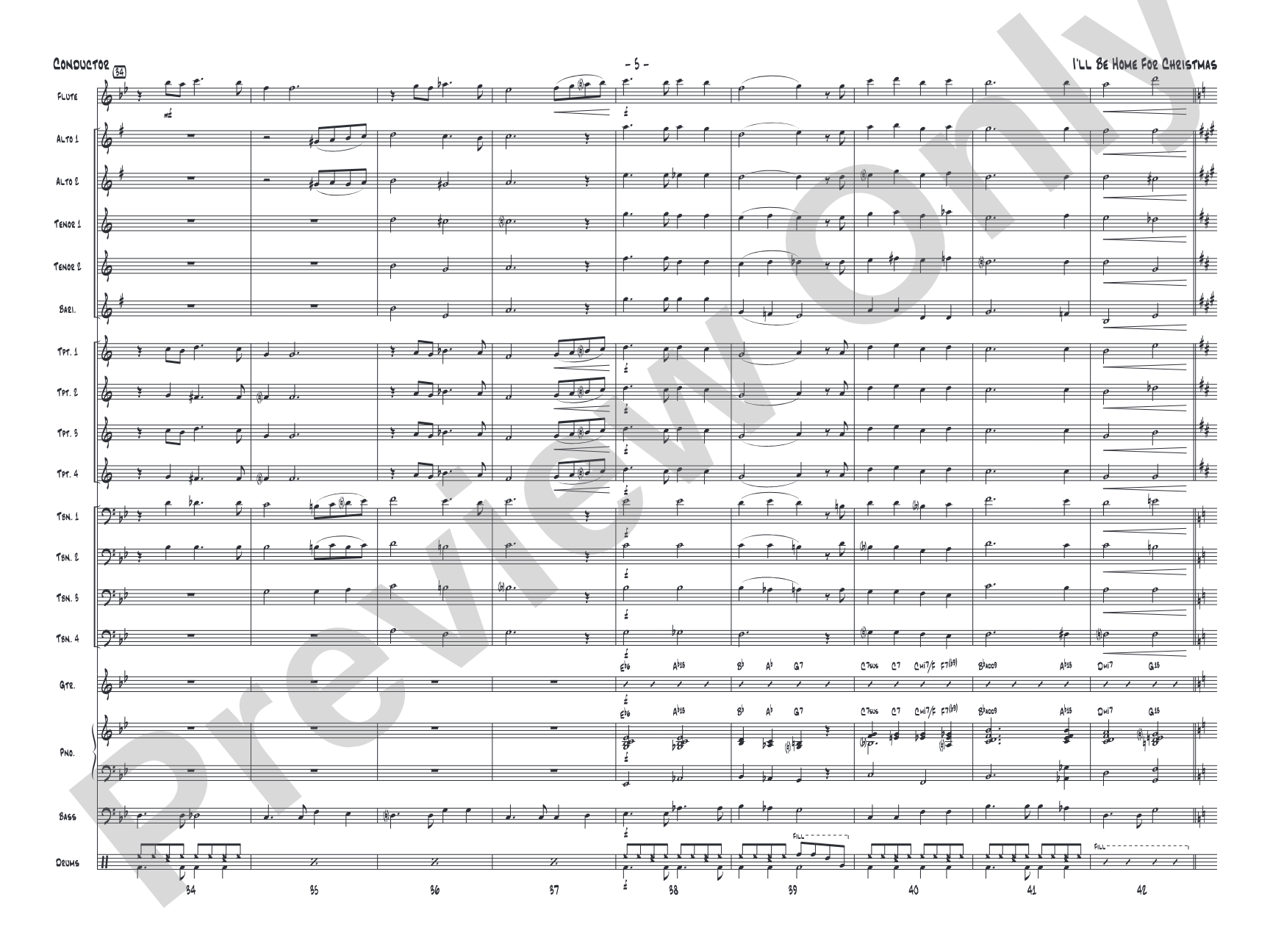
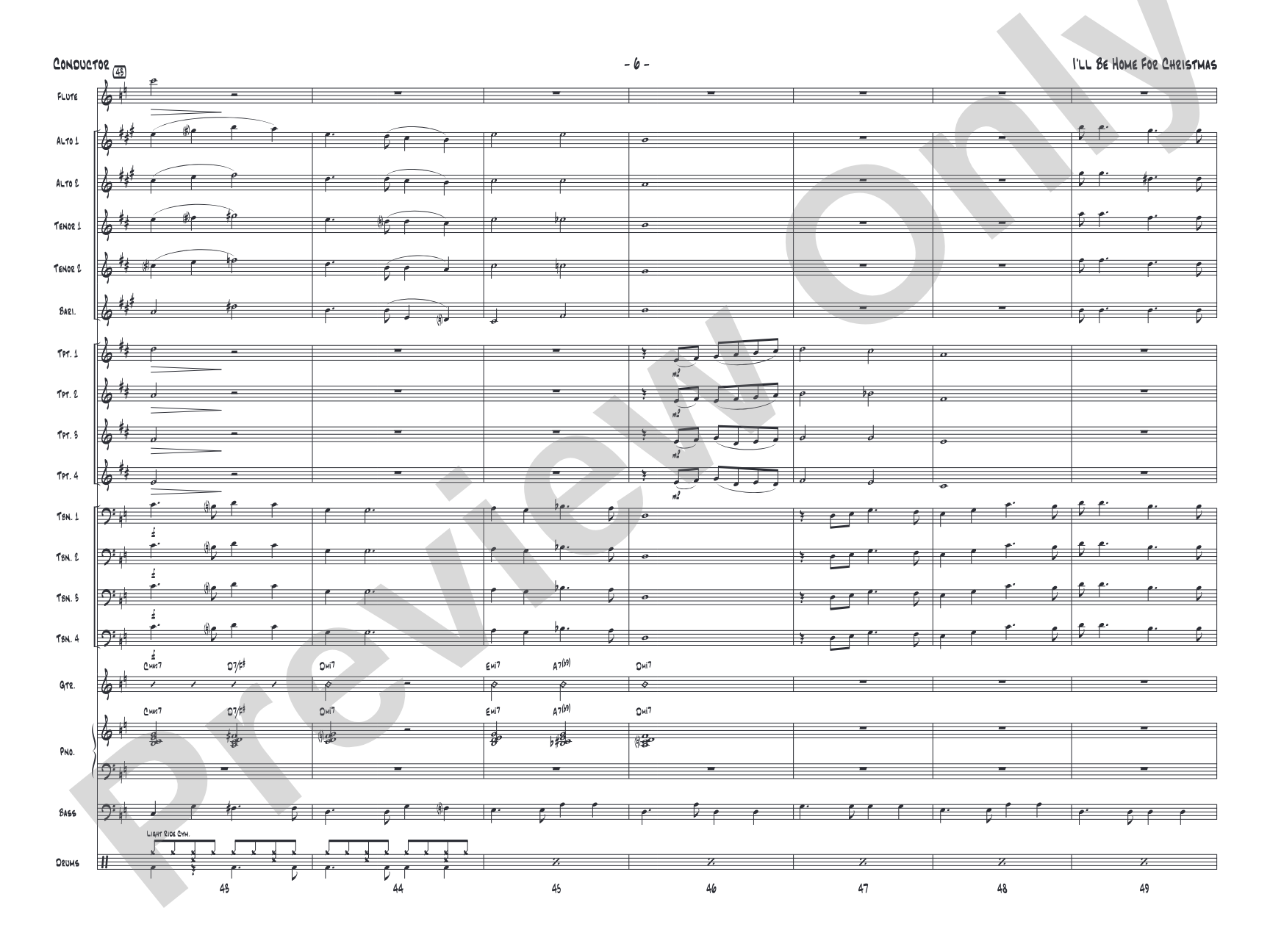
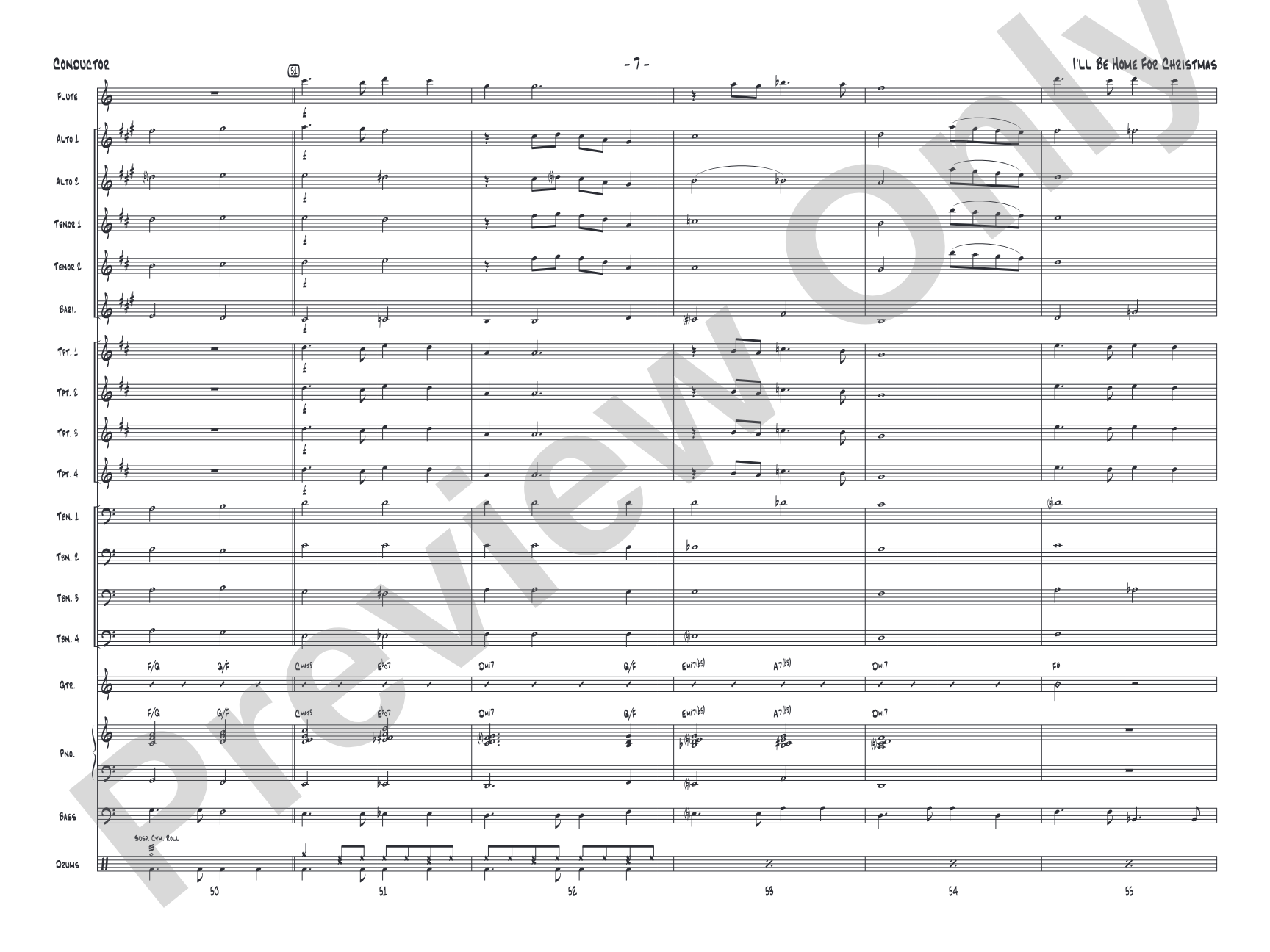
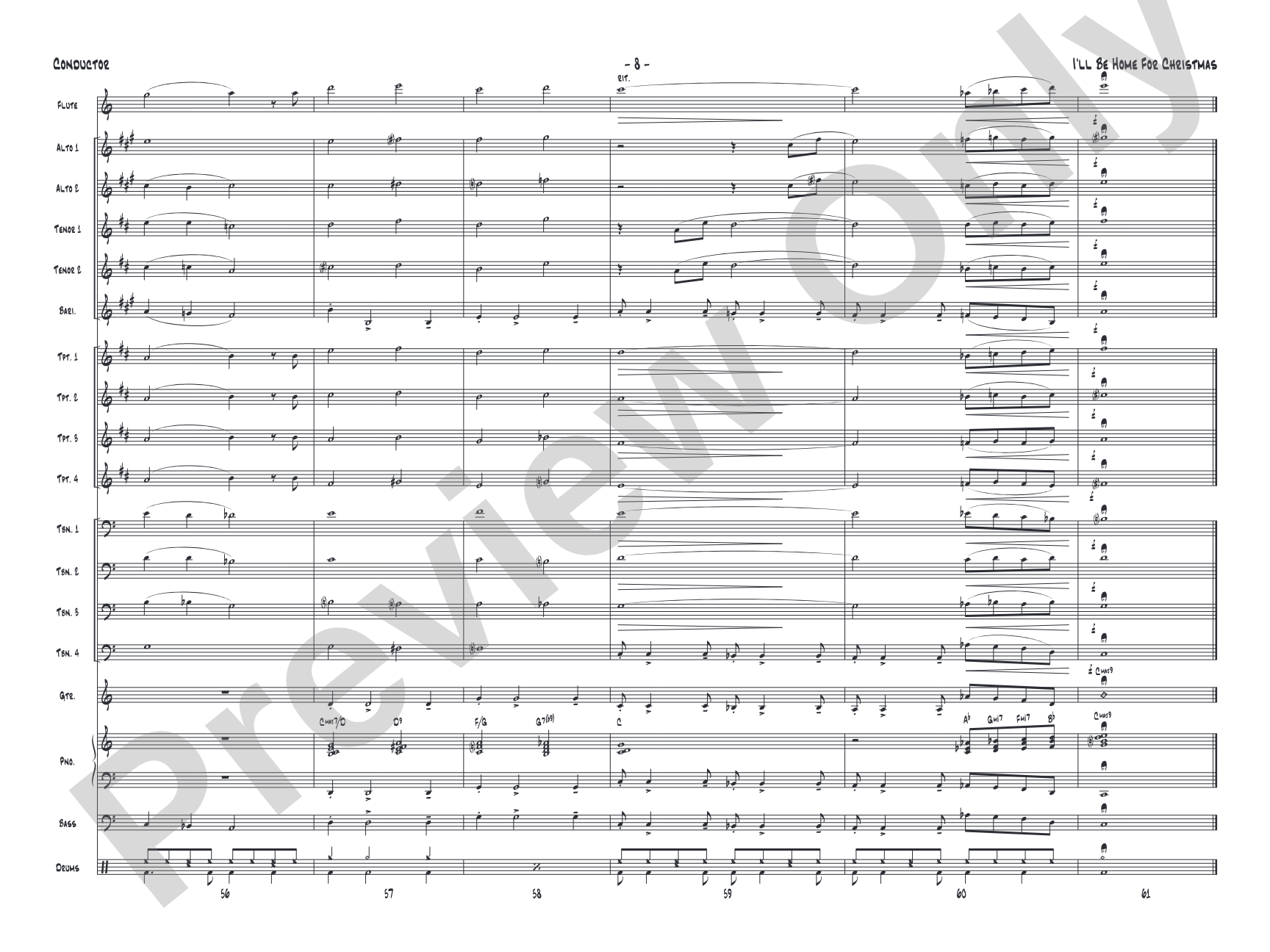

I'll Be Home for Christmas: Jazz Ensemble Conductor Score & Parts
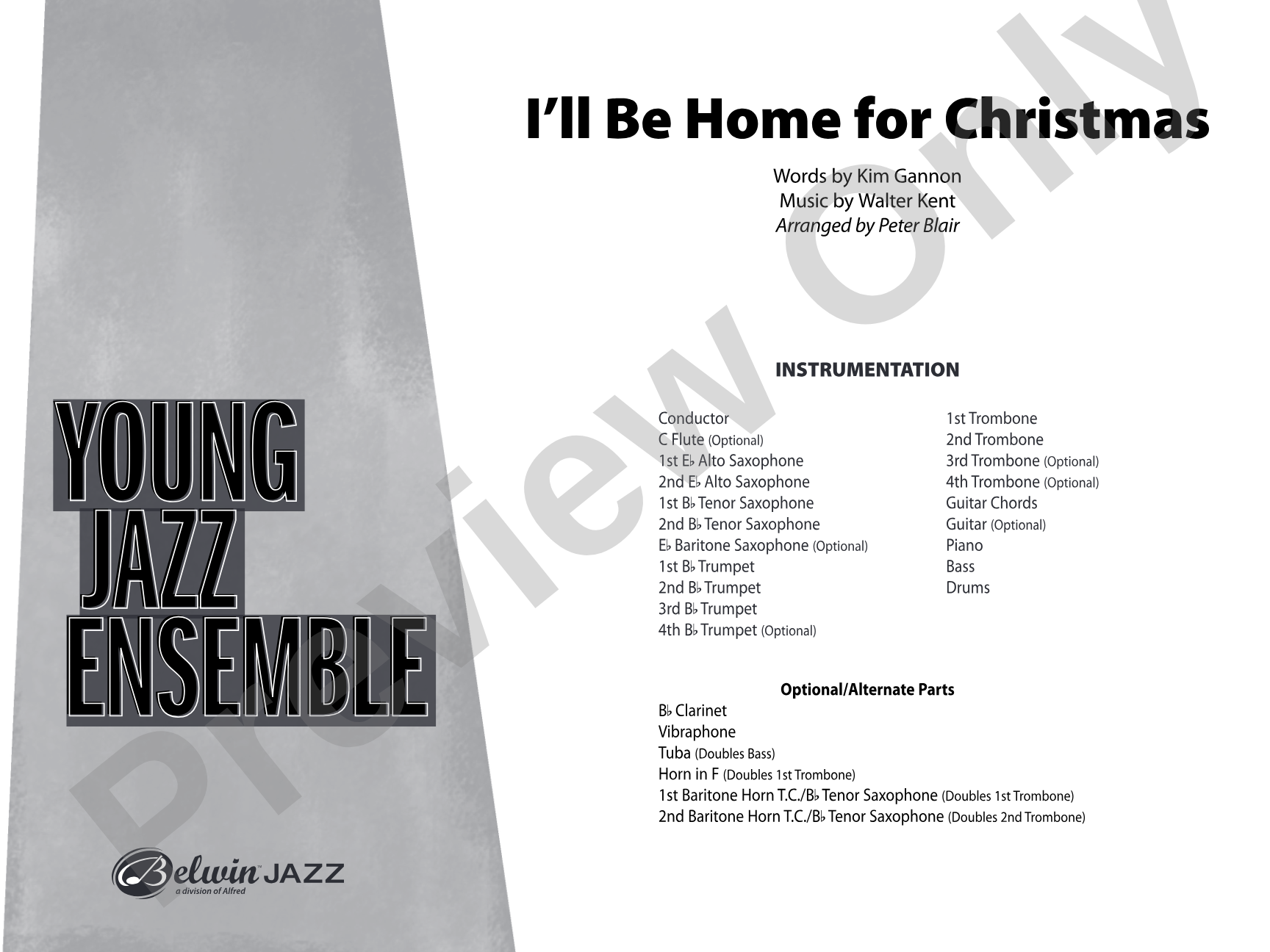
Words by Kim Gannon, music by Walter Kent / arr. Peter Blair
Grade: 2 (Medium Easy)
Item: 00-PK-0007453

$48.00
Pickup currently not available
Buy Extra Parts (Digital PDF Download)
Parts Added to Cart!
Description
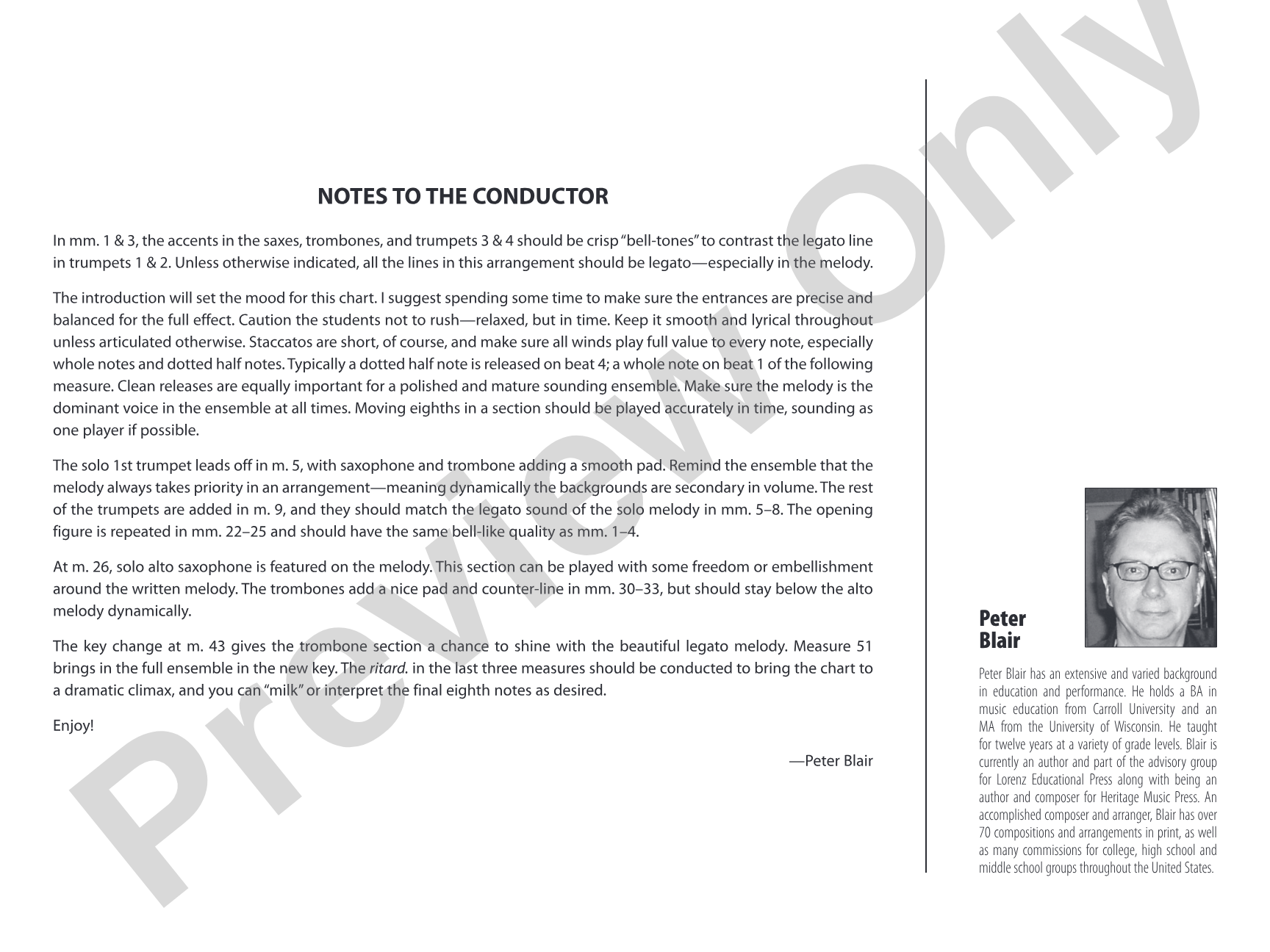
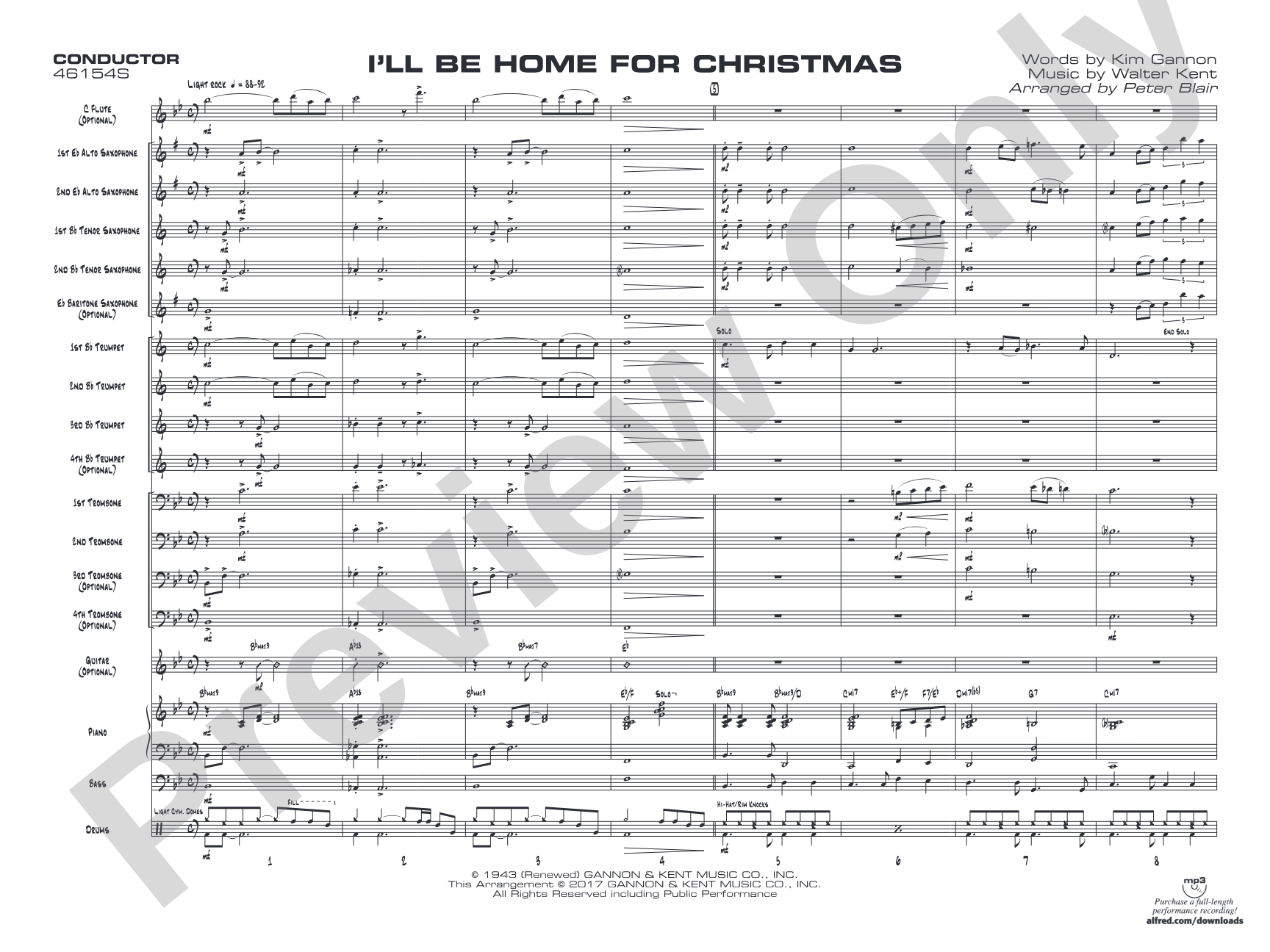
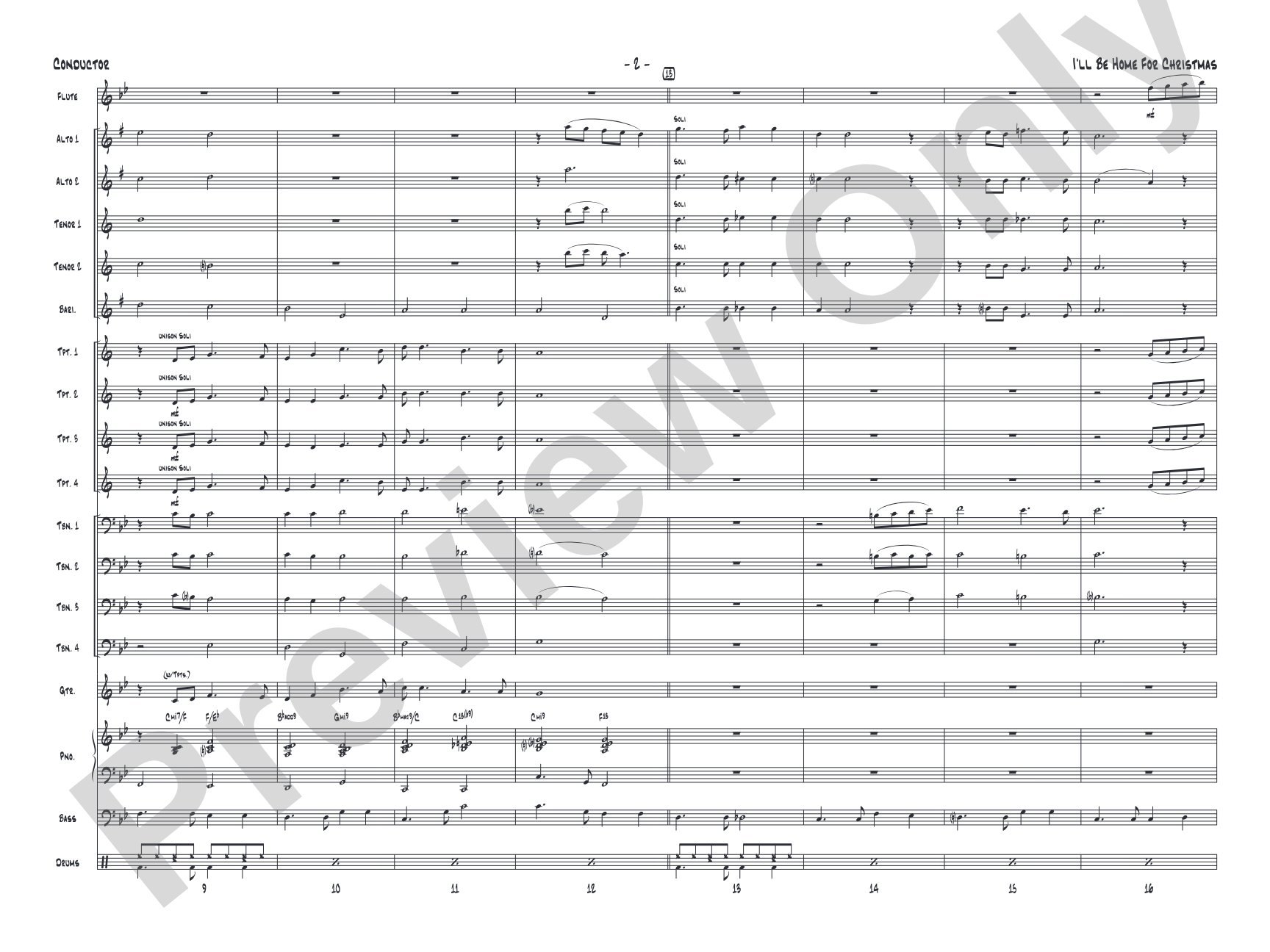
The ideal holiday chart that will sound great and be easy to rehearse. Start with a holiday classic played around 92 BPM in a light rock groove, add written melody solos, and easy ranges---this is a win-win for everyone! (2:50)


Don't just read it, hear it, play along with it, and watch your students grow with it. In MakeMusic Cloud, I'll Be Home for Christmas: Jazz Ensemble Conductor Score & Parts comes alive with professional accompaniment, adjustable tempo, and built-in practice tools that turn solo practice into real progress.
Open in the Player
Jump straight in and assign it today.
Start Your Free Trial
Open this title and explore the full library in minutes.
Sample Audio
1
Audio File
--:--
0:00
0:00
Sample Video
Additional Details
Series:
Young Jazz Ensemble
Publisher:
Alfred Music
Page Count:
54
SKU:
00-PK-0007453
More about this title
About the Composer: Walter Kent
Walter Kent (1911-1994) composed some of America's most enduring popular songs, with a particular gift for melodies that lodge themselves in listeners' hearts. His work spans film, Broadway, and standard popular repertoire, and "I'll Be Home for Christmas" stands as one of his most performed compositions, recorded countless times since its 1943 debut.
Why we love this
Peter Blair's arrangement strips away the sentimentality that can weigh down holiday classics and replaces it with genuine swing. The written solos and accessible ranges mean your section players get featured moments without needing star improvisers, and the medium-easy level lets you focus rehearsal time on groove and phrasing instead of just getting through the notes.
What to expect
Warm and swinging without treacle. The light rock groove and manageable tempo create a holiday mood that feels contemporary and genuine, not contrived. There's room for the ensemble to breathe and smile while playing.
Who it's for
Jazz ensemble directors working with advancing intermediate players who can handle swing feel and section independence without advanced soloist skills. This arrangement works equally well for school jazz bands seeking a holiday program piece and community ensembles wanting material that sounds polished but remains relaxed to rehearse.
How to get the most out of it
- Keep the tempo locked at 92 BPM; younger ensembles often rush the light rock groove, so anchor it with a strong rhythm section and count clearly through the head.
- Balance the melody between sections during the statement and solos. The written parts give you control, but encourage soloists to listen to what's happening around them rather than play over the ensemble.
- Shape the dynamics across the full arrangement. A 2:50 chart needs peaks and valleys; let the intro breathe, push slightly into the first solo, and find a moment of space before the final statement.
How to use it
Anchor a winter concert with this. Its straightforward charm and professional sound balance well against more demanding big band charts, and the 2:50 duration fits naturally into a mixed setlist. It also works as a strong opener because the ensemble can settle into the groove and build confidence before moving into heavier material.
Skills your students will build
- Swing articulation and light rock groove feel
- Listening and responding to solo sections while maintaining ensemble cohesion
- Phrasing and dynamics in a stylistically grounded arrangement
- Balance between written melody and harmonic support across sections