
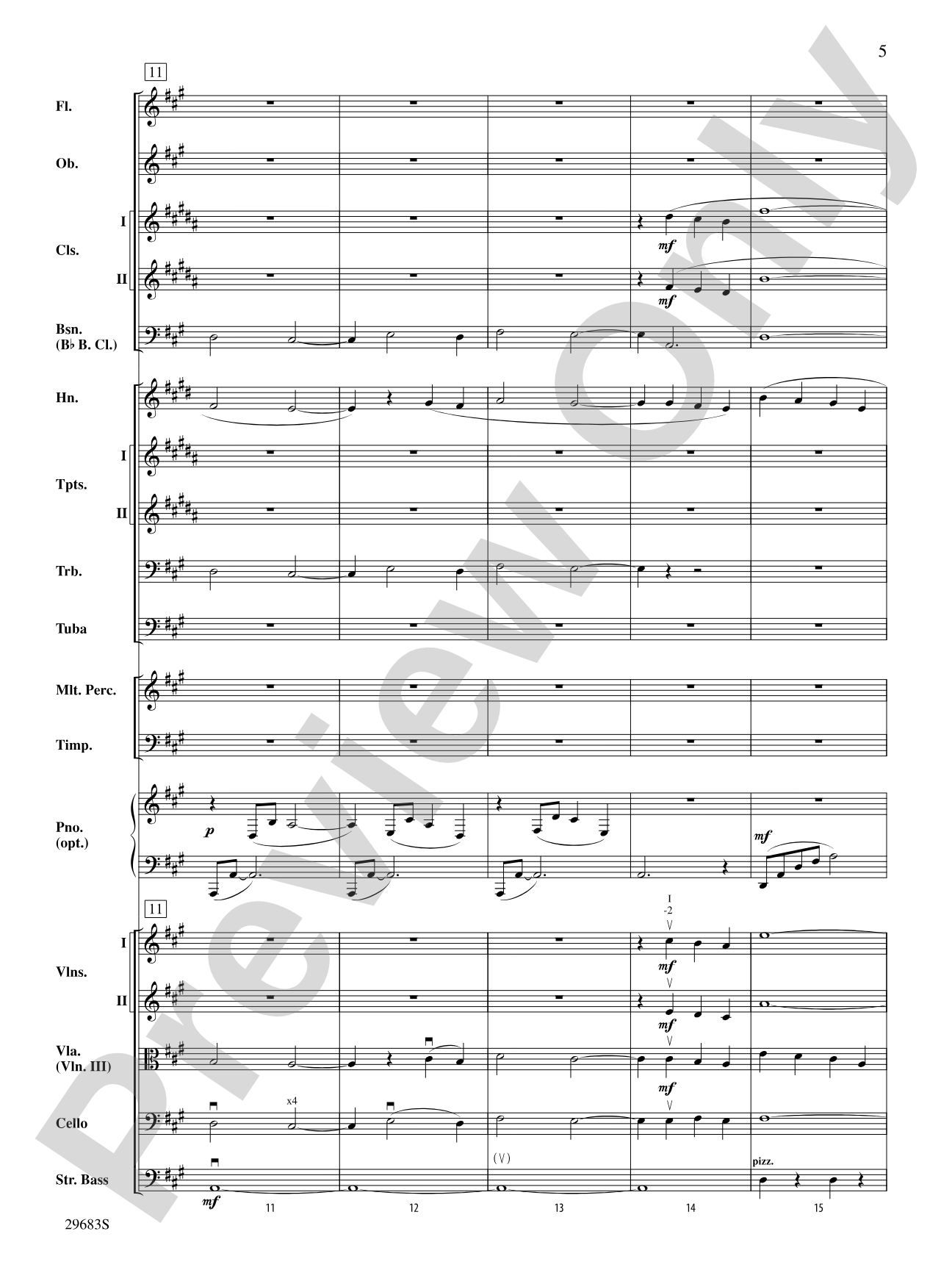
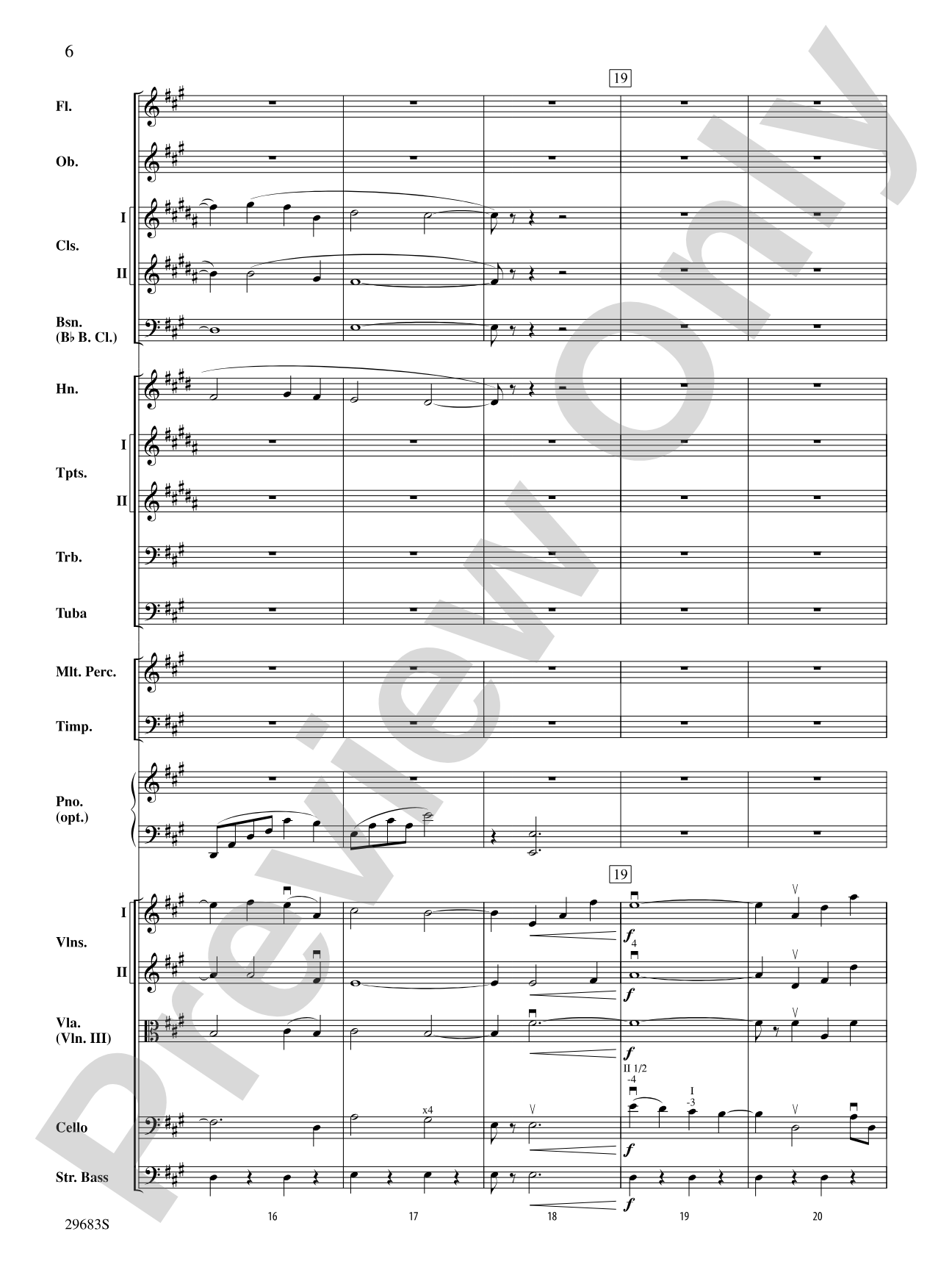
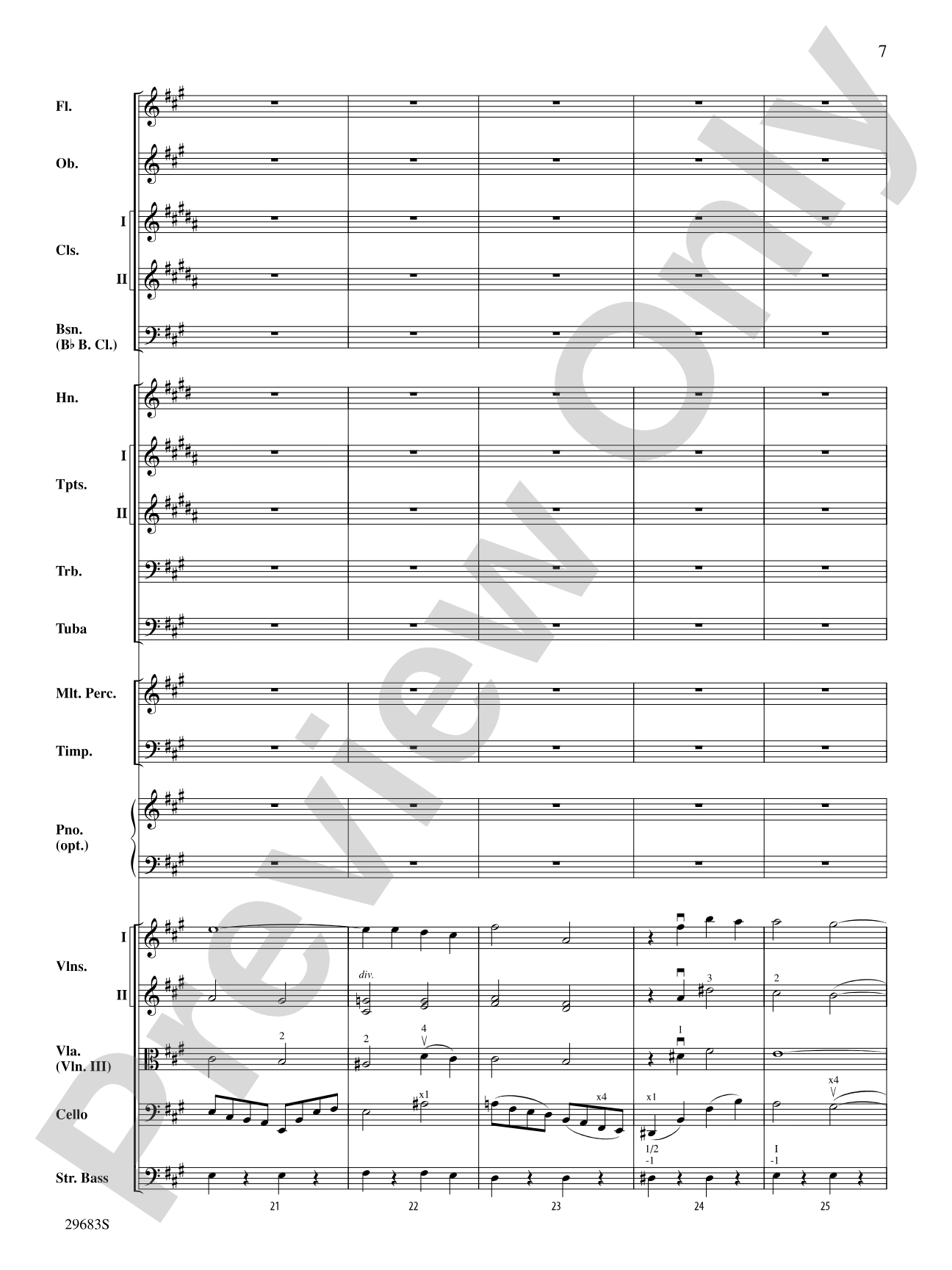
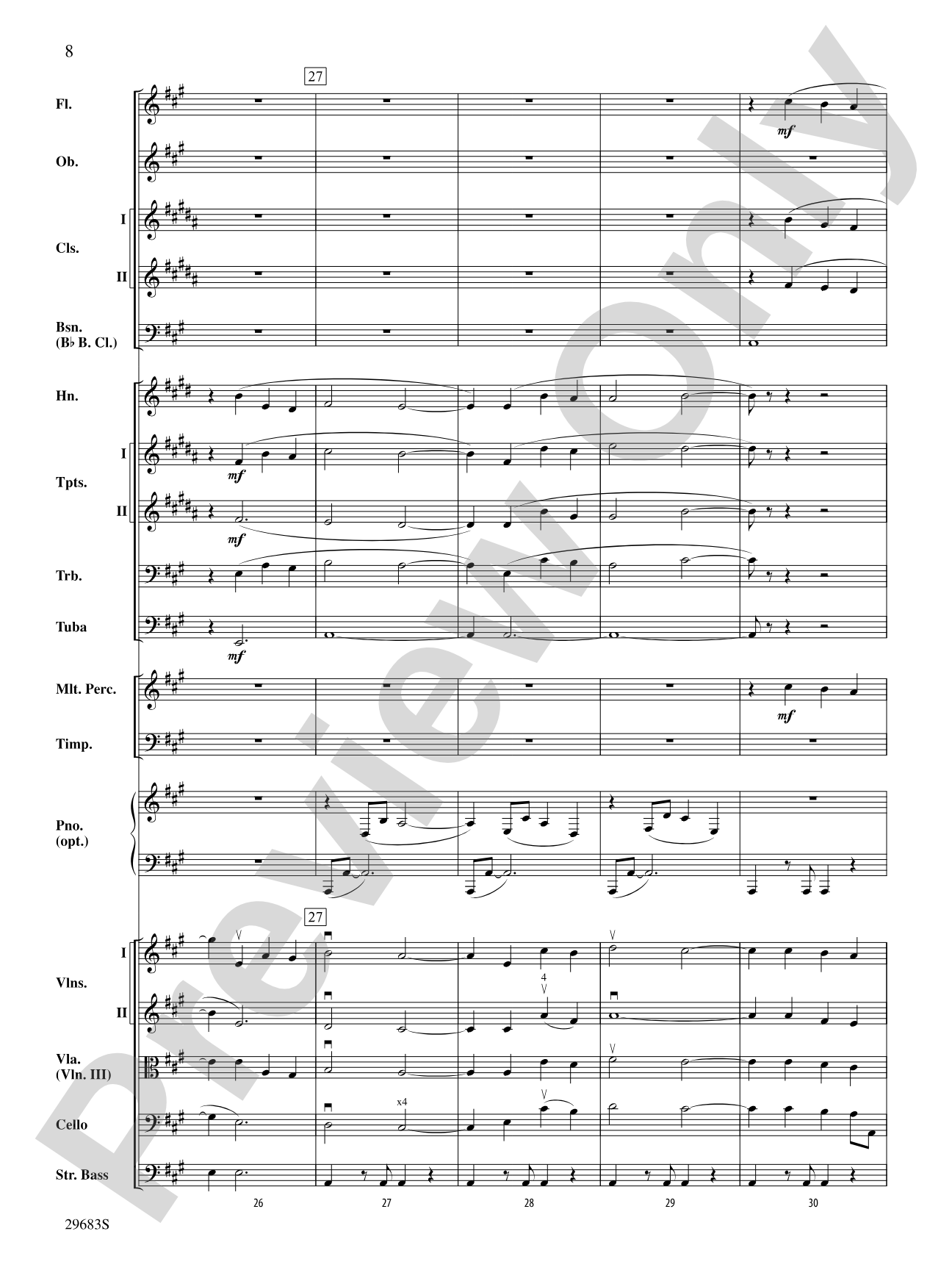
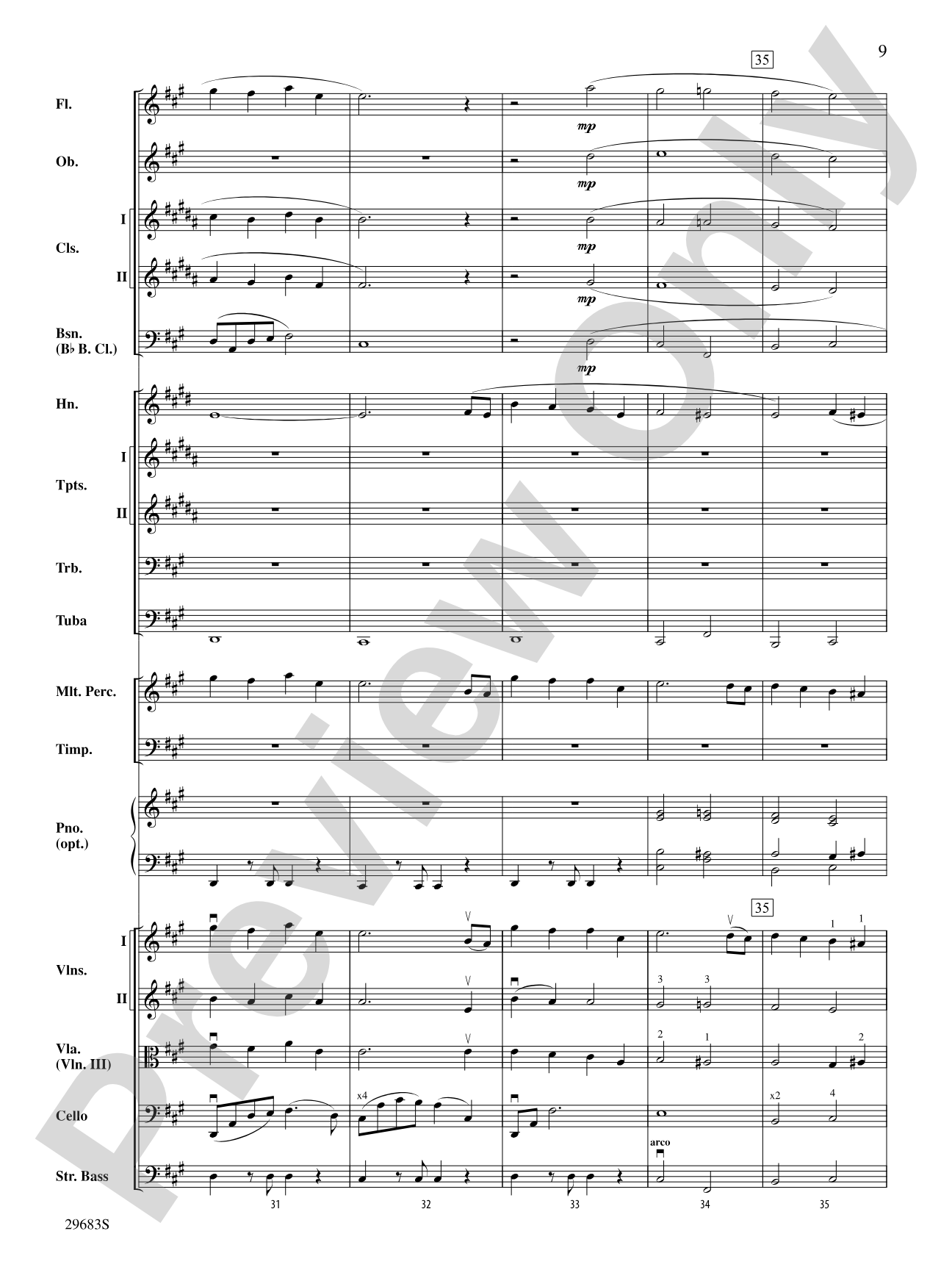
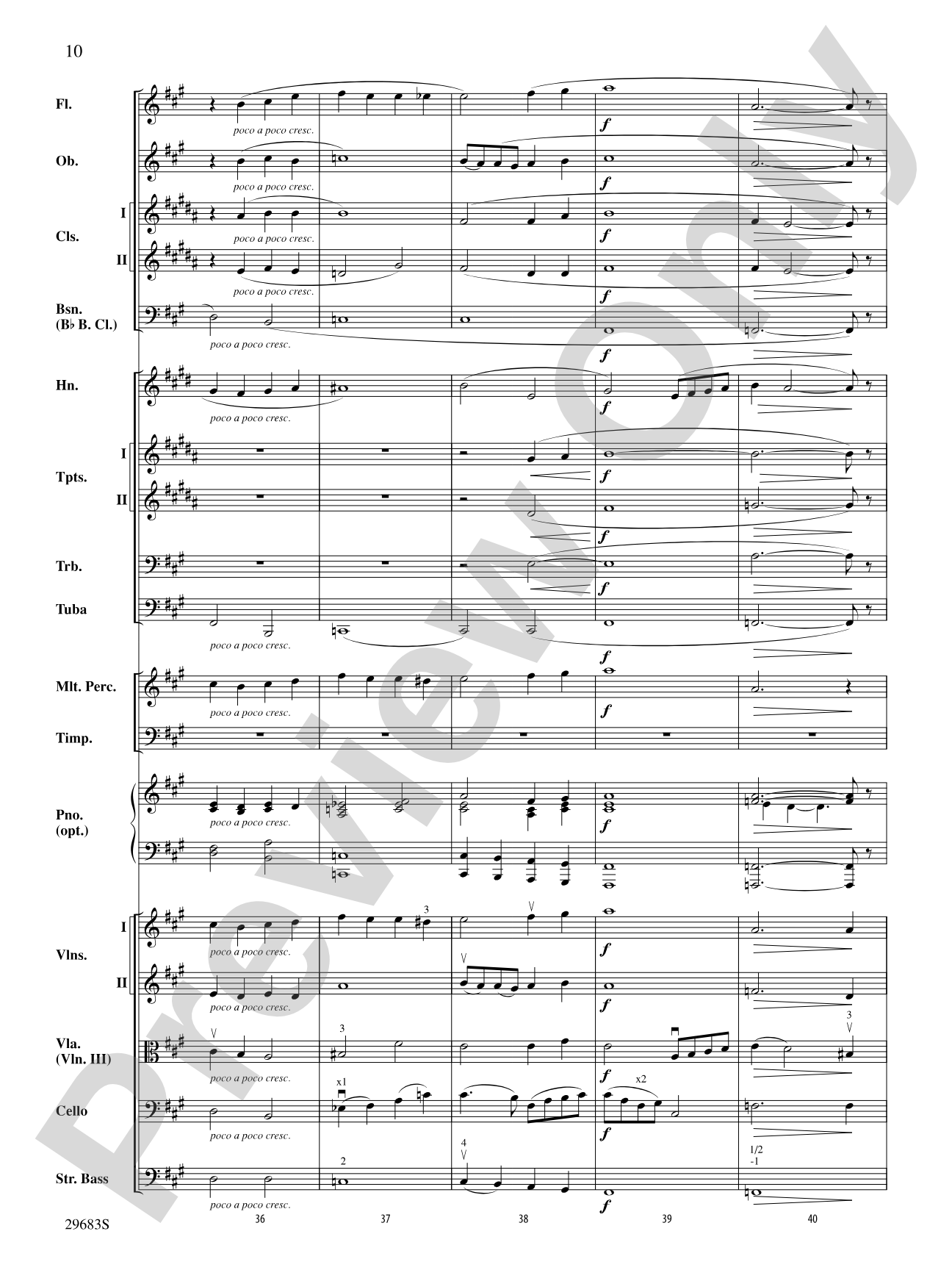
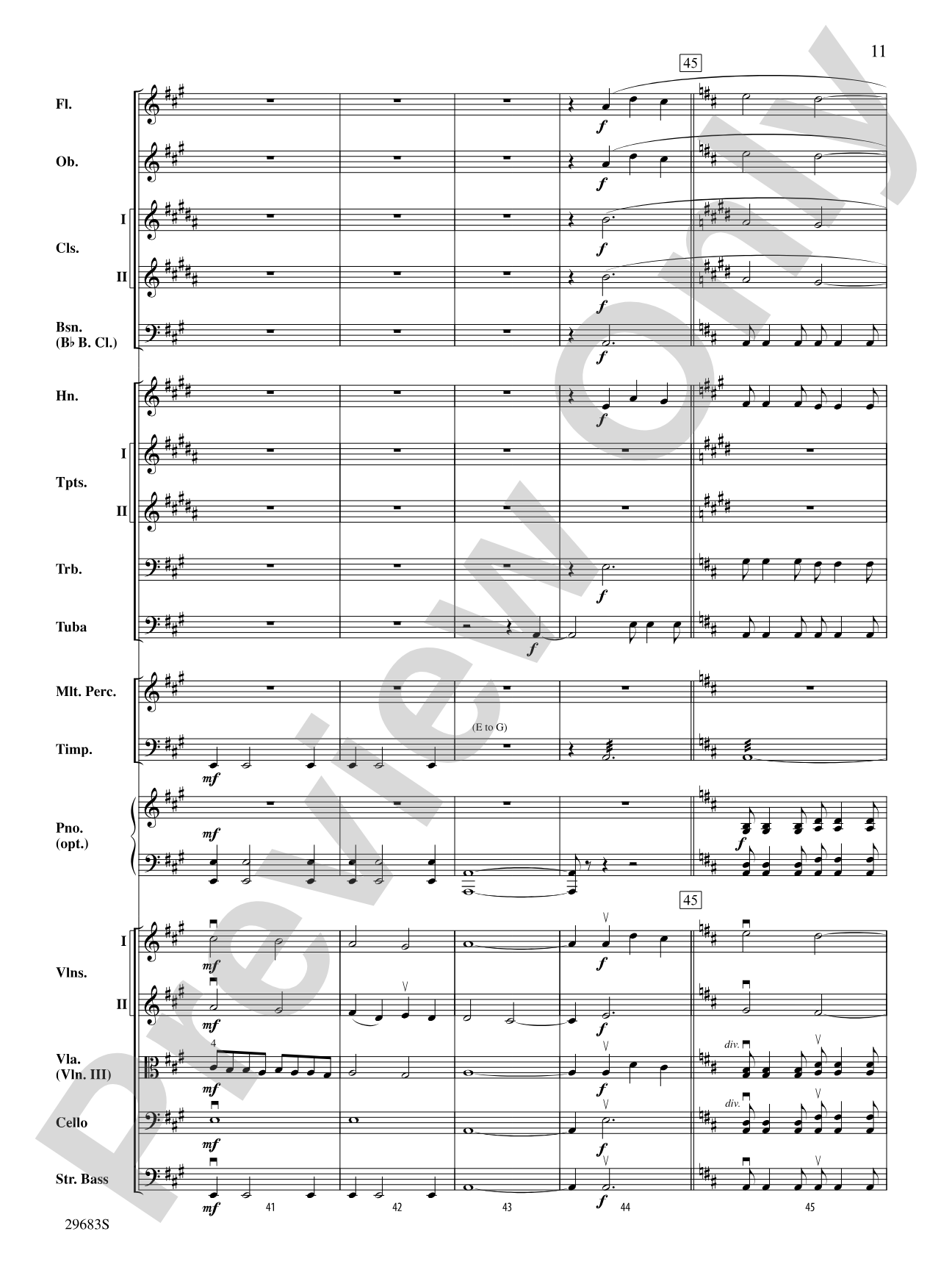
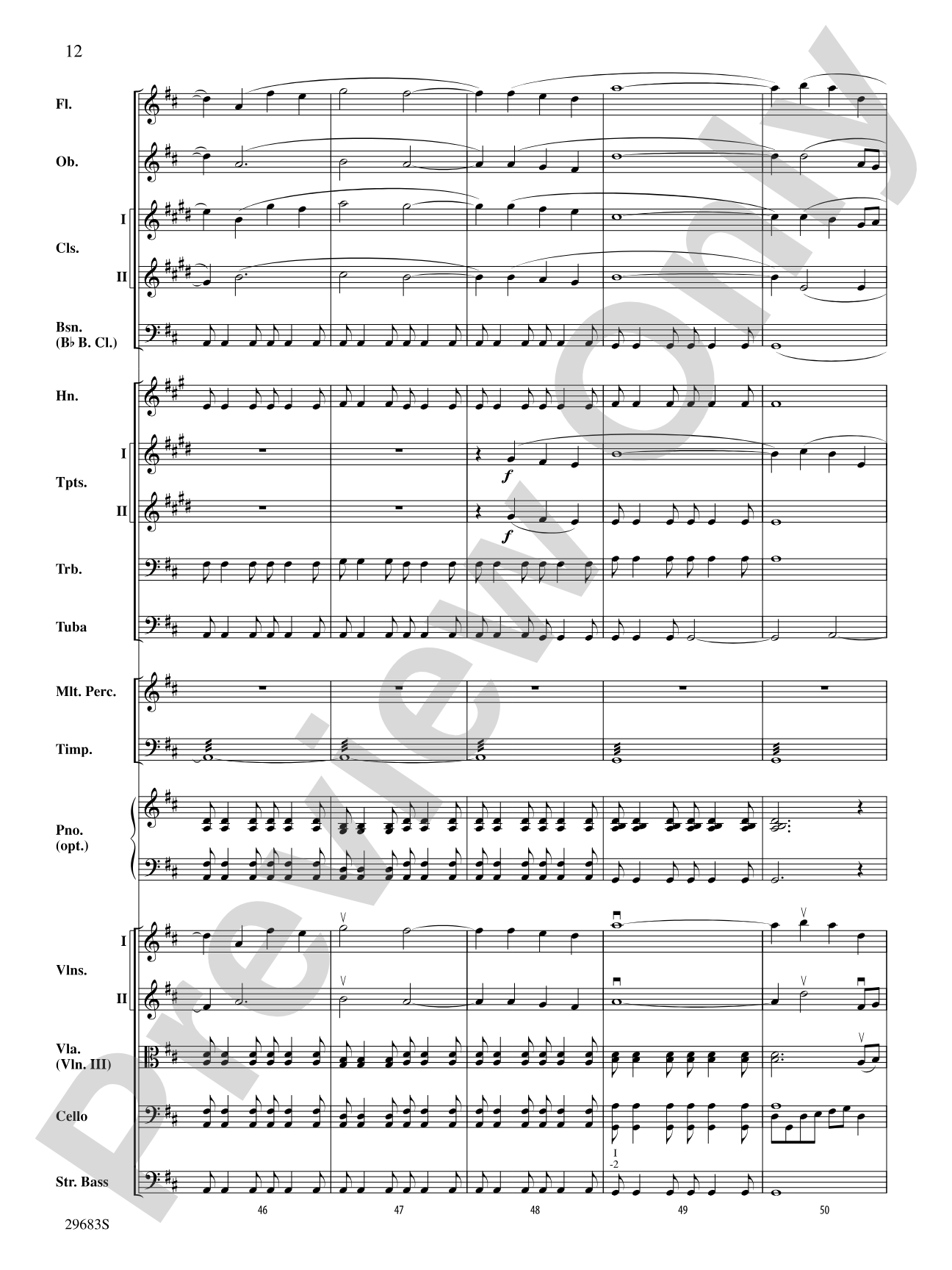

I Knew I Loved You: Score
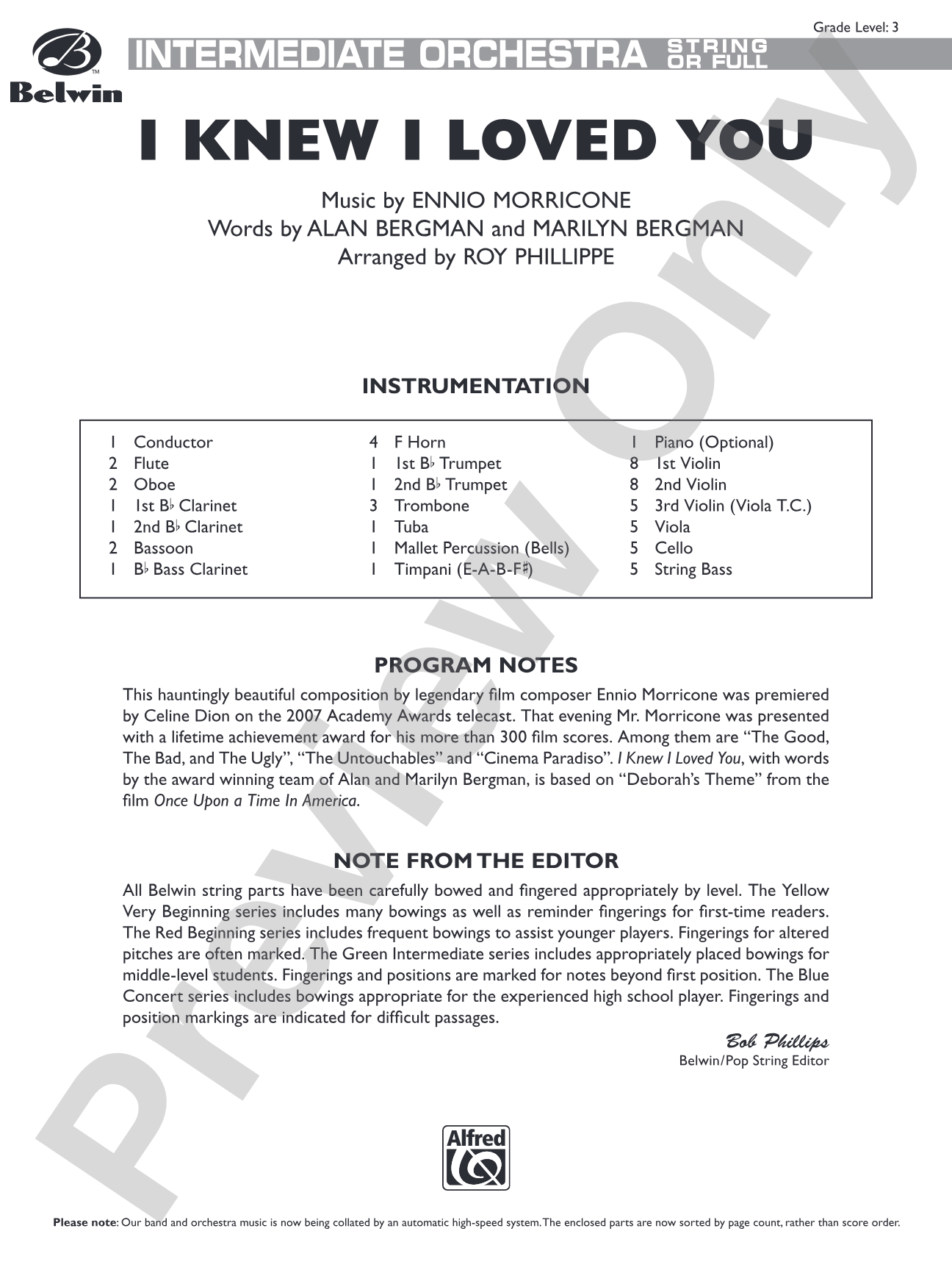
Music by Ennio Morricone, words by Alan Bergman, and Marilyn Bergman / arr. Roy Phillippe
Grade: 3
Item: 00-PR-0001533
$7.00
Pickup currently not available
Description
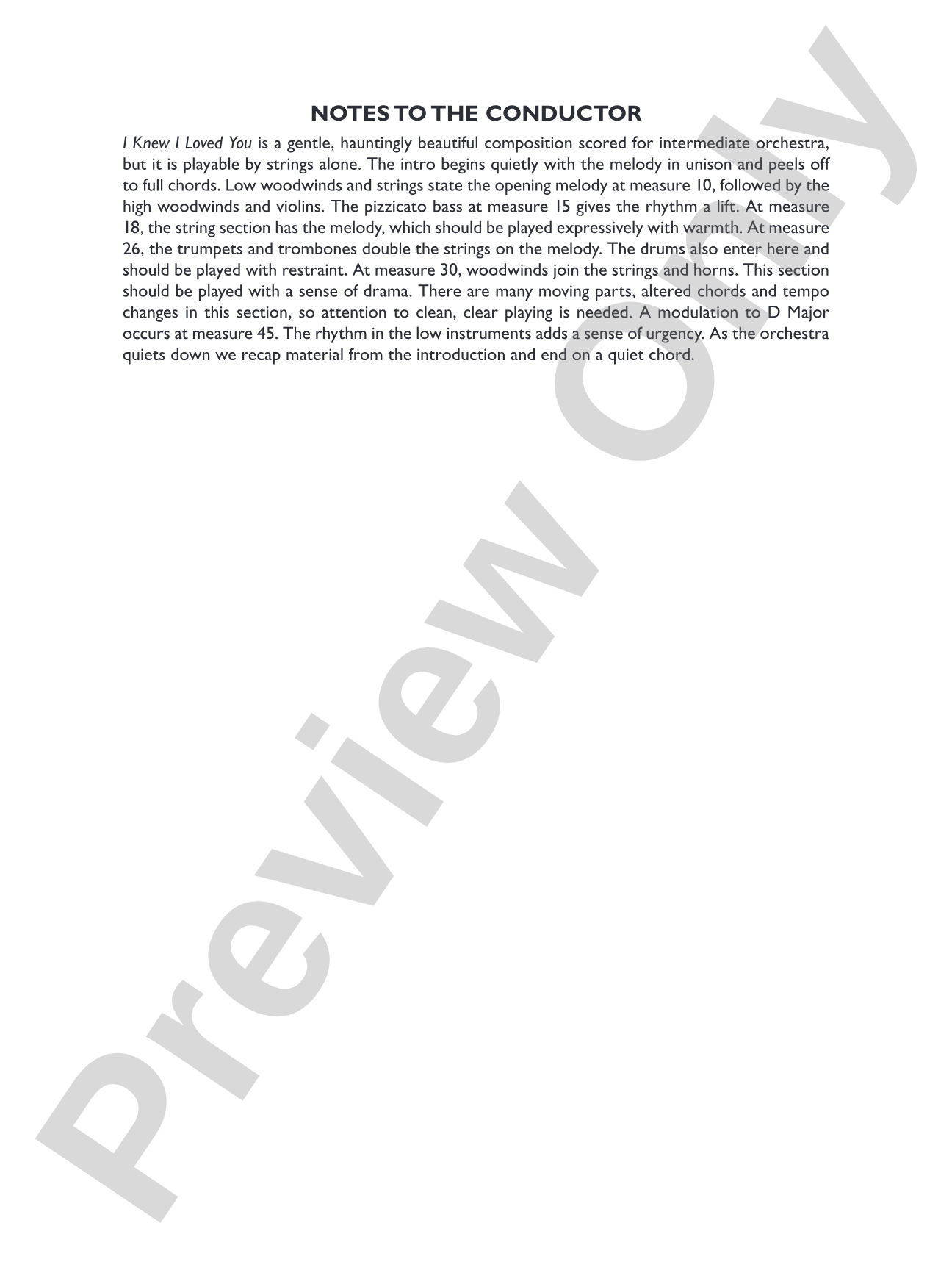
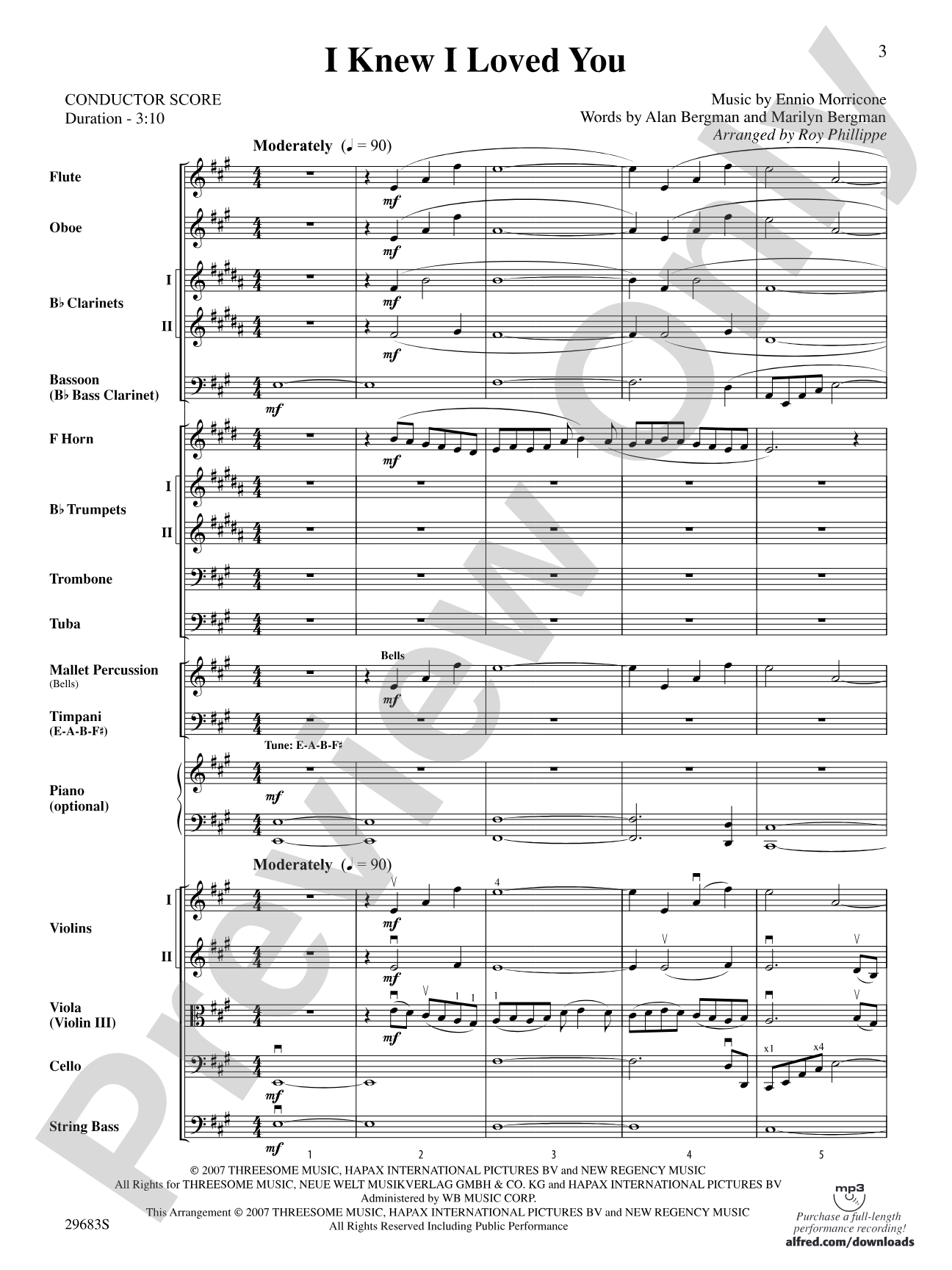
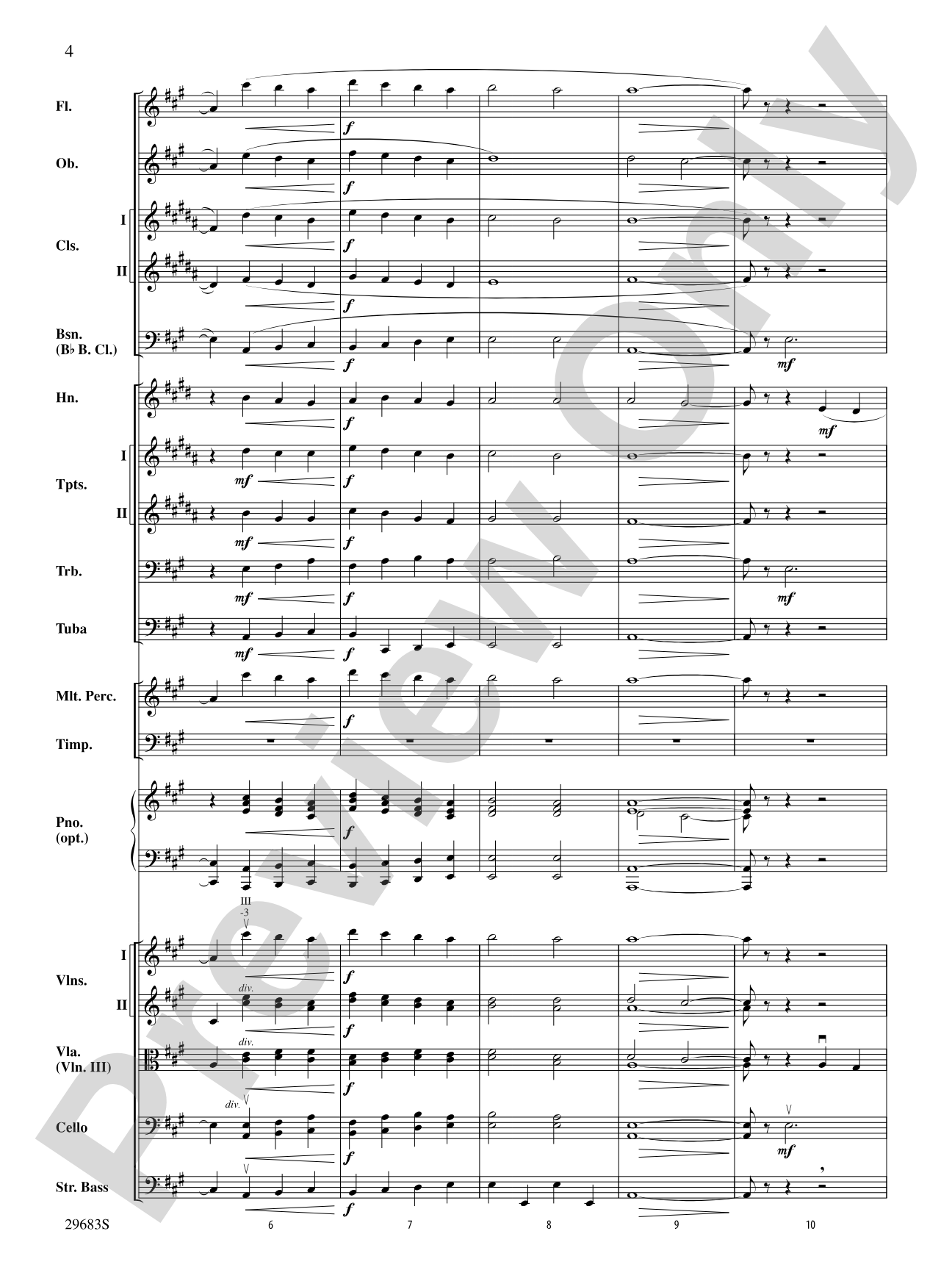
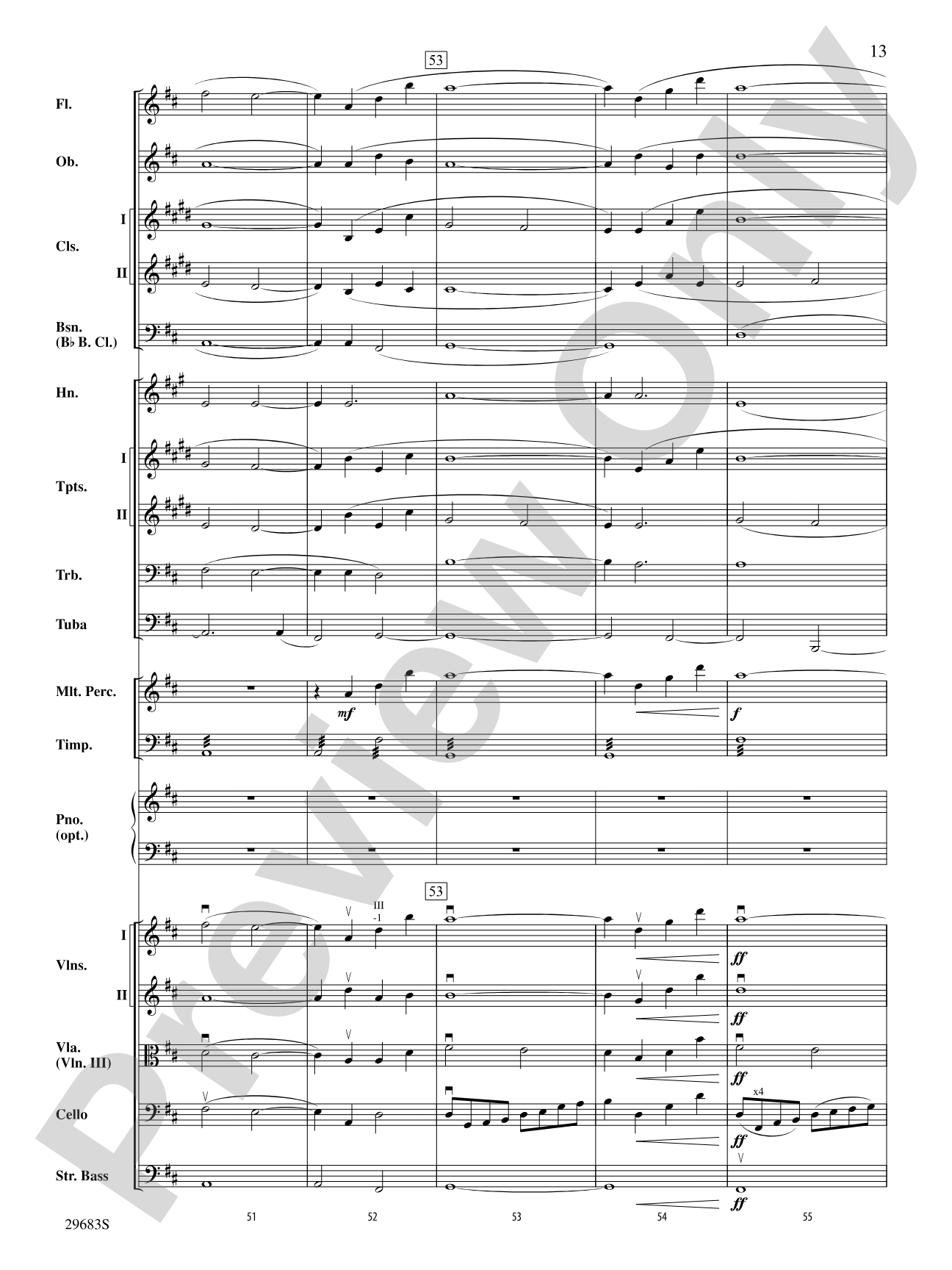
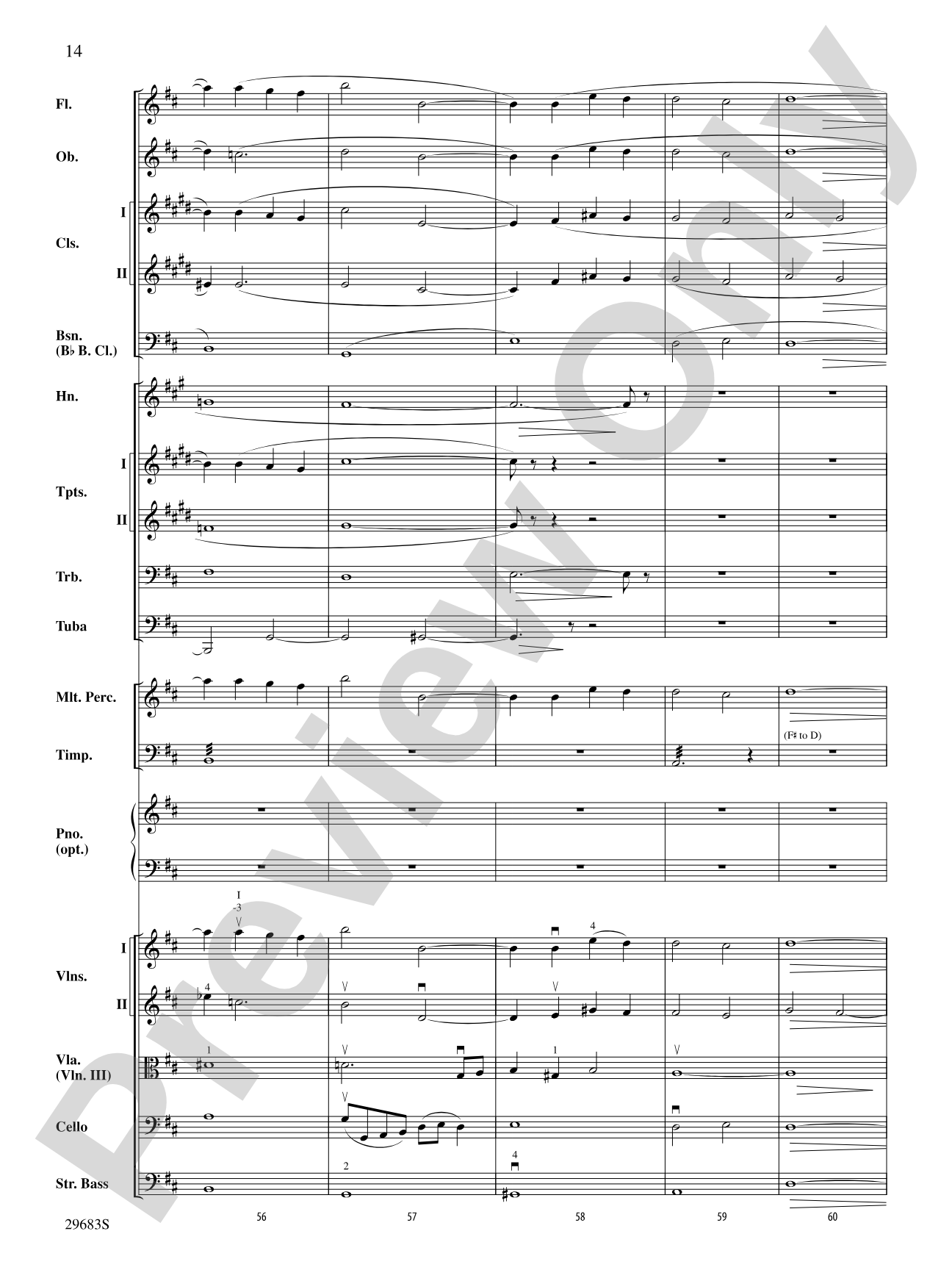
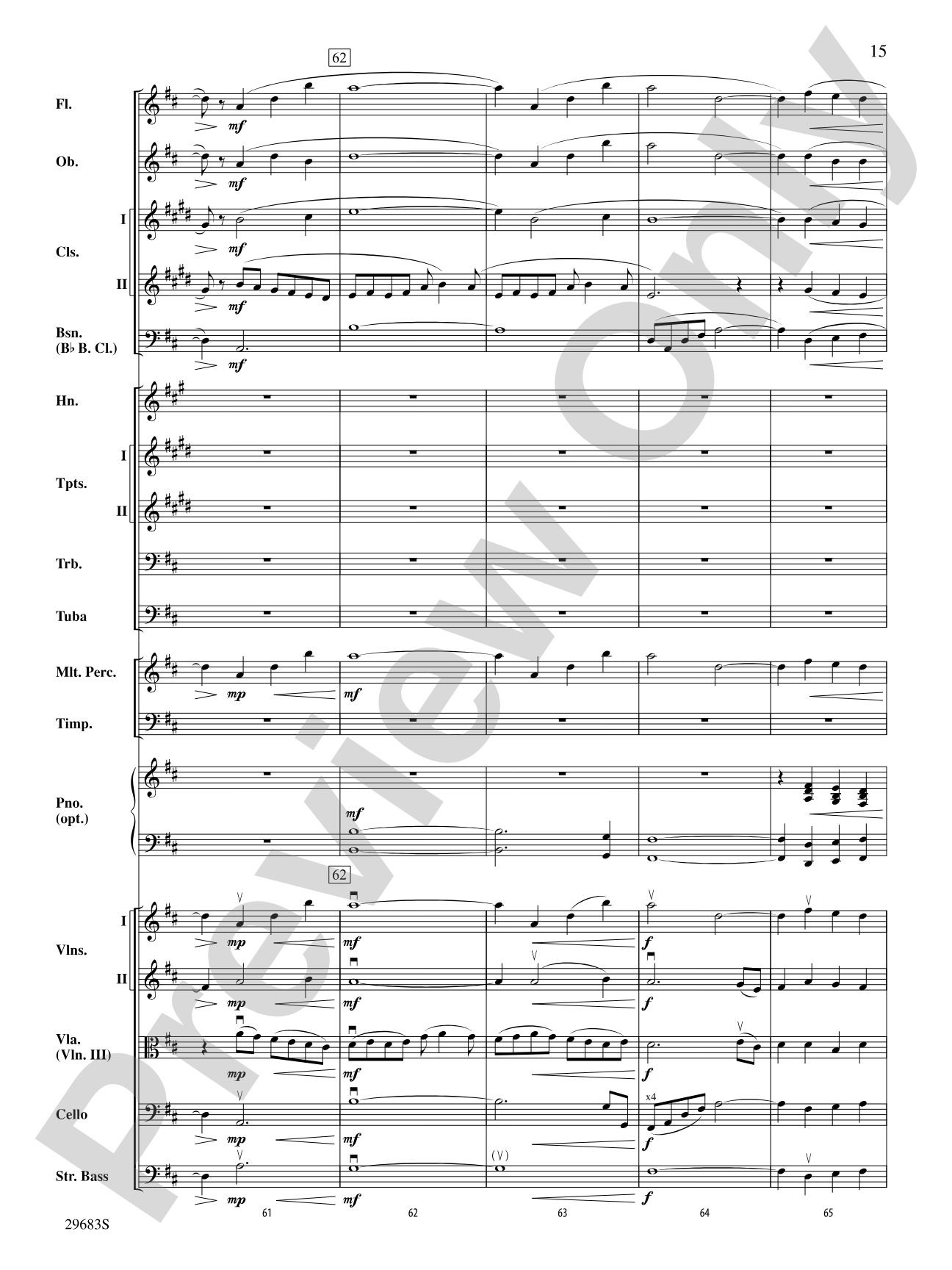
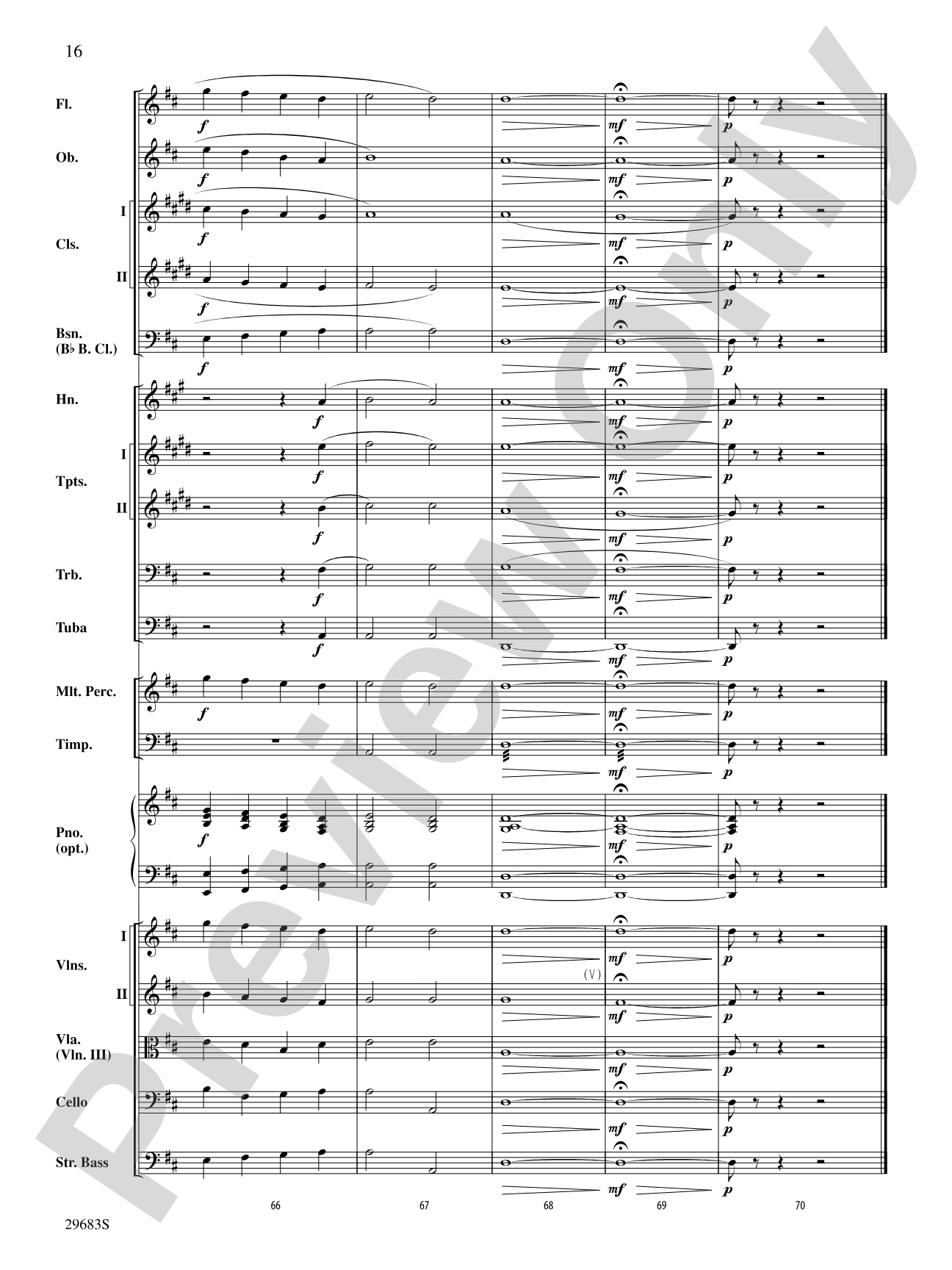
This hauntingly beautiful composition by legendary film composer Ennio Morricone was premiered by Celine Dion on the 2007 Academy Awards telecast and will fit perfectly on any pops or film music concert. Beginning in the key of A Major then modulating to D major, this arrangement can be performed by strings alone or full orchestra. (3:10)


Don't just read it, hear it, play along with it, and watch your students grow with it. In MakeMusic Cloud, I Knew I Loved You: Score comes alive with professional accompaniment, adjustable tempo, and built-in practice tools that turn solo practice into real progress.
Open in the Player
Jump straight in and assign it today.
Start Your Free Trial
Open this title and explore the full library in minutes.
Sample Audio
1
Audio File
--:--
0:00
0:00
Sample Video
No sample videos found.
Additional Details
Series:
Pop Intermediate String/Full Orchestra
Publisher:
Alfred Music
Page Count:
118
SKU:
00-PR-0001533
More about this title
About the Composer: Ennio Morricone
Ennio Morricone (1928-2020) shaped film music across seven decades, composing for over 500 films and earning an Academy Award, a Grammy, and a Golden Globe. His mastery of orchestration and gift for melody made him one of the most influential composers in cinema history, with works ranging from spaghetti westerns to sweeping dramatic scores.
Morricone's approach to composition prioritized emotional clarity and instrumental color. His music education students benefit from studying his orchestral writing, which demonstrates how thematic simplicity combined with sophisticated harmonic movement creates lasting impact. His legacy extends beyond film into concert halls and educational ensembles worldwide.
Why we love this
Roy Phillippe's arrangement preserves Morricone's signature melodic gift while making the piece accessible to intermediate orchestras. The option to perform with strings alone gives directors flexibility for different ensemble sizes, and the modulation from A Major to D Major creates a natural dramatic arc that feels earned rather than forced. This is exactly the kind of film music that audiences recognize and musicians enjoy playing.
What to expect
Morricone's melody unfolds like a memory revisited, tender and yearning. The progression from A Major through to D Major charts an emotional journey that feels both cinematic and deeply personal, with the orchestration supporting the melody's vulnerability rather than overwhelming it.
Who it's for
Orchestra directors programming pops or film music concerts who want a piece that combines instant audience recognition with solid musicianship demands. Intermediate orchestras with capable string sections will find the part writing rewarding without overwhelming less experienced wind and brass players.
How to get the most out of it
- Balance the melody across your string sections during the A Major section; this theme needs to sing regardless of whether you're using full orchestra or strings only.
- Shape the modulation to D Major as a moment of arrival rather than a key change. Let the transition breathe with a slight space before the orchestra enters in the new key.
- If performing with full orchestra, use winds and brass to color the existing string arrangement rather than doubling heavily. Morricone's orchestration thrives on clarity.
- Maintain steady rubato throughout to honor the lyrical quality; the 3:10 duration suggests this is not a piece that rushes.
How to use it
Anchor a pops concert with this as a centerpiece selection, pairing it with lighter film music or contemporary classics to frame it. The piece also works beautifully as a concert opener that establishes an emotional tone, or as part of a themed program exploring film composers' contributions to orchestral literature.
Skills your students will build
- Sustained lyrical playing with consistent tone across phrase lengths
- Reading orchestral scores with modulation between tonal centers (A Major to D Major)
- Balancing melody and accompaniment roles within a full orchestral texture
- Responding to a conductor's shaping of rubato and dynamic arch