

I Heard the Bells on Christmas Day: TTB Choral Octavo
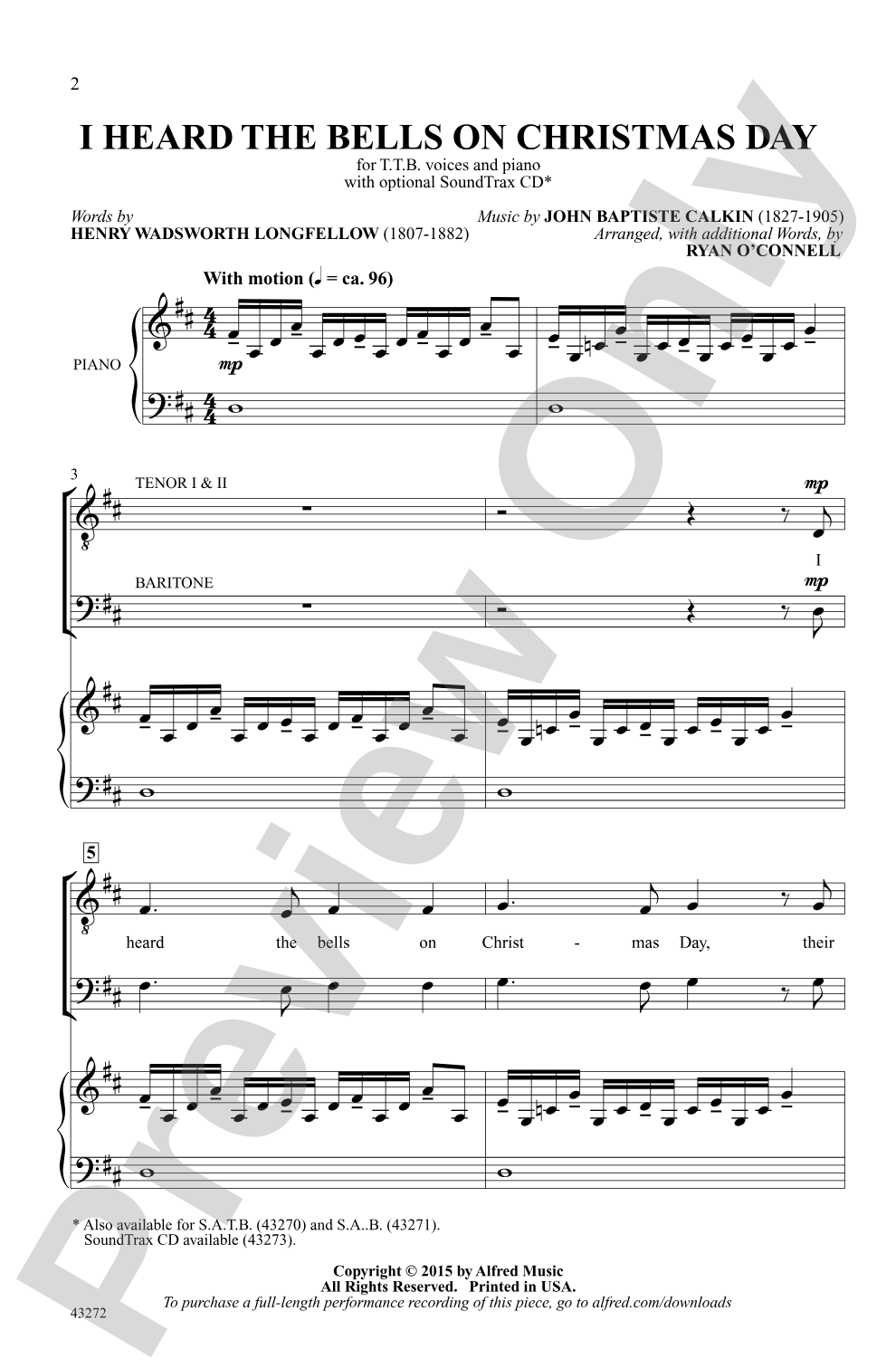
Music by John Baptiste Calkin, words by Henry Wadsworth Longfellow / arr., with additional words, by Ryan O'Connell
Item: 00-PO-0003246
$1.90
Minimum order quantity: 20 copies
Pickup currently not available
Related Items
I Heard the Bells on Christmas Day: SoundTrax Digital Audio Download |
$27.99
|
View | |
I Heard the Bells on Christmas Day: SATB Choral Octavo |
$1.90
|
View | |
I Heard the Bells on Christmas Day: SAB Choral Octavo |
$1.90
|
View | |
I Heard the Bells on Christmas Day: SATB Choral Octavo |
$1.90
|
View | |
I Heard the Bells on Christmas Day: SAB Choral Octavo |
$1.90
|
View | |
I Heard the Bells on Christmas Day: TTB Choral Octavo |
$1.90
|
View | |
I Heard the Bells on Christmas Day: Choral Octavo SoundTrax CD |
$27.99
|
View |
Description
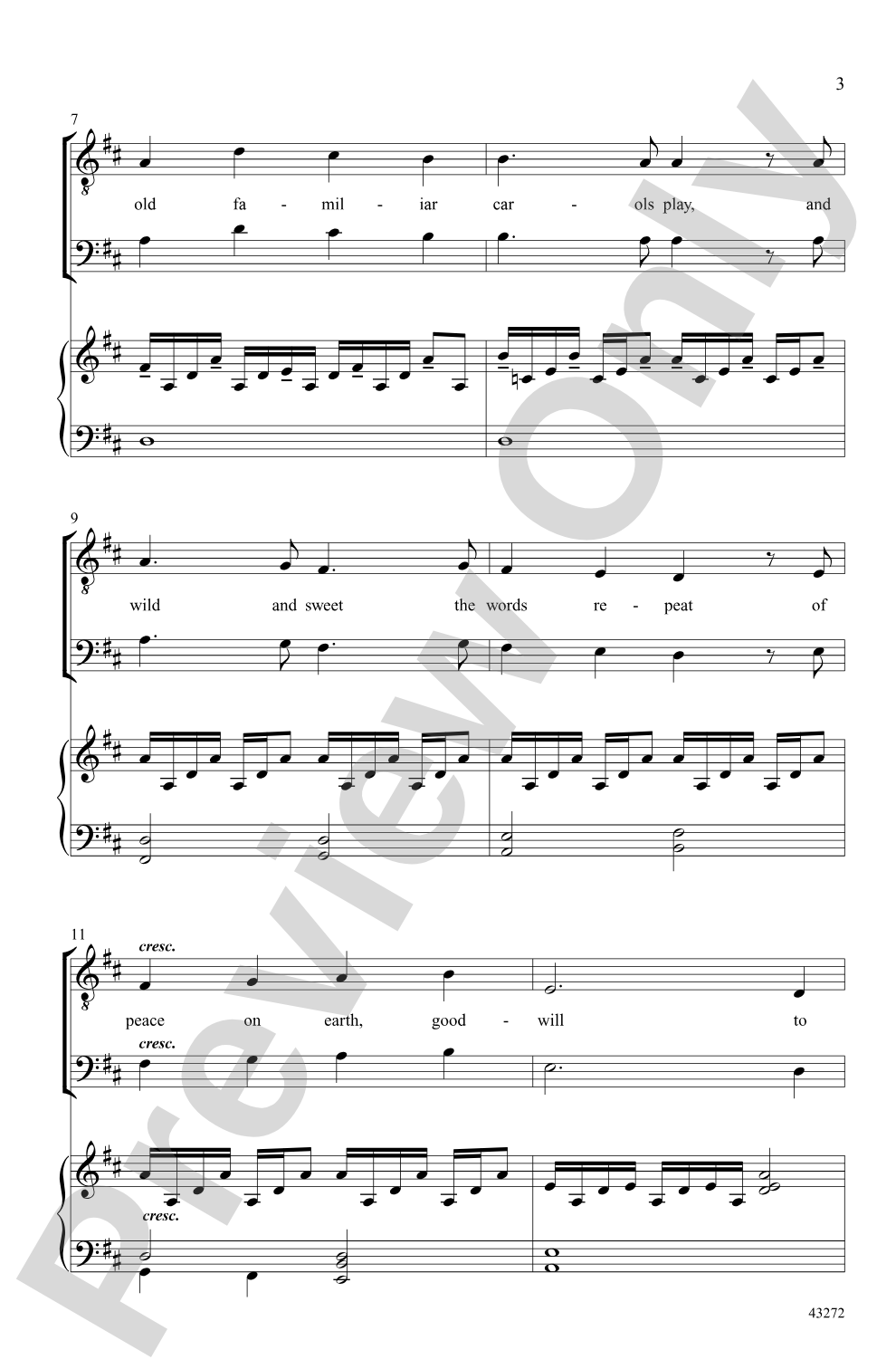
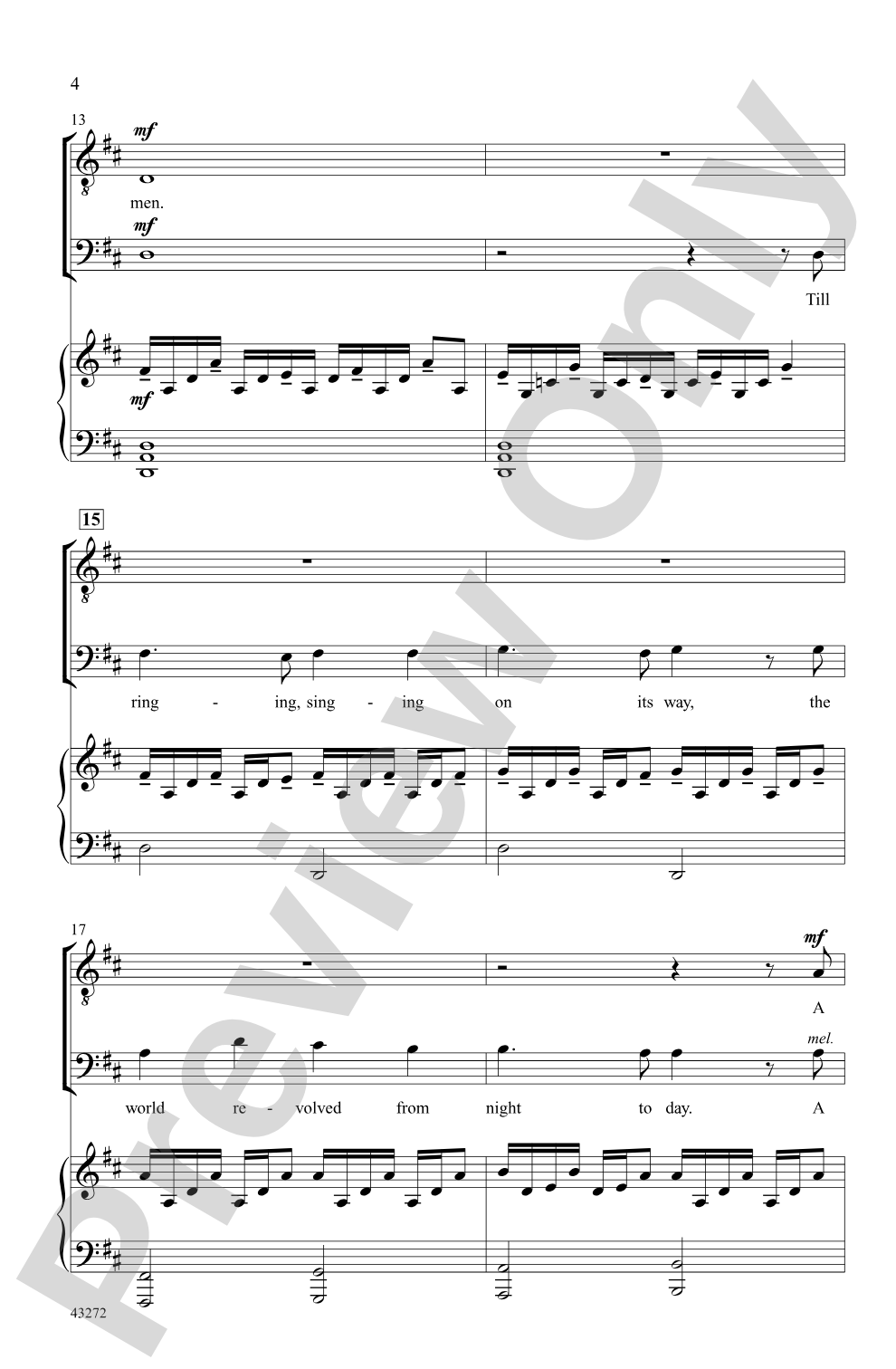
This fresh arrangement treats the traditional English carol like a contemporary theater piece. You may recognize the words and the tune, but you'll hear the meaning for the very first time, and Longfellow's text is still poignant today as we continue to strive for "peace on earth, goodwill to men."


I Heard the Bells on Christmas Day: TTB Choral Octavo isn't in MakeMusic Cloud just yet...but it could be. Let us know you'd like to see it, and you'll help shape what comes next. In the meantime, start a free trial and dive into thousands of interactive titles your students can play along with today.
Request This Title
Tell us you want it.
Start Your Free Trial
Explore everything that's ready to play right now.
Sample Audio
1
Audio File
--:--
0:00
0:00
Sample Video
No sample videos found.
Additional Details
Series:
Alfred Choral Designs
Publisher:
Alfred Music
Page Count:
12
SKU:
00-PO-0003246
More about this title
About the Composer: John Baptiste Calkin
John Baptiste Calkin (1827-1905) was an English organist and composer who drew deeply from the hymn and carol traditions of his time. His settings of familiar texts became staples of Victorian church music and choral programs, valued for their accessibility and ability to bring new harmonic life to well-known melodies.
Why we love this
Ryan O'Connell's arrangement strips away sentimentality and lets Longfellow's words carry real weight. The contemporary musical language transforms a carol your singers think they know into something that demands attention, making it ideal for programs that want substance alongside tradition.
What to expect
Modern and reflective. The arrangement respects Calkin's tune but lets contemporary harmonies and phrasing create distance from Hallmark sentimentality. Singers will feel the weight of Longfellow's words about discord and longing for peace in a way the melody alone never could.
Who it's for
Treble and lower voice choirs (TTB voicing) performing at holiday concerts, church services, or secular concert settings where directors want to honor a familiar tune while offering something musically and textually substantive. This works equally well for high school, college, and community ensembles.
How to get the most out of it
- Shape the text with clarity and intention. Every phrase of Longfellow's poem builds an argument about peace and despair; the arrangement supports this arc, so lean into the dramatic arc rather than treating it as background music.
- Balance the lower voices with care. The TTB voicing places significant responsibility on the baritone line, which often carries harmonic independence. Make sure your baritones have secure parts before running full sections.
- Use the recorded accompaniment to lock ensemble entrances and internalize the contemporary harmonic language, which may feel less familiar than traditional carol settings.
How to use it
Pair this with other sacred or secular winter repertoire that shares an introspective quality rather than grouping it with jolly traditional carols. The literary depth and musical sophistication make it particularly effective as a concert closer or as part of a thematic program exploring hope and resilience.
Skills your students will build
- Reading contemporary harmonic language and voice leading outside traditional choral voicing
- Text interpretation and emotional commitment to poetic language
- Balancing independent lower voice lines with upper voices
- Understanding how arrangement choices shape meaning and musical character