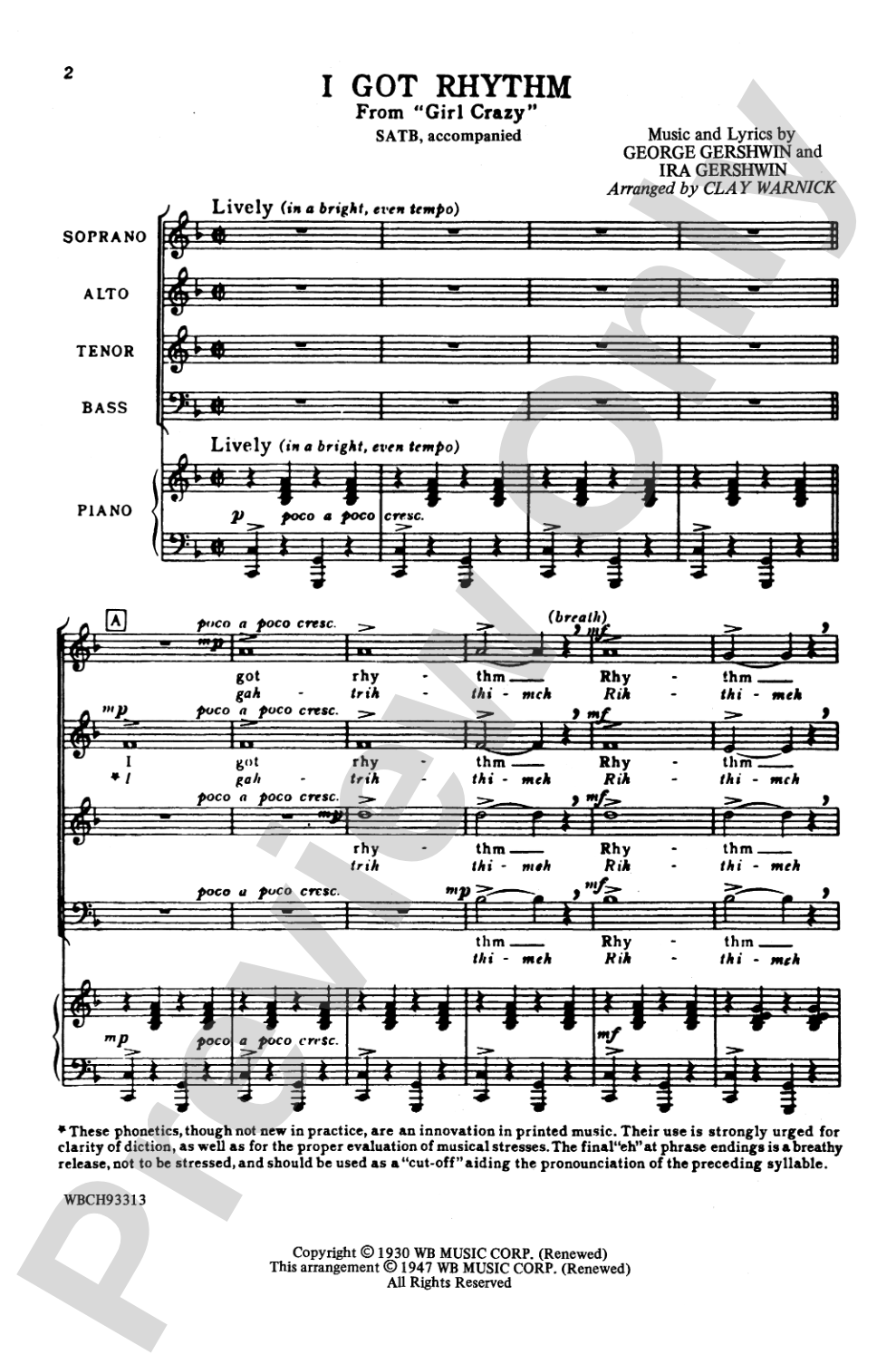
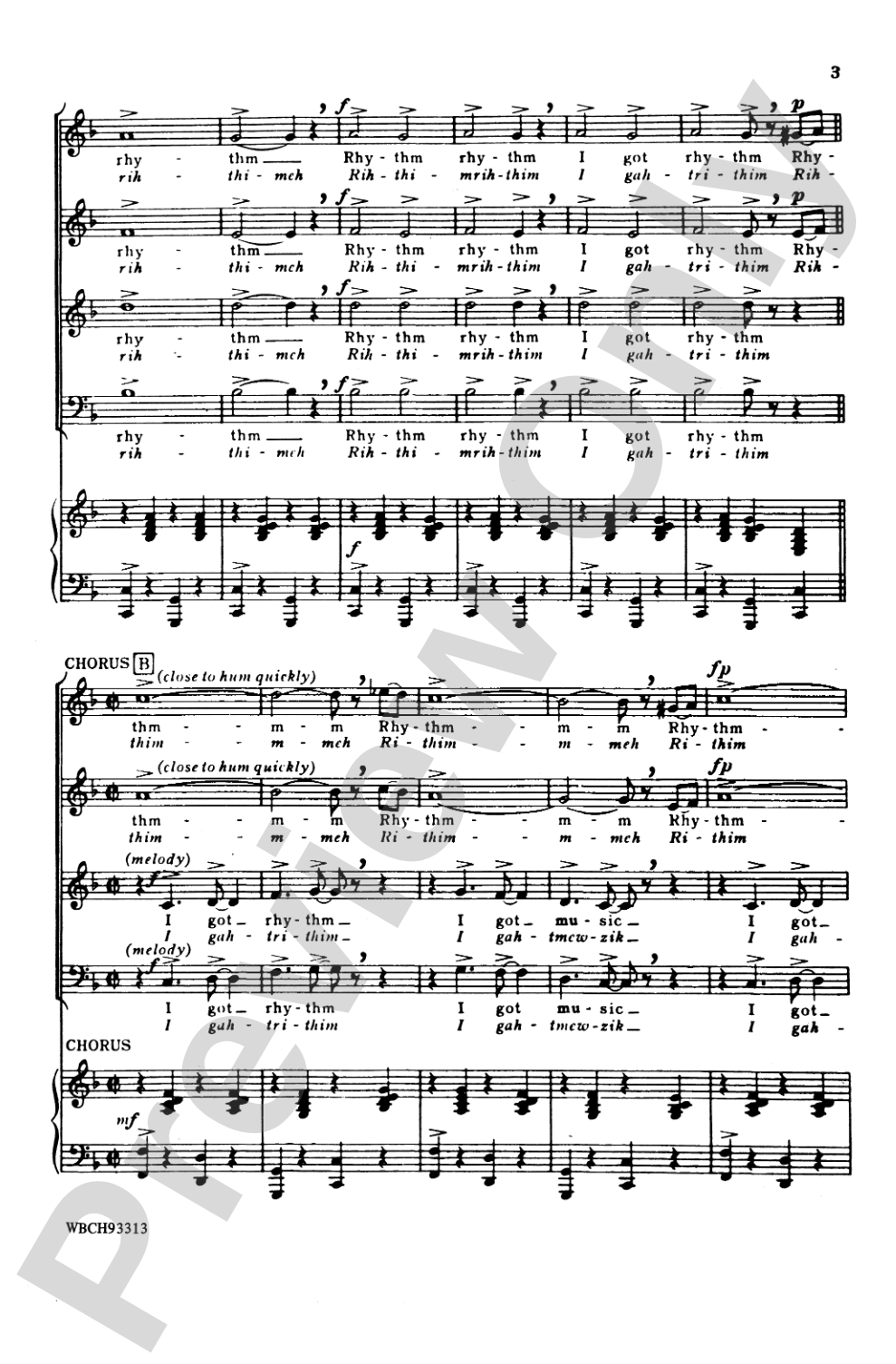
George Gershwin (1898-1937) bridged concert music and popular song with a fluency that remains unmatched in American composition. His ability to weave jazz idioms, blues harmonies, and folk melody into sophisticated structures made him a transformative figure in early 20th-century music. Educators value his work because it legitimizes the genres students hear outside the concert hall and demonstrates that serious compositional craft can coexist with accessibility and joy.
Gershwin's output ranged from orchestral works like Rhapsody in Blue to Broadway standards that defined an era. He died at 38, but his catalog provides an essential bridge between vernacular and classical traditions, making his music particularly valuable for choirs seeking repertoire that engages contemporary sensibilities while maintaining musical substance.