
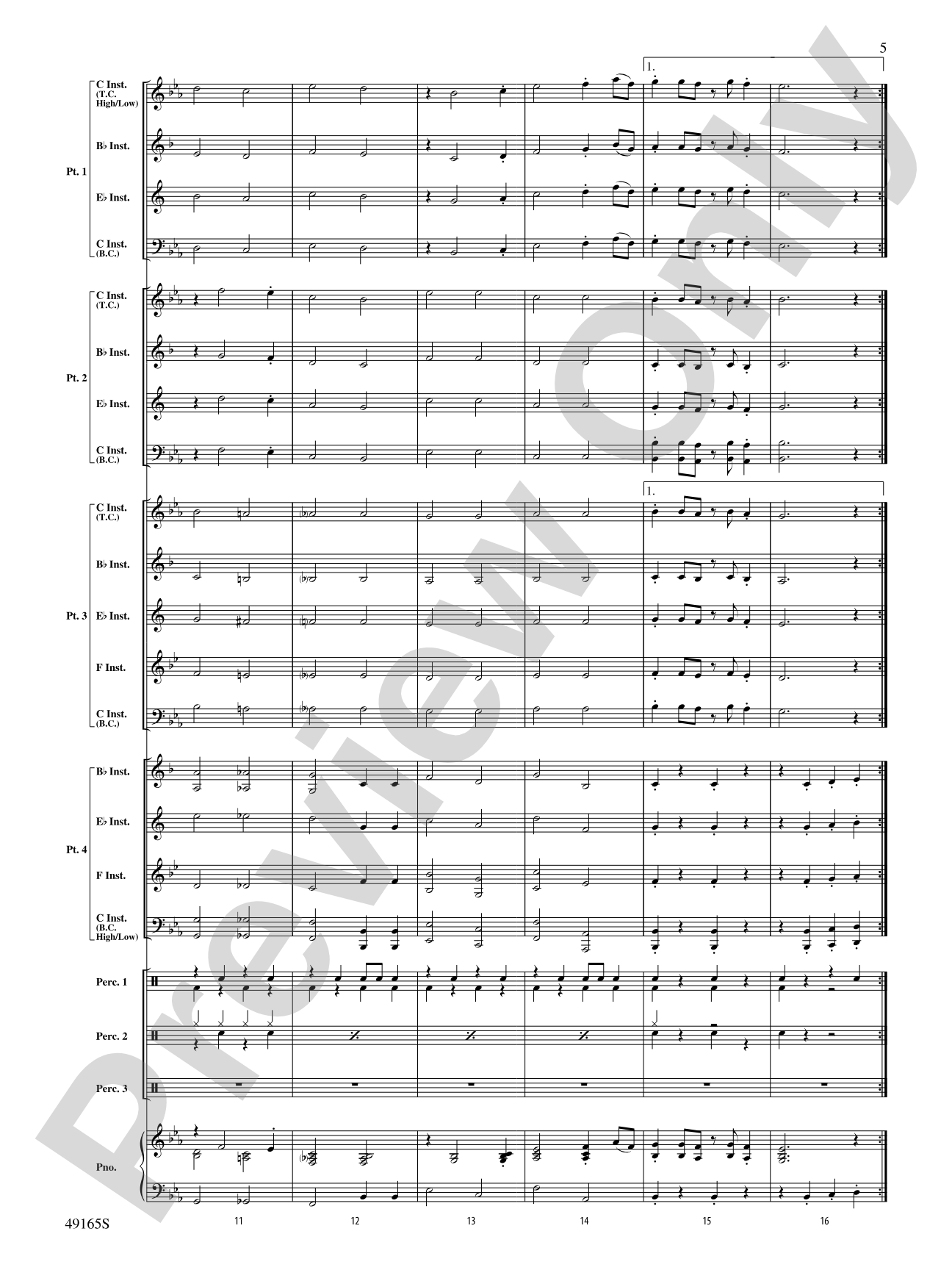
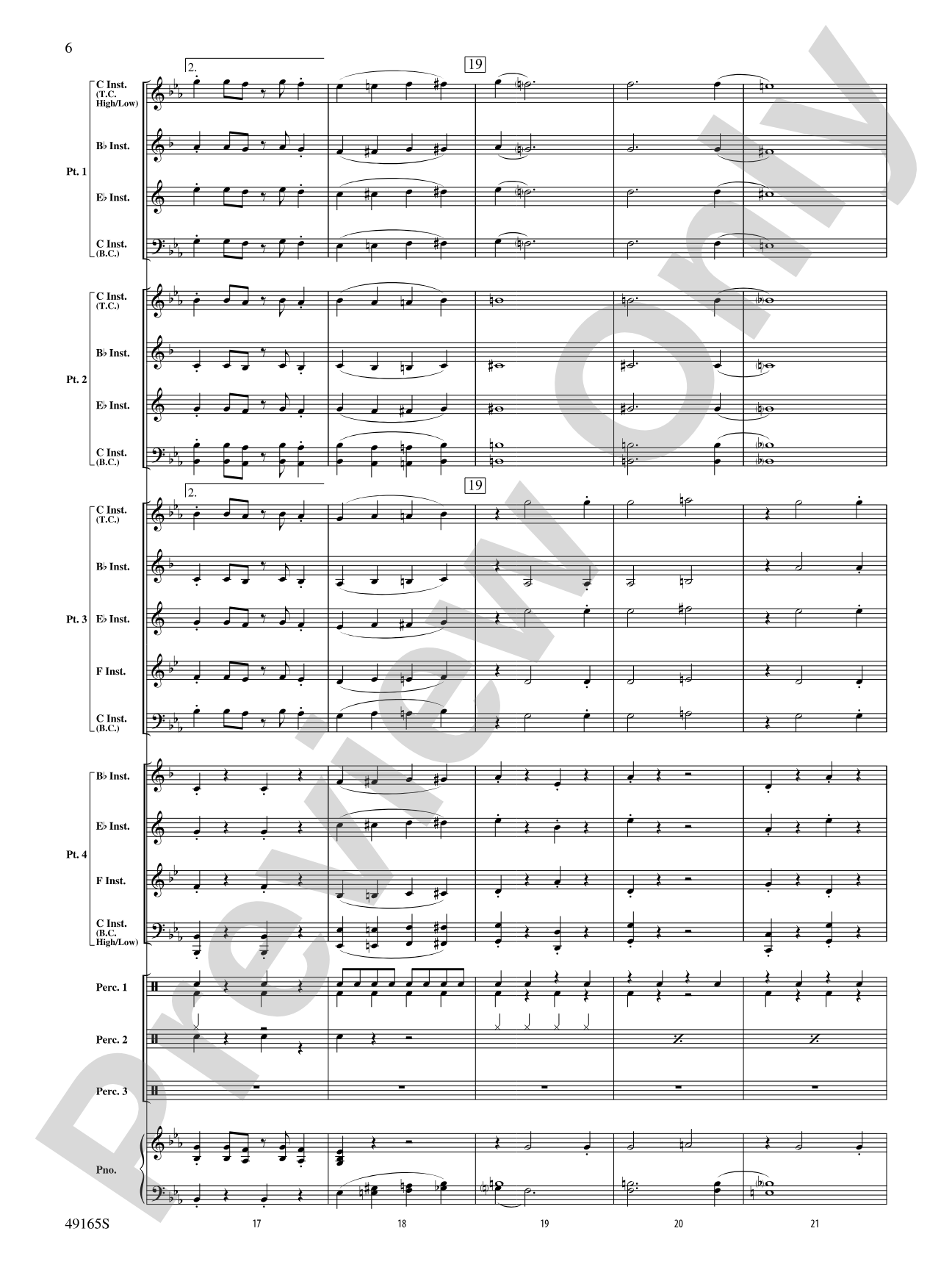
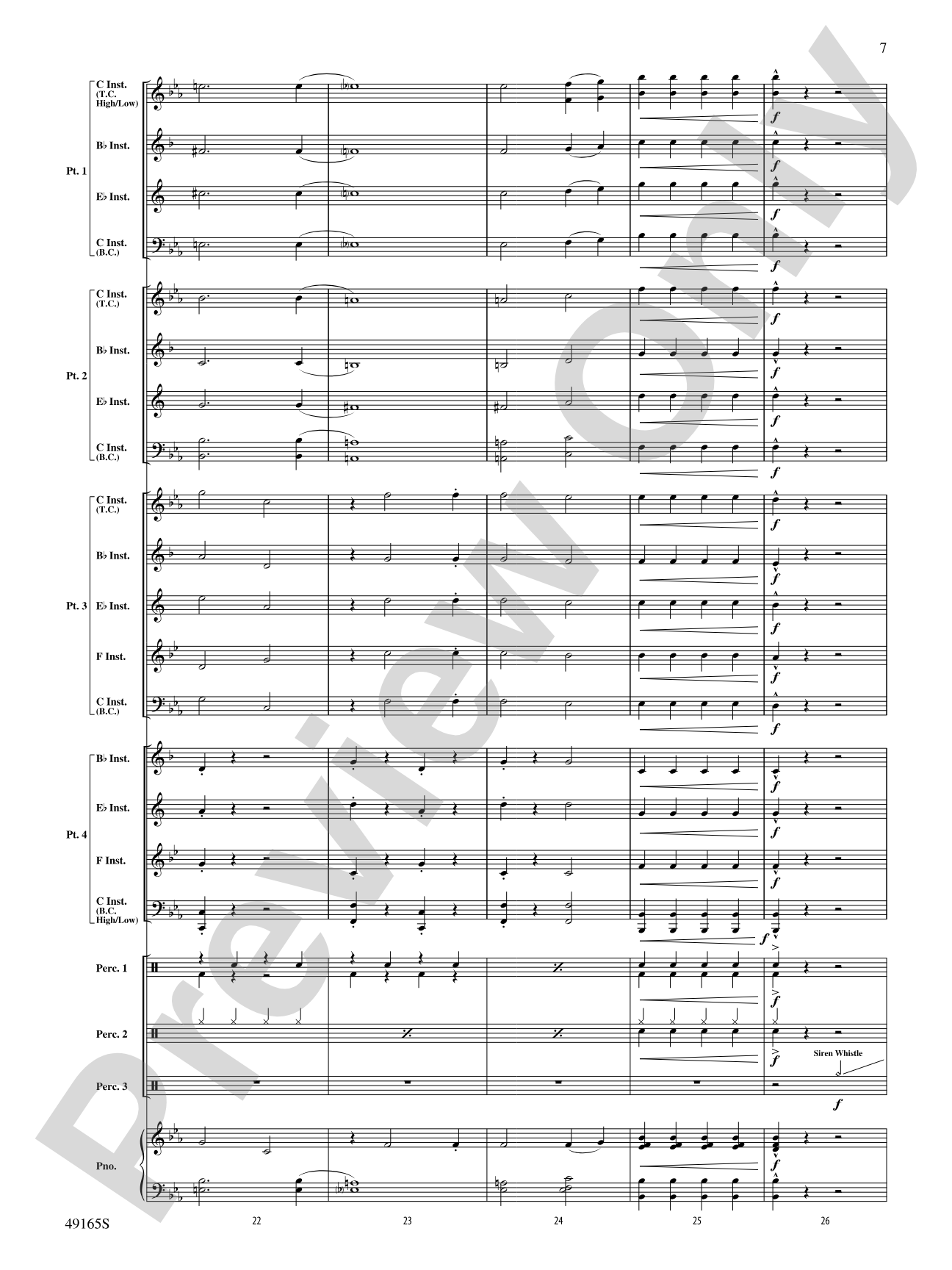
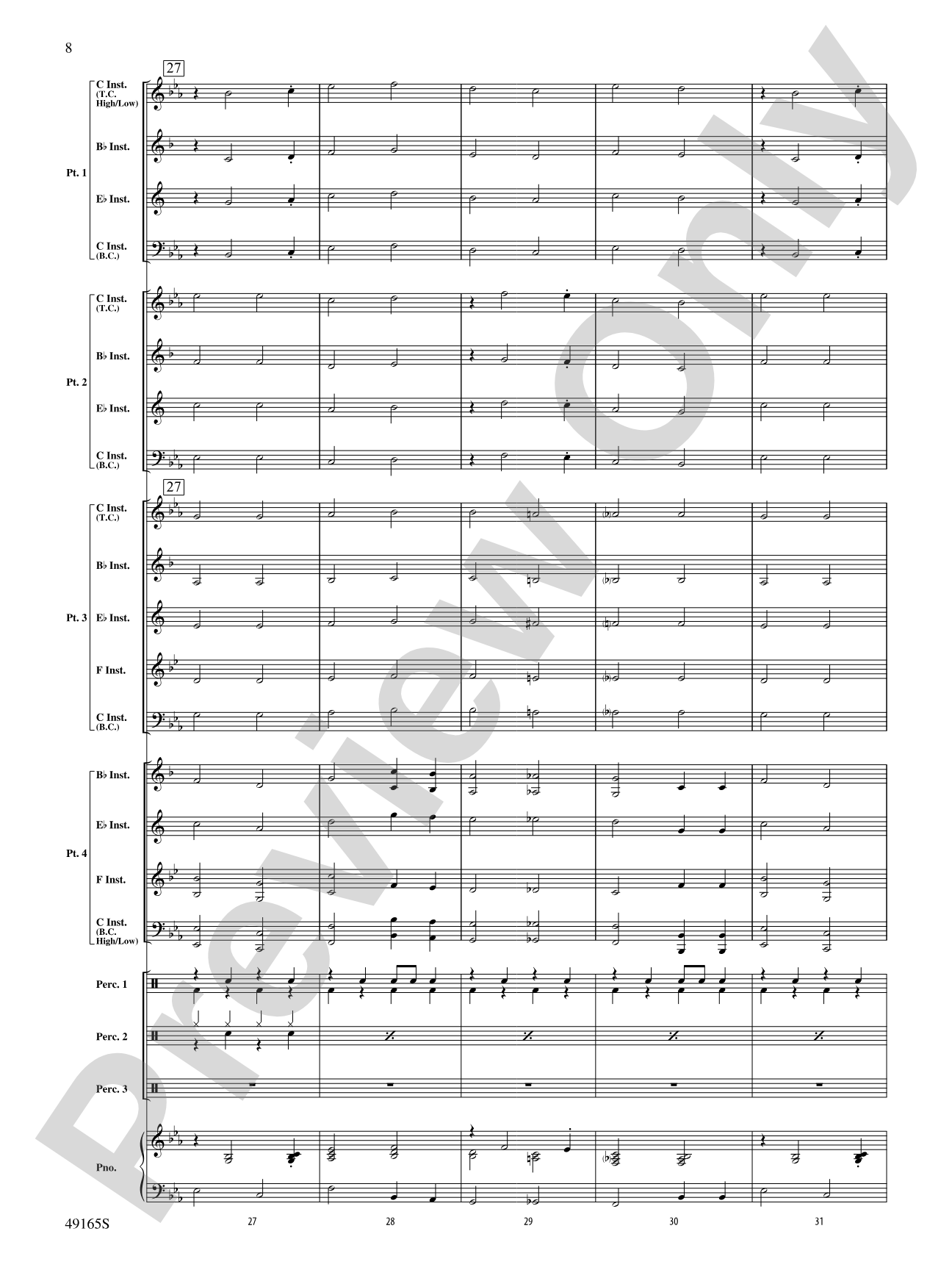
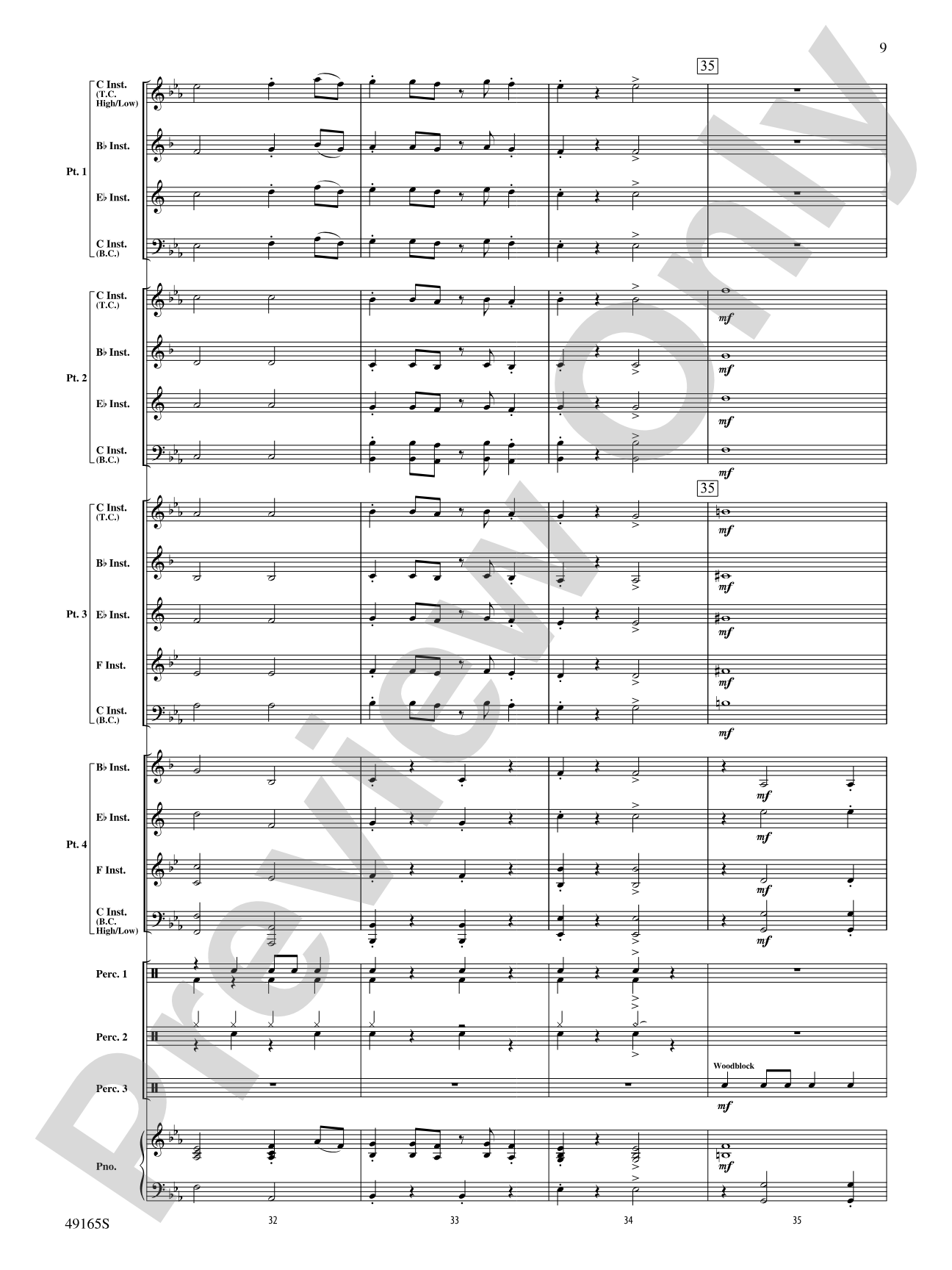
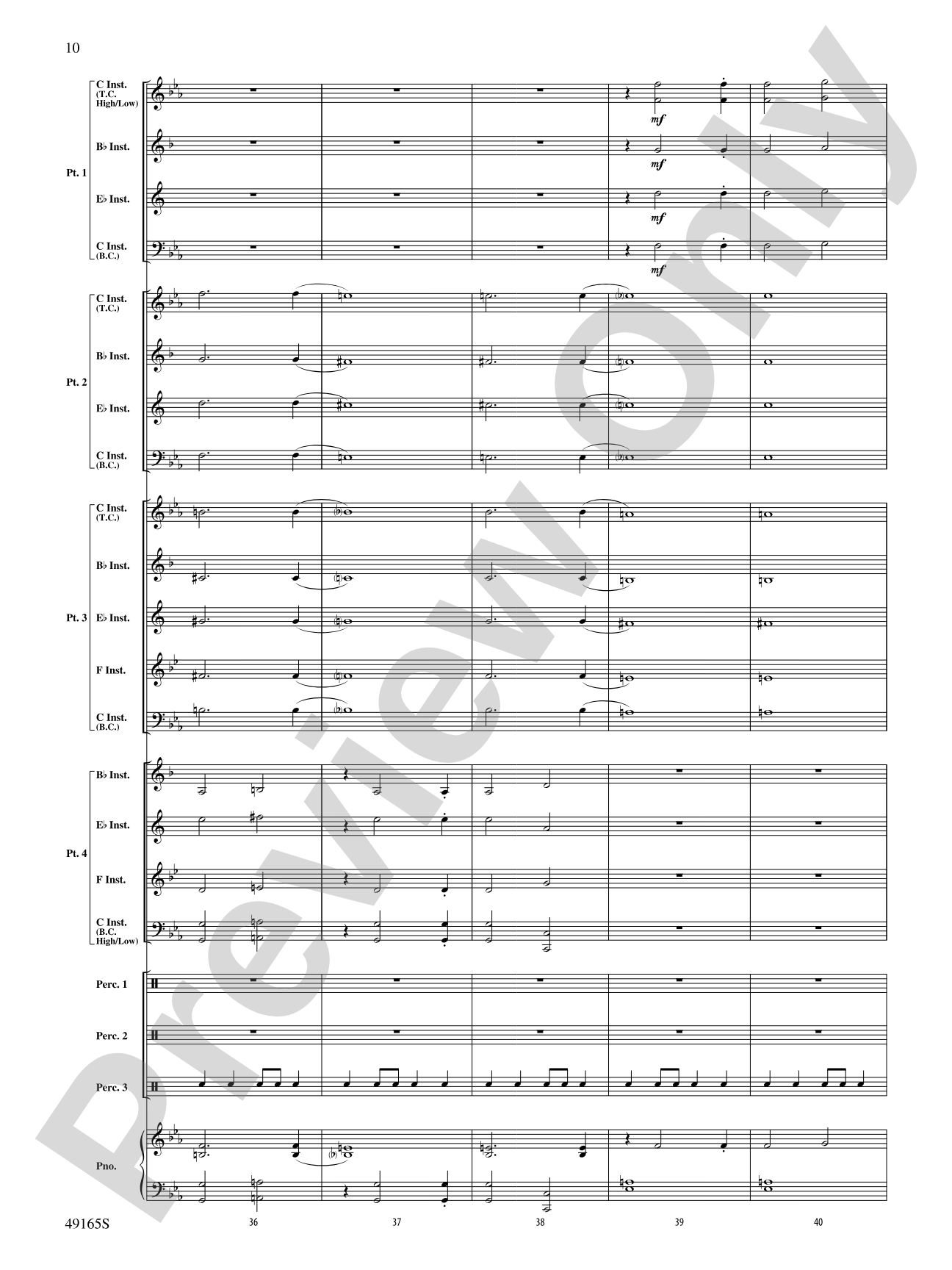
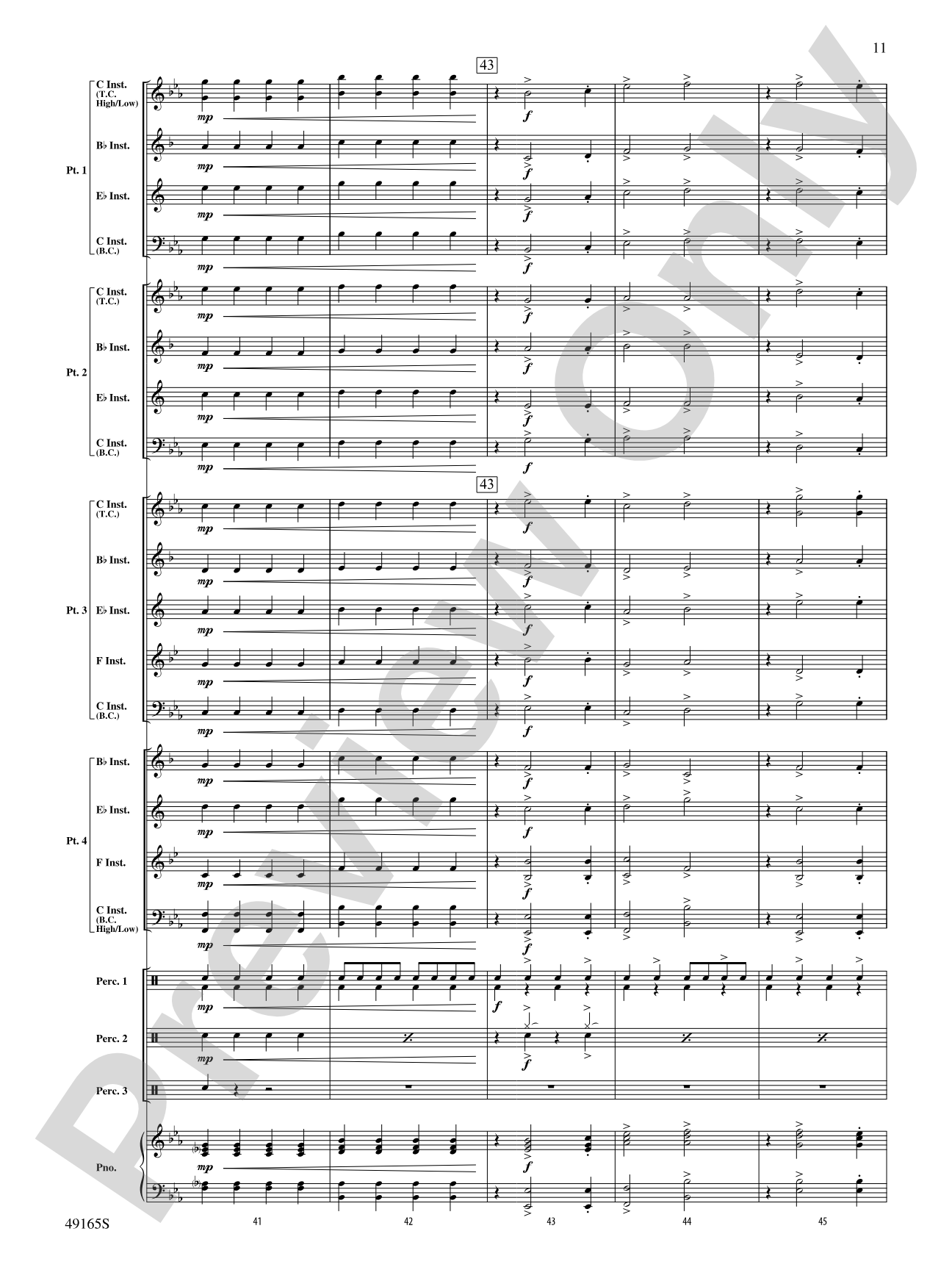
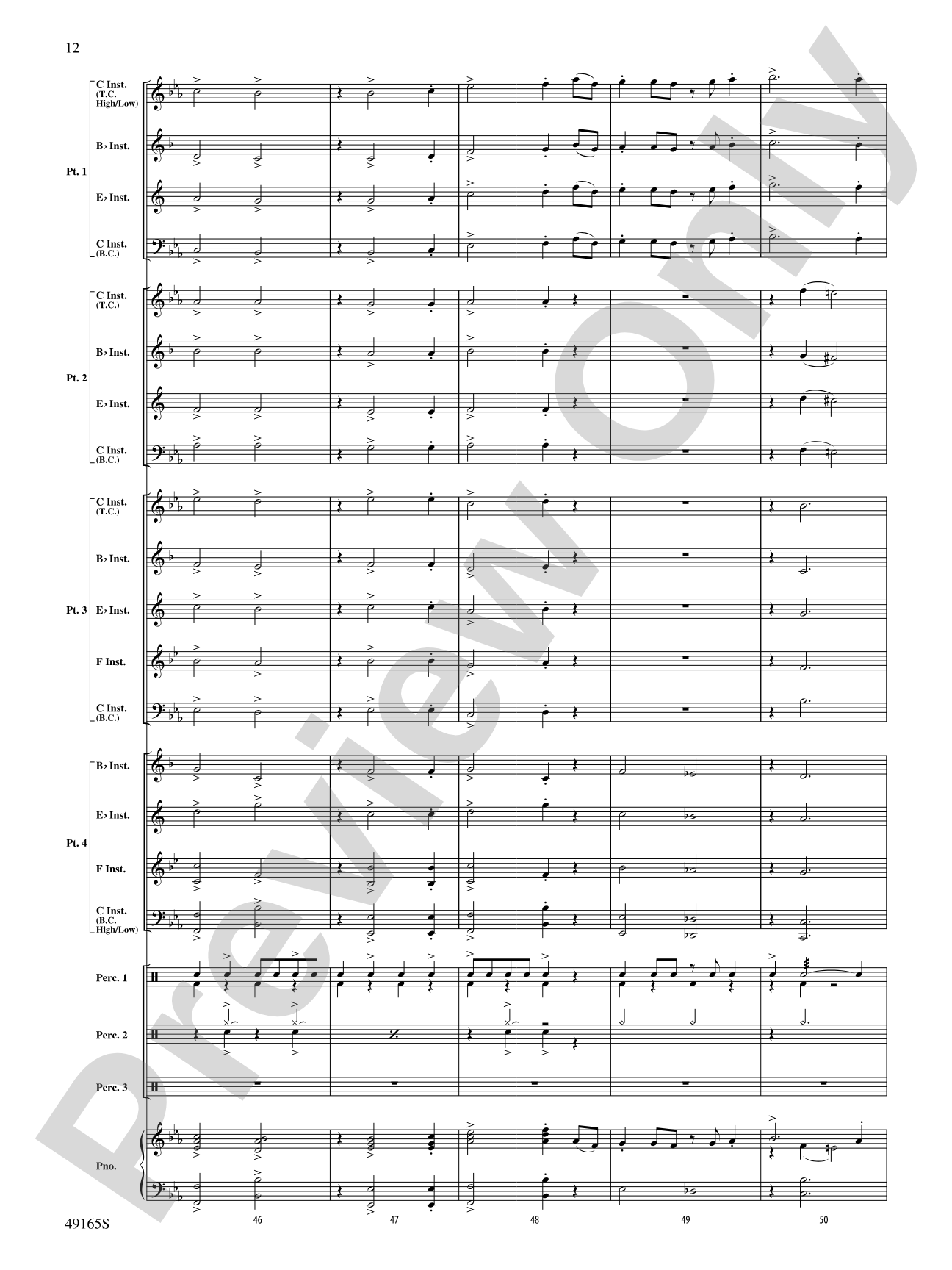

I Got Rhythm: Flexible Band/String Ensemble Score & Parts
Music and lyrics by George Gershwin and Ira Gershwin / arr. Michael Story
Grade: 1 (Very Easy)
Item: 00-PK-0008206

$60.00
One moment…
Description
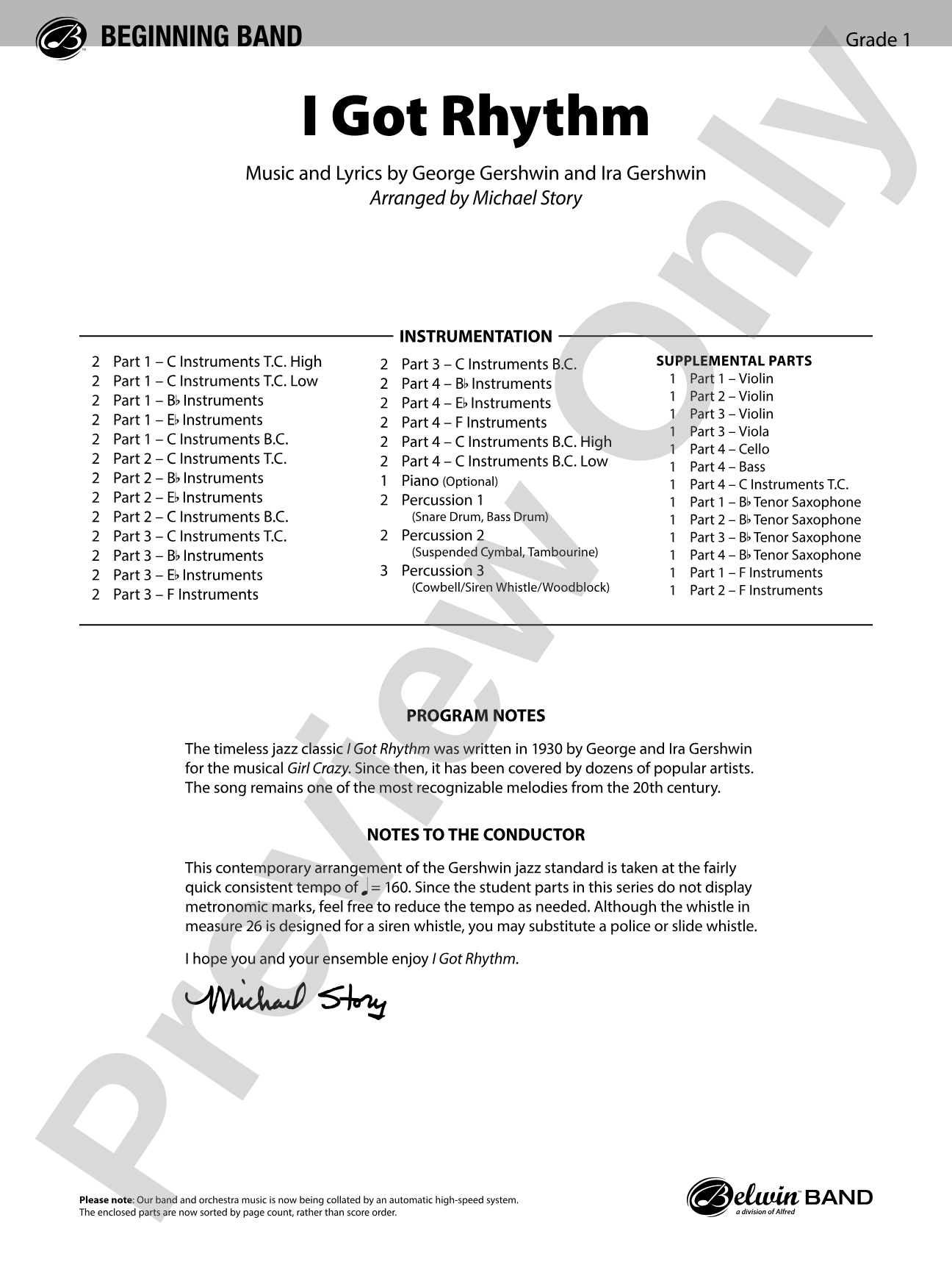
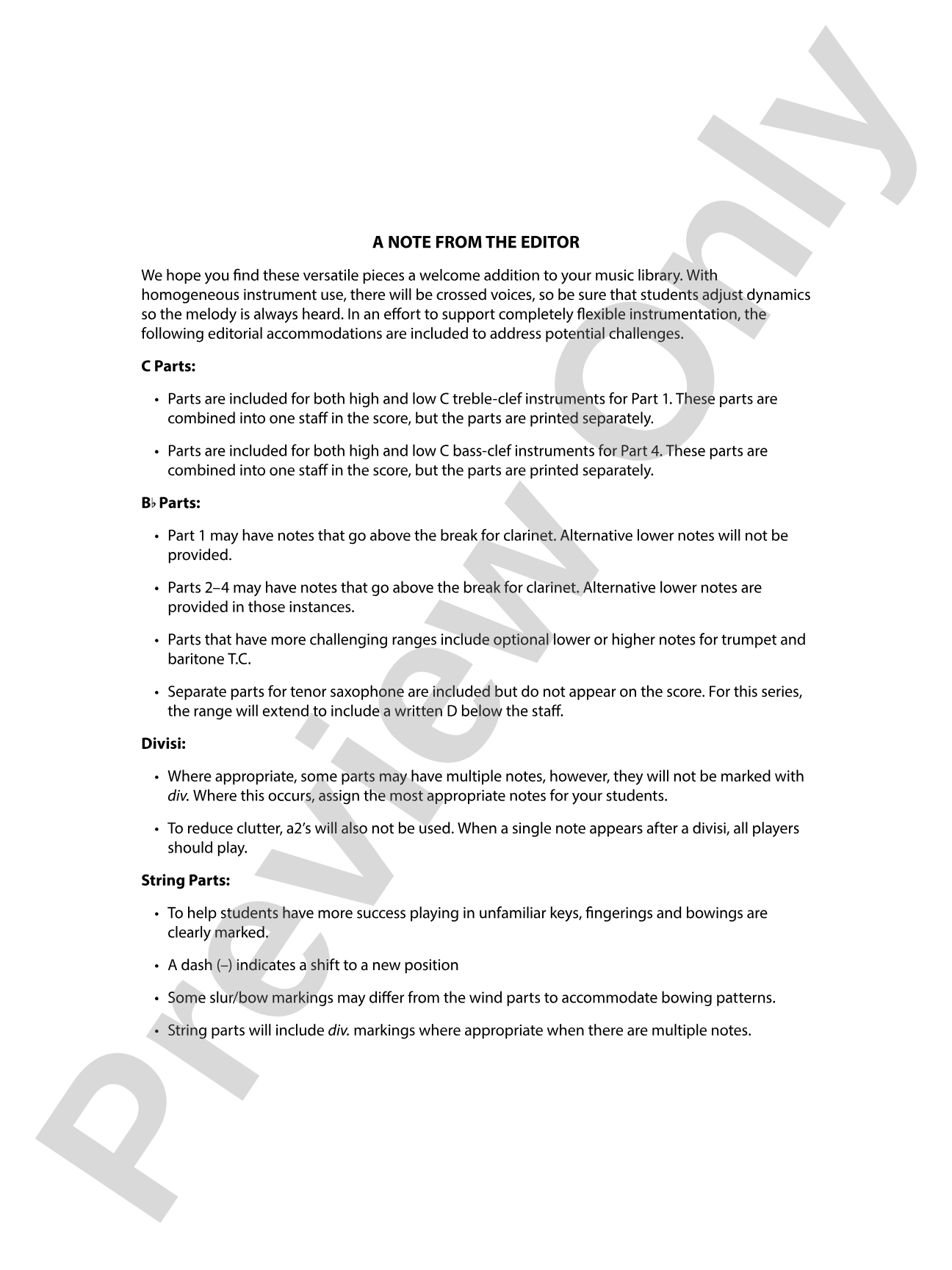
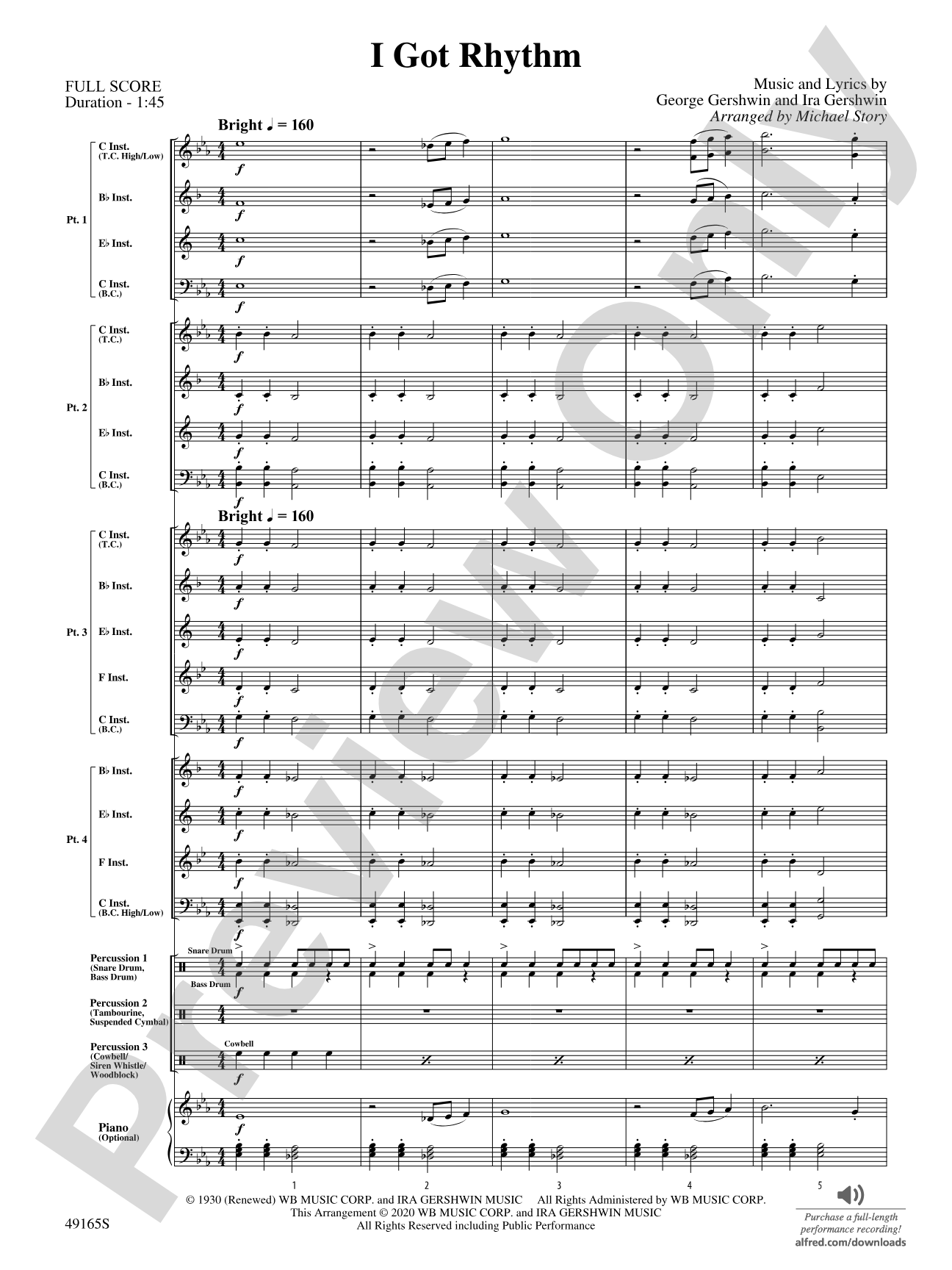
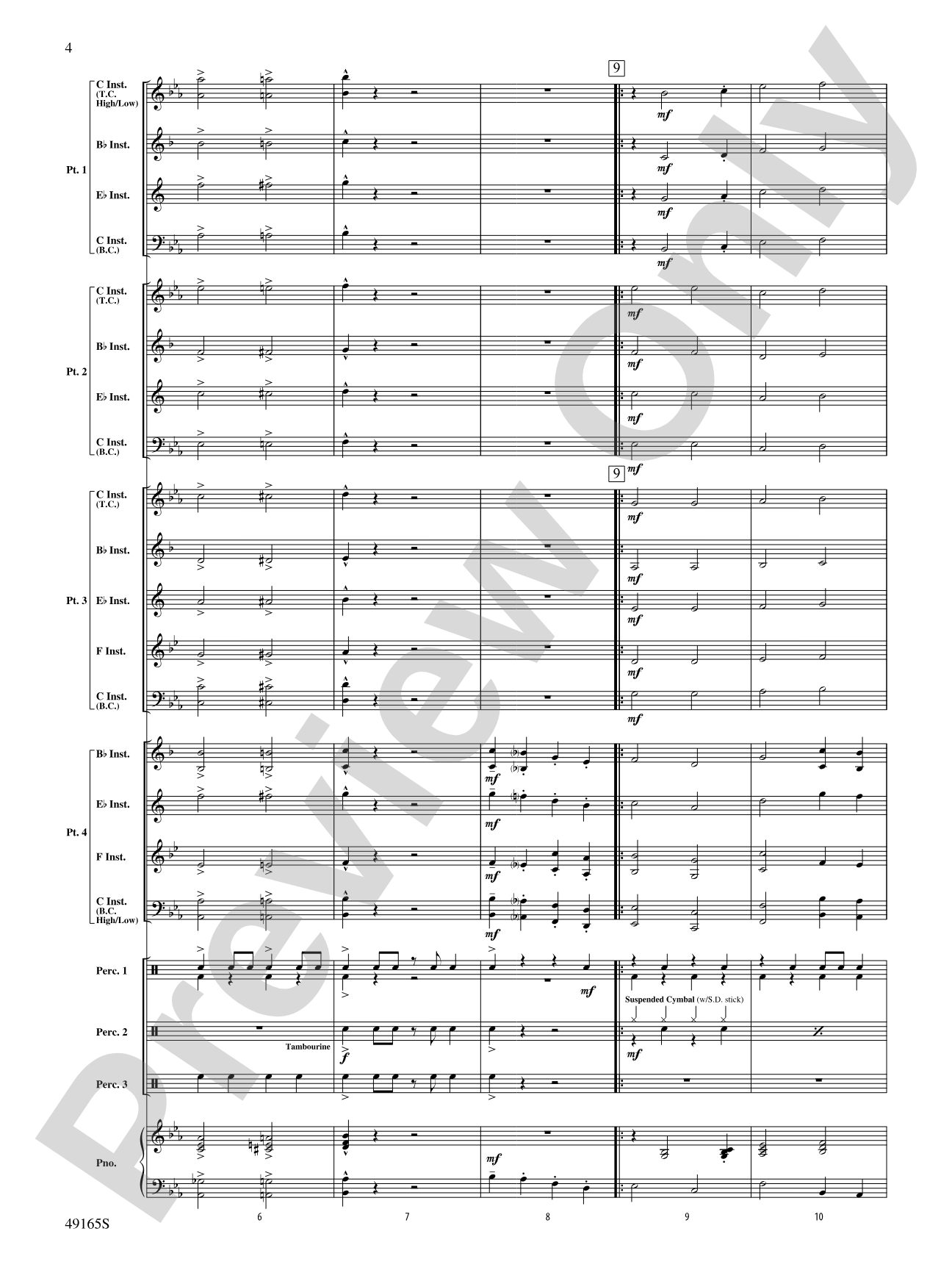
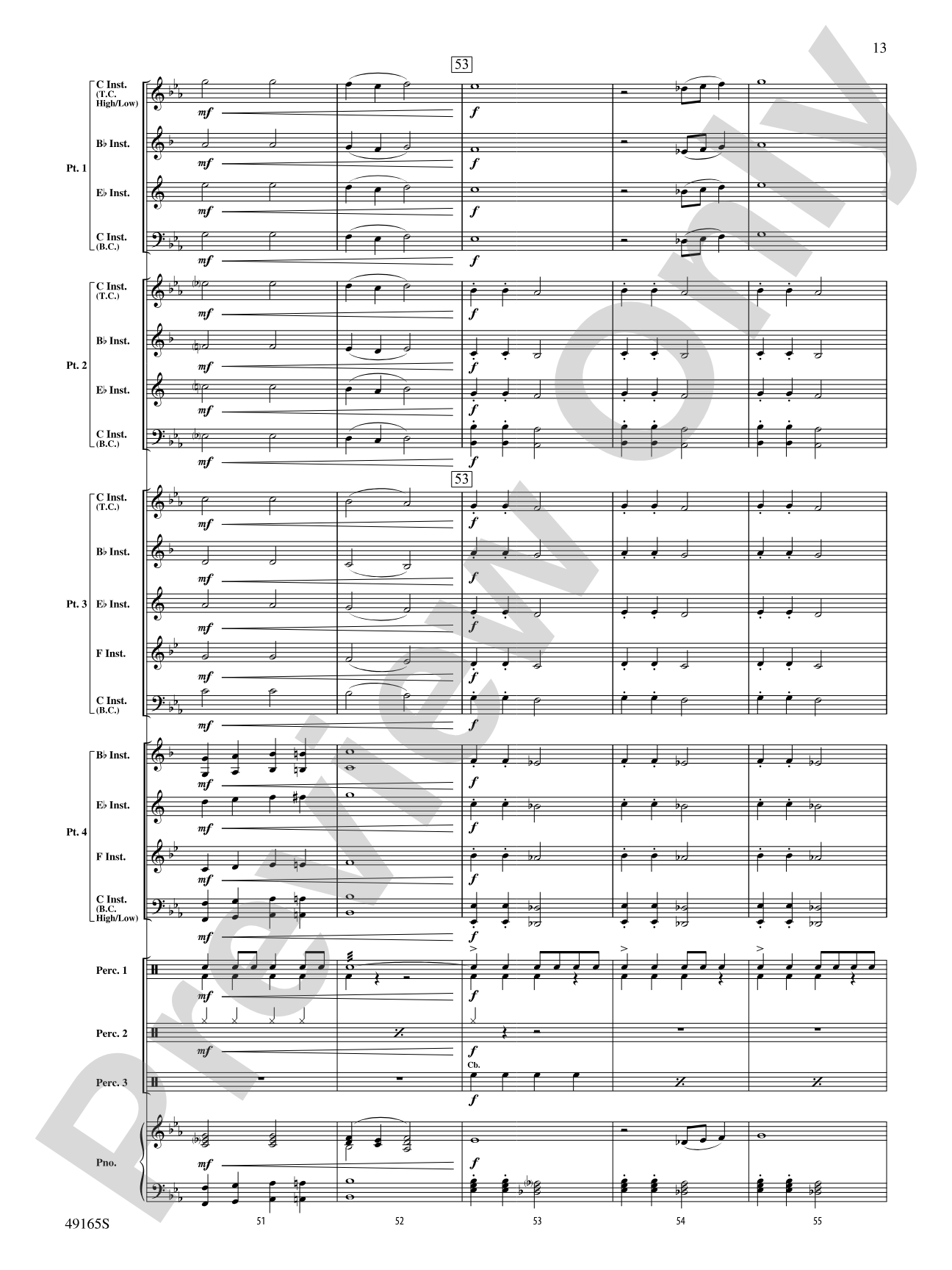
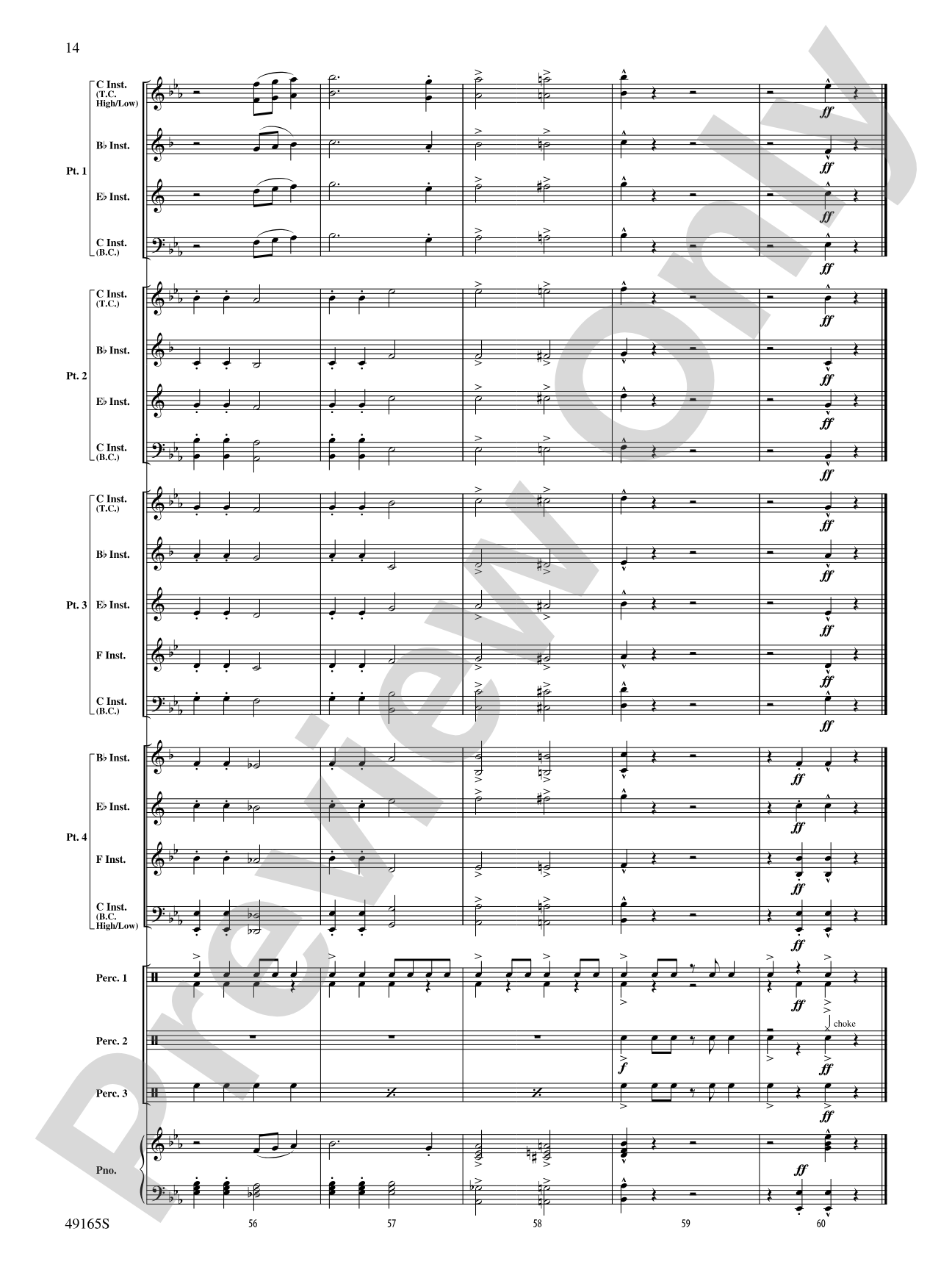
This version of I Got Rhythm arranged by Michael Story is part of our Belwin FLEX offerings and is designed with maximum flexibility for use by any mix of instruments---wind, strings, and percussion, including like- or mixed-ensembles with as few as 4 players. The suggested instrumentation and a customizable Teacher Map will help you plan out how to best assign parts to suit your ensemble's needs. The 4-part instrumentation will support balanced instrumentation of the lower voices. It also comes with supplemental parts for maximum flexibility. With the purchase of this piece, permission is granted to photocopy the parts as needed for your ensemble. A percussion accompaniment track is also available as a free download. String parts have been carefully edited with extra fingerings and appropriate bowings to support students in mixed ensembles playing in less familiar keys.
This timeless George and Ira Gershwin jazz classic has been covered by dozens of popular artists. The song remains one of the most recognizable melodies from the 20th century. In a charismatic contemporary arrangement, I Got Rhythm is accessible to first-year students and will be an upbeat addition to any program. (1:45) This title is available in MakeMusic Cloud.
Percussion Accompaniment Track Downloads:
with click.
without click.


This timeless George and Ira Gershwin jazz classic has been covered by dozens of popular artists. The song remains one of the most recognizable melodies from the 20th century. In a charismatic contemporary arrangement, I Got Rhythm is accessible to first-year students and will be an upbeat addition to any program. (1:45) This title is available in MakeMusic Cloud.
Percussion Accompaniment Track Downloads:
with click.
without click.
Don't just read it, hear it, play along with it, and watch your students grow with it. In MakeMusic Cloud, I Got Rhythm: Flexible Band/String Ensemble Score & Parts comes alive with professional accompaniment, adjustable tempo, and built-in practice tools that turn solo practice into real progress.
Open in the Player
Jump straight in and assign it today.
Start Your Free Trial
Open this title and explore the full library in minutes.
Sample Audio
No sample audio found.
Sample Video
Additional Details
Series:
Pop Beginning Band
Publisher:
Alfred Music
Page Count:
76
SKU:
00-PK-0008206
More about this title
About the Composer: George Gershwin
George Gershwin (1898-1937) bridged the worlds of concert music and popular song with unmatched fluency, creating works that remain central to American musical identity. His gift for melody and harmonic sophistication made him one of the most performed composers of the 20th century, and his influence on how we teach jazz idioms and contemporary styles in schools is immeasurable. I Got Rhythm, written with his brother Ira in 1930, became the melodic and harmonic foundation for countless jazz standards and improvisations.
Why we love this
Michael Story's arrangement captures everything that makes this tune irresistible while keeping the demands manageable for beginning mixed ensembles. The customizable Teacher Map and flexible instrumentation system solve the real logistical challenge of combining instruments at different proficiency levels, and the carefully edited string parts with fingerings and bowings make less familiar keys approachable for younger players. Most importantly, students play a melody they already recognize, which builds confidence and engagement from the first rehearsal.
What to expect
Bright, swinging, and immediately joyful. The melody bounces with infectious energy, supported by a groove that feels both sophisticated and utterly accessible. Even at this easy level, the piece breathes with the spirit of a jazz standard, offering students a genuine taste of American vernacular music rather than a dumbed-down approximation.
Who it's for
This arrangement is built for any beginning mixed ensemble struggling with instrumentation balance or the logistics of combining winds, strings, and percussion. Directors working with first-year students in heterogeneous groups will find the flexible parts and Teacher Map essential; you can assign voices based on who shows up that day. It's equally valuable for small ensembles (quartets, quintets) that need accessible repertoire with real musicality.
How to get the most out of it
- Balance the familiar head melody against the accompaniment by having principal voices (however you distribute them) play with clear presence while keeping supporting parts appropriately recessed in the mix.
- Lock the rhythm section early and often. Even at Grade 1, the groove drives the piece, so establish rock-solid time among the bass, lower winds, and percussion before layering in the melody.
- Lean into the jazz inflection of the melody. Encourage slight swing on eighth notes and attention to phrasing that respects the syncopation; this isn't a march, and the rhythmic looseness is part of the charm.
- Use the free percussion accompaniment track during rehearsals to give students a strong harmonic and rhythmic reference, especially when sectionals are necessary.
How to use it
Program this early in the concert season as a morale-builder and ensemble-bonding moment. The familiar tune draws family and community engagement, and its upbeat character provides perfect contrast to any serious or classical pieces nearby. It works beautifully as a concert opener or closer, and the short duration (1:45) makes it ideal for pops concerts, school assemblies, or informal performances where accessibility matters.
Skills your students will build
- Reading and performing swing eighths and syncopated rhythms in jazz style
- Playing in less familiar keys with support from edited fingerings and bowings
- Balancing melody and accompaniment across mixed instrumental colors
- Responding to ensemble cues and maintaining groove in a non-classical idiom
- Flexible part assignment based on instrumentation needs and individual proficiency