
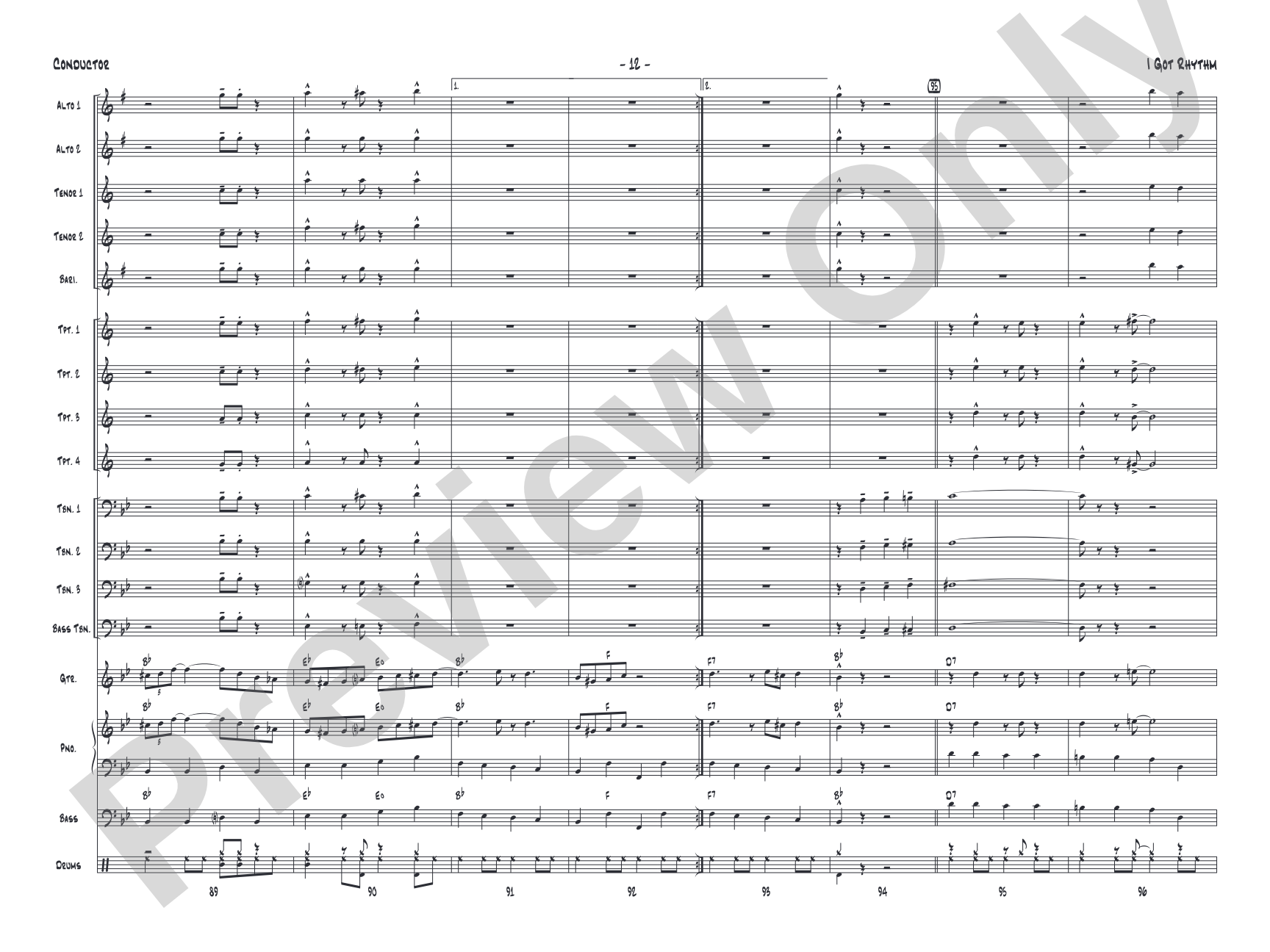
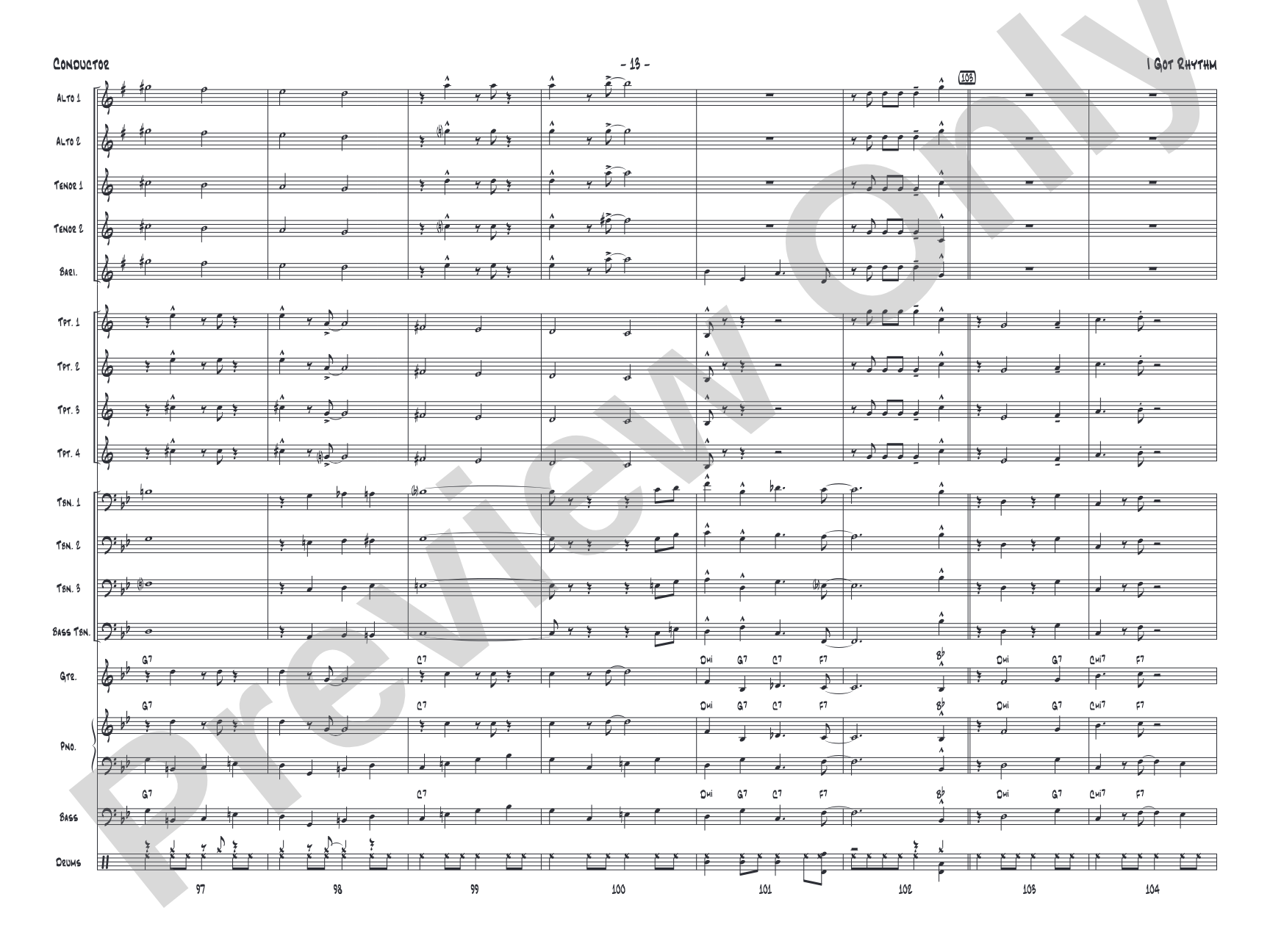
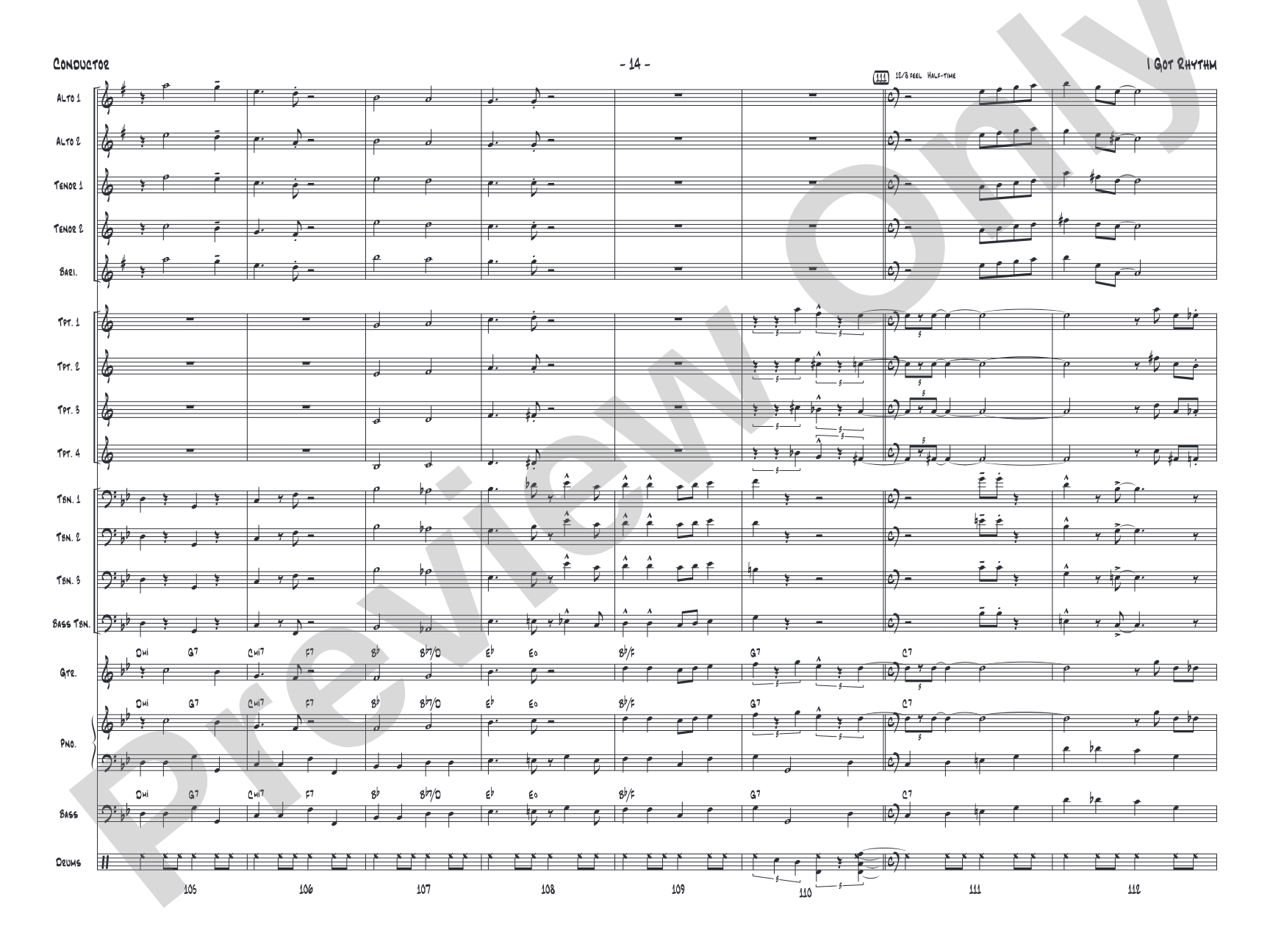
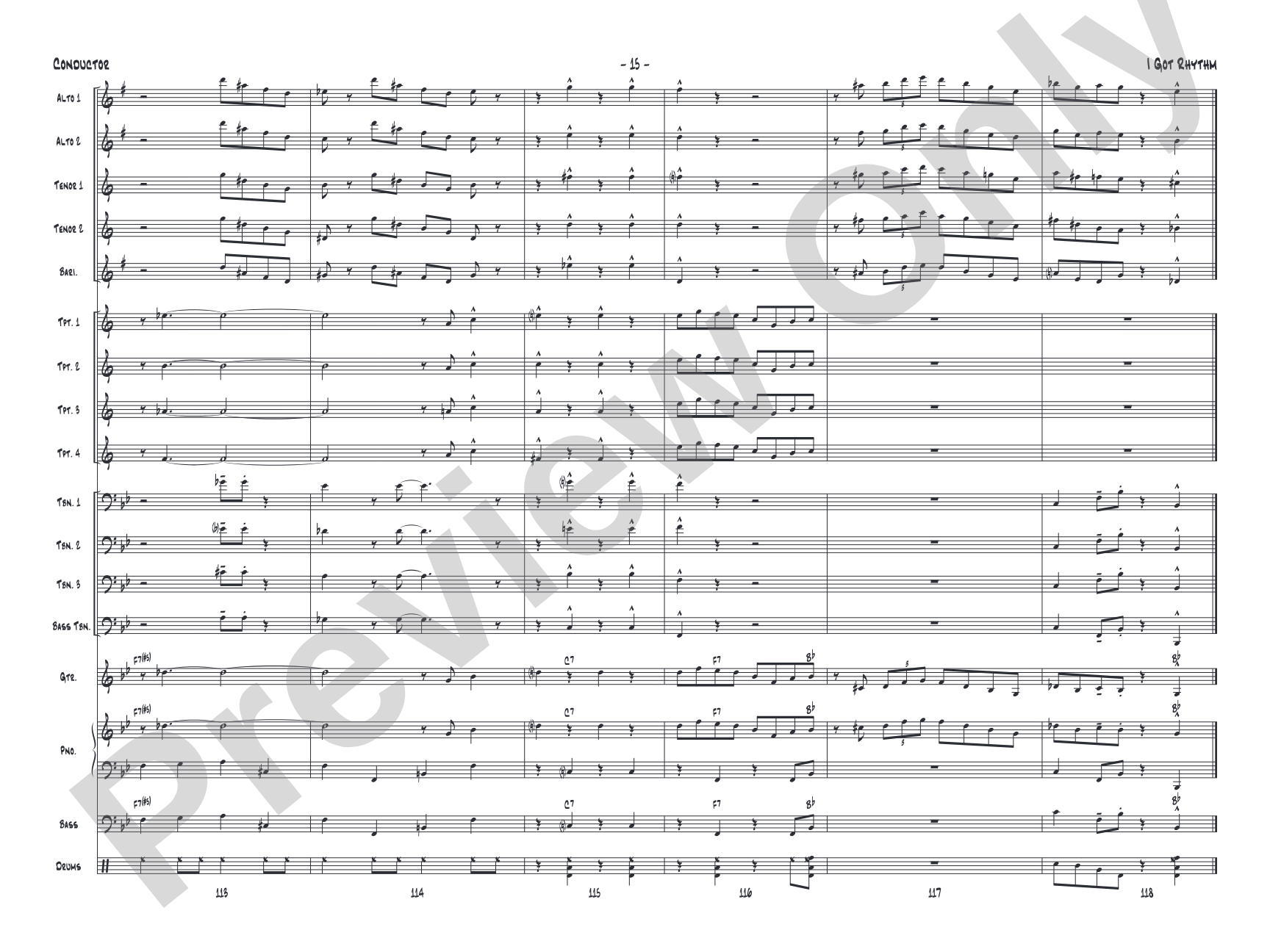

I Got Rhythm: Jazz Ensemble Conductor Score & Parts
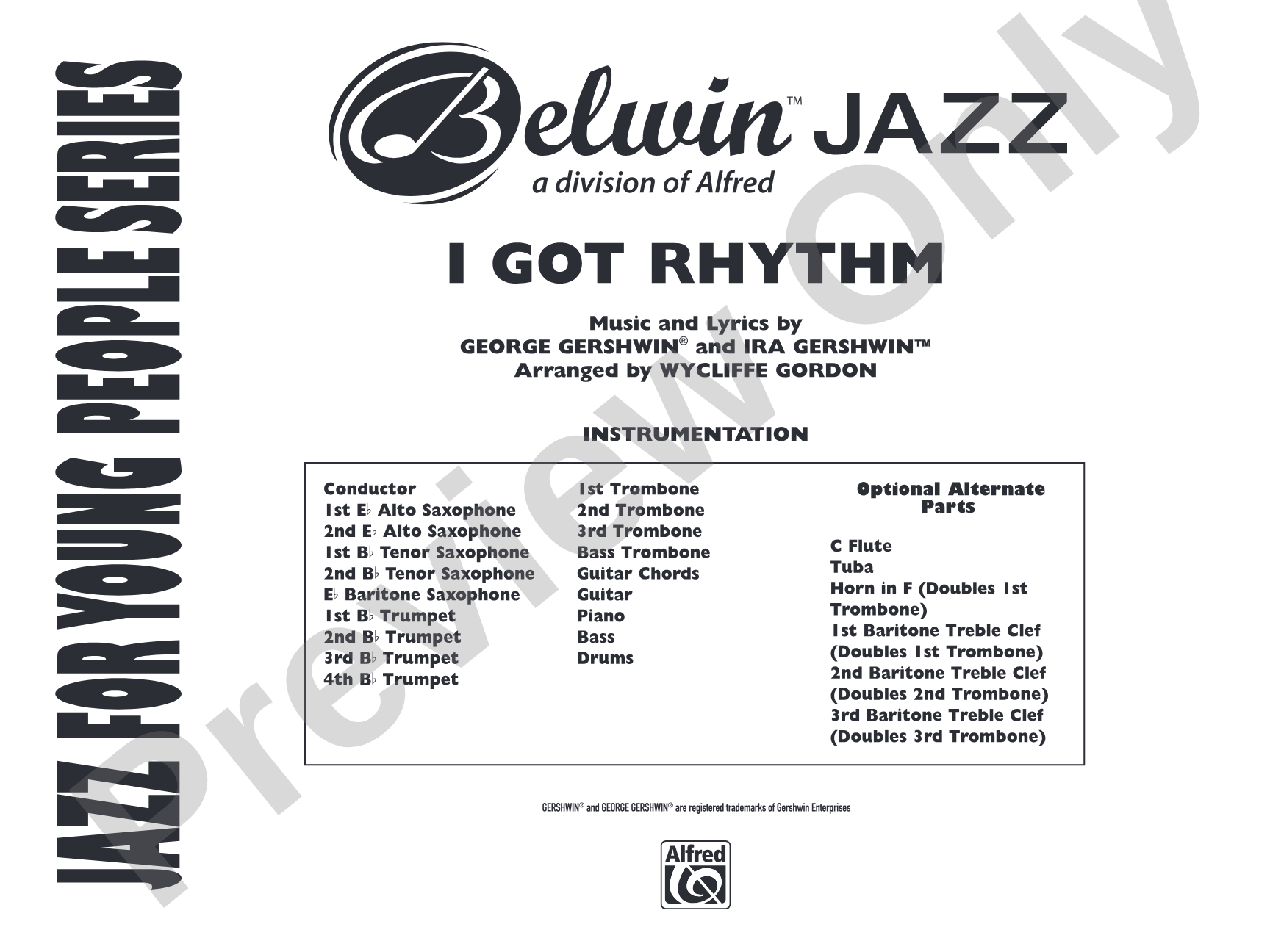
Music and lyrics by George Gershwin and Ira Gershwin / arr. Wycliffe Gordon
Grade: 3 (Medium)
Item: 00-PK-0006896

$54.00
Pickup currently not available
Buy Extra Parts (Digital PDF Download)
| Product | Price | Quantity |
|---|---|---|
| I Got Rhythm: Score | $9.00 | |
| I Got Rhythm: E-flat Alto Saxophone | $3.00 | |
| I Got Rhythm: 2nd E-flat Alto Saxophone | $3.00 | |
| I Got Rhythm: B-flat Tenor Saxophone | $3.00 | |
| I Got Rhythm: 2nd B-flat Tenor Saxophone | $3.00 | |
| I Got Rhythm: E-flat Baritone Saxophone | $3.00 | |
| I Got Rhythm: 1st B-flat Trumpet | $3.00 | |
| I Got Rhythm: 2nd B-flat Trumpet | $3.00 | |
| I Got Rhythm: 3rd B-flat Trumpet | $3.00 | |
| I Got Rhythm: 4th B-flat Trumpet | $3.00 | |
| I Got Rhythm: 1st Trombone | $3.00 | |
| I Got Rhythm: 2nd Trombone | $3.00 | |
| I Got Rhythm: 3rd Trombone | $3.00 | |
| I Got Rhythm: Bass Trombone | $3.00 | |
| I Got Rhythm: Guitar Chords | $3.00 | |
| I Got Rhythm: Guitar | $3.00 | |
| I Got Rhythm: Piano Accompaniment | $3.00 | |
| I Got Rhythm: String Bass | $3.00 | |
| I Got Rhythm: Drums | $3.00 | |
| I Got Rhythm: Flute | $3.00 | |
| I Got Rhythm: Tuba | $3.00 | |
| I Got Rhythm: 1st F Horn | $3.00 | |
| I Got Rhythm: Baritone T.C. | $3.00 | |
| I Got Rhythm: 2nd Baritone T.C. | $3.00 | |
| I Got Rhythm: 3rd Baritone T.C. | $3.00 |
Parts Added to Cart!
Description
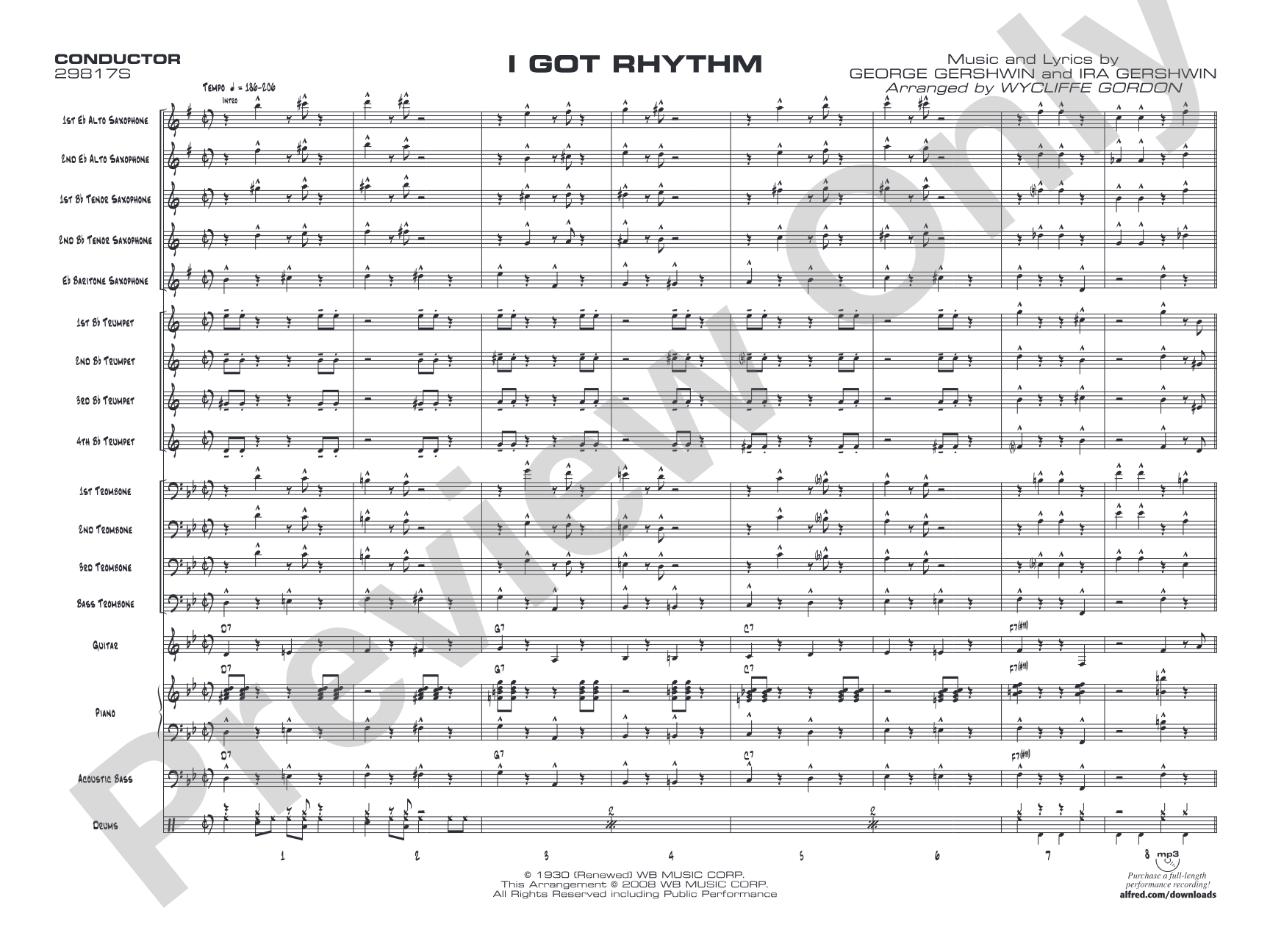
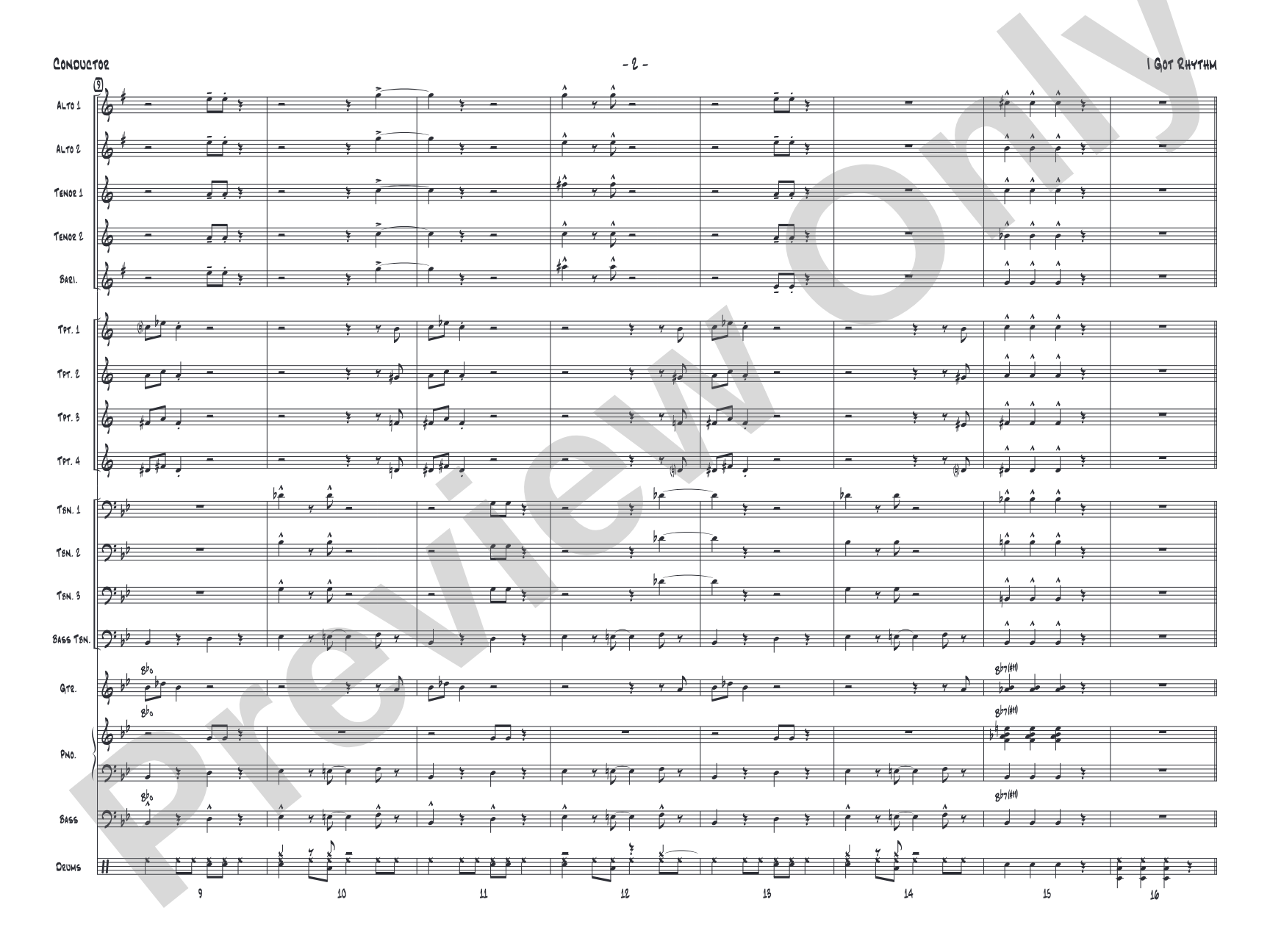
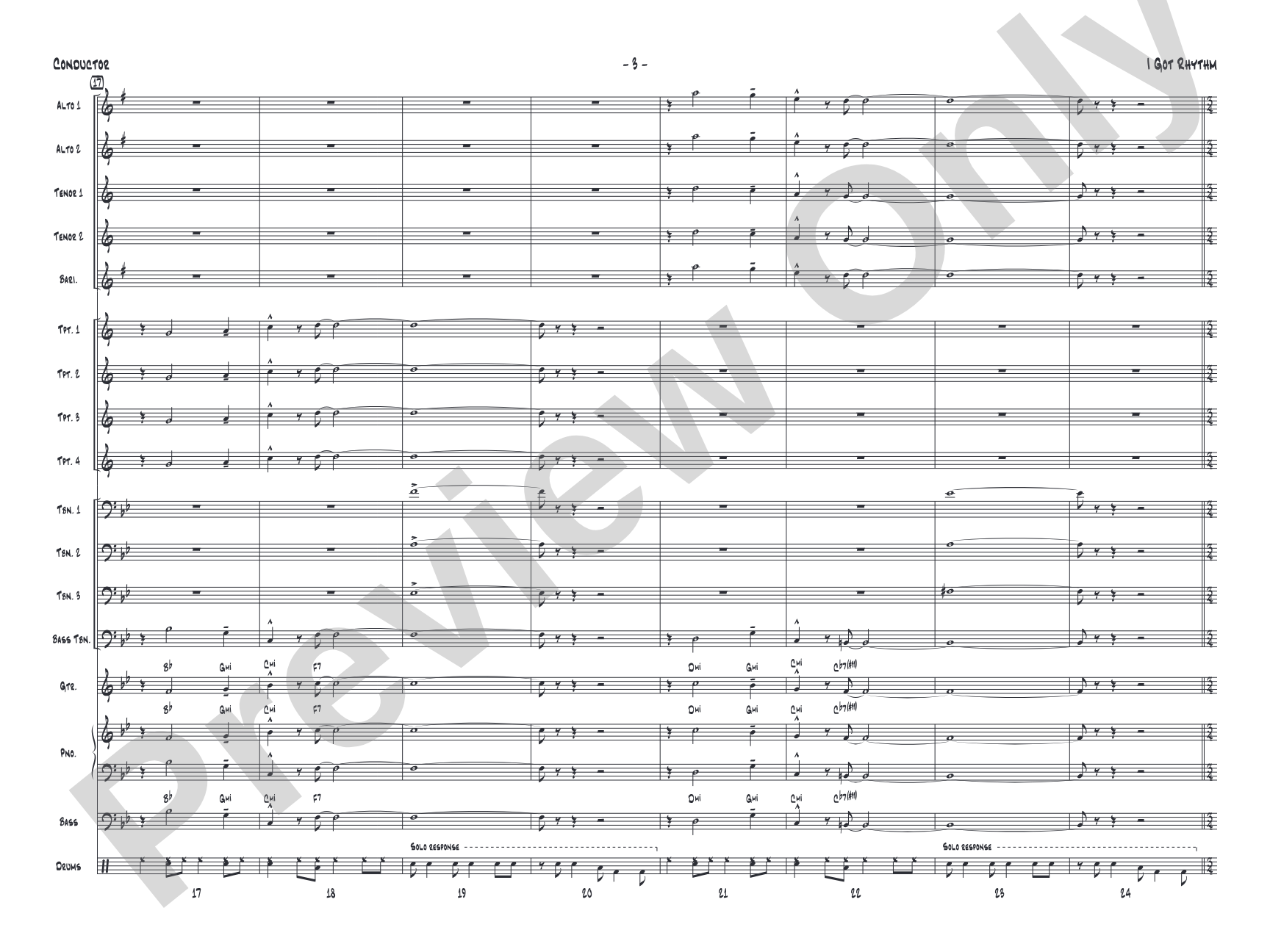
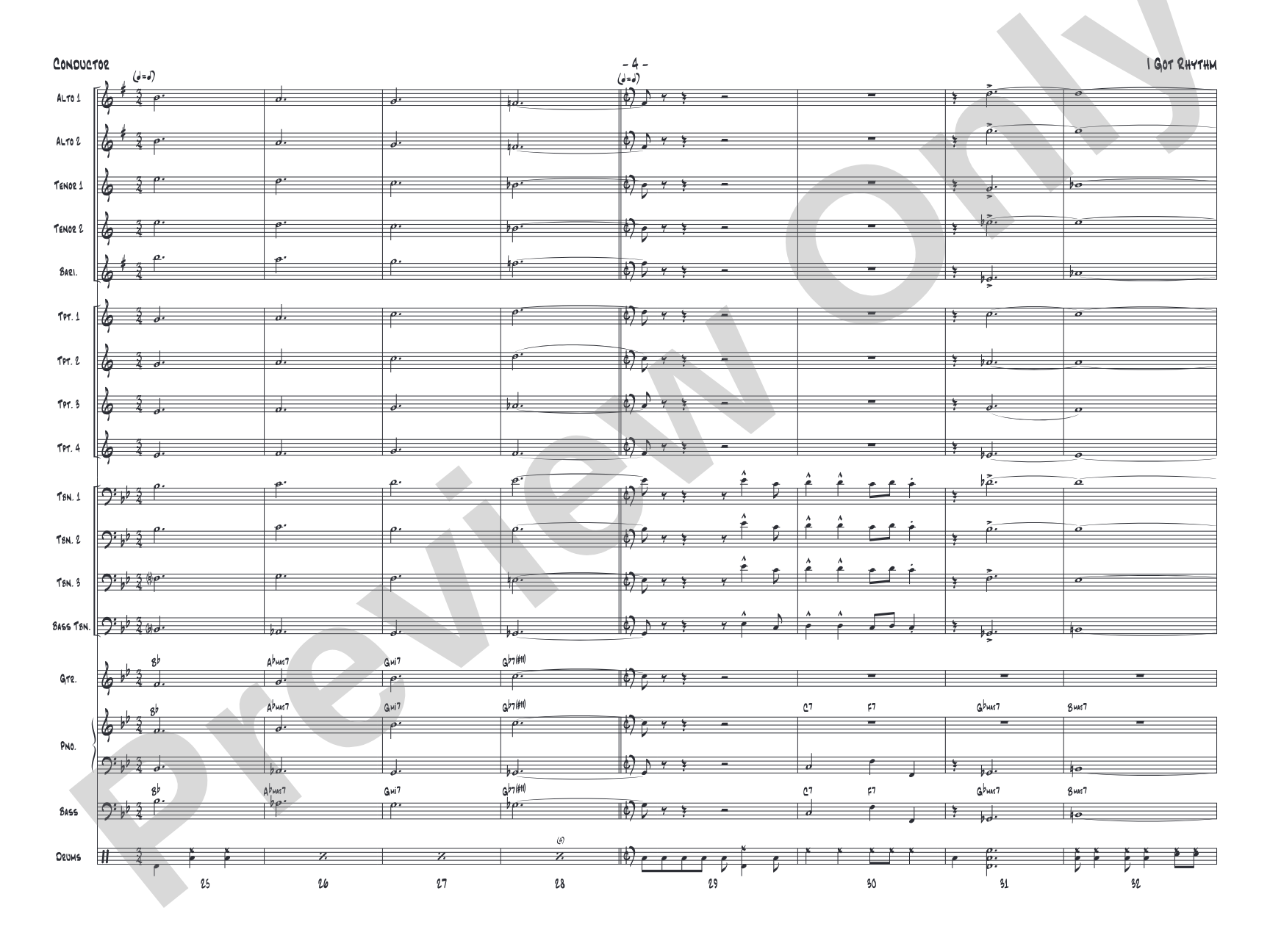
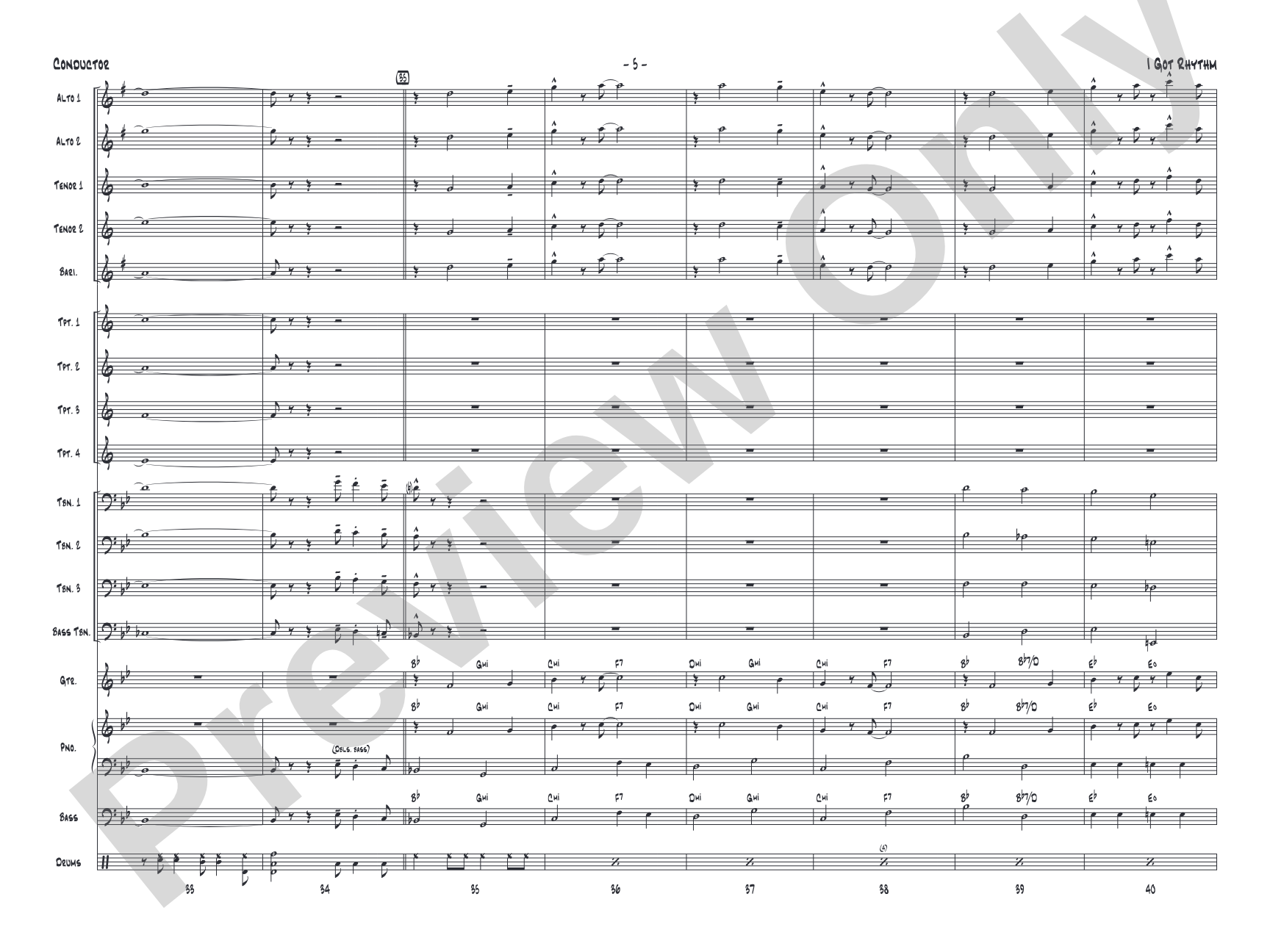
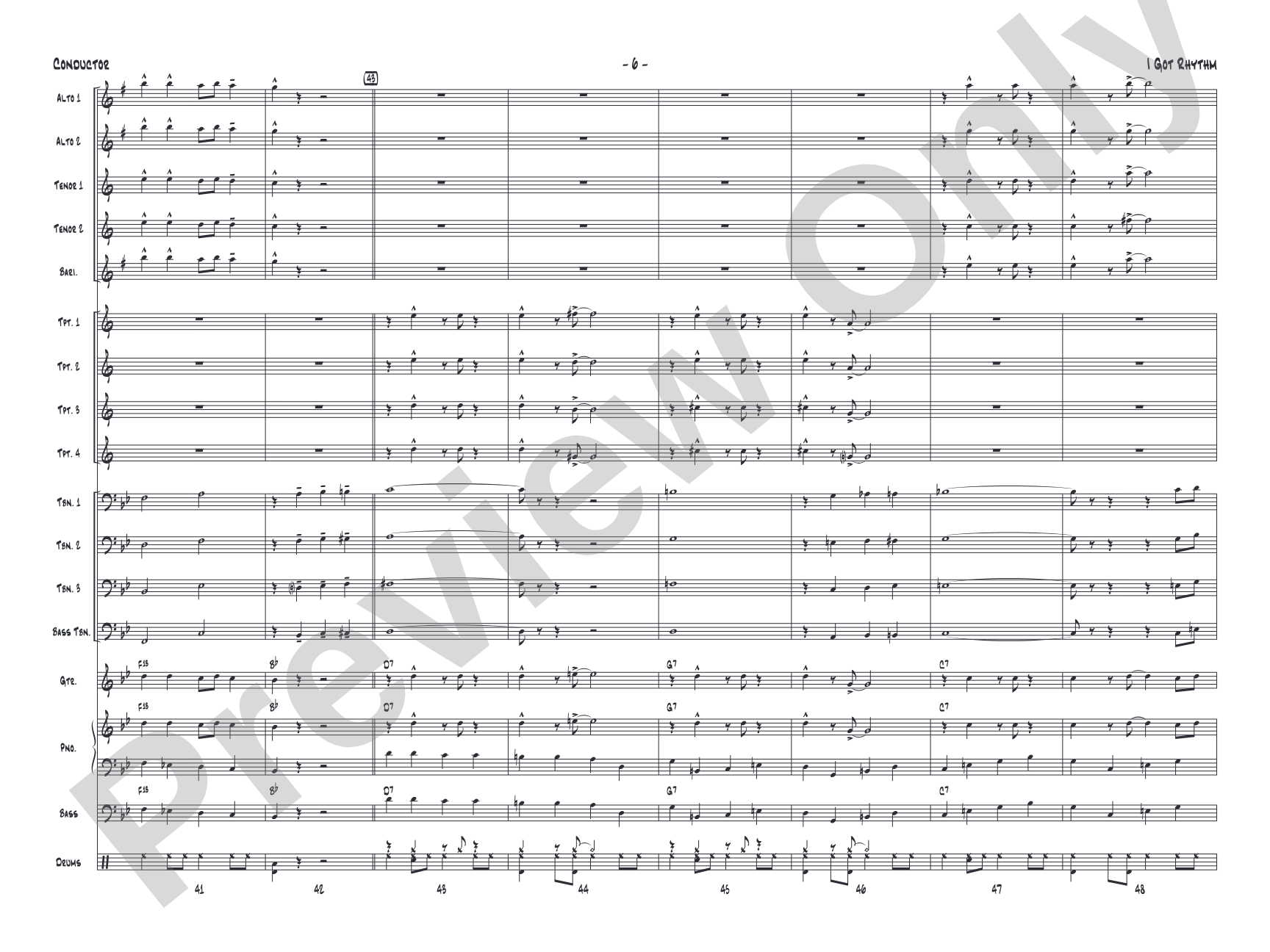
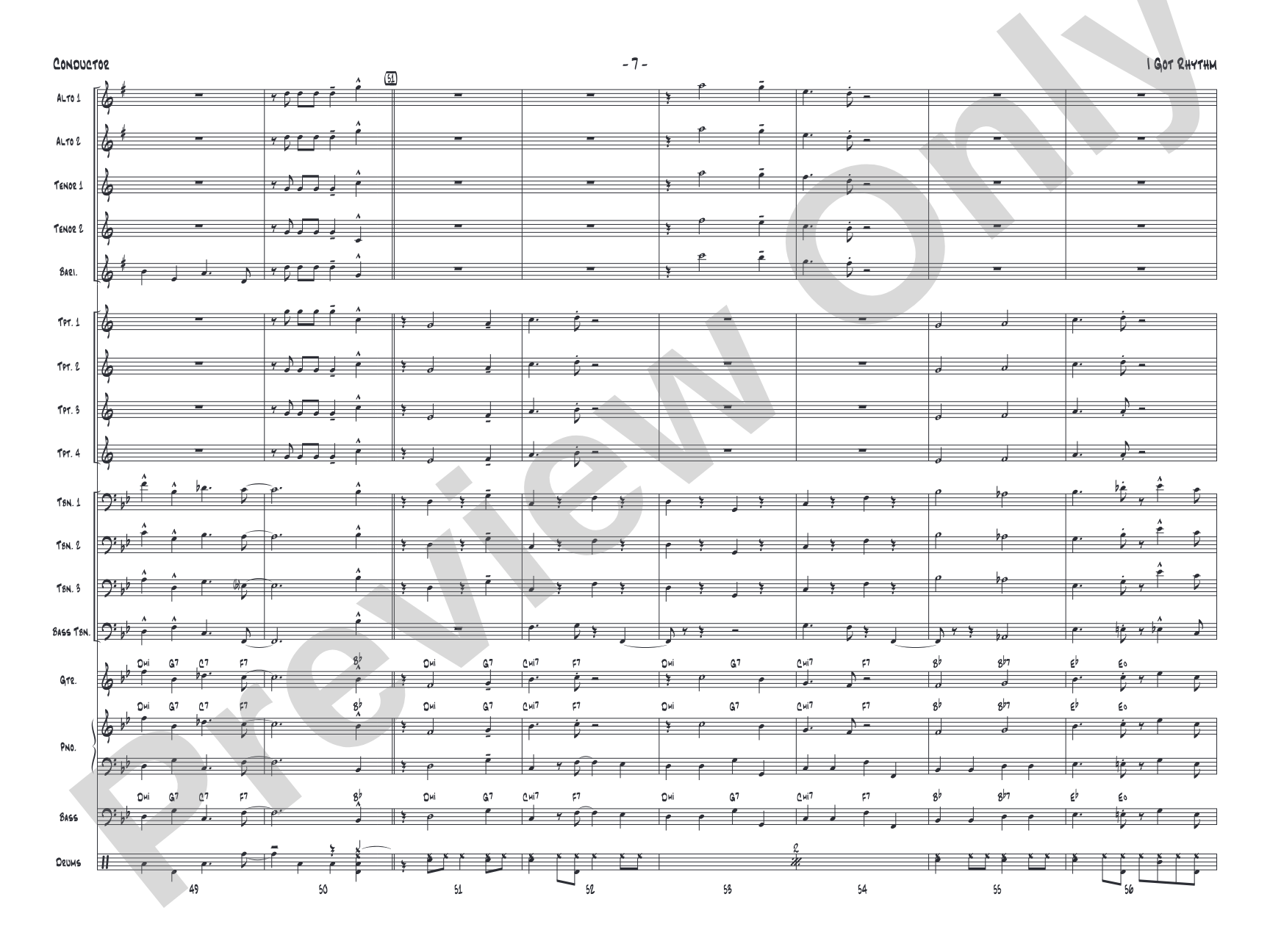
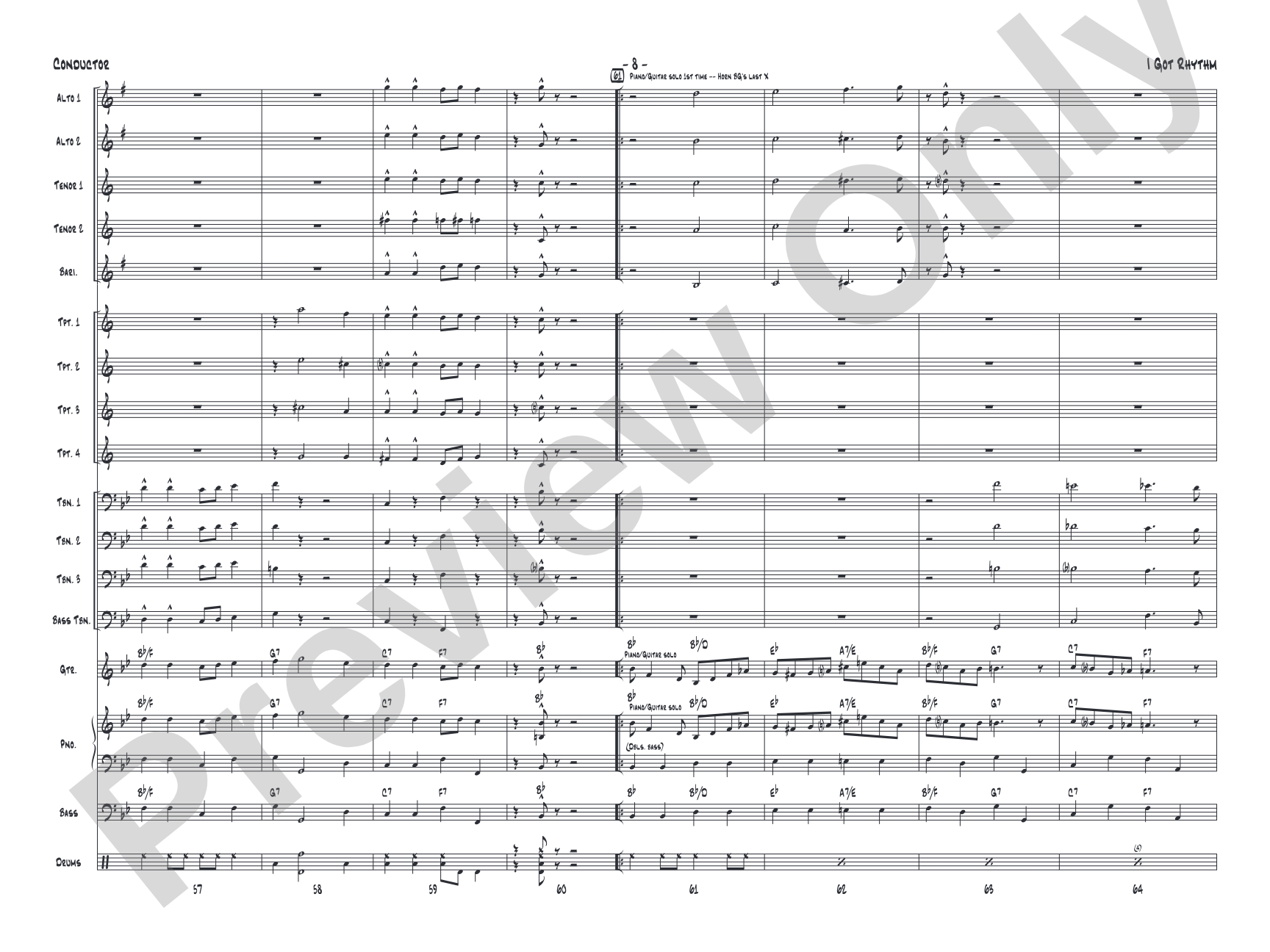
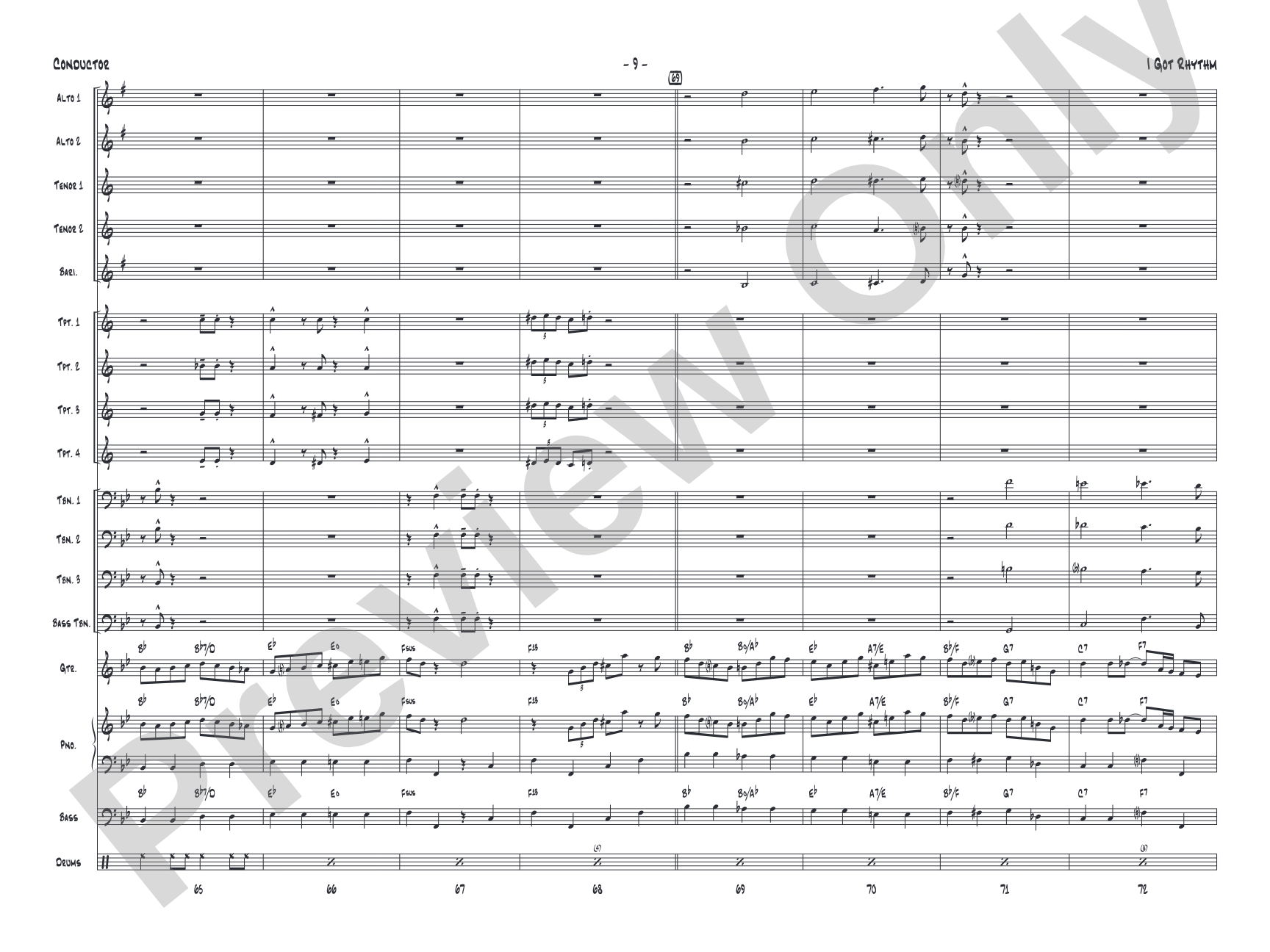
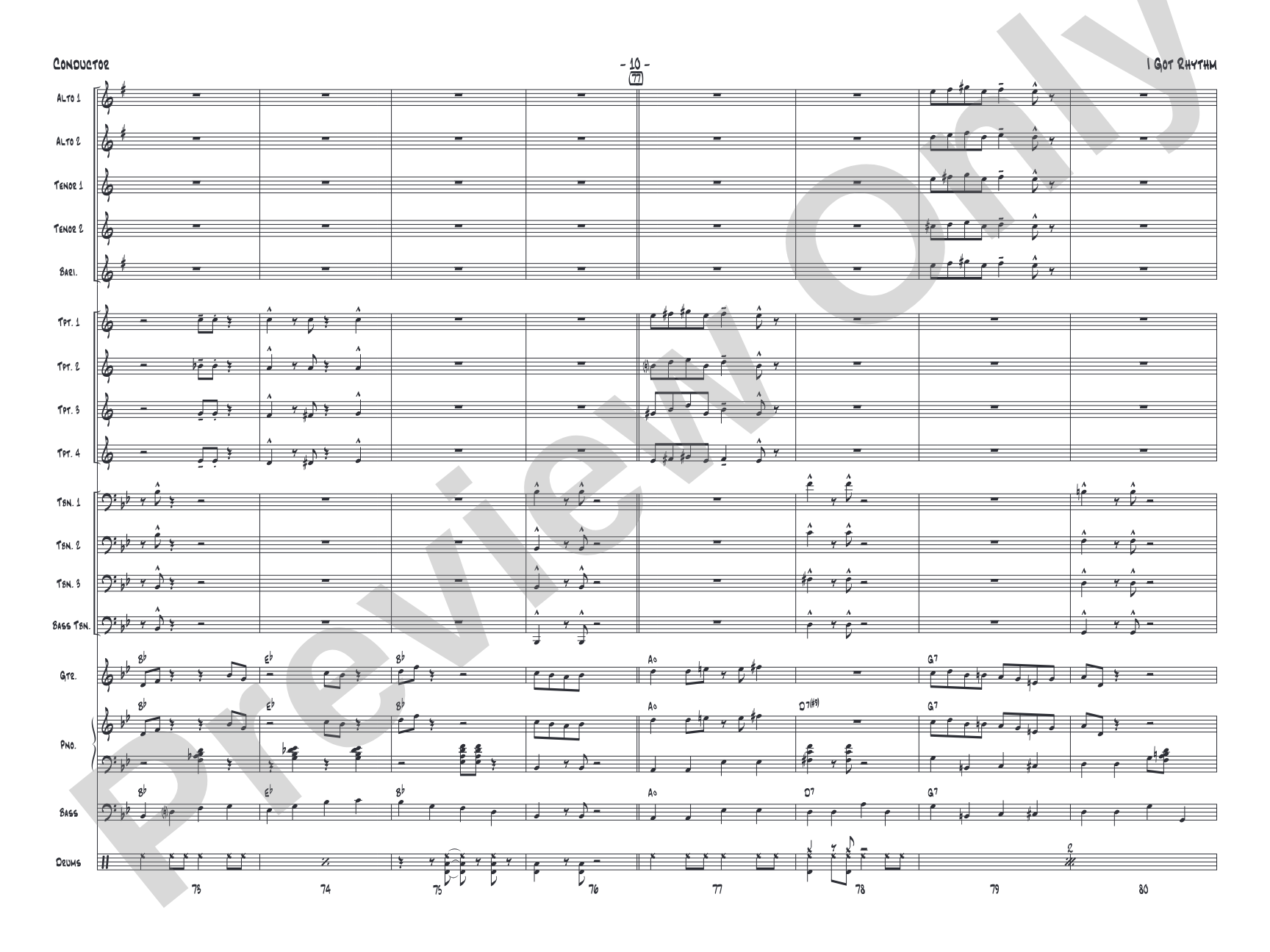
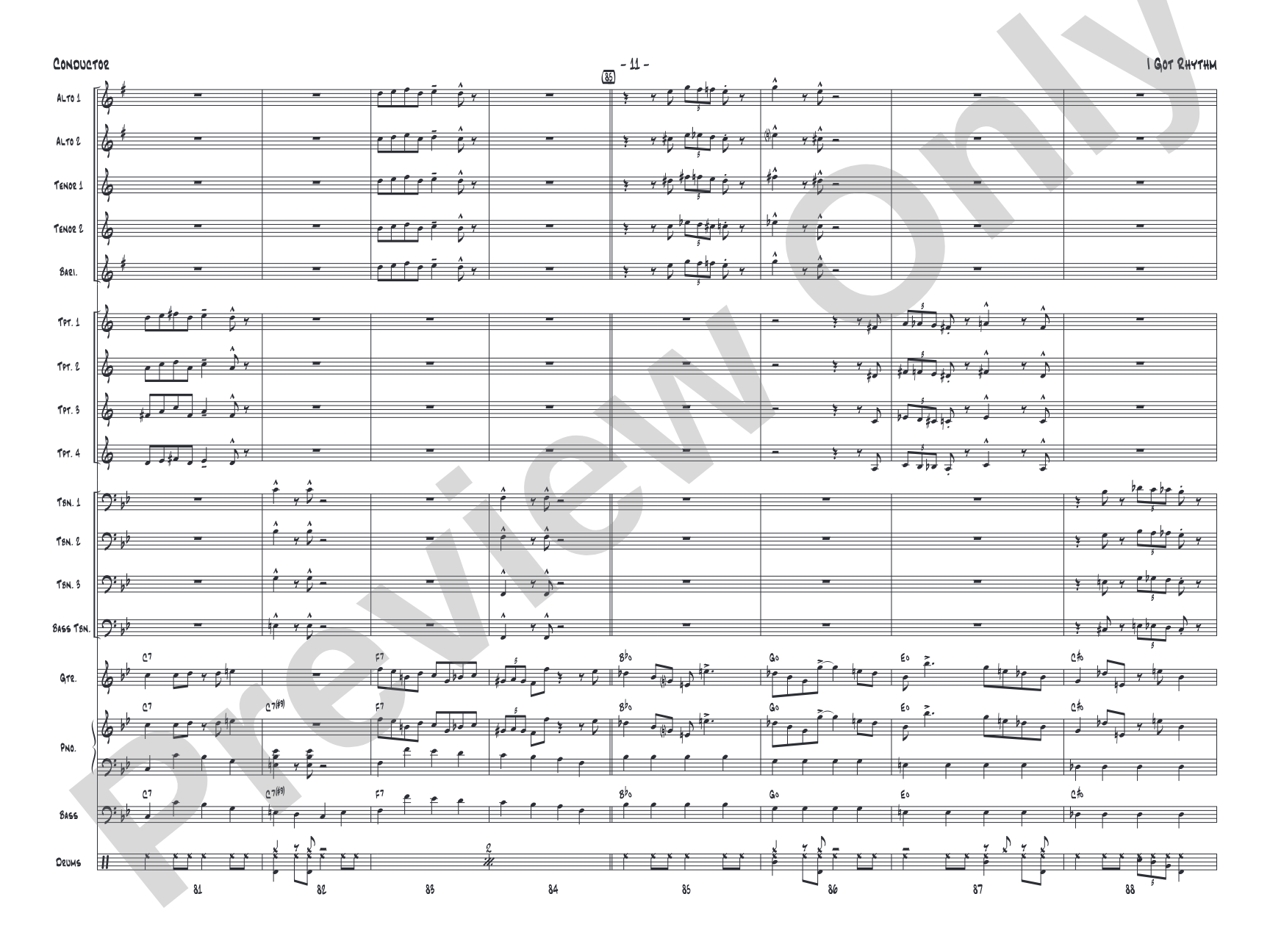
Everybody gets the melody in this unusual but hip swing chart. Check out how jazz trombonist Wycliffe Gordon has taken this jazz standard and worked his arranging magic. A piano or guitar solo section (can be any soloist), a brief meter change to 3/4, plenty of energy throughout---no one will doze off on this chart. A clever arrangement. (2:32)


Don't just read it, hear it, play along with it, and watch your students grow with it. In MakeMusic Cloud, I Got Rhythm: Jazz Ensemble Conductor Score & Parts comes alive with professional accompaniment, adjustable tempo, and built-in practice tools that turn solo practice into real progress.
Open in the Player
Jump straight in and assign it today.
Start Your Free Trial
Open this title and explore the full library in minutes.
Sample Audio
1
Audio File
--:--
0:00
0:00
Sample Video
No sample videos found.
Additional Details
Series:
Jazz for Young People Series
Publisher:
Alfred Music
Page Count:
98
SKU:
00-PK-0006896
More about this title
About the Composer: George Gershwin
George Gershwin (1898-1937) bridged classical composition and American popular music with a directness that still feels revolutionary. His melodies became the soundtrack to the Jazz Age, performed by everyone from concert pianists to dance bands, and his harmonic language shaped how generations of musicians understood the connection between concert hall and street-level culture.
Why we love this
Wycliffe Gordon's arrangement makes an iconic Gershwin standard feel freshly discovered. By distributing the melody across the ensemble rather than concentrating it in one voice, he creates a genuinely collaborative feel that keeps every section engaged and prevents the predictability that often comes with overly familiar material. The meter shift to 3/4 and the flex space for soloists transform this from a competent chart into something that rewards close listening.
What to expect
Bright, swinging, and built on genuine conversation between instruments. The arrangement feels like a jam session where everyone gets a turn, not a parade of solos. There's a real sense of play here, with the brief meter adventure adding just enough surprise to keep ears alert without disrupting the groove.
Who it's for
Jazz ensembles at the intermediate level, particularly those with developing soloists who need a framework that doesn't demand extended improvisation. Directors working with groups that include both experienced jazz players and younger musicians joining their first jazz band will find the distributed melody approach levels the playing field and builds ensemble confidence.
How to get the most out of it
- Balance the ensemble melody passages carefully. Since everyone has the tune at some point, players often overplay their moment. Remind sections that "having the melody" doesn't mean playing louder than the supporting voices around them.
- Use the meter change to 3/4 as a rehearsal landmark. Mark it clearly in parts, count it down before the section enters, and practice the transition separately until it feels organic rather than jarring.
- Choose your soloist(s) for the piano or guitar solo section based on who can comfortably navigate swing feel and connect with the rhythm section. This section is brief enough that it can showcase a developing improviser without requiring virtuosity.
- Keep the energy constant throughout the 2:32 duration. The "no one will doze off" arrangement works only if the ensemble stays locked into the groove from start to finish.
How to use it
Program this as a concert opener or as a palate-cleanser between more serious works. The accessibility of the melody and the tight runtime (2:32) make it ideal for mixed-age or mixed-experience jazz festivals. It also works well as a rehearsal morale booster when sections have been grinding through harder material.
Skills your students will build
- Swing feel and rhythmic precision in ensemble context
- Phrasing and balance when multiple sections carry the melody line simultaneously
- Meter flexibility, specifically transitioning between 4/4 and 3/4
- Solo development in a structured, supportive arrangement
- Listening skills and section independence within a group setting