
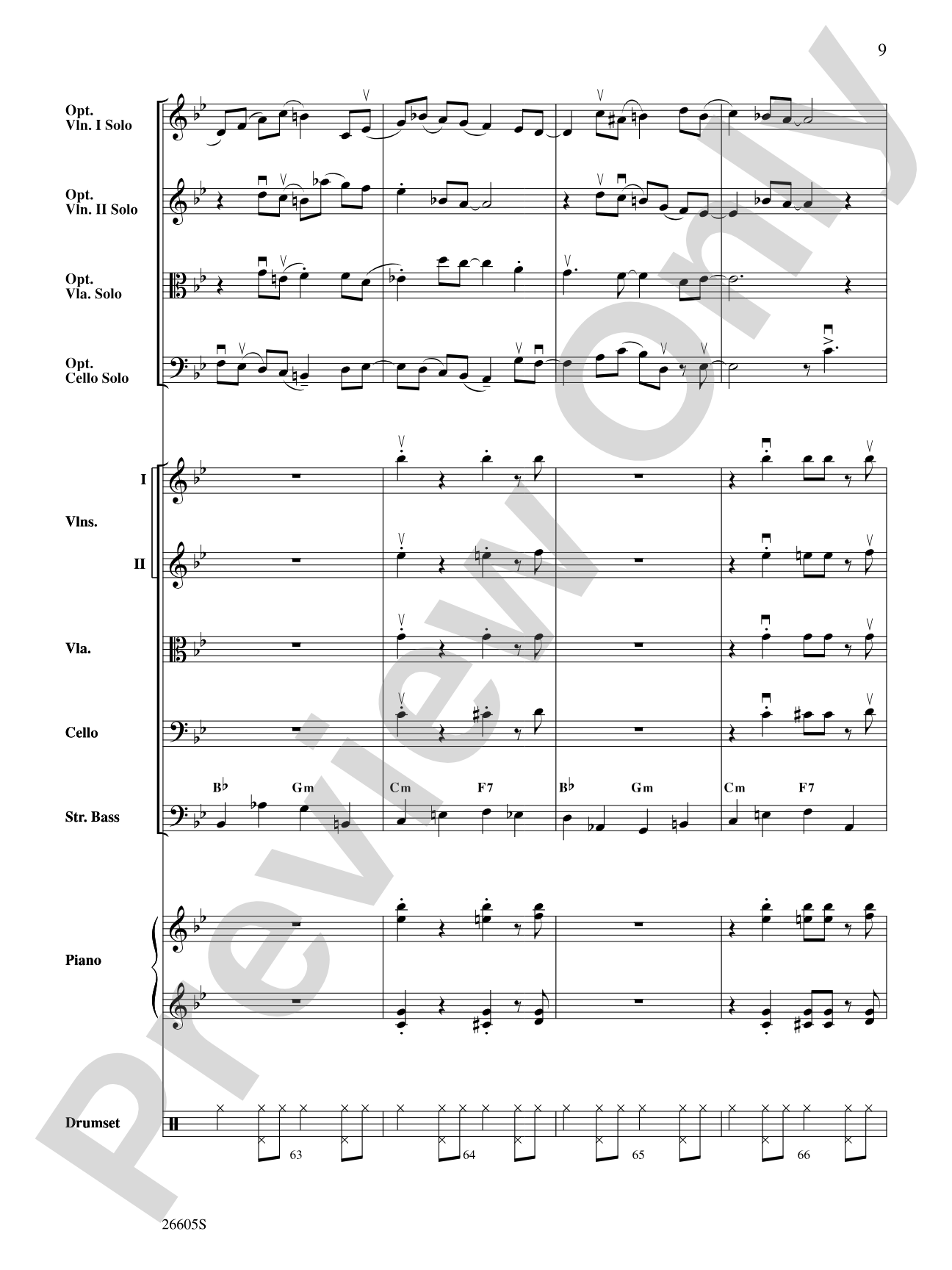
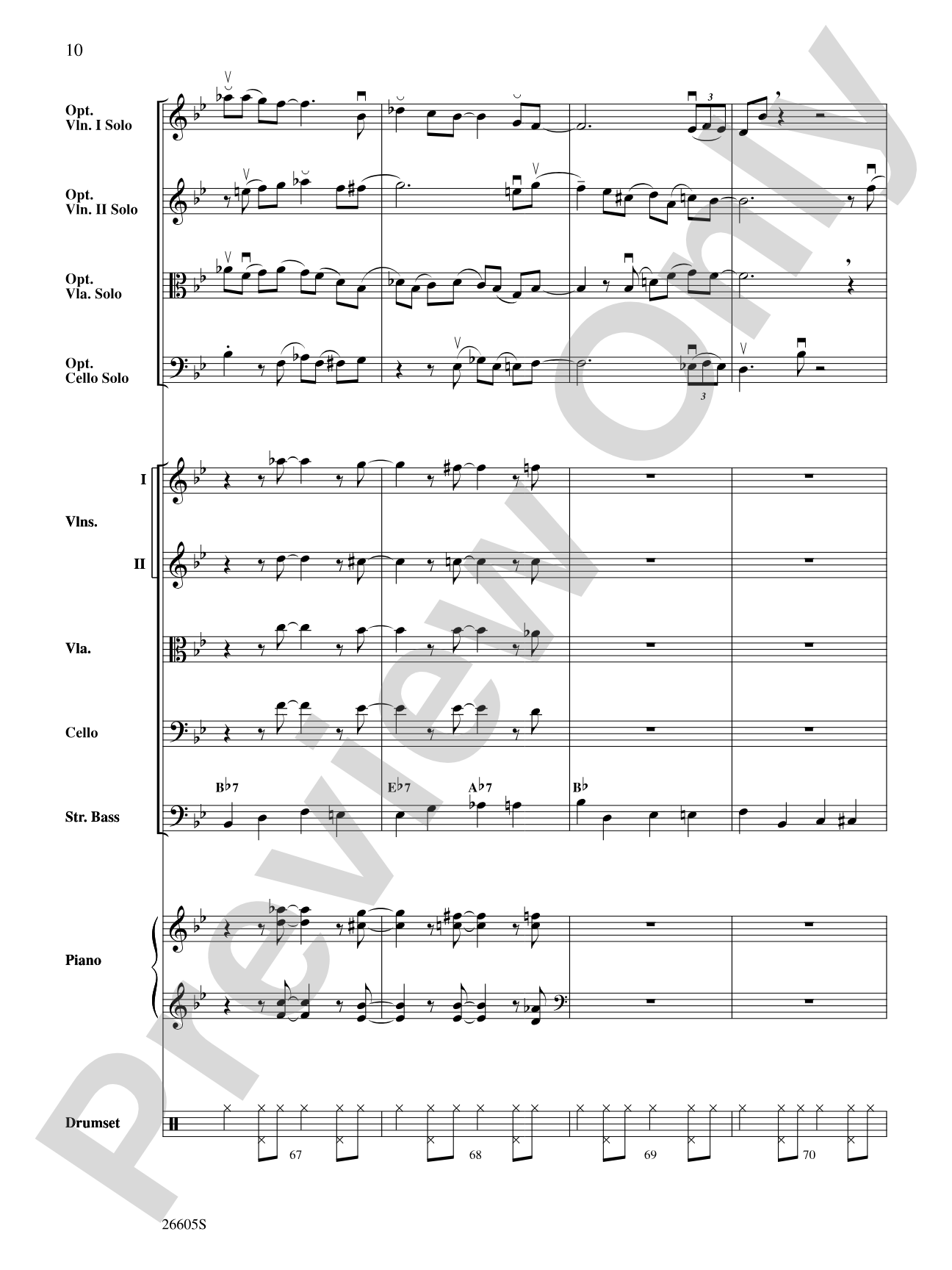
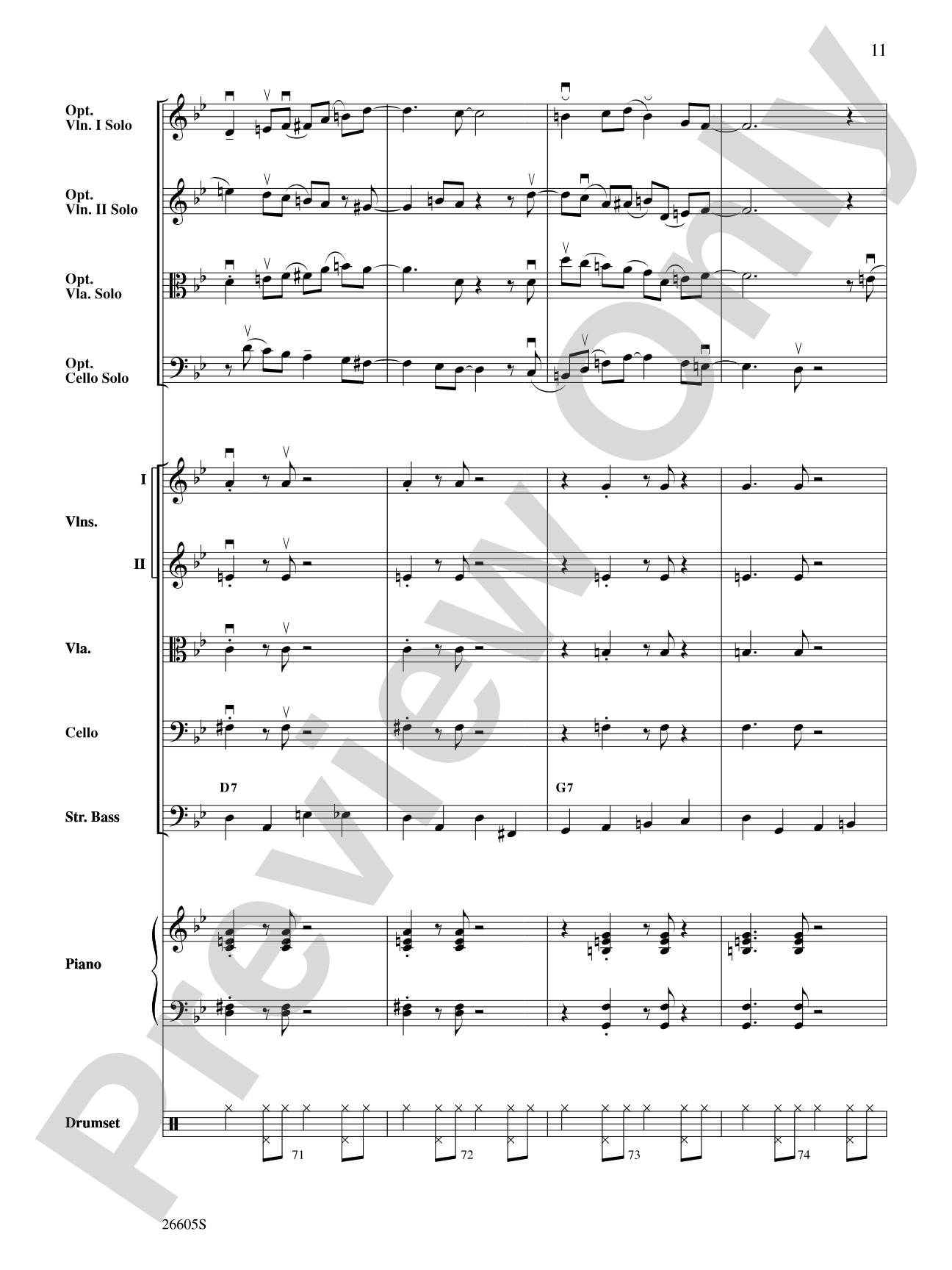
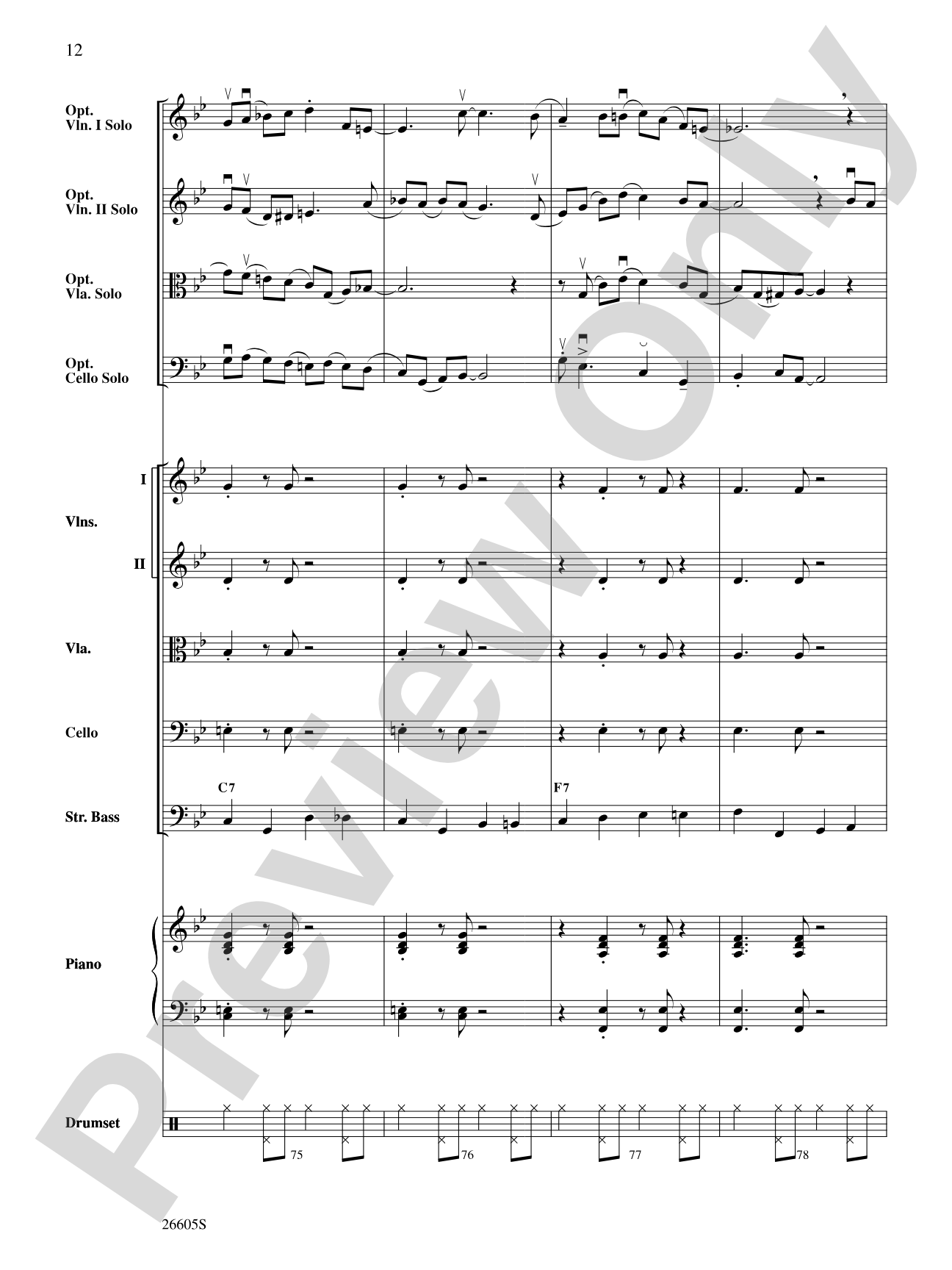



I Got Rhythm: String Orchestra Conductor Score & Parts
By George Gershwin / arr. Bert Ligon
Grade: 3.5
Item: 00-PK-0001117

$60.00
One moment…
Description
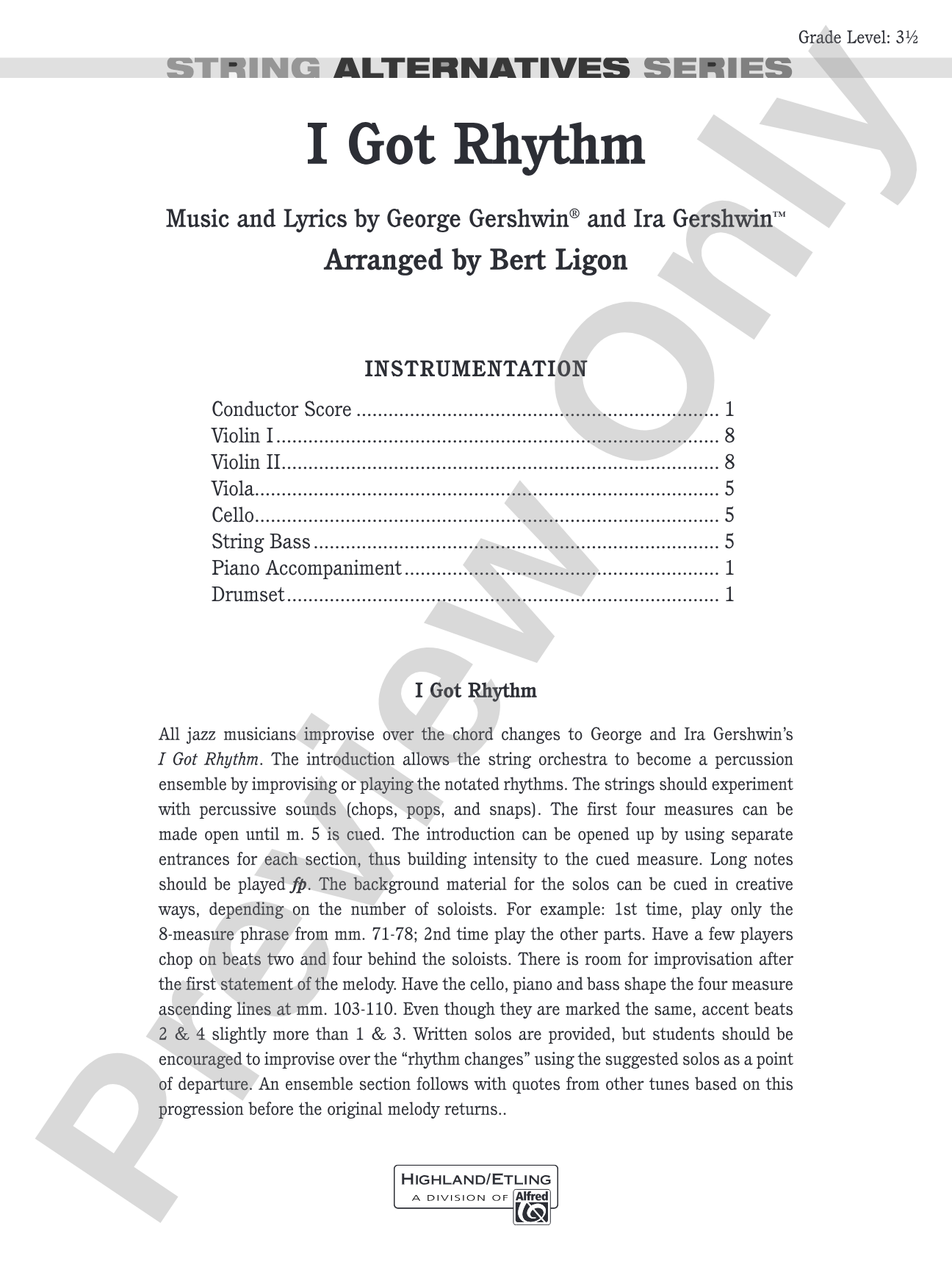
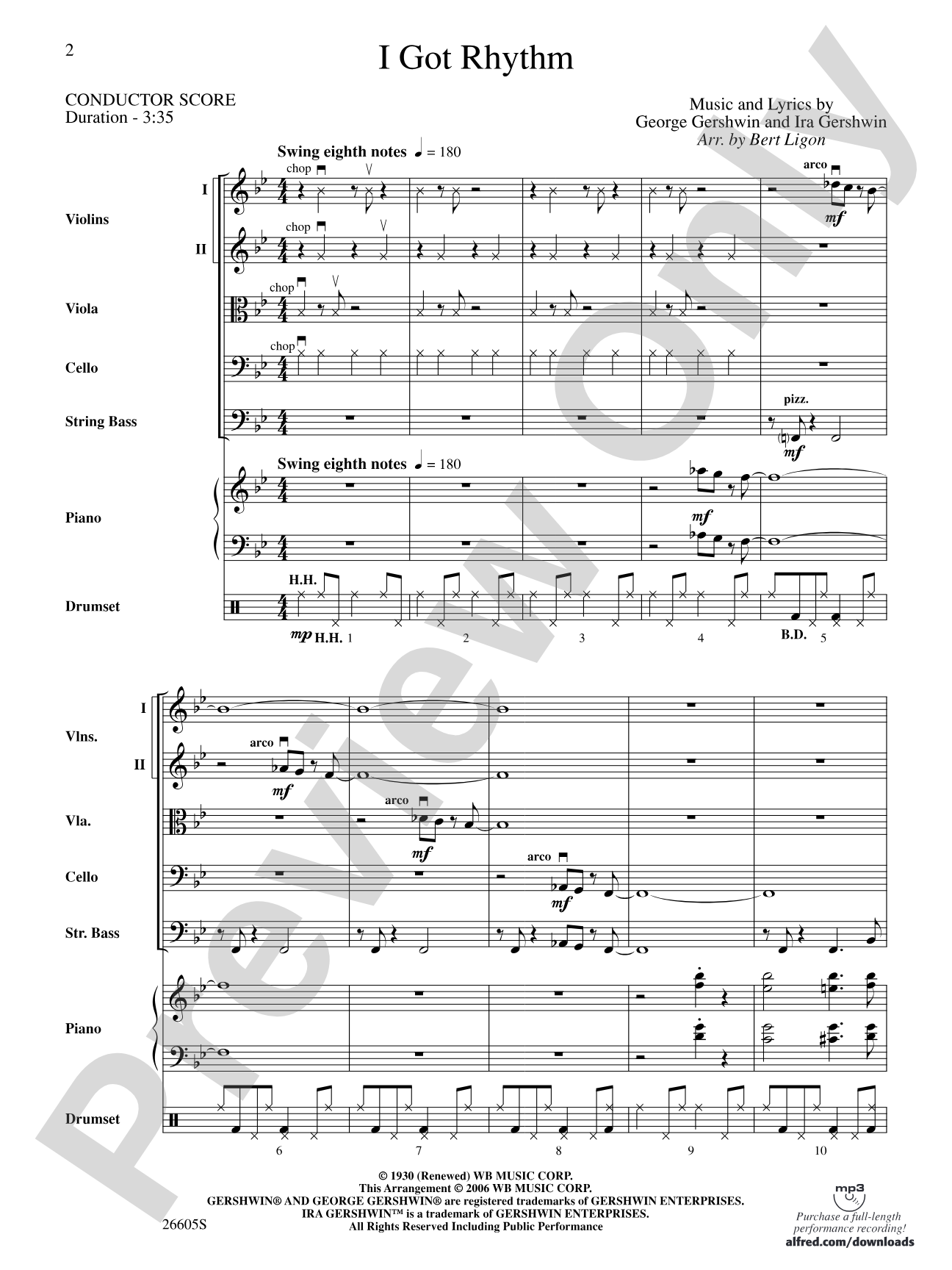
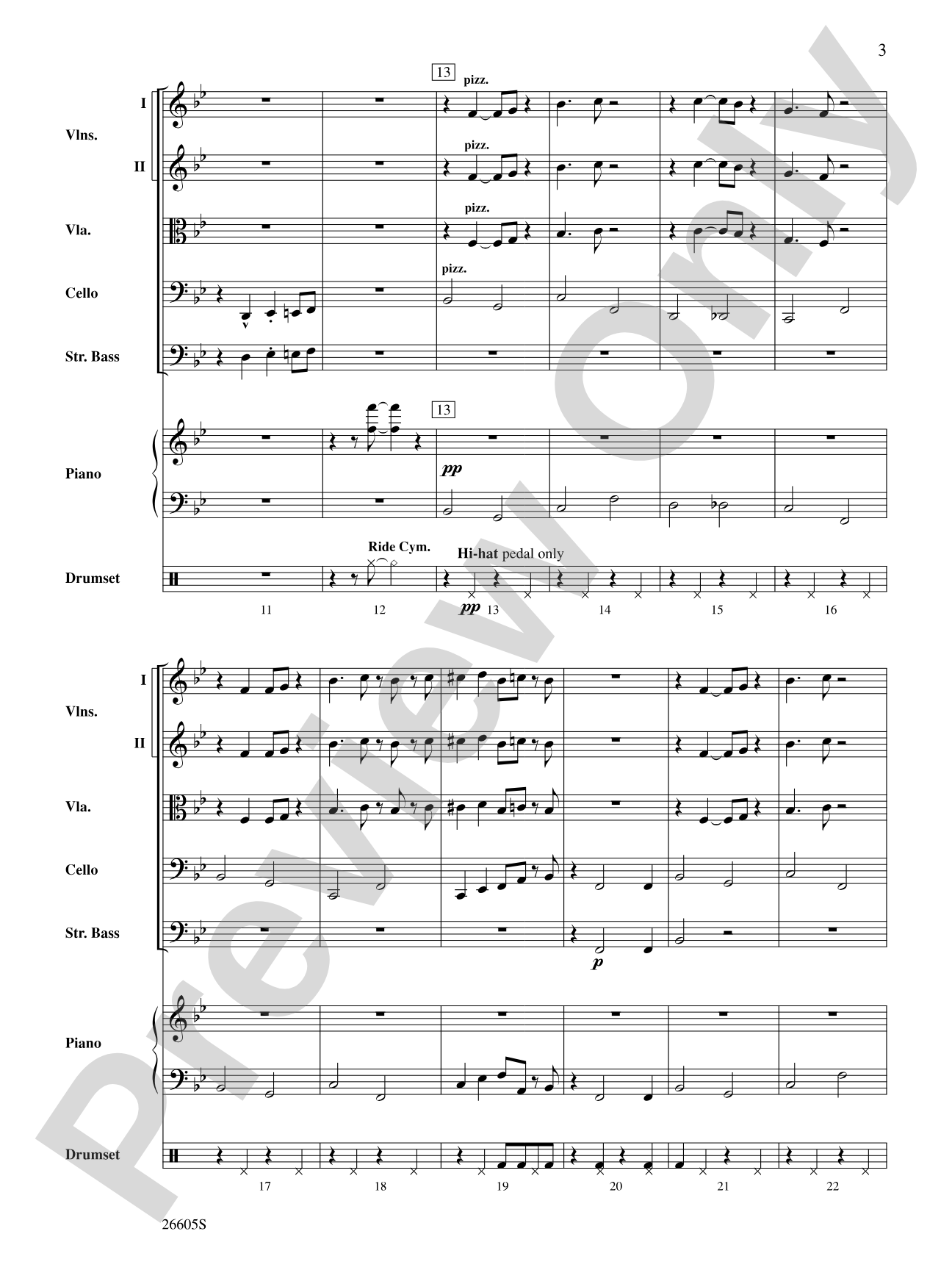
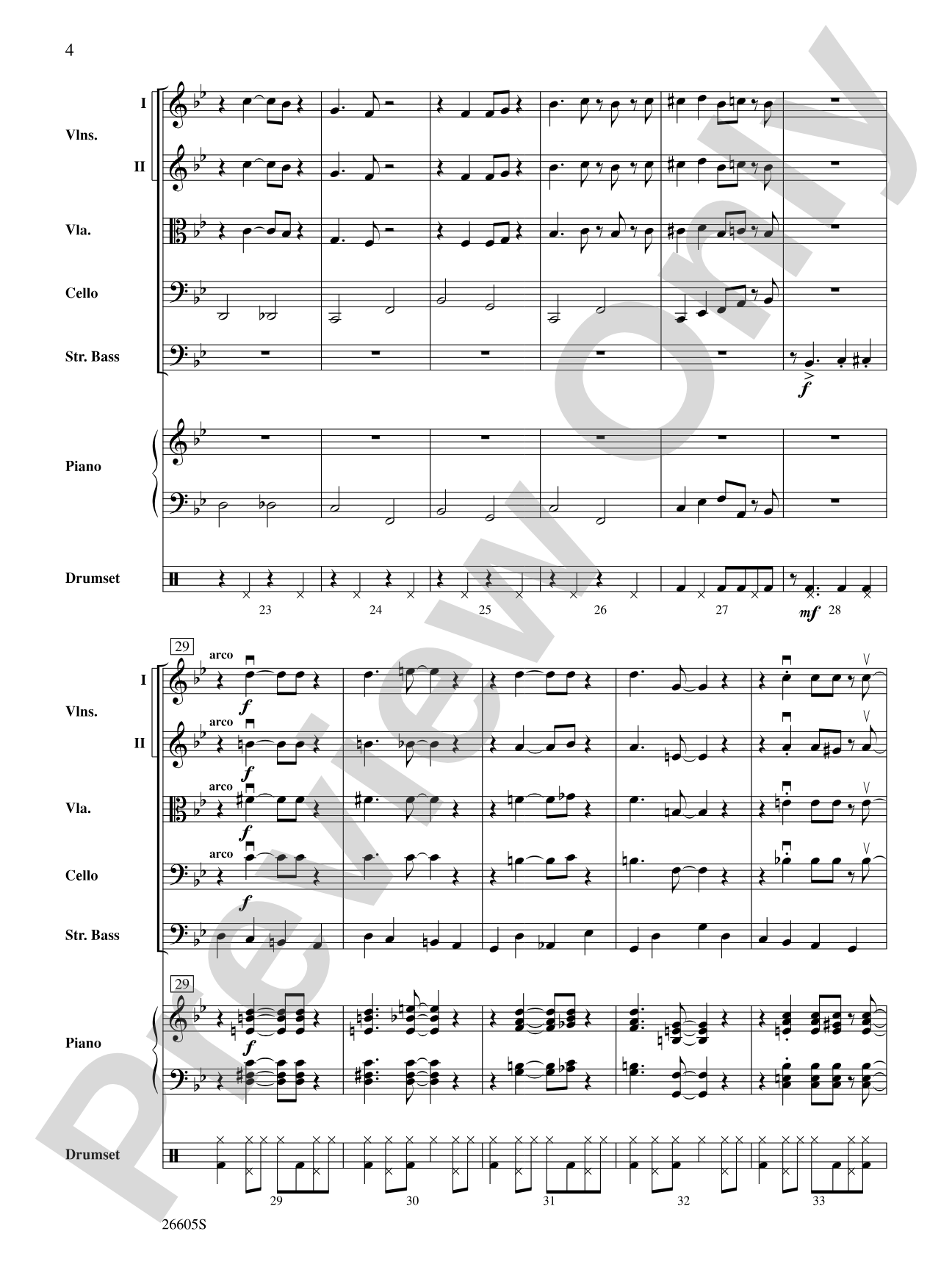
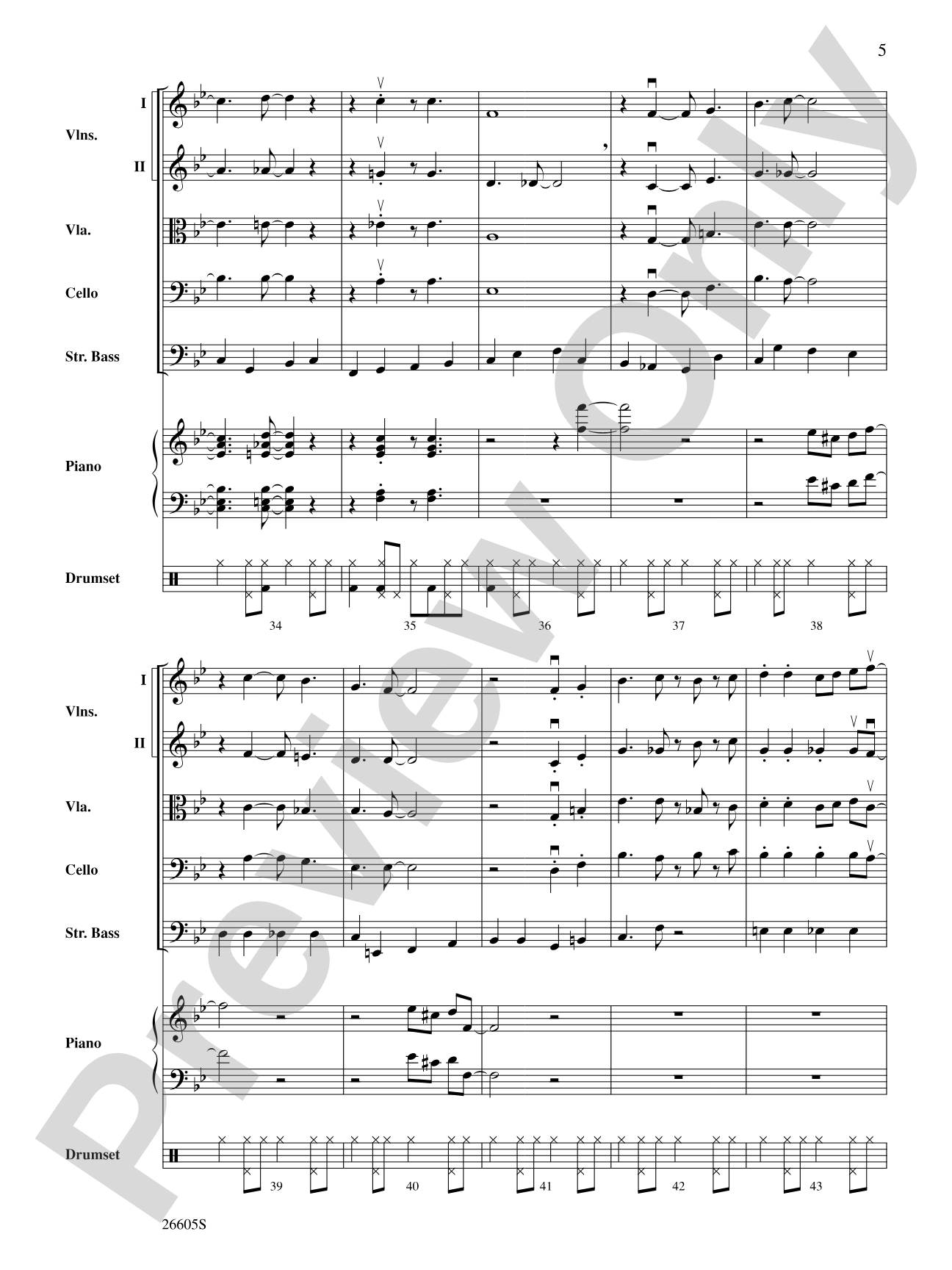
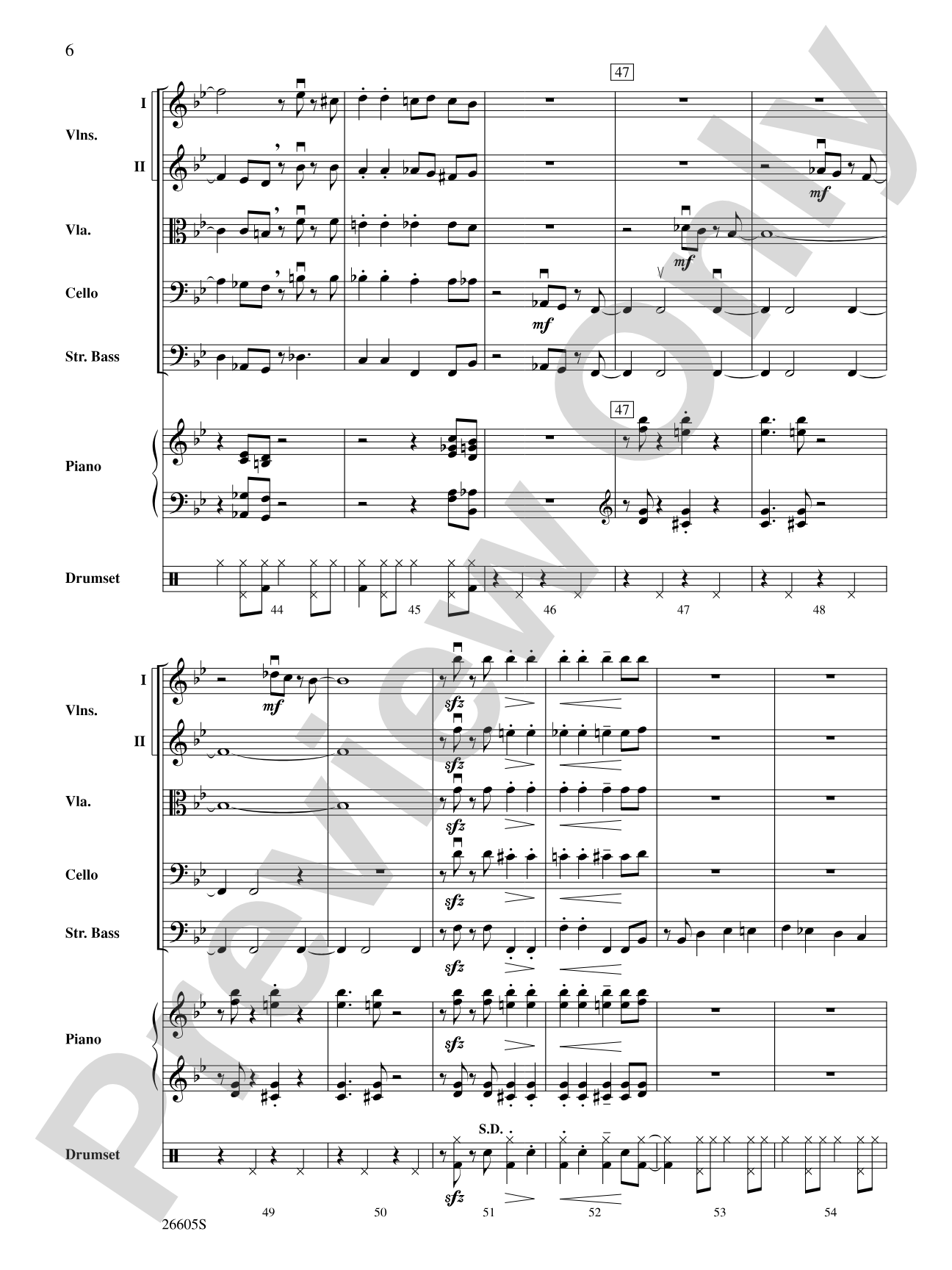
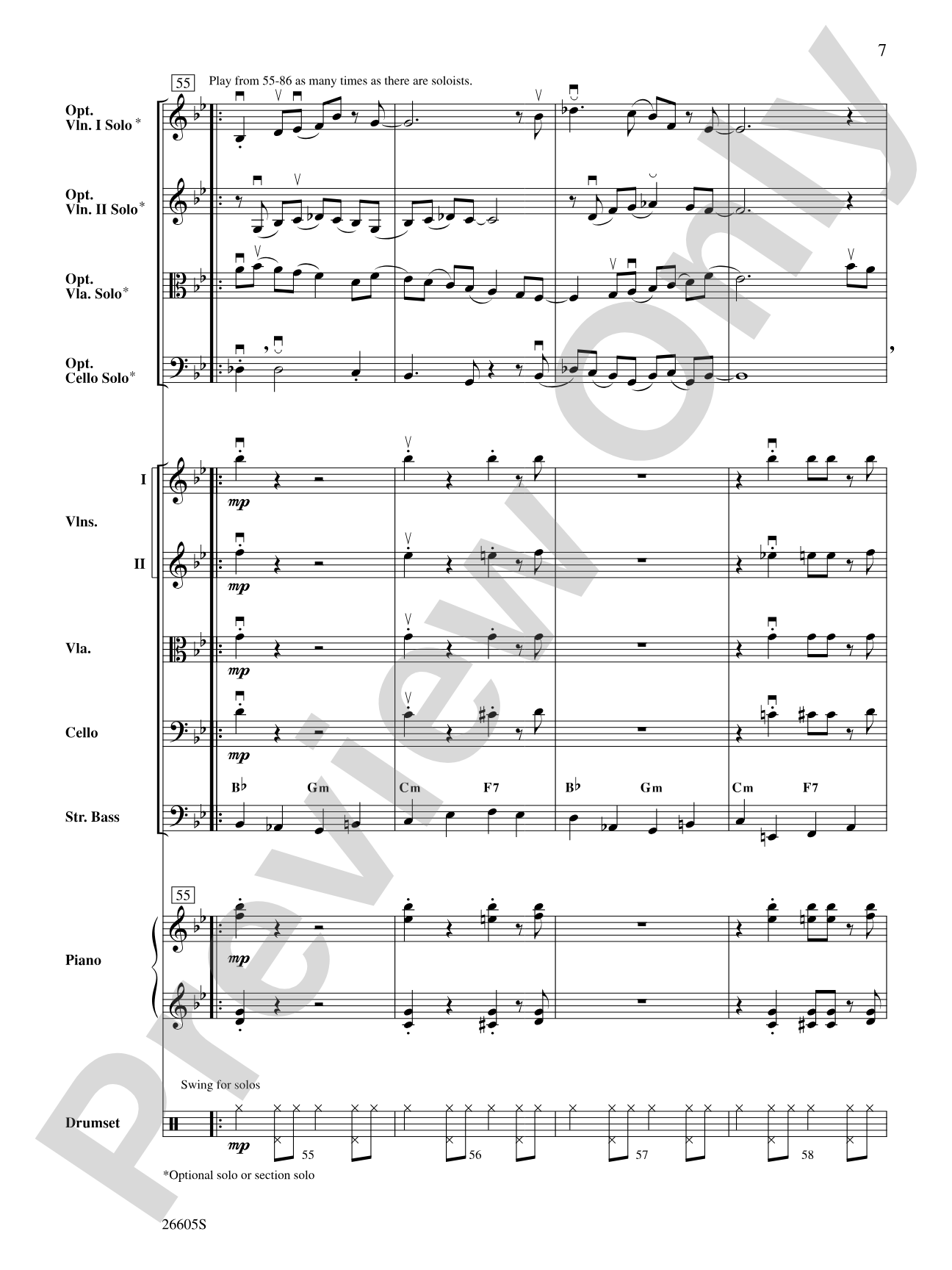
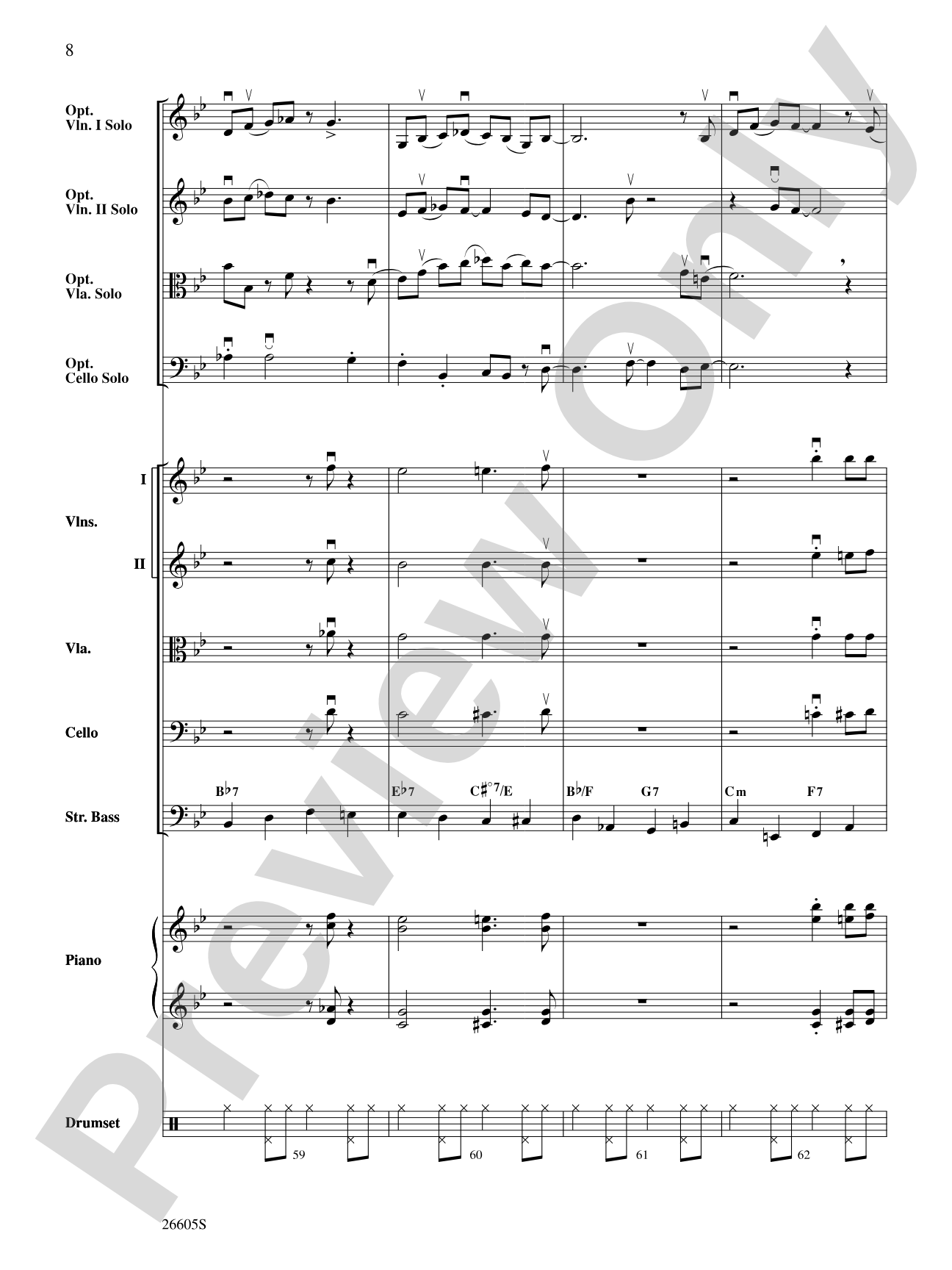
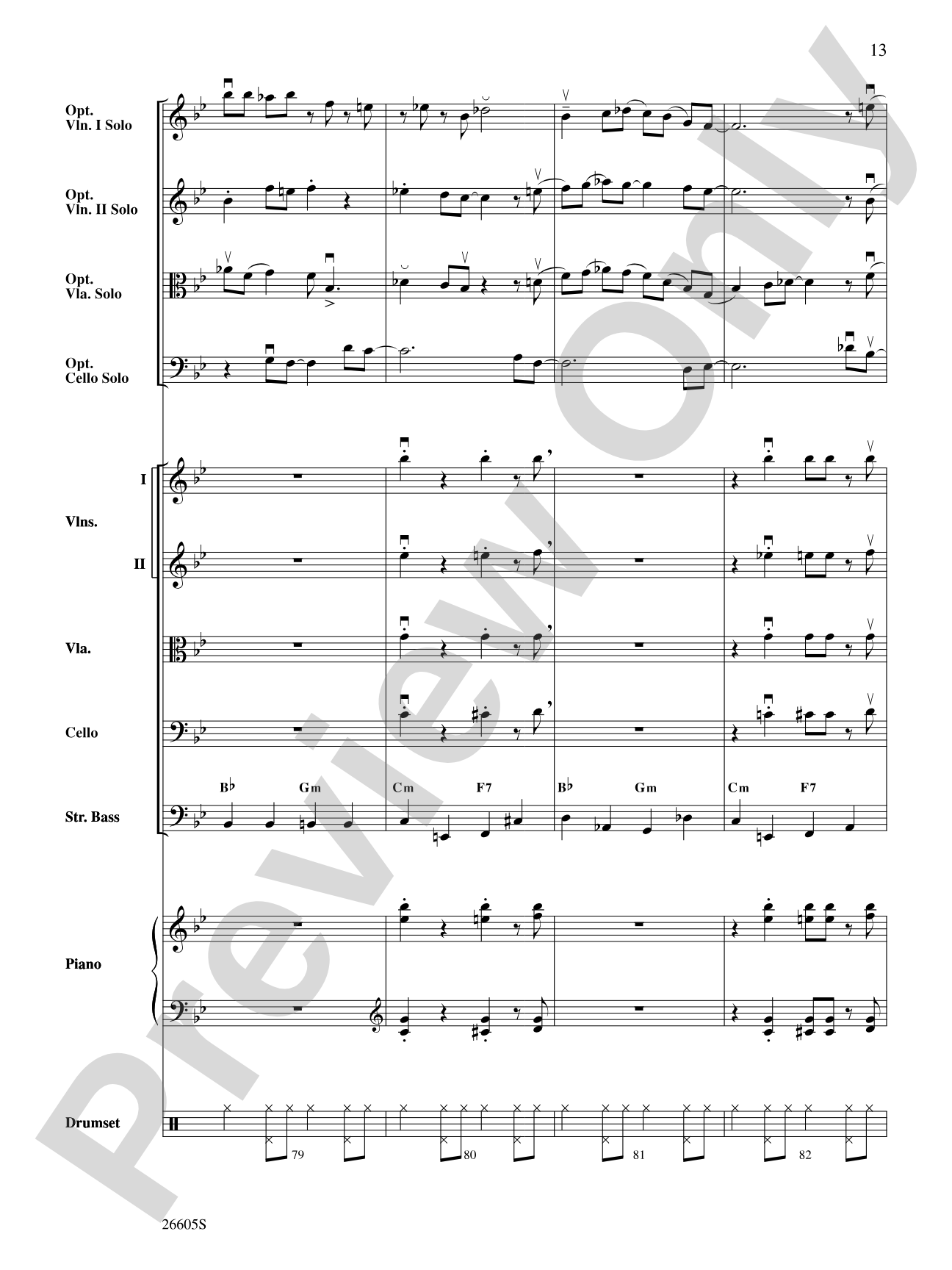
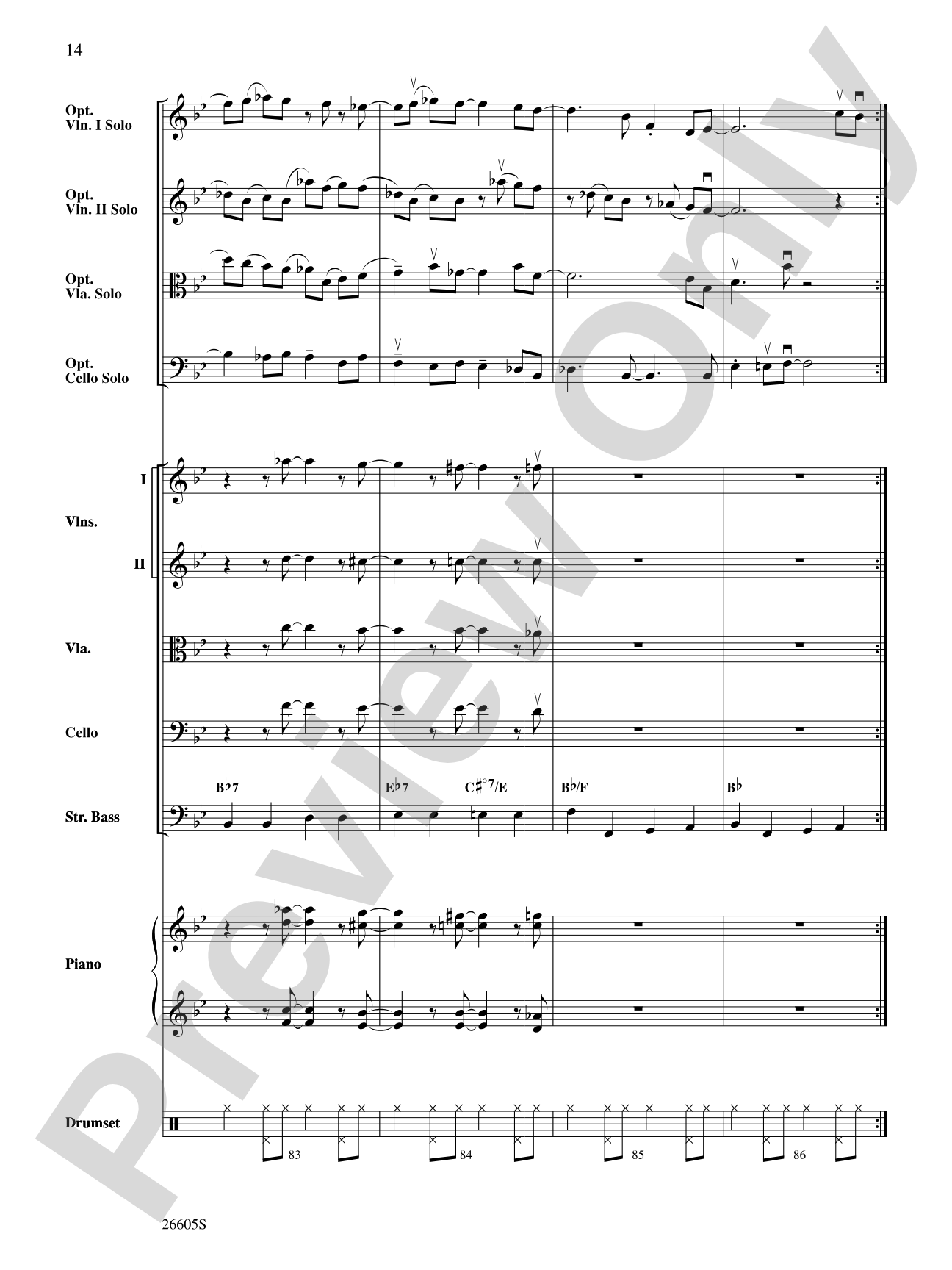
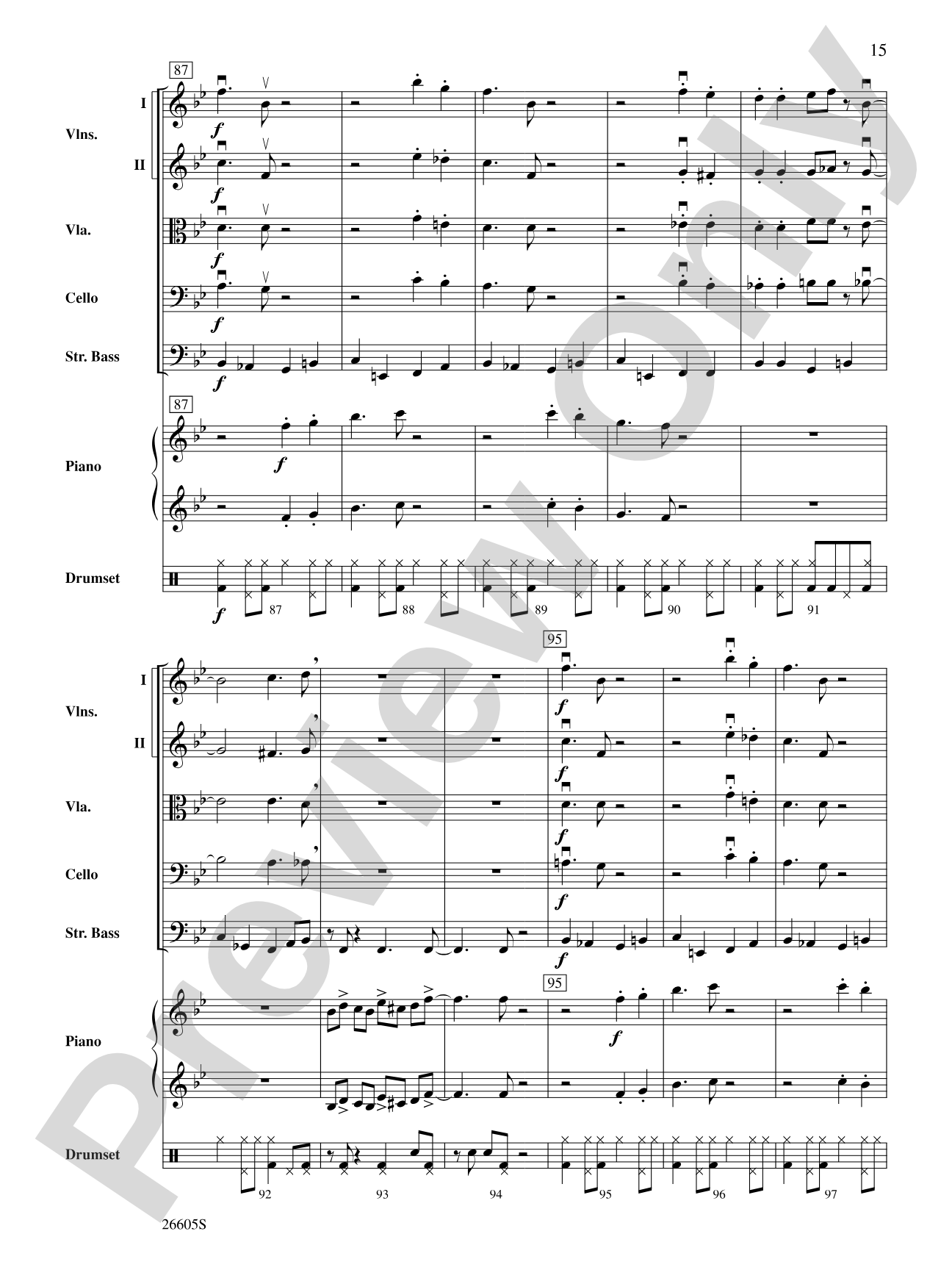
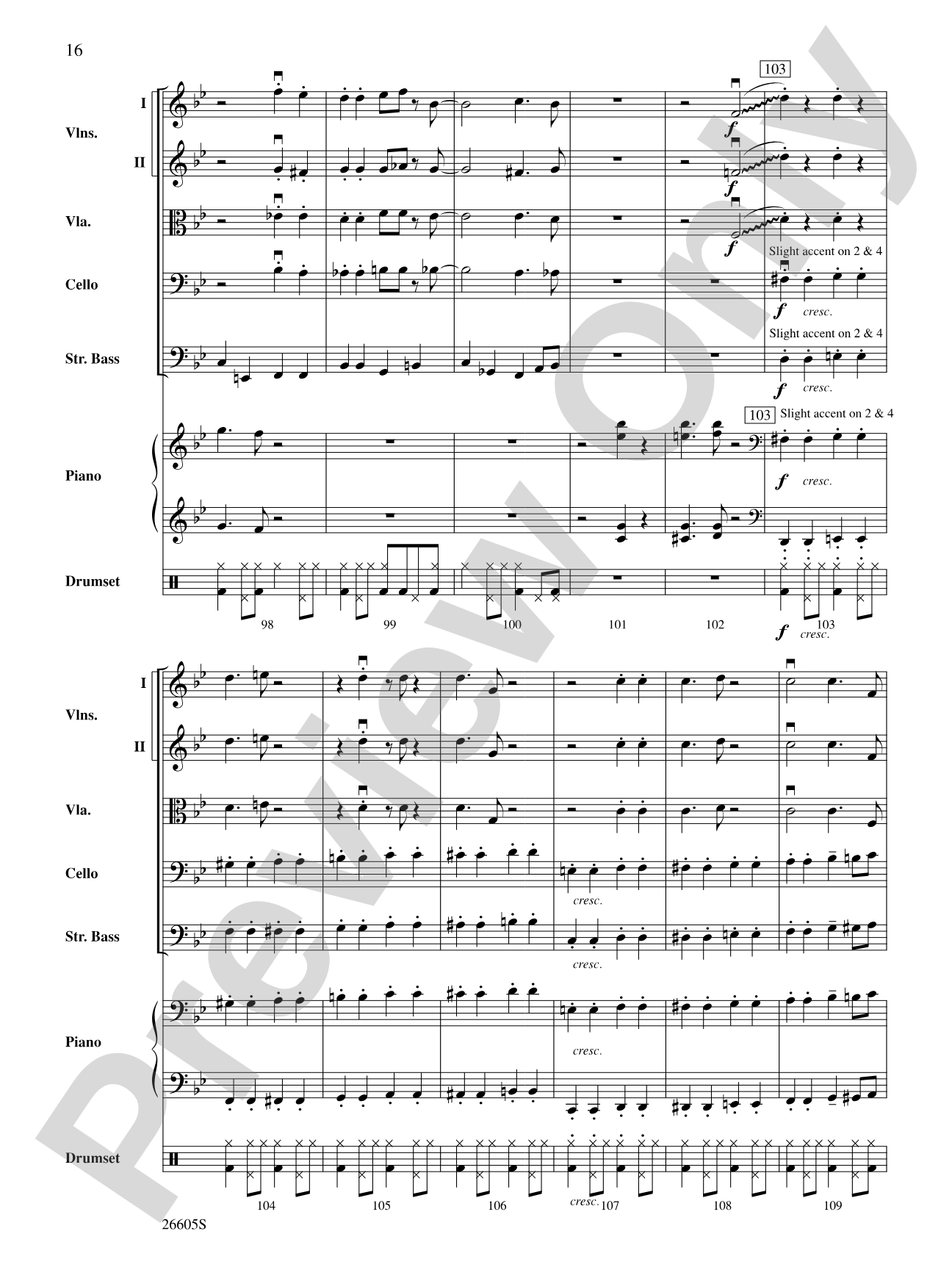
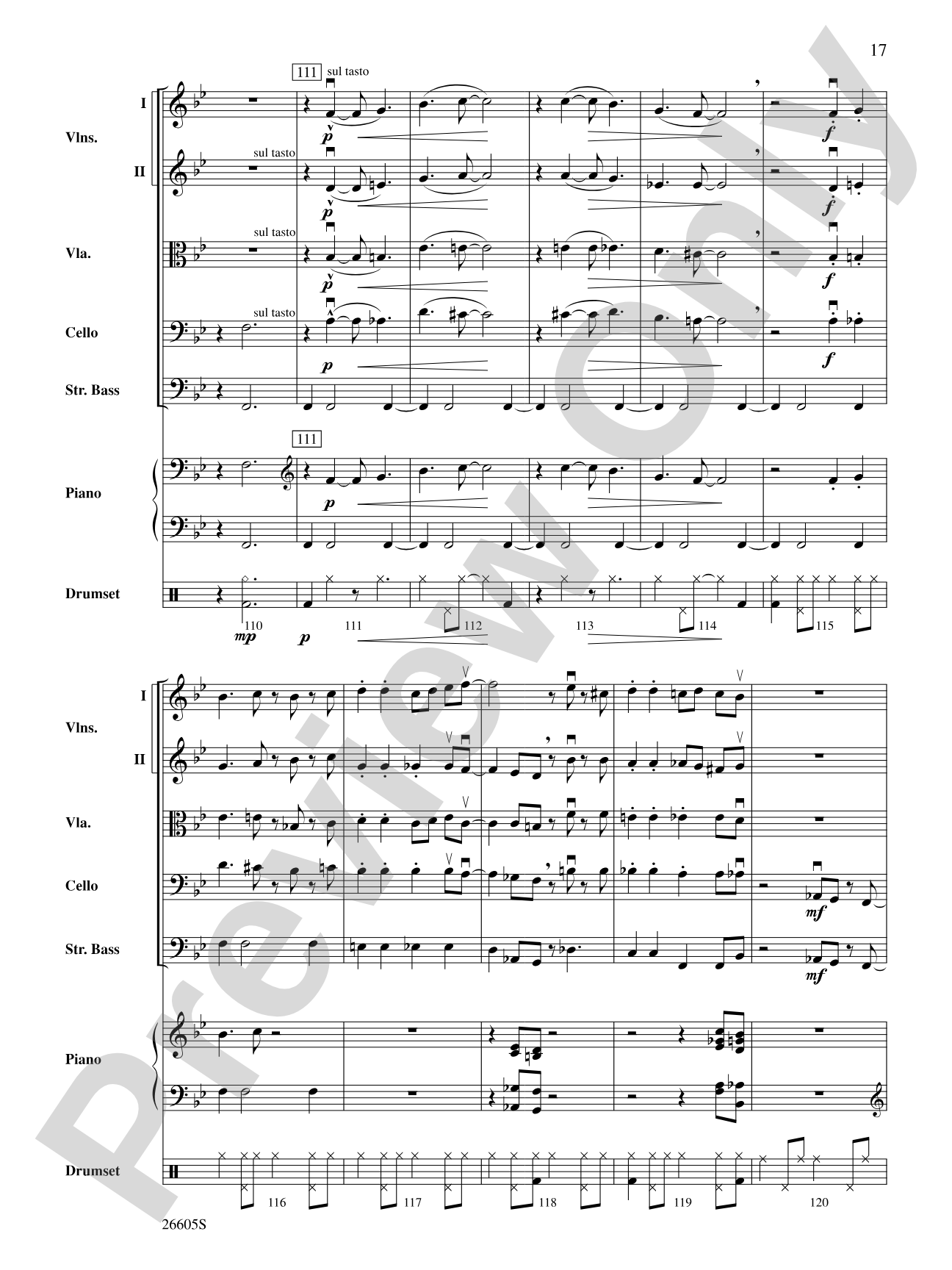
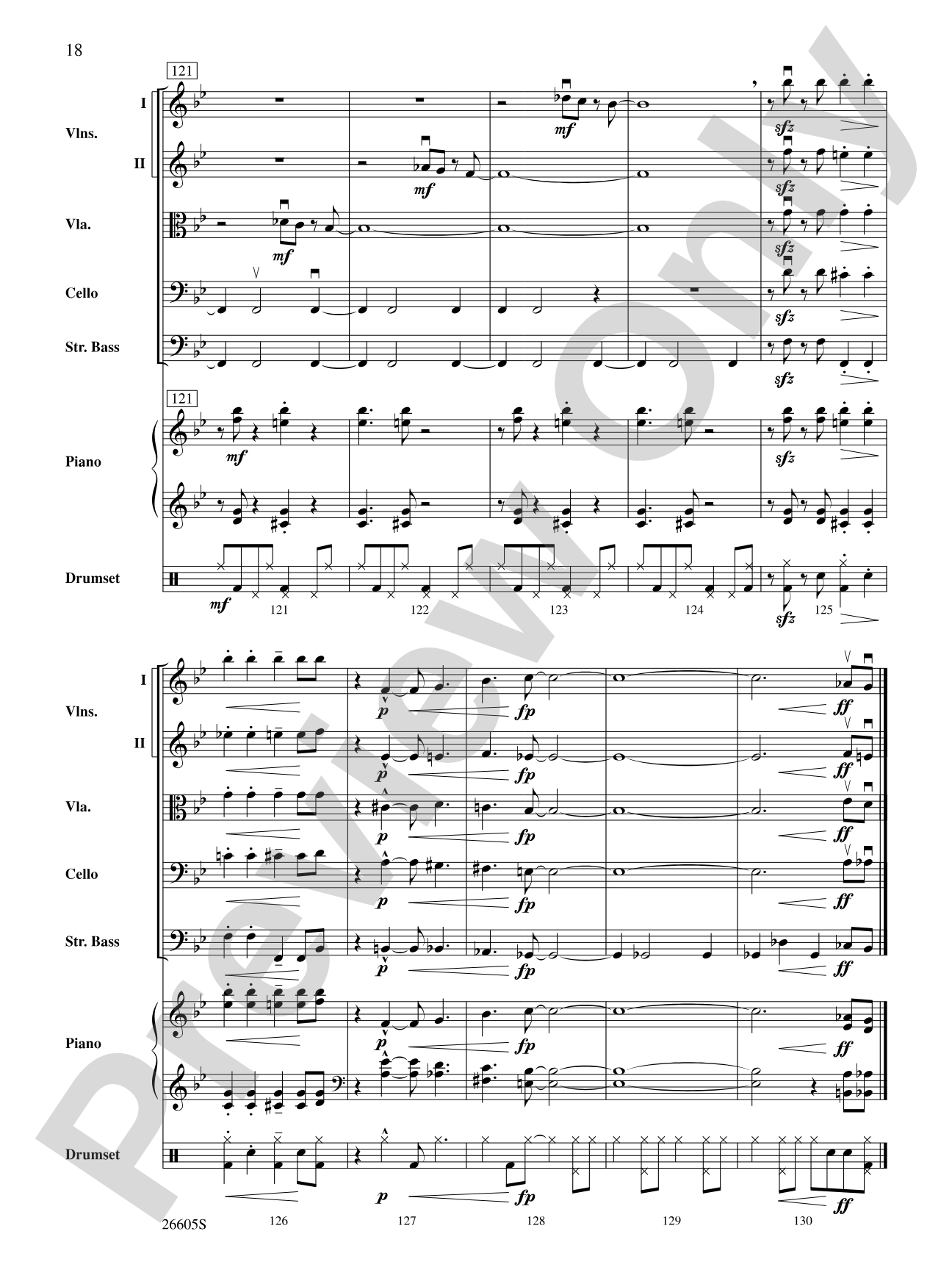
Classic jazz for the string orchestra! The introduction allows the strings to become a percussion ensemble improvising or playing the notated rhythms and building intensity with separate entrances for each section. Written solos are provided, however, there is room for improvisation using these solos as a point of departure. An ensemble section follows with quotes from other tunes based on this progression before the original melody returns. This title is available in MakeMusic Cloud.


Don't just read it, hear it, play along with it, and watch your students grow with it. In MakeMusic Cloud, I Got Rhythm: String Orchestra Conductor Score & Parts comes alive with professional accompaniment, adjustable tempo, and built-in practice tools that turn solo practice into real progress.
Open in the Player
Jump straight in and assign it today.
Start Your Free Trial
Open this title and explore the full library in minutes.
Sample Audio
1
Audio File
--:--
0:00
0:00
Sample Video
No sample videos found.
Additional Details
Series:
Highland/Etling String Alternatives
Publisher:
Alfred Music
Page Count:
130
SKU:
00-PK-0001117
More about this title
About the Composer: George Gershwin
George Gershwin (1898-1937) bridged the worlds of concert music and American popular song with a fluency few composers have matched. His ability to write memorable melodies, sophisticated harmonies, and rhythmically vital music made him central to the Great American Songbook and a defining voice of early 20th-century American music.
Gershwin's output spanned stage works, symphonic compositions, and countless standards written for Broadway and film. His harmonic language drew from both classical training and jazz idioms, and his rhythmic vitality remains instantly recognizable. For music educators, his works offer students entry points into both jazz vocabulary and concert music sophistication.
Why we love this
Bert Ligon's arrangement captures the essence of Gershwin's original without pretense, and the treatment of strings as a rhythm section in the opening is genuinely inventive. Orchestras at this level rarely get to explore the jazz vocabulary and interpretive freedom built into this score; it teaches swing feel and rhythmic flexibility within a structured, singable framework. The opportunity for written solos with improvisation permission gives students agency while keeping them anchored.
What to expect
The piece swings with unmistakable Gershwin buoyancy, opening with a raw, rhythmic energy that pulls strings away from their usual lyrical role. Once the melody arrives, its sophistication and sing-ability remind you why this tune has endured; the middle section's quotes feel like musical references dropping in on a conversation, witty and warm.
Who it's for
String orchestra directors who want their students to experience jazz arranging and performance practice without stepping outside the concert music tradition. Players should be secure with their fundamental technique and comfortable with rhythmic independence; the Grade 3.5 level assumes solid intonation, consistent bow control, and confidence with standard orchestration.
How to get the most out of it
- The rhythmic introduction works best when you establish a clear swing feel before the sections begin their separate entrances. Let the ensemble hear the pulse internally first, then add layers deliberately.
- Encourage the written soloists to treat their parts as suggestions rather than scripture. The score invites departure from the page; help players understand where they can stretch or simplify while keeping harmonic logic intact.
- Balance the ensemble quotes section carefully. These are winks to the conductor and knowledgeable listeners; they should sit comfortably within the texture rather than dominate it.
- The return of the original melody lands stronger when the ensemble has genuinely relaxed into the jazz idiom during the middle sections. Do not rush back to straight classical playing; let the swing carry through.
How to use it
This works beautifully as a standalone concert closer or as a bridge between a classical first half and a lighter, more contemporary second half. Consider pairing it with other American standards or jazz-inflected works to build a program that shows range and cultural breadth. It also serves well as a reward for an ensemble midway through a season when they have built the rhythmic security to handle the freedom the piece offers.
Skills your students will build
- Swing rhythm and jazz phrasing in a string context
- Reading and interpreting jazz notation and articulation
- Balancing written melody with rhythmic independence within sections
- Improvisation fundamentals using a harmonic framework
- Dynamic control and textural layering in an ensemble setting