
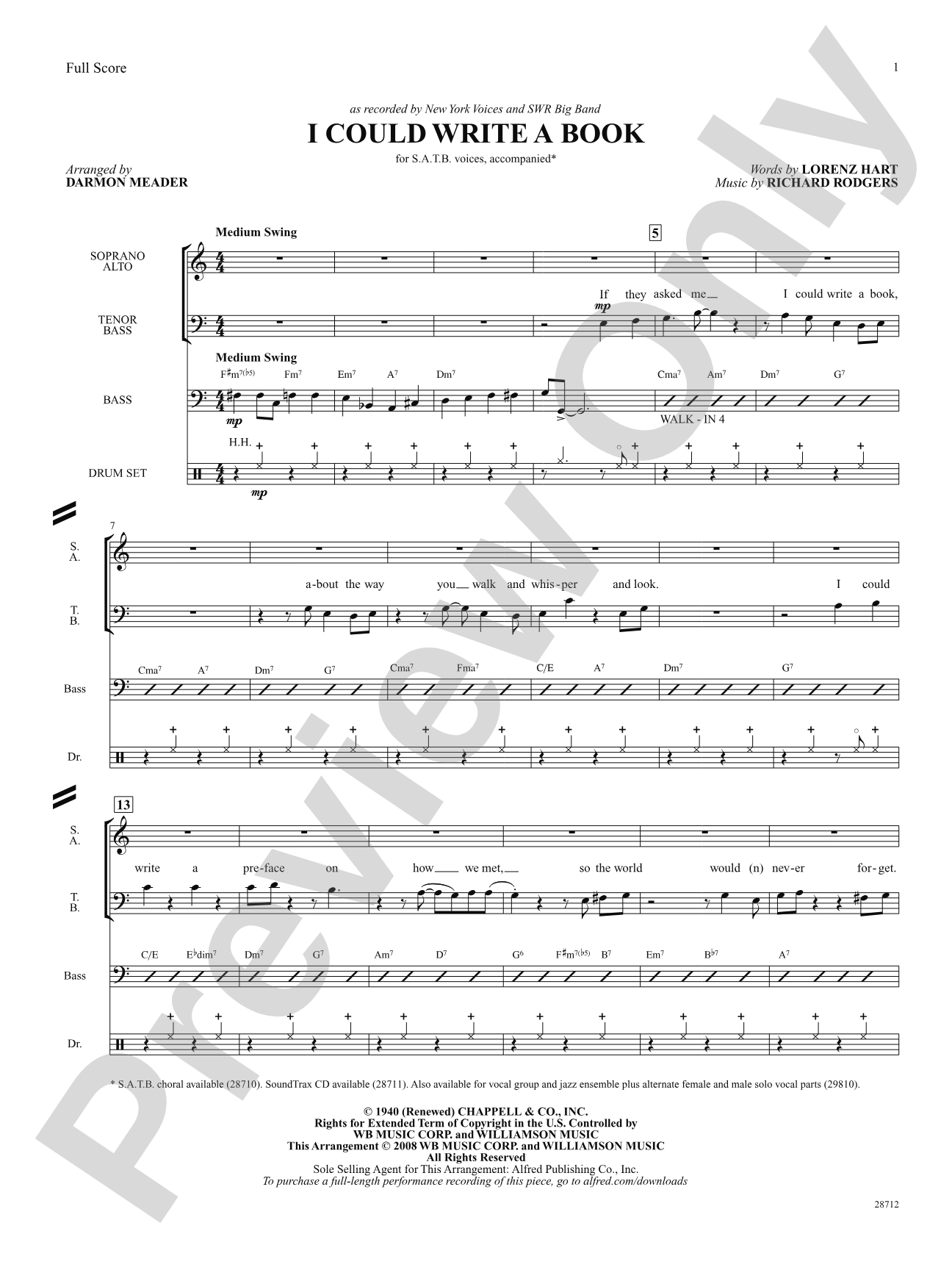

I Could Write a Book: Choral SoundPax
Words by Lorenz Hart, music by Richard Rodgers / arr. Darmon Meader
Item: 00-PK-0001358

$40.00
One moment…
Related Items
I Could Write a Book: SoundTrax Digital Audio Download |
$24.95
|
View | |
I Could Write a Book: Vocal Solo with Jazz Ensemble Conductor Score & Parts |
$62.00
|
View | |
I Could Write a Book: SATB Choral Octavo |
$2.95
|
View | |
I Could Write a Book: Vocal Solo with Jazz Ensemble Conductor Score & Parts |
$62.00
|
View | |
I Could Write a Book: Vocal Solo with Jazz Ensemble Conductor Score |
$11.00
|
View | |
I Could Write a Book: SATB Choral Octavo |
$2.95
|
View | |
I Could Write a Book: Choral Octavo SoundTrax CD |
$24.95
|
View | |
I Could Write a Book: Choral SoundPax |
$40.00
|
View |
Description
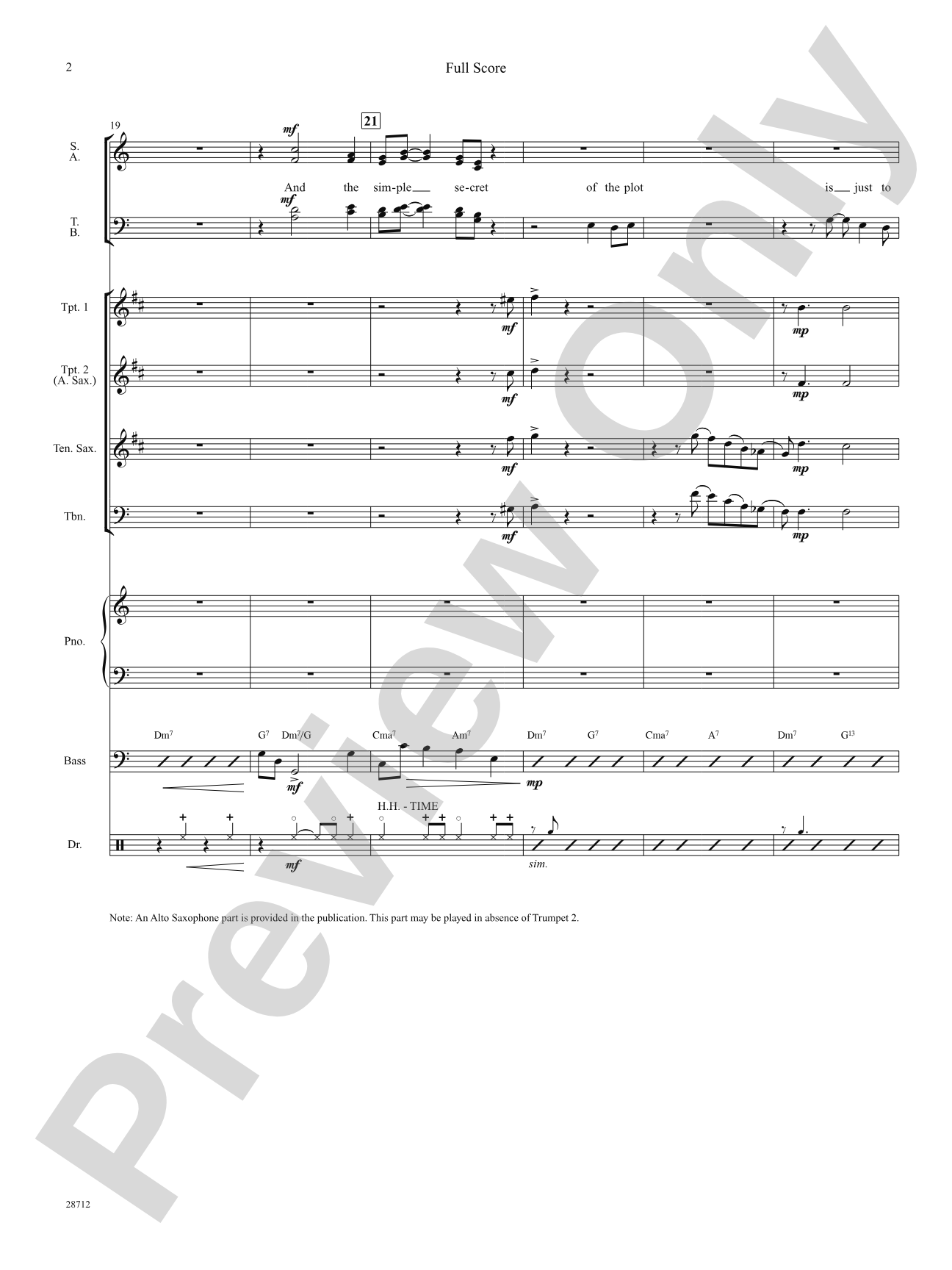
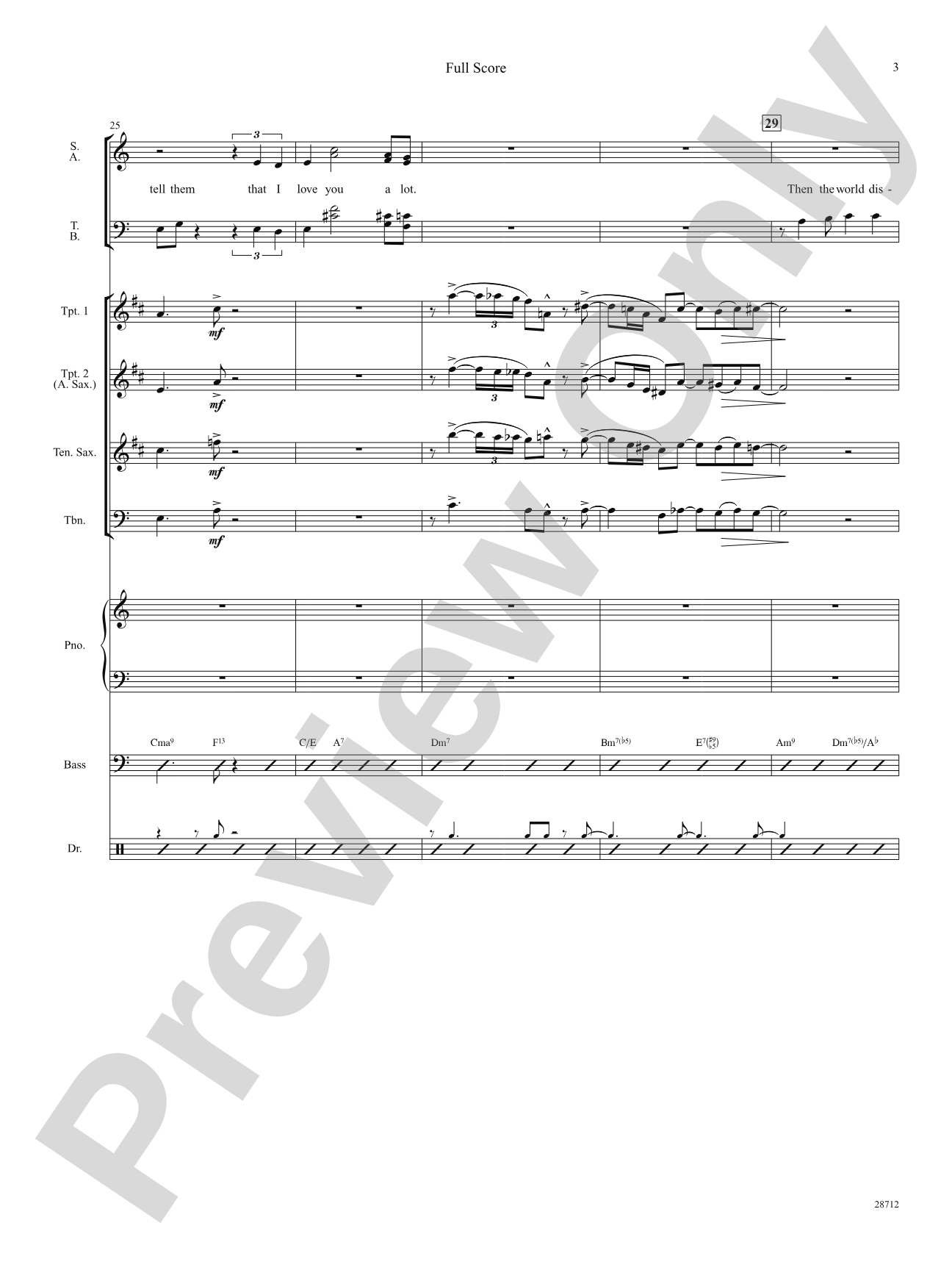
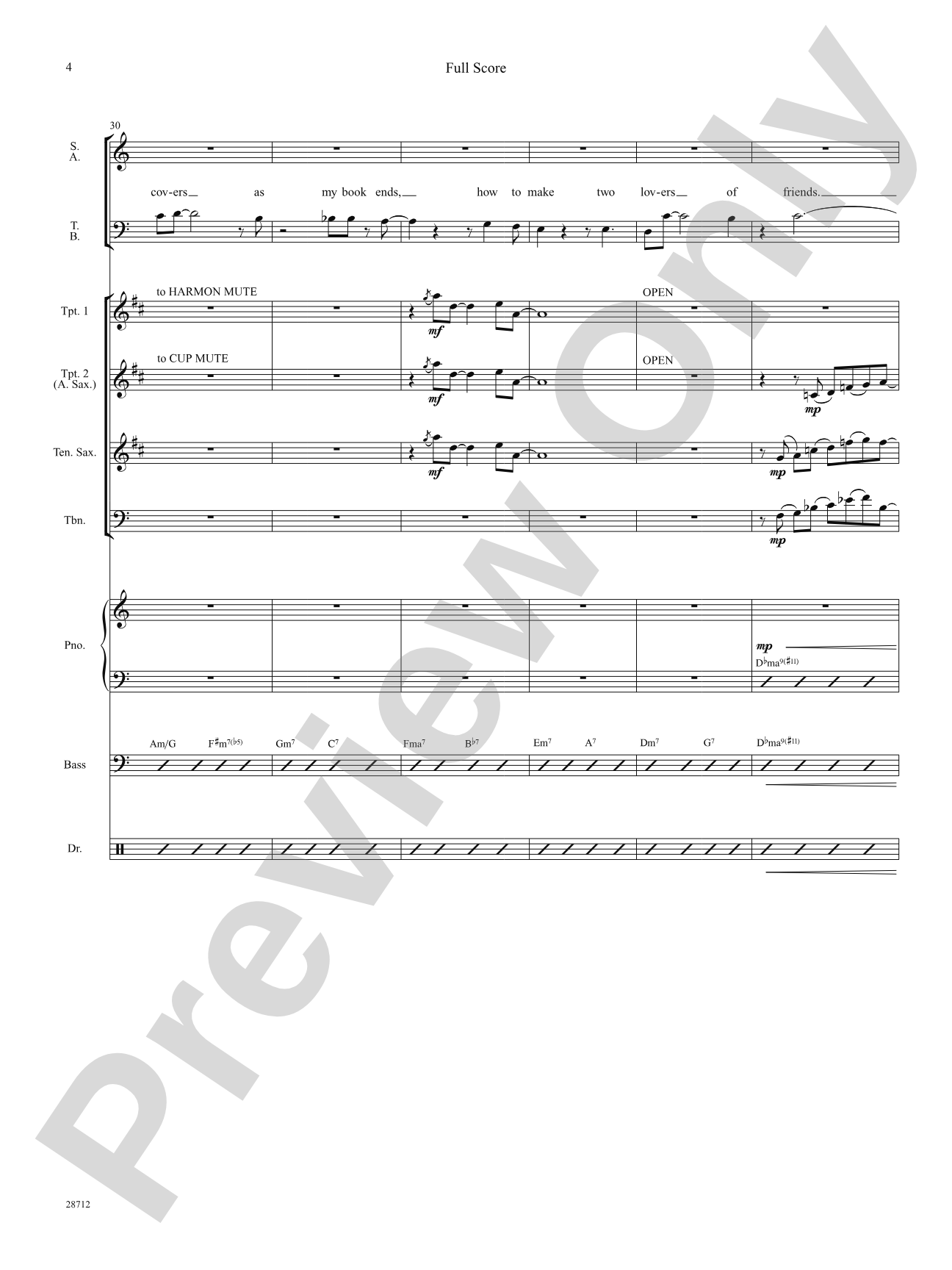
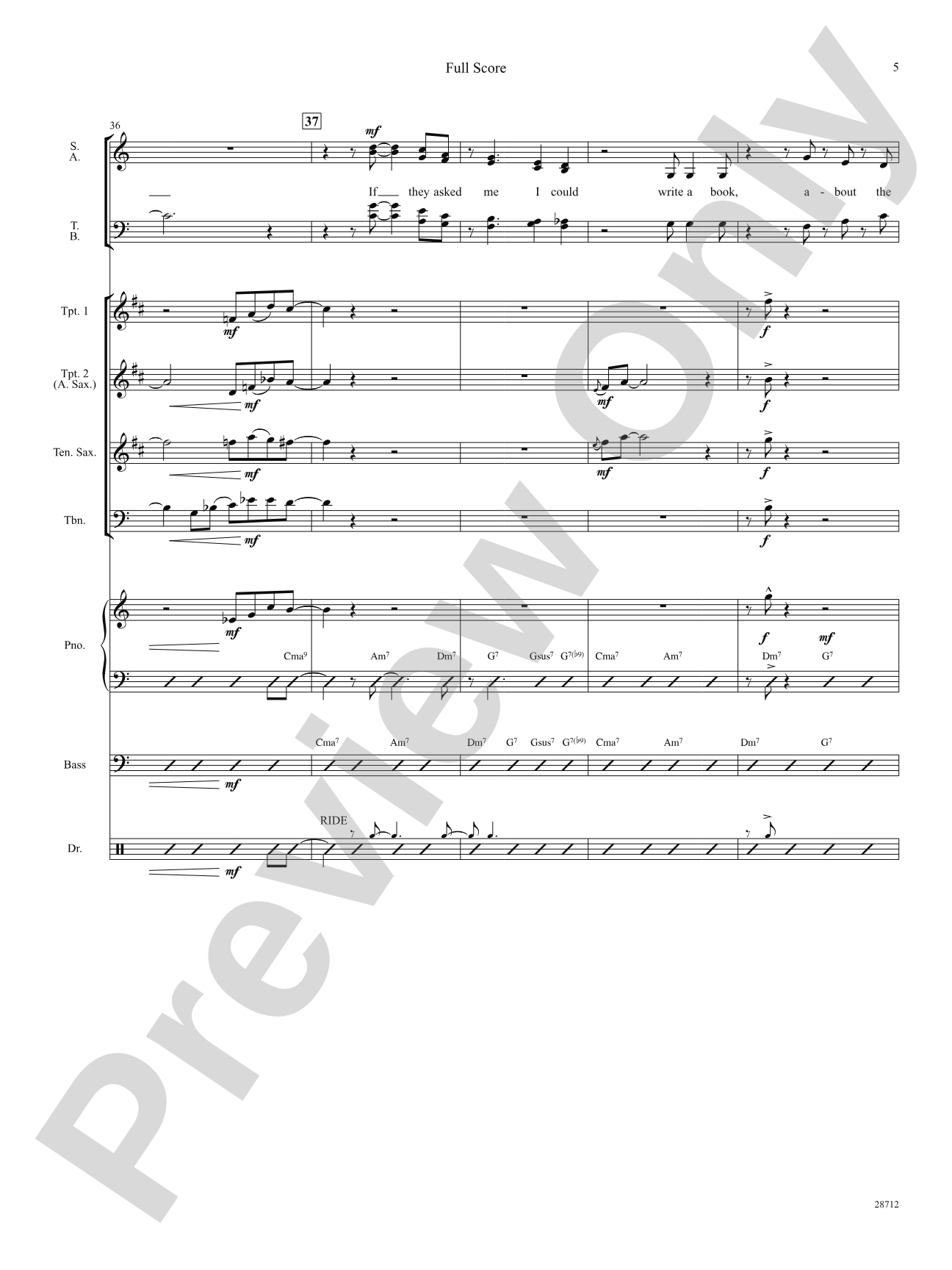
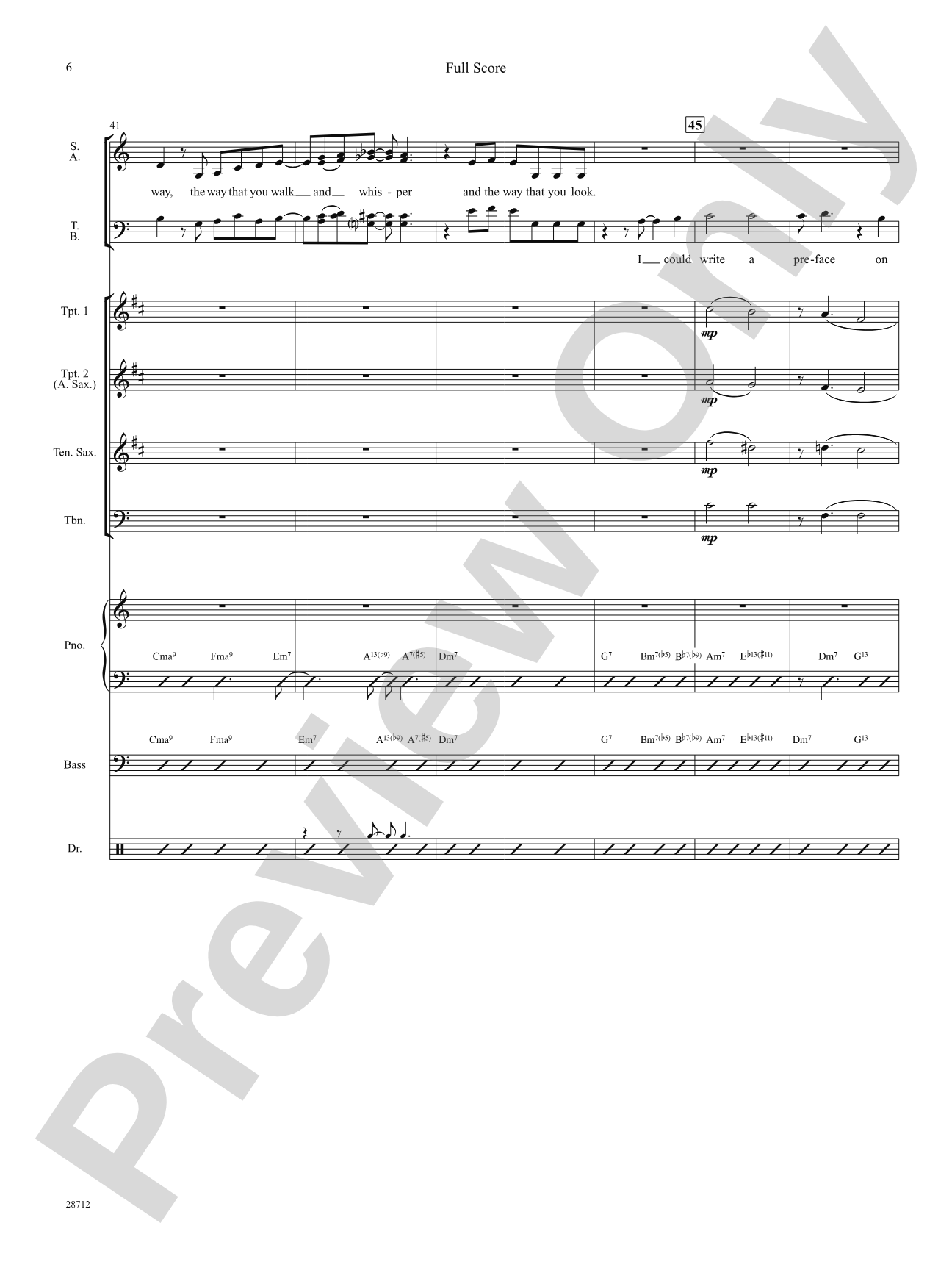
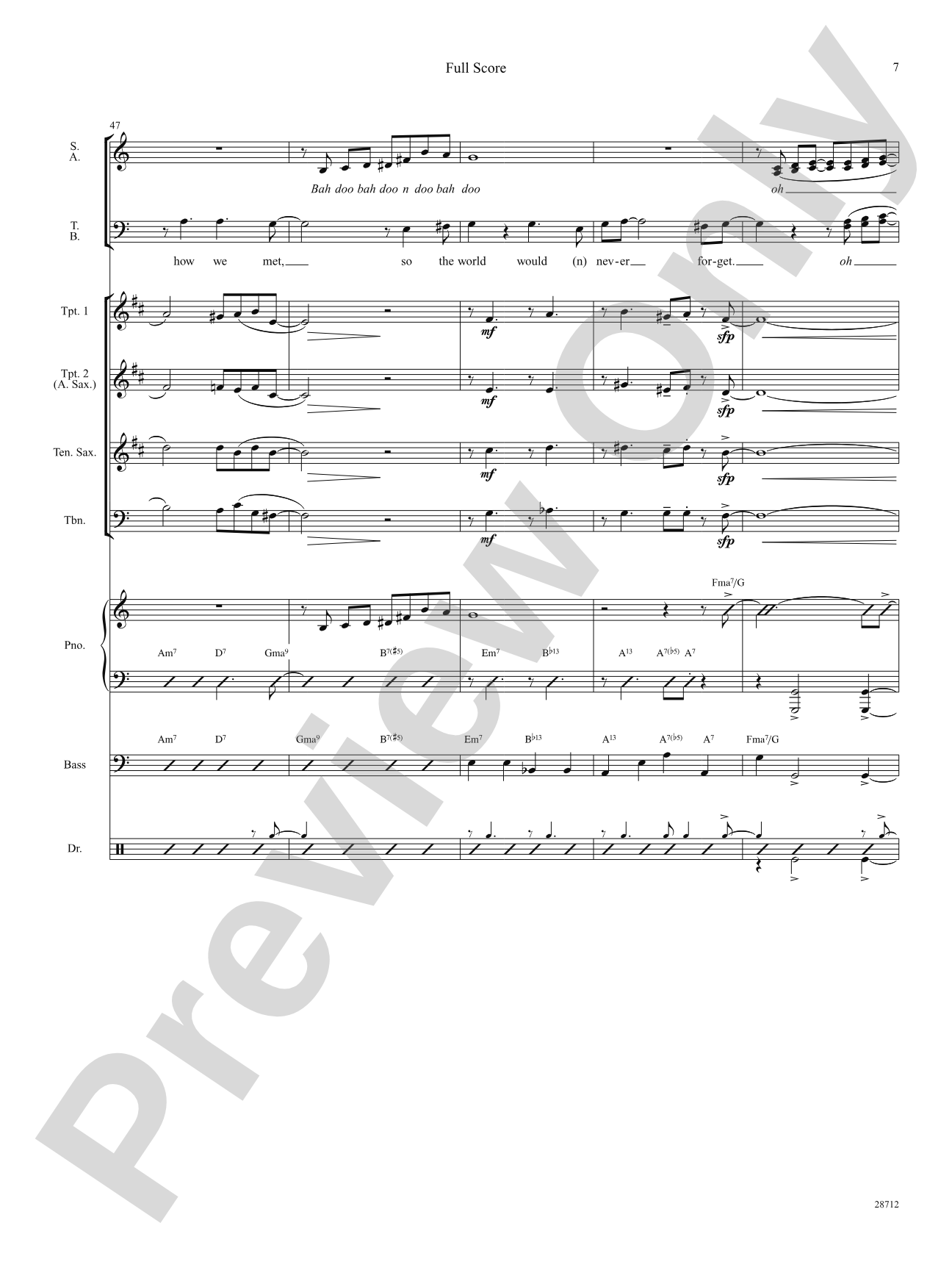
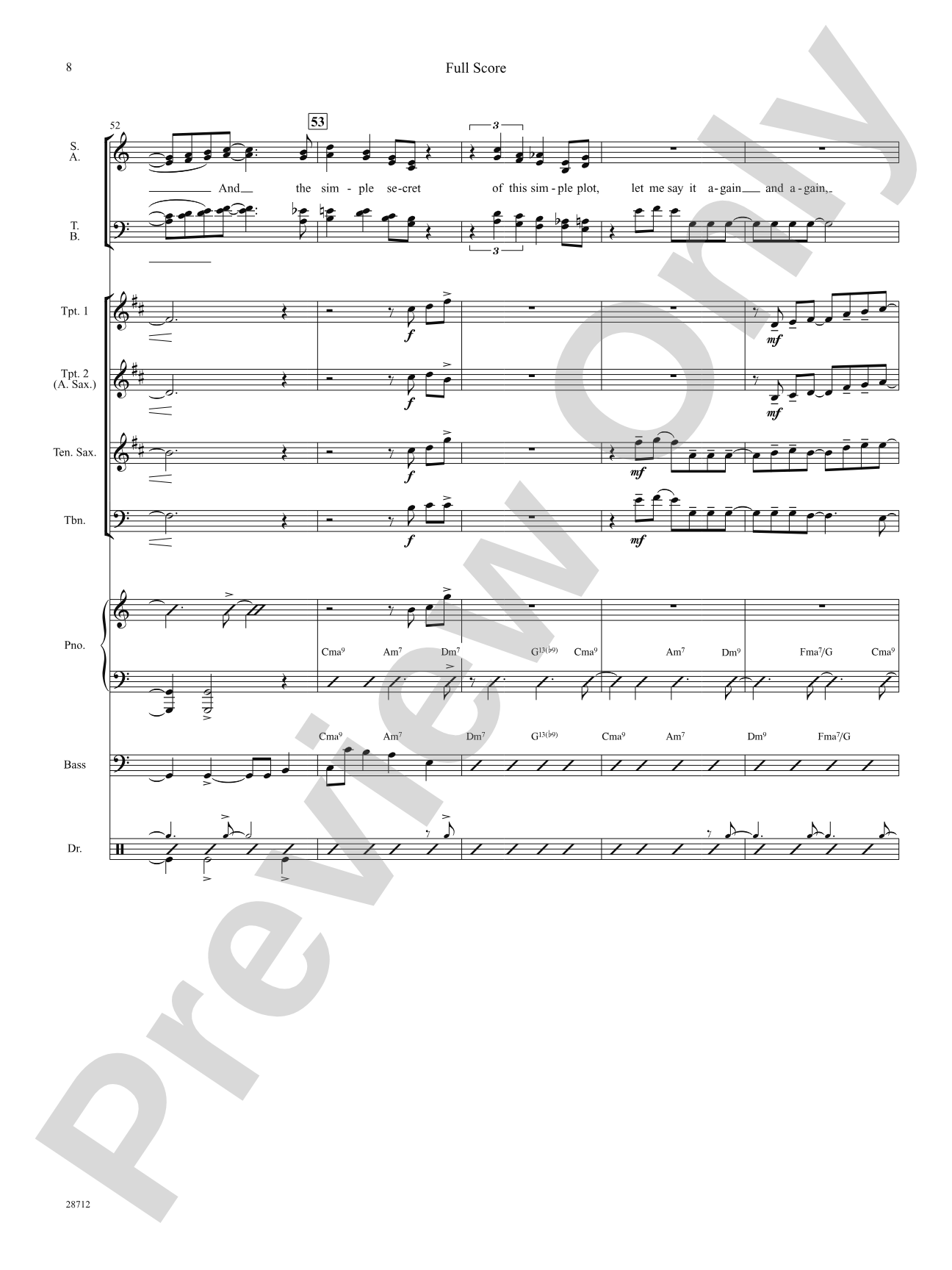
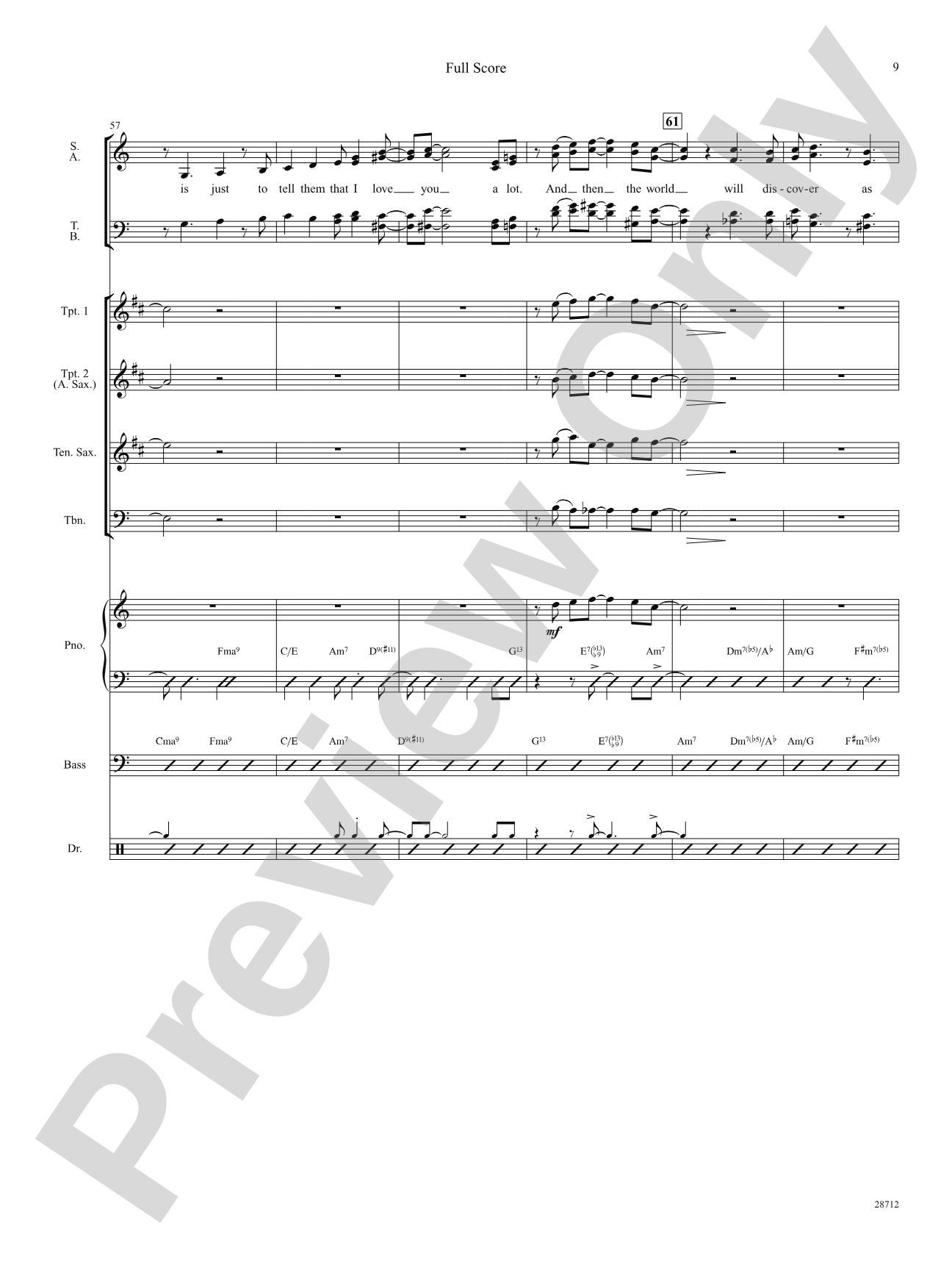
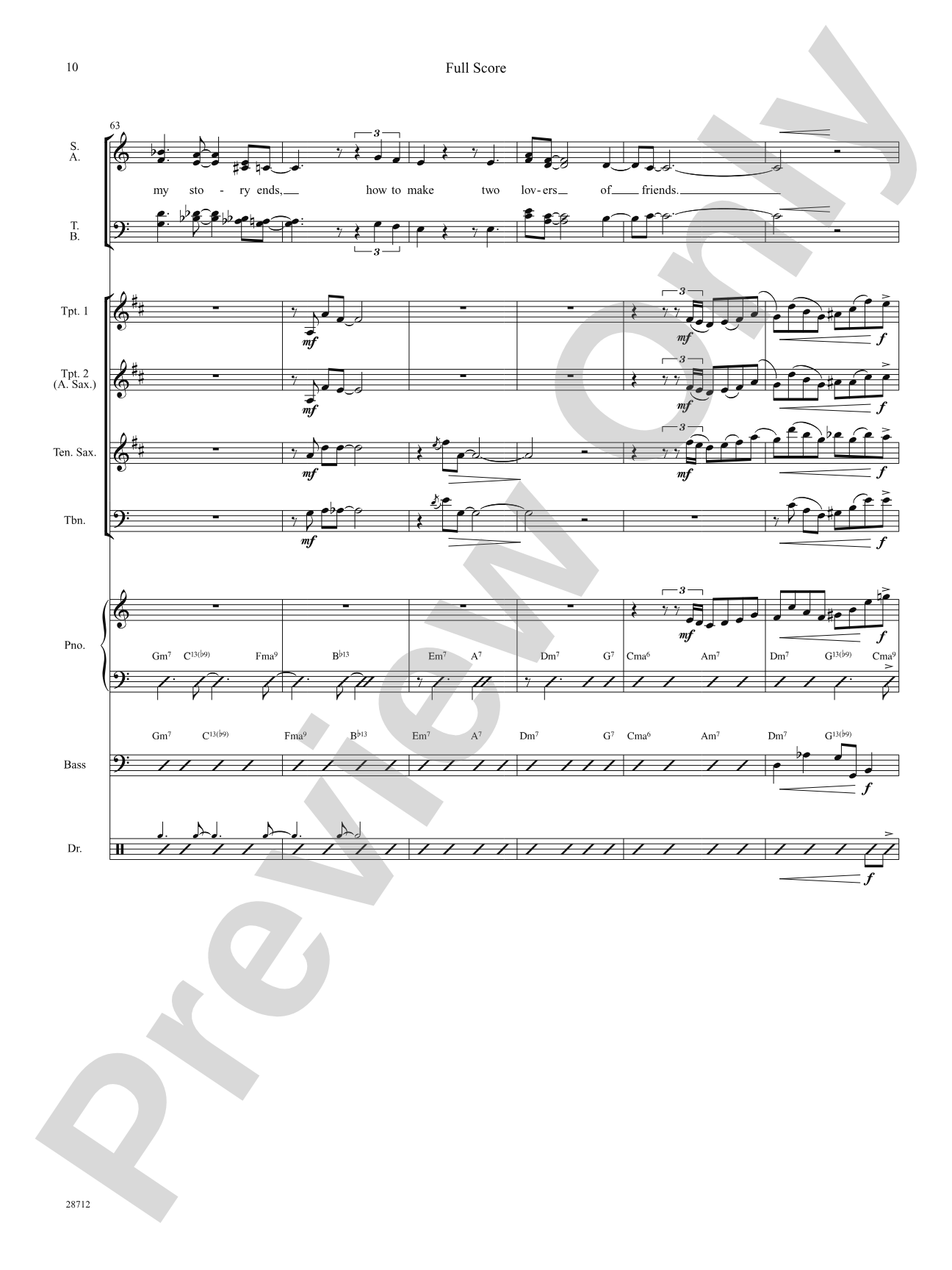
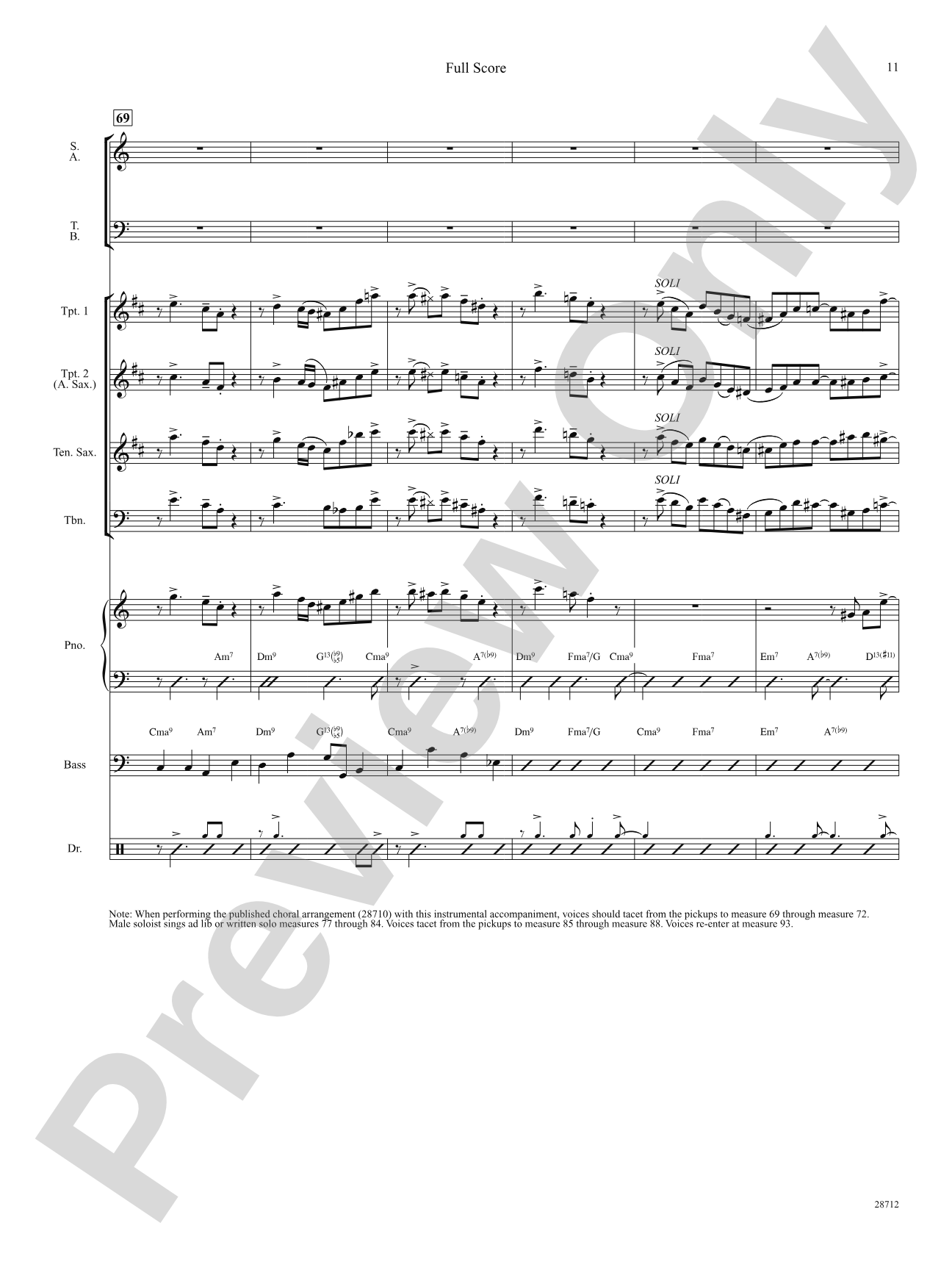
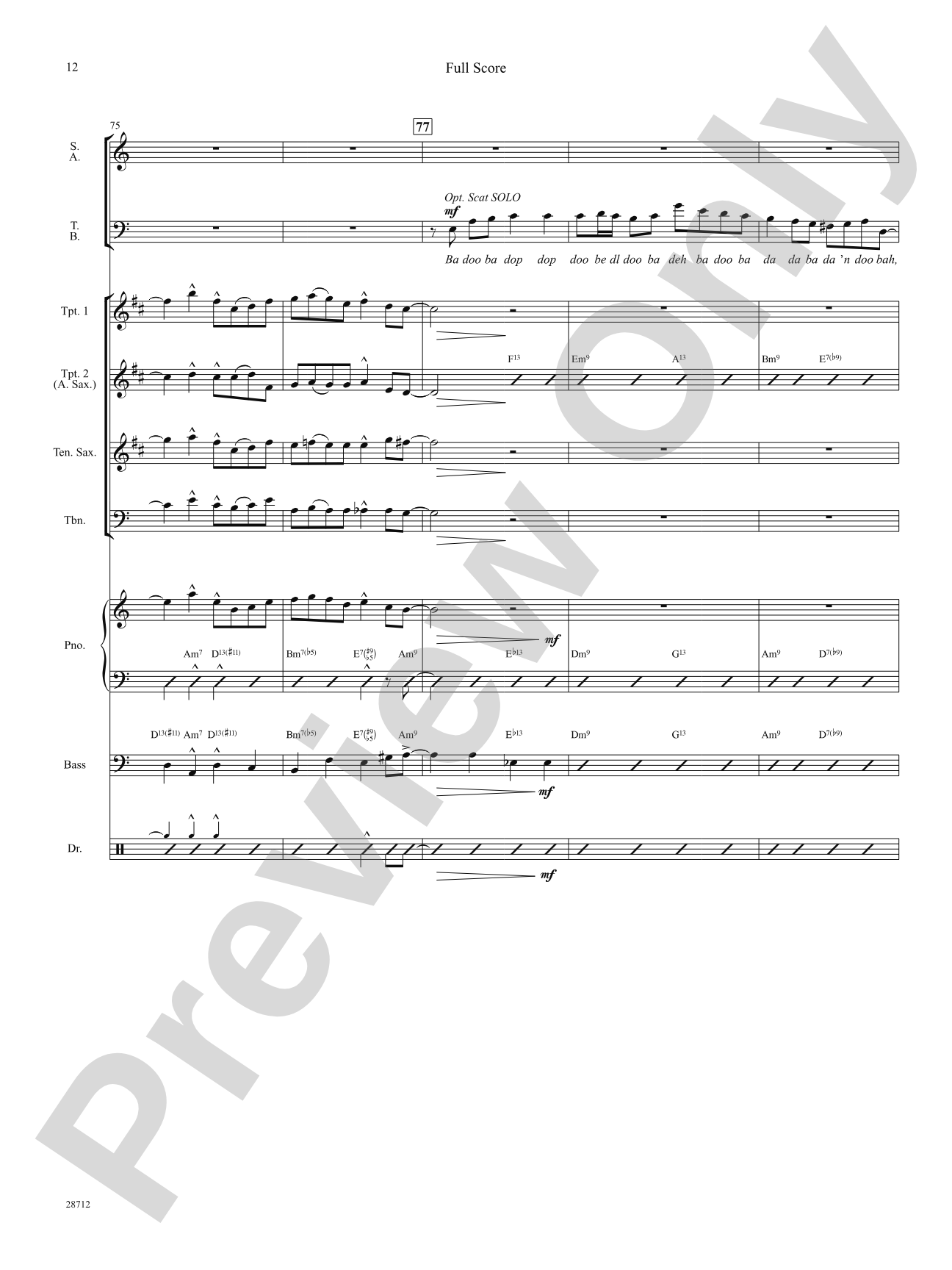
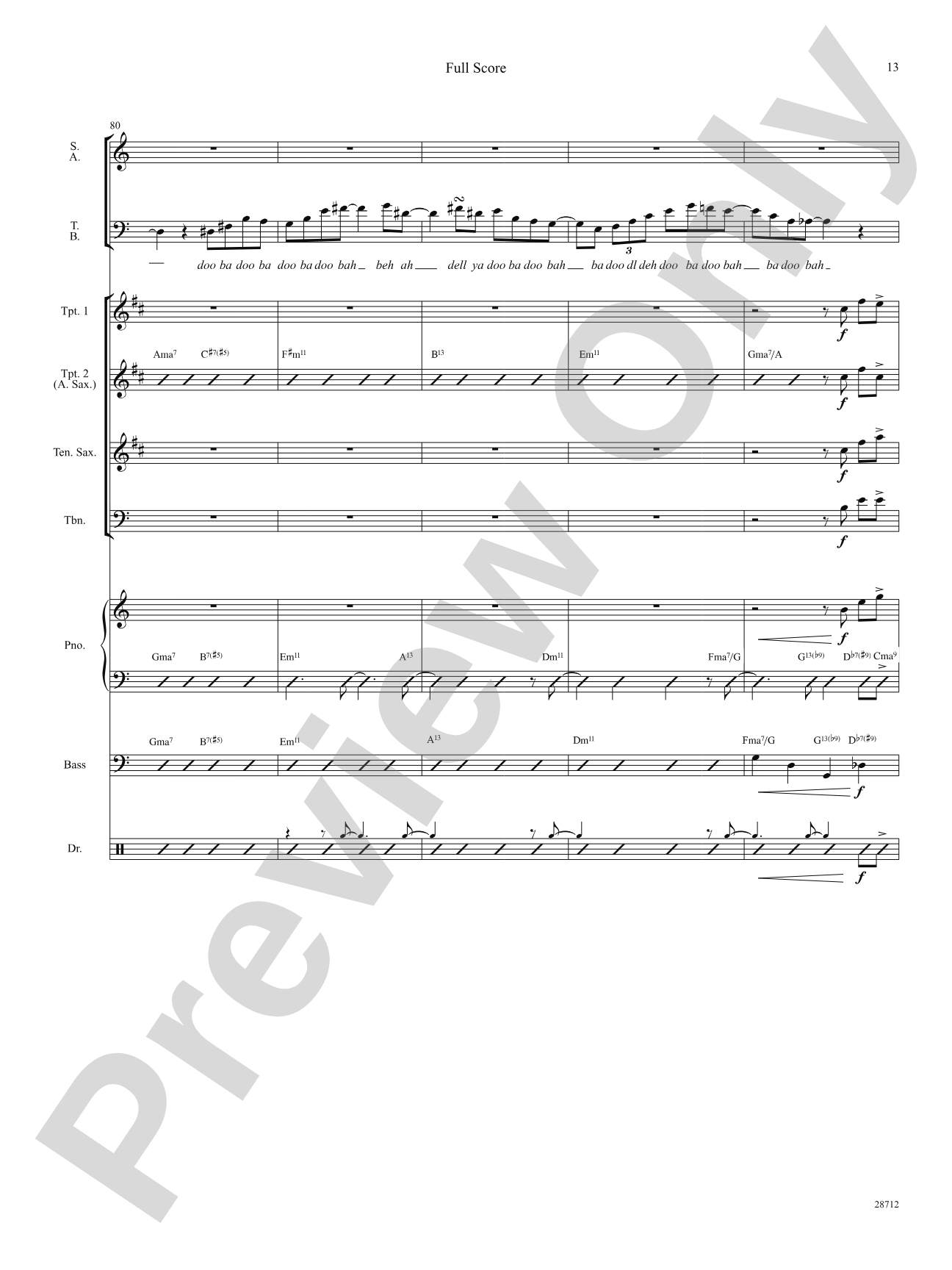
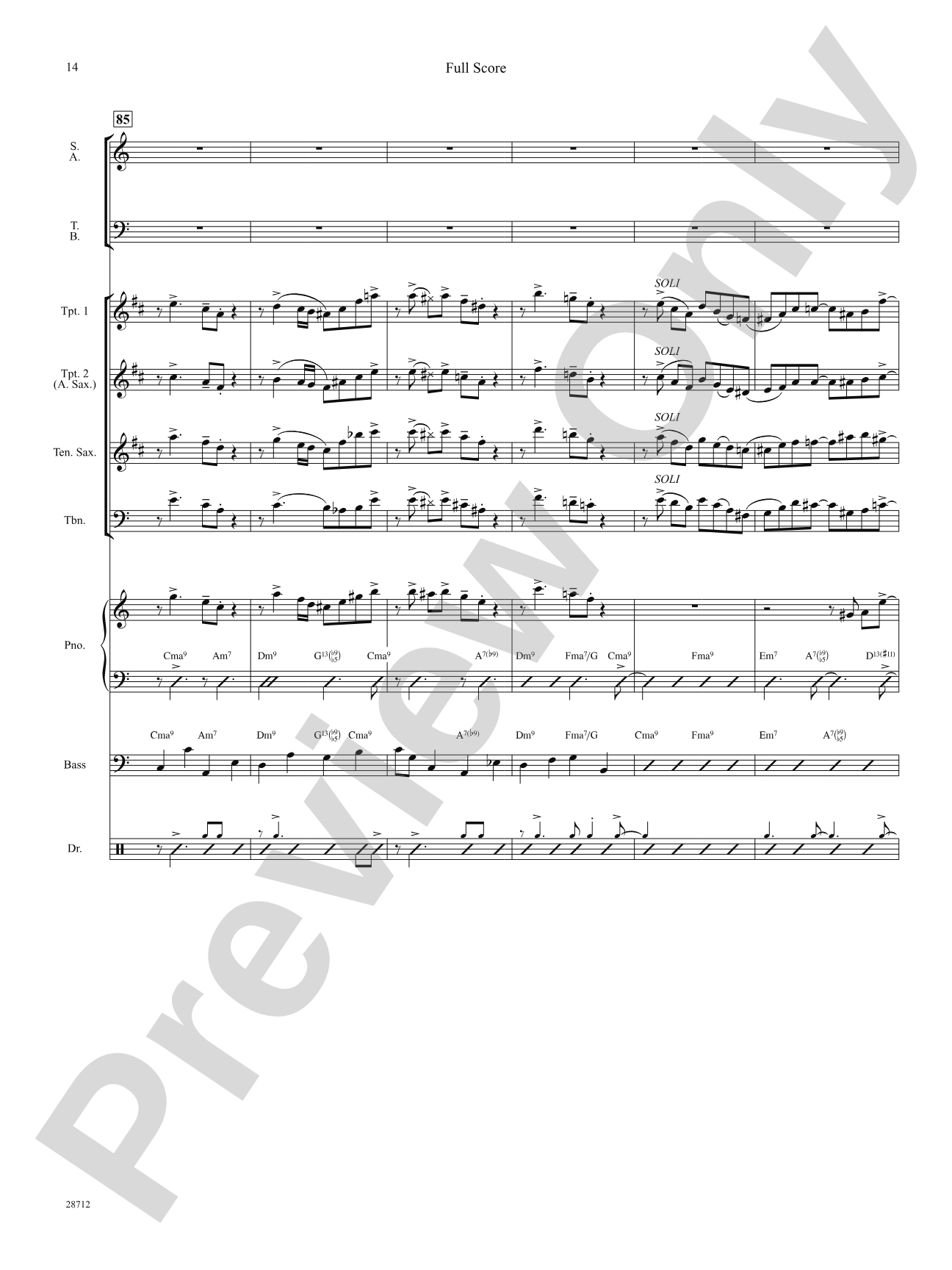
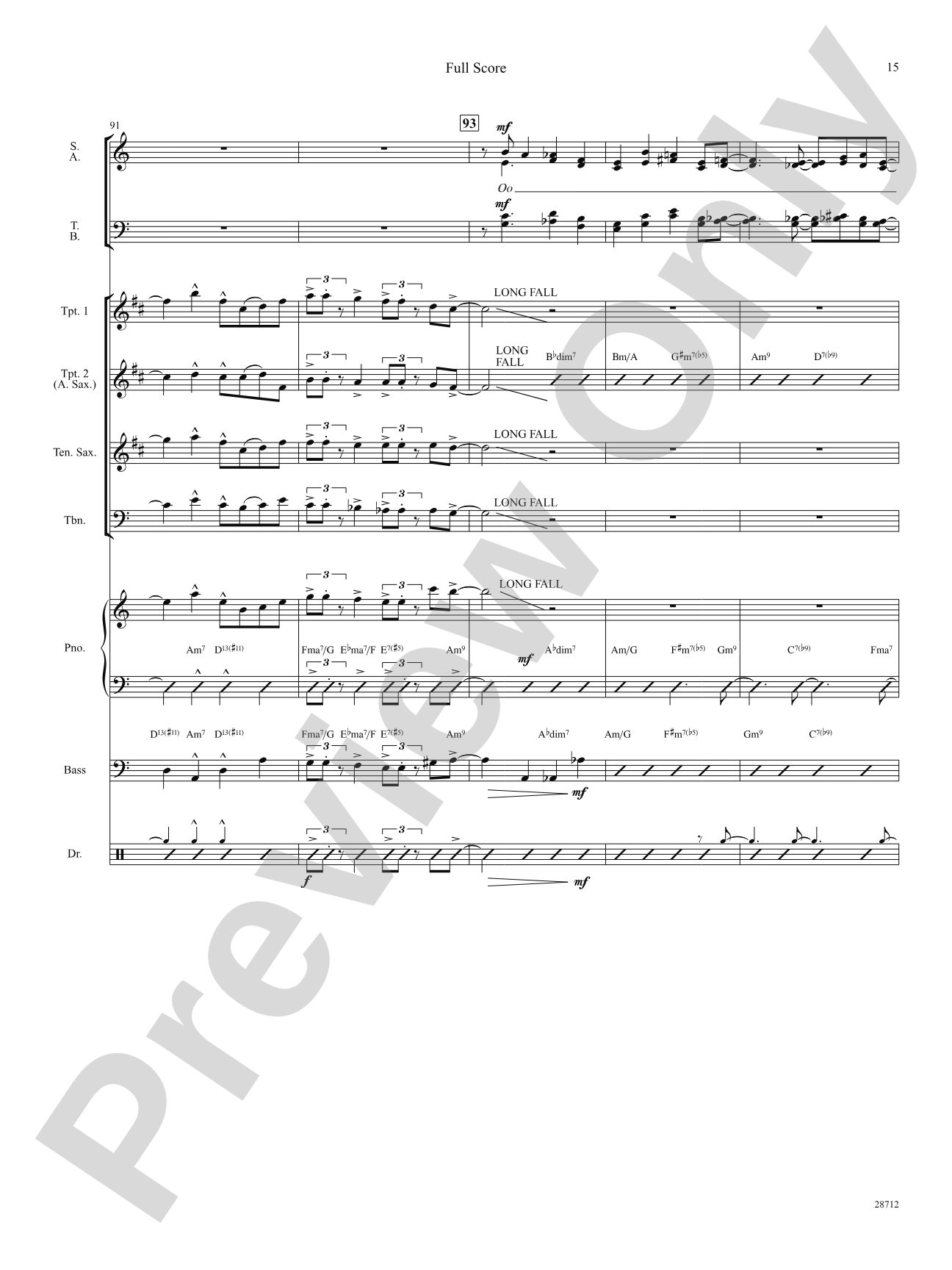
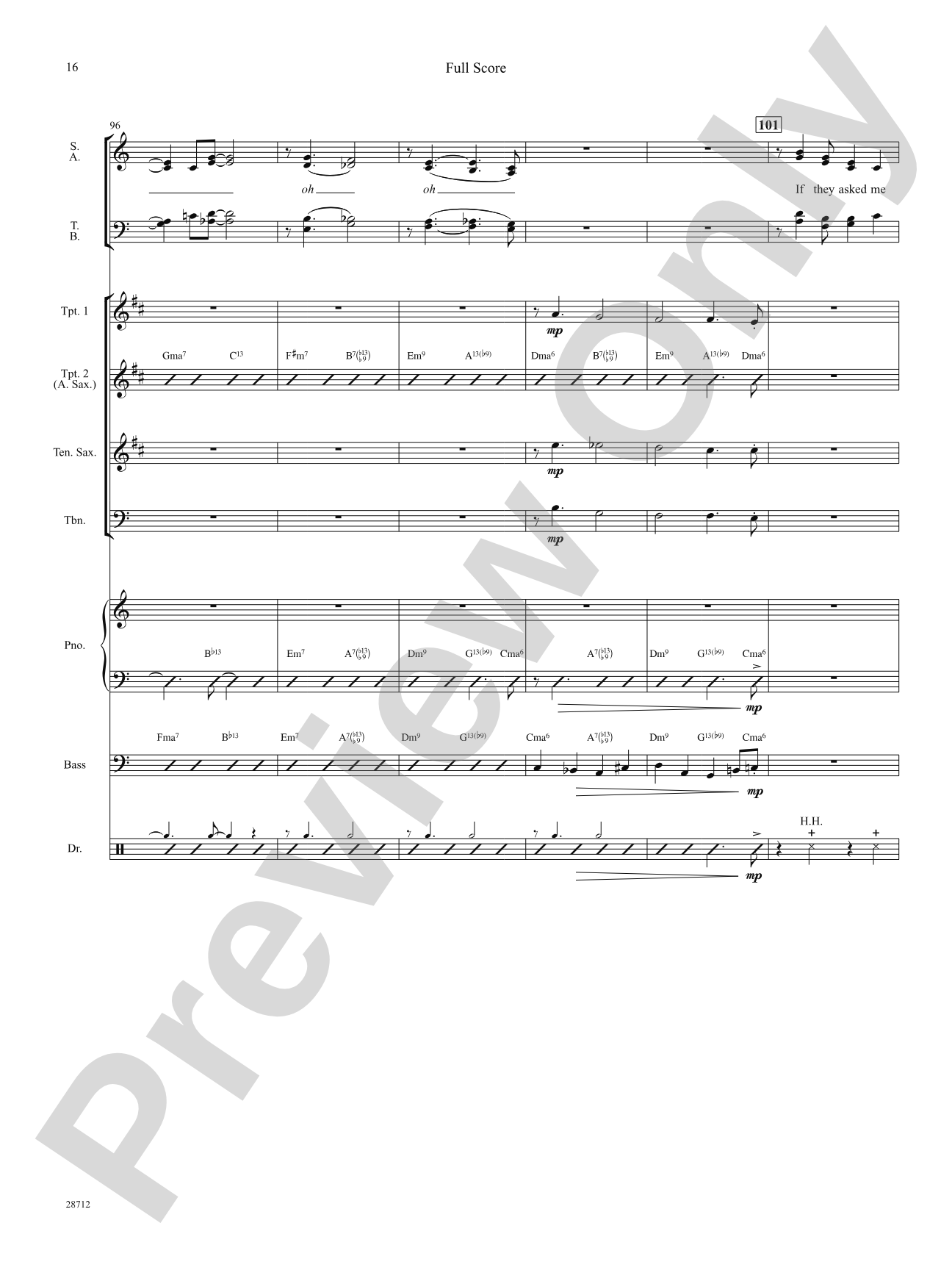
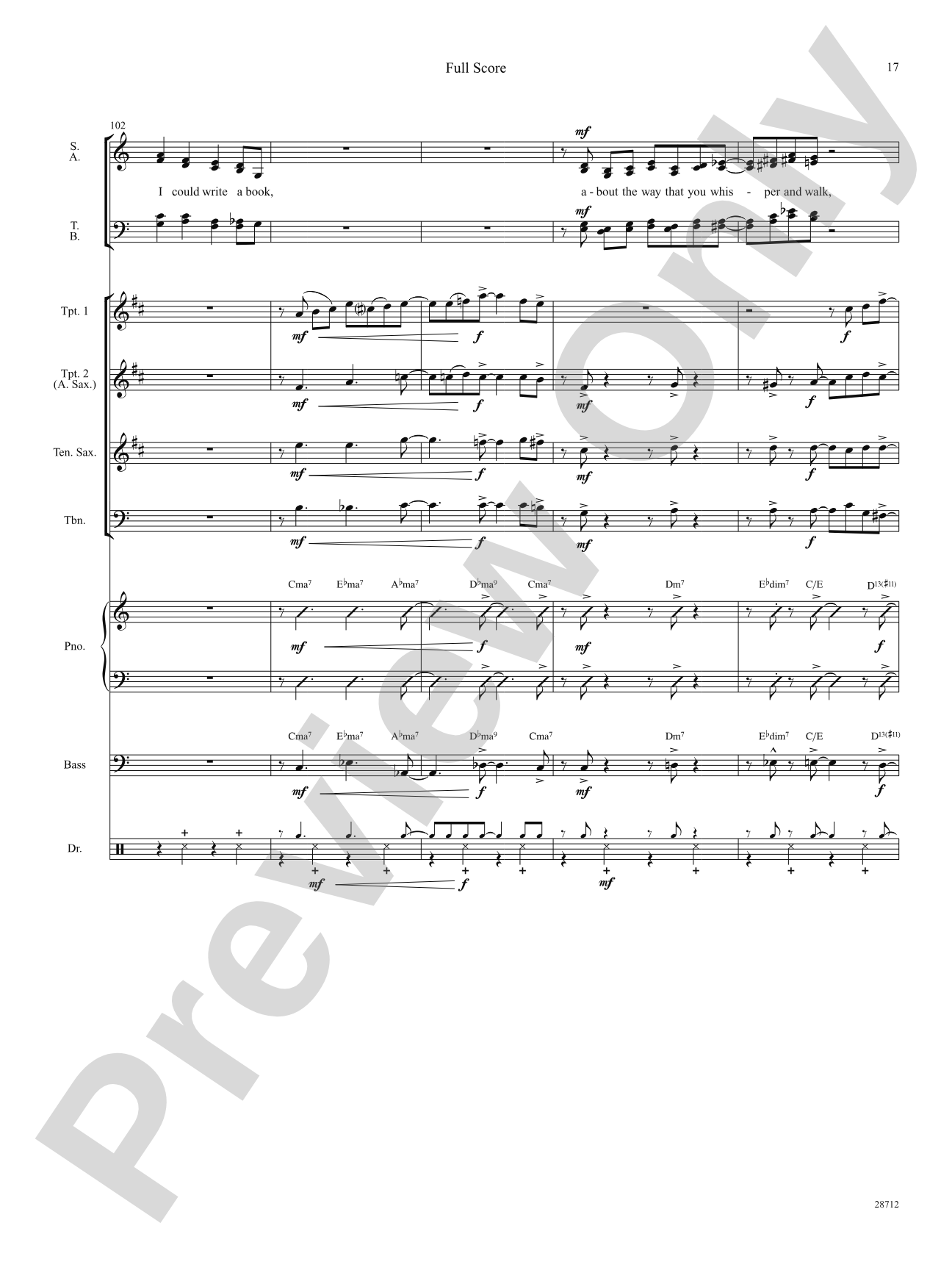
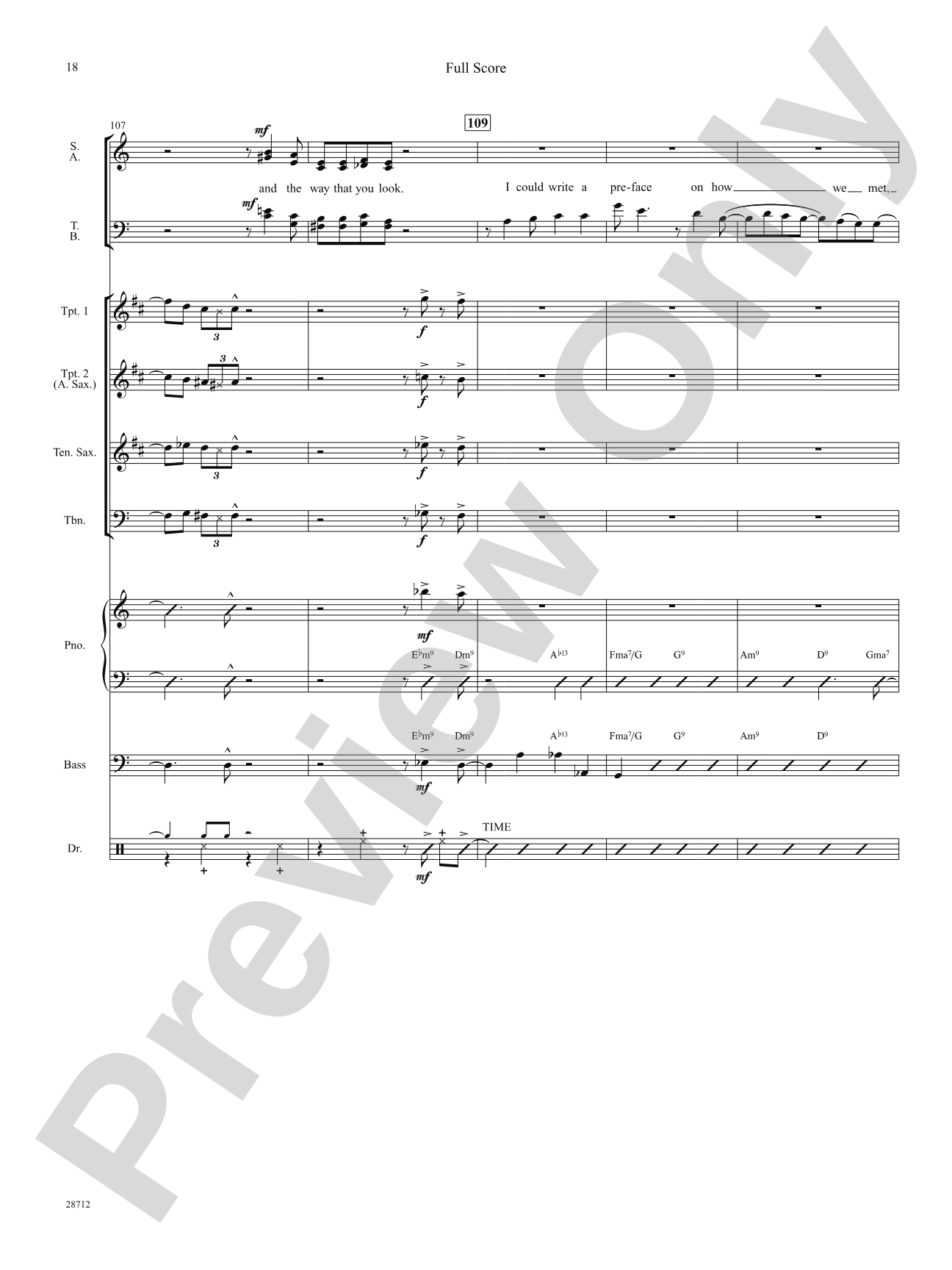
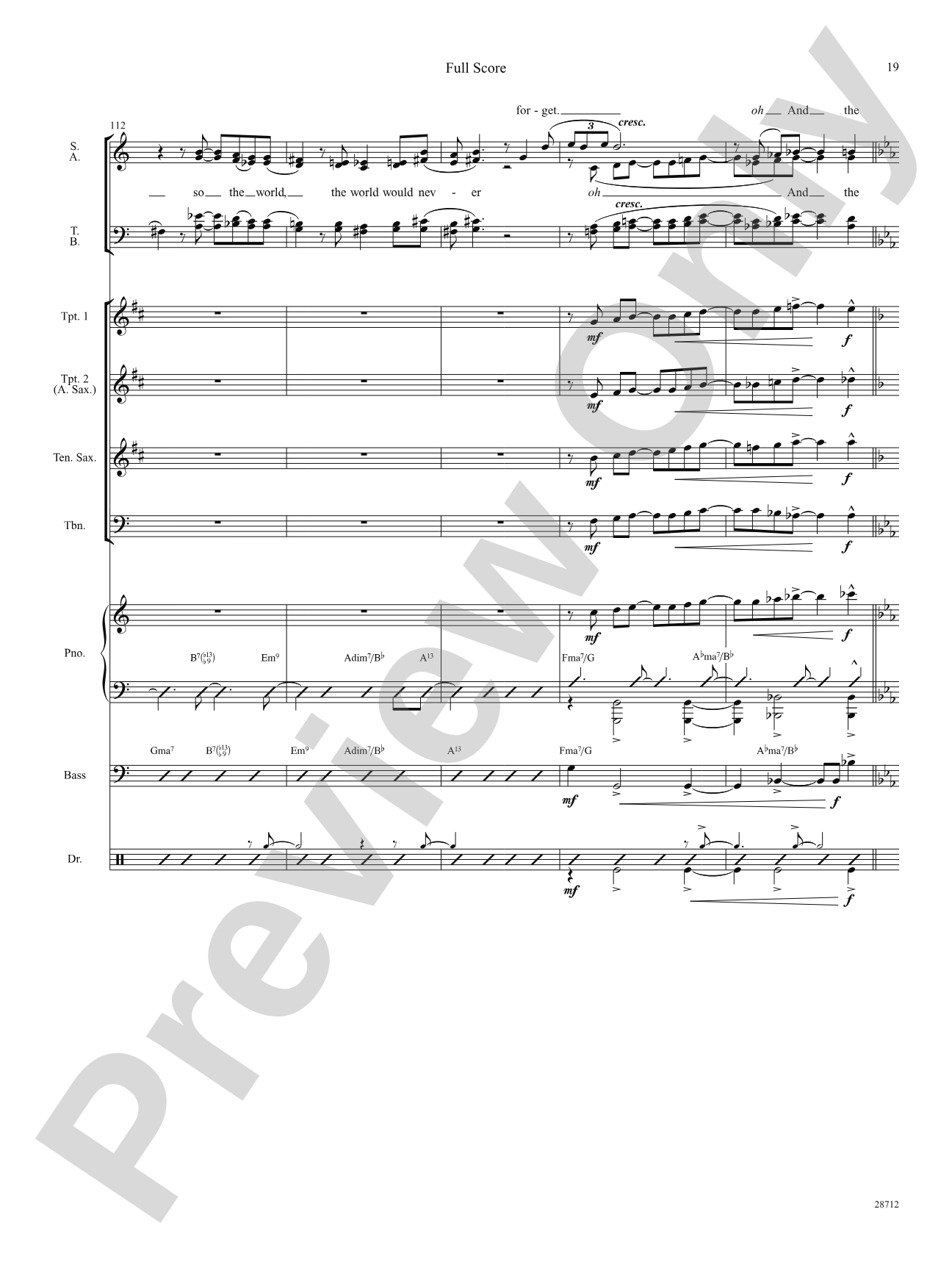
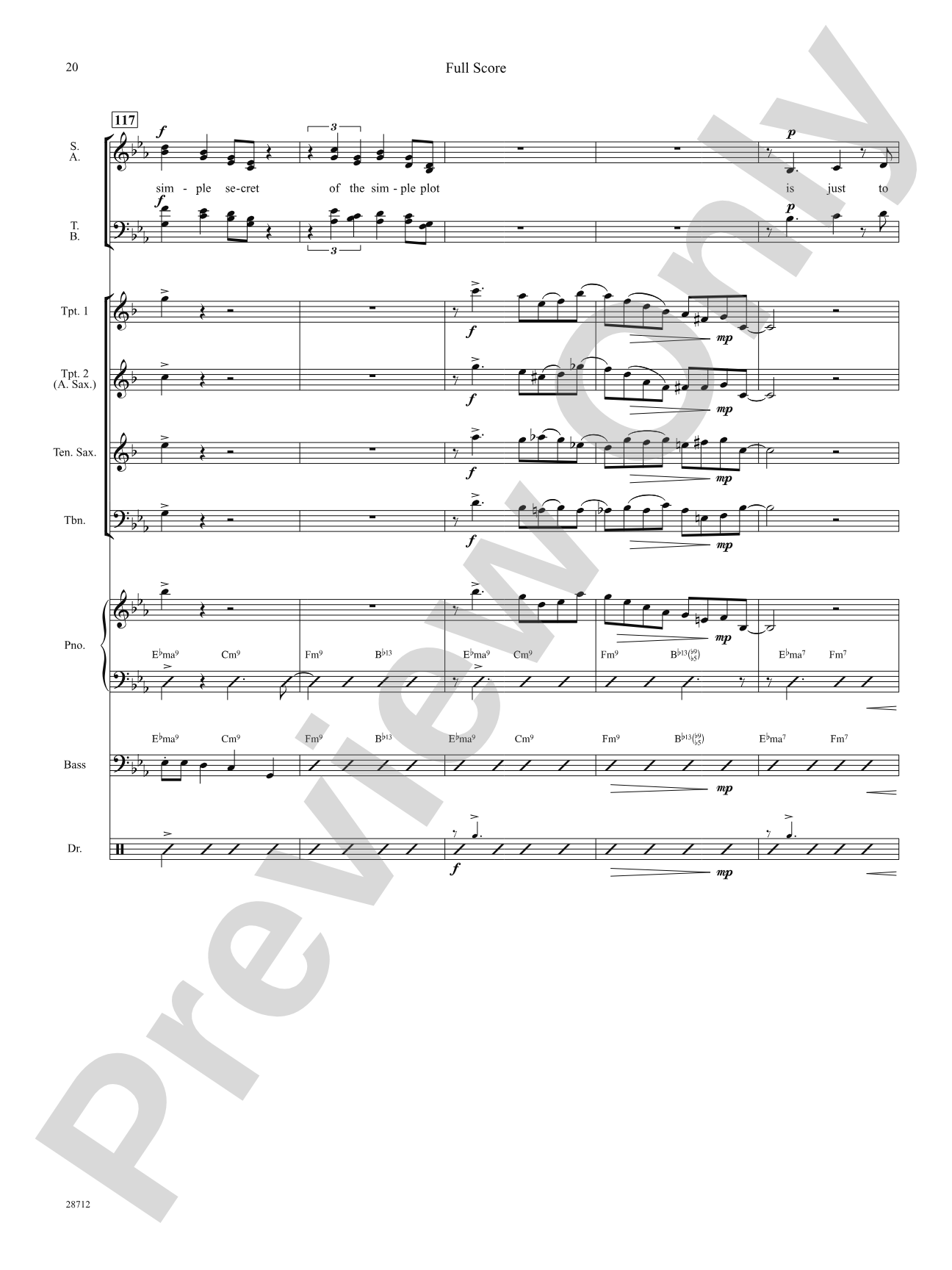
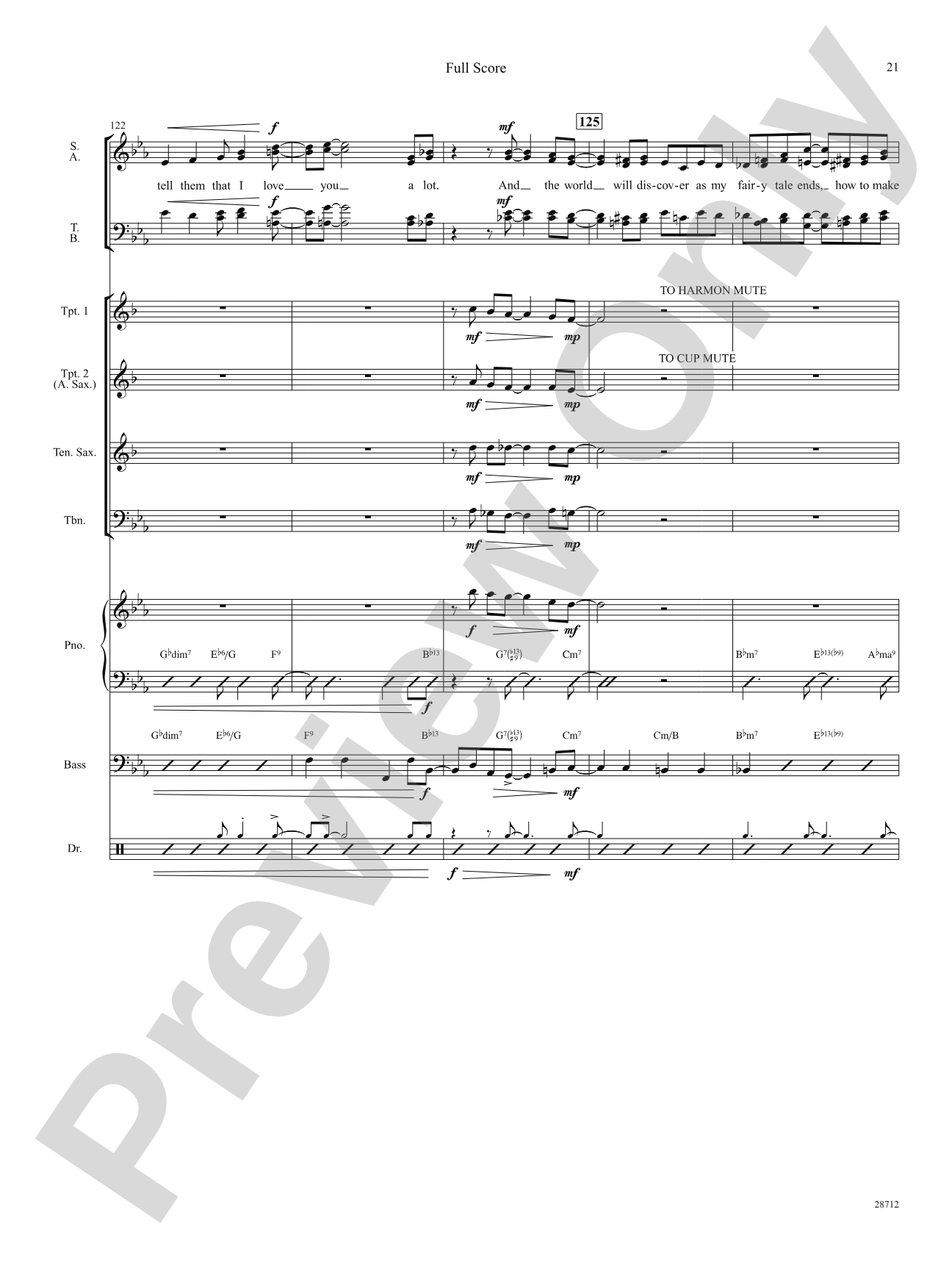
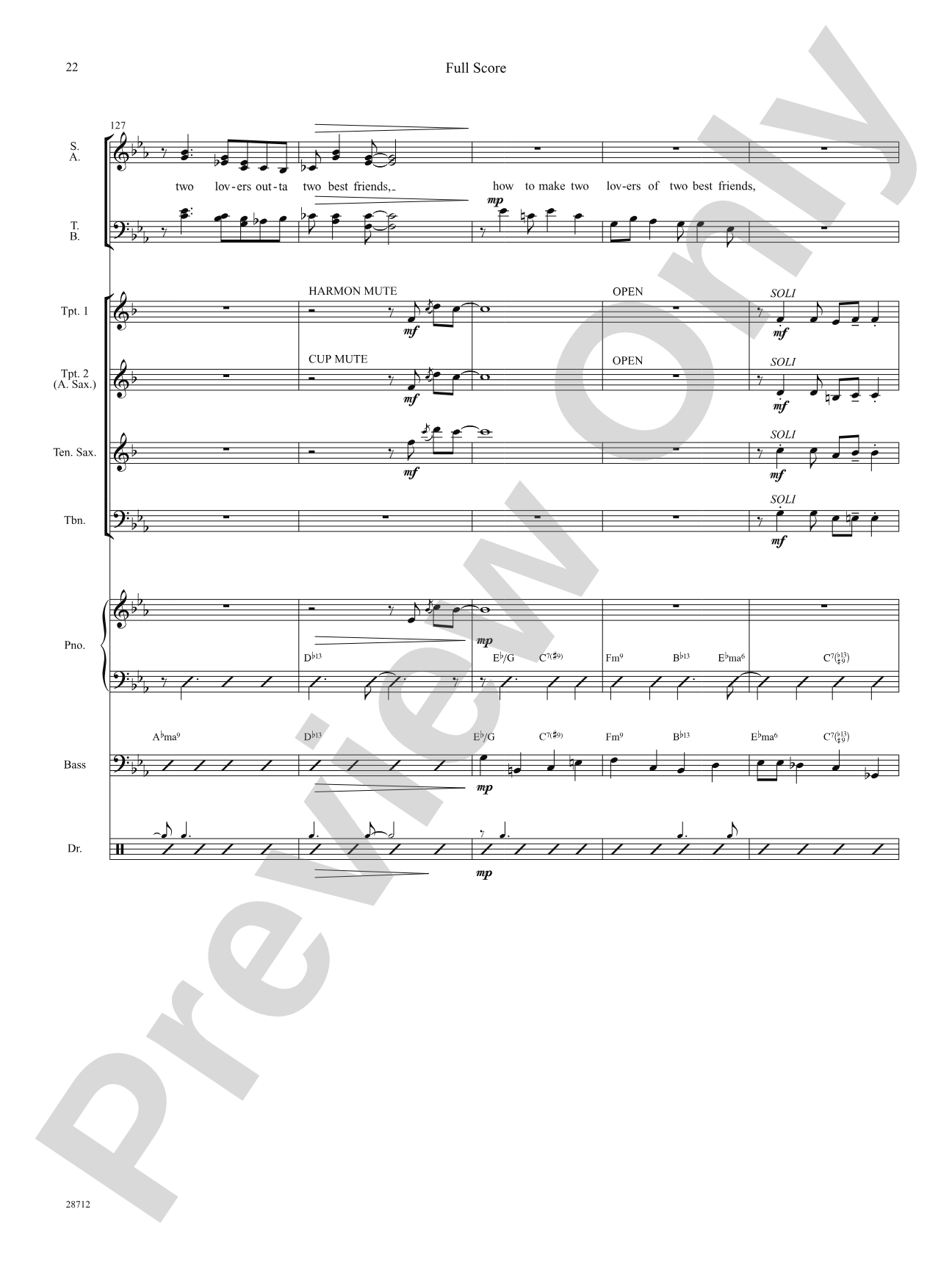
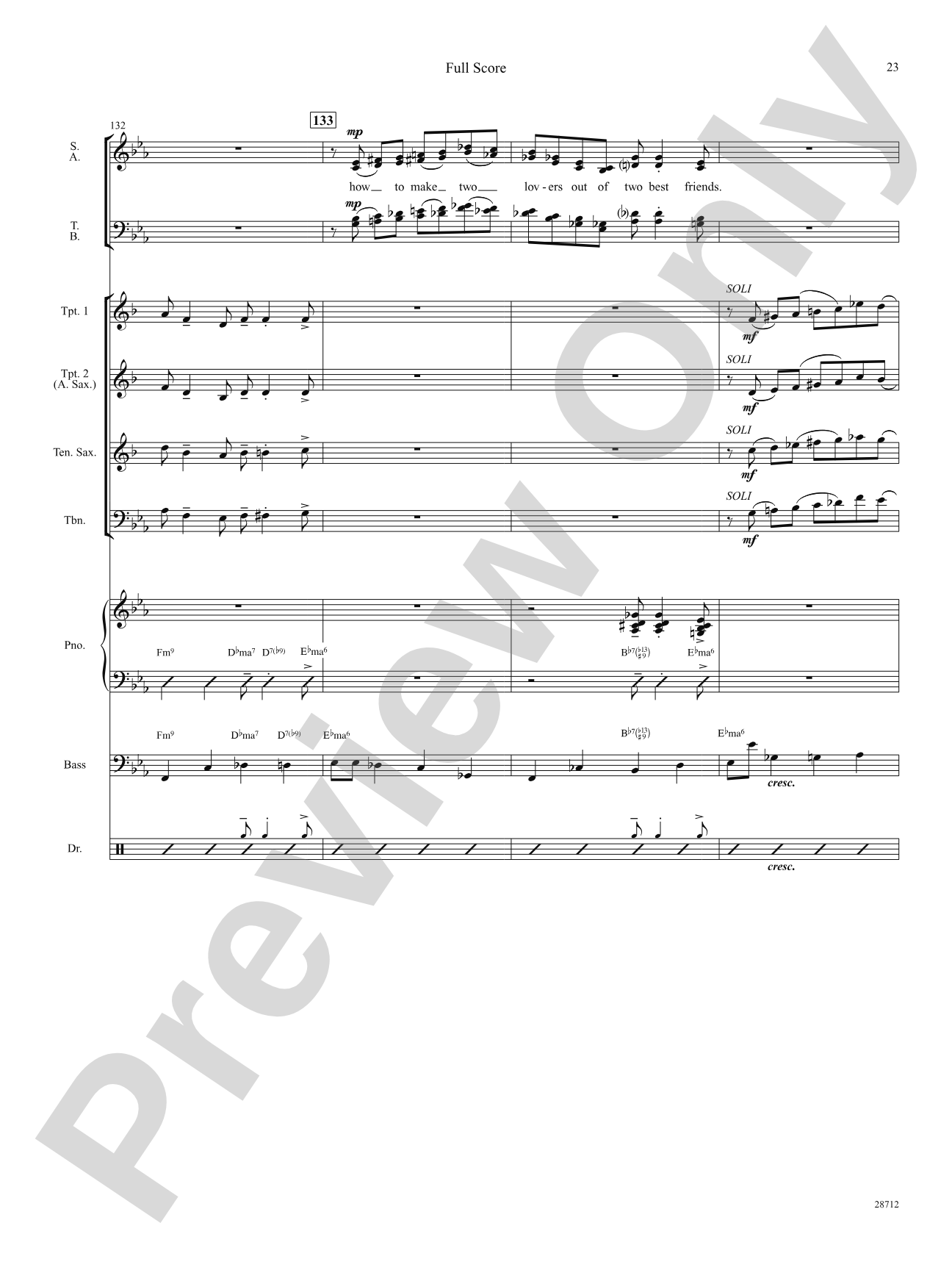
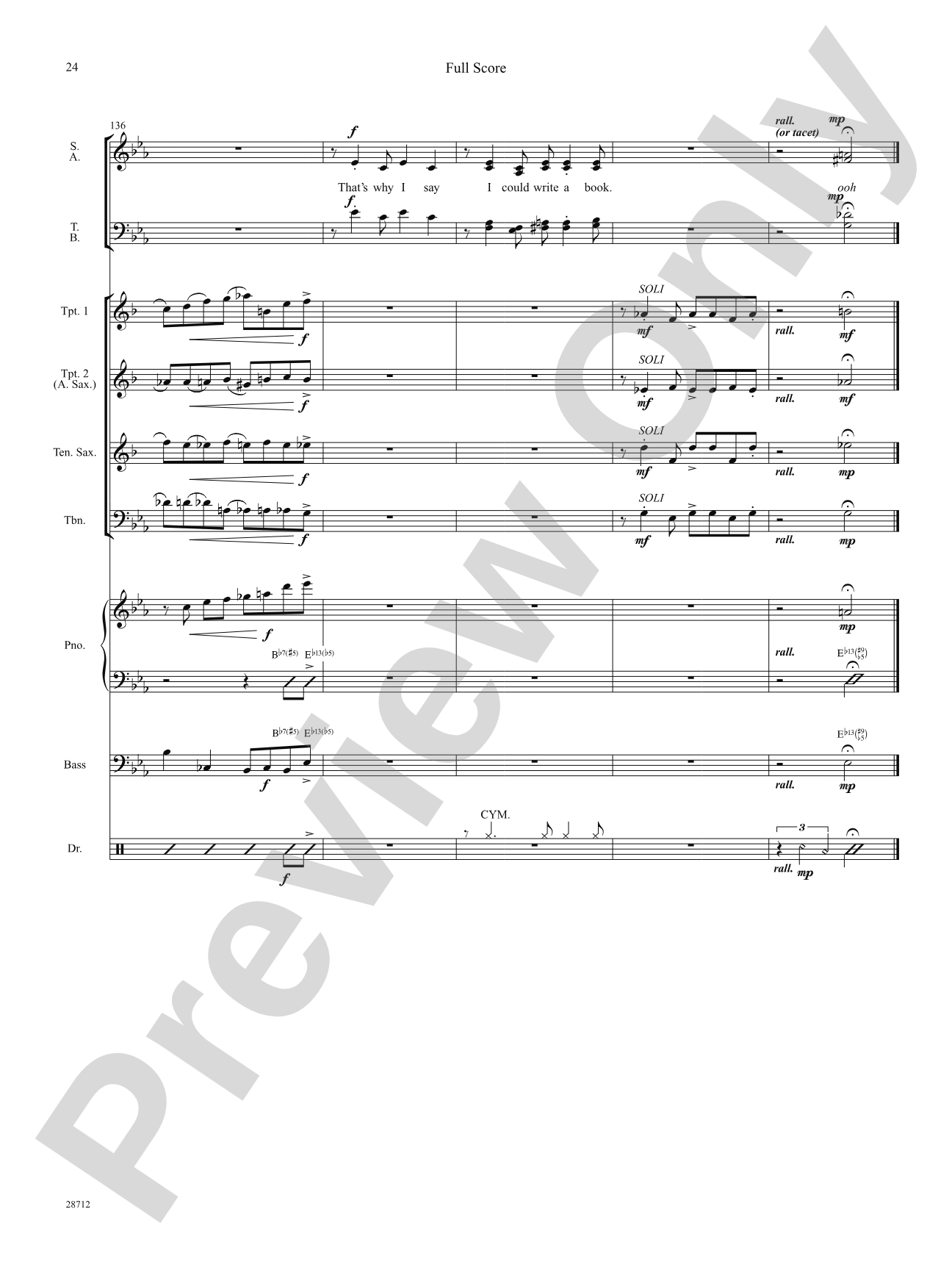
This swinging Rodgers and Hart tune is classic vocal jazz. Includes a scat solo, which is written out or can be sung ad lib. The singers are definitely the stars here, though the arrangement can be done with a variety of accompaniments: piano alone, small instrumental combo, or full jazz ensemble. Includes parts for piano, tenor sax., 2 trumpet, trombone, rhythm.


Don't just read it, hear it, play along with it, and watch your students grow with it. In MakeMusic Cloud, I Could Write a Book: Choral SoundPax comes alive with professional accompaniment, adjustable tempo, and built-in practice tools that turn solo practice into real progress.
Open in the Player
Jump straight in and assign it today.
Start Your Free Trial
Open this title and explore the full library in minutes.
Sample Audio
No sample audio found.
Sample Video
No sample videos found.
Additional Details
Series:
Alfred Pop Choral Series
Publisher:
Alfred Music
Page Count:
32
SKU:
00-PK-0001358
Instrumentation:
SoundPax
More about this title
About the Composer: Richard Rodgers
Richard Rodgers (1902-1979) shaped American musical theater across five decades, composing melodies that defined the golden age of Broadway. His partnership with lyricist Lorenz Hart produced some of the most sophisticated popular songs in the American songbook, works that jazz musicians and choral arrangers continue to interpret and reinterpret with fresh energy.
Rodgers had an gift for writing vocal lines that sit naturally in the voice while maintaining harmonic complexity and melodic sophistication. His scores for "The Boys from Syracuse," "Pal Joey," and "On Your Toes" showcase music deeply rooted in jazz vocabulary, making them ideal source material for choral jazz arrangements.
Why we love this
Darmon Meader's arrangement keeps the singers front and center while giving you real flexibility in the pit. The written-out scat solo can work as-is or transition into ad-lib territory, which means your ensemble controls the energy level rather than being locked into a single interpretation. That combination of structure and freedom is rare in choral jazz.
What to expect
Sophisticated and playful. The tune has an easy charm rooted in classic songwriting craft, and the scat section invites singers to trade lines with the band and enjoy the give-and-take of real jazz dialogue. It feels conversational, never forced.
Who it's for
Choirs with jazz experience or singers comfortable with swing style and scat singing. This works well for groups that have tackled Rodgers and Hart before or directors seeking a crowd-pleasing vocal jazz number that doesn't demand a large instrumental budget.
How to get the most out of it
- Shape the scat solo with clear articulation and consistent rhythmic placement so it stays locked with the rhythm section, whether you're using piano alone or a full ensemble.
- Balance the ensemble voicing against the featured singer or soloist; the arrangement works when the choir's harmonies support rather than compete with the melody.
- Build the instrumental options gradually through rehearsals. Start with piano to establish the tune's phrasing, then add rhythm section, and finally layer in horns once the vocal parts are solid.
- Communicate early whether soloists will sing the scat passage as written or take it ad lib. Either choice requires secure rhythmic confidence from your singers and players.
How to use it
Program this in a jazz-focused concert set where it can breathe alongside other vocal standards, or use it to anchor a "Broadway meets jazz" programming block. It's also strong as a finale or penultimate number in a concert because audiences recognize the song and the scat element gives them something playful to remember.
Skills your students will build
- Swing phrasing and rhythmic flexibility in legato and articulated singing
- Scat singing technique and rhythmic improvisation
- Blend and balance when featured soloists perform against harmonic backgrounds
- Coordination with rhythm section and horn players to lock in swing feel
- Reading and performing jazz harmony and jazz vocal voicing