

(I Can't Get No) Satisfaction: Score
Words and music by Mick Jagger and Keith Richards / arr. Michael Story
Grade: 2
Item: 00-PR-0001116
$8.00
Pickup currently not available
Description
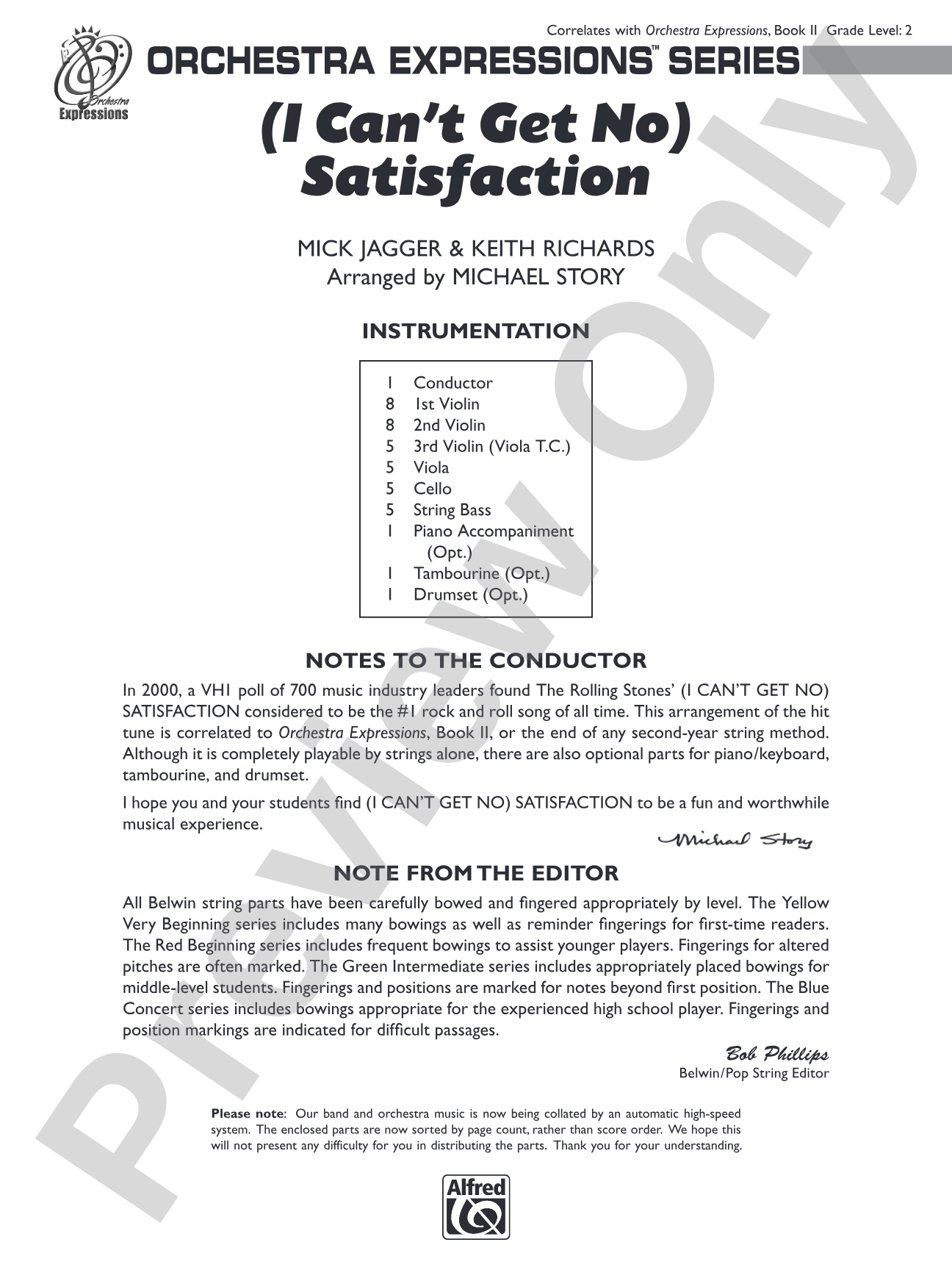
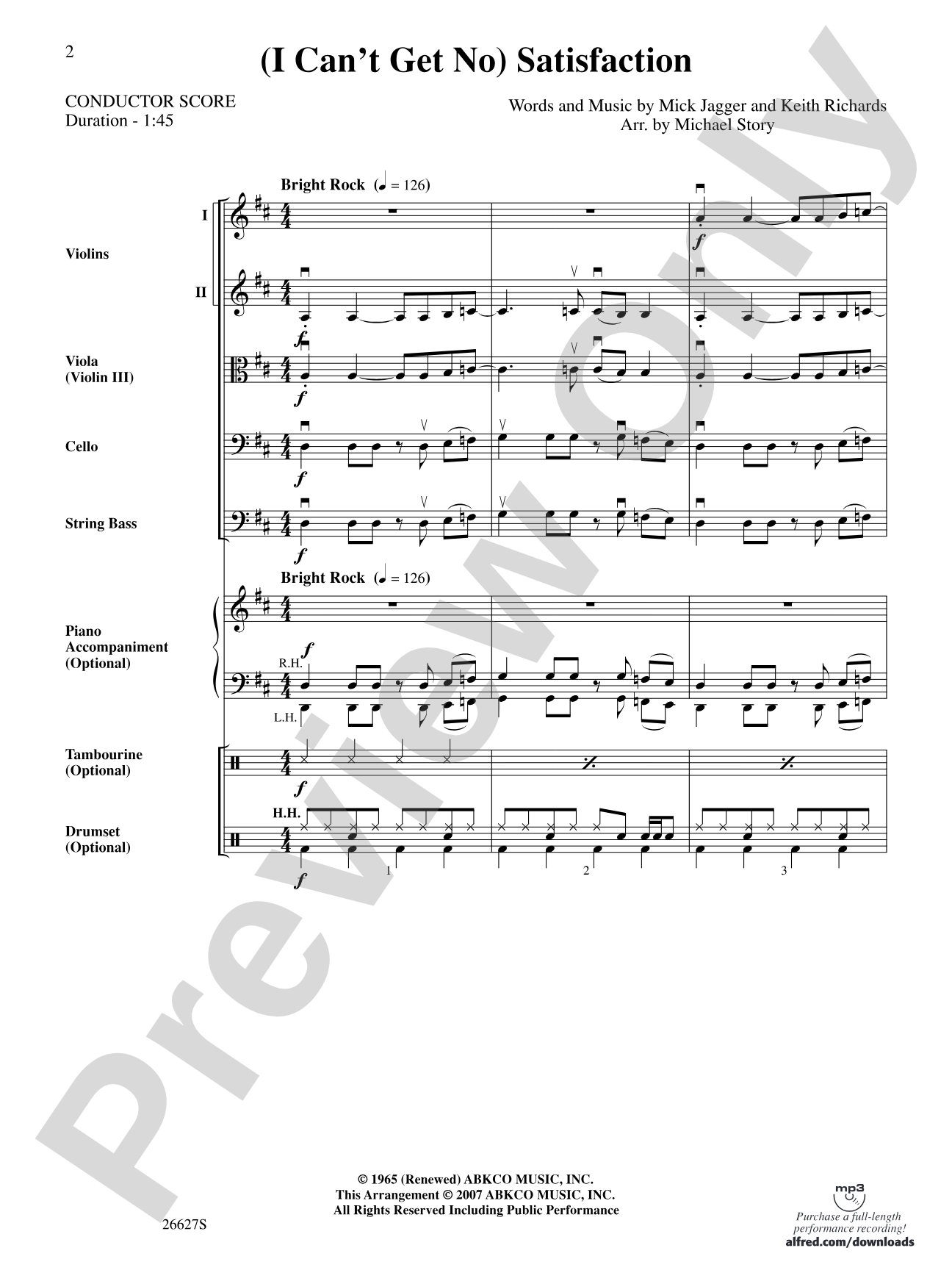
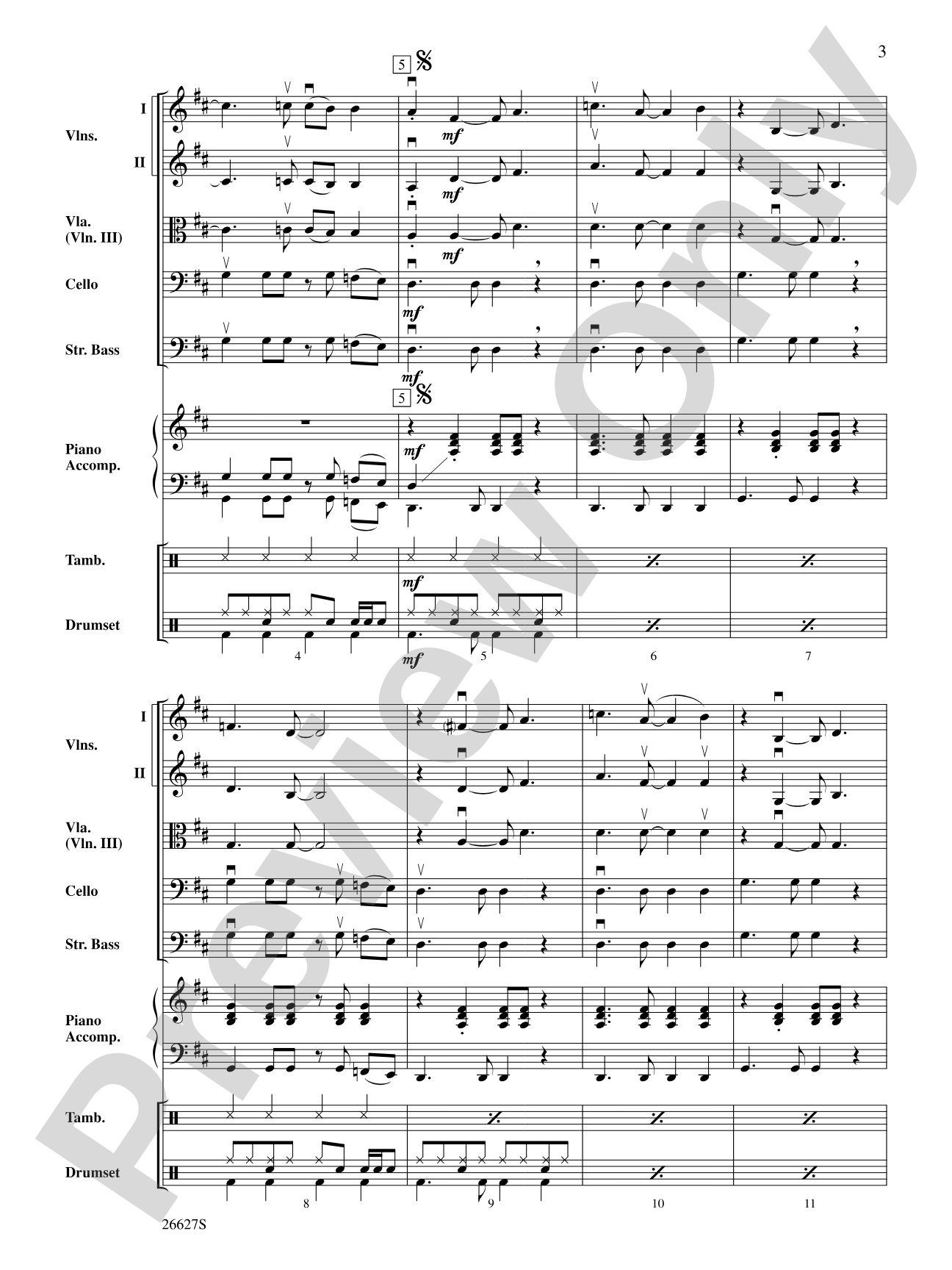
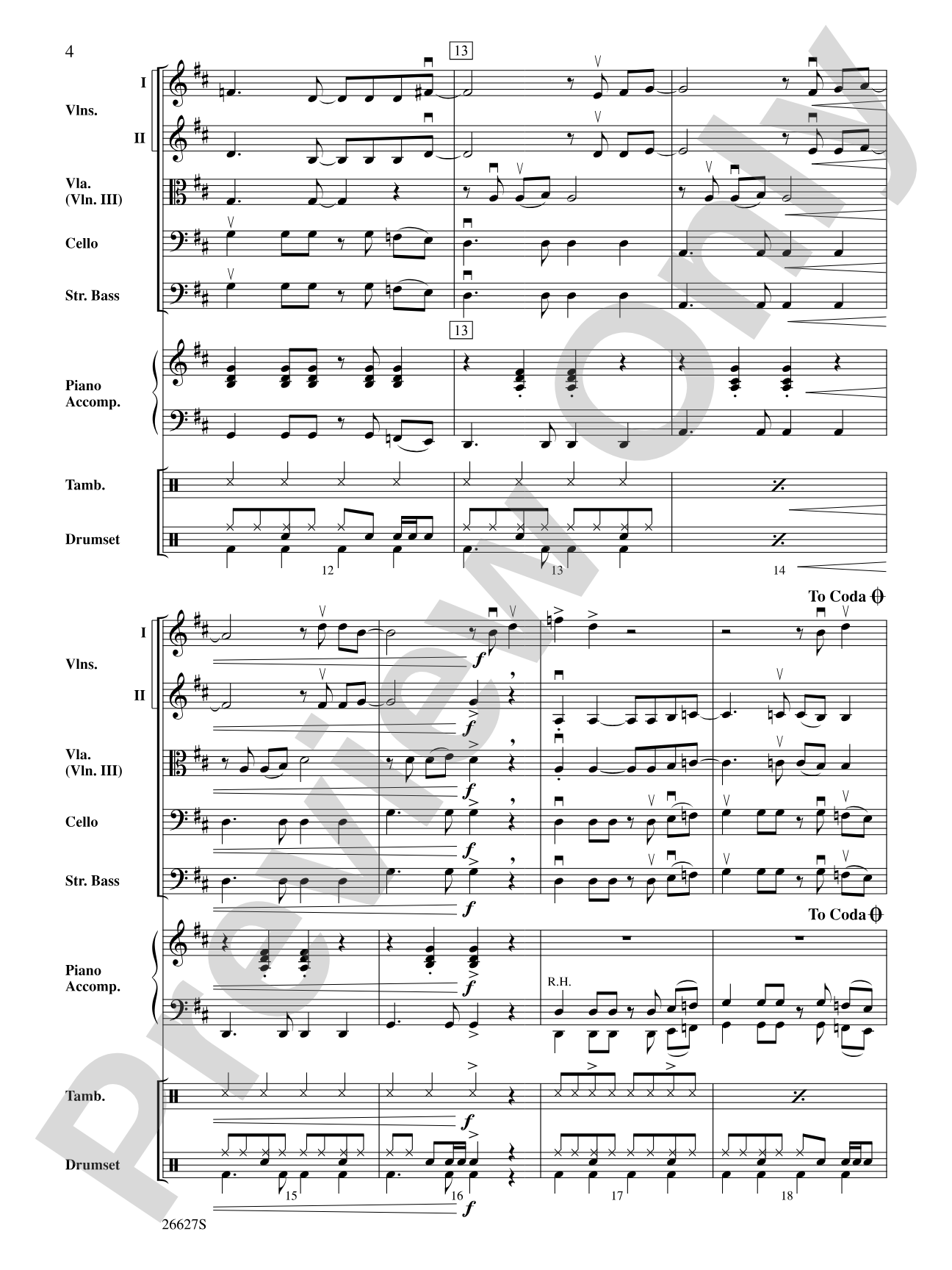
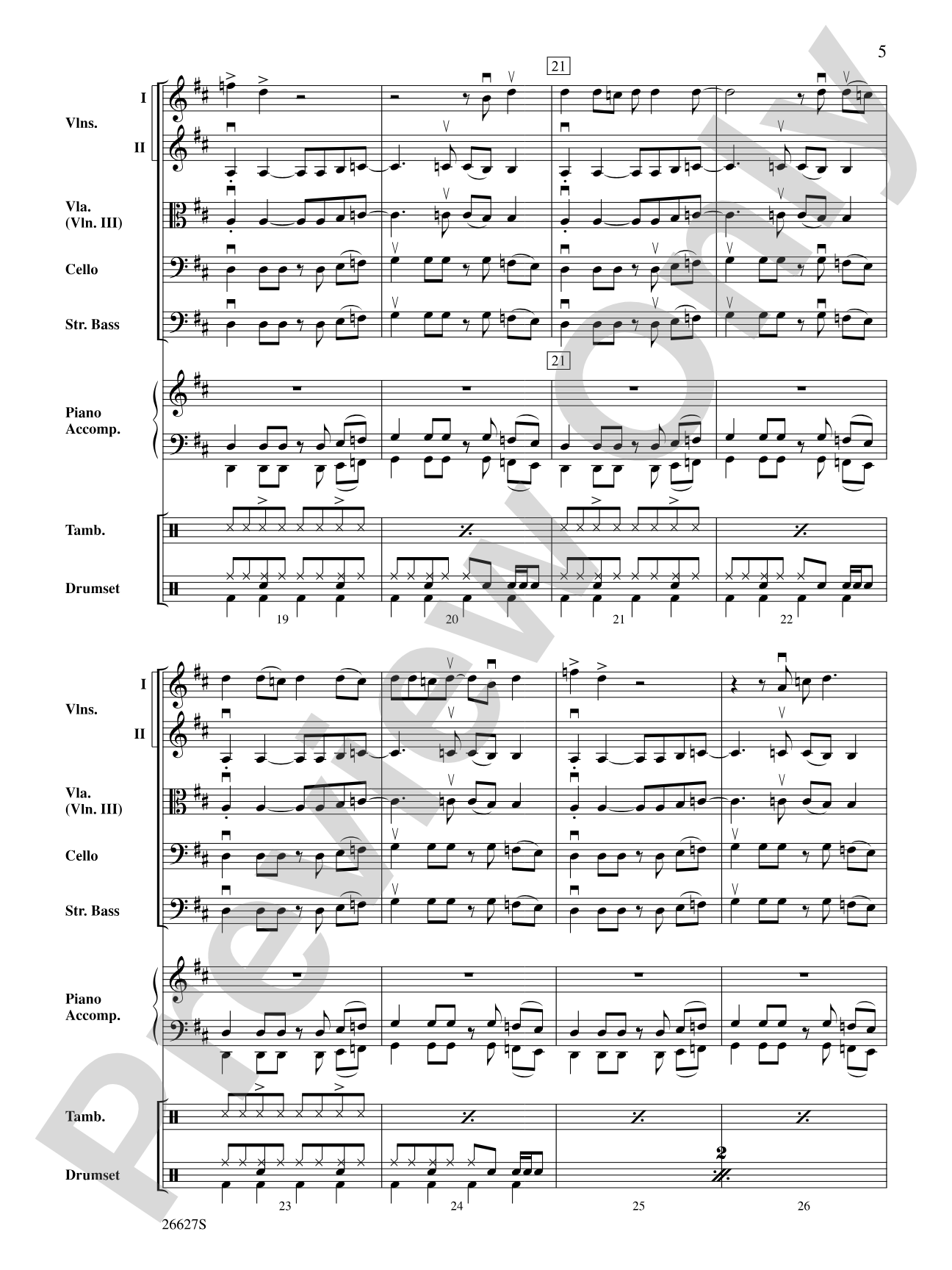
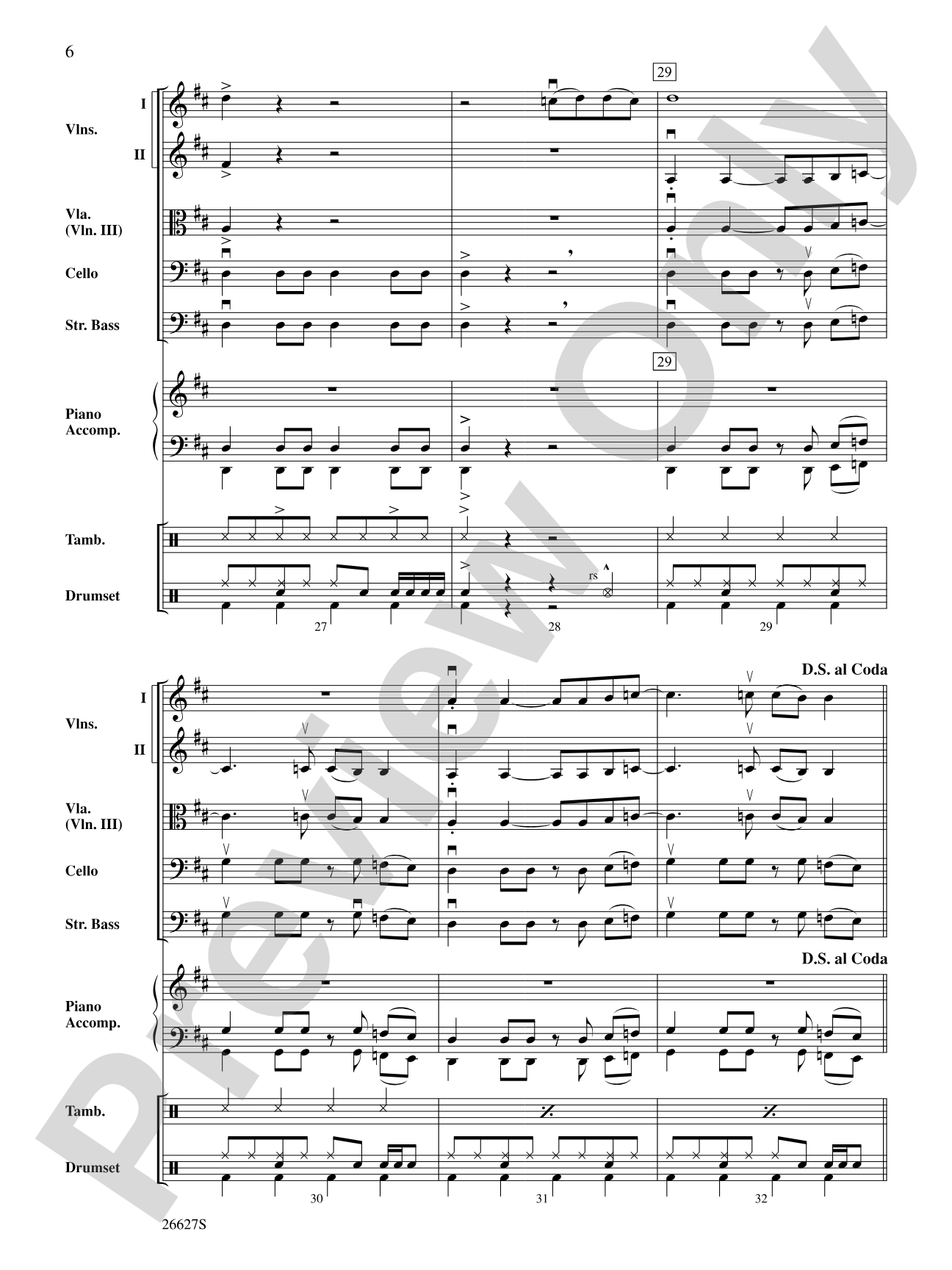
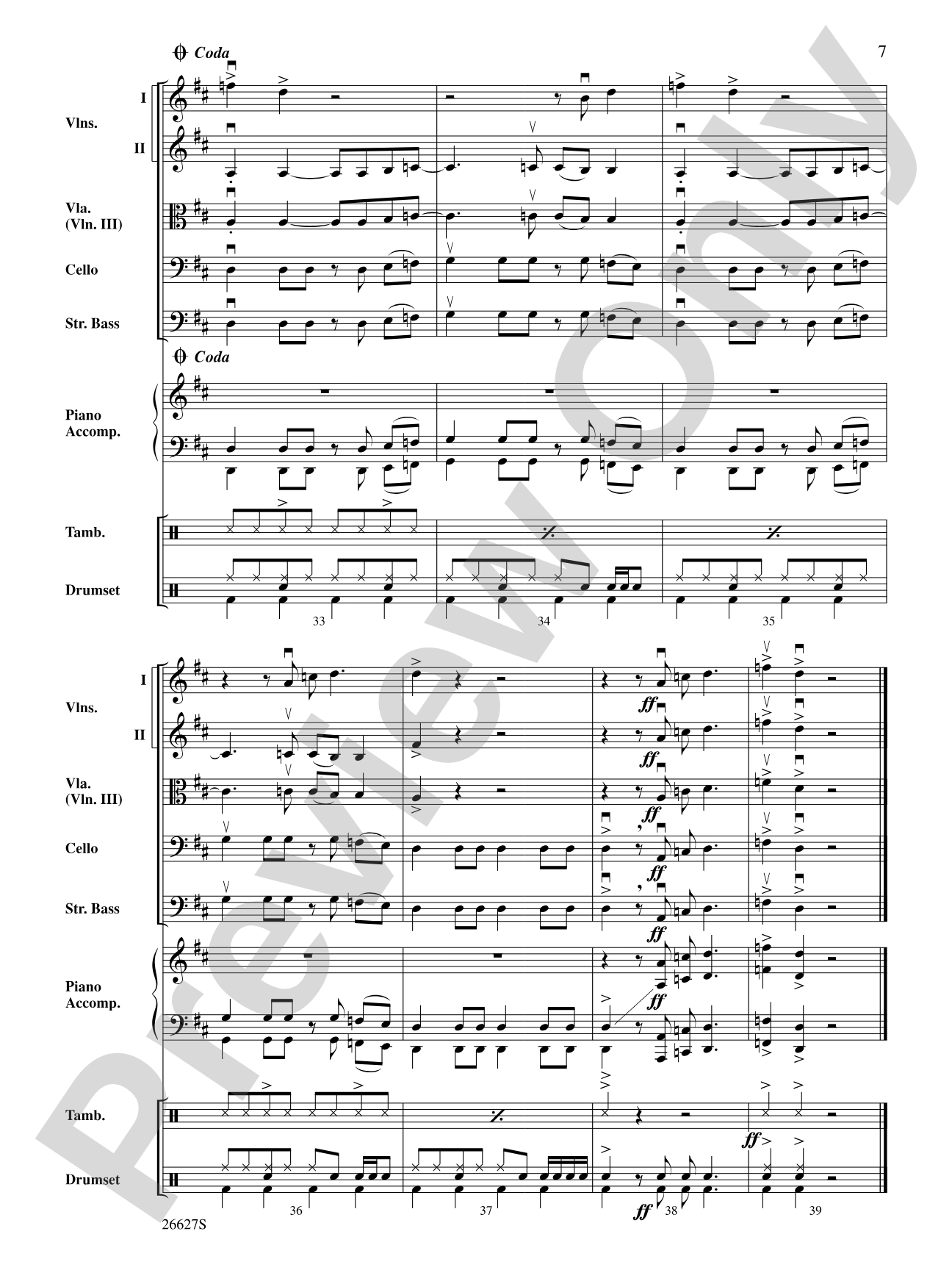
In 2000, a VH1 poll of 700 music industry leaders proclaimed this hit by The Rolling Stones to be the number one rock and roll song of all time. Here is an easy, yet effective arrangement of a great rock classic for your string orchestra. Completely playable by strings alone, there are also optional parts for piano/keyboard, tambourine, and drumset. Correlated to Orchestra Expressions, Book Two. This title is available in MakeMusic Cloud.


Don't just read it, hear it, play along with it, and watch your students grow with it. In MakeMusic Cloud, (I Can't Get No) Satisfaction: Score comes alive with professional accompaniment, adjustable tempo, and built-in practice tools that turn solo practice into real progress.
Open in the Player
Jump straight in and assign it today.
Start Your Free Trial
Open this title and explore the full library in minutes.
Sample Audio
1
Audio File
--:--
0:00
0:00
Sample Video
No sample videos found.
Additional Details
Series:
Orchestra Expressions
Publisher:
Alfred Music
Page Count:
40
SKU:
00-PR-0001116
More about this title
About the Composer: Mick Jagger
Mick Jagger co-wrote "(I Can't Get No) Satisfaction" with Keith Richards in 1965, creating one of rock and roll's most enduring anthems. The song's iconic riff, driving rhythm, and defiant energy made it a staple of The Rolling Stones' live performances and a cornerstone of their legacy as one of the most influential bands in music history.
For music educators, Jagger's songwriting demonstrates how a simple, memorable melodic hook combined with strong rhythmic propulsion can achieve universal recognition across generations. The song's structure and accessibility make it an ideal entry point for introducing students to rock music's foundational elements within a classical ensemble context.
Why we love this
This arrangement captures the raw attitude of one of rock's greatest songs while keeping the technical demands manageable for developing string players. Michael Story's orchestration preserves the legendary riff that every student will recognize, making the piece instantly engaging and motivating for young musicians. Programming a rock classic alongside traditional repertoire signals to students that great musical ideas come from many traditions and deserve serious study.
What to expect
Energetic and defiant, with a swagger that comes from that unforgettable guitar riff now reimagined for strings. The piece pulses with attitude and forward momentum, inviting your orchestra to inhabit the confidence and sass the song demands. There's a freedom and playfulness here that contrasts beautifully with more formal repertoire, reminding students why they love playing music in the first place.
Who it's for
String orchestra directors teaching Grade 2 students who want to engage young musicians with culturally significant music they recognize and respect. This arrangement works equally well for repertoire immersion, pep band applications, or concert programming that builds bridges between rock history and orchestra class. It suits ensembles looking to develop musicianship through popular music without compromising artistic integrity.
How to get the most out of it
- Anchor the famous opening riff with your first violins and violas in unison; lock this in before adding supporting lines, since the riff's rhythmic precision is what makes the song identifiable.
- Balance the string textures so the melody reads clearly even when accompanied by optional keyboard and percussion parts; this prevents the arrangement from feeling muddy.
- Bring out the rhythmic drive with confident articulation in the lower strings; this is rock music, so precision matters as much as it would in classical music.
- If using the optional drum set part, coordinate with your drummer in rehearsal to ensure the groove sits solidly with your strings' tempo and does not pull or lag.
How to use it
Place this strategically in a concert's second half to energize both your ensemble and audience after more serious material; the familiarity and accessibility make it a natural crowd-pleaser. It pairs well with other contemporary or cross-genre arrangements, signaling a concert theme that celebrates music across styles and eras. Since it correlates to Orchestra Expressions Book Two, it integrates seamlessly into your curriculum as a supplemental performance piece that reinforces technical skills students are already developing.
Skills your students will build
- Rhythmic precision in rock-style articulation and groove-oriented playing
- Maintaining a steady internal pulse while balancing melodic and harmonic textures
- Reading and executing unison passages with clear intonation across the string section
- Responding to optional percussion and keyboard parts to understand how strings function within a larger ensemble blend
- Building confidence with culturally relevant music and recognizing rock compositions as serious artistic study