

I Can't Believe That You're in Love with Me: SATB Choral Octavo
Words and music by Clarence Gaskill and Jimmy McHugh / arr. Darmon Meader
Item: 00-PO-0007997
$2.95
Minimum order quantity: 20 copies
Pickup currently not available
Related Items
I Can't Believe That You're in Love with Me: SoundTrax Digital Audio Download |
$27.99
|
View | |
I Can't Believe That You're in Love with Me: Choral SoundPax |
$45.00
|
View | |
I Can't Believe That You're in Love with Me: SATB Choral Octavo |
$2.95
|
View | |
I Can't Believe That You're in Love with Me: Choral Octavo SoundTrax CD |
$27.99
|
View | |
I Can't Believe That You're in Love with Me: Choral SoundPax |
$45.00
|
View |
Description
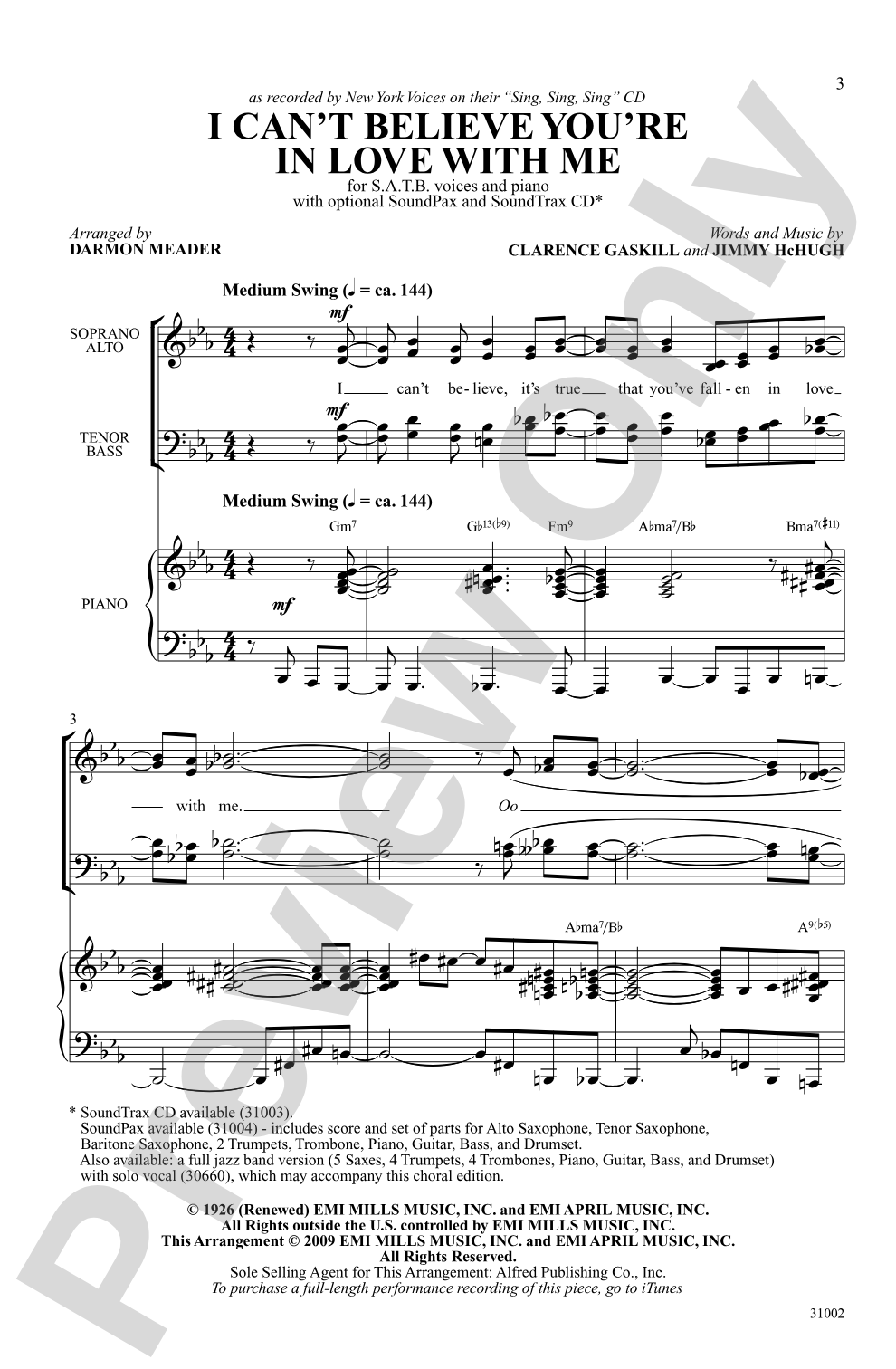
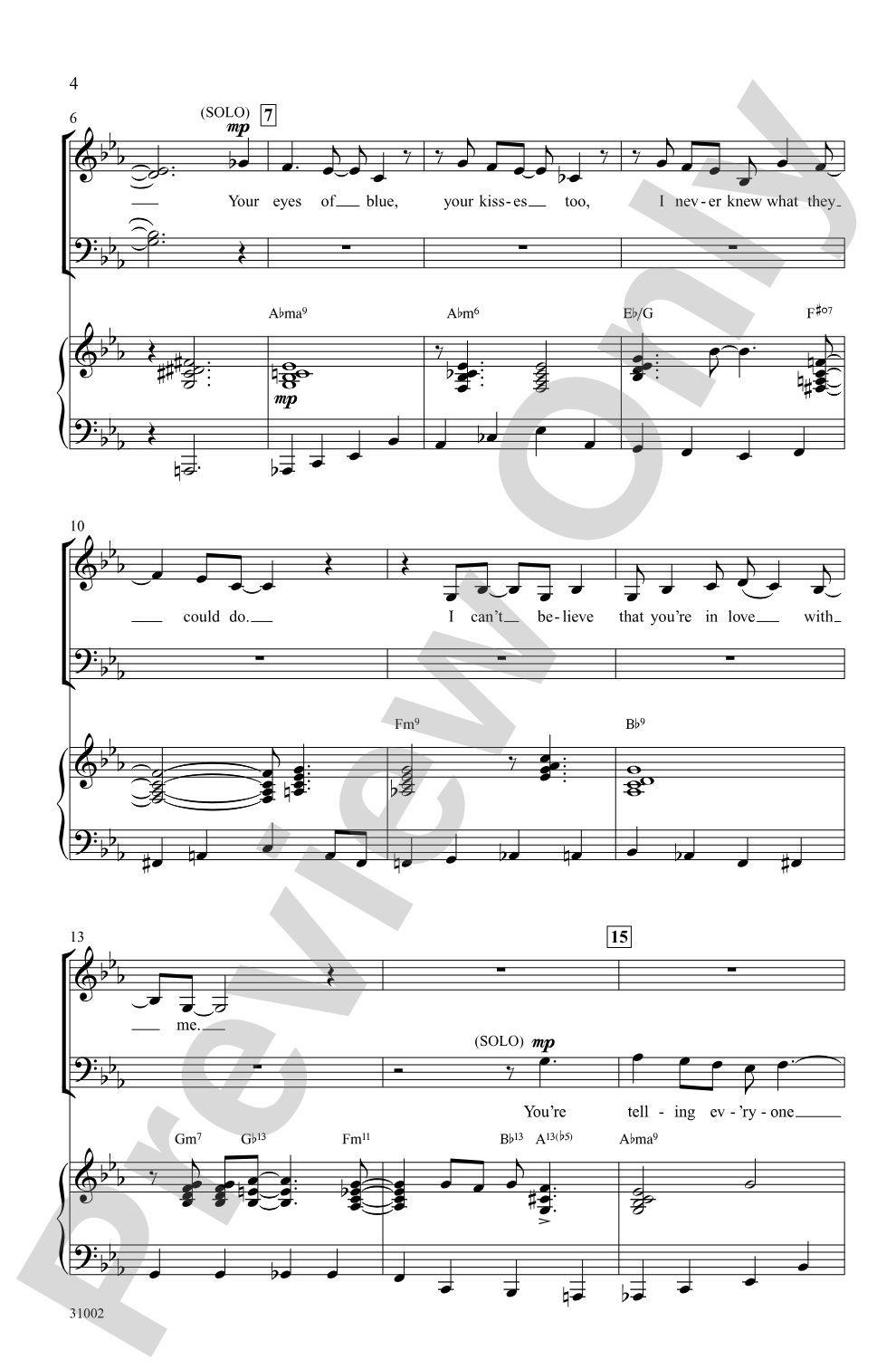
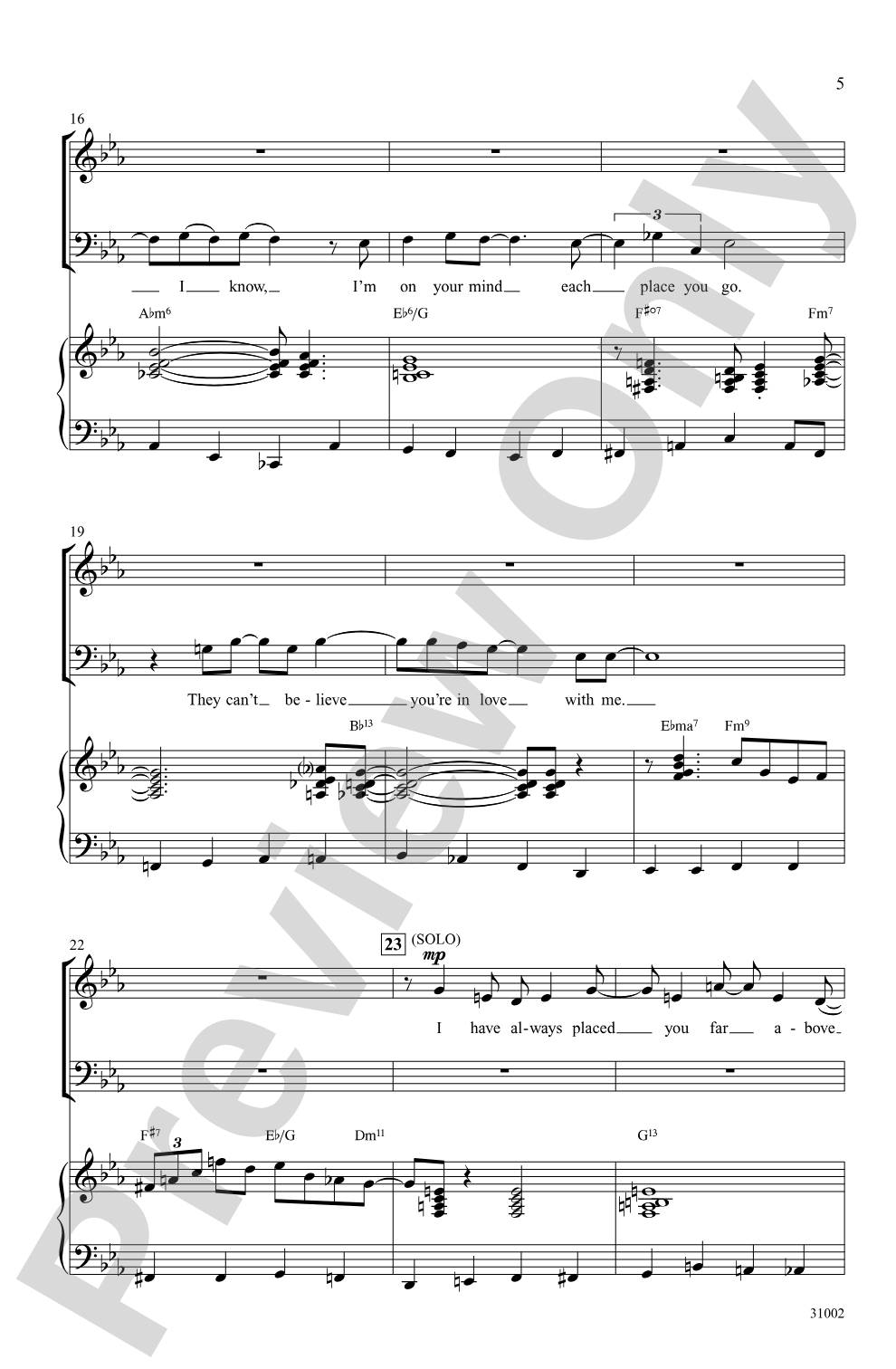
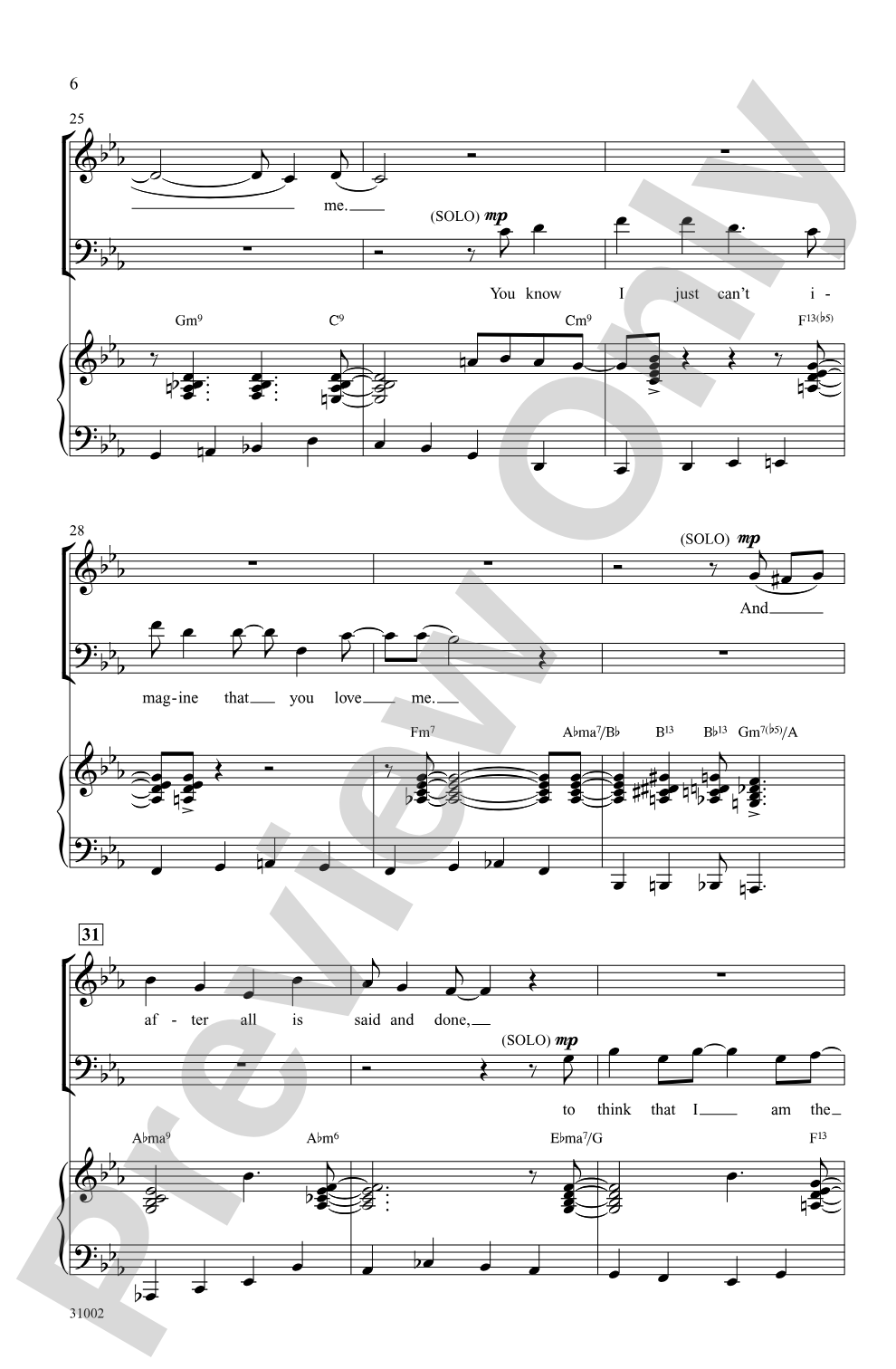
Recorded by New York Voices on their Sing, Sing, Sing album, this contemporary Darmon Meader arrangement offers superb vocal jazz writing. Perform with the SoundPax or consider using the full jazz band accompaniment.


I Can't Believe That You're in Love with Me: SATB Choral Octavo isn't in MakeMusic Cloud just yet...but it could be. Let us know you'd like to see it, and you'll help shape what comes next. In the meantime, start a free trial and dive into thousands of interactive titles your students can play along with today.
Request This Title
Tell us you want it.
Start Your Free Trial
Explore everything that's ready to play right now.
Sample Audio
1
Audio File
--:--
0:00
0:00
Sample Video
No sample videos found.
Additional Details
Series:
Alfred Pop Choral Series
Publisher:
Alfred Music
Page Count:
20
SKU:
00-PO-0007997
More about this title
About the Composer: Clarence Gaskill
Clarence Gaskill composed during the height of the American songwriting tradition, contributing melodies that entered the standard repertoire and continue to appear in jazz and popular settings. His work represents a moment when popular song composition demanded both accessibility and harmonic sophistication, skills that made his pieces enduring vehicles for jazz interpretation.
Jimmy McHugh was a prolific composer whose theatrical background gave him an instinct for melody that transcends genre. His songs have provided jazz musicians with rich harmonic material for decades, and "I Can't Believe That You're in Love with Me" exemplifies his gift for writing hooks that singers return to across generations.
Why we love this
Darmon Meader's arrangement takes a song with genuine charm and shapes it for choirs with intermediate jazz chops, balancing accessibility with authentic voice leading. The flexibility of using either SoundPax accompaniment or a full jazz band means you can program this whether your instrumental resources are modest or robust. Hearing the New York Voices nail this on record gives your singers a reference point that's both aspirational and achievable.
What to expect
Warm, slightly swinging, full of mid-century charm without feeling dated. The arrangement glides through its changes with the kind of ease that only comes from careful voice leading, landing somewhere between a barbershop sweetness and contemporary jazz polish.
Who it's for
Choirs with some jazz experience and solid musicianship across all four voice parts. Directors programming variety into a concert will find this fills time with genuine substance and also gives singers a song that leaves audiences feeling good.
How to get the most out of it
- Balance the lead voice (typically soprano) against supporting harmonies that shouldn't drop into background accompaniment; this arrangement rewards clarity in the inner parts.
- Work the rhythm section into rehearsal early if you're using a full band, since the groove will lock differently than with a click track or SoundPax.
- Commit to the jazz inflection of the melody, including the natural swing and phrasing that separates this from a straight pop arrangement.
- Let the harmonic movement breathe; Meader's voicings are precise enough that rushed tempos bury the sophistication.
How to use it
Pair this with other standards in a jazz or American songbook themed concert, or place it as a strong second half opener that shifts energy without jarring the audience. The arrangement's 20 pages and moderate difficulty make it a smart choice for spring concert programming when ensembles have polished their blend and intonation.
Skills your students will build
- Singing jazz articulation and swing phrasing within chord progressions
- Reading jazz voicings and understanding how soprano lines interact with block harmonies
- Rhythmic precision in a groove-oriented context
- Balancing solo melody against ensemble texture in a traditional song form