I Can Dance Sheet Music Preview

I Can Dance: Jazz Ensemble Conductor Score & Parts

Arranged by William Robert Schuck Jr.

Item: 35-PK00281966

Digital Download
$0.45

Buy Extra Parts (Digital PDF Download)

Product Price Quantity
I Can Dance - Full Score $0.45

Parts Added to Cart!

Description
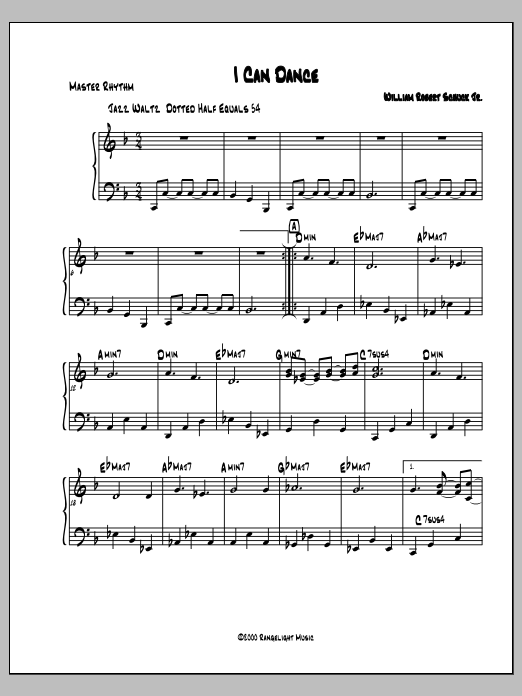
Catchy bass riff opens up to melody stated by Vibes and Guitar and provides solo space for piano and vibes. Ensemble includes: Dave Koonse, guitar, Germaine Franco, Vibes, Kevin Axt, Bass, Dave Tull, Drums and myself on piano. Duration: 06:00

I Can Dance: Jazz Ensemble Conductor Score & Parts isn't in MakeMusic Cloud just yet...but it could be. Let us know you'd like to see it, and you'll help shape what comes next. In the meantime, start a free trial and dive into thousands of interactive titles your students can play along with today.

Sample Audio
No sample audio found.
Sample Video
Additional Details
Publisher: Hal Leonard
SKU: 35-PK00281966

More about this title

Why we love this

Schuck writes with genuine ensemble awareness, letting each voice breathe while maintaining infectious forward motion. The arrangement trusts his soloists without sacrificing orchestration, and the six-minute duration gives students real interpretive space without padding.

What to expect

Groove-first and infectious. The catchy bass line grabs you immediately and refuses to let go, while the melody floats effortlessly over top. There's a lightness to it that makes dancers want to move.

Who it's for

Jazz ensembles with strong soloists, particularly those with dedicated vibes and piano voices. Works well for groups at the intermediate to advanced level who want a piece that swings hard without requiring virtuosity.

How to get the most out of it

  • Lock the bass and drums into the opening riff immediately; this groove is the backbone that makes everything else swing. If the rhythm section wavers, the whole number loses its foundation.
  • Give the vibes soloist time to settle into their sound during their feature. This isn't a race through changes; let the harmony sink in.
  • Balance the melody between vibes and guitar in the head. They should blend, not compete. Check blend in a separate sectional before full ensemble rehearsals.
  • Push the piano soloist to really voice their comping with intention. Schuck's voicings matter here, and sloppy left-hand work will muddy the sound.

How to use it

Perfect as a set opener or a concert closer that leaves audiences in a good mood. The accessible vibe makes it valuable for community concerts or pops programs where you want jazz credibility without obscure changes or esoteric harmony.

Skills your students will build

  • Comping over a defined groove and soloing within a structured harmonic framework
  • Balancing individual lines within a small ensemble without loss of ensemble unity
  • Reading and executing swing articulation and phrasing consistently
  • Responding to soloist activity while maintaining rhythmic integrity as an accompanist

You May Also Like