


Hymn of Adoration: Choral Instrumental Pak
By Mark Hayes
Item: 35-PK00452373
$75.00
Pickup currently not available
Buy Extra Parts (Digital PDF Download)
Parts Added to Cart!
Description
This significant anthem is an epic declaration of worship and devotion. From the opening piano arpeggios, the piece announces itself as bold and expressive. Chords define the texture of the main theme and resonate with fulfilling delivery in a quote from "Holy, Holy, Holy." Moving steadily to a statement from "Joyful, Joyful, We Adore Thee," craftsmanship is evident in every measure of the ebullient 12/8 meter. The anthem ends with a dizzying climax of voices, instruments and truth. Score and Parts (fl 1-2, ob, cl 1-2, bn, hn 1-2, tpt 1-3, tbn 1-2, tba, timp, perc 1-2, pno, vn 1-2, va, vc, db) available as a digital download.


Hymn of Adoration: Choral Instrumental Pak isn't in MakeMusic Cloud just yet...but it could be. Let us know you'd like to see it, and you'll help shape what comes next. In the meantime, start a free trial and dive into thousands of interactive titles your students can play along with today.
Request This Title
Tell us you want it.
Start Your Free Trial
Explore everything that's ready to play right now.
Sample Audio
No sample audio found.
Sample Video
No sample videos found.
Additional Details
Publisher:
Hal Leonard
SKU:
35-PK00452373
More about this title
About the Composer: Mark Hayes
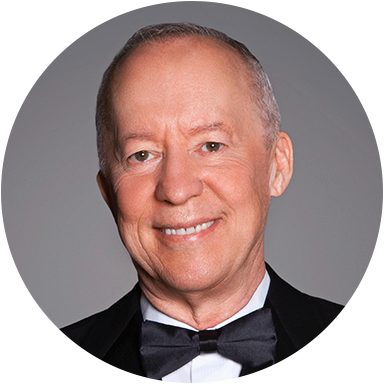
Mark Hayes brings three decades of prolific output to sacred and secular music, with over 1,750 published works spanning piano, choral, orchestral, and theatrical genres. A summa cum laude graduate in Piano Performance from Baylor University, Hayes has established himself as a composer and conductor of international standing, premiering large-scale works at Lincoln Center, the National Cathedral, and St. Ignatius Basilica in Rome. His versatility ranges from intimate piano collections to full orchestrations, and his sacred music has earned him the 2010 Award for Exemplary Leadership in Christian Music from Baylor University Center for Christian Music Studies.
Beyond composition, Hayes has shaped musical theater and collaborative projects. He scored Civil War Voices (which garnered six awards at the Midtown International Theatre Festival), orchestrated the musical Madame Buttermilk, and arranged arrangements for theatrical premieres. Whether conducting world premieres of his Requiem or composing anniversary commissions for institutions across the globe, Hayes continues to demonstrate mastery in orchestration and the ability to craft works that serve both liturgical and concert contexts.
Why we love this
Hayes orchestrates the union of hymn traditions with contemporary choral writing in a way that feels both reverent and dramatically alive. The integration of two beloved texts within a cohesive 12/8 framework shows compositional restraint paired with genuine grandeur, avoiding the trap of gratuitous complexity while still delivering the sonic payoff your singers and audience will remember. The full instrumental palette gives directors real options for scaling the piece to their ensemble's strengths.
What to expect
The piece unfolds with deliberate grandeur from the opening, the piano's arpeggios creating architectural space rather than mere accompaniment. When the chords and hymn quotations arrive, there is a sense of inevitable arrival, as if this music has been waiting to be sung. The final climax builds urgency and joy simultaneously, voices and instruments converging into something both transcendent and concrete.
Who it's for
This work suits choirs with access to a robust instrumental ensemble and singers secure in part singing and stylistic flexibility. Directors seeking a statement-making anthem for worship services, sacred concerts, or festival performances will find the combination of textural sophistication and emotional directness engaging for both performers and listeners.
How to get the most out of it
- Establish the 12/8 pulse early in rehearsals by isolating the rhythm section (piano, timpani, bass) so the choir and winds can lock onto a steady compound meter before layering in the arpeggios and harmonic movement.
- Balance the hymn quotations carefully; they should emerge from the texture rather than dominate it. Your singers should recognize 'Holy, Holy, Holy' and 'Joyful, Joyful, We Adore Thee,' but the surrounding material must not fade into accompaniment.
- The climactic moment demands ensemble cohesion across all sections. Schedule a final run-through where instruments, soloists, and choir enter the climax simultaneously, allowing everyone to experience the cumulative power before polishing entrances and dynamics.
- Let the opening piano arpeggios breathe; the pianist's tempo and clarity here set the tone for the entire piece.
How to use it
Position this as a powerful second half opener or finale for a sacred music concert; its architectural strength will anchor a program of lighter or more introspective works around it. In worship contexts, it serves equally well as an anthem during a celebration of praise or as a festival processional piece where the full instrumentation can resonate through acoustic spaces.
Skills your students will build
- Reading and performing in 12/8 meter with rhythmic security
- Balancing hymn melody with compositional material in the surrounding parts
- Ensemble coordination across choir, woodwinds, brass, and strings
- Dynamic control in sustained choral lines over moving instrumental figures
- Musical interpretation of climactic moments requiring ensemble breath and release