Huria Cover Image

Huria: 3-Part Mixed Choral Octavo

$1.60 USD
Sale price  $1.60 USD Regular price 
Skip to product information
Huria Cover Image

Huria: 3-Part Mixed Choral Octavo

Swahili Freedom Song

Words and music by Patsy Ford Simms

Level: Moderate

Item: 00-SVM03035

$1.60
Shipped

One moment…

Description
Patsy Ford Simms brings us this lively African freedom song. Use an array of African percussion instruments to add that touch of authenticity or simply use the accompaniment track.

Huria: 3-Part Mixed Choral Octavo isn't in MakeMusic Cloud just yet...but it could be. Let us know you'd like to see it, and you'll help shape what comes next. In the meantime, start a free trial and dive into thousands of interactive titles your students can play along with today.

Sample Pages

No sample pages found.

Sample Audio
No sample audio found.
Sample Video
Additional Details
Publisher: Alfred Music
UPC: 654979053743
SKU: 00-SVM03035

More about this title

About the Composer: Patsy Ford Simms
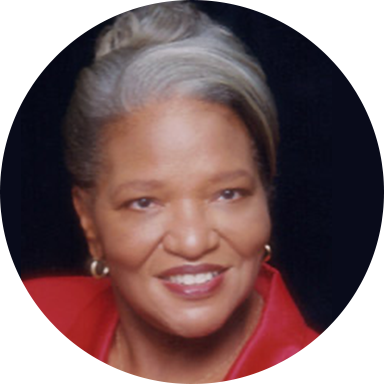
Patsy Ford Simms

Patsy Ford Simms began composing and arranging during her early years teaching middle school, when she found the choral repertoire available to her students severely limited. Since her first publication in 1981, she has created over 300 songs for educational and church settings, working with major publishing houses including Shawnee Press. Her work earned recognition from ASCAP with multiple Special Music Awards and selection in two MENC World's Largest Concerts.

Simms holds a Bachelor of Science in Music Education from Knoxville College, a Master of Education from the University of Louisville, and a doctorate in Music Education from Columbia Pacific University. During her 30-year teaching career across grades K-12 and at the Youth Performing Arts School, she developed a reputation as a skilled arranger and clinician, presenting workshops internationally in Italy and Africa. She has composed several commissioned works and original musicals exploring African American history.

Why we love this

Simms wrote this piece with real middle school choirs in mind, and it shows in every measure. The rhythm is infectious and accessible without being condescending, the three-part voicing sits naturally for developing singers, and the cultural authenticity comes through whether you add African percussion instruments or rely on the recorded accompaniment. Your singers will leave rehearsal wanting to sing it again.

What to expect

Buoyant and purposeful, with the forward momentum of a piece built on repetition and call-and-response. The three-part texture is transparent enough that each voice can be heard clearly, yet the harmonies create real depth. There's joy in this piece, paired with a sense of dignity that comes from singing words of freedom and resilience.

Who it's for

Middle school and early high school choirs looking for energetic multicultural repertoire that doesn't require extensive solo work or unusual ranges. This works well for programs building confidence in younger singers and for any choir wanting to explore African musical traditions authentically and accessibly.

How to get the most out of it

  • Layer the rhythm section gradually during rehearsals. Start with the recorded accompaniment alone, then have singers find their parts against it, then add live percussion if you're using it. This builds security before the final sound comes together.
  • Pay attention to the natural phrasing of the freedom song's text. These words carry weight; encourage singers to shape phrases with intention rather than metering them mechanically.
  • If you're adding live percussion, rehearse the percussion parts separately and then bring them in with full choir only after both are secure. Unfamiliar instruments can distract singers still learning their lines.

How to use it

This sits naturally in a concert exploring world music or social justice themes, but it's equally at home as an opener to energize a program or a bridge between contrasting pieces. Consider pairing it with other African or African American spirituals to build a cohesive set, or use it to introduce students to authentic world percussion in a concert that doubles as a teaching moment.

Skills your students will build

  • Singing three-part SAB voicing with independence from other parts
  • Interpreting text with cultural awareness and intentional phrasing
  • Responding to rhythmic drive and call-and-response structures
  • Adapting to accompaniment (recorded or live percussion ensemble)

You May Also Like