
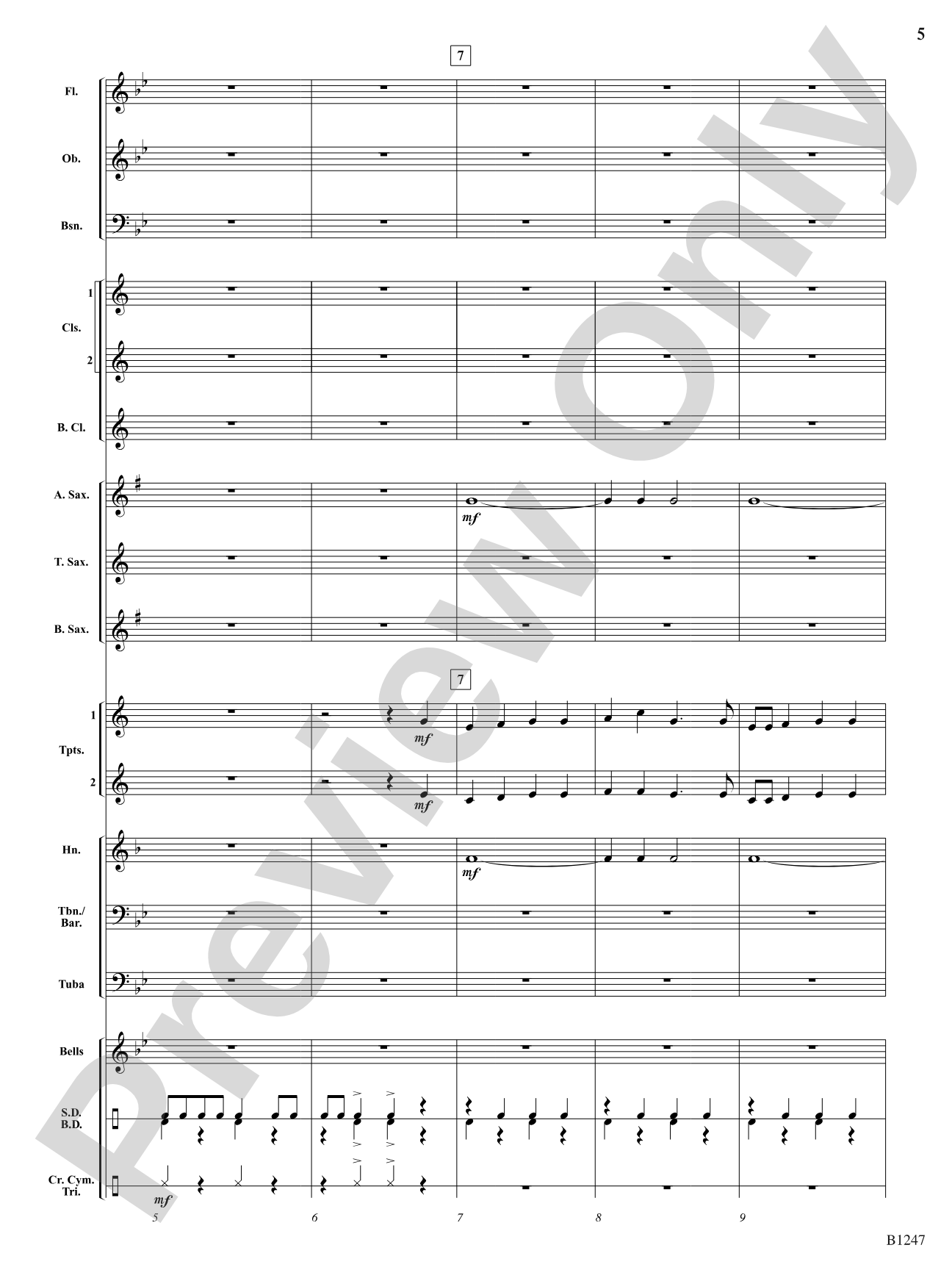
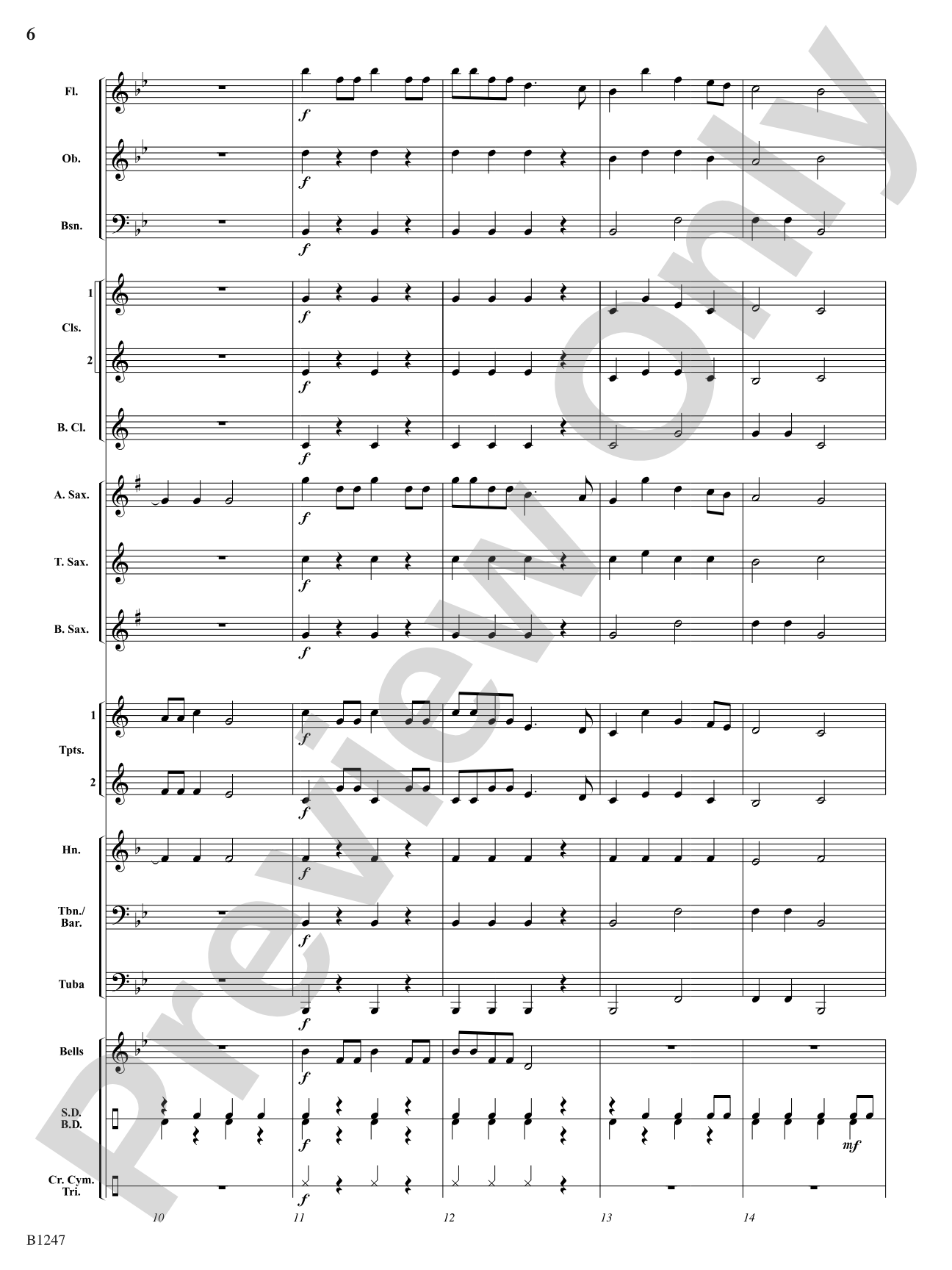
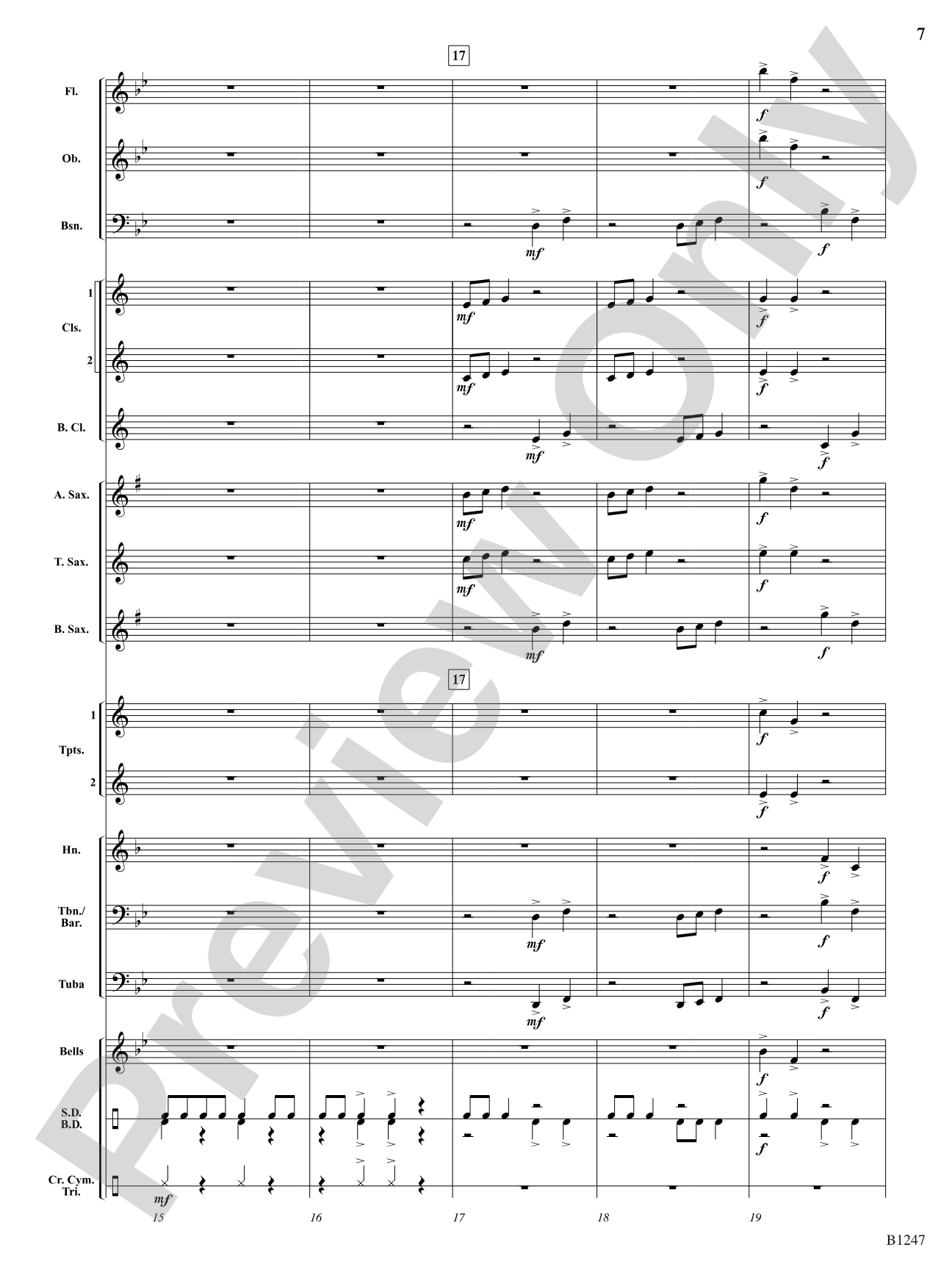
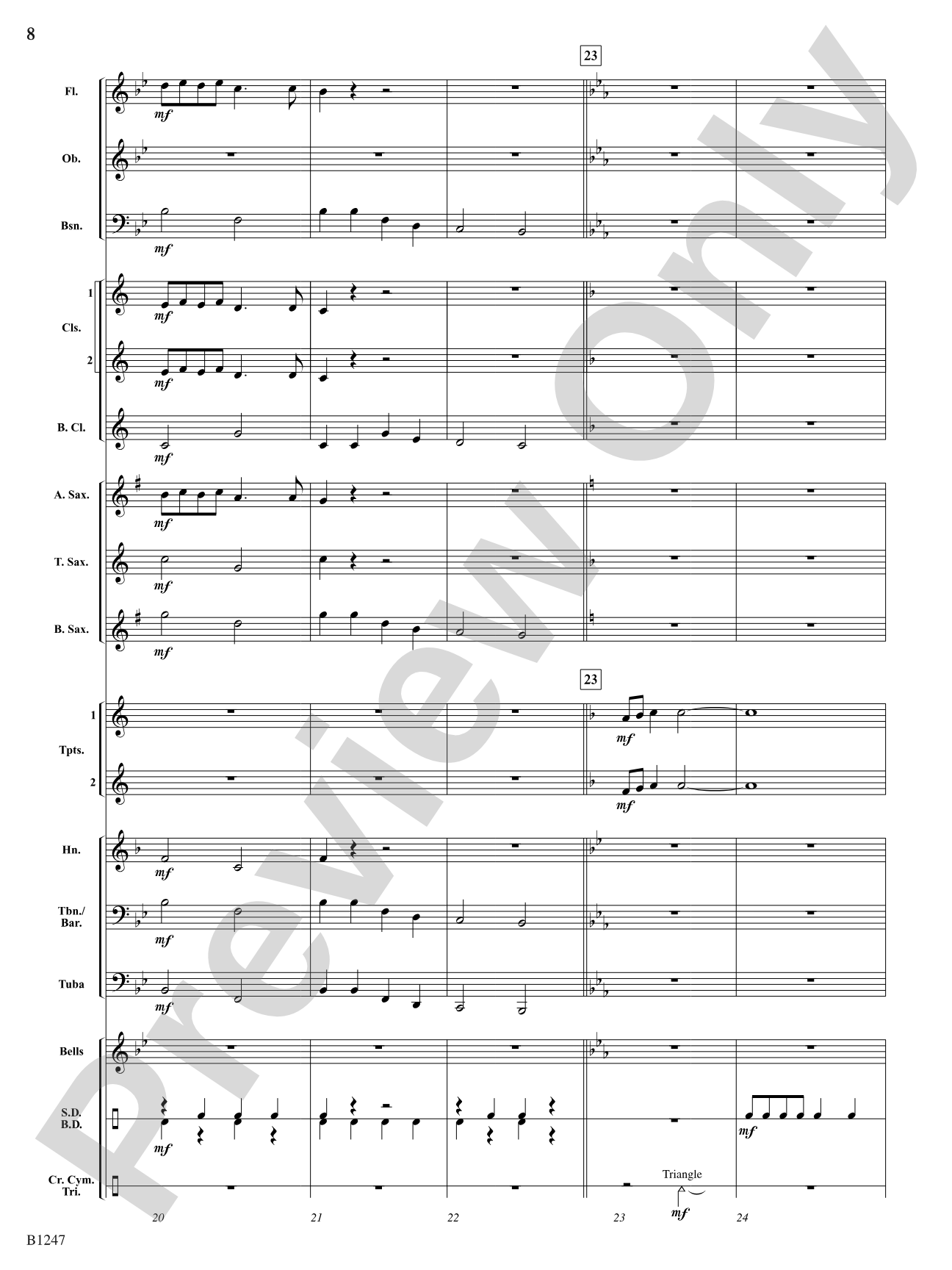
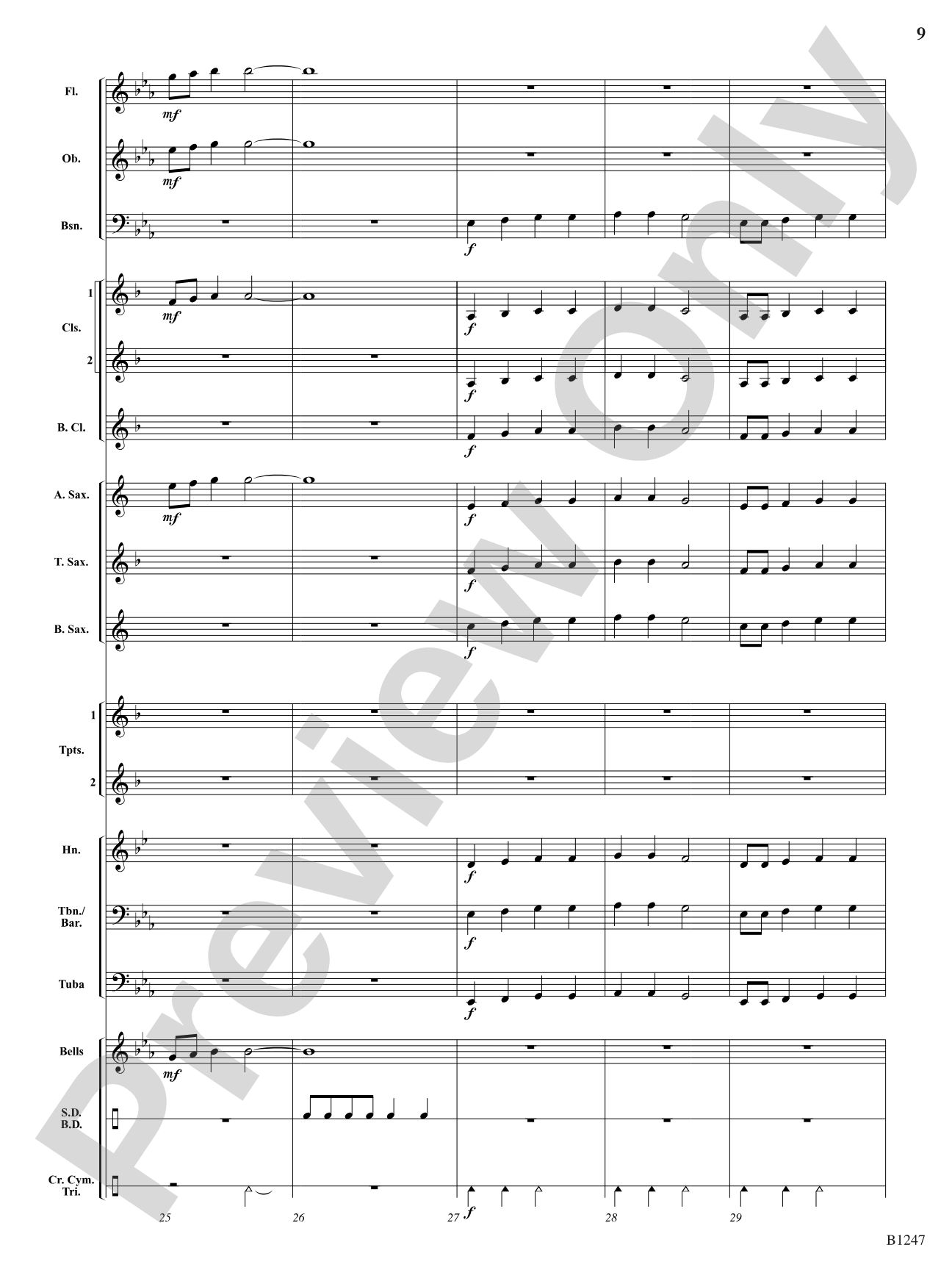
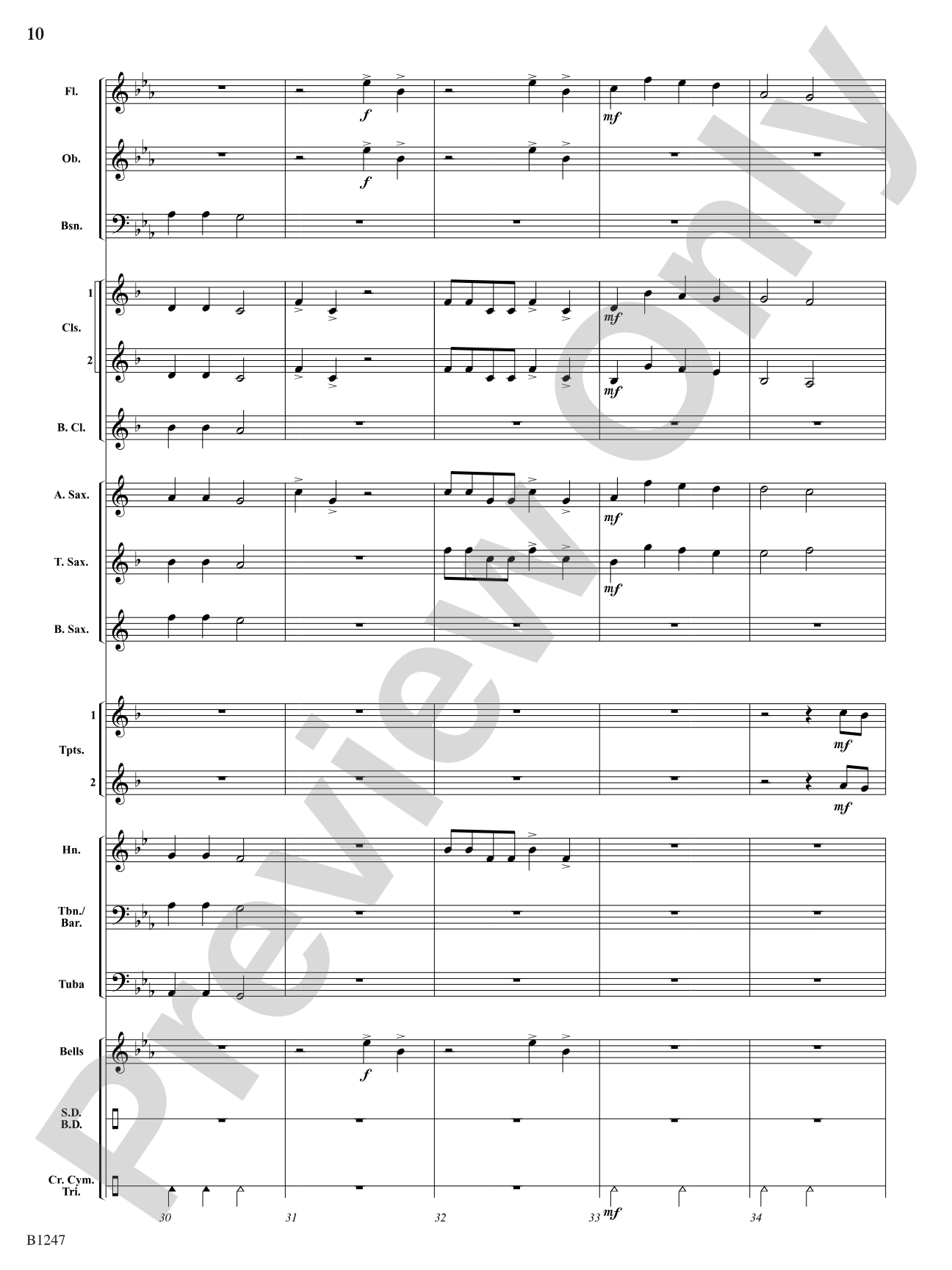
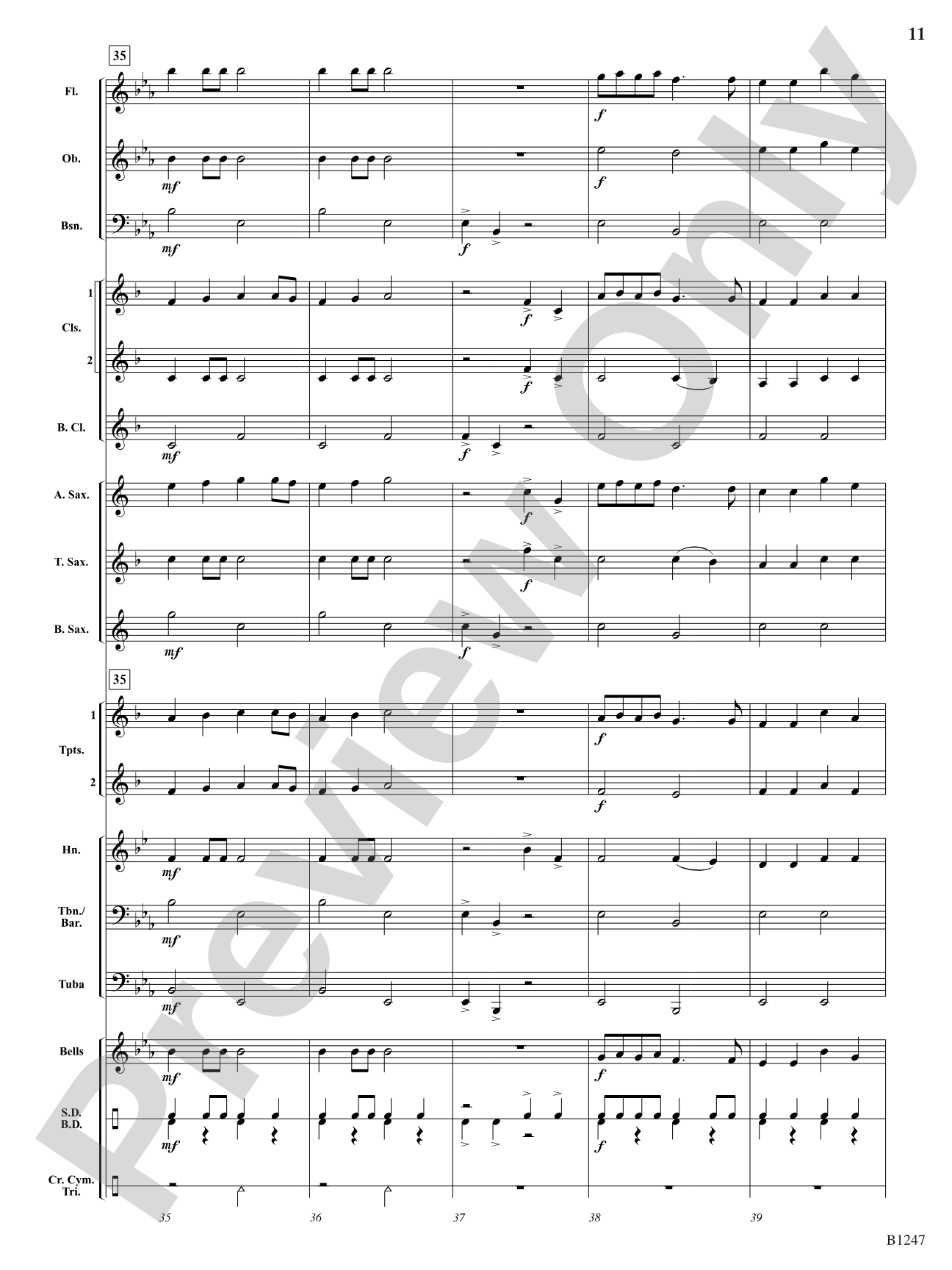
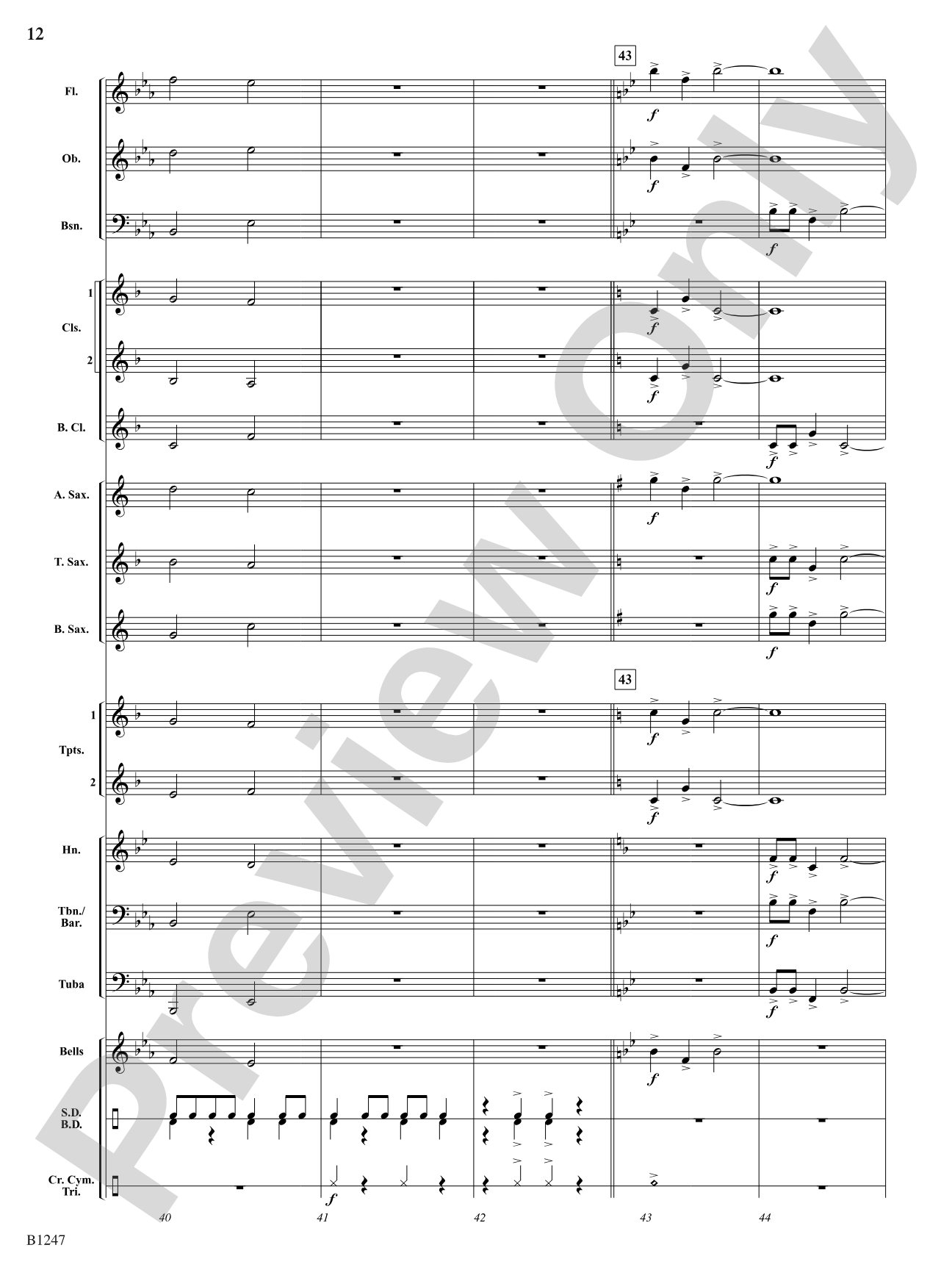
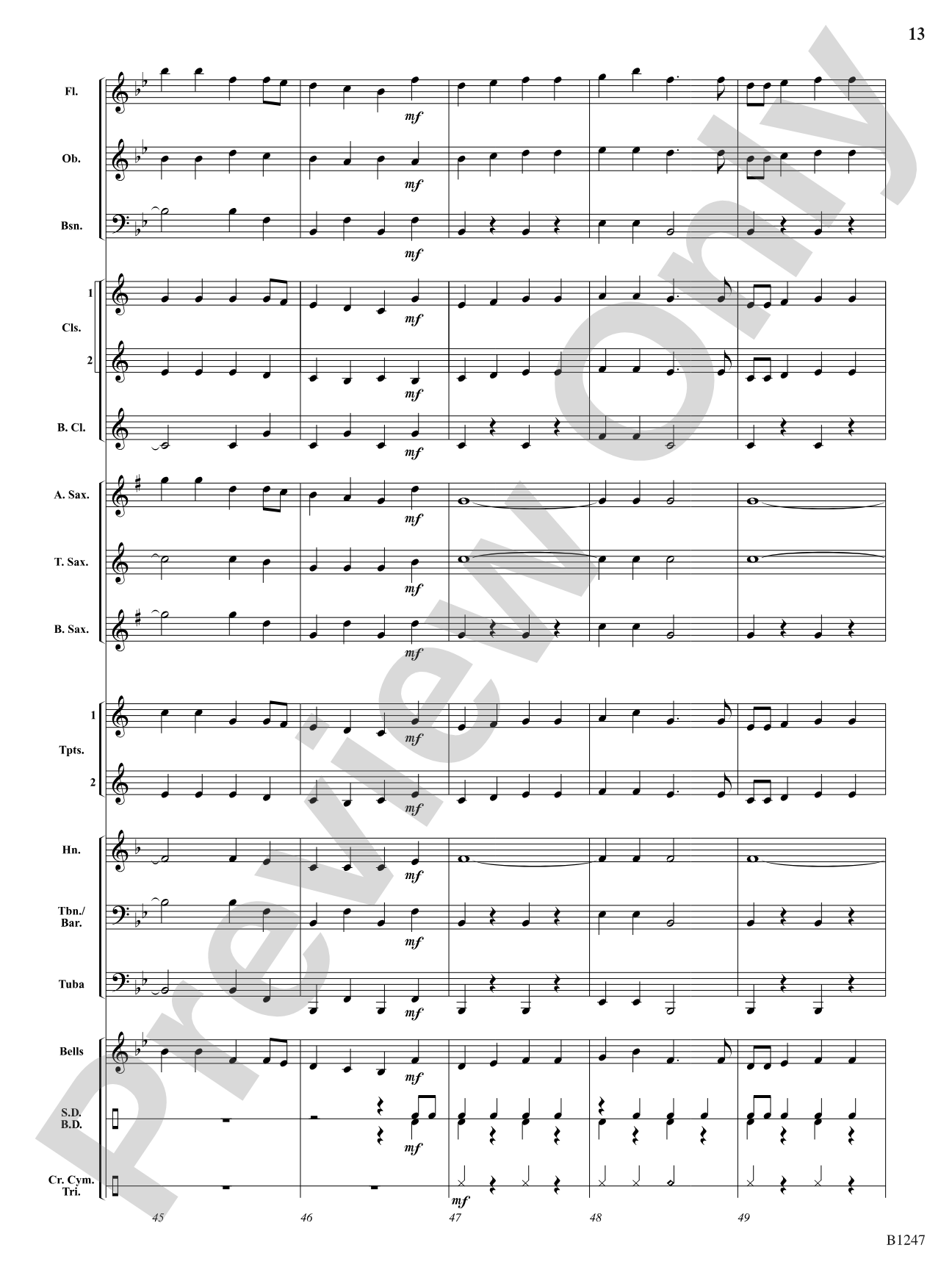
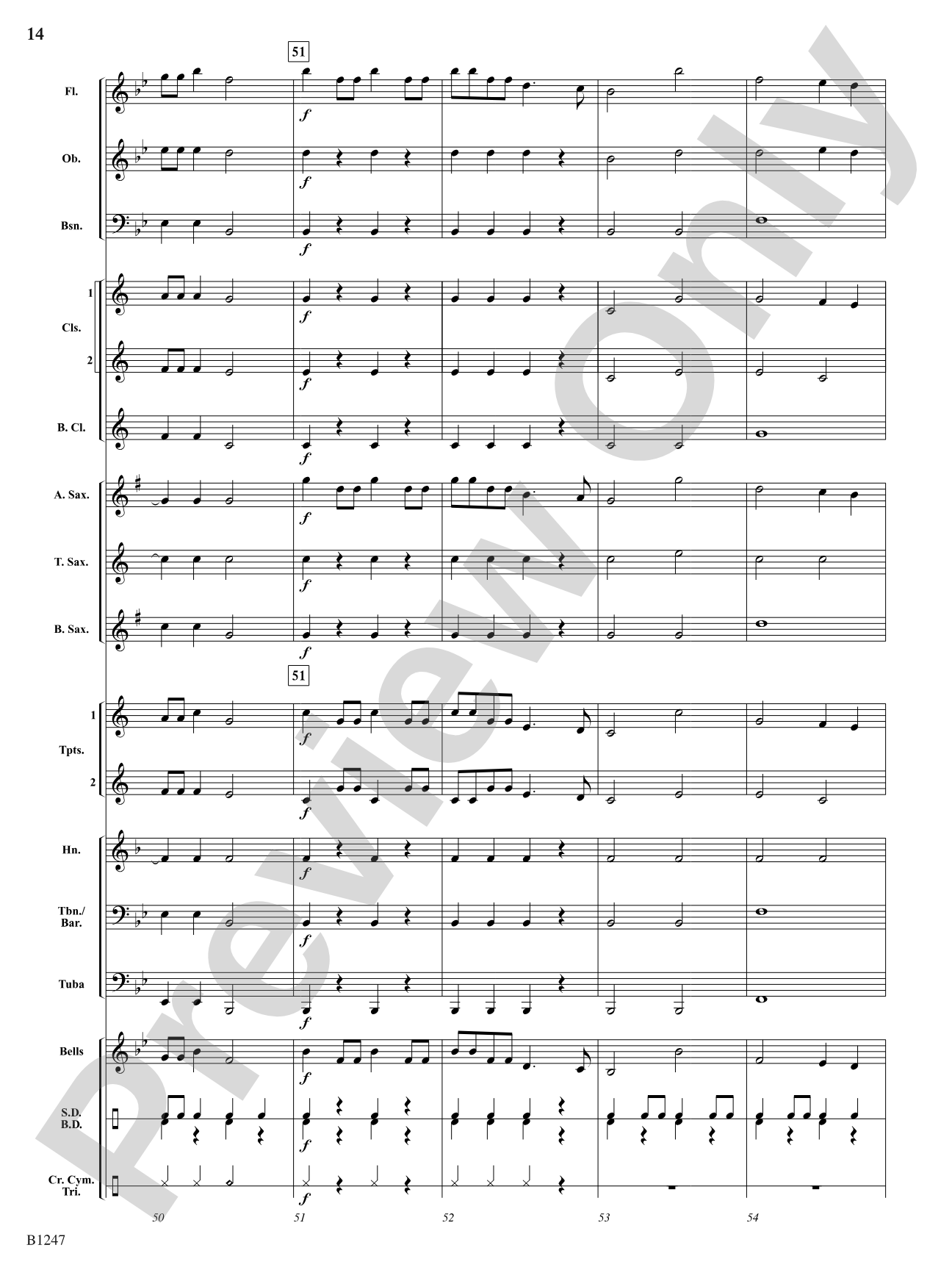
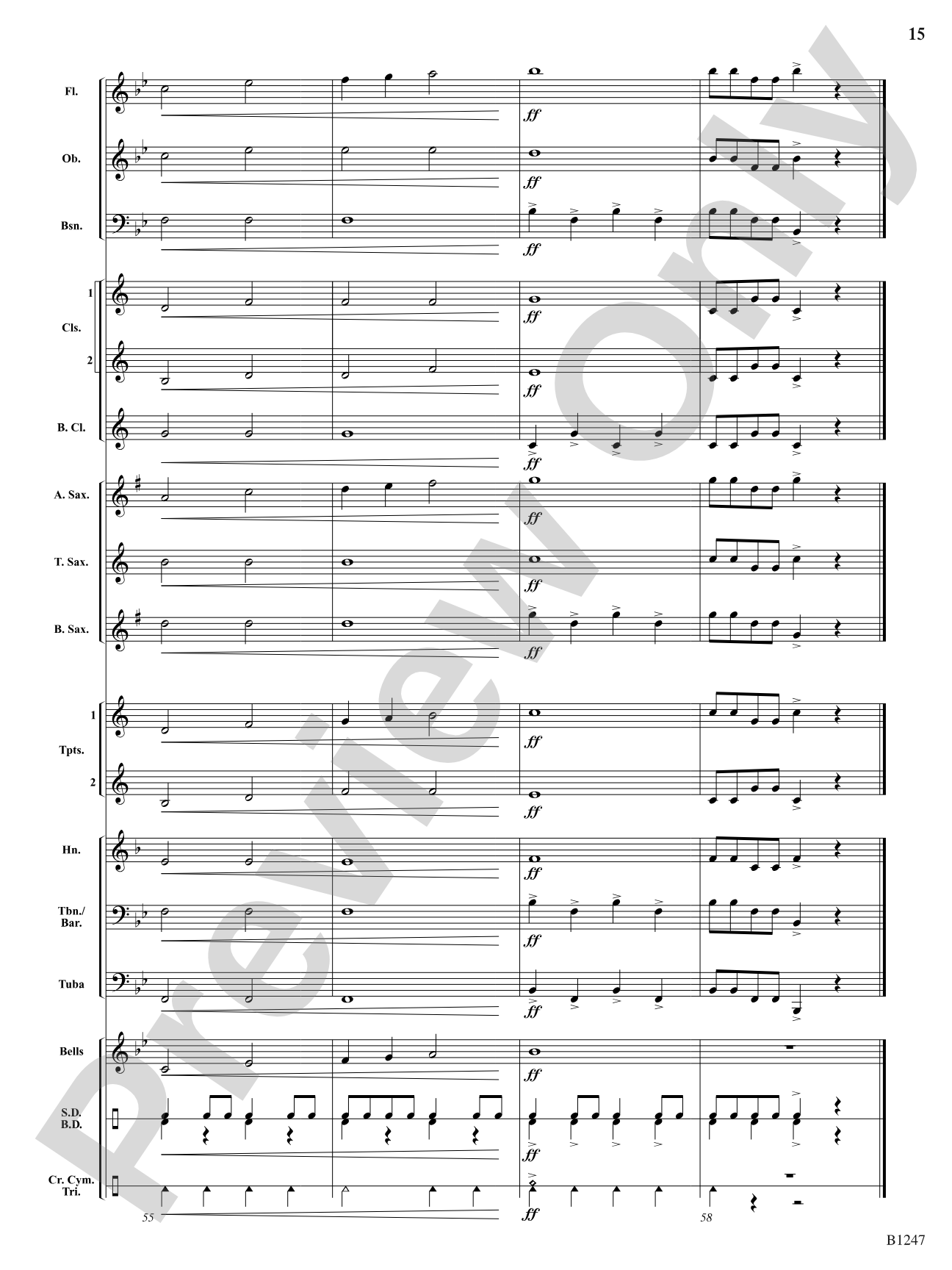

Hunting Song (The Keeper Would A-Hunting Go): Concert Band Conductor Score & Parts
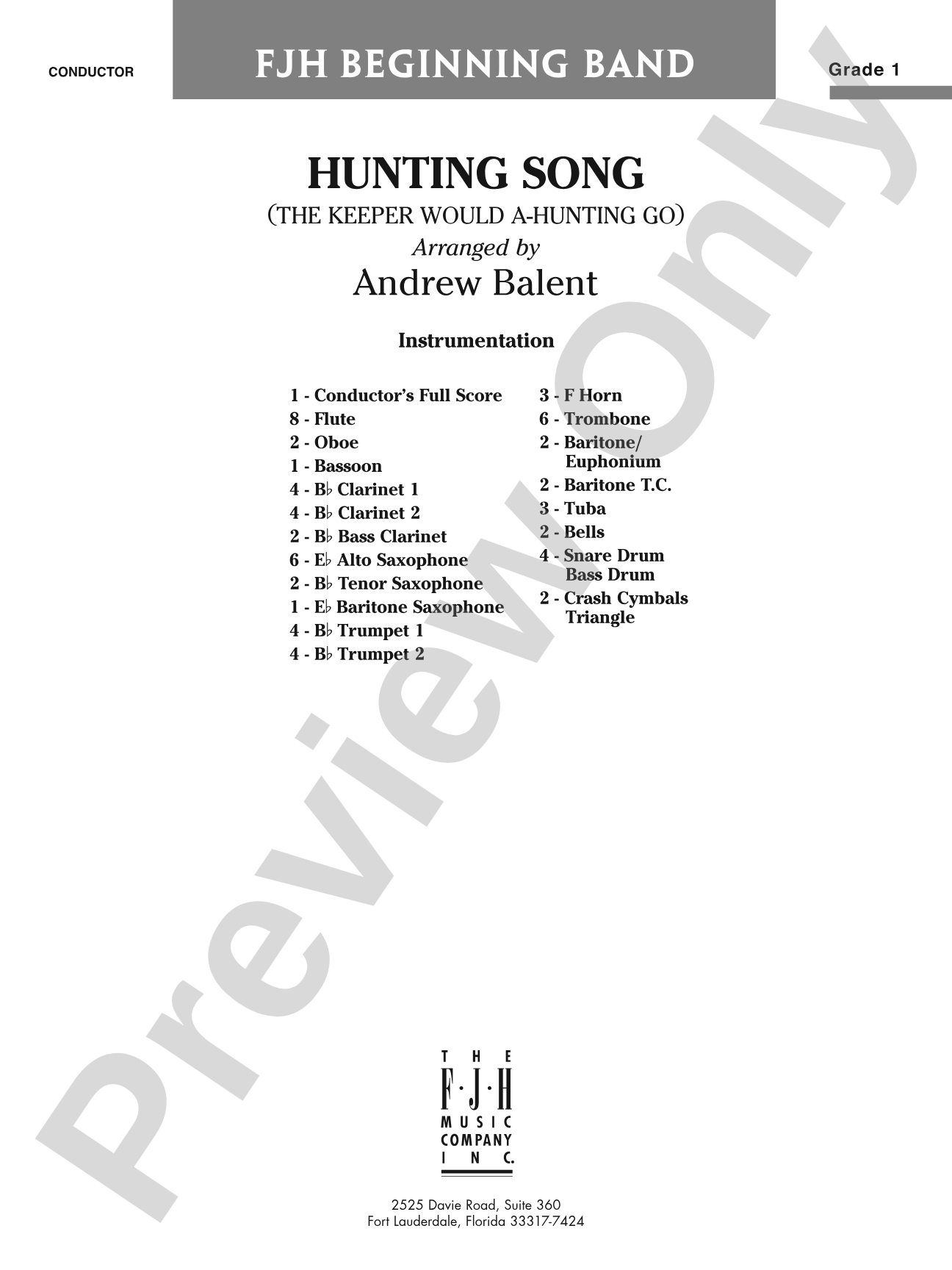
The Keeper Would A-Hunting Go
Arranged by Andrew Balent
Grade: 1
Item: 98-DB1247
$40.00
Pickup currently not available
Buy Extra Parts (Digital PDF Download)
Parts Added to Cart!
Description
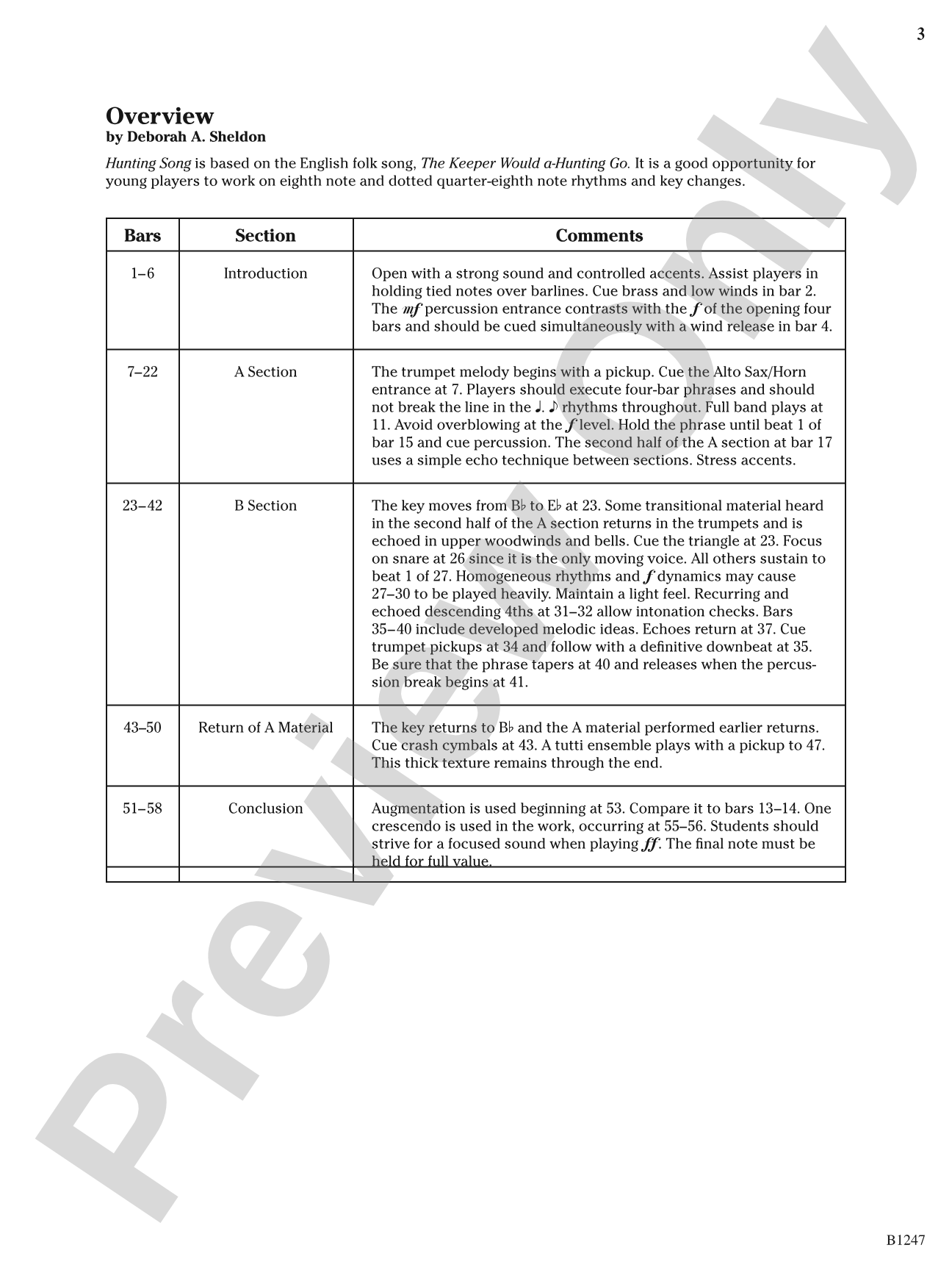
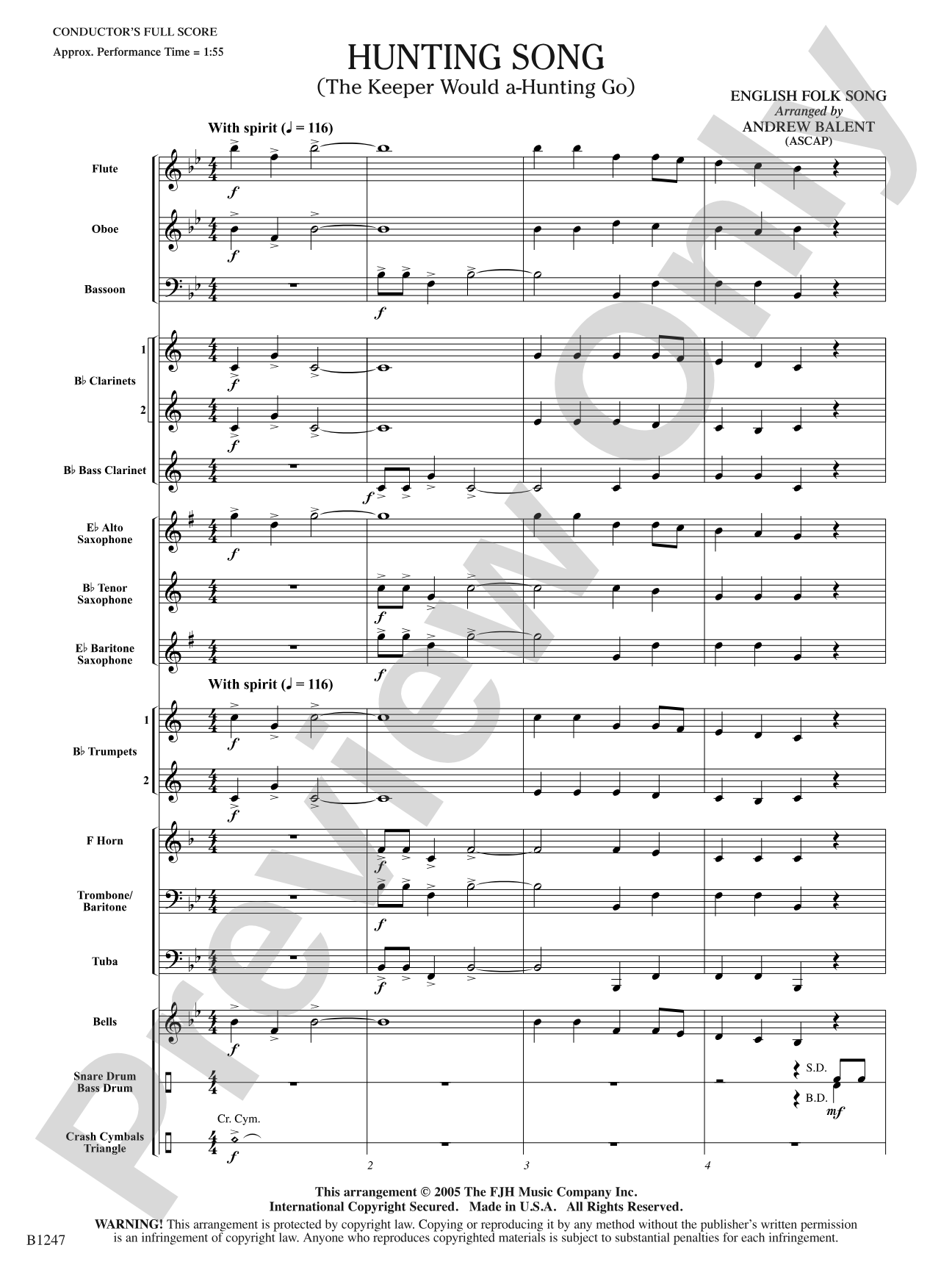
Based on the English folk song The Keeper Would A-Hunting Go, this delightful arrangement passes the melody around the ensemble in a call-and-response fashion. A great way to feature various sections of the band and explore the concept of key changes, this is an ideal choice for directors who have come to trust the pen of Andrew Balent.


Hunting Song (The Keeper Would A-Hunting Go): Concert Band Conductor Score & Parts isn't in MakeMusic Cloud just yet...but it could be. Let us know you'd like to see it, and you'll help shape what comes next. In the meantime, start a free trial and dive into thousands of interactive titles your students can play along with today.
Request This Title
Tell us you want it.
Start Your Free Trial
Explore everything that's ready to play right now.
Sample Audio
1
Audio File
--:--
0:00
0:00
Sample Video
No sample videos found.
Additional Details
Series:
FJH Beginning Band
Publisher:
The FJH Music Company, Inc.
SKU:
98-DB1247
More about this title
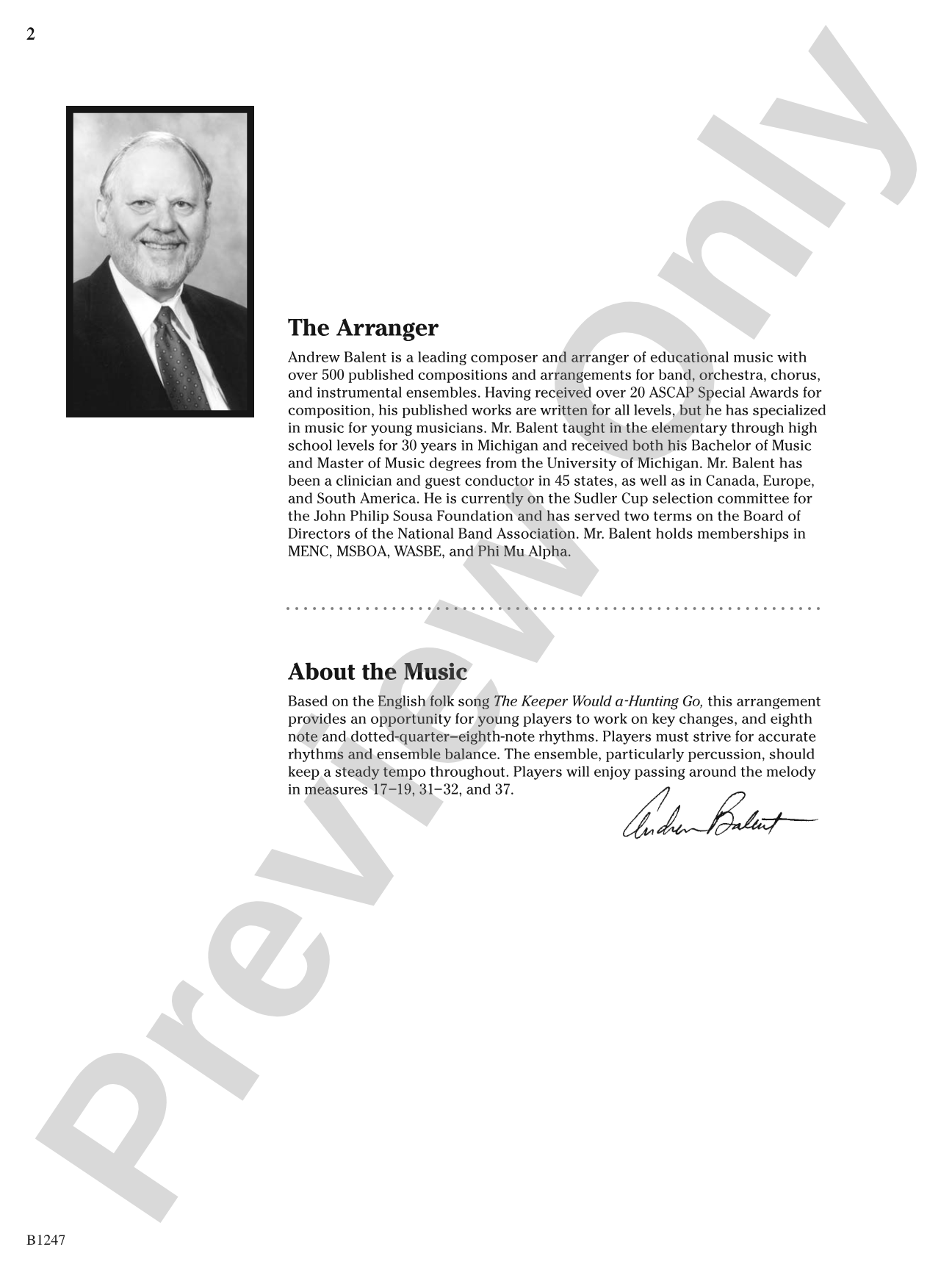
About the Composer: Andrew Balent
Andrew Balent has built a reputation as a composer and arranger who understands the pedagogical needs of developing ensembles. His work with the FJH Beginning Band series demonstrates a gift for crafting accessible arrangements that don't sacrifice musicality or engagement.
Balent's arrangements succeed because they balance clarity of form with genuine musical interest. He consistently finds ways to keep early-level ensembles active and challenged without overwhelming them technically.
Why we love this
The call-and-response structure does real work here, rotating featured sections through the arrangement so every part of your band gets a moment to carry the tune. Balent uses the modulation framework (implicit in the folk song itself) as a compositional device rather than a gimmick, making it feel organic to the piece rather than tacked on for contrast.
What to expect
Bright and unpretentious, like a folk melody passed around a room of musicians who are genuinely listening to each other. The piece has an air of discovery as each section takes its turn, making rehearsal feel more like play than work.
Who it's for
Grade 1 concert bands ready to move beyond unison playing and explore how ensemble textures work. This arrangement works well for bands with reliable section leaders in each part but developing overall cohesion.
How to get the most out of it
- Keep the articulation crisp and uniform within each section during the call-and-response passages; clarity in the exchange matters more than volume.
- Shape each key area with subtle dynamic lift to make the tonal shifts register without announcing them overtly.
- Balance the transition moments carefully so listeners hear them as purposeful moves rather than bumps in the road.
- Let the featured sections breathe slightly into their entries; the anticipation of the handoff is part of the musical fabric.
How to use it
Program this early in your concert when attention is fresh and students can hear the sectional interplay clearly. It pairs naturally with other folk-based material and works especially well as a confidence builder before tackling more complex ensemble arrangements.
Skills your students will build
- Listening actively to other sections during call-and-response exchanges
- Reading and executing modulations between related keys
- Balancing individual section melody with ensemble cohesion
- Responding to cues and section entries with precision