
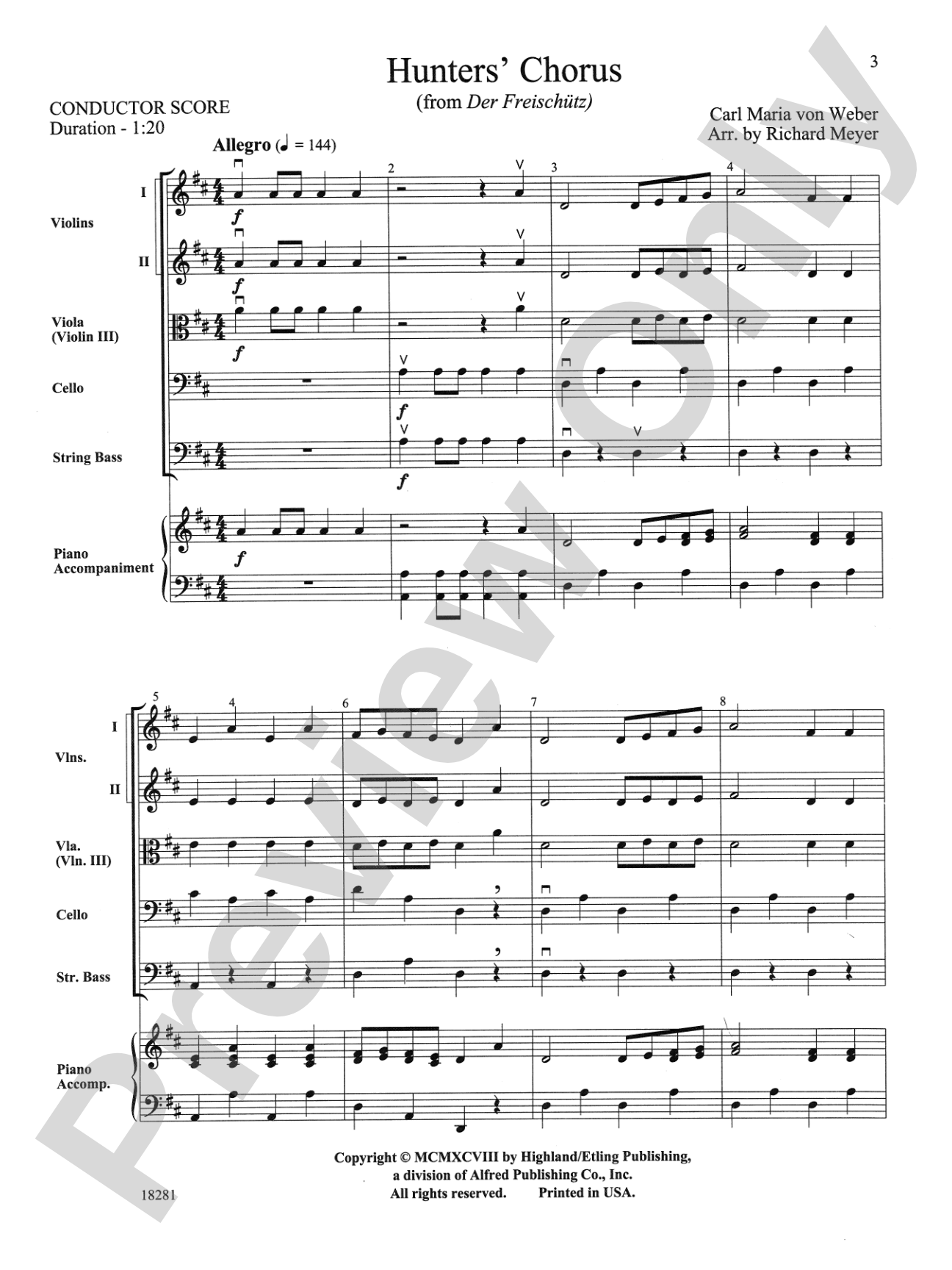
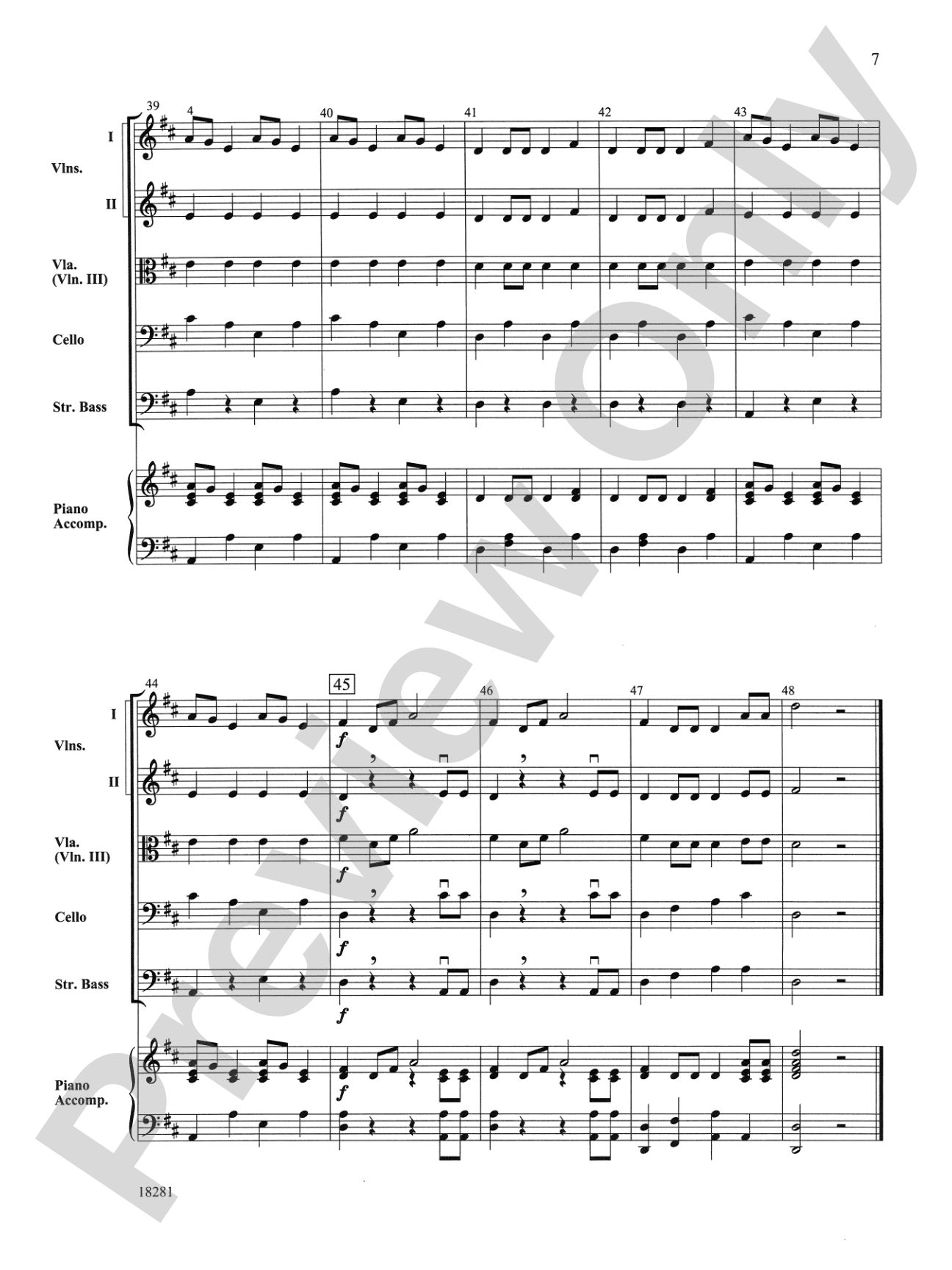

Hunters' Chorus from Der Freischutz: String Orchestra Conductor Score & Parts
(from Der Freischutz)
By Carl Maria von Weber / arr. Richard Meyer
Grade: 1
Item: 00-PK-0000264

$46.00
Pickup currently not available
Buy Extra Parts (Digital PDF Download)
Parts Added to Cart!
Description
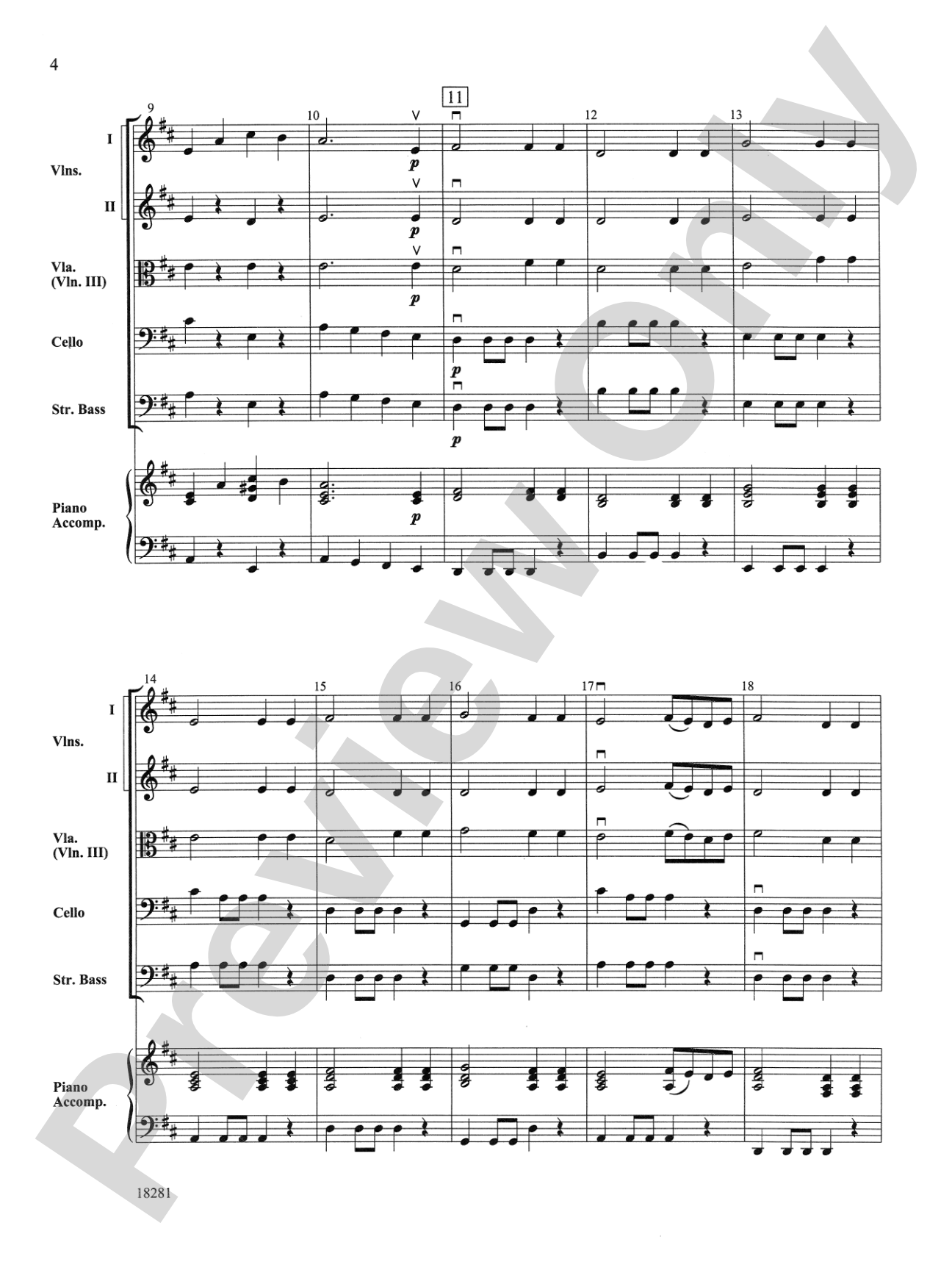
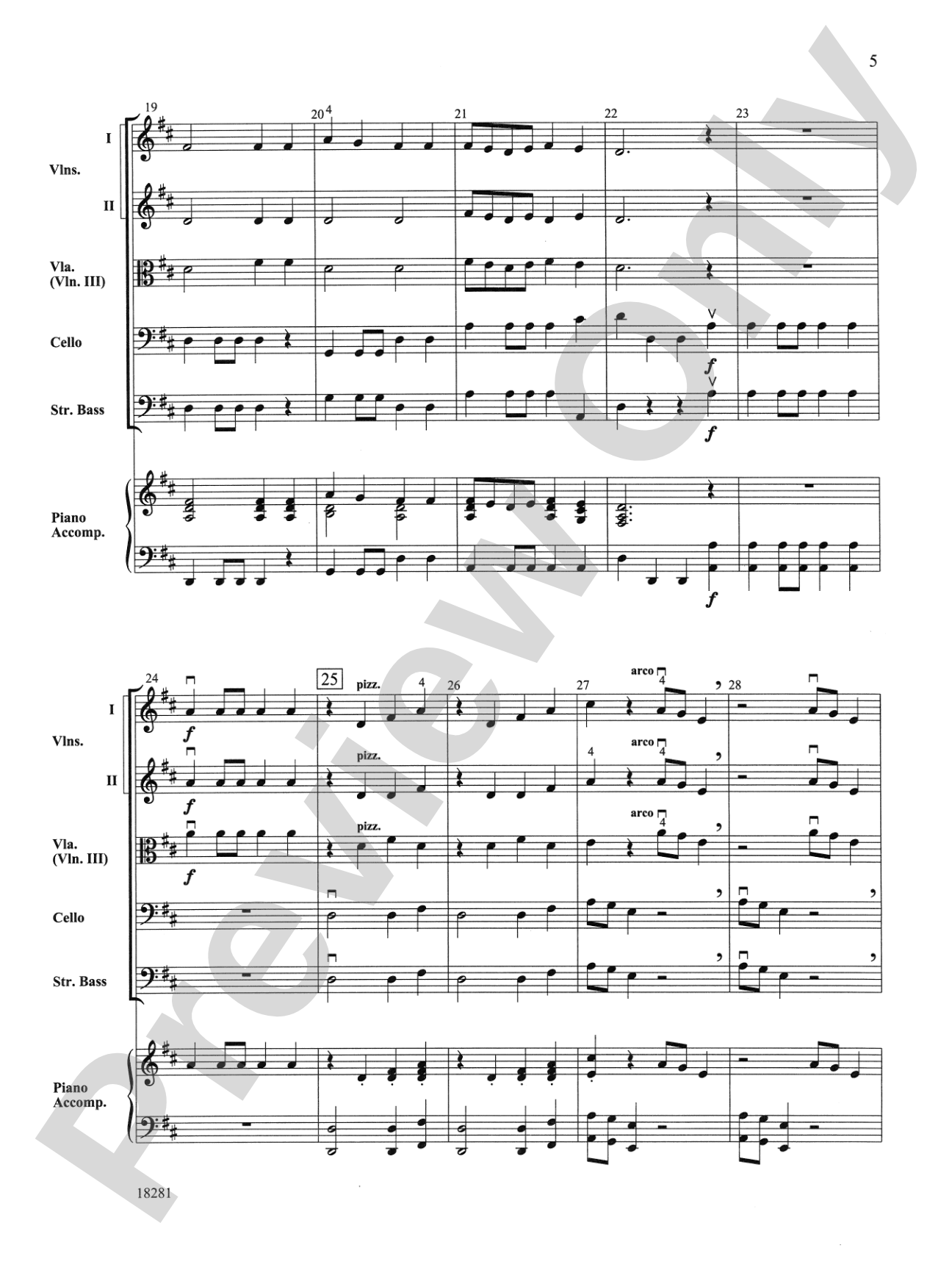
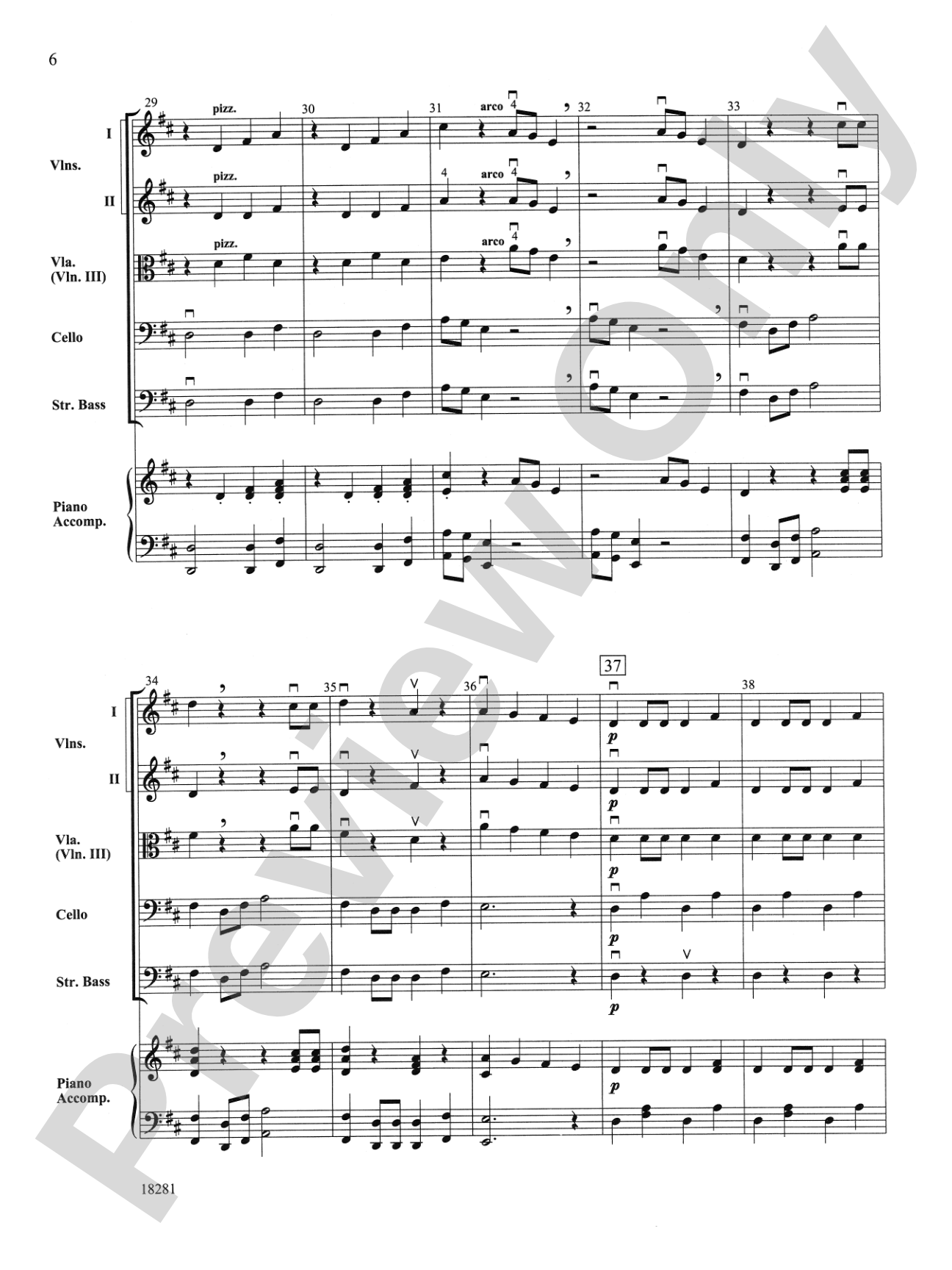
Masterfully arranged using only a one-octave D major scale and eighth notes, this arrangement will make your beginning strings sound amazingly mature. An excellent early introduction to the classics. This title is available in MakeMusic Cloud.


Don't just read it, hear it, play along with it, and watch your students grow with it. In MakeMusic Cloud, Hunters' Chorus from Der Freischutz: String Orchestra Conductor Score & Parts comes alive with professional accompaniment, adjustable tempo, and built-in practice tools that turn solo practice into real progress.
Open in the Player
Jump straight in and assign it today.
Start Your Free Trial
Open this title and explore the full library in minutes.
Sample Audio
1
Audio File
--:--
0:00
0:00
Sample Video
No sample videos found.
Additional Details
Series:
Highland/Etling Strictly Strings
Publisher:
Alfred Music
Page Count:
72
SKU:
00-PK-0000264
More about this title
About the Composer: Carl Maria von Weber
Carl Maria von Weber (1786, 1826) stands as a pivotal figure in German Romantic opera, bridging Classical form with the dramatic ambitions of his era. His opera Der Freischütz premiered in 1821 and became a defining work of German nationalism in music, establishing conventions for the Romantic opera that composers would follow for decades.
Why we love this
This arrangement captures the robust energy of one of opera's most famous choruses while staying firmly within the technical grasp of beginning string orchestras. Richard Meyer's constraint of using only a D major scale and eighth notes produces elegant simplicity without sacrificing the piece's character or excitement. Young players immediately sound competent and engaged playing genuine operatic repertoire.
What to expect
Robust and spirited, with the swagger of the hunt. The D major scale sings naturally on string instruments, producing a sunny, open tone that carries the melody forward with surprising depth.
Who it's for
Beginning string orchestras seeking repertoire that sounds impressive without overwhelming players technically. Conductors building concert programs that include standard classical works without waiting years for students to develop advanced reading skills.
How to get the most out of it
- Maintain a steady pulse throughout; the eighth-note motion can obscure the beat if players rush. The hunting theme gains its drive from rhythmic confidence, not speed.
- Balance the melody between first violins and violas. Both carry important material, and clarity between sections will enhance the maturity of the sound.
- Use dynamic contrast strategically. The restraint of Grade 1 writing means that a well-shaped crescendo and diminuendo have outsized impact.
How to use it
Program this as the centerpiece of a concert featuring Romantic opera excerpts, or pair it with other Grade 1 arrangements of familiar classical works to build audience engagement early in the season. It works equally well as a contest piece where musicality matters as much as technical display.
Skills your students will build
- Reading and executing consistent eighth-note rhythms across four string parts
- Playing with tonal maturity in a major key designed to project naturally
- Responding to dynamic shapes and phrasing that add character to simple note collections
- Balancing melody and accompaniment voices within a homogeneous ensemble