

Hungarian Variations: String Orchestra Conductor Score & Parts
For String Orchestra and Solo Violin
By Susan H. Day
Grade: 3
Item: 00-PK-0005751

$56.00
Pickup currently not available
Buy Extra Parts (Digital PDF Download)
| Product | Price | Quantity |
|---|---|---|
| Hungarian Variations: Score | $10.00 | |
| Hungarian Variations: Solo Violin | $5.99 | |
| Hungarian Variations: 1st Violin | $5.99 | |
| Hungarian Variations: 2nd Violin | $5.99 | |
| Hungarian Variations: Viola | $5.99 | |
| Hungarian Variations: Cello | $5.99 | |
| Hungarian Variations: String Bass | $5.99 |
Parts Added to Cart!
Description
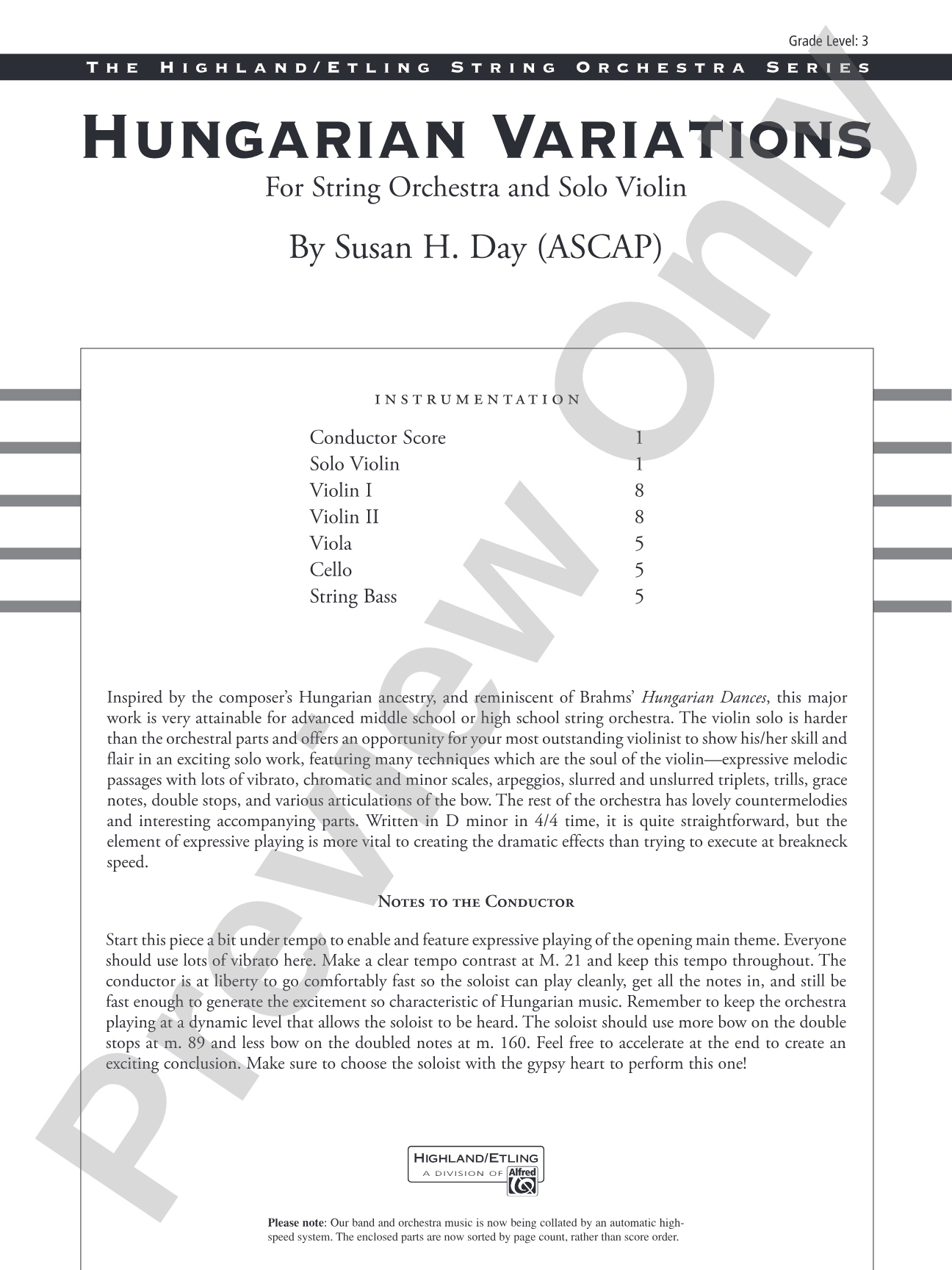
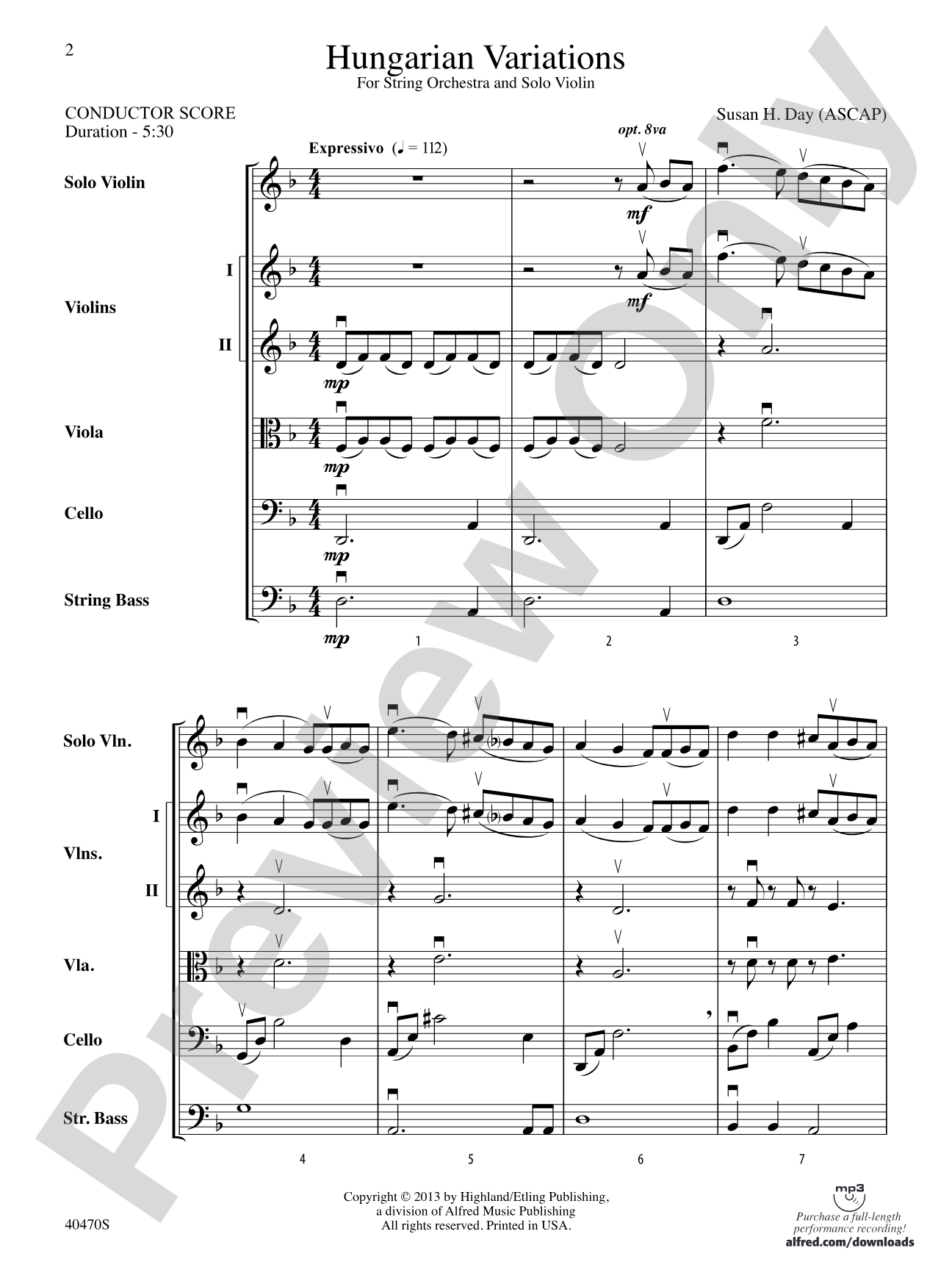
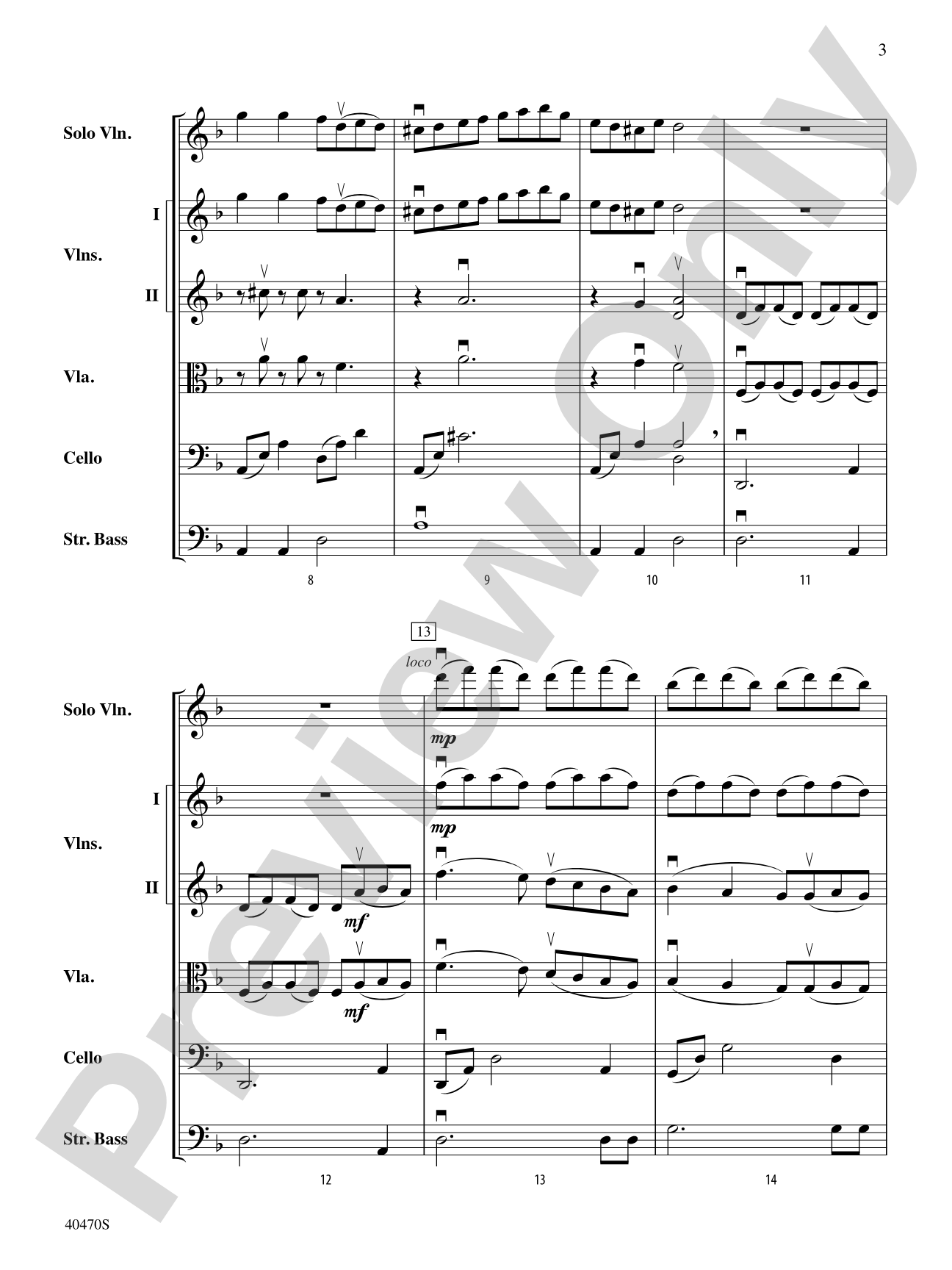
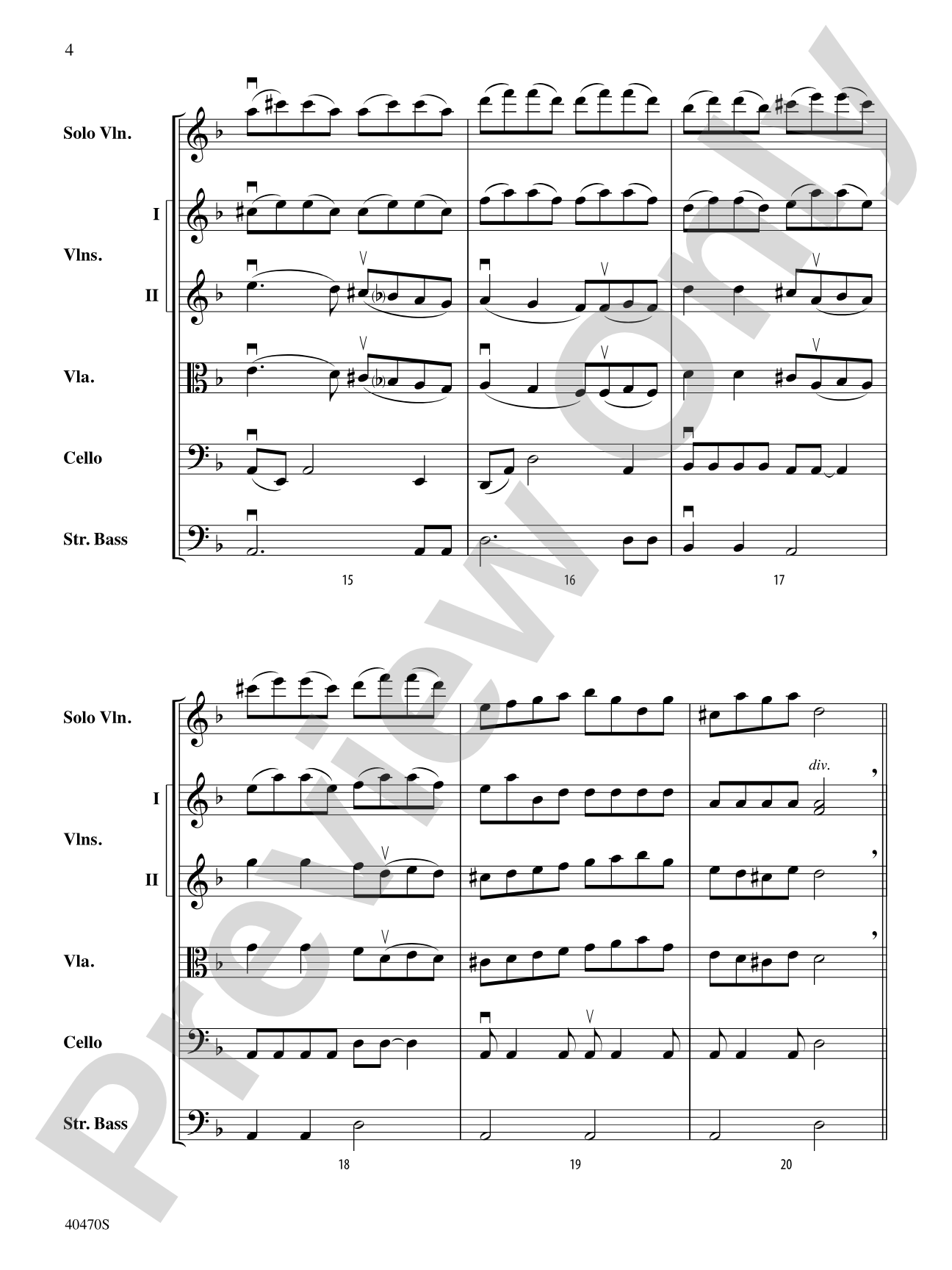
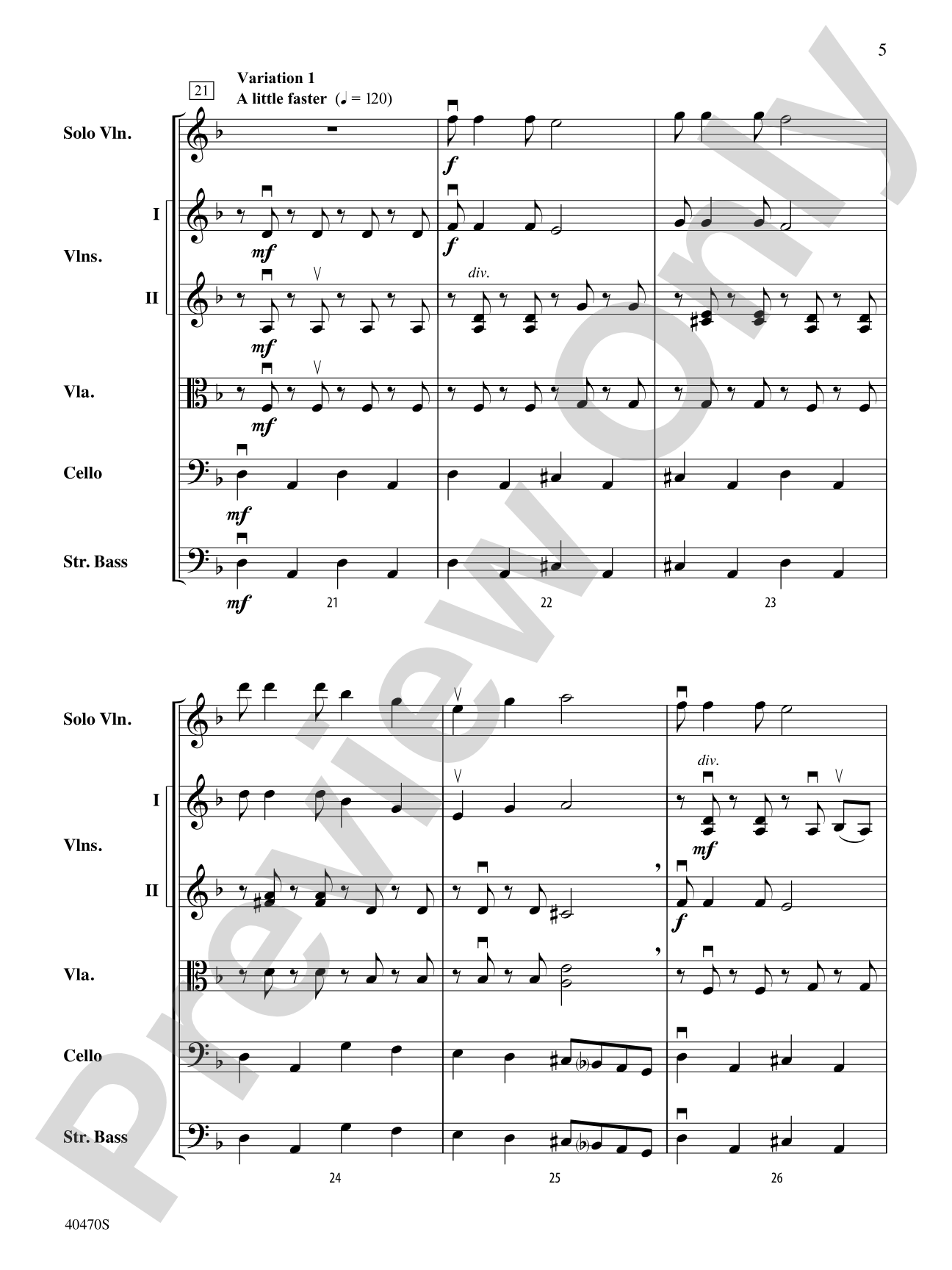
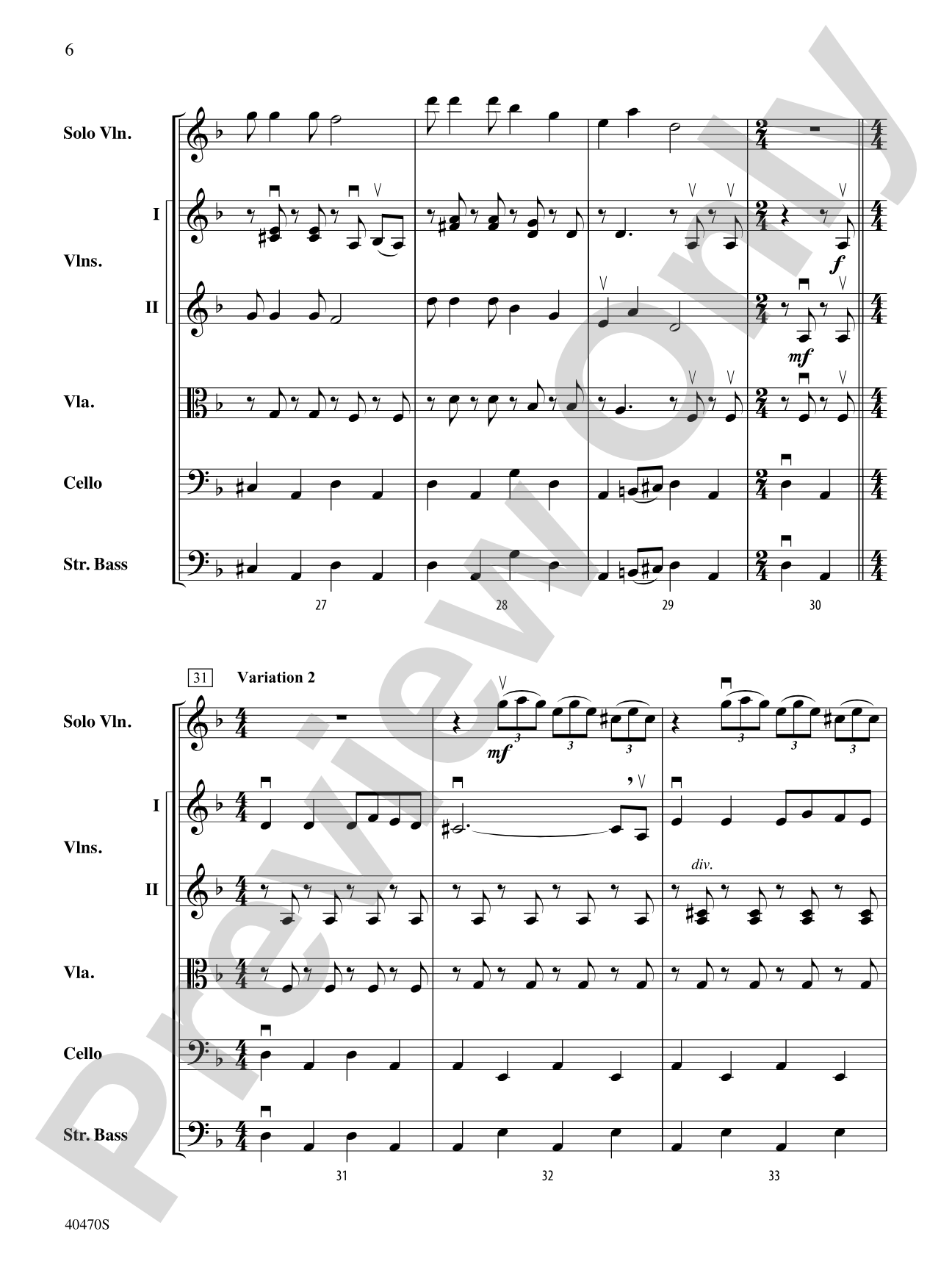
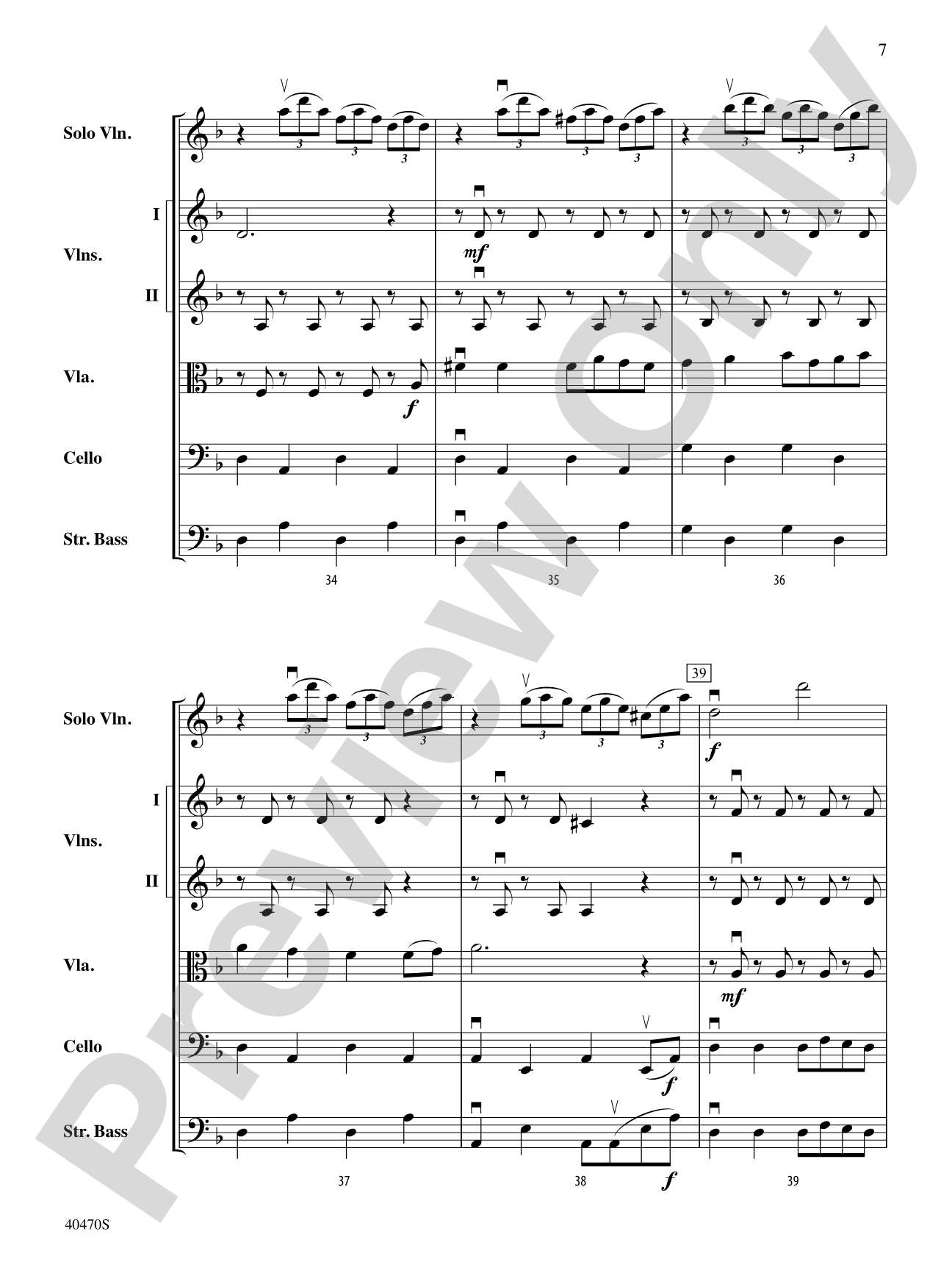
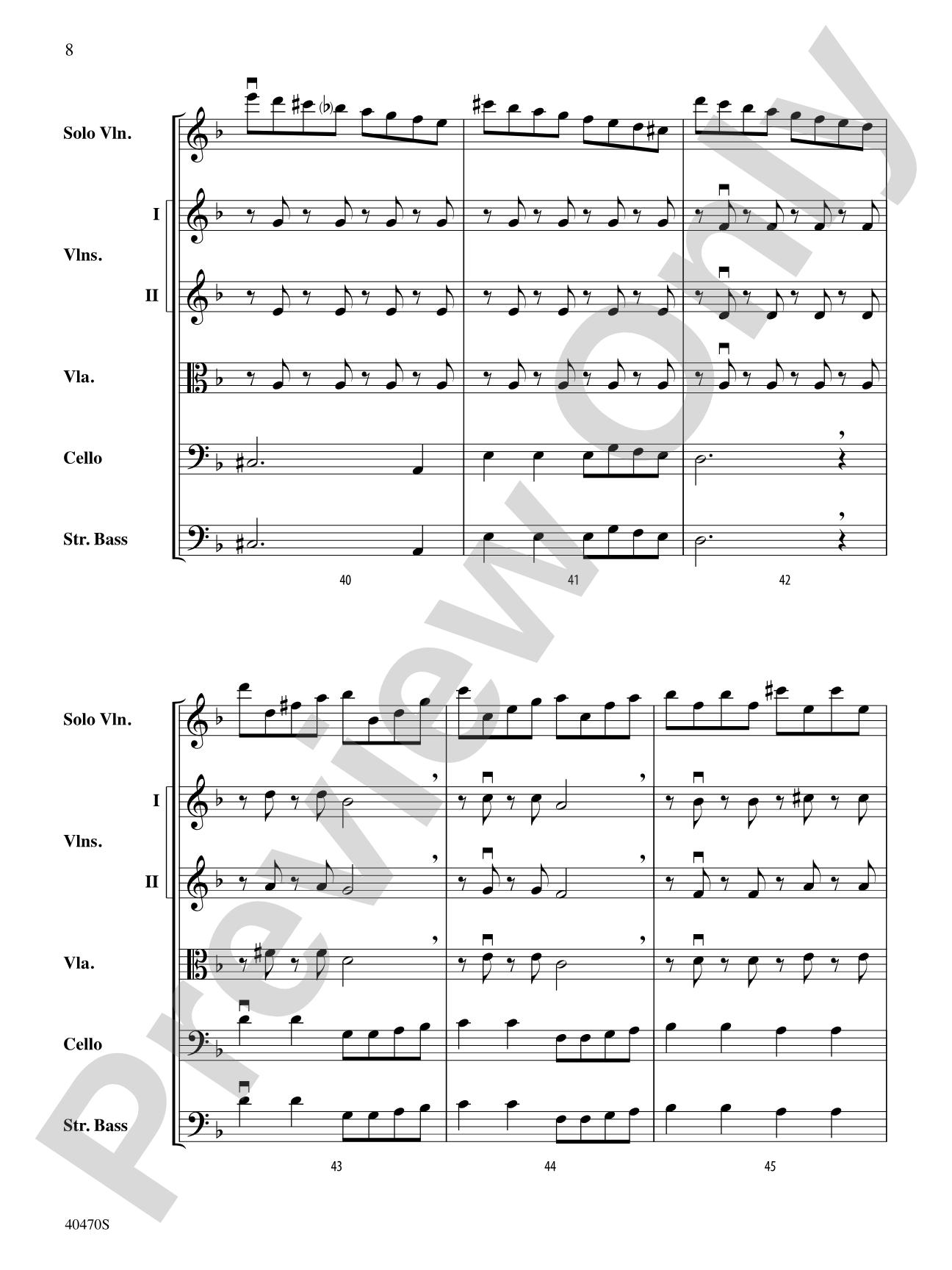
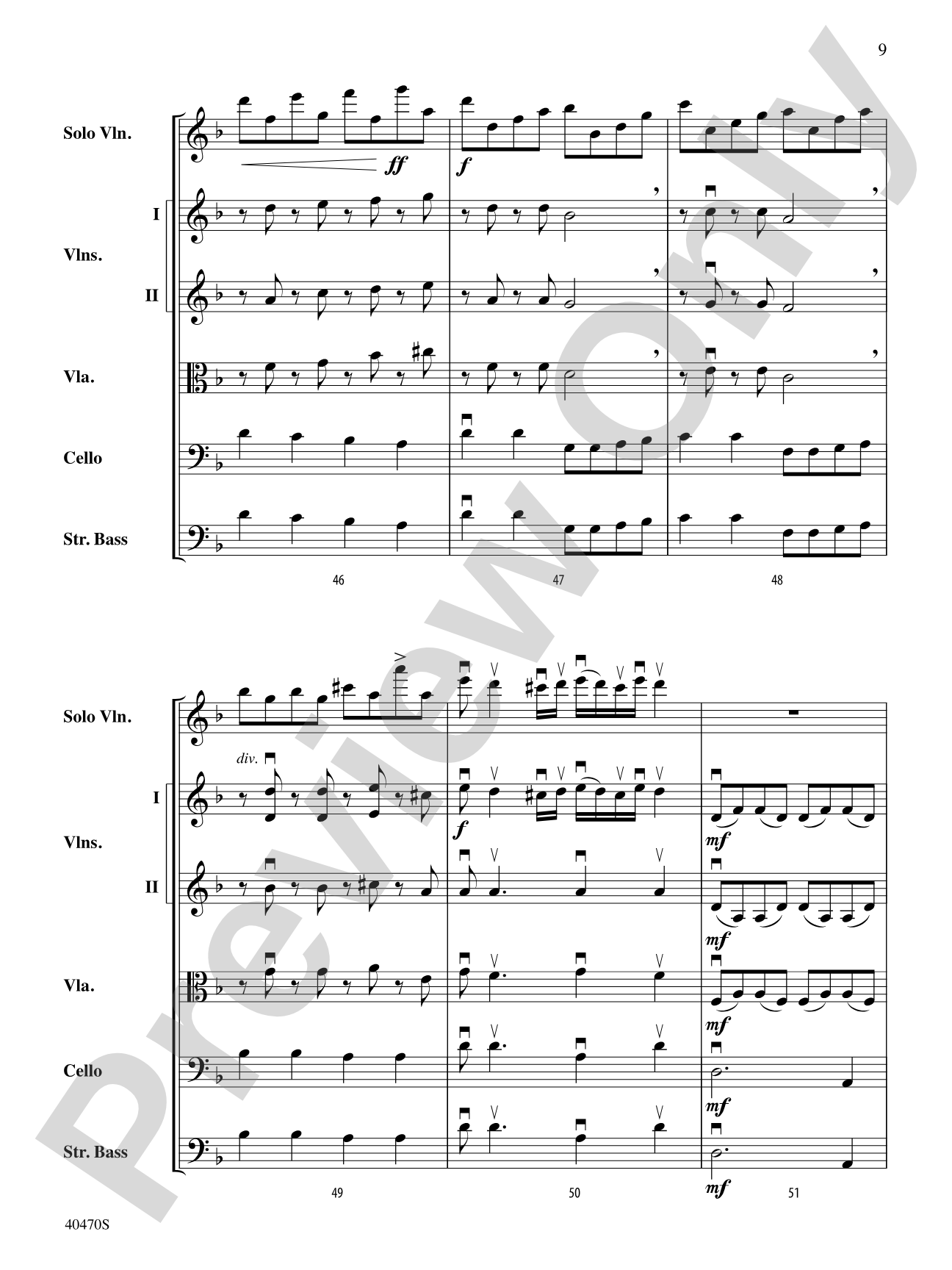
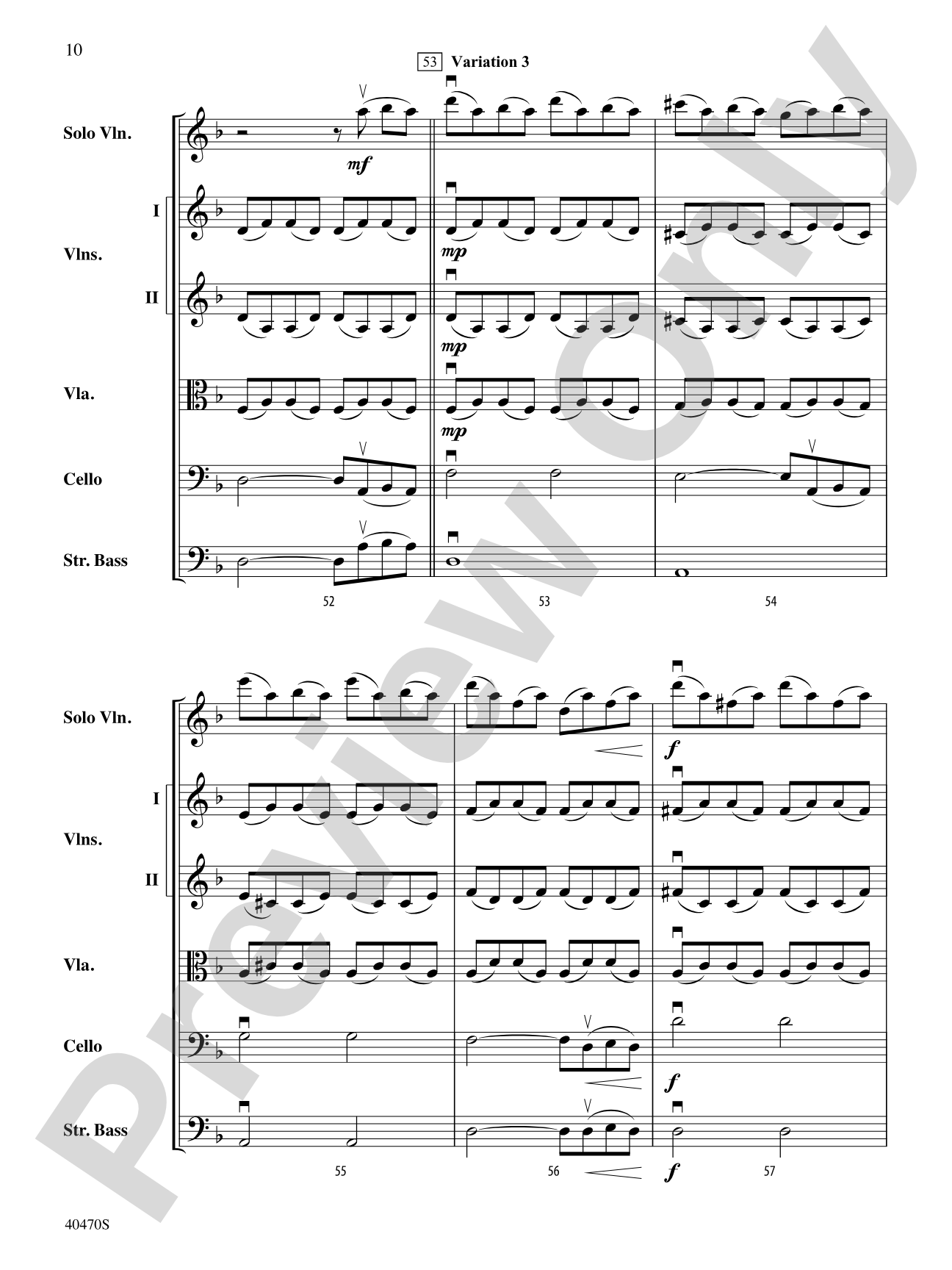
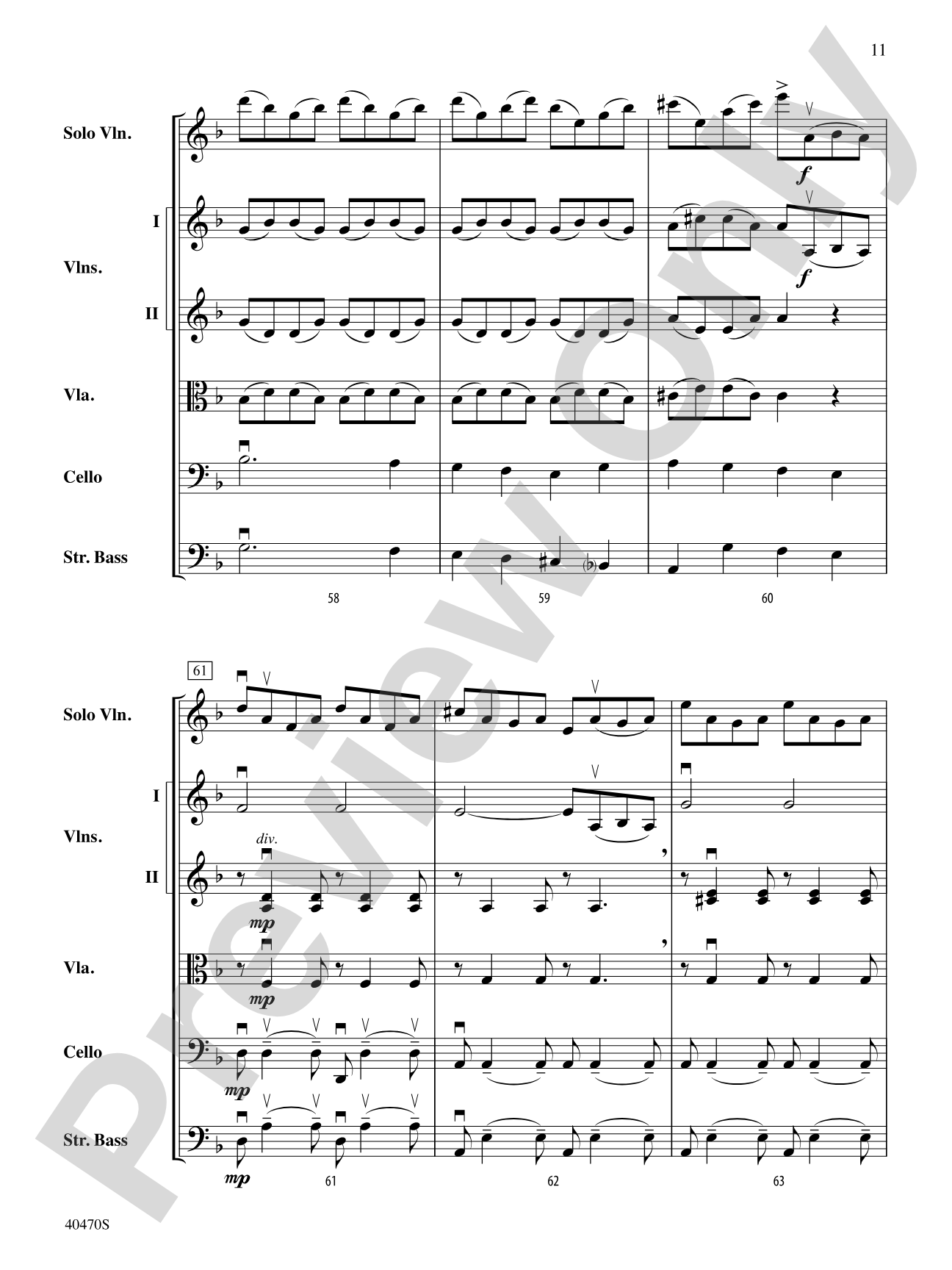
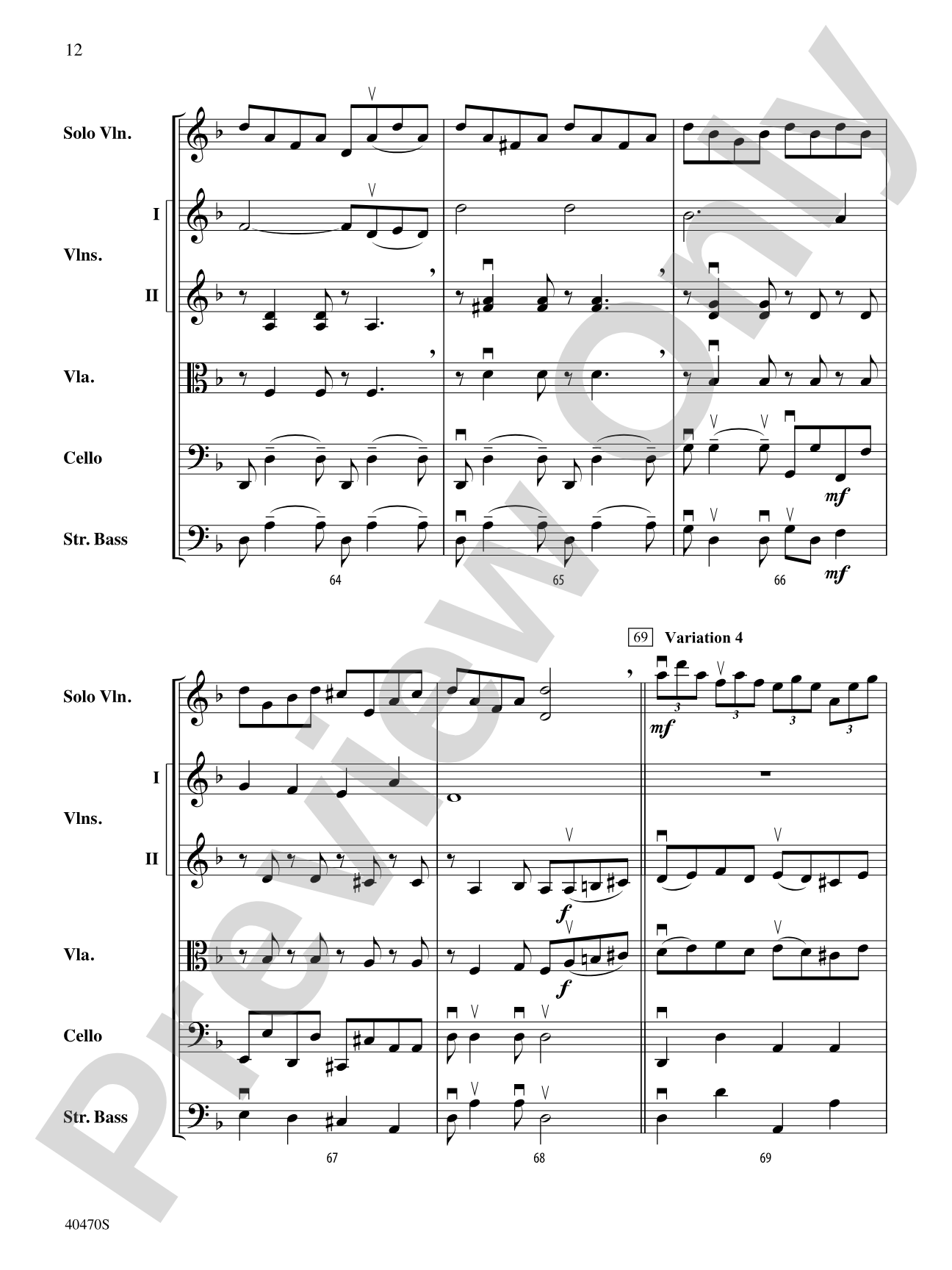
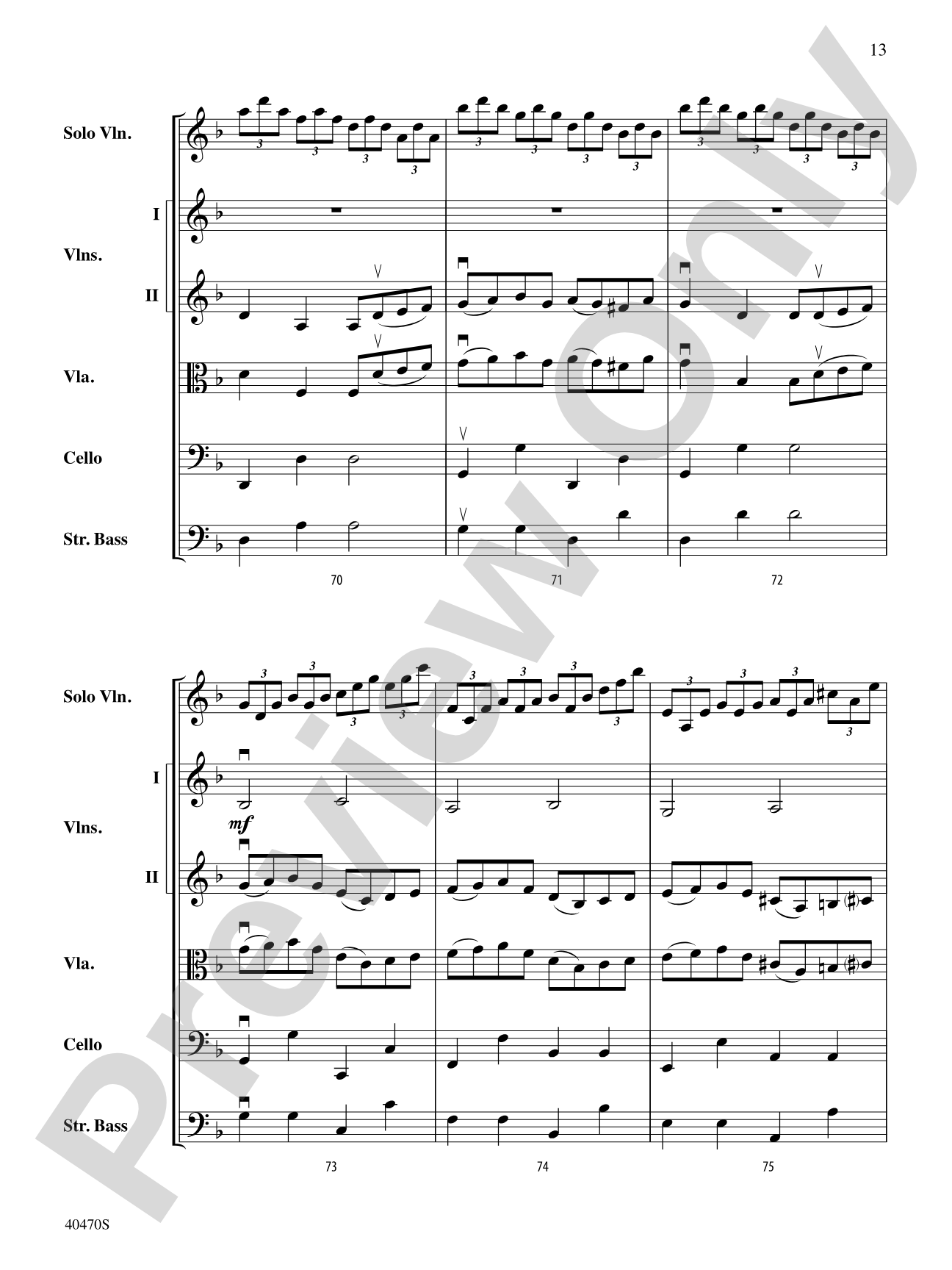
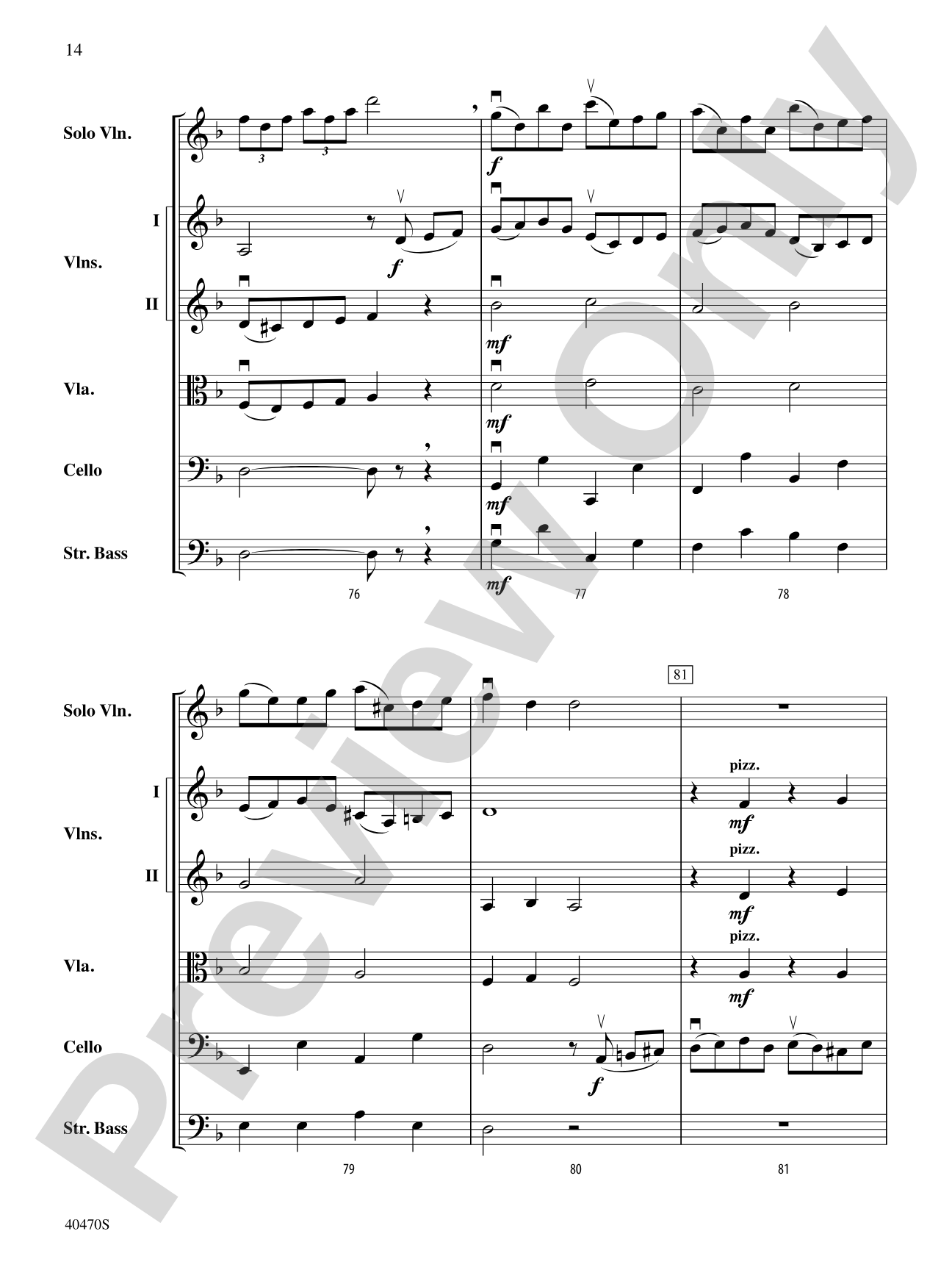
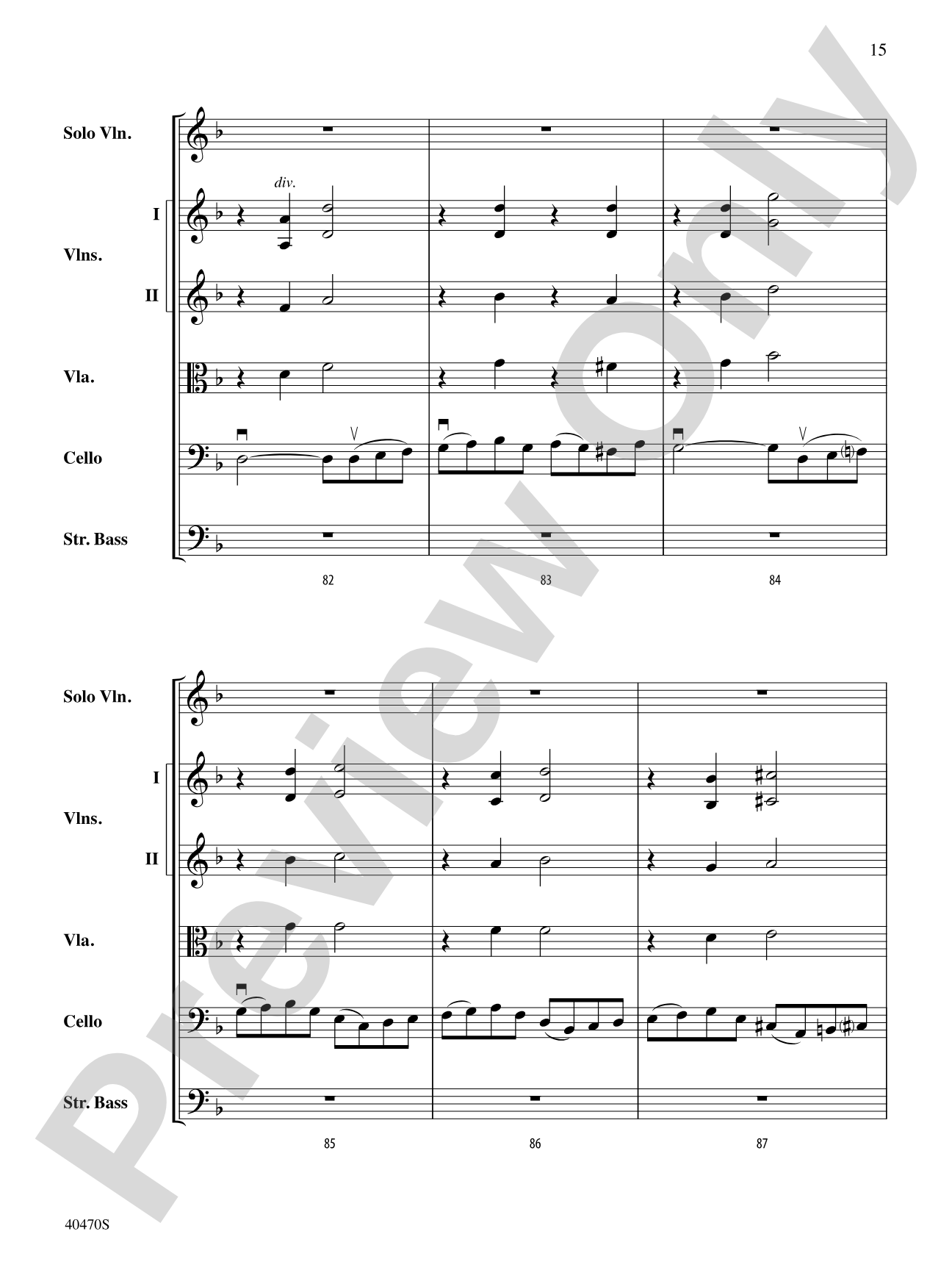
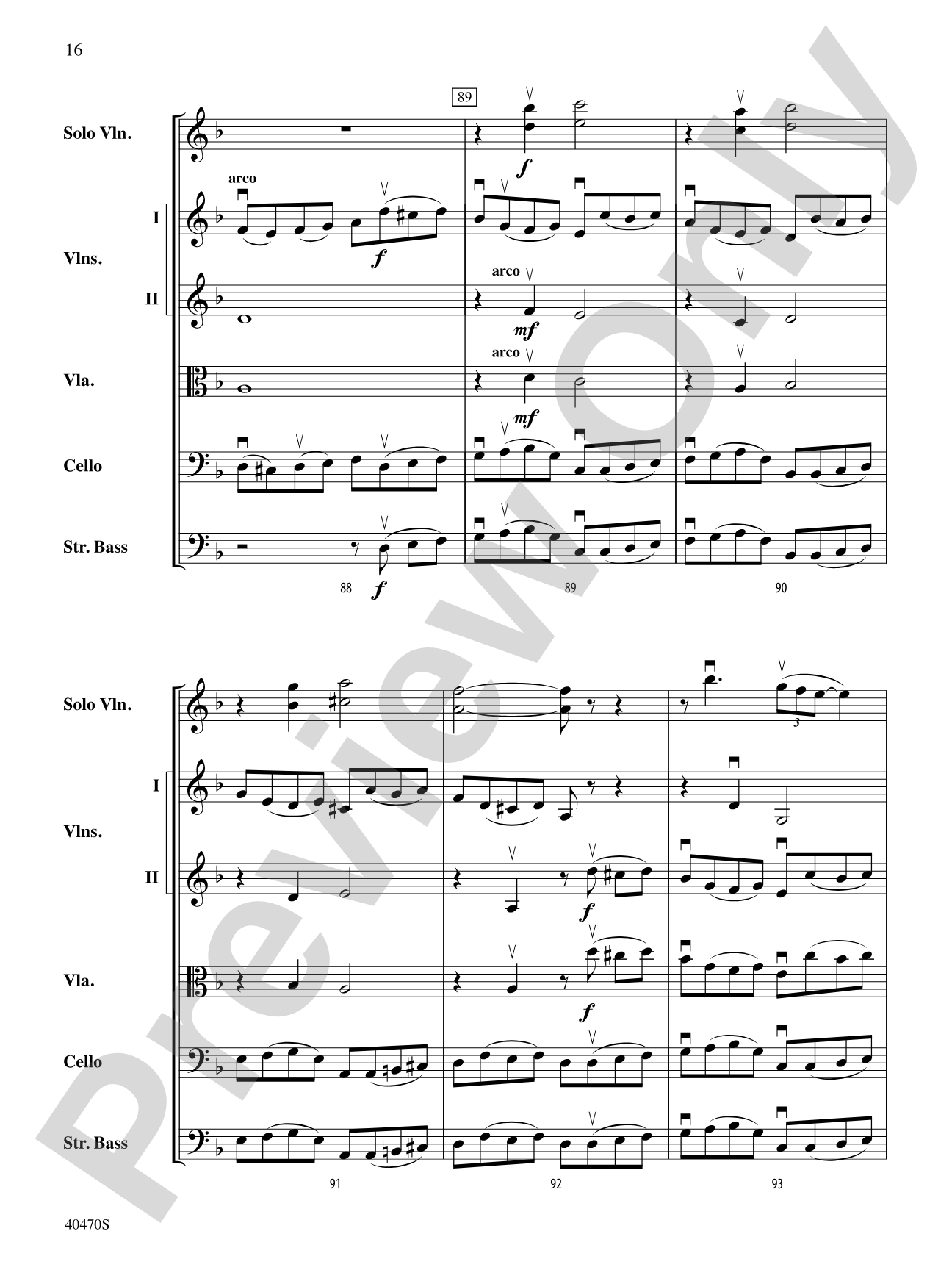
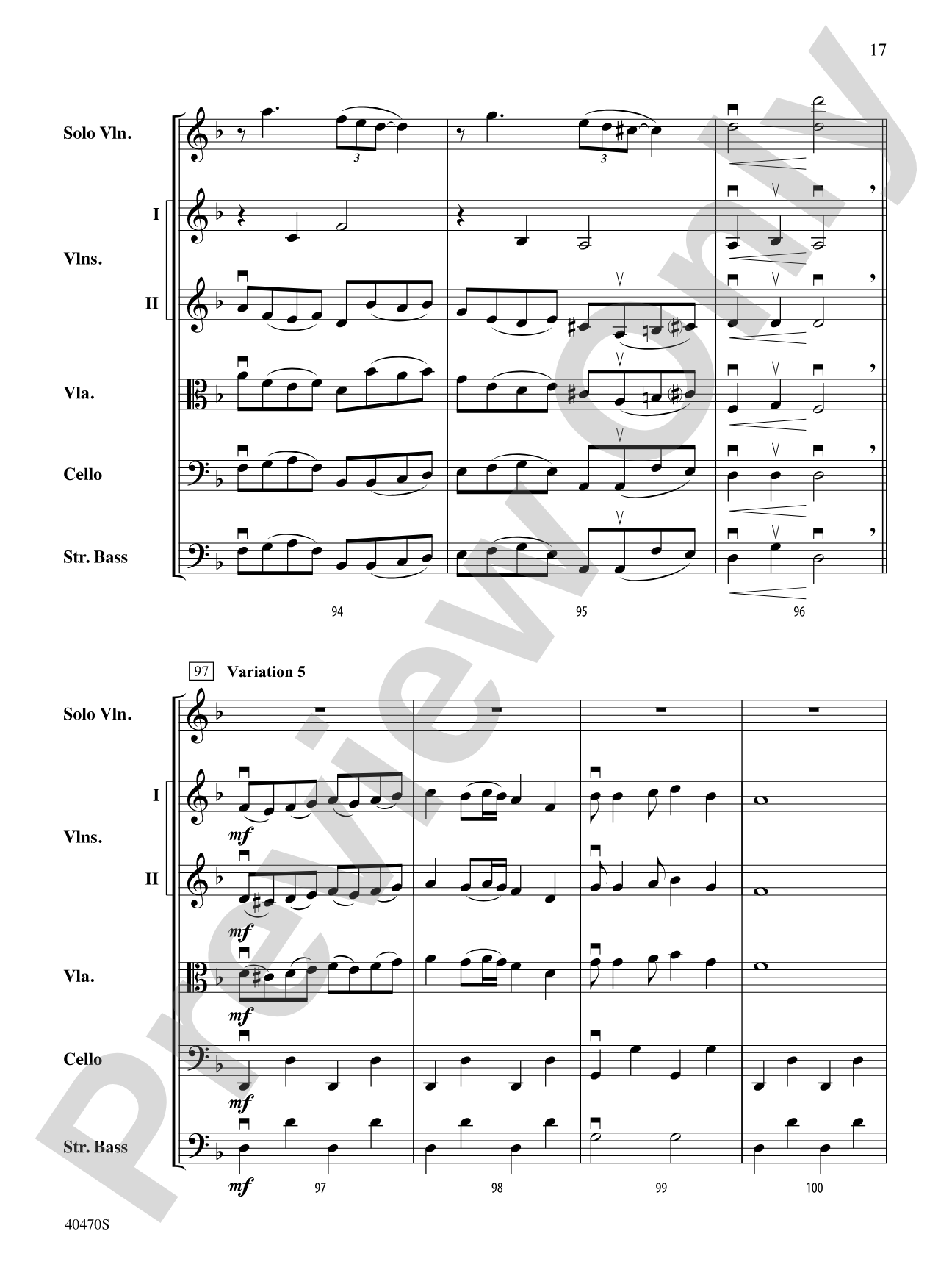
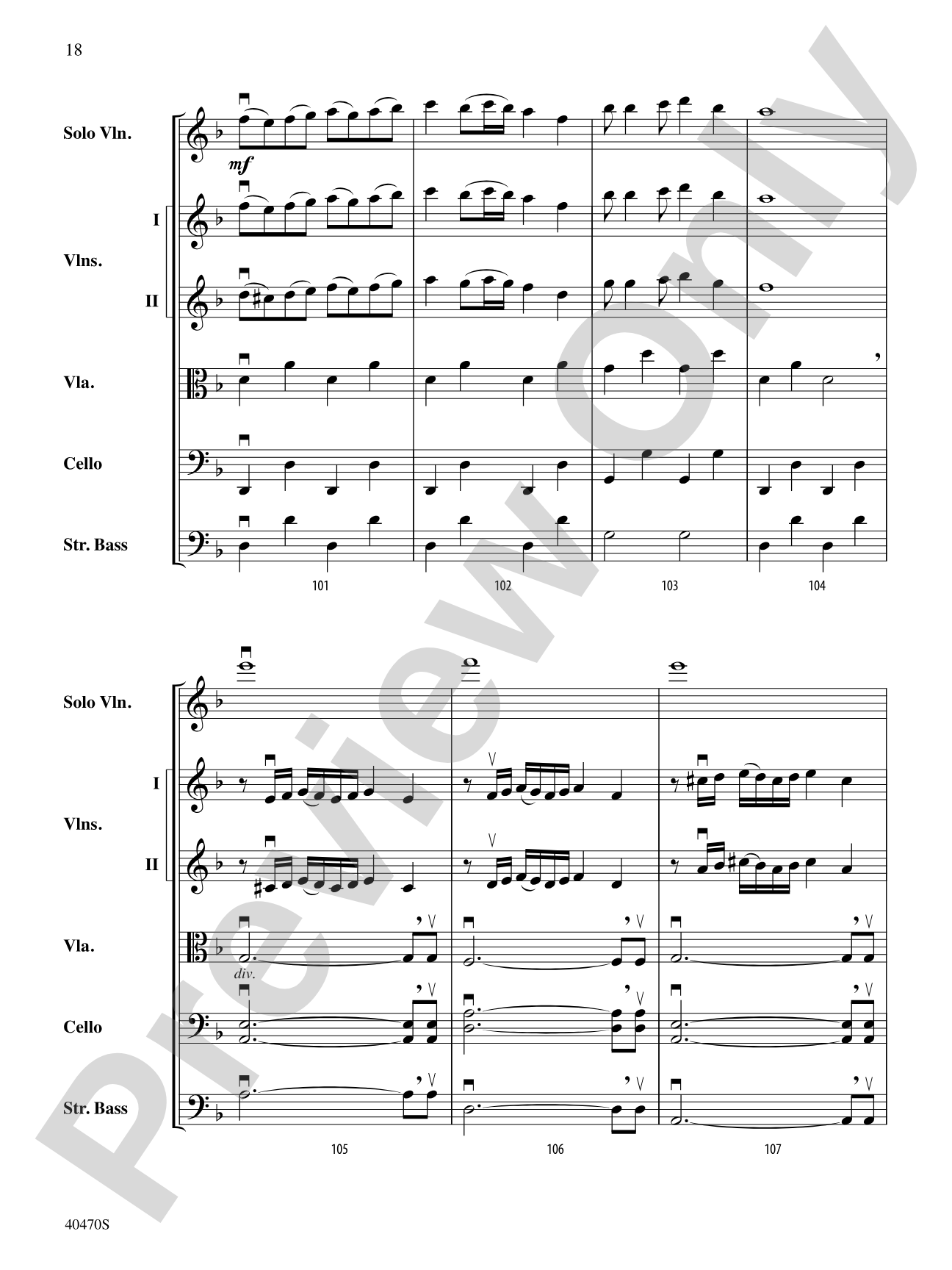
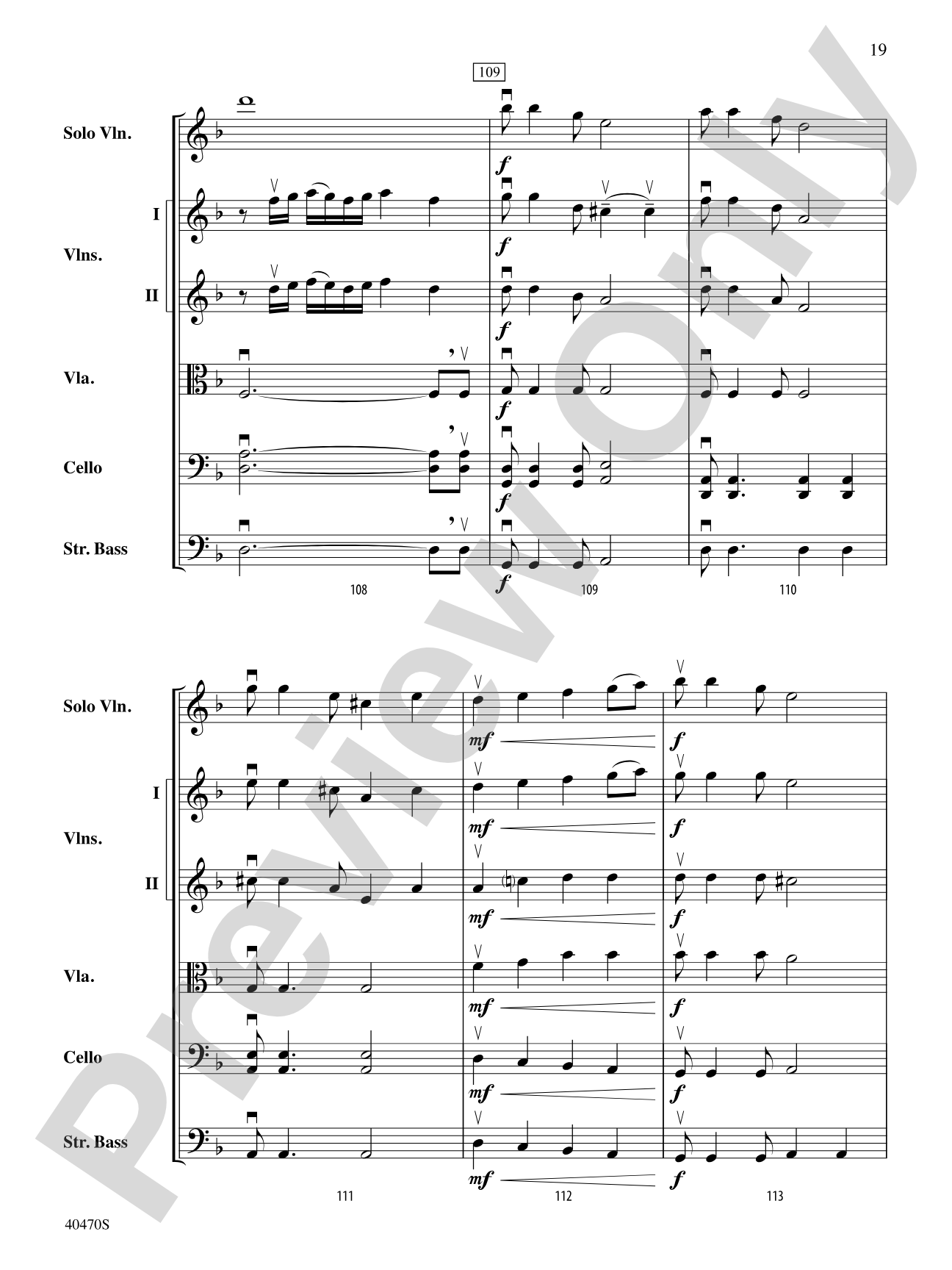
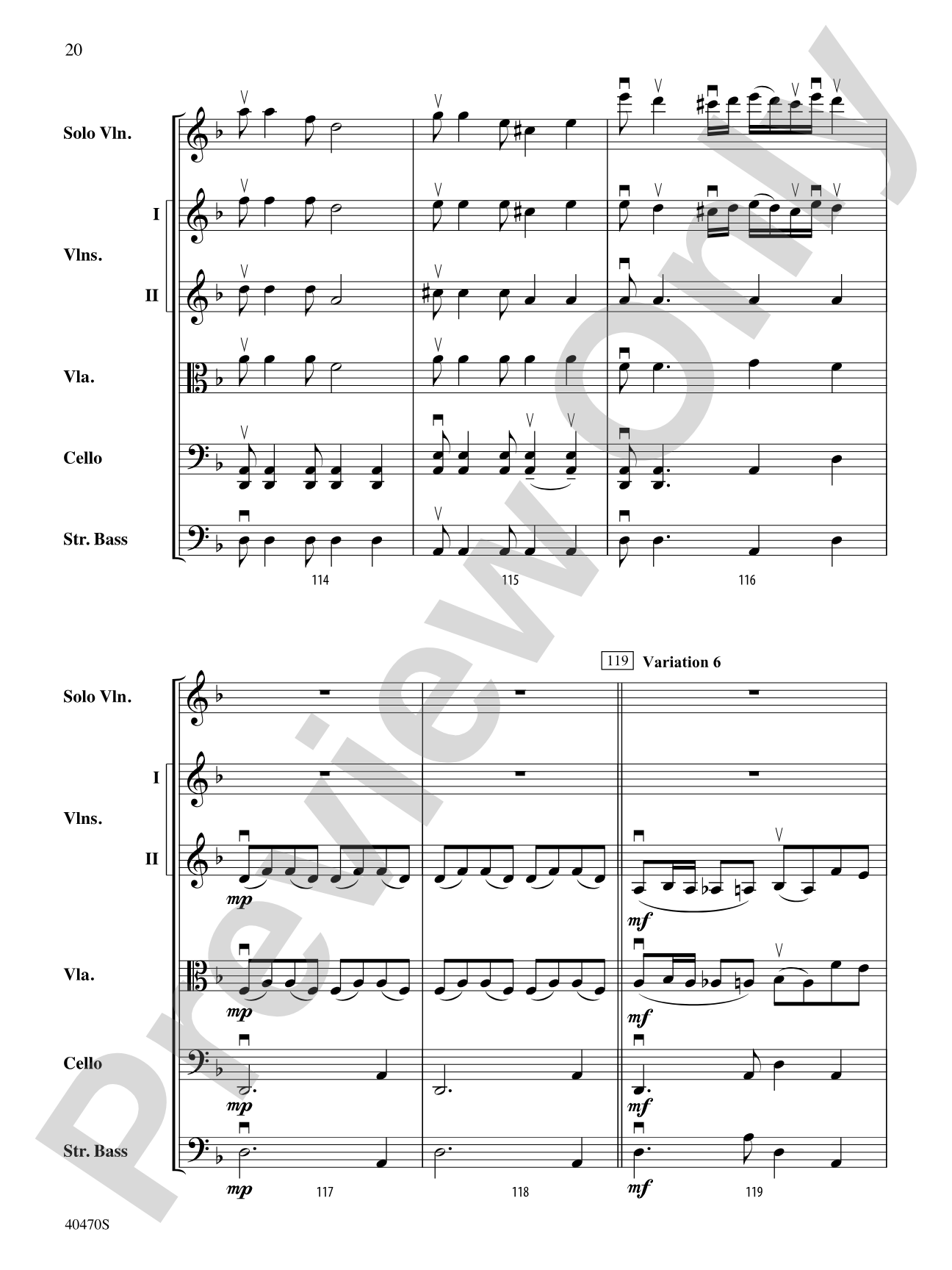
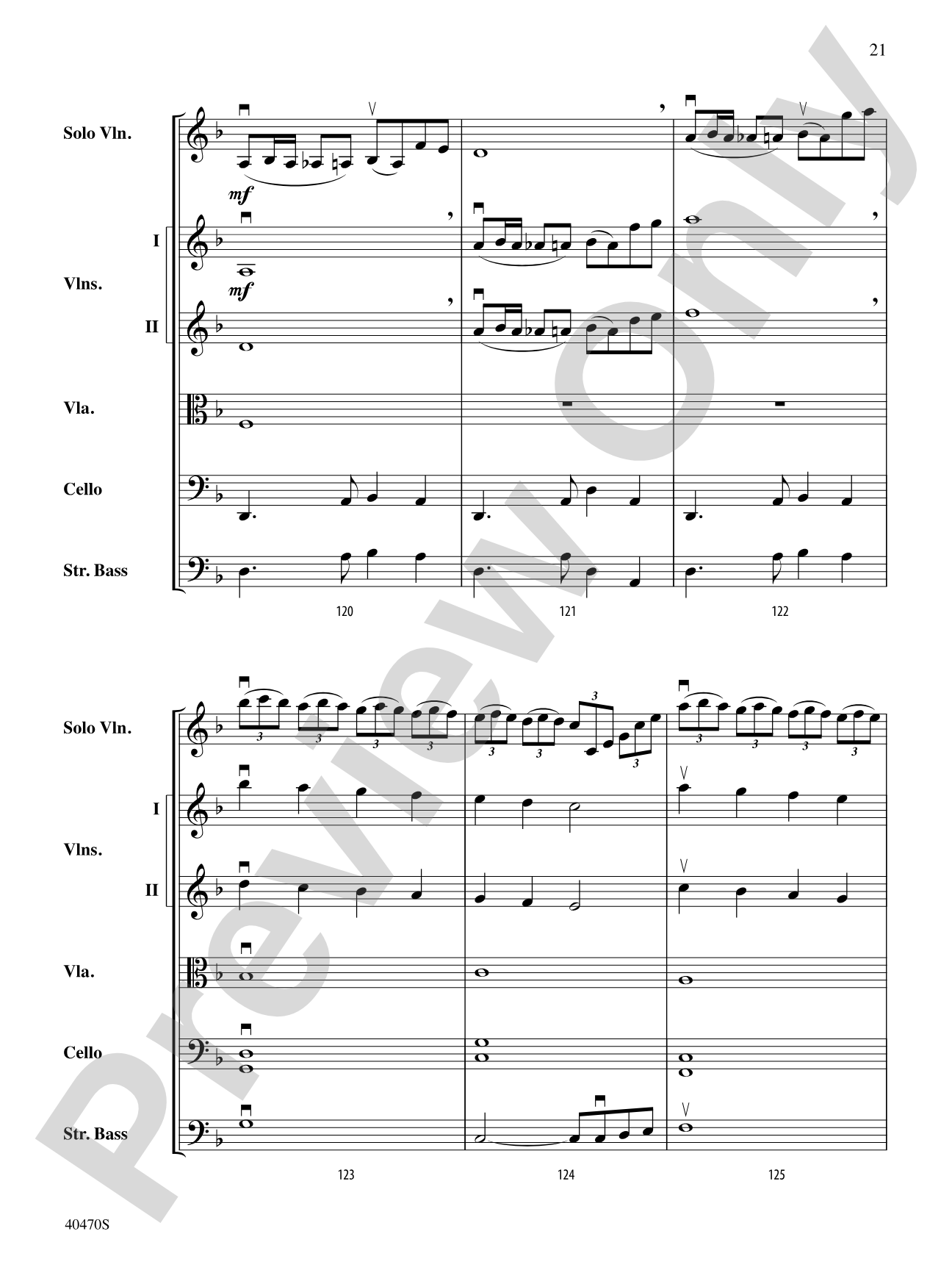
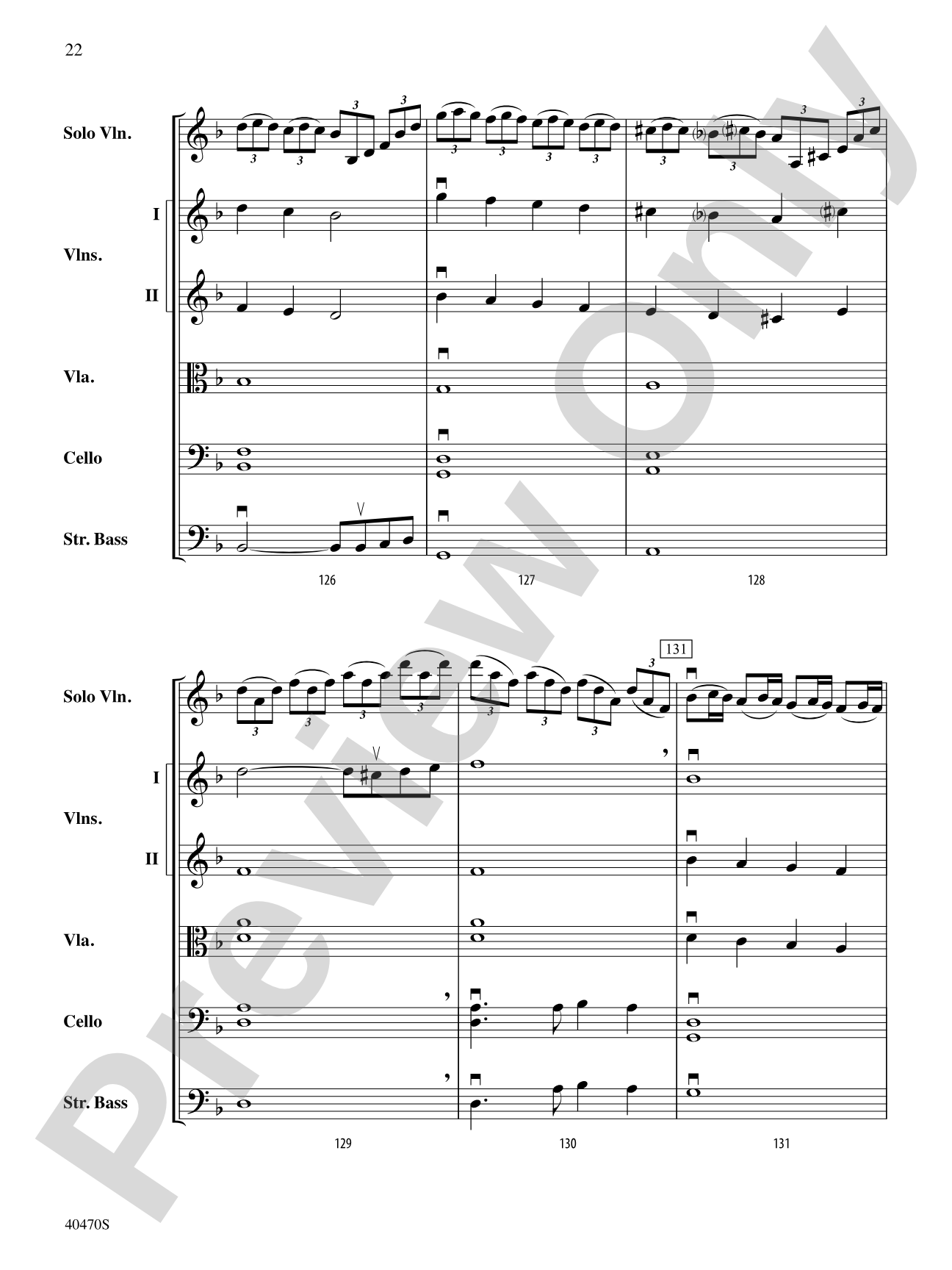
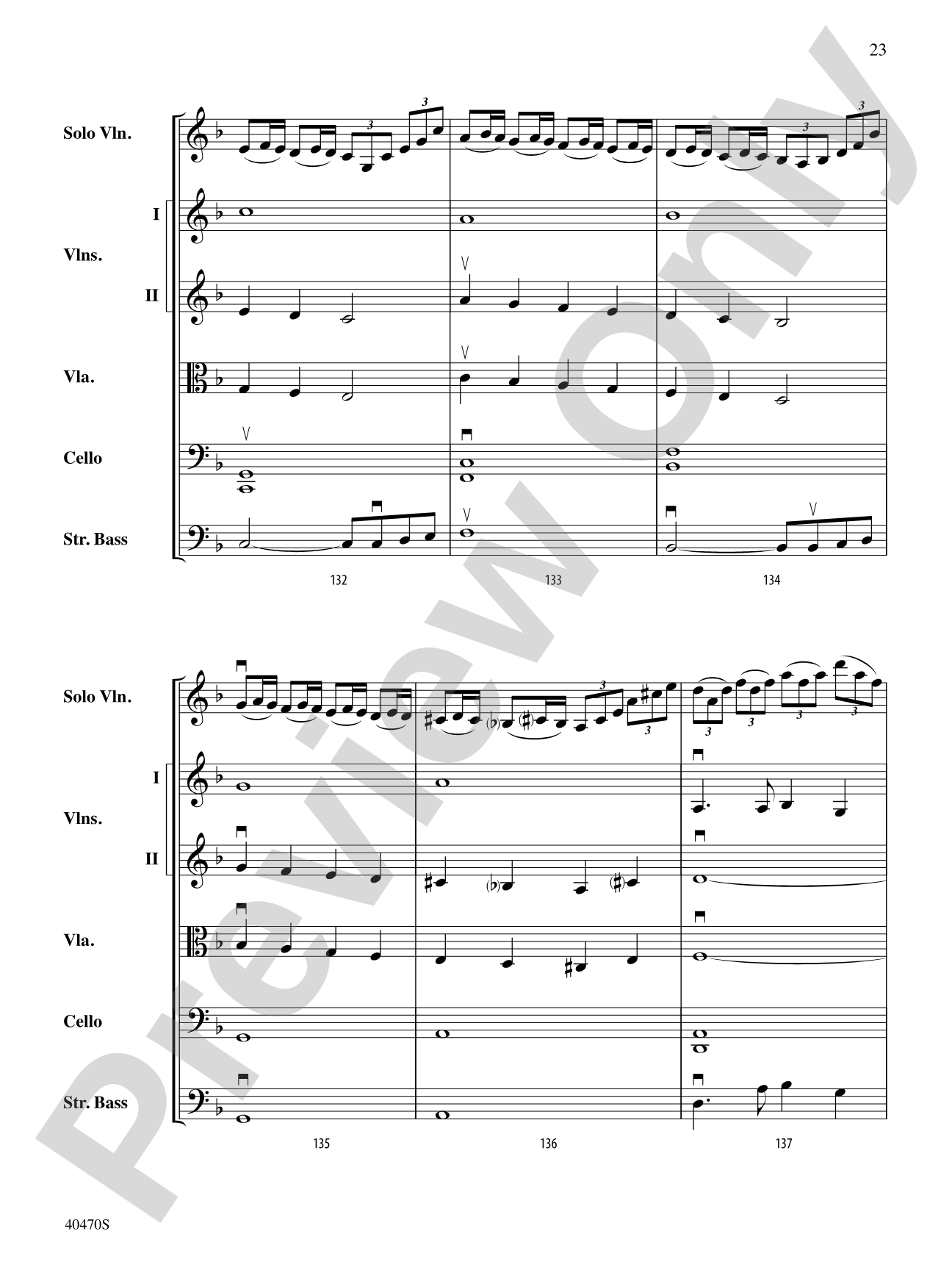
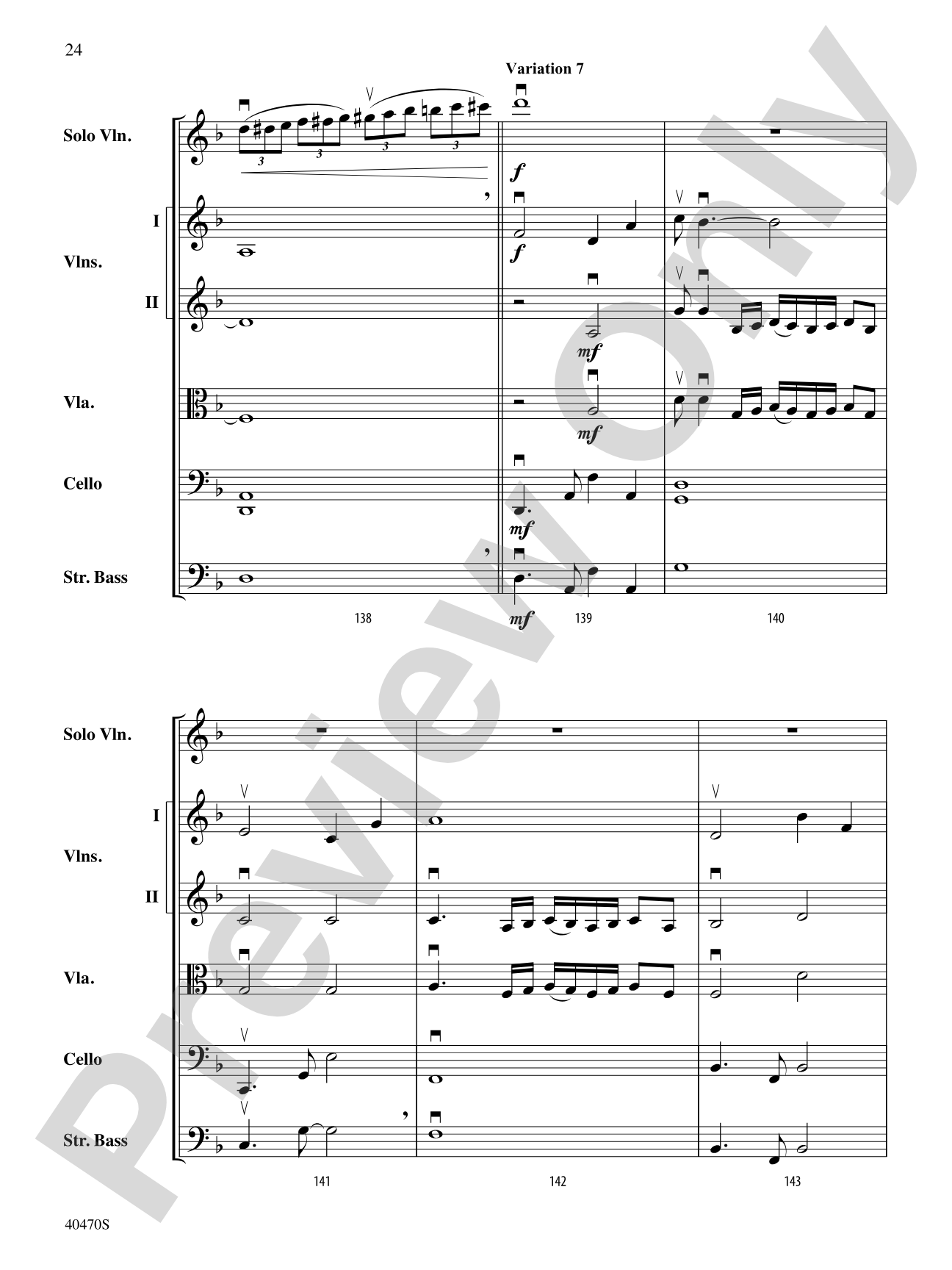
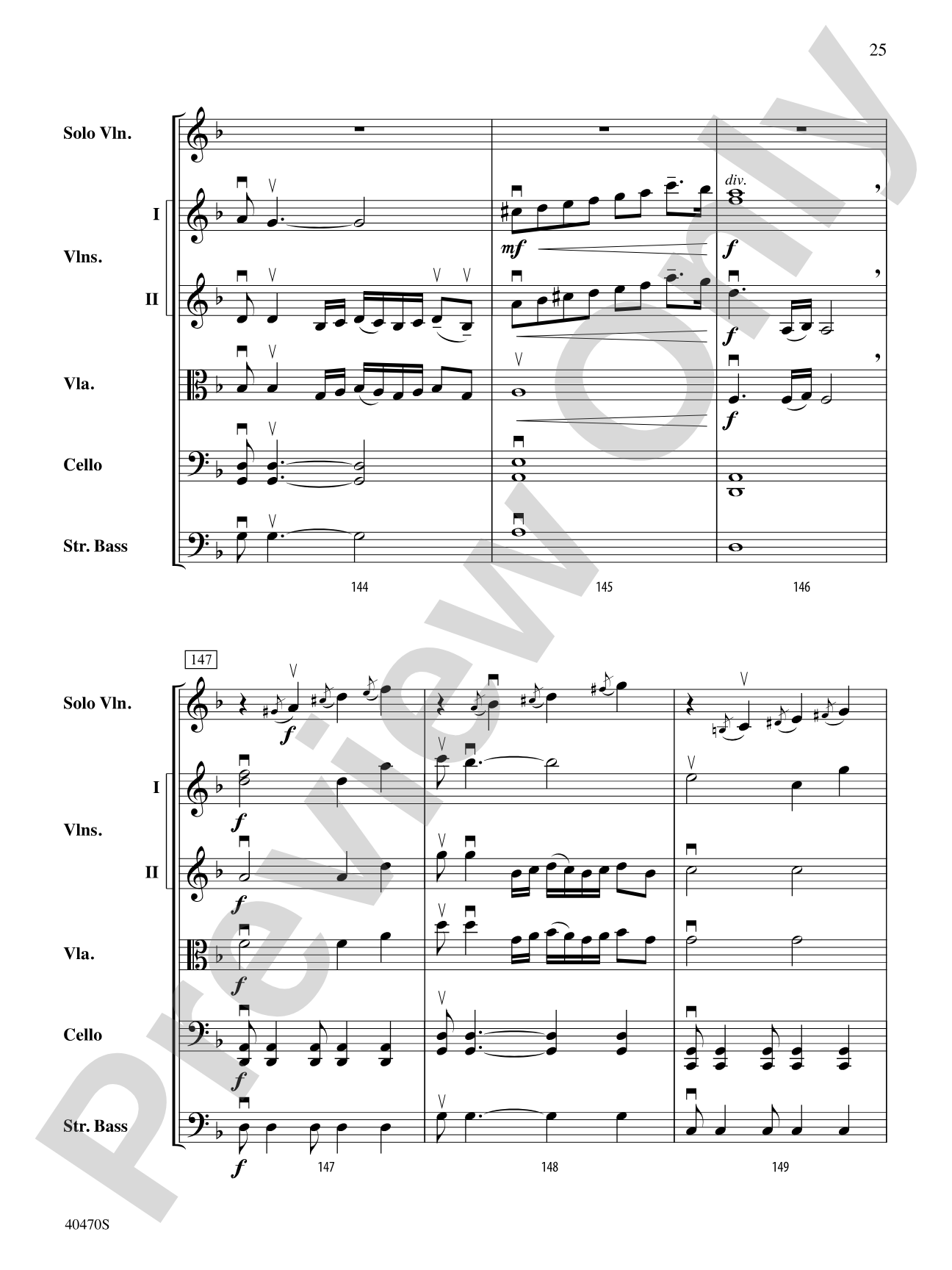
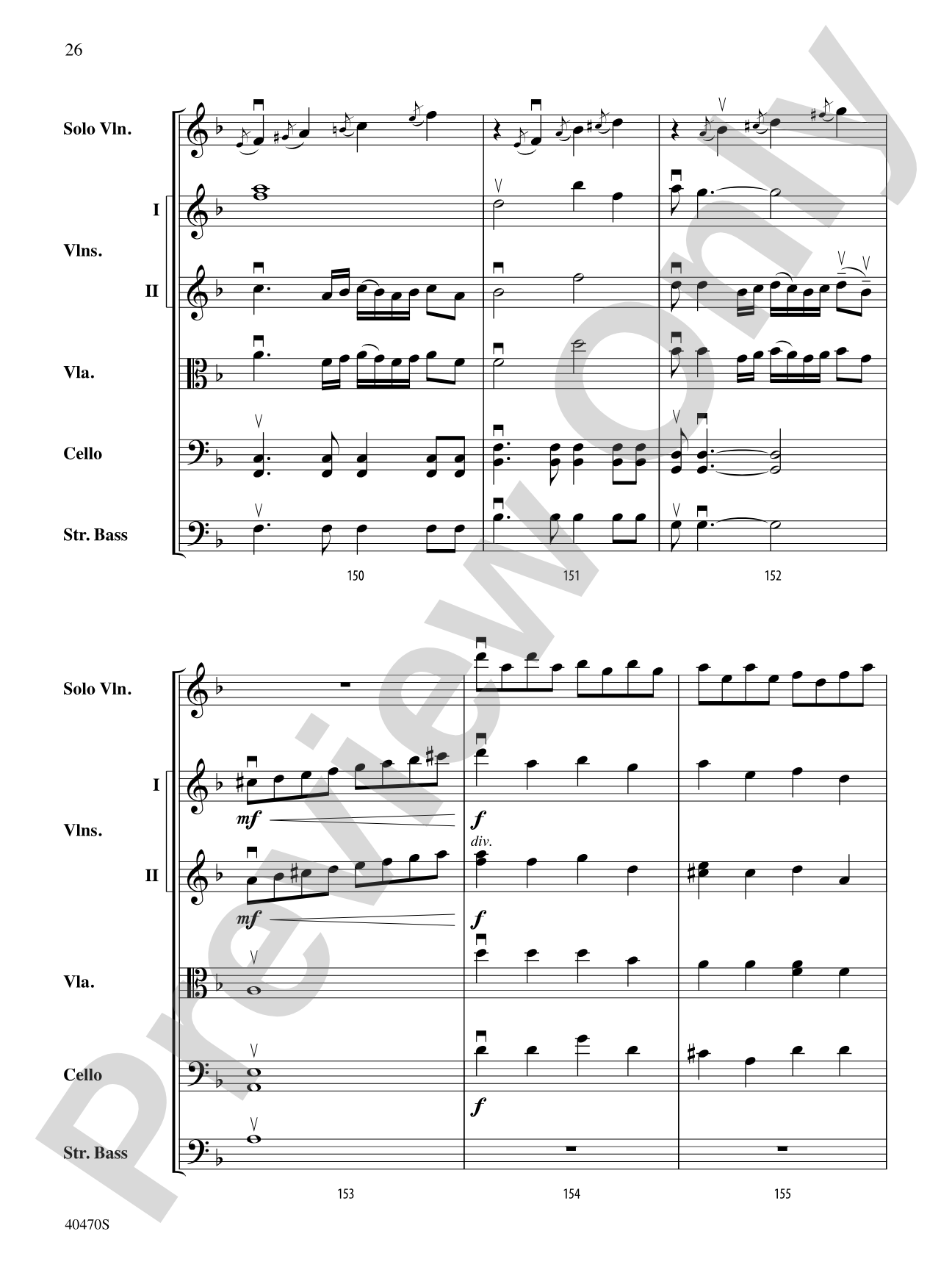
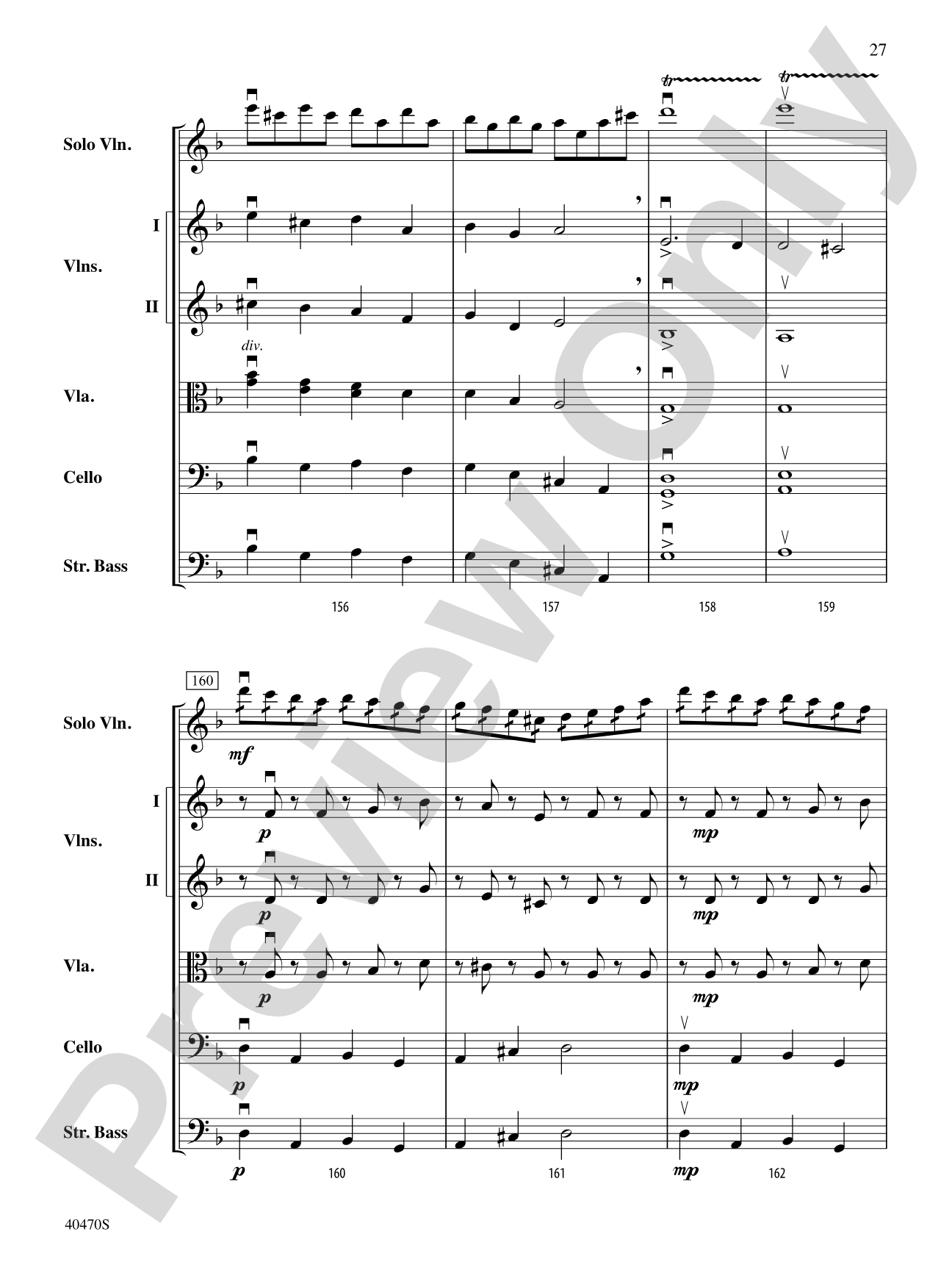
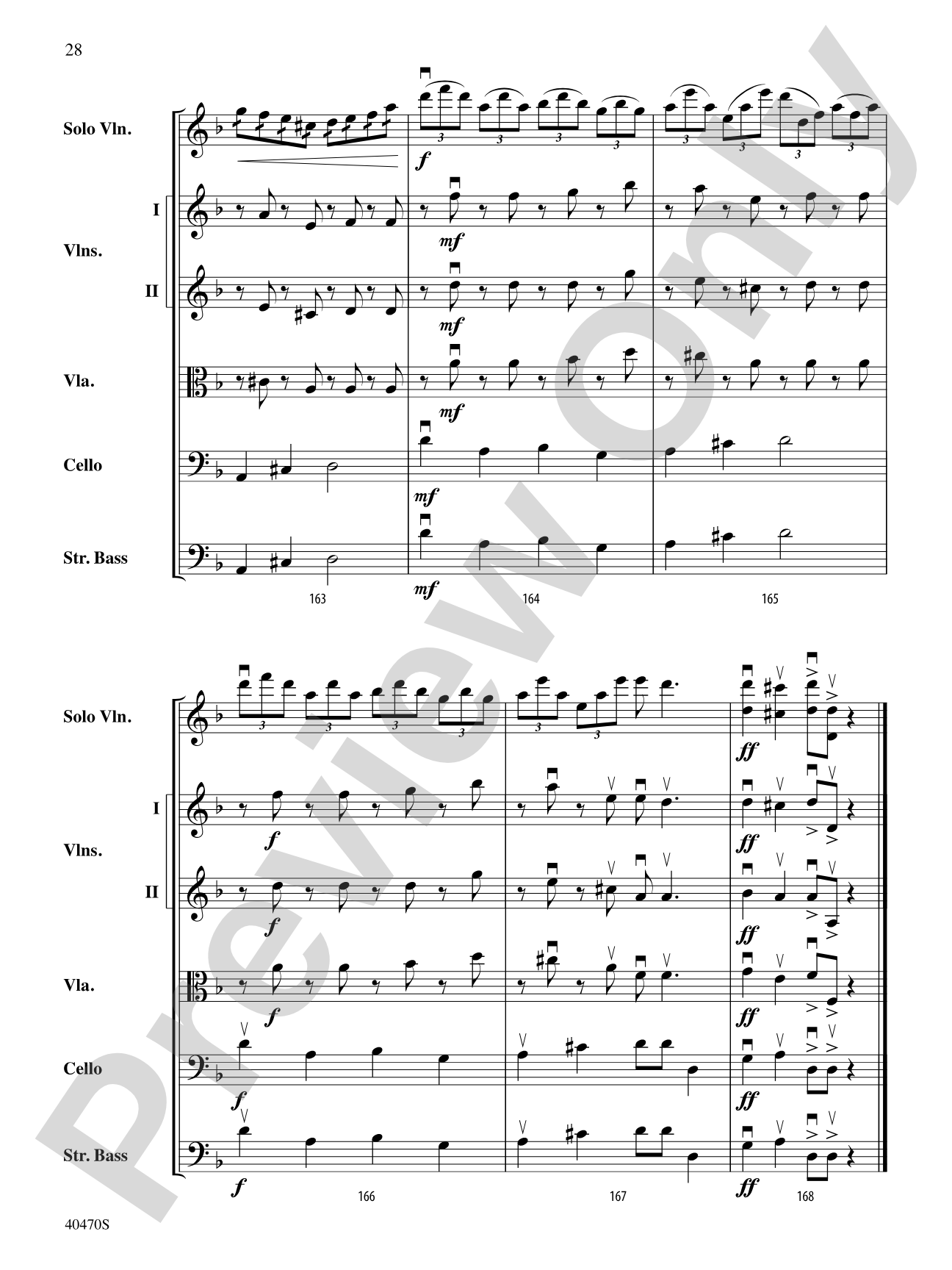
Inspired by the composer's Hungarian ancestry, and reminiscent of Brahms' "Hungarian Dances," this major work is very attainable for advanced middle school or high school string orchestra. The violin solo is harder than the orchestral parts and offers an opportunity for your most outstanding violinist to show his/her skill and flair in an exciting solo work, featuring many techniques which are the soul of the violin---expressive melodic passages with lots of vibrato, chromatic and minor scales, arpeggios, slurred and unslurred triplets, trills, grace notes, double stops, and various articulations of the bow. The rest of the orchestra has lovely countermelodies and interesting accompanying parts. Written in D minor in 4/4 time, it is quite straightforward, but the element of expressive playing is more vital to creating the dramatic effects than trying to execute at breakneck speed. This title is available in MakeMusic Cloud.


Don't just read it, hear it, play along with it, and watch your students grow with it. In MakeMusic Cloud, Hungarian Variations: String Orchestra Conductor Score & Parts comes alive with professional accompaniment, adjustable tempo, and built-in practice tools that turn solo practice into real progress.
Open in the Player
Jump straight in and assign it today.
Start Your Free Trial
Open this title and explore the full library in minutes.
Sample Audio
1
Audio File
--:--
0:00
0:00
Sample Video
No sample videos found.
Additional Details
Series:
Highland/Etling String Orchestra
Publisher:
Alfred Music
Page Count:
128
SKU:
00-PK-0005751
More about this title
About the Composer: Susan H. Day
Susan H. Day writes with a composer's understanding of what string players need to grow. Her works for young orchestras balance technical demand with musical payoff, creating pieces that challenge without overwhelming.
Why we love this
Day crafts a solo vehicle that lets your best violinist shine without turning the rest of the orchestra into accompanists. The countermelodies and supporting parts are genuinely interesting, so every stand stays engaged while the soloist takes center stage. The harmonic language sits in a sweet spot, substantial and colorful without demanding the kind of technical acrobatics that slow down rehearsals.
What to expect
Hungarian fire tempered by Romantic songfulness. The piece moves between virtuosic showmanship and lyrical introspection, with an undercurrent of cultural identity woven through the harmonies and melodic shapes. It feels both accessible and substantial.
Who it's for
Advanced middle school and high school string orchestras ready to program a concert-quality work with real solo opportunity. Your strongest violinist will rise to this challenge, and the rest of the ensemble will play orchestration that respects their developing musicianship.
How to get the most out of it
- Shape the solo passages with intentional vibrato rather than speed. The dramatic effect relies on expressive depth, not rushing through the technical figures.
- Balance the solo violin against the orchestra so both lines sing clearly. This is especially crucial in the countermelody sections where texture becomes complex.
- Work the articulations and bow directions as a technical priority early in rehearsals. The combination of slurred and unslurred triplets, grace notes, and varied bowings defines the character of the piece.
- Let the D minor tonality inform your interpretation. Aim for a sound that's warm and introspective when the piece calls for it, then bright and energetic when the mode shifts.
How to use it
This works beautifully as a centerpiece in a concert where you want to showcase both a soloist and ensemble strength. It pairs naturally with other Romantic or nationalist repertoire, and its straightforward structure in D minor makes it ideal for mid-year or early spring programming when orchestras have the rhythmic security to focus on expressive playing.
Skills your students will build
- Vibrato control and expressive melodic playing
- Reading and executing mixed articulations (slurred and unslurred triplets, grace notes, trills)
- Double stops and chromatic/minor scale passages
- Countermelody awareness and ensemble listening within complex textures
- Bow control across varied articulations and dynamic ranges