
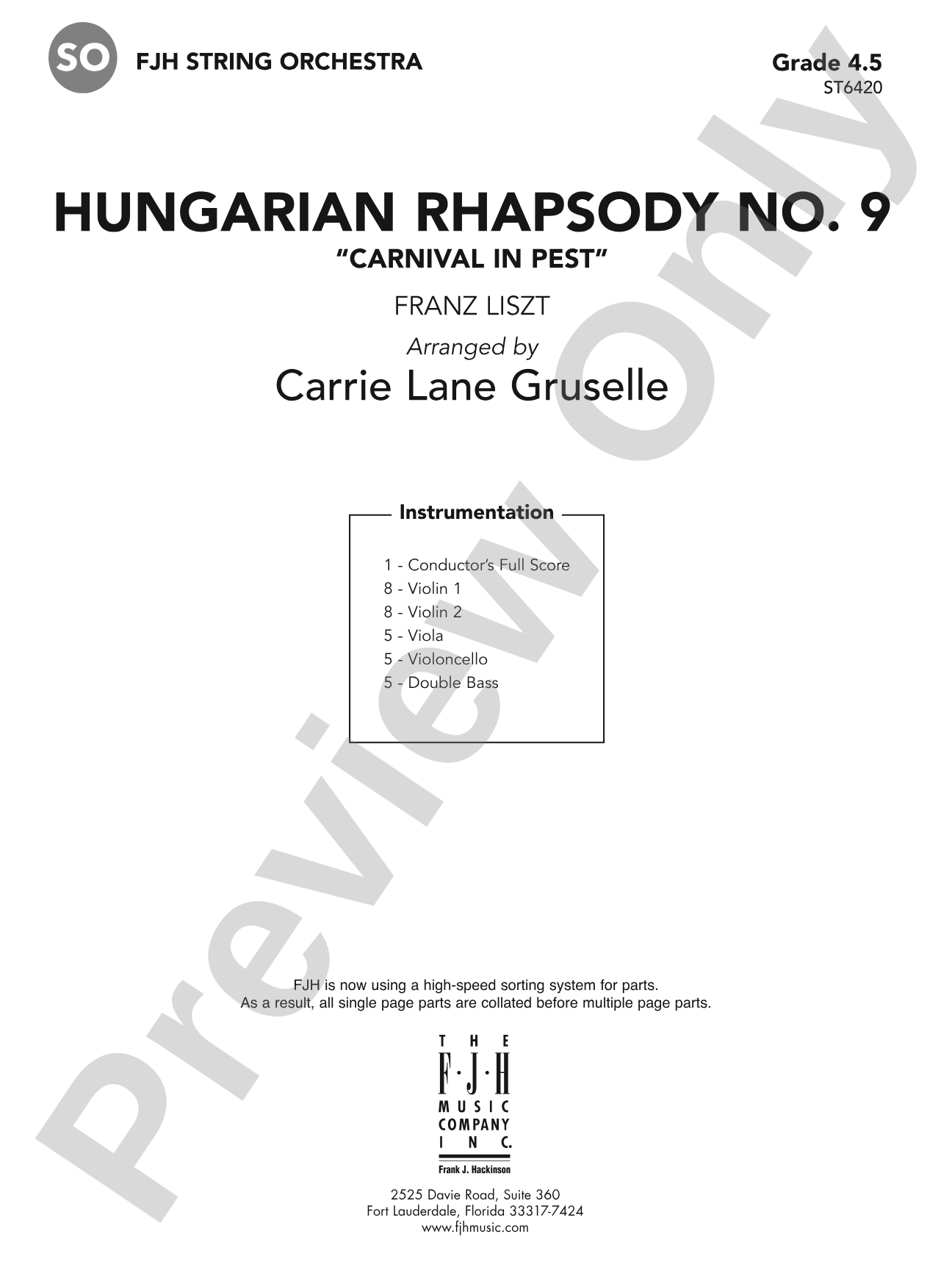
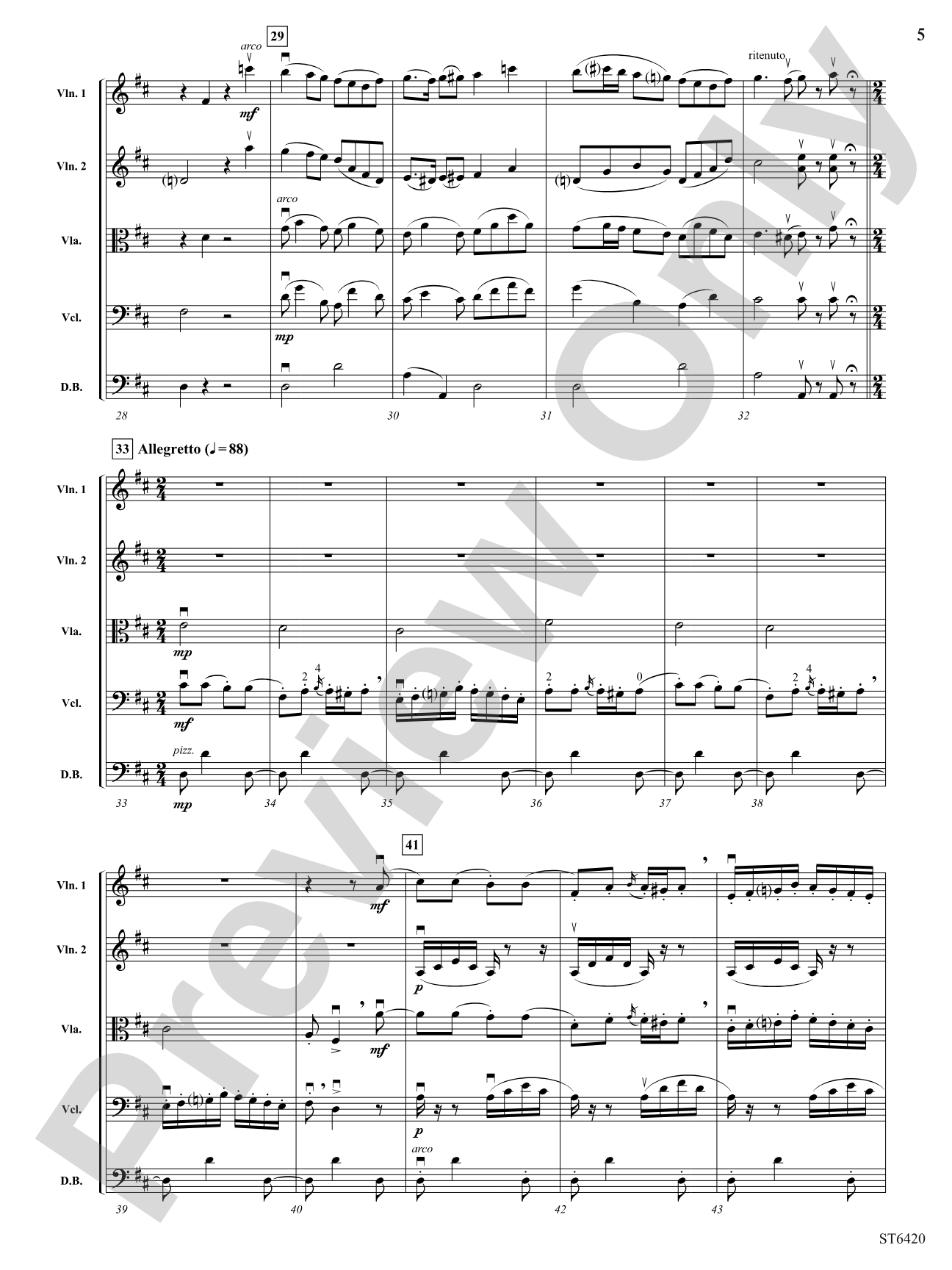
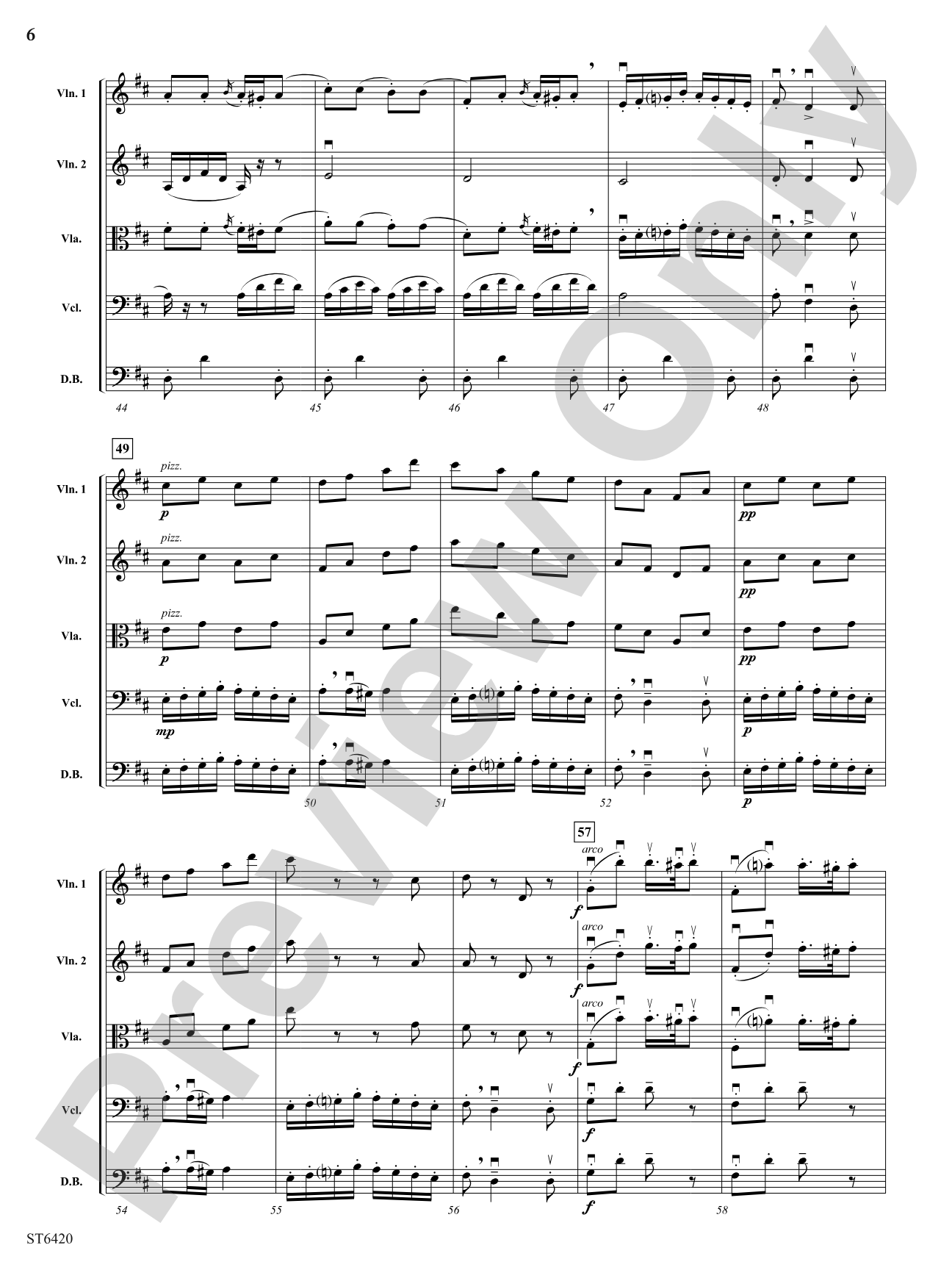
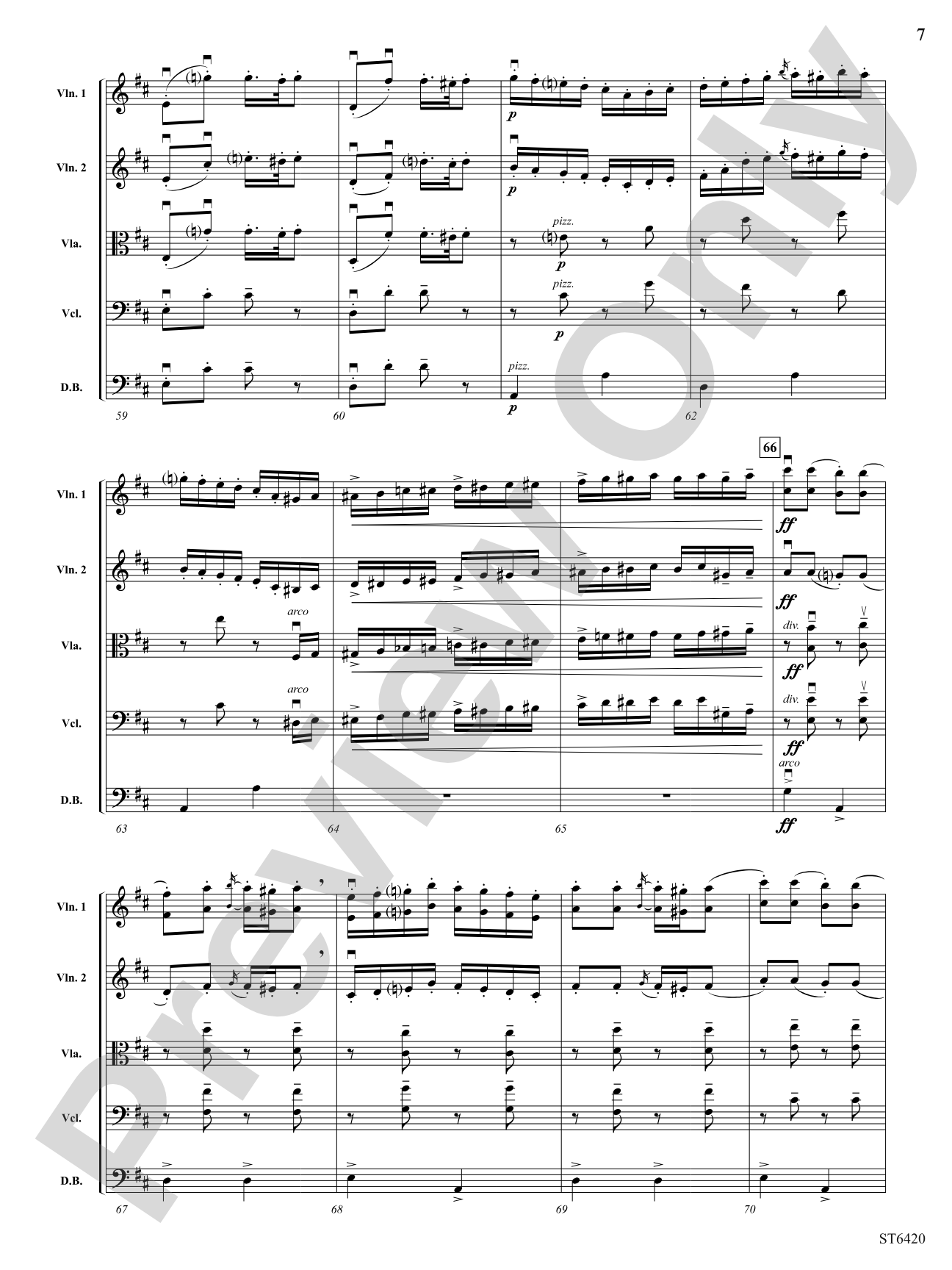
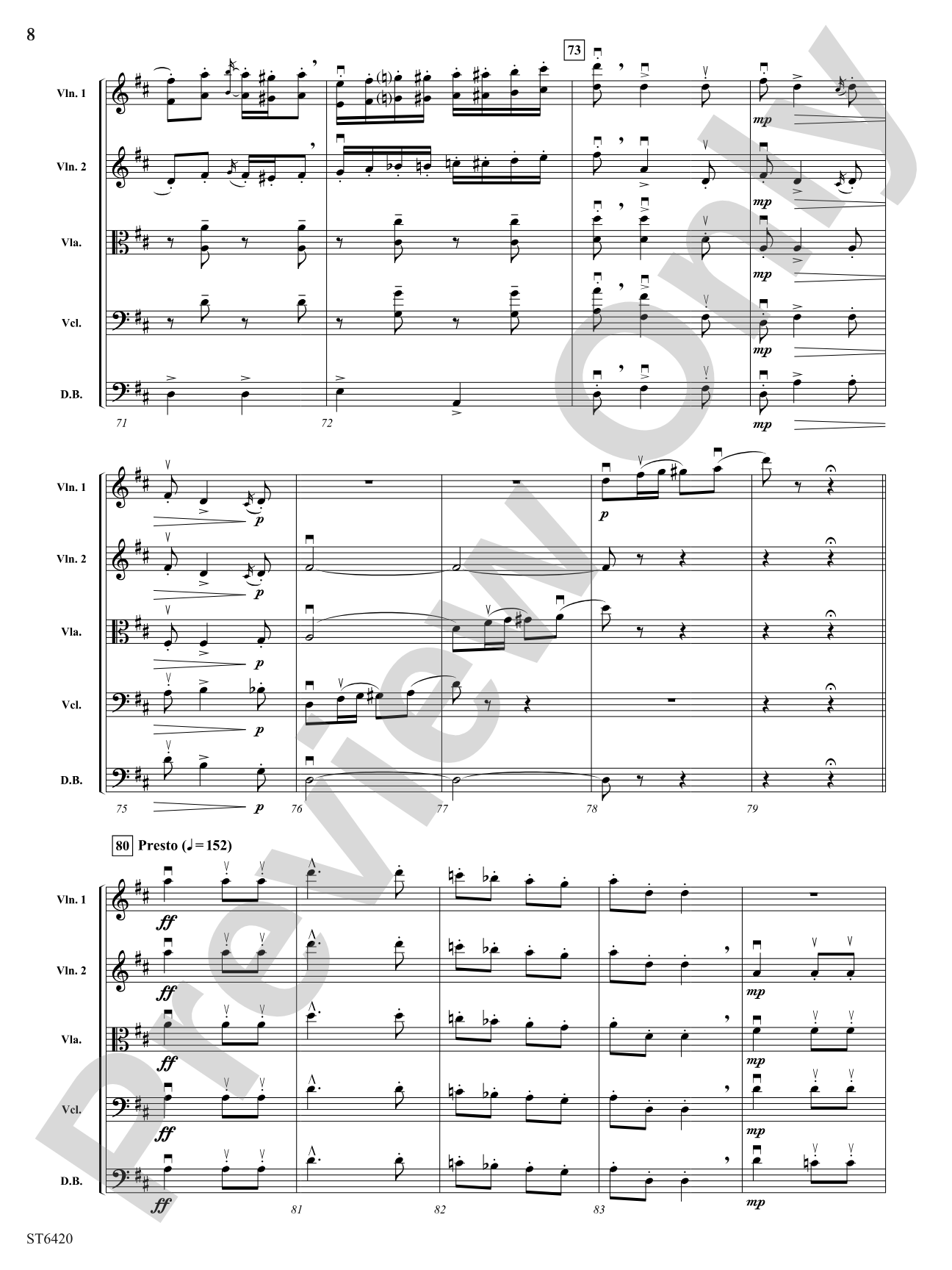
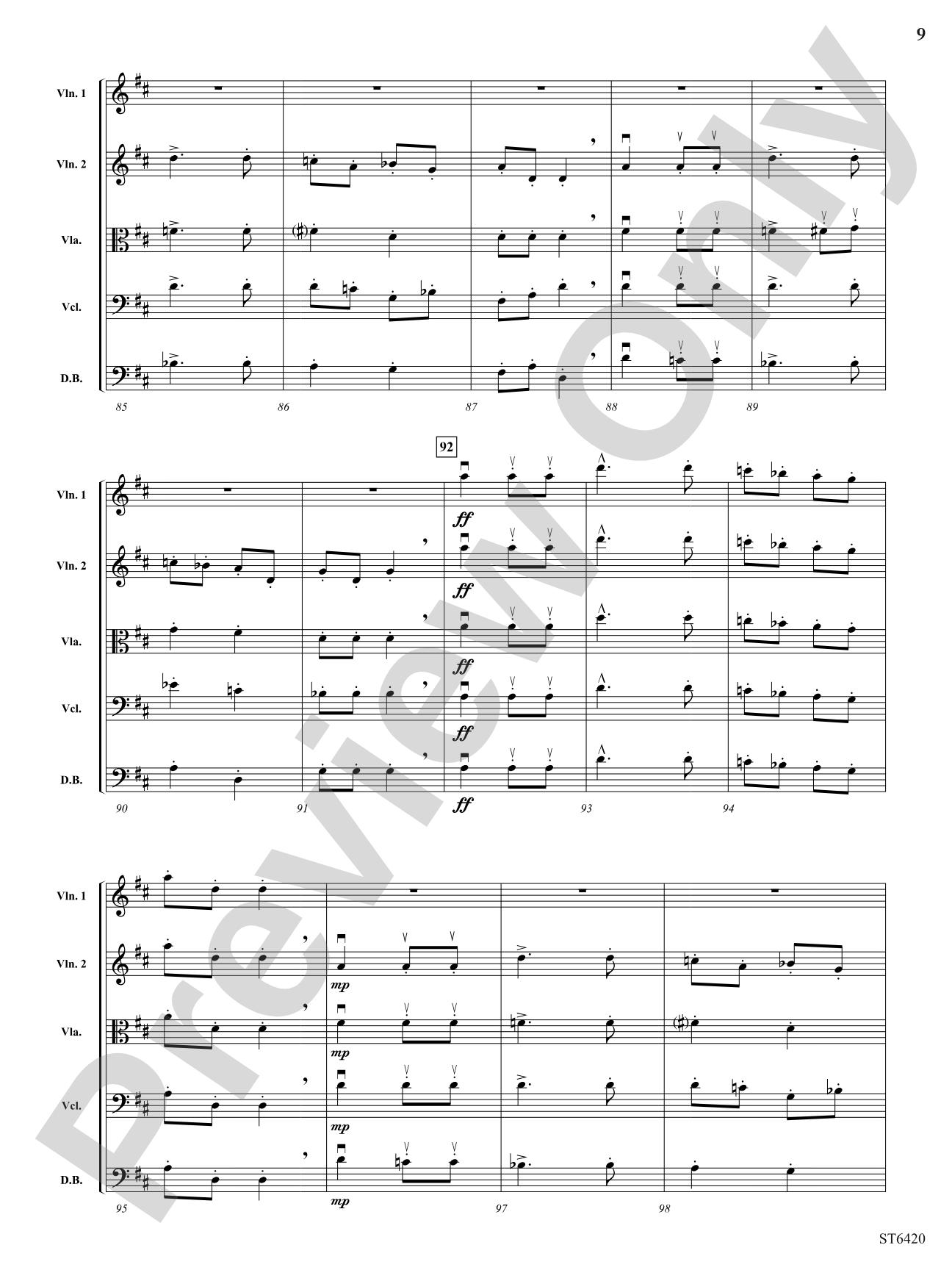
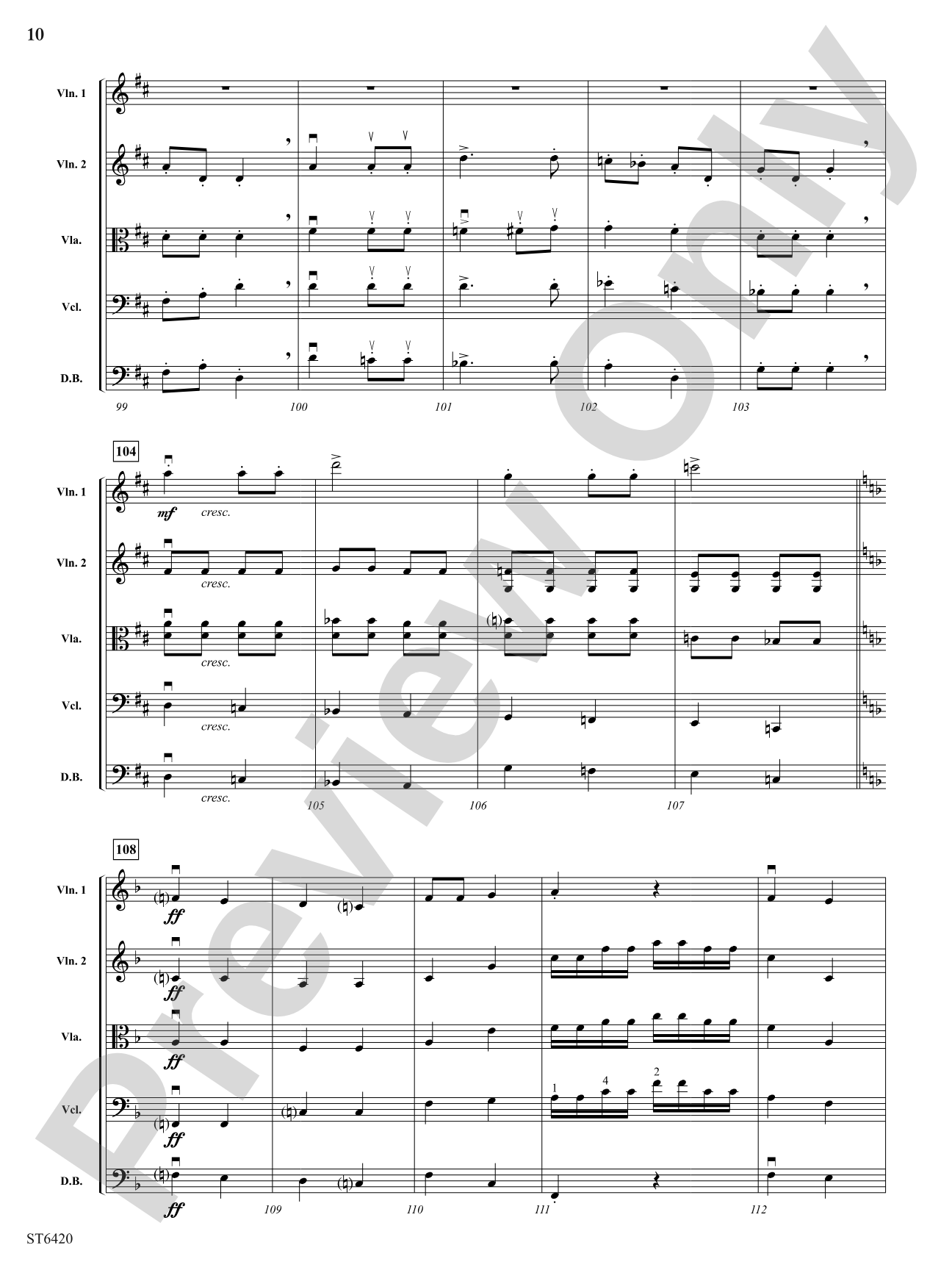
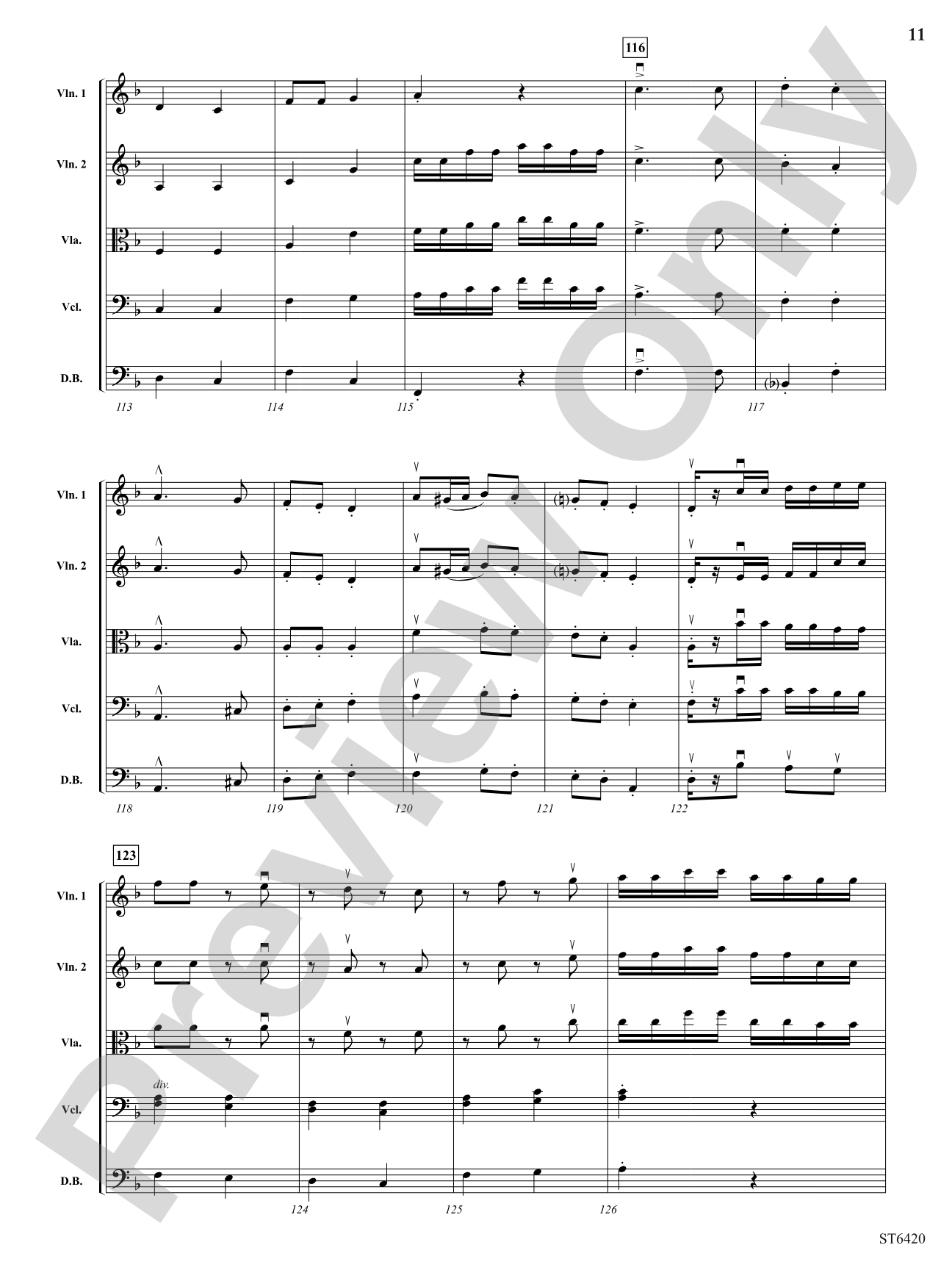
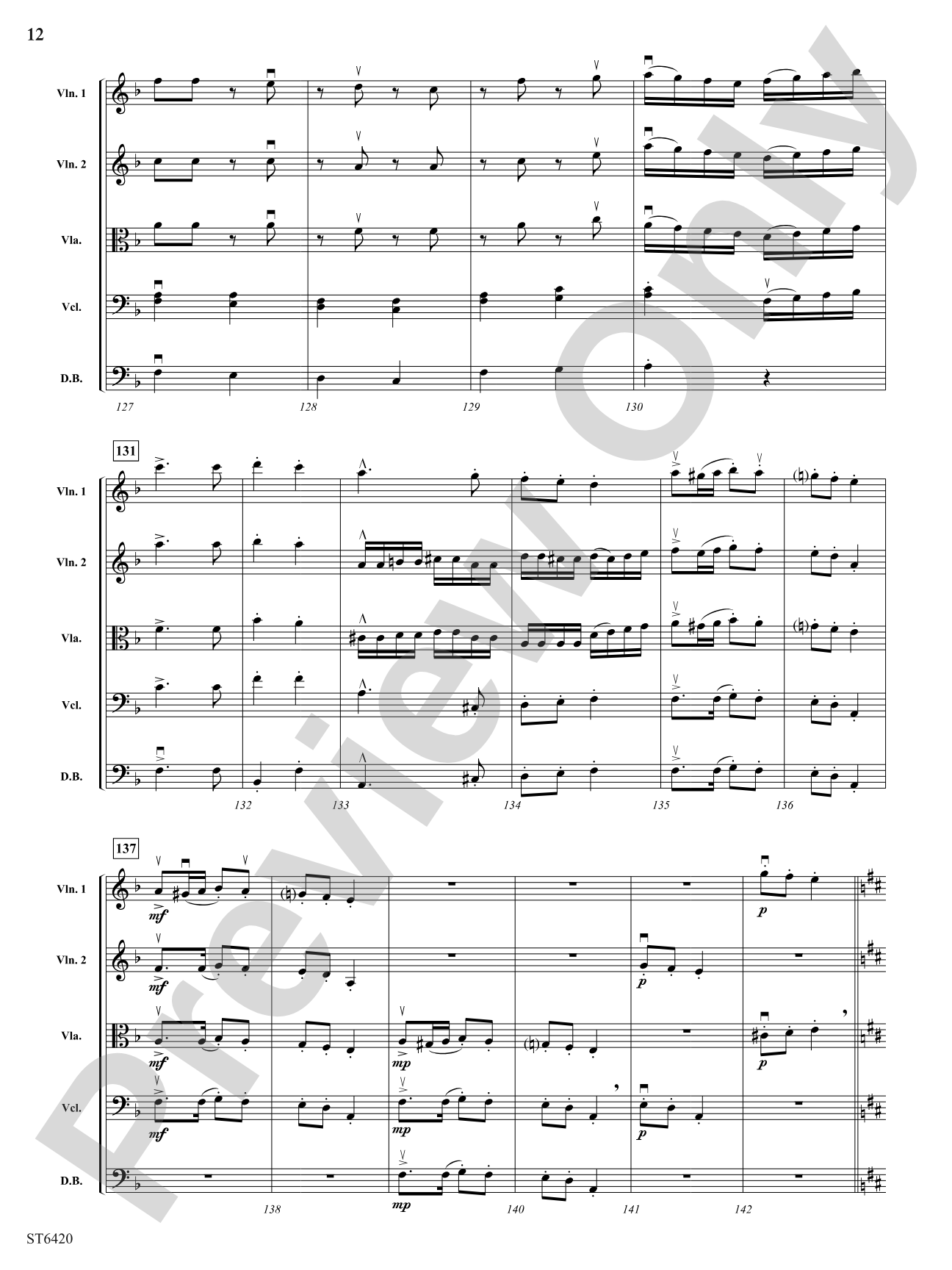

Hungarian Rhapsody No 9: String Orchestra Conductor Score & Parts
By Franz Liszt / arr. Carrie Lane Gruselle
Grade: 4.5
Item: 98-DST6420
$60.00
Pickup currently not available
Buy Extra Parts (Digital PDF Download)
| Product | Price | Quantity |
|---|---|---|
| Hungarian Rhapsody No 9: Score | $5.00 | |
| Hungarian Rhapsody No 9: Violin 1 | $7.00 | |
| Hungarian Rhapsody No 9: Violin 2 | $7.00 | |
| Hungarian Rhapsody No 9: Viola | $7.00 | |
| Hungarian Rhapsody No 9: Violoncello | $7.00 | |
| Hungarian Rhapsody No 9: Double Bass | $7.00 |
Parts Added to Cart!
Description
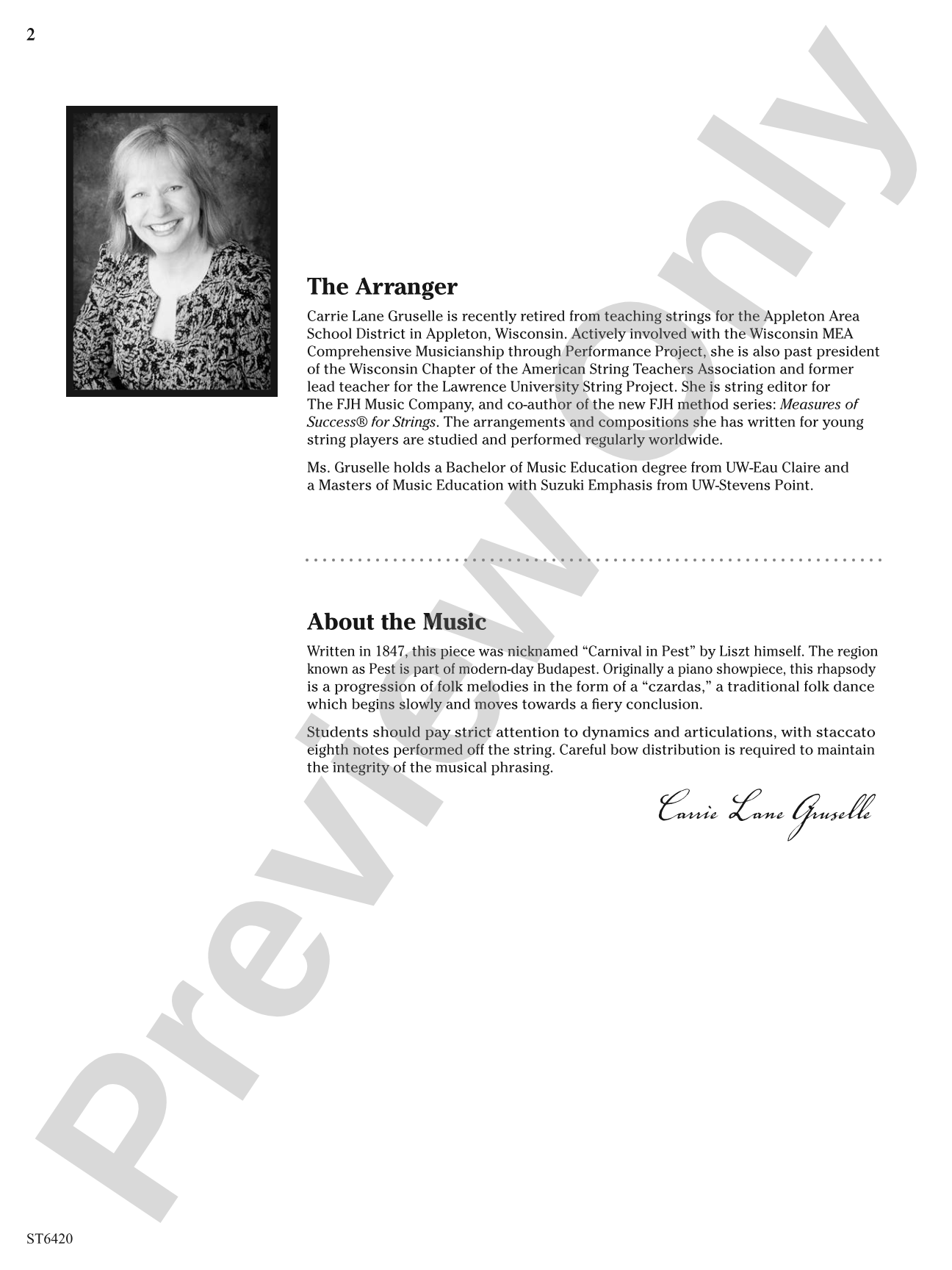
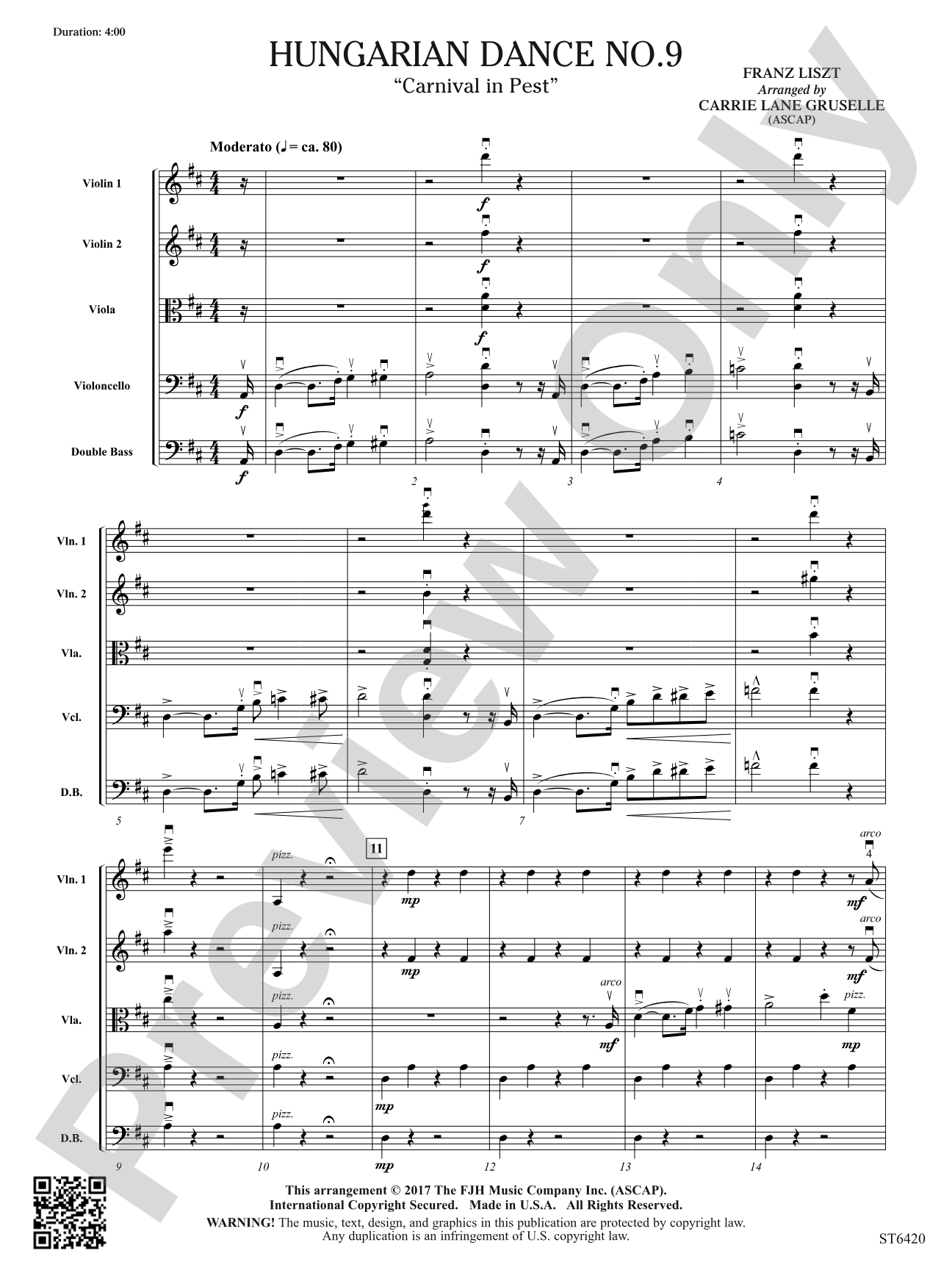
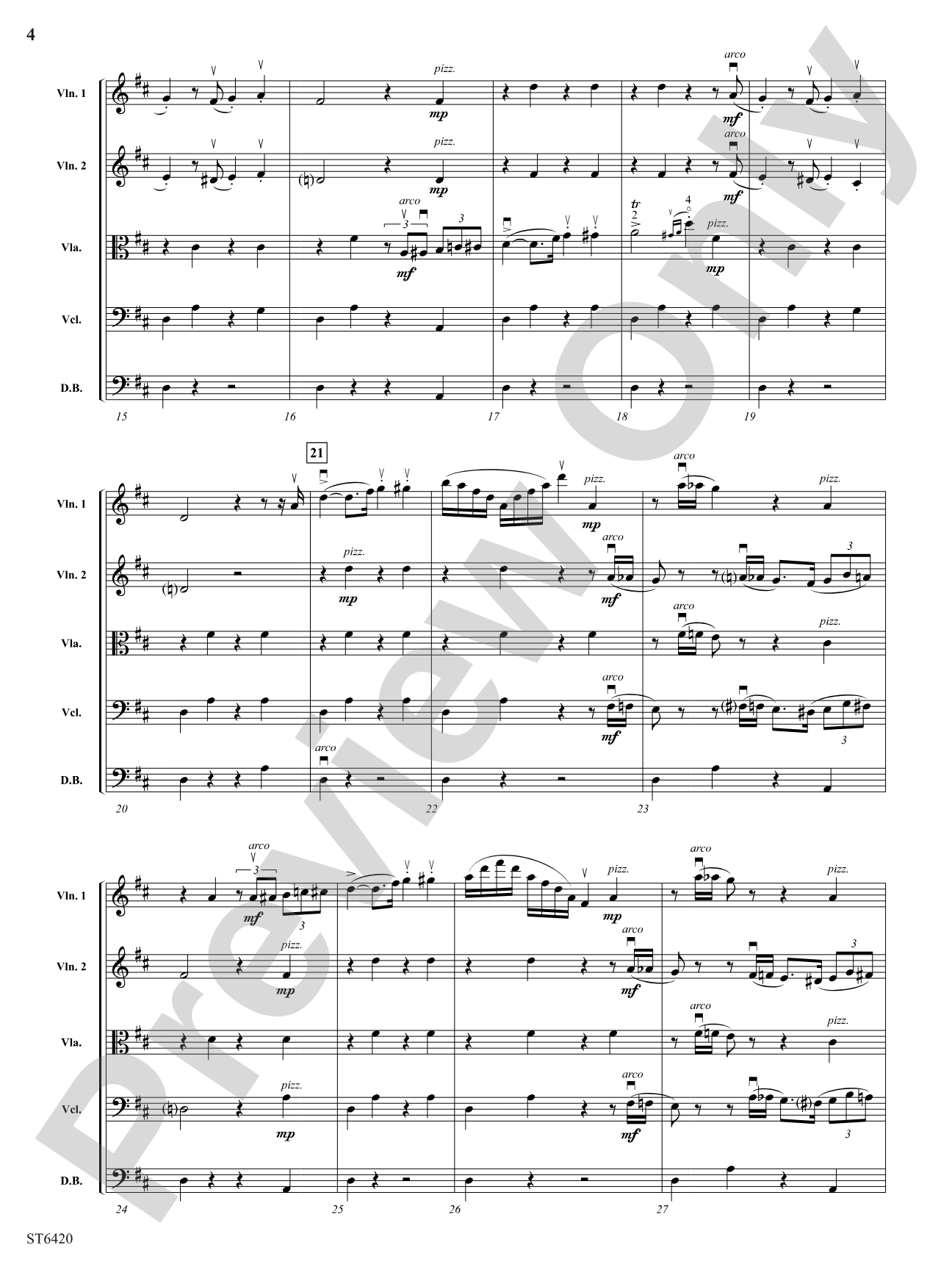
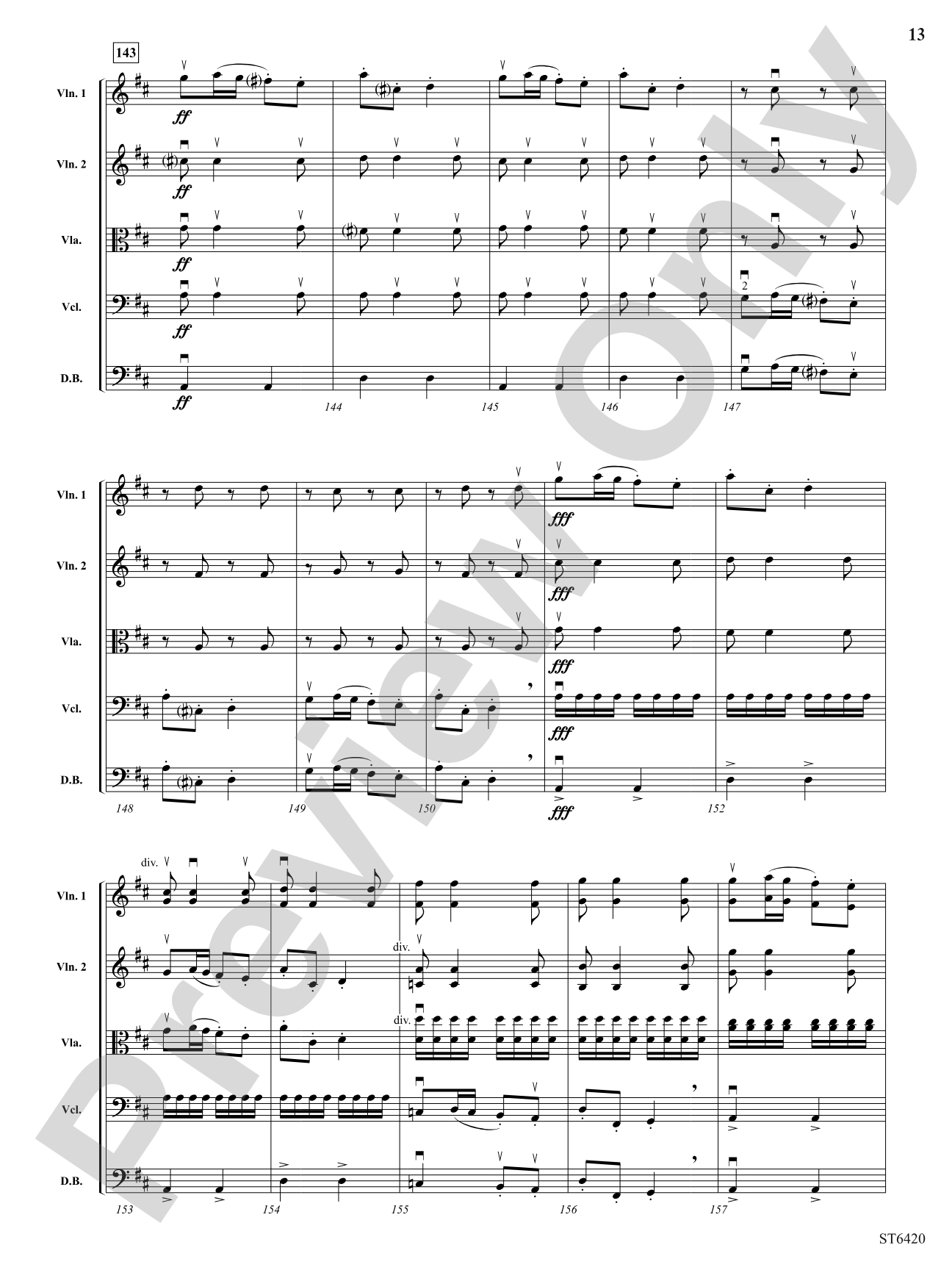
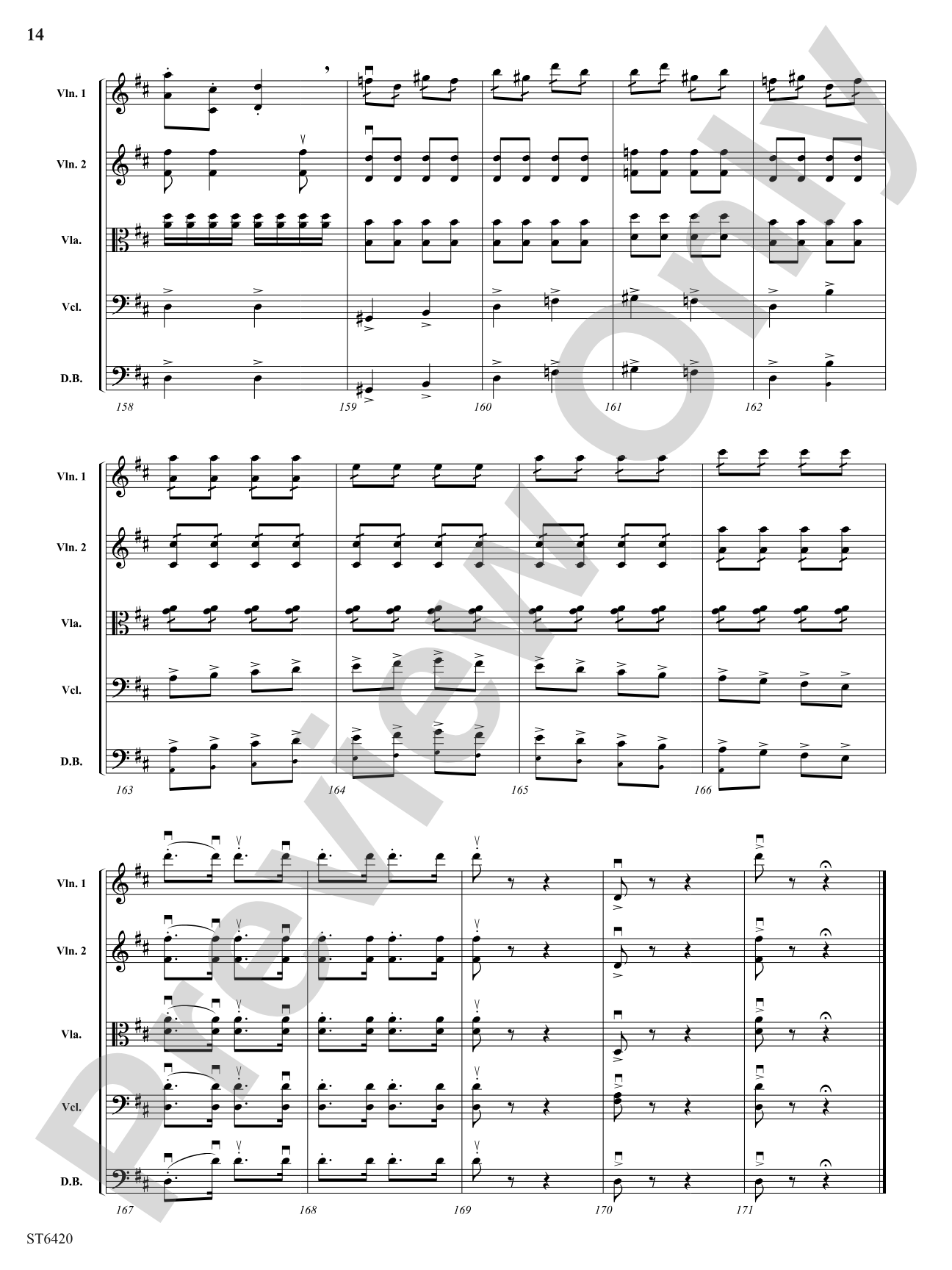
Originally a piano showpiece, this rhapsody is a progression of folk melodies in the form of a "czardas", a traditional folk dance that begins slowly and moves toward a fiery conclusion. Students focus on dynamics and articulations, with staccato eighth notes performed off the string. A dynamic and engaging crowd pleaser!


Hungarian Rhapsody No 9: String Orchestra Conductor Score & Parts isn't in MakeMusic Cloud just yet...but it could be. Let us know you'd like to see it, and you'll help shape what comes next. In the meantime, start a free trial and dive into thousands of interactive titles your students can play along with today.
Request This Title
Tell us you want it.
Start Your Free Trial
Explore everything that's ready to play right now.
Sample Audio
1
Audio File
--:--
0:00
0:00
Sample Video
Additional Details
Series:
FJH String Orchestra
Publisher:
The FJH Music Company, Inc.
SKU:
98-DST6420
More about this title
About the Composer: Franz Liszt
Franz Liszt (1811-1886) was a Hungarian virtuoso pianist and composer whose technical innovations and emotional intensity redefined what the piano could express. His Hungarian Rhapsodies remain cornerstone works of the Romantic era, celebrated for their fusion of folk idiom with virtuosic writing that demands technical brilliance and interpretive depth from performers.
Liszt's legacy extends far beyond his own performances. As a conductor, educator, and mentor to generations of musicians, he shaped 19th-century musical thought and championed new compositional voices. His arrangements and transcriptions of his own works demonstrate his commitment to making great music accessible across different instrumental settings and performance levels.
Why we love this
This arrangement captures the rhapsody's essential character and structural drama while remaining idiomatically suited to string orchestra. The balance between lyrical folk melody and rhythmic vitality gives advanced high school and early college orchestras a masterwork-level piece that audiences recognize and respect, making it an excellent choice for festivals or concerts where you want to showcase genuine musicianship.
What to expect
The piece unfolds as a journey through Hungarian folk life, beginning with intimate, lyrical storytelling before spiraling into unbridled energy and passion. The transformation from languid opening to fiery finale mirrors the czardas dance itself, creating a narrative arc that feels both spontaneous and inevitable.
Who it's for
This arrangement serves advanced high school and college-level string orchestras seeking repertoire with both musical substance and crowd appeal. It rewards orchestras with strong ensemble discipline and individual bow control, as the dynamic range and articulation demands expose technical shortcomings but also showcase genuine musicianship when executed well.
How to get the most out of it
- Shape the opening folk melody with subtle dynamic swells that highlight its narrative quality; avoid playing it as a flat recitative. This sets up the arc toward the fiery conclusion.
- Approach staccato eighth notes with a deliberate "off the string" bounce rather than a detached articulation. This technique requires individual bow control and adds rhythmic vitality without sacrificing ensemble precision.
- Mark the transition points where the piece shifts between moods. Conductors should isolate these passages in rehearsal so players understand where the energy builds and where it recedes.
- Balance solo voices that emerge from the ensemble texture. The czardas form features different instrumental groups taking the melody; rehearse these explicitly so inner parts support rather than compete with the featured line.
How to use it
Program this as a second-half opener or finale when you want a showstopper with artistic credibility. The piece pairs well with classical-era repertoire on the same program and provides a natural bridge between concert and pops contexts without sacrificing musical integrity.
Skills your students will build
- Dynamic control across a wide range, from subtle pianissimo to fortissimo
- Off-the-string staccato articulation with rhythmic precision
- Transition between multiple contrasting folk melodies and harmonic regions
- Balancing solo and ensemble roles within a transparent texture
- Idiomatic interpretation of traditional dance forms