

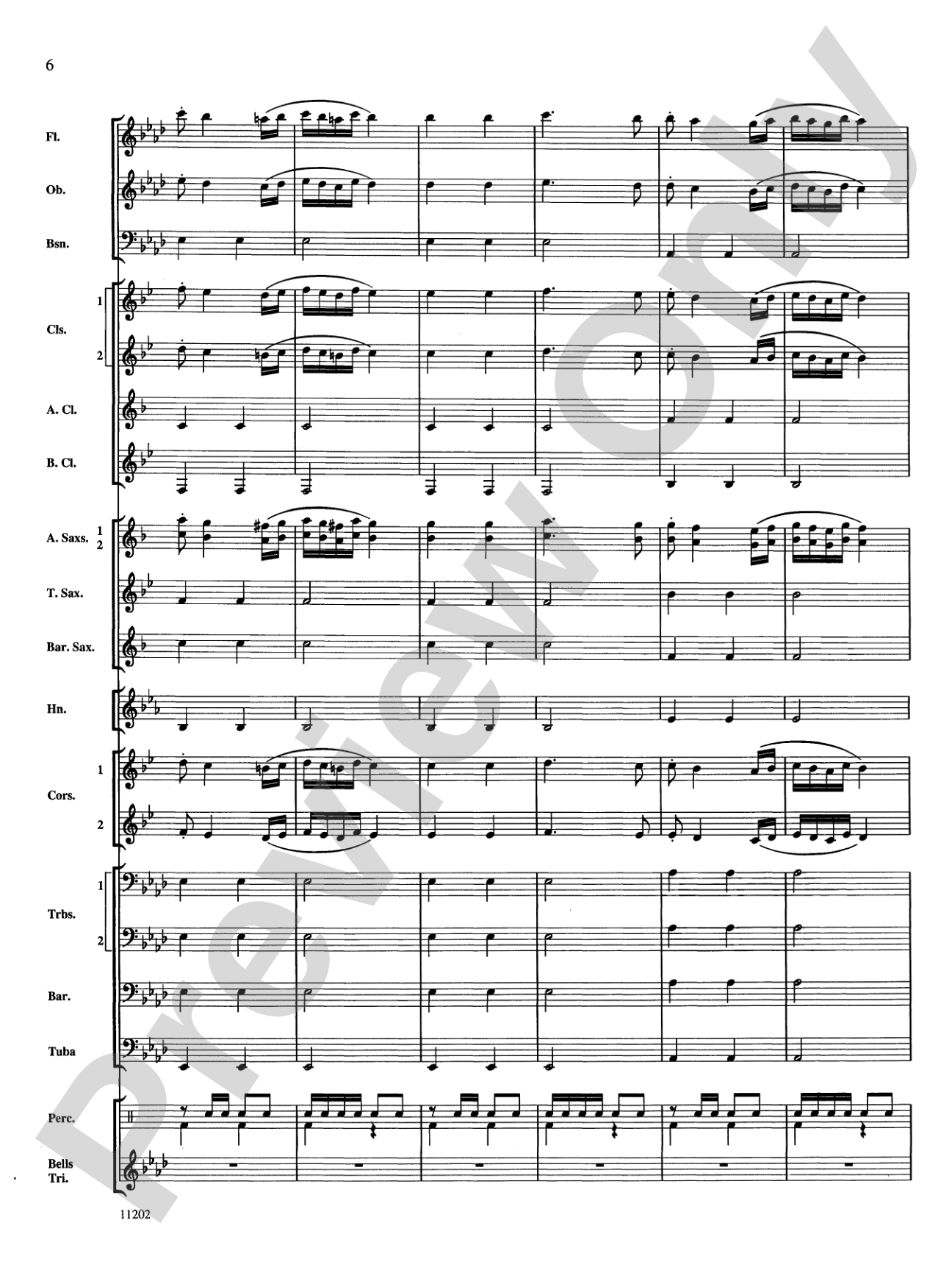
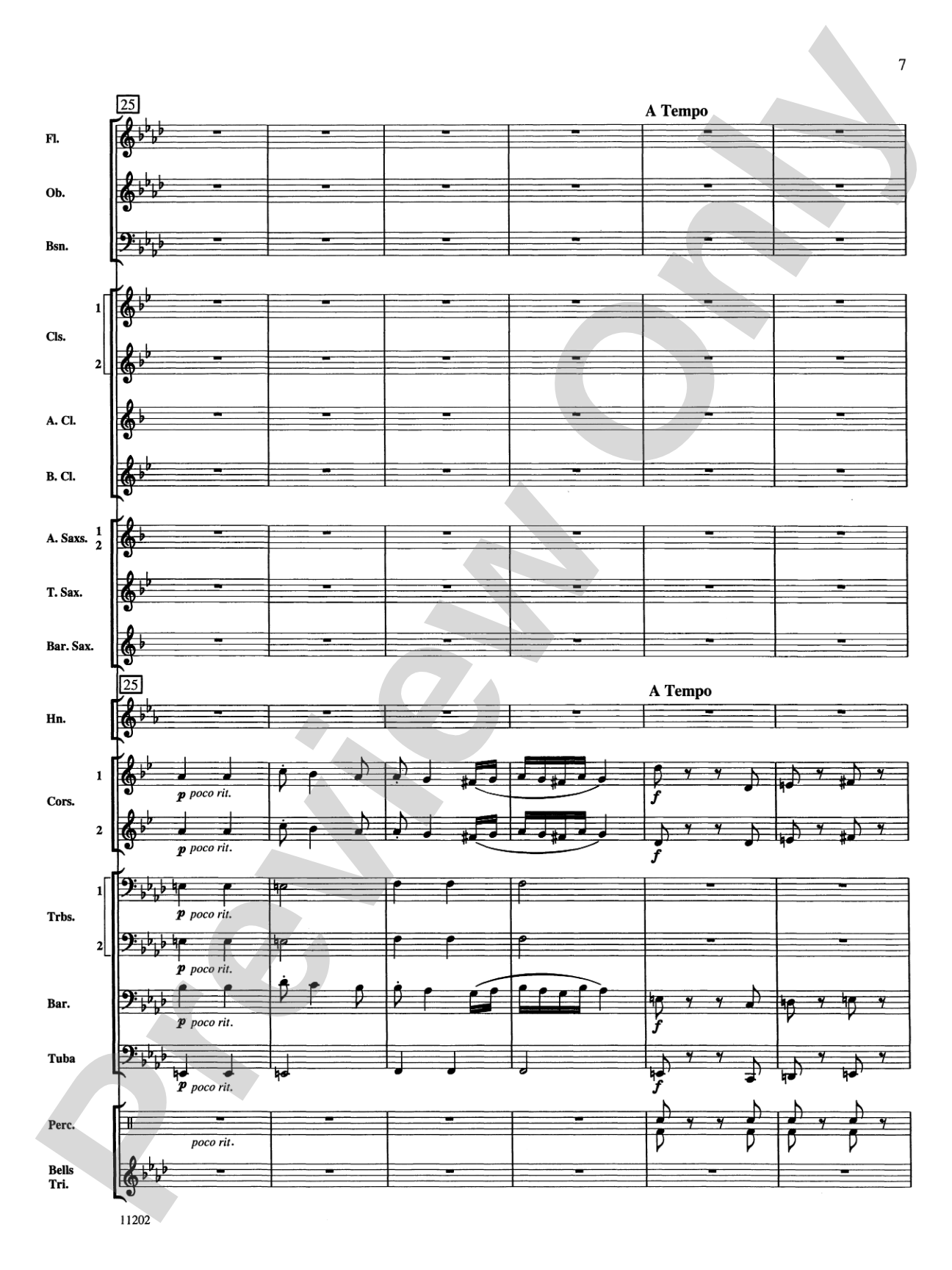
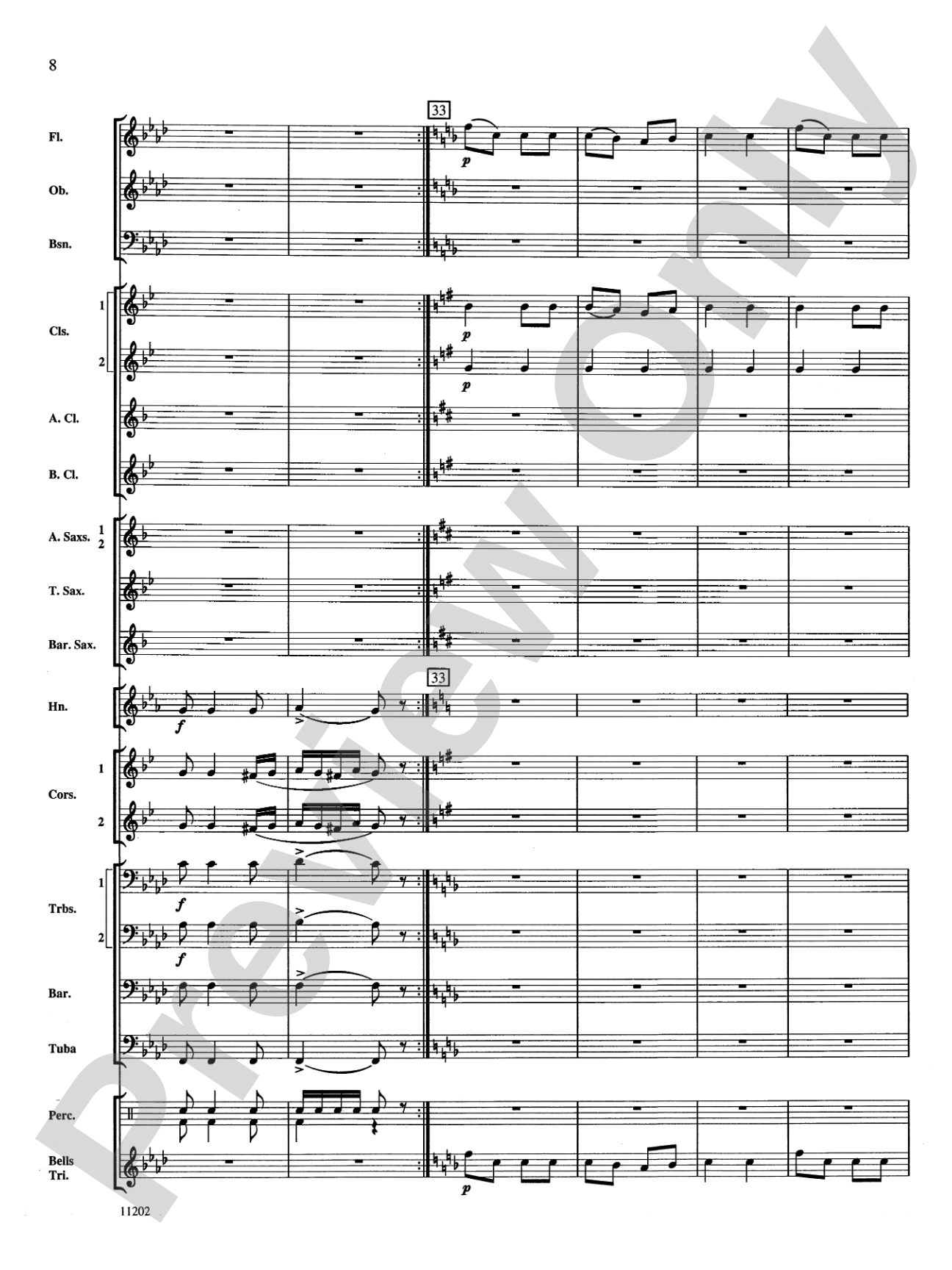
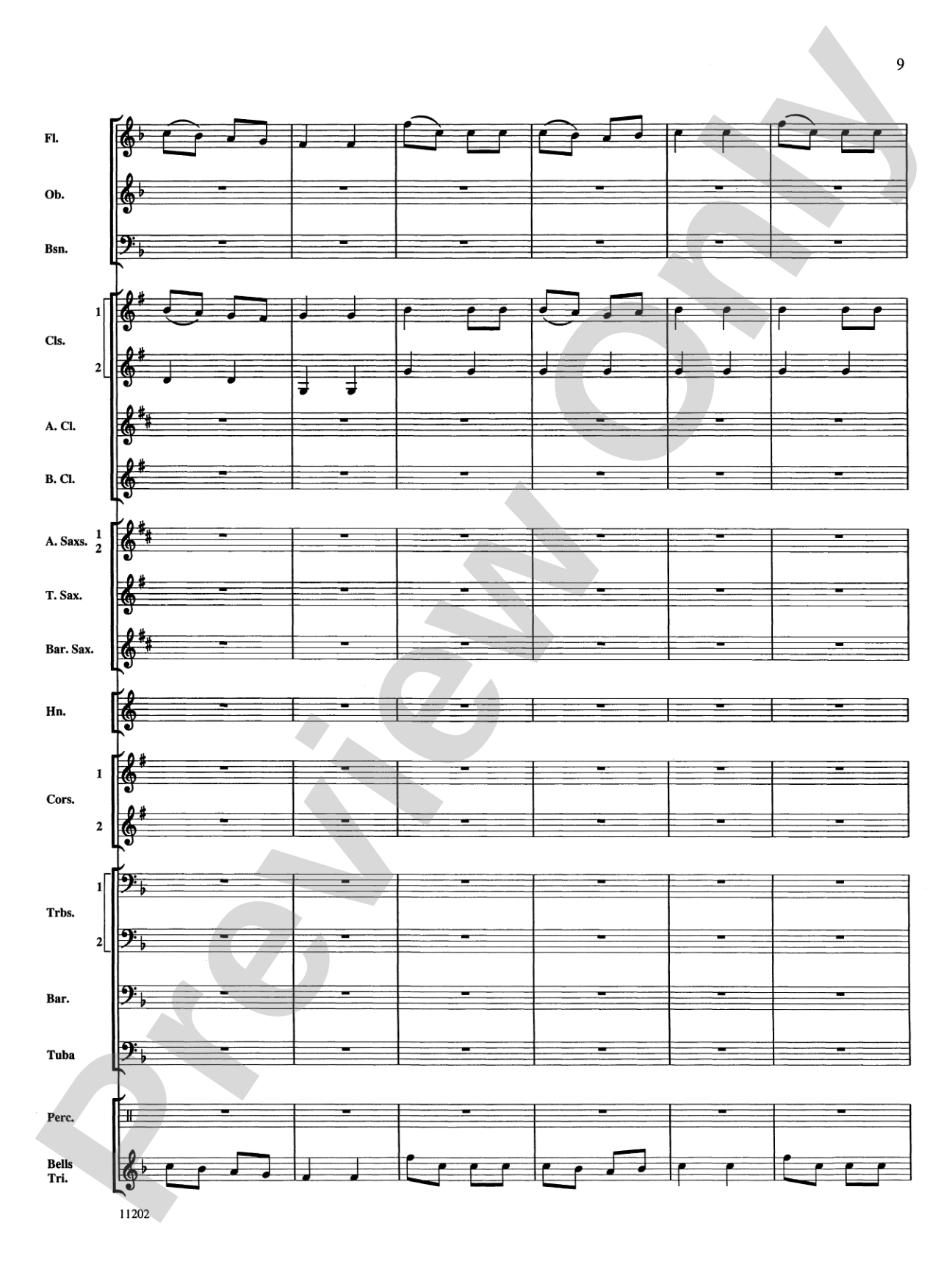
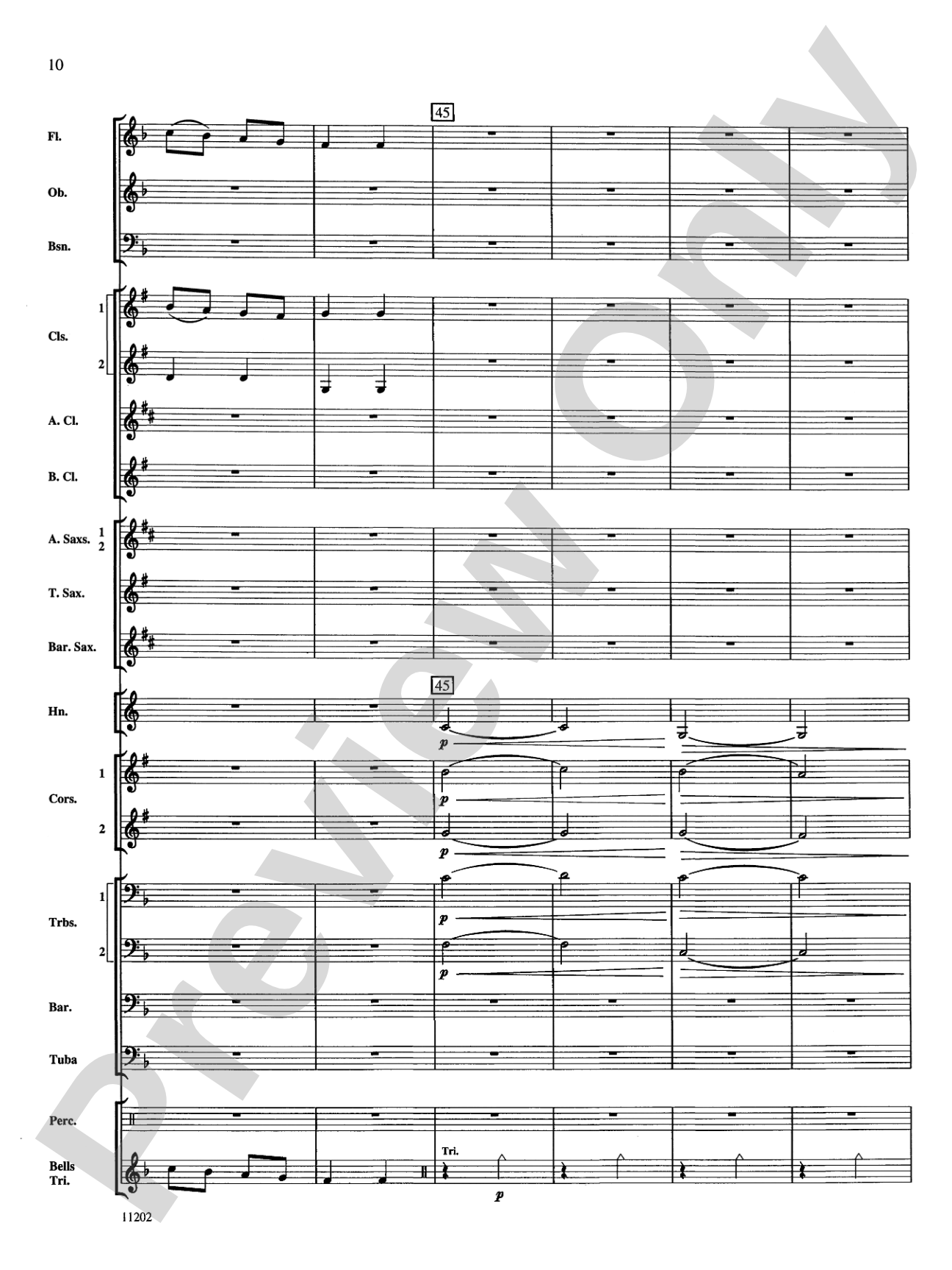
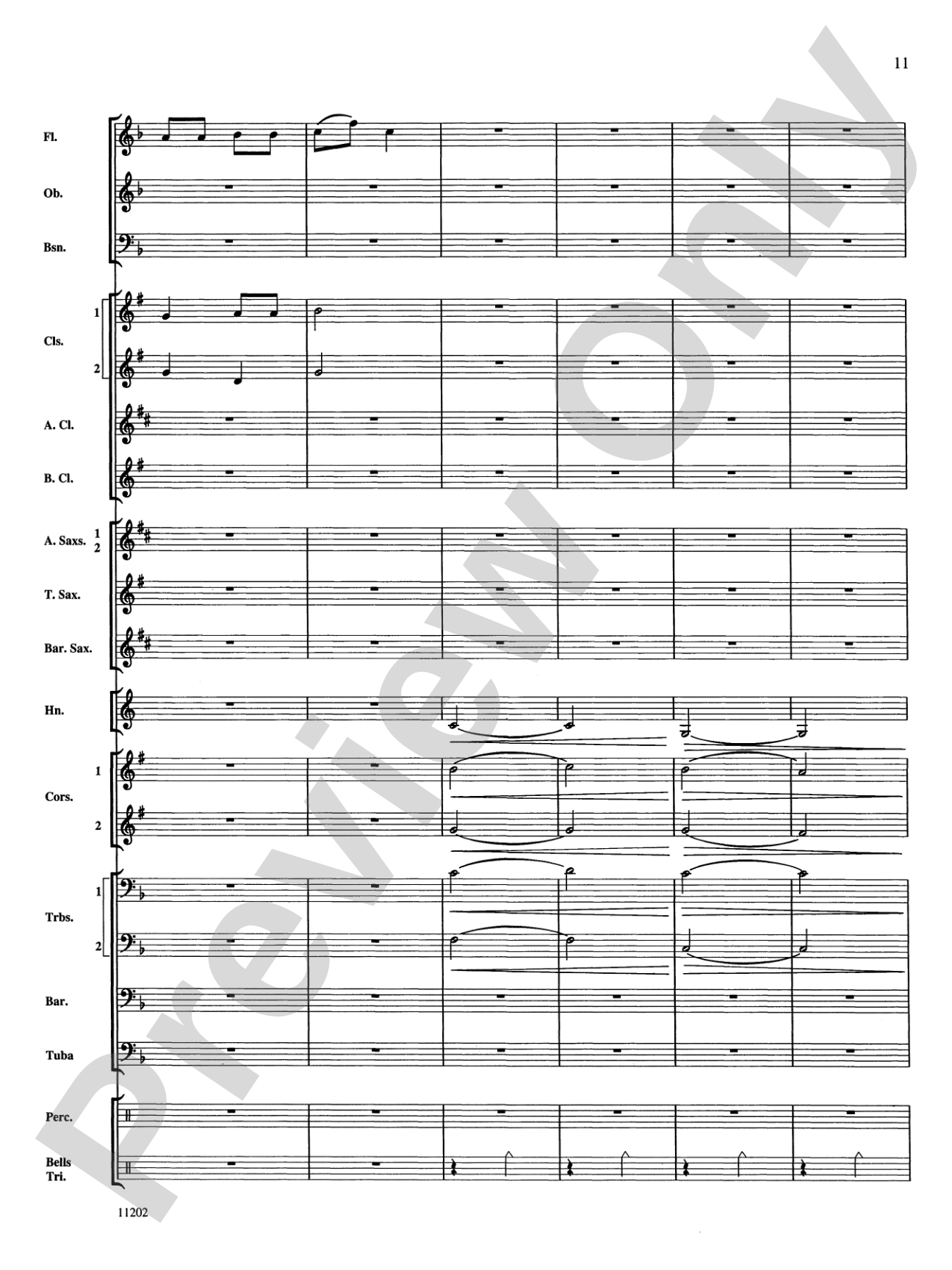
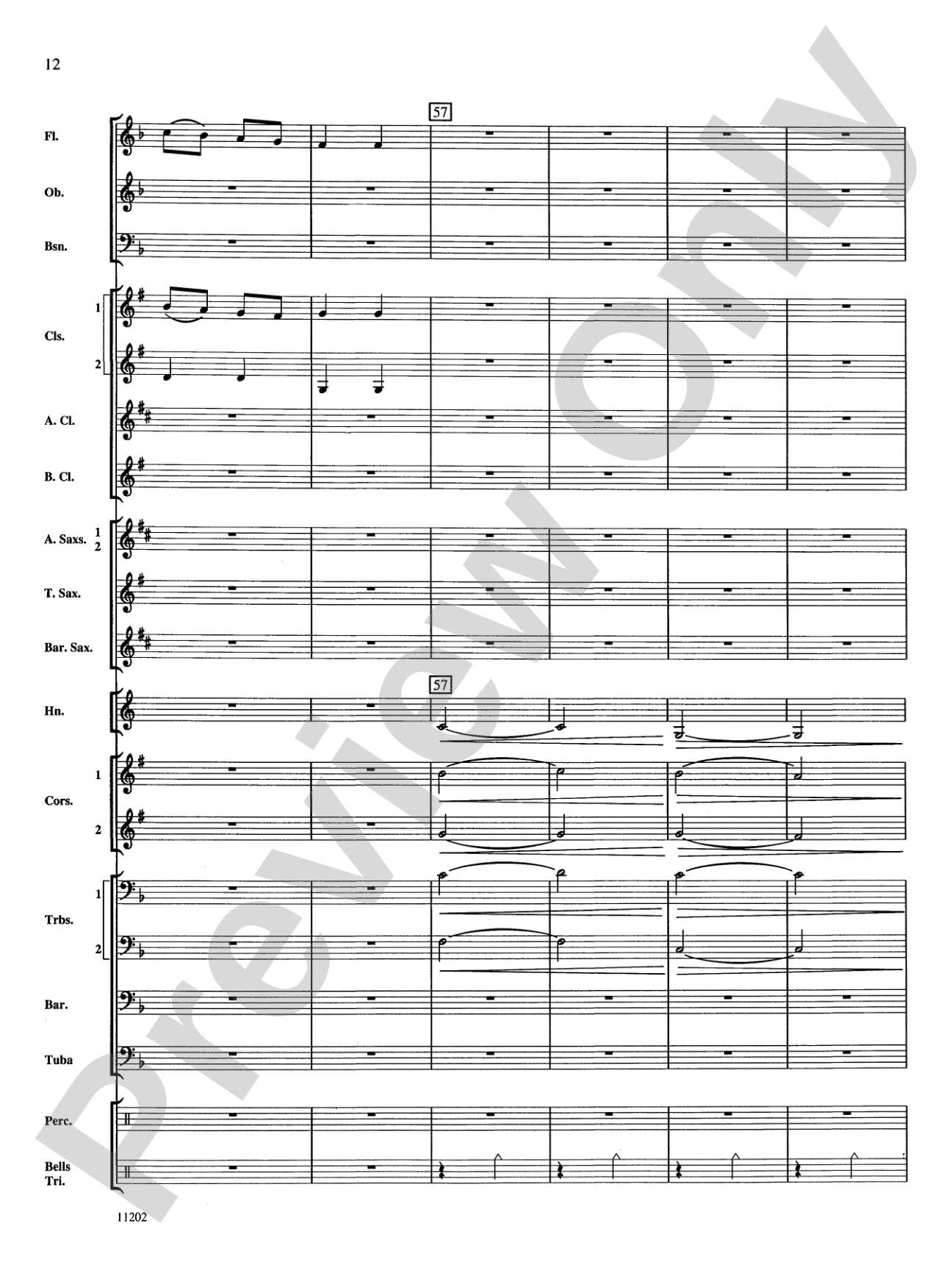
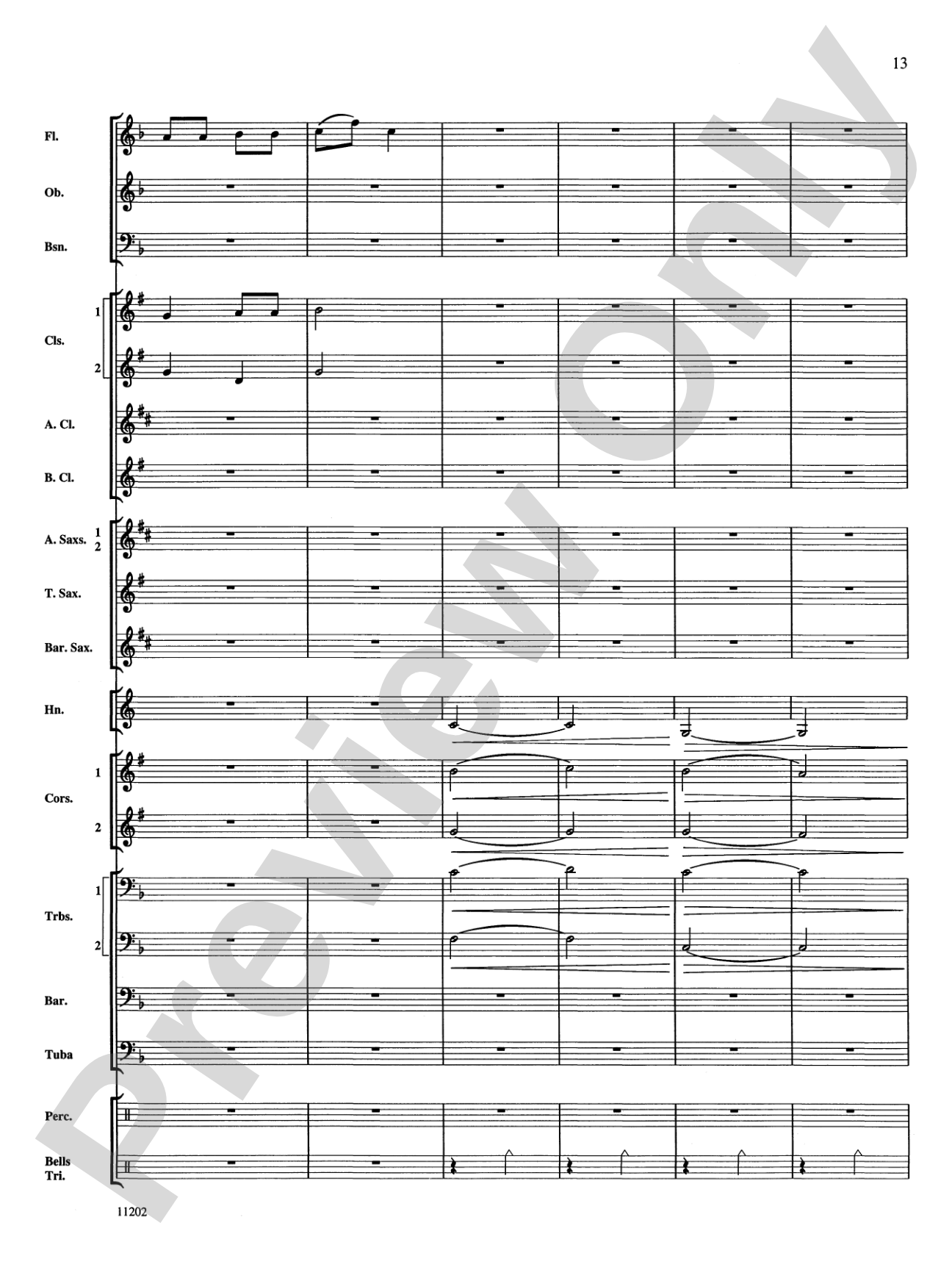
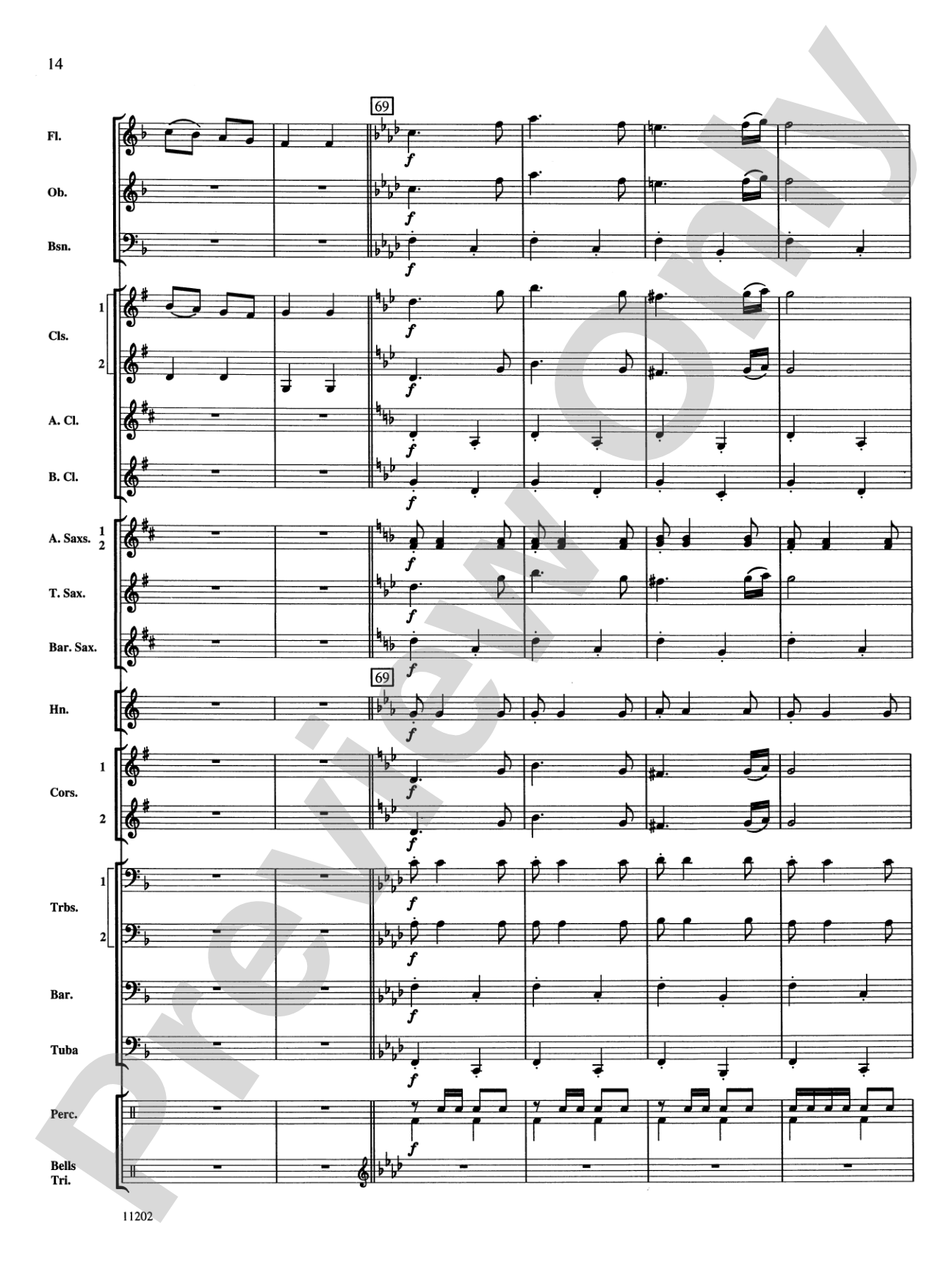
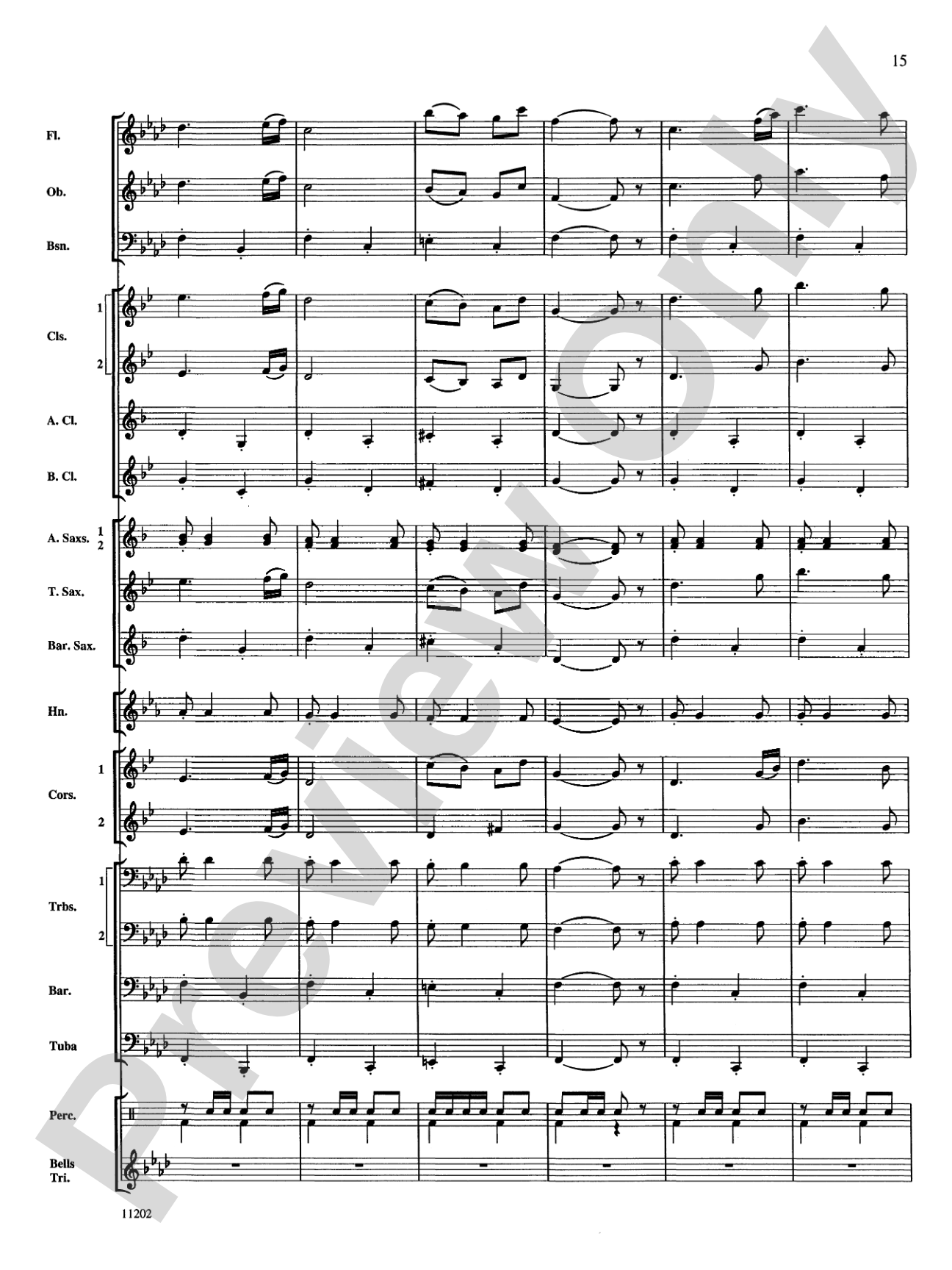
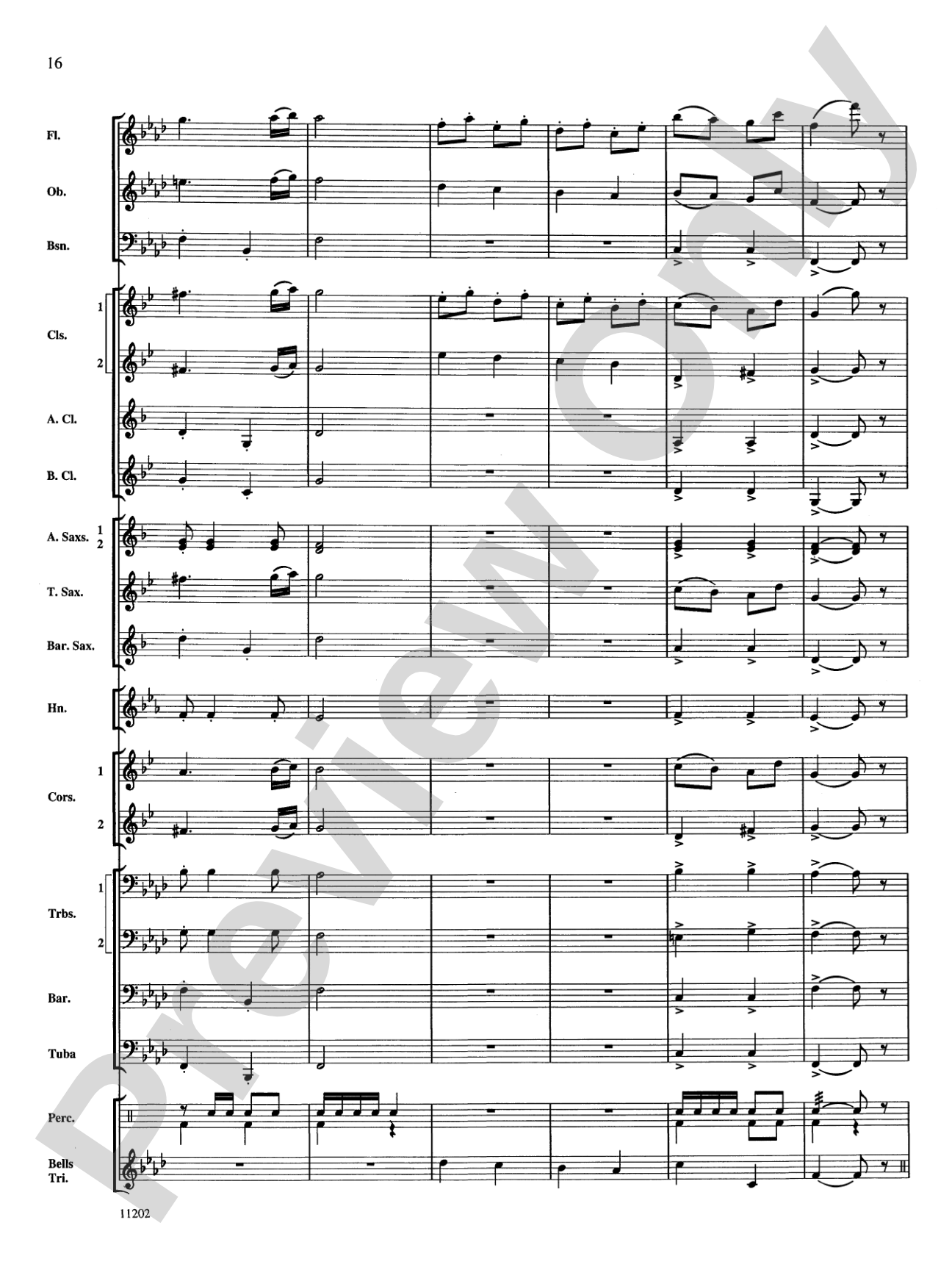
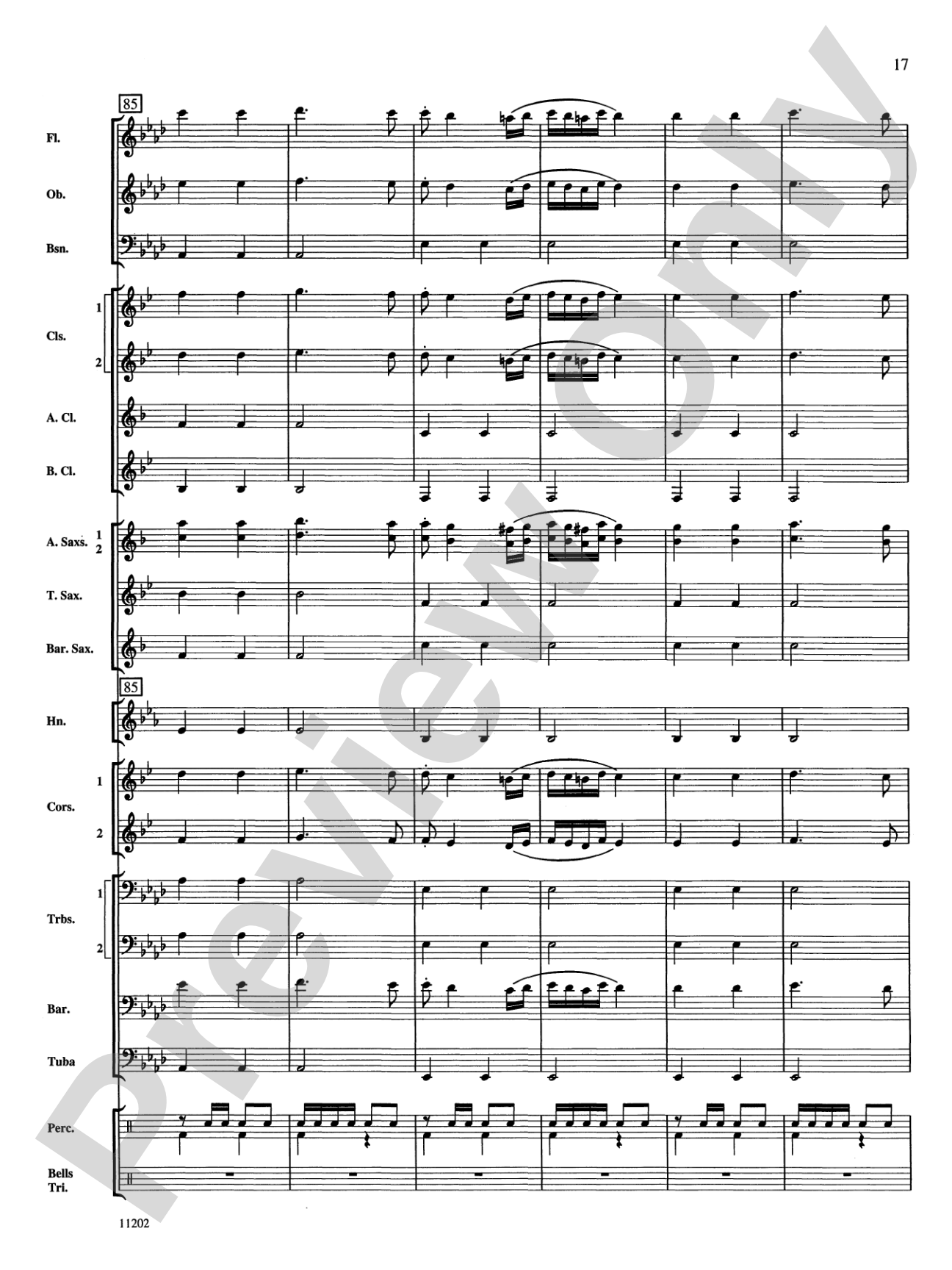
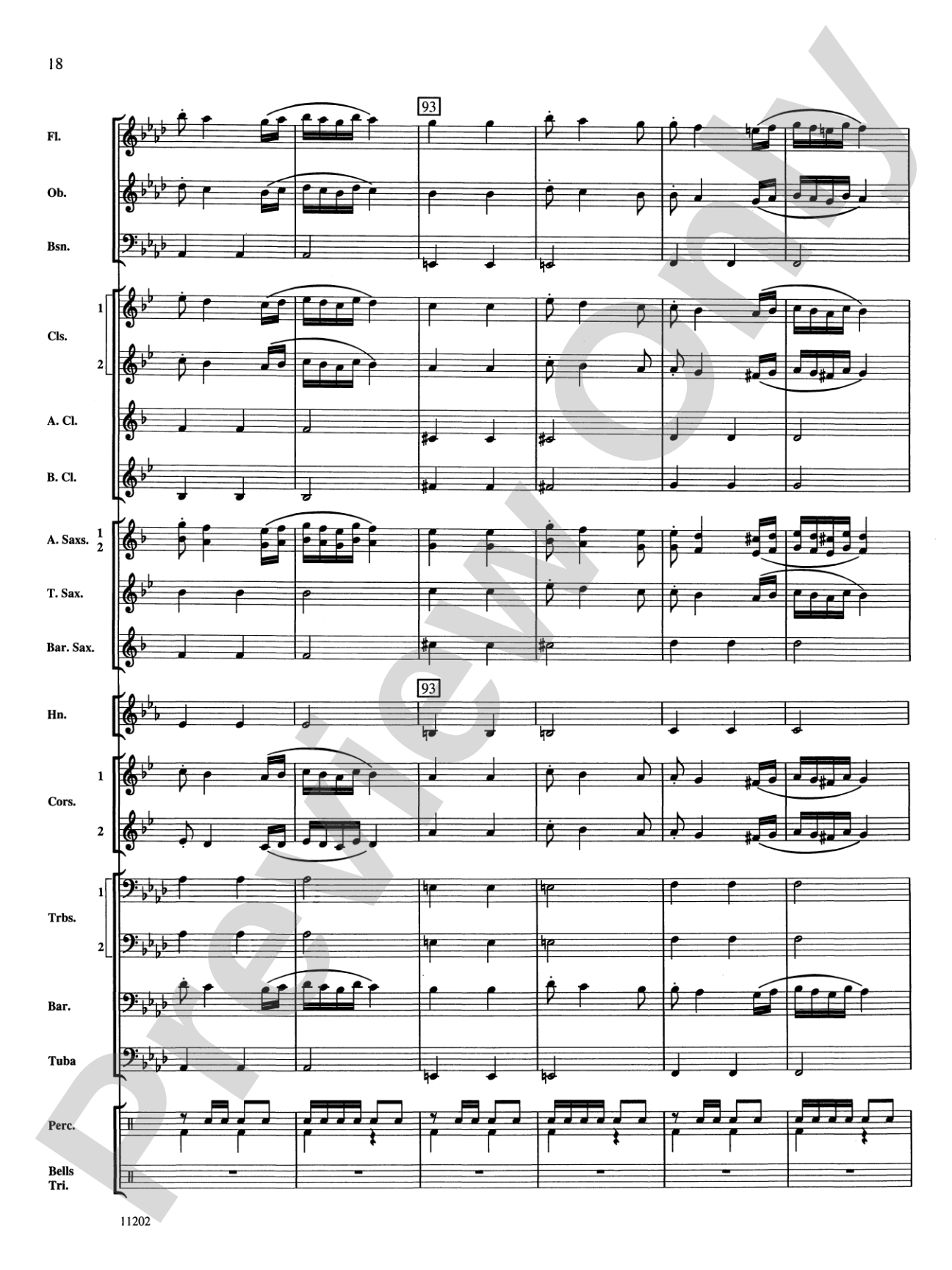
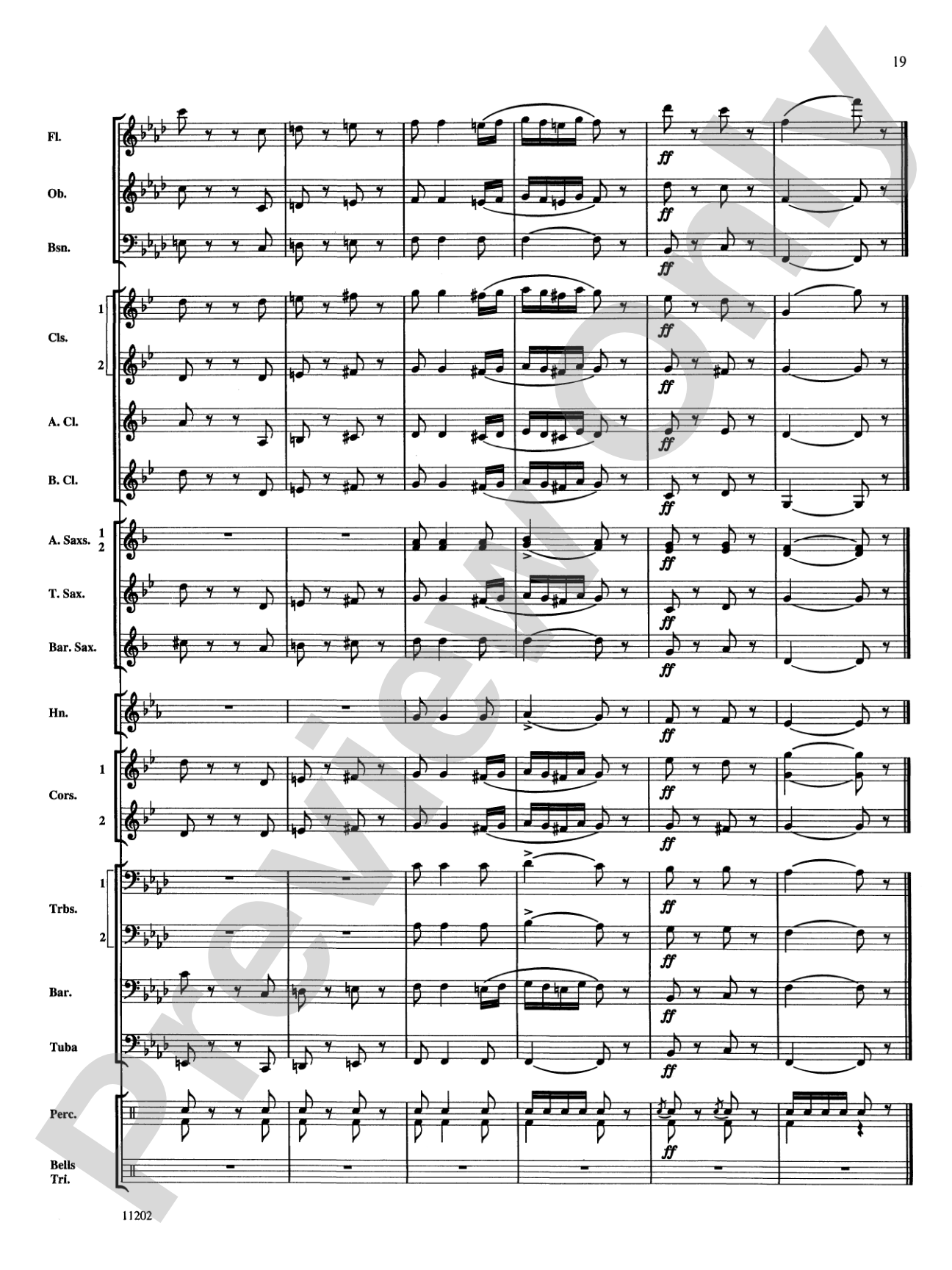


Hungarian Dance No. 5: Concert Band Conductor Score & Parts
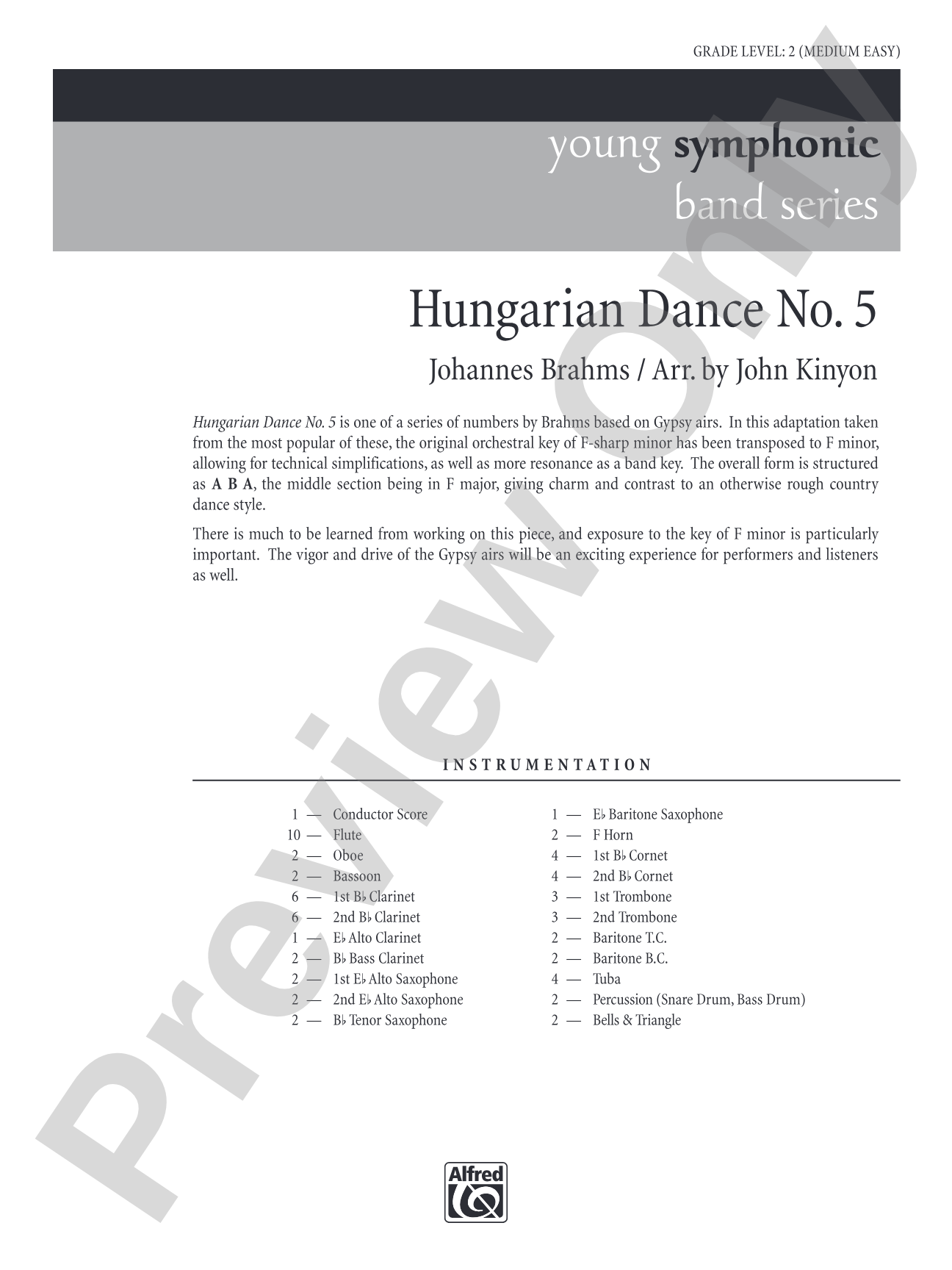
By Johannes Brahms / arr. John Kinyon
Grade: 2 (Medium Easy)
Item: 00-PK-0003943

$58.00
Pickup currently not available
Buy Extra Parts (Digital PDF Download)
Parts Added to Cart!
Description


Don't just read it, hear it, play along with it, and watch your students grow with it. In MakeMusic Cloud, Hungarian Dance No. 5: Concert Band Conductor Score & Parts comes alive with professional accompaniment, adjustable tempo, and built-in practice tools that turn solo practice into real progress.
Open in the Player
Jump straight in and assign it today.
Start Your Free Trial
Open this title and explore the full library in minutes.
Sample Audio
1
Audio File
--:--
0:00
0:00
Sample Video
No sample videos found.
Additional Details
Series:
Young Symphonic
Publisher:
Alfred Music
Page Count:
228
SKU:
00-PK-0003943
More about this title
About the Composer: Johannes Brahms
Johannes Brahms (1833-1897) stands as one of the most consequential composers of the Romantic era, bridging the Classical traditions of Beethoven with the expressive possibilities of his time. His Hungarian Dances, composed in the 1860s, emerged from his lifelong fascination with the folk music of Hungary and remained among his most frequently performed works across all performance settings.
Brahms was a meticulous orchestrator who understood how to write idiomatically for every instrument in the ensemble. His willingness to have his works arranged for various ensembles, including band, reflects both his pragmatism as a working composer and his faith in the durability of genuinely crafted melodies and harmonies.
Why we love this
This arrangement captures the infectious energy and Hungarian character of Brahms's original while sitting squarely in the capability range of a developing concert band. John Kinyon's scoring respects the melodic integrity of the piece and distributes the musical interest across the ensemble in ways that keep all sections engaged; no one section carries the burden of holding the piece together.
What to expect
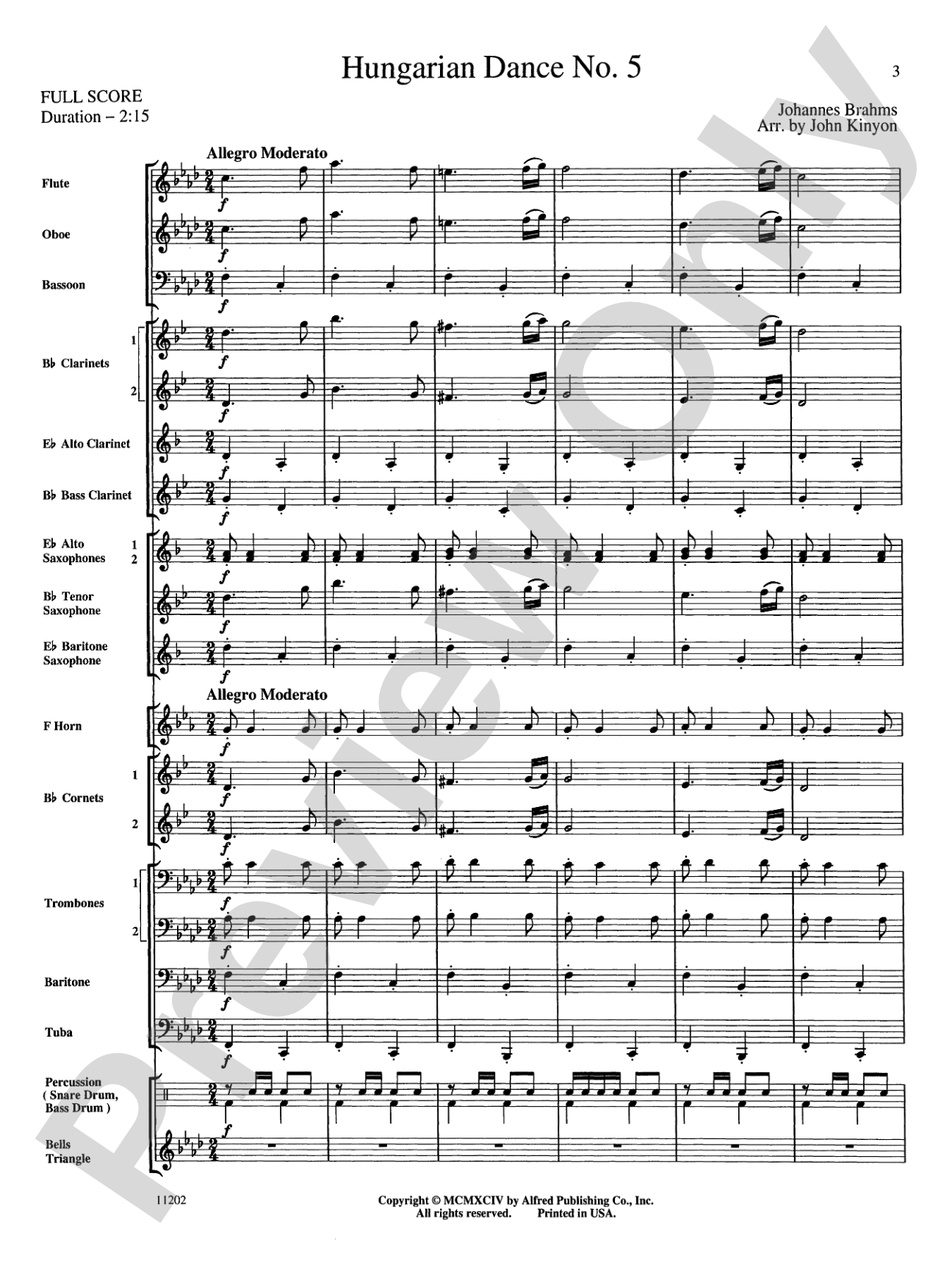
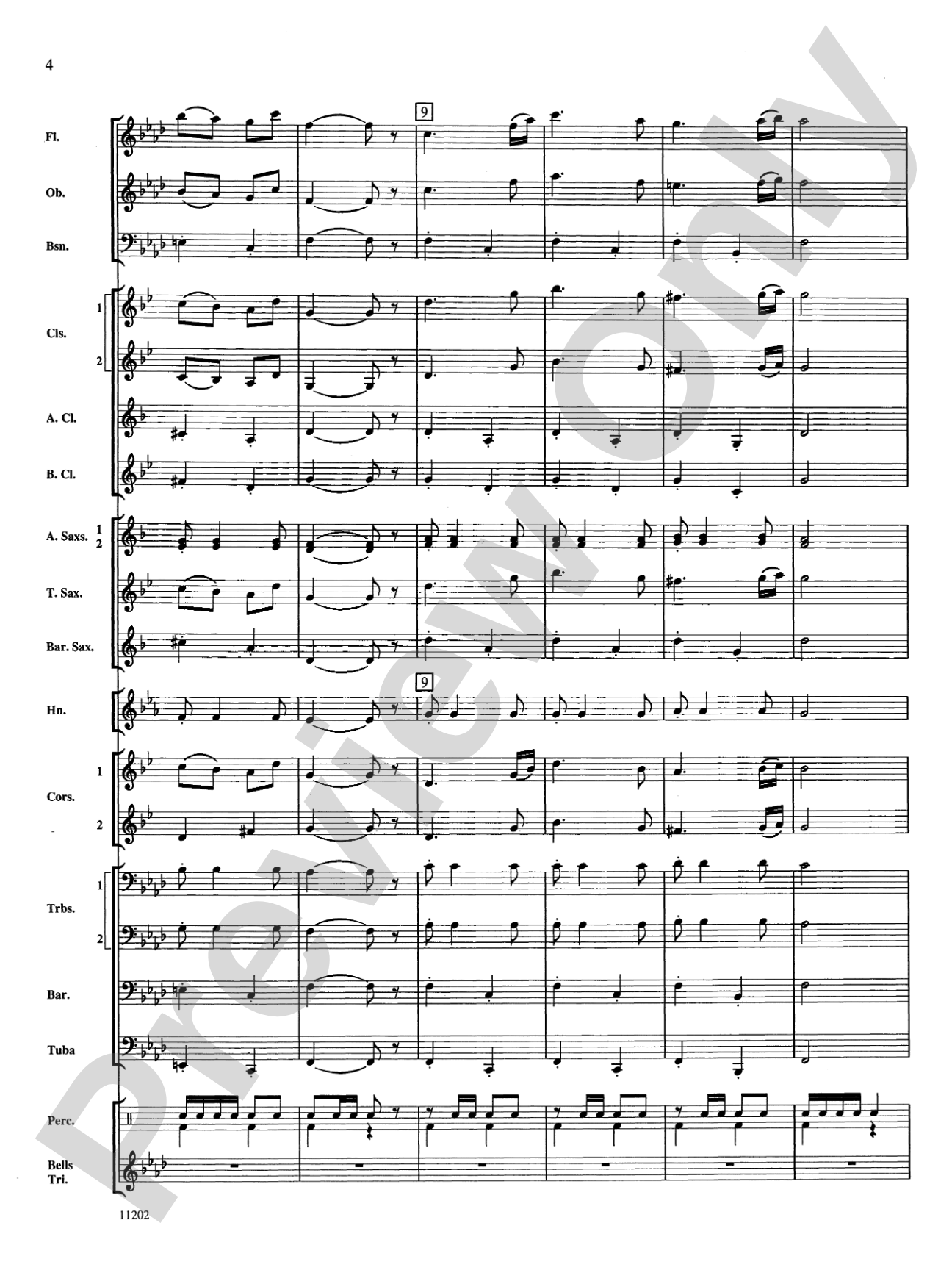
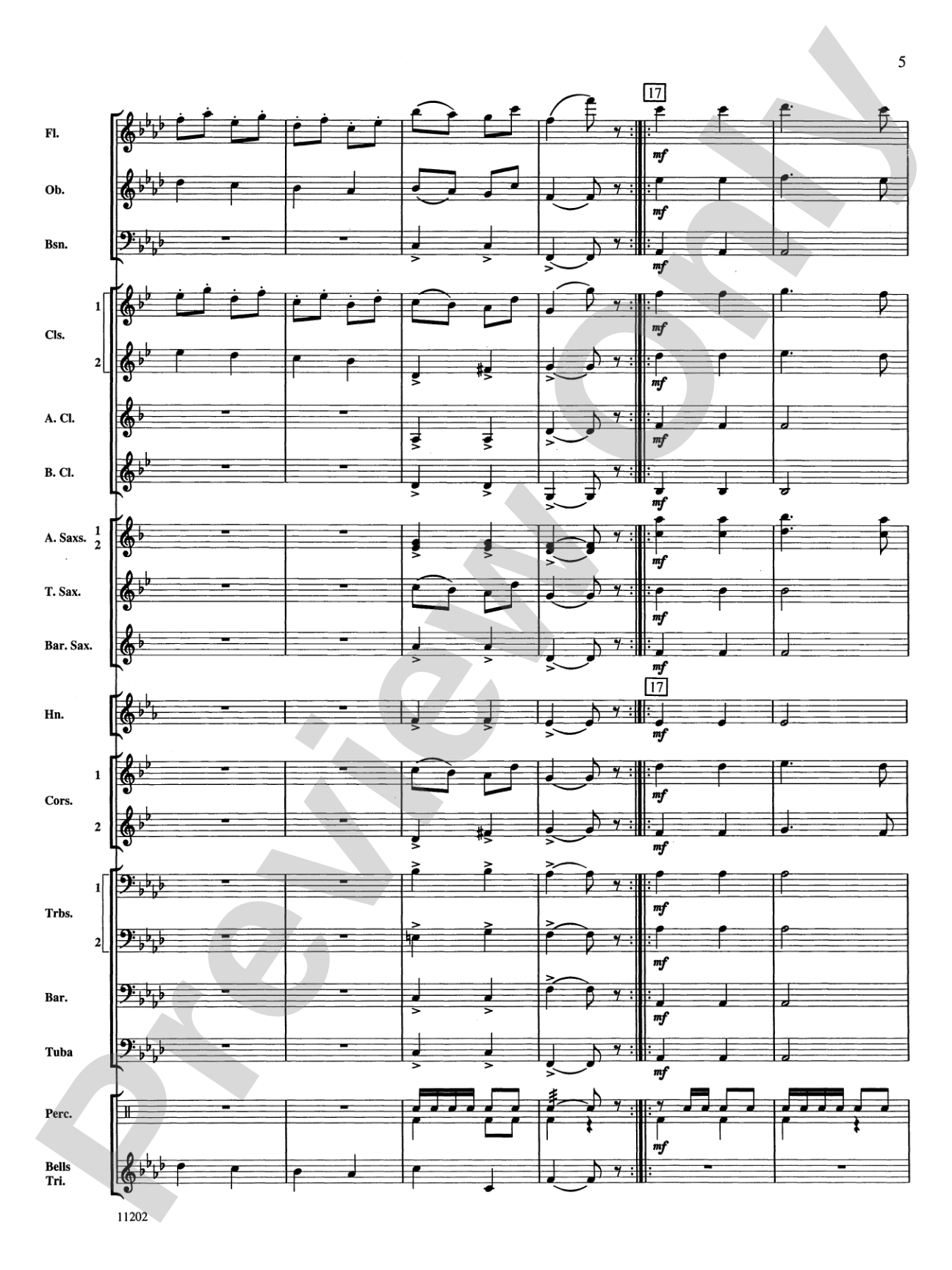
Hungarian Dance No. 5 radiates confidence and joy. The piece alternates between driving, percussive sections that seem to propel forward on their own momentum and more lyrical, almost introspective passages that reveal the emotional depth beneath the surface energy. There's a folk-music directness to it; nothing is obscure or overly complicated, yet the music never feels simple.
Who it's for
This arrangement works for concert bands at the middle school and early high school level, as well as community and amateur ensembles seeking authentic Romantic repertoire that doesn't demand virtuosity. Directors will find it accessible enough for bands developing their reading skills while musically substantial enough to hold the attention of more experienced players.
How to get the most out of it
- Shape the main theme with clear phrase direction rather than playing it as a series of short bursts. The melody wants to breathe across four-bar chunks; communicate that phrasing intention throughout rehearsal.
- Balance the lower voices carefully during the lyrical sections. Brahms wrote these pieces for string quartets originally, so the harmonic foundation matters tremendously; ask your baritones and tubas to sing rather than simply mark time.
- Attack the syncopated rhythmic figures with precision and uniformity across the ensemble, especially in the faster passages. Rhythmic clarity is what propels this music forward.
- Let the tempo breathe slightly in the contrasting middle section before building back into the driving final statement. This gives the band a chance to reset and recharge.
How to use it
Program this as a centerpiece on a concert celebrating Romantic composers or a "Connections" program pairing it with other European folk-inspired works. Its moderate length and clear character make it an excellent vehicle for a festival or contest entry where you want to present solid musicianship without pushing your ensemble beyond its capability. It also pairs well alongside lighter contemporary works or as a bridge between classical and pops repertoire.
Skills your students will build
- Phrasing and line direction in melodies built from repeated figures
- Balance and blend when supporting harmonic voices
- Rhythmic precision in syncopated and driving figures
- Character and style specific to Romantic-era folk-inspired music
- Concert discipline in a piece with contrasting sections and tempo variation