
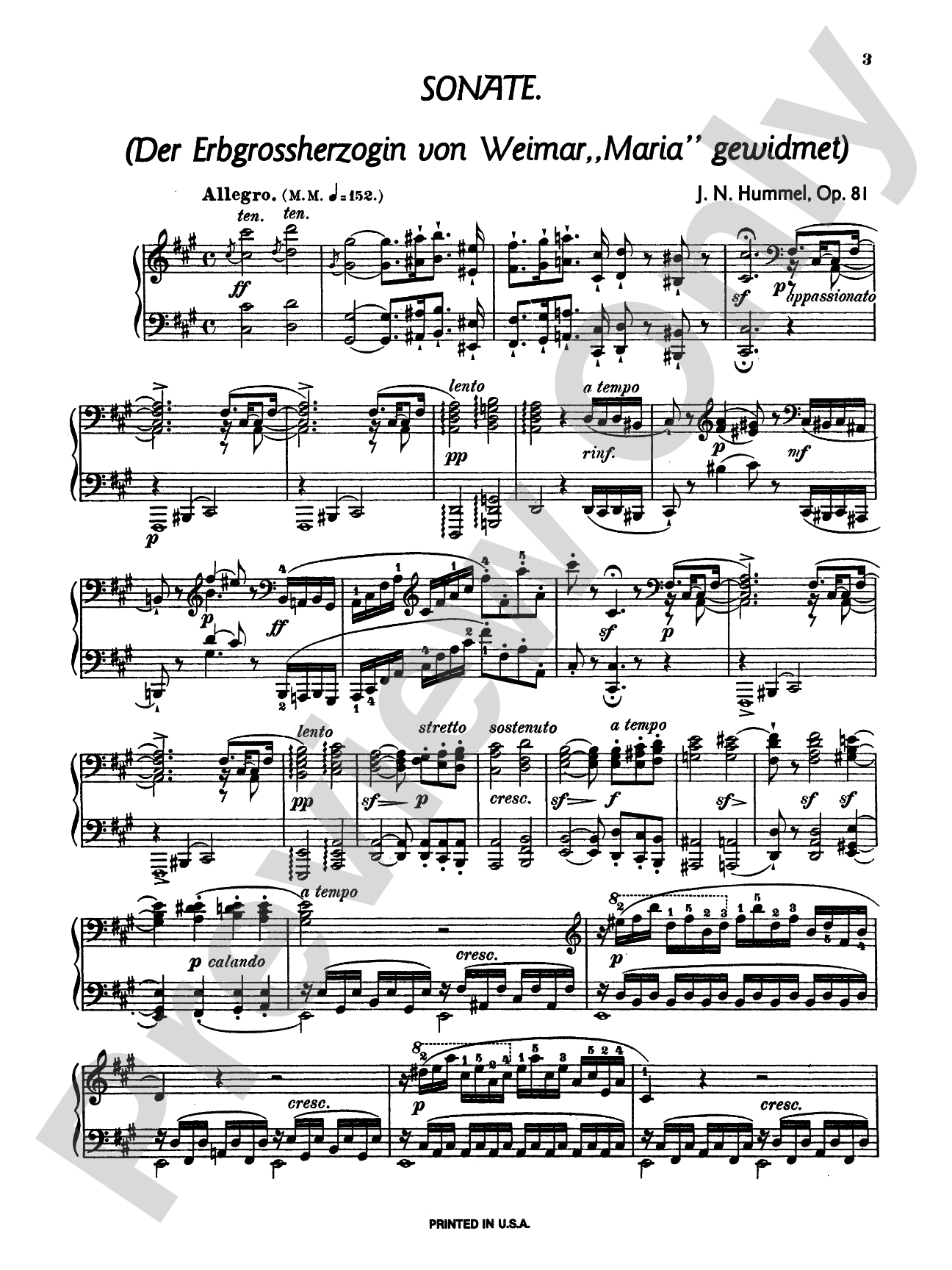
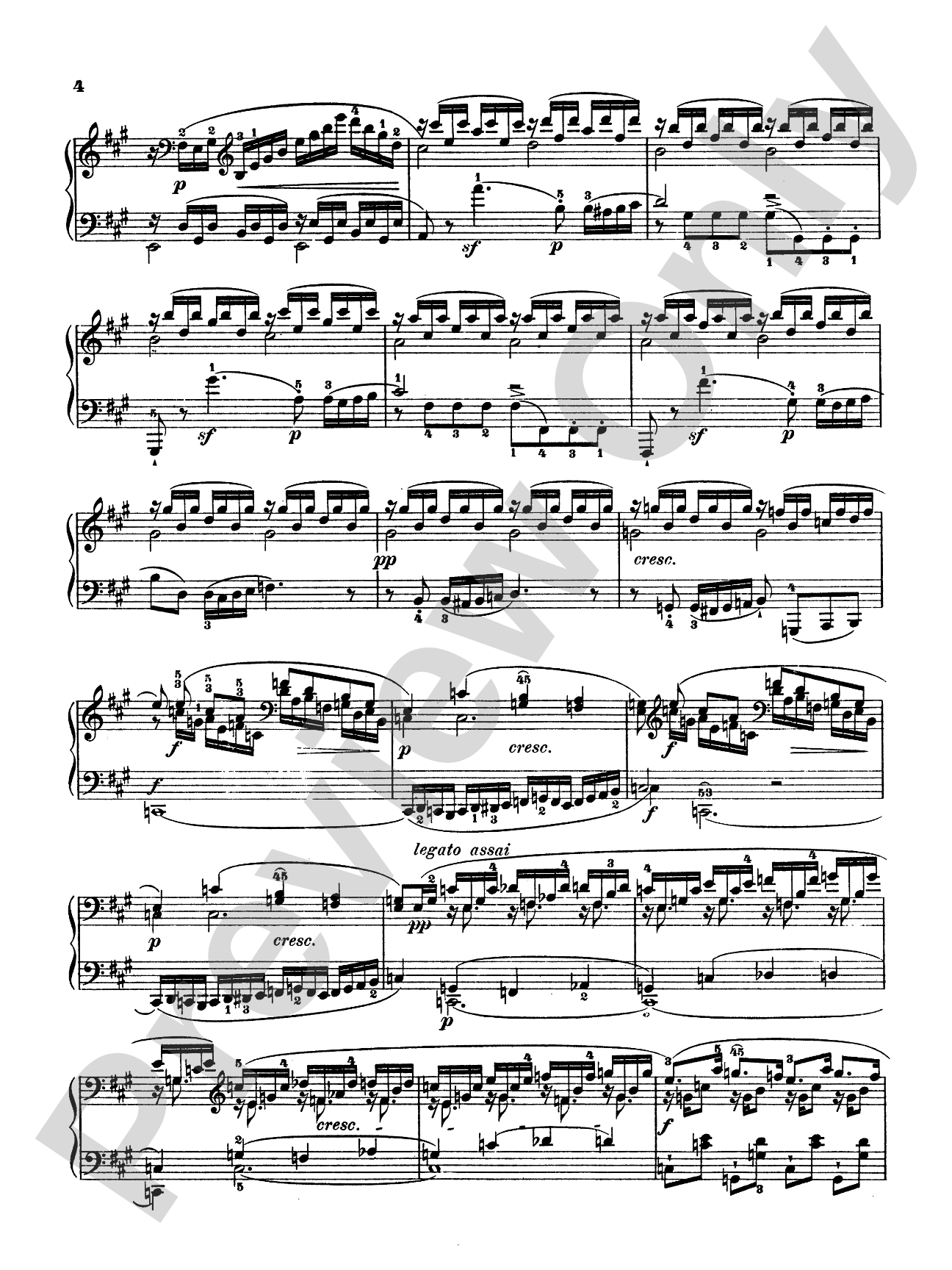
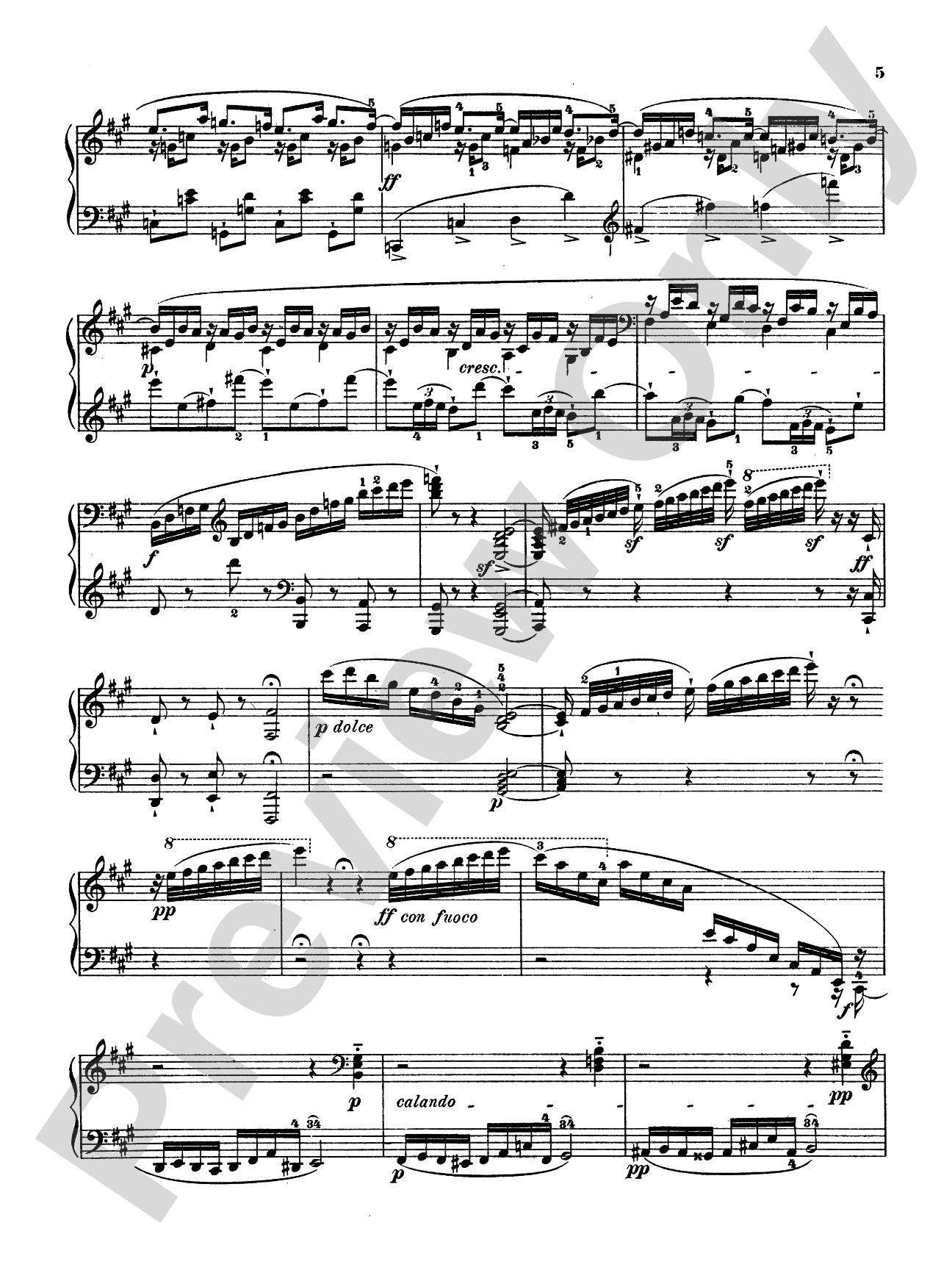
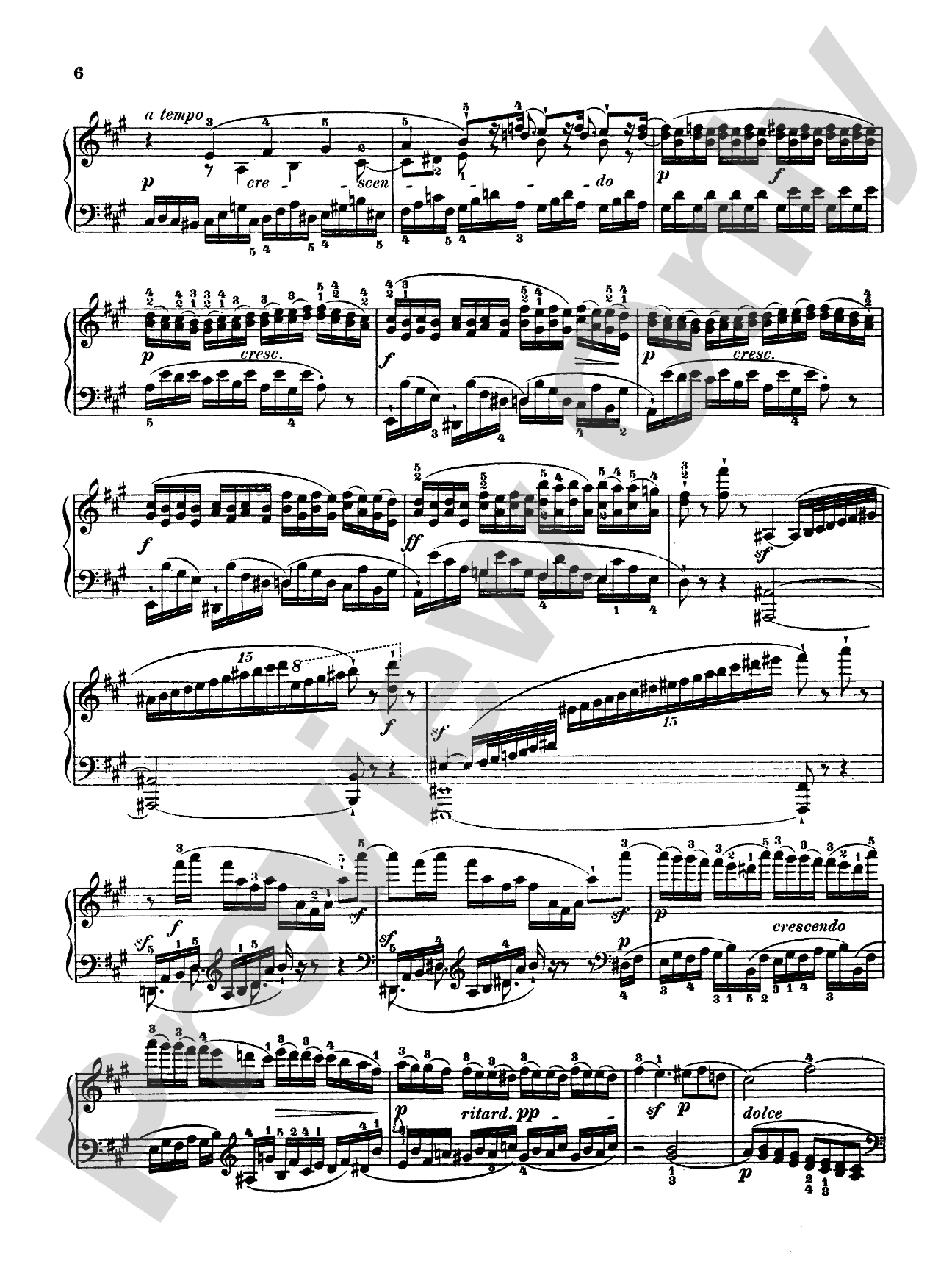
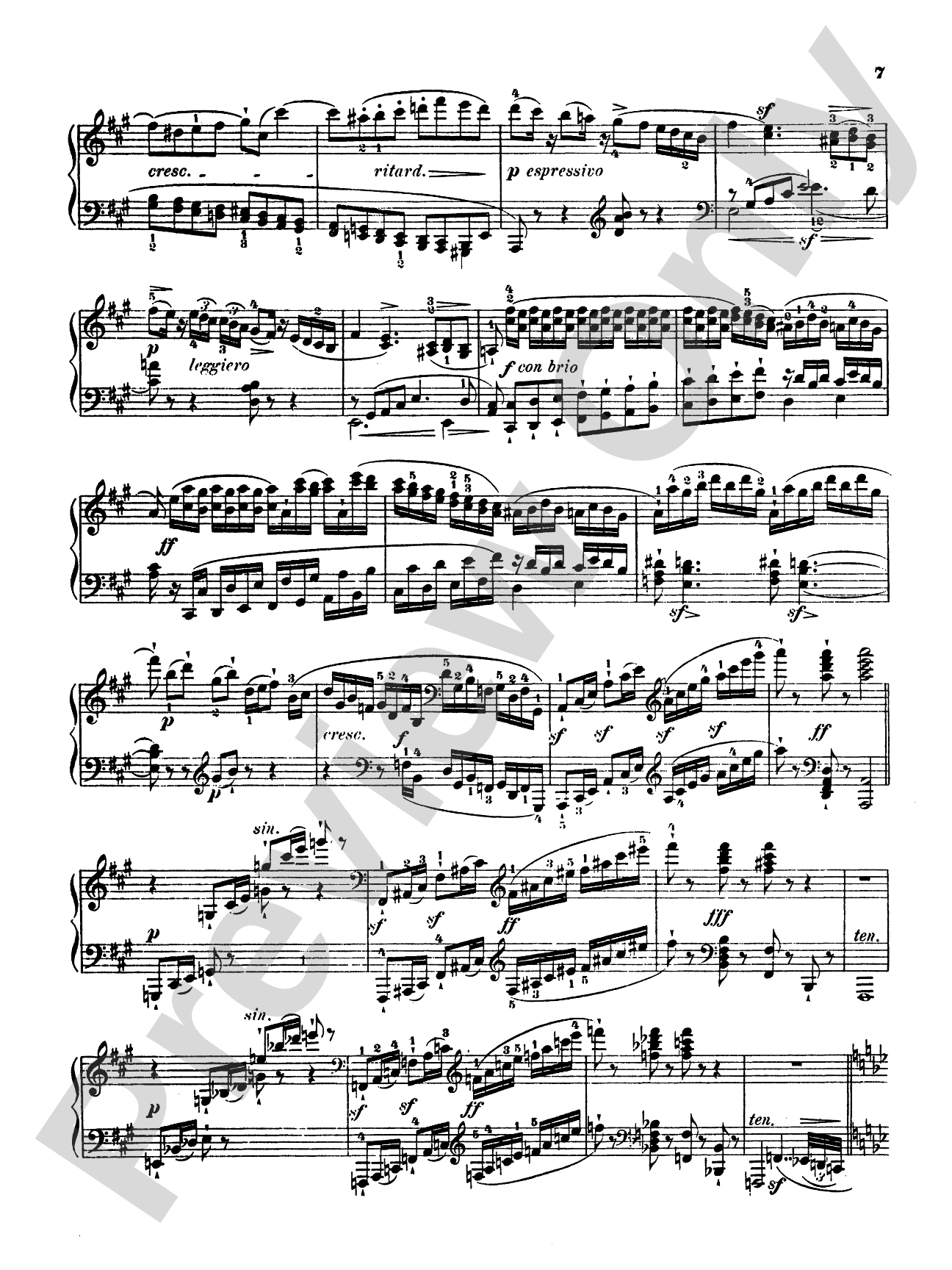
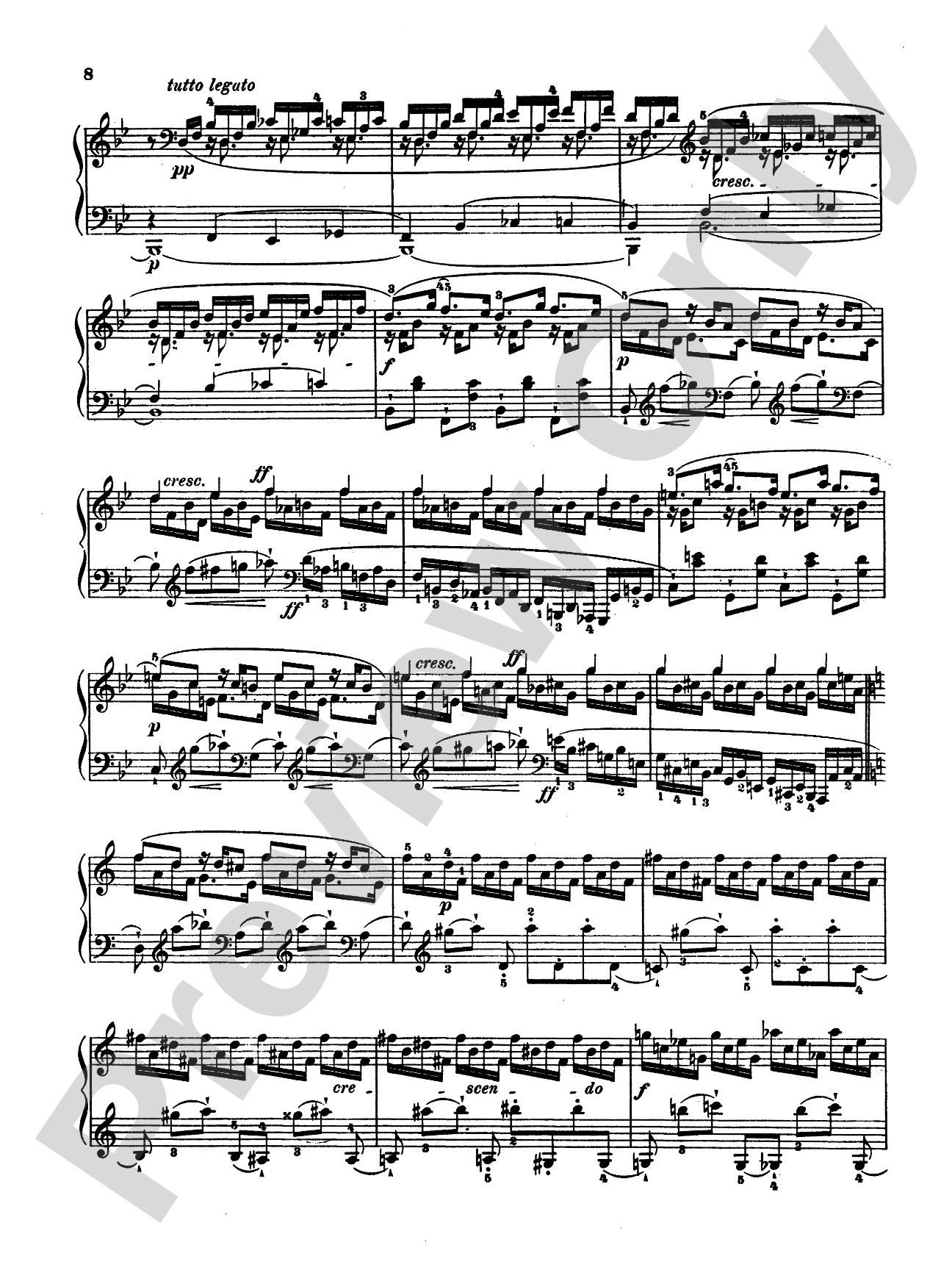
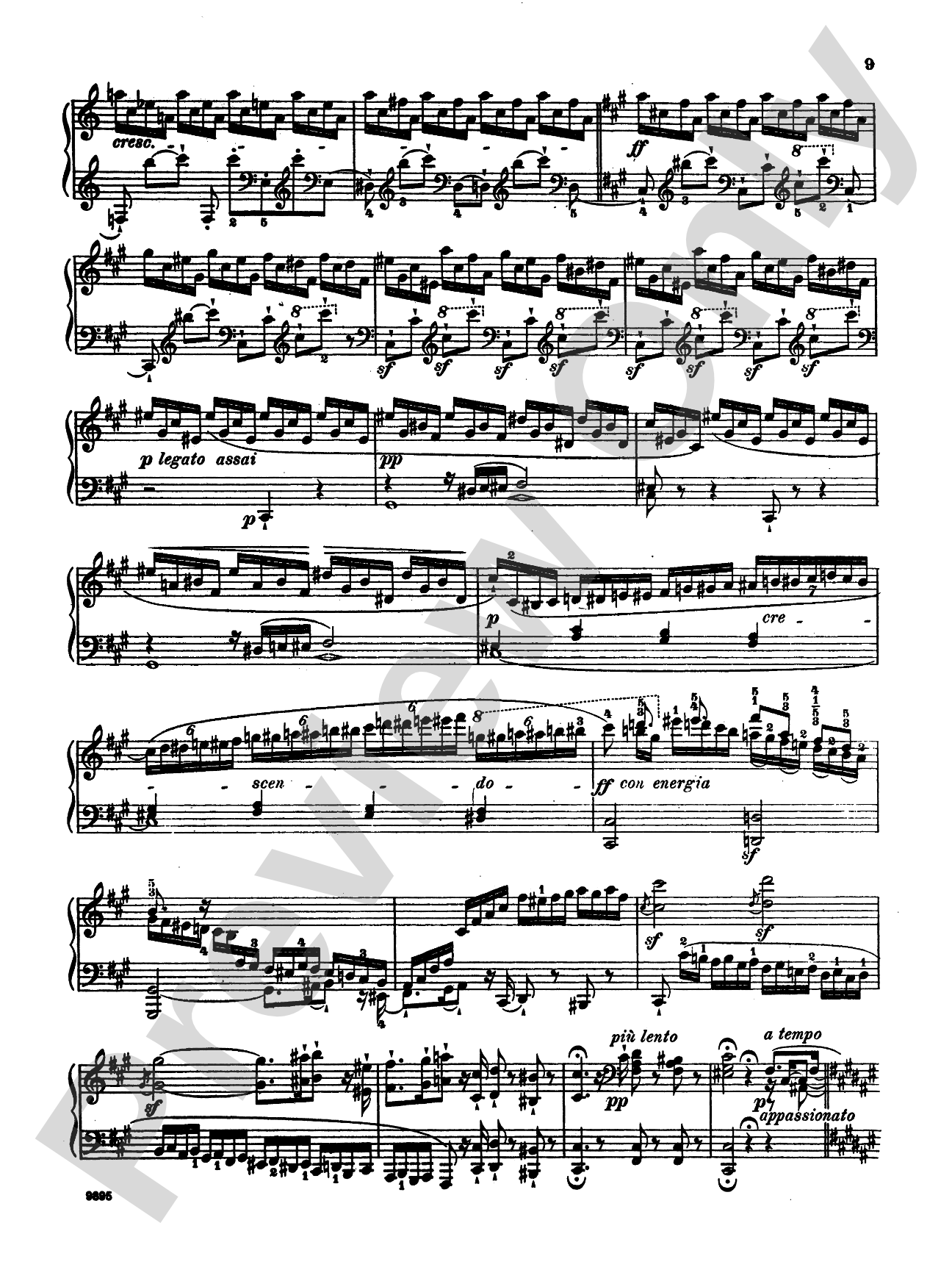
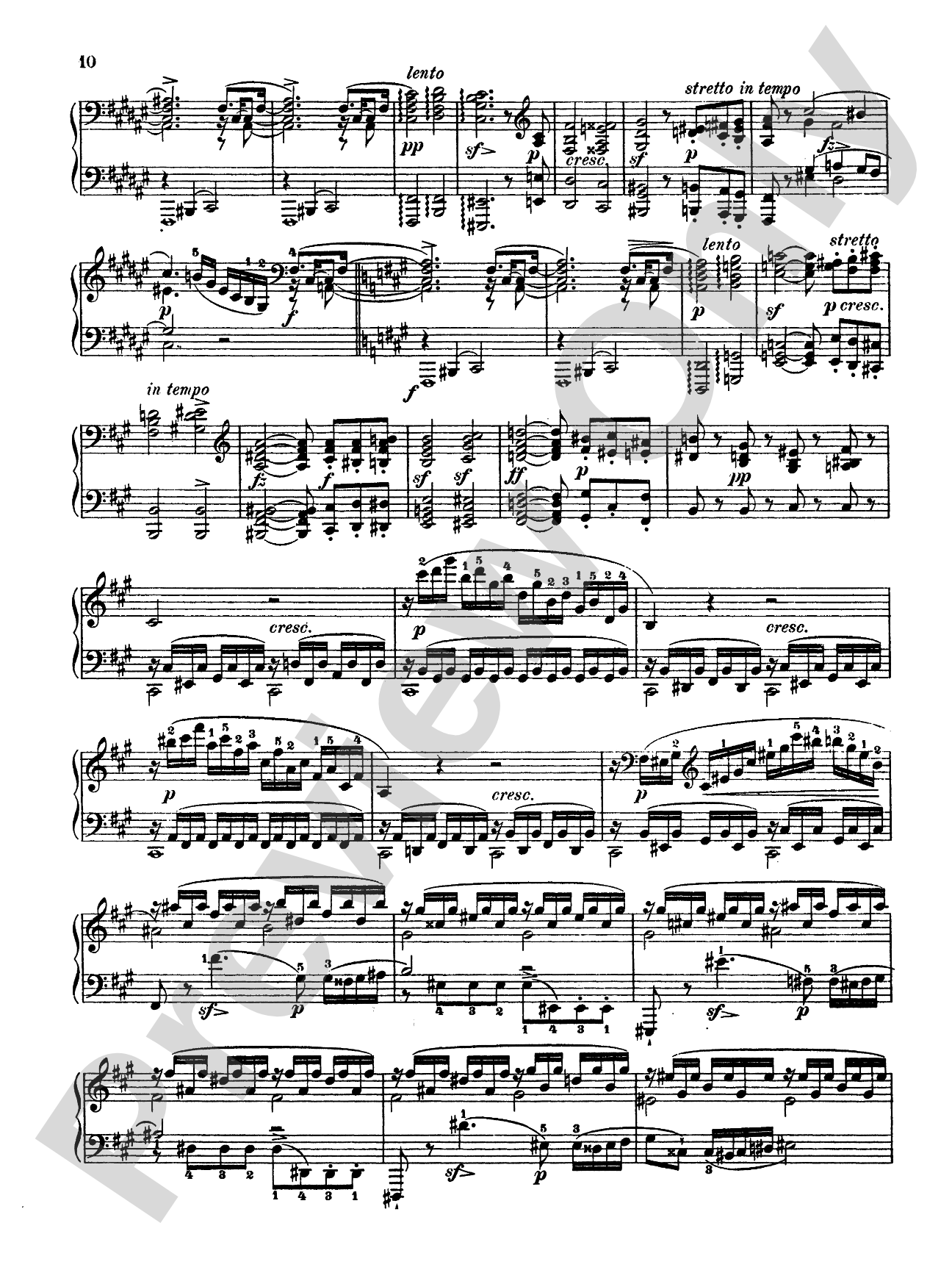
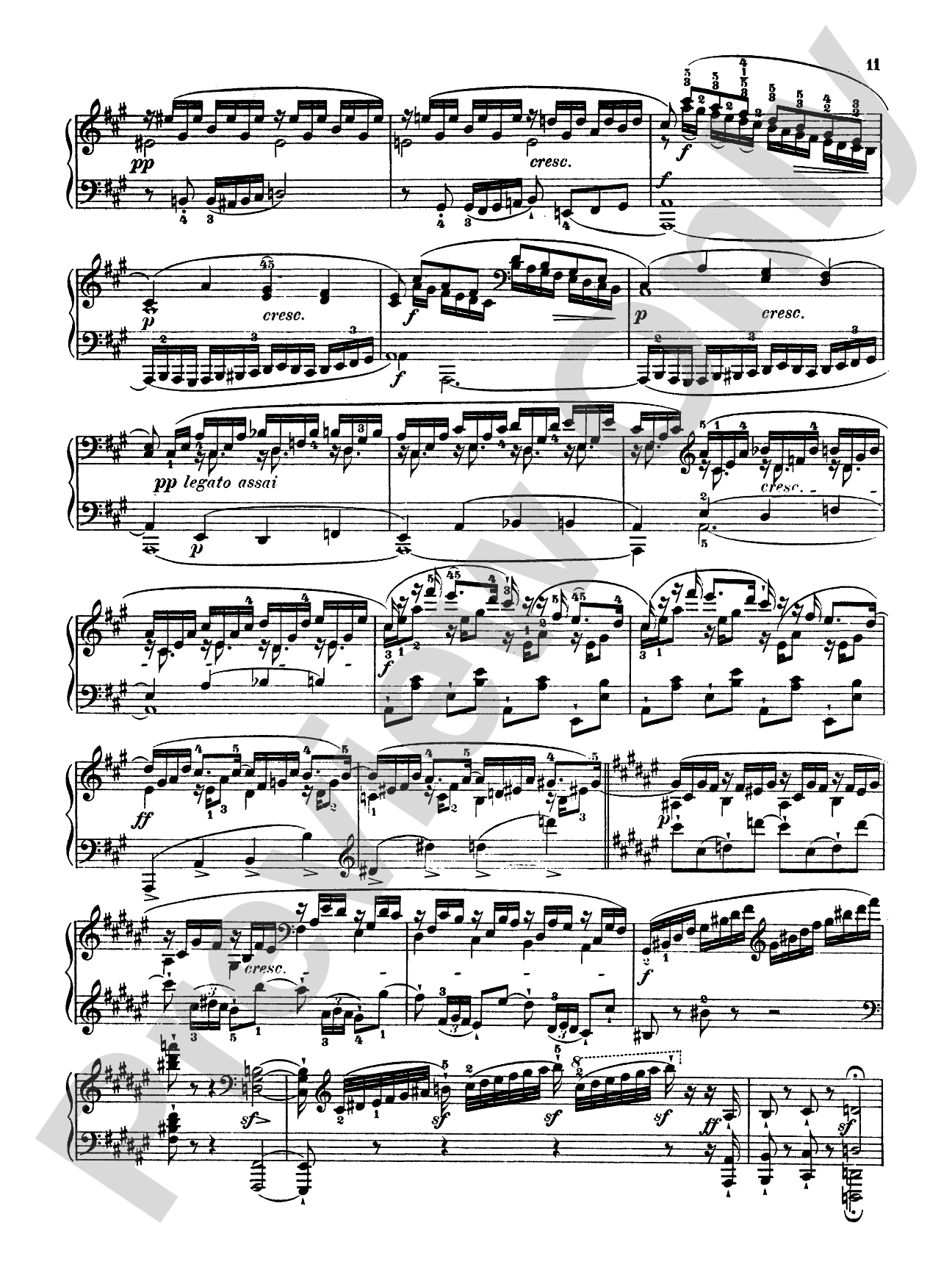
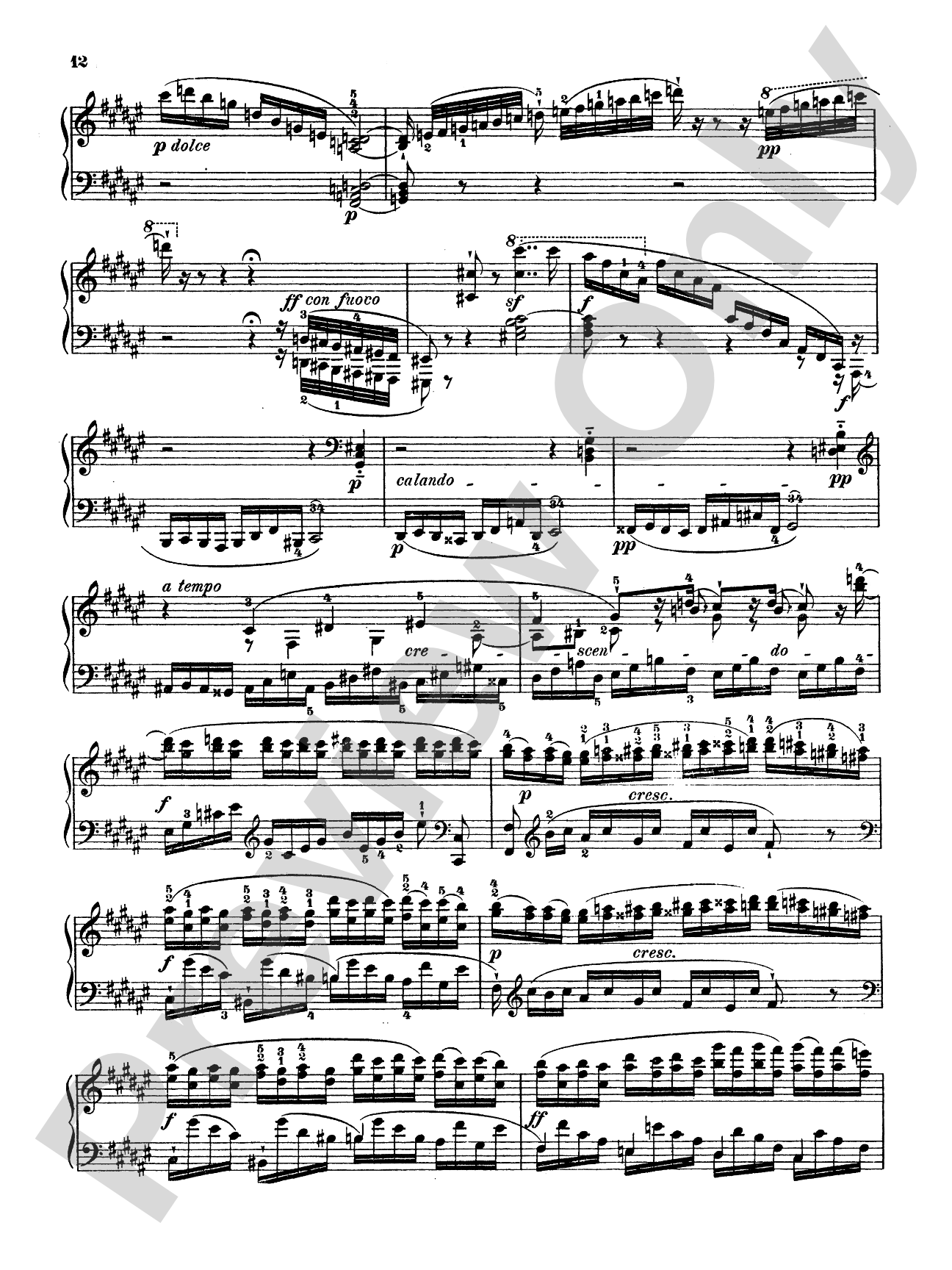
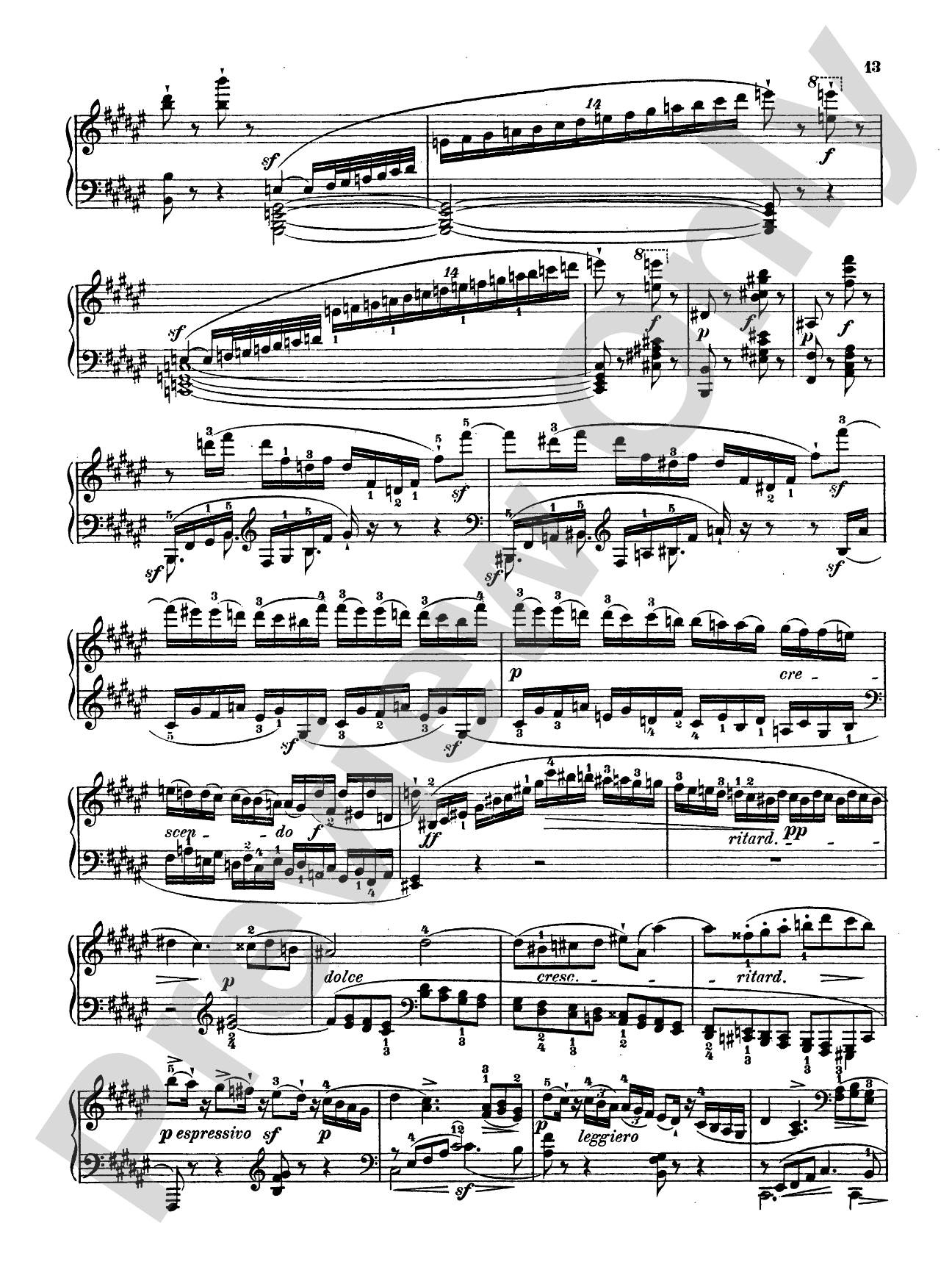
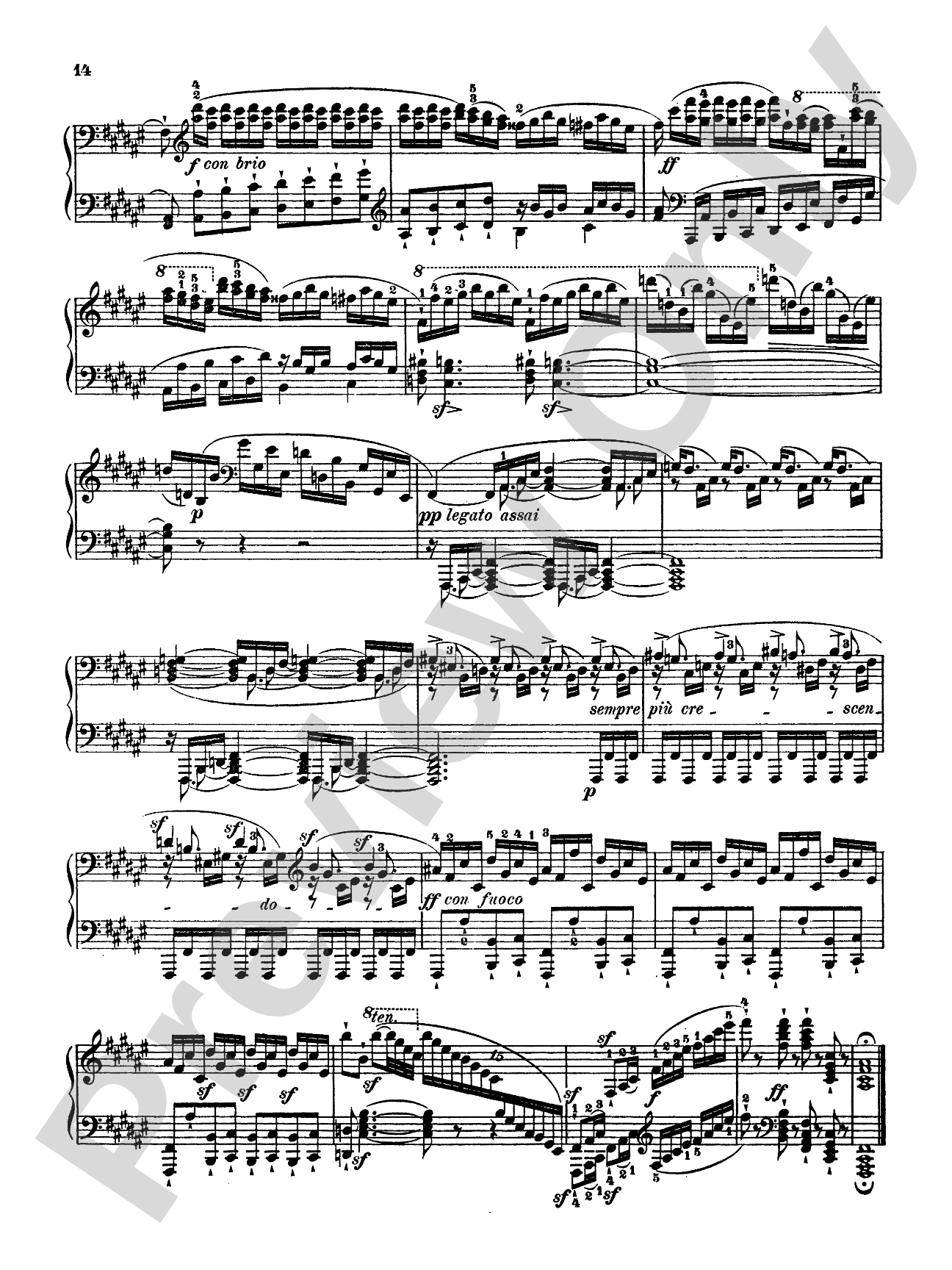
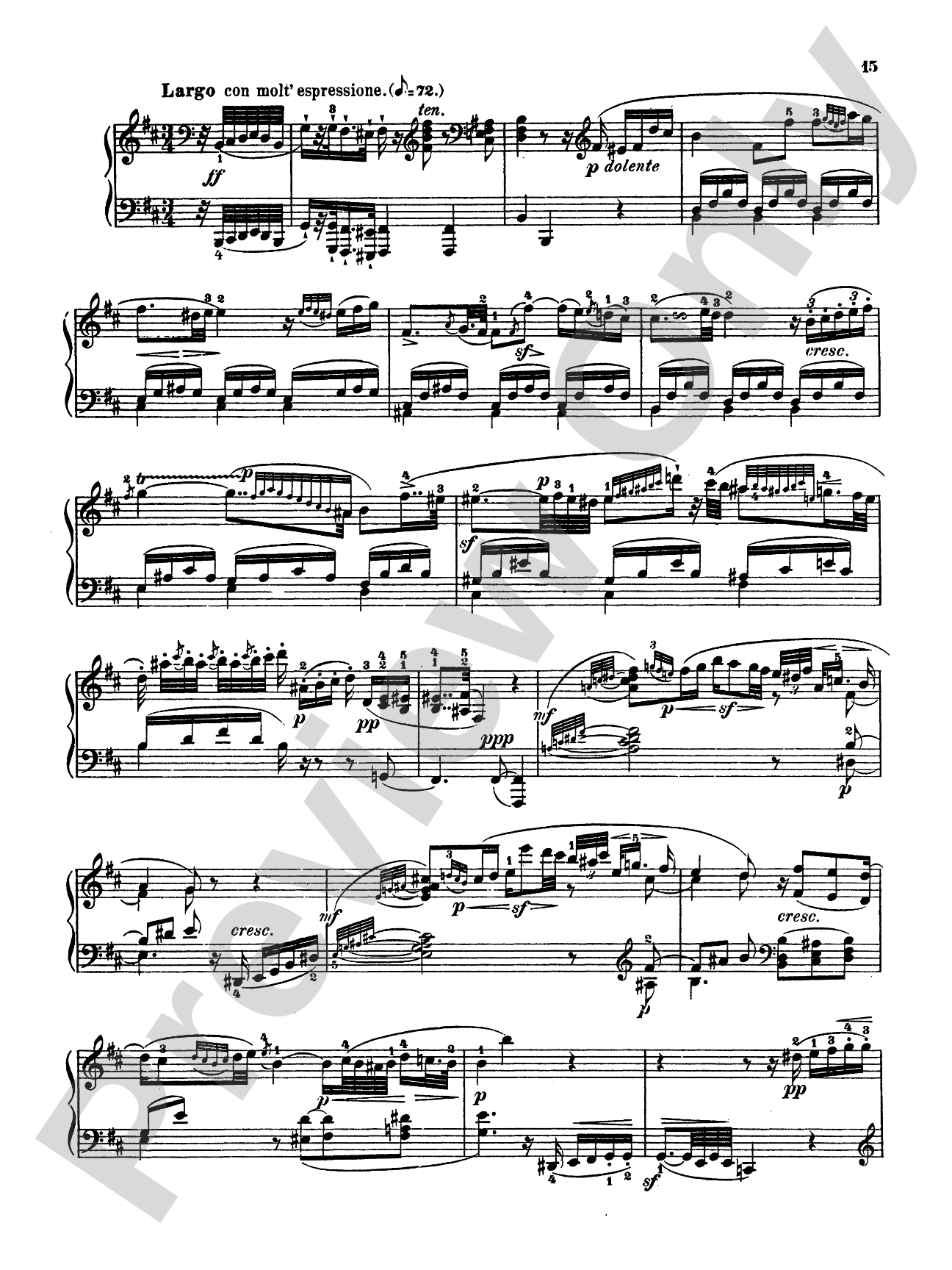
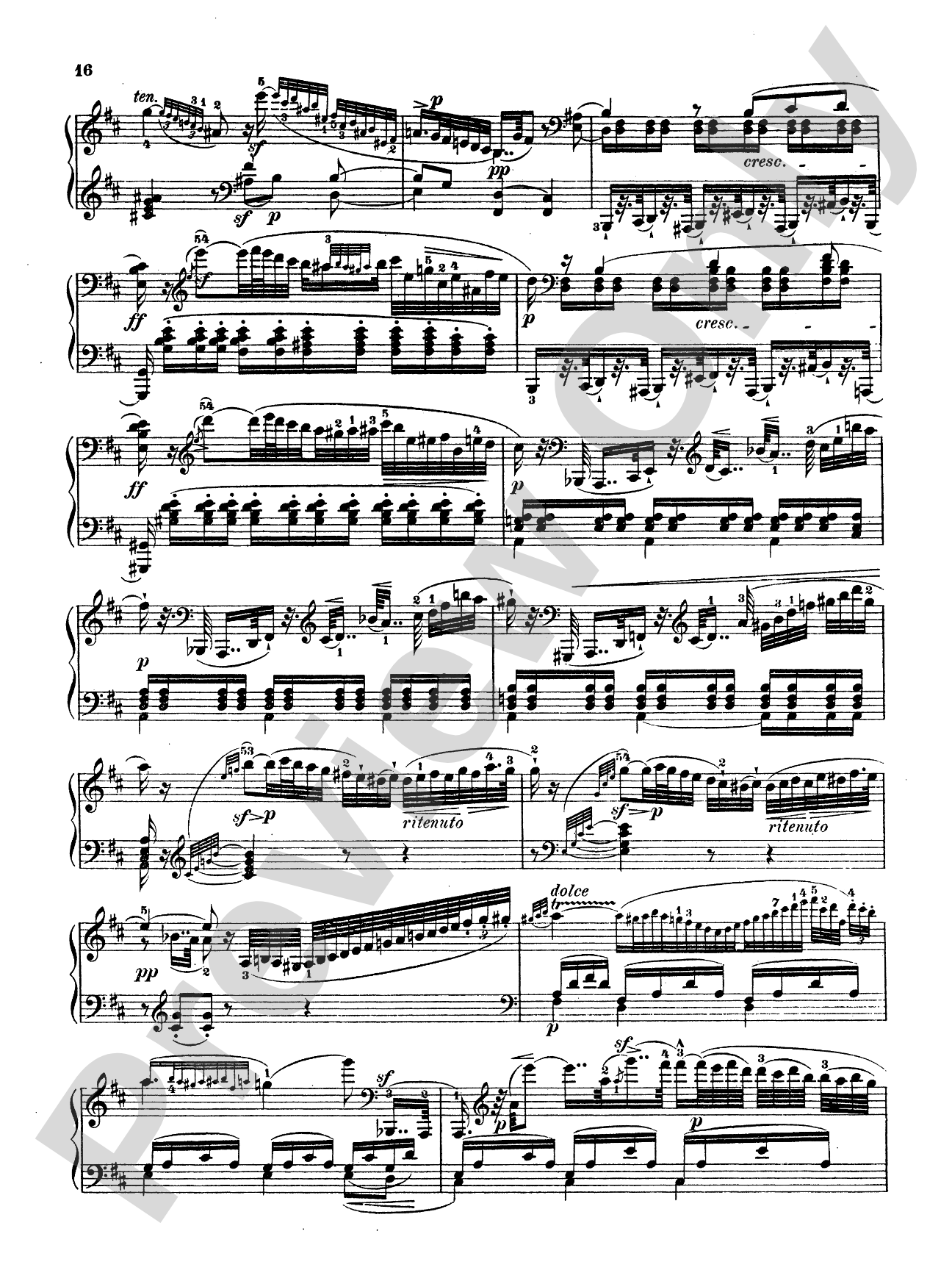
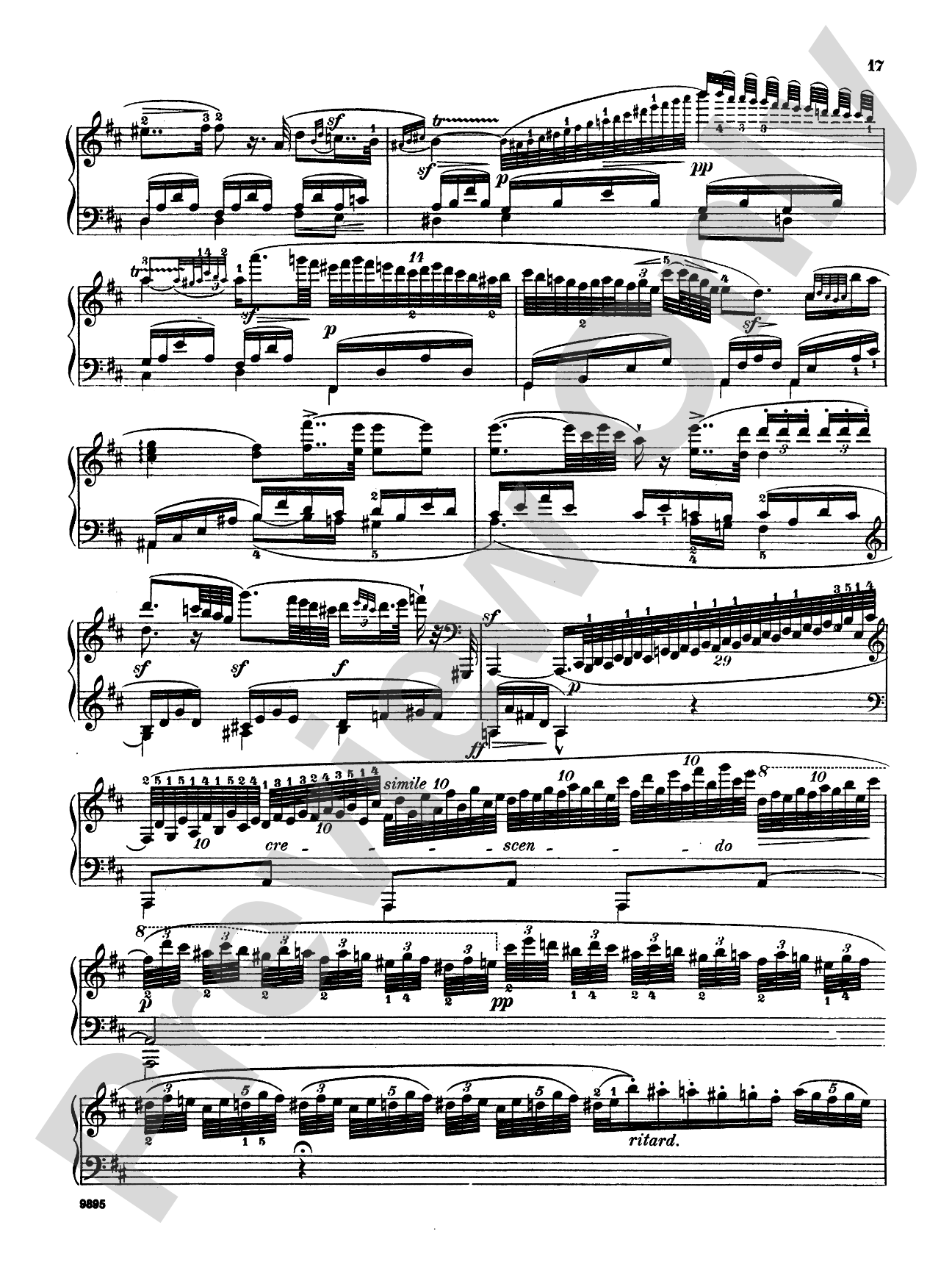
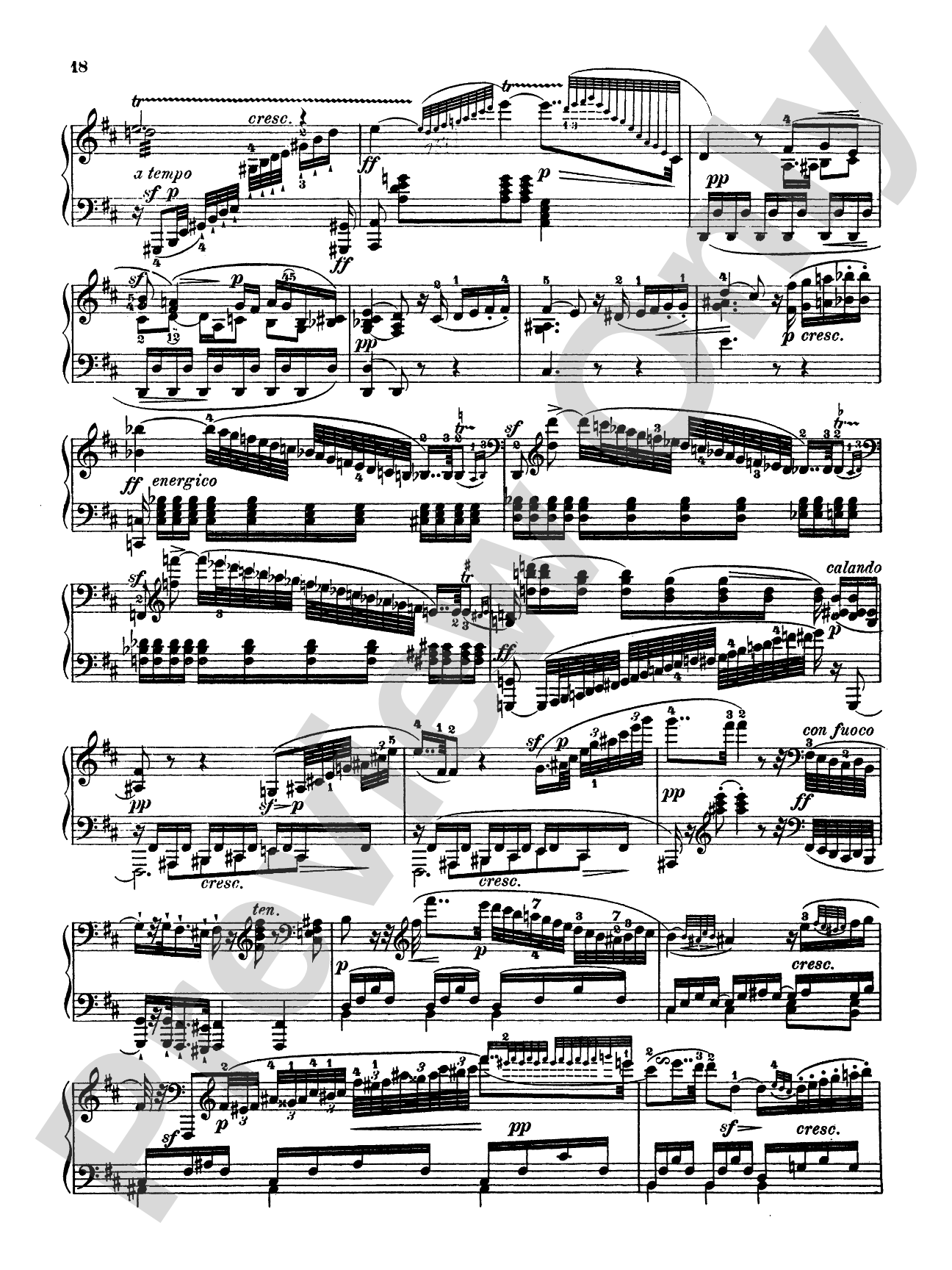
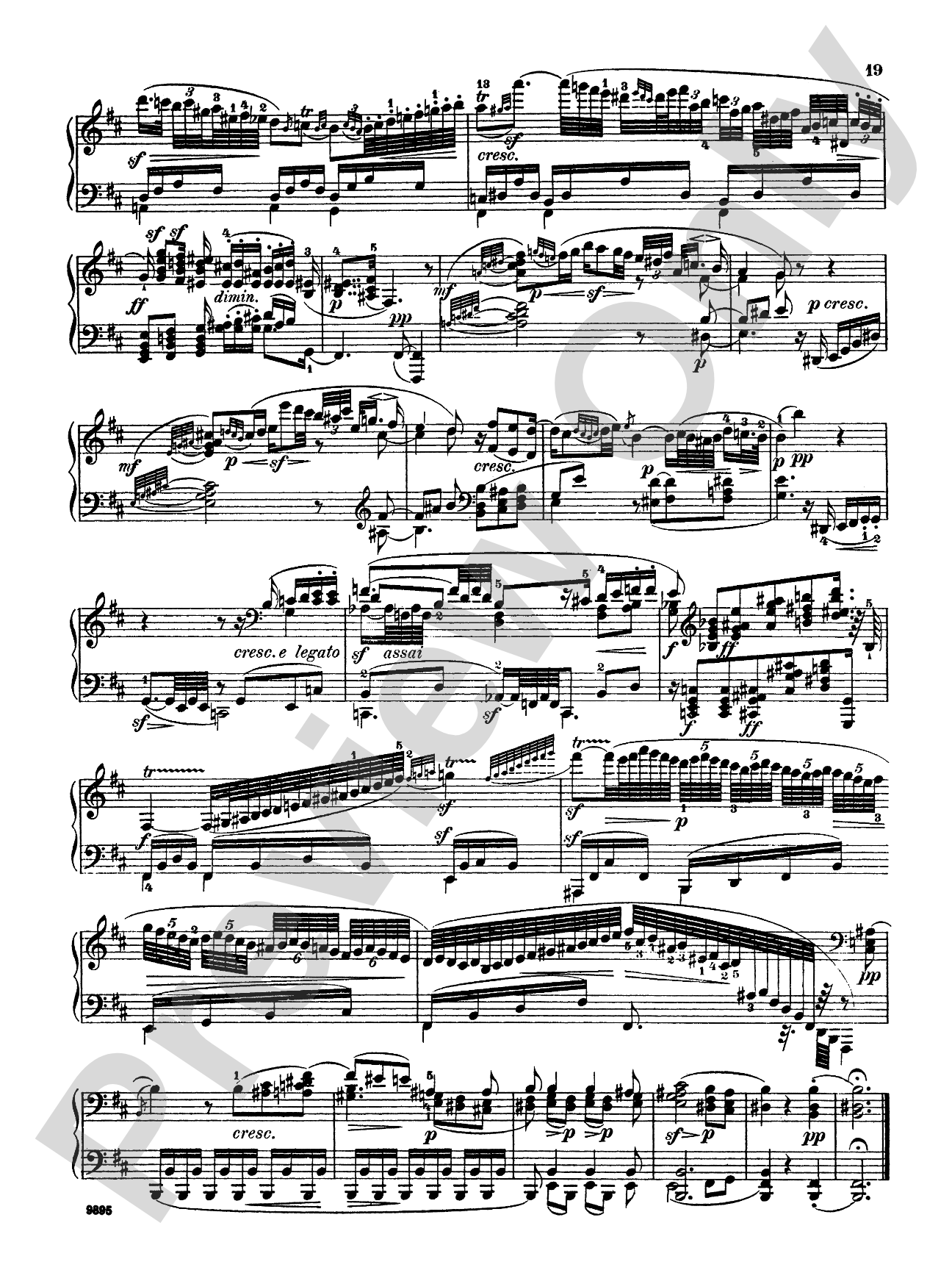
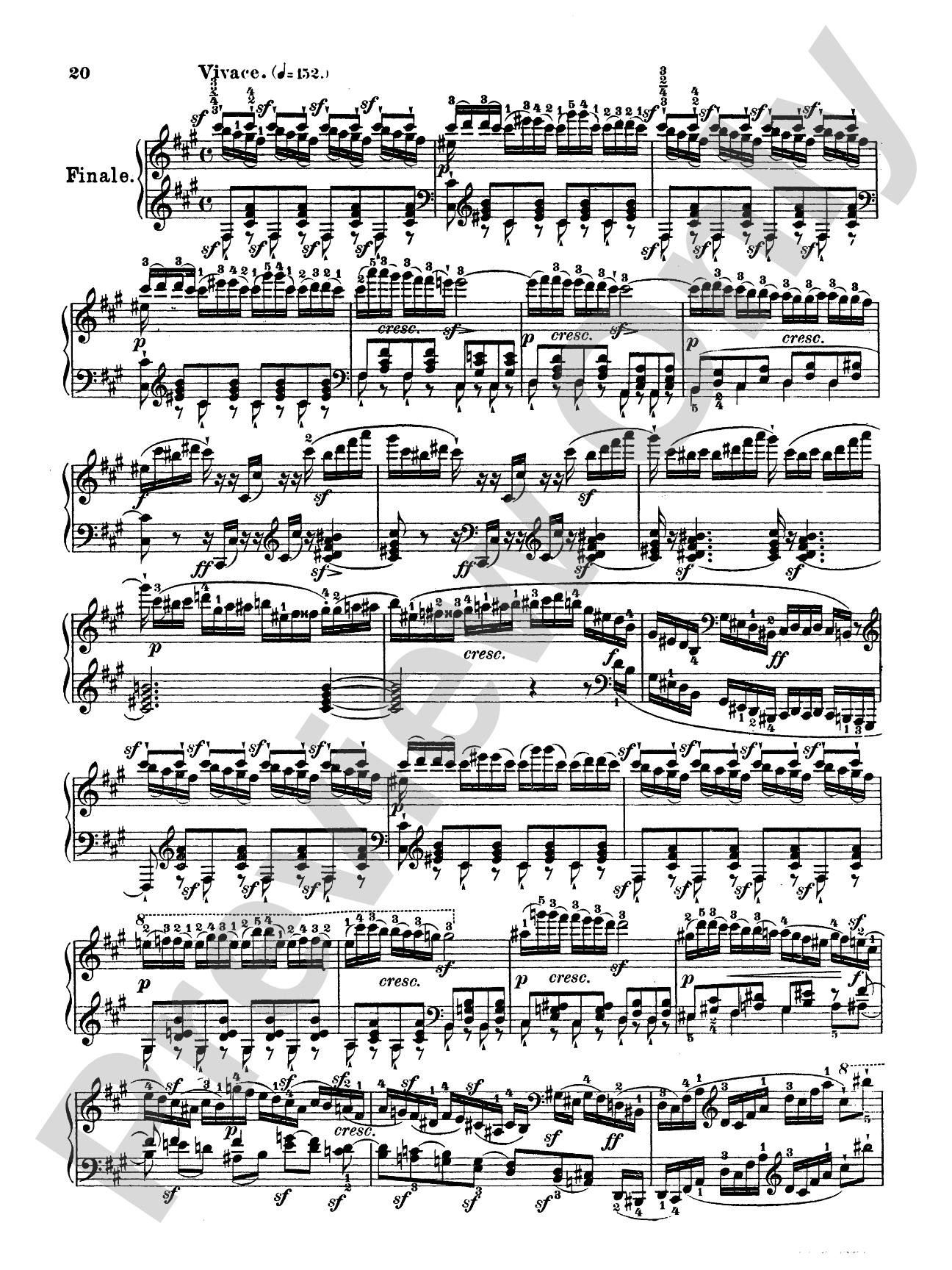
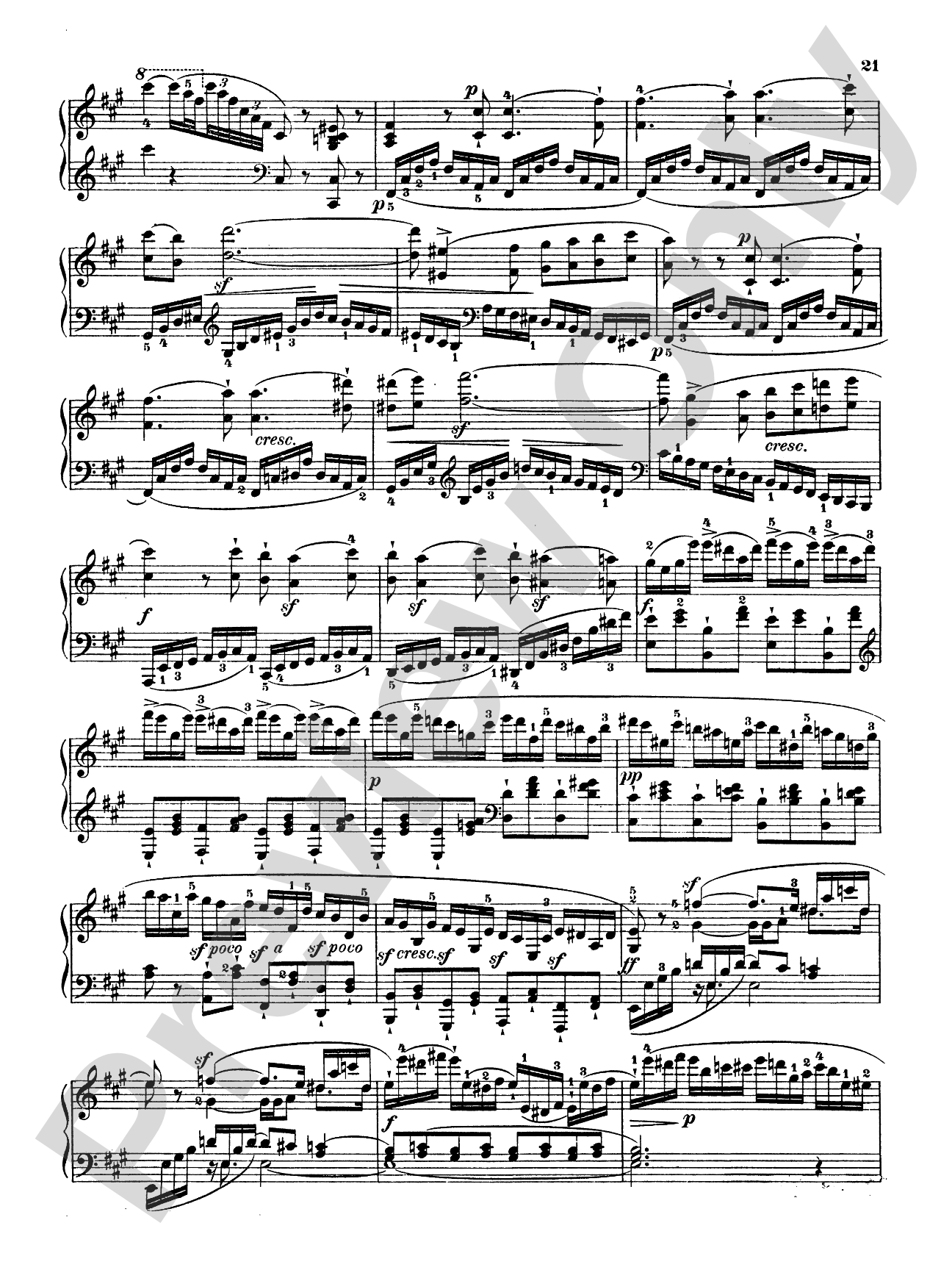
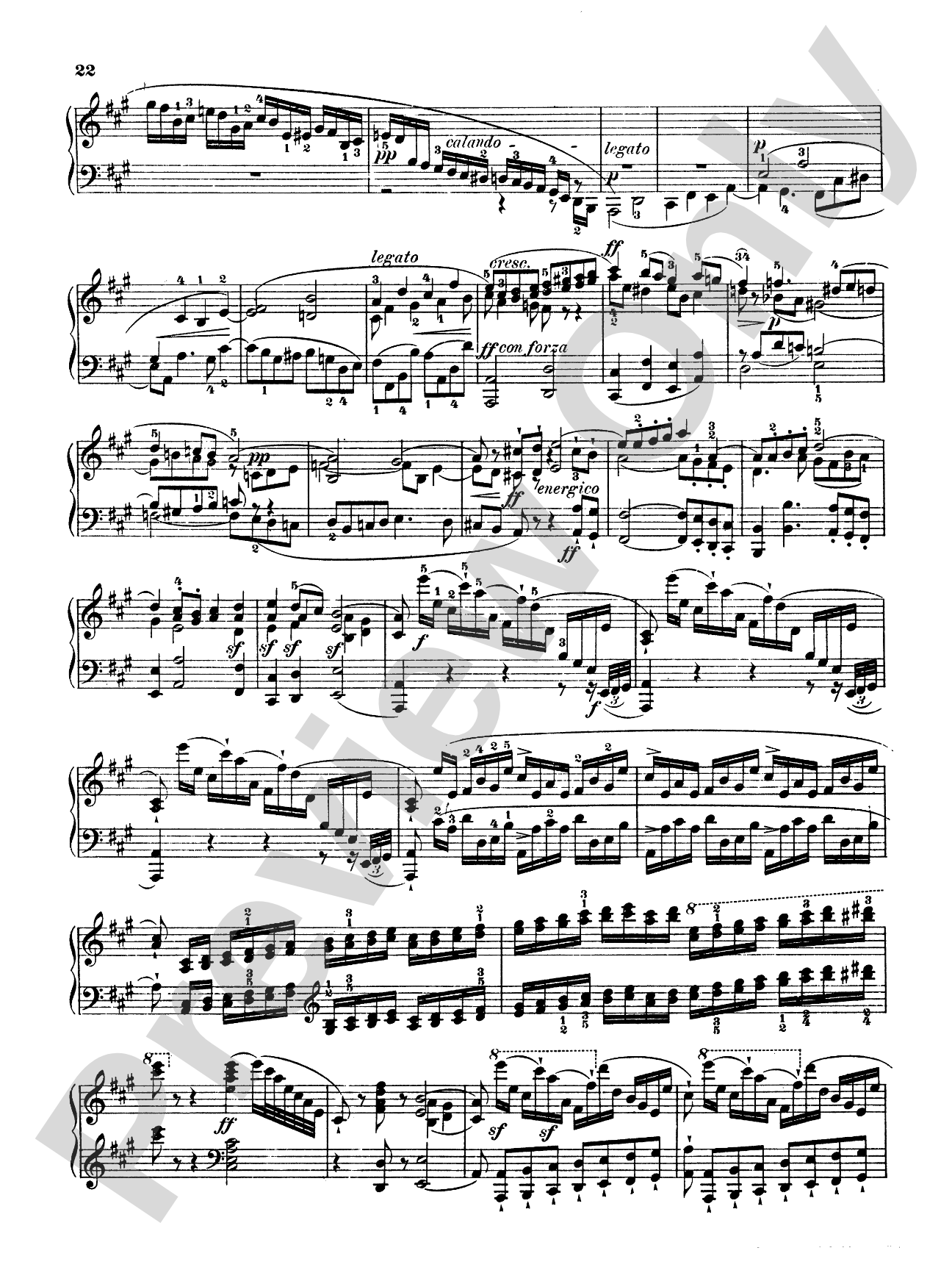
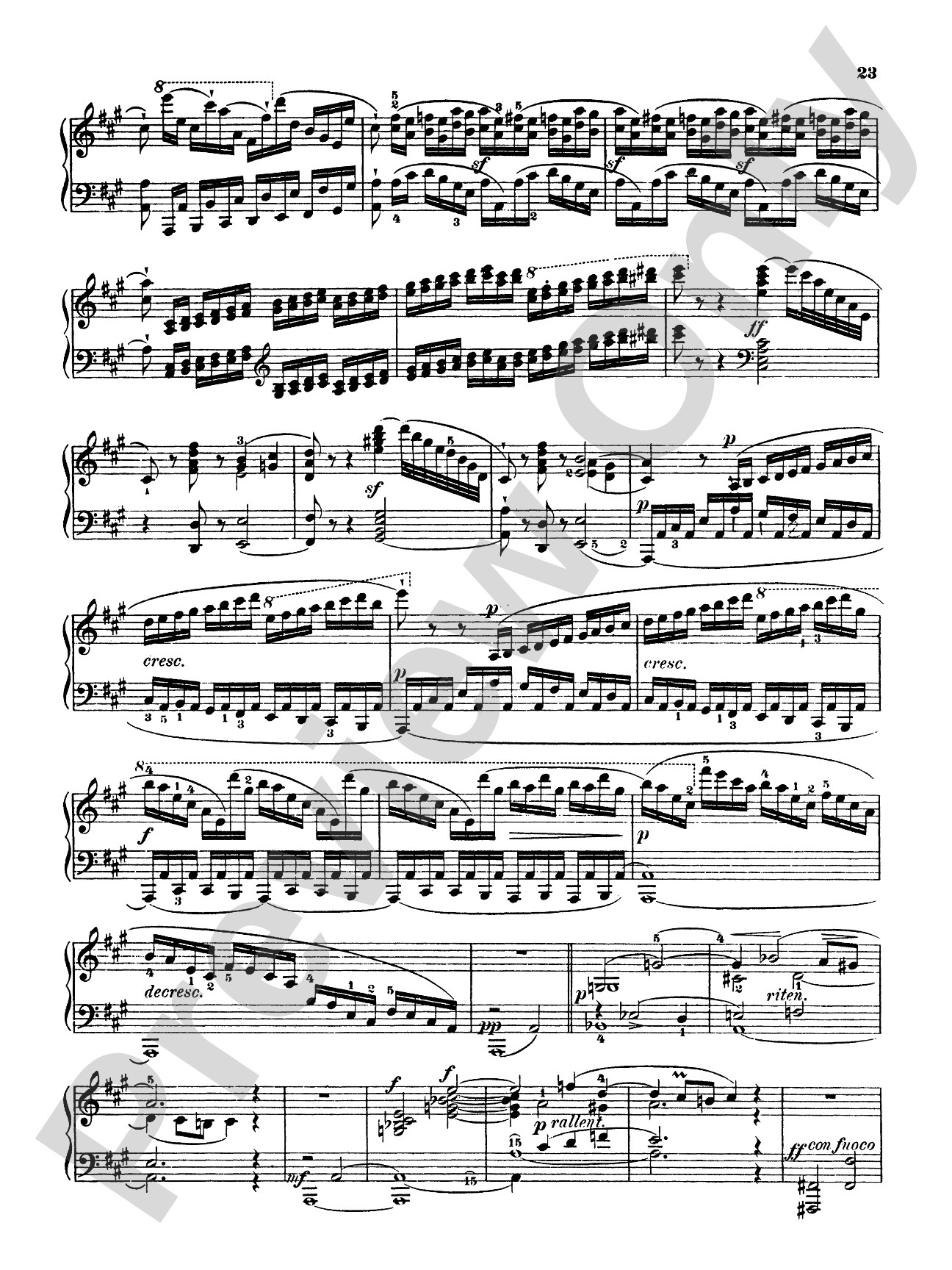
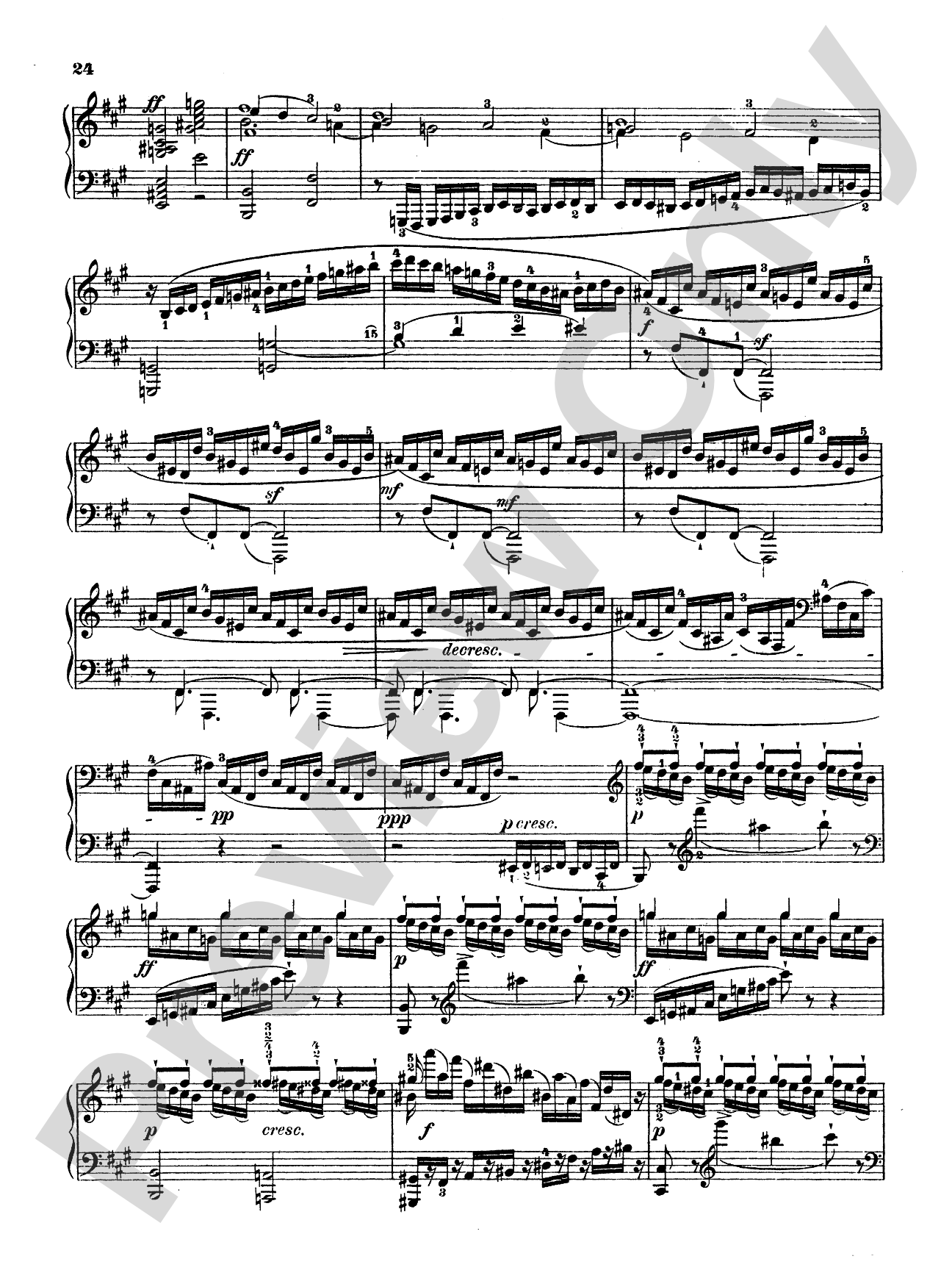
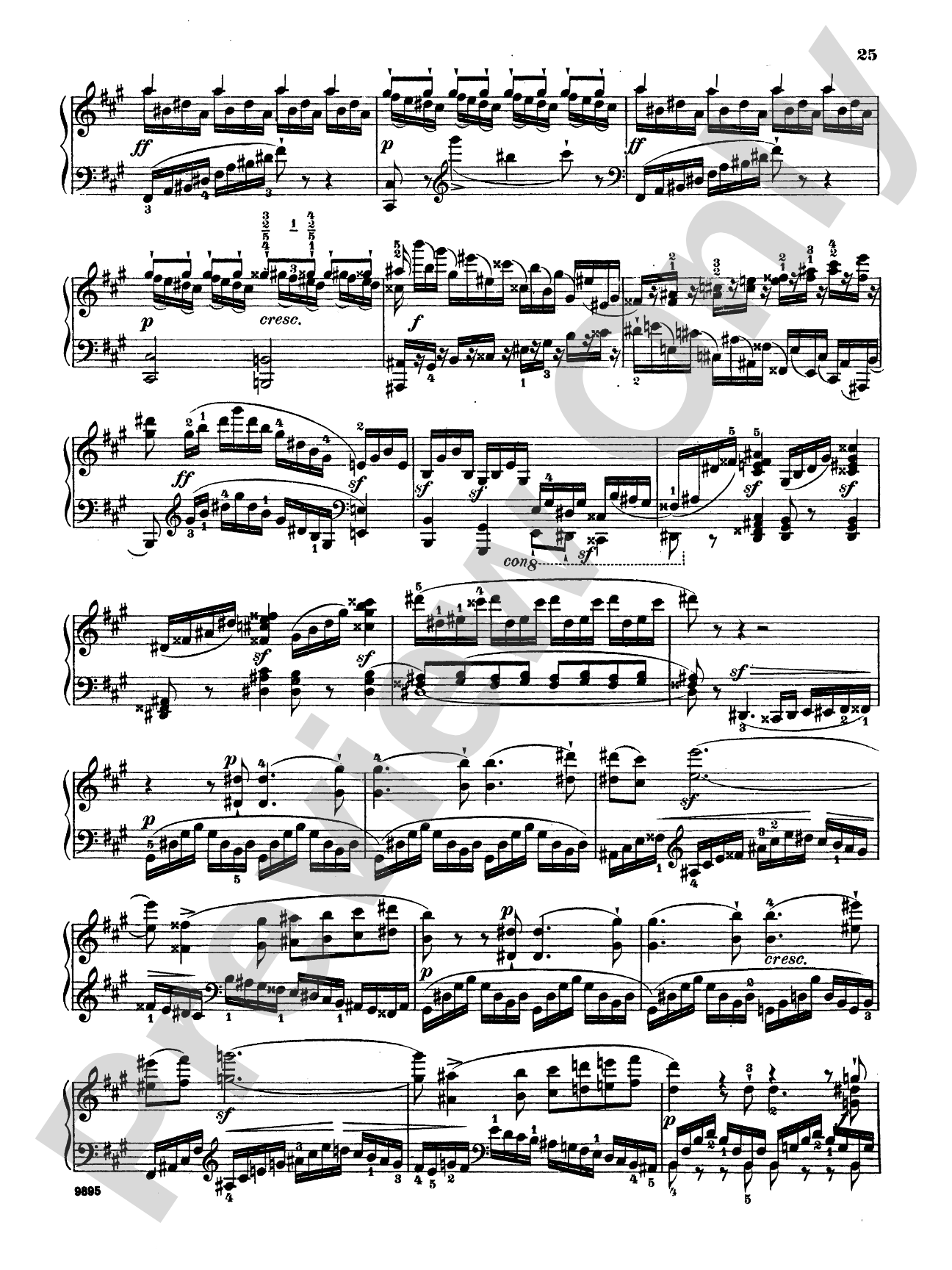
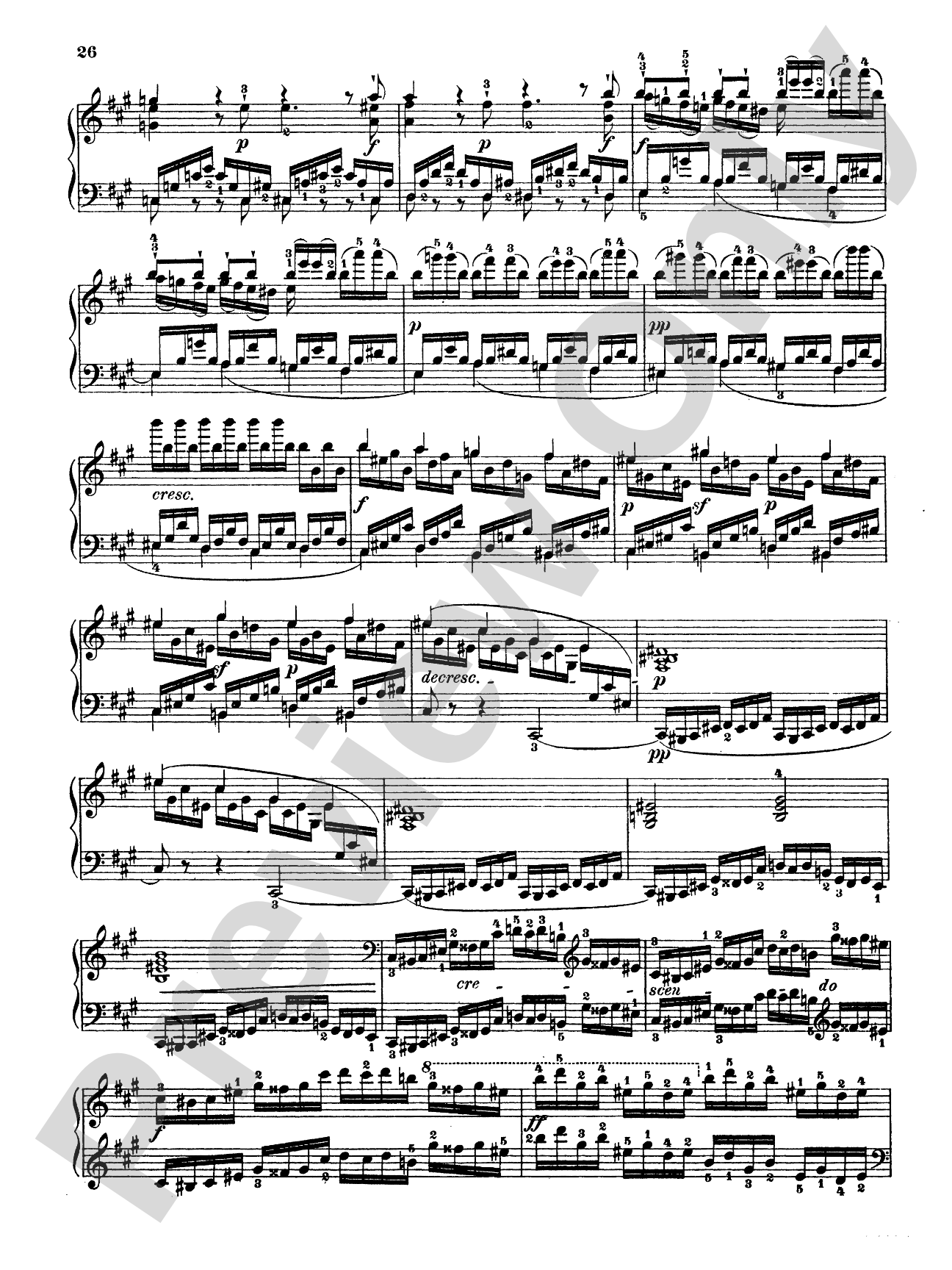
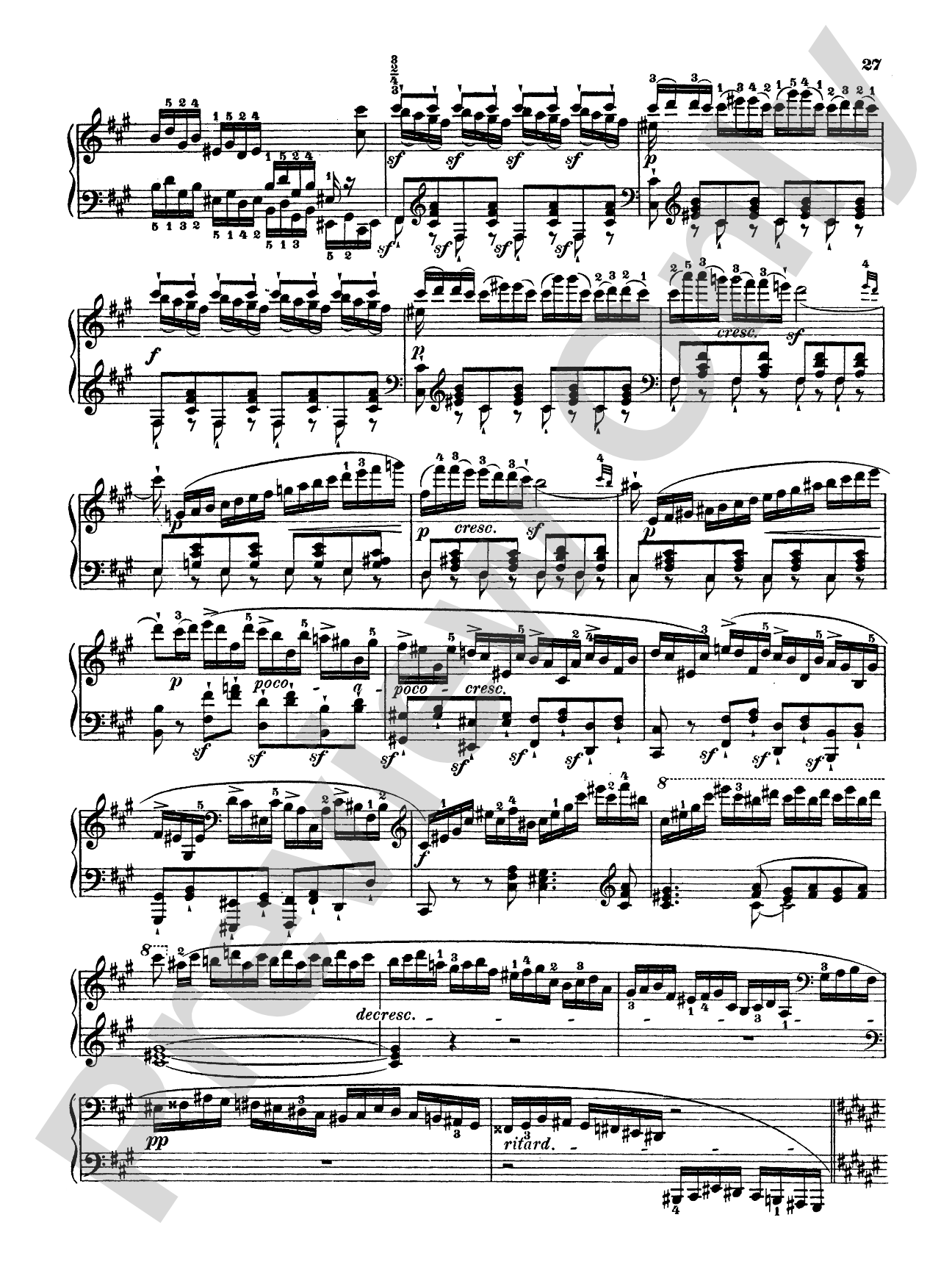
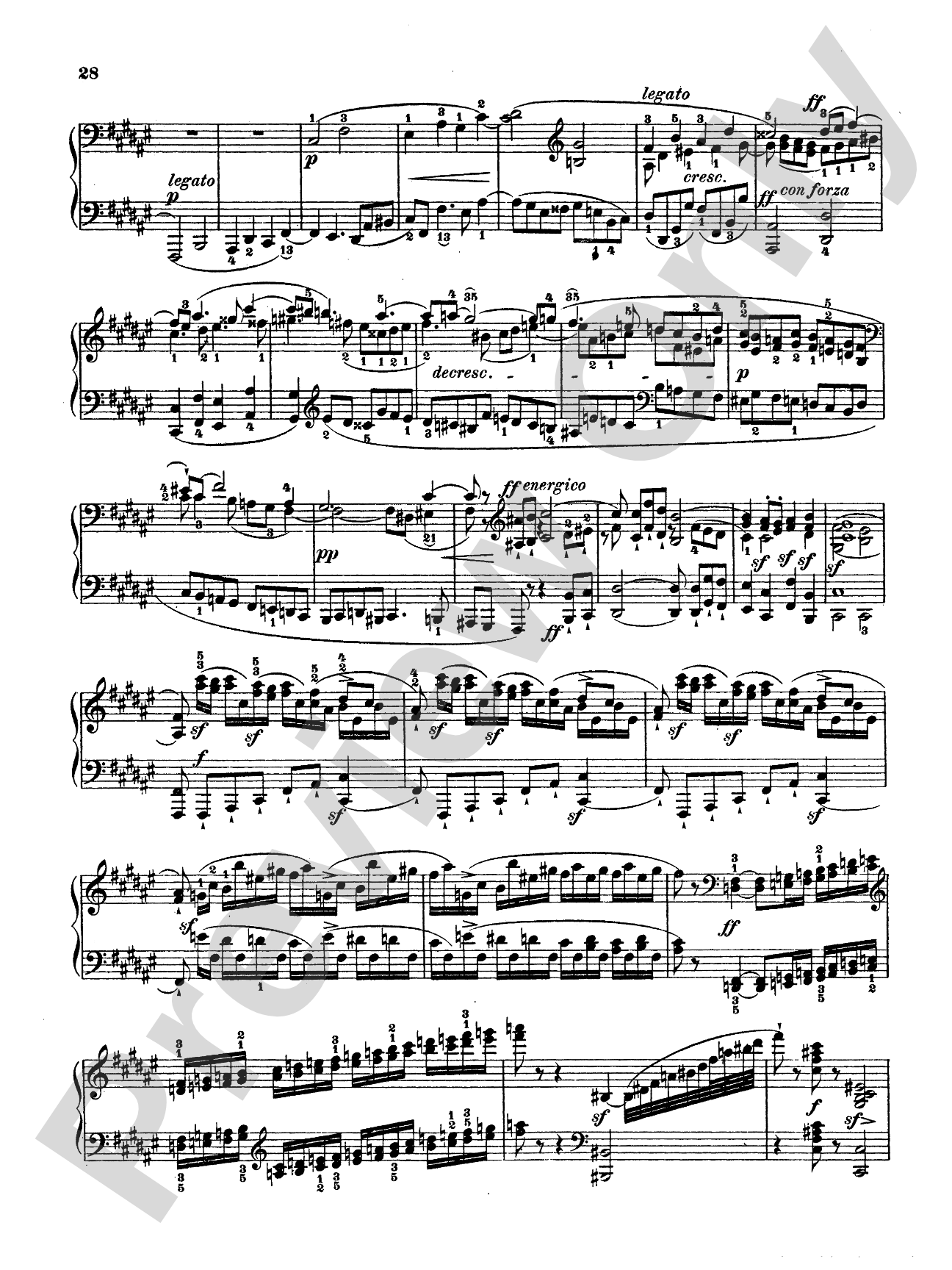
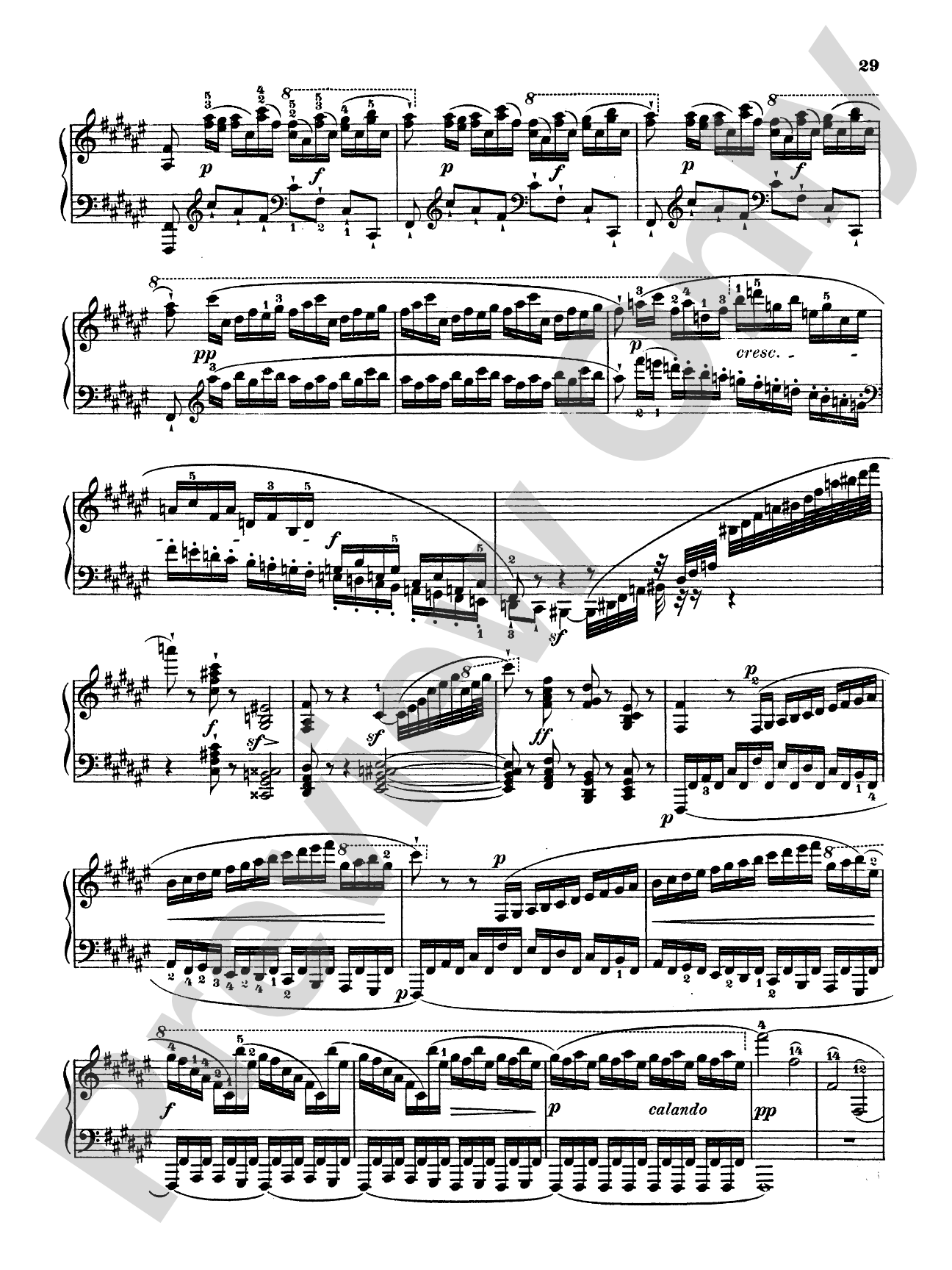
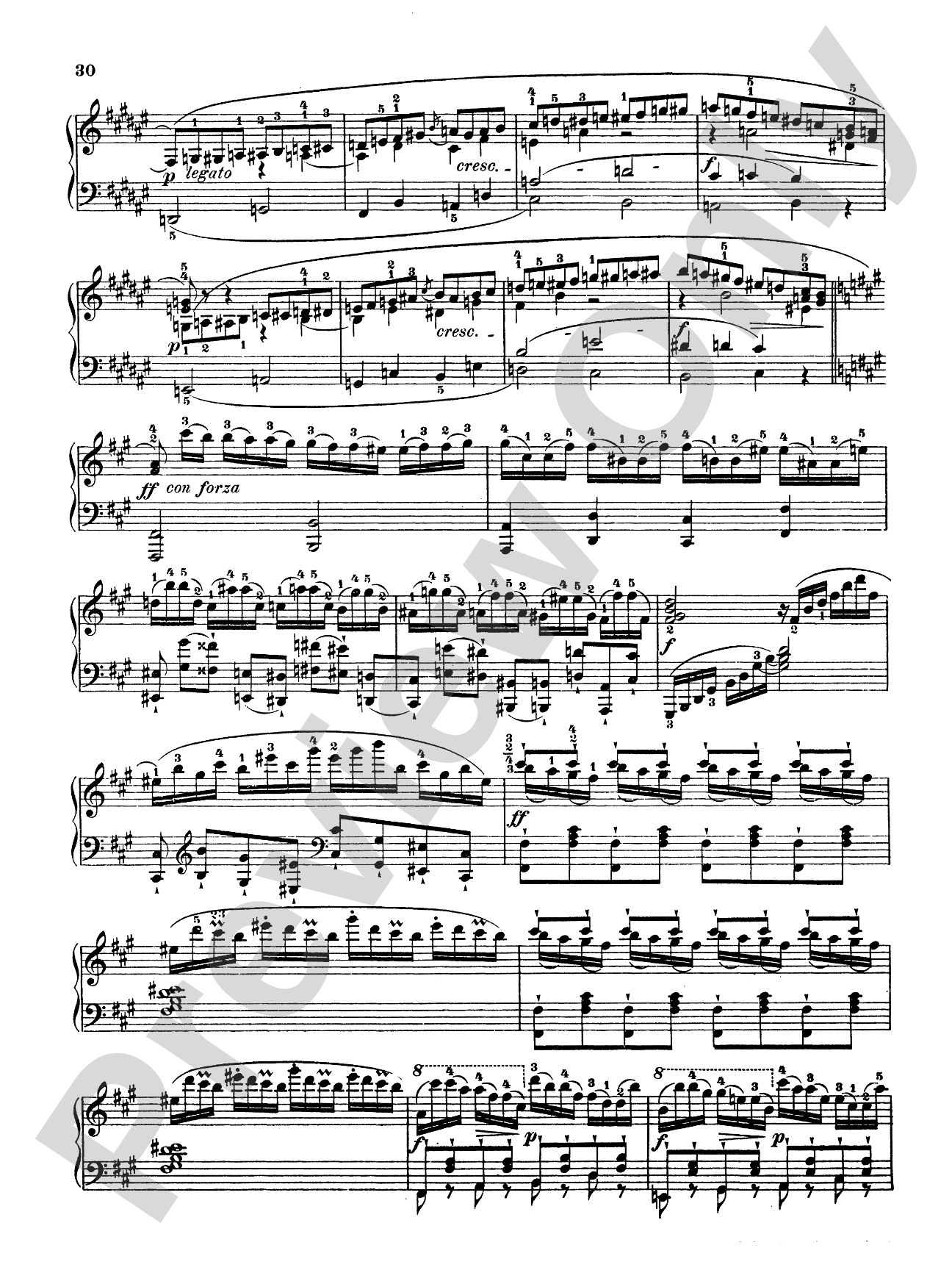
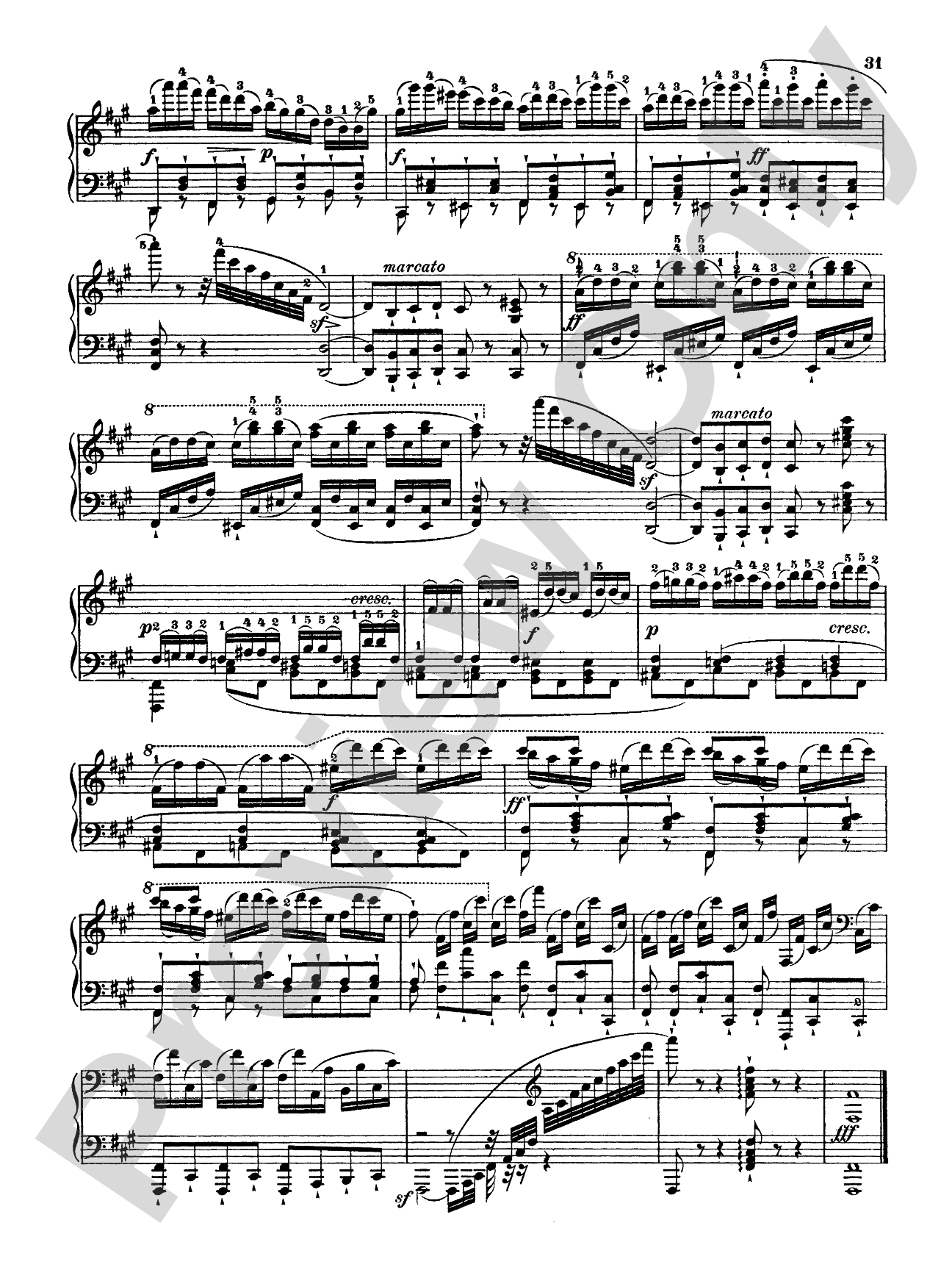

Hummel: Sonatas and Pieces (Volume II): Piano Book
By Johann Nepomuk Hummel
Item: 00-PK-0003894

$10.99
Pickup currently not available
Buy Extra Parts (Digital PDF Download)
| Product | Price | Quantity |
|---|---|---|
| Hummel: Sonatas and Pieces (Volume II) | $1.95 | |
| Hummel: Sonatas and Pieces (Volume II) | $1.95 | |
| Hummel: Sonatas and Pieces (Volume II) | $1.99 | |
| Hummel: Sonatas and Pieces (Volume II) | $1.99 |
Parts Added to Cart!
Related Items
Sonatas and Pieces, Volume II: Piano Book |
$10.95
|
View |
Description
Op. 19, 81, 106, 109


Don't just read it, hear it, play along with it, and watch your students grow with it. In MakeMusic Cloud, Hummel: Sonatas and Pieces (Volume II): Piano Book comes alive with professional accompaniment, adjustable tempo, and built-in practice tools that turn solo practice into real progress.
Open in the Player
Jump straight in and assign it today.
Start Your Free Trial
Open this title and explore the full library in minutes.
Sample Audio
No sample audio found.
Sample Video
No sample videos found.
Additional Details
Series:
Kalmus Edition
Publisher:
Alfred Music
Page Count:
80
SKU:
00-PK-0003894
More about this title
About the Composer: Johann Nepomuk Hummel
Johann Nepomuk Hummel (1778, 1837) was one of the most celebrated pianists of his era and a direct student of Mozart. His compositional output spanned symphonies, concertos, chamber works, and solo keyboard music, yet he remains less frequently performed today than his fame during his lifetime would suggest. Hummel's writing for piano balances technical brilliance with Classical elegance, favoring clarity and melodic grace over the dramatic intensity that would come to define Romantic piano literature.
As a pedagogue and performer, Hummel shaped how pianists approached both technique and interpretation. His sonatas and character pieces were written for serious amateurs and professionals alike, offering works that reward careful study without sacrificing musicality for display.
Why we love this
Hummel's sonatas reward serious study without the architectural complexity of Beethoven, making them ideal for advancing pianists who want to deepen their Classical technique and phrasing. The pieces in this volume showcase his gift for memorable melody and elegant keyboard writing, offering genuine musical substance across four different opus numbers. Programming these works signals depth and musicianship, and they stand confidently alongside more commonly heard Classical repertoire.
What to expect
These sonatas and pieces inhabit a graceful, aristocratic world that values elegance and clarity without sacrificing emotional depth. You'll encounter brilliance and charm in equal measure, with moments of unexpected harmonic color that preview the Romantic era to come.
Who it's for
Upper-level piano students preparing for competitions, auditions, or recitals will find repertoire that challenges their technique while deepening their understanding of Classical form and rhetoric. Teachers working with advanced pianists seeking alternatives to overplayed sonatas will appreciate the quality and variety within these four opus numbers.
How to get the most out of it
- Attend closely to Hummel's articulation markings, which distinguish between singing legato passages and crisp, characterful staccato sections. These details shape the voice-leading and emotional arc of each movement.
- Shape the periodic phrases with subtle dynamic inflection rather than dramatic gestures. Hummel expects nimble, responsive pedaling that clarifies harmonic changes without blurring the texture.
- Balance virtuosic passage work (common in these sonatas) with the lyrical material that surrounds it. Neither should overshadow the other; both are essential to the musical narrative.
- Approach the slower movements with the same care you would a song without words. Find the singing line within the accompaniment patterns and allow it to breathe.
How to use it
A single movement or standalone piece from this collection makes an excellent recital opener or fill slot, while complete sonatas command attention as substantial solo works. Consider pairing movements from different opuses to create a thematic program that showcases Hummel's range across his compositional career.
Skills your students will build
- Classical phrase architecture and period structure
- Cantabile playing with independent hand voicing
- Pedal control in Romantic-leaning harmonic contexts
- Passage work clarity and evenness
- Stylistic ornamentation and graceful articulation
- Left-hand accompaniment patterns typical of the era