
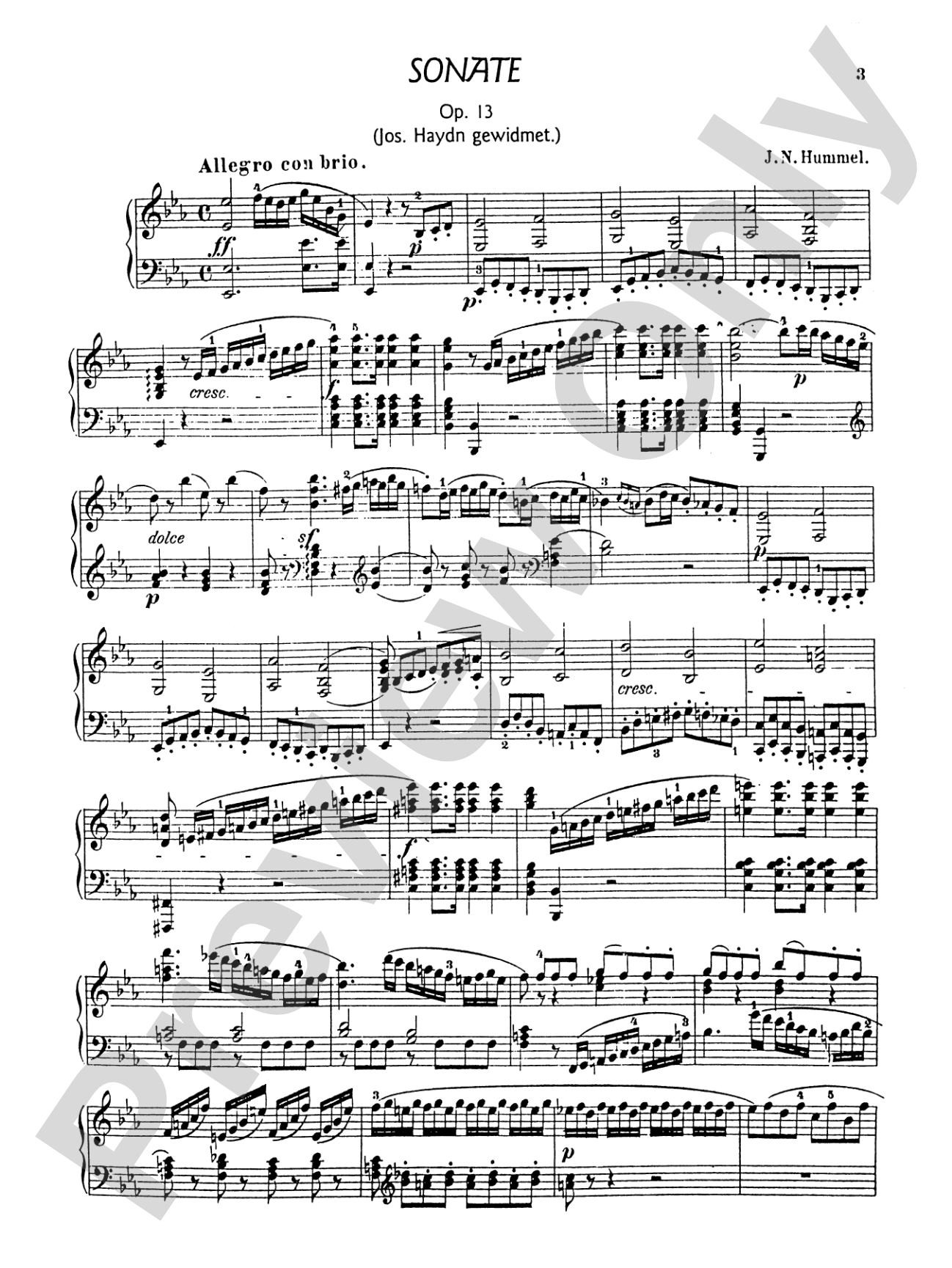
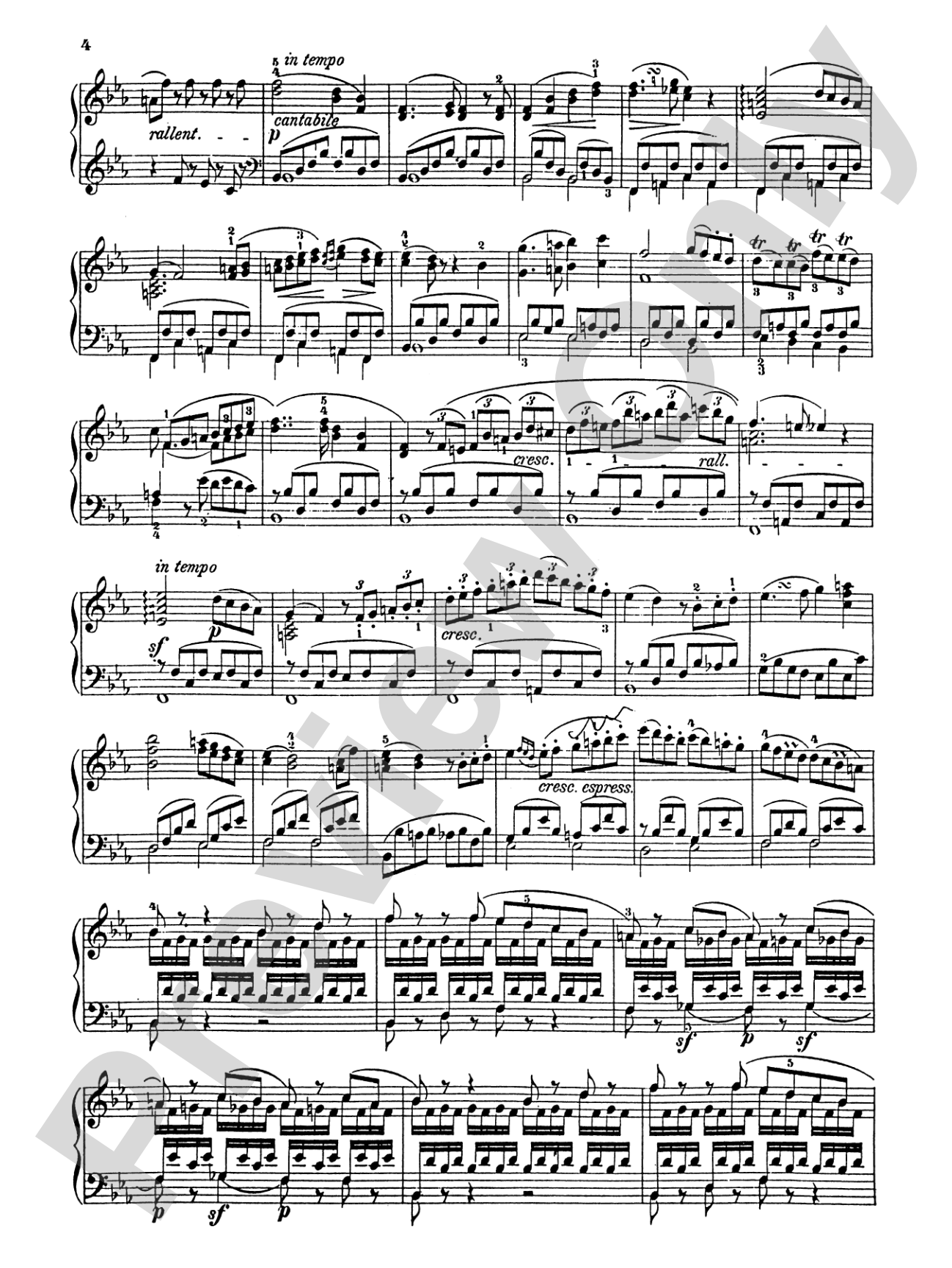
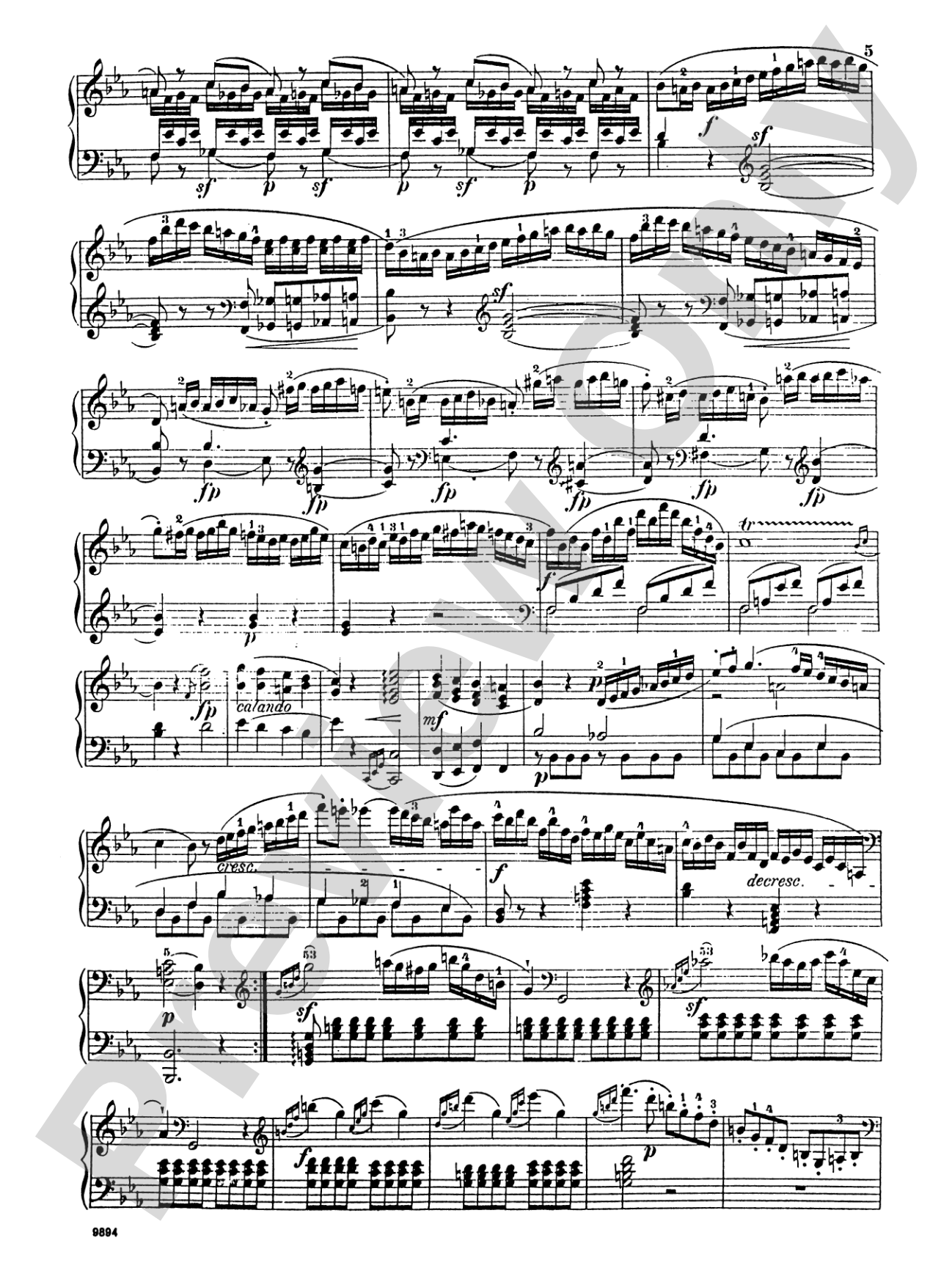
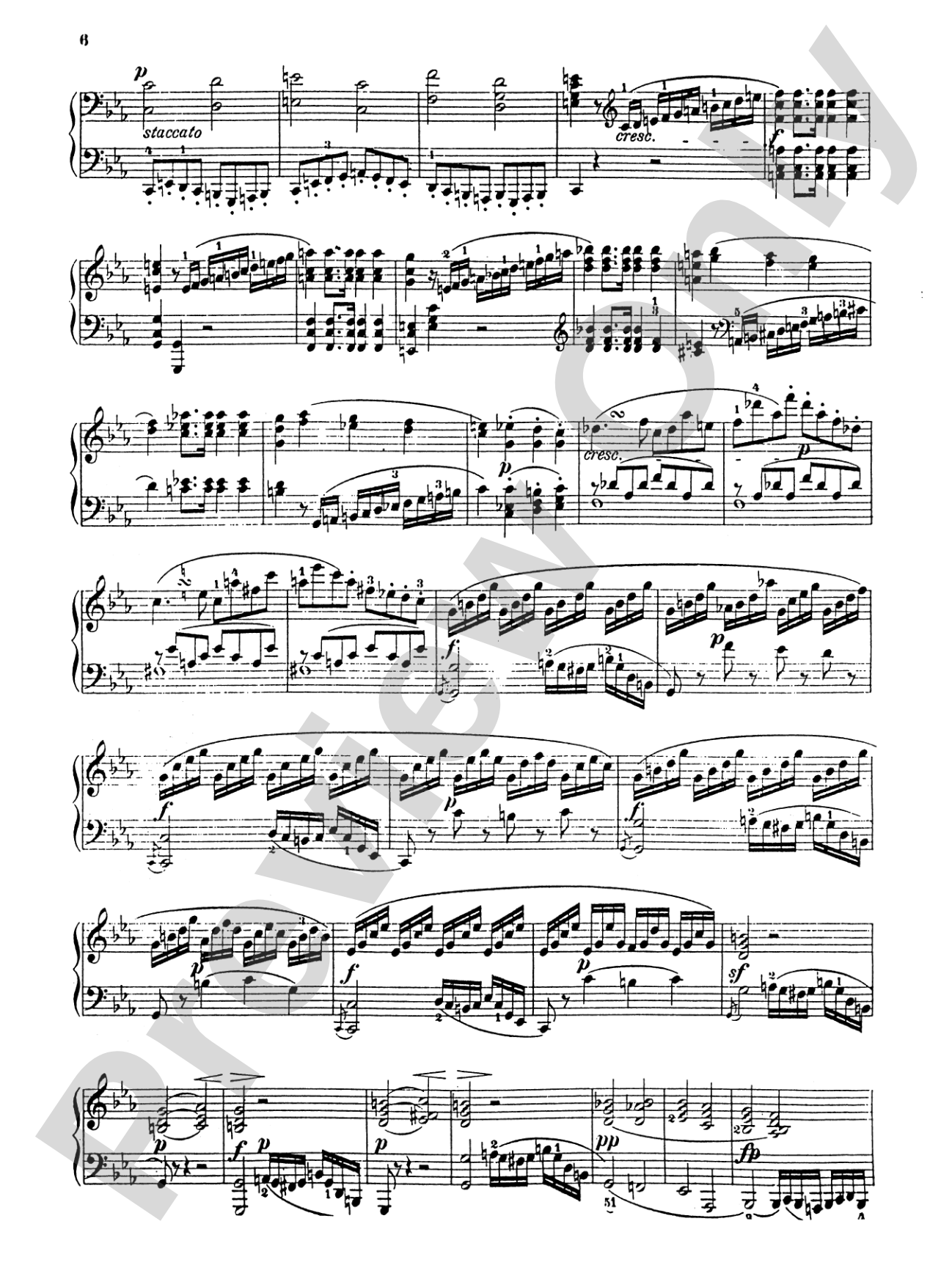
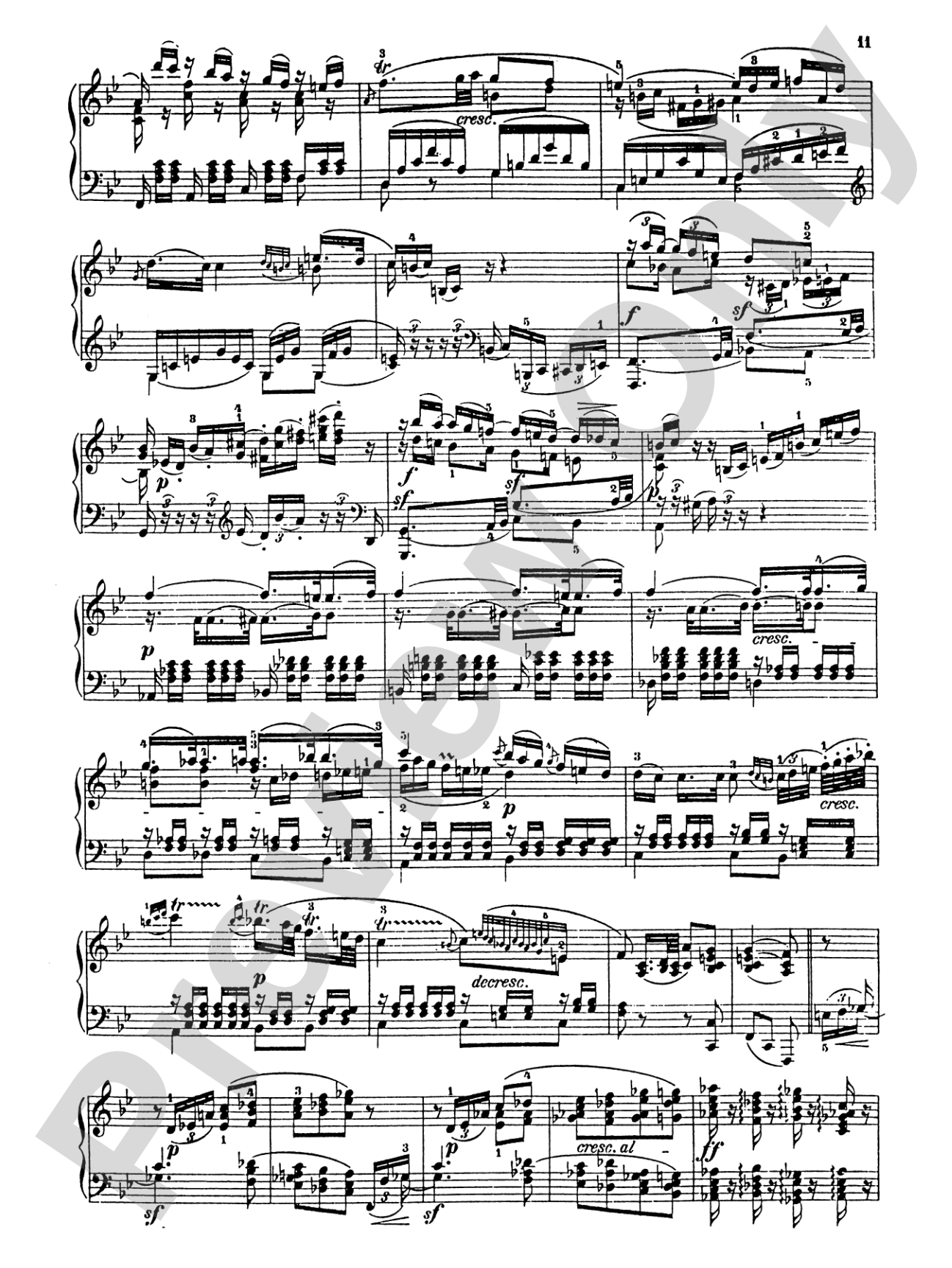
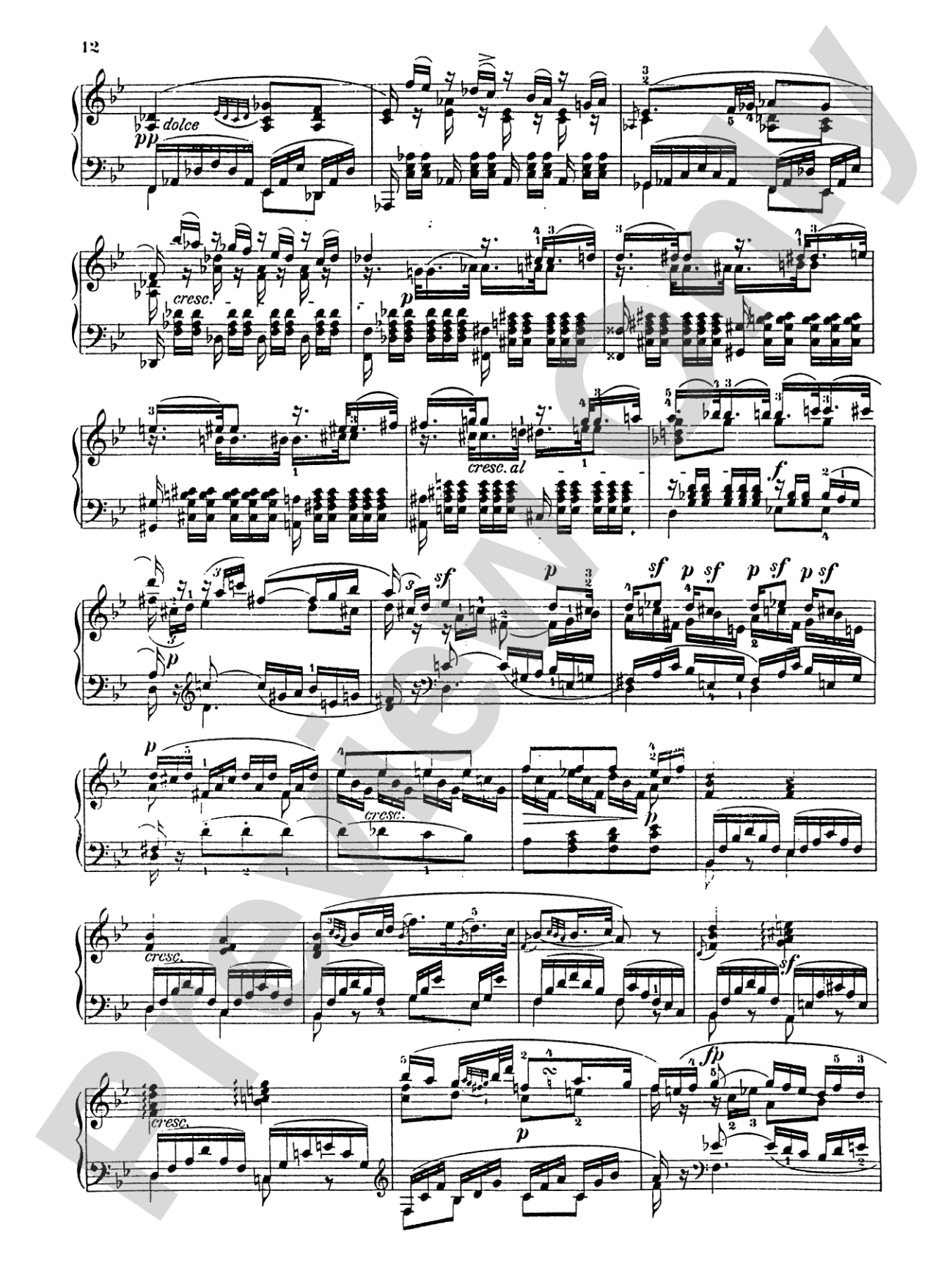
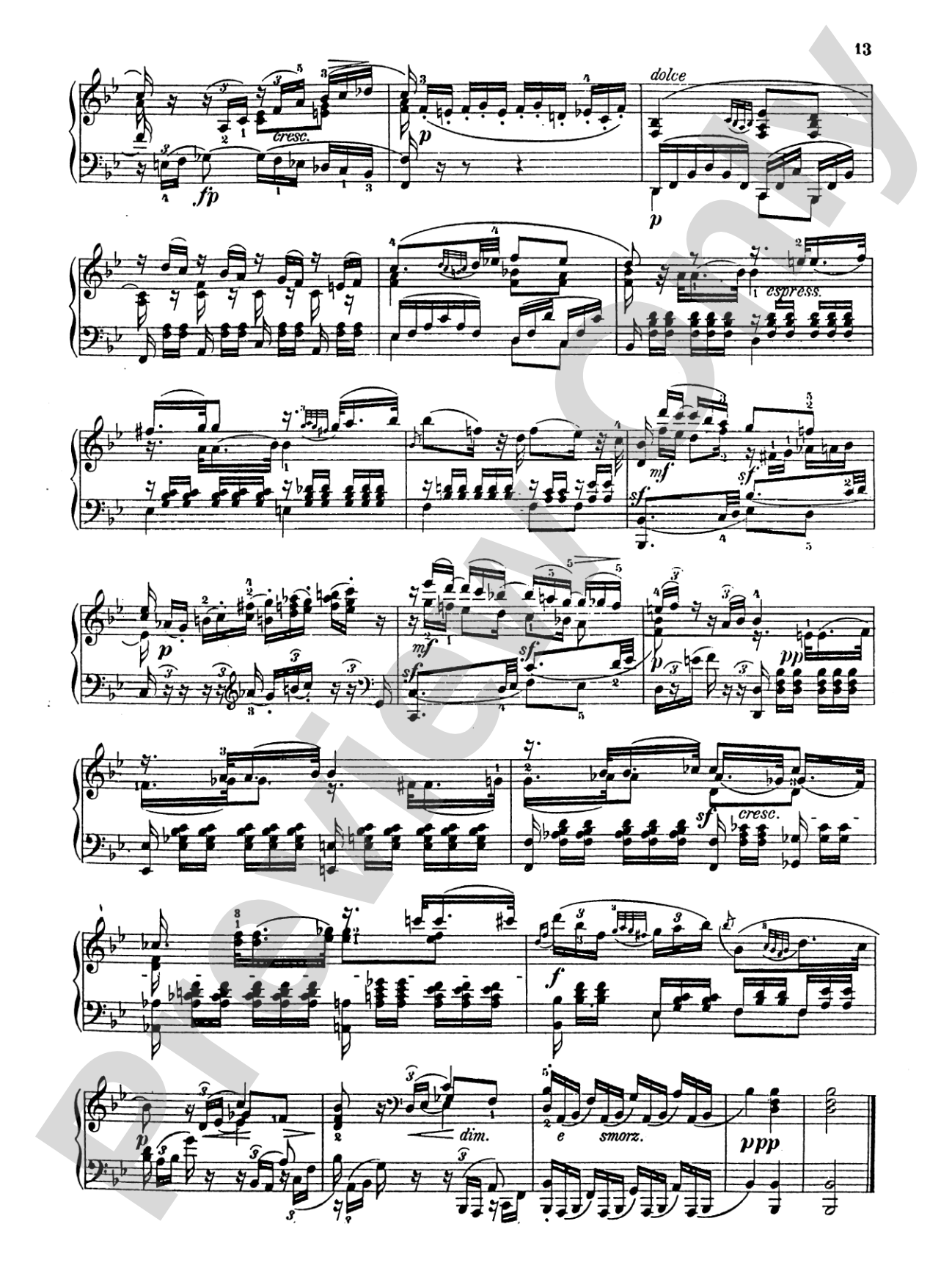
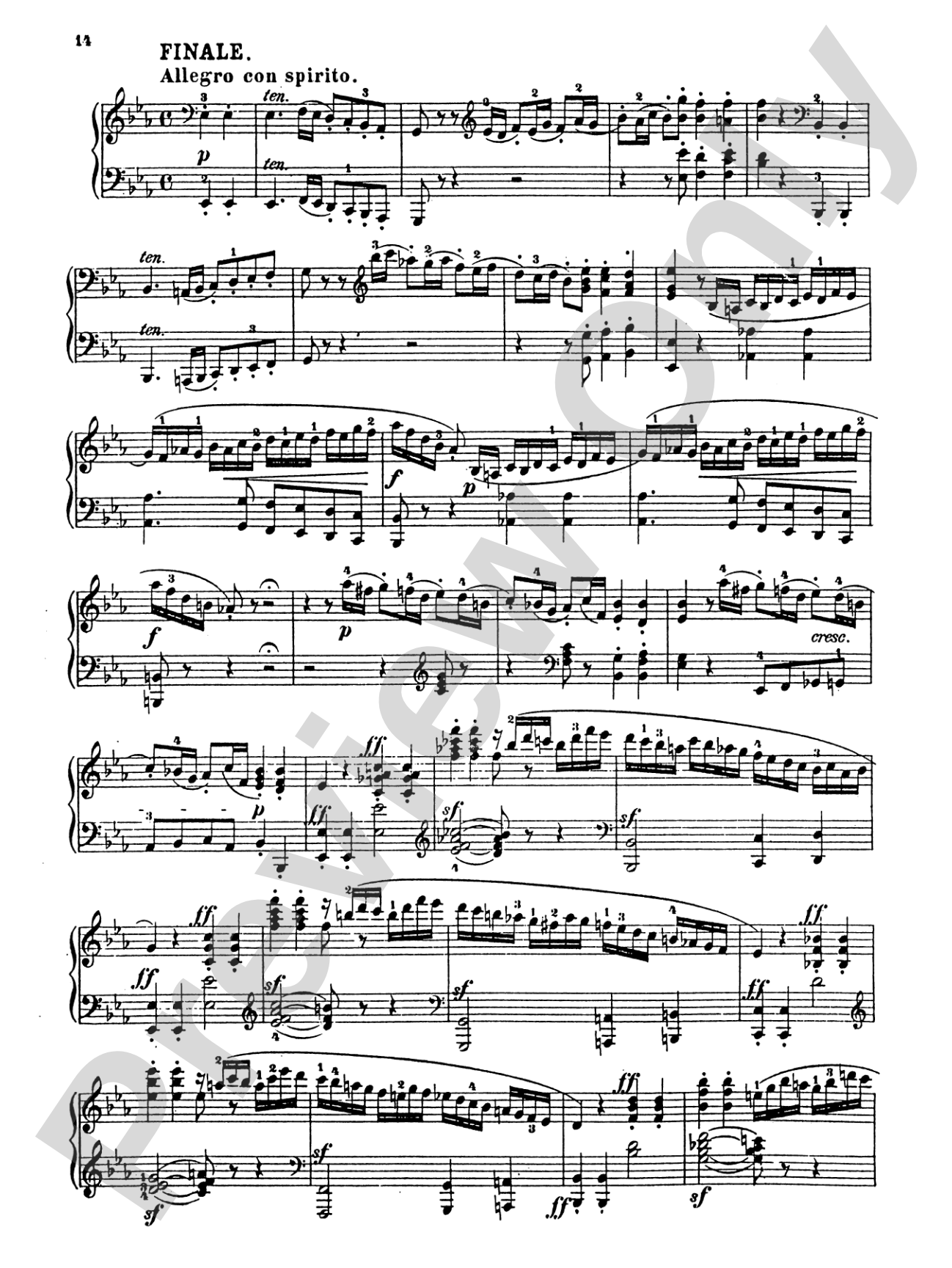
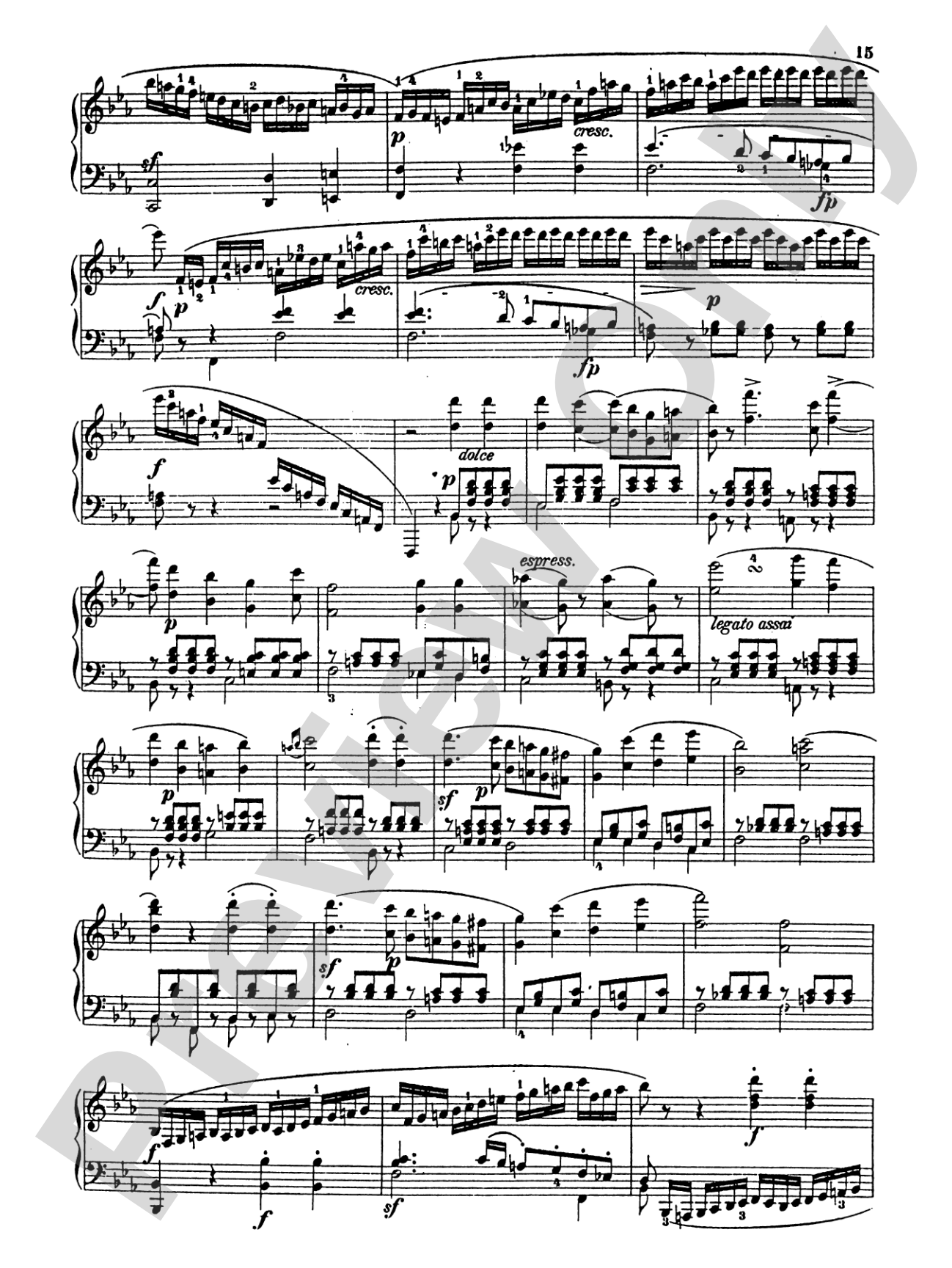
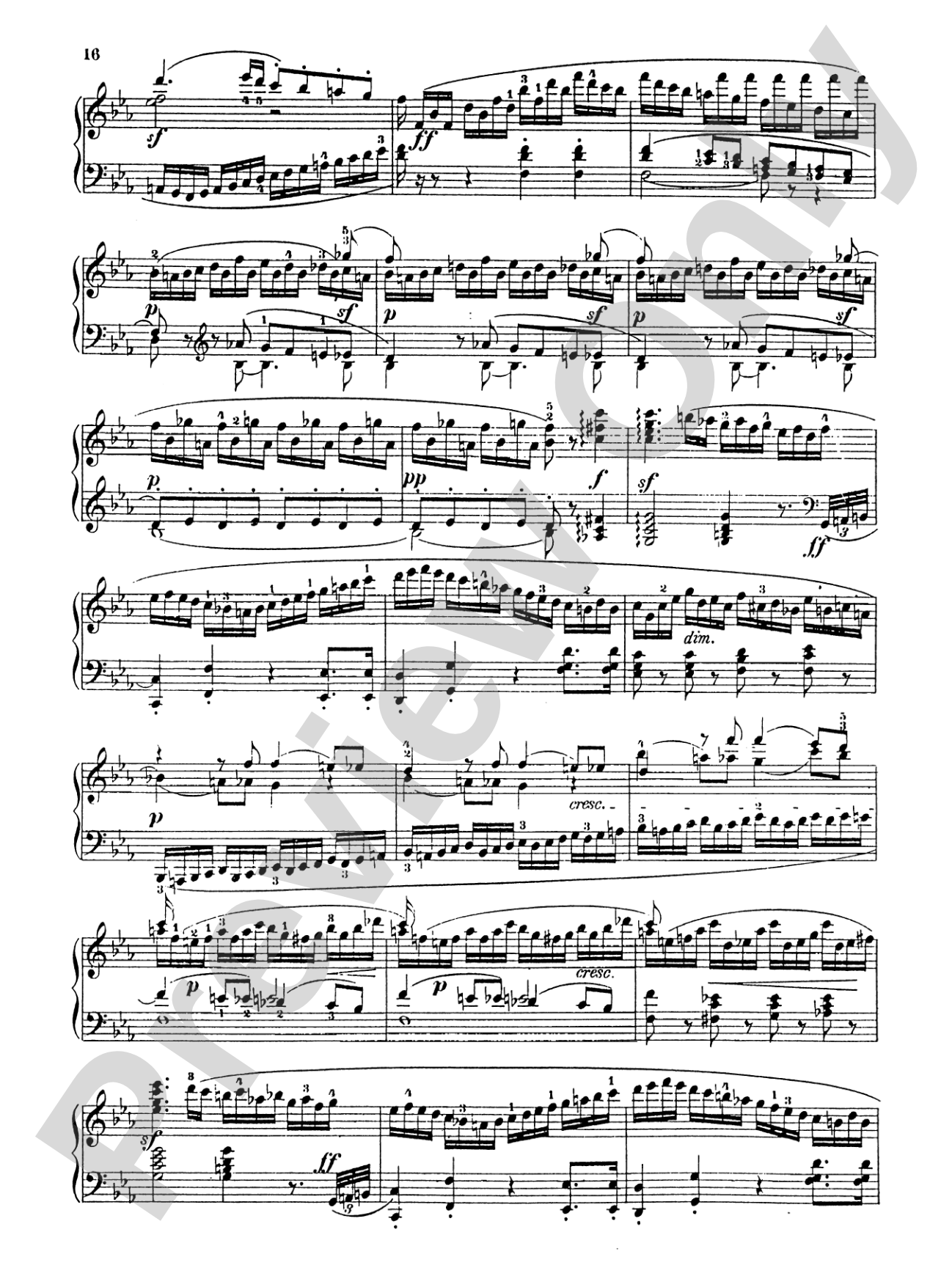
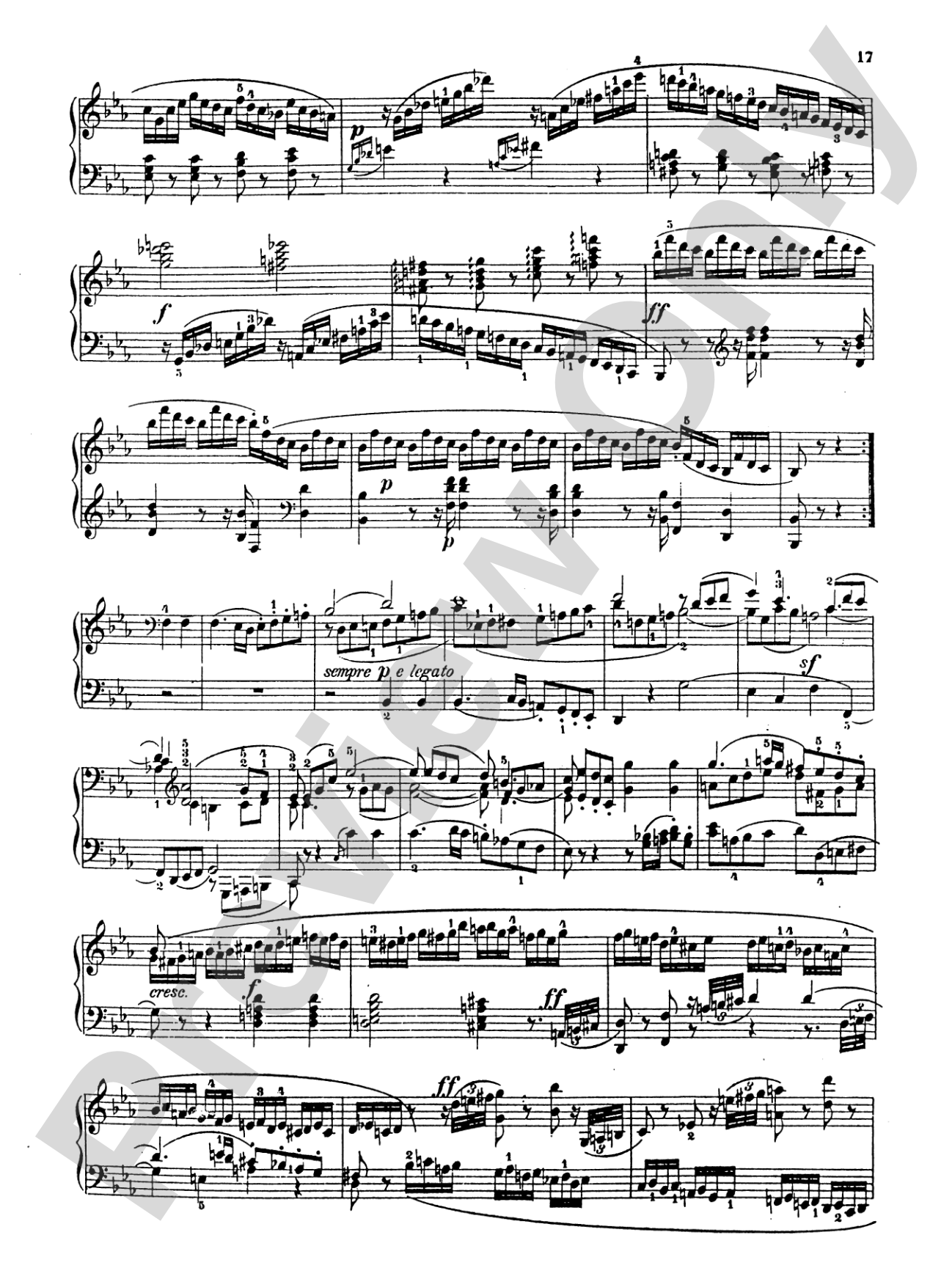
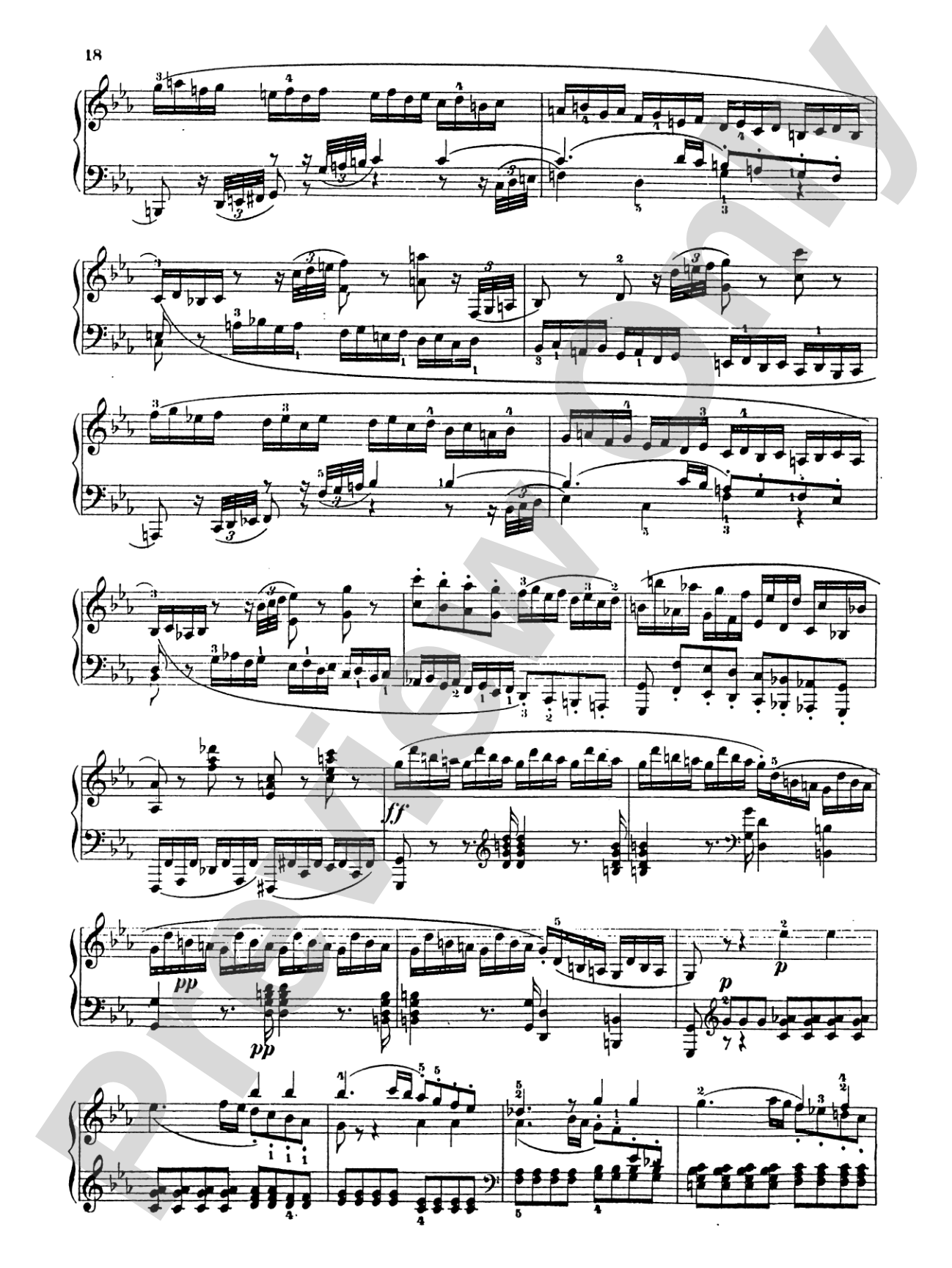

Hummel: Sonatas and Pieces (Volume I): Piano Book
Opus 11, 13, 18, 20, 55
By Johann Nepomuk Hummel
Item: 00-PK-0003893

$12.99
Pickup currently not available
Buy Extra Parts (Digital PDF Download)
| Product | Price | Quantity |
|---|---|---|
| Hummel: Sonatas and Pieces (Volume I) | $1.95 | |
| Hummel: Sonatas and Pieces (Volume I) | $1.95 | |
| Hummel: Sonatas and Pieces (Volume I) | $1.99 | |
| Hummel: Sonatas and Pieces (Volume I) | $1.95 | |
| Hummel: Sonatas and Pieces (Volume I) | $1.99 |
Parts Added to Cart!
Related Items
Sonatas and Pieces, Volume I: Piano Book |
$12.95
|
View |
Description
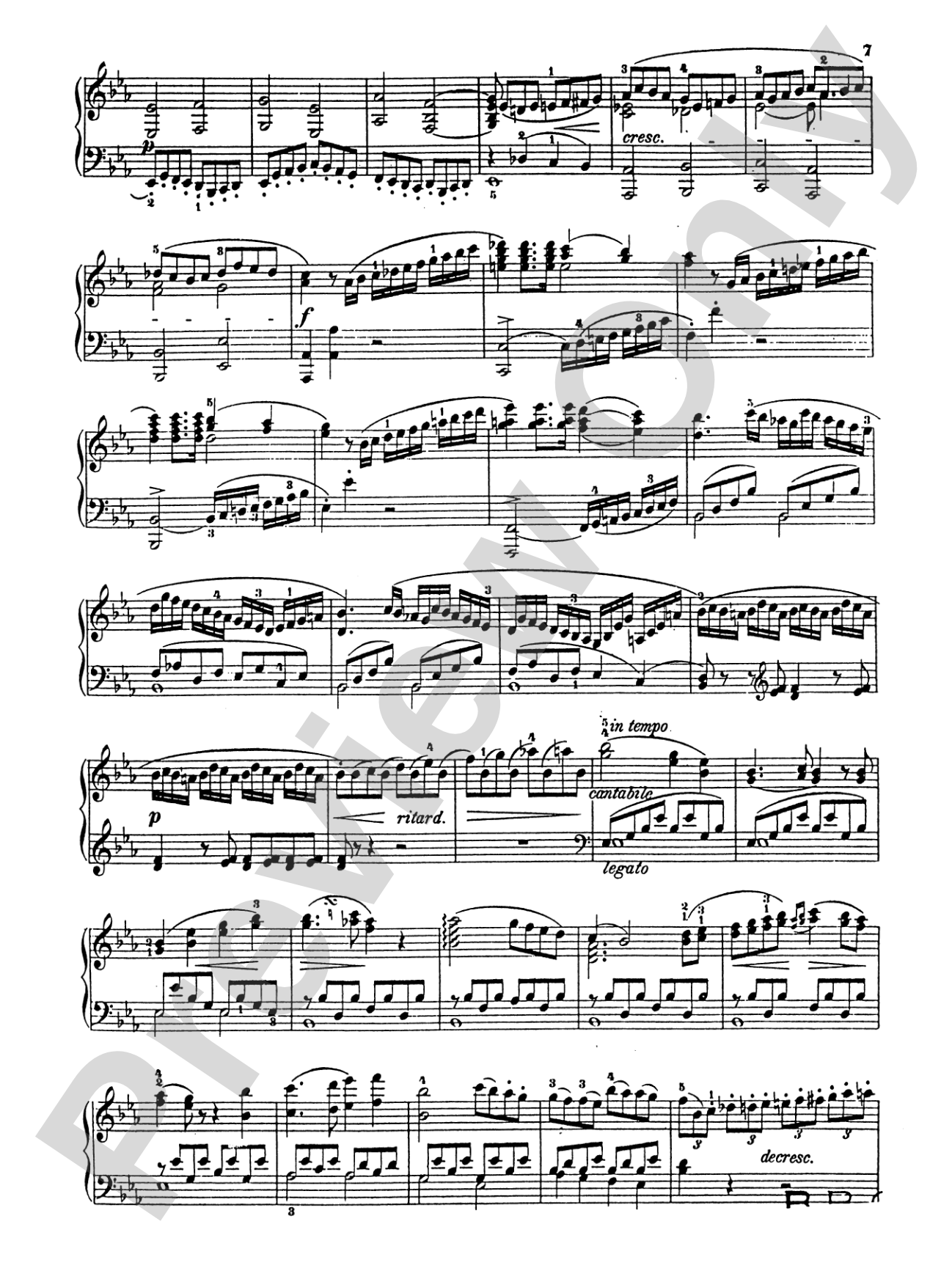
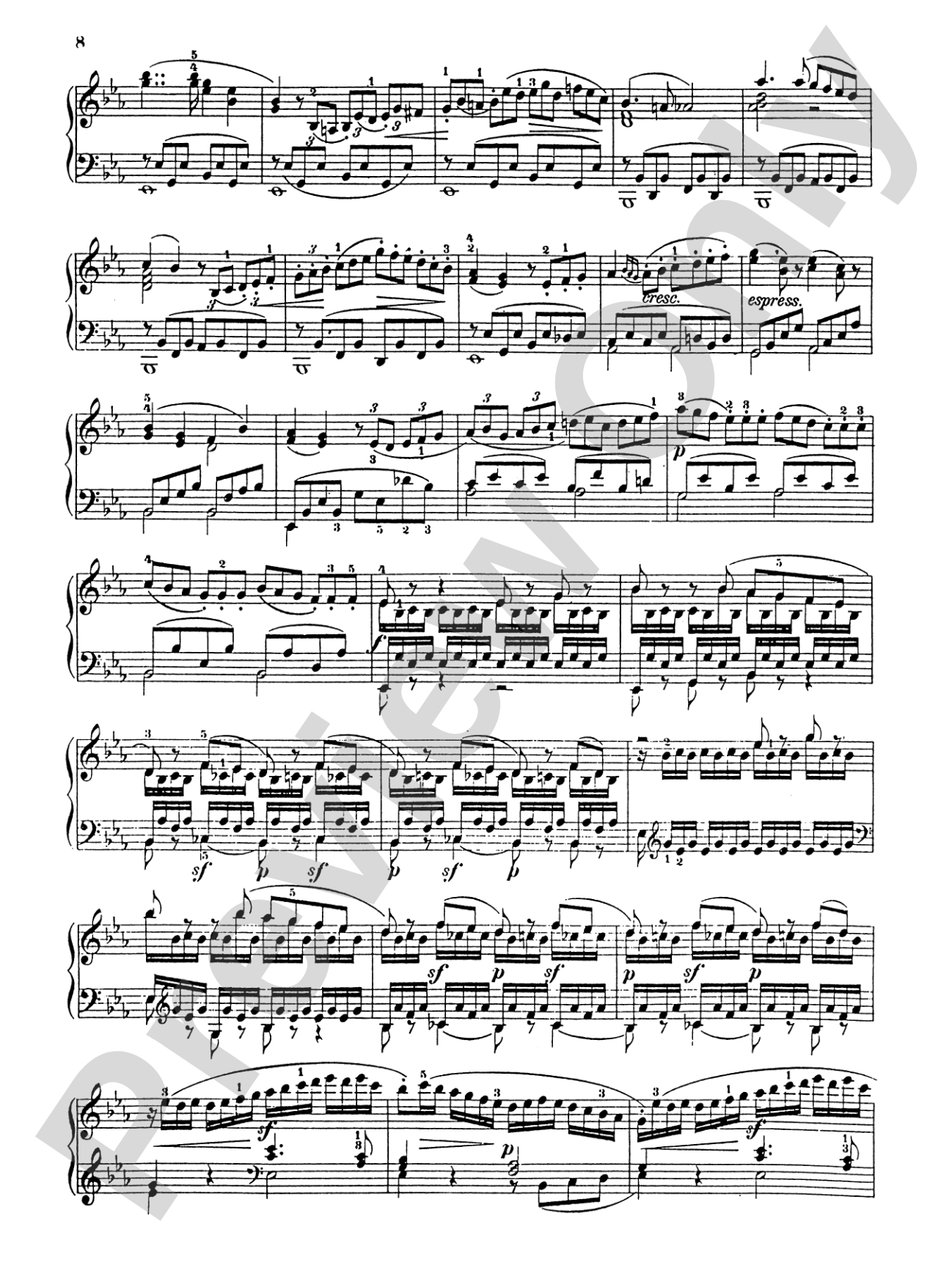
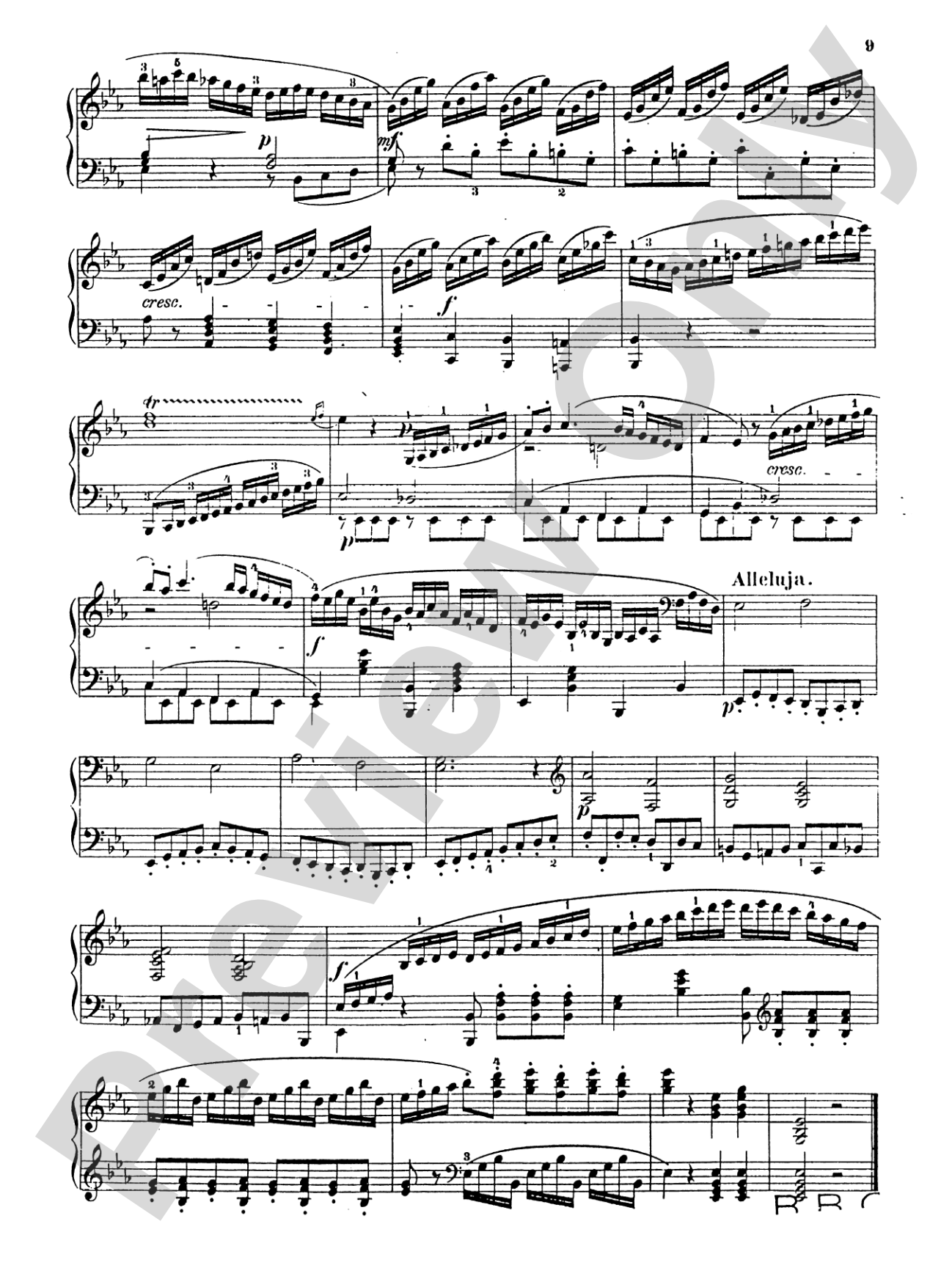
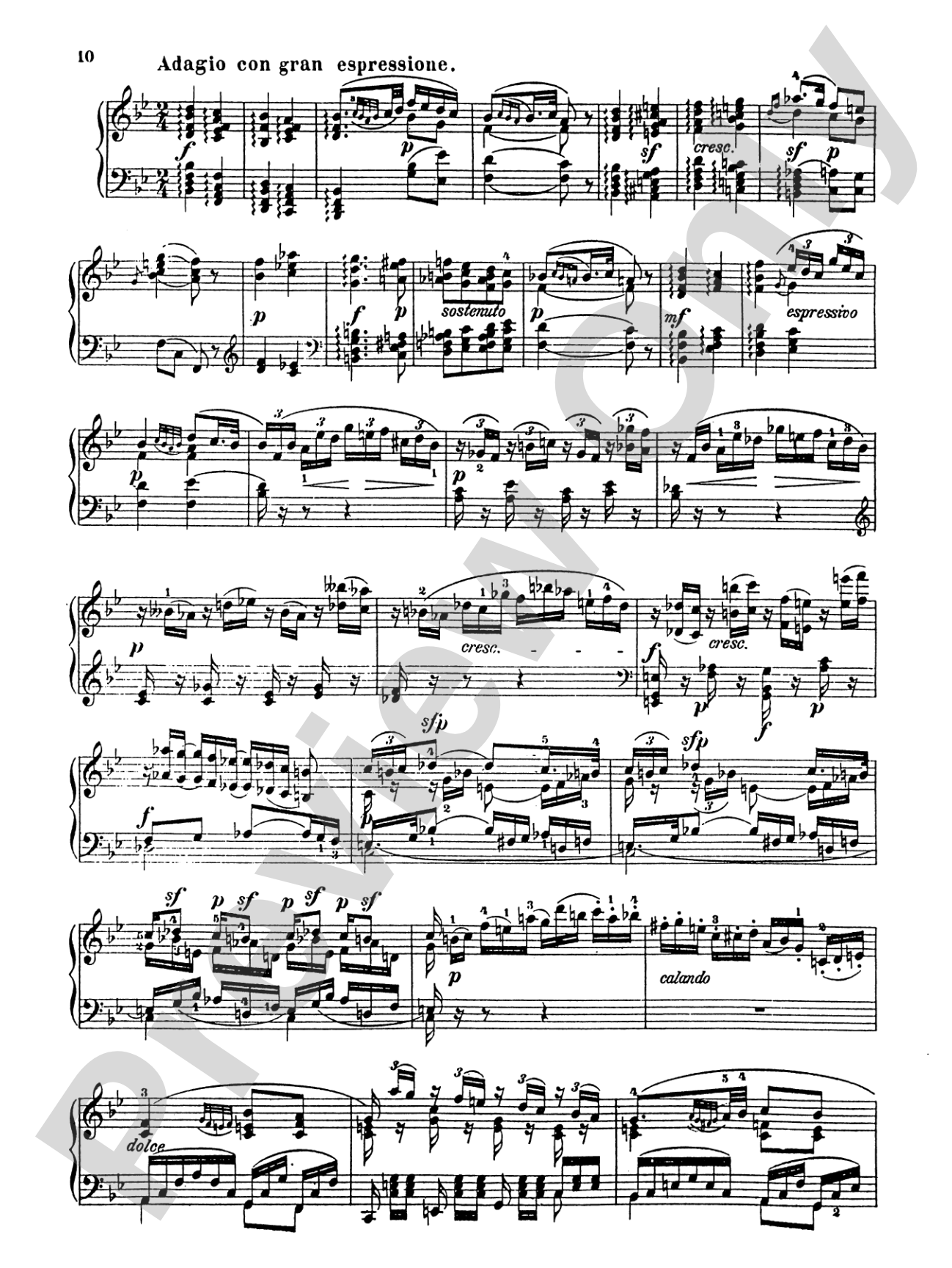
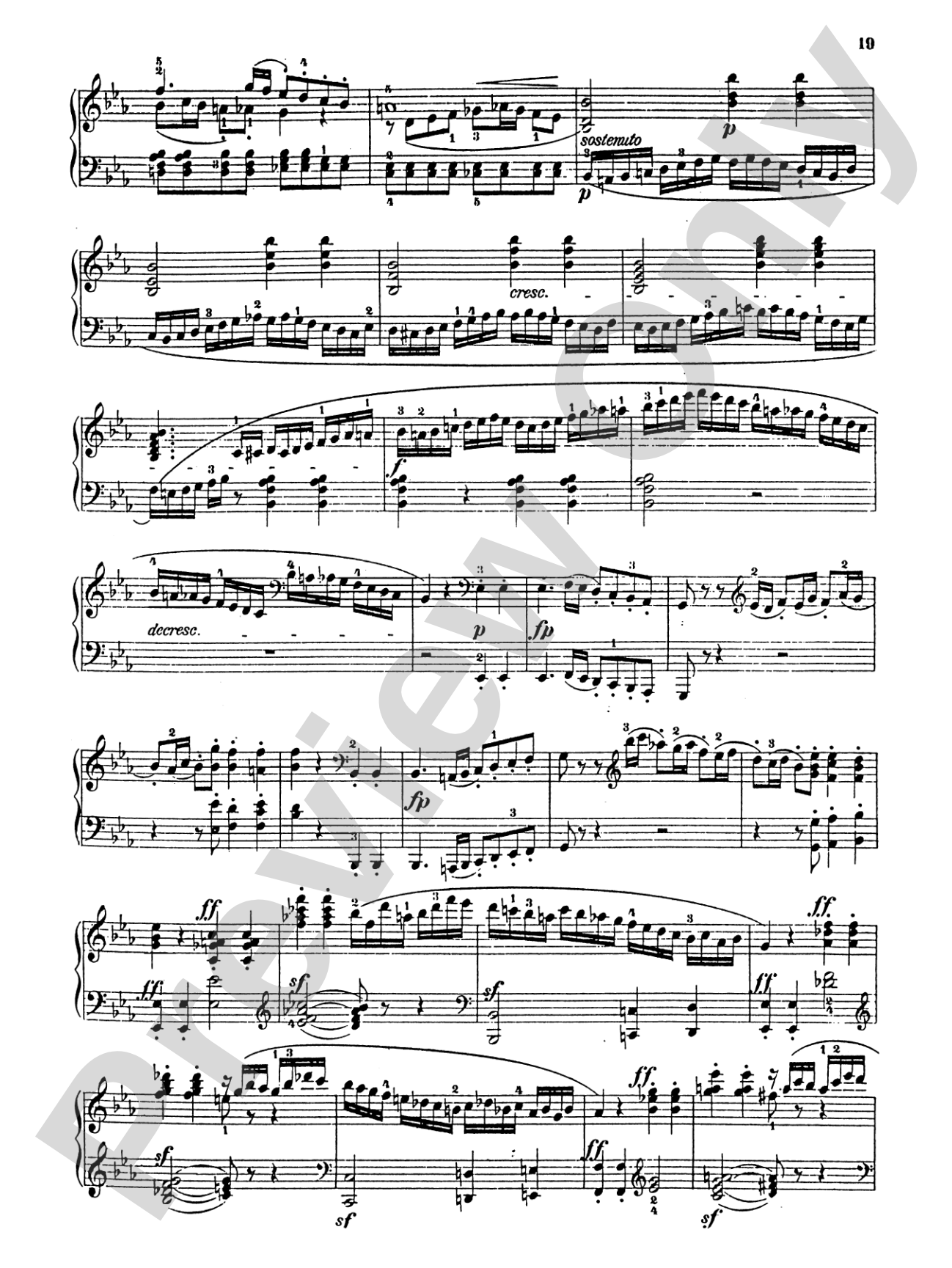
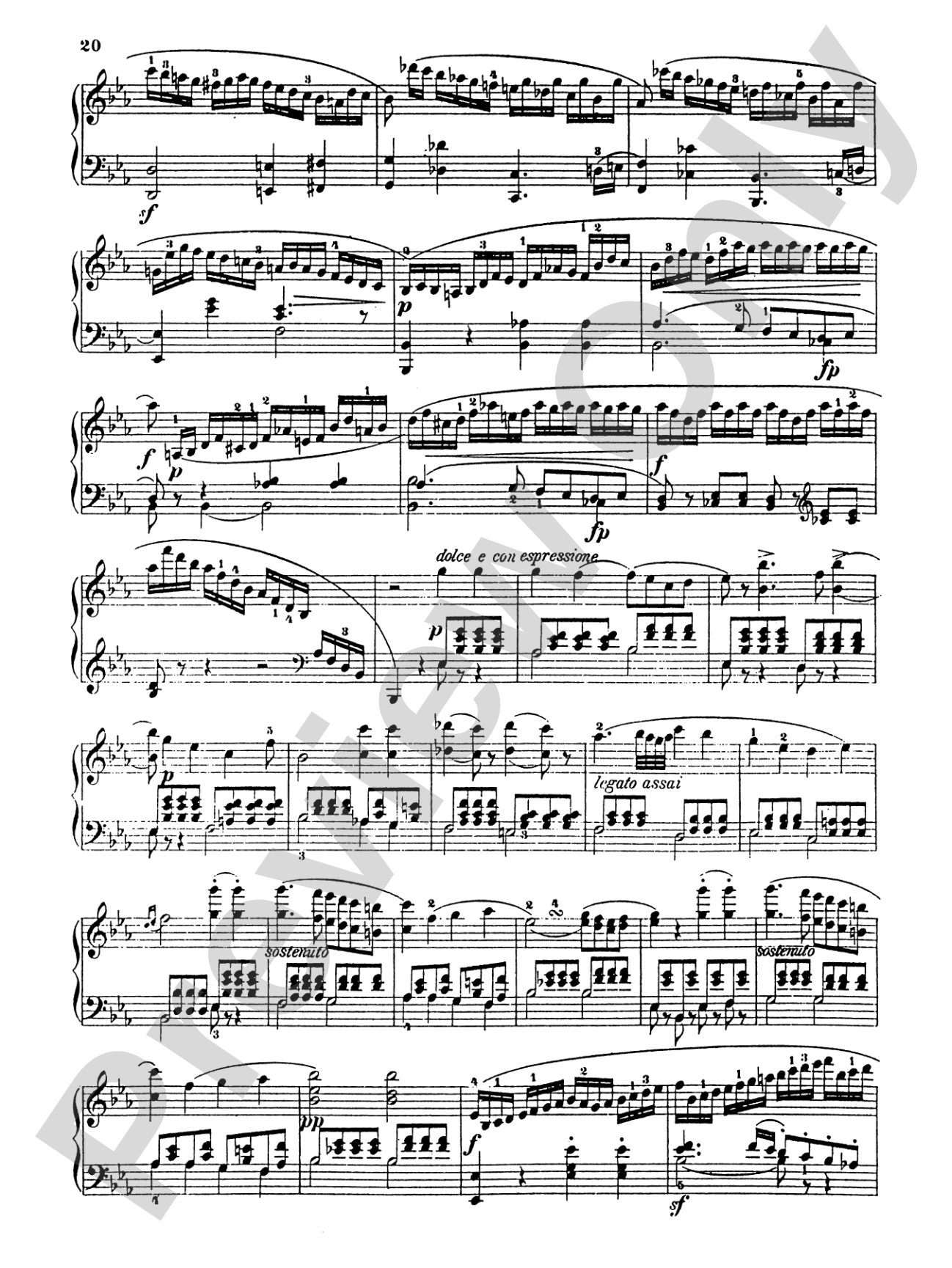
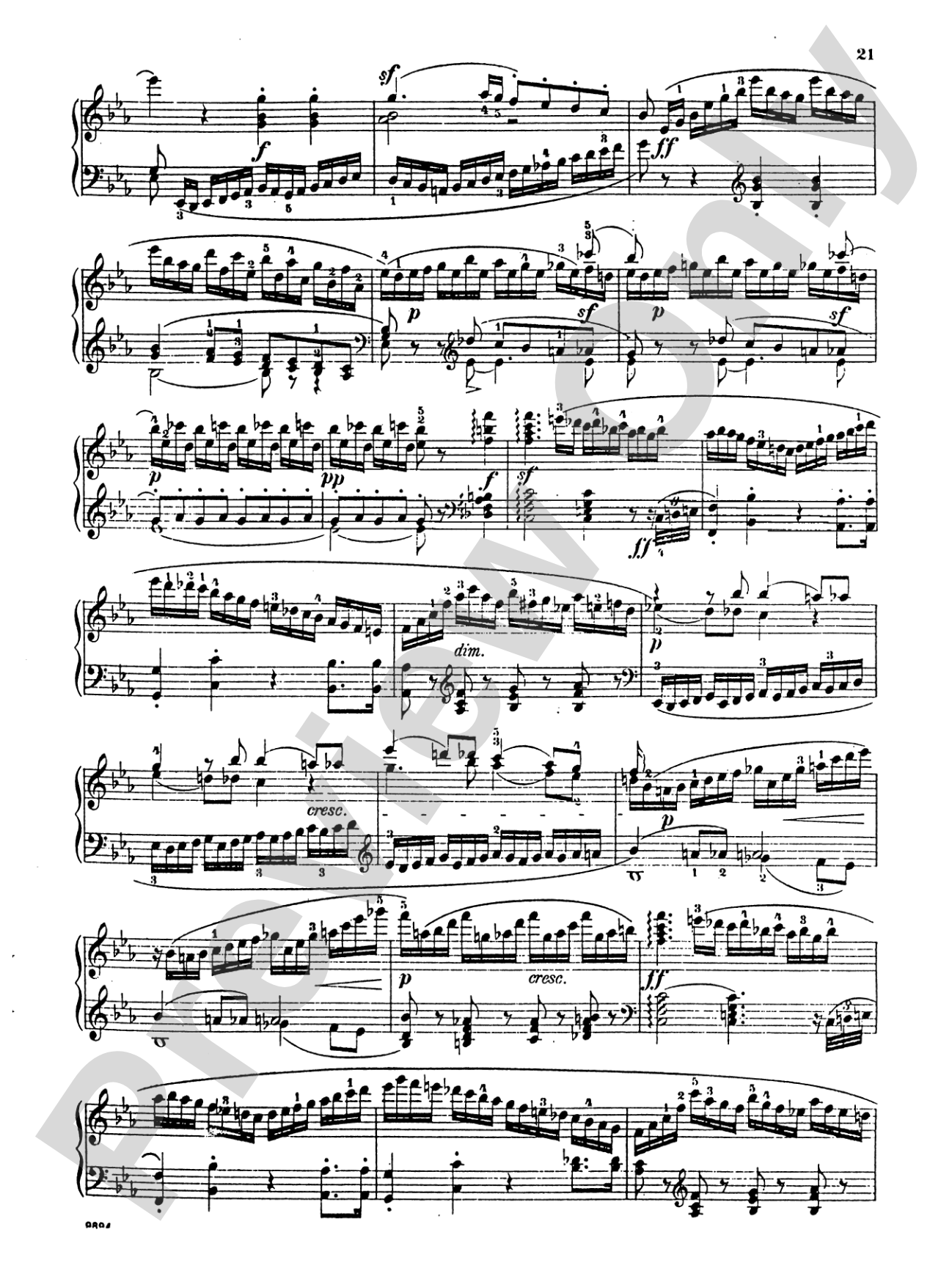
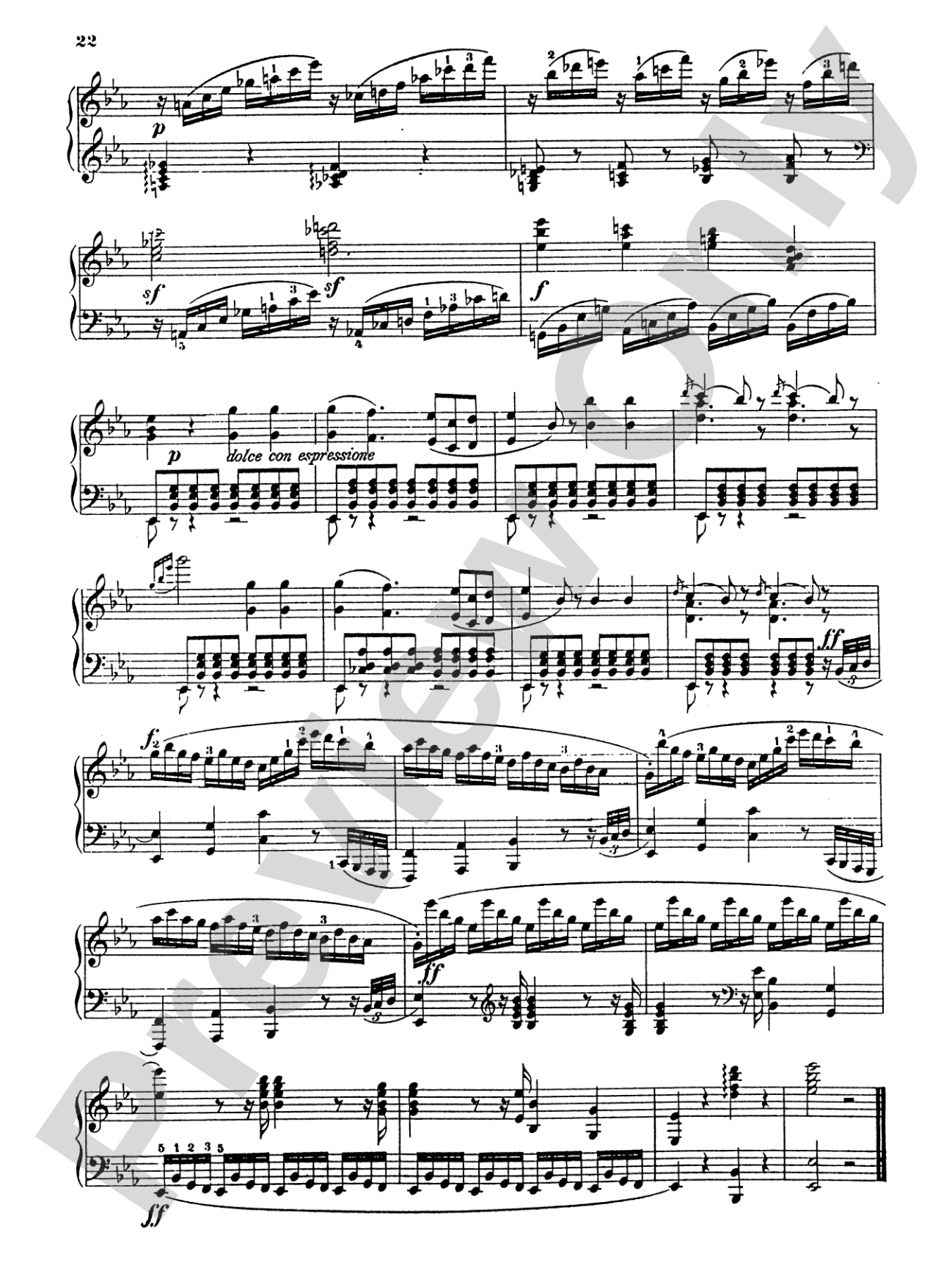
A collection of Piano Solos by Johann Nepomuk Hummel.


Don't just read it, hear it, play along with it, and watch your students grow with it. In MakeMusic Cloud, Hummel: Sonatas and Pieces (Volume I): Piano Book comes alive with professional accompaniment, adjustable tempo, and built-in practice tools that turn solo practice into real progress.
Open in the Player
Jump straight in and assign it today.
Start Your Free Trial
Open this title and explore the full library in minutes.
Sample Audio
No sample audio found.
Sample Video
No sample videos found.
Additional Details
Series:
Kalmus Edition
Publisher:
Alfred Music
Page Count:
88
SKU:
00-PK-0003893
More about this title
About the Composer: Johann Nepomuk Hummel
Johann Nepomuk Hummel (1778, 1837) was one of the most celebrated pianists and composers of the early nineteenth century, a bridge figure between Beethoven and the Romantic era. After studying with Mozart and Salieri, he built a career as a virtuoso performer and prolific composer, writing across all major genres with particular mastery of keyboard music. His sonatas and character pieces shaped the development of piano literature, balancing technical brilliance with lyrical invention.
Why we love this
Hummel occupies a fascinating middle ground in the Classical-to-Romantic transition, offering pianists music that feels both rooted in Mozart's elegance and infused with early 19th-century expression. These sonatas and pieces provide substantive recital and study material that challenges players to navigate sophisticated harmonic language and virtuosic figuration without descending into showmanship for its own sake. Programming Hummel alongside Bach, Beethoven, or early Romanticism positions students in the actual musical conversation of the era rather than the simplified narrative of most anthologies.
What to expect
Hummel's keyboard writing radiates sophistication and elegance with an undercurrent of restless innovation. The pieces move with purpose through Classical forms while introducing harmonic colors and figurative patterns that hint at the Romantic era to come, creating music that feels both familiar and gently surprising.
Who it's for
Advanced pianists preparing repertoire beyond the standard canon, students exploring the Classical-Romantic transition, and teachers seeking substantial character pieces and sonata-form works for mature intermediate students. This collection serves recital pianists and serious music students who want to deepen their understanding of a historically important but often overlooked composer.
How to get the most out of it
- Approach the passage work as compositional structure, not mere decoration. Each figuration typically supports harmonic motion or thematic development; clarity serves the music's architecture rather than displaying technique alone.
- Honor the Classical foundations while attending to the chromatic and harmonic enrichments Hummel introduced. The balance between restraint and expressive gesture defines his style.
- Use the pedal sparingly. Hummel's textures are carefully voiced for clarity, and excessive pedal will cloud the interplay between melody, accompaniment, and inner voices.
How to use it
Feature a Hummel sonata or character piece as a bridge in a recital exploring Classical aesthetics through the 1830s, positioning it between Mozart and Schubert or Mendelssohn. Students developing a comprehensive Classical recital or competition program will find these works more distinctive and rewarding than the hundredth performance of the same Beethoven sonata.
Skills your students will build
- Managing extended Classical sonata forms with sophisticated harmonic progressions
- Playing rapid figuration with rhythmic precision and textural clarity
- Balancing lyrical melody with intricate accompaniment patterns
- Interpreting Classical ornamentation and phrasing conventions
- Developing pedal technique appropriate to Classical and early Romantic aesthetics