
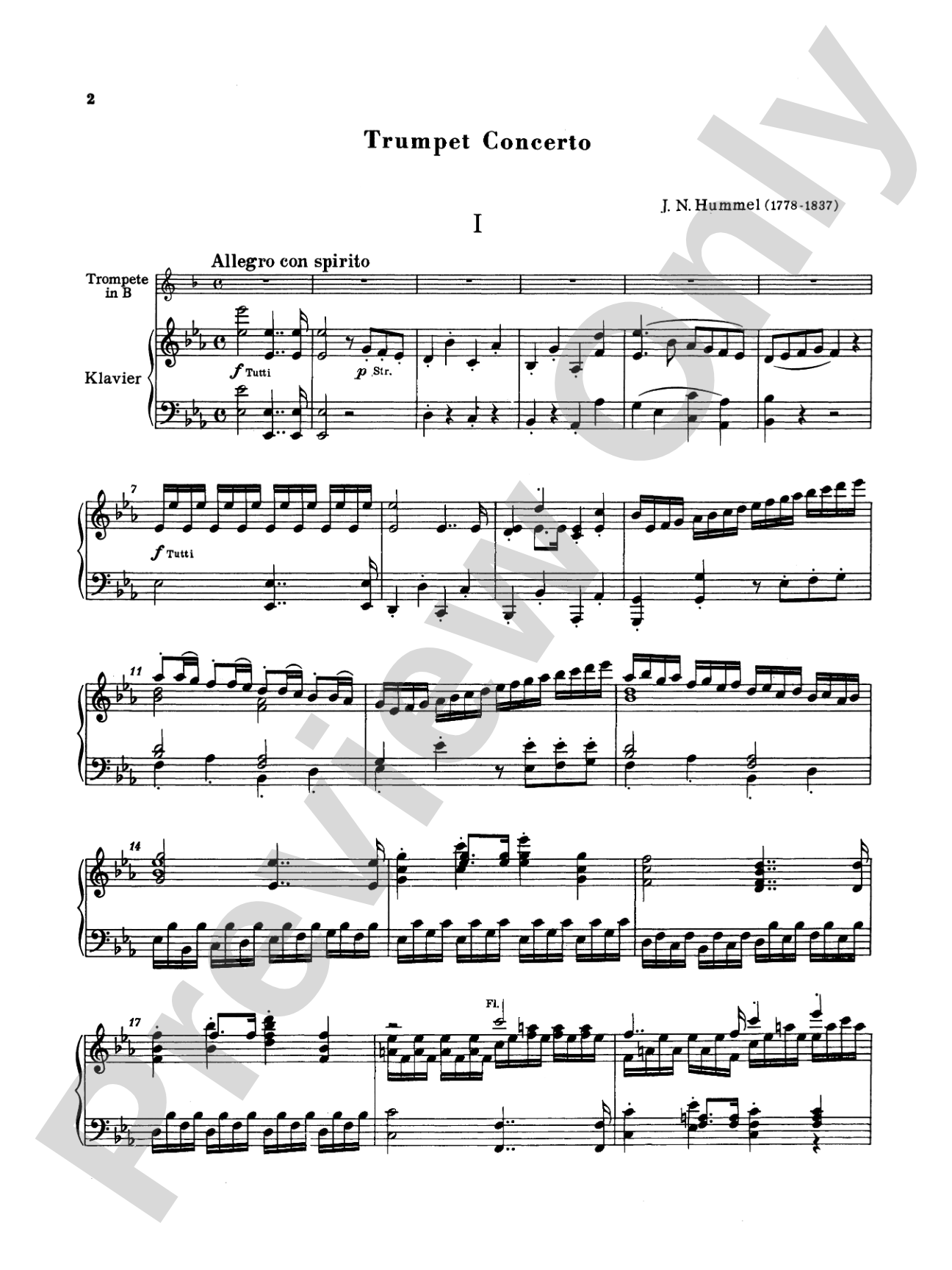
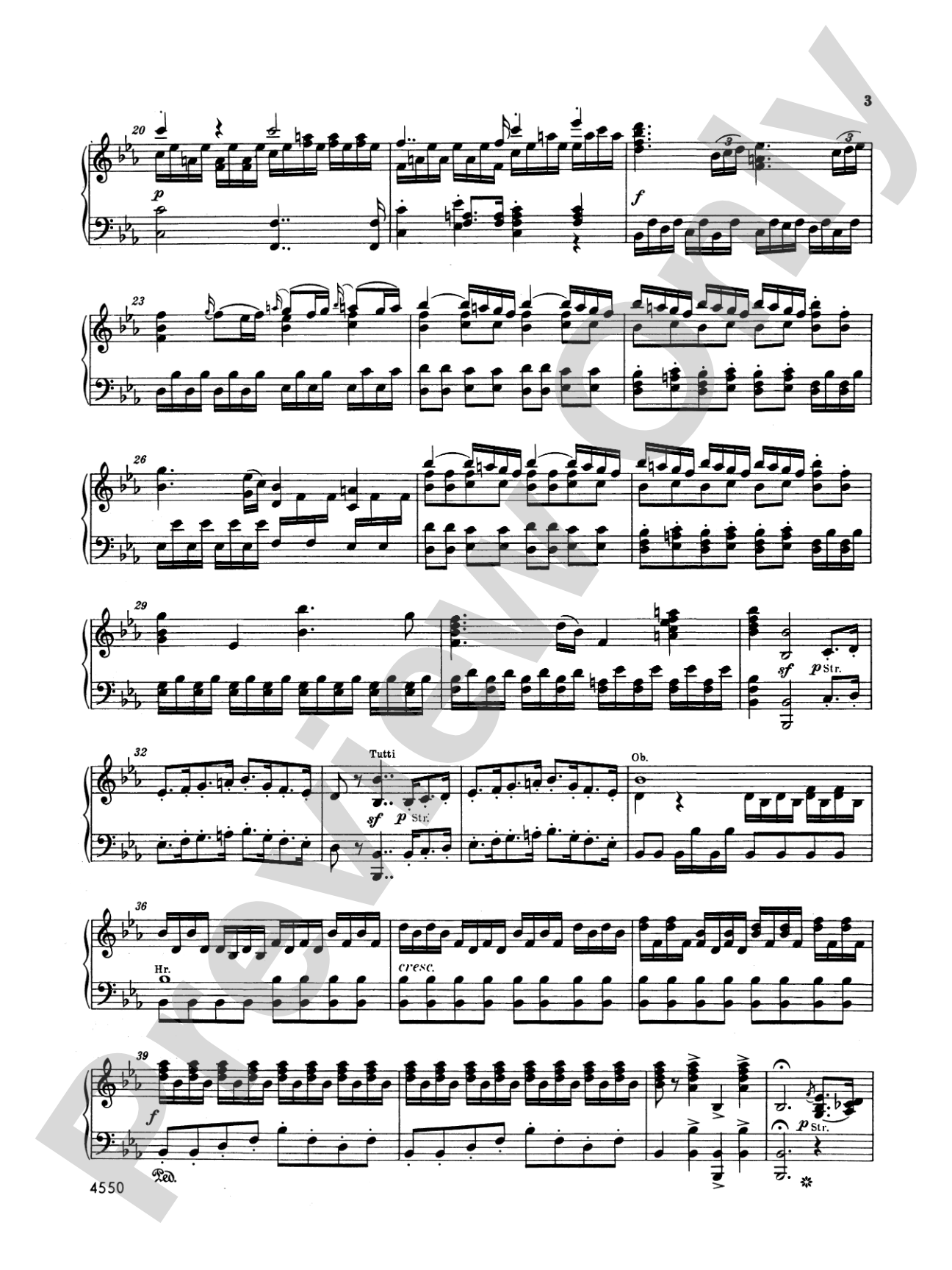
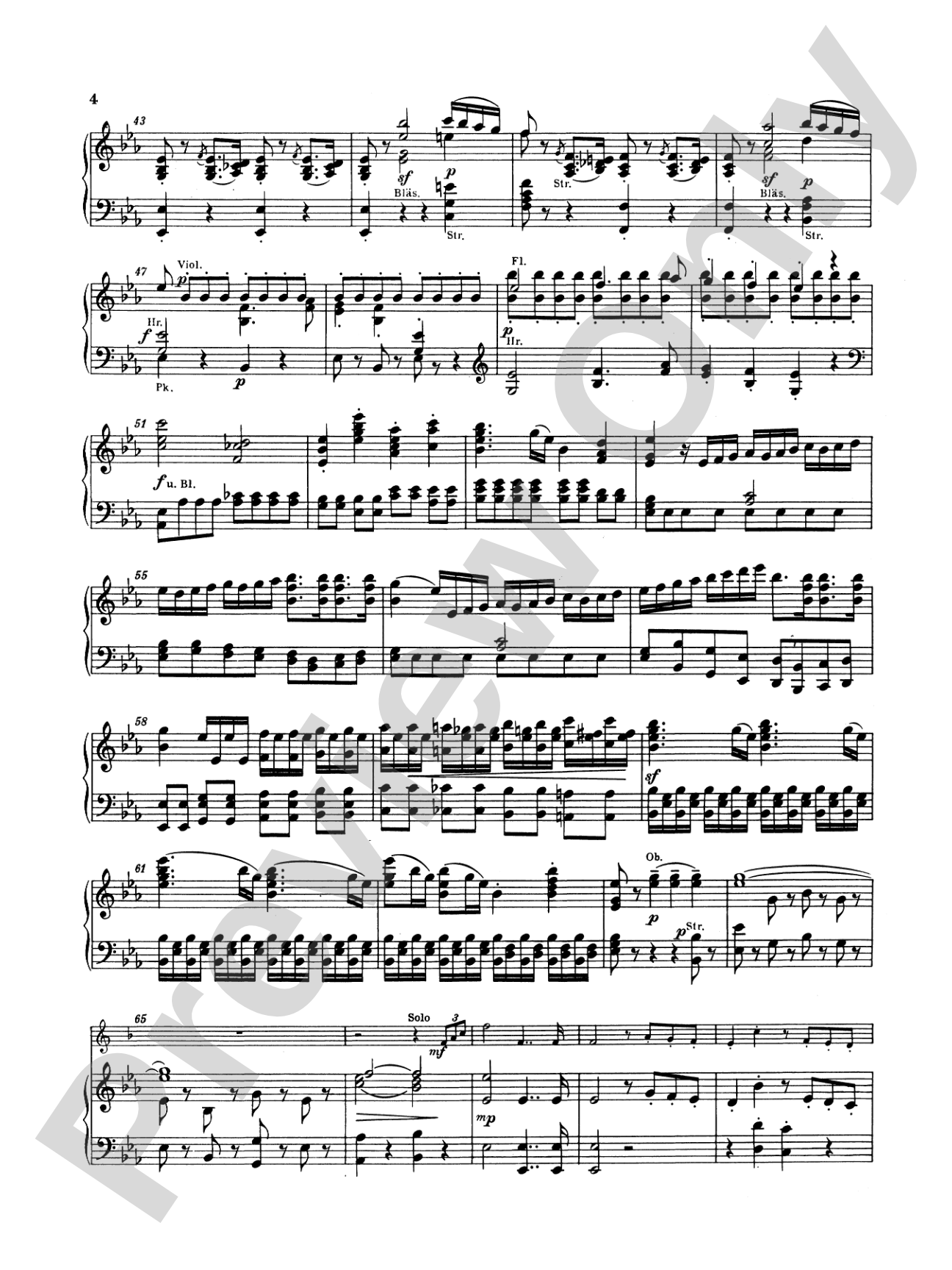
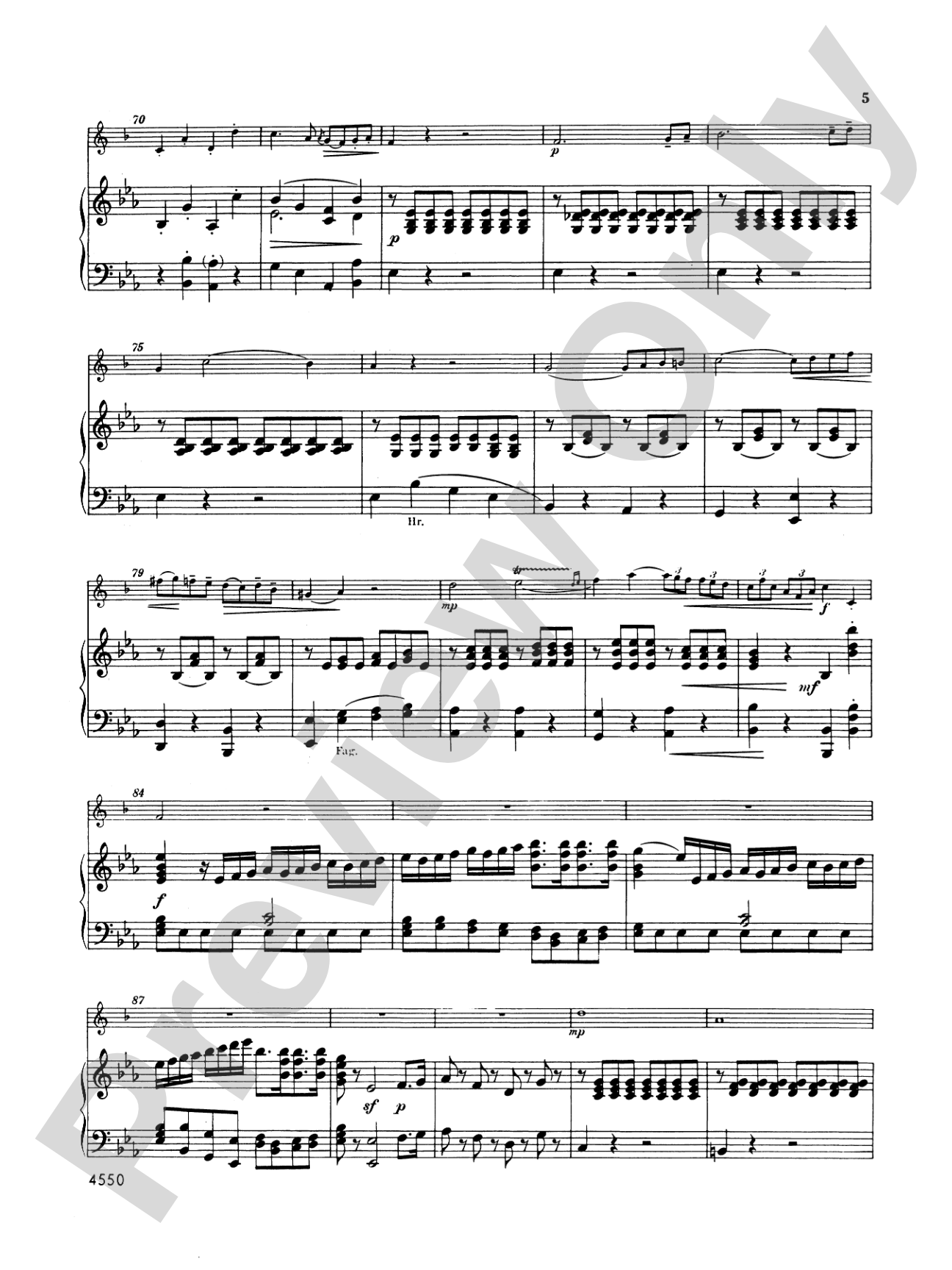
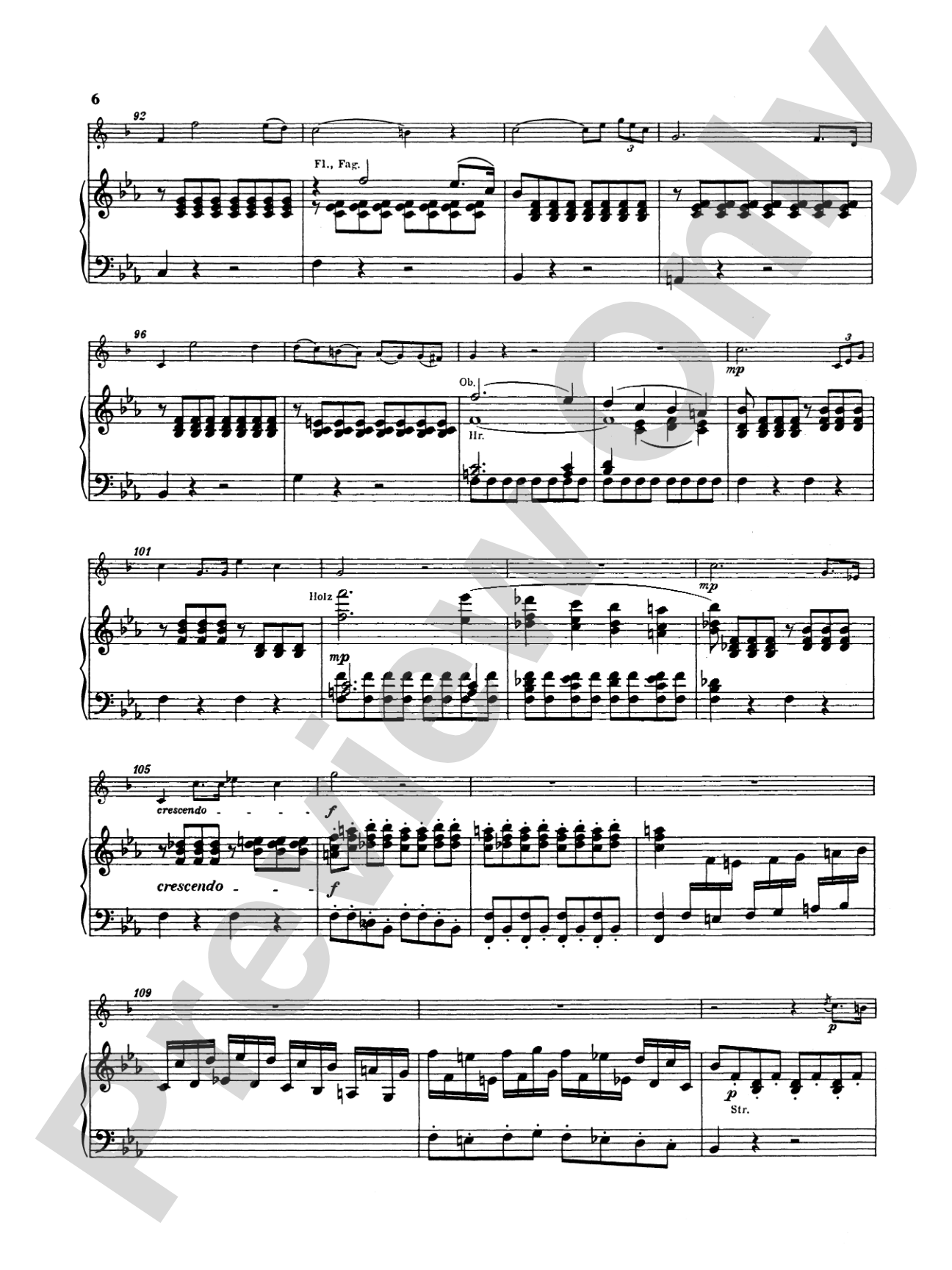
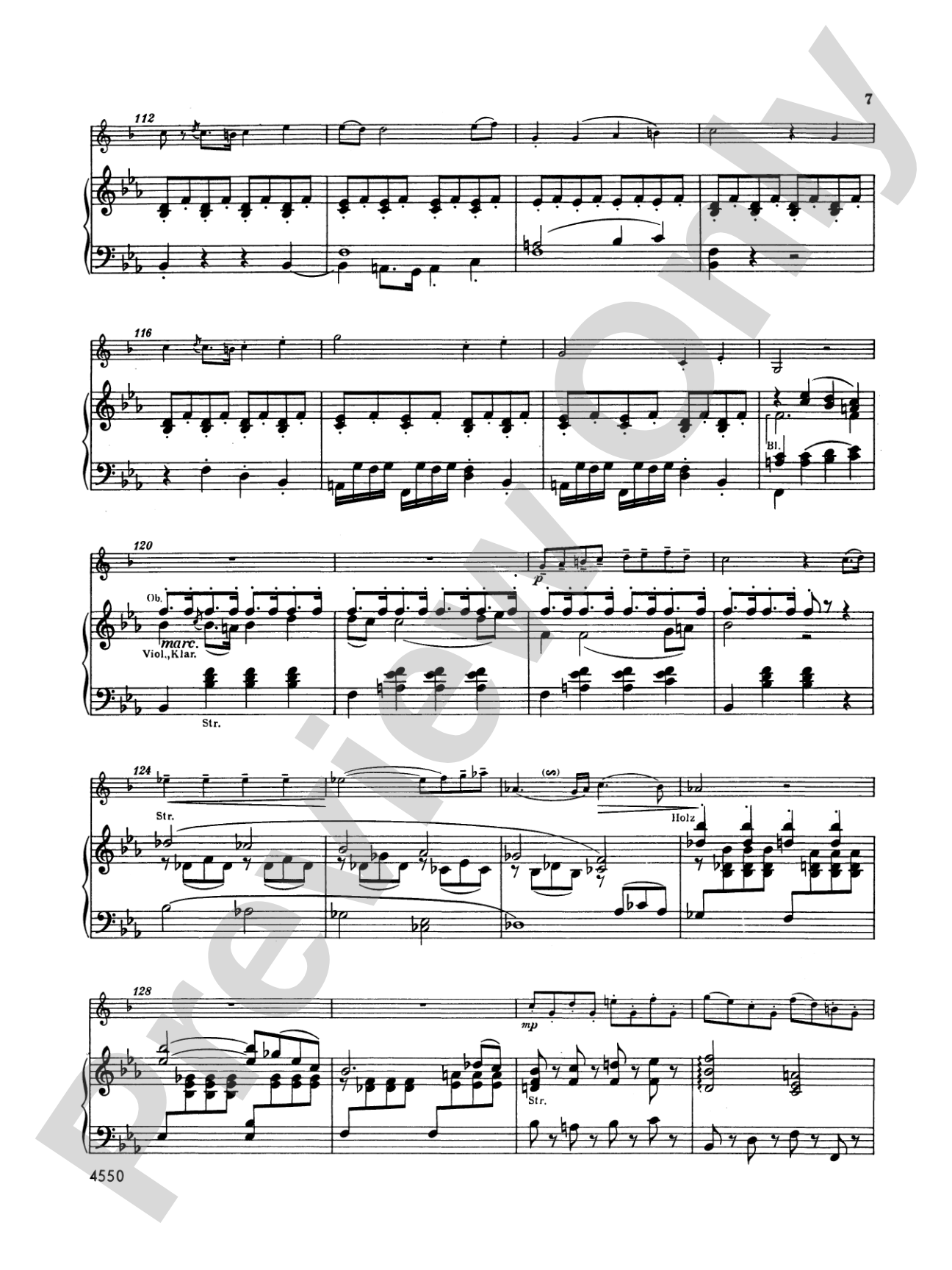
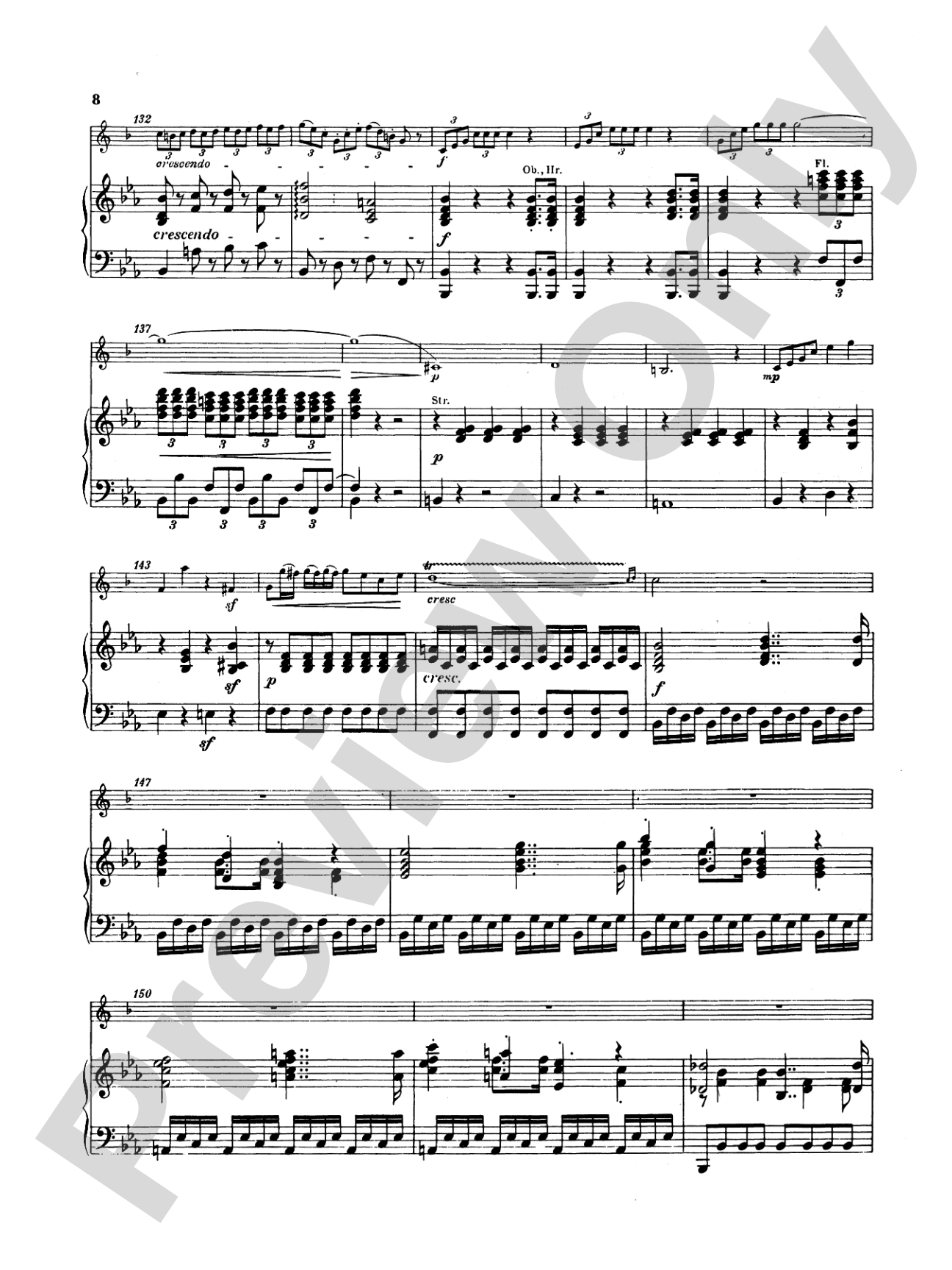
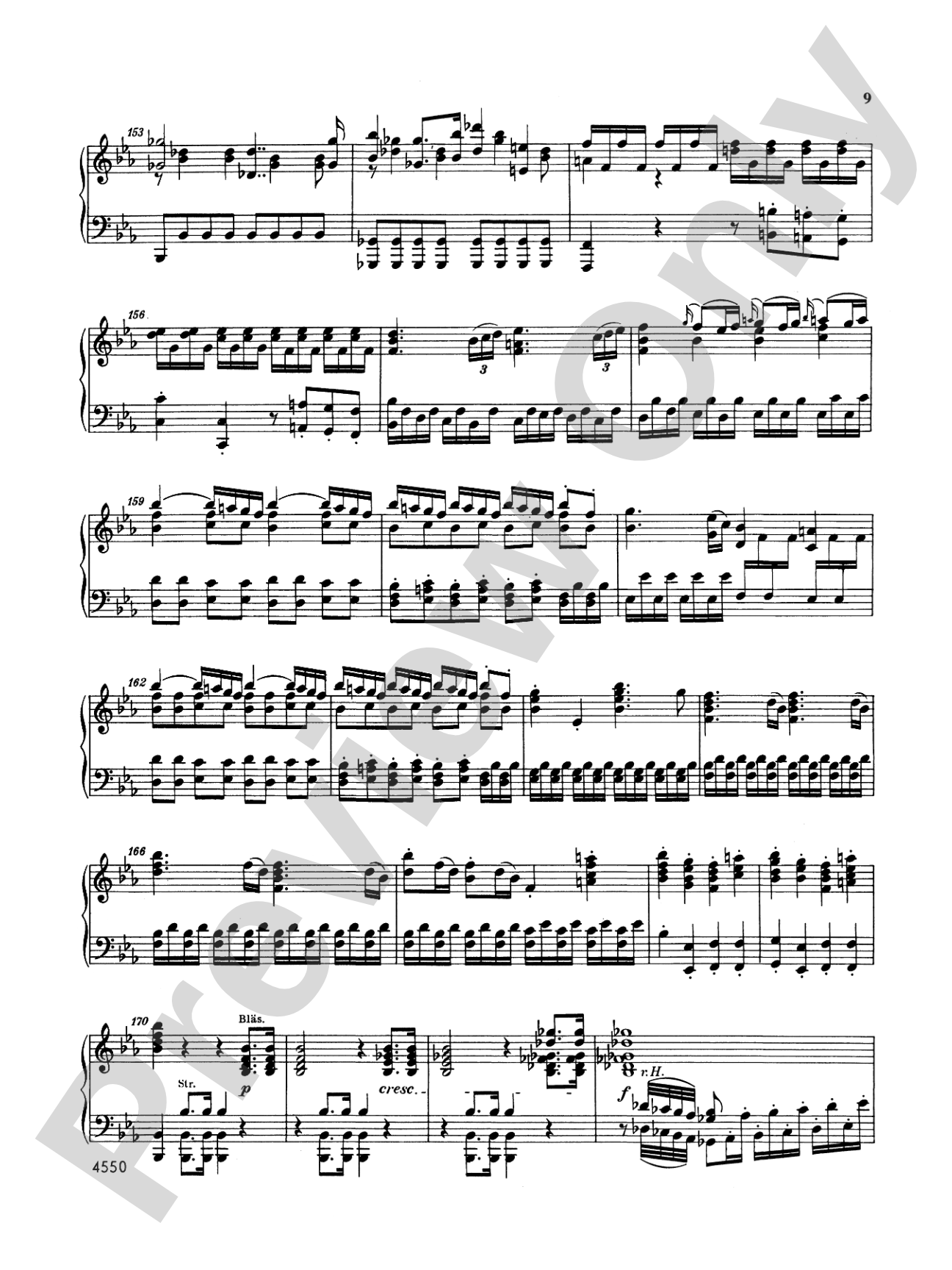
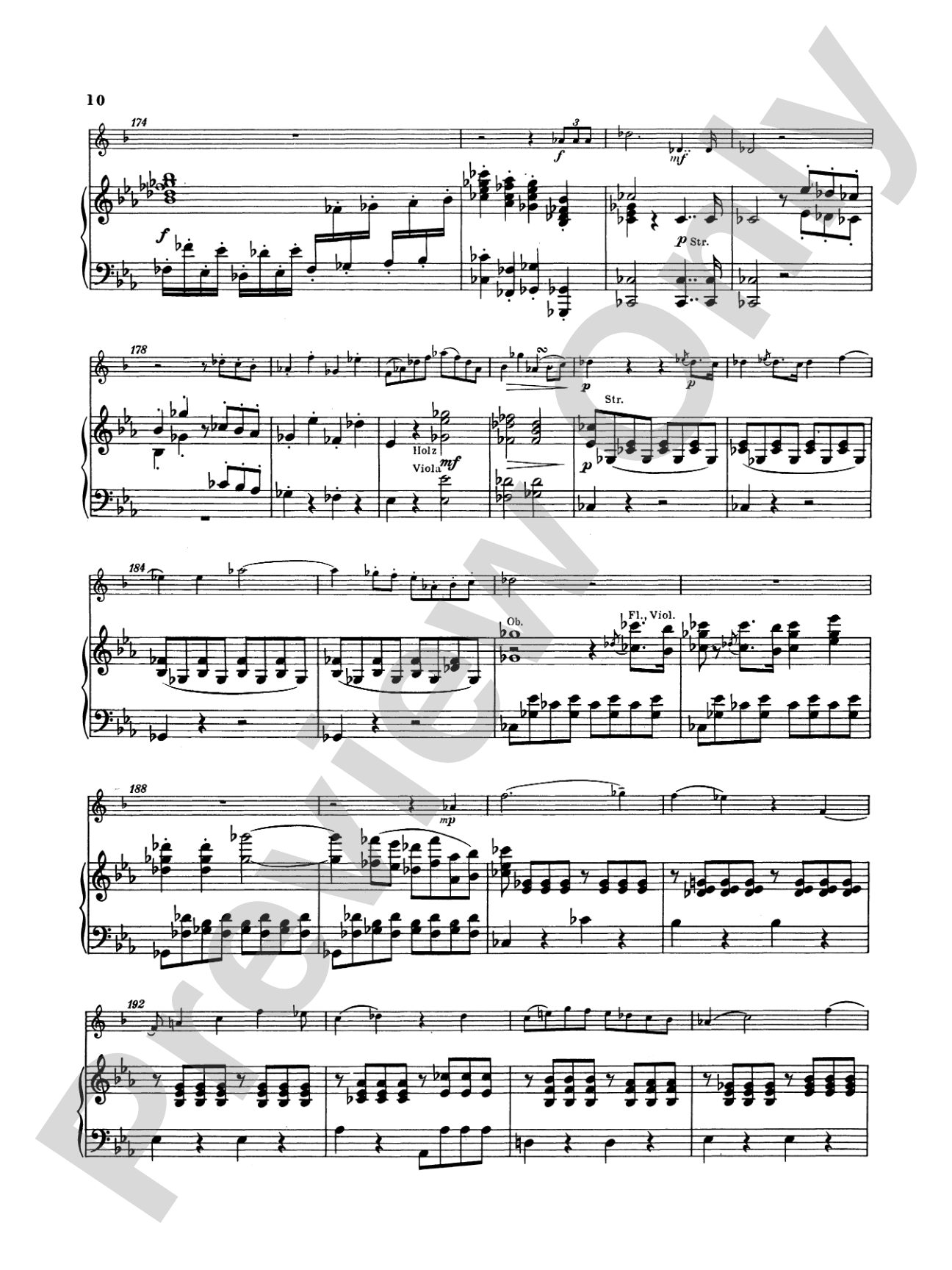
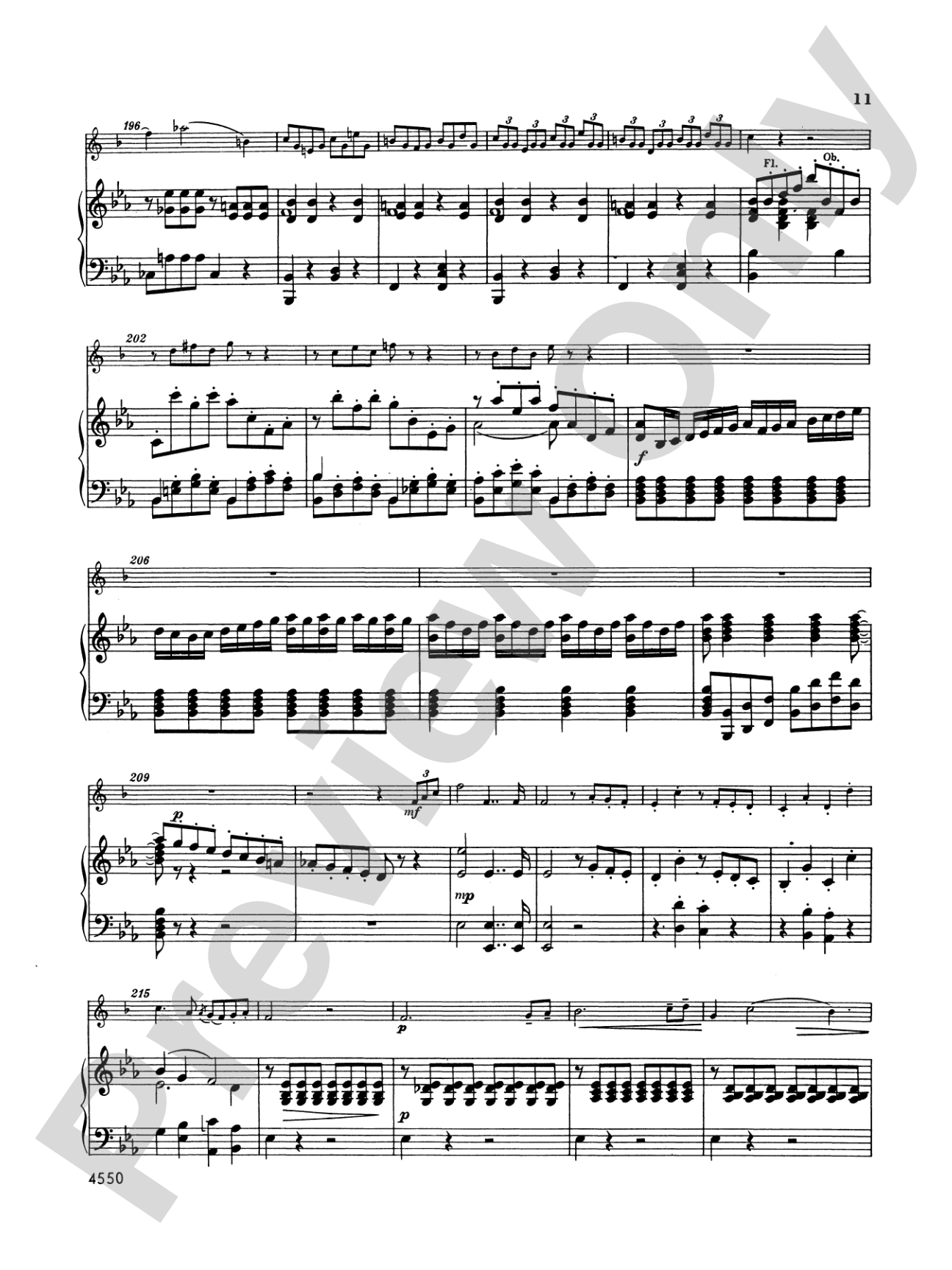
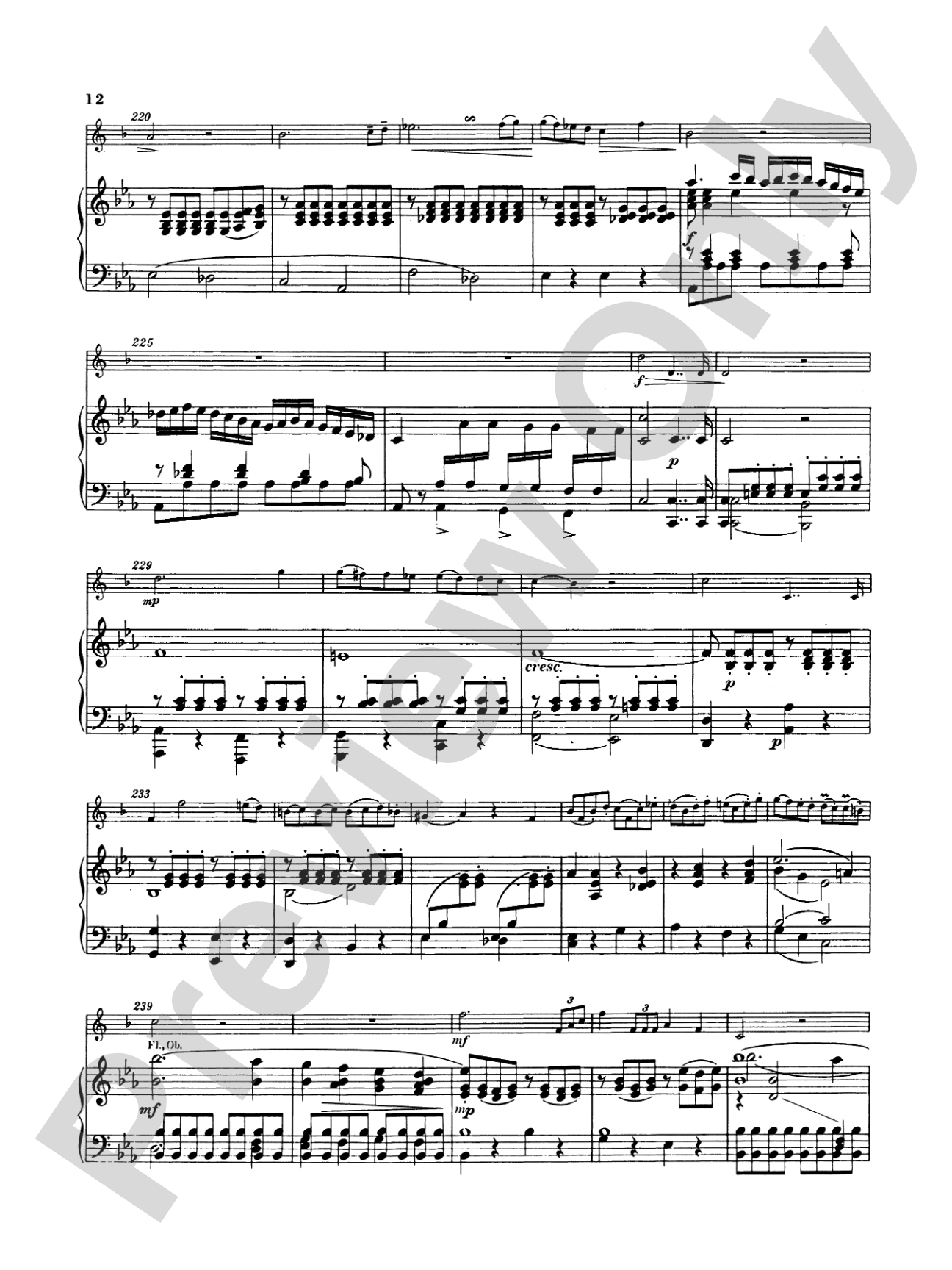
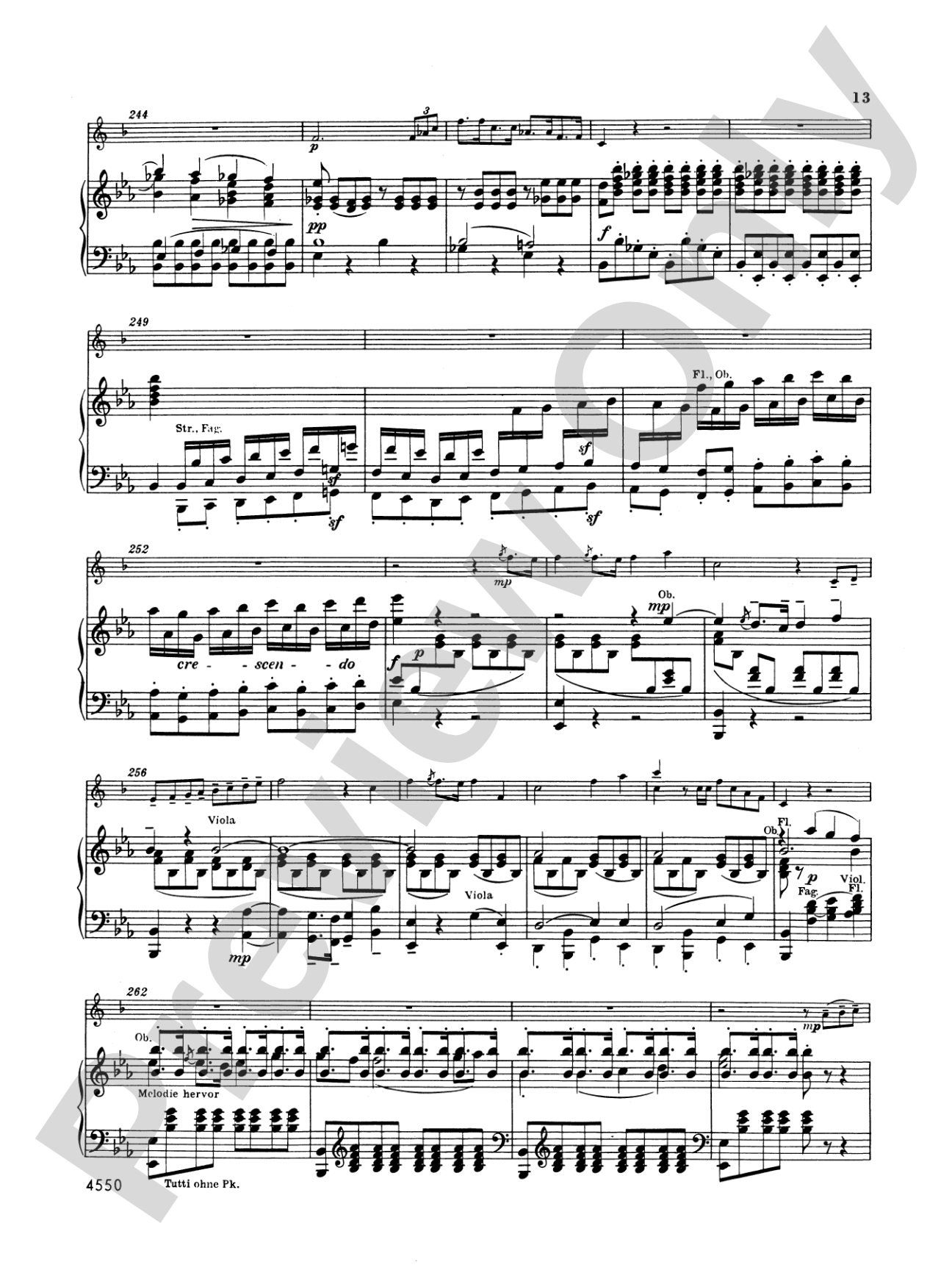
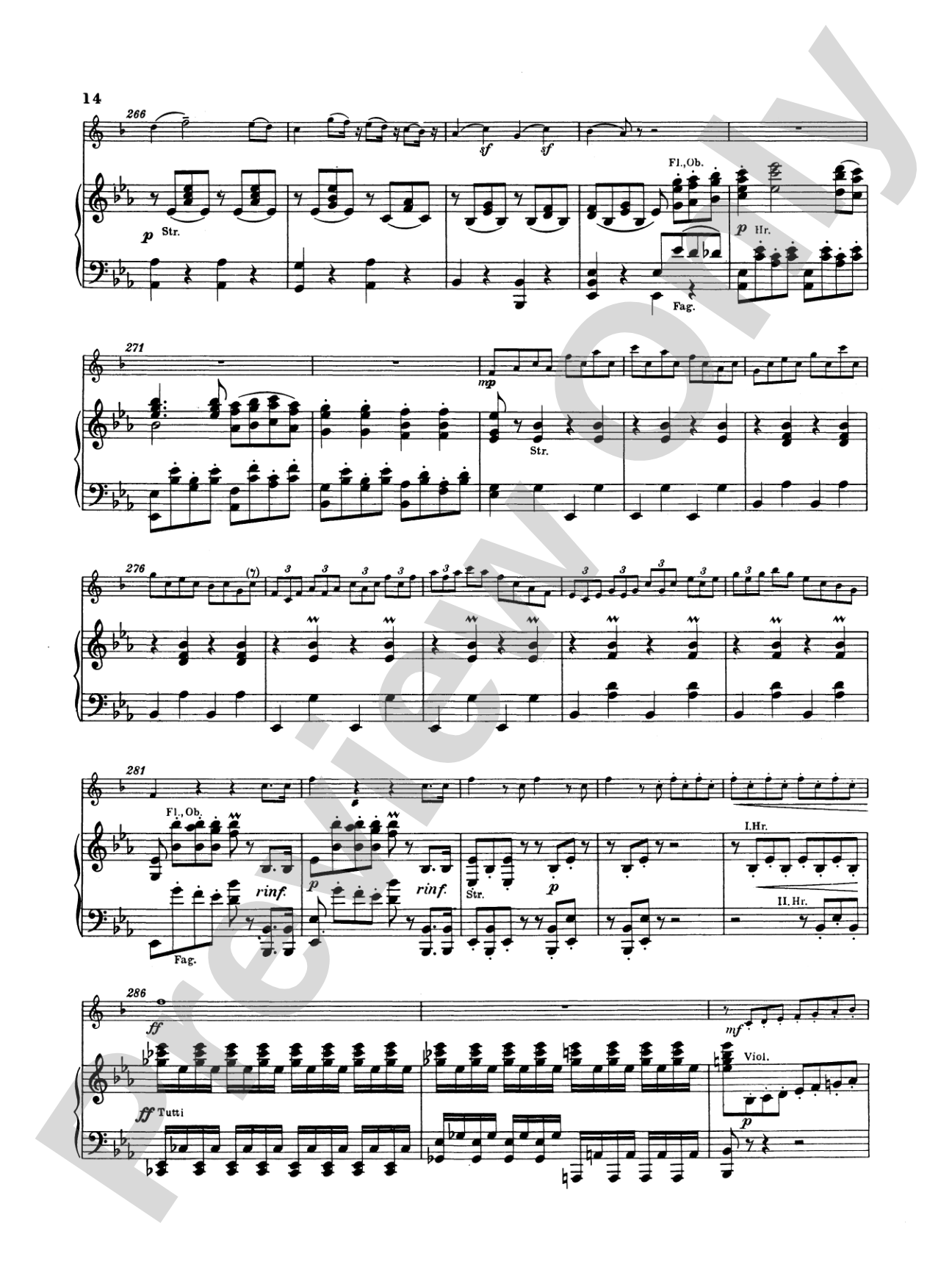
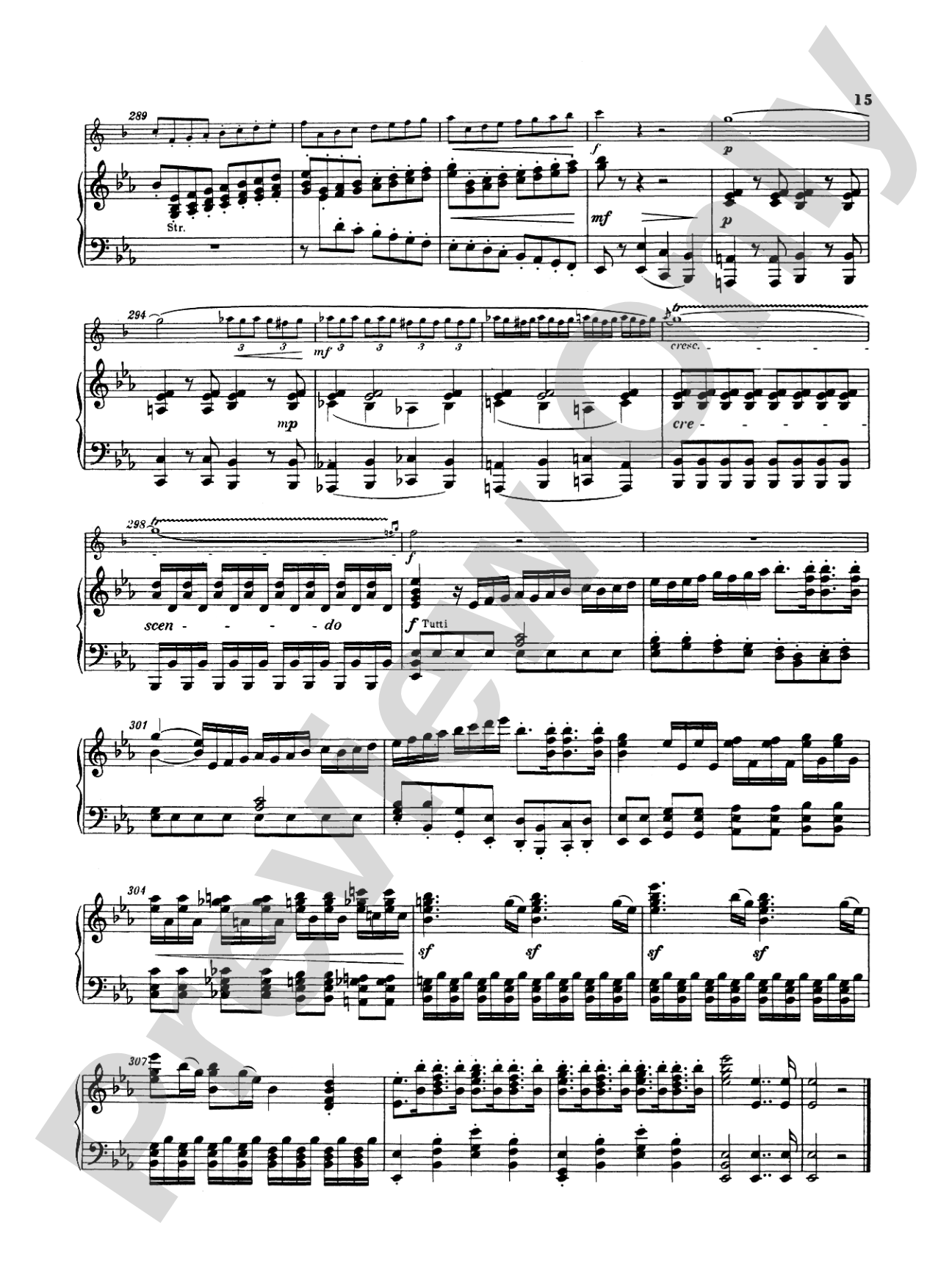
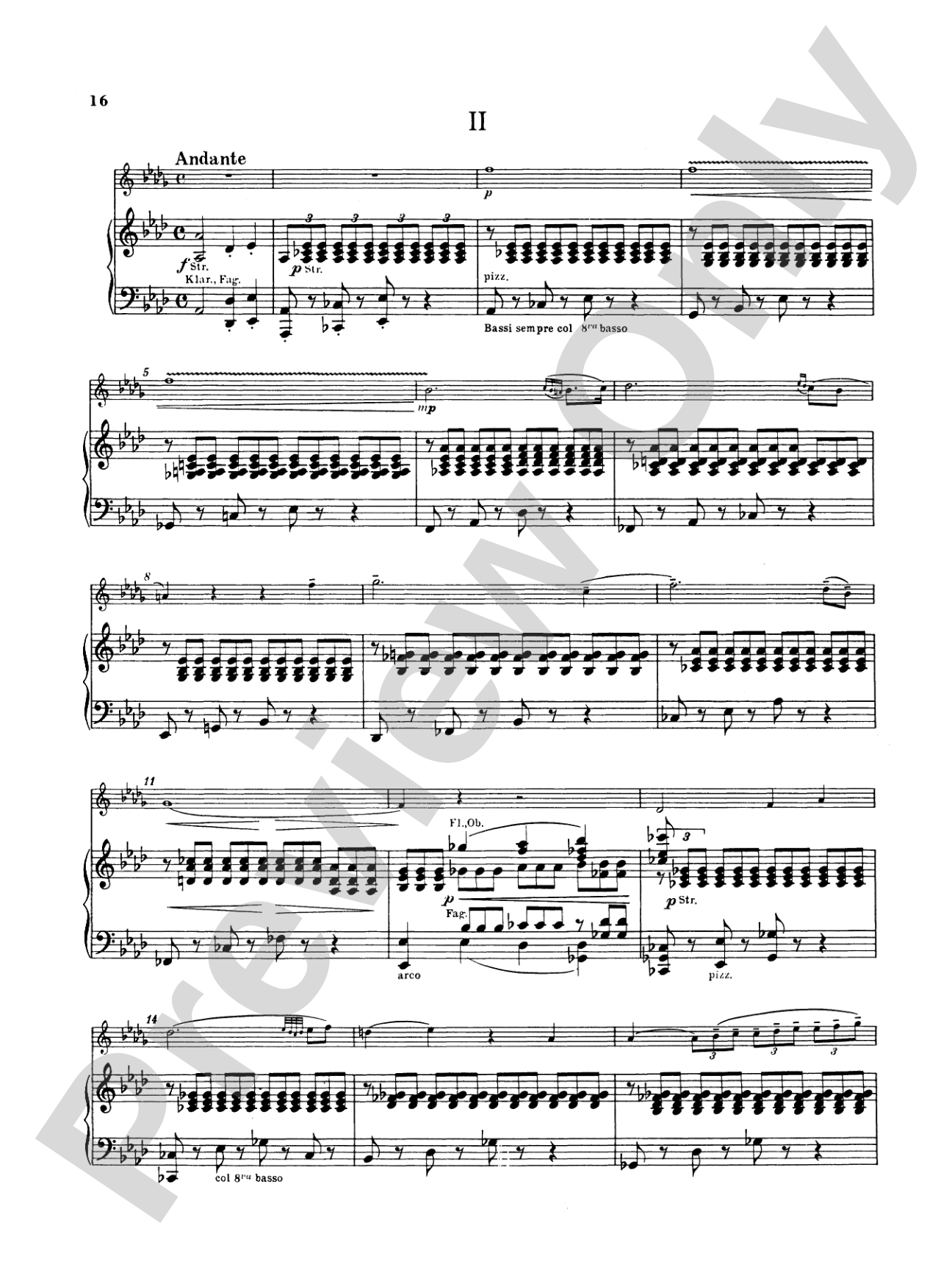
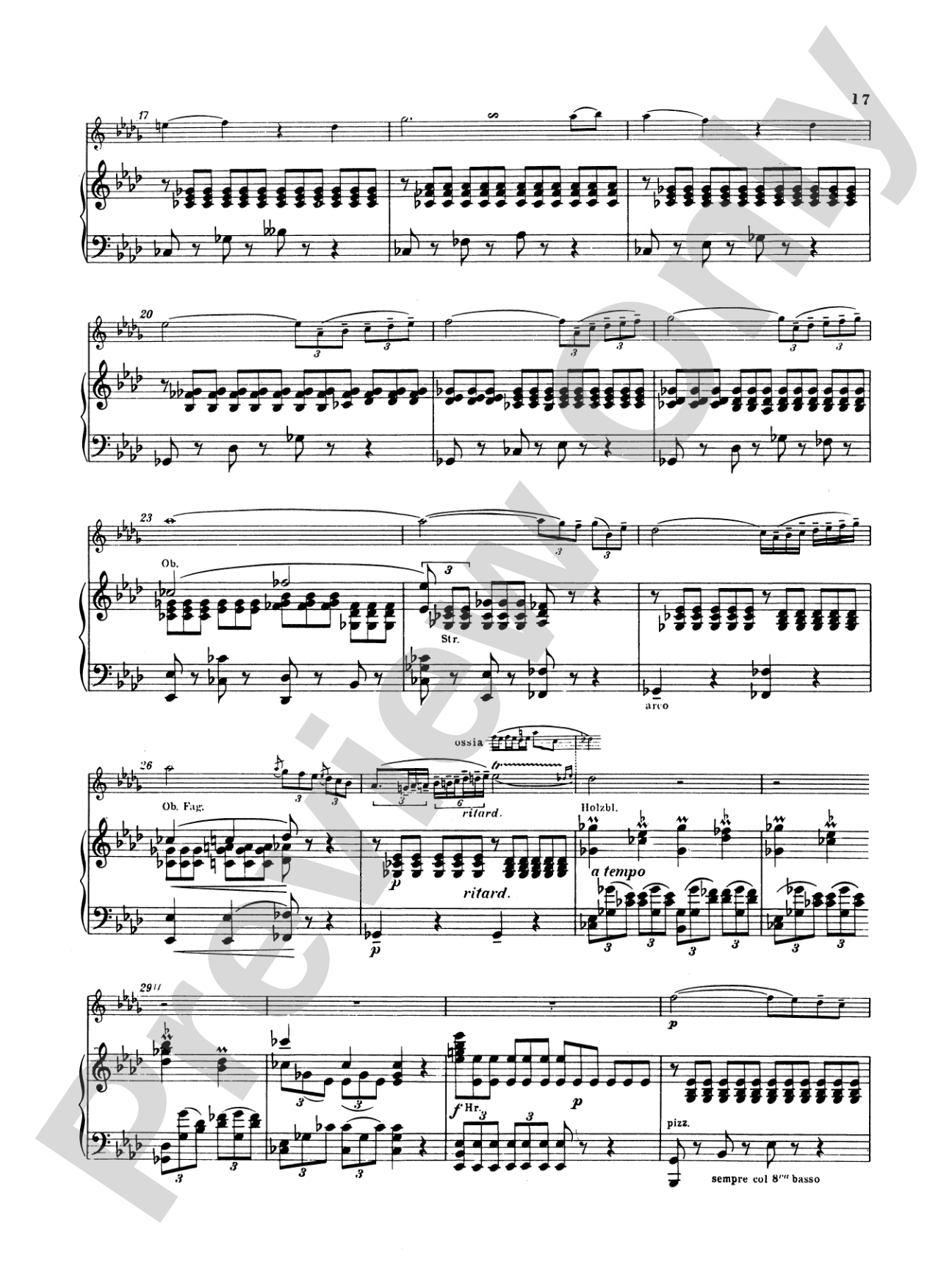
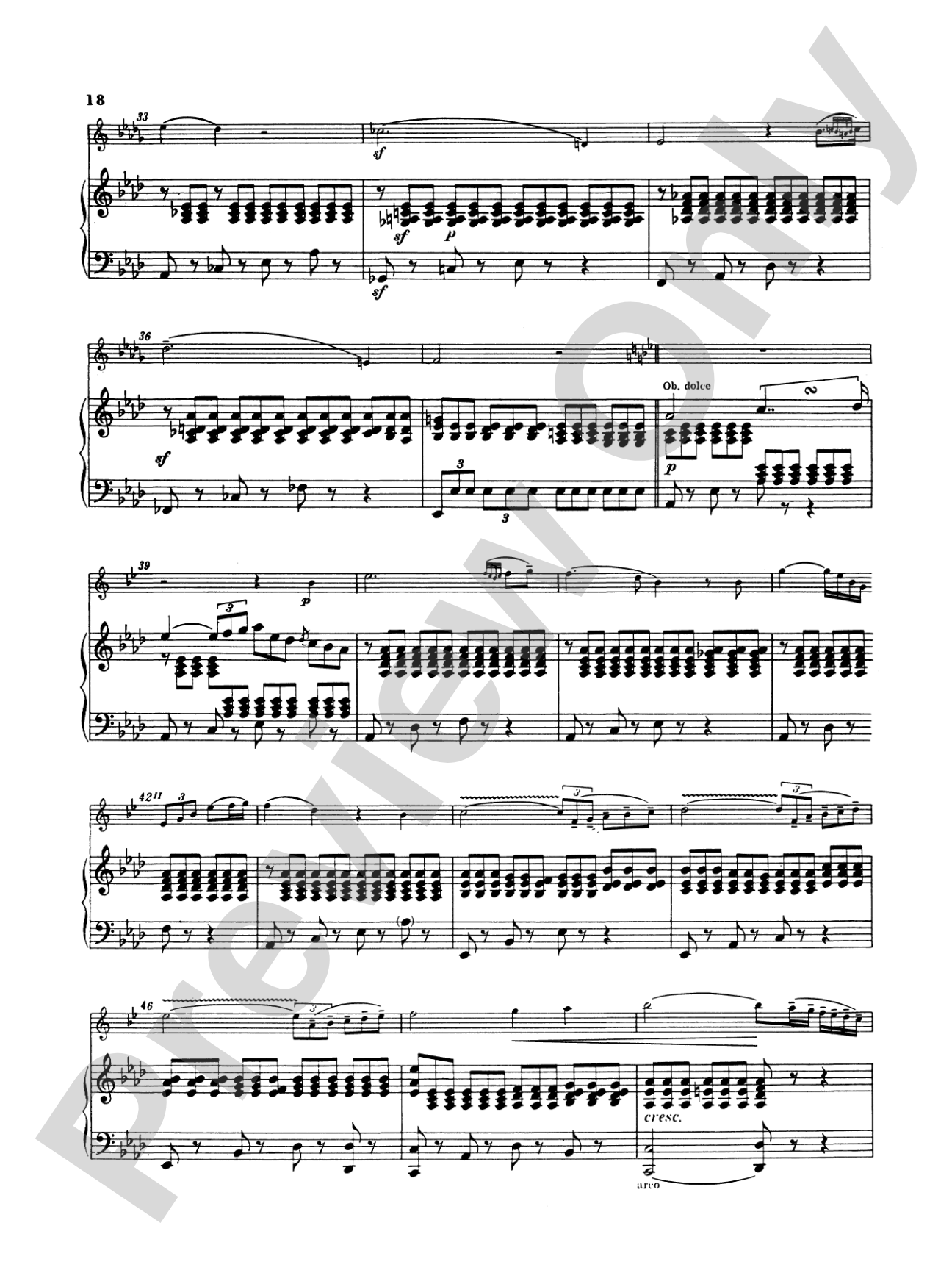
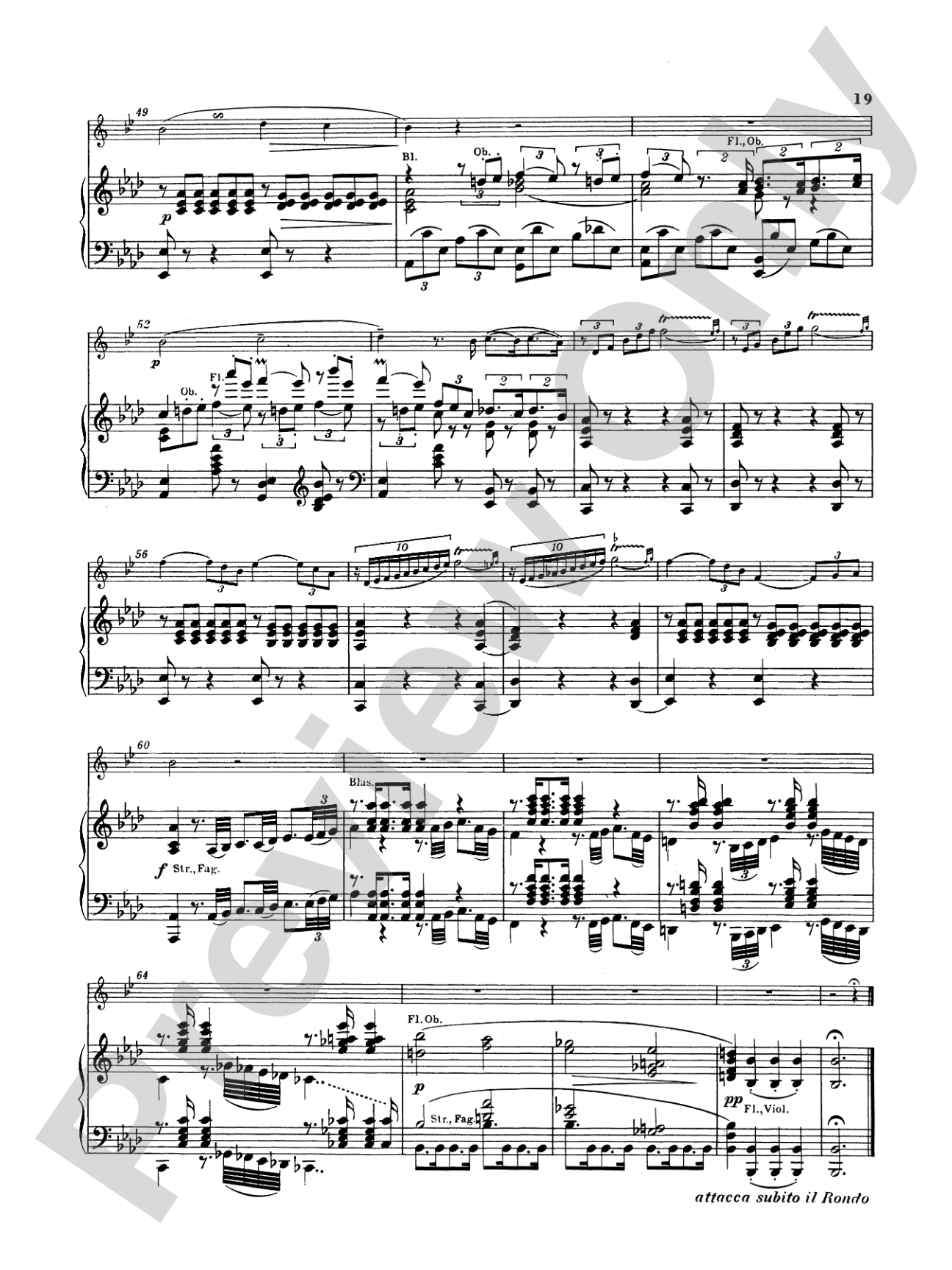
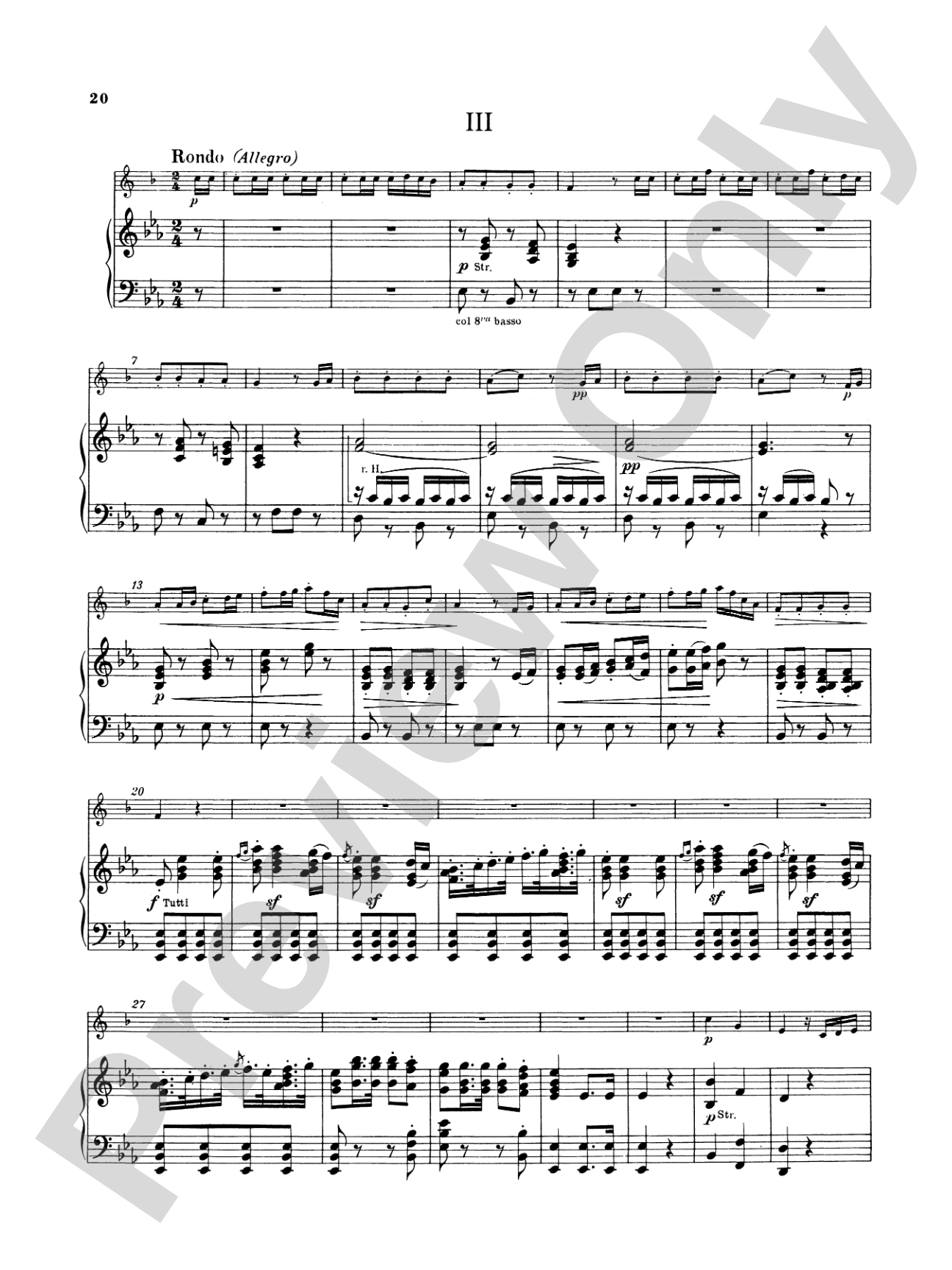
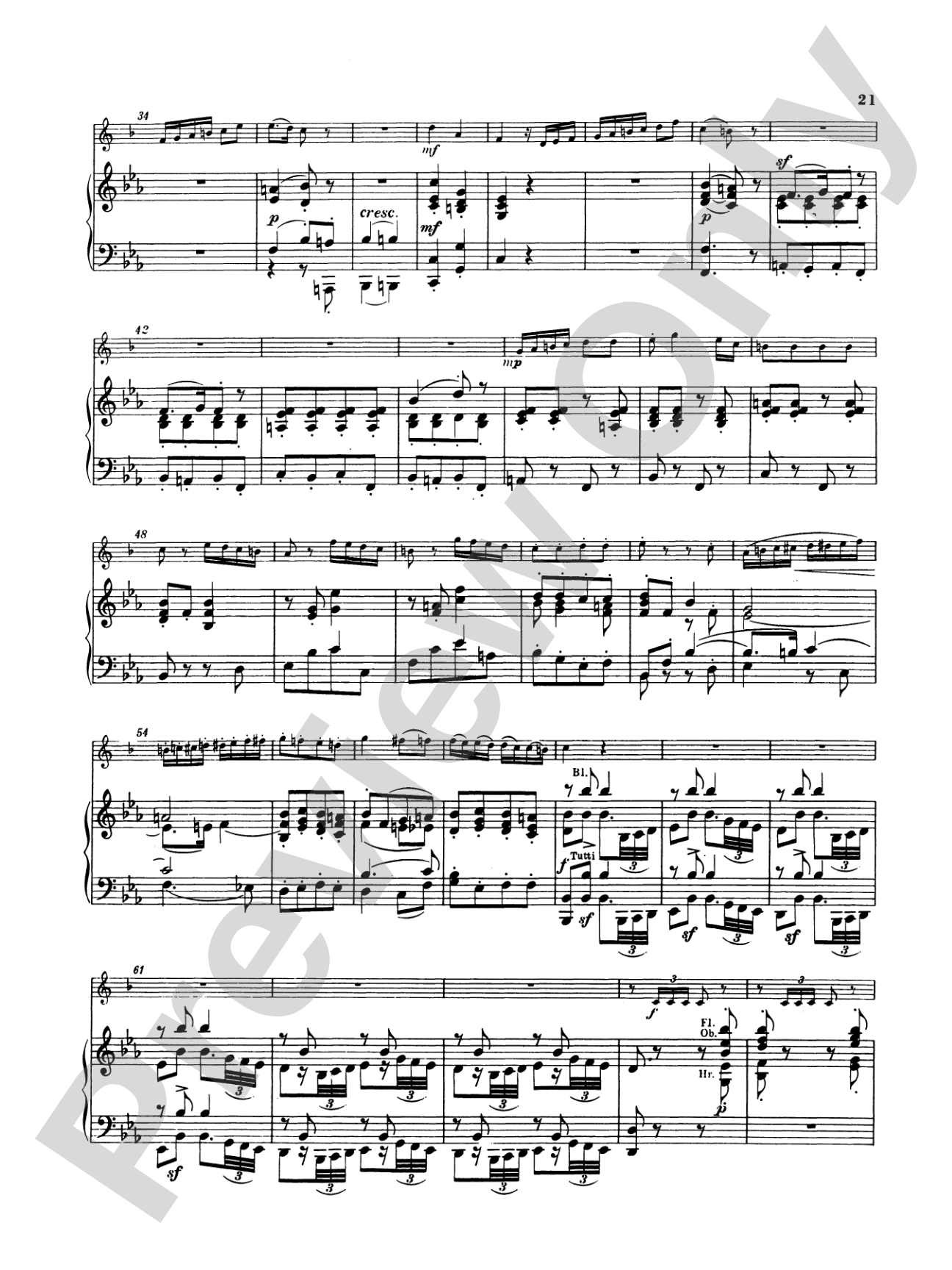
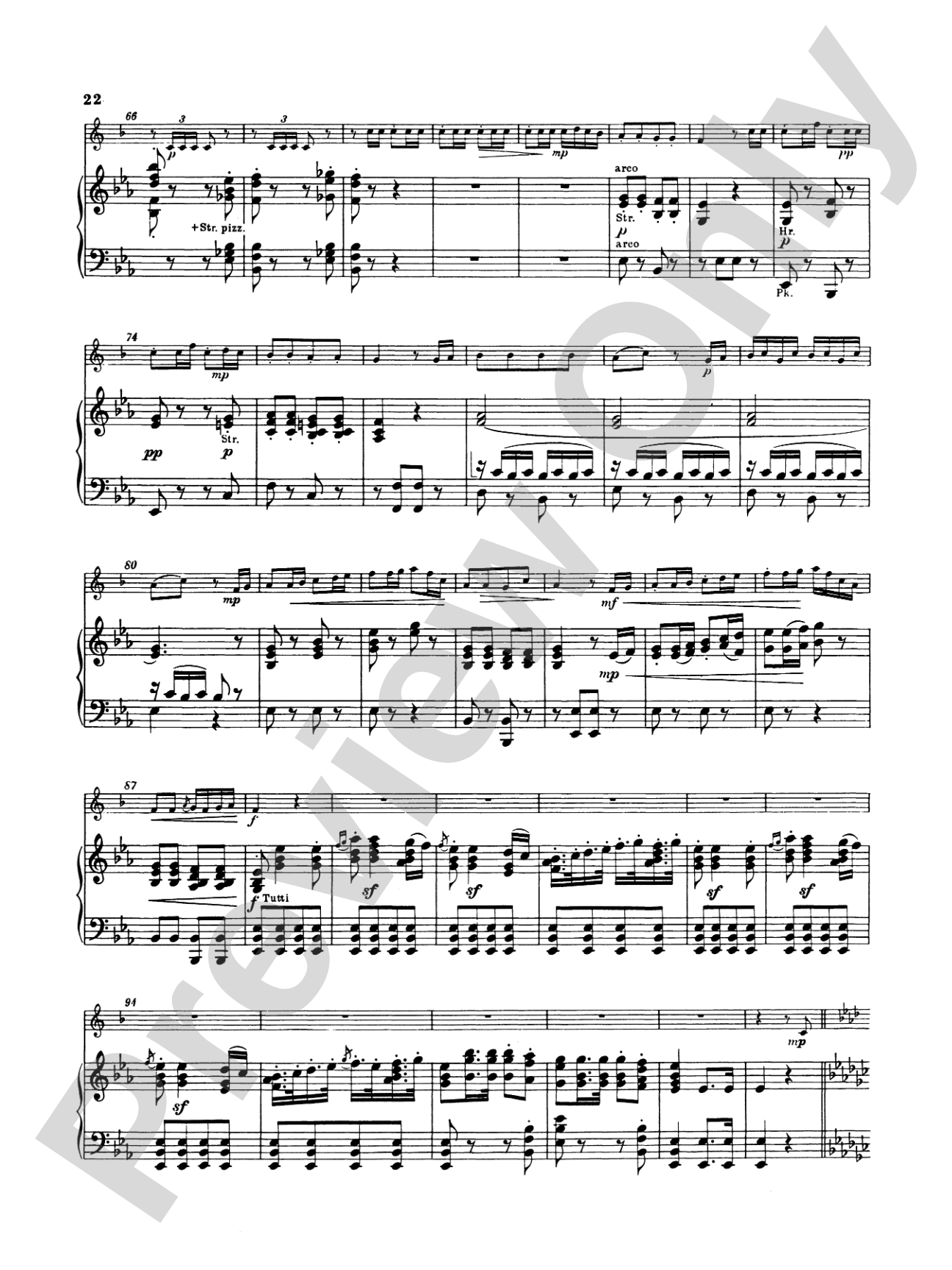
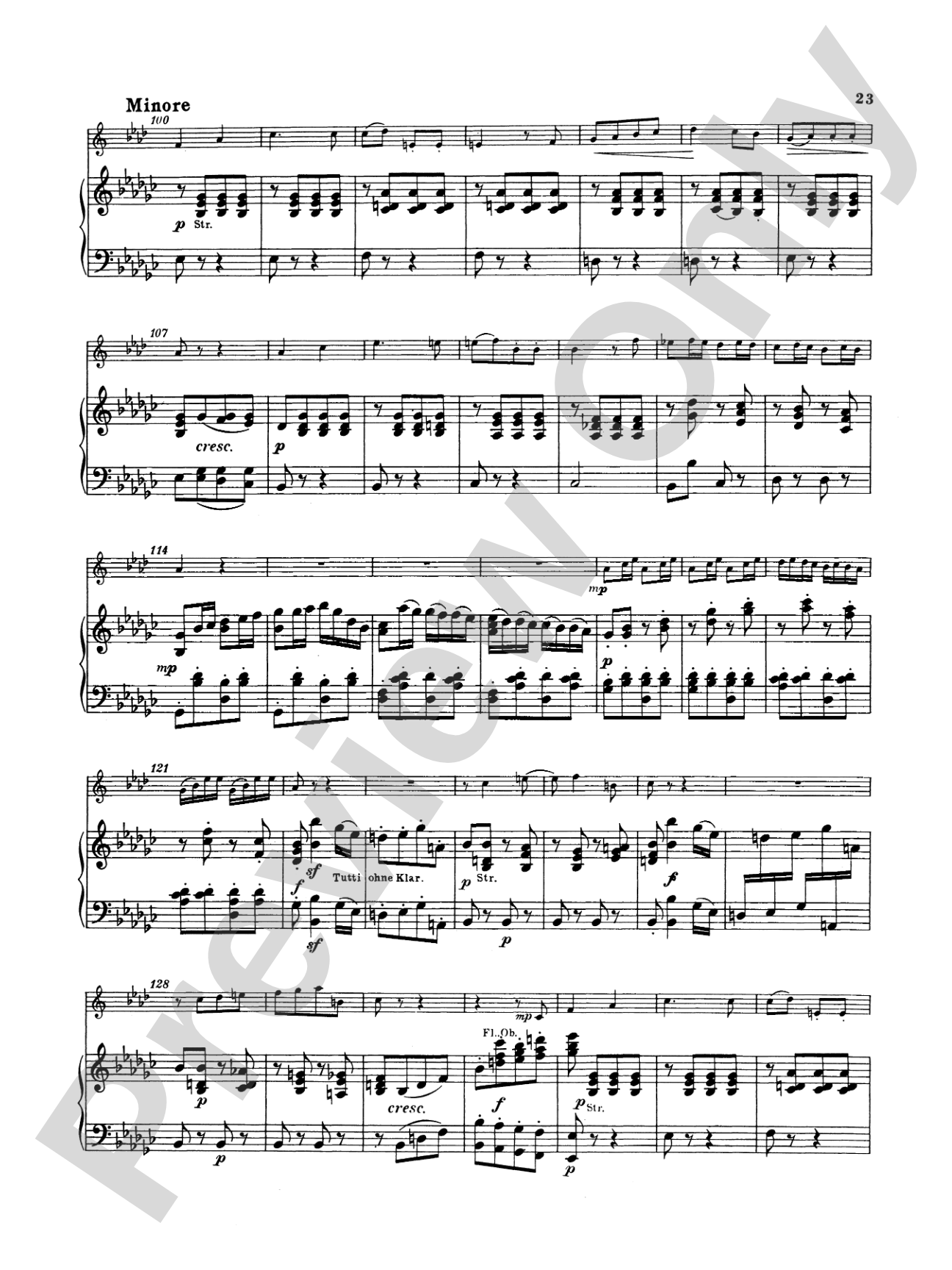
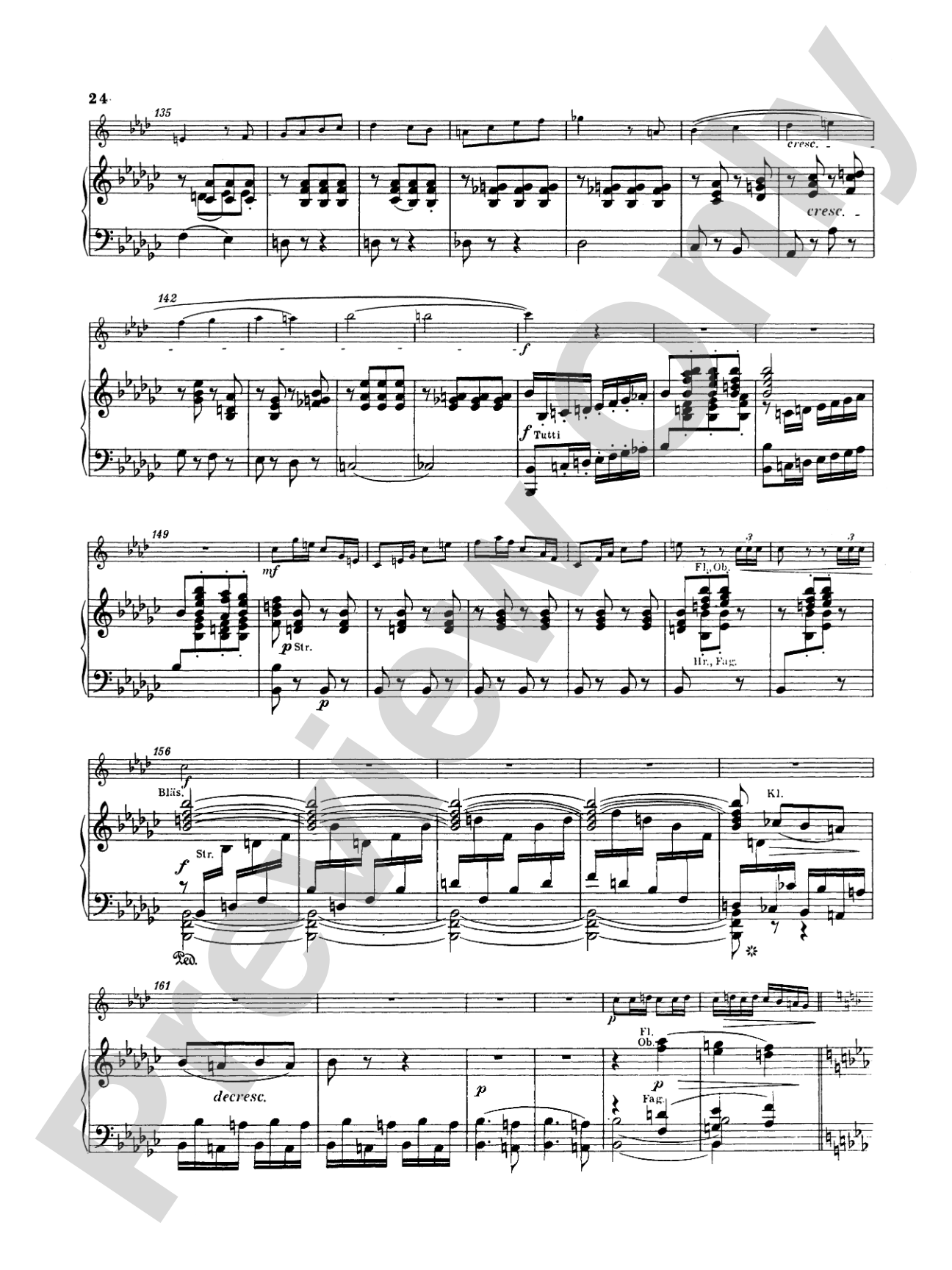
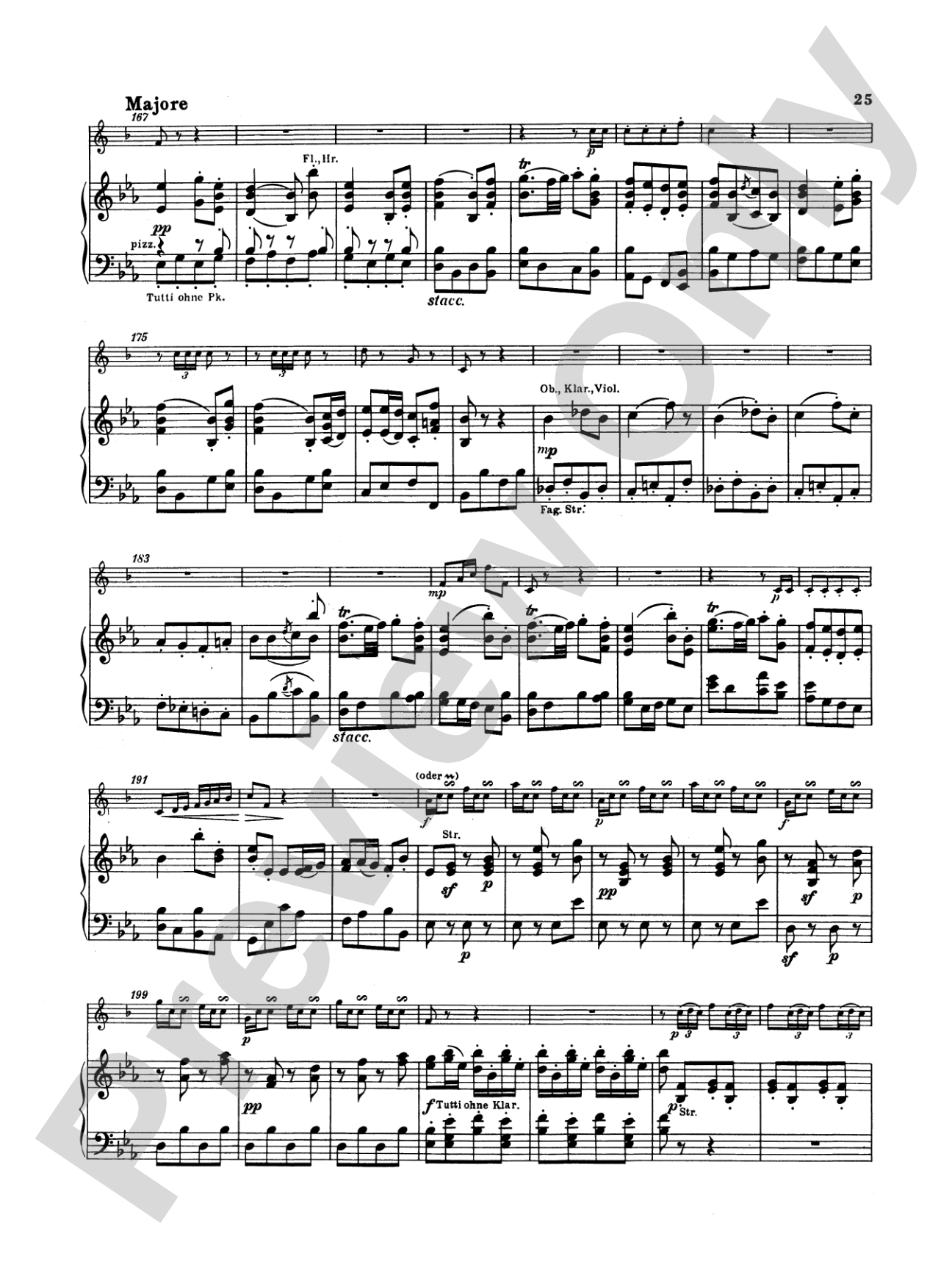
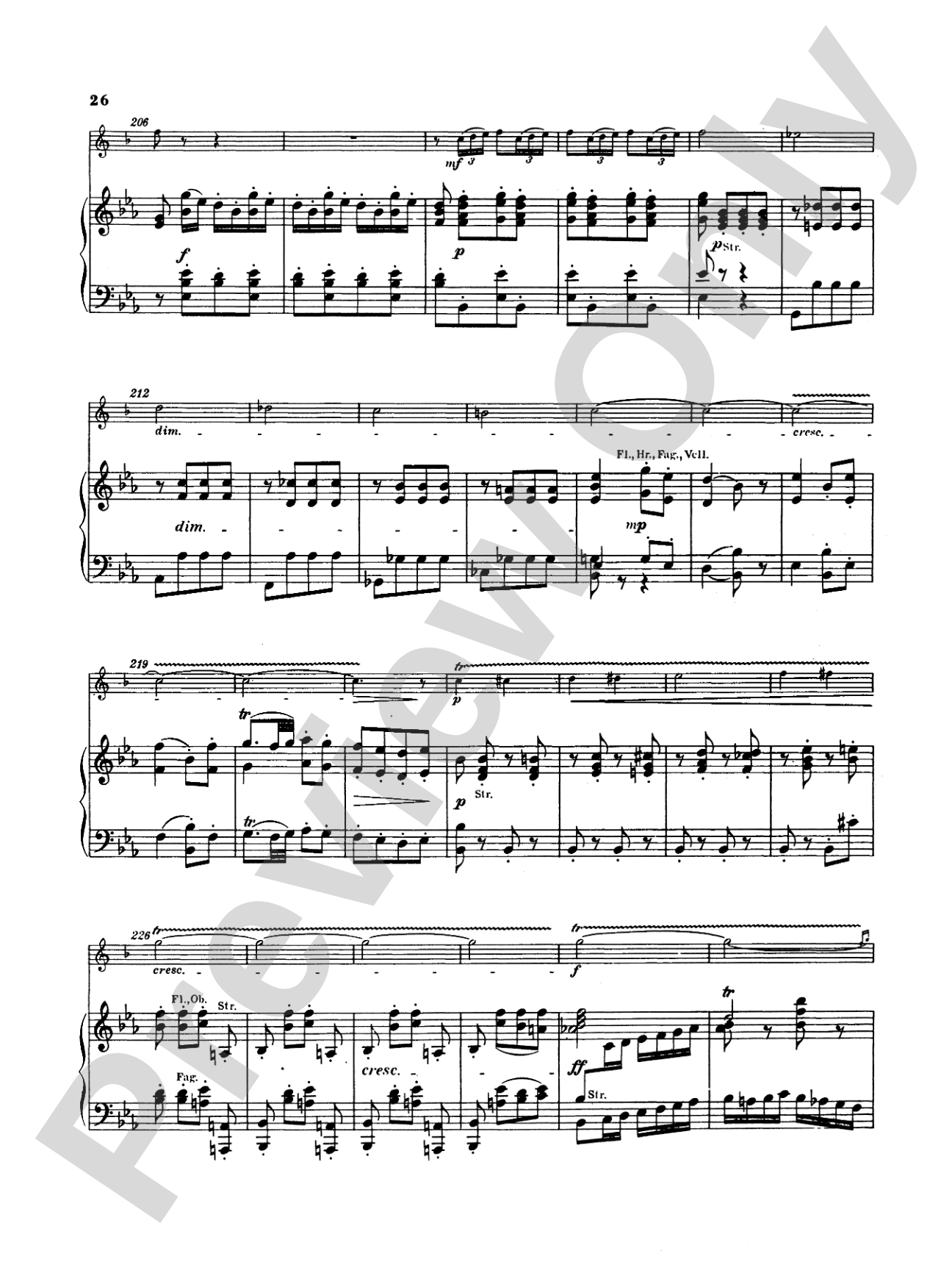
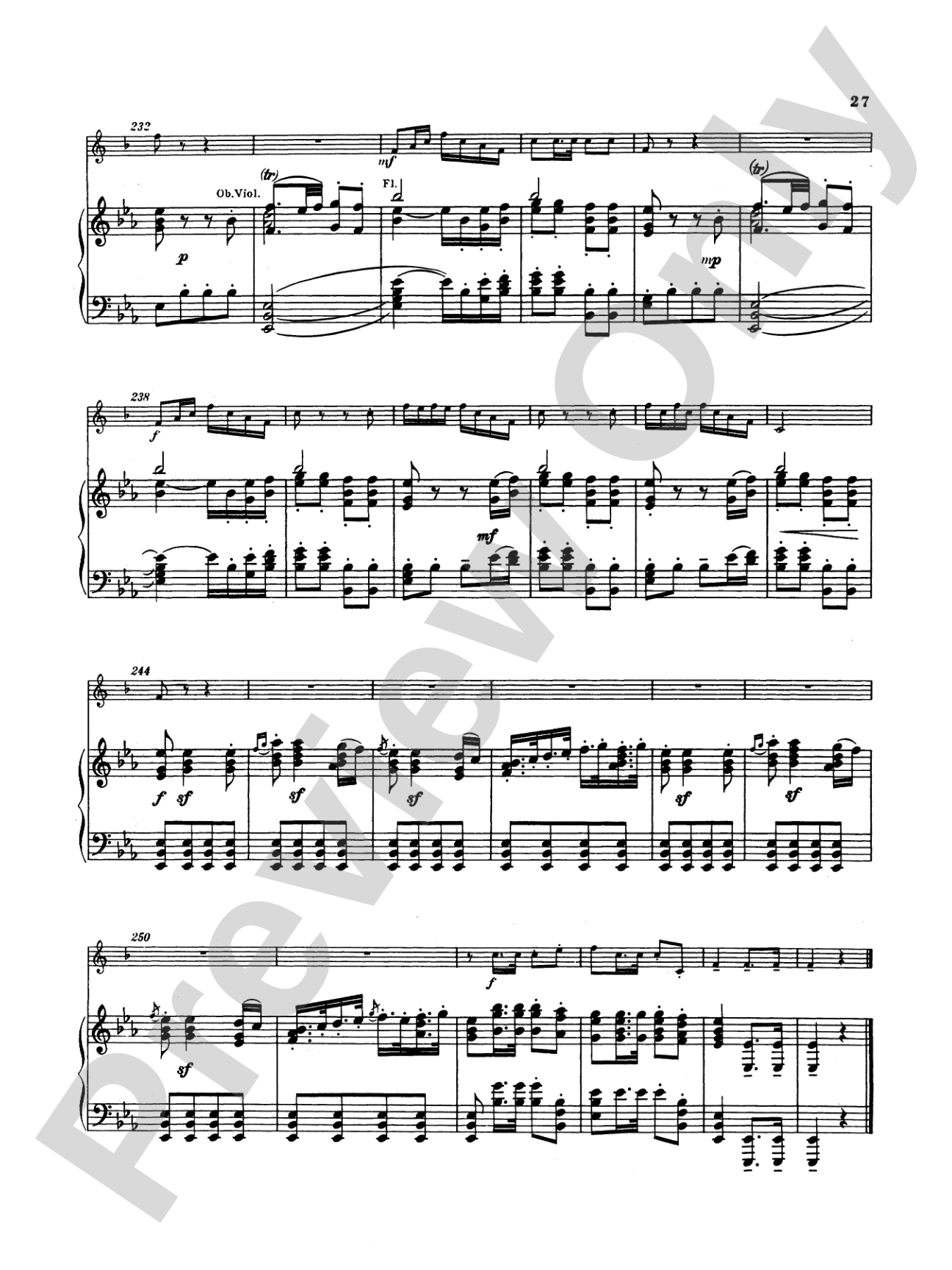


Hummel: Concerto in E flat Major: Trumpet Part(s)
By Johann Nepomuk Hummel
Item: 00-PK-0003552

$9.95
Pickup currently not available
Buy Extra Parts (Digital PDF Download)
| Product | Price | Quantity |
|---|---|---|
| Hummel: Concerto in E flat Major | $8.95 |
Parts Added to Cart!
Description
The Concerto in E-flat Major by Johann Nepomuk Hummel was written in 1803 for the inventor of the keyed trumpet, Anton Weidinger. The movements are: Allegro con spirito, Andante, and Rondo.


Don't just read it, hear it, play along with it, and watch your students grow with it. In MakeMusic Cloud, Hummel: Concerto in E flat Major: Trumpet Part(s) comes alive with professional accompaniment, adjustable tempo, and built-in practice tools that turn solo practice into real progress.
Open in the Player
Jump straight in and assign it today.
Start Your Free Trial
Open this title and explore the full library in minutes.
Sample Audio
No sample audio found.
Sample Video
No sample videos found.
Additional Details
Series:
Kalmus Edition
Publisher:
Alfred Music
Page Count:
40
SKU:
00-PK-0003552
More about this title
About the Composer: Johann Nepomuk Hummel
Johann Nepomuk Hummel (1778-1837) was a composer and pianist who bridged the Classical and Romantic eras. A student of Mozart and Beethoven's contemporary, Hummel earned renown across Europe as both a virtuoso performer and prolific composer, with over 100 published works spanning concertos, chamber music, and keyboard works.
Hummel maintained close relationships with many of the era's finest musicians and instrument makers. His Trumpet Concerto stands as a landmark work, composed specifically for Anton Weidinger's newly invented keyed trumpet, demonstrating Hummel's commitment to writing music that showcased instrumental innovation while remaining musically substantive.
Why we love this
This is the standard-bearer for Classical trumpet repertoire at the advanced level. Hummel's writing balances technical brilliance with genuine lyricism, offering soloists a chance to develop secure passagework, beautiful tone control in the Andante, and confident virtuosity without overshadowing musicality. It remains a competition favorite and concert staple for good reason.
What to expect
Elegant and brilliant. The opening Allegro sparkles with confident energy and virtuosic flair, inviting the soloist to display technical prowess across the register. The Andante offers a moment of intimate reflection with songful melody, before the Rondo returns with witty charm and unrelenting rhythmic drive that keeps both soloist and listener engaged.
Who it's for
Advanced high school and college trumpet students preparing for competitions, auditions, or recitals. This concerto suits soloists who have secure command of range, articulation, and phrasing and are ready to tackle the technical and musical demands of a major Classical concerto.
How to get the most out of it
- Approach the Allegro con spirito with clarity and precision in the scalar passages; the keyed trumpet for which this was written had different technical possibilities than modern valved instruments, so focus on clean articulation rather than rushing the figuration.
- Shape the Andante with sustained, singing tone quality. This movement showcases the trumpet's lyrical potential and rewards careful attention to phrase shape and dynamic control.
- In the Rondo, maintain rhythmic vitality and articulate the characteristic themes with character. The recurring melody should feel fresh each time it returns while keeping the perpetual motion underneath energized.
- Balance the cadenza passages with your accompaniment (whether pianist or recorded); clarity in the solo line matters more than excessive speed.
How to use it
Program this as a centerpiece recital work or competition submission that anchors a solo trumpet appearance. It pairs well with Romantic-era trumpet repertoire (Hummel's own sonatas, works by Goedicke) or with a mixed chamber program where the trumpet shares the spotlight with piano or small ensemble.
Skills your students will build
- Secure high-range playing with clarity and intonation control
- Scalar and arpeggio passages at tempo with clean articulation
- Sustained legit tone and phrase shaping in a lyrical slow movement
- Rhythmic precision in rapid passagework and perpetual-motion sections
- Interpretation of Classical form (sonata, rondo) and stylistic conventions