How to Play Rock 'n' Roll Drums Sheet Music Preview

How to Play Rock 'n' Roll Drums

By Ed Hughes and Willard A. Palmer

Item: 00-PB-0002092

Digital Download
$10.99
Description
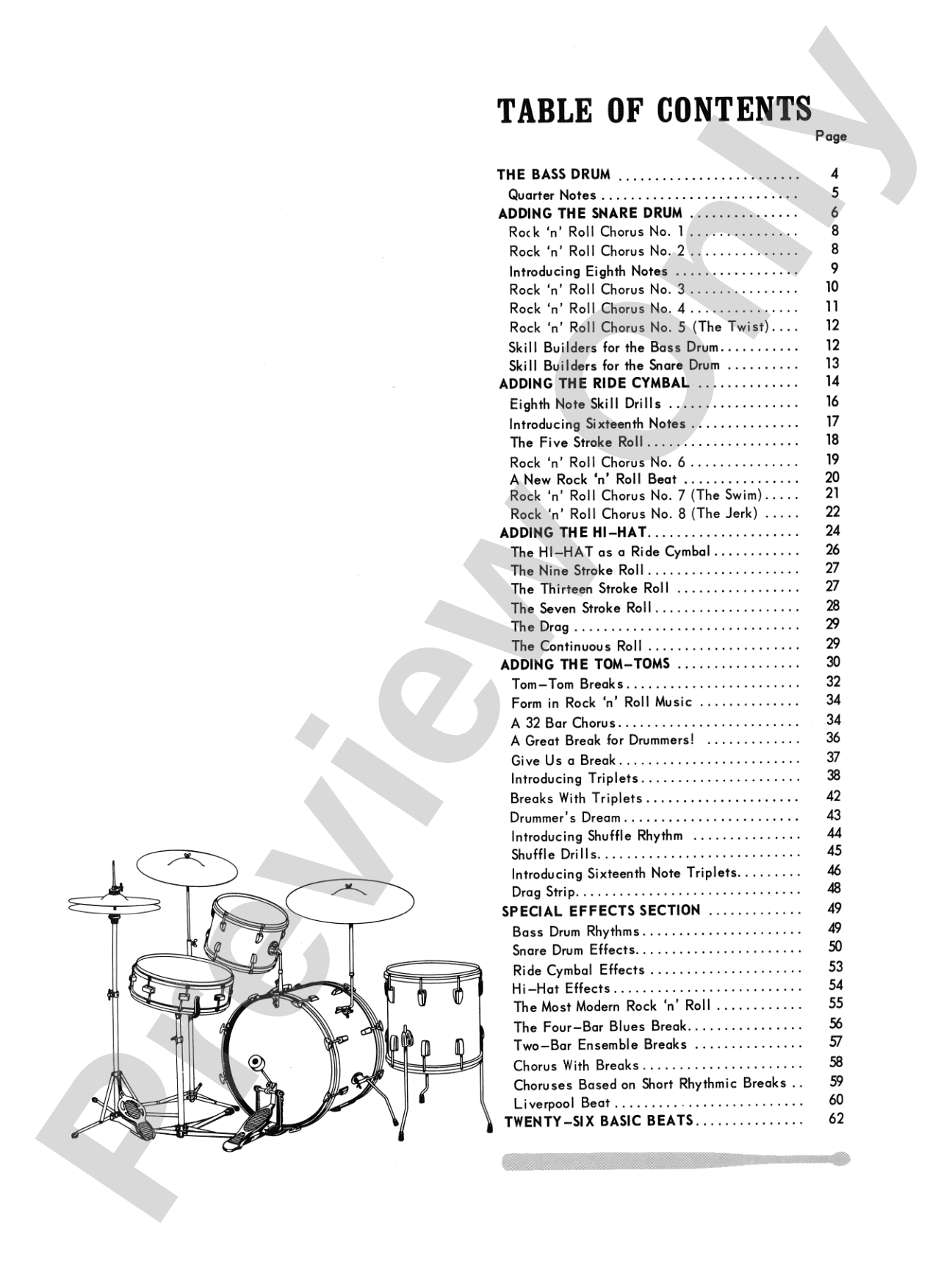
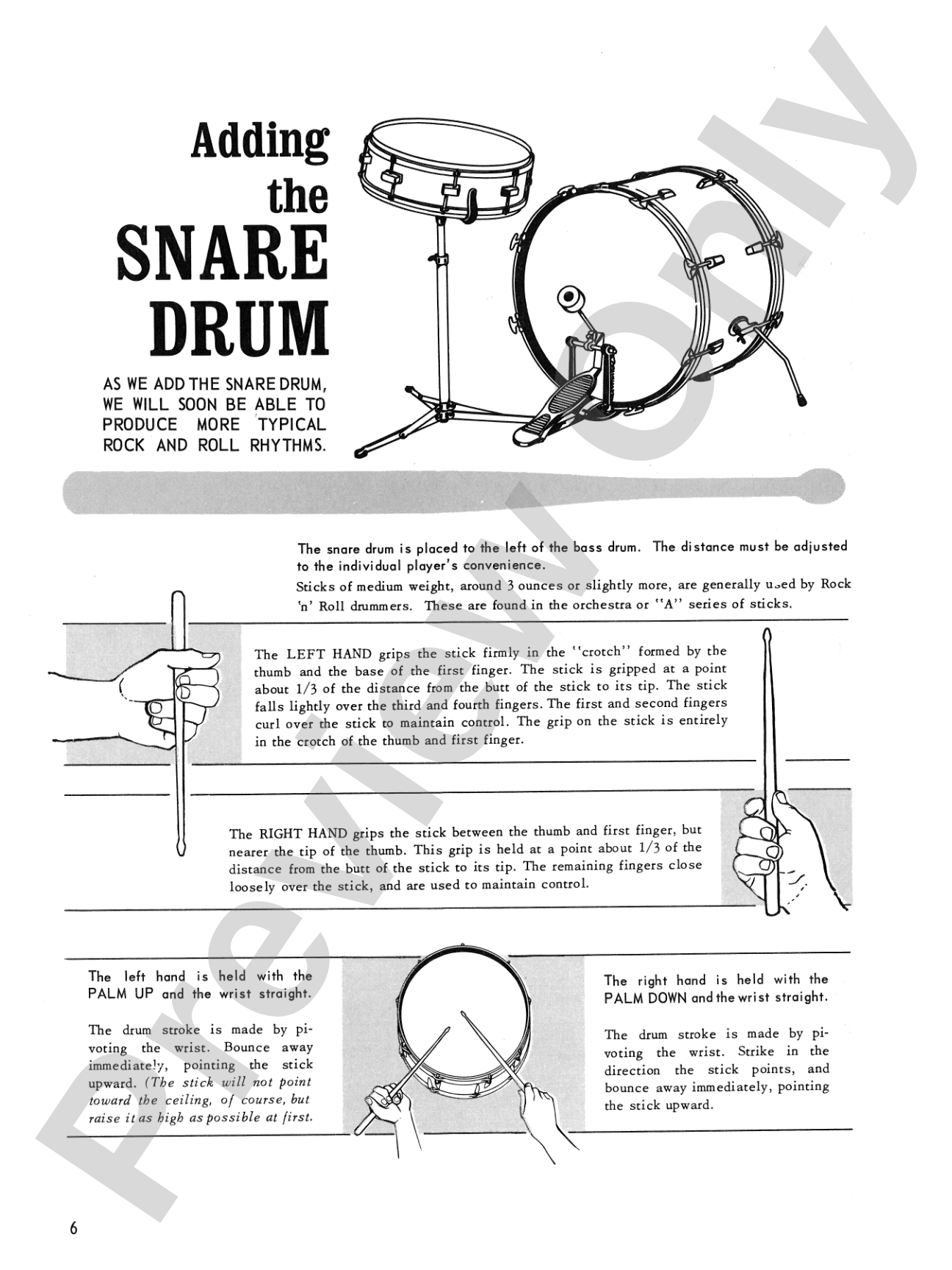
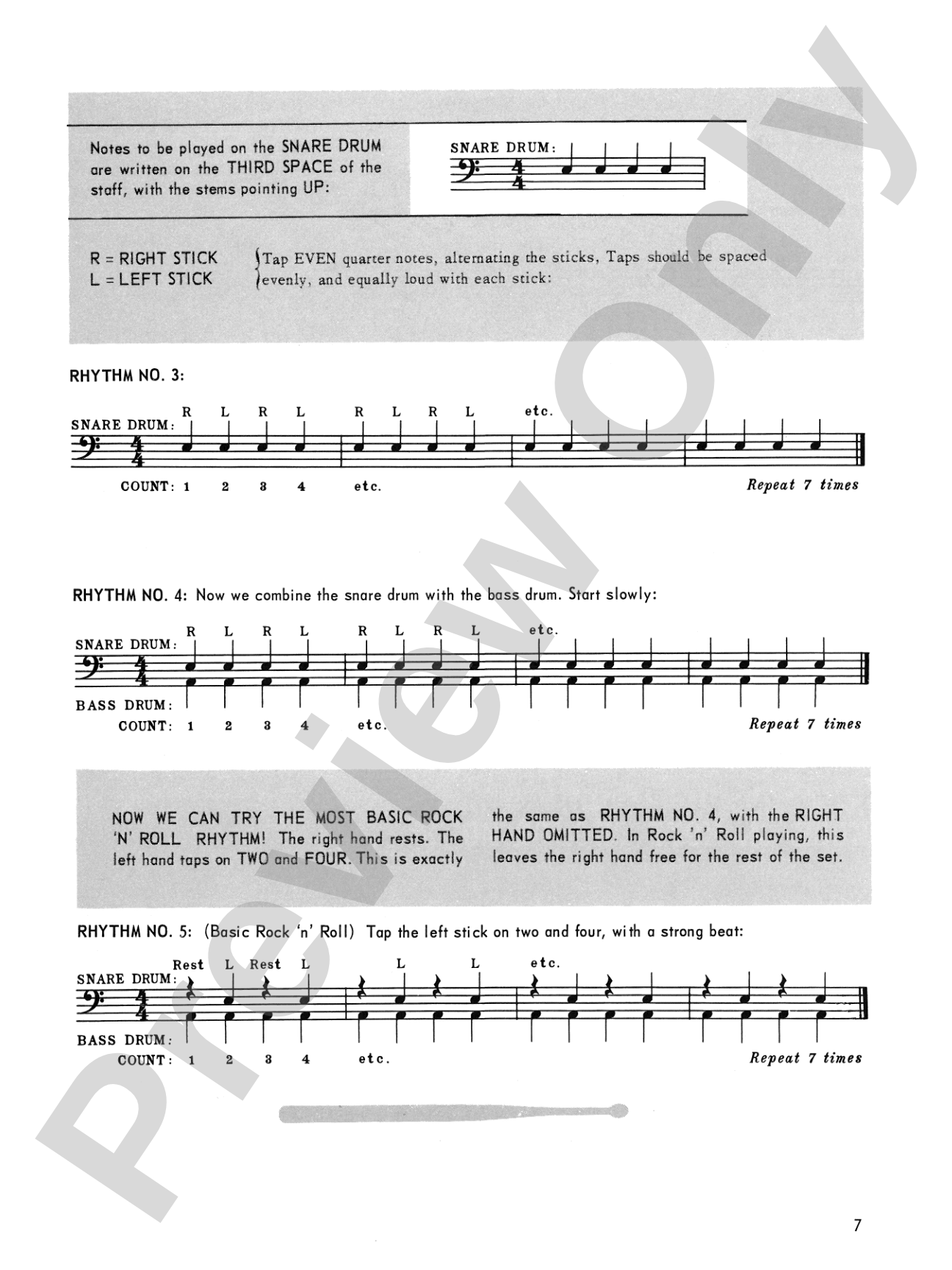
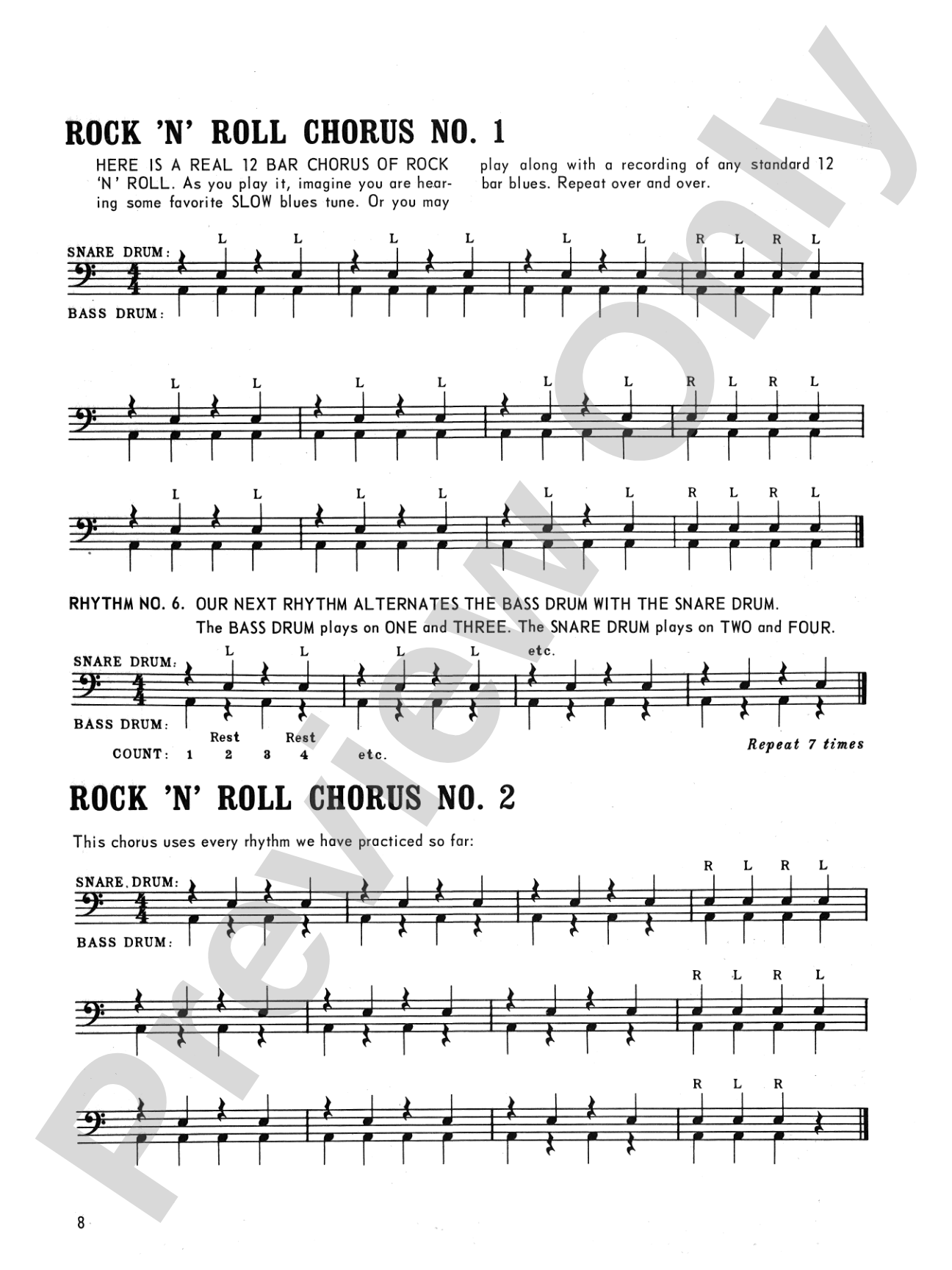
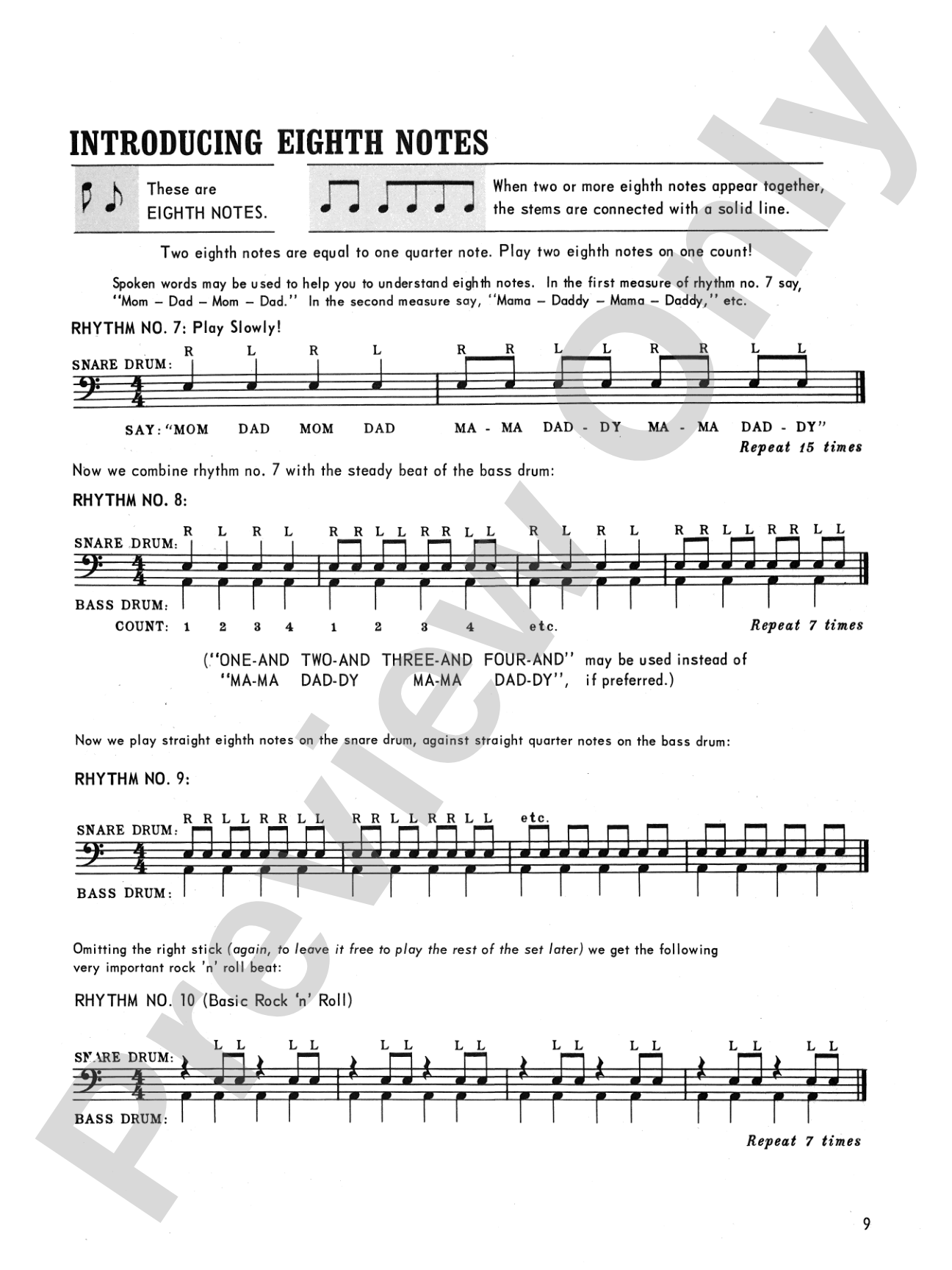
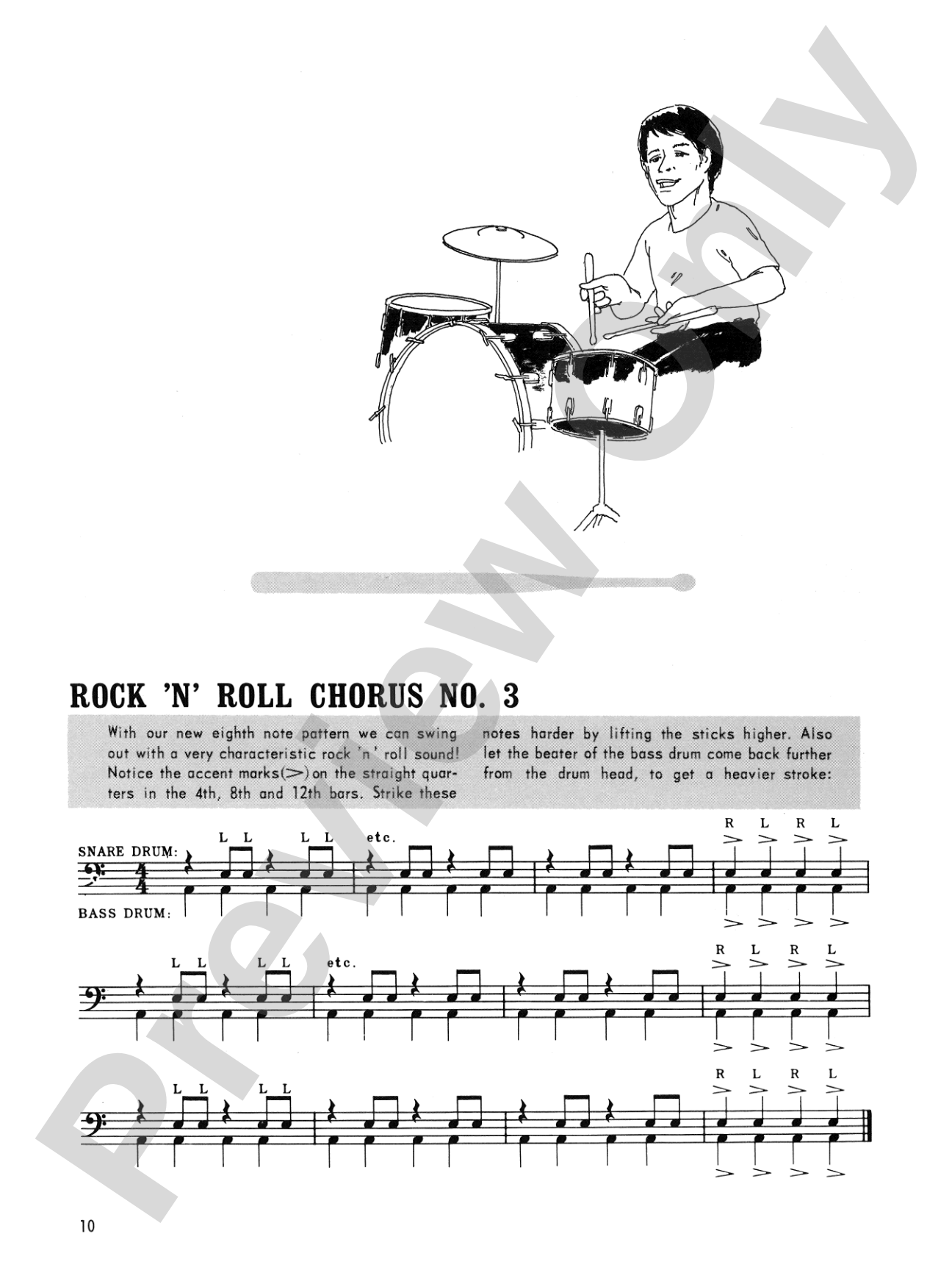
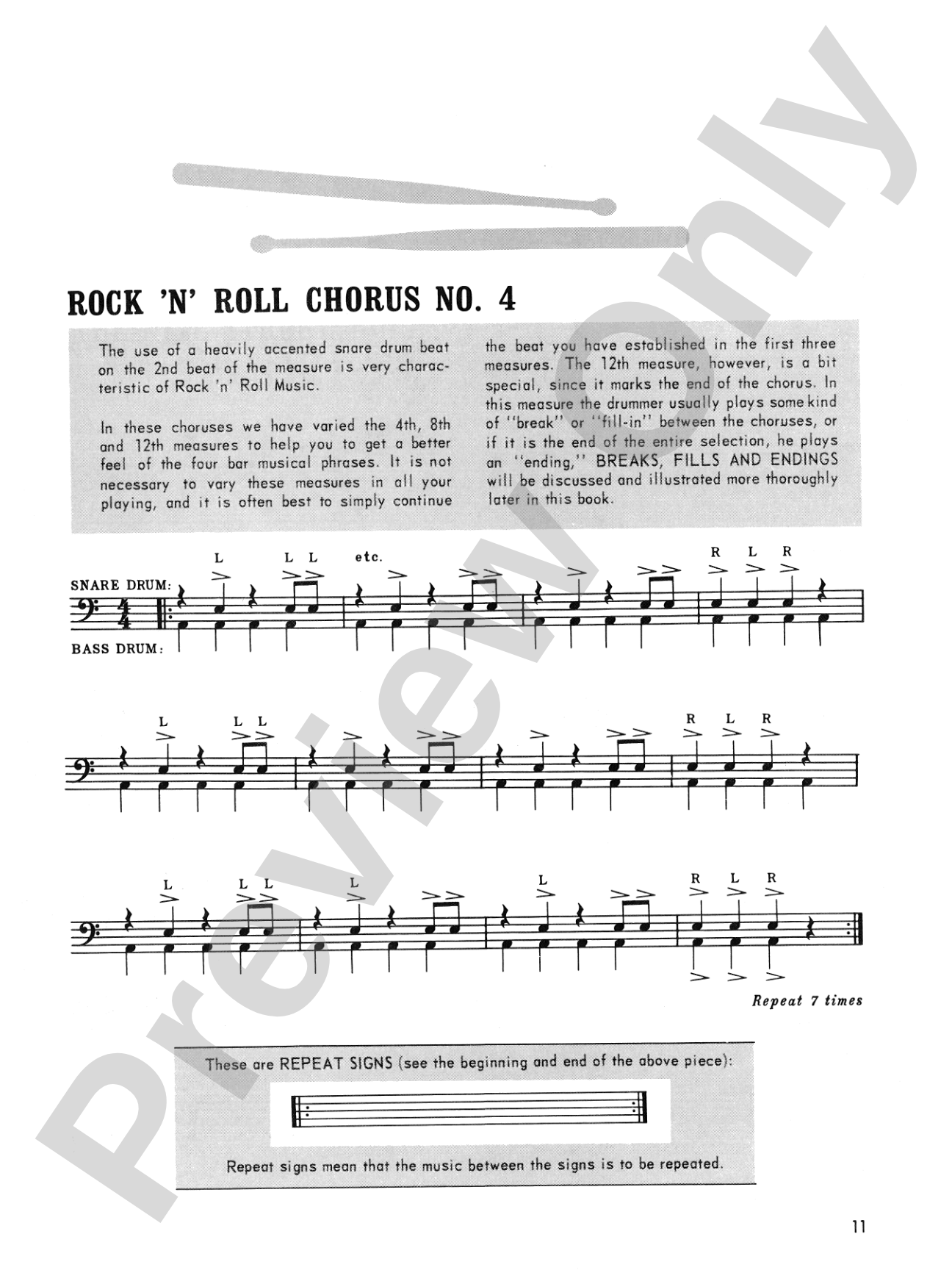
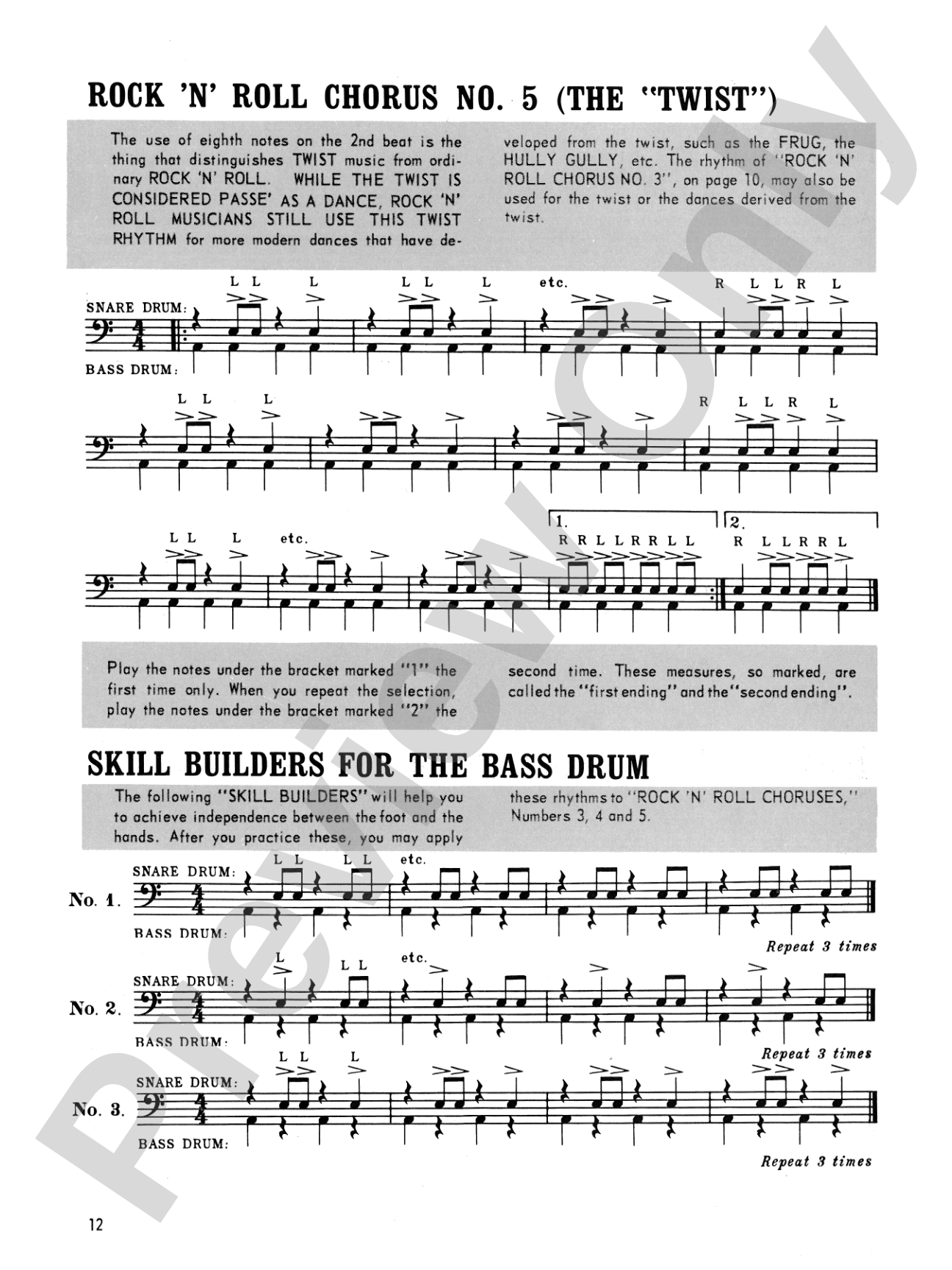
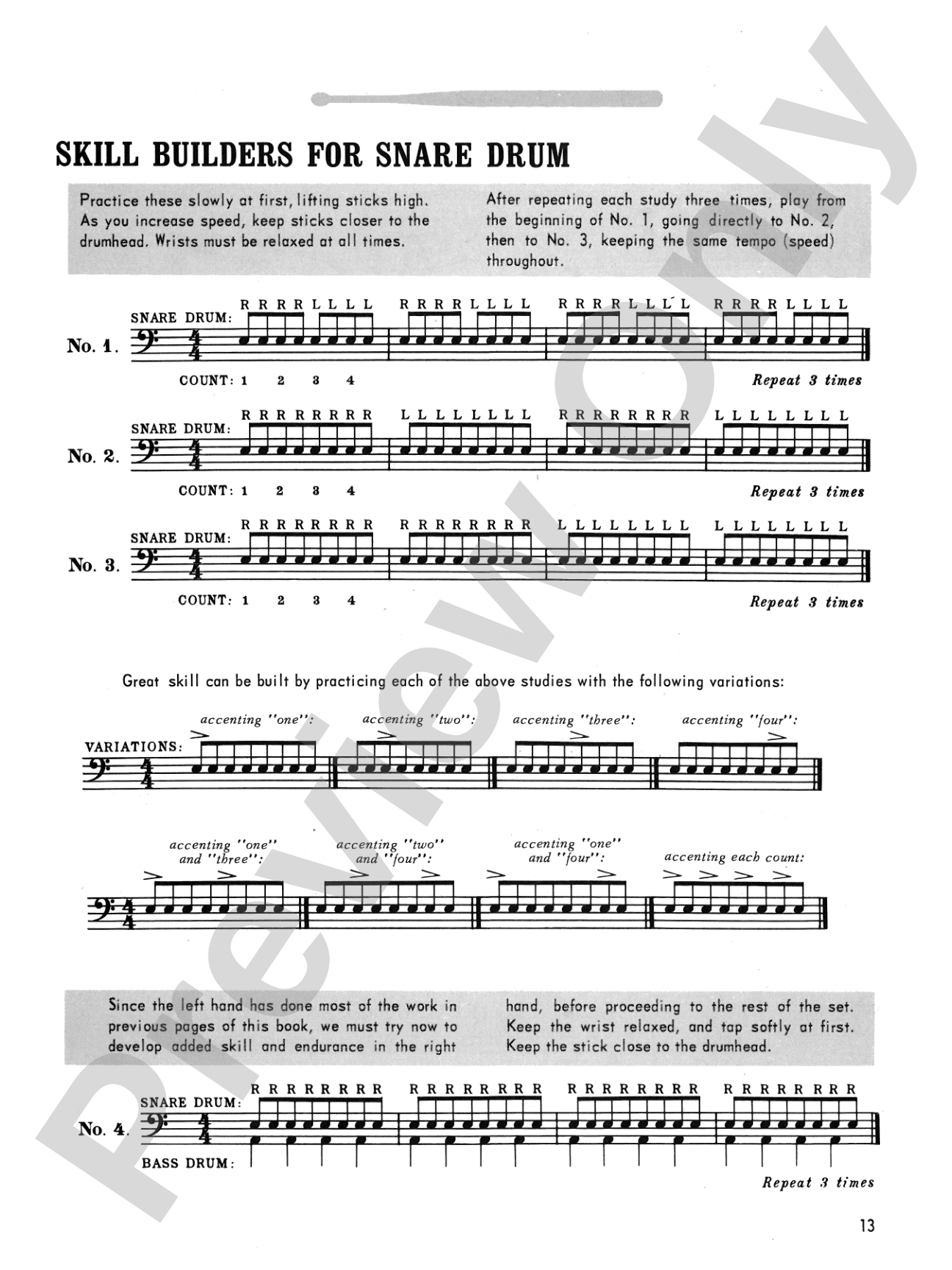
Beats, breaks, fills - basic to spectacular. Prepares the drummer to play with a rock band. Great for beginners, teachers and professionals.

How to Play Rock 'n' Roll Drums isn't in MakeMusic Cloud just yet...but it could be. Let us know you'd like to see it, and you'll help shape what comes next. In the meantime, start a free trial and dive into thousands of interactive titles your students can play along with today.

Sample Audio
No sample audio found.
Sample Video
Additional Details
Publisher: Alfred Music
Page Count: 64
SKU: 00-PB-0002092

More about this title

About the Composer: Ed Hughes

Ed Hughes brings practical classroom experience to drum pedagogy, understanding what works when teaching percussion fundamentals to students across skill levels. His approach prioritizes building confidence alongside technique, creating instructional materials that engage rather than overwhelm.

Why we love this

Hughes and Palmer deliver a method that respects the intelligence of rock drummers while scaffolding from foundational beats to genuinely useful fills. The progression from basic grooves to performance-ready material means you're not teaching exercises for their own sake; students practice patterns they'll actually use in a band.

What to expect

The energy is immediate and purposeful. These aren't etudes separated from musical context; every beat and break connects to how real drummers actually play in bands. You move quickly from understanding the mechanics to feeling the pocket.

Who it's for

Drummers new to rock music need a structured entry point, and this method gives it to them. Teachers building a rock ensemble will find clear progressions to assign week by week, while drummers joining their first bands can isolate the specific skills they need fast.

How to get the most out of it

  • Record yourself playing the basic beats at different tempos without accompaniment first; your internal timing needs to be solid before layering complexity on top.
  • Focus on kick drum and snare synchronization before adding hi-hat independence; locking those two voices will make the fill transitions feel natural.
  • Practice breaks at half speed, then double the tempo; this forces you to think through the sticking rather than memorizing muscle patterns.
  • Listen to recorded drum parts from the genre, paying attention to dynamics; the difference between a good groove and a great one often lives in restraint.

How to use it

Assign this to any drummer joining a rock band program or elective, working through the method parallels to rehearsal needs. The progression from basics through variations means sections align naturally with your ensemble's repertoire: as the band learns a new tune, the drummer references corresponding chapters for applicable fills and groove variations.

Skills your students will build

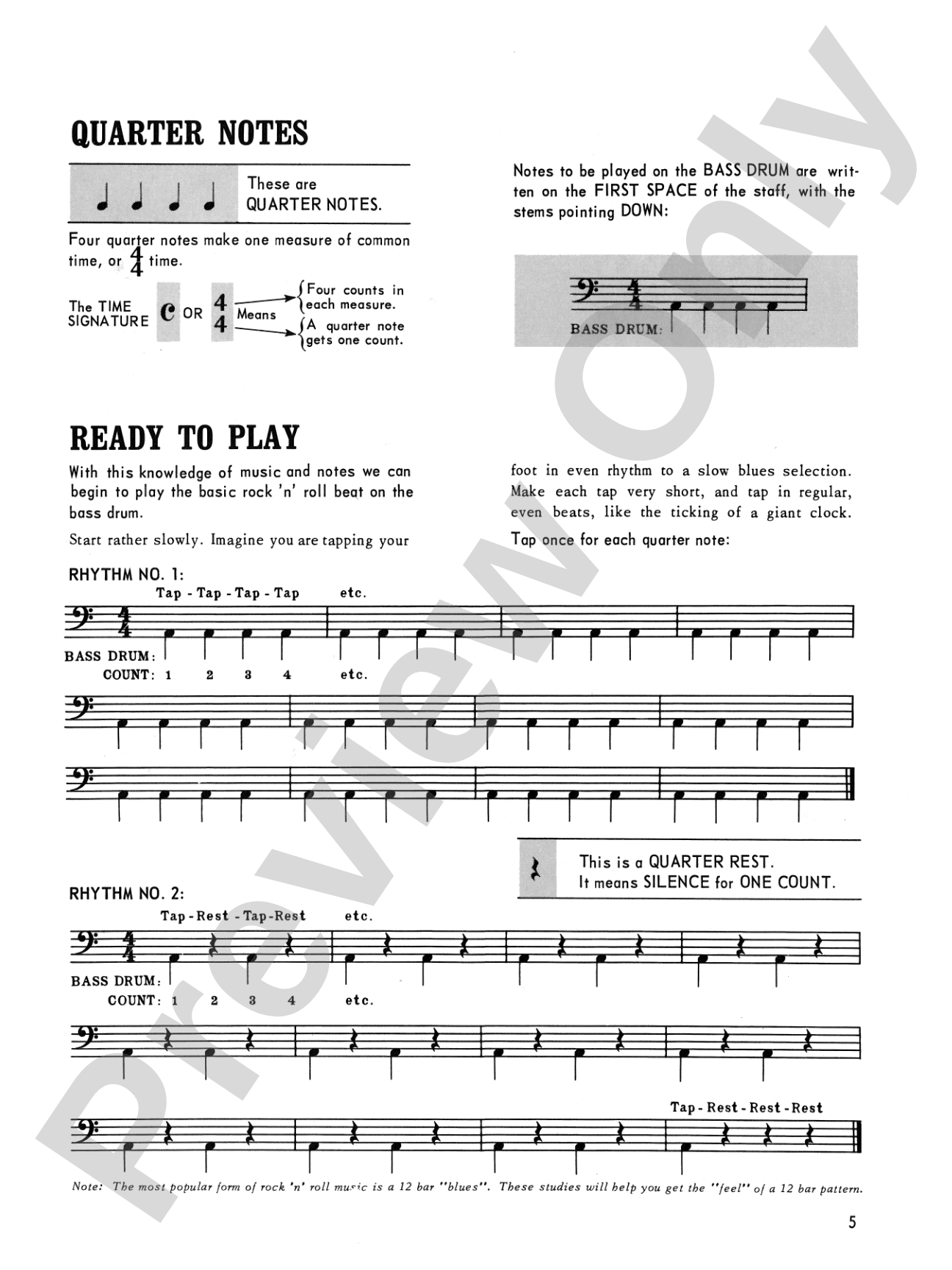
  • Rock groove fundamentals (quarter note and eighth note kick patterns)
  • Hi-hat control and independence from kick drum
  • Snare backbeat placement and pocket
  • Fill construction and transition techniques
  • Reading drum notation across all four limbs
  • Break and syncopation execution
  • Dynamic control and spacing within a groove

You May Also Like