

How to Play Latin-American Rhythm Instruments
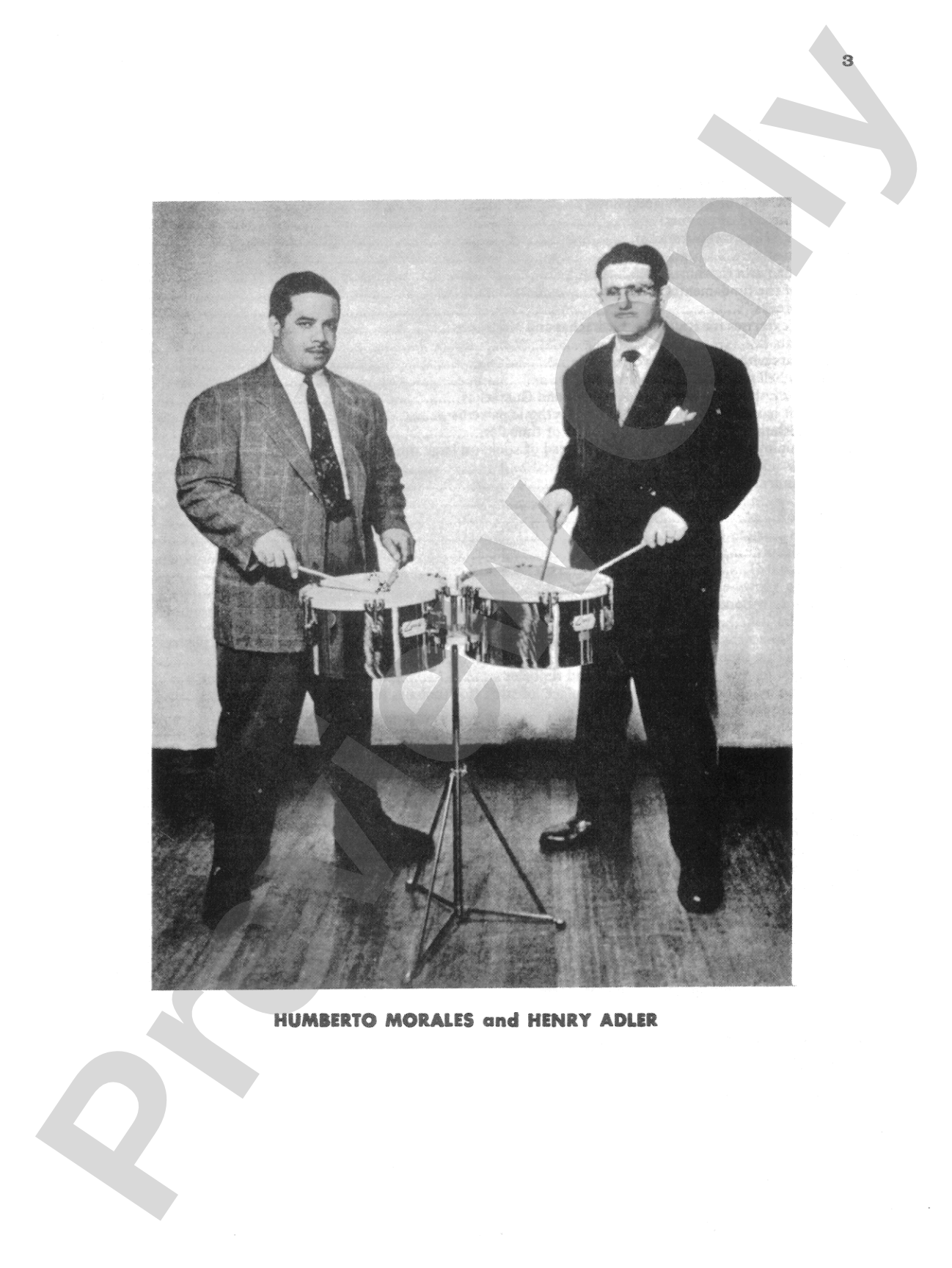
By Humberto Morales and Henry Adler
Item: 00-PB-0001969
$20.99
Pickup currently not available
Related Items
How to Play Latin-American Rhythm Instruments: English / Spanish Book |
$20.99
|
View |
Description
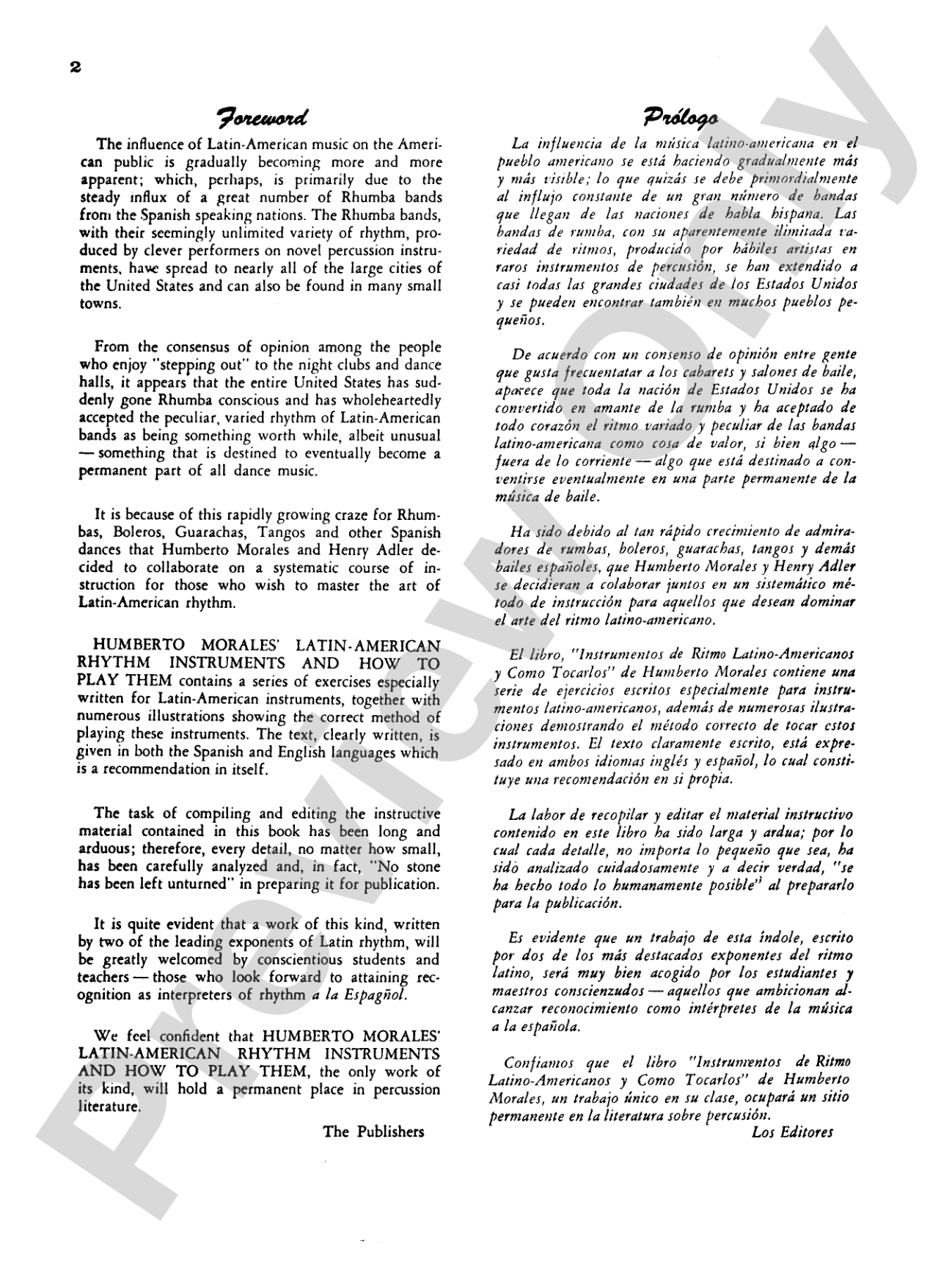
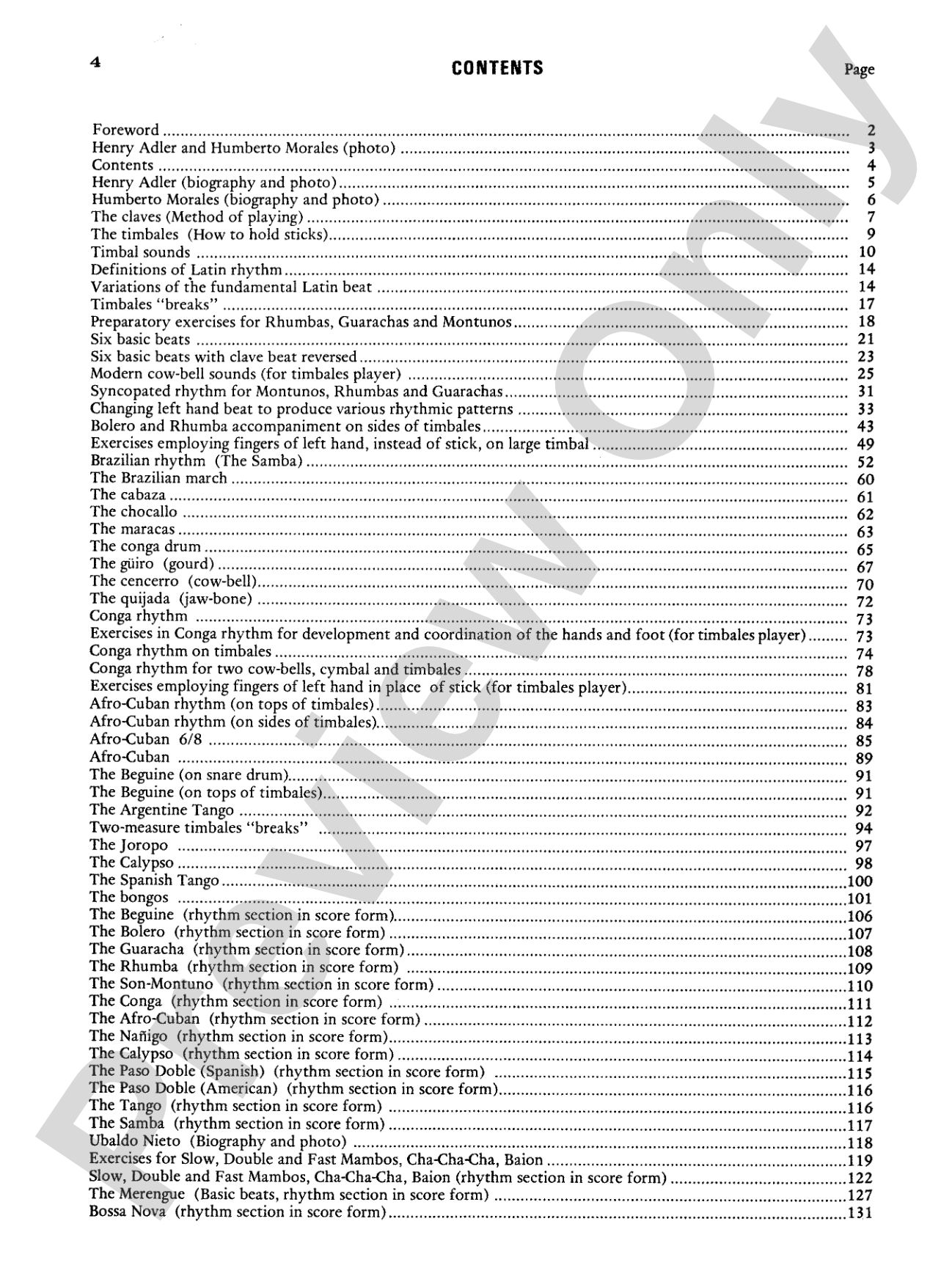
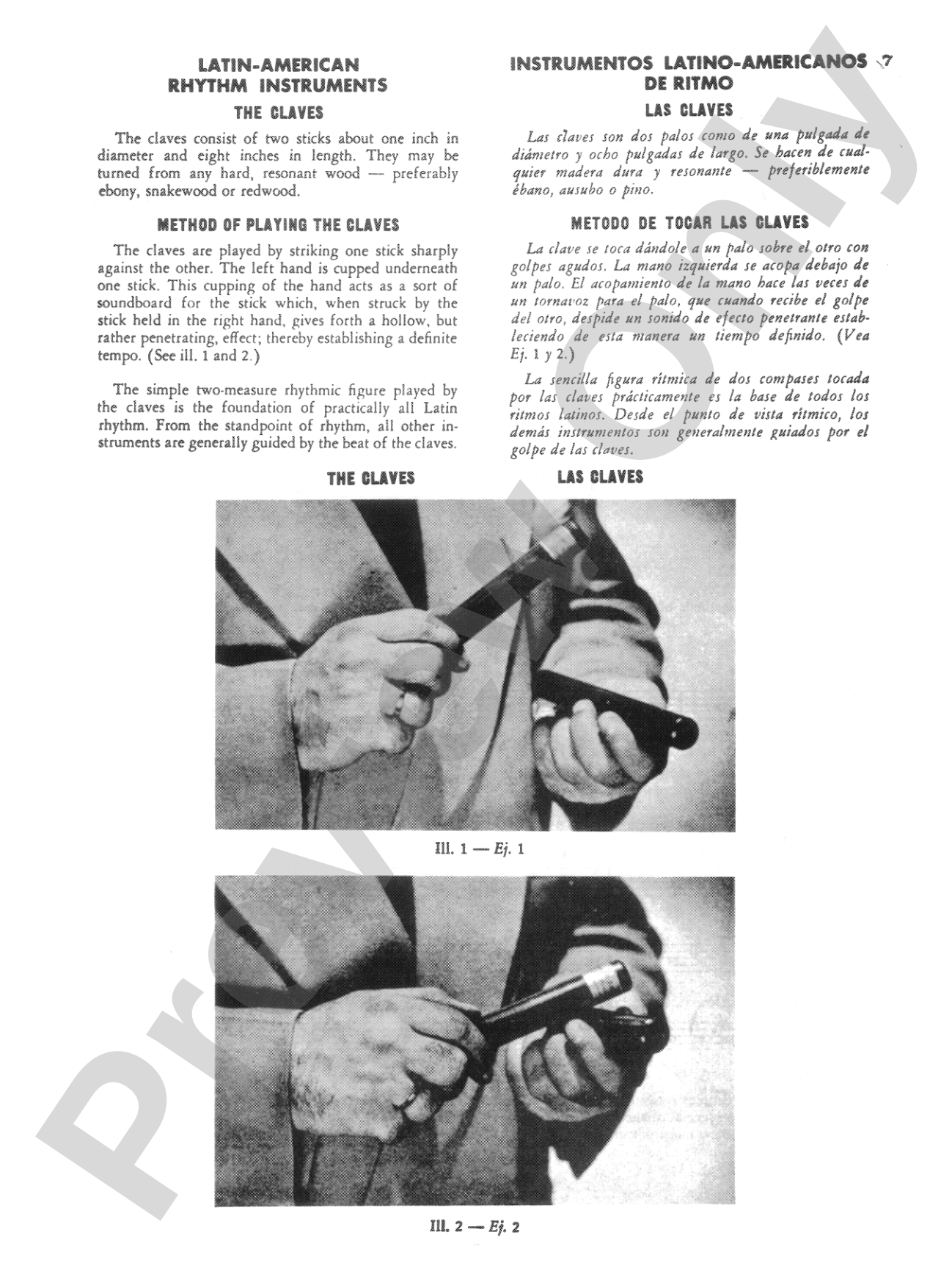
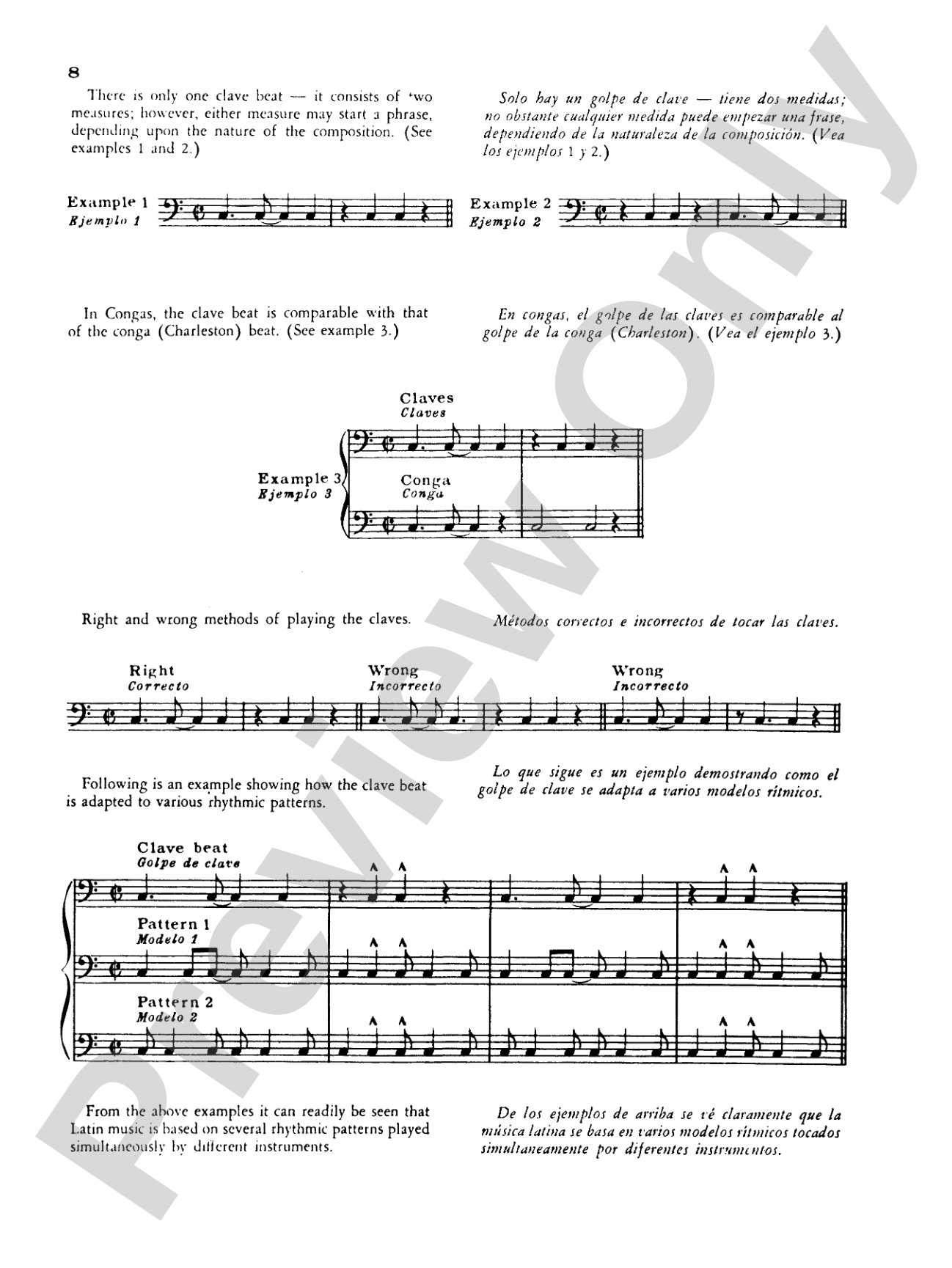
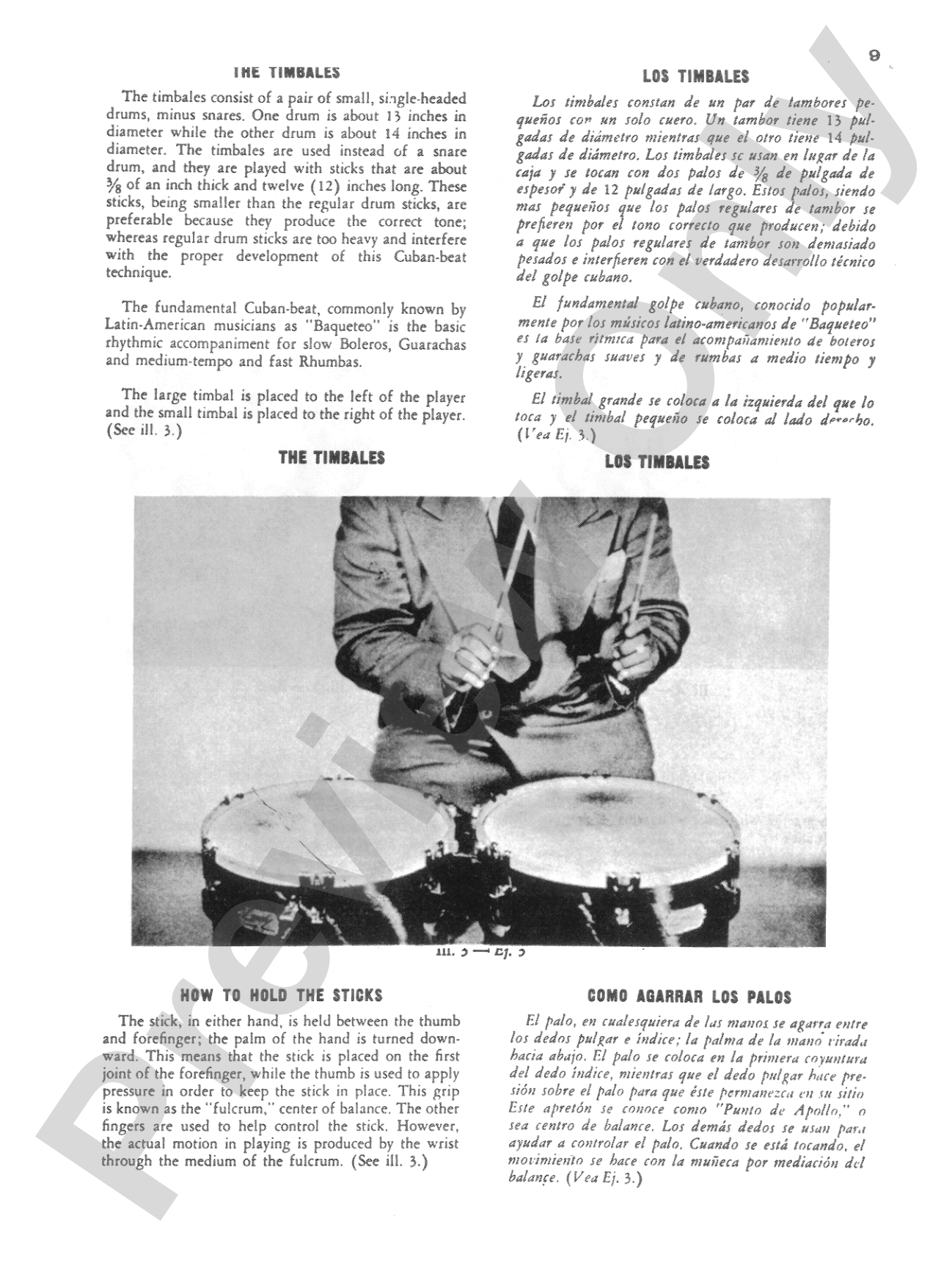
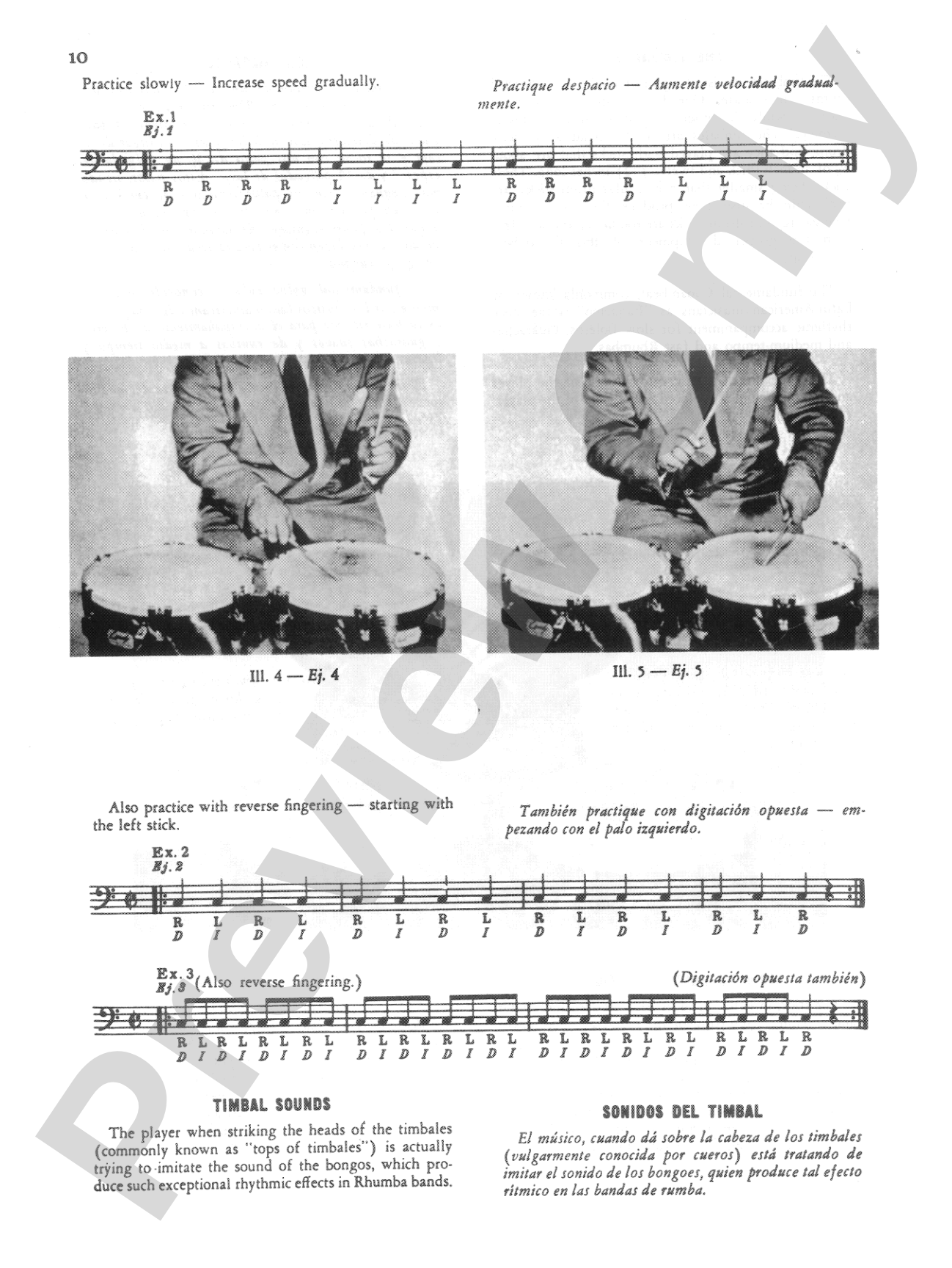
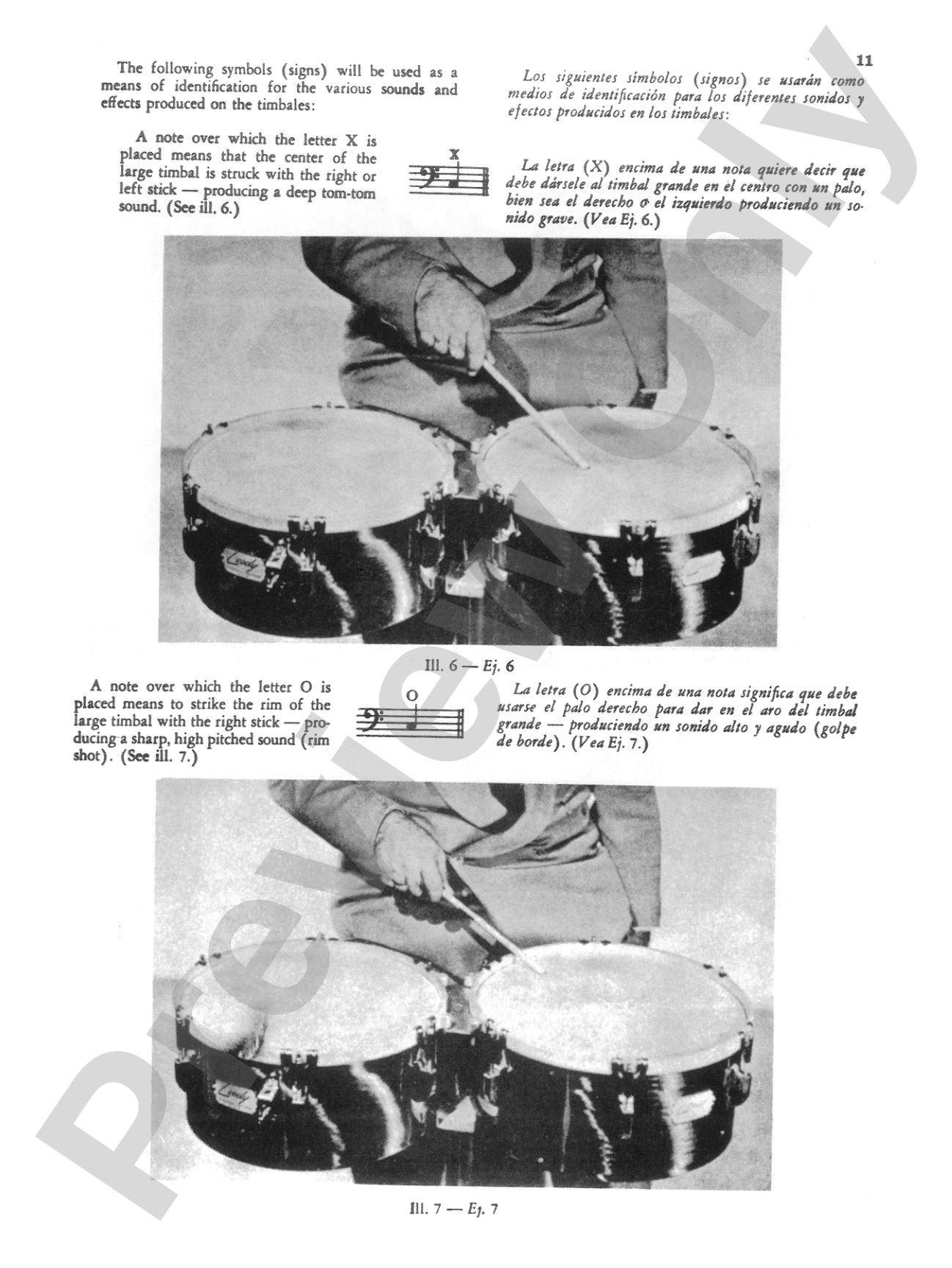
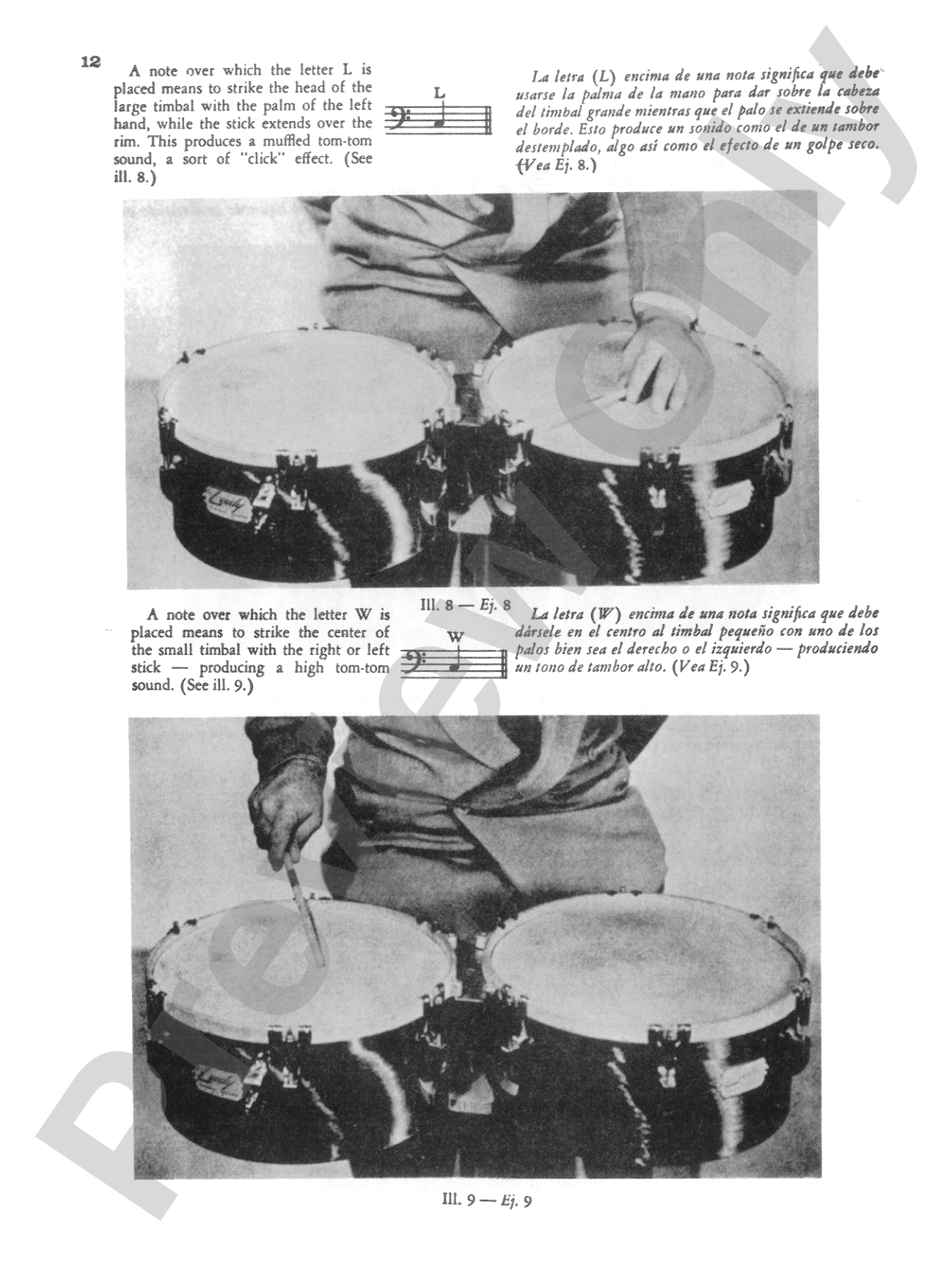
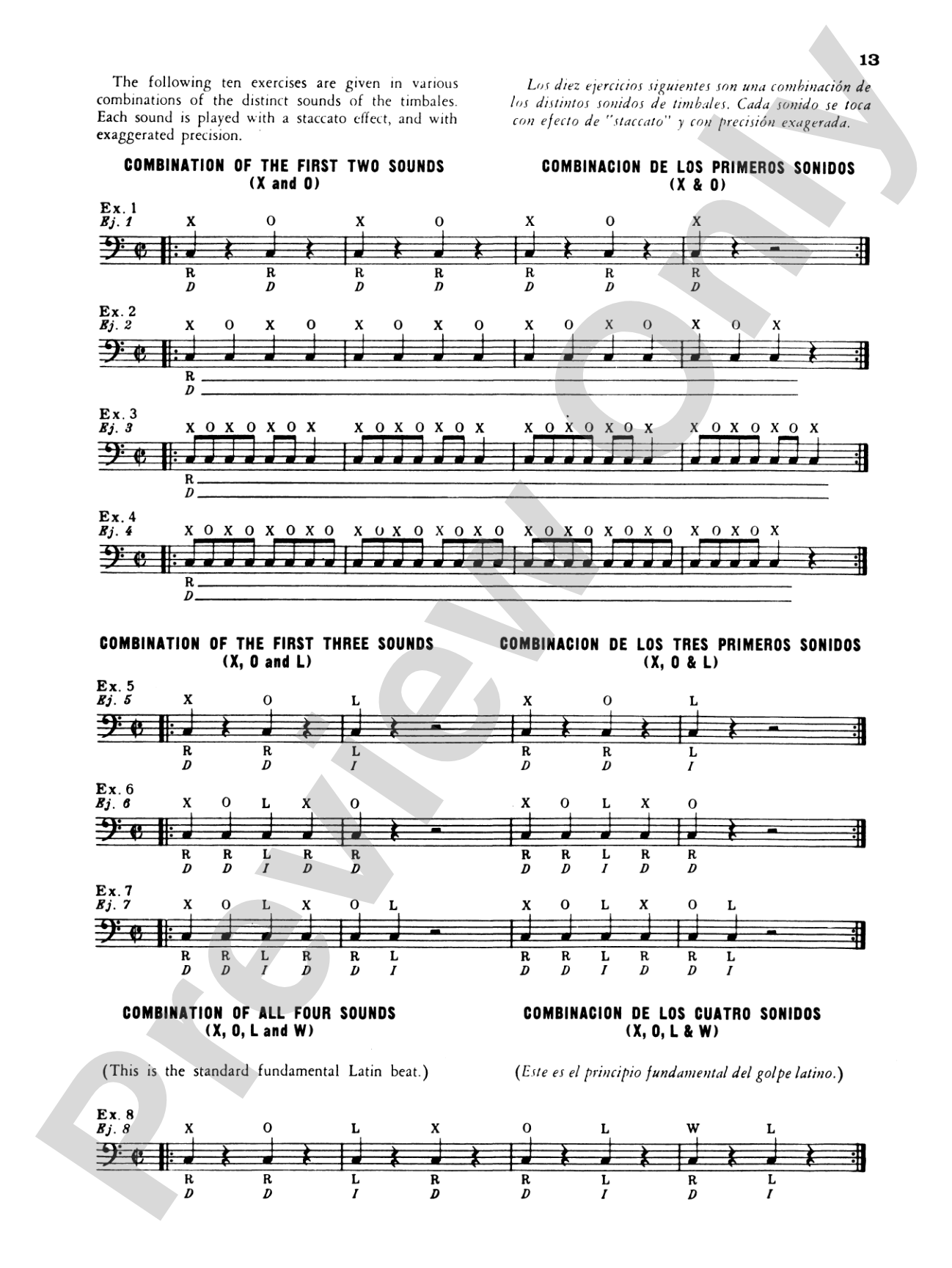
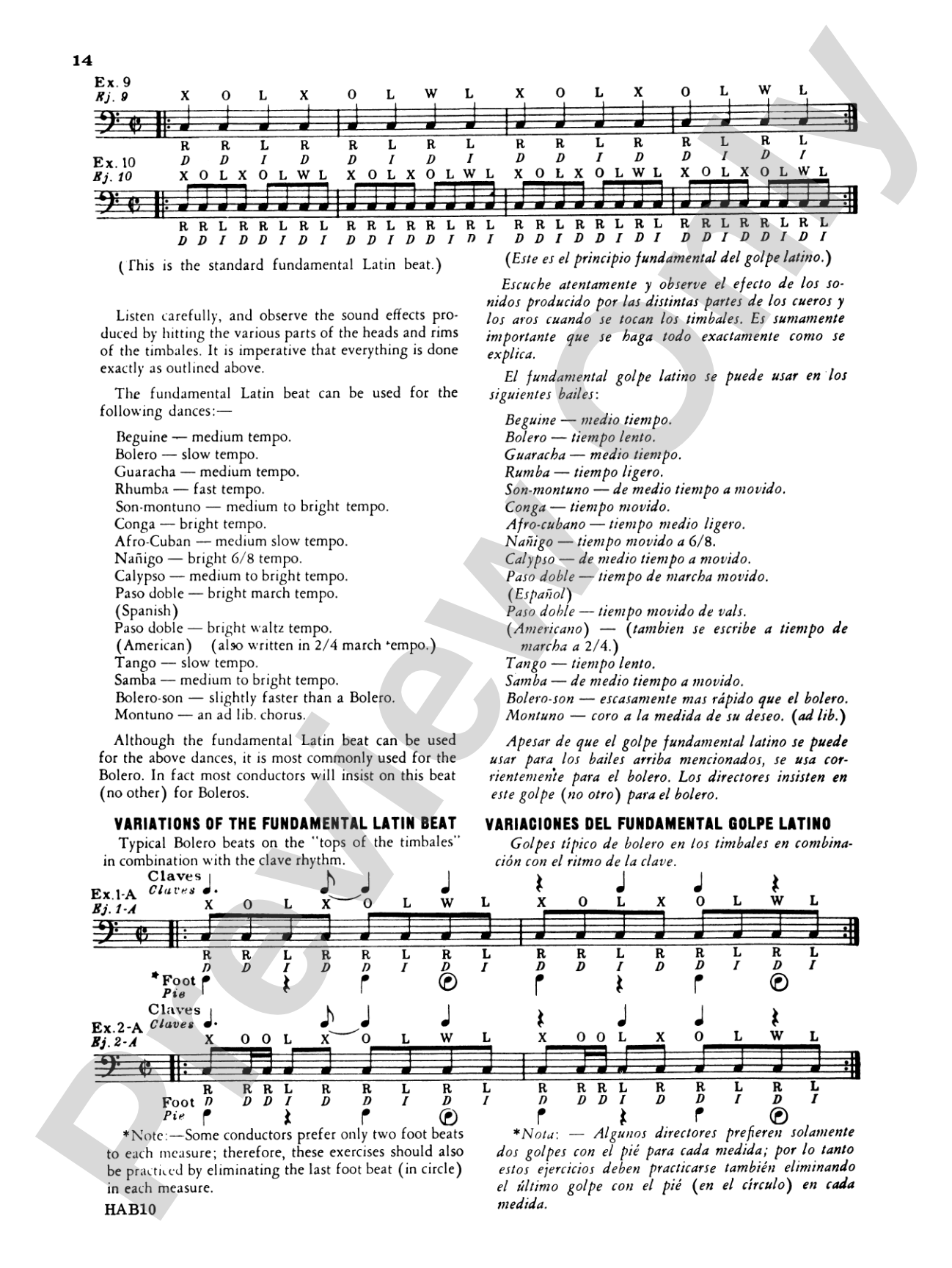
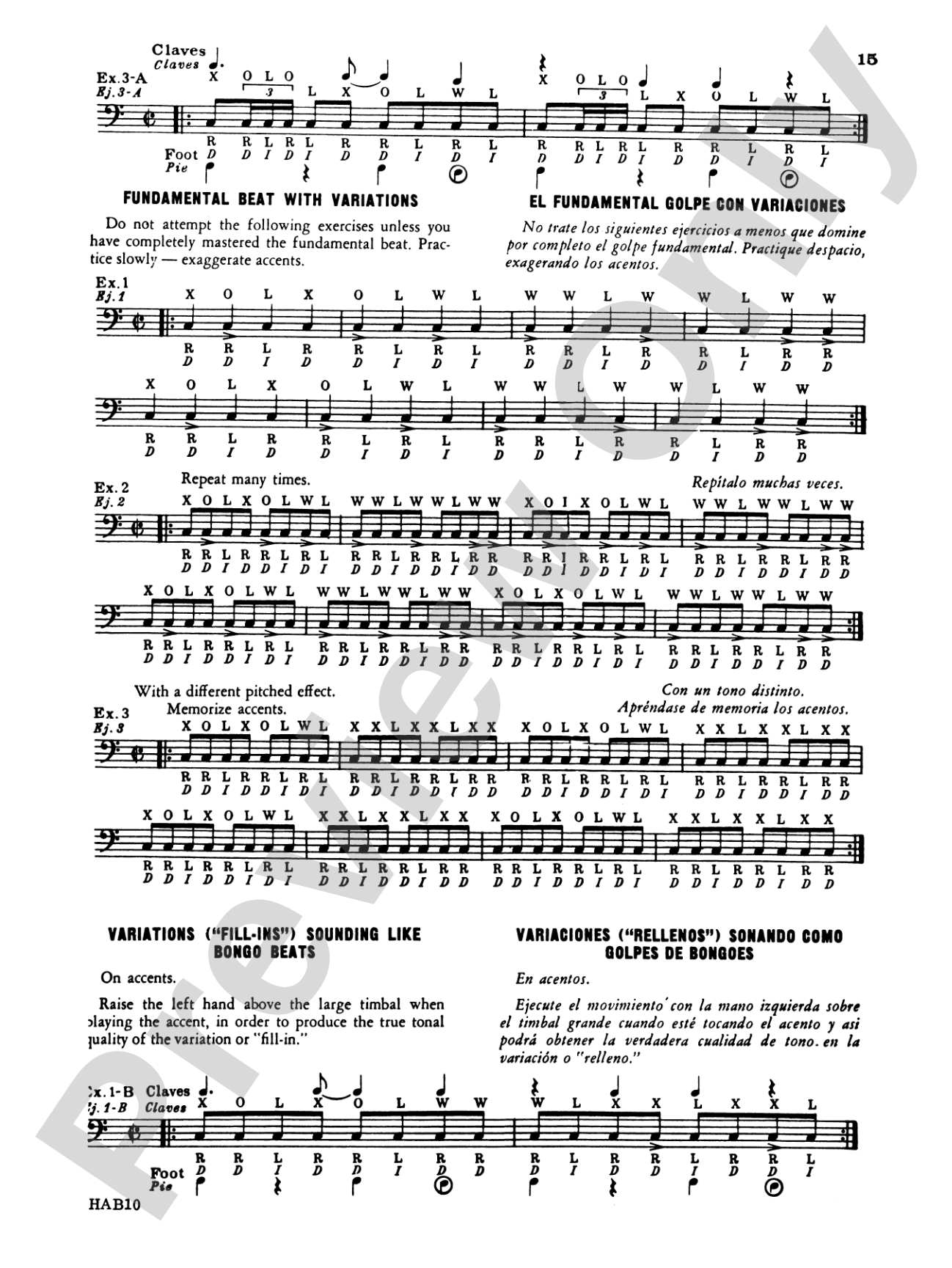
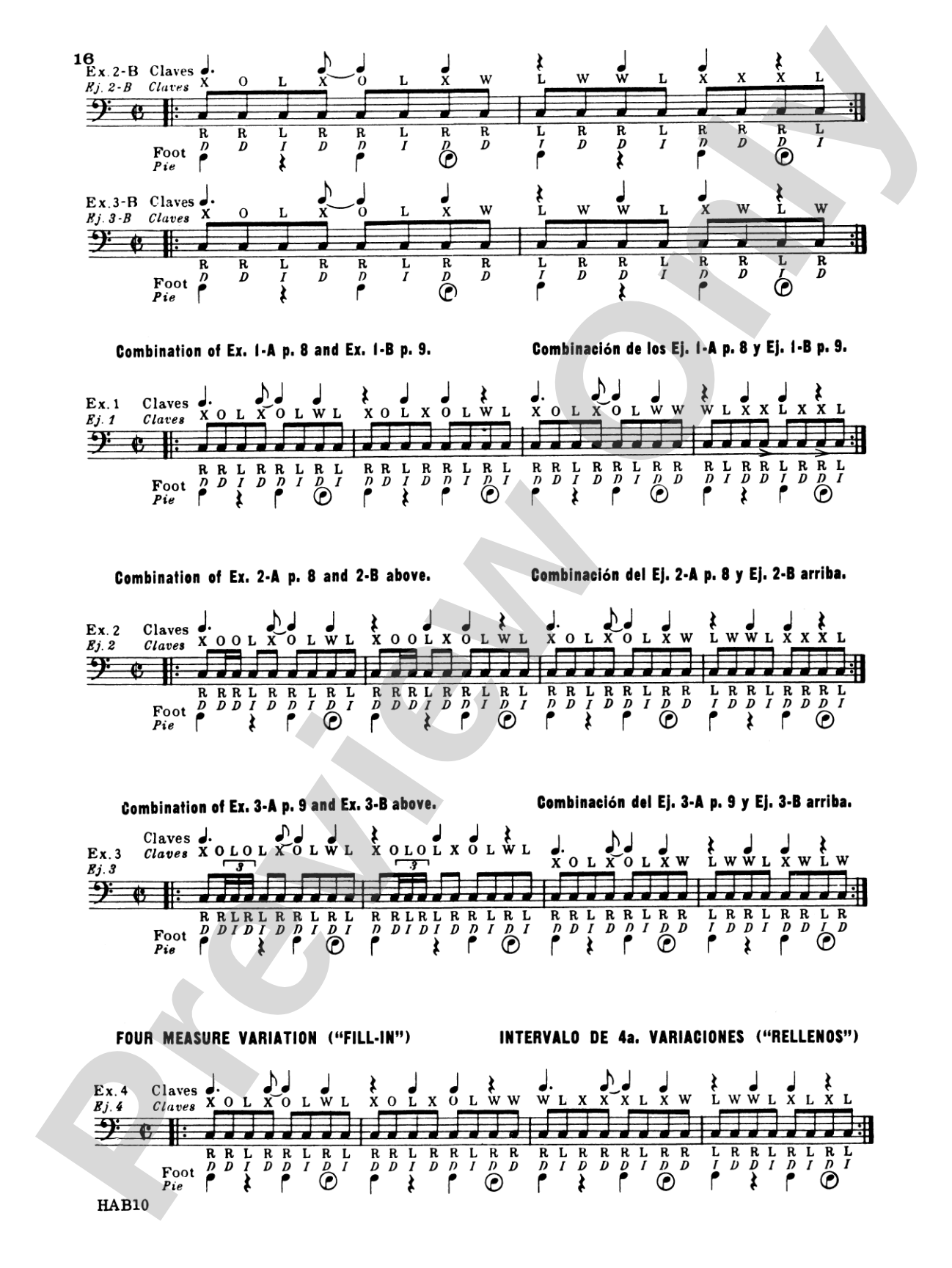
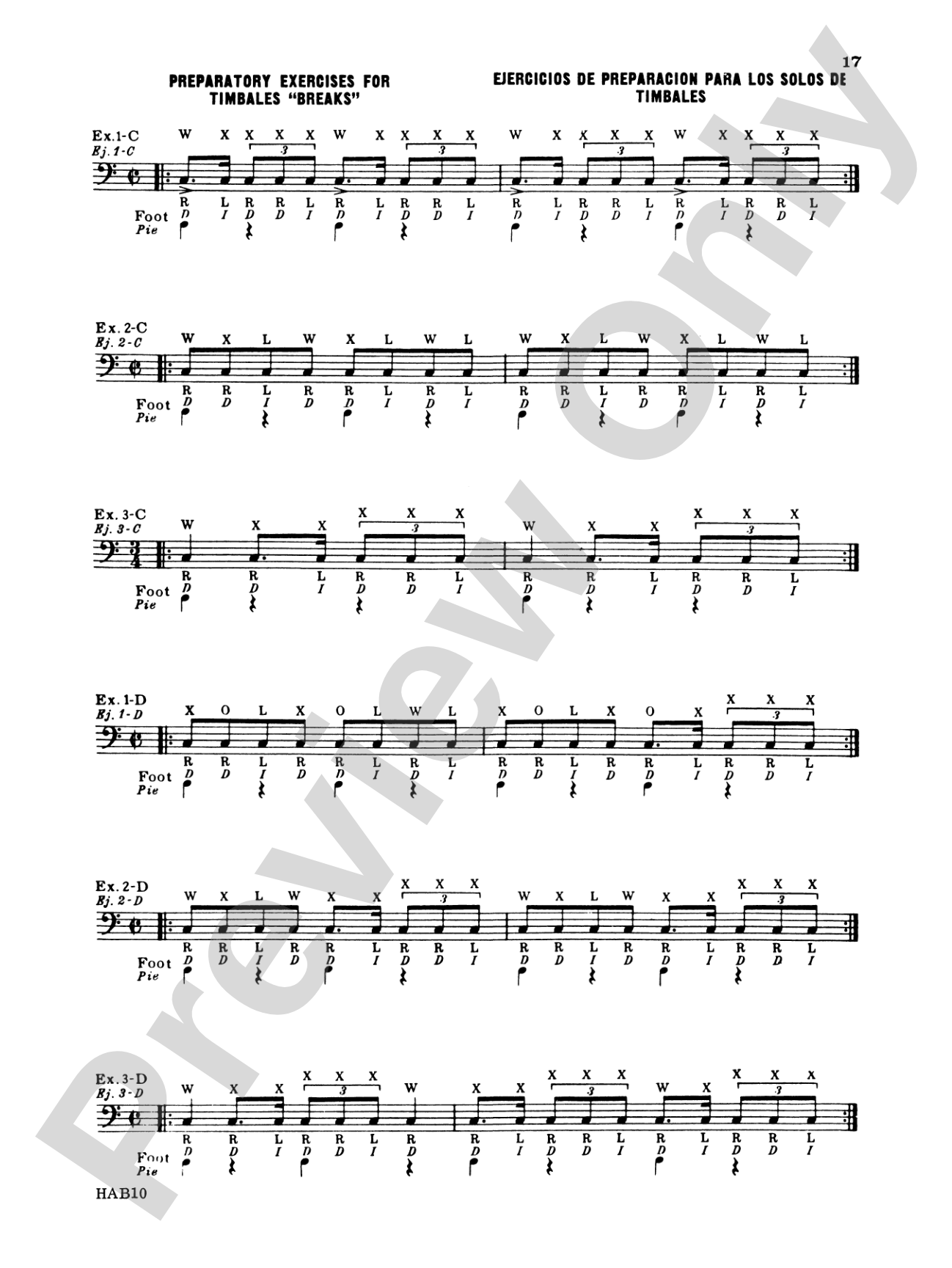
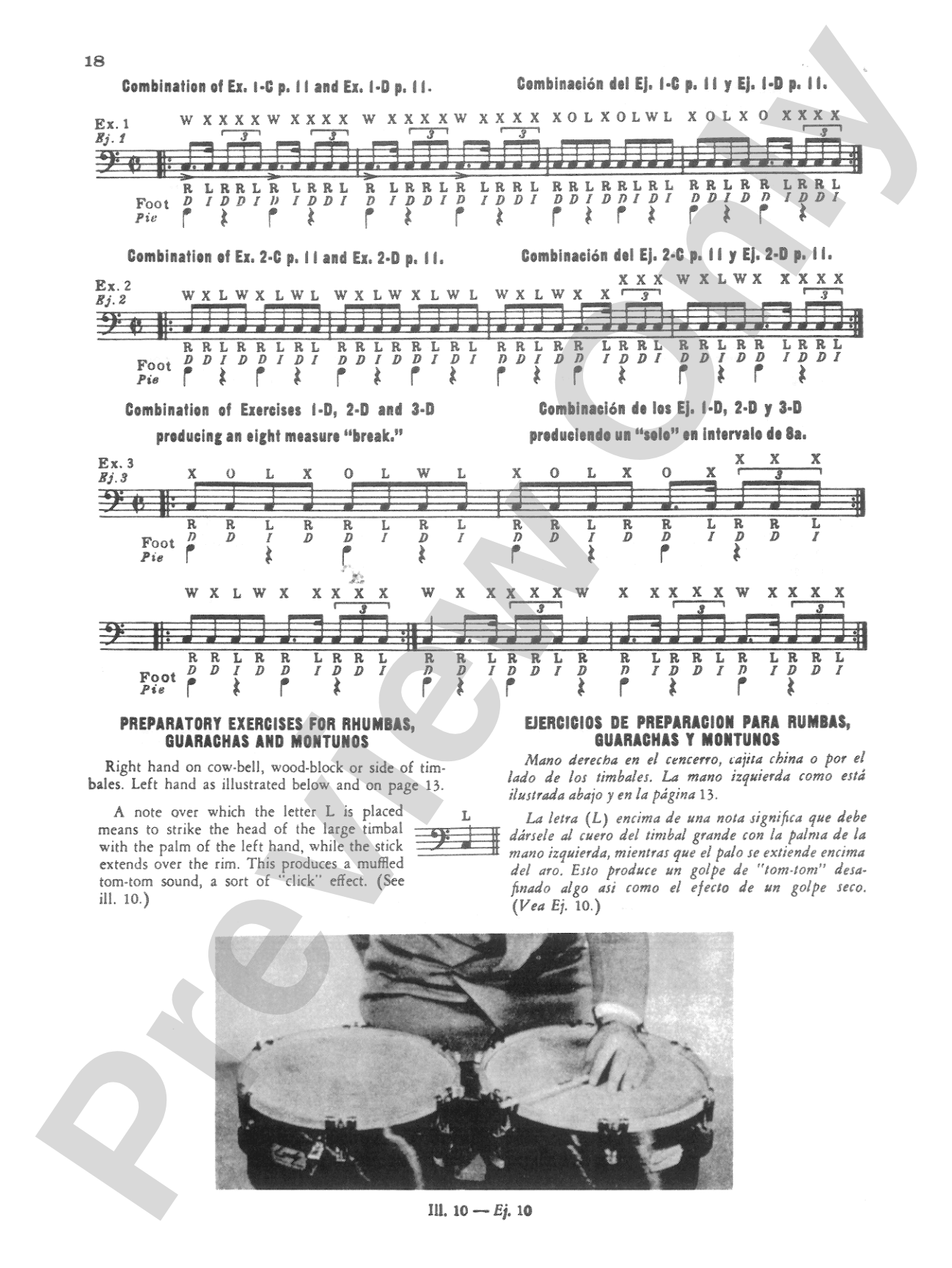
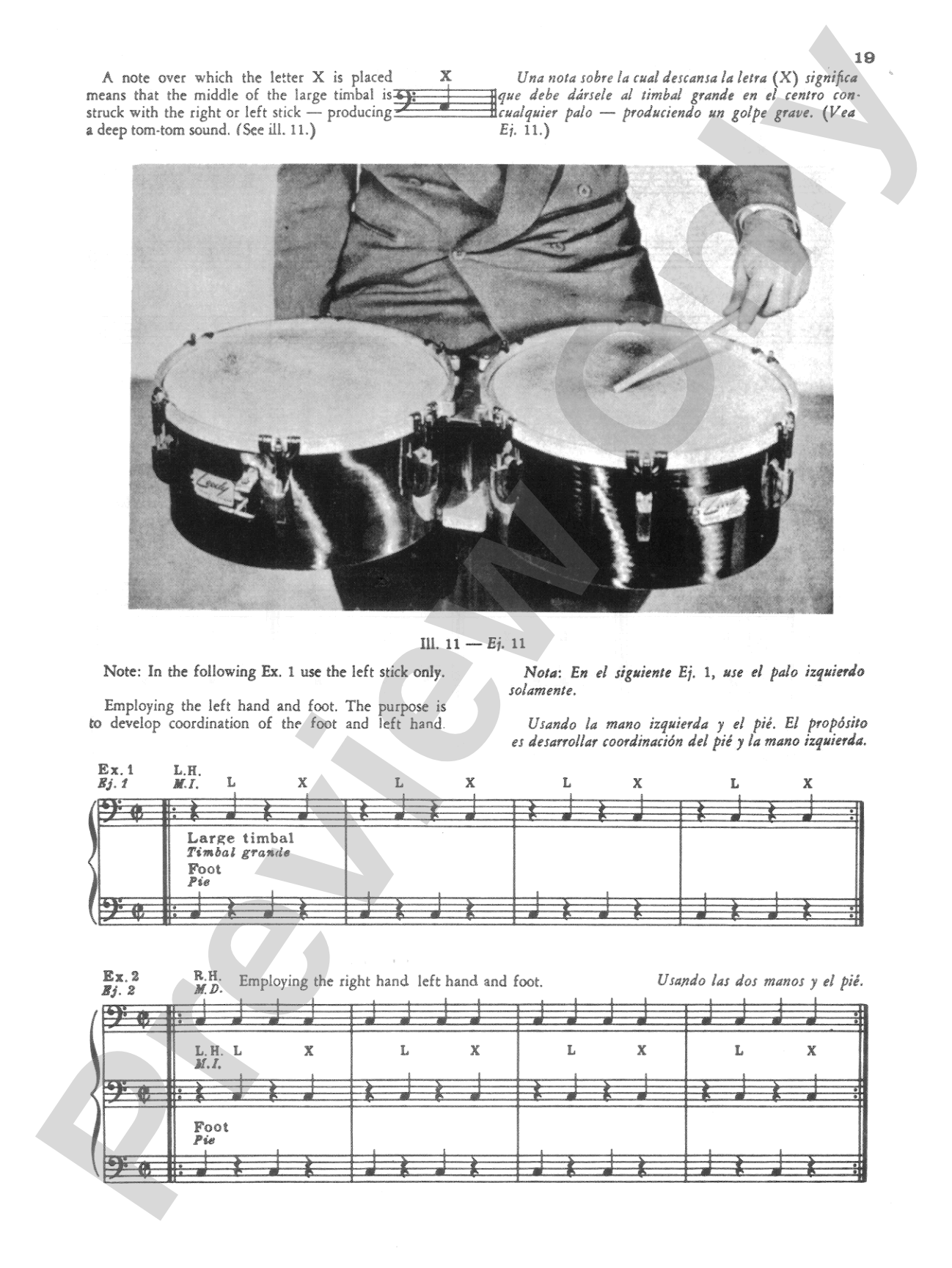
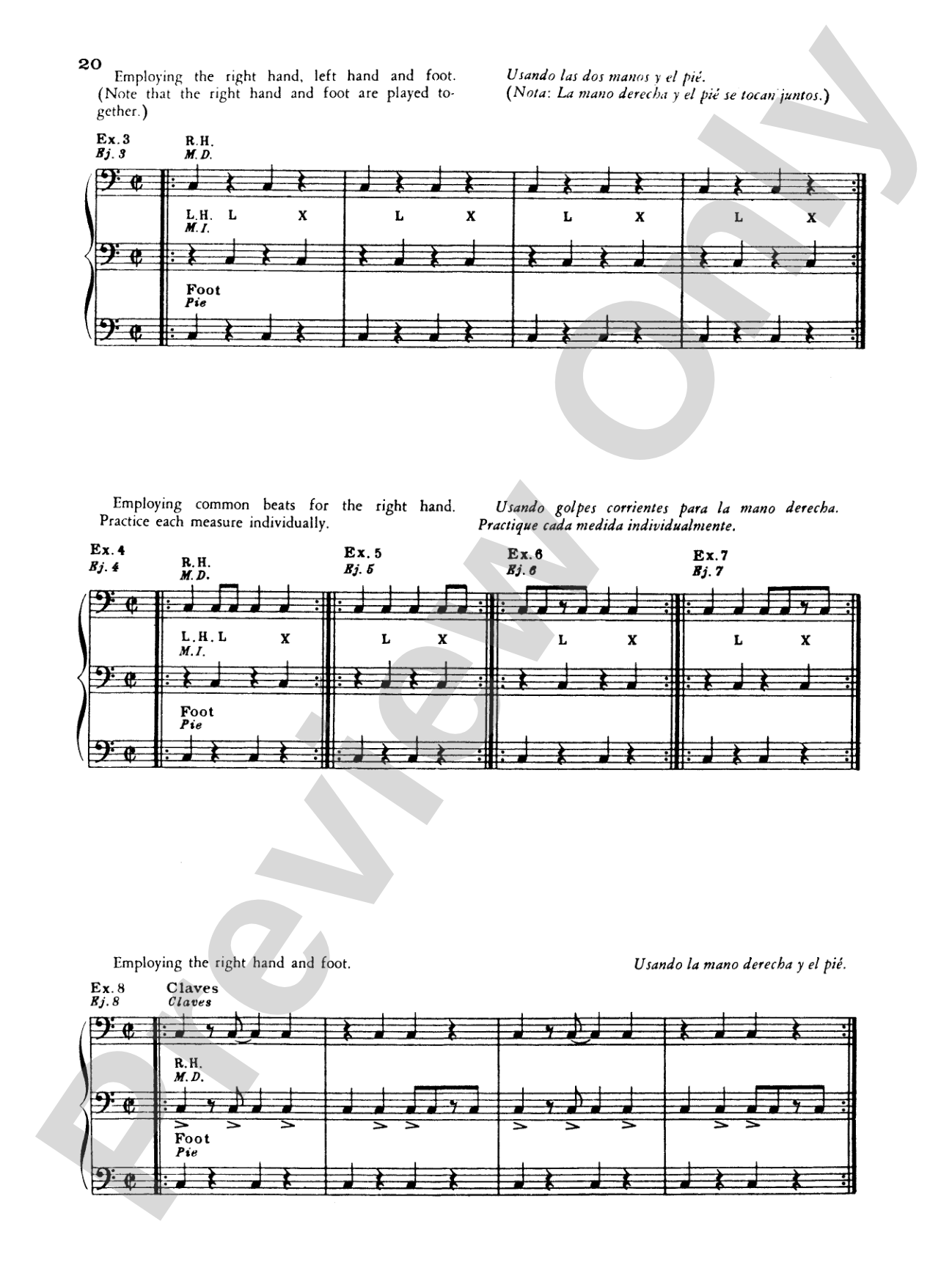
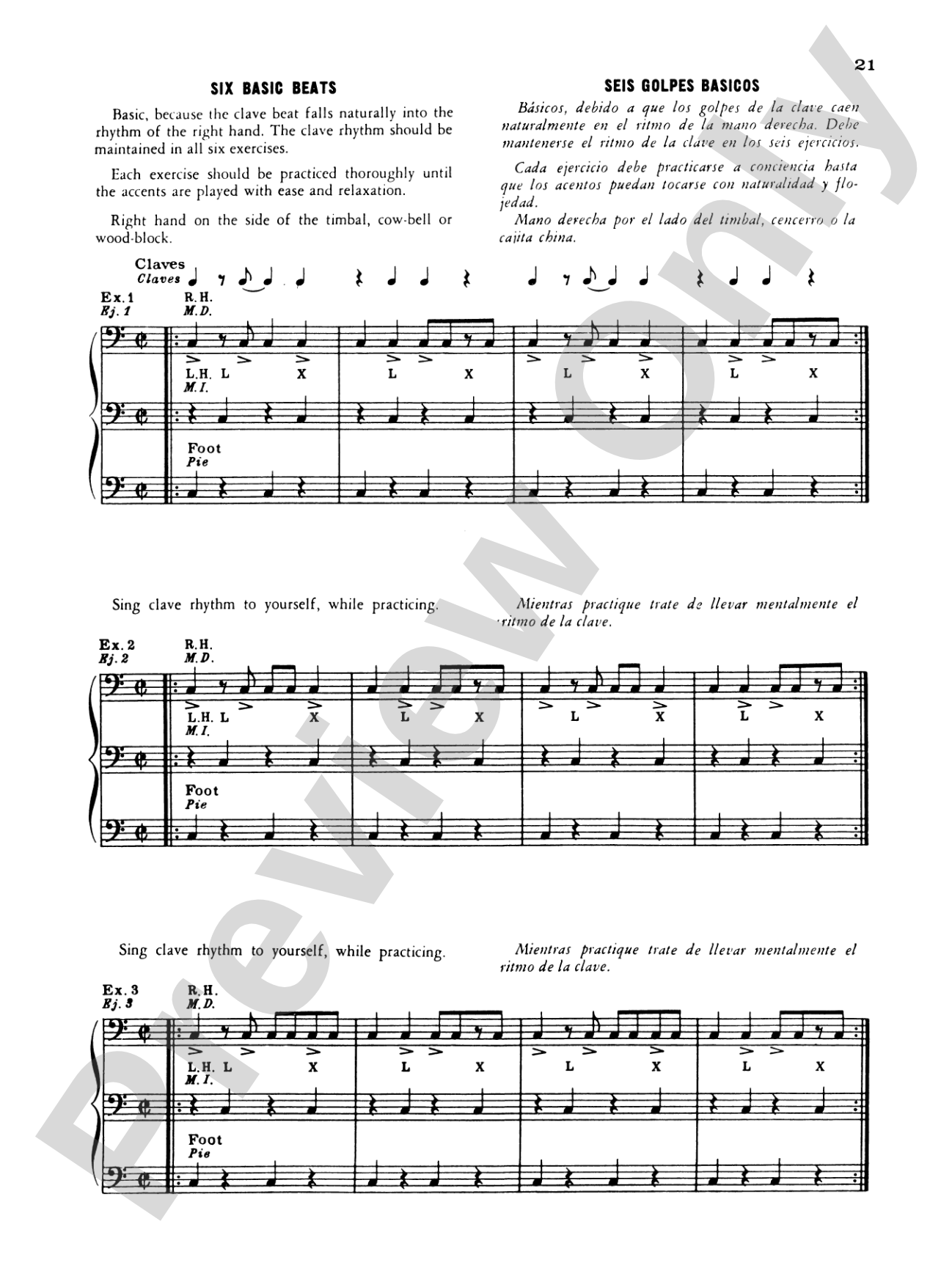
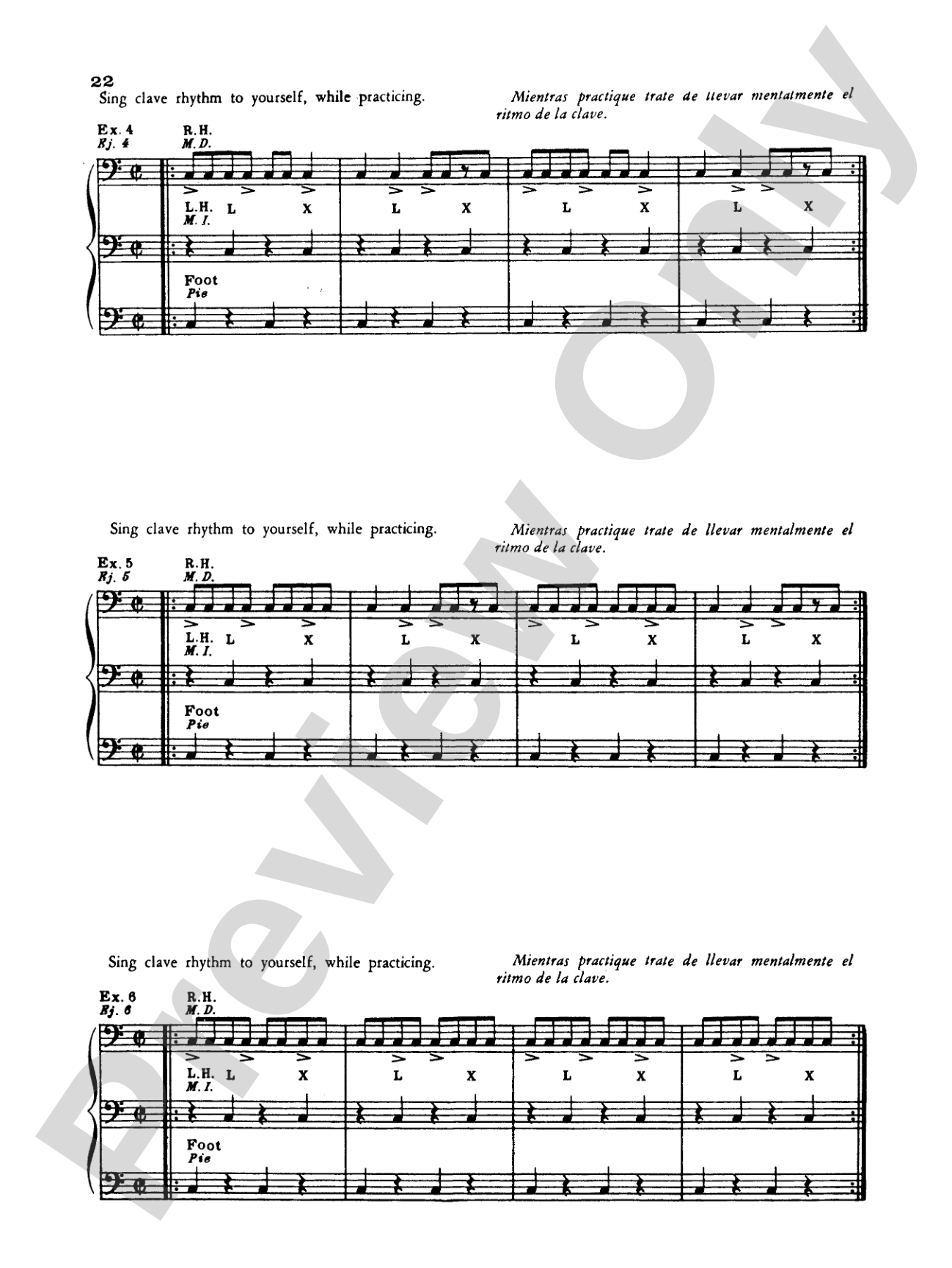
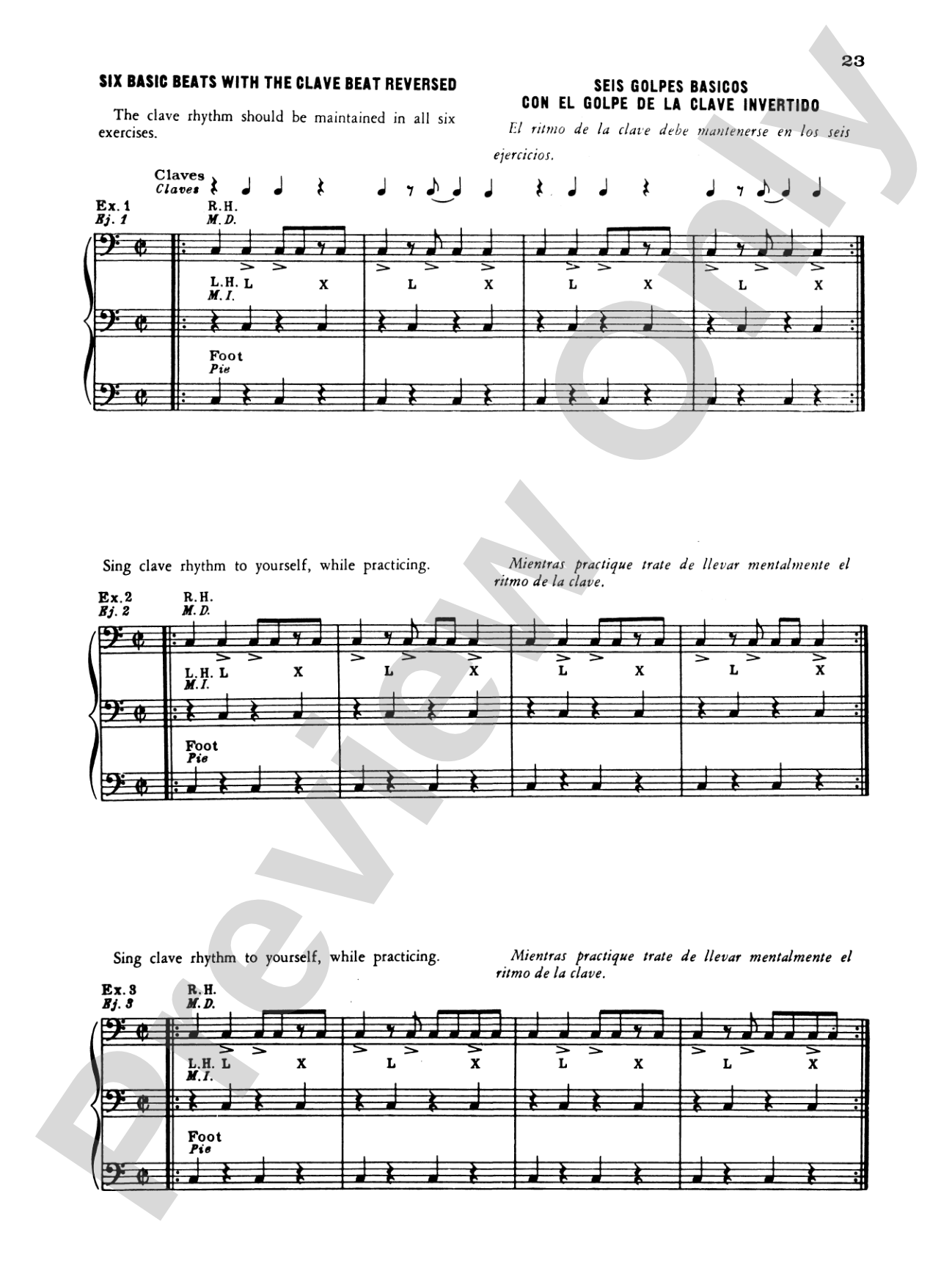
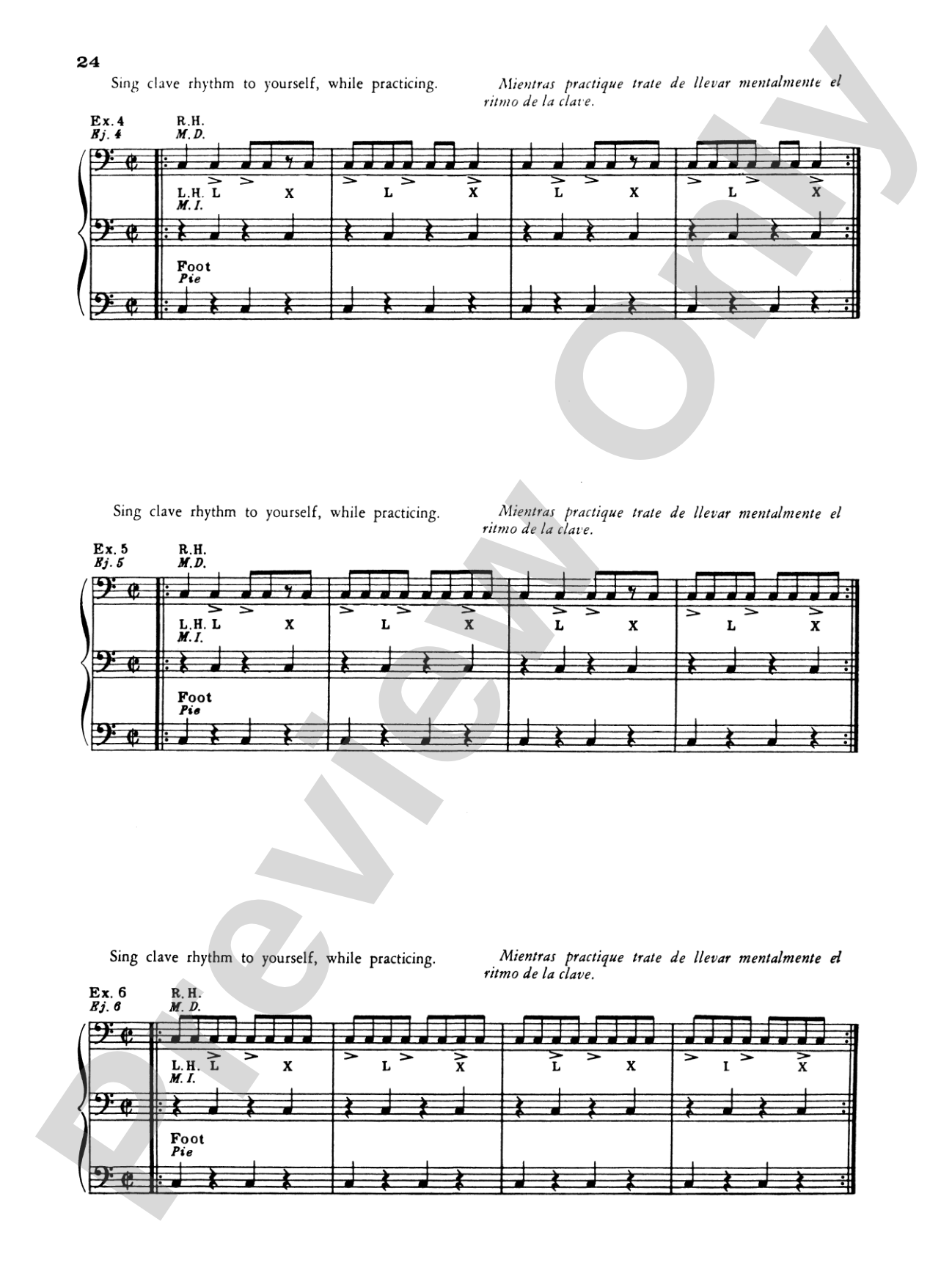
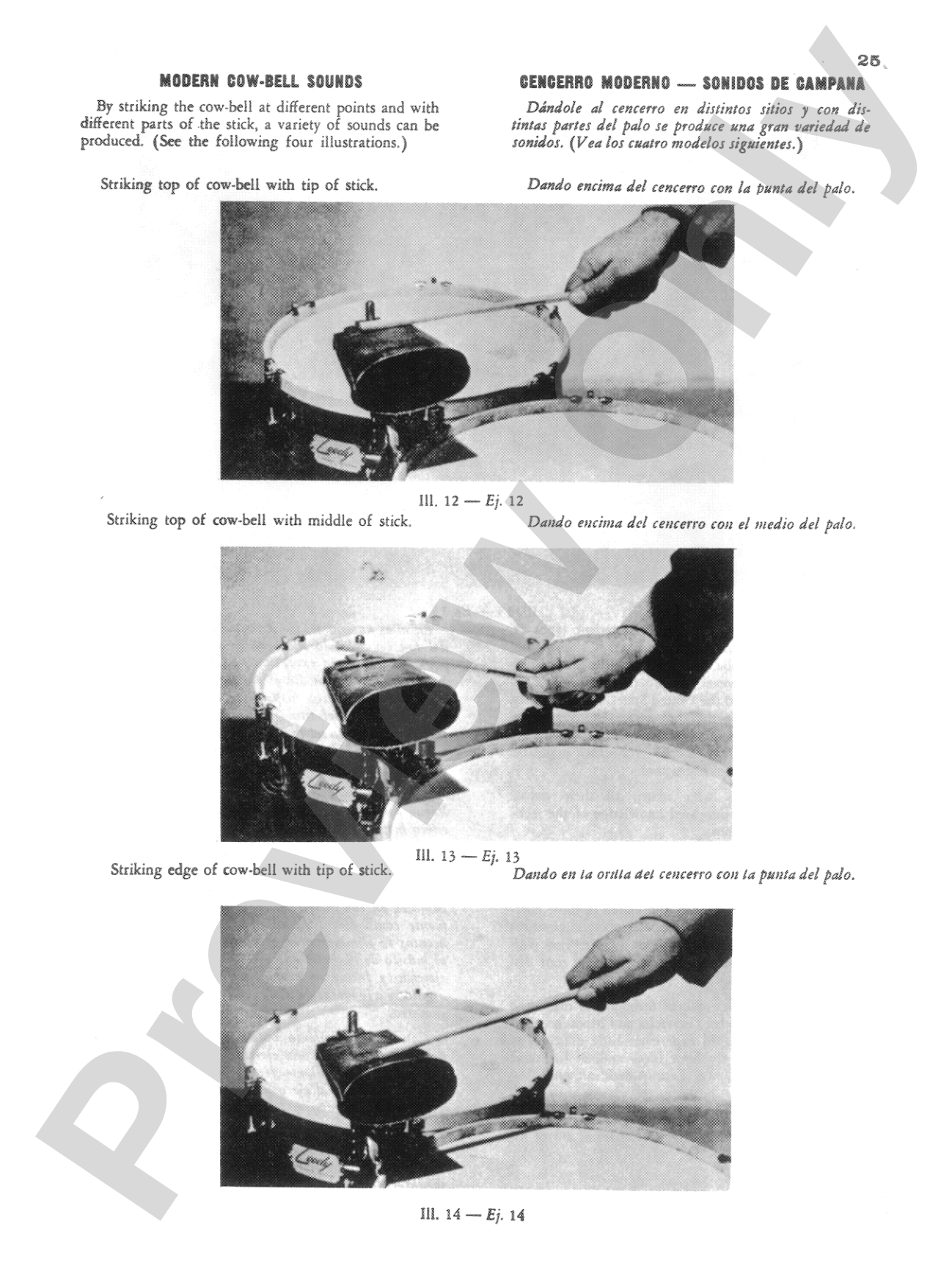
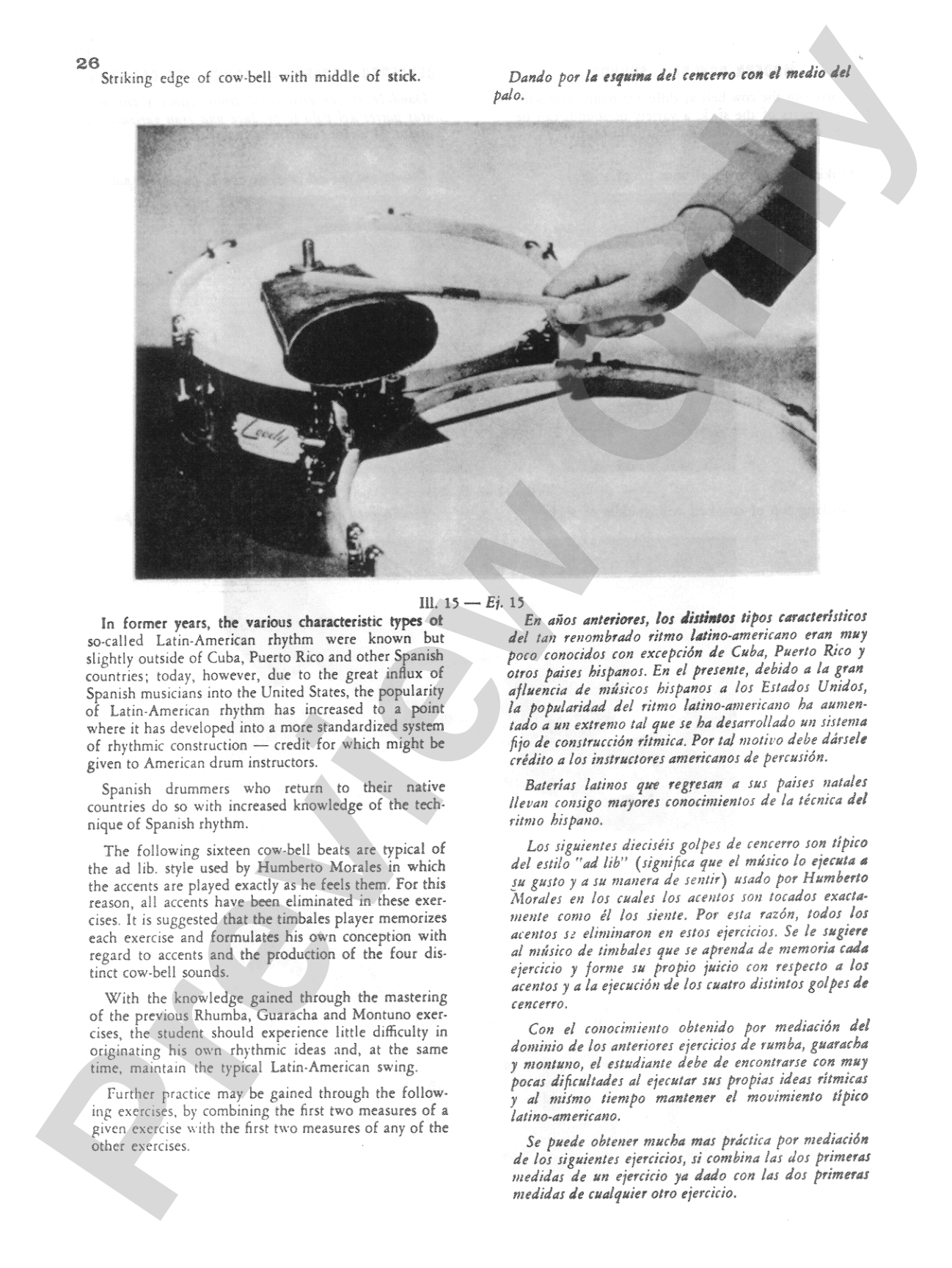
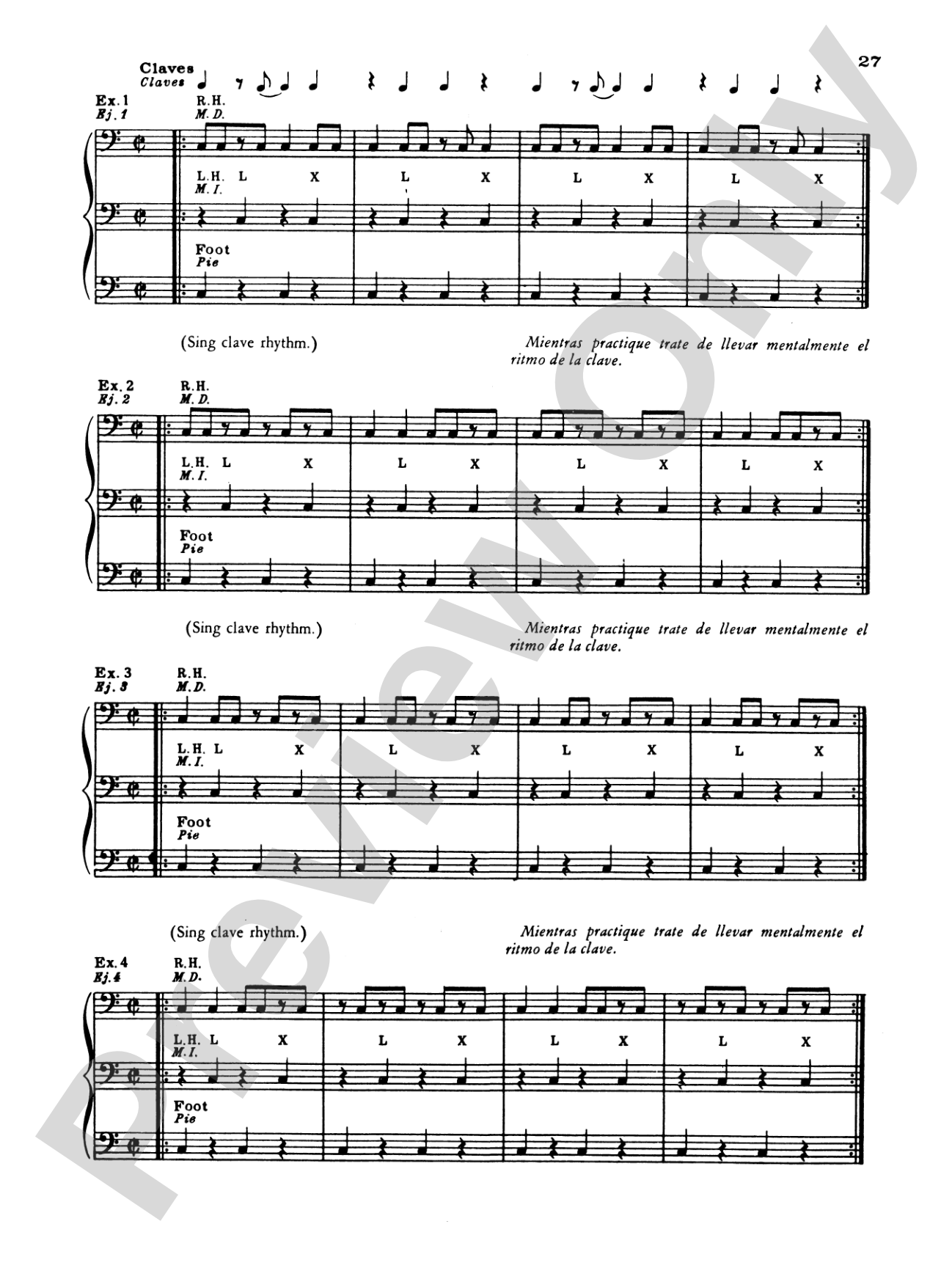
English / Spanish. The bible of Latin patterns and sounds. This compendium of native instruments shows how each instrument plays its part of the beat. There is also a special section of supplementary timbale exercises and correctly notated Latin-rhythm instrument scores.


How to Play Latin-American Rhythm Instruments isn't in MakeMusic Cloud just yet...but it could be. Let us know you'd like to see it, and you'll help shape what comes next. In the meantime, start a free trial and dive into thousands of interactive titles your students can play along with today.
Request This Title
Tell us you want it.
Start Your Free Trial
Explore everything that's ready to play right now.
Sample Audio
No sample audio found.
Sample Video
No sample videos found.
Additional Details
Publisher:
Alfred Music
Page Count:
132
SKU:
00-PB-0001969
More about this title
About the Composer: Humberto Morales
Humberto Morales stands as a foundational voice in percussion pedagogy, particularly in the systematic documentation and teaching of Latin rhythmic traditions. His work bridging English and Spanish language instruction has made authentic Latin percussion accessible to generations of music educators and students working outside traditional Latin music communities.
Why we love this
This resource cuts through the approximation that often clouds Latin percussion instruction in non-specialist settings. By isolating how each instrument contributes its specific rhythmic layer, students grasp the architecture of patterns they'd otherwise imitate by ear alone. The notation conventions here become your shared language with ensembles learning to respect these traditions.
What to expect
The book pulses with the clarity of someone who has watched these patterns work in practice. Reading through it feels less like studying a reference and more like being guided through the logic that has sustained these rhythms across generations and geography.
Who it's for
Percussion teachers and directors building Latin music literacy in their programs, whether through world percussion ensembles, jazz bands exploring Afro-Cuban standards, or contemporary classical groups engaging Latin scores. Students who need to understand not just what to play but why each instrument occupies its specific rhythmic pocket.
How to get the most out of it
- Study the timbale exercises first. Their precise sticking patterns unlock how to think about the relationship between hands and the underlying pulse in ways that transfer directly to other percussion voices.
- Listen to recordings of each instrument in isolation before layering patterns together. This trains your ear to hear the distinct role each voice plays rather than hearing a blended texture.
- Work through the notation section slowly. Correct notation habits now prevent the rhythmic slippage that emerges when players guess at articulation or spacing.
How to use it
Assign targeted sections to your percussion section before tackling repertoire that incorporates Latin colors. Use it as a reference when programming world percussion concerts, ensuring your students can speak knowledgeably about instrument roles. The supplementary timbale exercises work well as a parallel study track during rehearsals focused on other ensemble elements.
Skills your students will build
- Distinguishing the rhythmic function of clave, tumbao, and montuno patterns
- Reading and performing timbale sticking notation with accuracy
- Understanding how individual percussion voices layer into coherent polyrhythmic textures
- Translating English and Spanish terminology for Latin percussion voices
- Recognizing authentic notation conventions for Latin rhythm instruments