

How to Play Hymns and Gospel Songs in Evangelistic Style: Piano
By David Carr Glover and Phyllis Gunther
Item: 00-PB-0001934
$14.95
Pickup currently not available
Related Items
How to Play Hymns and Gospel Songs in Evangelistic Style: Piano Book |
$14.95
|
View |
Description
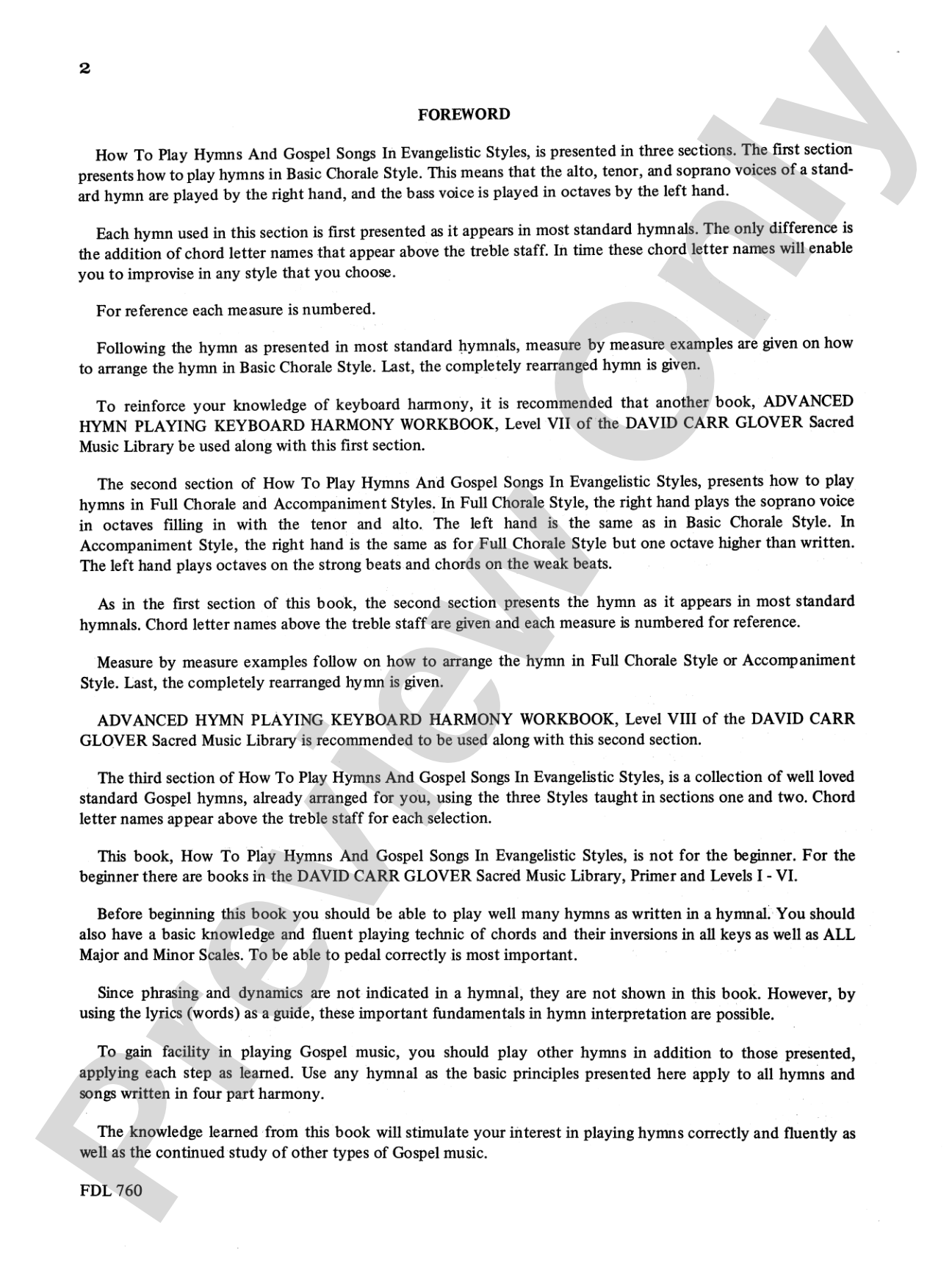
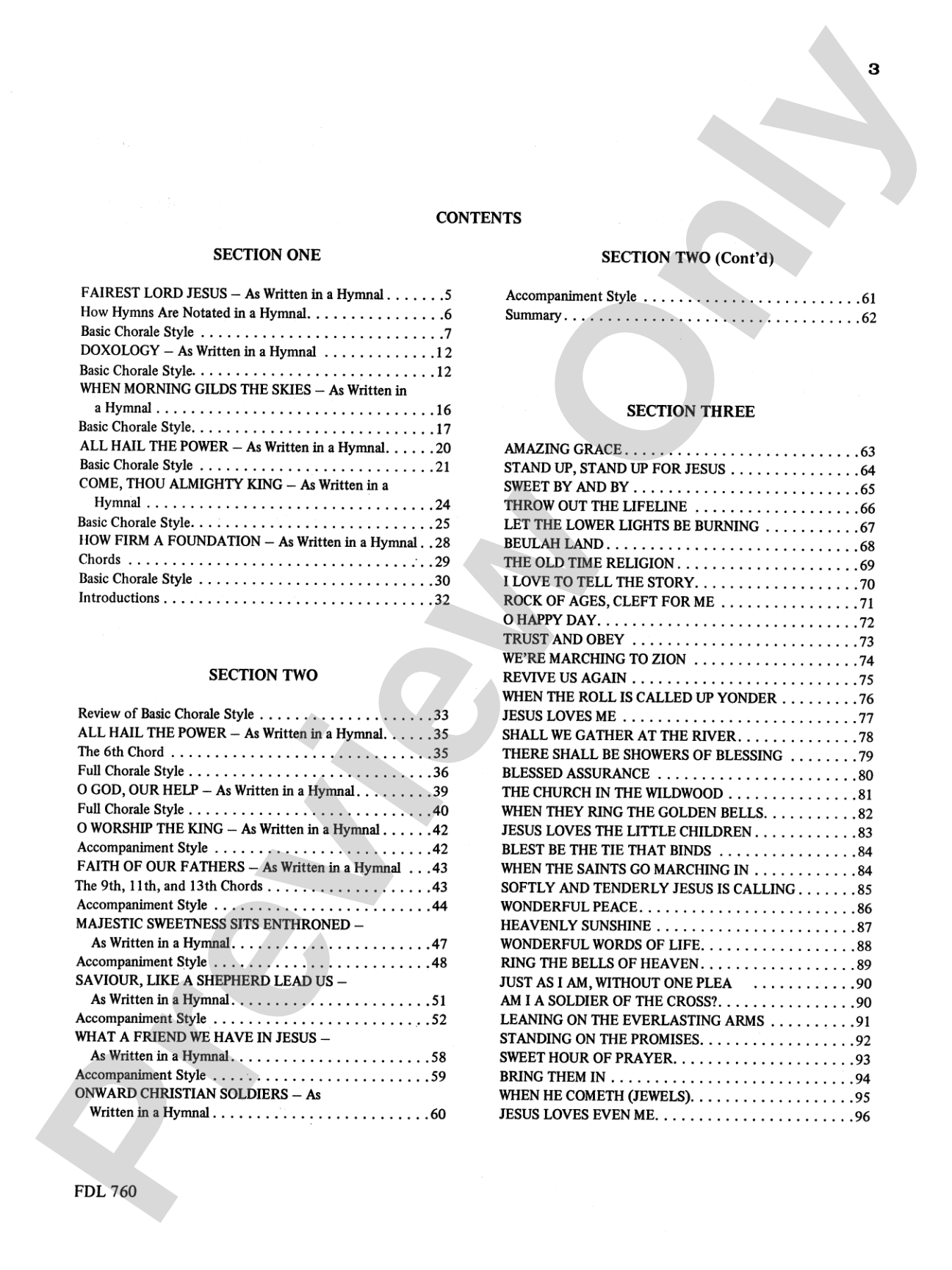
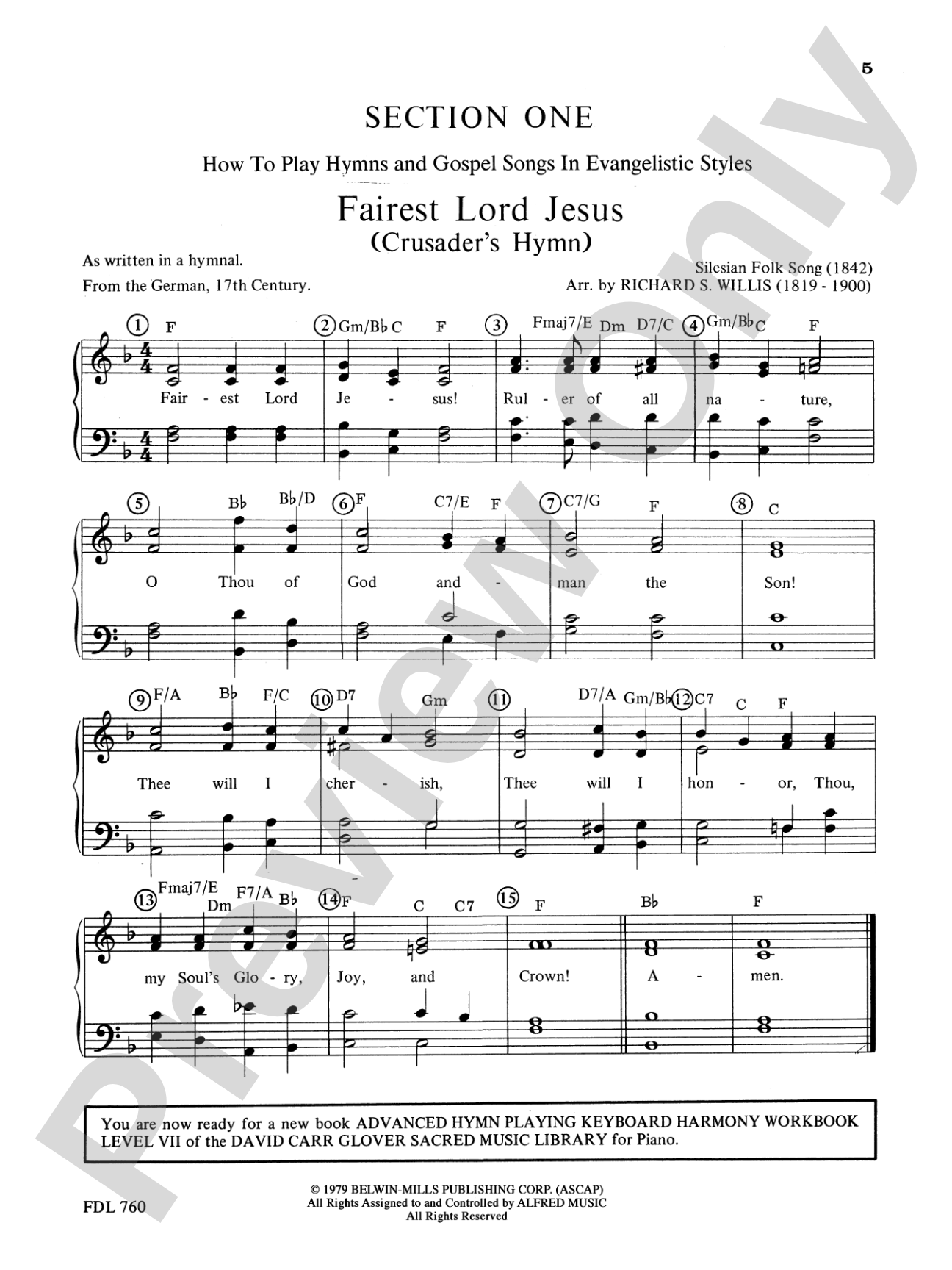
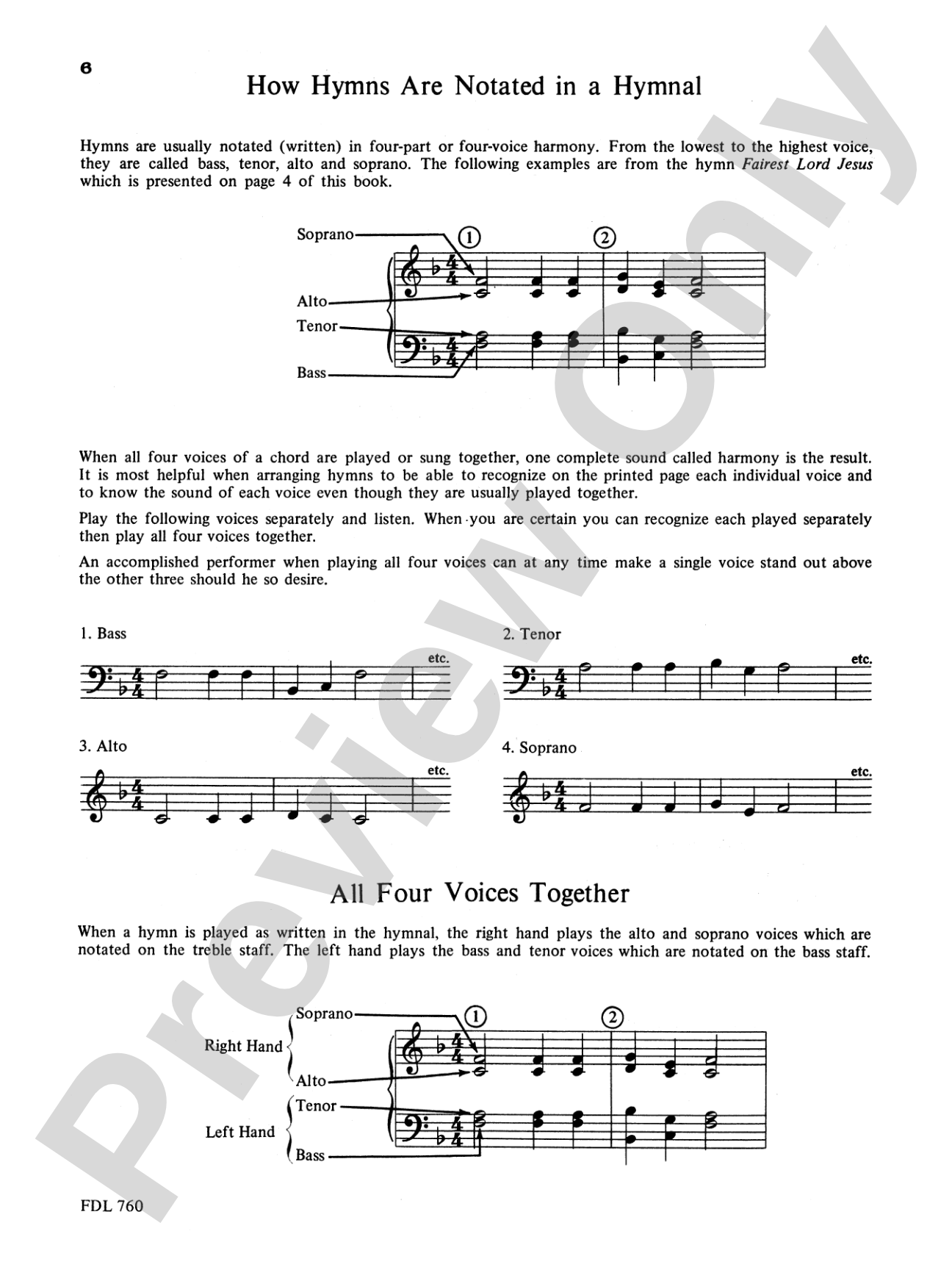
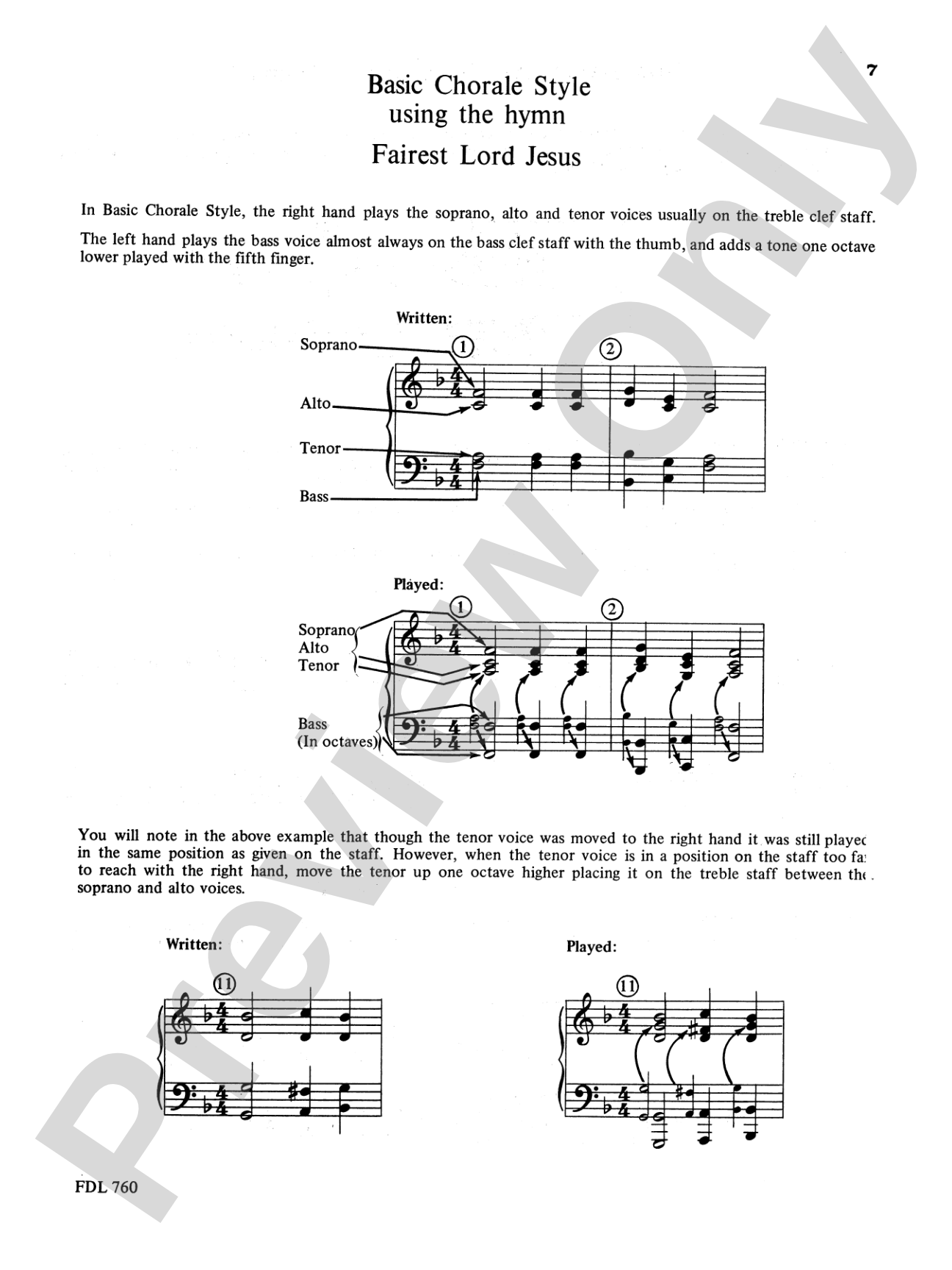
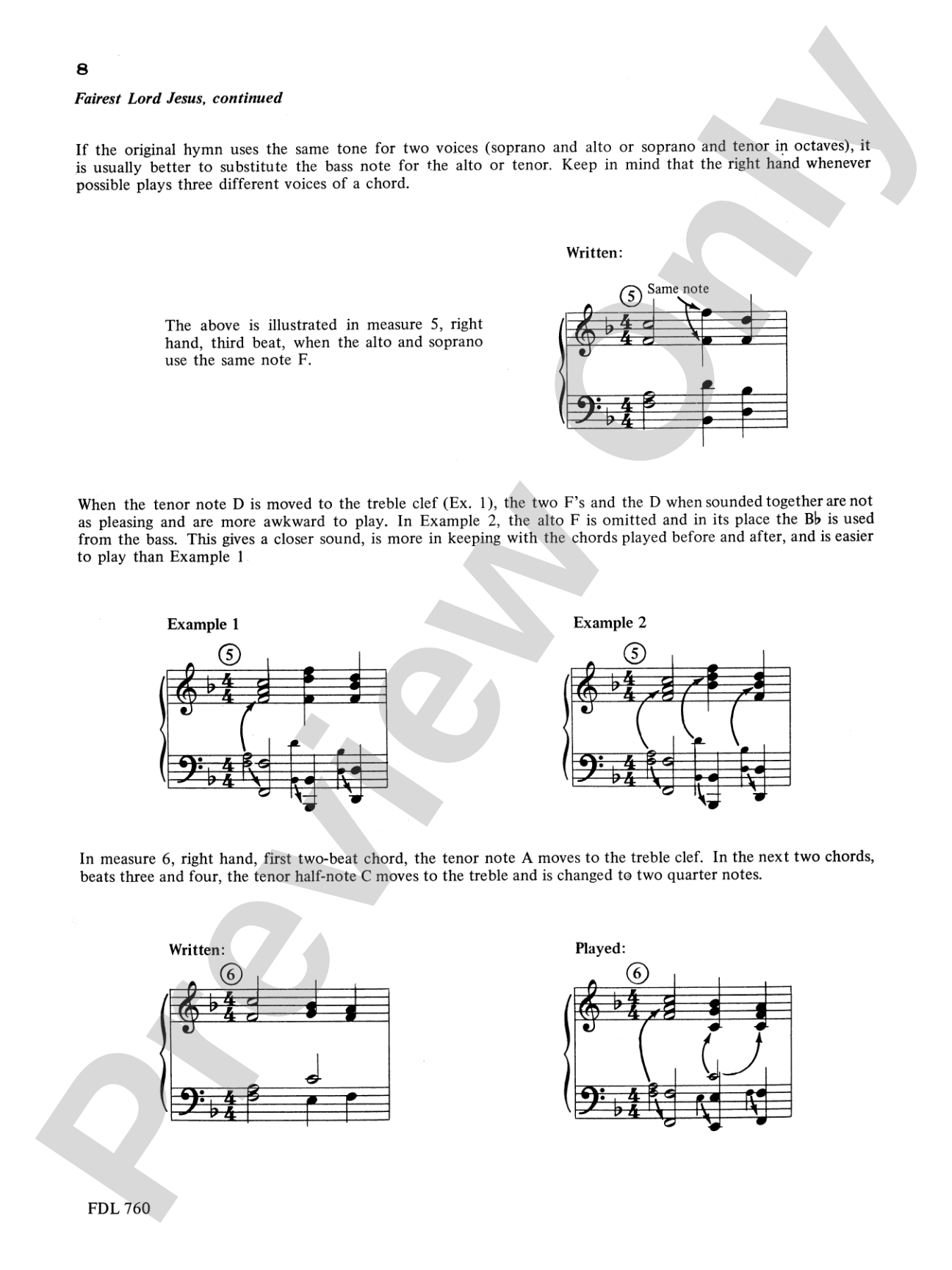
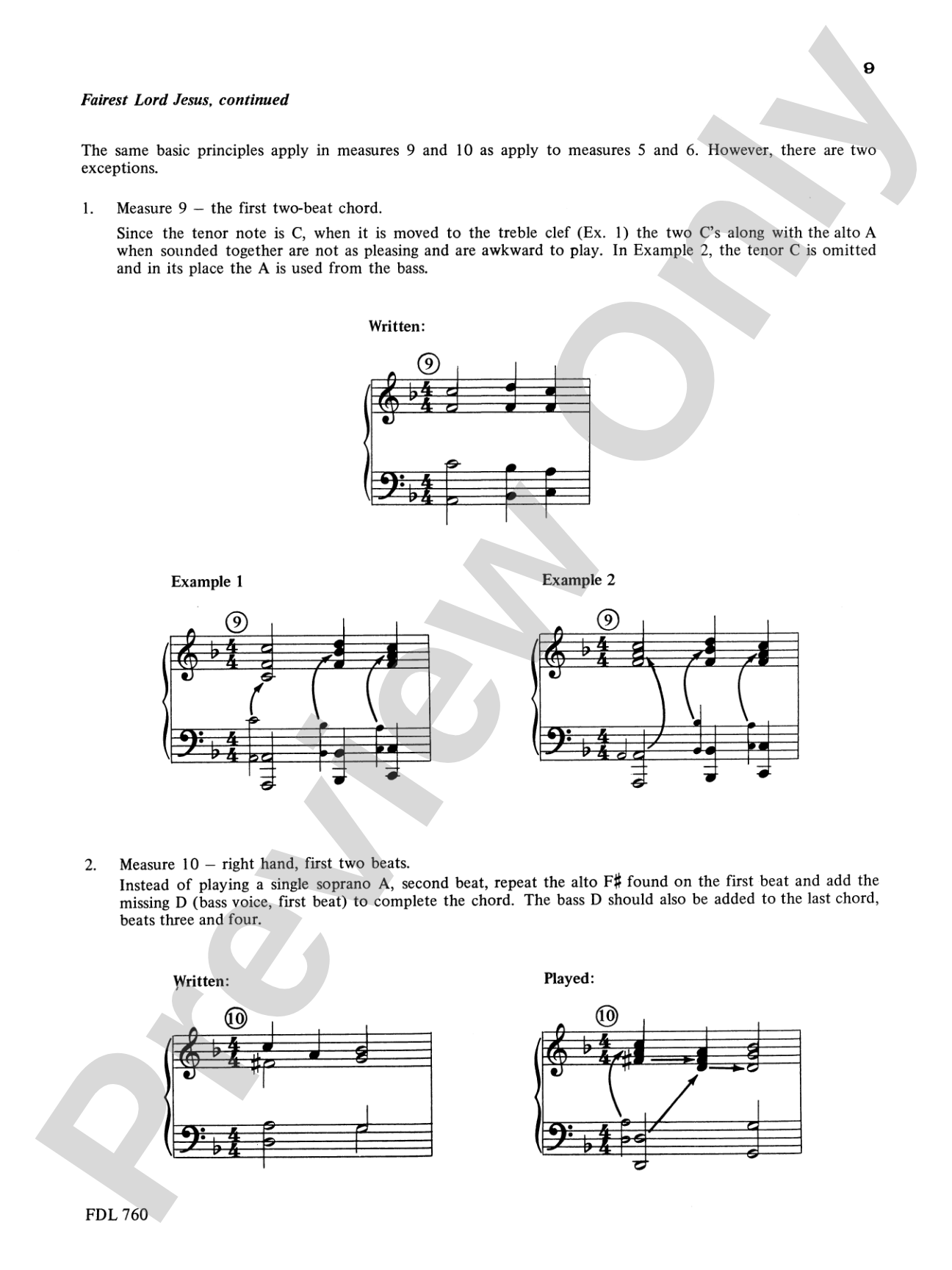
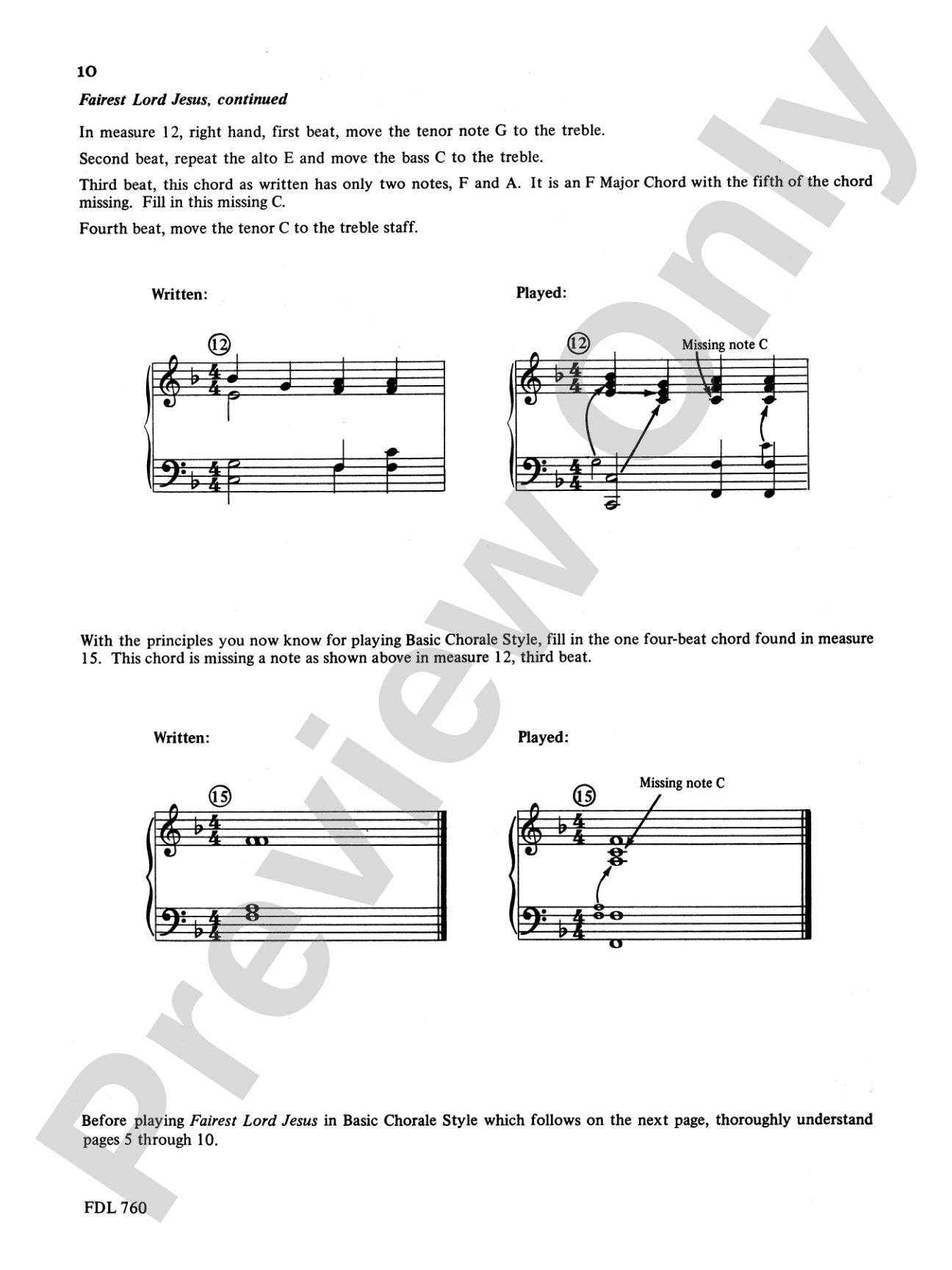
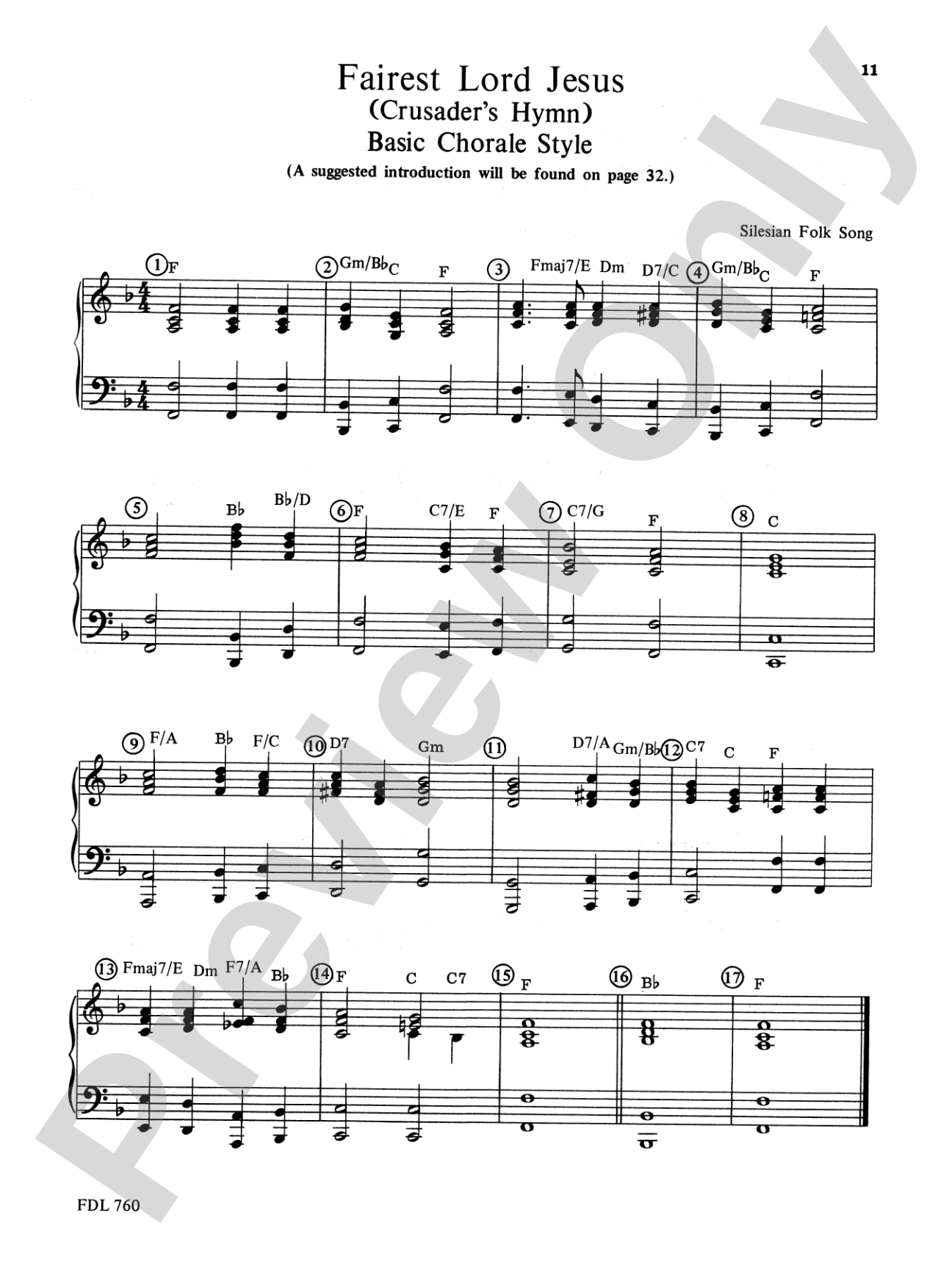
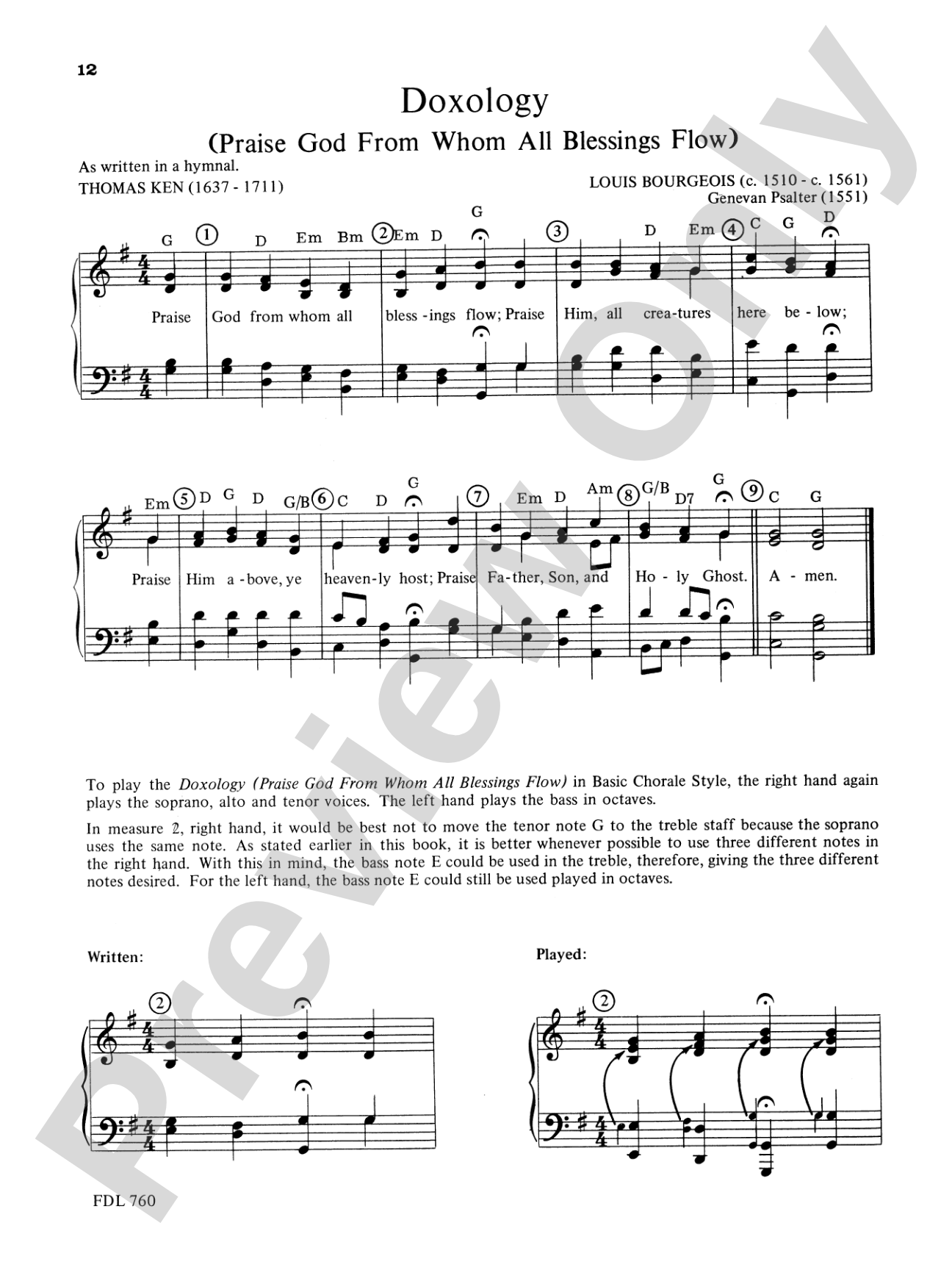
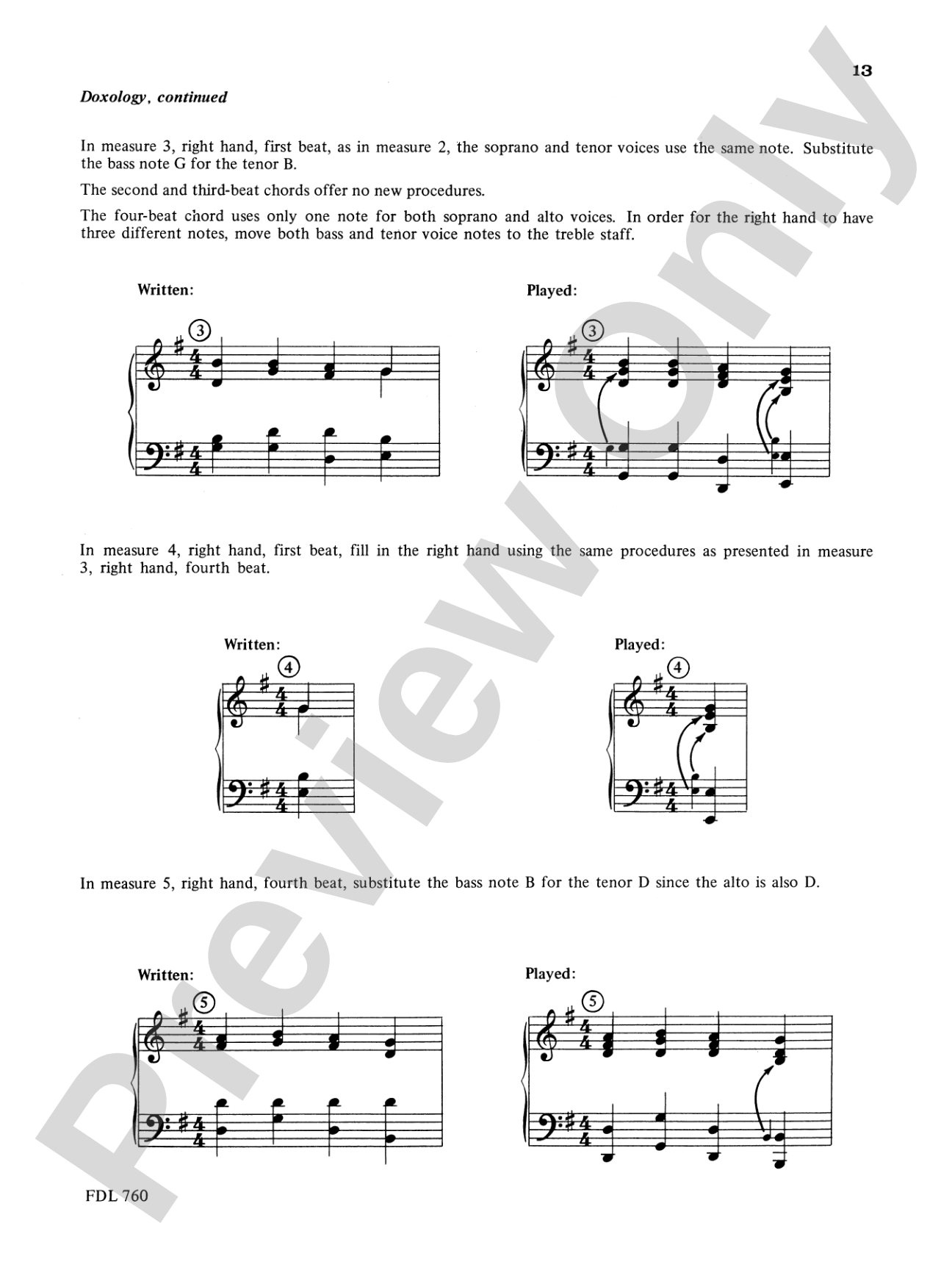
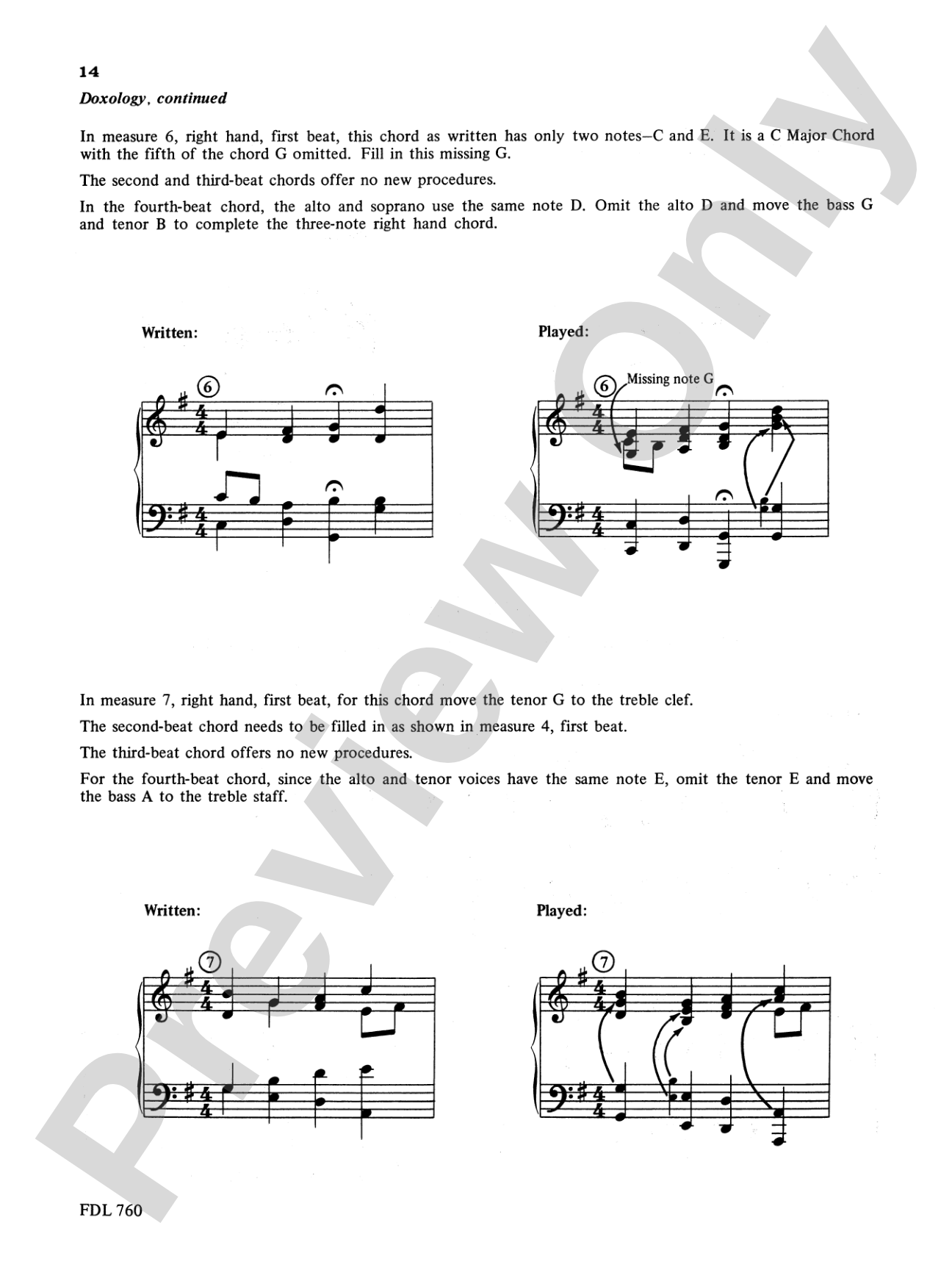
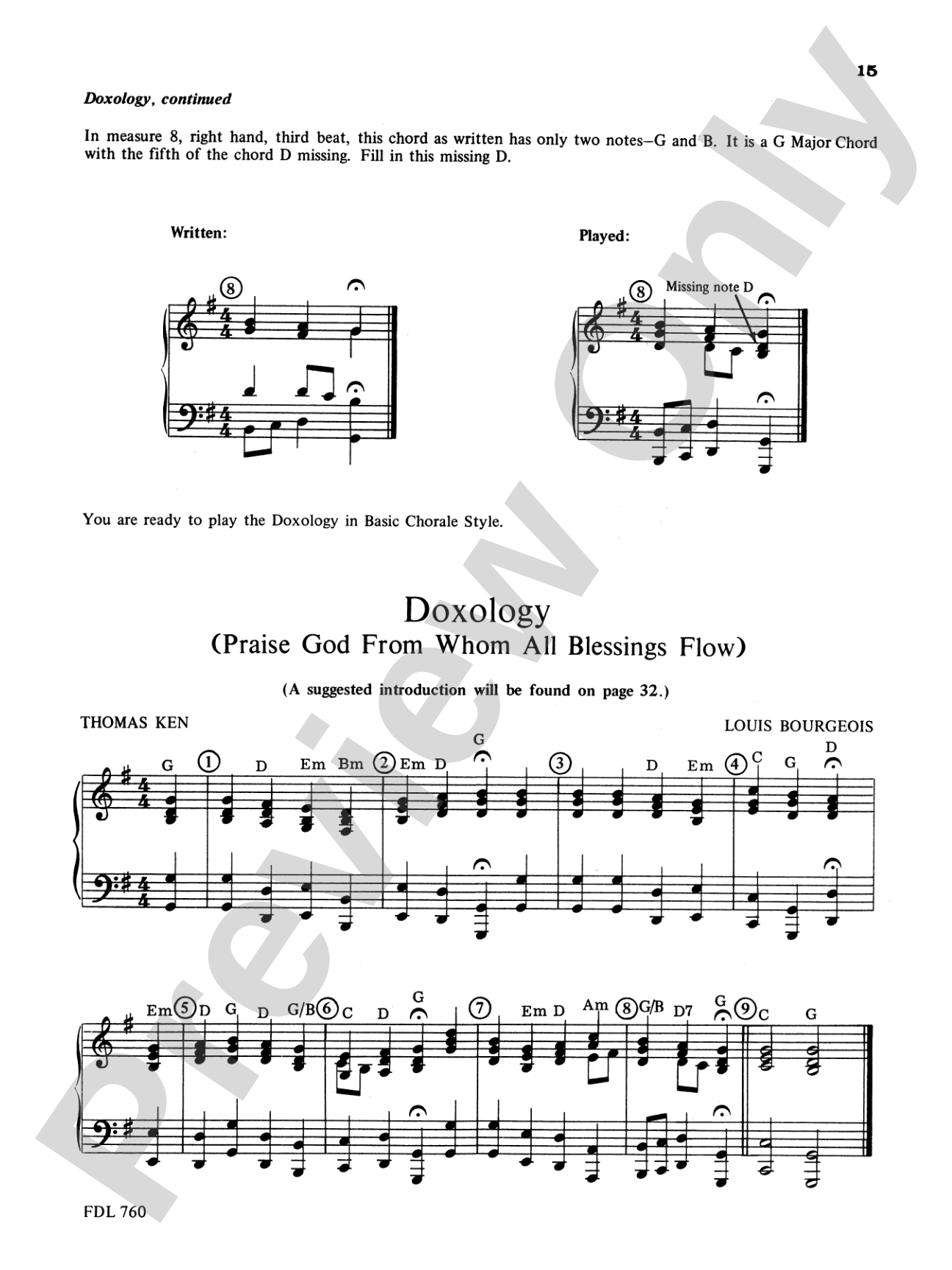
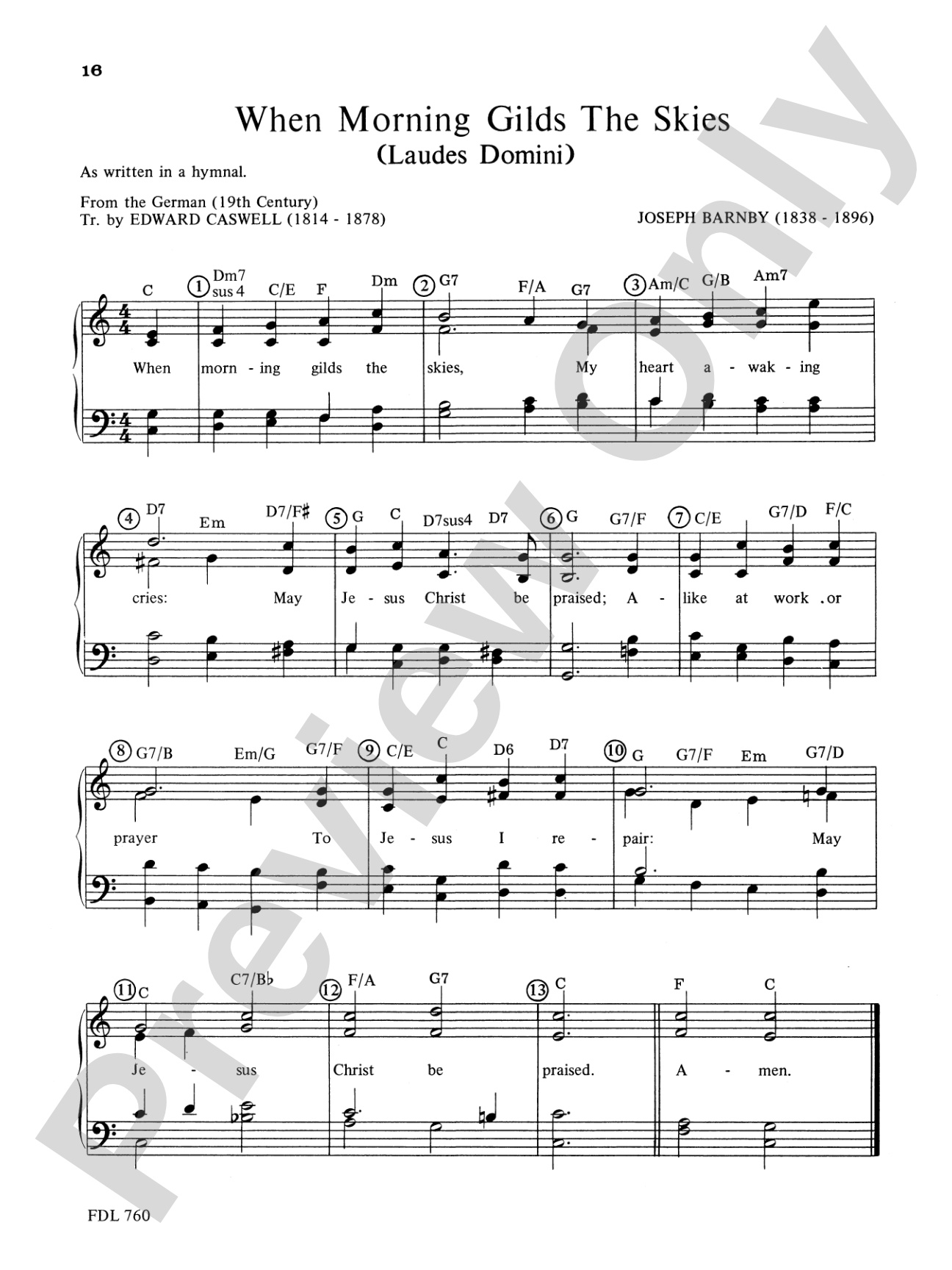
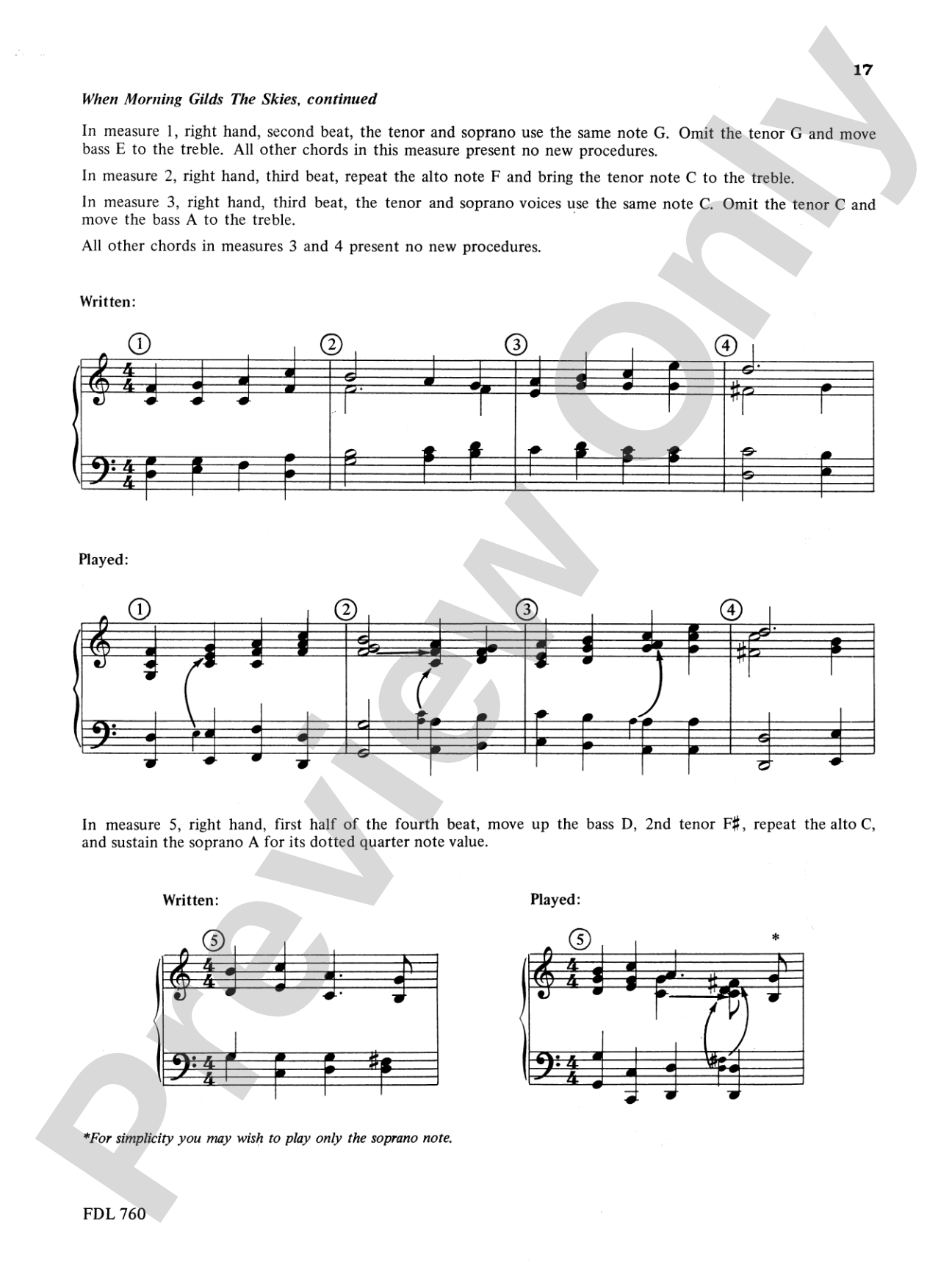
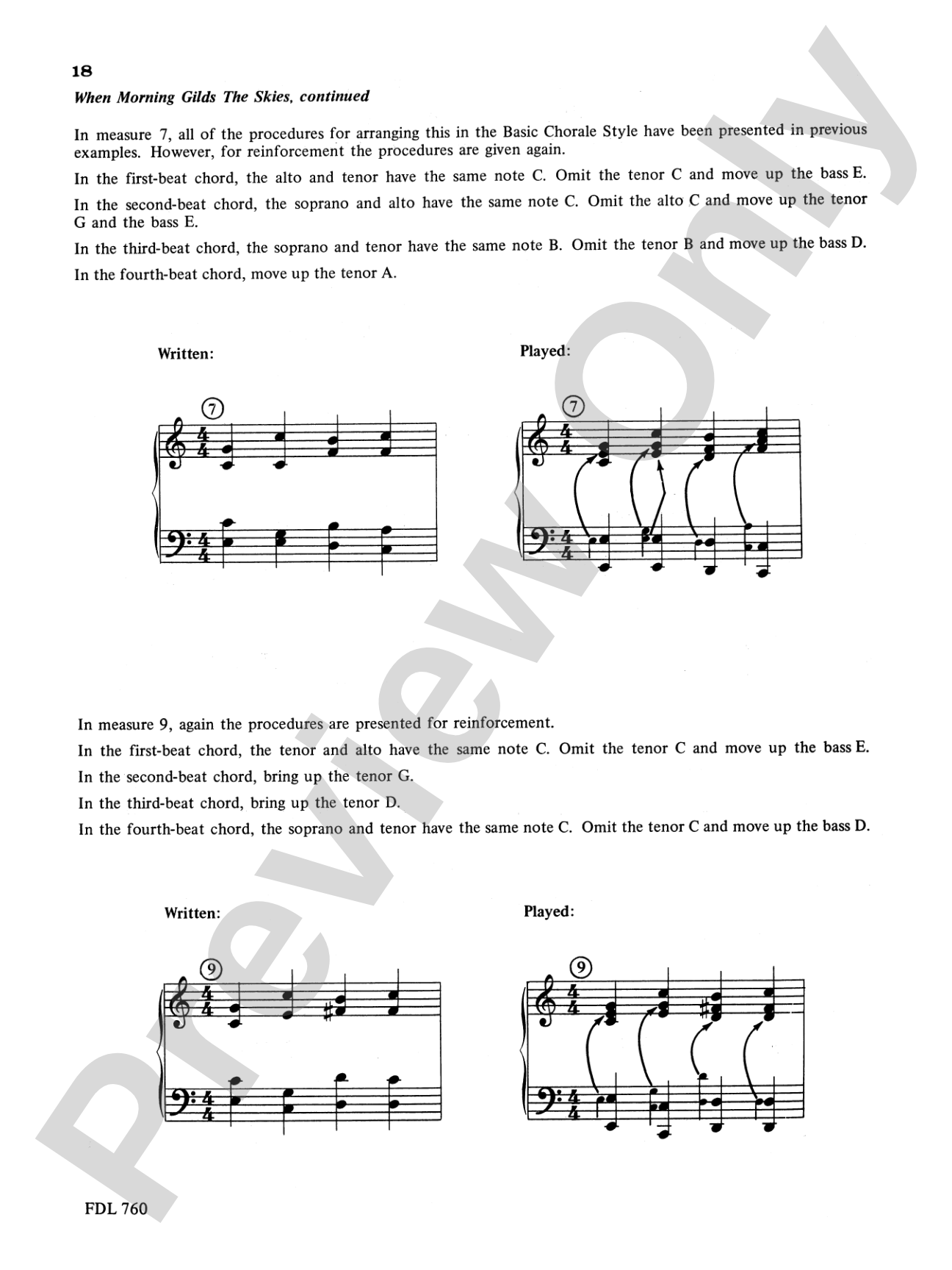
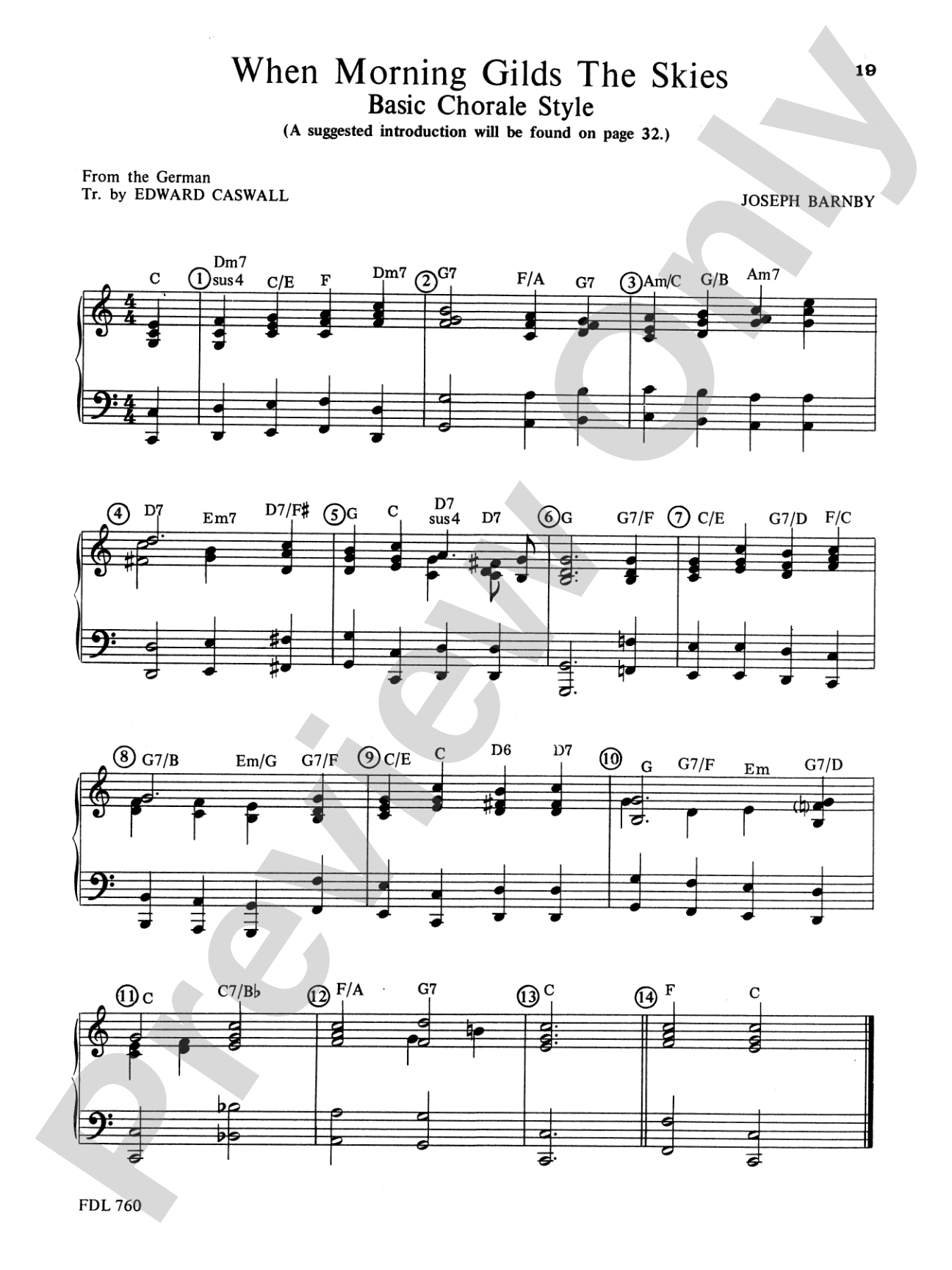
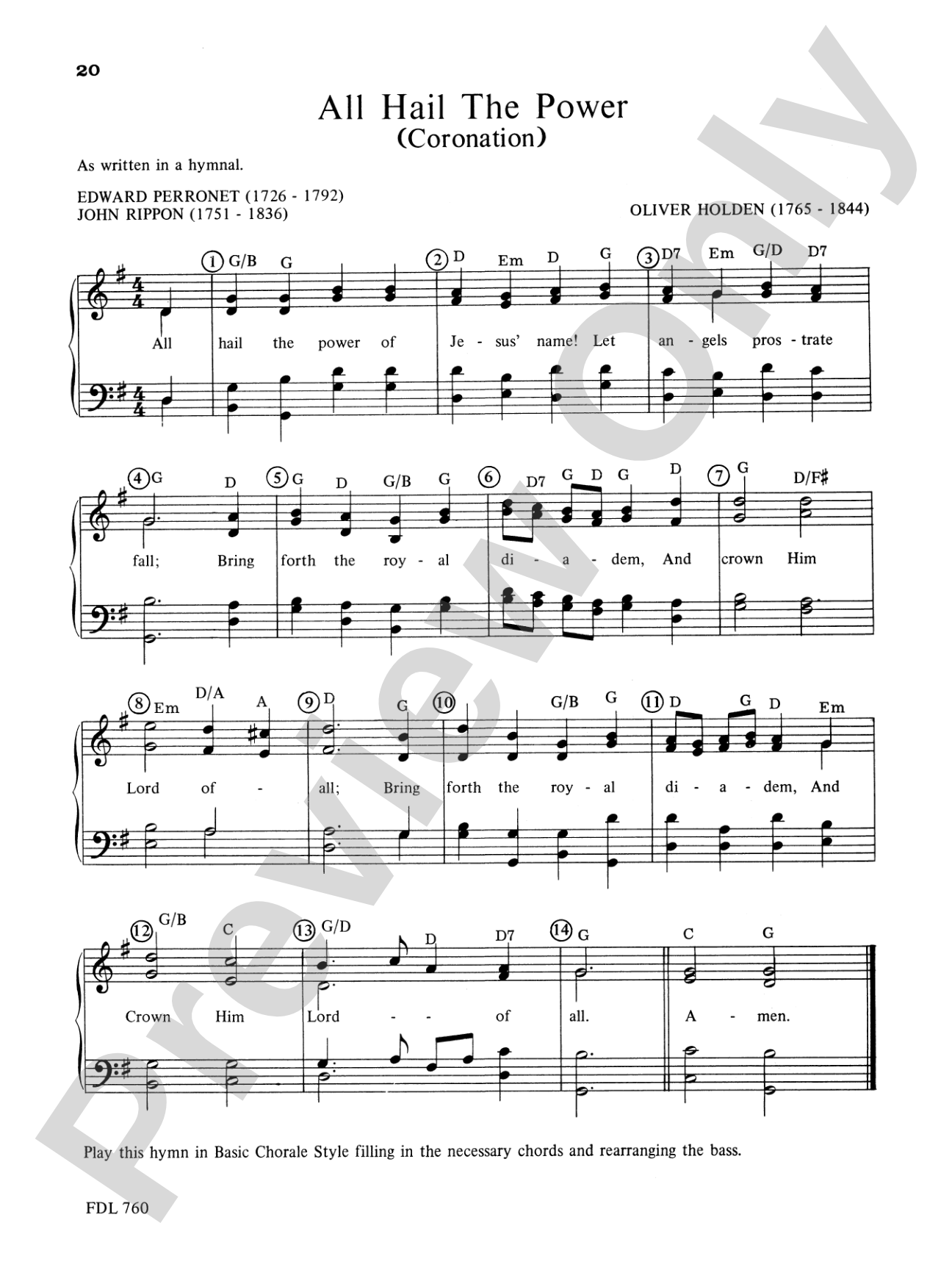
HOW TO PLAY HYMNS AND GOSPEL SONGS IN EVANGELISTIC STYLES, is presented in three sections. The first section presents how to play hymns in Basic Chorale Style. The second section presents how to play hymns in Full Chorale and Accompaniment Styles. The third section is a collection of well-loved standard Gospel hymns, already arranged for you, using the three Styles taught in sections one and two. HOW TO PLAY HYMNS AND GOSPEL SONGS IN EVANGELISTIC STYLES, is not for the beginner. For the beginner there are books in the DAVID CARR GLOVER Sacred Music Library, Primer and Levels I-VI.


How to Play Hymns and Gospel Songs in Evangelistic Style: Piano isn't in MakeMusic Cloud just yet...but it could be. Let us know you'd like to see it, and you'll help shape what comes next. In the meantime, start a free trial and dive into thousands of interactive titles your students can play along with today.
Request This Title
Tell us you want it.
Start Your Free Trial
Explore everything that's ready to play right now.
Sample Audio
No sample audio found.
Sample Video
No sample videos found.
Additional Details
Publisher:
Alfred Music
Page Count:
96
SKU:
00-PB-0001934
More about this title
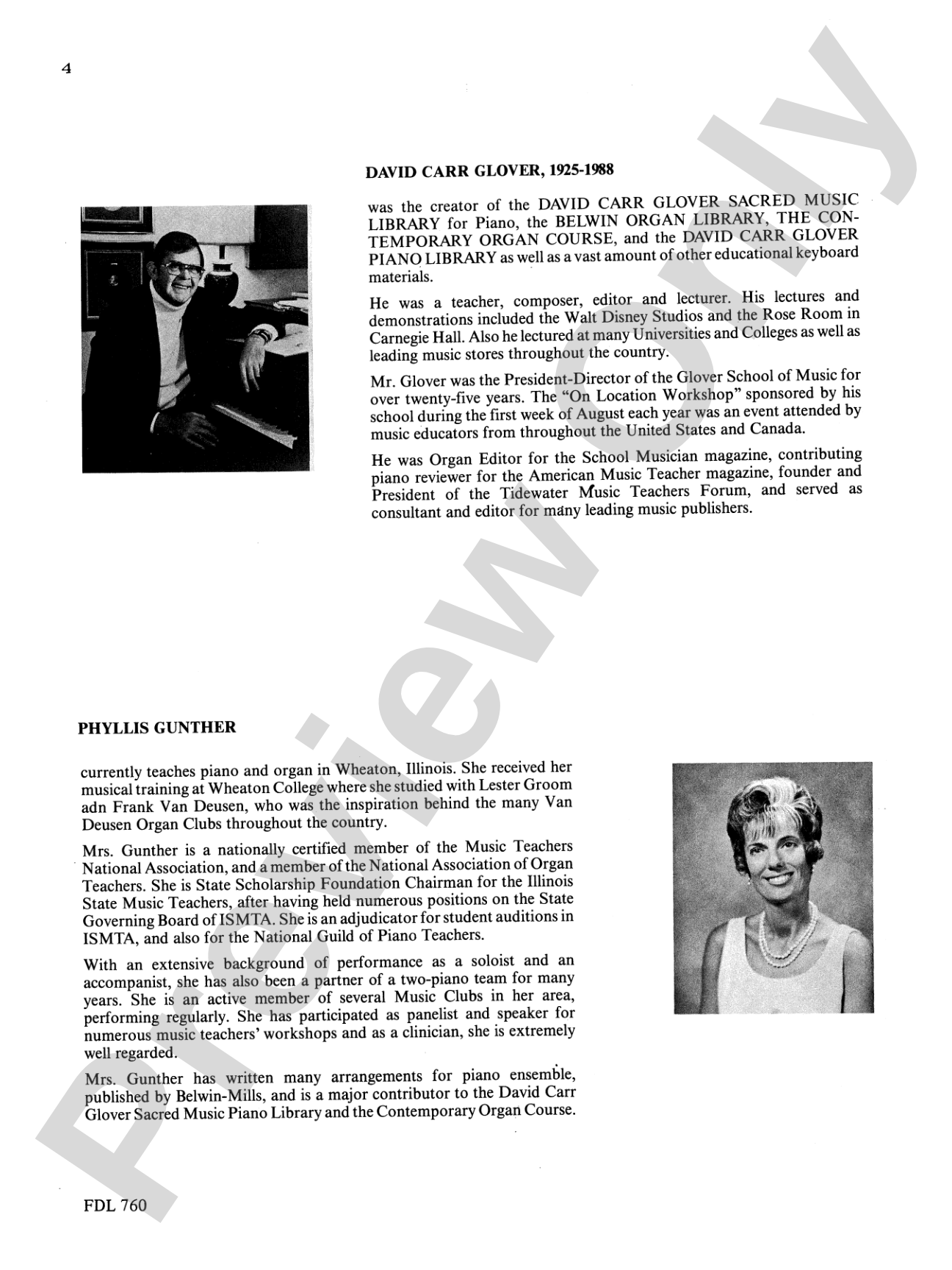
About the Composer: David Carr Glover
David Carr Glover built his reputation as a piano pedagogue with a gift for making classical and sacred repertoire accessible to students at every level. His systematic approach to teaching technique through carefully graded materials earned him a devoted following among piano teachers who valued clarity of instruction alongside musical substance.
Why we love this
This book gives pianists a concrete method for transforming familiar hymns into vehicles for authentic evangelistic expression rather than leaving them to improvise or imitate recordings. The progression from Basic to Full Chorale styles builds understanding incrementally, and the final section immediately applies these techniques to beloved standard gospel hymns so students hear the concept in action. You get pedagogy and repertoire working together.
What to expect
Warm, spirited, and purposeful. The evangelistic gospel sound grows organically from the chorale foundations you build first, so each new layer feels earned rather than imposed. There is energy and forward motion in these arrangements, balanced by the emotional depth that comes from rooted harmonic thinking.
Who it's for
Intermediate to advanced pianists who already read music fluently and want to move beyond hymnal arrangements into styles that work in worship services, evangelistic meetings, and small group settings. This book suits pianists who are ready to develop stylistic maturity and understand how arrangement choices communicate musical intent.
How to get the most out of it
- Study the harmonic progression in Basic Chorale Style first, drilling the voice leading until it's intuitive before attempting the fuller textures that follow.
- Record yourself playing through the same hymn in all three style variations back-to-back to internalize how the arrangement evolves and to identify which style best suits the mood you want to create.
- Listen to the way the left hand functions in Full Chorale Style, paying particular attention to how the bass line supports the harmonic movement rather than simply doubling roots.
- Work the arranged gospel hymns slowly at first, isolating any passages where the accompaniment pattern shifts, then gradually allow the tempo to settle into its natural evangelistic character.
How to use it
Work through the first two instructional sections in parallel with your regular repertoire studies, treating them as a masterclass in hymnody and accompaniment style. Once you command the techniques, the gospel hymn collection becomes an immediate resource for church services, revival meetings, or any context where pianists need music that serves the spiritual intent of the gathering rather than drawing attention to technical display.
Skills your students will build
- Voice leading in four-part chorale texture
- Harmonic analysis of hymn progressions
- Improvisation within structured accompaniment patterns
- Left-hand independence in accompaniment figures
- Stylistic interpretation of gospel and evangelistic idioms
- Arranging decisions and texture building