
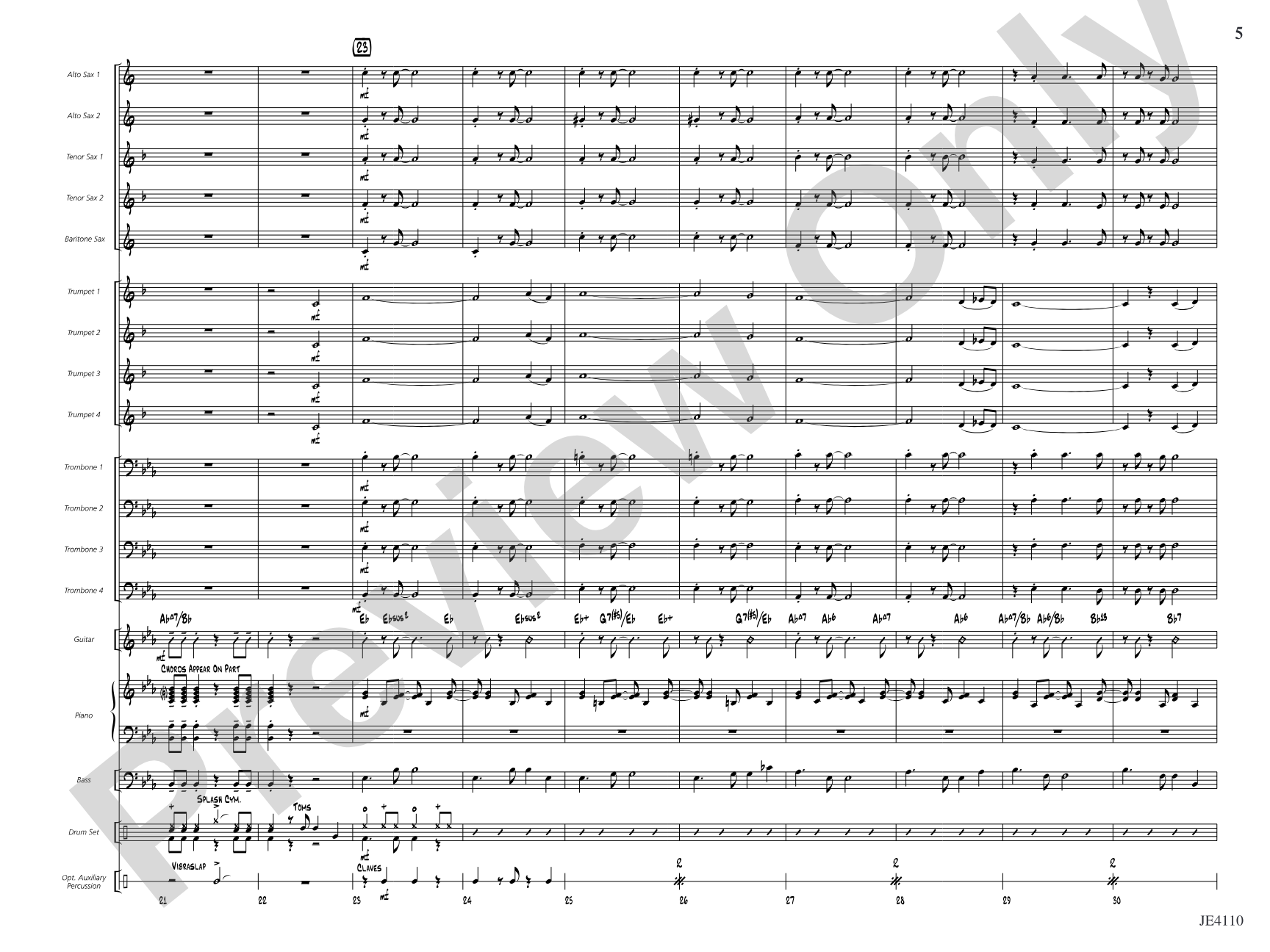
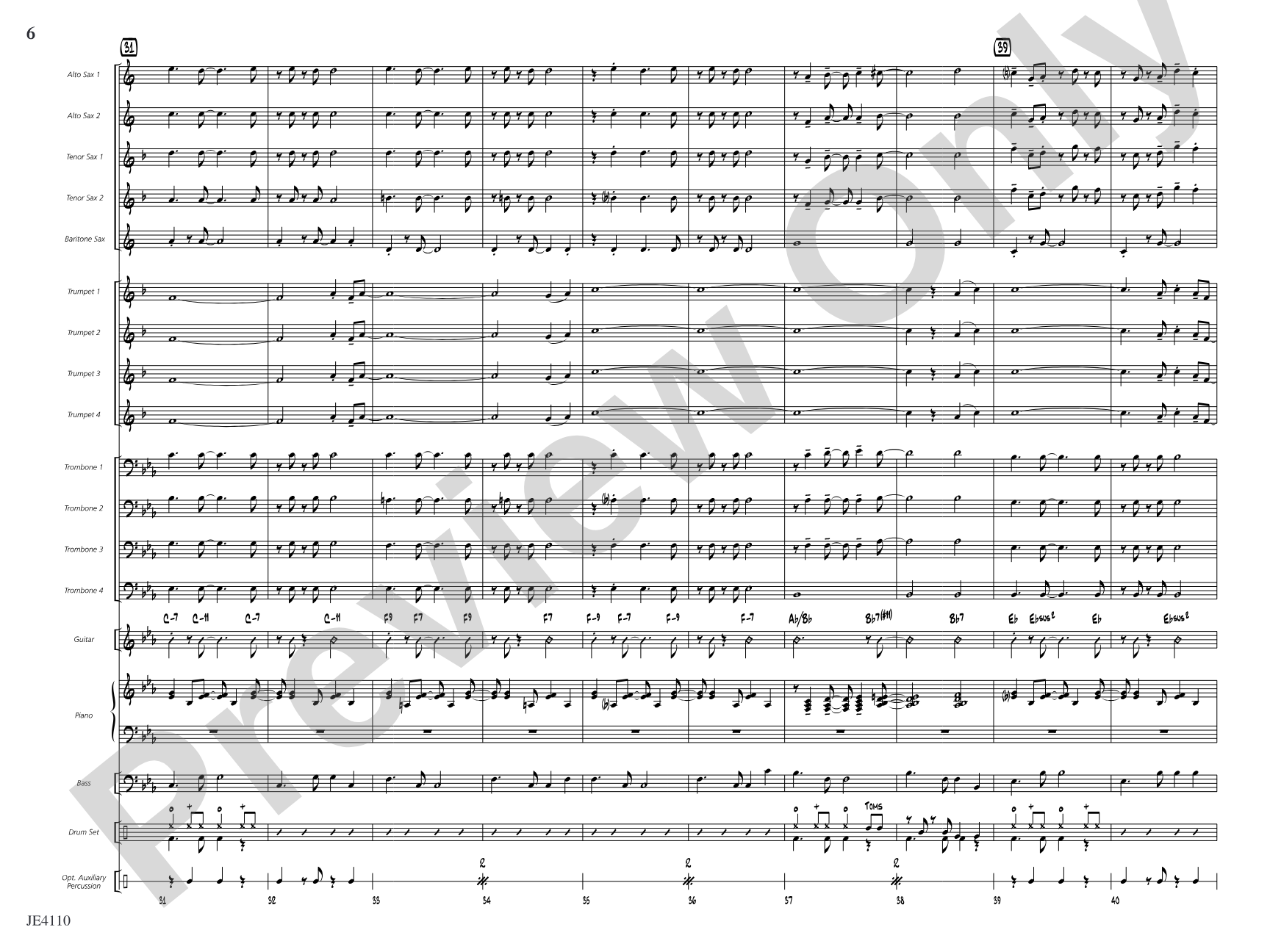
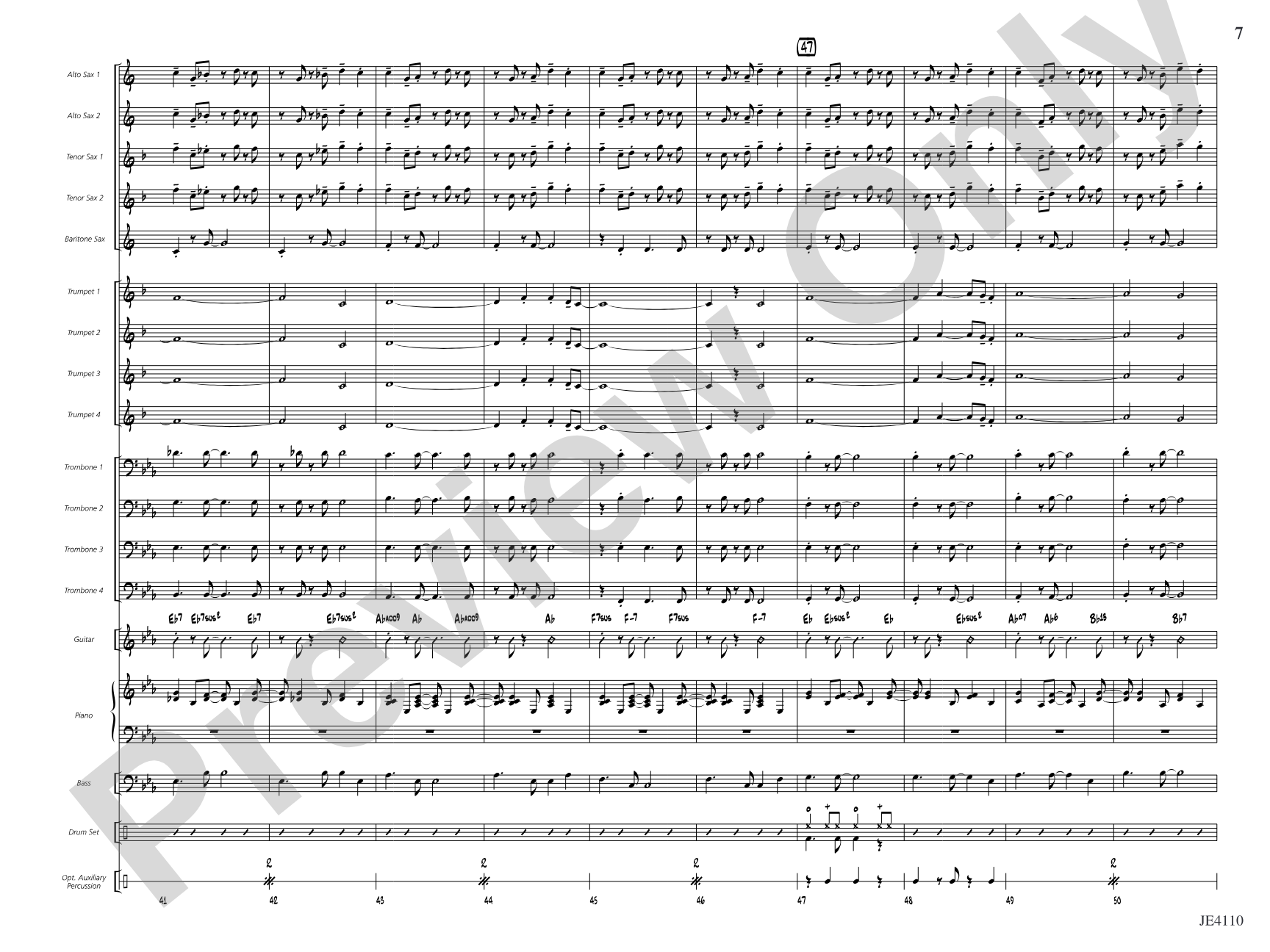
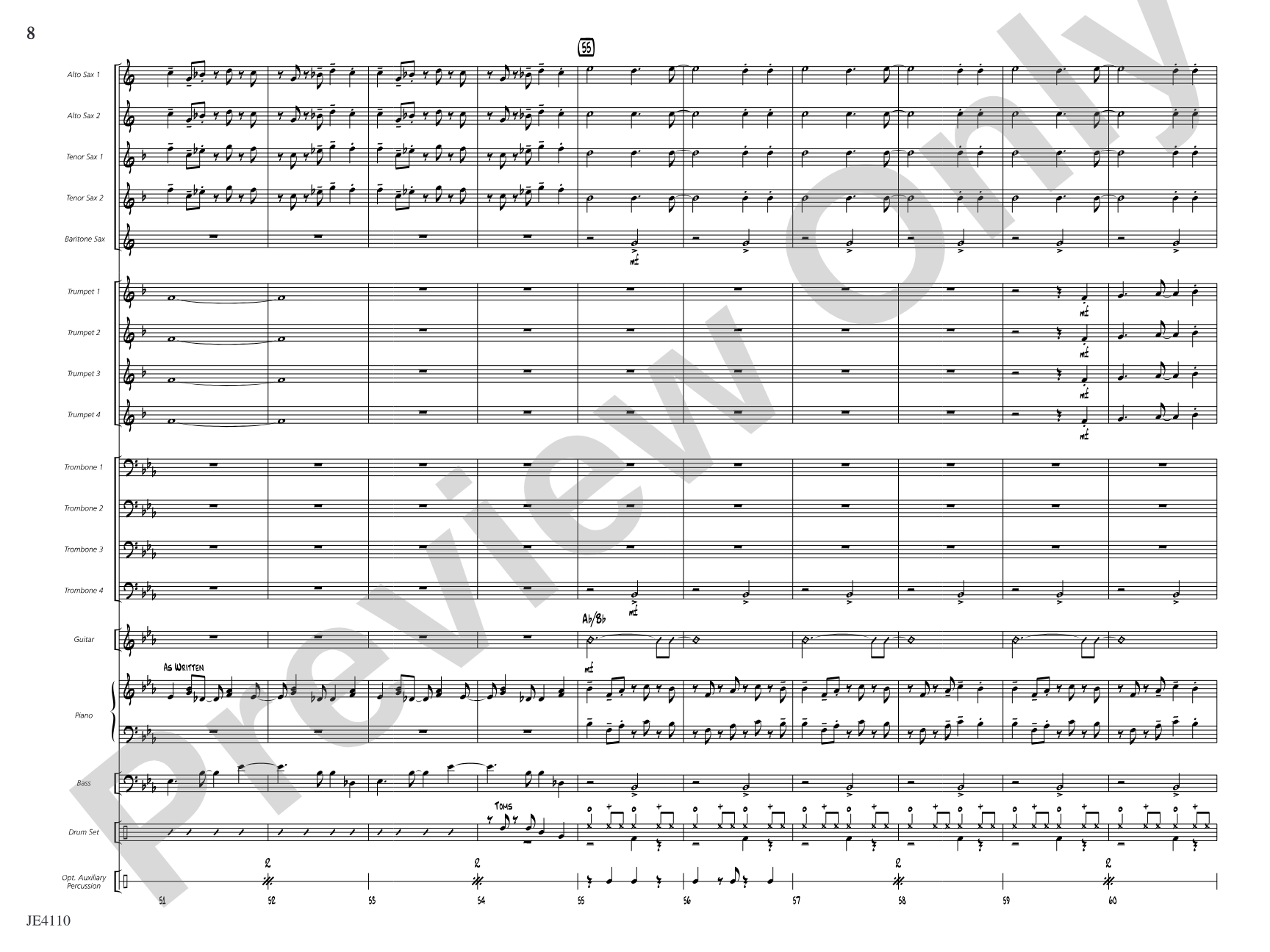
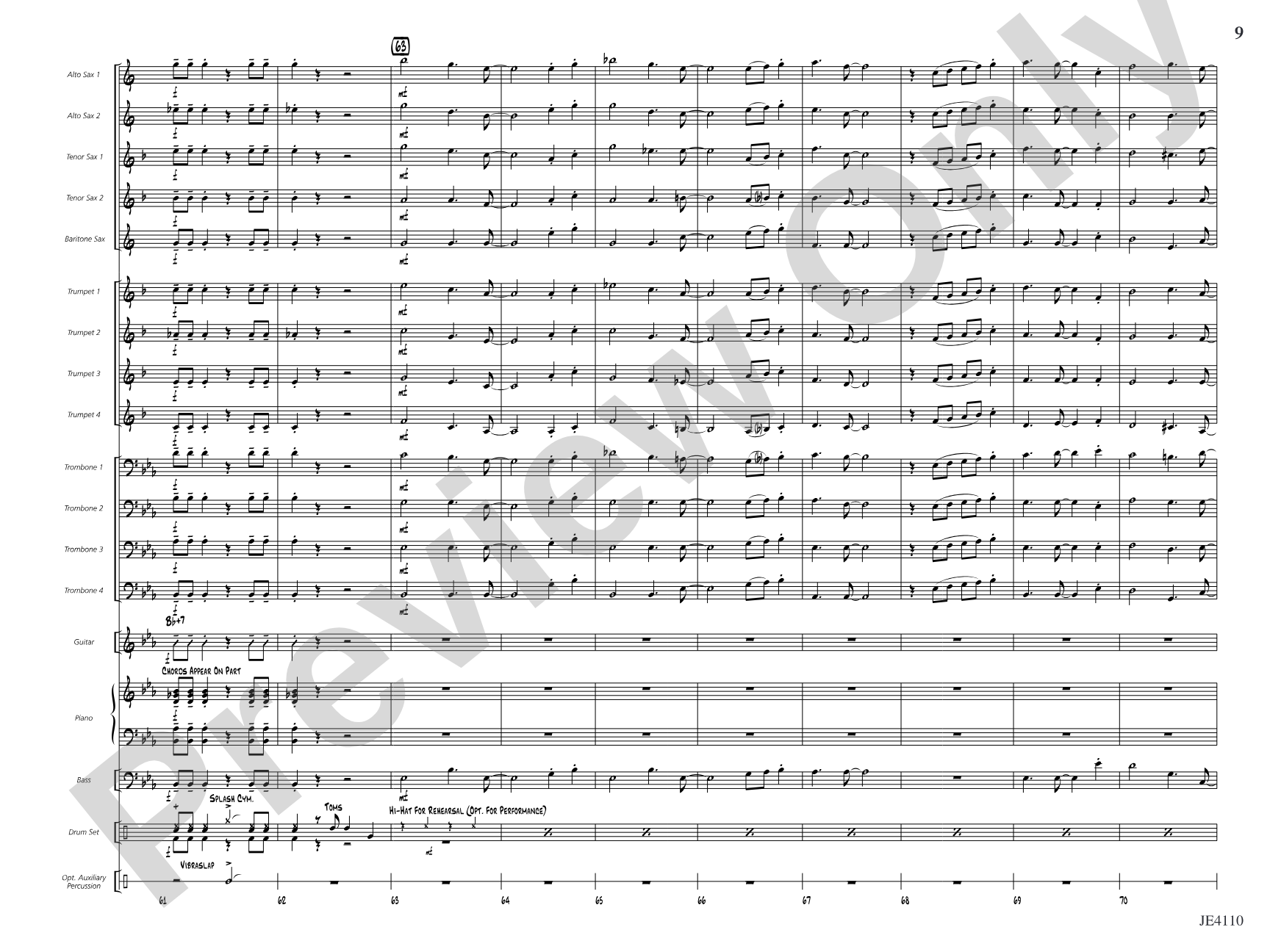
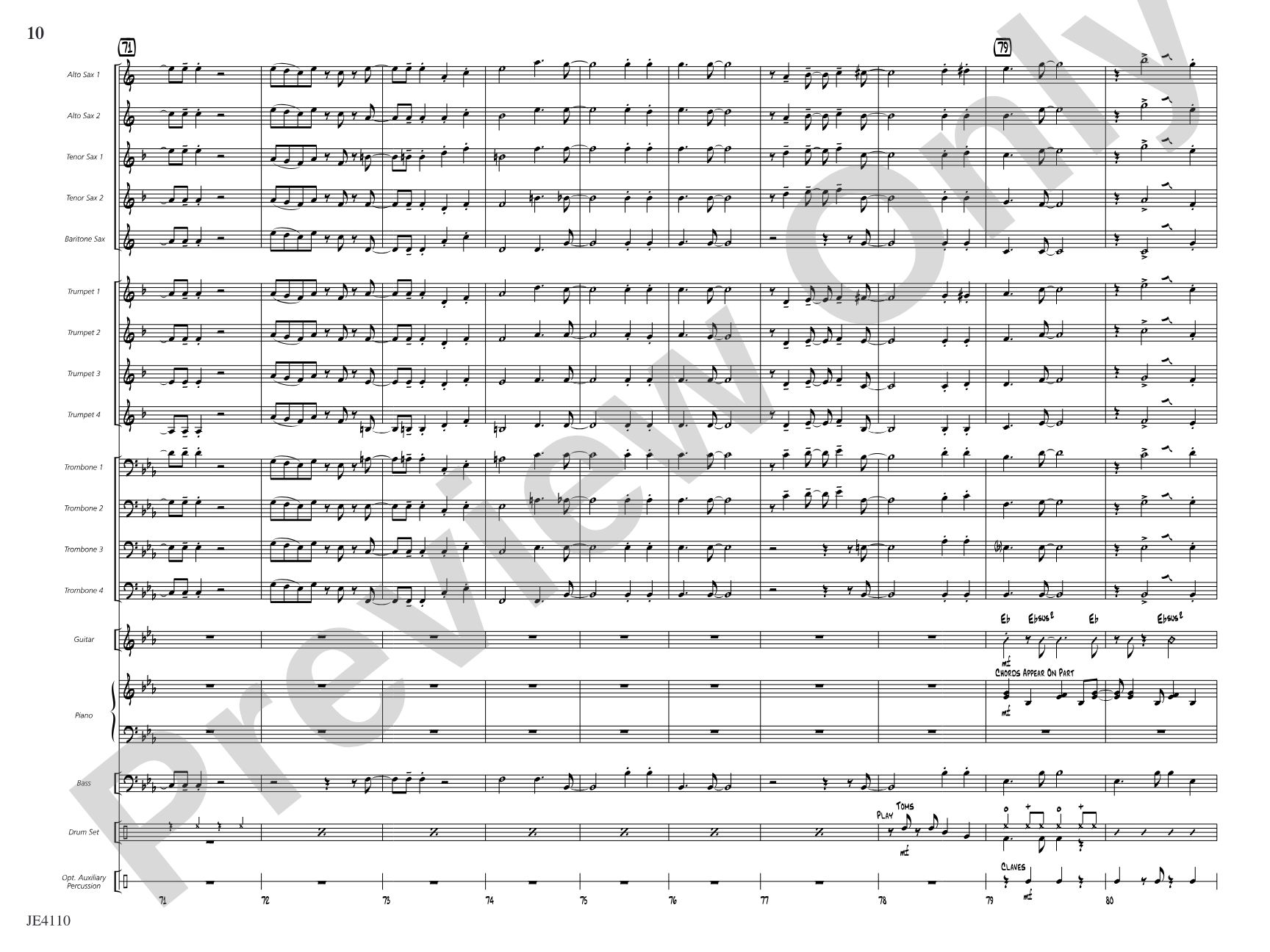
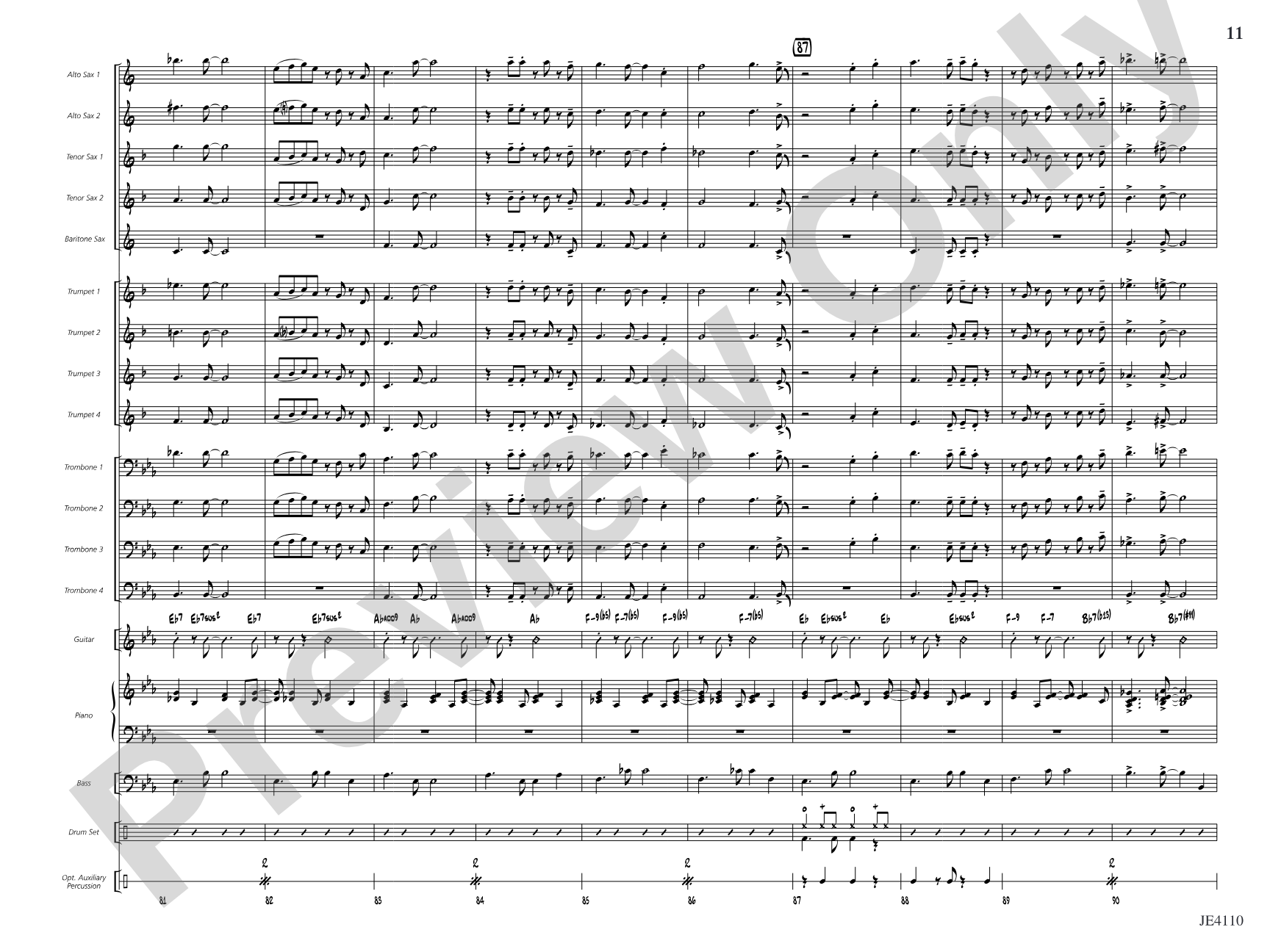
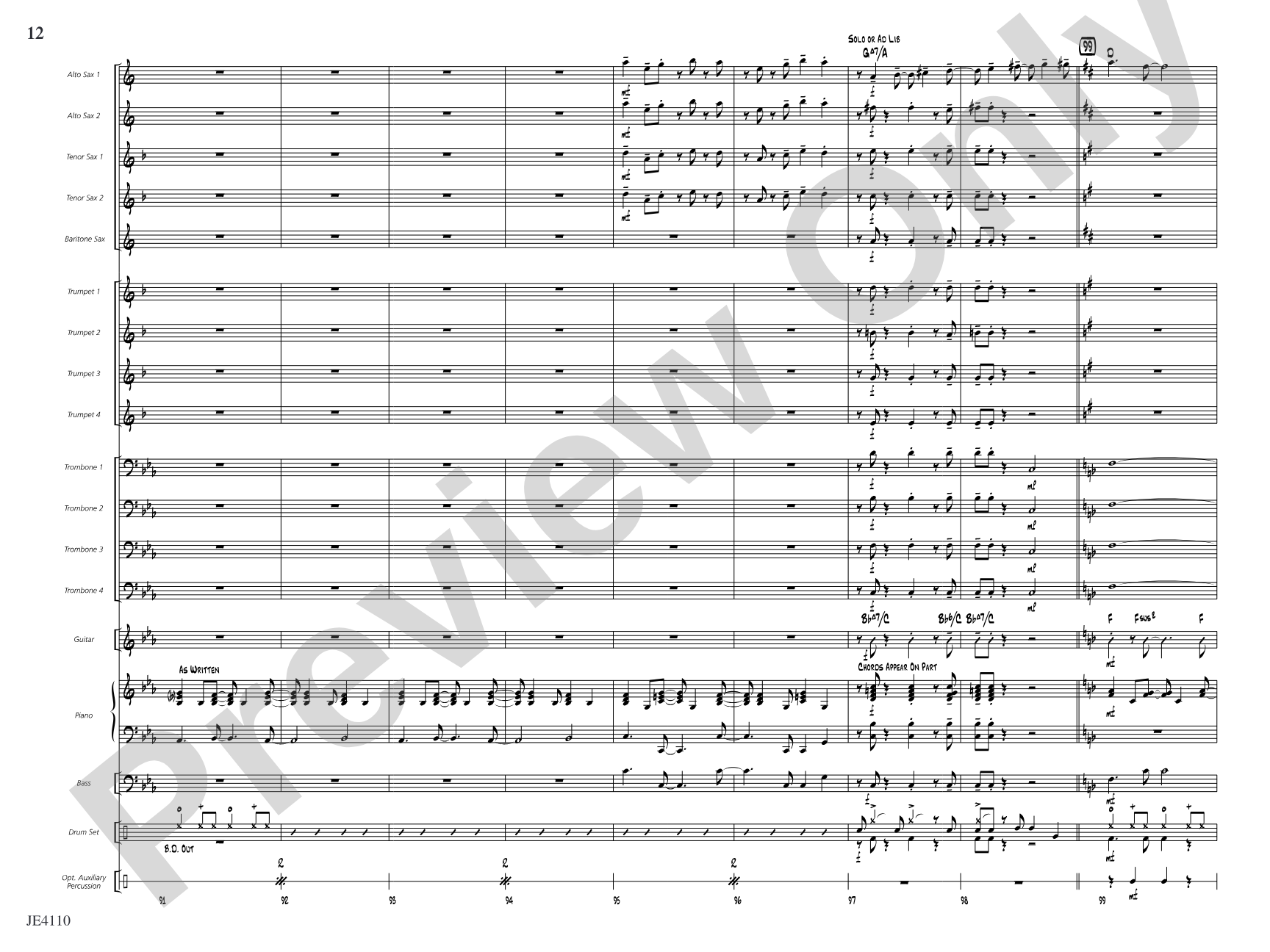
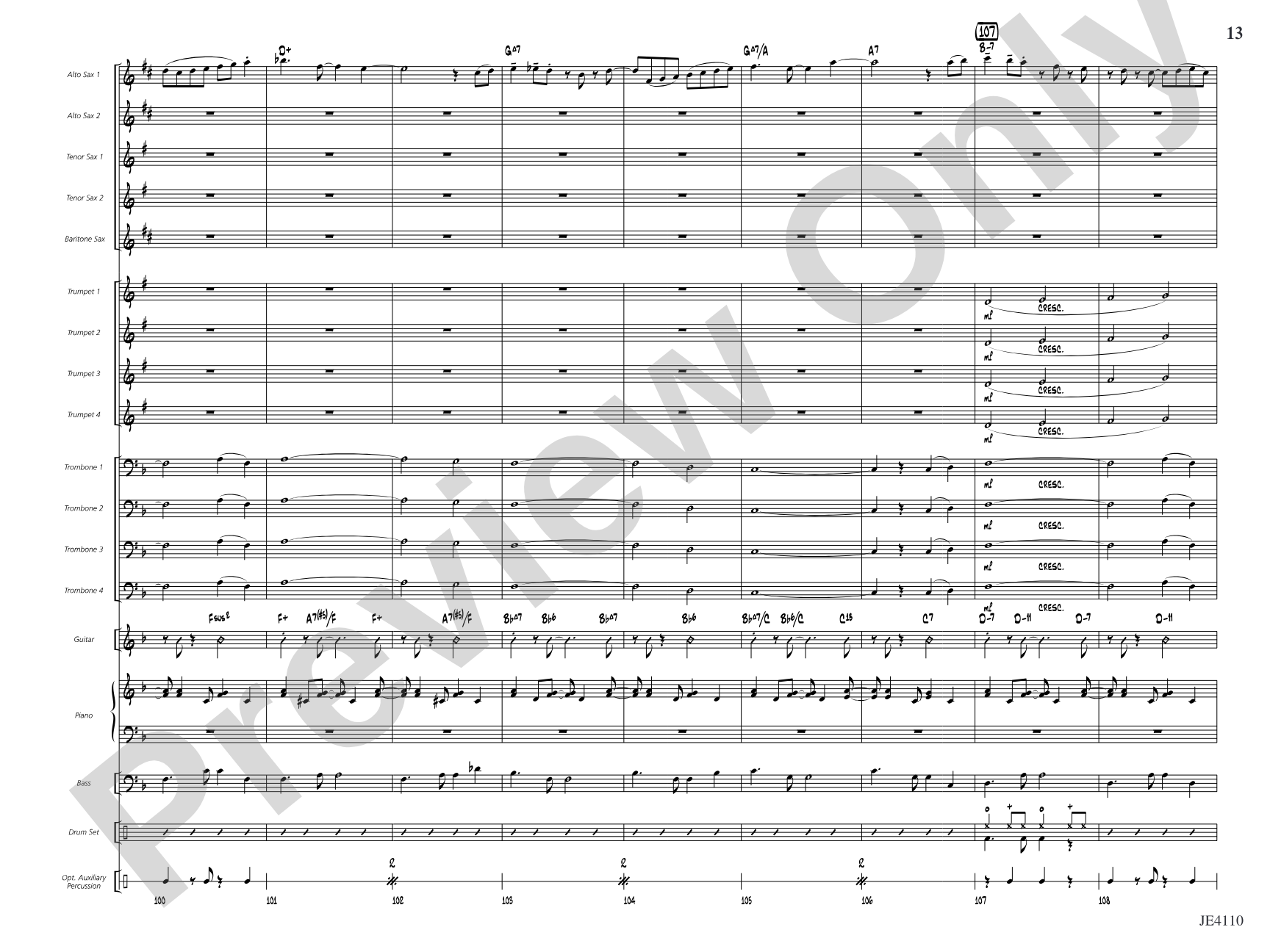
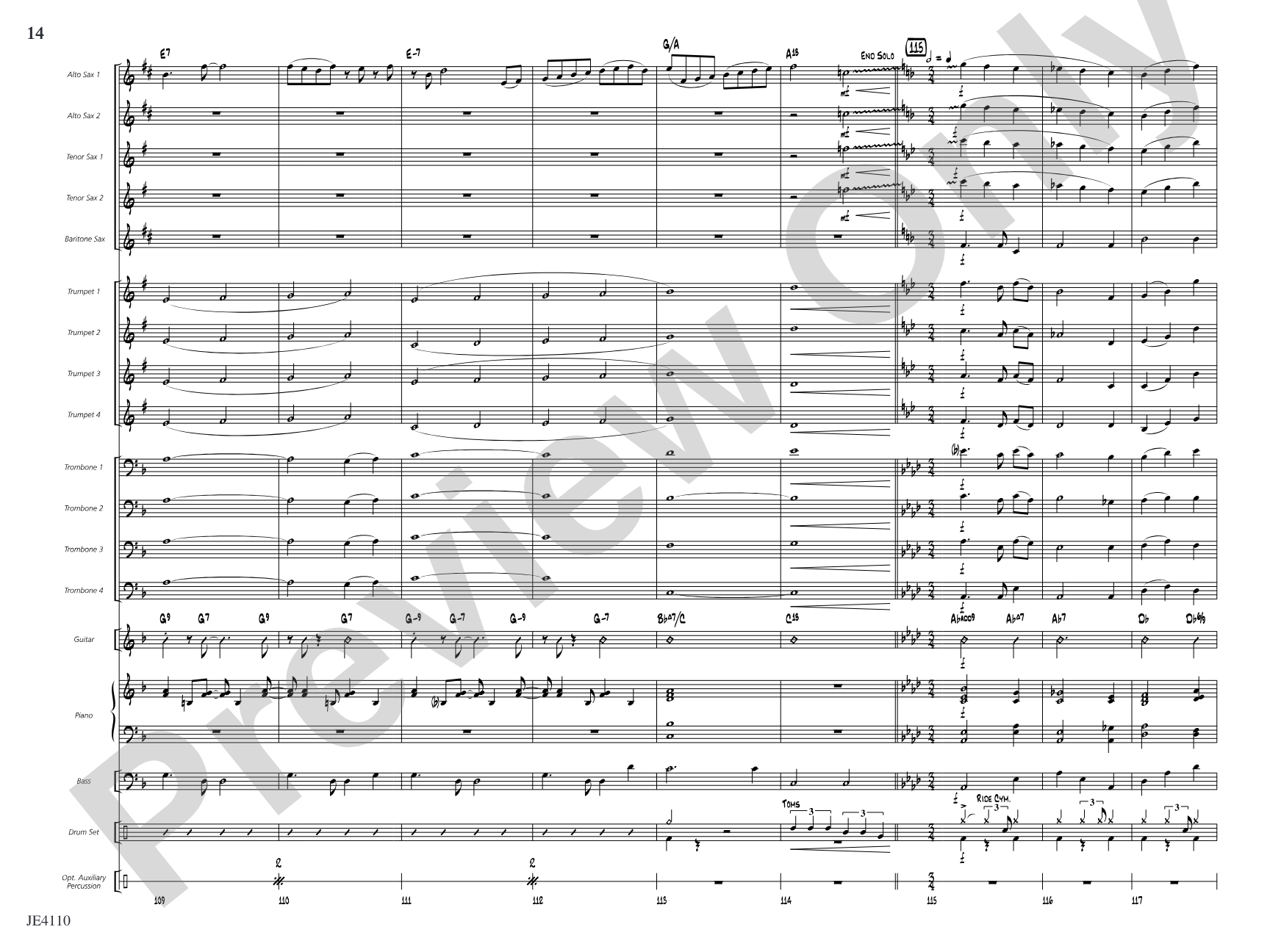
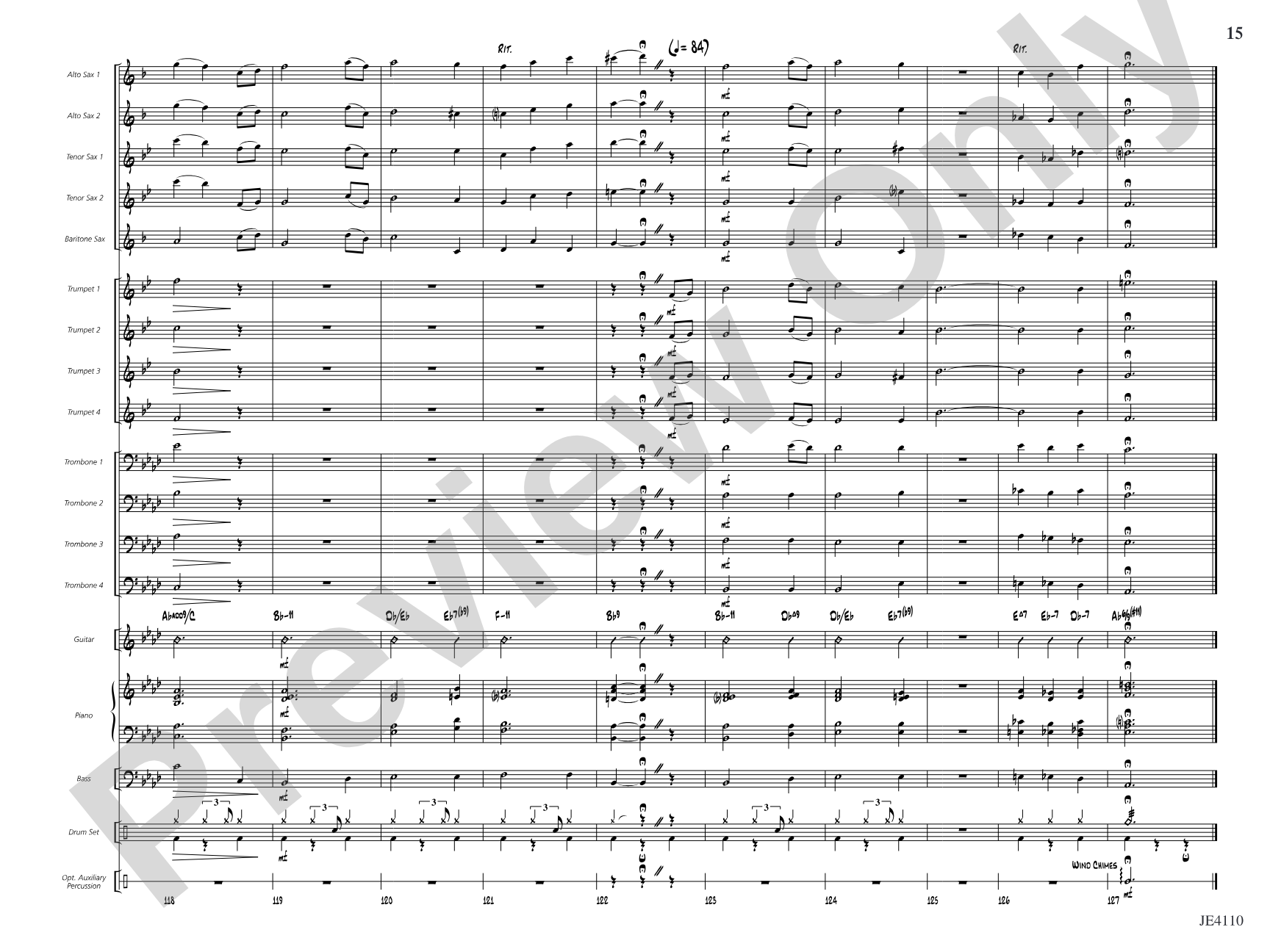

How Sweet the Sound! (Amazing Grace): Score
Amazing Grace
Arranged by Chris Sharp
Grade: 3
Item: 98-DJE4110S
$5.00
Pickup currently not available
Description
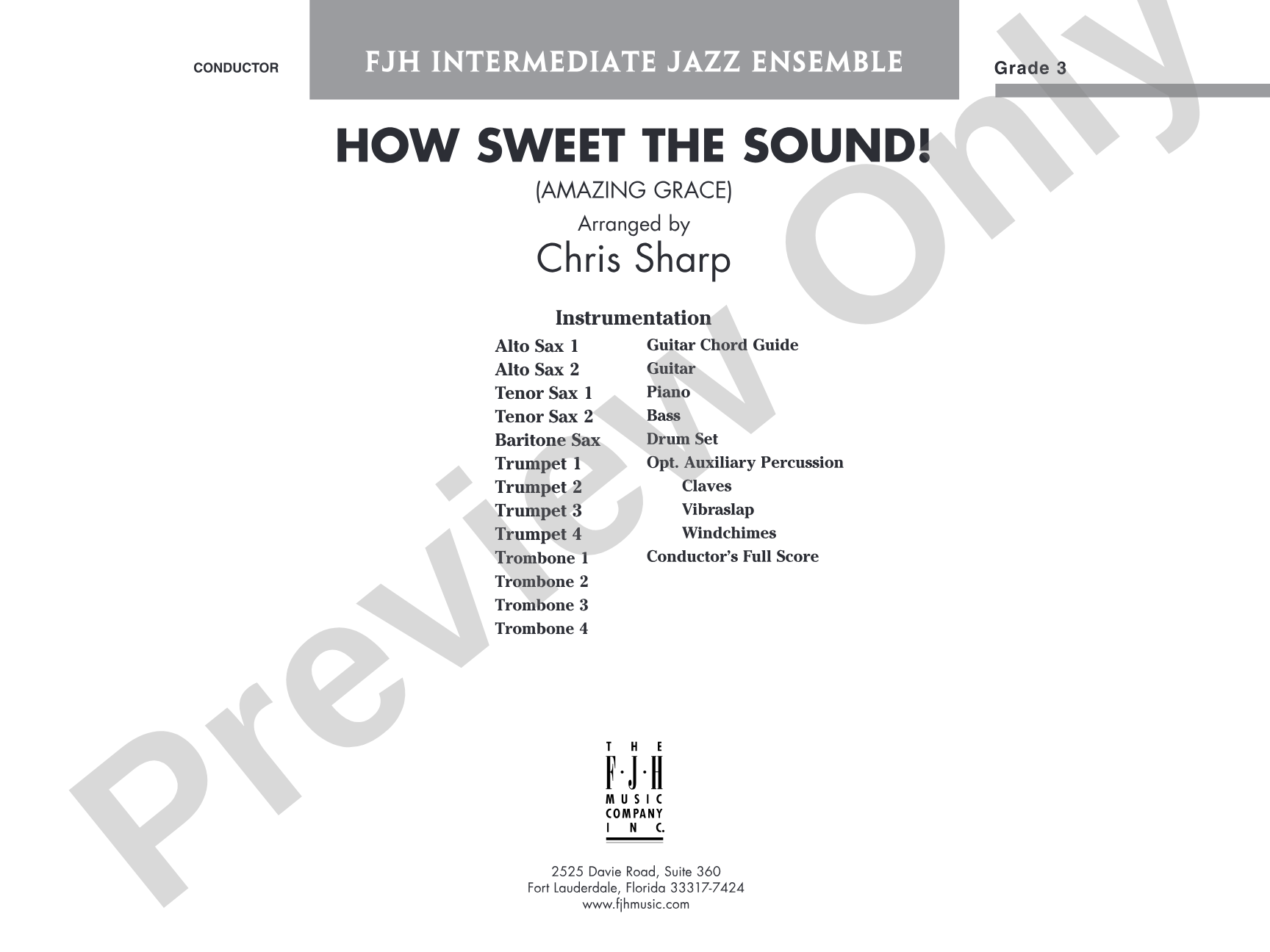
Amazing Grace never sounded so sweet! After a traditional chorale opening, things get cookin' with a modern salsa groove. While a great opportunity to feature your rhythm section, the winds also have their chance to shine with an unaccompanied soli section. A written solo is provided for alto sax, and this one will work with reduced instrumentation. You've heard this tune in a Dixie-style - now add a little Latin spice for a sizzling performance!


How Sweet the Sound! (Amazing Grace): Score isn't in MakeMusic Cloud just yet...but it could be. Let us know you'd like to see it, and you'll help shape what comes next. In the meantime, start a free trial and dive into thousands of interactive titles your students can play along with today.
Request This Title
Tell us you want it.
Start Your Free Trial
Explore everything that's ready to play right now.
Sample Audio
1
Audio File
--:--
0:00
0:00
Sample Video
No sample videos found.
Additional Details
Series:
FJH Intermediate Jazz Ensemble
Publisher:
The FJH Music Company, Inc.
SKU:
98-DJE4110S
More about this title
About the Arranger: Chris Sharp

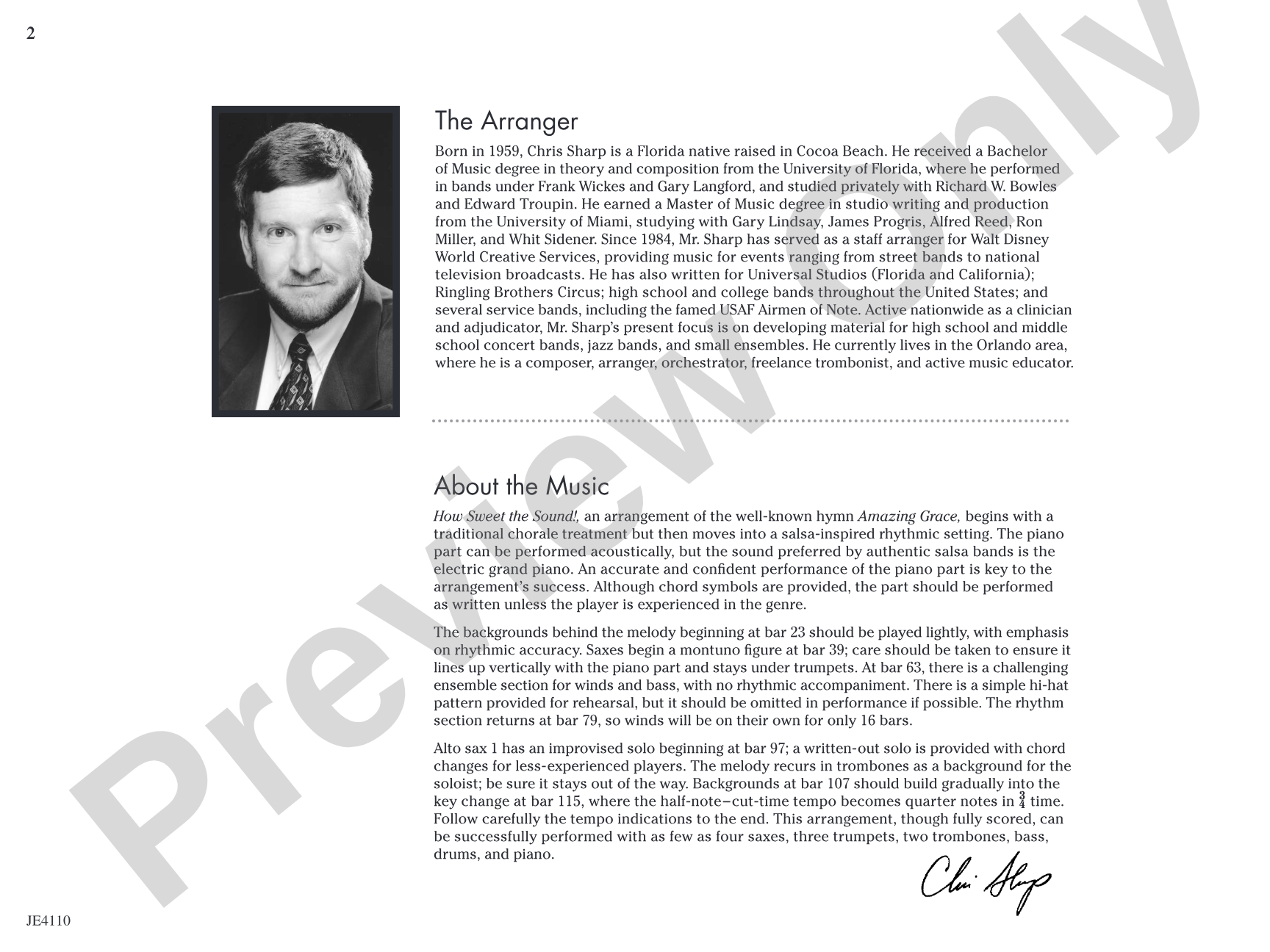
Chris Sharp holds a doctorate and has built a career at the intersection of performance, composition, and education. For over a decade he worked as a performing trombonist and bandleader at Walt Disney World, and since 1984 has arranged and orchestrated music for Disney parks globally, creating scores for live entertainment, recordings, and broadcast television. His freelance portfolio spans major entertainment venues including Universal Studios and the Ringling Bros. circus, plus commissions from the Boston Pops, Dallas Brass, and the USAF Airmen of Note.
Sharp currently directs bands at Polk State College while teaching music theory, technology, and arranging. He has appeared as a clinician and guest conductor nationwide, judged for Bands of America and Drum Corps International, and earned multiple ASCAP Plus awards for his compositions and arrangements. His work appears regularly in concert and jazz band programs across the country.
Why we love this
Sharp brings his decade-plus experience arranging for Disney entertainment to this arrangement, and it shows in the craftsmanship and theatricality. The progression from reverent chorale to driving salsa groove gives your ensemble a genuine arc to play with, rather than a one-color treatment of a familiar hymn. The optional alto sax solo and flexible instrumentation mean you can program this regardless of your current roster.
What to expect
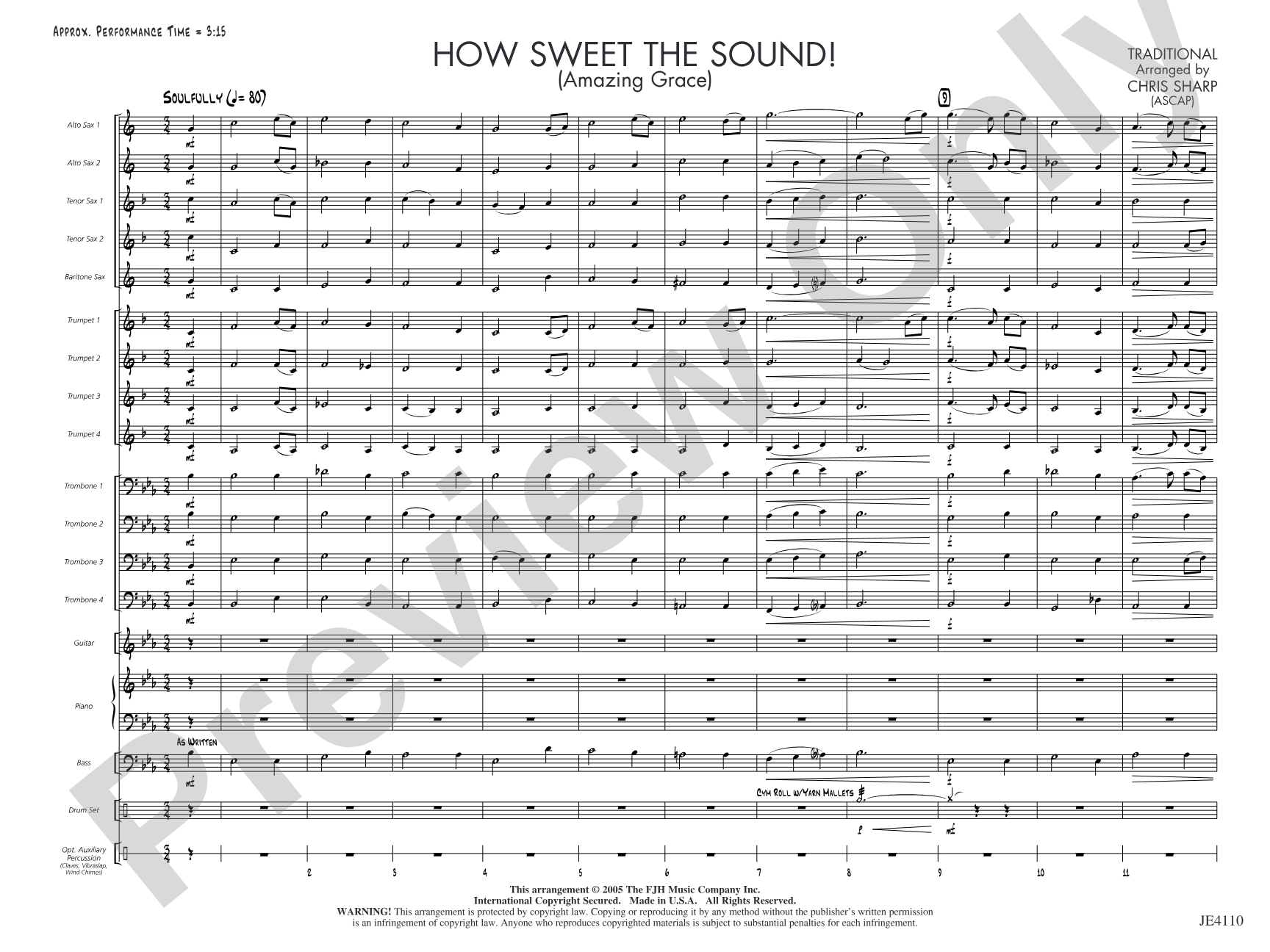
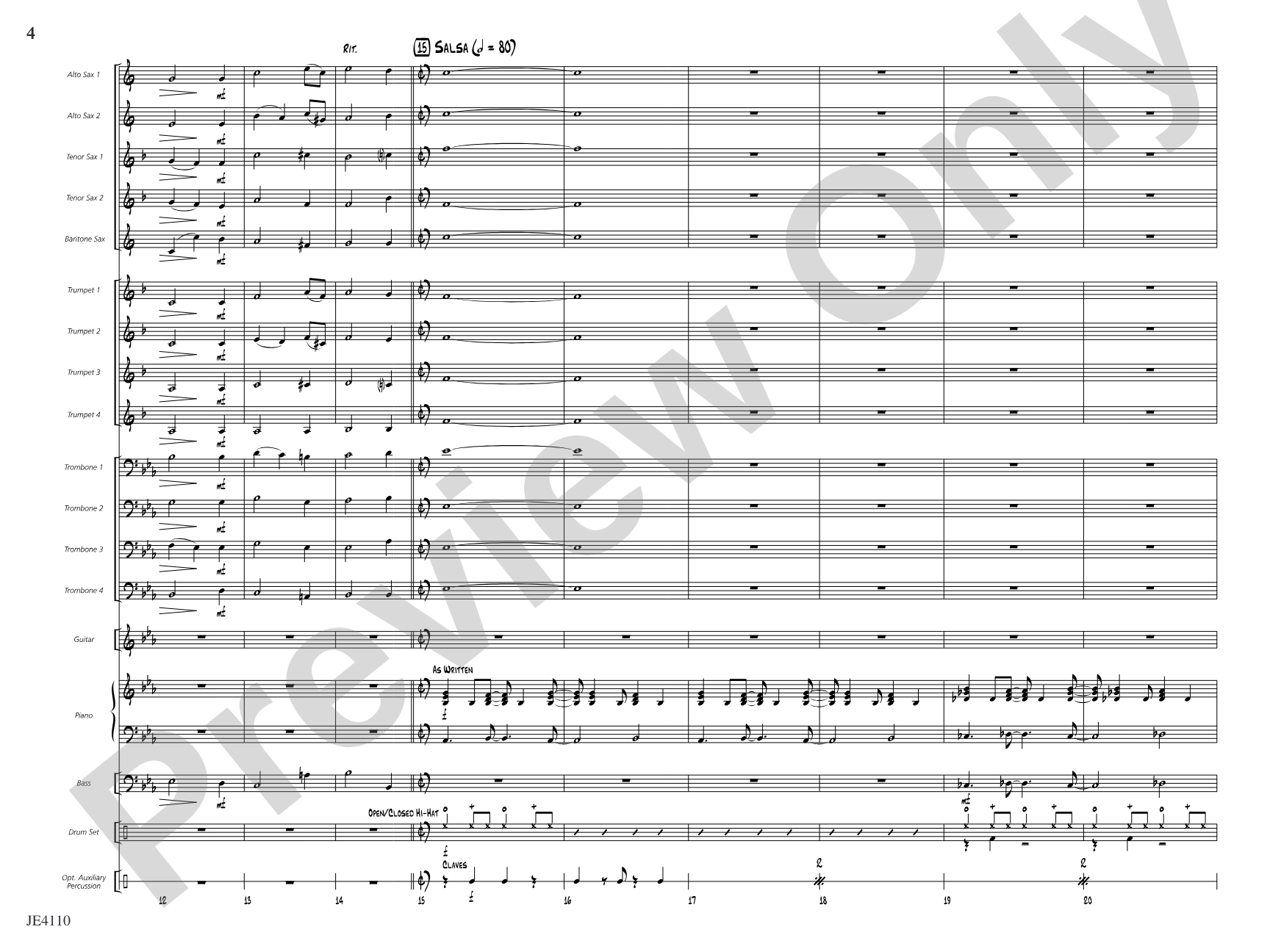
You begin in church, with the familiar hymn tune unfolding in four-part harmony and gentle restraint. Then the drums kick in with a clave rhythm, the bass locks into a Spanish feel, and suddenly you're transported to a tropical evening. The horns trade phrases over that infectious salsa pocket, bright and conversational, before the alto sax steps into the spotlight with a confident melody line that bridges hymn and dance floor.
Who it's for
Jazz ensemble directors working at the intermediate level who want to offer their students exposure to Latin jazz without overwhelming technical demands. This works equally well for groups with full instrumentation or those running lean; the arrangement adapts to your personnel while keeping the arrangement's character intact.
How to get the most out of it
- Establish the chorale opening with a clear, sustained legato tone. This sets the emotional table before the rhythm section enters; your winds should breathe as one voice.
- Let the rhythm section lock the salsa groove before the ensemble enters. Drummer and bassist need to establish the pocket together so horns can confidently ride that foundation.
- Shape the unaccompanied wind soli section with dynamics and phrasing as if the ensemble is trading conversation. This is where the band takes center stage without rhythmic safety net.
- Feature your alto sax soloist generously. The written solo provides a clear melody line, but encourage interpretation and a bit of swing phrasing to match the Latin feel.
How to use it
Pair this with other standard-tune treatments to create a "hymn variations" set, or use it as a bridge piece between a classical first half and a high-energy jazz finale. The accessibility and popularity of Amazing Grace means audiences connect immediately, making this an ideal opener for a jazz concert or festival performance where you want engagement from the first notes.
Skills your students will build
- Singing chorale texture with unified tone and breath control
- Comping and feeling Latin rhythmic grooves (clave, montuno patterns)
- Trading phrases and listening to ensemble conversation
- Reading and interpreting a written solo with stylistic awareness
- Balancing melodic content with rhythmic accompaniment across sections