How Sweet the Sound Cover Image

How Sweet the Sound: Full Orchestra Conductor Score & Parts

$58.00 USD
Sale price  $58.00 USD Regular price 
Skip to product information
How Sweet the Sound Cover Image

How Sweet the Sound: Full Orchestra Conductor Score & Parts

Traditional / arr. Jack Bullock

Grade: 3

Item: 00-35925

makemusic Cloud badge

Need it now?

Buy Digital Version
$58.00
Shipped

One moment…

Description
One of the most beloved melodies ever written! It has a special meaning to every listener and has endured throughout the years. It is a simple melody and has great elegance. Even though this title may not be one you will recognize, the melody will be one you will know instantly.

Don't just read it, hear it, play along with it, and watch your students grow with it. In MakeMusic Cloud, How Sweet the Sound: Full Orchestra Conductor Score & Parts comes alive with professional accompaniment, adjustable tempo, and built-in practice tools that turn solo practice into real progress.

Sample Pages

Sample Audio
0:00
0:00
Sample Video
Additional Details
Series: Belwin Intermediate Full Orchestra
Publisher: Alfred Music
Page Count: 122
UPC: 038081407630
SKU: 00-35925
Instrumentation: full (chimes, bells, timp, sus cymbal, pno (opt), vln3)

More about this title

About the Arranger: Jack Bullock
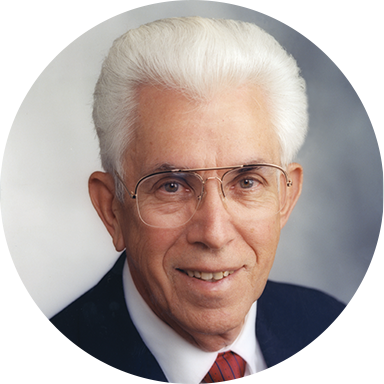
Jack Bullock

Jack Bullock brings deep expertise across performance, composition, and orchestration to his work as an arranger. His background includes trumpet studies with renowned pedagogues and performances with the Miami Philharmonic Orchestra and Miami Opera Company, along with extensive work in regional and touring ensembles. With more than 600 published works spanning concert band, orchestra, jazz ensemble, and marching band, Bullock has shaped school music curricula and trained musicians across the country.

Bullock's teaching career spans two decades in K-12 settings and higher education, including seven years as assistant band director at Ithaca College's School of Music, where he also chaired the Music Education Department. He co-authored the Belwin 21st Century Band Method and contributed arrangements to Music Expressions, Alfred Music's comprehensive school music curriculum. His recognition includes ASCAP membership since 1980 and listings in Who's Who in Entertainment and Marquis Who's Who in Media and Communications.

Why we love this

Bullock's arrangement honors the hymn's timeless dignity while writing for full orchestra with genuine elegance and restraint. The Grade 3 voicing keeps young orchestras engaged without inflating the arrangement beyond what the melody demands. This is the kind of accessible, musically sound work that serves both concert programs and festivals without compromise.

What to expect

Timeless and reflective, this arrangement honors the hymn's inherent beauty without embellishment. You'll hear a straightforward, elegant unfolding of one of music's most enduring melodies, supported by warm orchestral colors that feel natural rather than constructed.

Who it's for

Full orchestra programs at the Grade 3 level seeking repertoire with genuine musical substance and broad audience appeal. This works equally well for intermediate high school orchestras, middle school advanced groups, and adult community ensembles that value accessibility paired with serious musicianship.

How to get the most out of it

  • Balance the melody against accompaniment voices so the familiar tune emerges clearly even when full orchestra is playing. Young players often need reminders about dynamic hierarchy, especially in unison passages.
  • Shape the phrasing through breath marks and slight ritards at natural phrase endings. This hymn rewards musical phrasing more than strict metronomic playing.
  • Let the optional piano part support ensemble cohesion during rehearsals, then reassess whether to include it in performance based on your orchestra's rhythmic stability.
  • Pay particular attention to the percussion parts (chimes, bells, timpani, suspended cymbal). They add textural warmth but must sit behind the string and wind voices, not compete with them.

How to use it

Program this as a centerpiece for community concerts or festivals where emotional resonance matters as much as technical display. It pairs naturally alongside other Grade 3 concert works and provides a musical respite between more demanding pieces. The 122-page full score and parts support substantial ensemble participation and serve well in contest or festival settings.

Skills your students will build

  • Balancing melodic and accompanying voices within orchestral texture
  • Phrasing longer melodic lines with musical intent
  • Ensemble cohesion across divisi string parts
  • Dynamic control and voice leading in full orchestration
  • Careful handling of percussion color and placement

You May Also Like
