How Long Has This Been Going On?: Piano Digital Sheet Music

How Long Has This Been Going On?: Piano Digital Sheet Music

George Gershwin, Ira Gershwin, Marcus Roberts

Item: 00-PS-0002133

Digital Download
$3.99
Description

How Long Has This Been Going On?: Piano Digital Sheet Music isn't in MakeMusic Cloud just yet...but it could be. Let us know you'd like to see it, and you'll help shape what comes next. In the meantime, start a free trial and dive into thousands of interactive titles your students can play along with today.

Sample Audio
No sample audio found.
Sample Video
Additional Details
SKU: 00-PS-0002133

More about this title

About the Artist: Marcus Roberts

Marcus Roberts is a pianist and composer whose work spans jazz standards, original compositions, and classical-influenced pieces. His approach to jazz piano combines harmonic sophistication with clear, lyrical phrasing, making his interpretations accessible to students while remaining musically substantive.

Why we love this

Roberts's interpretation of this Gershwin standard captures the tune's elegance without overcomplexity, making it genuinely useful for pianists who want to understand jazz voicing and song form without wrestling through overly dense reharmonization. The arrangement respects the melody while opening doors to how jazz pianists think about accompaniment and harmonic color.

What to expect

Warm and conversational, with a sense of remembrance built into the harmonic shifts. The piece unfolds with the ease of someone reflecting on a cherished memory, balancing elegance with intimacy and never sacrificing musicality for flashy technique.

Who it's for

Jazz pianists at the intermediate level and above who are building their standards repertoire and want to study how a skilled musician voices a classic tune. This also serves advanced classical pianists interested in exploring jazz harmony and interpretation outside of strict classical textures.

How to get the most out of it

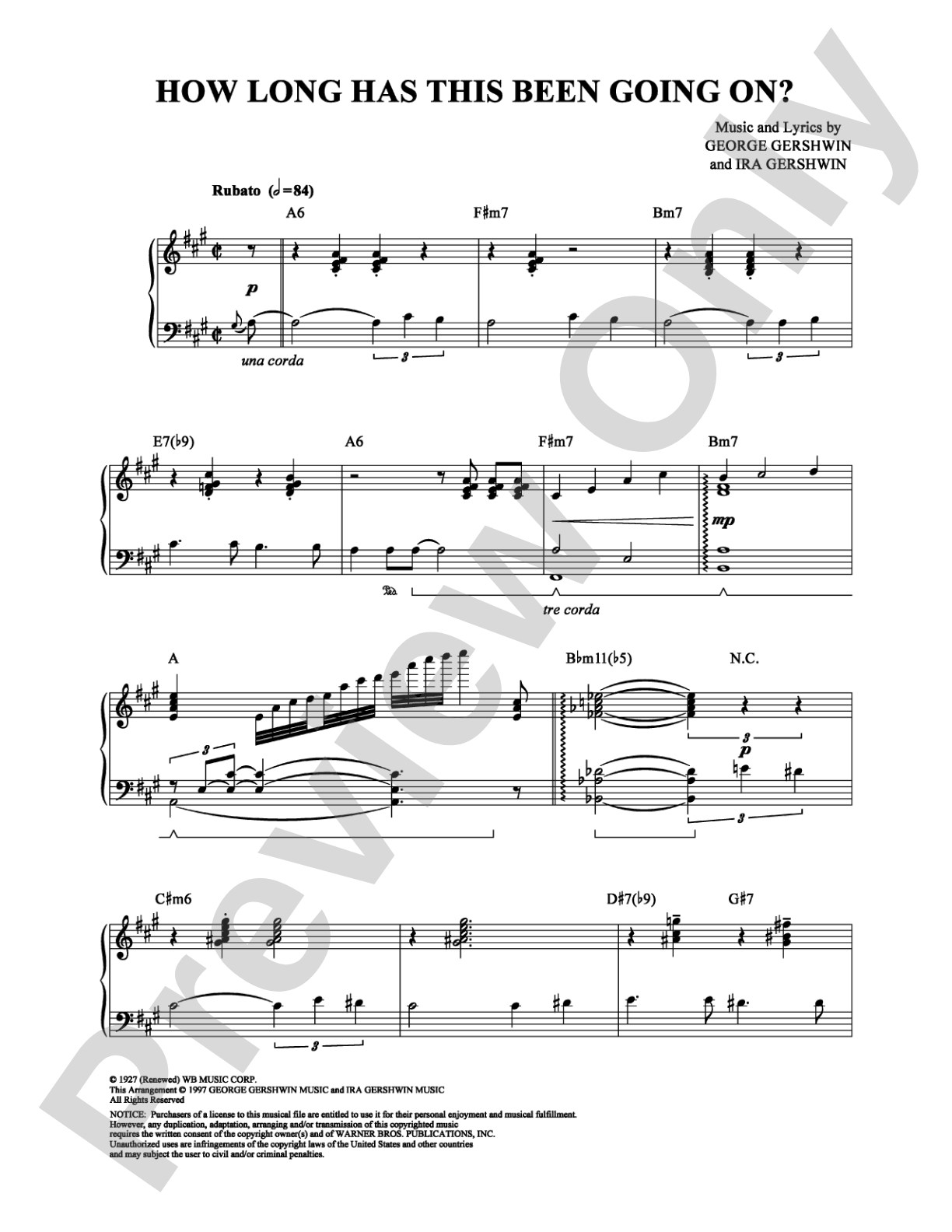
  • Listen closely to how Roberts voices the opening phrases; the chord colors set the emotional tone before the melody enters fully.
  • Pay attention to his use of space and silence between phrases. This isn't a competition with the original, it's a conversation with it.
  • Study the left hand movement in the bridge section to understand how bass lines can anchor harmonic movement while staying melodic themselves.
  • Notice where Roberts adds subtle rhythmic displacement. These aren't accidents; they're deliberate choices that keep the form feeling fresh.

How to use it

Feature this in a jazz-focused recital or concert segment where you're presenting standards alongside original compositions. It also works beautifully as a bridge piece in programs mixing classical and jazz repertoire, giving the audience a moment to experience how jazz pianists approach composed melodies.

Skills your students will build

  • Reading and interpreting jazz voicings and chord extensions
  • Understanding song form (AABA structure) and harmonic progression in standards
  • Balancing accompaniment texture with melodic clarity
  • Applying rubato and phrasing in a jazz context
  • Developing left-hand comping patterns that support rather than clutter the harmony

You May Also Like