
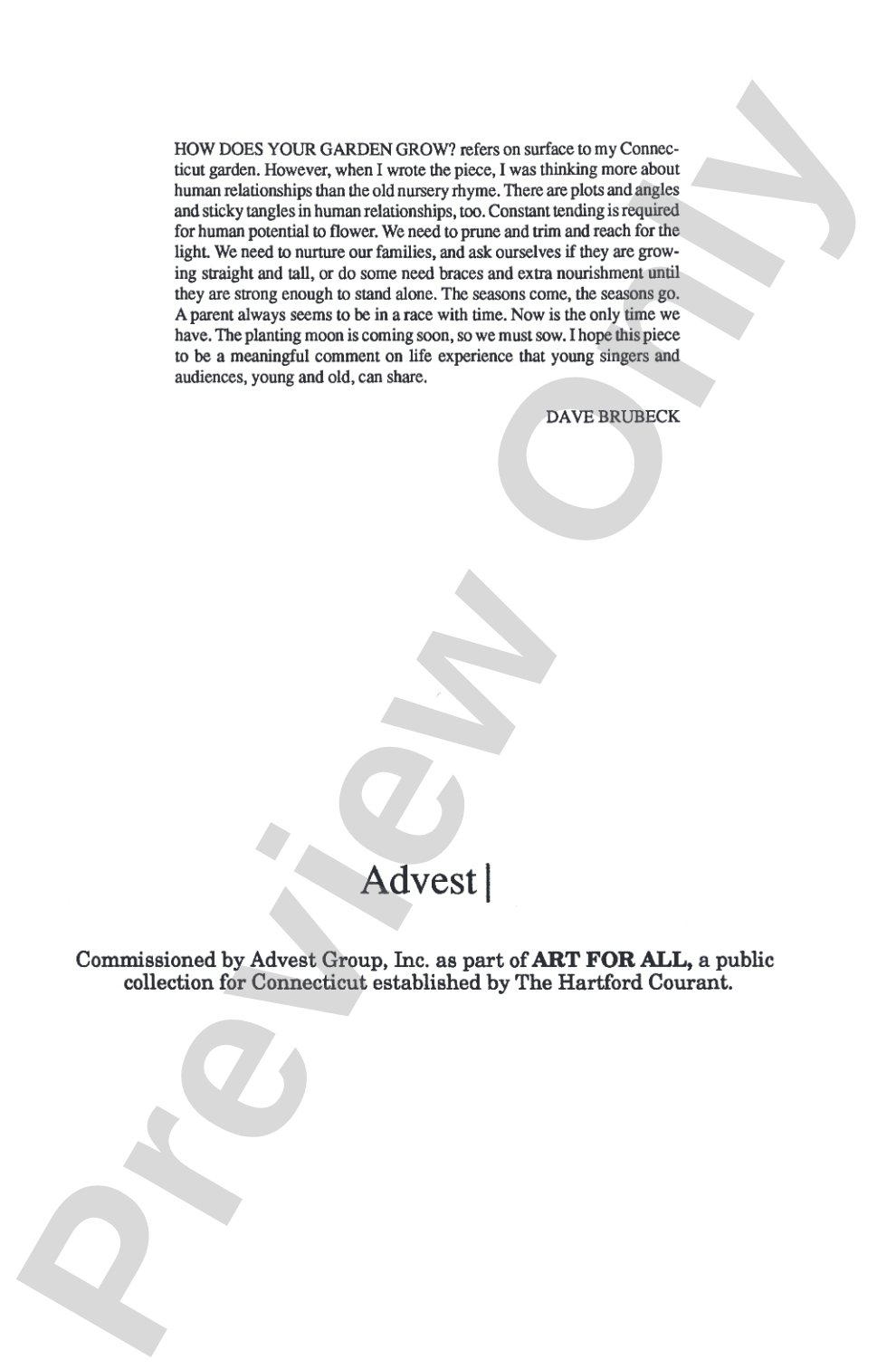
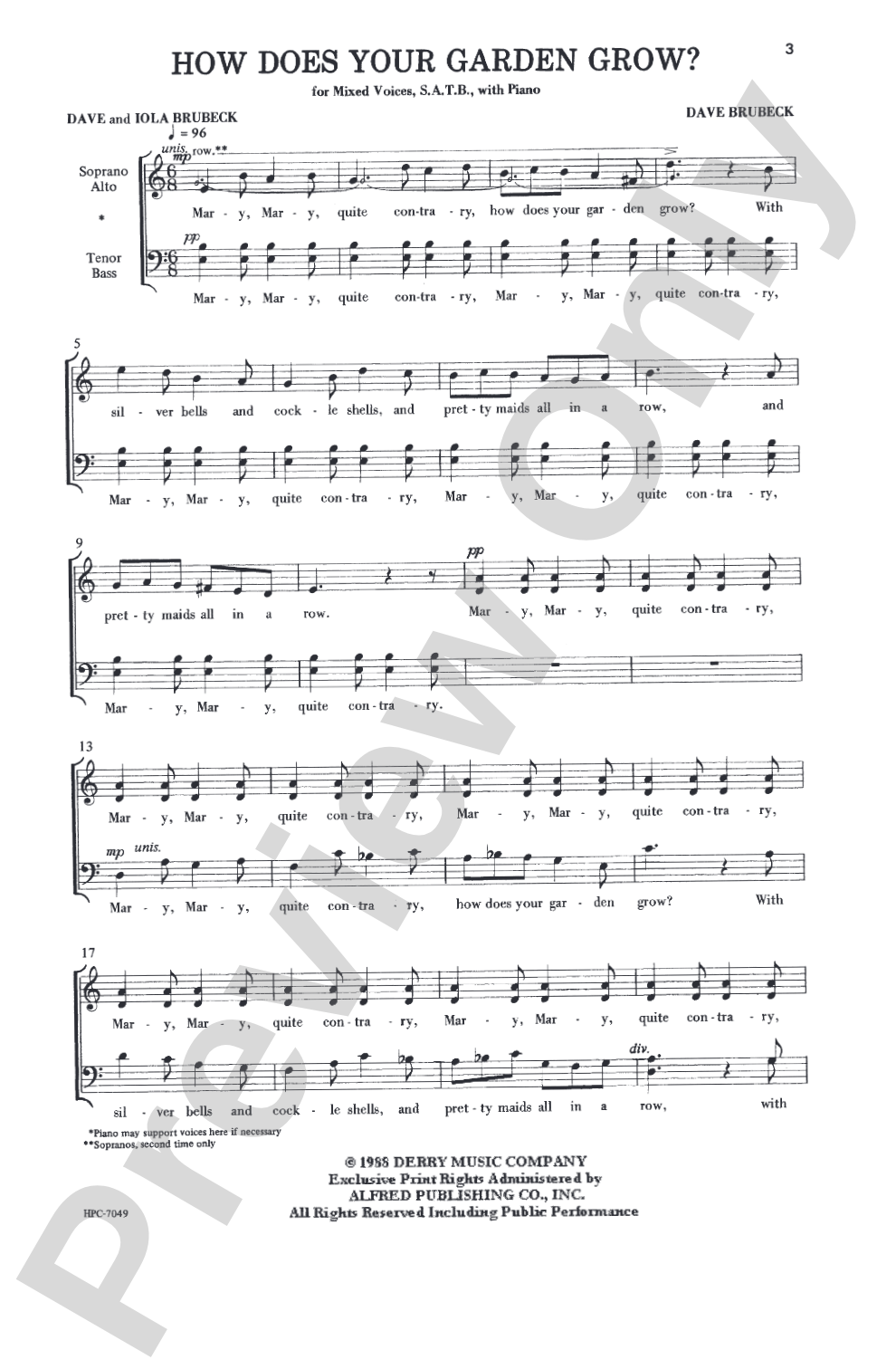
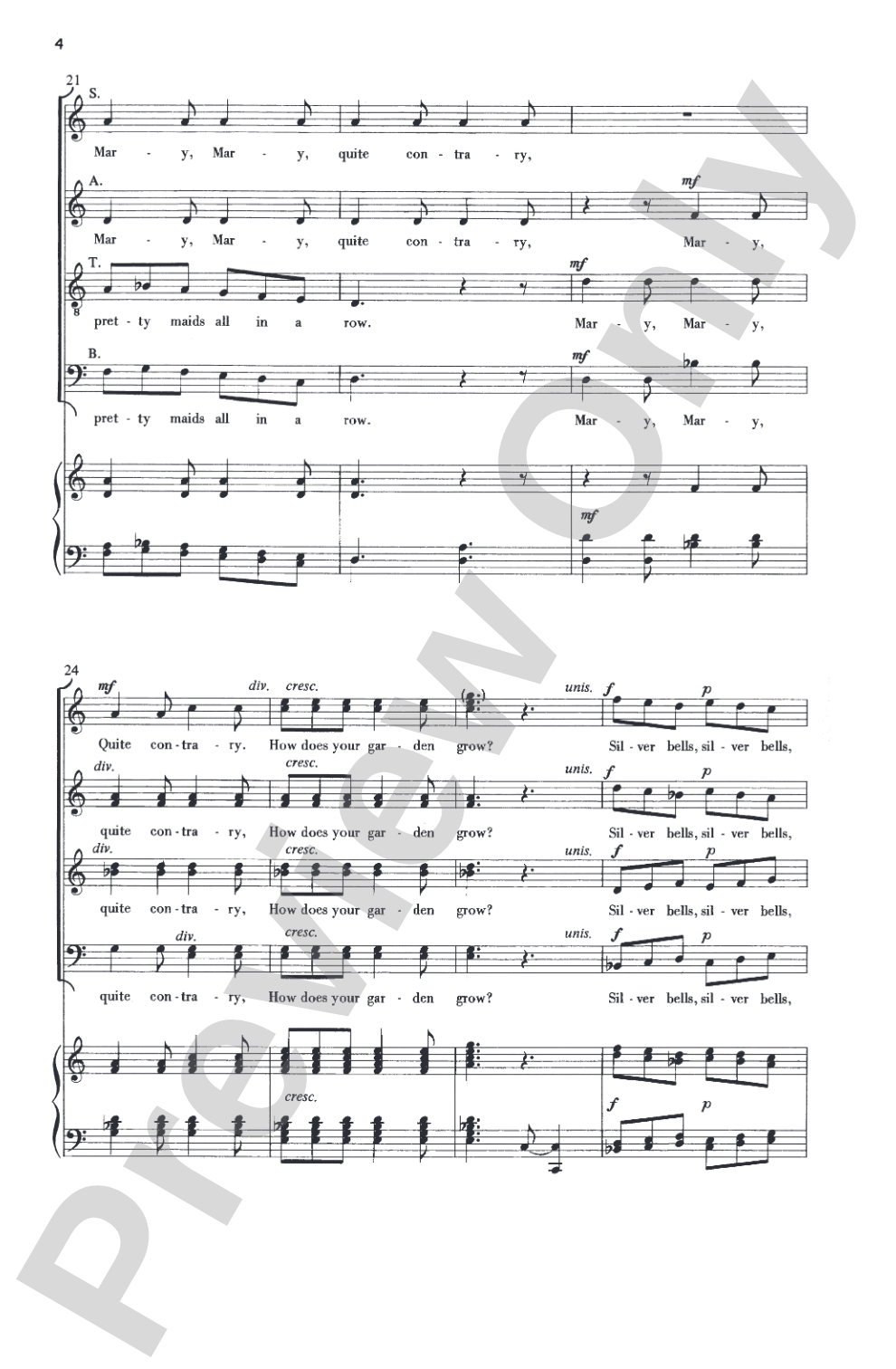

How Does Your Garden Grow? (from Four New England Pieces): SATB Choral Octavo
From Four New England Pieces
By Dave Brubeck
Item: 00-PO-0004918
$2.95
Minimum order quantity: 20 copies
Pickup currently not available
Related Items
How Does Your Garden Grow?: SATB Choral Octavo |
$2.95
|
View |
Description


How Does Your Garden Grow? (from Four New England Pieces): SATB Choral Octavo isn't in MakeMusic Cloud just yet...but it could be. Let us know you'd like to see it, and you'll help shape what comes next. In the meantime, start a free trial and dive into thousands of interactive titles your students can play along with today.
Request This Title
Tell us you want it.
Start Your Free Trial
Explore everything that's ready to play right now.
Sample Audio
No sample audio found.
Sample Video
No sample videos found.
Additional Details
Series:
Lawson-Gould: The Dave Brubeck Series
Publisher:
Alfred Music
Page Count:
16
SKU:
00-PO-0004918
More about this title
About the Composer: Dave Brubeck
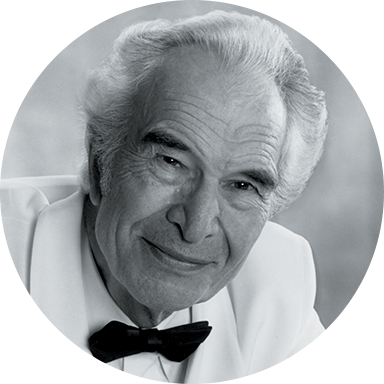
Dave Brubeck stands as a rare figure in twentieth-century music: a jazz innovator whose improvisational mastery never eclipsed his gifts as a classical composer. His catalog spans choral works, hymns, orchestral pieces, chamber music, and large-scale compositions for chorus and orchestra, all written with the same creative rigor he brought to his legendary recordings. Brubeck studied with Darius Milhaud at Mills College following World War II, and Milhaud's influence shaped his lifelong integration of jazz vocabulary with classical forms.
Beyond his groundbreaking albums like "Time Out" (the first jazz recording to sell over a million copies) and the standard "Take Five," Brubeck earned recognition for his role in breaking racial barriers in mid-twentieth-century American music. His choral works, including the mass "To Hope!" and oratorios such as "The Voice of the Holy Spirit" and "Beloved Son," have been performed and recorded internationally. Among numerous honors, he received the Presidential Medal of the Arts from President Clinton, a Grammy Lifetime Achievement Award, and in 2007 was recognized by the London Symphony Orchestra with a lifetime achievement award. In 2003, he was elected to the American Classical Music Hall of Fame.
Why we love this
This octavo draws on Brubeck's skill at blending lyrical melody with accessible harmonic language, creating something that sounds fresh without demanding unusual vocal ranges or extreme technical demands. Programming a piece by a composer equally at home in jazz and concert halls signals to singers and audiences alike that choral music can be rhythmically vital and harmonically engaged. The work fits naturally into a concert that explores American song, twentieth-century classical writing, or the sophisticated side of contemporary repertoire.
What to expect
A straightforward text set to music that balances wit and warmth, with harmonic movement that feels both modern and inviting. Brubeck's approach honors the words while avoiding sentimentality, creating a piece that feels conversational and genuinely musical.
Who it's for
This piece suits choirs with solid vocal blend and comfort navigating twentieth-century harmony. It works well for upper-level high school, collegiate, and community ensembles seeking engaging secular repertoire that demonstrates compositional sophistication without requiring soloistic vocal technique.
How to get the most out of it
- Honor the text's playful quality by shaping phrases with clarity and gentle lift; this is not a piece that calls for heavy vibrato or operatic weight.
- Track Brubeck's harmonic movement through the score to identify cadential moments and structural anchors, which will help the ensemble lock onto chord changes together.
- Balance SATB voices so that each line remains audible; Brubeck's writing often distributes melody across parts, and blending too much will obscure his harmonic texture.
- Work the rhythmic figures carefully in rehearsal if Brubeck uses syncopation or asymmetrical phrasing characteristic of his jazz-inflected style; establish subdivision early.
How to use it
Use this as a lighter moment on a concert that pairs it with other American or contemporary classical works; its charm makes it an excellent midprogram piece that refreshes the audience without dropping musical standards. It also serves well in programs themed around composer diversity or twentieth-century choral literature.
Skills your students will build
- Twentieth-century harmonic language and voice leading
- Ensemble balance across four independent lines
- Stylistic distinction between jazz-influenced and classical phrasing
- Text expression through contemporary musical idiom