James Ingram is a Grammy Award-winning R&B and pop vocalist known for his smooth, soulful delivery and collaborations with major artists across multiple decades. His work in film and television, including memorable duets and solo recordings, has made him a recognizable voice in popular music education and performance contexts.
Why we love this
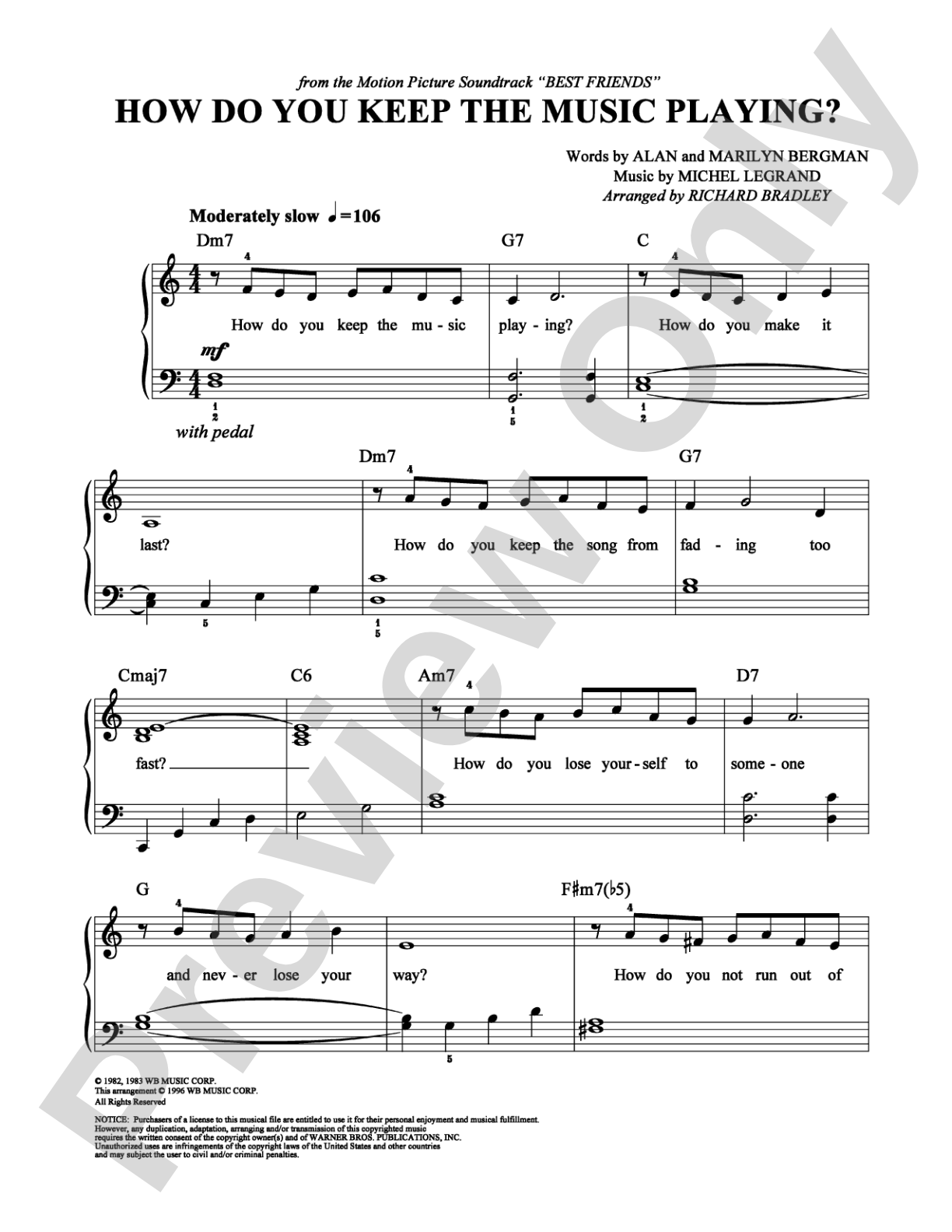
This duet gives pianists access to a sophisticated pop standard without the technical demands of the original vocal line. The easy arrangement preserves the warmth and emotional core of the song while keeping left-hand patterns accessible, making it genuine enough for recitals yet playable by students still building fluency.
What to expect
Intimate and reflective, with the unhurried pacing of a late-night conversation. The arrangement captures the song's gentle romanticism, offering pianists a chance to explore expressive playing within a manageable technical range.
Who it's for
Piano students comfortable with basic chord progressions and melody reading who want to expand into recognizable pop standards. Pianists preparing for recitals, informal performances, or student showcases will find the accessible arrangement both musically satisfying and confidence-building.
How to get the most out of it
Balance the melody with a light, singing touch in your right hand; let the left hand provide steady harmonic support rather than compete for attention.
Maintain even spacing in block chords or arpeggios to avoid a static feel; subtle variations in touch will keep the accompaniment alive beneath the tune.
Honor the rubato naturally present in the original recording by allowing slight breath space at phrase endings, even in an instrumental version.
Practice hands separately until the left-hand pattern becomes automatic, freeing your right hand to shape the melody with expression and dynamic nuance.
How to use it
Schedule this as a solo recital piece for intermediate pianists, or pair it alongside other pop standards from the same era to create a themed set. It works well in casual performance settings where polished, contemporary sound matters more than virtuosic display.
Skills your students will build
Voicing simple chord progressions with clear voice leading
Reading and executing left-hand accompaniment patterns consistently
Shaping a melody with phrasing and dynamic control
Balancing melody and accompaniment textures in the same hand or across hands
You May Also Like
Scan to Complete Your Purchase
Use your phone's camera to scan the code below
You'll log in on your phone and the order will be added to your account