

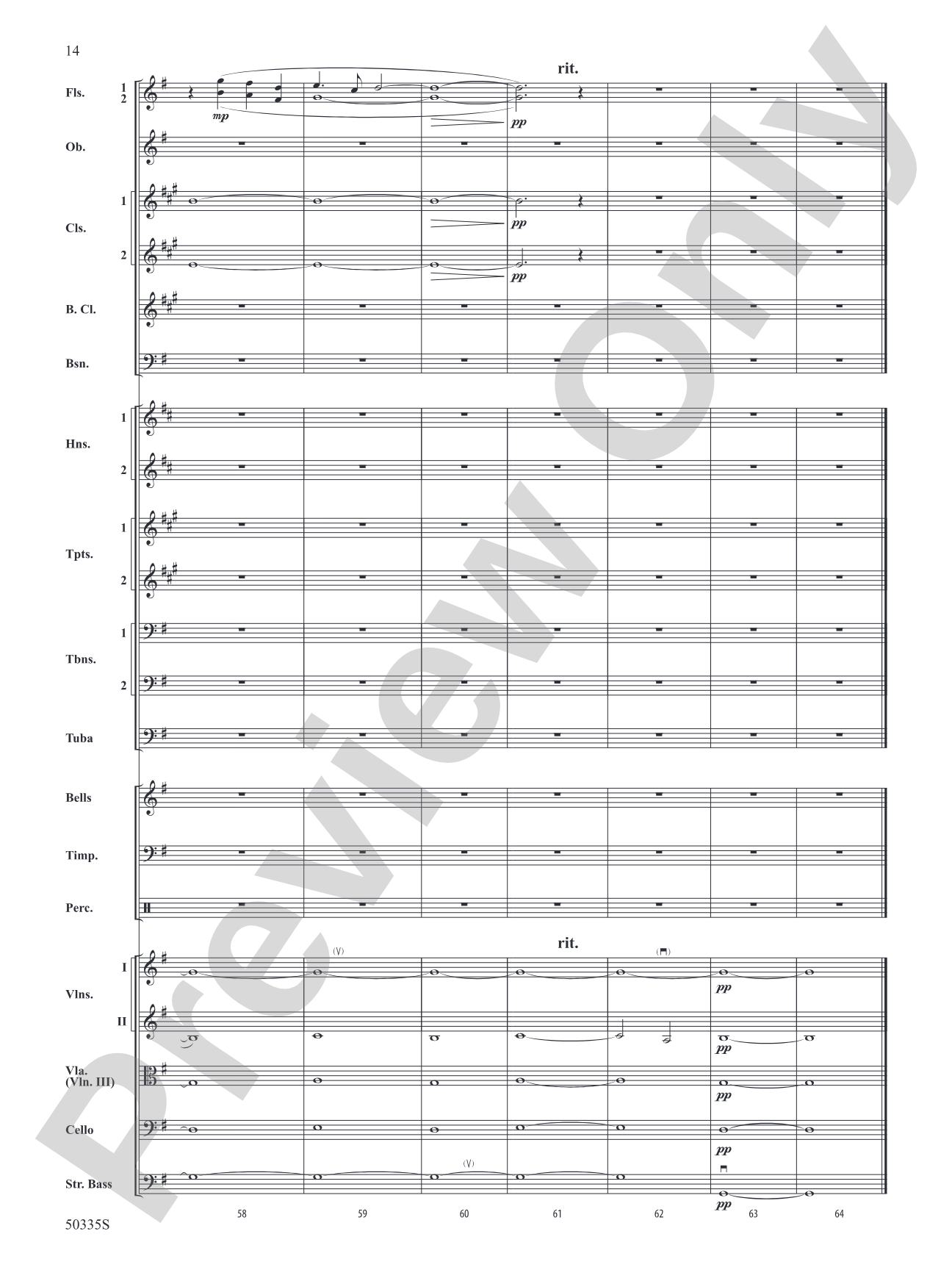

Hope: Full Orchestra Conductor Score & Parts
By Dan Adams
Grade: 3
Item: 00-PK-0009525
$85.00
Pickup currently not available
Buy Extra Parts (Digital PDF Download)
| Product | Price | Quantity |
|---|---|---|
| Hope: Score | $12.00 | |
| Hope: Flute | $3.00 | |
| Hope: 2nd Flute | $3.00 | |
| Hope: Oboe | $3.00 | |
| Hope: 1st B-flat Clarinet | $3.00 | |
| Hope: 2nd B-flat Clarinet | $3.00 | |
| Hope: B-flat Bass Clarinet | $3.00 | |
| Hope: Bassoon | $3.00 | |
| Hope: 1st F Horn | $3.00 | |
| Hope: 2nd F Horn | $3.00 | |
| Hope: 1st B-flat Trumpet | $3.00 | |
| Hope: 2nd B-flat Trumpet | $3.00 | |
| Hope: 1st Trombone | $3.00 | |
| Hope: 2nd Trombone | $3.00 | |
| Hope: Tuba | $3.00 | |
| Hope: Mallets | $3.00 | |
| Hope: Timpani | $3.00 | |
| Hope: 1st Percussion | $3.00 | |
| Hope: 1st Violin | $3.00 | |
| Hope: 2nd Violin | $3.00 | |
| Hope: 3rd Violin (Viola [TC]) | $3.00 | |
| Hope: Viola | $3.00 | |
| Hope: Cello | $3.00 | |
| Hope: String Bass | $3.00 |
Parts Added to Cart!
Description
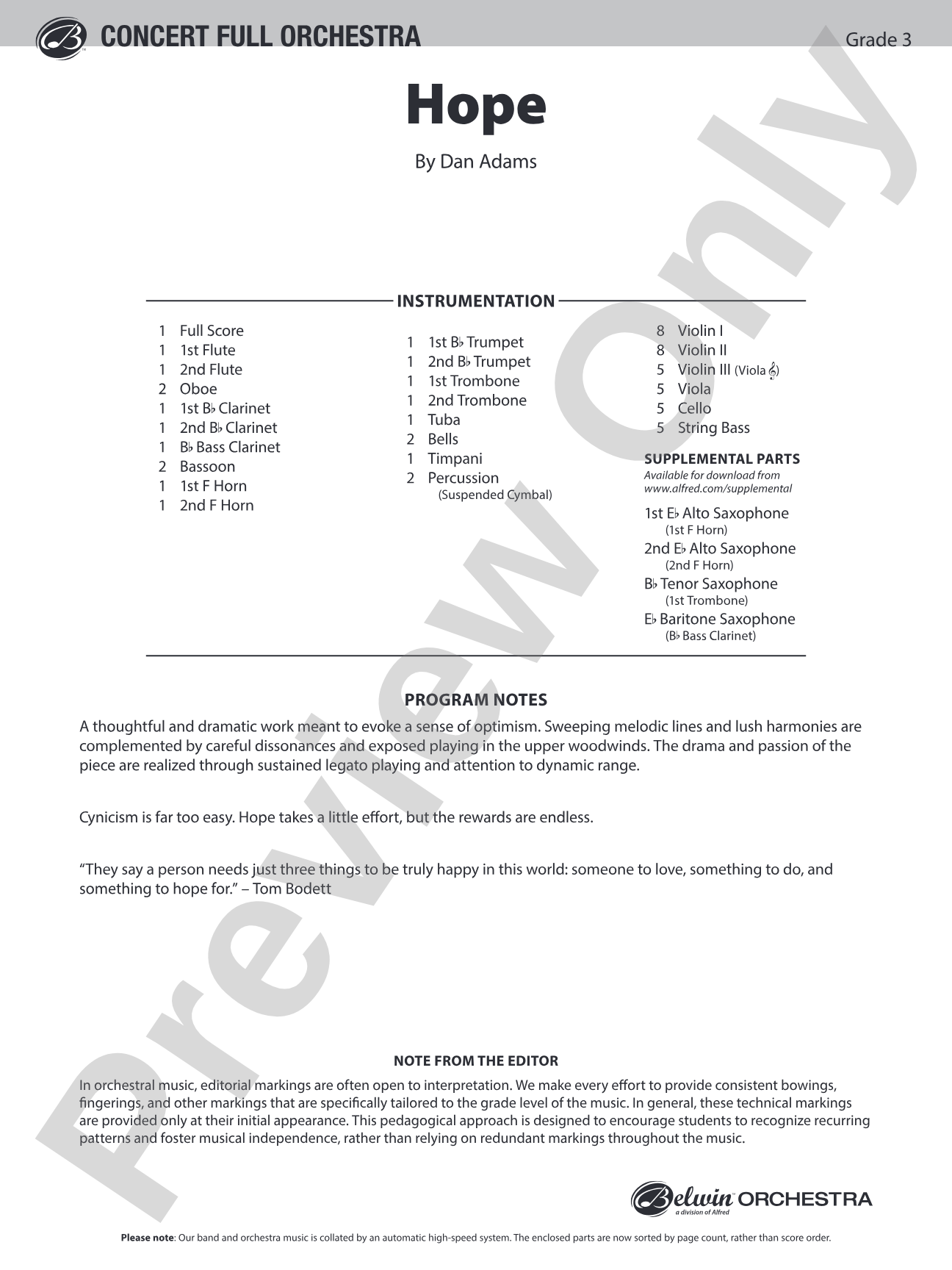
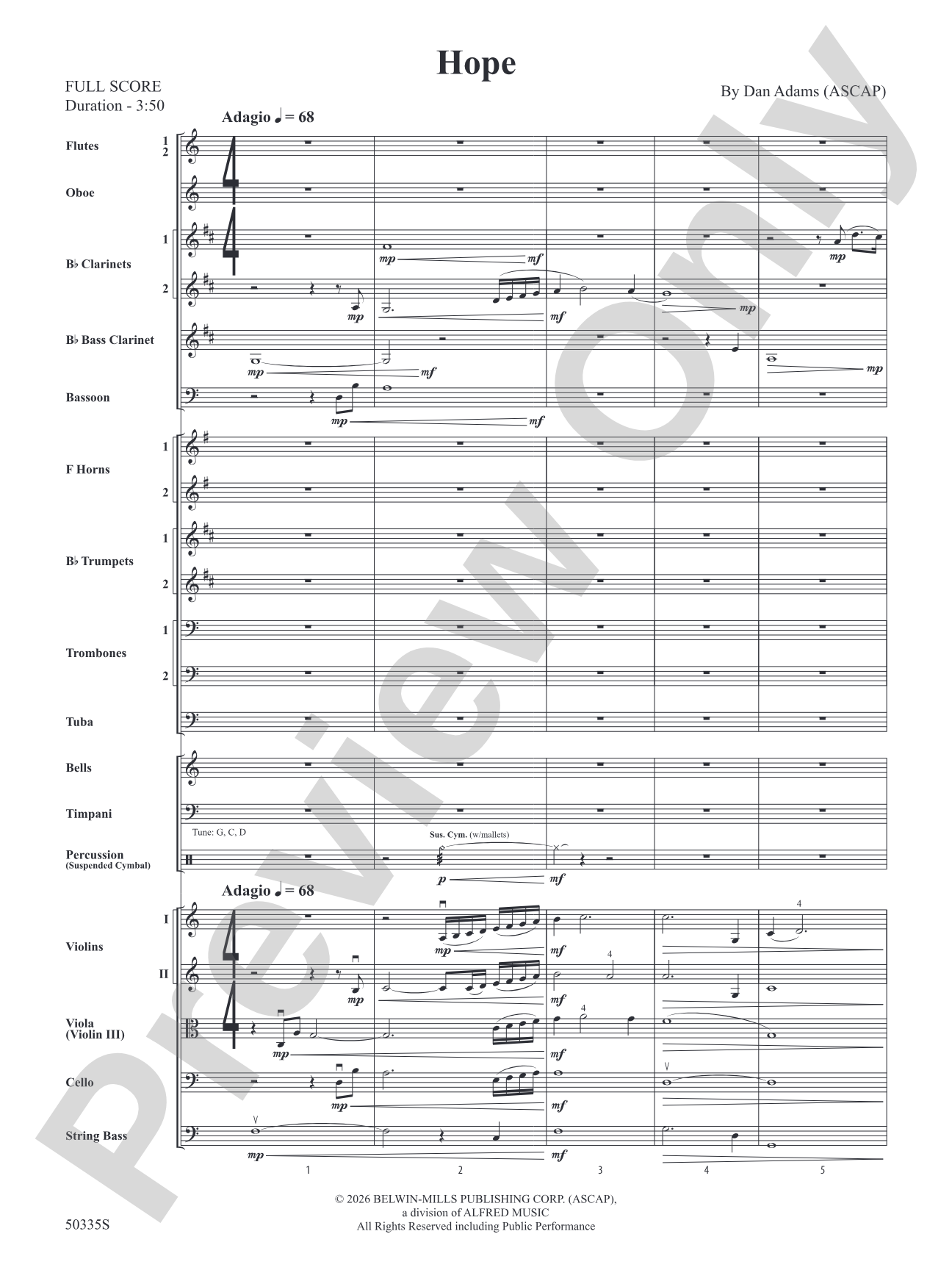
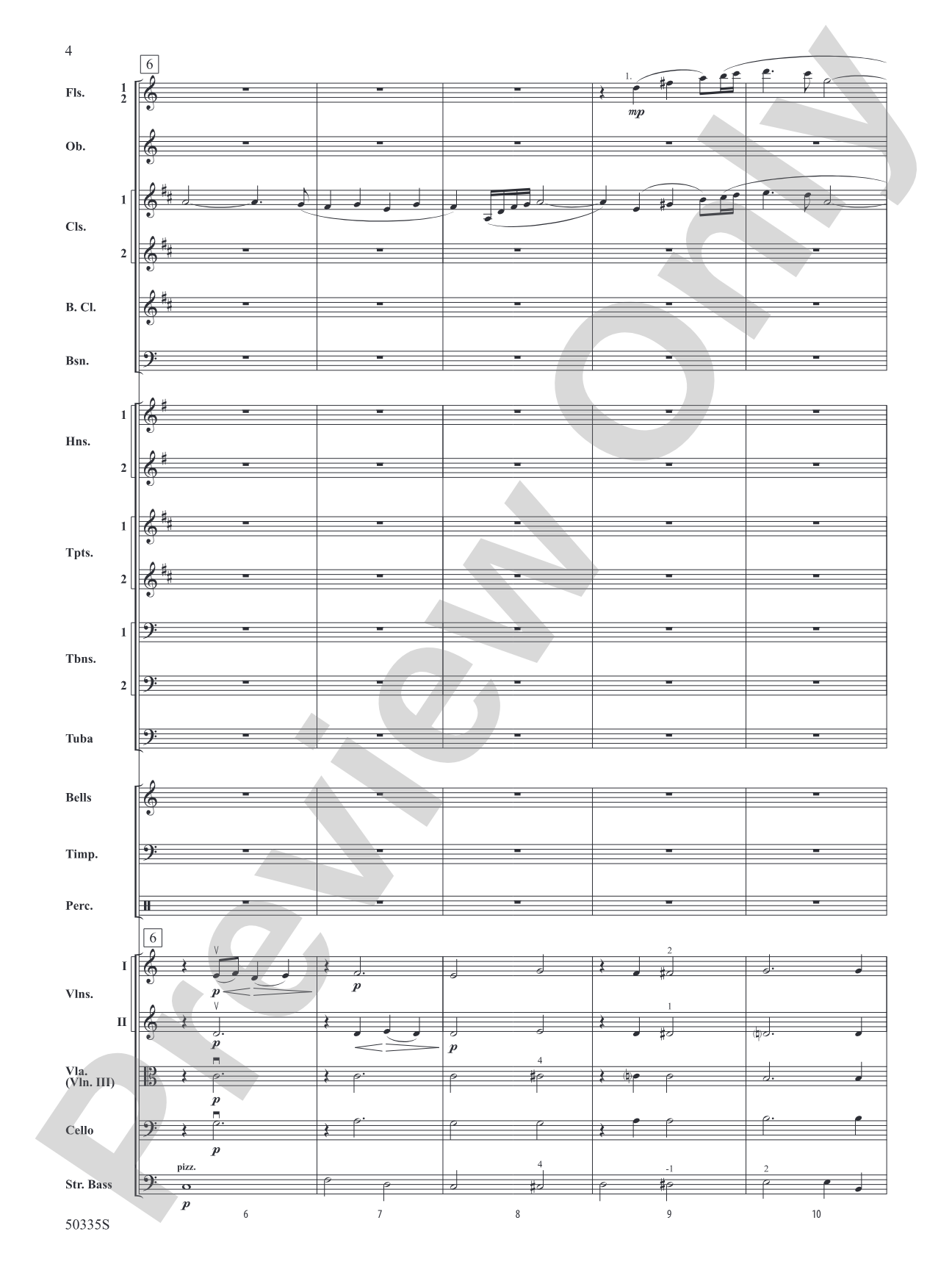
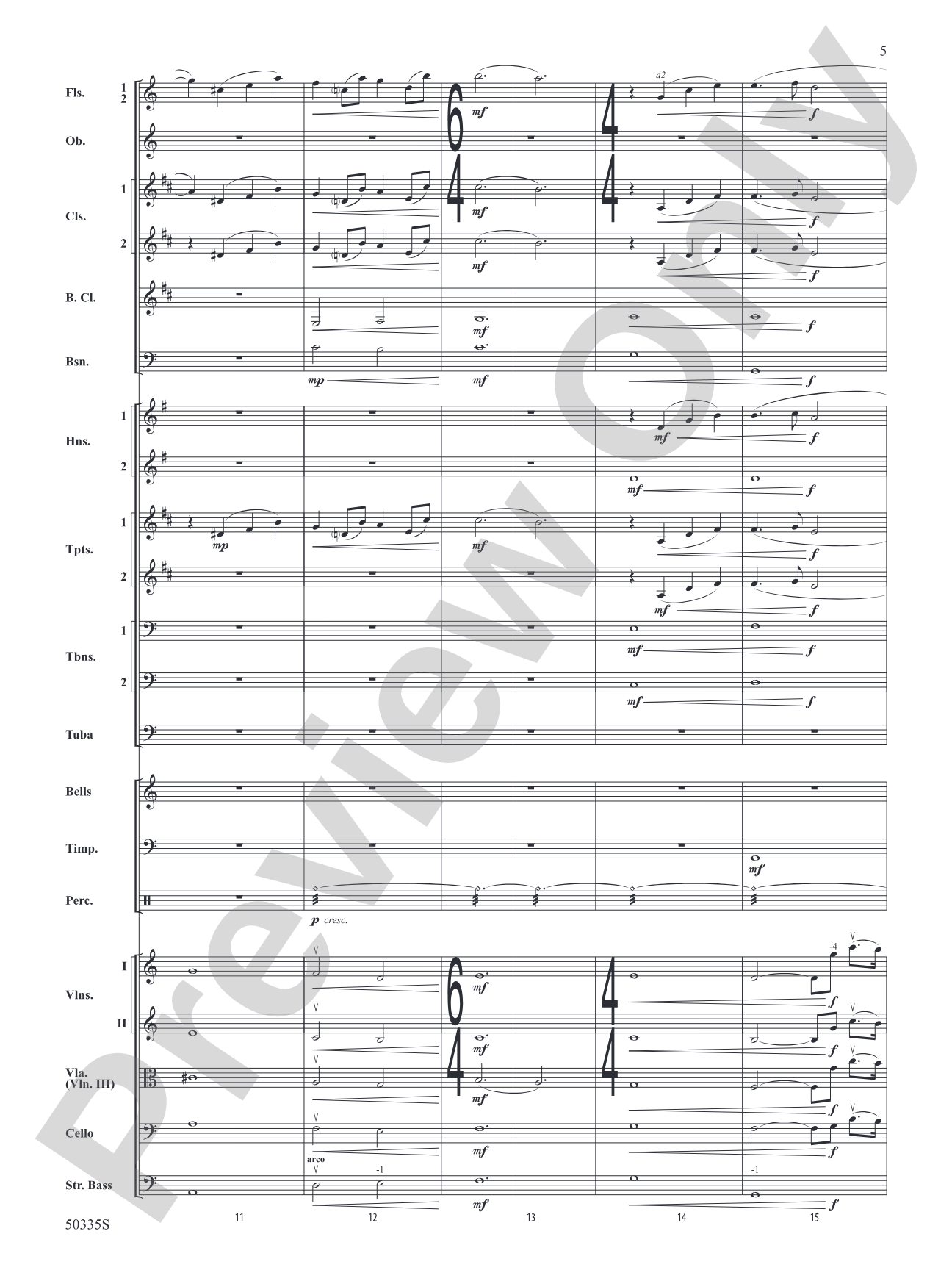
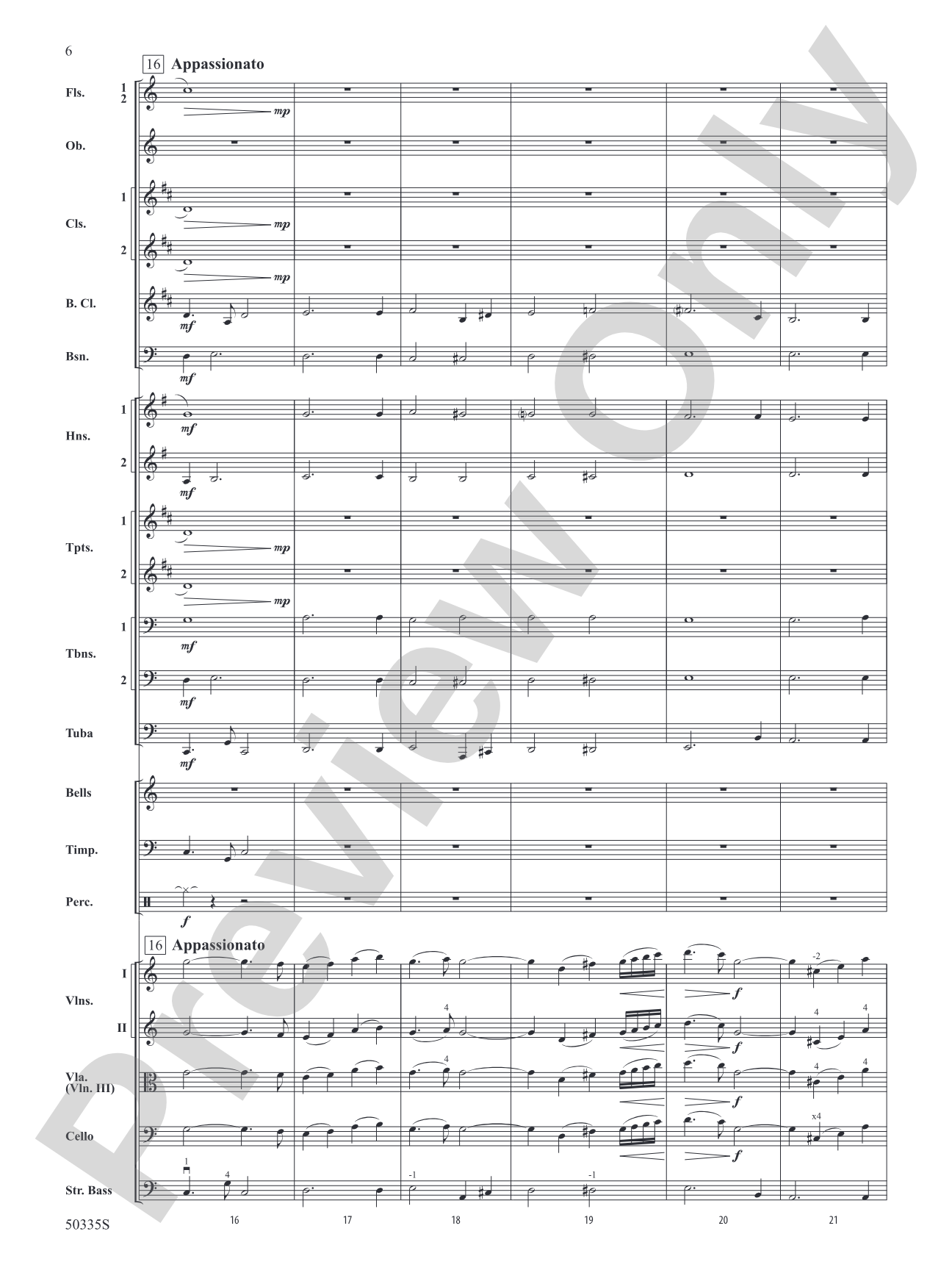
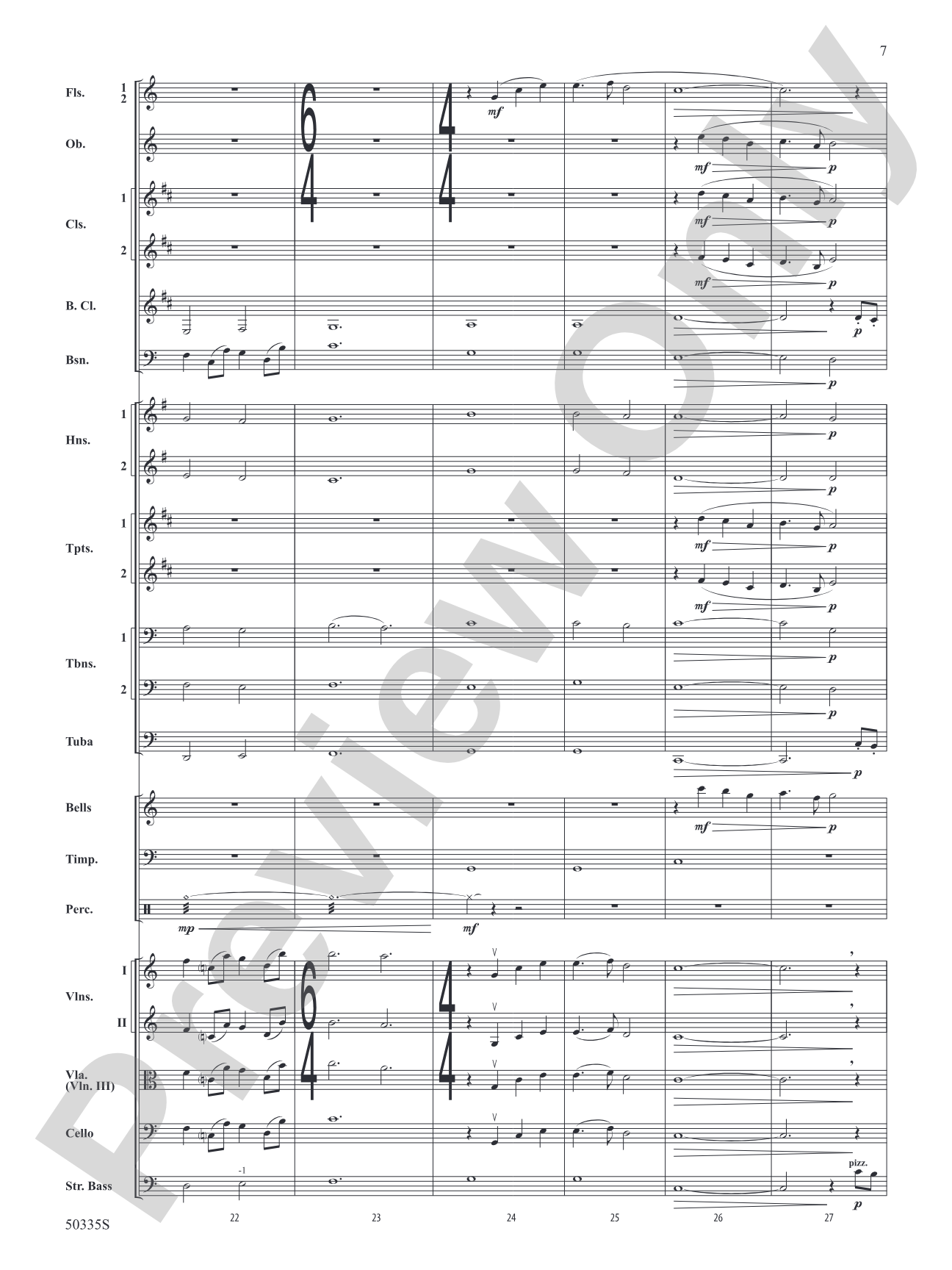
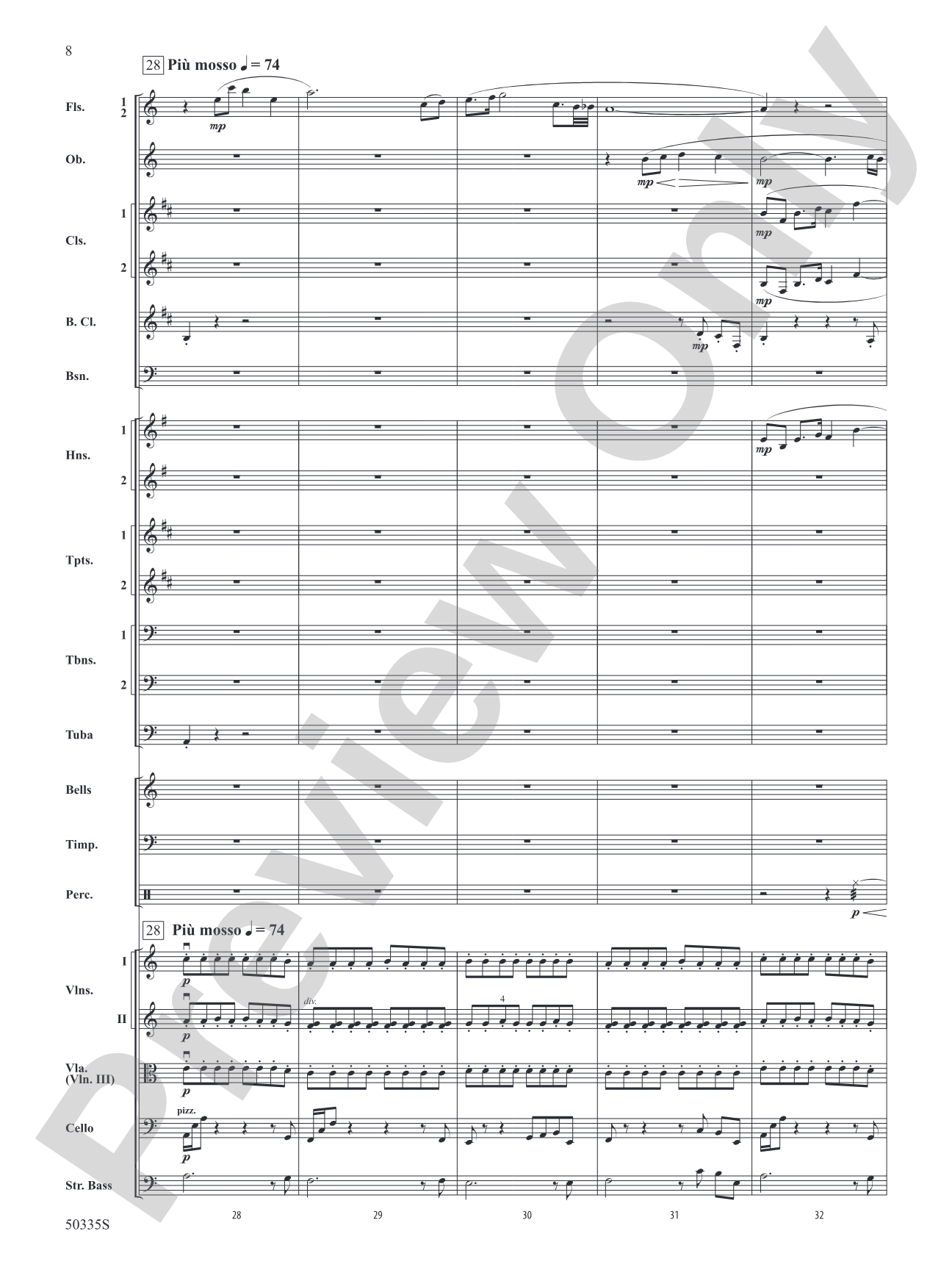
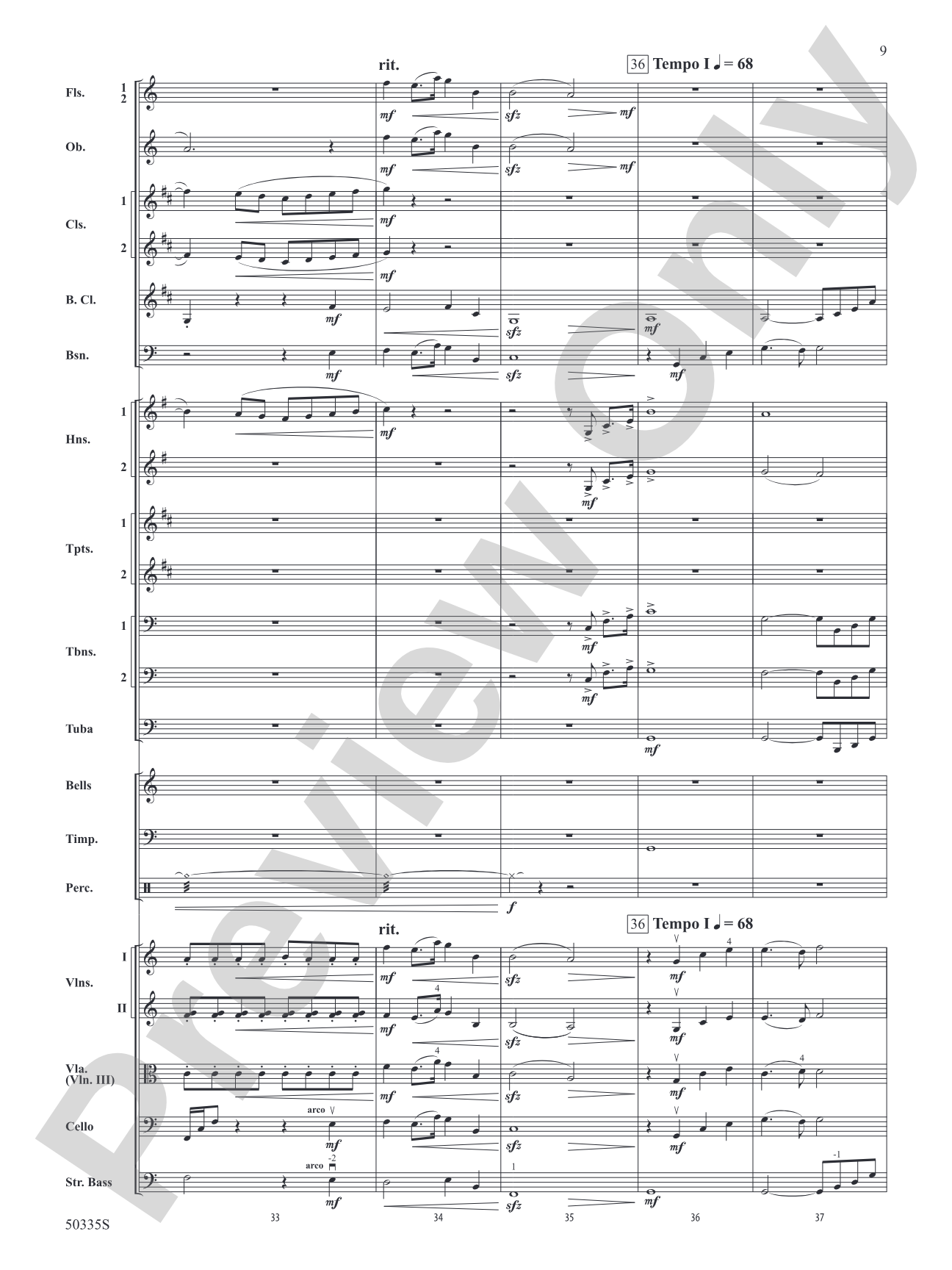
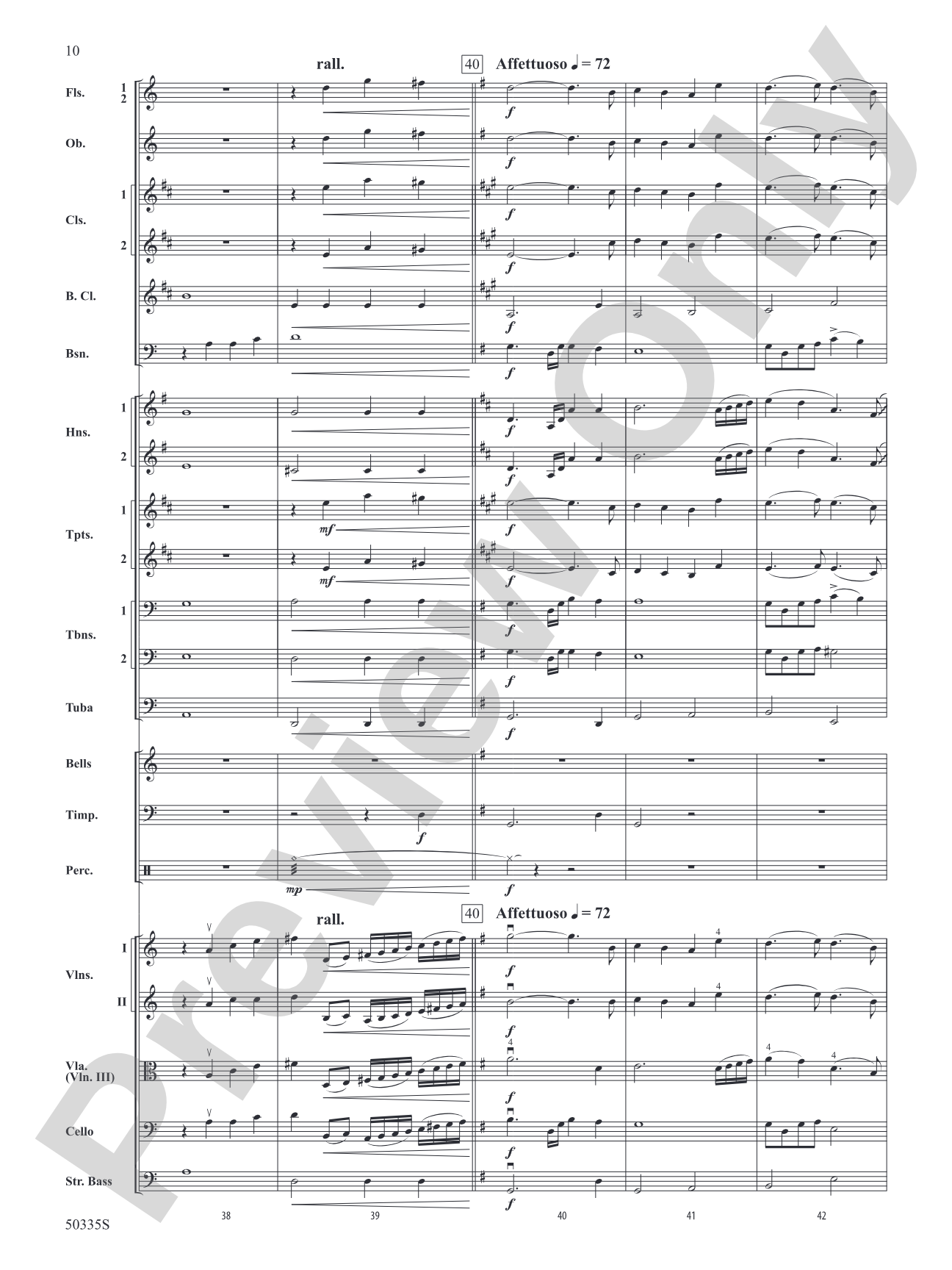
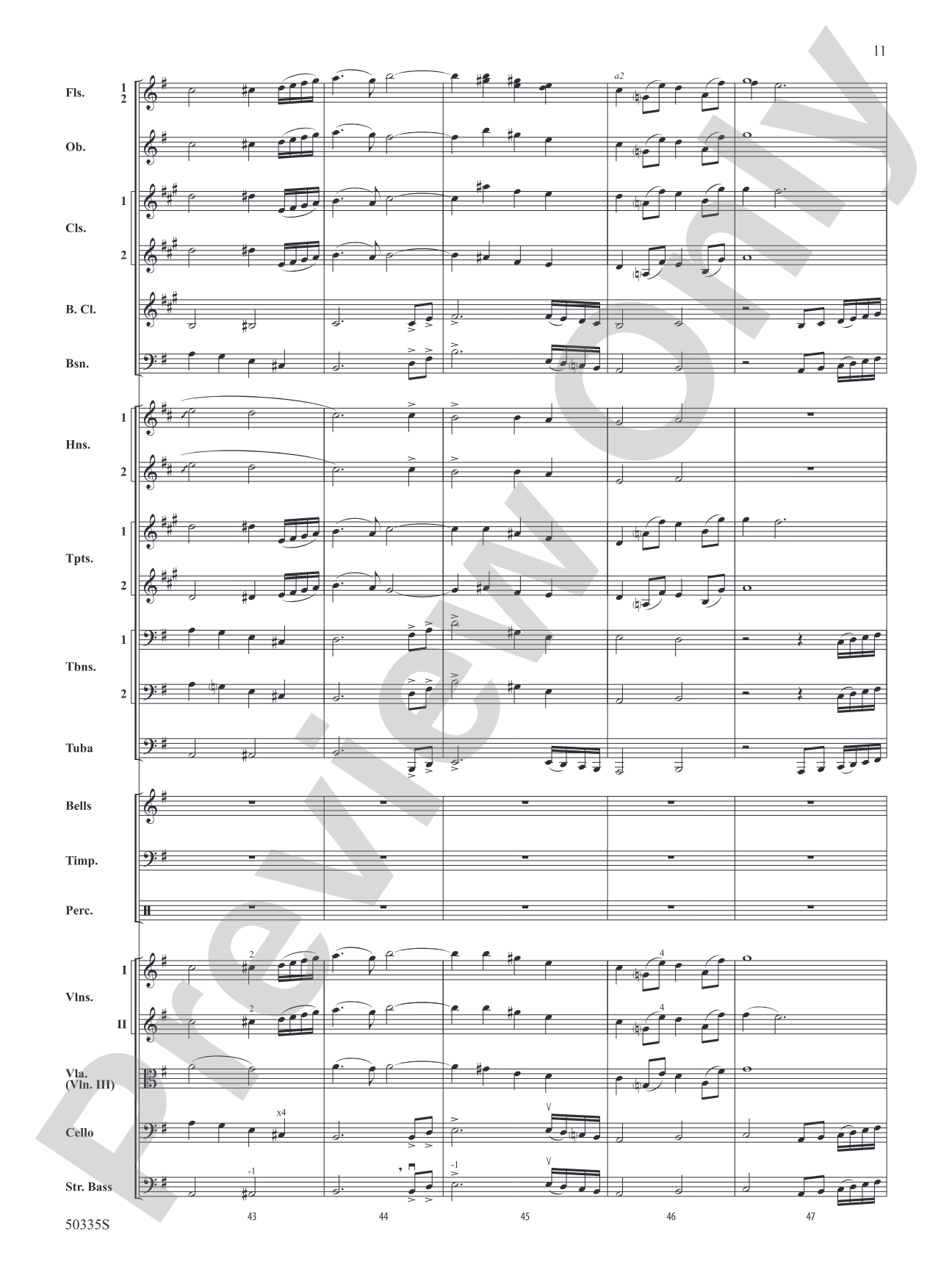
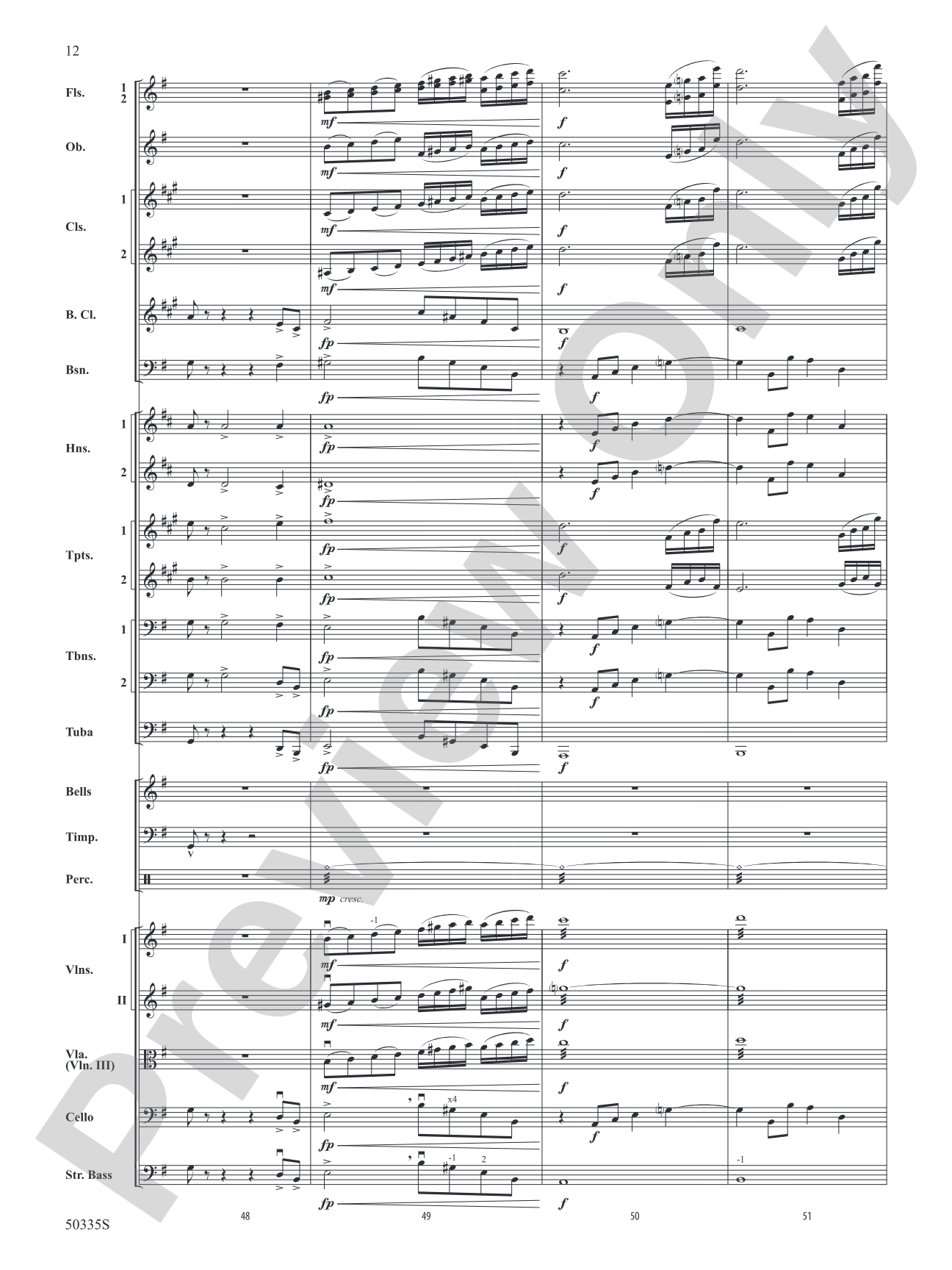
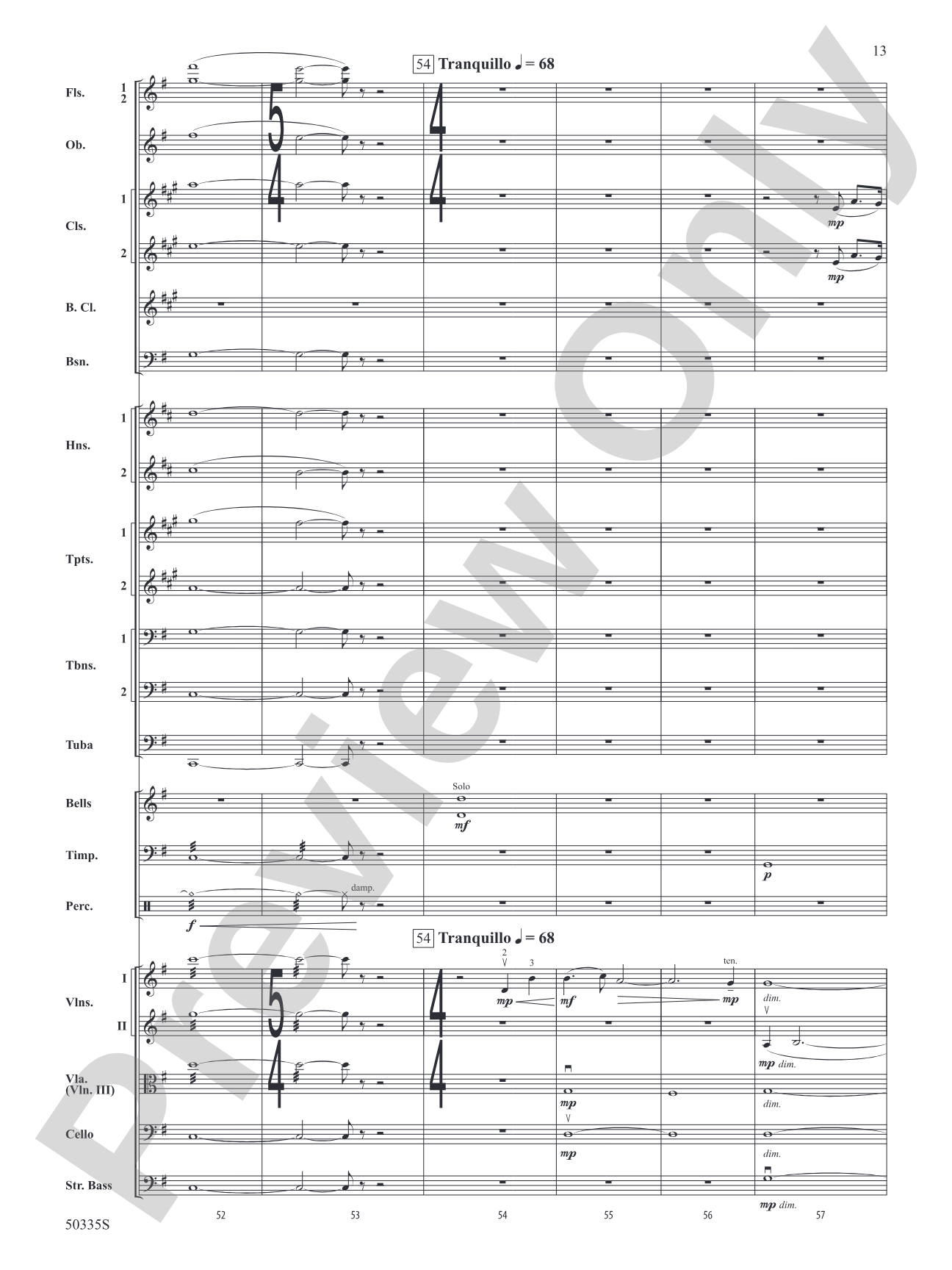
An original composition for full orchestra by Dan Adams, Hope is a thoughtful and dramatic work meant to evoke a sense of optimism and hopefulness. Sweeping melodic lines and lush harmonies are complemented by exposed playing in the upper woodwinds. A sense of hope often arises from conflict and tension, and this is exemplified in the composition as dissonance resolves to feelings of repose. The drama and passion of the piece are realized through sustained legato playing and attention to dynamic range.


Hope: Full Orchestra Conductor Score & Parts isn't in MakeMusic Cloud just yet...but it could be. Let us know you'd like to see it, and you'll help shape what comes next. In the meantime, start a free trial and dive into thousands of interactive titles your students can play along with today.
Request This Title
Tell us you want it.
Start Your Free Trial
Explore everything that's ready to play right now.
Sample Audio
1
Audio File
--:--
0:00
0:00
Sample Video
Additional Details
Series:
Belwin Concert Full Orchestra
Publisher:
Alfred Music
SKU:
00-PK-0009525
More about this title
About the Composer: Dan Adams

Dan Adams brings three decades of teaching experience to his compositional voice, having directed bands and orchestras in Ohio and Vermont before retiring from Wooster City Schools, where he also served as Instrumental Music Coordinator. His training in trombone and conducting at Ohio State University and Northwestern University (where he studied under John Paynter) shaped a deep understanding of both brass sonority and orchestral balance.
Adams's work has earned recognition at major festivals including The Midwest Band Clinic and Western International Band Clinic, with multiple selections appearing in Bandworld's Top 100 and numerous J.W. Pepper Editors' Choice awards. He remains active in professional organizations including ASCAP and the College Band Directors National Association, and has spent decades as an adjudicator and performing musician.
Why we love this
This score demonstrates how Grade 3 writing can balance accessibility with genuine artistic ambition. Adams constructs real drama through the interplay of tension and resolution rather than relying on bombast, giving your orchestra meaningful expressive work while keeping technical demands manageable across all sections.
What to expect
Hope unfolds with sweeping, singing lines that feel earnest without sentimentality. The piece builds through moments of tension and discord that gradually resolve into passages of calm acceptance, creating an arc that listeners experience as both emotionally honest and ultimately affirming.
Who it's for
Orchestras at the high school and upper middle school level will find an accessible entry point into program music that demands real musical maturity. The Grade 3 scoring ensures that developing string sections and younger wind players can participate fully without overwhelming technical passages.
How to get the most out of it
- Shape the sweeping melodic lines with consistent breath support and legato articulation; encourage players to hear these melodies as singing lines rather than note sequences, especially in the exposed upper woodwind passages.
- Map out the dissonance-to-resolution arc before rehearsals begin so you can help students understand where tension belongs and where it releases; this awareness transforms the piece from pleasant to genuinely moving.
- Balance dynamic contrast carefully through the sustained legato sections; quiet playing needs as much support and control as the dramatic peaks, and the contrast between them drives the emotional arc.
How to use it
Program this as a centerpiece work on a concert that allows it breathing room; it works particularly well on a program that explores emotional storytelling through orchestral music, or as a standalone opening to a second half that sets a reflective tone. The piece's dramatic arc also makes it a strong choice for a spring concert where hope and renewal feel timely.
Skills your students will build
- Shaping extended melodic lines with legato articulation and consistent phrasing
- Balancing ensemble sound through dynamic control and sustaining tone quality
- Recognizing and executing harmonic tension and resolution
- Responding to dissonance as an expressive tool rather than an error
- Ensemble blend in sections featuring exposed upper woodwind writing